1. Introduction
Contemporary structural building design is required to balance architectural, functional, and economic considerations, which has led to the widespread adoption of vertically irregular building configurations, such as setback structures and systems with abrupt stiffness or mass discontinuities [
1,
2,
3,
4]. The literature consistently indicates that these irregularities adversely affect the seismic performance of building structures. Chopra [
5] established that vertical and plan irregularities substantially modify the dynamic properties of structural systems by increasing higher-mode participation and intensifying torsional effects. In particular, structures characterized by setbacks in elevation, which introduce geometric discontinuities, have been shown to disrupt the distribution of seismic demands along the height of the building. This disruption leads to concentrated interstory drifts and plastic deformations at transition levels, even under moderate ground motions [
6,
7,
8]. Subsequent research has demonstrated that vertical irregularities concentrate inelastic deformations, generate asymmetric ductility demands, and introduce unexpected modal coupling, which may trigger both local and global failure mechanisms [
9,
10]. This process accelerates global stiffness degradation and diminishes the system’s load-carrying capacity. Nonlinear analyses, such as those conducted by Karavasilis et al. [
11], indicate that stiffness irregularities have a more detrimental effect on seismic response than mass irregularities, particularly in the inelastic range. These effects manifest as intensified modal coupling, increased higher-mode participation, and reduced effectiveness of global energy-dissipation mechanisms. These observations highlight the need for mitigation strategies specifically designed for this class of structural systems.
For several decades, passive control systems have received significant attention as effective solutions for mitigating adverse seismic effects in irregular structures, owing to their simplicity, reliability, and independence from external power sources [
12,
13]. Among these systems, tuned liquid dampers (TLDs) dissipate energy through fluid sloshing, thereby modifying the dynamic characteristics of the primary structure. TLDs offer several notable advantages for practical implementation in buildings, including the absence of mechanical moving parts, minimal maintenance requirements, and operational independence from mechanical components. These features render TLDs less sensitive to minimum excitation thresholds and enhance their reliability under a wide range of loading conditions [
14]. The concept of TLDs was originally introduced by Froude for ship stabilization and was later adapted for civil engineering applications [
15]. Konar et al. [
16] reviewed the state of the art in passive tuned liquid dampers, highlighting developments in enhanced damping efficiency, volumetric optimization, architectural adaptability, and the expansion of TLD configurations for diverse structural systems. Similar to other classical inertial devices, such as tuned mass dampers (TMDs), TLDs exhibit inherent limitations. These devices are sensitive to variations in design parameters and are highly dependent on the frequency content of seismic excitation. Their performance can decrease significantly under impulsive loading or when detuning occurs, which refers to a mismatch between the device’s tuning frequency and changes in the structural response. Although TLDs generally demonstrate greater robustness compared with TMDs, this issue persists under broadband or non-stationary seismic inputs [
17,
18,
19,
20]. Recent studies have investigated inerter-based configurations, as well as semi-active [
21,
22] and active liquid damping systems [
23], to expand control bandwidth and enhance adaptability in complex seismic scenarios.
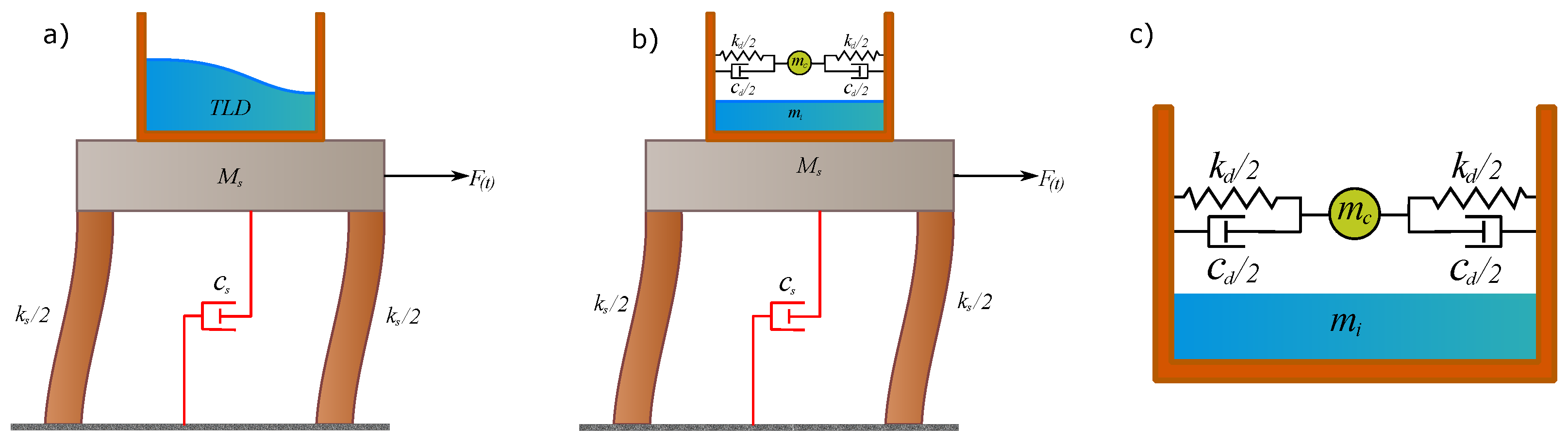
One of the main challenges associated with the use of TLDs for seismic protection concerns the definition of an appropriate finite element modeling strategy for structural analysis. In this regard, the theoretical framework for TLD modeling has evolved through several methodological approaches. High-fidelity methods, including Computational Fluid Dynamics [
24,
25,
26,
27] and Smoothed Particle Hydrodynamics formulations [
28,
29,
30,
31], provide accurate representations of complex fluid behavior, such as nonlinear sloshing and wave-breaking phenomena. Despite their accuracy, the high computational cost of these approaches limits their applicability in extensive parametric studies and optimization tasks. As a result, simplified rheological models are commonly preferred for preliminary design and optimization-oriented analyses. Notably, the two-degree-of-freedom lumped-mass mechanical analog introduced by Housner [
32] has been particularly influential, as it effectively captures the dominant sloshing dynamics through an equivalent mass–spring–damper system. This model, together with subsequent enhancements (e.g., Yu et al. [
33]), provides a favorable compromise between accuracy and computational efficiency and has been widely implemented in structural analysis platforms such as OpenSees for performance-based evaluations. These studies demonstrate that simplified formulations can reproduce the primary resonant characteristics of sloshing motion with sufficient accuracy for engineering applications. This practical basis for TLD modeling has been further validated by a body of experimental and numerical investigations, which consistently show that these devices effectively reduce peak floor accelerations and interstory drift demands under seismic excitation [
34,
35]. Building upon these fundamental validations, recent advances have shifted toward integrated computational frameworks. By combining analytical, numerical, and data-driven approaches, these hybrid methodologies offer enhanced precision in predicting structural performance and optimizing TLD implementation [
36,
37,
38].
Another important challenge concerns the procedure used to define the characteristic parameters of passive control systems. In this context, the formulation of optimization problems for parameter selection has received increasing attention in recent years, driven by the need to fully exploit their vibration-mitigation potential and supported by advances in computational resources and efficient metaheuristic algorithms. Representative metaheuristic-based optimization studies in structural control focusing on mass-based inertial tuned dampers [
39,
40,
41,
42,
43,
44,
45,
46,
47,
48] have demonstrated the effectiveness of global optimization strategies in addressing non-convex and multimodal design spaces. Nevertheless, the body of literature devoted to optimizing TLD parameters remains relatively limited. Ocak et al. [
49] evaluated the performance of several metaheuristic optimization algorithms for tuning liquid damper parameters, reporting substantial reductions in seismic displacement and acceleration demands in regular structural configurations. In a related study, Ahadi et al. [
50] examined a hybrid seismic control system integrating base isolation and tuned liquid dampers, using Genetic Algorithms to optimize isolation and damper properties under structural uncertainty; this approach achieved significant reductions in base displacement for conventionally regular structures. More recently, Salaas et al. [
51] employed the Jaya algorithm to jointly optimize base isolation and tuned liquid column damper parameters, confirming improved seismic response control in a benchmark high-rise regular building subjected to multiple recorded ground motions. Although previous studies have addressed TLD optimization, systematic comparisons of objective functions in vertically irregular setback frames remain limited.
The successful solution of an optimization problem requires an appropriate definition of the objective function. In the context of seismic protection systems, optimal parameters are primarily determined based on the reduction in selected structural response quantities. Previous studies have generally classified objective functions according to the adopted response metrics, such as root mean square (RMS) measures of displacement and acceleration, often complemented by drift-related indicators [
51,
52,
53,
54]. Other investigations have focused on peak-response criteria, including maximum roof displacement, interstory drift ratios, and peak floor accelerations [
55,
56,
57]. Frequency-domain formulations have also been employed to characterize system-level dynamic performance, typically using
norms to quantify global energy amplification and
norms to constrain worst-case response levels [
20,
58,
59,
60]. Additionally, optimization problems may be formulated by explicitly considering the initial cost of the control system [
61] and the expected cost associated with seismic damage [
62]. However, the influence of the selected objective function on the optimization of seismic protection system parameters has not been systematically investigated. This study is framed as a systematic comparison of planar steel moment-resisting frames with vertical geometric irregularities of the setback type equipped with tuned liquid dampers, with particular attention to the role of the objective formulation in shaping the optimized response.
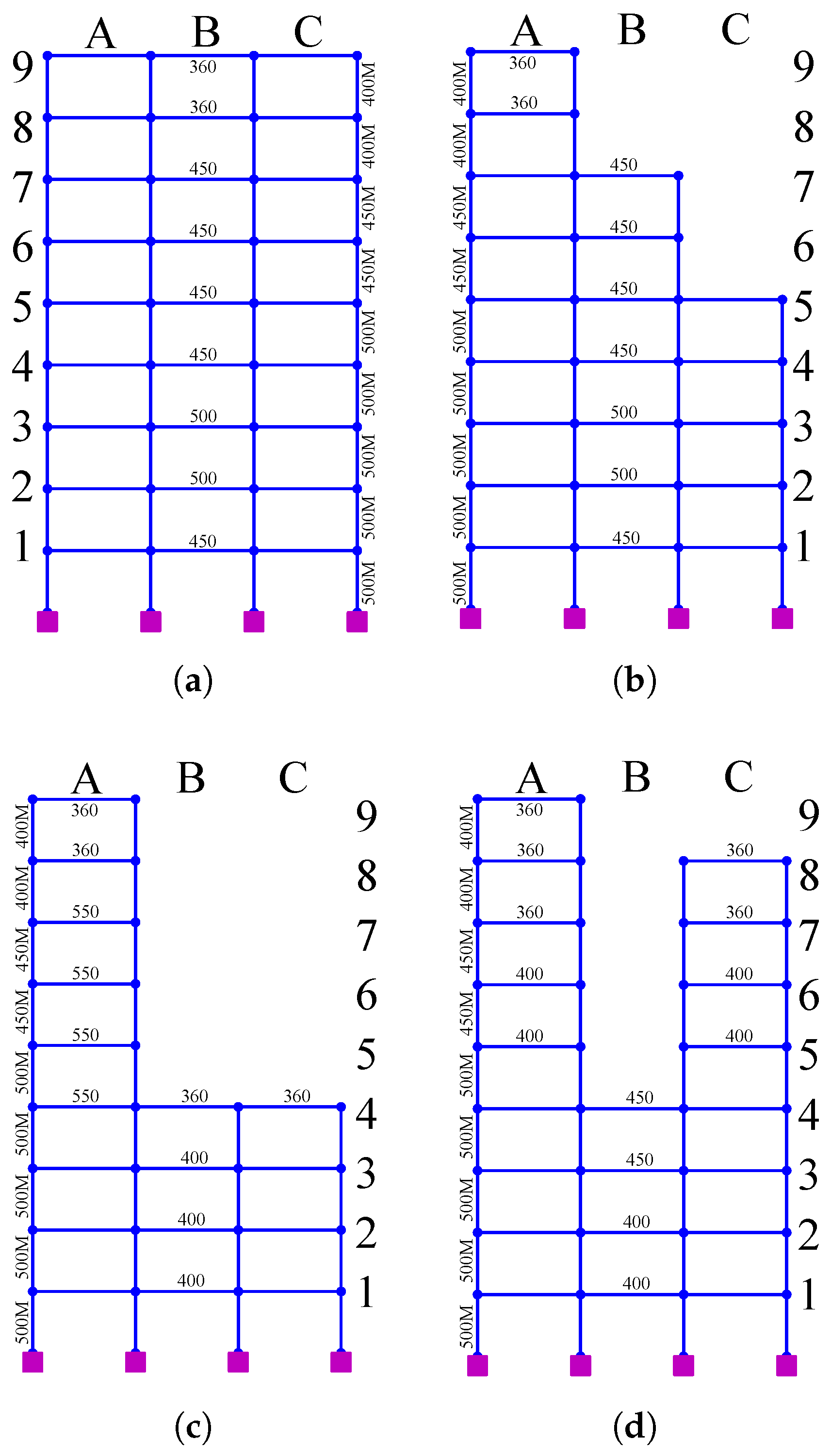
Thus, this study investigates the influence of performance-based objective-function formulations on the seismic optimization of a single tuned liquid damper (TLD) in planar steel moment-resisting frames with vertical geometric irregularities of the setback type. The structures analyzed consist of steel frames designed to satisfy the high seismic demand conditions of Armenia, Colombia, in accordance with the NSR-10 provisions [
63], which are consistent with recent regional seismic risk assessments [
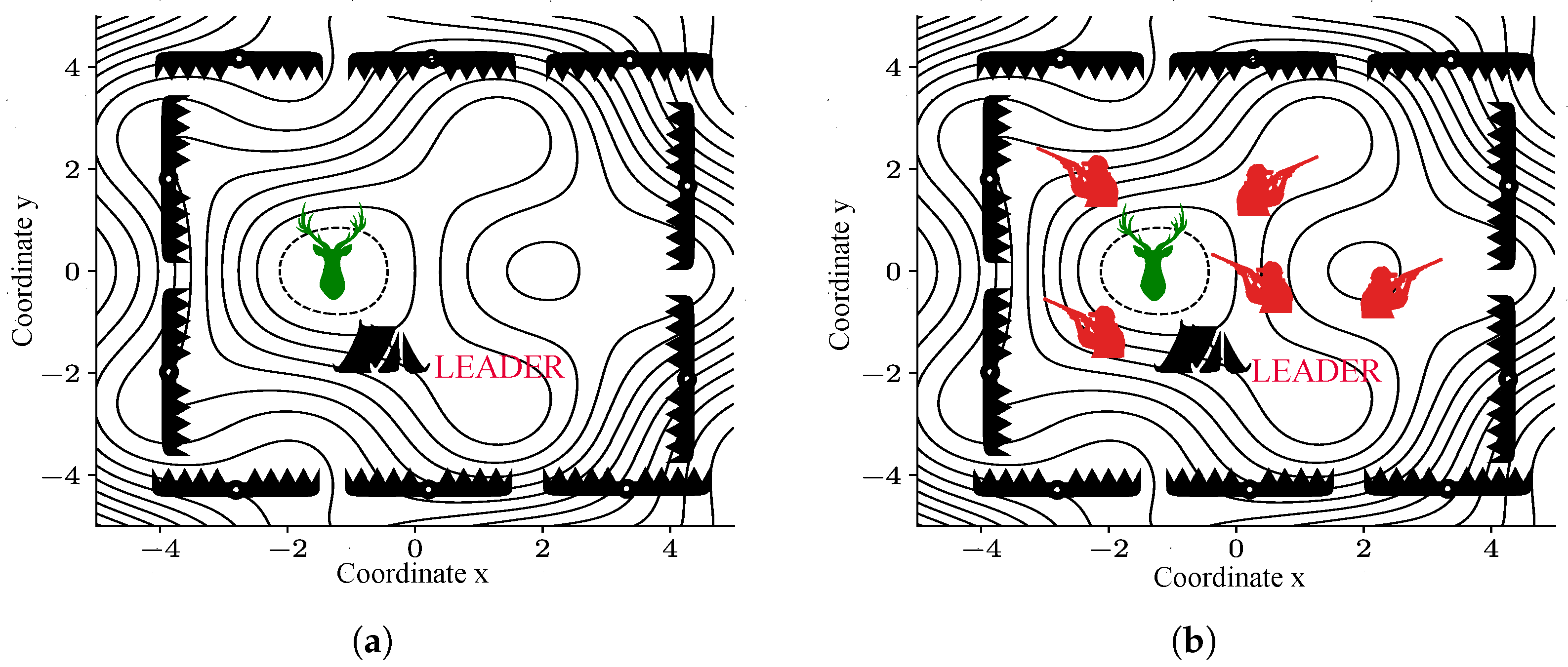
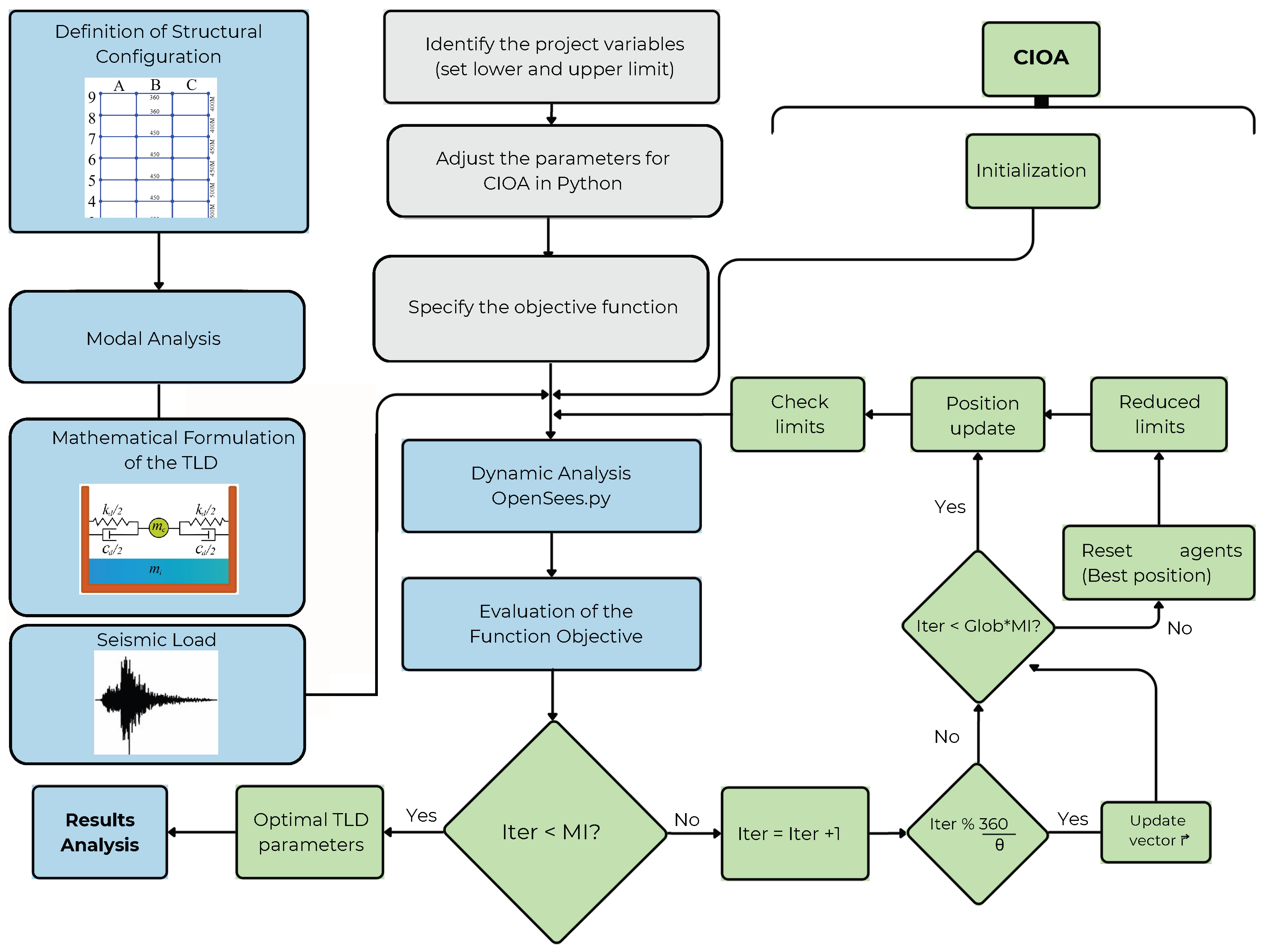
64]. Numerical models are developed in OpenSees, and the TLD behavior is represented using a computationally efficient mechanical analog based on Housner’s classical sloshing model. The design variables are the optimal tuning parameters and the installation level (position), which are identified using the Circle-Inspired Optimization Algorithm (CIOA) [
65], and structural performance is evaluated through linear time-history analyses. The principal contributions of this study are summarized as follows:
A systematic evaluation of the impact of performance-based objective-function formulations on the optimal design and seismic effectiveness of tuned liquid dampers in steel moment-resisting frames with vertical setback irregularities.
The application of the CIOA to the seismic optimization of TLDs in irregular steel frames, demonstrating its robustness, convergence stability, and ability to address high-dimensional and constrained design spaces.
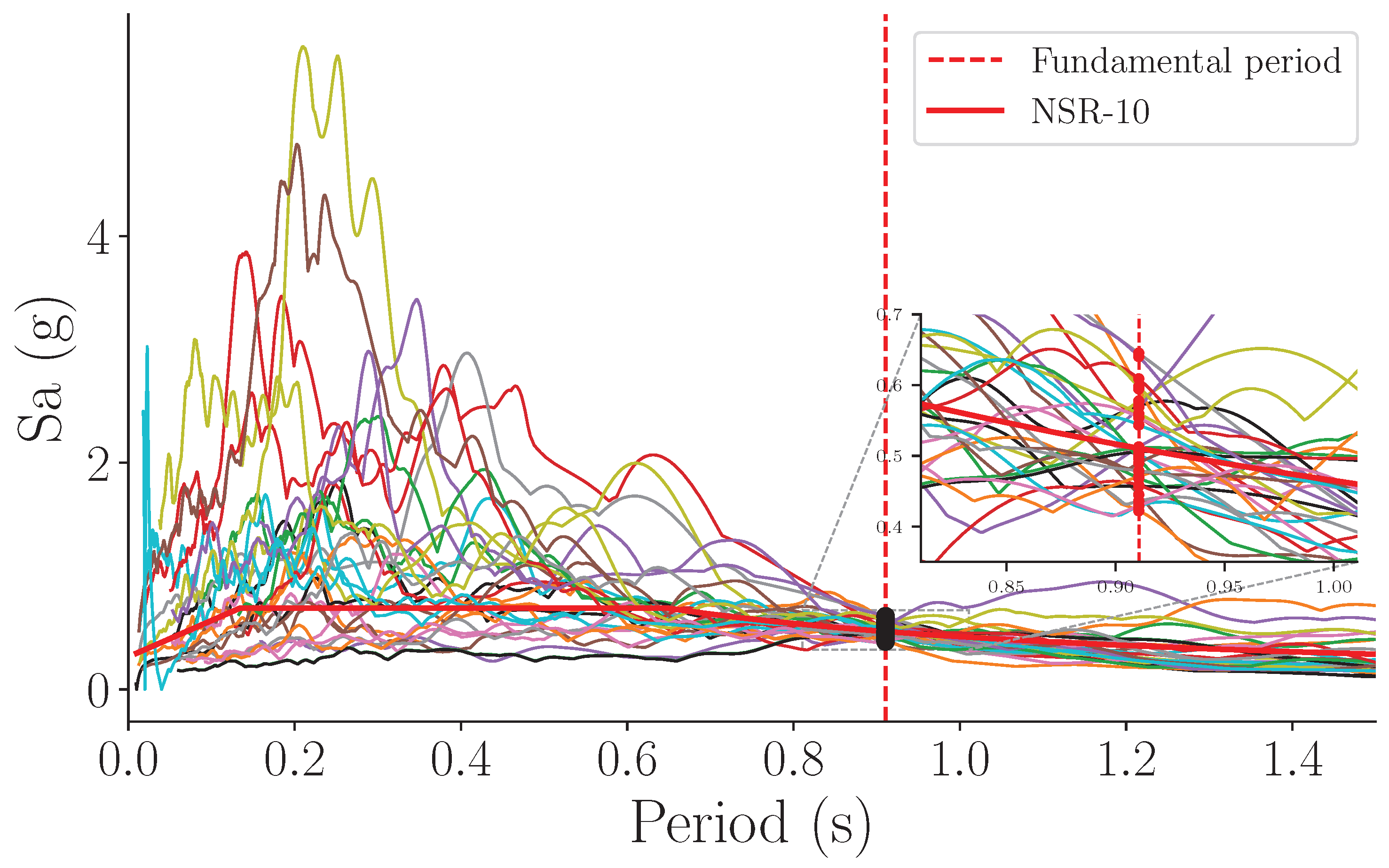
An optimization framework that integrates linear time-history analysis with spectrum-compatible ground motions, consistent with the seismic hazard of Armenia, Colombia, as specified by the NSR-10 provisions, enabling realistic and site-specific performance assessments.
3. Formulating the Optimization Problem
Formulating a structural optimization problem requires the careful definition of objective functions, design variables, and constraints. This study aims to determine the characteristics (position and parameters) of the TLD that achieve the greatest reduction in the seismic response of regular and irregular steel frames. The optimization problem is formulated to minimize seven objective functions
that directly characterize the structural response under seismic excitation, including global displacements, floor accelerations, interstory deformations, and overall vibrational energy. Each objective function targets a distinct aspect of the dynamic behavior, thereby enabling a comprehensive, performance-based evaluation of the effectiveness of TLD control strategies in irregular steel frames. This approach adopts the classical optimization framework introduced by Arora [
79], which is widely used in the dynamic optimization of passive control systems [
42,
43,
45].
The general optimization problem takes the following form:
where
denotes the vector of design variables
. For TLDs, the mass ratio between the device and the primary structure (
), the tuning frequency ratio (
), and the tank depth ratio (
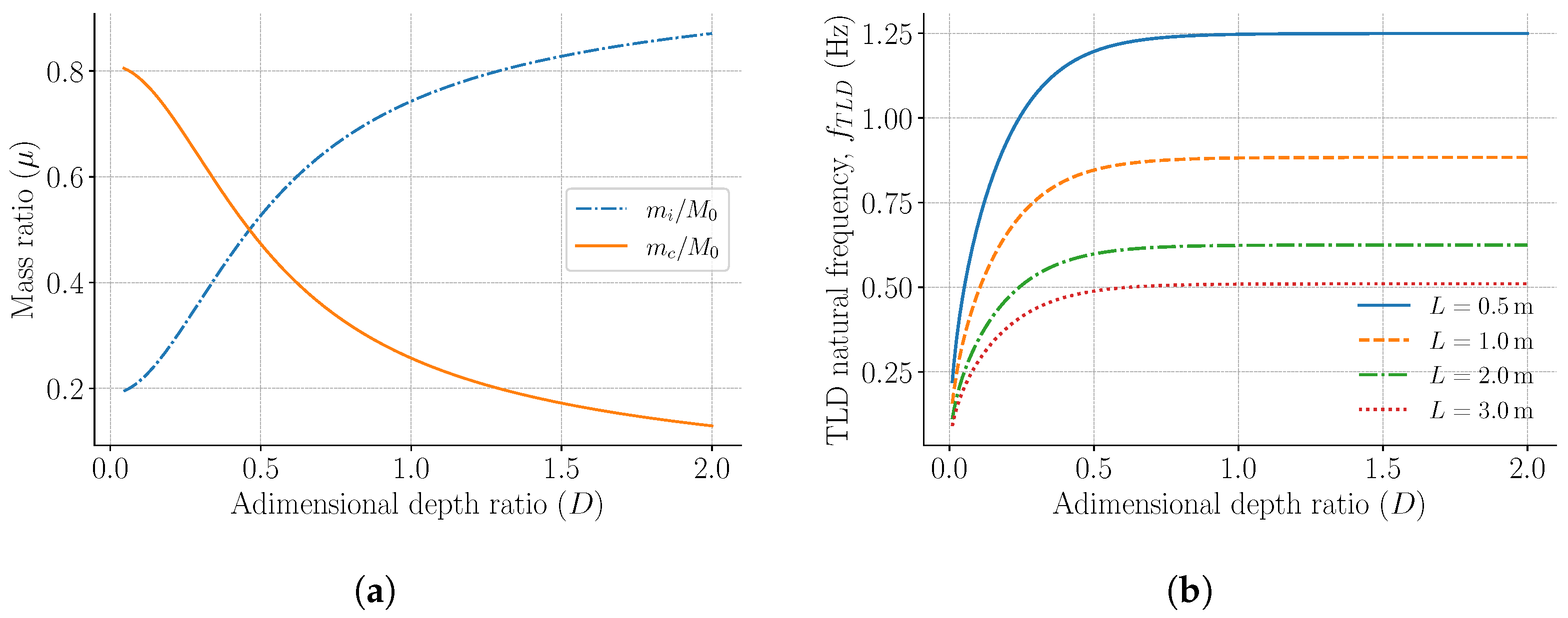
D) are identified as the most influential parameters governing vibration mitigation efficiency.
represents the physical and geometric
m constraints associated with TLD feasibility. In addition to these intrinsic TLD parameters, the positions of the devices along the structural height (
) are also considered as design variables in this study. This approach allows the optimization process to determine configurations that improve seismic response mitigation and promote efficient device distribution. These considerations are especially important for vertically irregular structures. The following section describes the seven objective functions evaluated in this study.
Table 1 summarizes the objective functions considered in this study, along with their mathematical definitions and physical interpretations. Each objective function is normalized using appropriate reference values to ensure consistent comparison across the different optimization scenarios. The objective-function value is computed as the mean response across the set of considered seismic records, thereby ensuring statistical representativeness. Employing multiple objective functions further reduces sensitivity to individual performance metrics and enhances the robustness of the optimal solutions with respect to record-to-record seismic variability. To the best of the authors’ knowledge, no studies reported in the literature have explicitly investigated the role of the objective function in the optimization of TLDs.
Time-domain objectives ( and ), based on the root-mean-square (RMS) values of the roof displacement and roof acceleration , respectively, are adopted to quantify the average dynamic response over the duration of the ground-motion records. Here, and denote the roof displacement and acceleration at the i-th time step, and N represents the total number of discrete time samples in the seismic record. These indicators capture sustained vibration levels and cumulative energy dissipation more effectively than isolated peak responses. To explicitly address damage-related mechanisms, the maximum interstory displacement is also considered (), as it is directly associated with structural integrity and serviceability, particularly in vertically irregular configurations where deformation demands tend to concentrate.
To balance global and local performance requirements, hybrid objective functions ( and ) are introduced by combining normalized peak roof displacement or acceleration with the maximum interstory drift ratio, using reference values from the uncontrolled structure. The normalization ensures dimensional consistency and facilitates direct comparison among competing criteria. In this study, a weighting factor of is adopted, prioritizing global response mitigation while maintaining sensitivity to drift concentration effects.
In addition, frequency-domain objective functions based on the and norms are employed to assess structural performance from a control-oriented perspective. The norm reflects the mean vibrational energy under stochastic excitation, whereas the norm constrains the worst-case dynamic amplification over the frequency spectrum. A key advantage of these metrics is that they do not require nonlinear time-history analyses, thereby significantly reducing the computational cost. Together, these metrics complement the time-domain objectives and provide additional insight into the robustness and stability of the optimized solutions.
Vazquez-Greciano et al. [
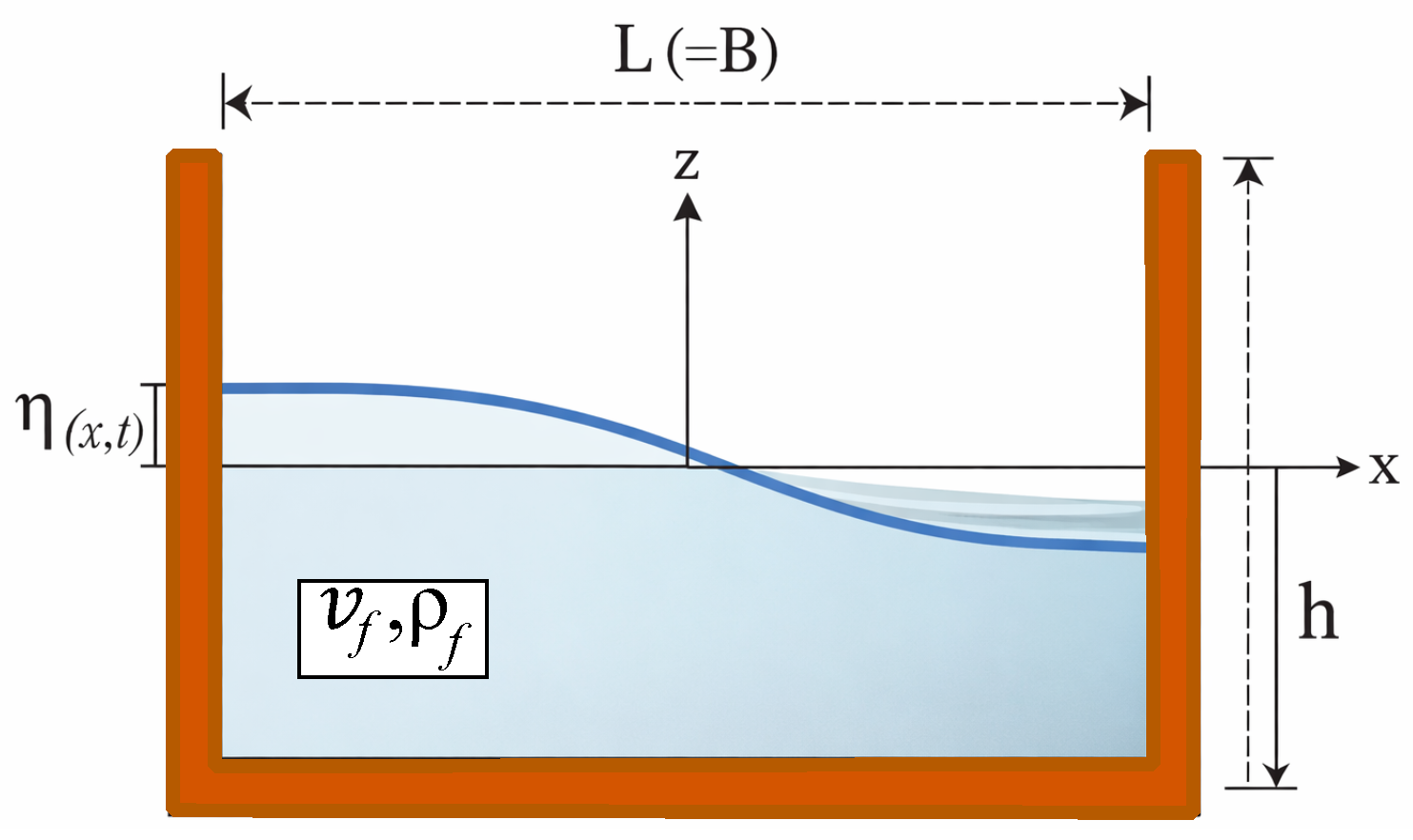
14] classify tanks as shallow when
and deep when
. For deep tanks, previous studies have shown that nonlinear sloshing effects are negligible, thereby supporting the use of linearized mechanical analogs in optimization analyzes [
80]. In which dominant modal characteristics strongly influence the optimal placement of control devices [
30].
The next aspect to be defined is the selection of a numerical solver for the optimization problem. The search space generated by the objective functions listed in
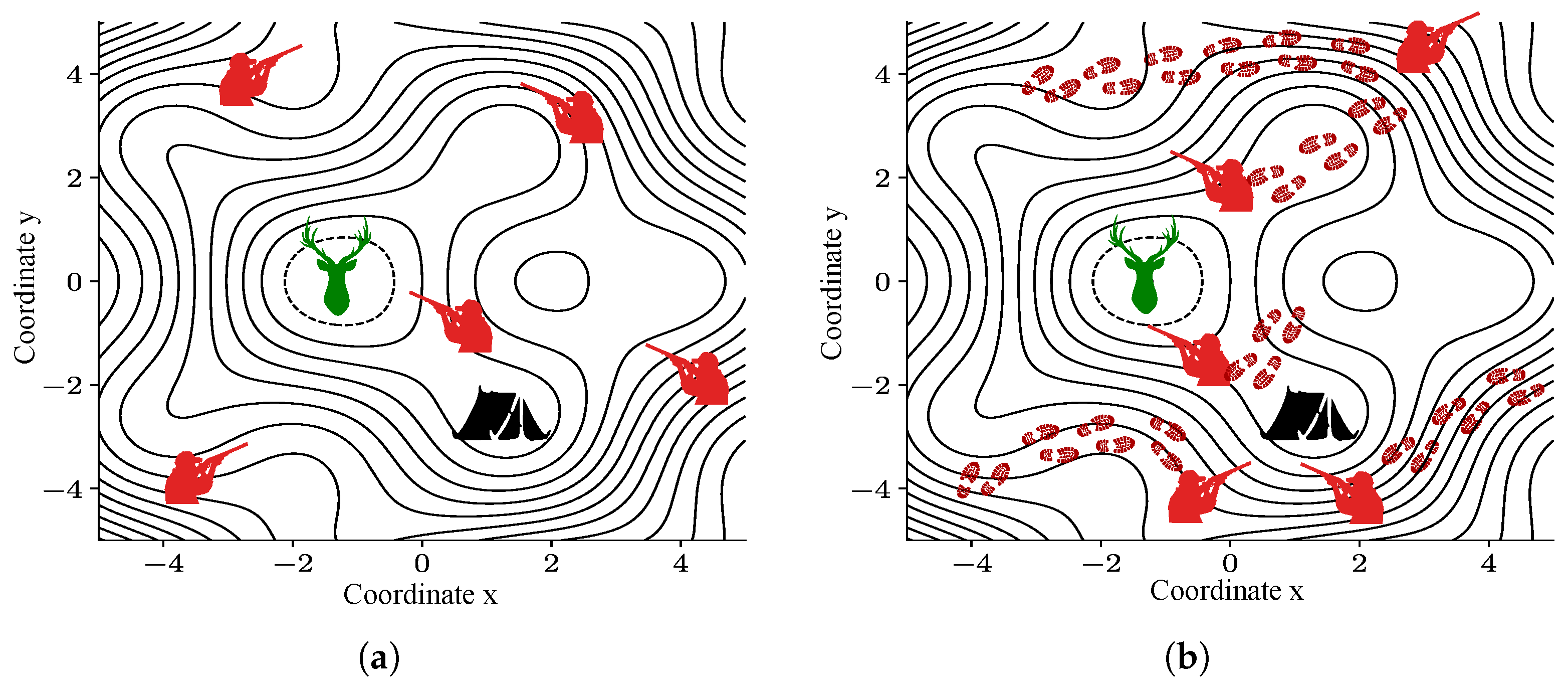
Table 1 is characterized by a high level of complexity. In this context, metaheuristic algorithms constitute a feasible alternative for solving the problem, as they are computationally efficient, derivative-free, and flexible, with the potential for enhanced convergence through the incorporation of problem-specific knowledge. In this study, a recently developed metaheuristic is selected, as described in the following section.
6. Results and Discussions
6.1. Optimization Results for Different Objective Functions
This section examines the optimal TLD configurations found by the CIOA in
Section 4 for each structural model (IR0–IR3) and objective function, as summarized in
Table 3. The discussion focuses on recurring trends and their physical interpretation, rather than on individual numerical values. The reported optimal parameters pertain to a single-device control strategy. These trends may differ in more complex configurations that involve multiple or distributed devices, particularly in irregular frames where higher-mode effects and localized demands are more significant.
The range of optimal values obtained for the tuning ratio
spans from 0.927 to 3.000, as reported in
Table 3. Values close to unity are commonly observed for displacement- and drift-oriented objective functions, confirming the effectiveness of near-resonant tuning with the fundamental structural mode. In contrast, acceleration-driven objectives result in higher tuning ratios (
), especially in irregular configurations. Implementation of the auxiliary system shifts the interaction from the fundamental mode to higher-frequency ranges, where acceleration peaks are concentrated. This shift facilitates the interception of energy linked to higher-mode participation and local dynamic amplification, which is more significant in vertically irregular frames. Consequently, this approach aligns with a spectral-response control strategy. However, for objective functions
and
, the highest values of
are obtained for the original (regular) structure.
The second design variable reported in
Table 3 is the mass ratio
, which exhibits considerable variability. The optimal values obtained for the different structural models range from
to
and are strongly influenced by both the selected objective function and the degree of vertical irregularity. Objective functions based on acceleration metrics (
and
) generally favor higher mass ratios, frequently converging to the imposed upper bound (
), particularly for the irregular configurations IR1 and IR2. This tendency reflects the concentration of seismic demands induced by geometric irregularities, which benefit from the stronger inertial response provided by the TLD system. In contrast, frequency-domain–oriented objectives, such as the
-based criterion (
), consistently lead to lower mass ratios, indicating that constraining peak dynamic amplification does not necessarily require large auxiliary masses.
A consistent observation across all structures and for most objective functions is the predominance of a depth ratio
. Notably, this value is physically meaningful, as it marks the threshold at which the convective liquid mass exceeds the impulsive component. As the convective mass increases, the inertial contribution of the TLD is enhanced, improving its capacity to absorb and redistribute seismic energy through sloshing. Consequently, the observed convergence toward D = 0.15 suggests that maximizing convective mass participation is a governing factor for effective vibration mitigation under the considered conditions [
87].
Deviations from this trend, such as and ) for the objective functions and , highlight how sensitive the optimal configuration is to both the objective function and the structure’s properties. These cases are mainly linked to acceleration-based criteria. Here, the control mechanism responds to higher-frequency content and the impulsive component’s influence. In such situations, the optimizer usually chooses larger D, values to balance the impulsive mass with the damping properties. When the control objective is acceleration mitigation, the TLD must address higher-frequency structural responses. This requires recalibrating the depth ratio to ensure enough inertial resistance to fast transient peaks.
One of the aspects analyzed in this research was the definition of the TLD location, as the geometrical configuration of the buildings requires an adequate selection. In this sense, the optimal TLD locations identified by the CIOA, denoted by
, exhibit physically consistent patterns, as observed in
Table 3. For the regular structure (IR0), the algorithm predominantly places the devices near the upper stories, where modal displacements are greatest. As the degree of vertical irregularity increases, the optimal placement shifts downward, particularly in IR2 and IR3, corresponding to regions of stiffness and mass discontinuity where seismic demands tend to concentrate. This result highlights the need to treat TLD placement as a key design variable, especially in irregular structures where conventional top-story installation may be less effective.
In summary, the optimization results establish a coherent and physically consistent design space. The observed convergence toward moderate depth ratios, near-resonant tuning, and demand-driven mass allocation indicates that the CIOA effectively identifies parameter combinations that exploit the inertial and dissipative mechanisms of TLDs. Additionally, the sensitivity of the optimal solutions to both structural irregularity and objective function selection highlights the necessity of performance-oriented optimization strategies rather than fixed or heuristic tuning approaches.
6.2. Effects of the Selected Objective Functions on the Structural Response
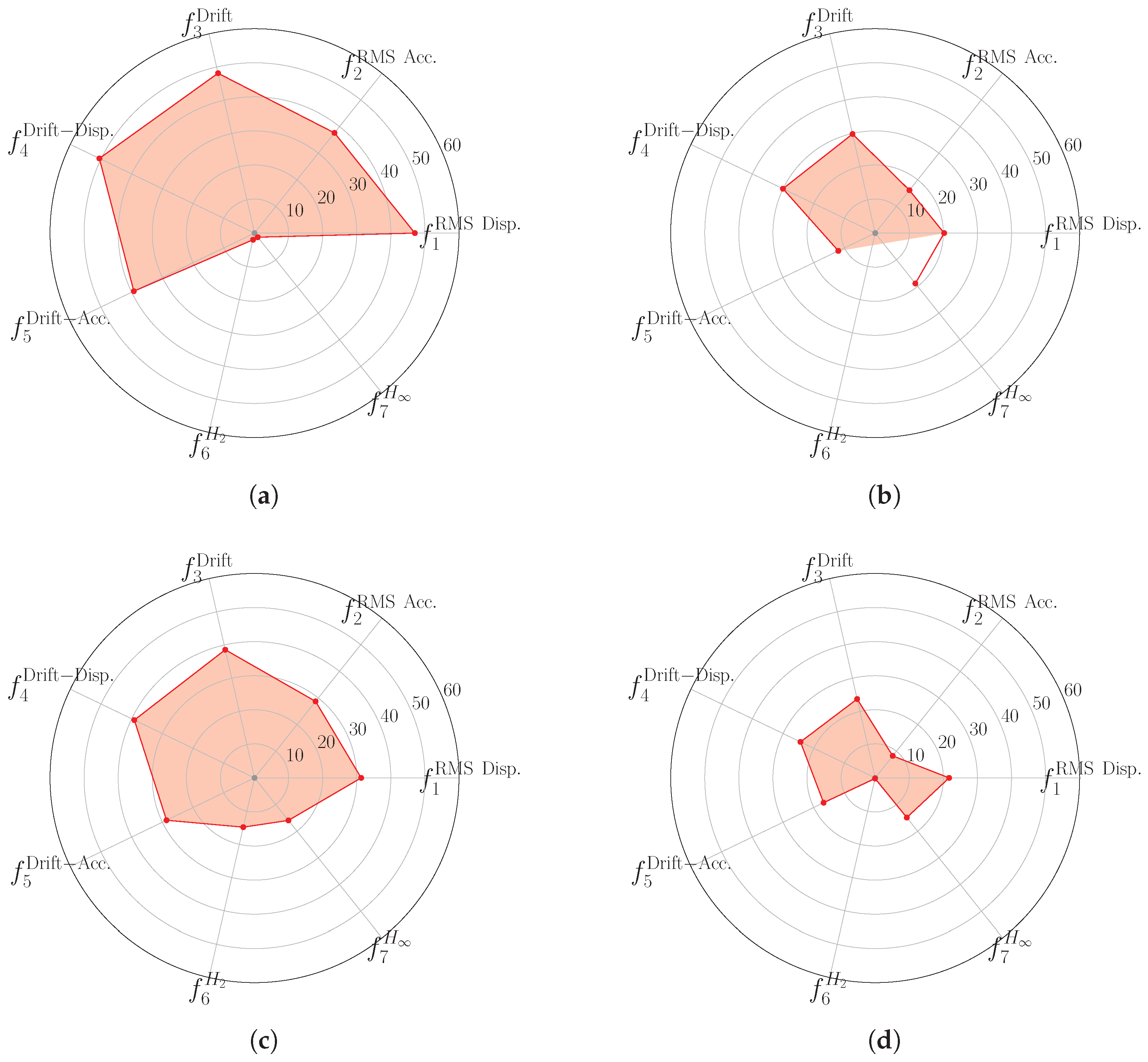
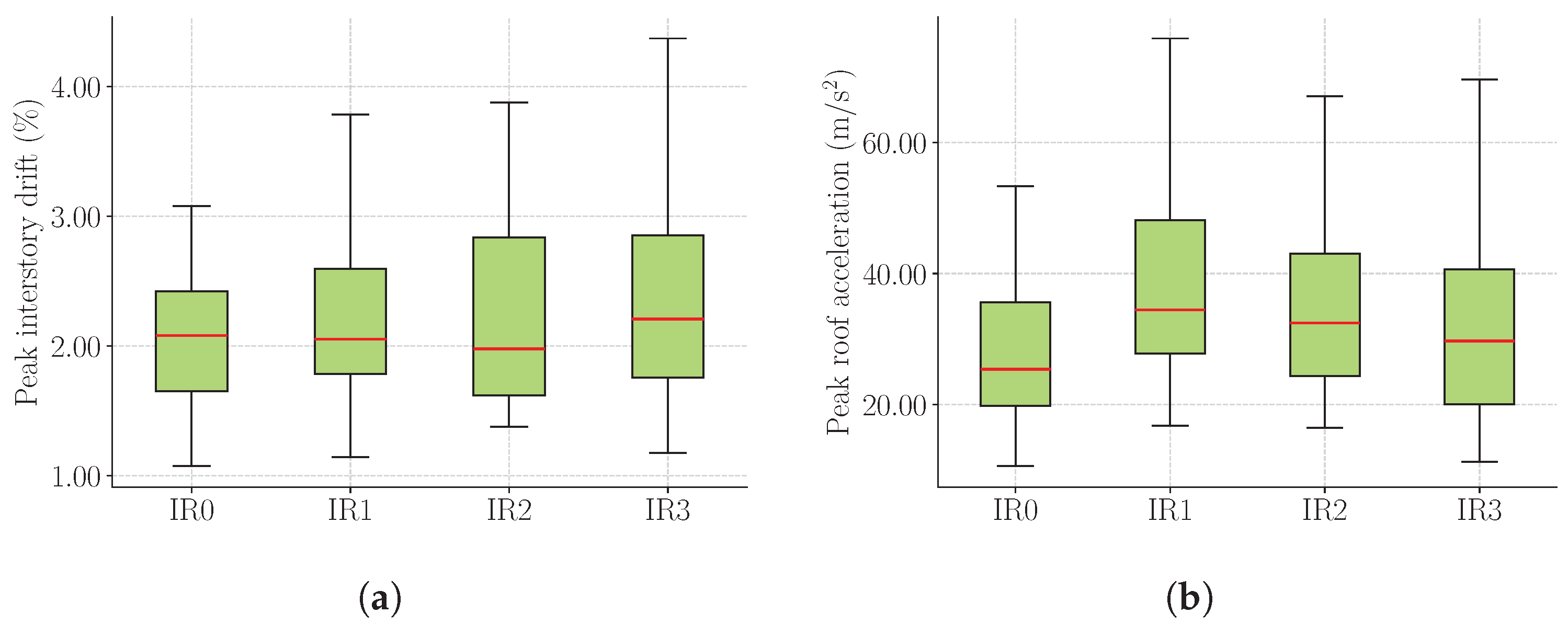
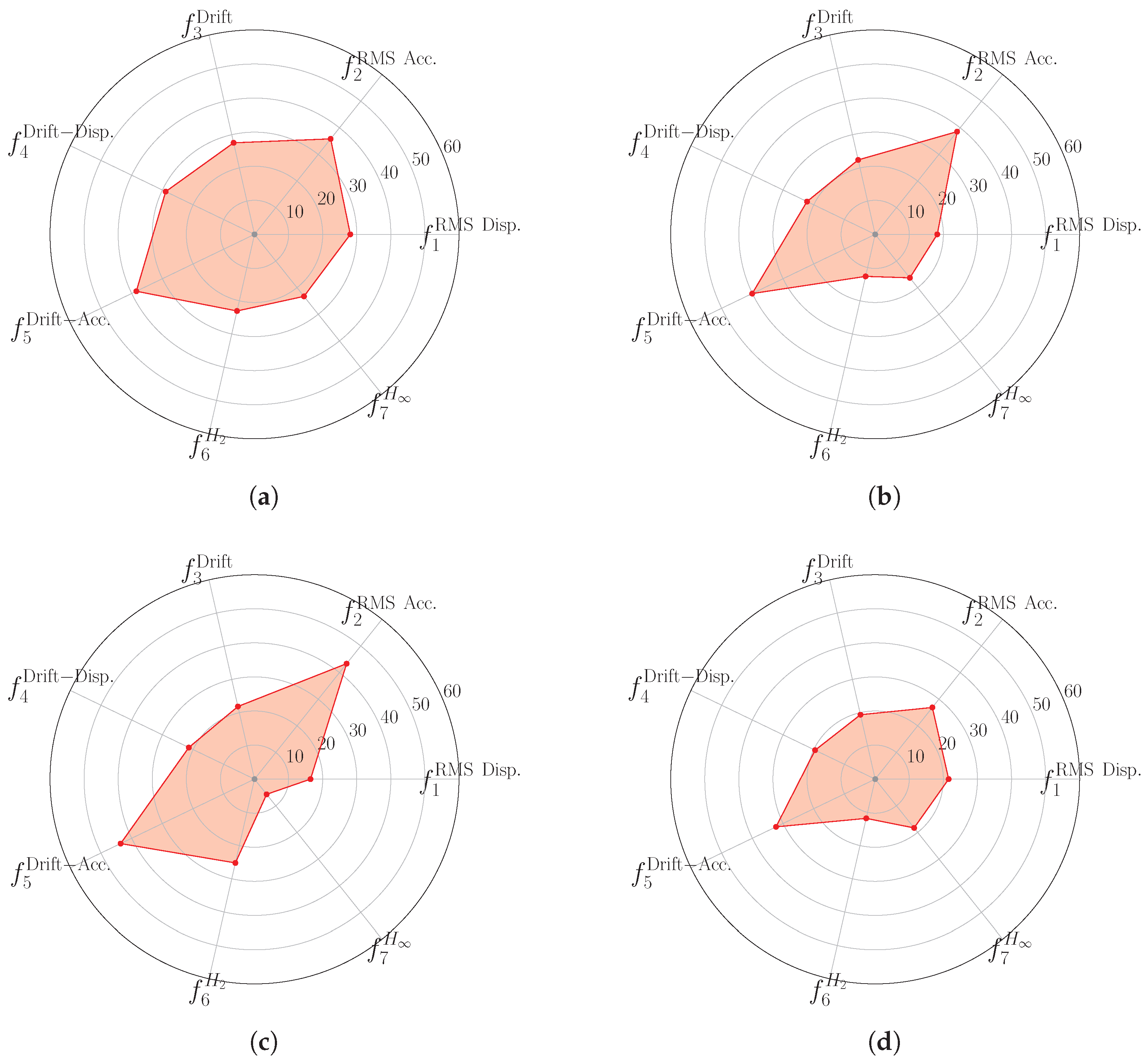
To present the effects of the selected objective functions on the structural response under earthquakes of the buildings with the optimized TLDs, radar plots were employed to compare the seismic responses of each structural configuration in terms of maximum displacement, maximum acceleration, and interstory drift ratio. These graphical representations enable a clear and intuitive assessment of the relative effectiveness of the selected objective functions in improving dynamic performance and controlling seismic response, within the adopted linear-elastic modeling framework. It is worth mentioning that one optimal TLD configuration was obtained for each objective function. The results presented in this section were obtained by carrying out a time-history response analysis for the set of earthquake records defined in
Section 5.2.
6.2.1. Maximum Roof Displacements
The comparative displacement performance achieved after TLD optimization for all analyzed configurations is illustrated in
Figure 10. The radar plots indicate a consistent reduction in displacement-related response metrics across all configurations following TLD optimization. The regular reference configuration (IR0) exhibits the most incredible sensitivity to the optimized TLD, resulting in the most significant and uniform reductions in displacement demand. The IR2 configuration demonstrates significant enhancements in displacement-related indicators, which suggests a strong interaction between the optimized TLD and the overall dynamic response. Although the other irregular configurations also benefit from the optimization process, their relative improvements are less substantial because of vertical geometric irregularities. Within these configurations, the highest performance is consistently linked to the objective functions
,
, and
, which more accurately assess the controlled response because key displacement-related parameters, such as interstory drift measures and RMS displacement amplitudes, govern them.
For the IR0 configuration, the optimized TLD leads to a significant and relatively uniform reduction in displacement-related response metrics across most objective functions, while exhibiting limited sensitivity to and , indicating that frequency-domain–oriented criteria have a reduced influence on the displacement response of the regular structure. In the IR1 configuration, the optimized TLD produces significant improvements in the objective functions and , indicating a reduction in displacement concentrations associated with upper-story setbacks. The value of is not displayed in the corresponding radar plot because the optimization yielded a negative value (), which lies outside the admissible range for radial representations. This outcome indicates that the corresponding objective function performs worse than the uncontrolled structural case, reflecting a degradation of structural response induced by the adopted control strategy. Consequently, this result should be interpreted as an adverse effect of the selected objective function rather than as an effective enhancement of seismic performance. For the IR2 configuration, the most significant improvement is observed in , underscoring the effectiveness of the optimized TLD in simultaneously controlling displacement and interstory drift demands, which are characteristic of slender structural systems. The response exhibits a marked reduction in displacement amplification with height, together with a decrease in interstory deformation, explaining the strong sensitivity of this configuration to the optimization process. The IR3 configuration exhibits lower levels of improvement compared with the other configurations, as reflected by moderate reductions across the evaluated objective functions. Nevertheless, the response remains consistently dominated by , , and , which continue to exhibit the most favorable performance among the considered metrics.
6.2.2. Maximum Story Accelerations
Figure 11 presents radar plots illustrating acceleration-related performance metrics obtained after TLD optimization. In contrast to the displacement-based results, the response trends observed in these plots are primarily governed by objective functions explicitly formulated to control acceleration demand. The optimized TLD results in a pronounced reduction in acceleration-related objective functions, indicating a strong sensitivity of the structural response to acceleration-based optimization. In particular, the improvements observed in
and
confirm the effectiveness of the control strategy in mitigating global inertial effects.
For the IR0 configuration, the structural response shows a relatively uniform sensitivity to the proposed objective functions, with notable improvements in acceleration-oriented criteria ( and ). In the IR1 configuration, acceleration response shows consistent reductions, particularly for objectives based on RMS acceleration measures, indicating that the optimized TLD remains effective in mitigating inertial demands despite vertical geometric discontinuities. The IR2 configuration yields substantial improvements in acceleration-related metrics, indicating a favorable interaction between the optimized TLD and the structure’s global dynamic characteristics, resulting in a significant reduction in acceleration amplification along the height. Conversely, the IR3 configuration shows less pronounced improvements in acceleration-related metrics; however, acceleration-based objectives ( and ) continue to predominate, underscoring their continued relevance even when the overall magnitude of improvement is diminished.
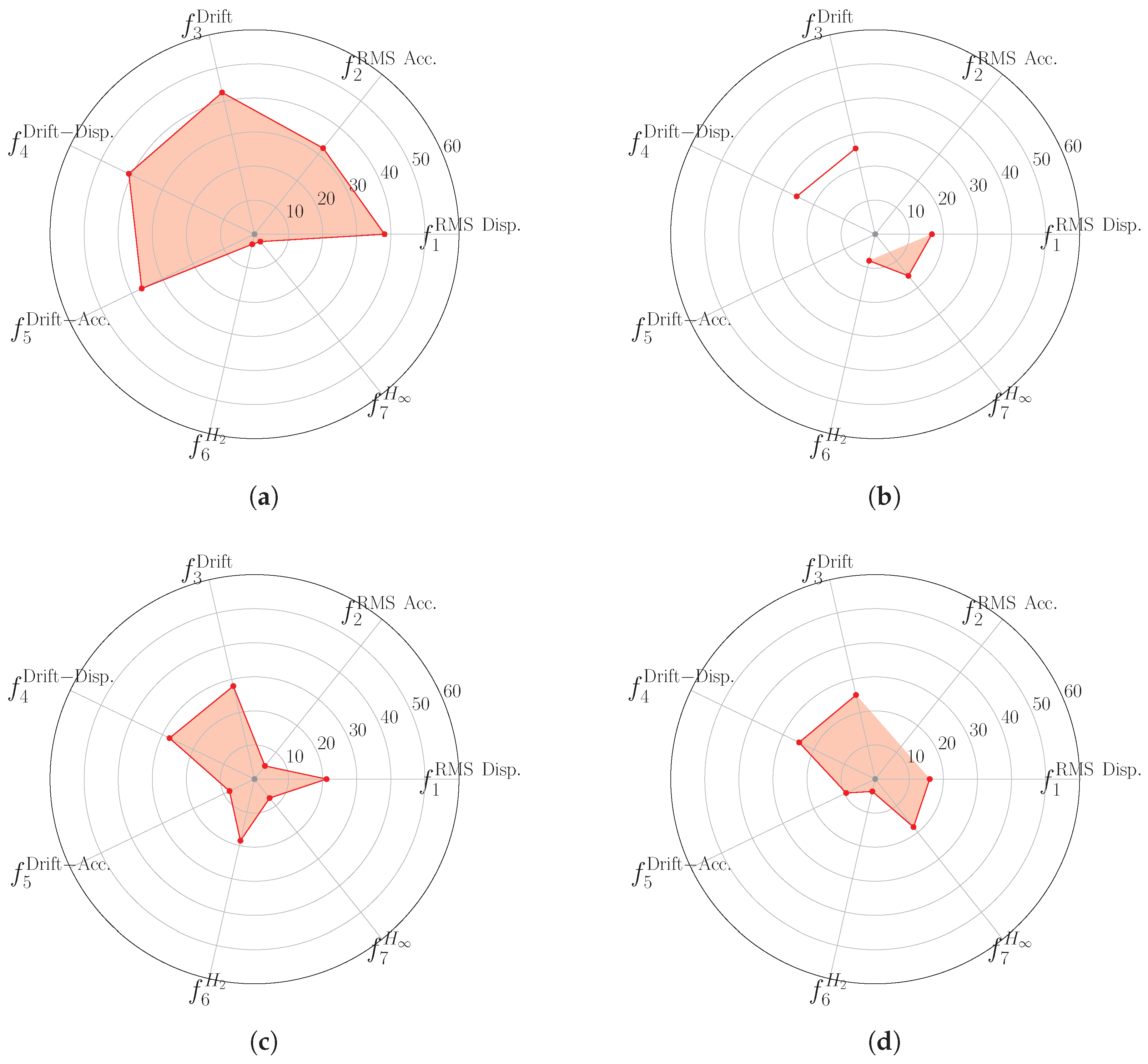
6.2.3. Maximum Interstory Drift
Complementary insight into drift-related performance is provided in
Figure 12, where the radar plots summarize the response trends associated with the different objective functions, with interstory deformation serving as the primary performance indicator. The drift-oriented radar plots offer additional insight into the effectiveness of the optimized TLD when interstory drift governs seismic performance. In contrast to the displacement- and acceleration-based results, the drift-based representations reveal that some objective functions fail to produce physically consistent or meaningful indicators for seismic optimization, particularly when negative values arise. Among the analyzed configurations, objective functions explicitly associated with drift control—namely
and, to a lesser extent,
—exhibit the most coherent and interpretable response trends. These functions consistently reflect reductions in interstory deformation and therefore constitute reliable indicators for assessing drift mitigation. Conversely, the remaining objective functions generate irregular or non-representable values, which limits their applicability in drift-focused optimization strategies.
In this case, the IR0 configuration again exhibits the highest sensitivity to the implementation of the TLD, following trends similar to those observed for displacement-related responses, with a slightly improved performance associated with drift-oriented (). For the IR1 configuration, the drift response is predominantly governed by the objective functions and , which exhibit consistent reductions in interstory deformation despite the presence of vertical geometric discontinuities. The drift-related objective functions and are omitted from the corresponding radar plot because the optimization process produced negative values outside the admissible range for radial visualization. The resulting numerical values ( and ) indicate a pronounced amplification of the associated response components, reflecting a deterioration of structural performance rather than effective control or optimization. These results underscore the limited suitability of and as standalone indicators for drift-oriented seismic optimization. For the IR2 configuration, improvements in drift response are again primarily captured by , confirming its effectiveness as a representative metric for interstory deformation control. The remaining objective functions exhibit limited or inconsistent contributions, suggesting a weak correlation with the drift response for this configuration. The IR3 configuration exhibits moderate reductions in drift-related metrics, with continuing to emerge as the most representative indicator. Similar to the IR1 case, certain objective functions yield adverse outcomes that preclude their representation in the radar plot. The corresponding numerical value () should be interpreted with caution, as it indicates that the formulation of these objective functions may not be physically appropriate for drift-based seismic optimization.
Beyond the previously identified limitations of the acceleration-based objective functions and , the frequency-domain functions and were also found to be unsuitable for seismic optimization frameworks that prioritize the mean structural response under stochastic ground motions. Optimization results indicate a significant trade-off when employing and . Although these functions effectively determine TLD parameters that minimize floor accelerations, the resulting designs frequently compromise interstory drift and displacement control. This occurs because absolute acceleration and relative displacement respond to different frequency components and phase relationships. A TLD optimized exclusively for acceleration typically suppresses high-frequency content or adopts a damping ratio that restricts the phase lag of the inertial force relative to the floor, thereby reducing the capacity to dissipate energy associated with the fundamental mode that governs drift.
Similarly, and , which are formulated in the frequency domain using the transmissibility function , do not adequately capture the stochastic characteristics of earthquake excitations. Specifically, relies solely on structural properties and omits explicit consideration of seismic input, thereby neglecting record-to-record variability. In contrast, incorporates seismic effects but remains dominated by the structure’s inherent dynamic behavior, resulting in limited sensitivity to variations in ground motion. Consequently, optimization outcomes based on these frequency-domain functions do not accurately reflect the averaged seismic response. Therefore, , , , and were excluded from the final set of candidate objective functions in this study.
6.2.4. General Results
In this context,
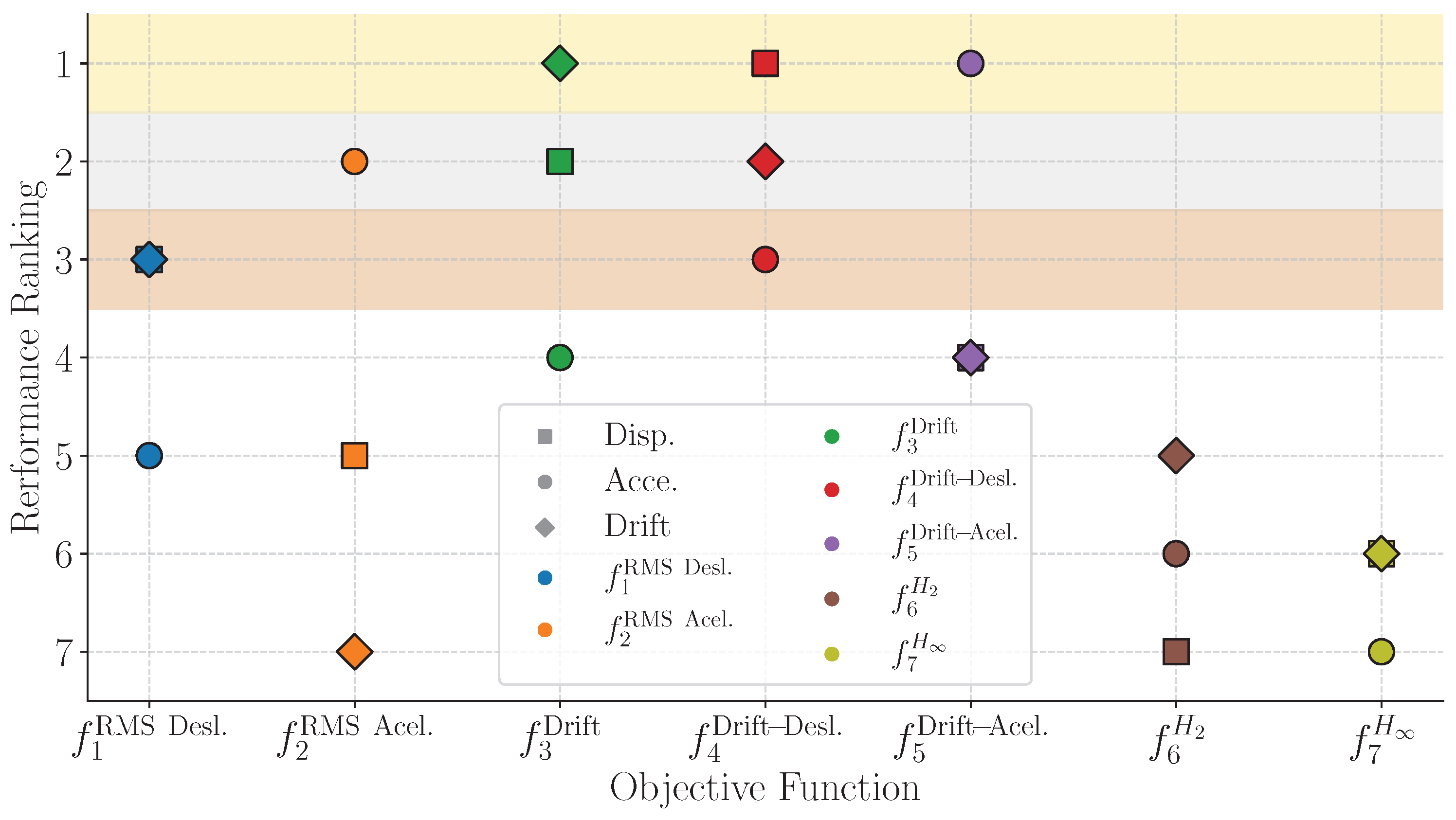
Figure 13 presents the overall ranking of objective functions based on a position-weighted ranking scheme. For each structural configuration, objective functions are ranked according to the percentage reductions achieved. The global ranking is determined by summing the relative positions of each objective function across all configurations; lower cumulative scores indicate superior overall performance. Results are grouped by the dominant response parameter targeted by each objective function, specifically displacement, acceleration, and interstory drift. This grouping enables a comparative assessment of their effectiveness.
The analysis indicates that objective functions and consistently achieve the highest global performance. In contrast, is identified as the third most effective option due to its balanced and favorable responses across all evaluated parameters. This conclusion is supported by stable reductions in displacement, acceleration, and drift-related metrics, which justify its inclusion among the top-ranked objective functions.s and supporting its inclusion among the top-ranked objective functions.
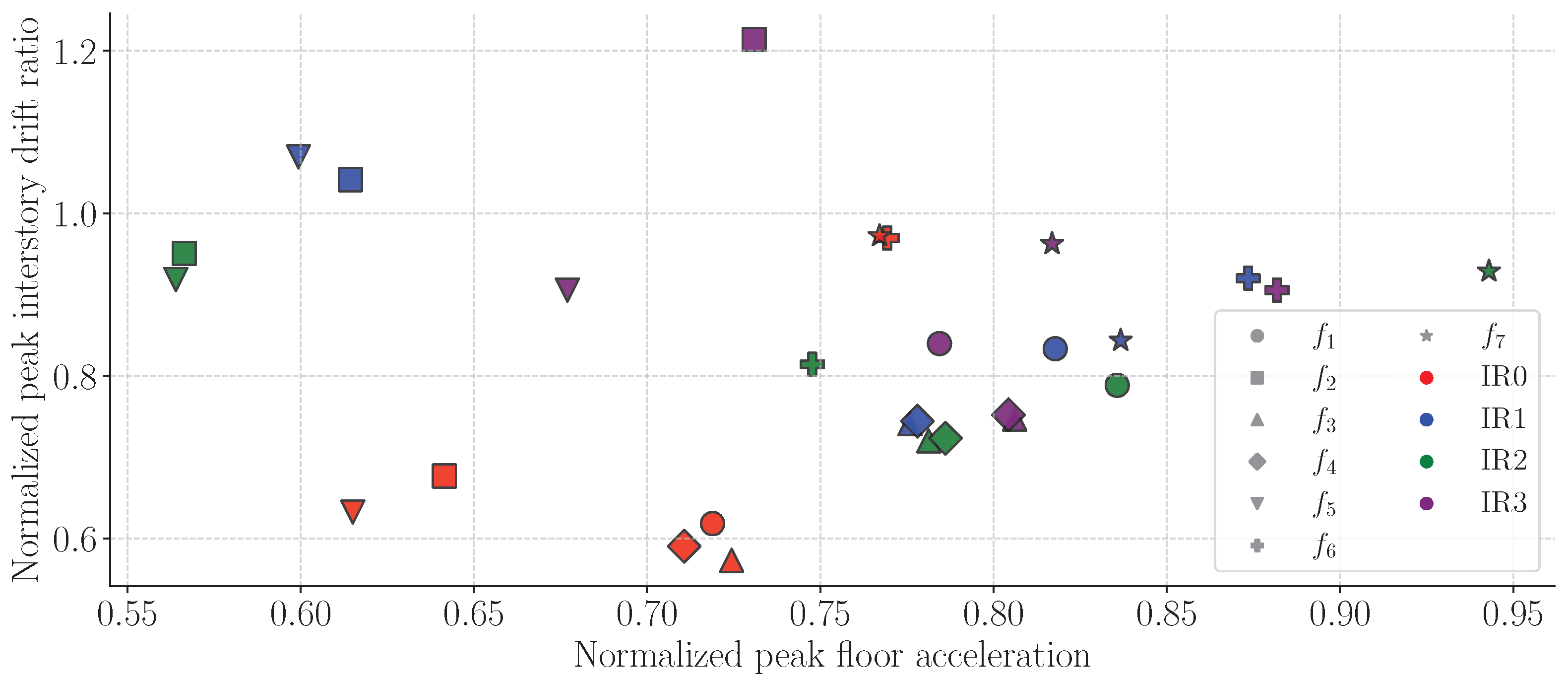
Figure 14 presents the Pareto front obtained from the multi-objective optimization framework, where the horizontal axis represents the normalized peak floor acceleration and the vertical axis represents the normalized peak interstory drift ratio, both expressed as reduction ratios with respect to the uncontrolled structural response—where a value of 1.0 indicates no reduction and lower values denote greater mitigation. The four configurations considered in this study (IR0, IR1, IR2, and IR3) are distinguished by color, while the seven objective functions (
through
) evaluated across configurations are represented by distinct marker shapes. This unified representation enables a direct cross-configuration and cross-objective comparison of the trade-off between acceleration and drift demand reduction within a single visualization.
A critical examination of the Pareto front reveals notable discrepancies in the performance of certain objective function–configuration combinations. Specifically, objective functions and , when applied to configurations IR1 and IR3, yield peak interstory drift ratio values exceeding unity, indicating that the optimized control system not only fails to reduce interstory drift demands but actively amplifies them relative to the uncontrolled case—a result that disqualifies these combinations as viable design solutions. In contrast, objective functions and consistently produce solutions concentrated in the lower-left region of the Pareto space, achieving a favorable simultaneous reduction in both performance metrics across all configurations, which establishes them as the primary candidate objective functions for the proposed control design framework. Additionally, objective function emerges as a compelling supplementary candidate, demonstrating consistent and well-distributed optimization performance across all four configurations with balanced trade-offs between acceleration and drift reduction, rendering it a viable third alternative should further refinement of the design criteria be required.
6.3. Performance Evaluation of the Optimization Process
This subsection presents a convergence analysis of the proposed optimization framework, with particular emphasis on the numerical behavior and reliability of the solution process. The results include the convergence history associated with the best-performing objective function (), an evaluation of computational time, an assessment of the statistical dispersion of the obtained solutions, and an analysis of problem multimodality. Collectively, these indicators provide insight into the efficiency, stability, and robustness of the optimization procedure.
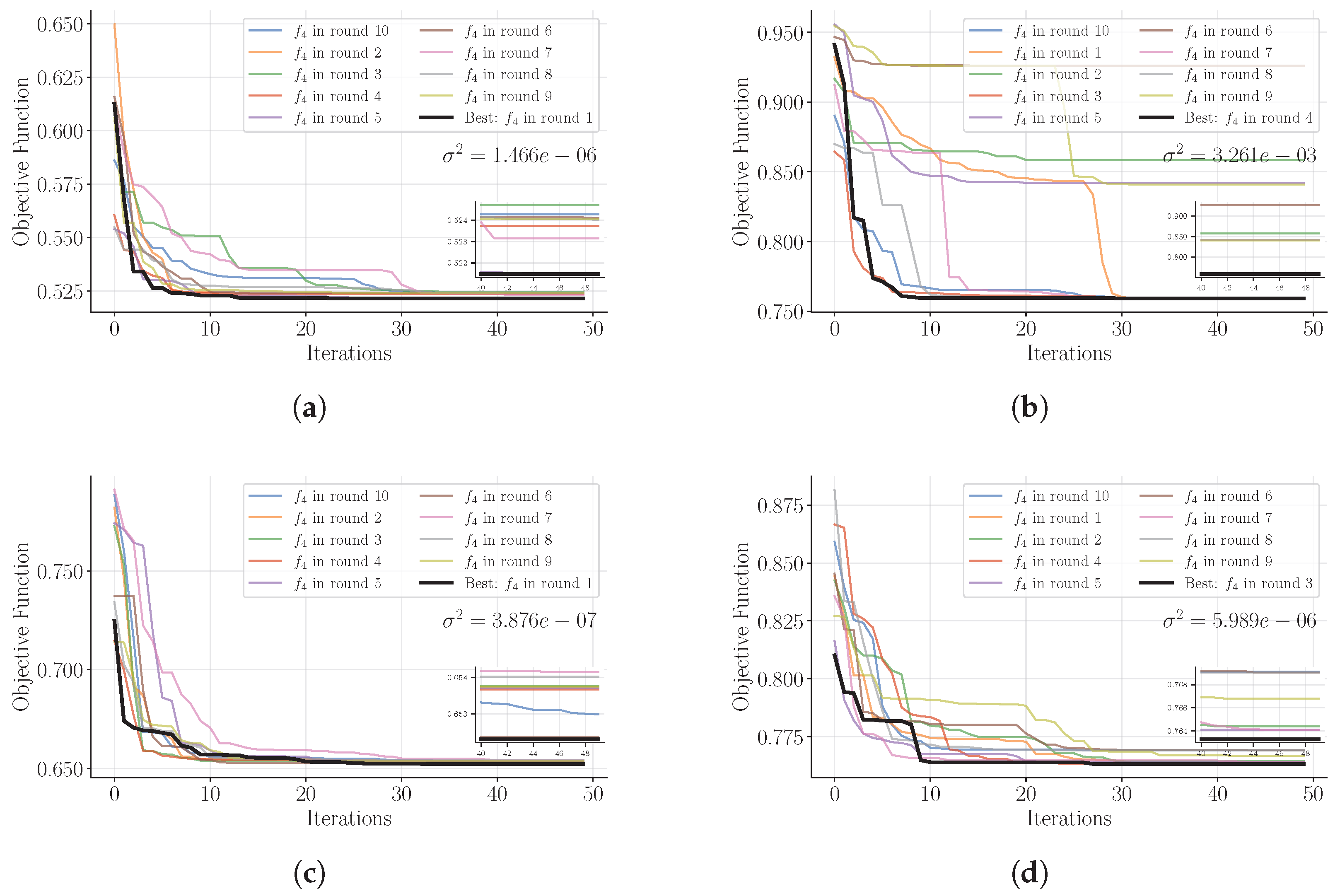
Figure 15 presents the convergence histories of the objective function
for all structural configurations, based on multiple independent optimization runs. The curves illustrate the progression of objective function values throughout the iterative process, enabling evaluation of convergence rate, solution stability, and sensitivity to initial conditions. Additionally, the figure displays the variance of the optimal solutions, providing insight into the robustness and repeatability of the optimization results.
The convergence curves exhibit a stable and predominantly monotonic reduction in the objective function across all structural configurations. This behavior confirms the effectiveness of the proposed optimization framework and the CIOA’s consistent capability to guide the search toward improved solutions. For the IR0, IR2, and IR3 configurations, the majority of optimization runs converge rapidly during the initial iterations and stabilize at comparable final objective values. The low variance of the optimal solutions—, , and for IR0, IR2, and IR3, respectively—further supports this observation. Taken together, these results indicate a relatively smooth optimization landscape and a limited sensitivity to initial conditions. In contrast, the IR1 configuration exhibits greater dispersion among the convergence trajectories, particularly during the early and intermediate stages of the optimization process. This behavior is reflected in the larger variance of the optimal solutions (), indicating an increased sensitivity to the initial population. Nevertheless, the CIOA consistently converges to comparable final solutions across independent runs, thereby demonstrating robust performance even under more challenging optimization conditions.
In addition,
Table 4 summarizes the three most consistent solutions identified for each selected objective function. These data facilitate assessment of the stability and consistency of optimization outcomes across the evaluated structural configurations and enable examination of the corresponding optimized parameter sets and their associated structural performance. All simulations utilized a fixed hardware platform (CPU: AMD Ryzen 7 7700; RAM: 32 GB at 4800 MT/s; GPU: NVIDIA RTX 4060, 16 GB), which ensures direct comparability of the reported computational times across all cases.
The combined results presented in
Table 4 indicate a consistent and stable behavioral pattern across the three optimal solutions obtained from the selected objective functions. The absence of multimodal behavior suggests a smooth optimization landscape and a well-defined convergence process. The optimized configurations exhibit comparable structural performance, indicating that similar response mechanisms govern the observed improvements in seismic response. From a computational perspective, the overall cost is primarily governed by the number of structural elements, which determines the total number of response evaluations and numerical operations required for each objective function. As the resolution of the structural discretization increases, computational demand rises proportionally. To improve efficiency, the optimization runs were executed in parallel, with ten independent runs performed simultaneously, resulting in an overall wall-clock time of approximately 40 h for the complete set of iterations. This trend highlights the significant influence of model size on computational time, particularly in large-scale structural optimization problems.
The results demonstrate that the CIOA delivers robust, stable, and reliable performance when applied to the seismic optimization problem examined in this study. Across all evaluated objective functions, the CIOA consistently converges to well-defined optimal solutions, avoids erratic search behavior, the low variability across runs suggests stable convergence, consistent with a relatively smooth objective landscape. These outcomes indicate an effective balance between exploration and exploitation, enabling the algorithm to efficiently navigate the optimization landscape while maintaining stable convergence. Previous studies have consistently reported the strong performance of the CIOA in complex engineering optimization problems, emphasizing its robust convergence characteristics, high repeatability, and computational efficiency [
43,
65,
88]. The agreement between those findings and the results obtained in the present study further confirms the suitability of the CIOA for structural optimization tasks involving high-dimensional design spaces and computationally demanding response evaluations.
6.4. Dynamic Response Under Representative Seismic Excitation
Finally, this section presents the seismic response of the analyzed structures equipped with a single optimized TLD under the 1999 Kocaeli, Turkey earthquake record from FEMA P-695 [
89]. This analysis aims to illustrate the structural behavior under a representative real seismic event. Dynamic responses for all structural configurations (IR0–IR3) are evaluated under both uncontrolled and controlled scenarios, considering the optimized design variables obtained from the objective function
. The response metrics include roof displacement, roof acceleration, Fourier amplitude spectra of roof acceleration, and interstory drift ratio.
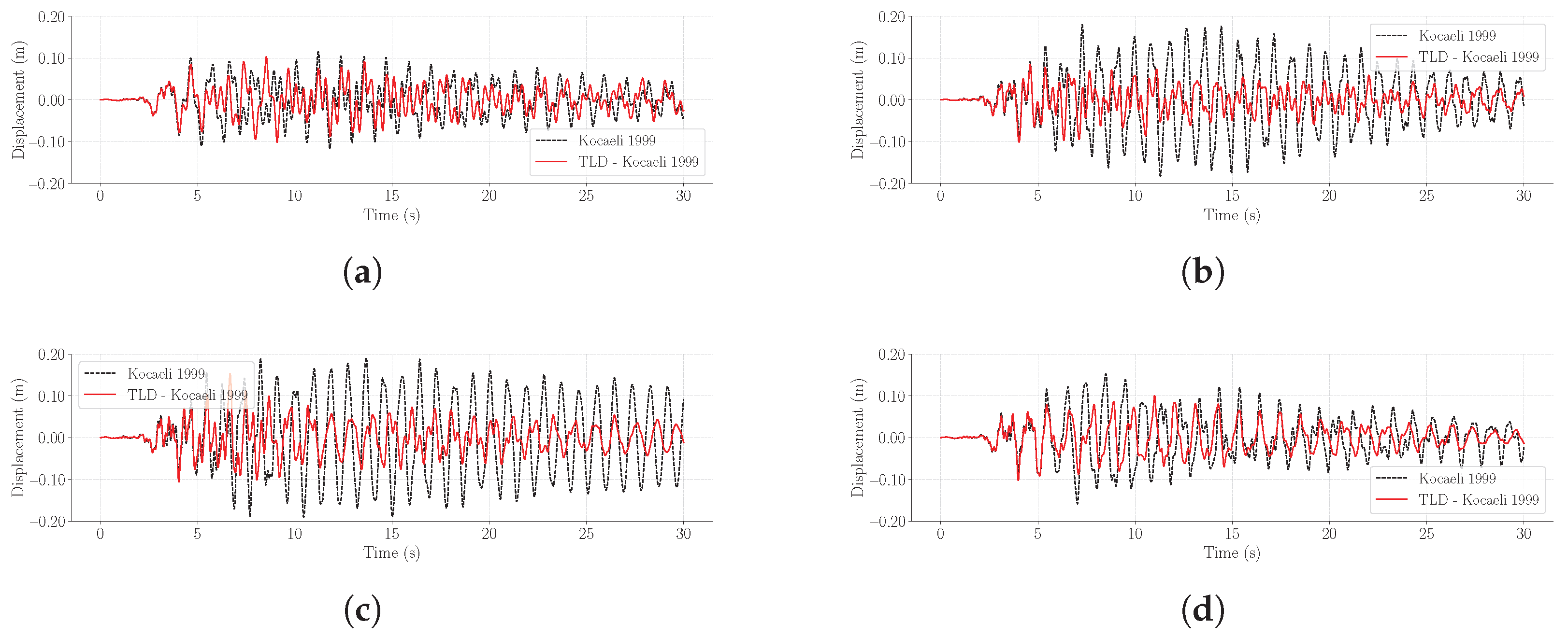
The roof displacement time histories shown in
Figure 16 clearly indicate that the incorporation of the optimized TLD significantly reduces displacement peaks across all analyzed structural configurations. This mitigation is particularly pronounced during the first 20 s of the seismic record, which corresponds to the interval of highest energy content in the ground motion. During this phase, the controlled responses exhibit a marked attenuation of peak amplitudes relative to the uncontrolled cases, demonstrating the ability of the optimized TLD to dissipate energy and limit the dynamic response. The reduction effect is more pronounced for the IR1 and IR2 configurations, which display greater sensitivity to the TLD action and achieve larger peak displacement reductions. This behavior suggests a more effective interaction between the optimized TLD and the dynamic characteristics of these structures, whereas the remaining configurations exhibit consistent but comparatively smaller reductions.
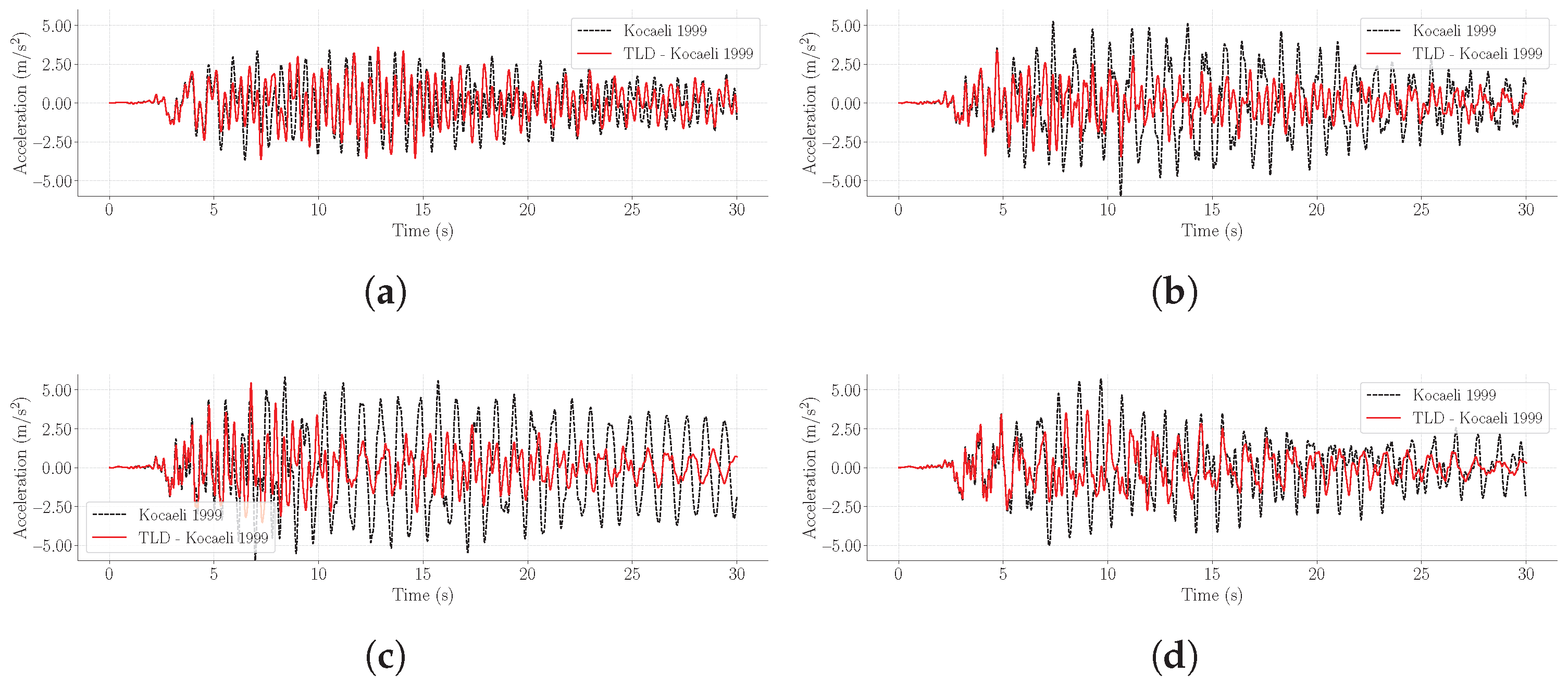
Figure 17 presents the roof acceleration responses, demonstrating that the optimized TLD significantly reduces inertial demands induced by seismic excitation. Across all structural configurations, the controlled cases exhibit lower acceleration amplitudes than the uncontrolled counterparts, particularly during the first 20 s of the record, when the ground-motion energy is at its peak. This reduction indicates that the optimized TLD effectively limits dynamic amplification and suppresses high-frequency response components. The modest attenuation observed in IR0 under the Kocaeli record is due to the distribution of modal contributions. Higher modes, especially the second mode (see
Figure 18a), contribute significantly to the response by introducing additional vibration components that the TLD, tuned to the first mode, cannot efficiently control. While the ground-motion excites the fundamental frequency and interacts with the TLD tuning, higher-mode participation reduces the effectiveness of the control device. As a result, only limited acceleration mitigation is achieved. The decrease in acceleration demand is most pronounced in the IR1, IR2 and IR3 configurations, which are more sensitive to control measures and experience greater peak attenuation. The remaining configurations also exhibit consistent, albeit less pronounced, improvements throughout the excitation, thereby confirming the overall effectiveness of the TLD in mitigating acceleration responses.
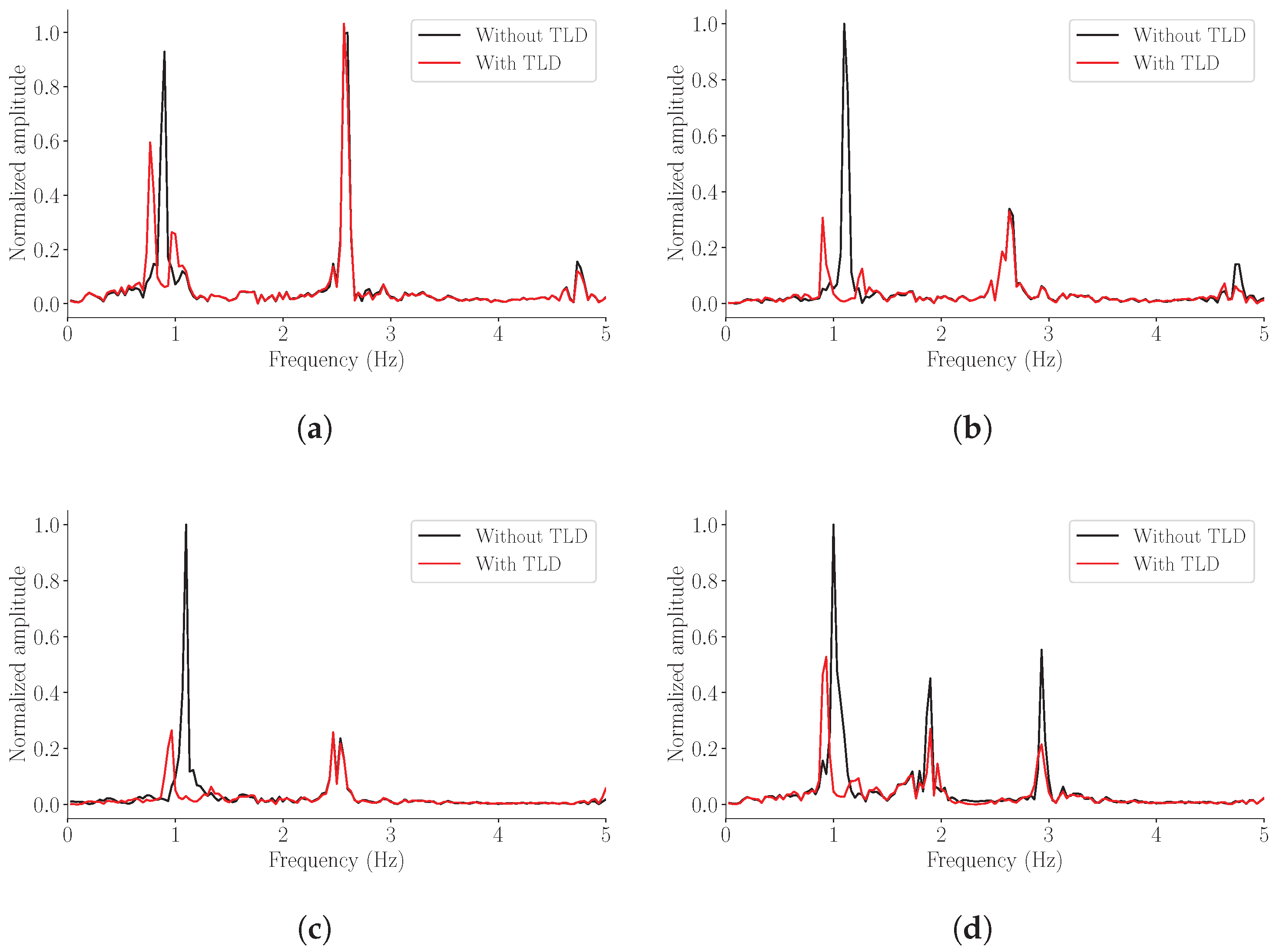
The Fourier amplitude spectra of the roof acceleration response, shown in
Figure 18, provide further insight into the underlying control mechanisms in the frequency domain. The figure compares the spectral response of the uncontrolled and controlled structures for all configurations (IR0–IR3) under the 1999 Kocaeli earthquake.
The Fourier amplitude spectra reveal distinct control behaviors across the structural configurations. For IR0, the Kocaeli ground-motion excites both the first and second vibration modes. Although the optimized TLD effectively attenuates the fundamental spectral peak, the second mode retains considerable amplitude, limiting the overall reduction in acceleration response (see
Figure 18a). In contrast, configurations IR1 and IR2 show a more favorable response with a substantial reduction in the first-mode peak and a redistribution of spectral energy around the tuned frequency. This indicates efficient interaction between the structure and the control device. This behavior reflects an effective passive control mechanism that mitigates the dominant resonant response. In the two-tower configuration (IR3), while the first-mode contribution is reduced, pronounced peaks at higher frequencies persist, reflecting stronger participation by higher modes. Since these modes are not adequately controlled by a single TLD tuned to the fundamental frequency, the overall spectral reduction is less significant compared with IR1 and IR2 (see
Figure 18d).
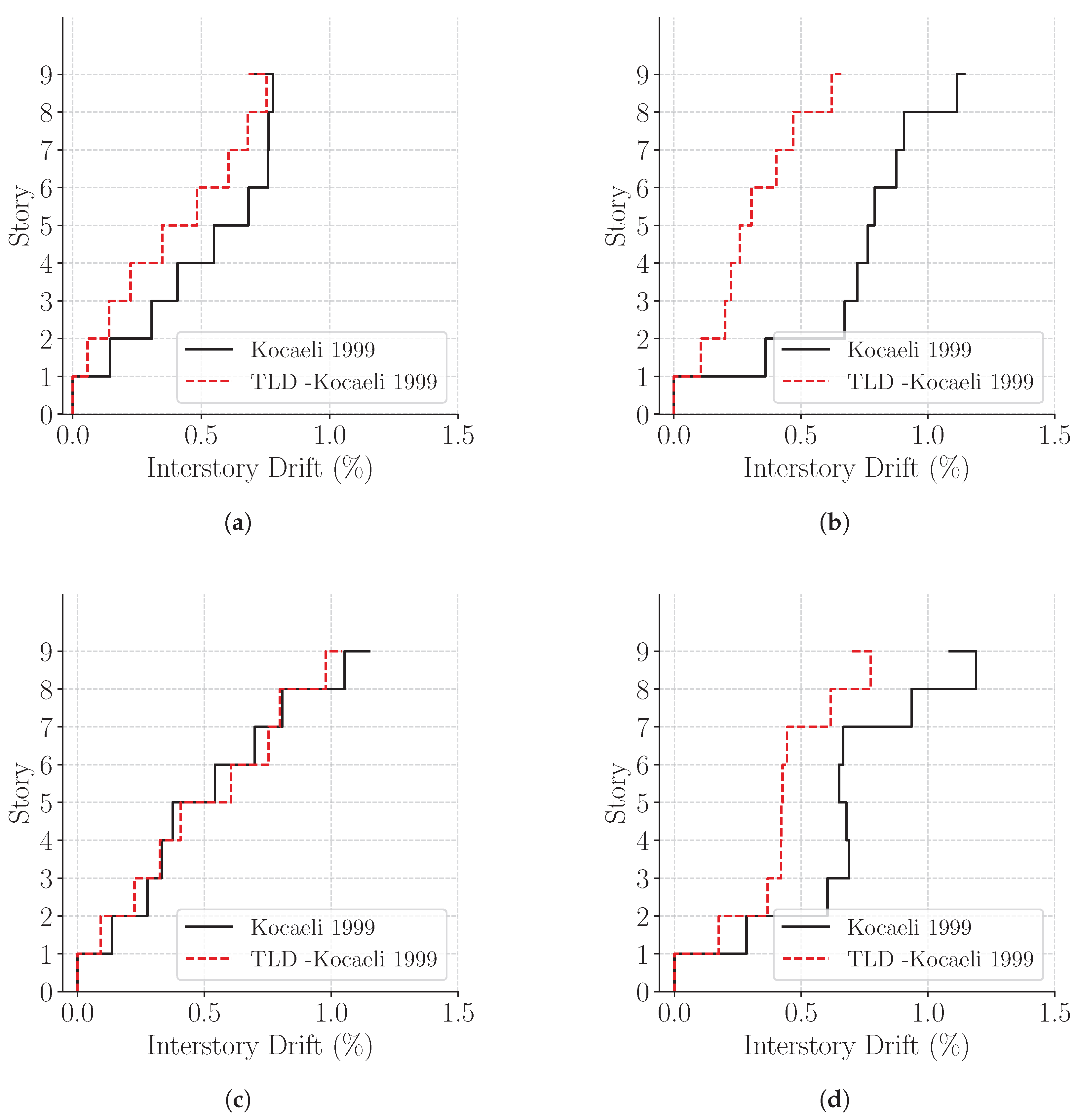
Figure 19 presents the interstory drift profiles along the height of the four structural configurations considered (IR0–IR3), comparing uncontrolled and controlled cases. These profiles are used to assess both the magnitude and the distribution of deformation demands, as well as the effectiveness of the optimized control strategy in mitigating drift concentrations associated with vertical irregularities. Particular attention is paid to variations in peak drift values and to the redistribution of deformation demands across different story levels, as these are key indicators of global seismic performance. The analysis of the interstory drift profiles indicates that the incorporation of a single optimized TLD consistently reduces drift demands across all structural configurations relative to the uncontrolled scenarios.
In the absence of control, the structures exhibit higher drift demands, especially in the irregular configurations, highlighting the need for effective seismic mitigation strategies. The controlled cases display smoother drift distributions and reduced peak values, particularly at intermediate and upper stories. The optimized TLD achieves peak interstory drift reductions of approximately 3.23% for IR0, 42.34% for IR1, 9.23% for IR2, and 34.88% for IR3, demonstrating its effectiveness in mitigating global deformation demands. Importantly, the resulting interstory drift ratios remain within the commonly adopted code-prescribed limit of 1%. Although the observed reductions in interstory drift are substantial, one configuration (IR2) exhibits a slight exceedance of the commonly accepted interstory drift limit of 1%, by approximately 0.04%, under the considered seismic excitation. This localized and limited noncompliance indicates that, while a single optimized passive control device is generally effective in reducing drift demands, its performance may not be sufficient to ensure uniform compliance across all response measures.
The results indicate that the optimized single TLD effectively reduces spectral amplitudes around the fundamental frequency, leading to a clear attenuation of the dominant vibration mode and a redistribution of energy near the tuned frequency. However, its effectiveness varies across structural configurations, particularly when higher-mode contributions become significant, resulting in residual spectral peaks that cannot be adequately mitigated. This limitation arises from the inherently frequency-specific nature of a single TLD, which is primarily calibrated to control a narrow frequency band.
Based on these observations, enhancing robustness and ensuring more consistent performance under a broader range of seismic scenarios, especially in structures with pronounced vertical irregularities, may require more advanced mitigation strategies. In this context, the implementation of multiple tuned liquid dampers (MTLDs) [
90] or hybrid control systems combining passive devices with additional damping mechanisms [
44] emerges as a promising approach to achieve improved seismic performance and reliability.
7. Conclusions
This study investigated the seismic performance of steel moment-resisting frames with vertical setbacks equipped with optimized TLDs. By employing a metaheuristic optimization framework, the research evaluated the influence of various objective functions on the device’s configuration and its efficiency in controlling structural response. Since the analysis was conducted within a linear-elastic framework, the conclusions are specifically tailored to the mitigation of elastic demand in irregular systems. Under these parameters, the results demonstrate the following:
A comparative assessment of performance-based objective functions showed that those related to interstory drift and maximum displacement achieved the most effective and uniform reductions in seismic response across all analyzed ground-motion scenarios. These objective functions yielded more stable optimization outcomes and emerged as the most reliable indicators for guiding the optimal design of TLDs in irregular steel frames.
Objective functions based on peak acceleration, although capable of reducing local response amplitudes, exhibited greater variability and reduced robustness when evaluated under multiple seismic records. This behavior suggests that acceleration-based criteria should be employed in combination with deformation-related objectives rather than as standalone optimization targets.
The proposed optimization framework based on the CIOA demonstrated strong robustness and computational efficiency, consistently converging toward stable optimal solutions under multiple hazard-consistent seismic excitations. The algorithm exhibited low sensitivity to record-to-record variability, highlighting its suitability for optimization problems governed by stochastic seismic demand.
Steel moment-resisting frames with vertical setback irregularities exhibit a pronounced seismic response, particularly in terms of interstory drift and displacement demands in regions of geometric discontinuity. This behavior highlights the need for targeted performance-based control strategies rather than conventional single-objective design approaches.
The use of real ground motions selected through the Conditional Scenario Spectra (CSS) methodology ensured a seismic assessment consistent with the site-specific hazard conditions of Armenia, Colombia, characterized by subduction-dominated seismicity. This hazard-consistent approach enabled a realistic representation of seismic demand and enhanced the reliability of the optimization results.
The proposed methodology offers clear guidance for selecting objective functions that enhance robustness and seismic performance in regions subjected to high seismic hazard. The results further confirm that TLDs constitute an effective and viable passive seismic control solution for irregular steel structures. When properly optimized, TLDs provide significant reductions in deformation and acceleration demands while maintaining simplicity, cost-effectiveness, and ease of implementation, making them particularly attractive for elastic demand mitigation and preliminary retrofit-oriented assessment.
Overall, the integration of the CIOA with multi-objective performance-based criteria and hazard-consistent seismic input constitutes a practical and reliable framework for the seismic design and retrofit of irregular steel structures.
Future Research Directions
The findings demonstrate both the potential and inherent limitations of single-device control strategies. The optimized TLD is effective in mitigating the fundamental mode response. However, its performance becomes less reliable when higher-mode contributions are significant, particularly in structures exhibiting pronounced vertical irregularities. These results indicate that control effectiveness is highly dependent on structural modal complexity and the frequency characteristics of seismic excitation. In such scenarios, more distributed or adaptive mitigation strategies may yield improved performance. Implementing multiple tuned liquid dampers (MTLDs), each calibrated to distinct modal frequencies, or employing hybrid systems that integrate passive devices with supplemental or semi-active control mechanisms, may enhance robustness under complex or broadband seismic inputs.
The structural models employed in this study are based on simplifying assumptions, including linear behavior, planar response, and rigid diaphragms. While these assumptions facilitate controlled evaluation of the proposed framework, they constrain its direct applicability to actual structures. Future research should expand the methodology to incorporate nonlinear material behavior, three-dimensional response, and more realistic boundary conditions. Such advancements would enhance physical representativeness and support the practical implementation of advanced seismic control strategies.
Furthermore, modeling accuracy may be enhanced by employing advanced techniques to characterize fluid motion, which allows for the consideration of complex phenomena such as sloshing and fluid–structure interactions. Contemporary computational approaches, including computational fluid dynamics (CFD) and smoothed particle hydrodynamics (SPH), in conjunction with integrated laboratory and numerical experiments, offer a more comprehensive understanding of TLD system behavior during severe or atypical seismic events. These approaches are expected to increase the reliability and applicability of the proposed control strategies.