Article

Status of Building Information Modelling (BIM) in a Developing Economy: A Case Study of Malawi

by
Jephitar Chagunda
1,*,
Innocent Kafodya
1 and
Witness Kuotcha
2
1
School of Engineering, Malawi University of Business and Applied Sciences, Private Bag 303, Chichiri, Blantyre 3, Malawi
2
School of Built Environment, Malawi University of Business and Applied Sciences, Blantyre 3, Malawi
*
Author to whom correspondence should be addressed.
Buildings 2026, 16(7), 1431; https://doi.org/10.3390/buildings16071431

Submission received: 5 December 2025 / Revised: 24 March 2026 / Accepted: 26 March 2026 / Published: 3 April 2026
(This article belongs to the Special Issue BIM Uptake and Adoption: New Perspectives)

Abstract

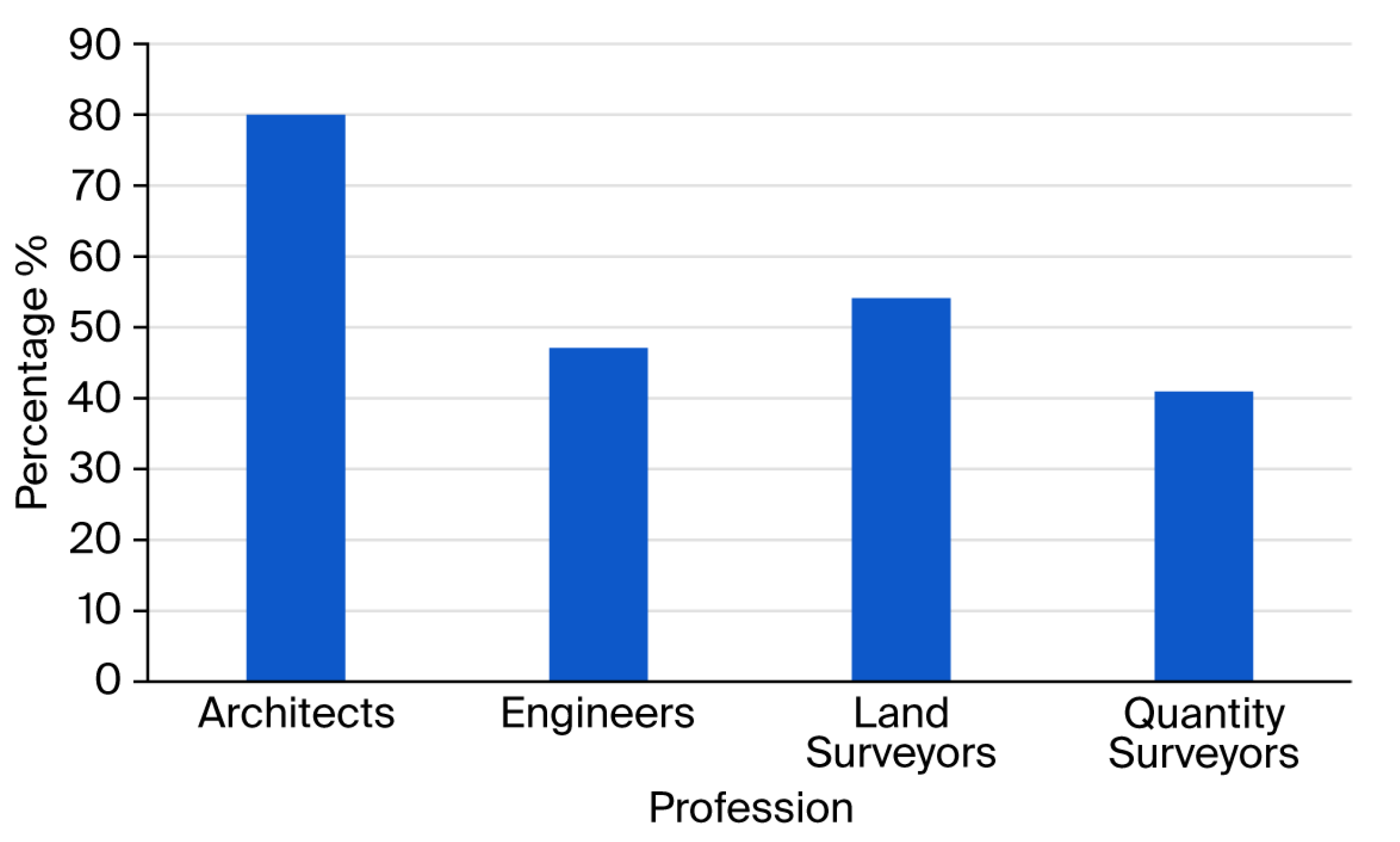
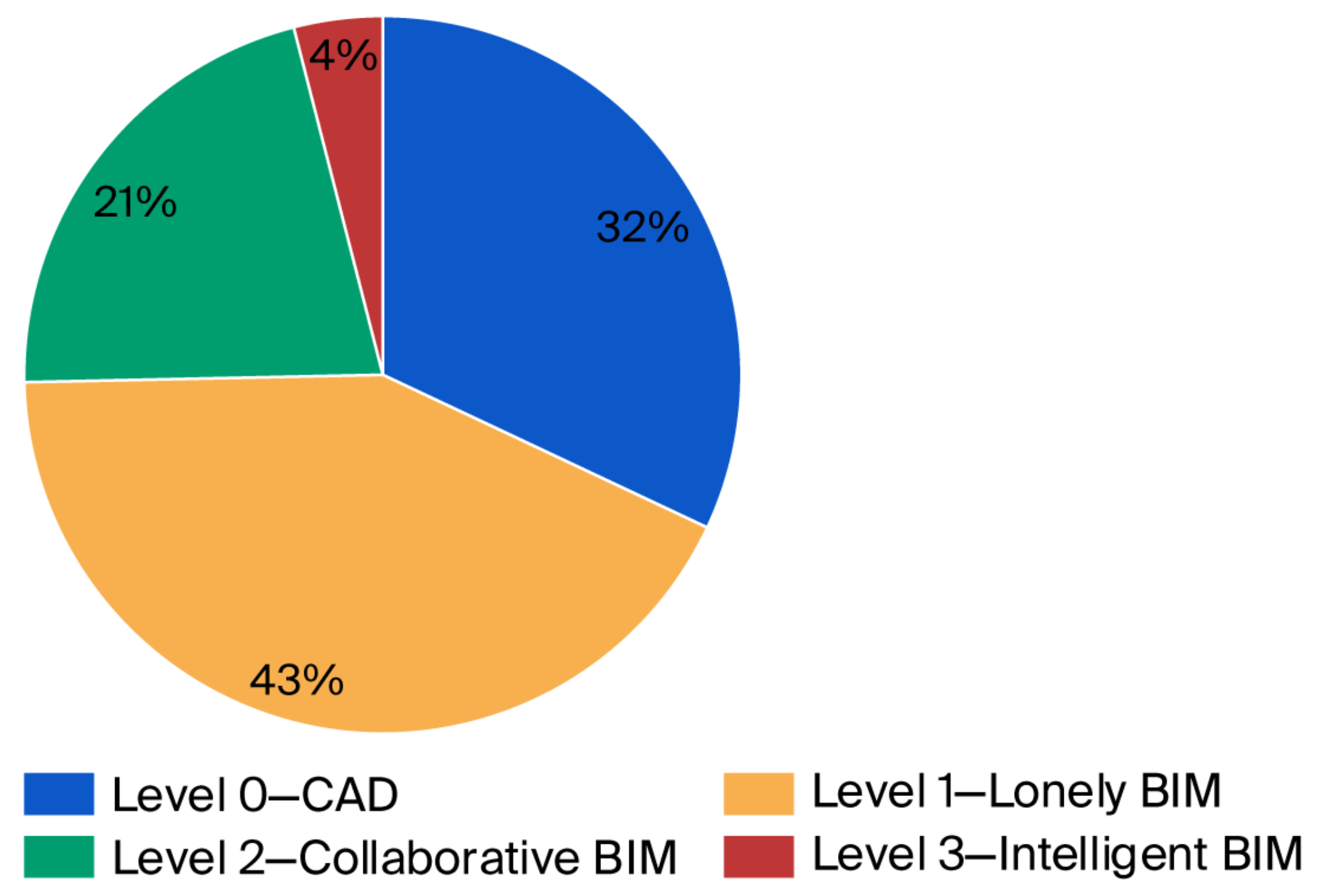
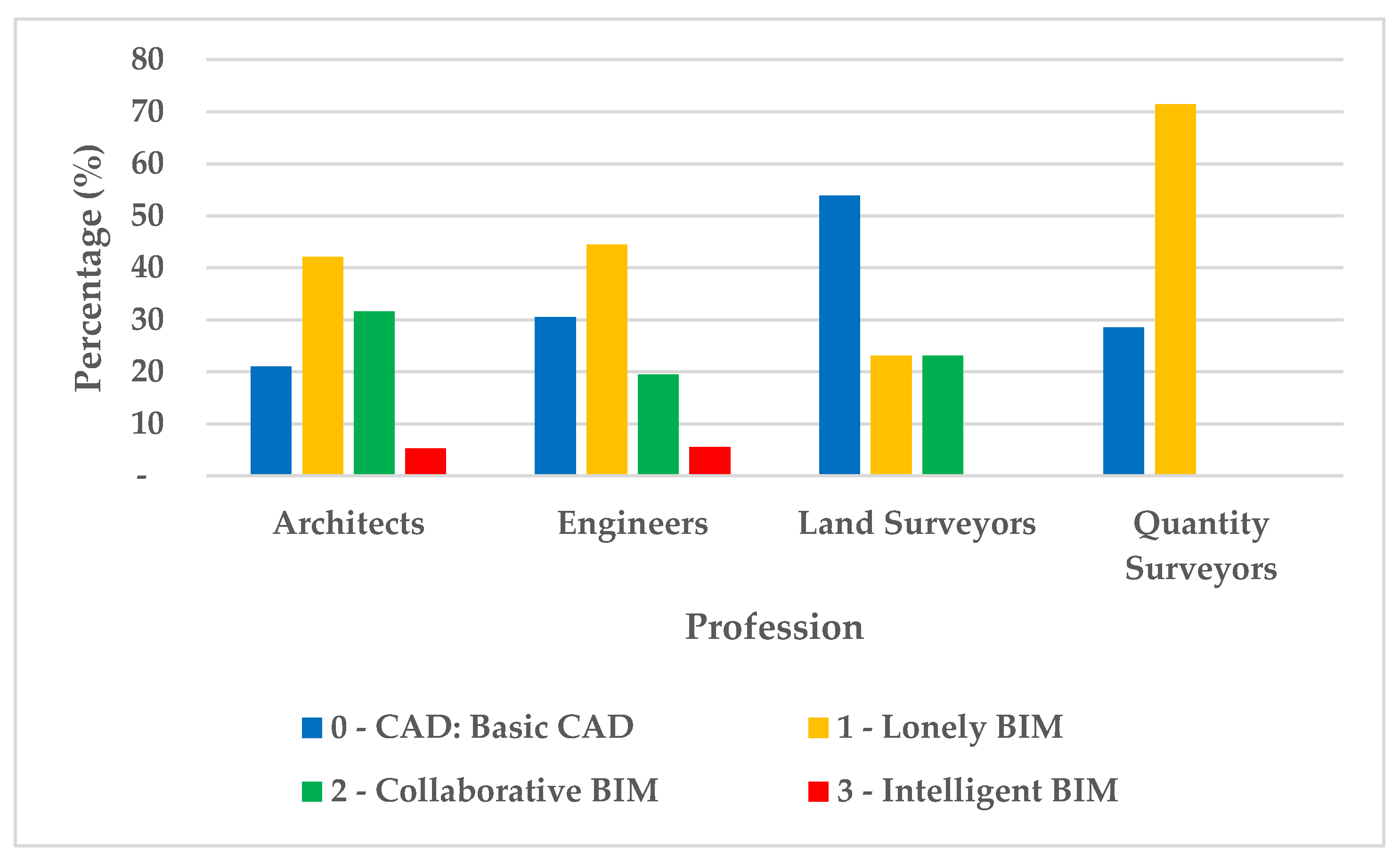
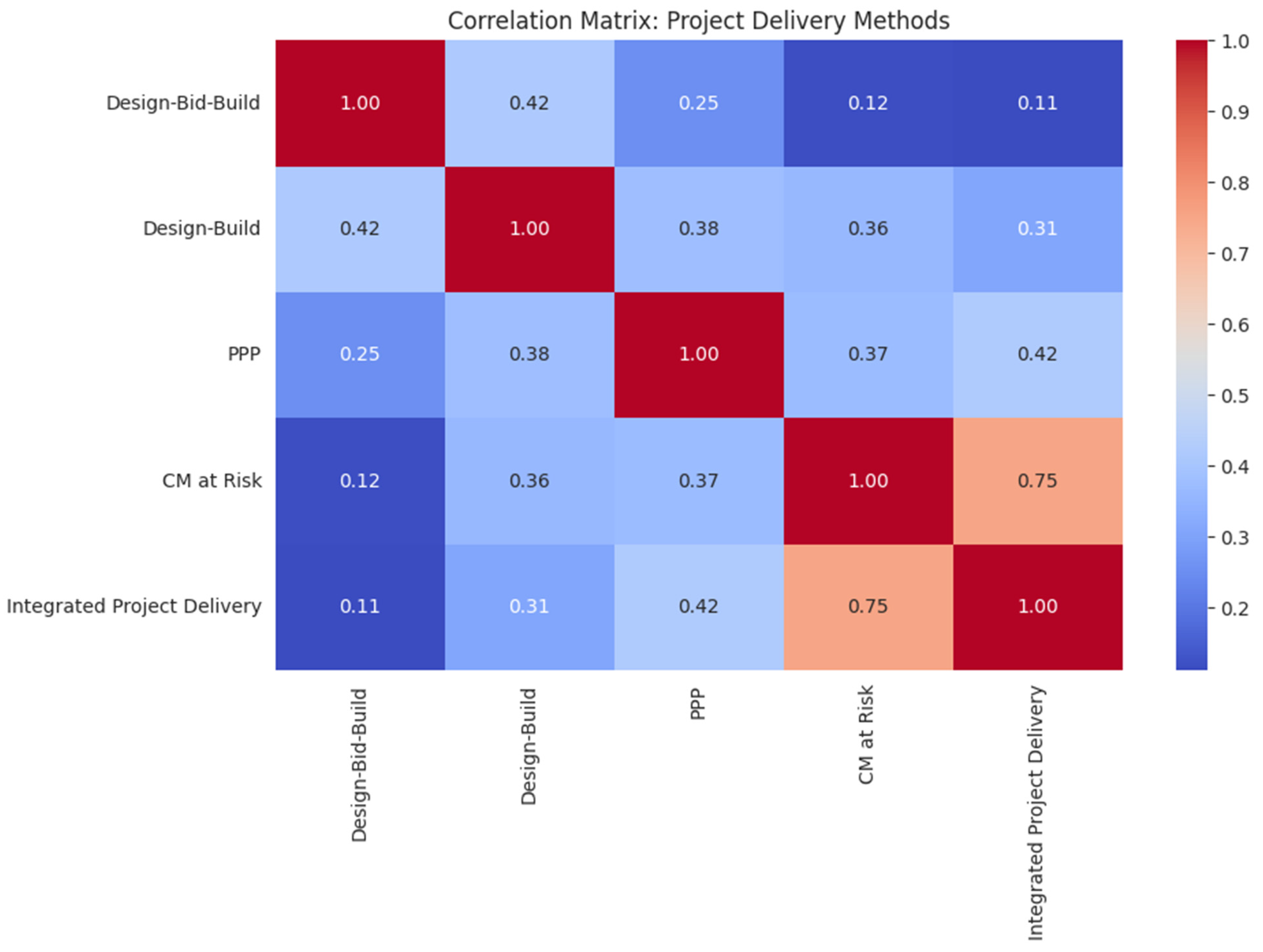
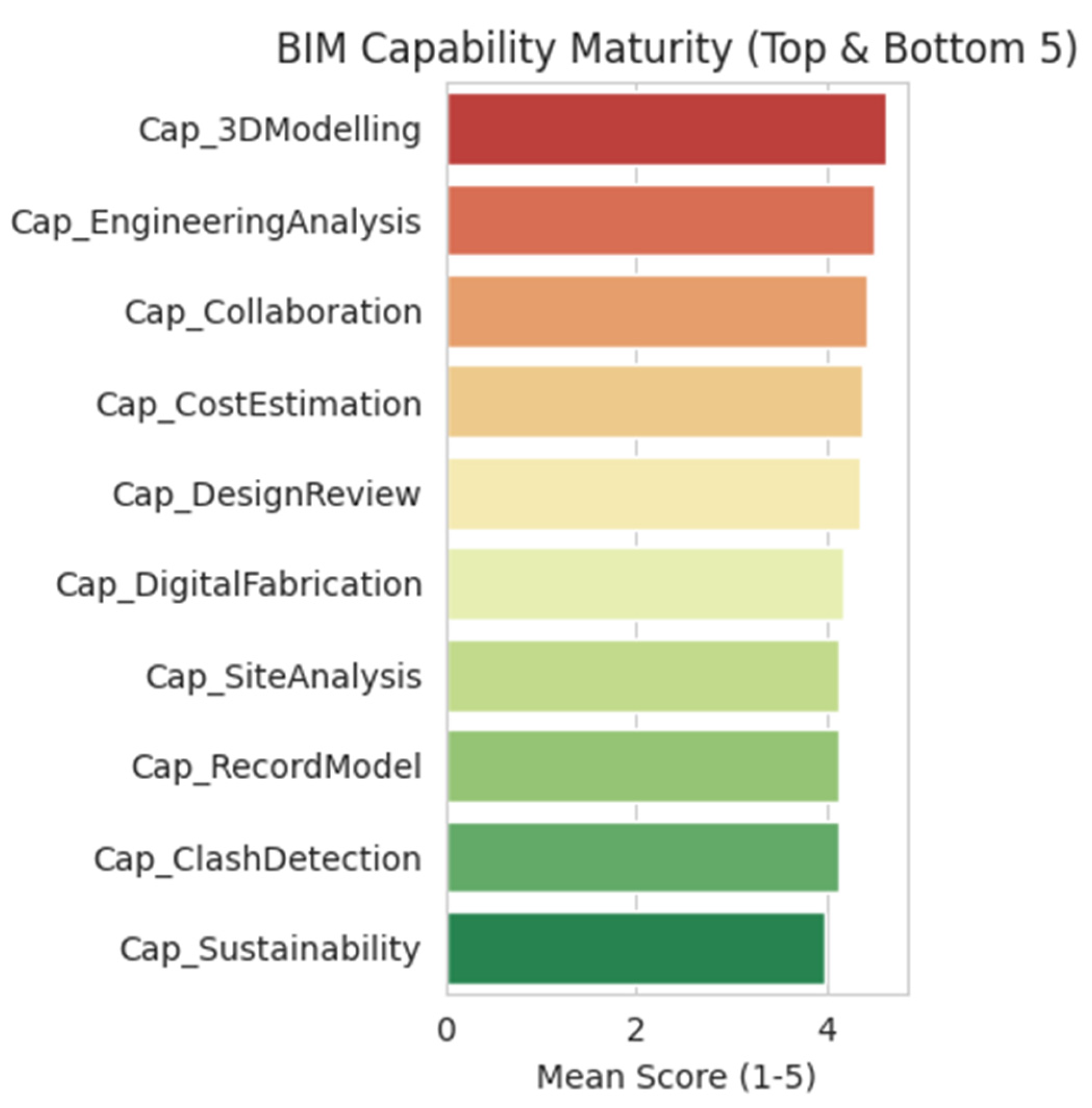
Building Information Modeling (BIM) has changed the landscape of the architectural, engineering, and construction (AEC) industry in recent decades. However, BIM is not well researched in most developing countries; in particular, few studies have addressed its adoption in Malawi. A non-probability, purposive sampling approach was adopted. A total of 143 questionnaires were completed. This research reveals that, while construction experts are aware of BIM, the level of uptake remains quite low. Architects in Malawi are the most knowledgeable, followed by land surveyors and then engineers. This research shows that most experts in Malawi are at level 1 of BIM usage, which is the first stage of BIM adoption and is characterized by the use of 3D models and output representation. Furthermore, the study results have shown that the Malawian AEC sector is currently succeeding at the modelling stage of maturity but is stalled by lack of collaborative frameworks, such as Integrated Project Delivery (IPD). Therefore, unless the industry shifts toward a unified Common Data Environment (CDE), advanced capabilities like clash detection will remain underutilized and disconnected from broader project success metrics. Statistical analysis has shown that the correlation analysis demonstrates a strong link (r = 0.75) between Integrated Project Delivery (IPD) and high BIM maturity, whereas traditional Design-Bid-Build methods show a critical misalignment with digital workflows. The study identifies high software costs and a lack of national standards as the primary barriers to adoption. Therefore, there is a need for robust sensitization to the benefits of BIM and training to improve its uptake in the context of Malawi’s construction industry. In order to advance Malawi’s BIM maturity, the research recommends a strategic shift toward integrated procurement models, the establishment of national BIM mandates, and the modernization of technical education to bridge the existing knowledge gap.
Keywords: Building Information Modeling (BIM); Malawi; construction sector; status Building Information Modeling (BIM); Malawi; construction sector; status