


Abstract
Tropical daylight provision is inherently coupled with intensive solar heat gains, particularly in south-facing rooms that experience pronounced seasonal variations in solar altitude and exposure across different times of the year. When appropriately designed, external shading devices can mitigate solar heat gains while maintaining adequate indoor daylight availability. This study investigates the daylighting and thermal performance of a representative south-facing apartment room equipped with combined horizontal and vertical slat-based shading devices using a controlled, comparative simulation framework under tropical climate conditions. Parametric simulations were conducted using IES-VE to evaluate multiple shading configurations with varying slat positions, depths, and combinations under representative sky conditions and seasonal design days. The results demonstrate that mid-height horizontal slat configurations reduced front-zone Estimated Indoor Illuminance (EII) by up to 54.9%, while enhancing daylight penetration into deeper areas under direct sunlight conditions. Bottom horizontal slats further improved daylight distribution by reflecting sunlight into deeper zones, producing peak increases in EII of up to 26.8% in the middle zone and 19.7% in the rear zone under direct solar conditions. The addition of vertical slats further improved thermal performance by limiting lateral solar exposure without significantly diminishing the daylight-redirecting effects of horizontal elements. Selected integrated shading configurations achieved maximum reductions in operative temperature of up to 2.5 °C during peak afternoon periods compared with the base case within the adopted evaluation framework. However, under intermediate sky conditions without direct solar contribution, the daylighting and thermal benefits of slat-based shading were substantially reduced. Based on these findings, the study proposes a movable external shading system with adjustable horizontal and vertical slats for south-facing apartment rooms, intended to respond to changing solar conditions across the evaluated design days. Overall, this study provides mechanism-oriented insights to support the development of climate-responsive façade strategies for tropical high-rise residential buildings, with the aim of improving daylight distribution and reducing cooling demand.
1. Introduction
In tropical regions, high solar irradiance throughout the year creates a persistent challenge in balancing adequate daylight provision and controlling solar heat gains in buildings [1]. In Malaysia, sustained exposure to intense solar radiation on building envelopes leads to increased cooling energy demand [2]. Contemporary Malaysian high-rise apartments commonly feature deep open-plan unit layouts with large glazed facades and short overhangs, which contribute to excessive front-zone illuminance, uneven daylight distribution, and elevated indoor thermal conditions. South-facing rooms in tropical contexts are subject to pronounced variations in solar altitude and exposure across different times of the year. While these south-facing spaces experience excessive solar heat gains during periods of direct solar exposure, resulting in elevated indoor temperatures, they simultaneously suffer from inadequate daylight penetration into the deeper zones of the rooms [3,4]. Therefore, developing effective shading strategies that balance solar heat gain reduction and daylight redistribution is essential for improving daylighting and thermal performance in south-facing rooms of tropical high-rise apartments. It should be noted that at near-equatorial latitudes, the distinction between north- and south-facing façades is less pronounced than at higher latitudes, as both orientations experience broadly comparable annual solar exposure patterns. In this context, the south-facing condition represents a pole-facing façade exposure characteristic of near-equatorial regions.
The relationship between shading device configurations and their daylighting and thermal performance is inherently linked to the specific climatic, contextual, and environmental conditions in which they operate. Studies conducted in cold and severe-cold climate zones have demonstrated that the effectiveness of static exterior shading devices is highly context-dependent, even within the same climatic classification. Research from Canada indicated that optimal louver configurations vary significantly with city latitude, confirming that shading depth, number, and geometry must be locally tailored to achieve an appropriate balance between daylight availability and energy consumption [5]. Similarly, studies in China’s cold regions revealed that the most effective fixed shading type differs by location and targeted performance objectives [6]. In hot–dry and semi-arid climates, external shading systems, including fixed horizontal louvers, egg-crate devices, vertical louvers, and overhangs, have been shown to substantially reduce cooling energy demand [7,8,9]. However, existing studies also indicate that static systems may struggle to simultaneously regulate daylight distribution and thermal performance across varying solar conditions [7,8]. Adaptive shading solutions, including exterior venetian blinds, dynamic vertical shading, and parametrically designed louvers, offer improved trade-offs among thermal comfort, daylight uniformity, glare control, and overall energy performance, with their effectiveness strongly influenced by geometry, orientation, and window-to-wall ratio [10,11]. In tropical hot–humid climates, several comparative studies indicated that egg-crate devices provide the most balanced performance in reducing solar heat gains while maintaining adequate daylight levels, outperforming single-direction horizontal or vertical slats [12,13]. These findings highlight the potential advantages of multi-directional shading strategies but also underscore the importance of coordinated geometric design.
Horizontal shading devices, such as overhangs, horizontal louvers, and inclined baffles, have consistently demonstrated strong effectiveness in reducing façade solar heat gains while improving daylight utilization [5,14,15,16]. Fixed horizontal systems can significantly reduce incident solar radiation and peak cooling loads; however, when not properly optimized, they may reduce daylight availability and increase artificial lighting demand [13,17]. Parametric and simulation-based studies have shown that optimizing slat depth, spacing, and inclination improves daylight quality while maintaining thermal benefits [5,18]. Inclined horizontal baffles have been found to outperform conventional overhangs by more effectively balancing solar protection, daylight quality, and view preservation [14,19]. Moreover, the integration of horizontal louvers with high-performance glazing further enhanced reductions in operative temperature while stabilizing indoor illuminance levels [17].
Vertical shading devices, such as vertical louvers and adjustable vertical slats, are particularly effective in mitigating low-angle solar radiation while preserving outward visibility [11,13]. For west-facing façades, vertical configurations performed better than horizontal configurations by providing superior control of afternoon solar exposure [13,18]. Simulation-based studies indicated that geometrically optimized static vertical fins can reduce spatial glare and maintain adequate daylight availability when designed through multi-objective optimization frameworks [20]. However, similar to horizontal systems, static vertical configurations may struggle to simultaneously balance daylight distribution and thermal control under varying solar conditions, highlighting the importance of geometry-responsive and adaptive strategies [7,11].
Previous research indicates that integrating horizontal and vertical shading elements can offer superior overall performance compared with single-direction devices. Simulation-based investigations demonstrated that egg-crate simultaneously reduce cooling energy consumption, improve illuminance uniformity, and alleviate glare more effectively than conventional horizontal or vertical shading solutions [6,12,13,18]. De Luca et al. (2022) evaluated five types of static exterior shading devices and concluded that overhangs combined with lateral fins and egg-crate configurations achieved the most balanced multi-criteria performance when glare control, daylight availability, view quality, and energy use were considered simultaneously [20]. Jayaweera et al. (2021) demonstrated that balcony–fin combinations enhanced daylight sufficiency and energy performance in upper-floor residential units of high-rise residential buildings [21]. Additionally, parametric and multi-objective optimization studies further confirmed that hybrid shading configurations offer greater design flexibility in resolving the trade-offs between daylight availability and thermal control [22,23].
In recent years, building performance simulation tools have become integral to the evaluation of façade shading strategies, enabling systematic assessment of daylighting and thermal performance [24]. Integrated simulation platforms and parametric modeling environments allow designers and researchers to efficiently explore the effects of shading geometry, façade orientation, and material properties with a high degree of flexibility and consistency.
Table 1 summarizes key studies on slat-based shading devices aimed at improving daylighting and thermal performance in buildings. The majority of existing research focused on non-residential building types, such offices, education facilities, and hospitals, and is predominantly conducted in cold and severe-cold climates, hot–dry and semi-arid regions, or temperate and subtropical zones. Consequently, the applicability of these findings to residential buildings in tropical climates remains limited. In addition, most prior studies investigate horizontal or vertical shading devices in isolation, with relatively few offering integrated assessments of their combined geometric effects on daylight distribution and indoor thermal moderation under tropical conditions. Moreover, the applicability of existing findings to different apartment layouts, window-to-wall ratios, floor levels, and façade orientations under near-equatorial solar conditions remains insufficiently explored. Therefore, a clear research gap exists in systematically examining the combined effects of horizontal and vertical slat-based shading devices on both daylighting and thermal performance in tropical high-rise residential contexts. The present study examines the integrated use of horizontal and vertical slats in a south-facing high-rise apartment room located in tropical regions. By systematically evaluating their combined effects on daylighting and thermal performance under controlled design-sky conditions, this research seeks to provide mechanism-oriented insights into the geometric performance of integrated slat configurations, thereby supporting design-relevant strategies for energy-efficient high-rise residential façades in tropical climates.
Table 1.
Studies on slat-based shading devices for thermal–daylight performance (2018–2025).
2. Methodology
Building performance simulation is widely recognized as an effective approach for evaluating architectural design alternatives and their environmental performance [24,25]. In this study, an experimental simulation-based methodology was adopted, with numerical modeling serving as the primary analytical tool. Integrated Environmental Solutions–Virtual Environment (IES-VE) was employed to evaluate the daylighting and thermal performance of various horizontal and vertical slat configurations. IES-VE is a widely used building performance simulation platform capable of assessing the impacts of diverse shading systems on both daylighting and thermal behavior.
Previous studies have validated the reliability of IES-VE for simulating daylight performance and thermal performance in tropical regions. Heng et al. (2020) demonstrated IES-VE’s reliability in assessing daylight performance of horizontal light pipe in office buildings through physical scale model validation using daylight ratios under tropical conditions [3]. This finding has been corroborated by subsequent studies [26,27]. Further validations have demonstrated the accuracy of IES-VE for assessing daylight performance in buildings employing various shading devices under tropical sky conditions, including horizontal slats [4], light shelves [28,29] and anidolic daylighting systems [30,31]. These studies demonstrated the reliability of IES-VE in simulating daylight performance across diverse façade and daylighting configurations in tropical built environments.
Additionally, IES-VE has been extensively validated as a reliable tool for thermal performance simulation in tropical climates, providing accurate, dynamic, and integrated assessments suitable for research applications [32,33,34,35]. Leng et al. (2012) evaluated the accuracy of IES-VE in predicting indoor air temperature and relative humidity in a tropical office space, reporting discrepancies ranging from 0.02% to 13.62% for air temperature and from 0.01% to 14.90% for relative humidity [36]. Similarly, Oleiwi et al. (2019) compared simulated results with field-measured data for indoor air temperature, relative humidity, and mean radiant temperature in a two-story residential building in Malaysia, with percentage differences ranging from 1.1% to 16.3% [37]. All reported deviations fell within the generally accepted validation threshold of 10–20%, further confirming the suitability of IES-VE for thermal performance assessment in tropical residential buildings [37].
2.1. Simulation Procedure
This study adopts a structured, simulation-based evaluation framework to investigate the geometric effectiveness of different external slat-based shading configurations on daylighting and thermal performance under controlled boundary conditions. The methodology is positioned as a mechanism-oriented assessment approach that integrates staged daylight screening with subsequent thermal evaluation. It facilitates relative performance ranking and benchmark-based screening of shading strategies under consistent evaluation assumptions.
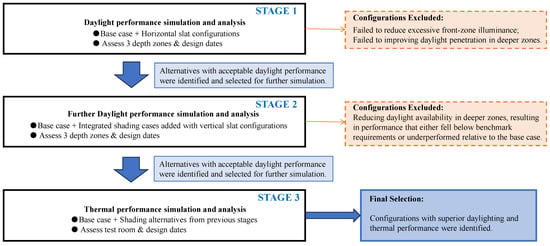
As illustrated in Figure 1, the simulation procedure comprised three sequential stages designed to systematically screen and evaluate slat-based shading configurations under controlled tropical design conditions. In Stage 1, the base case and twelve horizontal slat configurations were evaluated for room-level daylight performance across three depth zones within the test room and three representative seasonal design dates. Shading configurations were screened based on their ability to reduce excessive front-zone illuminance while simultaneously improving daylight availability in deeper zones relative to the base case. Configurations that neither mitigated excessive front-zone illuminance nor improved daylight penetration in deeper zones were excluded. In Stage 2, selected horizontal slat configurations were combined with vertical slats and re-evaluated to examine whether lateral and low-angle solar exposure could be further controlled while maintaining daylight-redirecting benefits identified in Stage 1. Configurations were excluded from further analysis if the addition of vertical slats significantly reduced daylight availability in the middle and rear zones, resulting in performance that either fell below benchmark requirements or underperformed relative to the base case. In Stage 3, only shading configurations demonstrating acceptable daylight performance in the preceding stages were evaluated for thermal performance under consistent boundary conditions. Through this three-stage screening process, shading configurations exhibiting consistently superior daylighting and thermal performance relative to the base case were identified and retained for further analysis. This staged procedure ensures a transparent, systematic, and mechanism-oriented screening framework fully aligned with the adopted methodology.
Figure 1.
Flowchart of the three-stage simulation-based screening procedure for daylighting and thermal performance evaluation.
2.2. Parameters of Test Room, High-Rise Apartment Building, and Shading Configurations
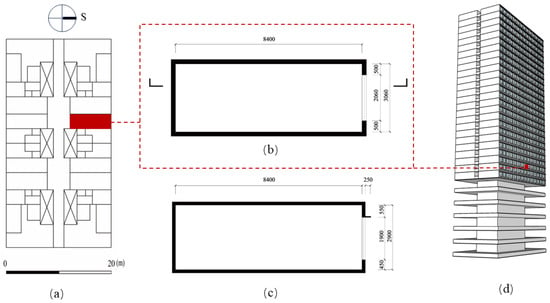
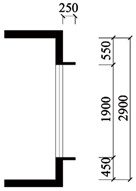
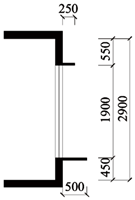
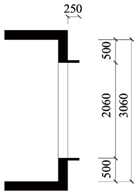
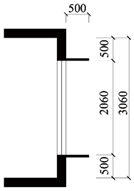
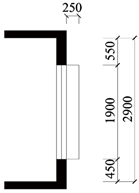
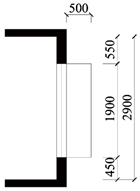
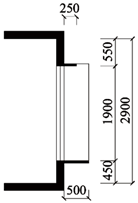
This study focuses on a representative façade configuration prevalent in Malaysian high-rise apartments, defined by short overhangs and the lack of balconies. The test room analyzed is a multifunctional space measuring 8.4 m in depth, 3.06 m in width, and 2.9 m in height, as illustrated in Figure 2, representing a typical high-rise residential room in Malaysia. The model features a window opening measuring 2.06 m × 1.90 m, corresponding to a window-to-wall ratio of 0.44, and incorporates an overhang with a protruding depth of 0.25 m above the window. The window of the test room is oriented due south, consistent with the study focus on south-facing apartments. The test room is located on the ninth floor of a 31-storey high-rise apartment building, with the bottom six floors designated for car parking. The surrounding context was assumed to be unobstructed, with no adjacent buildings or external shading elements affecting the façade, and this configuration was adopted as the base case for subsequent analyses. This assumption represents an idealized exposure scenario and may not fully reflect the dense urban morphology commonly found in tropical cities. However, it allows the geometric effects and intrinsic mechanisms of the proposed slat-based shading configurations to be isolated and examined under consistent boundary conditions, without introducing site-specific variability associated with mutual shading from adjacent buildings. Consequently, the relative performance trends and geometric insights identified in this study are expected to remain informative under comparable contextual conditions.
Figure 2.
Reference model configuration: (a) Ninth-floor layout; (b) Test room floor plan; (c) Test room section; (d) High-rise apartment modeling.
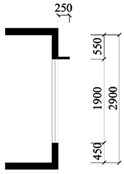
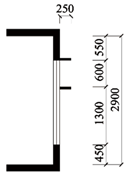
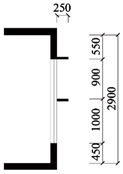
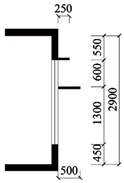
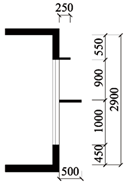
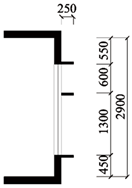
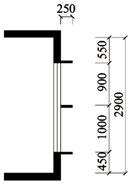
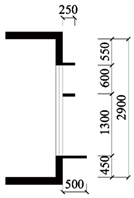
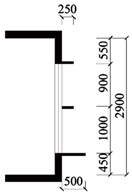
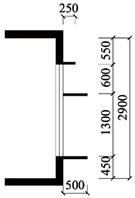
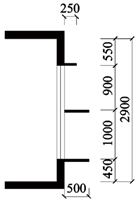
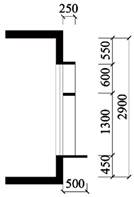
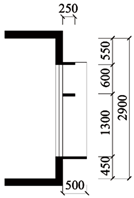
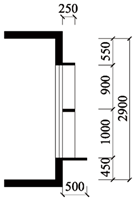
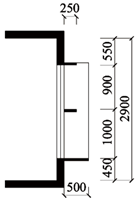
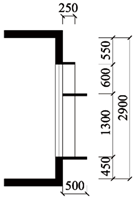
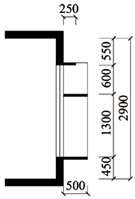
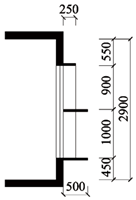
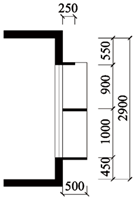
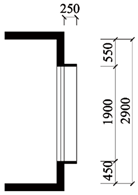
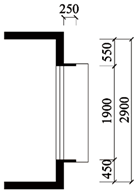
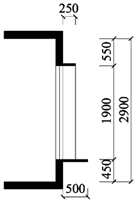
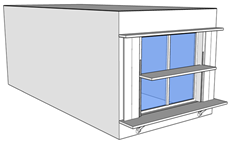
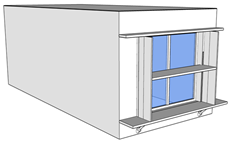
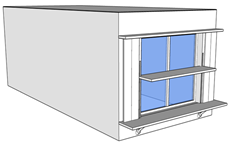
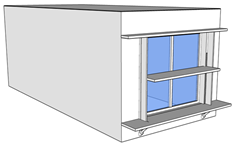
Based on the base case model, twelve different shading devices (SD) configurations (SD 1–SD 12) featuring various horizontal slat designs were simulated in IES-VE, as detailed in Table 2. These twelve configurations are categorized into three types according to the presence of a middle horizontal slat and the height of the slat positioned outside the window. The base case, along with SD 11 and SD 12 (Type 1), do not include a horizontal slat at the mid-height of the window. In contrast, SD 1 to SD 10 incorporate a middle horizontal slat with varying clerestory heights. Specifically, SD 1, SD 3, SD 5, SD 7, and SD 9 have a clerestory height of 1300 mm (Type 2), whereas SD 2, SD 4, SD 6, SD 8, and SD 10 have a clerestory height of 1000 mm (Type 3).
Table 2.
Shading device configurations with horizontal slats.
The twelve shading device configurations (SD 1–SD 12) were further grouped into six pairs based on geometric variations. For instance, SD 1 and SD 2 feature a single horizontal slat positioned at mid-window height with a protruding depth of 250 mm, whereas SD 3 and SD 4 have slats with a 500 mm protrusion. Additionally, SD 1 and SD 2 differ from SD 5 and SD 6 in the number of horizontal slats: the former have a single slat, while the latter have two, including an additional bottom slat of the same size. A similar distinction exists between SD 3 and SD 4 versus SD 9 and SD 10. SD 7 and SD 8 adopt a configuration similar to SD 5 and SD 6 but incorporate bottom slats with an extended depth of 500 mm. All slats across the configurations have a uniform thickness of 50 mm. These twelve configurations, along with the base case, were initially evaluated through daylight simulation.
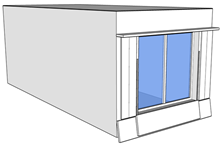
Subsequently, the most promising cases were selected based on optimal daylight performance. Two types of vertical slat configurations were added to each side of the window of the test room. The vertical slat depth was treated as a variable in further daylight performance evaluations. The shorter vertical slats have a depth of 250 mm, while the longer slats extend to 500 mm, as summarized in Table 3. Shading devices integrated with 250 mm vertical slats were designated as SDS, while those integrated with 500 mm vertical slats were named SDL. These combined configurations are referred to as integrated shading cases (ISC). The most effective daylight performance cases from this stage were then chosen for subsequent thermal performance simulations.
Table 3.
Shading device configurations with vertical slats.
Table 4 summarizes the reflectance, specularity, and roughness of the internal surfaces of the test room. The reflectance value of 90% assigned to the horizontal and vertical slats was selected as a high-reflectance, upper-bound reference condition to isolate the geometric daylight-redirecting potential of slat-based shading devices. Similar high-reflectance assumptions have been adopted in previous simulation-based daylighting studies in tropical climates, particularly for reflective daylight-redirecting components such as light shelves, horizontal light pipes, and integrated shading systems [2,4,12,14,20,21], where the primary objective was to evaluate the geometric effectiveness of reflective components under optimized conditions. In practice applications, materials such as coated aluminum, painted metal panels, or high-reflectance composite finishes can achieve reflectance values approaching this range; however, actual slat materials would exhibit lower reflectance values due to material properties, surface aging, and environmental soiling. Consequently, the absolute illuminance values reported in this study represent performance outcomes within the adopted modeling framework and should not be interpreted as exact predictions of in situ illuminance under all material conditions. While lower reflectance values would reduce absolute indoor illuminance, the comparative performance trends and relative ranking of configurations remain valid due to the consistent optical assumptions applied across all cases. The ground plane was modeled with a reflectance value of 0.20, representative of typical urban ground surfaces. This value was applied consistently across all simulation cases to ensure that the comparative evaluation of shading geometries was not influenced by variations in external surface properties.
Table 4.
Surface properties of walls, ceiling, floor, and glazing used as input parameters in the IESVE simulations.
To isolate the direct influence of façade shading geometry on indoor thermal response under consistent conditions, potential confounding effects related to building operation and occupant-related gains were excluded from the thermal simulations. Specifically, HVAC systems, natural ventilation, air infiltration, and internal heat gains were not considered. This simplified thermal boundary condition allows direct comparison of shading configurations under consistent assumptions but may lead to overestimation of absolute reductions in operative temperature attributable to shading alone. Accordingly, the thermal results are intended to support relative performance comparison rather than precise predictions of in-use thermal conditions. Such simplified boundary conditions are adopted in early-stage façade performance studies to isolate the intrinsic thermal influence of envelope design variables before incorporating operational complexities present in real buildings. In practice, the magnitude of thermal improvements may vary depending on building operation, occupancy patterns, and HVAC control strategies; however, the comparative performance trends among shading configurations remain applicable under comparable climatic conditions. Table 5 details the construction specifications of the test high-rise apartment building. The window glazing was modeled with a Solar Heat Gain Coefficient (SHGC) of 0.81, which was applied consistently across all thermal simulation cases.
Table 5.
Construction material of test high-rise apartment used as input parameters in the IESVE simulations.
2.3. Local Climate, Timeframe, and Geographical Location
The tropical climate is characterized by dynamic sky conditions, with rapidly changing cloud cover and a predominance of intermediate skies [28]. Previous studies reported that clear-sky conditions are rarely observed in Malaysia, emphasizing that daylighting studies in tropical regions should explicitly consider the prevalence of intermediate sky conditions [28,38]. Accordingly, the present simulations adopted CIE intermediate sky models with direct sun as standardized design sky conditions. These sky models provide deterministic and repeatable sky luminance distributions, enabling controlled comparison of shading configurations under identical sky conditions. While standard CIE sky models may underestimate absolute illuminance levels when applied directly in tropical contexts, their use allows the geometric influence of shading devices to be examined without confounding effects from variable weather conditions [3,4,26,28,39,40,41]. Daylighting and thermal performance were evaluated on three representative design dates, 21 March, 22 June, and 22 December. For each date, simulations were conducted at three representative times of day: 09:00, 12:00, and 15:00. The selected design dates and time points were chosen to represent key seasonal solar positions and critical periods of solar exposure for south-facing façades in tropical regions [3,26,40,42,43,44,45], allowing a controlled and repeatable comparison of shading geometries under consistent conditions. All simulations were performed for Kuala Lumpur, Malaysia (2.75° N, 101.71° E). The selected geographic location represents a near-equatorial solar environment. At such latitudes, the investigated south-facing façade corresponds to a pole-facing exposure, which experiences broadly similar annual solar radiation patterns to a north-facing façade. The findings are primarily applicable to regions with similar solar geometry.
2.4. Criteria of Analysis
The simulated exterior global horizontal illuminance generated by CIE sky models in IES-VE is substantially lower than the illuminance levels typically observed under tropical sky conditions [28,29]. While dynamic daylight metrics such as Daylight Autonomy (DA) and Useful Daylight Illuminance (UDI) are widely used in annual daylight performance assessments, studies conducted in tropical regions has frequently adopted ratio-based metrics when the objective is controlled comparison under design sky conditions [3,4,26,27,28,39,40,41,42,46,47]. Accordingly, two daylight metrics, namely Daylight Ratio (DR) and Estimated Indoor Illuminance (EII), were employed to support comparative evaluation of shading device configurations. These metrics were used to characterize daylight magnitude and zone-level daylight distribution under consistent assumptions, thereby facilitating benchmark-based screening of alternative configurations.
The Daylight Ratio is defined as the ratio of indoor work-plane illuminance to exterior global horizontal illuminance, expressed as a percentage, as shown in Equation (1):
DR = Work Plane Illuminance/Exterior Global Horizontal Illuminance × 100%
To approximate representative indoor illuminance levels under tropical daylight conditions while maintaining a controlled comparative framework, average exterior global horizontal illuminance values obtained from field measurements were used as scaling factors [3,4,40,42]. This Daylight Ratio (DR)-based approach facilitates the evaluation of relative daylighting performance trends among different shading configurations at representative design times, while ensuring consistency across all simulated cases. Accordingly, the adopted method is positioned as a mechanism-oriented, comparative evaluation tool for assessing the geometric effectiveness of external slat-based shading configurations under controlled and repeatable sky conditions, rather than as a precise predictor of absolute indoor daylight levels.
Based on field measurements, average exterior global horizontal illuminance levels of 26,895 lux, 84,086 lux, and 75,117 lux were recorded at 09:00, 12:00, and 15:00, respectively. The Estimated Indoor Illuminance (EII) was calculated using Equation (2):
Estimated Indoor Illuminance (EII) = DR × Estimated Outdoor Illuminance
To evaluate the simulated indoor illuminance levels against established lighting benchmarks, MS 2680:2017 was adopted as the reference standard [48]. MS 2680:2017 is the Malaysian Standard for interior lighting in residential buildings and is widely applied in both local daylighting research and design practice [41,49]. The illuminance recommendations specified in MS 2680:2017 for residential spaces such as living, dining, and kitchen spaces are broadly consistent with guidance provided in internationally recognized standards such as CIE and EN, while being calibrated to local climatic conditions, daylight availability, and residential usage patterns in tropical regions. Accordingly, MS 2680:2017 is employed in this study as a context-appropriate benchmark for screening and comparing indoor illuminance performance under tropical daylight conditions.
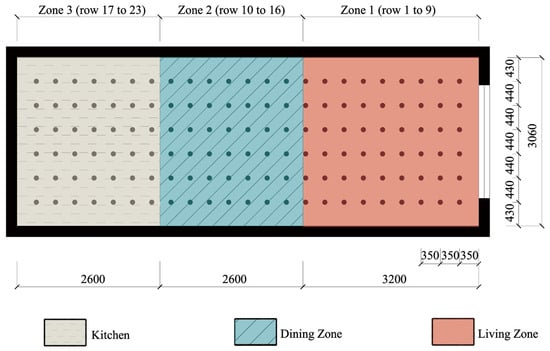
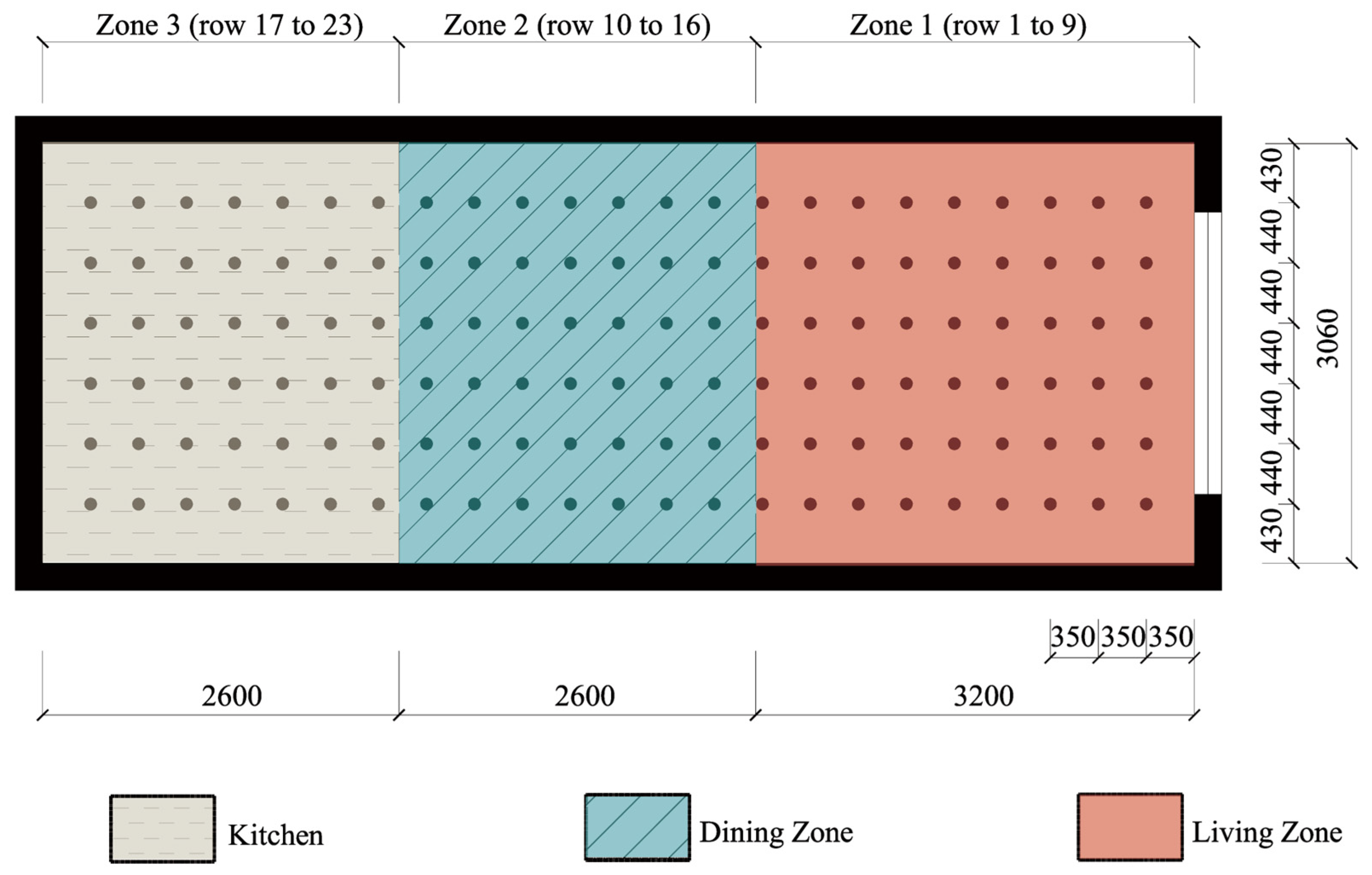
The test room was subdivided into three functional zones. Rows 1–9 correspond to the Living Zone, rows 10–16 to the Dining Zone, and rows 17–23 to the Kitchen. The Living Zone was instrumented with a 9 × 6 grid of horizontal illuminance sensor points (54 sensors), while both the Dining Zone and the Kitchen were instrumented with 7 × 6 grids (42 sensors per zone), as illustrated in Figure 3. All sensor points were positioned at a height of 0.75 m above the finished floor level.
Figure 3.
Zoning of the test room based on distance from the window, comprising the Living Zone (Zone 1: rows 1–9), Dining Zone (Zone 2: rows 10–16), and Kitchen Zone (Zone 3: rows 17–23).
The operative temperature (To) is a comprehensive thermal comfort indicator that integrates the combined effects of air temperature and mean radiant temperature on human thermal perception [50,51]. In this study, To was adopted as the primary metric for evaluating room-level thermal performance. As recommended by both ASHRAE Standard 55 and CEN EN 15251 for adaptive thermal comfort assessment, operative temperature is widely recognized as a reliable predictor of occupants’ thermal sensation [52,53]. However, in the present study, To is employed as a comparative indicator to evaluate relative thermal moderation among shading configurations under consistent boundary conditions, rather than as a direct measure of occupant thermal comfort. A quantitative thermal comfort assessment was therefore beyond the scope of this study.
3. Results
3.1. Daylight Performance
3.1.1. Daylighting Performance of Horizontal Slat Configurations
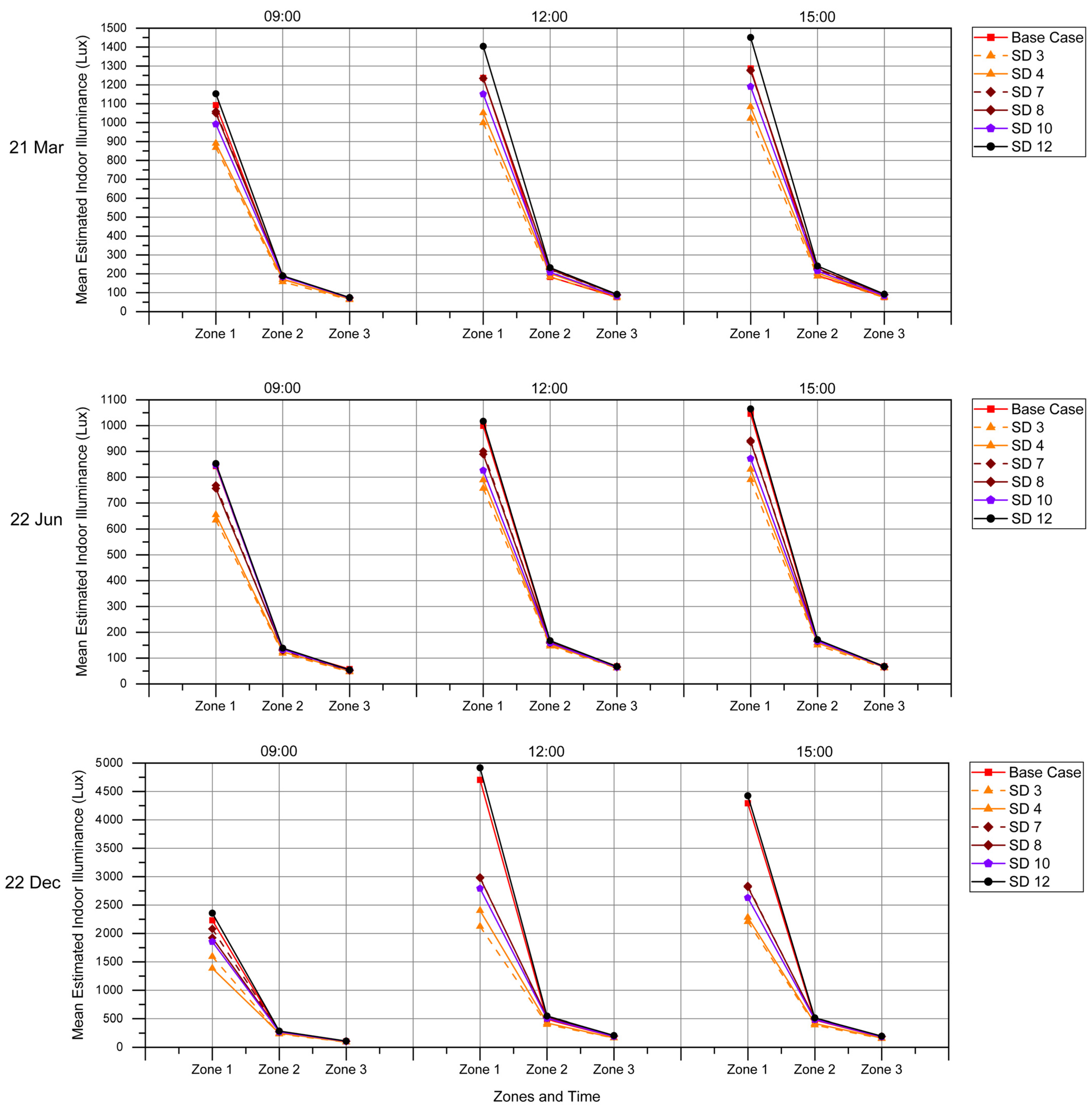
A summary graphical comparison of representative shading configurations is provided in Figure 4 to visually illustrate relative daylight performance across room depth. To facilitate direct visual comparison of illuminance decay with room depth, all figures presenting Estimated Indoor Illuminance (EII) across different depth zones employ a consistent y-axis scale. Additionally, to improve clarity, the figures have been simplified to emphasize key comparative trends among representative shading configurations that support the main findings, while more detailed comparisons are provided in Table A1 in the Appendix A. Overall, the mean EII values at rows 1–9 on 22 December were consistently higher than those recorded on 21 March and 22 June for all shading configurations. Across all three design dates, the base case, SD 11, and SD 12 exhibited the highest mean EII values at rows 1–9. Among these, SD 12 consistently produced the highest illuminance levels, followed by SD 11 and the base case. In contrast, SD 1–SD 10 reduced the EII values at rows 1–9 to varying extents throughout all evaluated periods. The most pronounced reductions occurred on 22 December, particularly at 12:00 and 15:00. During these periods, mean EII values exceeding 4000 lux in the base case were reduced to approximately 2000 lux. Among all configurations, SD 3 and SD 4 achieved the greatest reduction in excessive illuminance at rows 1–9 across all three design dates, with only marginal differences observed between their performances. The remaining eight shading devices also demonstrated effective reductions, although their impact was slightly less pronounced than that of SD 3 and SD 4.
Figure 4.
Comparative mean Estimated Indoor Illuminance (EII) across room depth zones for selected representative shading configurations.
A general reduction in EII values was observed at both rows 10–16 and rows 17–23 across most shading configurations on 22 June. Among these configurations, SD 3 exhibited the largest reductions in EII. At rows 10–16, reductions of 11.3%, 9.9%, and 9.1% were observed at 09:00, 12:00, and 15:00, respectively. At rows 17–23, the corresponding reductions were 19.3%, 10.3%, and 10.3%. In contrast, SD 12 slightly increased EII values at rows 10–16 on 22 June, with increases of 3.7% at 9:00, 3.1% at 12:00, and 3.6% at 15:00.
On 21 March and 22 December, configurations SD 7–SD 12 generally increased EII values at both rows 10–16 and rows 17–23. These increases resulted in illuminance levels closer to the values recommended by MS 2680:2017 (250 lux for both dining and kitchen areas) [48]. Among these configurations, SD 7, SD 8, and SD 12 exhibited the most favorable performance. On 21 March, SD 12 achieved the highest increases in EII. At rows 10–16, improvements of 10.5%, 26.8%, and 26.2% were recorded at 09:00, 12:00, and 15:00, respectively. At rows 17–23, the corresponding increases were 10.4%, 19.7%, and 19.5%. A similar trend was observed on 22 December, with SD 12 again producing the largest increases at both zones. SD 7 and SD 8 demonstrated comparable but slightly lower performance, with only minor differences observed between these two configurations. The detailed numerical results of mean Estimated Indoor Illuminance (EII) values for rows 1–9, rows 10–16, and rows 17–23 across all shading configurations, evaluated within the adopted comparative framework against the residential illuminance requirements specified in MS 2680:2017, are presented in Table A1 in the Appendix A. The analysis of mean EII values is presented separately for the three design dates.
On 21 March, the mean EII values of the base case at rows 1–9 were 1093 lux at 09:00, 1237 lux at 12:00, and 1287 lux at 15:00. All values fell within the recommended useful illuminance range of MS 2680:2017 (100–2000 lux). Compared with the base case, shading configurations SD 1–SD 10 reduced the EII values at rows 1–9 across all three time periods. However, the magnitude of reduction was relatively modest. Among these configurations, SD 3 and SD 4 produced the greatest reductions, with decreases of 20.6% at 09:00, 19.2% at 12:00, and 20.5% at 15:00. In contrast, SD 11 and SD 12 increased the EII values at rows 1–9 throughout the day. SD 12 exhibited the largest increase, with increments of 5.5% at 09:00, 13.5% at 12:00, and 12.7% at 15:00. Nevertheless, the EII values at rows 1–9 for all shading configurations remained within the acceptable benchmark range. At greater room depths, the base case achieved mean EII values of 171, 183, and 191 lux at rows 10–16, and 67, 76, and 77 lux at rows 17–23 at 09:00, 12:00, and 15:00, respectively. These values did not meet the MS 2680:2017 recommended illuminance level of 250 lux for dining and kitchen areas. Configurations SD 7, SD 8, SD 9, SD 10, SD 11, and SD 12 increased the EII values at both rows 10–16 and rows 17–23 across all three times, bringing illuminance levels closer to the recommended benchmark. Among them, SD 12 achieved the highest increases, followed by SD 8. However, the differences in performance among these six configurations were relatively small. Consequently, SD 7–SD 12 were selected for subsequent simulations incorporating vertical slat configurations on 21 March.
On 22 December, the mean Estimated Indoor Illuminance (EII) values of the base case at rows 1–9 reached 2230 lux at 09:00, 4703 lux at 12:00, and 4292 lux at 15:00, all of which exceeded the MS 2680:2017 recommended upper limit of 2000 lux, indicating substantial over-illumination in the front zone under direct solar exposure. Similar to the trends observed on 21 March, shading configurations SD 1–SD 10 reduced the excessive illuminance levels at rows 1–9. SD 3 and SD 4 achieved the greatest reductions, with decreases of 37.9% at 09:00, 54.9% at 12:00, and 48.6% at 15:00. The remaining eight configurations also reduced EII values, although to a lesser extent than SD 3 and SD 4. Conversely, SD 11 and SD 12 further increased the already excessive EII values at rows 1–9. SD 12 exhibited the highest values, reaching 2357 lux at 09:00, 4916 lux at 12:00, and 4425 lux at 15:00. At rows 10–16, the base case achieved mean EII values of 268 lux at 09:00, 489 lux at 12:00, and 478 lux at 15:00, while rows 17–23 recorded 102, 186, and 176 lux at the corresponding times. According to MS 2680:2017, the illuminance levels at rows 17–23 did not meet the recommended requirement for kitchen spaces. Shading configurations SD 7, SD 8, SD 10, SD 11, and SD 12 increased EII values at both depth zones throughout the day. However, although SD 11 and SD 12 improved illuminance at rows 10–16 and rows 17–23, they failed to mitigate excessive illuminance at rows 1–9. Therefore, SD 7, SD 8, and SD 10 were selected for subsequent simulations with vertical slat variables on 22 December.
On 22 June, the base case achieved mean EII values at rows 1–9 of 843 lux at 09:00, 999 lux at 12:00, and 1046 lux at 15:00, all of which remained within the MS 2680:2017 recommended range. Shading configurations SD 1–SD 10 reduced the EII values at rows 1–9 across all time periods, although the reductions were relatively small. The greatest reduction was observed for SD 3, with decreases of 24.8% at 09:00, 24.3% at 12:00, and 24.5% at 15:00, followed closely by SD 4. Similar to the other two design dates, SD 11 and SD 12 slightly increased the EII values at rows 1–9. At rows 10–16, the base case recorded mean EII values of 133, 162, and 165 lux, while rows 17–23 recorded 57, 68, and 68 lux at 09:00, 12:00, and 15:00, respectively. Unlike the patterns observed on 21 March and 22 December, all shading configurations further reduced EII values at rows 17–23 on 22 June, exacerbating the already insufficient illuminance levels. Only SD 12 exhibited a marginal increase at rows 10–16, while all other configurations resulted in further reductions. As a result, no shading configuration outperformed the base case in terms of improving daylight conditions at greater depths on 22 June. Therefore, the base case was retained as the most suitable configuration for this date, and no further simulations incorporating vertical slats were conducted.
3.1.2. Daylighting Performance of Integrated Shading Cases with Vertical Slat Configurations
Based on the preceding daylight performance analysis, shading devices SD 7, SD 8, SD 9, SD 10, SD 11, and SD 12 were selected for integration with vertical slat configurations and further daylight performance evaluation on 21 March and 22 December. The configurations of resulting integrated shading cases were illustrated in Table 6.
Table 6.
Integrated shading cases with vertical slat configurations.
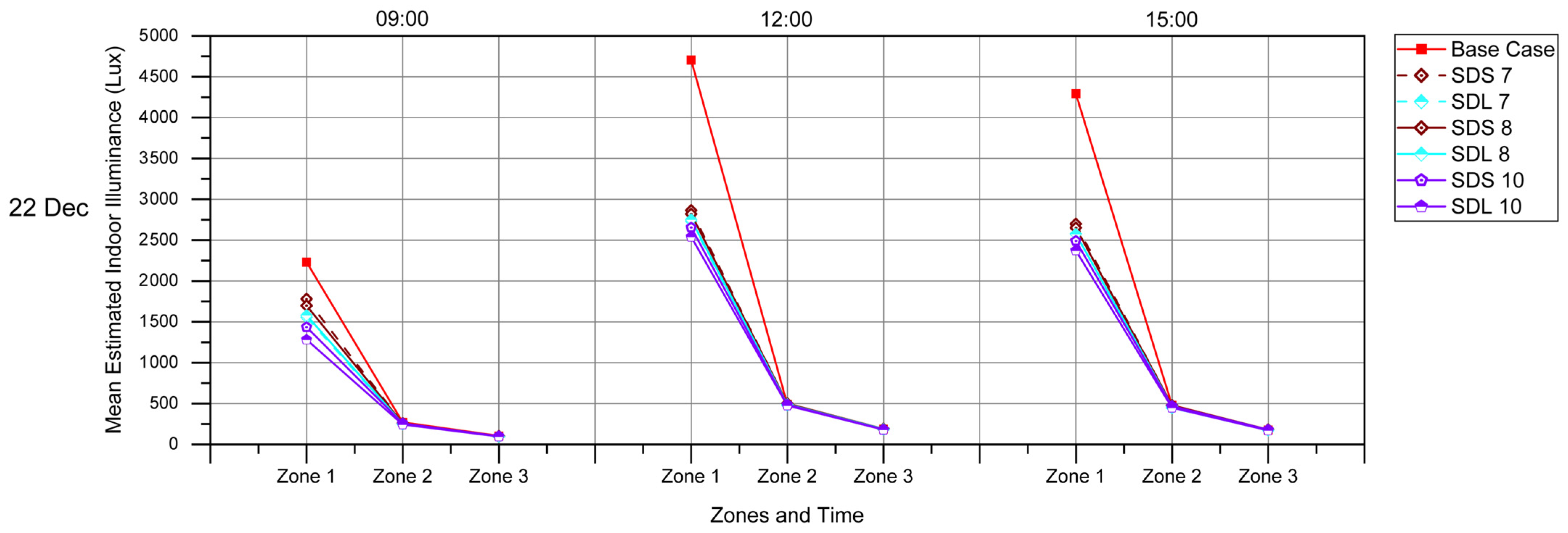
For 22 December, SD 7, SD 8, and SD 10 were selected for integration with vertical slat variables in accordance with the screening results presented in Section 3.1.1. As illustrated in Figure 5, the integrated configurations SDS 7, SDL 7, SDS 8, SDL 8, SDS 10, and SDL 10 significantly reduced the excessive illuminance levels of the base case at rows 1–9 across all three evaluated time points. Compared with their corresponding horizontal-only configurations (SD 7, SD 8, and SD 10), the integrated shading cases achieved consistently greater reductions in mean EII values, as summarized in Table 7. Among all configurations, SDL 10 produced the greatest reduction in mean EII at rows 1–9, reaching 42.6% at 09:00, 46.1% at 12:00, and 44.7% at 15:00, followed by SDS 10, which achieved the second-highest reductions. Overall, all six integrated shading cases met the recommended illuminance benchmark at 09:00. At 12:00 and 15:00, their EII values were substantially closer to the MS 2680:2017 recommended range compared with the base case. At greater room depths (rows 10–16 and rows 17–23), a general reduction in EII values was observed at 09:00. Notably, all six integrated shading cases reduced mean EII values at rows 17–23 to below 100 lux (Table 8). At 12:00, SDL 7, SDL 8, SDS 10, and SDL 10 reduced EII values at both depth zones, whereas SDS 7 and SDS 8 increased illuminance levels. At 15:00, in addition to SDS 7 and SDS 8, SDS 10 also increased EII values at rows 17–23. Considering the performance across room depth and time, SD 7, SD 8, SD 10, SDS 7, SDS 8, and SDS 10 were identified as achieving the most balanced daylight performance on 22 December. These configurations were therefore selected for subsequent thermal performance simulations for this design date.
Figure 5.
Comparative mean Estimated Indoor Illuminance (EII) across room depth zones for selected representative shading configurations on 22 December.
Table 7.
Mean estimated indoor illuminance (Lux) of base case and integrated shading cases on 22 December.
Table 8.
Mean estimated indoor illuminance (Lux) of base case and integrated shading cases on 21 March.
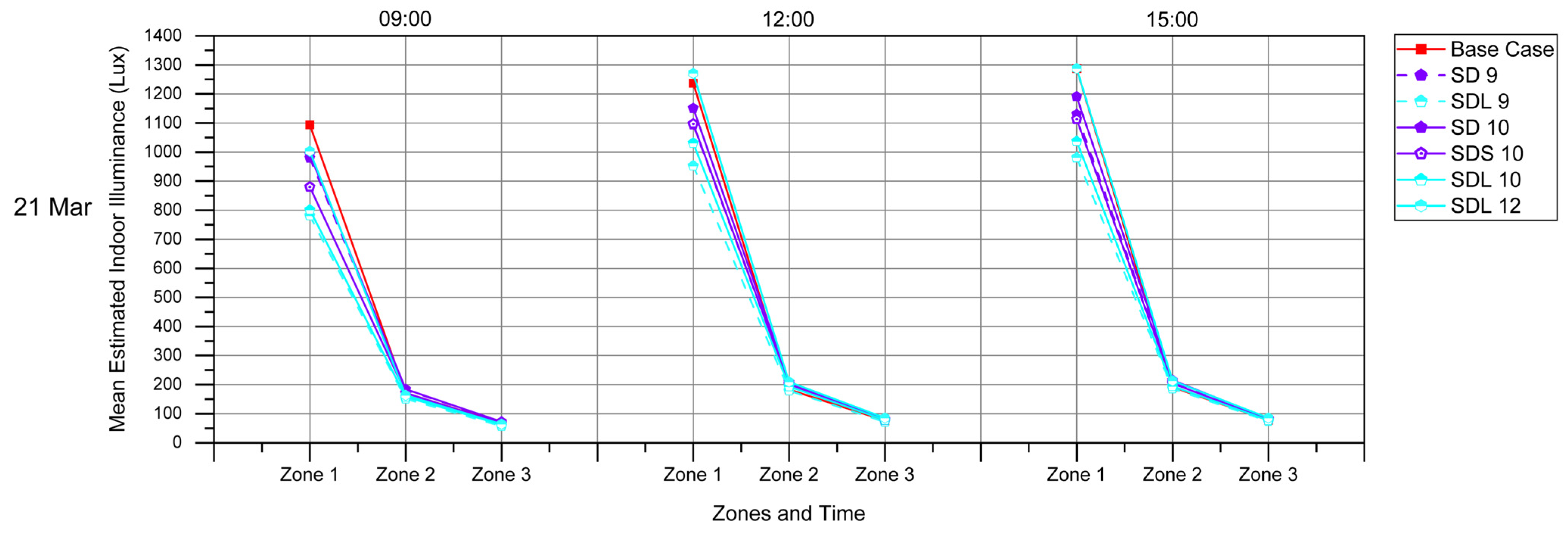
For 21 March, all six shading configurations (SD 7, SD 8, SD 9, SD 10, SD 11, and SD 12) were integrated with vertical slat variables based on the previous screening results. Figure 6 displays selected representative integrated shading cases that capture the dominant daylighting responses, while more detailed comparisons are provided in Table 8. As shown in Figure 6, a general reduction in mean EII values at rows 1–9 was observed for all integrated shading cases across the three evaluated time points. Among these, SDL 9 achieved the greatest reduction in mean EII at rows 1–9, with decreases of 28.7% at 09:00, 22.9% at 12:00, and 23.8% at 15:00, followed by SDS 9, which exhibited the second-highest reductions. In contrast, SDS 12 and SDL 12 slightly increased mean EII values at rows 1–9 during midday and afternoon hours (12:00 and 15:00). Nevertheless, all integrated shading cases maintained EII values at rows 1–9 within the recommended illuminance range across all evaluated times. At rows 10–16 and rows 17–23, a general reduction in EII values was observed at 09:00. However, at 12:00 and 15:00, several integrated shading configurations—including SDS 7, SDL 7, SDS 8, SDL 8, SDS 9, SDS 10, SDL 10, SDS 12, and SDL 12—produced increases in EII values relative to the base case. SDL 12 achieved the highest increases, with values of 23.5% (rows 10–16) and 17.1% (rows 17–23) at 12:00, and 17.3% and 14.3%, respectively, at 15:00. Overall, nine integrated shading cases resulted in higher mean EII values at rows 10–16 and rows 17–23 compared with the base case, thereby bringing illuminance levels closer to the MS 2680:2017 recommended benchmark. Consequently, SD 7, SD 8, SD 9, SD 10, SD 11, SD 12, SDS 7, SDL 7, SDS 8, SDL 8, SDS 9, SDS 10, SDL 10, SDS 12, and SDL 12 were identified as achieving optimal daylight performance on 21 March and were selected for subsequent thermal performance simulations.
Figure 6.
Comparative mean Estimated Indoor Illuminance (EII) across room depth zones for selected representative shading configurations on 21 March.
3.2. Thermal Performance
Based on the results of the daylighting simulations, shading configurations that demonstrated acceptable daylight performance were identified and subsequently selected for thermal performance evaluation on representative design days. The thermal performance of each selected alternative was assessed in comparison with the base case in entire apartment building using operative temperature (To) as key indicator.
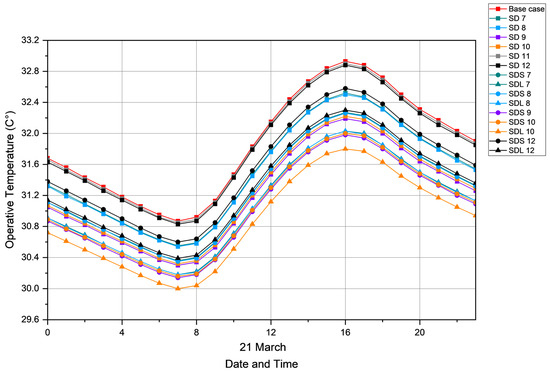
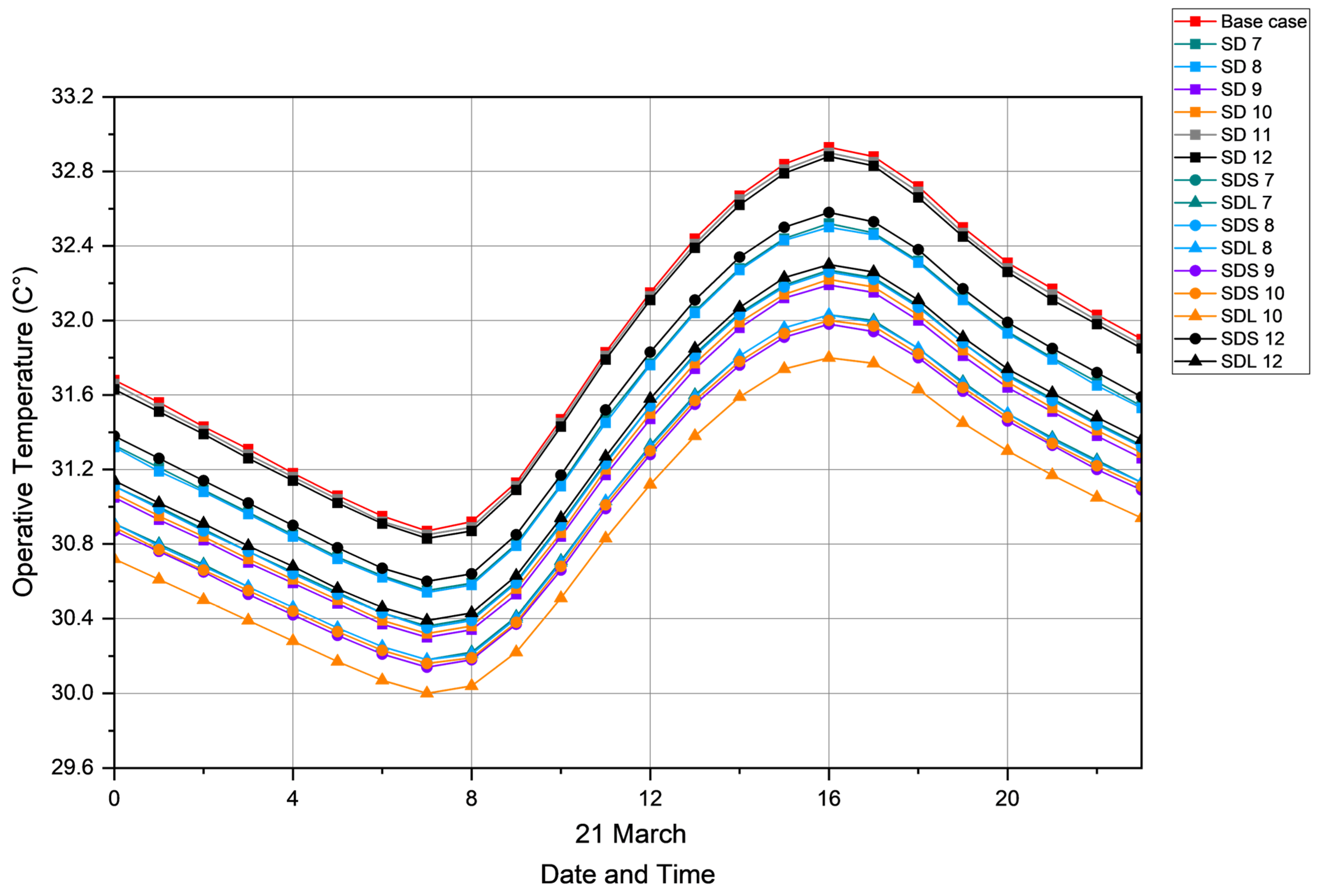
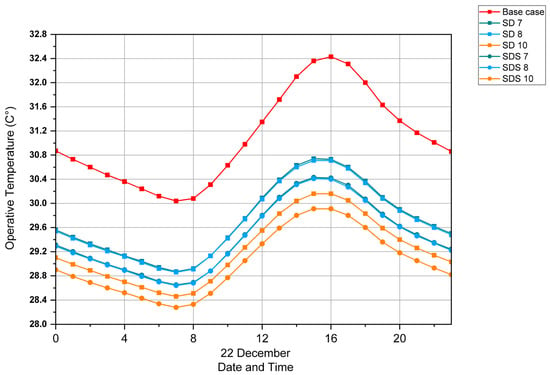
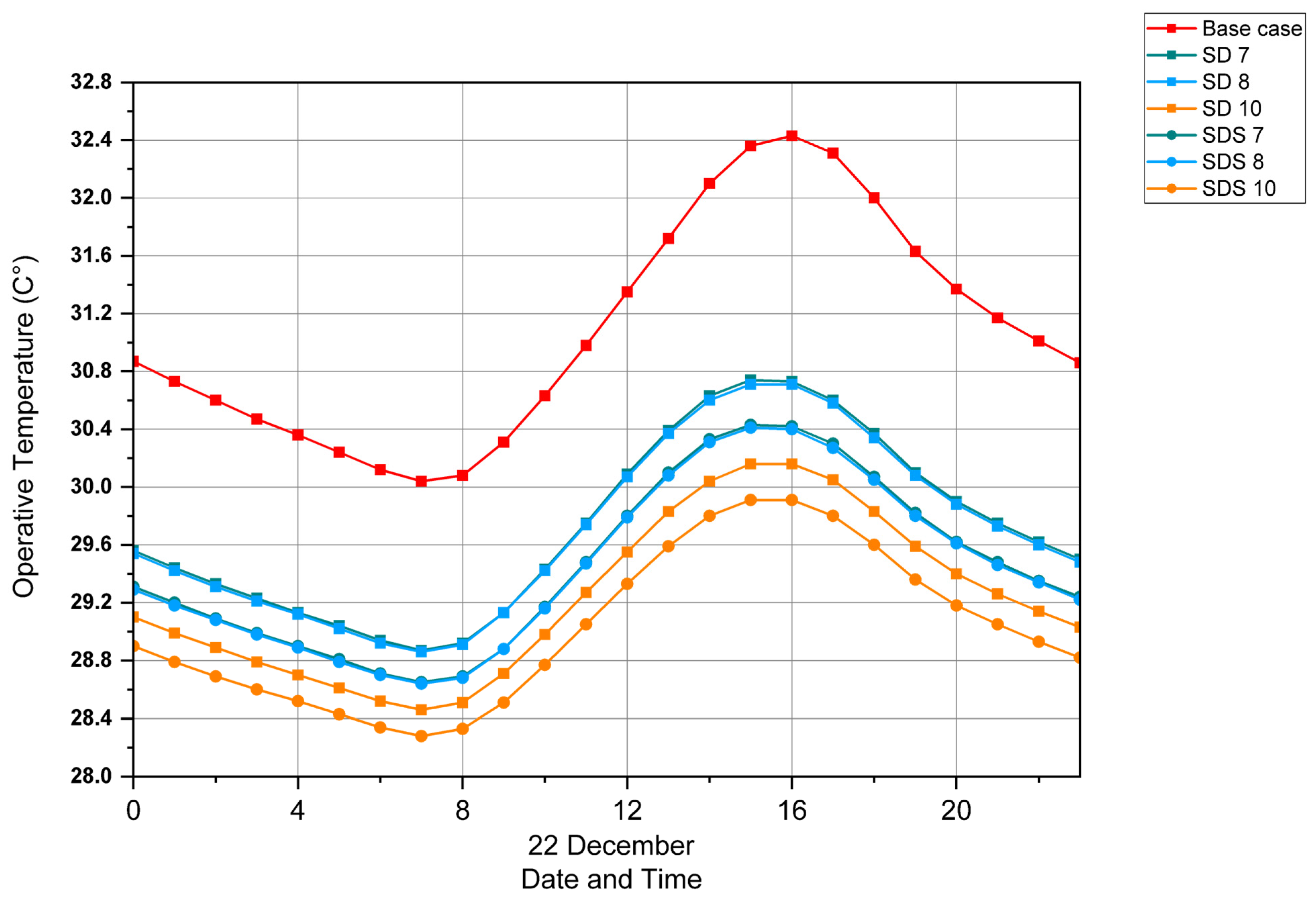
Figure 7 presents the comparison of operative temperature between the base case and the selected shading configurations on 21 March, while Figure 8 illustrates the corresponding results for 22 December. Overall, all shading configurations exhibited similar diurnal temperature profiles across the evaluated periods. Operative temperature reached their minimum values at approximately 07:00, increased rapidly during the morning hours, peaked around 16:00 in the afternoon, and then gradually declined thereafter.
Figure 7.
Operative temperature in the test room with acceptable shading alternatives on 21 March.
Figure 8.
Operative temperature in the test room with acceptable shading alternatives on 22 December.
Across all evaluated periods, the base case consistently recorded the highest operative temperature. On 21 March, the operative temperature of the base case reached a minimum of 30.8 °C at 07:00 and peaked at 32.9 °C at 16:00, before gradually decreasing overnight by the morning of 22 March. Similarly, on 22 December, the base case recorded a minimum operative temperature of 30 °C at 07:00, followed by a peak of 32.4 °C at 16:00. The operative temperature then declined overnight on the morning of the next day.
In contrast, all shading configurations accepted from the previous daylighting simulation stages reduced operative temperature to varying extents throughout the evaluated periods. On 22 December, the most effective configurations in reducing operative temperature were SDS 7, SDS 8, SD 10, and SDS 10. Among these, SDS 10 consistently achieved the greatest reduction in operative temperature. It recorded a minimum operative temperature of 28.3 °C at 07:00, corresponding to a reduction of 1.7 °C relative to the base case. At 16:00, when the daily maximum temperature occurred, SDS 10 reached 29.9 °C, representing a reduction of 2.5 °C compared with the base case value of 32.4 °C. SD 10 achieved the second-largest reductions in operative temperature on this day, followed by SDS 7 and SDS 8, with only minor performance differences between the latter two configurations. On 21 March, the four most effective shading configurations in reducing operative temperature were SDL 8, SDS 9, SDS 10, and SDL 10. Among these, SDL 10 exhibited the greatest overall reduction in operative temperature. It recorded an operative temperature of 30 °C at 07:00, representing a reduction of 0.9 °C compared with the base case. At 16:00, SDL 10 reached 31.8 °C, which is 1.1 °C lower than the base case peak of 33 °C. SDS 9 achieved the second-largest reductions in To on this day, followed by SDS 10 and SDL 8, with only marginal differences among these configurations.
4. Discussion
At near-equatorial latitudes, the solar paths and seasonal variations in solar altitude result in broadly similar radiation exposure for north- and south-facing façades. Accordingly, the daylighting and thermal performance trends identified for the south-facing condition in this study are representative of pole-facing façades in near-equatorial contexts. However, as latitude increases away from the equator, solar altitude, seasonal asymmetry, and orientation-dependent exposure become more pronounced. Therefore, the relative performance trends reported in this study should not be directly generalized to higher-latitude locations without additional latitude-specific investigation.
4.1. Limitations of Conventional Overhangs in Tropical South-Facing Apartments
The base case configuration, characterized by a typical high-rise apartment room with a short overhang, was shown to be highly vulnerable to uneven daylight distribution and elevated indoor thermal conditions under south-facing orientation. During periods of direct solar exposure, particularly on 22 December, excessive indoor illuminance was observed in the front zone of the test room. In the base case, the mean Estimated Indoor Illuminance (EII) at rows 1–9 reached 4703 lux at 12:00 and 4292 lux at 15:00, substantially exceeding the useful daylight range recommended by MS 2680:2017 [48]. This over-illumination reflects excessive solar penetration under the evaluated design conditions and coincides with elevated operative temperatures, indicating a direct coupling between uncontrolled solar penetration and increased radiant heat gain. These findings confirm that conventional overhang designs commonly applied in high-rise residential buildings are inadequate for providing year-round daylighting and thermal control in tropical latitudes.
4.2. Influence of Horizontal Slat Configuration on Daylight Distribution
Horizontal slats positioned at mid-opening height are particularly effective in reducing excessive daylight in the front zone, especially under high solar altitude conditions. Among all configurations, SD 3 and SD 4, which incorporate deeper mid-height slats, achieved the greatest reduction in front-zone EII across all three design days, indicating that increased slat depth at this location consistently limited direct solar penetration. These findings confirm that slat depth at mid-opening height is a critical geometric parameter for controlling front-zone over-illumination. In contrast, configurations with slats positioned at sill level (SD 11 and SD 12) increased front-zone illuminance levels, indicating that bottom-positioned slats tend to reflect additional daylight into the space rather than blocking solar penetration. Additionally, variations in clerestory height had negligible influence on front-zone illuminance under tropical sky conditions, suggesting that vertical positioning of the mid-height slat is less influential than its depth.
Bottom horizontal slats exhibited a contrasting role in daylighting performance. Rather than blocking incoming daylight, they primarily functioned as reflective elements, redirecting incident sunlight toward the middle and rear zones of the room. Under direct sunlight (21 March and 22 December), configurations incorporating bottom slats significantly enhanced daylight penetration into the middle and rear zones (rows 10–16 and 17–23) through controlled reflection. For example, on 22 December, SD 9 increased EII relative to SD 3 by 21.8% (rows 10–16) and 12.3% (rows 17–23) at 12:00, and by 19.7% (rows 10–16) and 15.2% (rows 17–23) at 15:00. Similar, though smaller, improvements were observed on 21 March, reflecting the influence of solar altitude. Bottom slat depth further modulated this effect. Devices with deeper bottom slats (500 mm) consistently achieved higher EII values in deeper zones than those with shorter slats (250 mm). On 21 March, SD 8 increased relative to SD 6 by 21.7% (rows 10–16) and 18.6% (rows 17–23) at 12:00, with comparable enhancements observed at 15:00. On 22 December, the corresponding increases were more moderate but still notable, reaching up to 11.8%. The interaction between mid-height and bottom slats was found to be critical. When both were present, shorter mid-height horizontal slats allowed greater sunlight access to the bottom slat, enhancing reflected daylight penetration into deeper zones. In contrast, excessively deep mid-height slats suppressed both direct and reflected daylight, leading to overall reductions in indoor illuminance. For instance, SD 7 exceeded SD 9 by up to 6.6% in deeper zones on 22 December. These findings indicate that effective daylight redistribution in tropical residential spaces depends on coordinated slat geometry, rather than on increasing individual slat dimensions in isolation.
Under intermediate sky conditions without direct sunlight (22 June), the daylighting benefits of horizontal slats in south-facing room were markedly reduced. Most configurations further decreased already low EII values throughout the room, with only SD12 marginally increasing illuminance in the middle zone while reducing it in the rear zone. This finding underscores that the daylight-redirecting effectiveness of slat-based shading devices in tropical climates is strongly dependent on the presence of direct solar radiation, with their benefits being most pronounced during periods of strong solar exposure.
4.3. Effect of Vertical Slats and Integrated Shading Strategies on Daylighting
The introduction of vertical slats reduced overall indoor illuminance levels but did not negate the daylight-redirecting effect of horizontal slats. Several integrated configurations maintained or even improved illuminance levels in deeper zones relative to the base case, demonstrating that vertical shading can be combined with horizontal elements without excessively compromising daylight availability when appropriately proportioned. These results suggest that vertical fins primarily regulate lateral and low-angle solar penetration while allowing horizontal elements to continue redistributing daylight deeper into the space. This interaction was particularly relevant for south-facing rooms in tropical regions, where solar exposure occurs from multiple azimuth angles throughout the day.
4.4. Thermal Performance of Slat-Based Shading Configurations
Thermal performance analysis confirmed that all shading configurations selected from the daylighting stage reduced operative temperature relative to the base case. This reinforces the effectiveness of external shading as a passive cooling strategy for tropical residential buildings. The magnitude of thermal improvement was strongly dependent on shading configurations and seasonal conditions. Integrated configurations combining horizontal and vertical slats consistently outperformed horizontal-only devices, indicating that multi-directional solar obstruction is critical in controlling both high-angle and low-angle solar radiation. Vertical slats were particularly effective in reducing lateral solar exposure, which is common during morning and afternoon periods for south-facing apartment room in tropical latitudes. Thermal performance varied seasonally, with greater temperature reductions observed on the December design days than in March. This seasonal variation reflects differences in solar altitude, intensity, and duration of direct exposure, reinforcing the importance of climate-responsive shading design.
While reductions in operative temperature generally correspond to improved thermal comfort potential in tropical residential spaces, particularly under adaptive comfort principles, the present analysis does not evaluate thermal comfort compliance or occupant perception. Accordingly, the observed reductions in operative temperature should be interpreted as relative improvements in indoor thermal conditions at the room level, rather than definitive assessments of occupant thermal comfort, which would require additional behavioral, adaptive, and operational inputs.
4.5. Implications for Integrated Thermal–Daylight Performance
When daylighting and thermal performance are considered jointly, the results indicate that optimal shading solutions are those that balance solar obstruction with controlled daylight redirection. Middle-height horizontal slats are critical for mitigating excessive illuminance and solar heat gain in the front zone while simultaneously enhancing daylight penetration into deeper areas of the room. Bottom horizontal slats further increase illuminance in the rear zones under direct sunlight conditions. Vertical fins improve thermal performance by limiting lateral solar exposure without fully compromising the daylight benefits provided by horizontal slats. Notably, the shading configurations that achieved the greatest thermal benefits were not always those that maximized daylight penetration into the rear zones. This highlights an inherent trade-off between daylight enhancement and thermal control in slat-based shading systems. For instance, configurations such as SDS 10 and SDL 10 consistently exhibited superior thermal performance across different seasons, despite not always producing the highest illuminance levels in deeper areas. This indicates that combined horizontal–vertical shading systems with carefully balanced slat depths can effectively suppress solar heat gains while maintaining daylight levels within acceptable ranges. These findings emphasize that integrated shading design in tropical residential buildings should prioritize balanced performance rather than optimizing daylighting or thermal performance in isolation. A coordinated configuration of middle-height horizontal slats, bottom reflective elements, and vertical slats provides a robust strategy for simultaneously improving daylight distribution and indoor thermal conditions in south-facing high-rise apartment rooms.
Several integrated shading configurations were identified as providing the optimal balance between reducing excessive front-zone illuminance, enhancing daylight penetration into deeper zones, and lowering operative temperatures under the evaluated design days. Accordingly, a movable external shading system is proposed for a south-facing apartment room to dynamically respond to changing solar conditions across the evaluated design days (Table 9). Under intermediate sky conditions, SD 10 demonstrates optimal thermal–daylight performance during morning hours on both 21 March and 22 December, while SDL 10 is more effective from midday on 21 March, and SDS 10 provides superior performance during the afternoon on 22 December. Conversely, the use of external slat-based shading is not recommended on 22 June, as all configurations adversely affected daylighting performance due to the absence of direct solar penetration.
Table 9.
The proposed movable shading system with adjustable external horizontal and vertical slats for south-facing room of tropical high-rise apartments.
5. Conclusions
This study evaluated the daylighting and thermal performance of combined external slat-based shading devices for a representative south-facing (pole-facing) room in tropical high-rise residential buildings using a controlled, comparative simulation framework under representative tropical sky conditions and seasonal design days. Horizontal slats positioned at mid-opening height were identified as the most effective elements for mitigating excessive front-zone illuminance and solar heat gain while supporting daylight penetration into deeper zones. Slat depth at this position proved critical, whereas variations in clerestory height showed limited influence. Bottom horizontal slats enhanced daylight redistribution under direct solar conditions, and the integration of vertical slats further improved thermal moderation by limiting lateral and low-angle solar exposure without significantly compromising daylight-redirecting benefits. However, under intermediate sky conditions without direct solar penetration, the effectiveness of slat-based shading systems was substantially reduced.
These findings underscore the importance of coordinated horizontal and vertical slat geometries in achieving a balanced thermal–daylight response in tropical high-rise residential façades. The results support the development of adaptable shading strategies capable of responding to seasonal and diurnal solar variations under near-equatorial conditions. Based on the comparative evaluation, a movable external shading concept integrating adjustable horizontal and vertical slats is proposed to enhance façade responsiveness under varying solar conditions.
Because the analysis was conducted for a single representative room geometry and façade orientation under controlled design-sky conditions, the findings should be interpreted as comparative, mechanism-oriented insights rather than generalized predictions for all apartment configurations or climates. The use of CIE sky models and illuminance-based metrics further positions the results as indicators of relative geometric performance rather than precise annual daylight or energy predictions. Factors such as occupant behavior, control strategies, HVAC operation, and whole-building energy performance were beyond the scope of this study and warrant further investigation. Future research should extend the present framework to alternative apartment layouts, façade orientations, and latitudes, incorporating climate-based daylight modeling and whole-building energy simulations to evaluate long-term performance under realistic operational conditions. Nevertheless, the geometric performance trends identified here provide transferable design insights for early-stage façade development in tropical high-rise residential contexts.
Author Contributions
Conceptualization, Y.H. and M.F.M.; methodology, Y.H.; software, Y.H. and J.L.; validation, F.P. and Q.Y.; formal analysis, Y.H.; investigation, Y.H.; resources, M.F.M., W.F.M.Y. and E.Y.; data curation, E.Y.; writing—original draft preparation, Y.H.; writing—review and editing, Y.H., M.F.M. and W.F.M.Y.; visualization, F.P.; supervision, M.F.M. and W.F.M.Y.; project administration, M.F.M. All authors have read and agreed to the published version of the manuscript.
Funding
This research was funded by the National University of Malaysia (Universiti Kebangsaan Malaysia), grant number GUP-2024-020.
Data Availability Statement
The original contributions presented in this study are included in the article. Further inquiries can be directed to the corresponding author(s).
Acknowledgments
The authors would like to thank the National University of Malaysia (Universiti Kebangsaan Malaysia) for the research grant GUP-2024-020: A Shading Device-Rainwater Catchment (SDRC) for Rainwater Harvesting at Residential Building.
Conflicts of Interest
The authors declare no conflicts of interest.
Appendix A
Table A1.
Mean estimated indoor illuminance (lux) for base case and 12 SD cases.
References
- Seghier, T.E.; Sepúlveda, A.; Lim, Y.-W.; Mesloub, A. Optimising thermal-daylight performance in tropical open-plan offices: A coupled OTTV and daylight prediction approach. J. Build. Eng. 2024, 98, 111369. [Google Scholar] [CrossRef] [Scilit]
- Mirrahimi, S.; Mohamed, M.F.; Haw, L.C.; Ibrahim, N.L.N.; Yusoff, W.F.M.; Aflaki, A. The effect of building envelope on the thermal comfort and energy saving for high-rise buildings in hot–humid climate. Renew. Sustain. Energy Rev. 2016, 53, 1508–1519. [Google Scholar] [CrossRef] [Scilit]
- Heng, C.Y.S.; Lim, Y.W.; Ossen, D.R. Horizontal light pipe transporter for deep plan high-rise office daylighting in tropical climate. Build. Environ. 2020, 171, 106645. [Google Scholar] [CrossRef] [Scilit]
- Hong, Y.; Mohamed, M.F.; Yusoff, W.F.M.; Yang, M.; Yang, Q.; Liu, X.; Zhong, Y. Optimization of external horizontal slat configurations for enhanced tropical daylighting in high-rise apartments. Buildings 2025, 15, 2847. [Google Scholar] [CrossRef] [Scilit]
- Rafati, N.; Hazbei, M.; Eicker, U. Louver configuration comparison in three Canadian cities utilizing NSGA-II. Build. Environ. 2022, 229, 109939. [Google Scholar] [CrossRef] [Scilit]
- Liu, Y.; Wang, W.; Li, Z.; Song, J.; Fang, Z.; Pang, D.; Chen, Y. Daylighting performance and thermal comfort performance analysis of west-facing external shading for school office buildings in cold and severe cold regions of China. Sustainability 2023, 15, 14458. [Google Scholar] [CrossRef] [Scilit]
- Carramiñana, C.P.; Avilés, Á.B.G.; Cabanes, N.C.; Galiano-Garrigós, A. Influence of sun shading devices on energy efficiency, thermal comfort and lighting comfort in a warm semi-arid dry Mediterranean climate. Buildings 2024, 14, 556. [Google Scholar] [CrossRef] [Scilit]
- Elouadjeri, S.M.; Boussoualim, A.; Haddou, H.A. Evaluating the effect of external horizontal fixed shading devices’ geometry on internal air temperature, daylighting and energy demand in hot dry climate: Case study of Ghardaïa, Algeria. Buildings 2021, 11, 348. [Google Scholar] [CrossRef] [Scilit]
- Calama-González, C.M.; Rodríguez, Á.L.; Suárez, R. Daylighting and energy performance evaluation of an egg-crate device for hospital building retrofitting in a Mediterranean climate. Sustainability 2018, 10, 2714. [Google Scholar] [CrossRef] [Scilit]
- Talaei, M.; Sangin, H. Thermal comfort, daylight, and energy performance of envelope-integrated algae-based bioshading and static shading systems through multi-objective optimization. J. Build. Eng. 2024, 90, 109435. [Google Scholar] [CrossRef] [Scilit]
- Valitabar, M.; Mahdavinejad, M.; Skates, H.; Pilechiha, P. A dynamic vertical shading optimisation to improve view, visual comfort and operational energy. Open House Int. 2021, 46, 401–415. [Google Scholar] [CrossRef] [Scilit]
- Rahmaniya, L.I.; Dwiyanto, A. Experimental study on design of external shading devices in dental unit room. J. Archit. Des. Urban. 2024, 6, 74–81. [Google Scholar] [CrossRef] [Scilit]
- Mane, K.; Agrawal, N.; Date, A. Some investigations of external shading devices on thermal and daylighting performance of a building. In Advances in Energy Research; Springer: Singapore, 2020. [Google Scholar]
- Wan, F.; Li, H.; Li, Z.; Li, L.; Xiao, X. Energy-saving renovation of existing buildings: Balancing thermal performance and visual performance—A case study of a university sports training annex in Guangzhou. Energies 2025, 18, 2186. [Google Scholar] [CrossRef] [Scilit]
- Kirimtat, A.; Krejcar, O.; Ekici, B.; Taşgetiren, M.F. Multi-objective energy and daylight optimization of amorphous shading devices in buildings. Sol. Energy 2019, 185, 100–111. [Google Scholar] [CrossRef] [Scilit]
- Ingabo, S.N.; Chirarattananon, S.; Chaiwiwatworakul, P. Application of external horizontal shading slats for daylighting through north-facing windows. Sci. Eng. Health Stud. 2021, 15, 21040002. [Google Scholar]
- Desiana, P.A.; Alkadri, M.F.; Dewi, O.C. Enhancing thermal and visual comfort through sun shading and glazing: A case study of Pusgiwa building, Universitas Indonesia. Sustinere J. Environ. Sustain. 2025, 9, 128–145. [Google Scholar] [CrossRef] [Scilit]
- Rubel, A.; Joarder, M.A.R. Performance of shading against west glass facades to optimise daylight, thermal comfort and energy efficiency of office buildings. J. Daylight. 2024, 11, 131–148. [Google Scholar] [CrossRef] [Scilit]
- Manzan, M.; Clarich, A. FAST energy and daylight optimization of an office with fixed and movable shading devices. Build. Environ. 2016, 113, 175–185. [Google Scholar] [CrossRef] [Scilit]
- De Luca, F.; Sepúlveda, A.; Varjas, T. Multi-performance optimization of static shading devices for glare, daylight, view and energy consideration. Build. Environ. 2022, 217, 109110. [Google Scholar] [CrossRef] [Scilit]
- Jayaweera, N.; Rajapaksha, U.; Manthilake, I. Enhancing the daylight and energy performance of external shading devices in high-rise residential buildings in dense urban tropics. J. Green Build. 2021, 16, 87–108. [Google Scholar] [CrossRef] [Scilit]
- Le-Thanh, L.; Le-Duc, T.; Ngo-Minh, H.; Nguyen, Q.H.; Nguyen-Xuan, H. Optimal design of an origami-inspired kinetic façade by balancing composite motion optimization for improving daylight performance and energy efficiency. Energy 2020, 219, 119557. [Google Scholar] [CrossRef] [Scilit]
- Sheikh, W.T.; Asghar, Q. Adaptive biomimetic facades: Enhancing energy efficiency of highly glazed buildings. Front. Archit. Res. 2019, 8, 319–331. [Google Scholar] [CrossRef] [Scilit]
- Kirimtat, A.; Koyunbaba, B.K.; Chatzikonstantinou, I.; Sarıyıldız, S. Review of simulation modeling for shading devices in buildings. Renew. Sustain. Energy Rev. 2015, 53, 23–49. [Google Scholar] [CrossRef] [Scilit]
- Brembilla, E.; Drosou, N.; Mardaljevic, J. Assessing daylight performance in use: A comparison between long-term daylight measurements and simulations. Energy Build. 2022, 262, 111989. [Google Scholar] [CrossRef] [Scilit]
- Sern, C.H.Y.; Liou, L.T.K.; Fadzil, S.F.S. Daylighting performance of integrated light shelf with horizontal light pipe system for deep plan high-rise office in tropical climate. J. Daylight. 2022, 9, 83–96. [Google Scholar] [CrossRef] [Scilit]
- Elsiana, F.; Ekasiwi, S.N.N.; Antaryama, I.G.N. Validation of IES-VE for assessing daylight performance of building implementing horizontal light pipe and shading systems in the tropics. Int. J. Appl. Sci. Technol. Eng. 2023, 1, 573–582. [Google Scholar] [CrossRef] [Scilit]
- Lim, Y.-W.; Sern, C.H.Y. Dynamic internal light shelf for tropical daylighting in high-rise office buildings. Build. Environ. 2016, 106, 155–166. [Google Scholar] [CrossRef] [Scilit]
- Lim, Y.-W.; Kandar, M.Z.; Ahmad, M.H.; Ossen, D.R.; Abdullah, A.M. Building façade design for daylighting quality in typical government office building. Build. Environ. 2012, 57, 194–204. [Google Scholar] [CrossRef] [Scilit]
- Roshan, M.; Kandar, M.Z.; Mohammadi, M.P.; Dodo, Y.A. Empirical validation of daylight simulation tool for a test office with anidolic daylighting system. J. Basic Appl. Sci. Res. 2013, 3, 104–112. [Google Scholar]
- Roshan, M.; Barau, A.S. Assessing anidolic daylighting system for efficient daylight in open plan office in the tropics. J. Build. Eng. 2016, 8, 58–69. [Google Scholar] [CrossRef] [Scilit]
- Amir, A.; Mohamed, M.F.; Sulaiman, M.K.A.M.; Yusoff, W.F.M. Comparative assessment of passive design strategies for improving indoor thermal comfort of low-cost house in hot-humid climate of Malaysia. Int. J. Civ. Eng. Technol. 2018, 9, 1500–1514. [Google Scholar]
- Abdullahi, M.G.; Ojobo, H.; Sani, M.; Naibi, A.U.; Aliero, M.S. Validating integrated environmental solutions software for air temperature of a typical Malaysian recessed wall façade office building. J. Civ. Eng. Environ. Sci. 2022, 8, 031–040. [Google Scholar] [CrossRef] [Scilit]
- Nedhal, A.; Fadzil, S. The potential of shading devices for temperature reduction in high-rise residential buildings in the tropics. Procedia Eng. 2011, 21, 273–282. [Google Scholar] [CrossRef] [Scilit]
- Oleiwi, M.Q.; Mohamed, M.F. The impacts of passive design strategies on building indoor temperature in tropical climate. Pertanika J. Sci. Technol. 2023, 31, 1. [Google Scholar] [CrossRef] [Scilit]
- Leng, P.C.; Ahmad, M.B.; Ossen, D.R.; Hamid, M. Investigation of integrated environmental solutions-virtual environment software accuracy for air temperature and relative humidity of the test room simulations. In Proceedings of the UMT 11th International Annual Symposium on Sustainability Science and Management, Terengganu, Malaysia, 9–11 July 2012; Universiti Malaysia Terengganu: Terengganu, Malaysia, 2012; pp. 1298–1305. [Google Scholar]
- Oleiwi, M.Q.; Mohamed, M.F.; Sulaiman, M.K.A.M.; Che-Ani, A.I.; Raman, S. Thermal environment accuracy investigation of integrated environmental solutions-virtual environment (IES-VE) software for double-story house simulation in Malaysia. J. Eng. Appl. Sci. 2019, 14, 3659–3665. [Google Scholar]
- Zain-Ahmed, A.; Sopian, K.; Abidin, Z.Z.; Othman, M.Y.H. The availability of daylight from tropical skies—A case study of Malaysia. Renew. Energy 2002, 25, 21–30. [Google Scholar] [CrossRef] [Scilit]
- Heng, C.Y.S. Integration of shading device and semi-circle horizontal light pipe transporter for high-rise office building in tropical climate. Environ. Res. Eng. Manag. 2021, 77, 122–131. [Google Scholar] [CrossRef] [Scilit]
- Heng, Y.S.C.; Razif, F.M.; Fadzil, S.F.S.; Liou, L.T.K.; Jun, B.J. Daylighting performance of integrated venetian blinds with horizontal light pipe system for deep plan high-rise office in tropical climate. J. Adv. Res. Appl. Sci. Eng. Technol. 2022, 28, 144–153. [Google Scholar] [CrossRef] [Scilit]
- Al-Ashwal, N.T.; Lim, Y.-W.; Dalumo, D.B.; Leng, P.C.; Rahamn, N.A.; Mahdzar, S.S. Effect of unit layout and façade design on high-rise apartment indoor daylight conditions in tropical climate. Int. J. Sustain. Build. Technol. Urban Dev. 2024, 15, 140–159. [Google Scholar]
- Mousavi, S.M.; Khan, T.H.; Mohammadi, A. Adjustable internal shading for home office daylighting in tropical climates. Int. J. Des. Nat. Ecodyn. 2021, 16, 609. [Google Scholar] [CrossRef] [Scilit]
- Bahdad, A.A.S.; Fadzil, S.F.S. Design optimization for light-shelves with regard to daylighting performance improvements in the tropics. J. Adv. Res. Fluid Mech. Therm. Sci. 2022, 100, 35–50. [Google Scholar] [CrossRef] [Scilit]
- Elsiana, F.; Ekasiwi, S.N.N.; Antaryama, I.G.N. Integration of horizontal light pipe and shading systems in office building in the tropics. J. Appl. Sci. Eng. 2021, 25, 231–243. [Google Scholar]
- Bahdad, A.A.S.; Fadzil, S.F.S.; Taib, N. Optimization of daylight performance based on controllable light-shelf parameters using genetic algorithms in the tropical climate of Malaysia. J. Daylight. 2020, 7, 122–136. [Google Scholar] [CrossRef] [Scilit]
- Mangkuto, R.A.; Koerniawan, M.D.; Apriliyanthi, S.R.; Lubis, I.H.; Atthaillah; Hensen, J.L.; Paramita, B. Design optimisation of fixed and adaptive shading devices on four façade orientations of a high-rise office building in the tropics. Buildings 2021, 12, 25. [Google Scholar] [CrossRef] [Scilit]
- Mousavi, S.M.; Khan, T.H.; Lim, Y.-W. Empirical validation of Radiance-IES daylight simulation for furnished and unfurnished rooms under a tropical sky. Int. J. Sustain. Build. Technol. Urban Dev. 2016, 7, 61–69. [Google Scholar] [CrossRef] [Scilit]
- MS2680; Malaysian Standard: Code of Practice on Energy Efficiency and Use of Renewable Energy for Residential Buildings. Department of Standards Malaysia: Cyberjaya, Malaysia, 2017.
- Al-Ashwal, N.T.; Lim, Y.-W.; Dalumo, D.B.; Leng, P.C. Enhancing daylighting performance in tropical high-rise apartments: Evaluating the impact of light wells, balconies, and glazing strategies. Archit. Eng. Des. Manag. 2025, 1–22. [Google Scholar] [CrossRef] [Scilit]
- Brager, G.S.; De Dear, R.J. Thermal adaptation in the built environment: A literature review. Energy Build. 1998, 27, 83–96. [Google Scholar] [CrossRef] [Scilit]
- de Dear, R.; Brager, G. Developing an adaptive model of thermal comfort and preference. eScholarship Calif. Digit. Libr. 1998, 104, 145. Available online: https://escholarship.org/uc/item/4qq2p9c6 (accessed on 25 October 2025).
- ASHRAE Standard 55; American Society of Heating, Refrigerating and Air-conditioning Engineers, Thermal Environmental Conditions for Human Occupancy. ASHRAE: Atlanta, GA, USA, 2013.
- EN 15251; European Committee for Standardization, Indoor Environmental Input Parameters for Design and Assessment of Energy Performance of Buildings Addressing Indoor Air Quality, Thermal Environment, Lighting and Acoustics. CEN: Brussels, Belgium, 2007.

Disclaimer/Publisher’s Note: The statements, opinions and data contained in all publications are solely those of the individual author(s) and contributor(s) and not of MDPI and/or the editor(s). MDPI and/or the editor(s) disclaim responsibility for any injury to people or property resulting from any ideas, methods, instructions or products referred to in the content. |
© 2026 by the authors. Licensee MDPI, Basel, Switzerland. This article is an open access article distributed under the terms and conditions of the Creative Commons Attribution (CC BY) license.