1. Introduction
The decarbonization of building heating systems has a significant role in meeting international climate goals, particularly within the European Union, where directives now mandate nearly zero-emission buildings by 2030 [
1]. Air-to-water heat pumps (AWHPs) are increasingly implemented as sustainable solutions for both space heating and domestic hot water heating (DHW) in residential buildings [
2].
The seasonal coefficient of performance (SCOP) of AWHPs is already well-documented under controlled conditions. However, comparisons of system configurations in real residential use remain scarce. The impact of different DHW tank configurations—such as integrated “tank-in-tank” systems compared to separate storage tanks—on annual energy performance has not been sufficiently researched. These design approaches, often guided by space constraints or cost, may introduce significant operational differences due to internal heat transfer dynamics and circulation patterns.
This paper presents a real-world case study comparing two AWHP systems installed in comparable family houses located in Brno, Czech Republic. One system (HP-A) utilises a compact tank-in-tank configuration, while the other (HP-B) employs separate tanks for space heating and DHW. Both systems were monitored over a full year.
The study aims to determine whether tank configuration significantly influences seasonal efficiency and energy balance, especially during summer operation where DHW heating load is dominant. The study hypothesises that the HP-B system, with dedicated DHW heating via a separate coil and tank, achieves higher SCOP due to reduced energy losses and improved thermal stratification. An effective solution for energy savings in the municipal sector is needed in the context of increasing energy demand and decarbonization efforts. This case study is unique in providing a comparative energy and economic evaluation of two similar residential heat pump systems that differ only in the design of their domestic hot water storage (tank-in-tank vs. separate tanks). Such a direct comparison under real operating conditions has not been sufficiently addressed in the literature and provides practical insights for designers and operators.
The device in the first variant with the working label HP-A is in the SPLIT version. This means that the evaporator (in winter) is located in the heat pump block in the exterior and the condenser is located in the heat pump block inside the building in the utility room. The two blocks are piped with refrigerant. The heating water circuit is located inside the building.
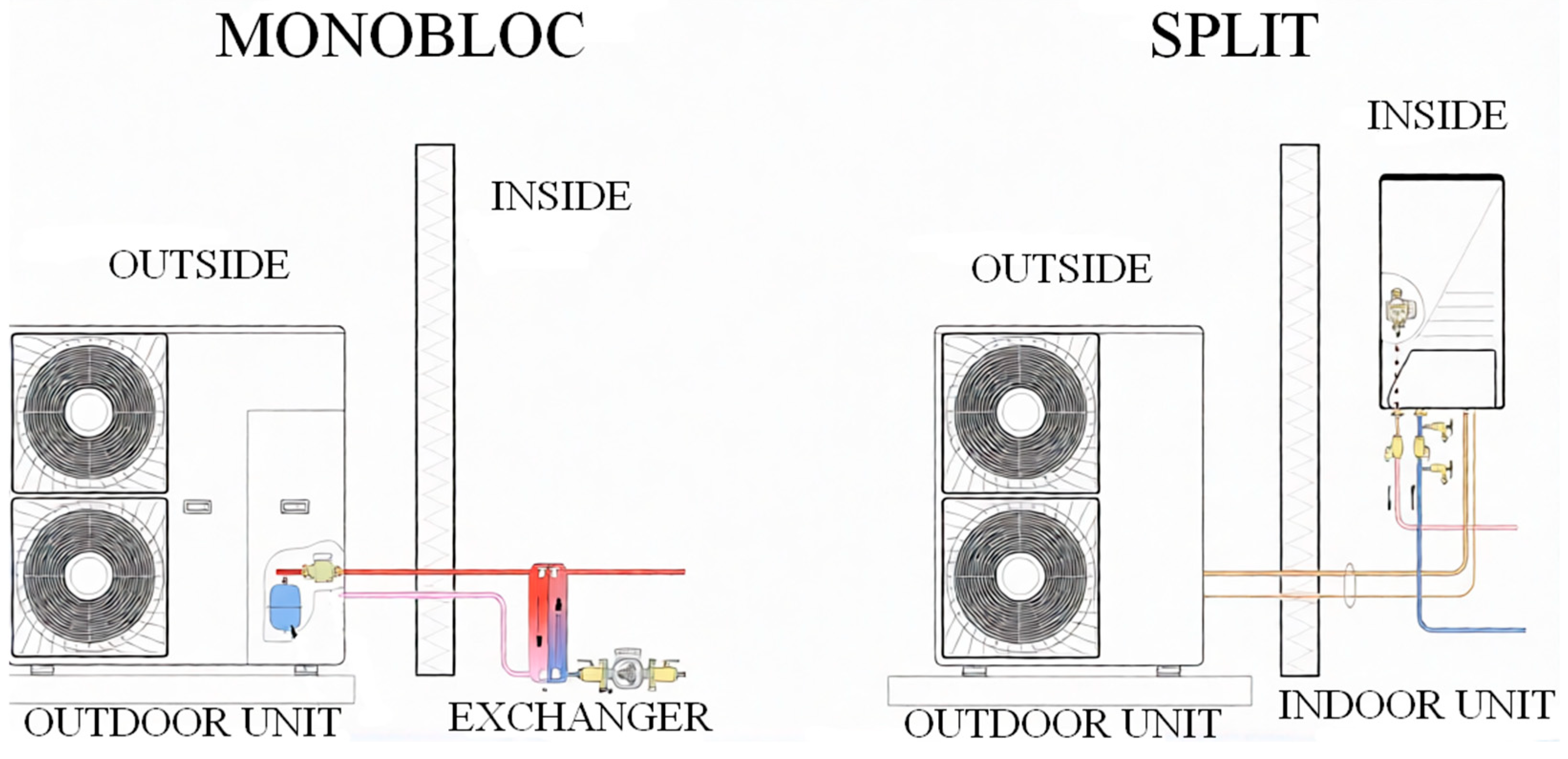
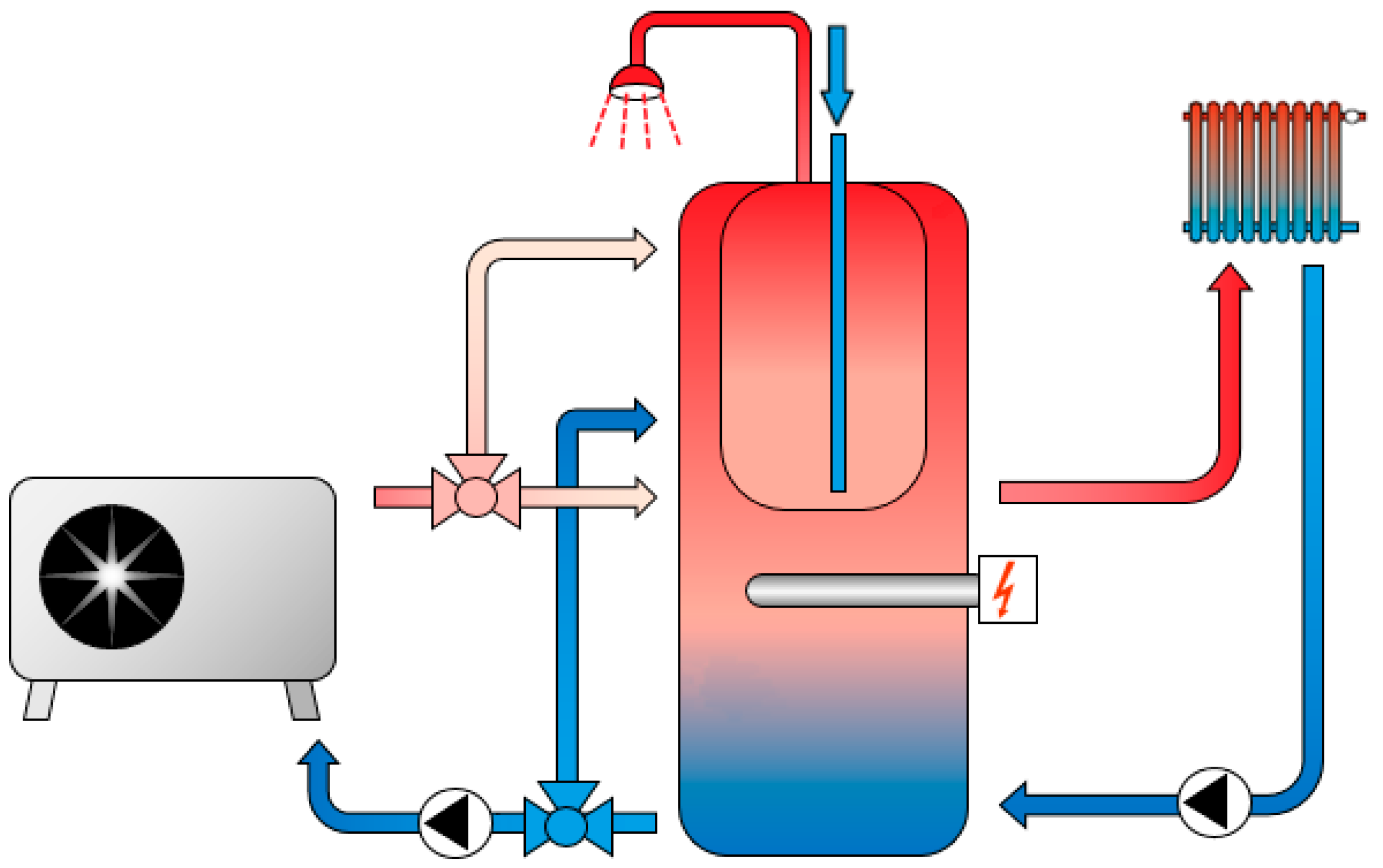
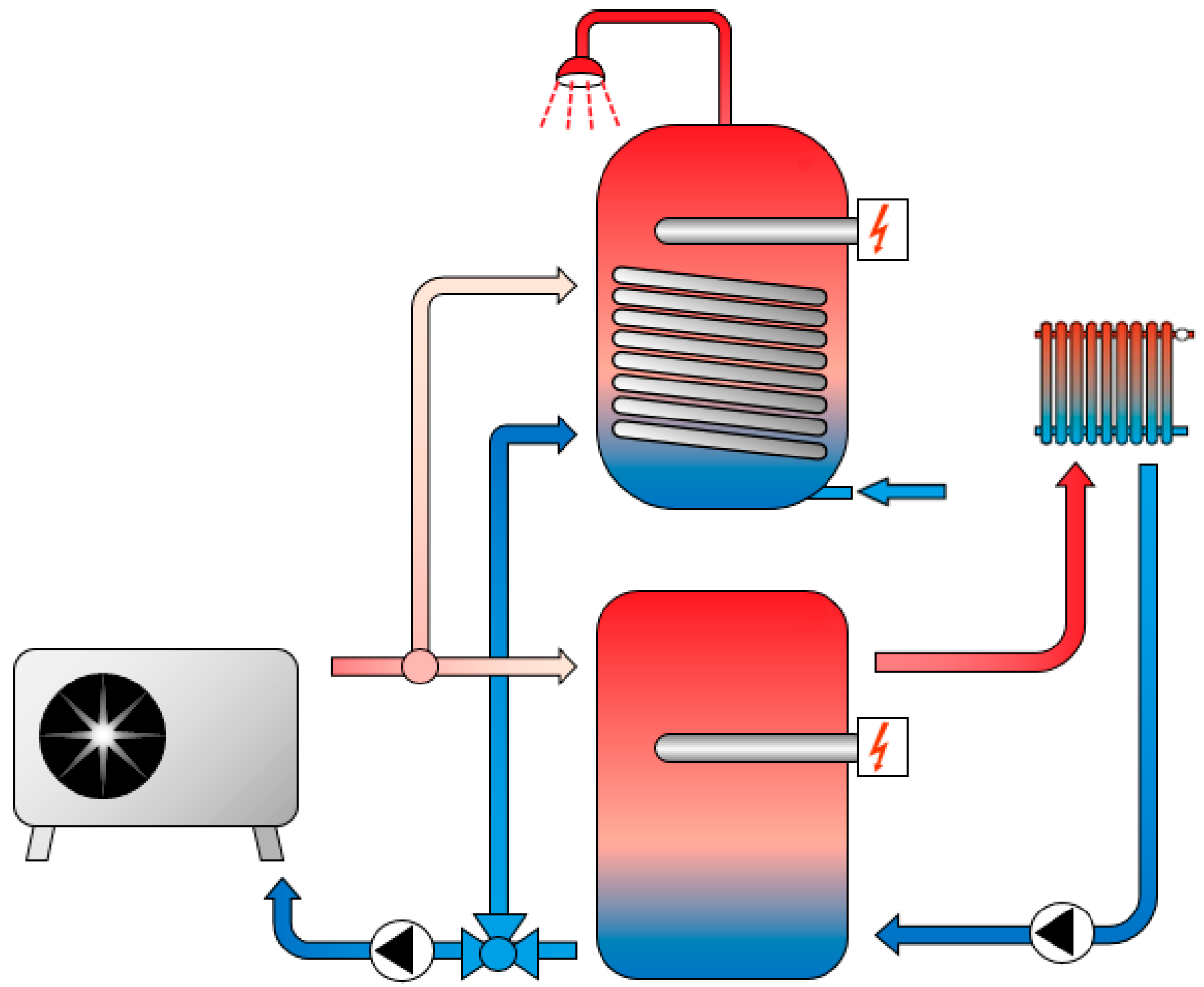
Figure 1 shows on the left a schematic drawing of the SPLIT heat pump design. On the DHW side, the heat pump heats the DHW by transferring heat from the heating water tank to the integrated hot water tank (tank-in-tank). The second variant is the system with the working label HP-B. In terms of design, this is a MONOBLOC system. This means that the evaporator and condenser are located in one block in the exterior. Only the internal part of the heat pump is located in the interior part, which distributes the heating water to the interior pipe network. The outdoor and indoor parts are connected by piping with heating water. The image further illustrates on the right a schematic of the MONOBLOC heat pump design. This system further heats the hot water via a heating coil in a storage heater connected to a separate pipe branch. The domestic heating section has its own separate pipework but is also connected to the heating water from the heat pump.
In
Figure 2, the heating water connection from the heat pump is schematically described, which is only schematically illustrated on the left. The combined storage tank has a bivalent heat energy source built into it in case the heat pump cannot supply enough heat energy. This arrangement uses the HP-A system. At first impression, a more intensive heat flow between the DHW and the heating water is already visible.
Figure 3 illustrates the connection of one heating reservoir and one DHW storage heater to a heat pump. The heating water from the heat pump is branched and distributed to the heating water reservoir and to the integrated heating coil in the second DHW storage heater. Both storage tanks are connected to a bivalent heat energy source. This system is used in the HP-B variant.
1.1. Formulation of the Goals and Objectives
Both systems are operated in real conditions for a long time, and their operation is continuously monitored. By measuring the electricity consumption and heat energy delivered by these heat pumps, monthly and annual COP values can be determined, and the efficiency of the individual systems can be compared. The aim of this study is not only to numerically evaluate the difference in efficiency between two technically different DHW systems, but also to identify potential design or operational deficiencies that may cause increased energy losses in the less efficient solution. Attention is paid to the influence of the different heating method and heat transfer in these systems. The results of this analysis can serve as a basis for optimising the design of future systems while also representing one of the first documented side-by-side comparisons of nearly identical systems with different DHW heating configurations.
1.2. Assumptions
For this study, several baseline assumptions have been established to allow a comparison of the two water heating designs. The two buildings under study are located in an identical climatic area (the city of Brno) and are comparable in size, layout and use—the energy and water demand are considered the same for a family of four [
5]. Based on these facts, it was assumed that the annual thermal energy demand of both buildings would be similar. From a measurement point of view, it is assumed that the differences in the efficiency of the systems will be primarily influenced by their technical design and not by operating practices. It was also considered that the monthly COP can be derived for a system with incomplete data by approximation based on the known parameters of the other system [
6].
1.3. Scientific Hypothesis
This case study is based on the hypothesis that design differences in the storage tanks and the way the DHW is heated have a relevant influence on the efficiency of the heat pump system during the year. It is hypothesised that a system with separate storage tanks and an integrated heating coil for DHW (HP-B) will show a higher annual efficiency (SCOP) than a system using a tank-in-tank (HP-A). The difference in efficiency should be significant especially in the summer period when the predominant operation is for DHW. It is further hypothesised that by regression analysis of the seasonal evolution of the COP, the key loss mechanisms in each alternative can be identified and their impact on the overall system efficiency quantified. The expected energy savings due to using a different DHW heating system is 15% to 25%.
1.4. Background
Currently, there is a high demand for sustainable buildings in the construction industry. The environmental aspect of construction has been actively addressed for over 20 years [
7] and now also for all newly constructed buildings, whether manufacturing or non-manufacturing. In the European Union, for example, a directive has been created for this purpose, which describes requirements and recommendations for member states to contribute to the sustainability of building construction [
1]. This ambitious plan foresees, for example, that by 2030 all new buildings will be zero-emission, that by 2050 the EU will have a fully decarbonised construction sector, and that new buildings should be ready for the installation of solar energy technology or the introduction of minimum requirements for building energy efficiency. All of this is leading to a greater use of renewable energy sources, and it is expected that their use will be even greater in the coming years [
2].
Renewable energy sources nowadays include heat pumps by default, which according to research have their future in use [
8]. A study from the United States shows that they are predominantly used in residential construction [
9], with commercial buildings generally only being used in smaller buildings so far [
10]. The main reason for this use is not only the fact that pumps in a limited performance range are yet to appear on the market, but the fact that integrating heat pumps into existing large building systems with other sources of thermal energy can potentially bring numerous challenges and costly engineering modifications with it [
11]. However, a general method of approaching the design of heat pump applications for combined cooling and heating of production spaces has already become familiar to researchers [
12]. In recent years, hybrid systems combining heat pump and solar collectors have also been developed to provide higher efficiency and seasonal stability of heat production. Such systems, known as solar-assisted heat pumps, can significantly reduce the need for electricity, especially during transient periods [
13].
However, the important parameter for assessing the feasibility of using a heat pump is not only its power, but also its efficiency value, described as the heating coefficient of performance (COP). This describes the proportion of heat energy produced for heating (especially in winter) and the electricity supplied to the heat pump. The power ratio gives us the COP as a dimensionless number, and the higher it is, the more efficient the heat pump is. The equivalent of COP for cooling (mostly in the summer) is the energy efficiency ratio (EER). A study on a global scale has investigated COP values [
14]. These values generally range from 2 to 5 for all systems measured, with an average value of 2.74 and a median value of 2.62 [
14]. However, this value is not constant for each heat pump throughout the year. The performance of the heat pump varies depending on the boundary conditions, especially the outdoor temperature. The above values correspond to heat pump operations at outdoor temperatures above −10 °C. When operating at lower temperatures, these heat pumps are not as efficient, as demonstrated by a study that measured COP values when operating at temperatures between −15 °C and −30 °C [
15]. The COP in this case was in the range of 1.0 to 1.5 [
15]. The results of this paper further show the difference in how the COP changes over the months of the year and how the average COP of the studied heat pumps looks like.
Air-to-water heat pumps are an increasingly popular choice for heating and hot water in family homes [
16]. This type of pump uses energy from the ambient air to heat water, which is then used for domestic heating or domestic hot water.
Benefits of air-to-water heat pumps include:
- -
Energy efficiency: heat pumps are efficient and reduce energy costs [
17];
- -
Environmental friendliness: they use renewable energy sources, which contributes to environmental protection [
18];
- -
Flexibility: they can be universally used for heating, for domestic hot water or for cooling in summer [
19];
- -
Low running costs: after the initial investment, running costs are relatively low [
20].
Air-to-water heat pumps using heat for heating water and consumer hot water are used in family houses in two main connection variants. These are either the installation of two independent storage tanks for heating water and domestic hot water (DHW), or the installation of both systems in a combined tank (tank-in-tank). The configuration of two independent storage tanks includes two separate vessels—one for heating water and one for DHW. The advantage of this solution is that each vessel can be optimised for its specific purpose. The DHW tank is designed to quickly heat the water to the required temperature for domestic use via an integrated heating coil, while the heating water vessel is optimised for the storage of this water and the subsequent distribution of heat to the heating system—for example, underfloor heating or heating elements. This system may be suitable for households where a large amount of hot water is required or where a higher heating water temperature is required [
21]. The installation is more space-consuming with respect to two separate storage vessels. The second option is to use a combined vessel, which combines the functions of DHW and heating water heating in one installation. This type of connection is often more compact, is less space-consuming and is also slightly less expensive with regard to installation. In general, according to [
4], this type of connection is suitable for smaller houses or where space for installation is limited. The authors of this case study are also the owners of the two aforementioned air-to-water heat pump options. Such heat sources have been observed for a long time and relevant energy differences in the operation of these circuits have been traced over time [
22].
The case study described in this article focuses on two air-to-water heat pump systems for residential housing. These heat pumps transfer thermal energy from the outside air to the heating water for a central heating system and for a DHW system to two houses of similar size in the same location—in the city of Brno in the Czech Republic. The significant difference in these systems lies in two key points. The first difference is in the design of the heat pump in terms of the location of the condenser, and the second difference is in the technical design of the DHW heating.
From a thermodynamic perspective, the performance of thermal storage and heat exchanger systems is governed by internal heat transfer mechanisms and flow structure. A study [
23] provides a review of active heat transfer enhancement techniques within latent heat thermal energy storage systems, emphasising the role of mechanical agitation, vibration, and fluid manipulation in overcoming low thermal conductivity limitations of storage media. The work highlights how enhanced internal heat transfer affects charging and discharging dynamics. Similarly, another study [
24] experimentally demonstrates that geometric inserts such as twisted tapes combined with rotating turbulators increase convective heat transfer in double-pipe heat exchangers by inducing swirl and secondary flow structures, although at the cost of increased pressure drop. These findings underline the importance of heat transfer optimisation when assessing integrated heat pump and storage configurations.
2. Methods
2.1. Concept Formulations
The study conceptually focuses on the comparison of two different options for the connection of heating the water with heat pump systems for family houses. The main objective is to identify differences in energy efficiency in DHW and heating, with an emphasis on the influence of the design of the storage heating system. The comparison is based on real operational data on electricity consumption and delivered thermal energy. A similar study has been previously conducted by researchers [
5]. The conceptual framework of the analysis includes the following key points:
- -
Energy evaluation: calculation of monthly and annual COP and SCOP values for both systems using missing data reconstruction;
- -
Consideration of operating losses: incorporation of known heat losses of storage heaters and the influence of operating modes;
- -
Comparison of system efficiency: identification of the more advantageous option in terms of operating efficiency and possible weaknesses of the less efficient solution;
- -
Evaluation of the applicability of the results: formulation of recommendations for the design of similar systems in practice.
2.2. Description of the Systems and Input Values
The study deals with the efficiency of two different systems for residential heating and domestic hot water heating connected to the heat pump in a family house. The working labels for both systems are Heat Pump—version A (HP-A) and Heat Pump—version B (HP-B). All data were collected with the consent of system owners and anonymized. With the consent of the owners of those systems, the key specifications are described below.
2.2.1. HP-A
This system consists of a Mitsubishi Zubadan PUD-SHWM120YAA 11.7 kW heat pump (CS MTRADE, Mikulovice, Czech Republic) in SPLIT configuration. The refrigerant used is 1.7 kg of R32. It sends heating water to the combined heater, where this water transfers heat to the integrated tank and then flows to the distribution elements of the central heating system. The integrated storage tank contains the DHW, which is heated to the required temperature by heat transfer and directed to the outlet points. A schematic of this water heating system, also called a tank-in-tank, is illustrated in
Figure 2.
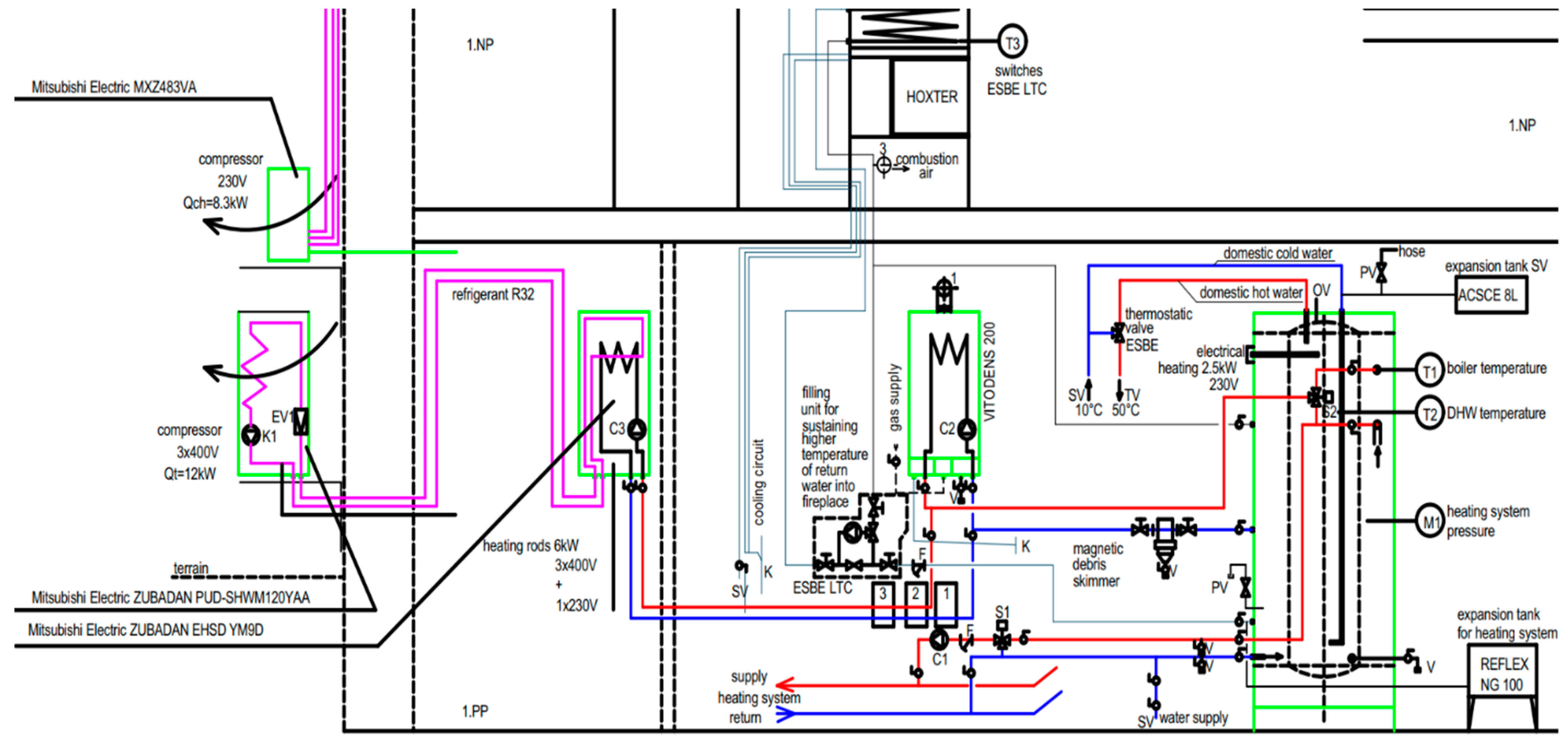
Figure 4 shows a more detailed diagram of the connection of the SPLIT heat pump to the domestic heating and hot water system. The schematic section drawing shows the actual connection status of the individual heat transfer systems.
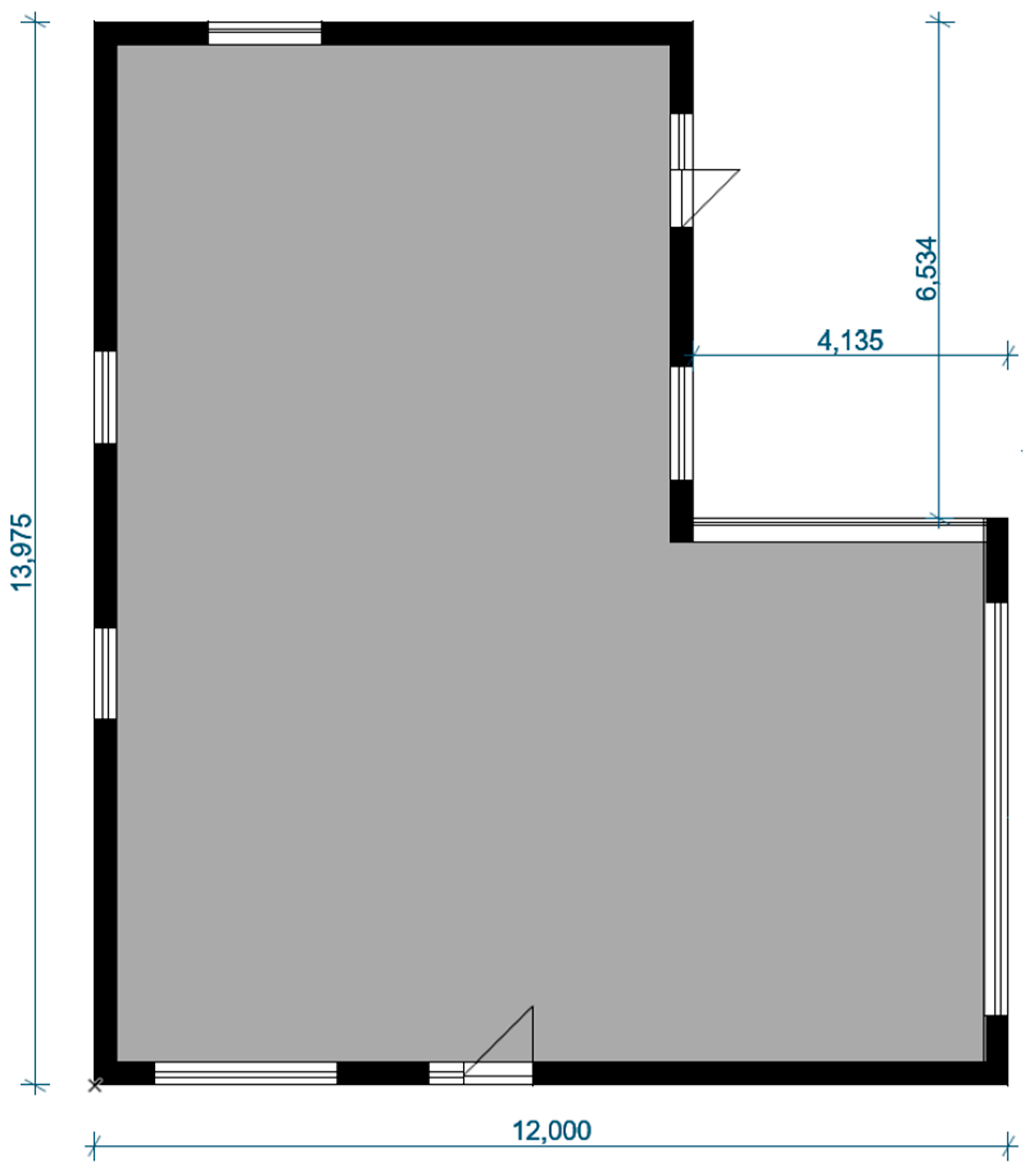
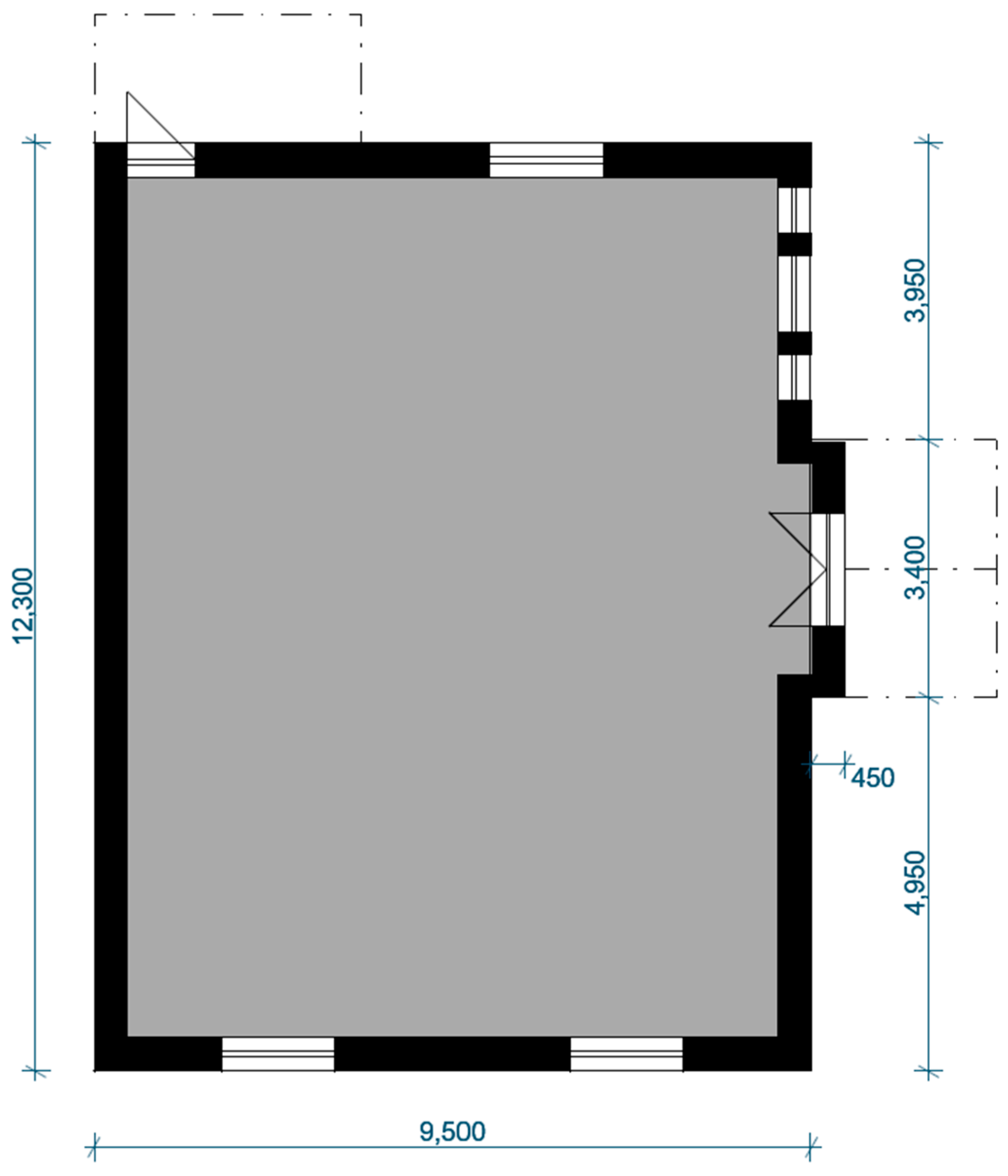
Figure 5 shows the main floor plan of the house. The building in which the system is operating is a standalone family house occupied by two adult people and two children. No domesticated animals are present. There are two floors above ground and one floor underground. The cellar is only under a part of the house and is not heated. This building compared to the B-variant is slightly wider but at the same time it has a lower height. The surface area of the main heated floor is 140.7 m
2. Total surface area of the heated building envelope is 828.4 m
2 and the volume of the heated part of the building is 928.8 m
3. The volume factor of the building shape is then 0.89. The average heat transfer coefficient of the building is 0.50 W·m
−2·K
−1.
2.2.2. HP-B
The second described system is operated by a Viessmann Vitocal 150-a 12 kW heat pump (Viessmann, Chrášťany, Czech Republic) in MONOBLOC configuration with an external DHW tank. It uses 2 kg of R290 refrigerant. The heating water is transported to an internal distribution unit from where it is then sent and branched to two separate pipe systems. One system is connected to the heating water reservoir for central heating, and the other system is connected to the storage heater for domestic hot water. In this heater, the heating water transfers heating energy to the hot water via an integrated heat exchanger coil. A schematic of this distribution system is described in
Figure 3.
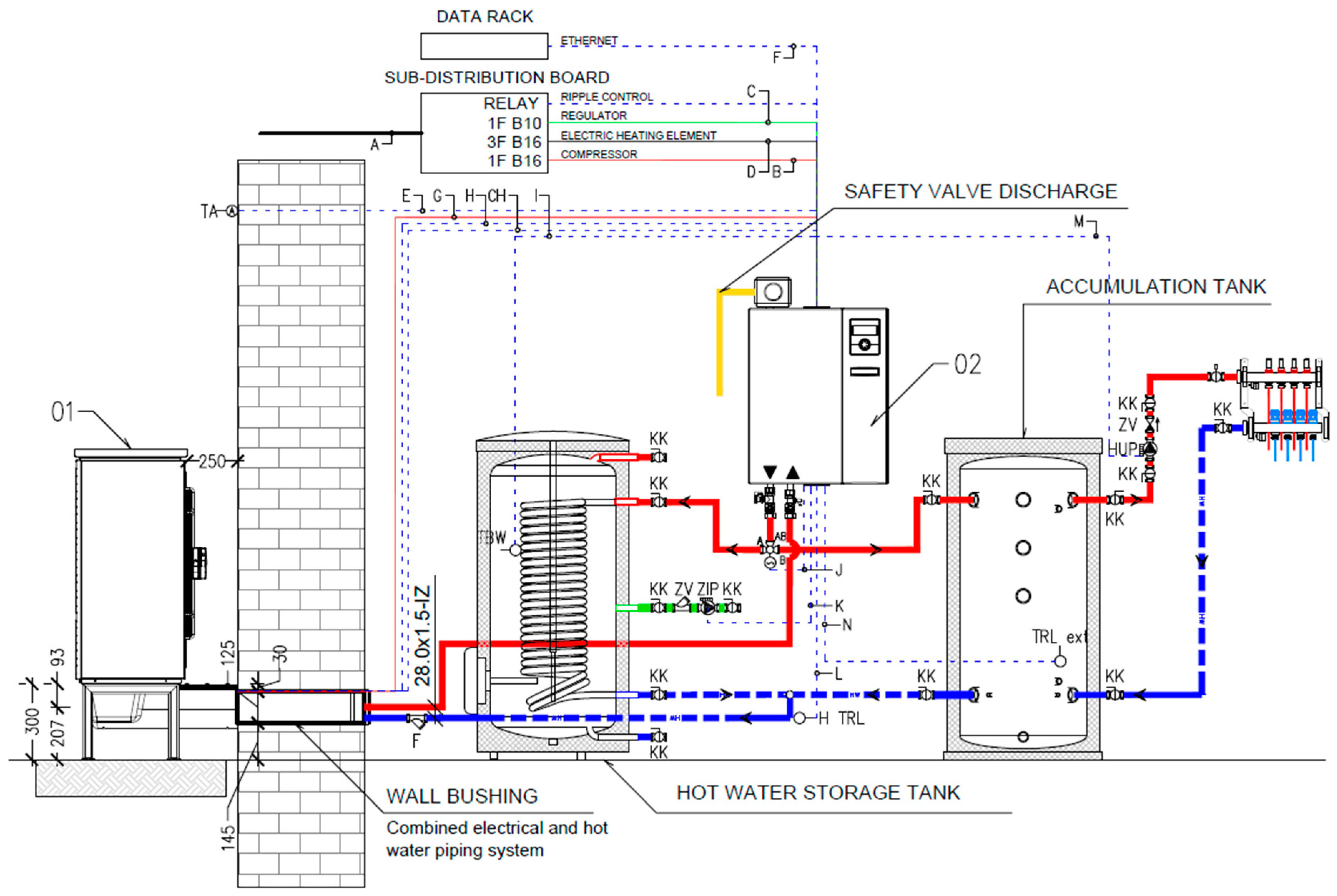
Figure 6 shows the detailed connection scheme for the HP-B variant. The red thick line shows the heating water supply, and the blue thick line shows the heating water return. 01 is the outdoor MONOBLOC unit of the heat pump and 02 is the indoor distribution unit of the heat pump. This schematic section drawing shows the actual connection of the heat pump to two separate tanks for the DHW and heating system in the home.
Both variants of the technical solution of heat supply HP-A and HP-B are installed in family houses located in the same geographical area—specifically in the city of Brno in the Czech Republic. Due to identical climatic exposure and comparable size, layout and use of the buildings, similar annual thermal energy demand can be assumed [
6]. This assumption allows for a direct comparison of the efficiency of heat pump systems without the need for complex climatic or user corrections, thus increasing the predictive value of the analysis performed. Therefore, the question is which of the mentioned systems is more efficient from an energy point of view and how relevant results of the analysis can be achieved.
Figure 7 shows the main floor plan of the house. The properties of the building in the B-variant are similar to the A-variant. It is a semi-detached family house occupied by two adult people and two children. There are no animals present in the house as well. Two floors above ground and one floor underground are another common parameter. The only difference is tempered cellar under the whole part of the building. This building compared to the A-variant has slightly smaller horizontal layout, but at the same time it is higher. It is mainly due to the higher ceilings and higher heated attic. The surface area of the main heated floor is 118.4 m
2. Total surface area of the heated building envelope is 822.9 m
2, and the volume of the heated part of the building is 906.2 m
3. Thus, the volume factor of the building shape is 0.91. The average heat transfer coefficient of the building is 0.58 W·m
−2·K
−1.
The difference between the volumes of the heated parts of houses in both variants is 2.4%, which is considered very similar. The average heat transfer coefficients have been calculated in accordance with the EU standard ISO 13789 [
25]. The demand for heating and DHW data are incorporated as generated thermal energies in the Results chapter.
2.3. Methods for Collecting Energy Data
To answer the basic question, we need to measure the electrical power supplied to the heat pump and measure the heat energy produced by the heat pump. Based on this, the COP can be calculated according to Equation (1) or the SCOP for the whole year according to Equation (2) and these values can be compared.
where
—coefficient of performance for heating mode [-];
—thermal energy supplied by the heat pump [W];
—electrical energy consumed by the heat pump [
W].
where
—seasonal coefficient of performance for heating mode [-];
—sum of thermal energy supplied by the heat pump during a measuring period (season) [W];
—sum of electrical energy consumed by the heat pump during a measuring period (season) [W].
For the HP-A system, both the electricity consumption and the heat energy supply are measured separately for the DHW system and the heating system. The data is recorded every month in 2024 and is read directly from the computer and control panel integrated in the heat pump indoor unit. The HP-B system has slightly more complicated data. The data collection was not done on a regular, simultaneous basis and in the same way as for HP-A. The available data to work with are the total monthly electricity consumption of the heat pump and the annual delivered thermal energy for DHW and heating water, respectively, and the total energy supply values in 2024. The monthly thermal energy supply values of the HP-B system were obtained based on the measured total energy supply values for the whole year, distributed in the same proportion as for the HP-A system. This procedure was chosen due to the nearly identical boundary conditions of the two systems [
26]. A monthly thermal energy output of HP-B was reconstructed by proportionally distributing the measured annual output according to the monthly production profile of HP-A. This occurred due to incomplete monthly monitoring data for HP-B. The approach assumes comparable seasonal load distribution, as both systems operate in similar residential buildings under identical climatic conditions and comparable occupancy patterns. This enables consistent monthly COP evaluation while preserving the integrity of measured annual energy balances. Both systems are installed in comparable single-family residential buildings located in the same climatic region. Building typology, floor area, and intended residential use are similar.
2.4. Data Evaluation
In order to quantify the physically and technically describable differences on the hot water heating side, attention is paid to the activity of the circulating pump, which consumes more electricity at higher operation. The higher electricity demand has a direct effect on the COP. By using the calorimetric Equation (3), the required mass flow rate for a given pump can be determined, assuming that the parameters of the pumped substance—heating water—and the thermal energy to be supplied are known. This heat energy can be described as the heat flow in each system assuming zero immediate DHW consumption. Using this boundary condition ensures that the heat flow between the consumer hot water and the heating water is equal to the heat loss on the heating water part. These losses can then be calculated subject to knowledge of the parameters of the equipment on which the heat transfer occurs.
where
—mass flow of heating water [kg·s−1];
—demand for thermal energy [W];
—specific heat capacity of heating water [J·kg−1·K−1];
—temperature difference between the heating water and domestic hot water [K].
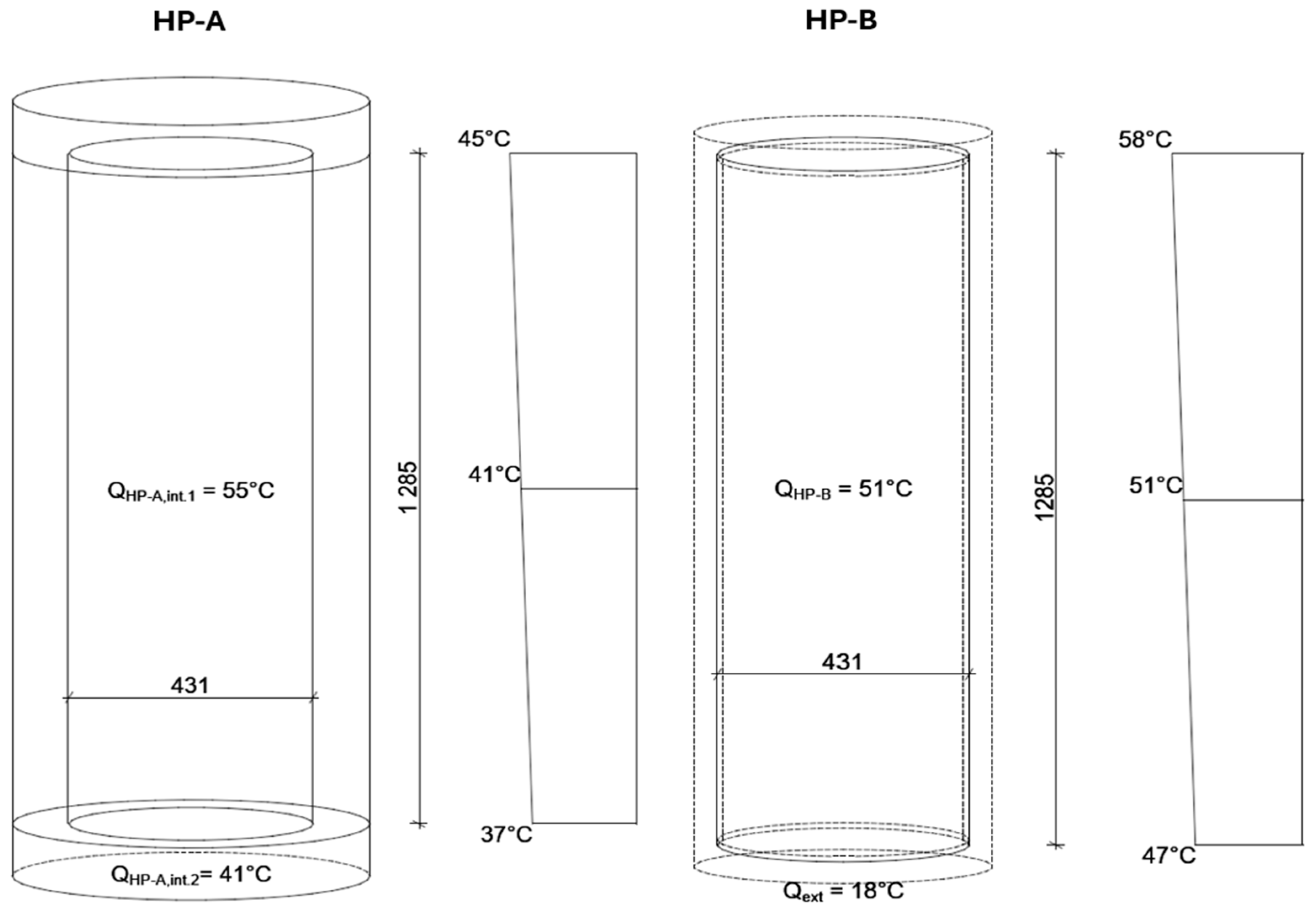
For this calculation (3) it is necessary to know the heat loss of the system. The dimensional and thermal technical parameters of the storage heater for HP-B are known. The usable volume of this storage tank is 250 L, and the volume of the integrated heater of the HP-A type is 250 L. To maintain the integrity of the calculations, the same internal dimensions as for the storage heater of the HP-B variant are chosen. The key will be the internal surface, which is assumed to be the same due to the identical volumes of the two storage tanks. The calculation of the heat transfer surface considers the heat transfer surface as the external surface of the storage tanks, and the study calculates this surface from the idealised cylinder volume according to Equation (4).
where
—surface of the tank heater [m2];
—tank base radius [m];
—height of the tank [m].
Figure 8 describes the schematic drawings of both heaters. The integrated tank of the HP-A variant has a heat transfer surface on the outside of the 5 mm thick steel shell. The storage heater has a calculated heat transfer surface as the outer surface of the 5 mm steel shell with 40 mm PUR thermal insulation.
Another parameter for the calculation of heat loss is the heat transfer coefficient of the shell U [W·m
−2·K
−1] according to Formula (5).
where
—material heat transfer coefficient [W·m−2·K−1];
—convective heat transfer coefficient—internal construction side [W·m−2·K−1];
—convective heat transfer coefficient—external construction side [W·m−2·K−1];
—thickness of the j-th layer [m];
—thermal conductivity of the material of the j-th layer [W·m−1·K−1].
With the given heat transfer surfaces, heat transfer coefficients and temperature differences in the heaters, the heat flow can be calculated according to Equation (6).
where
—demand for thermal energy [W];
—material heat transfer coefficient [W·m−2·K−1];
—surface of the tank heater [m2];
—temperature difference counted as heating loss on the domestic hot water [K]; HP-A—temperature difference between the heating water and domestic hot water [K]; HP-B—temperature difference between domestic hot water and tank exterior [K].
From the results of the mass flow rate, the given operating overpressure and the pump specification, the potential additional power input of the pump can be determined. Since the operating overpressure is unknown, but the circuit installation in the utility room is similar for both the HP-A and HP-B variants, the empirically constant operating overpressure is set to 2.5 kPa for both systems.
The used heat transfer coefficients, temperature differences, and assumed pressure head values are based on standard engineering practice and manufacturer documentation. These values represent typical operating conditions for residential hydronic systems.
Equations (5) and (6) quantify the thermal loss mechanisms and circulation-related demand within the storage configuration. These relations enable the comparison of internal heat transfer behaviour and auxiliary energy requirements between the analysed systems. Their evaluation supports interpretation of observed seasonal performance differences.
Table 1 highlights the main configuration differences between HP-A and HP-B. HP-A operates with a higher DHW setpoint and steeper heating curve, while HP-B uses lower temperature settings and a higher bivalent switching temperature. The backup source also differs—gas vs. electric boiler. Other control parameters remain identical.
4. Discussion
This case study identified a quantifiable difference in performance between two water heating systems, labelled HP-A and HP-B. The main aspect investigated was the different hydraulic connection of the heating storage vessels, the technical specification of which was detailed in the methodology section. The data obtained showed that the HP-A system has a more intensive heat transfer from the domestic hot water (DHW) circuit to the heating system, even in periods when there is no direct heating demand. This heat flow results in additional energy load on the system, which ultimately leads to a decrease in its efficiency as expressed by a higher seasonal heating coefficient of performance (SCOP) during the summer months [
5].
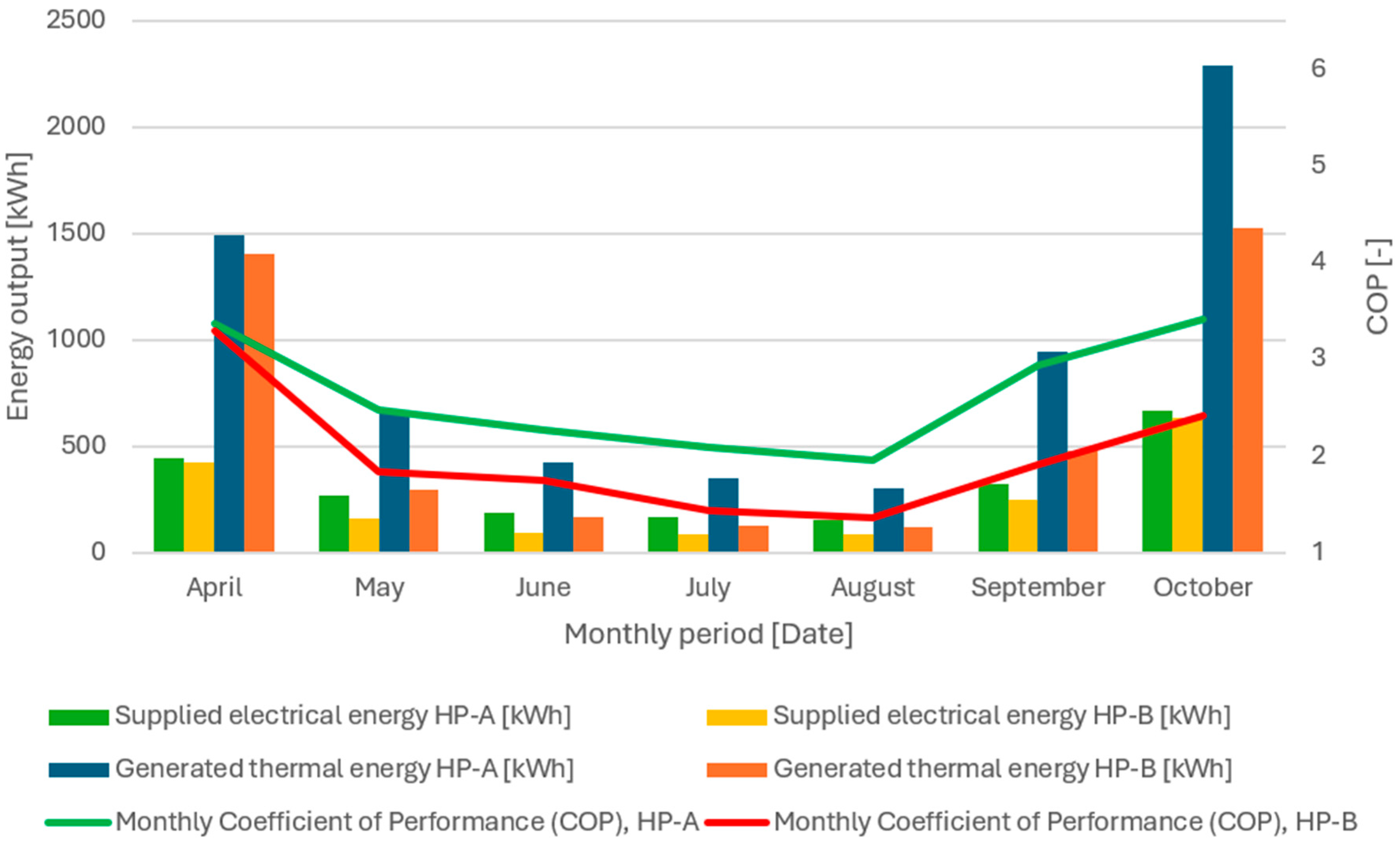
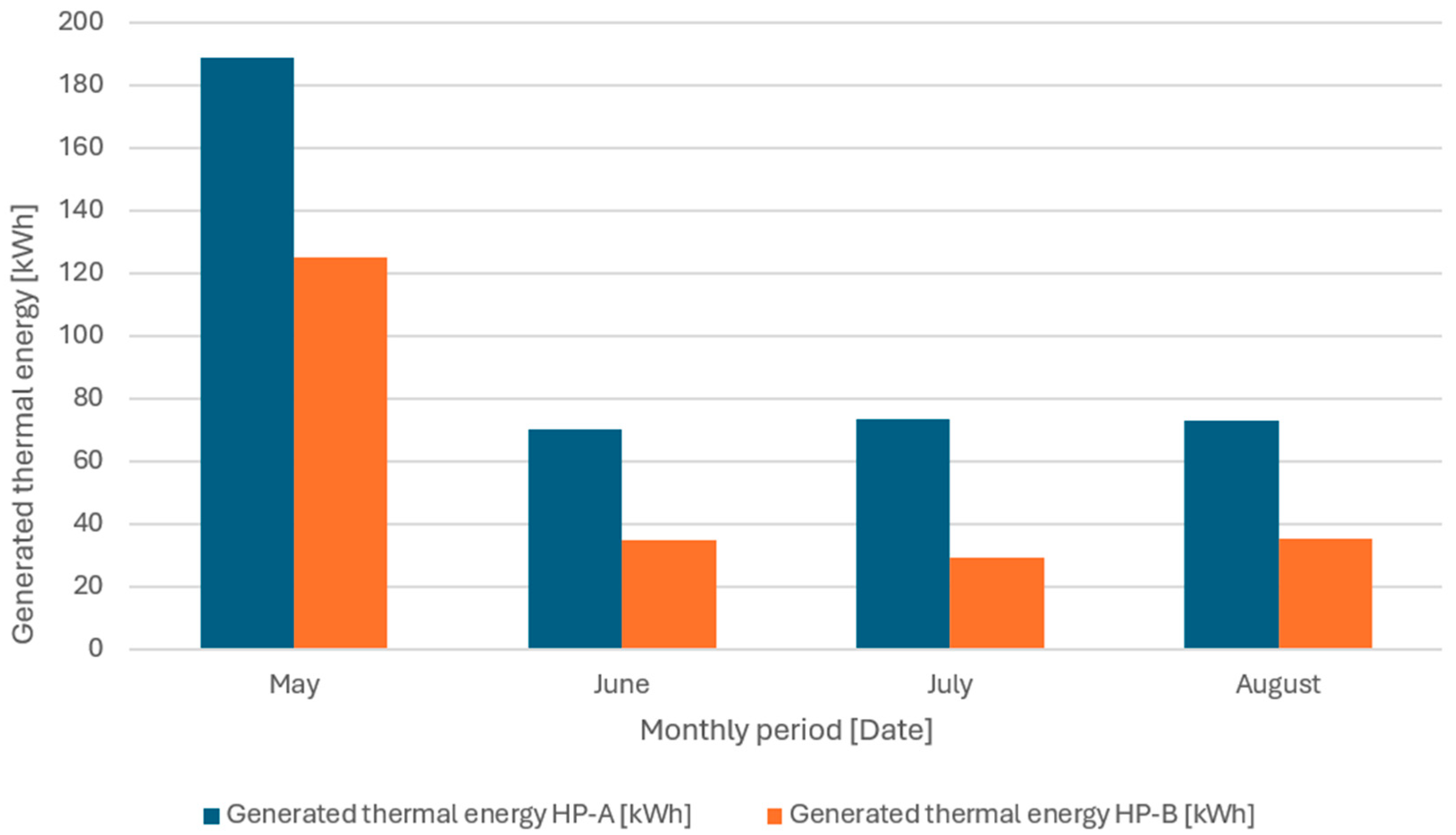
On the contrary, the HP-B system, whose design allows for separate control of DHW and central heating, has demonstrated a significantly more rational operating pattern during the summer period. During the months of May to August, defined as the summer operating period, the HP-B system appeared to focus primarily on DHW heating, thus eliminating the heat output in the heating branch and achieving higher operating efficiency.
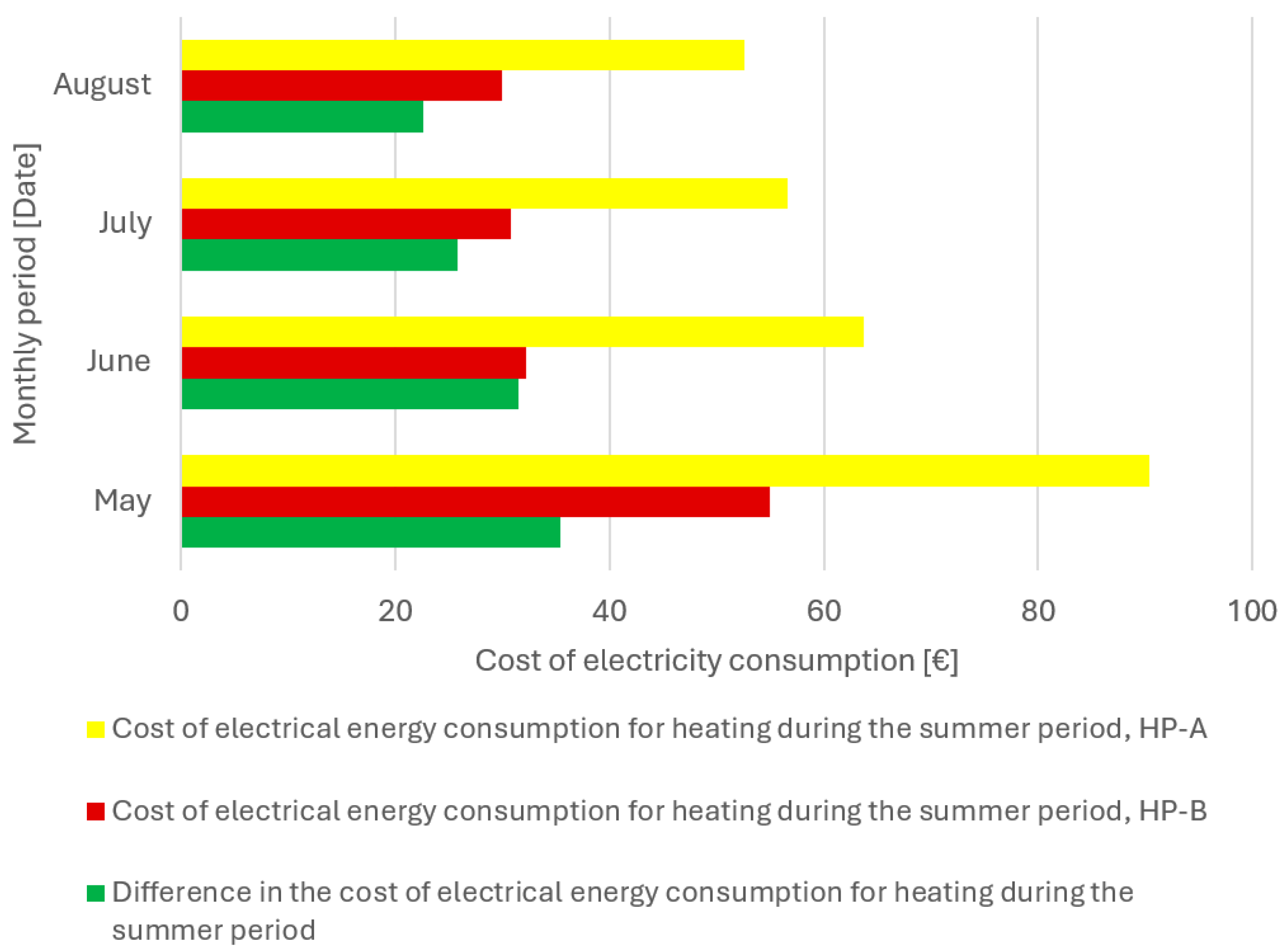
According to these findings, a separation of electrical consumption was further performed covering both year-round operation and summer operation. The electricity consumption included both the power input for defrosting the outdoor units and, for example, the consumption of the circulating pumps. This procedure for evaluating the electrical consumption of a heat pump has been analysed in other case studies [
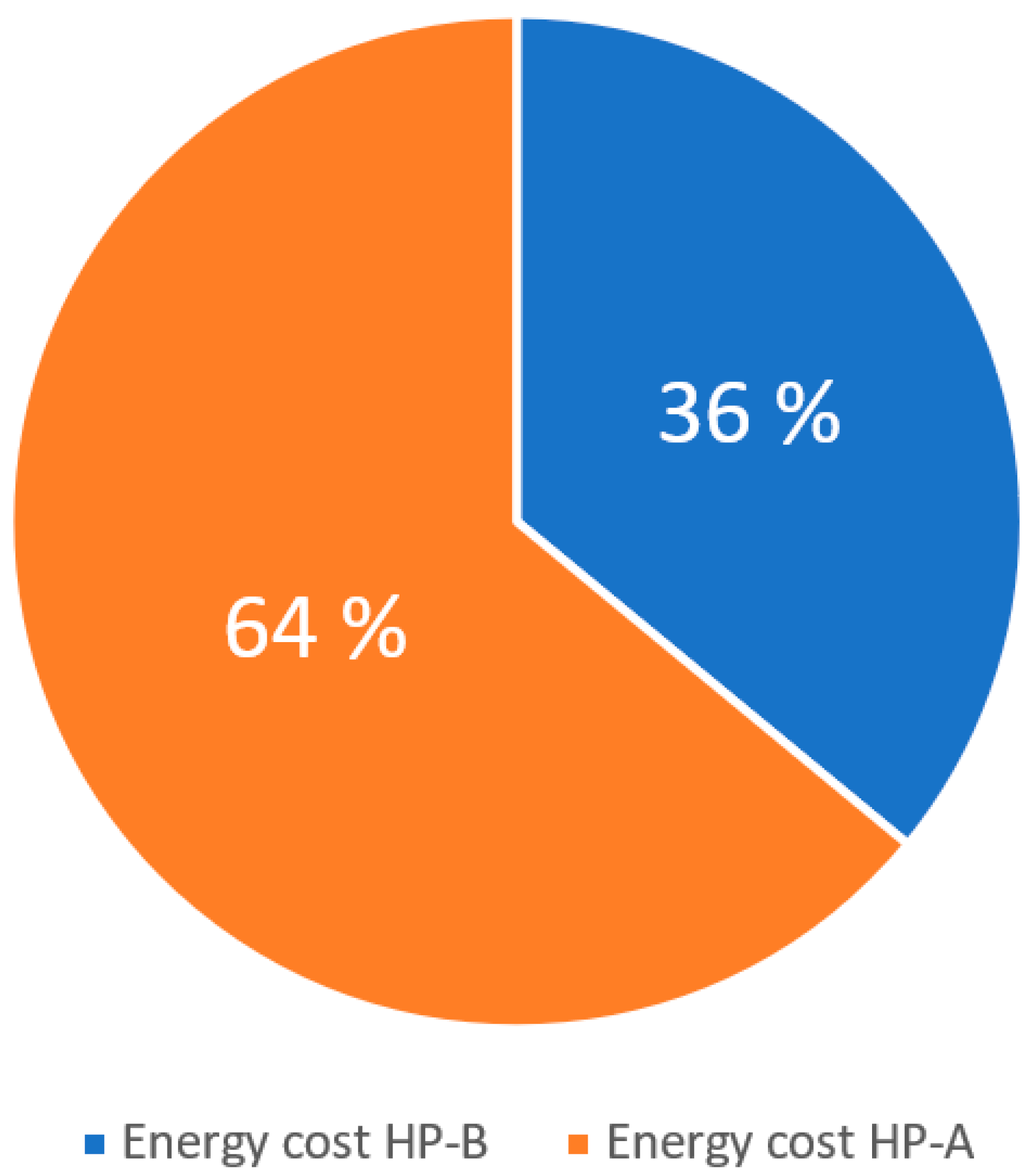
26]. The electricity consumption was calculated based on the average unit price of electricity in the Czech Republic for the year 2024, which was 0.3381 € per kWh. The resulting price balance showed that the operation of the HP-A system was more expensive by 115.36 € compared to the HP-B system during the period under study. In relative numbers the HP-B system shows 44% energy cost savings through May to August with a total cost of 148.02 € for HP-B and 263.38 € for HP-A. The DHW heating is the only significant heat consumer in these months.
Based on the results presented in this case study, it can be concluded that the data obtained are not in accordance with the conclusions presented in the article [
4] which dealt with the same type of heating system connection. This difference may be due to a more detailed study of the issues presented in this paper and to the different approach to the design of the hydraulic system, namely the disregard of the influence of separate storage tanks compared to the so-called tank-in-tank concept. The results of this paper clearly show that the HP-B configuration, which uses separate storage tanks, exhibits more sustainable operating characteristics and higher energy efficiency than the HP-A arrangement.
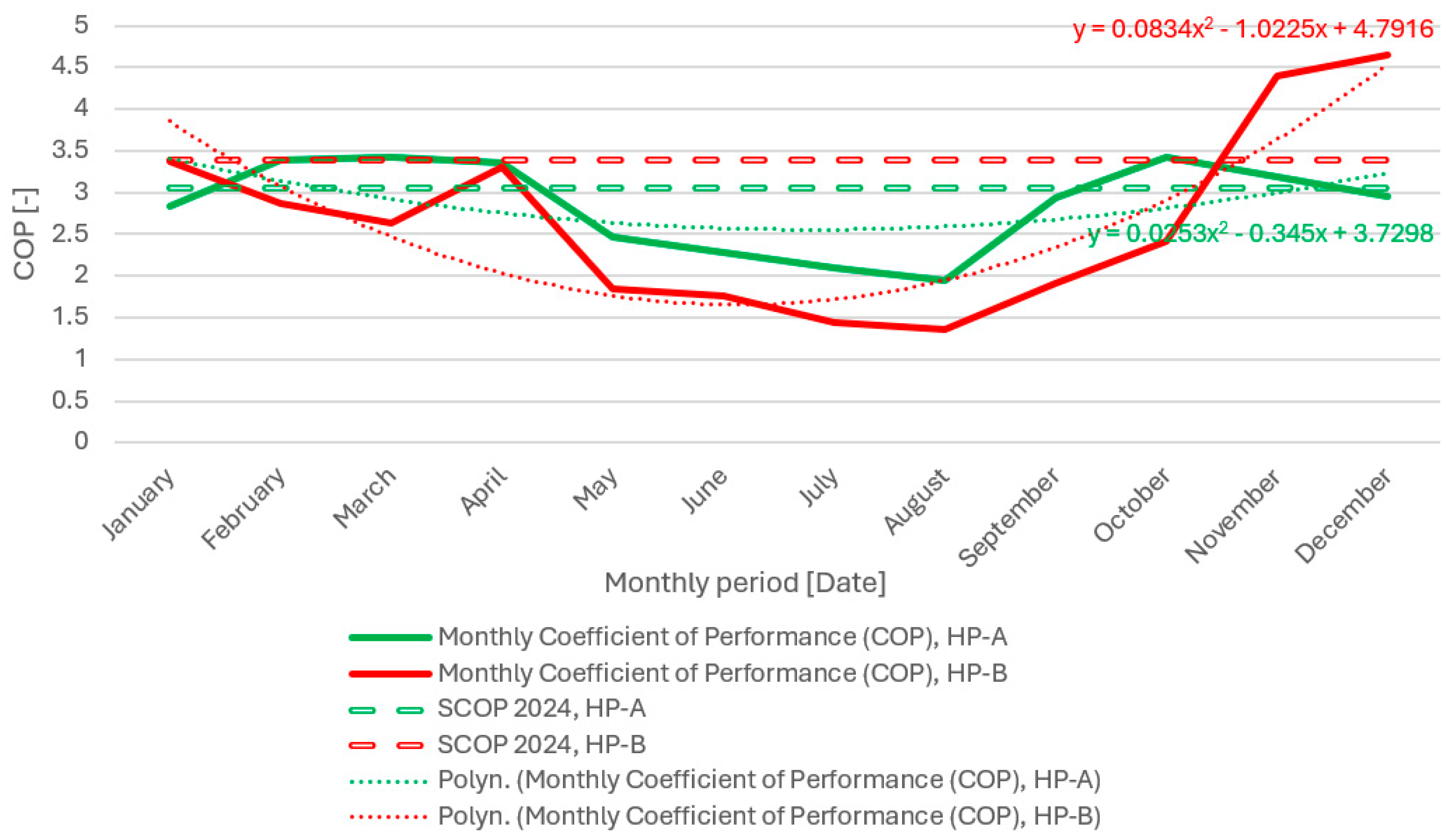
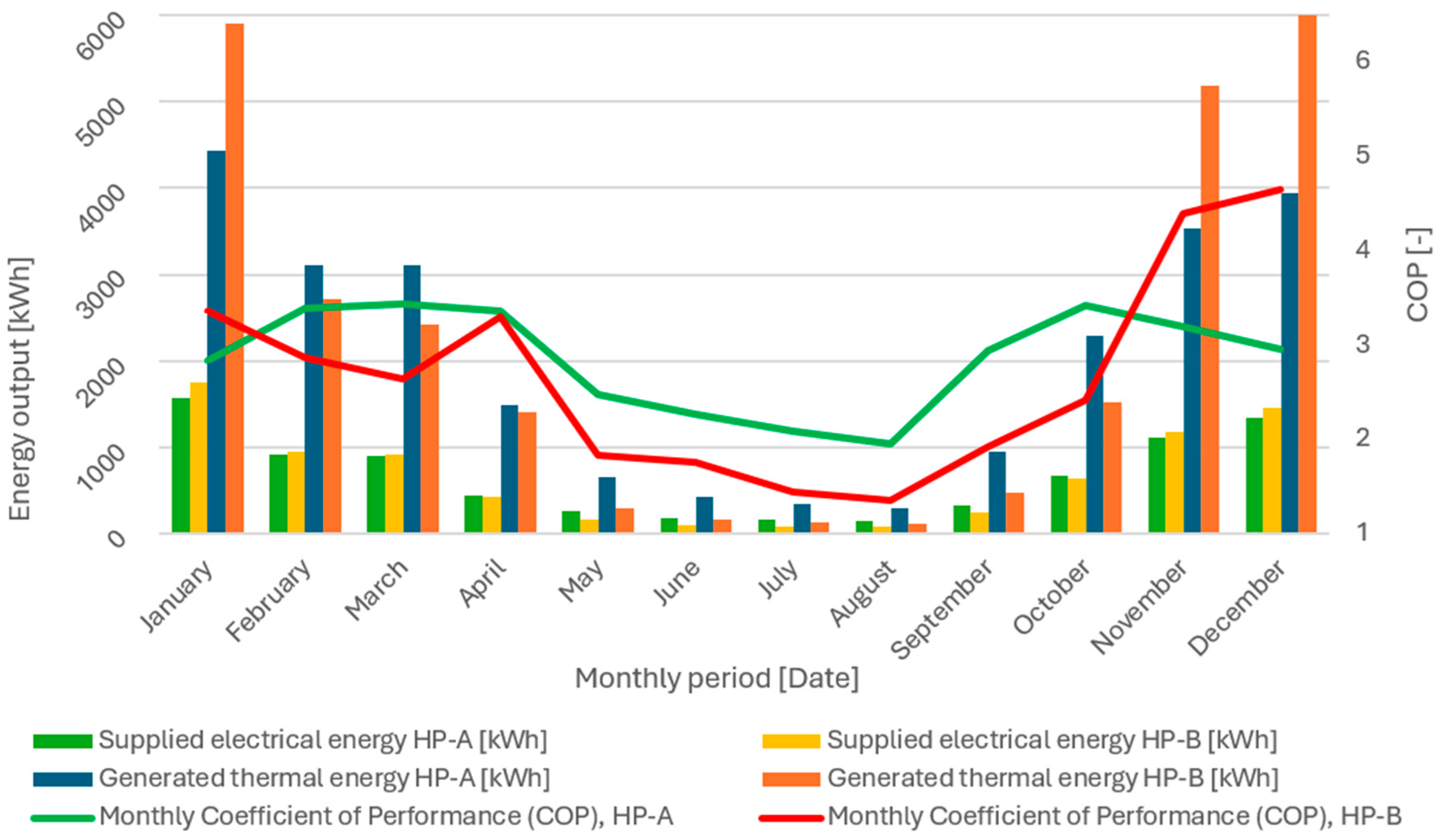
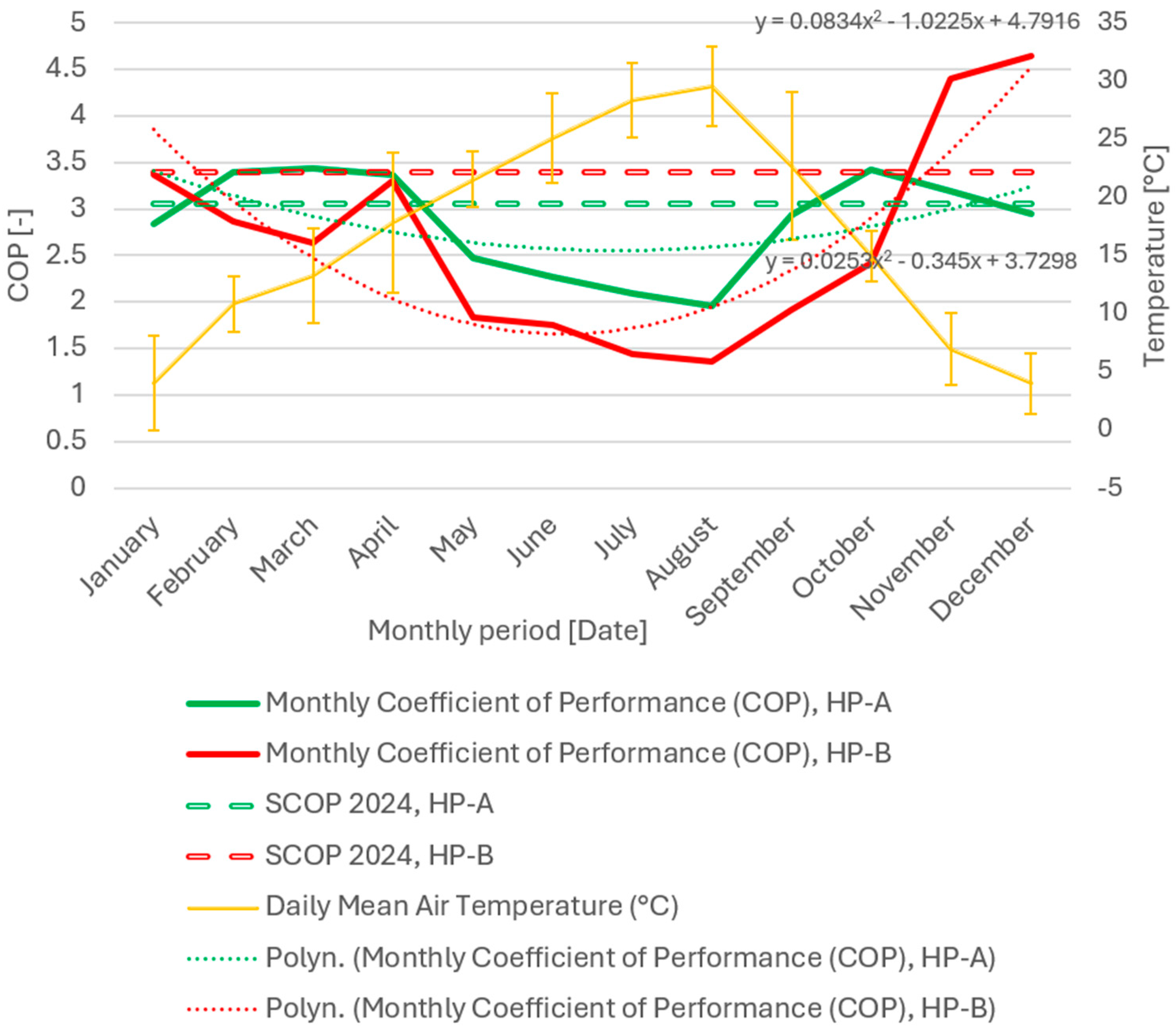
The HP-B appears to have a more pronounced seasonal performance dynamic, reaching high COP values especially in winter months, confirming its higher efficiency at more extreme temperatures. In contrast, HP-A shows a more stable operating profile with less fluctuating monthly COP over the year. These differences can be the subject of more research in terms of long-term efficiency, return on investment and more optimal system configuration for different climatic and operating conditions.
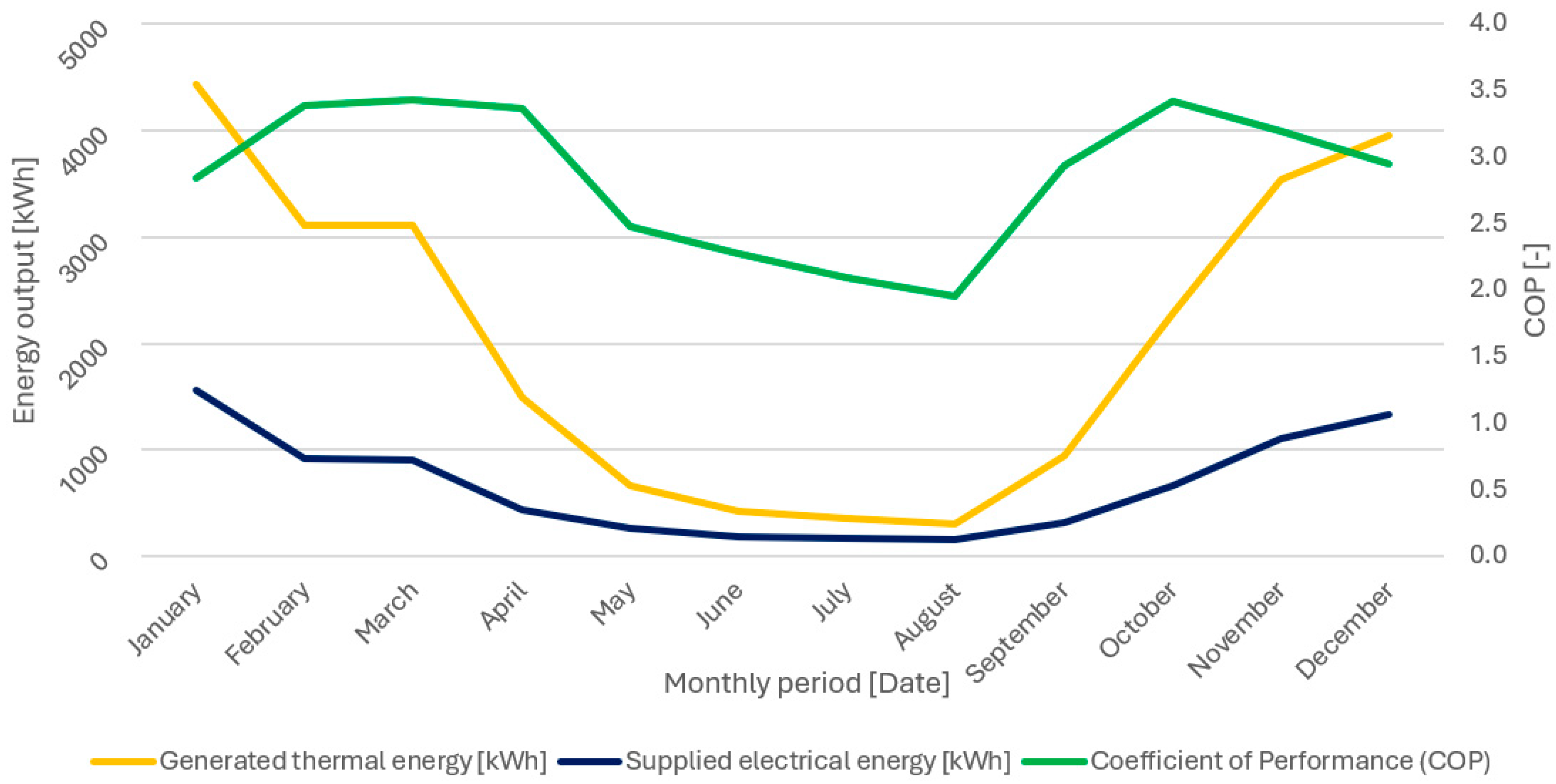
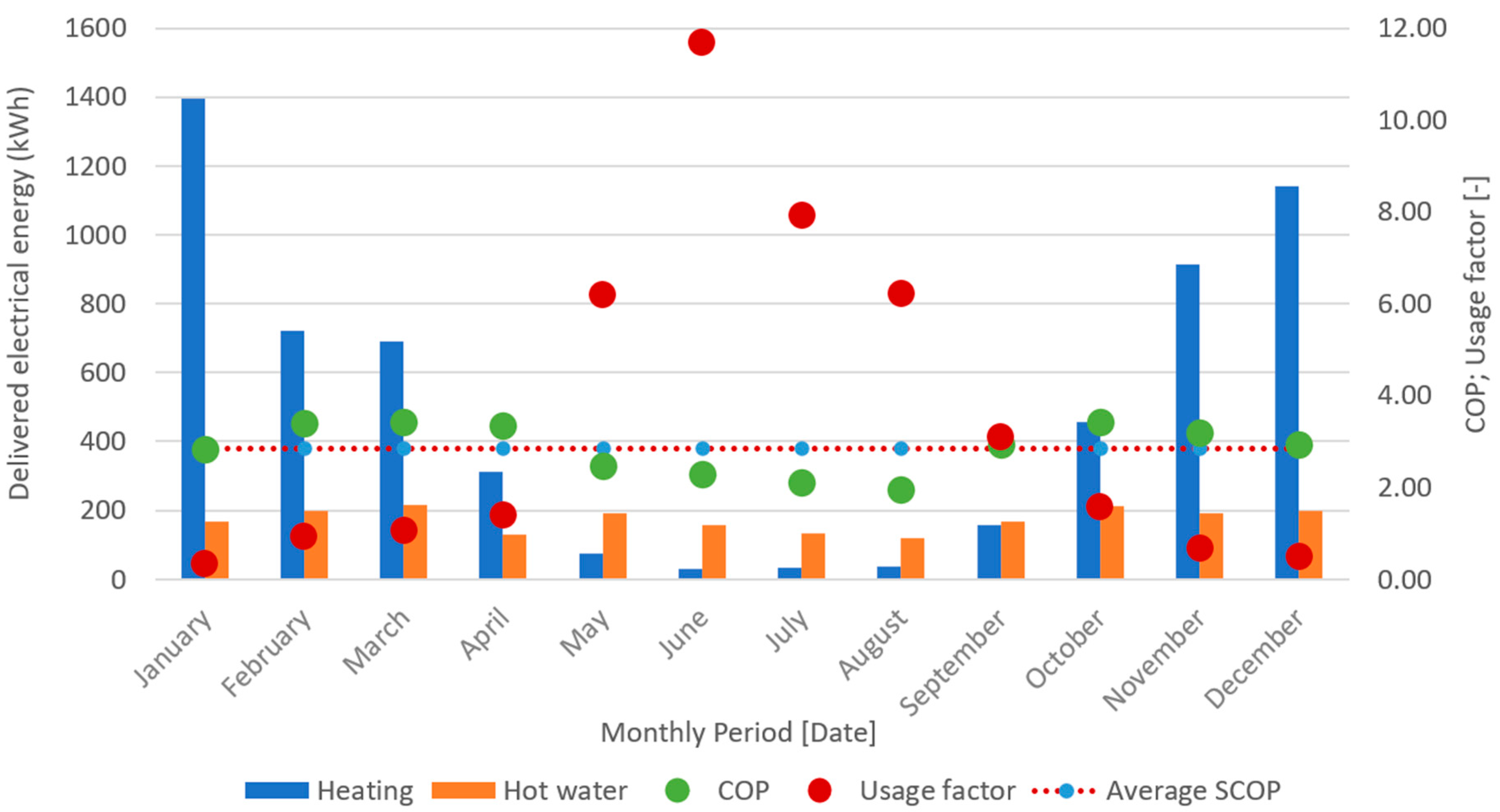
Figure 18 shows consumed electrical energy by the HP-A system for heating water (blue column) and DHW (orange column) separately according to the measurements throughout the whole year. Average SCOP is a value that is declared by the heat pump manufacturer. Usage factor is calculated as monthly COP divided by relative electricity consumption. The relative electricity consumption is a ratio between the delivered electrical energy for heating water and DHW. It is calculated as delivered energy for heating water divided by the delivered energy for DHW. The chart shows how efficiently the electrical energy is used in different months. From the definition of the calculations, it is determined that the usage factor values higher than average COP means that the system is inefficient.
When analysing the operational parameters of the HP-B system, a significant increase in the heating coefficient (COP) was observed in the winter period, i.e., in months with high heat demand. This trend can be attributed to the possible efficient behaviour of the pump control system, which seems to allow the control of the heat output depending on the actual demand and the ambient conditions. It is the optimised control of the compressor operation [
27], including adaptive adjustment of its duty cycles [
28] or the control on the water temperature side [
29], that could contribute to increase the overall efficiency of the plant during more energy intensive periods. In terms of the installation of these systems as such, another study addressed the impact of the implementation itself on their efficiency [
30].
The data in
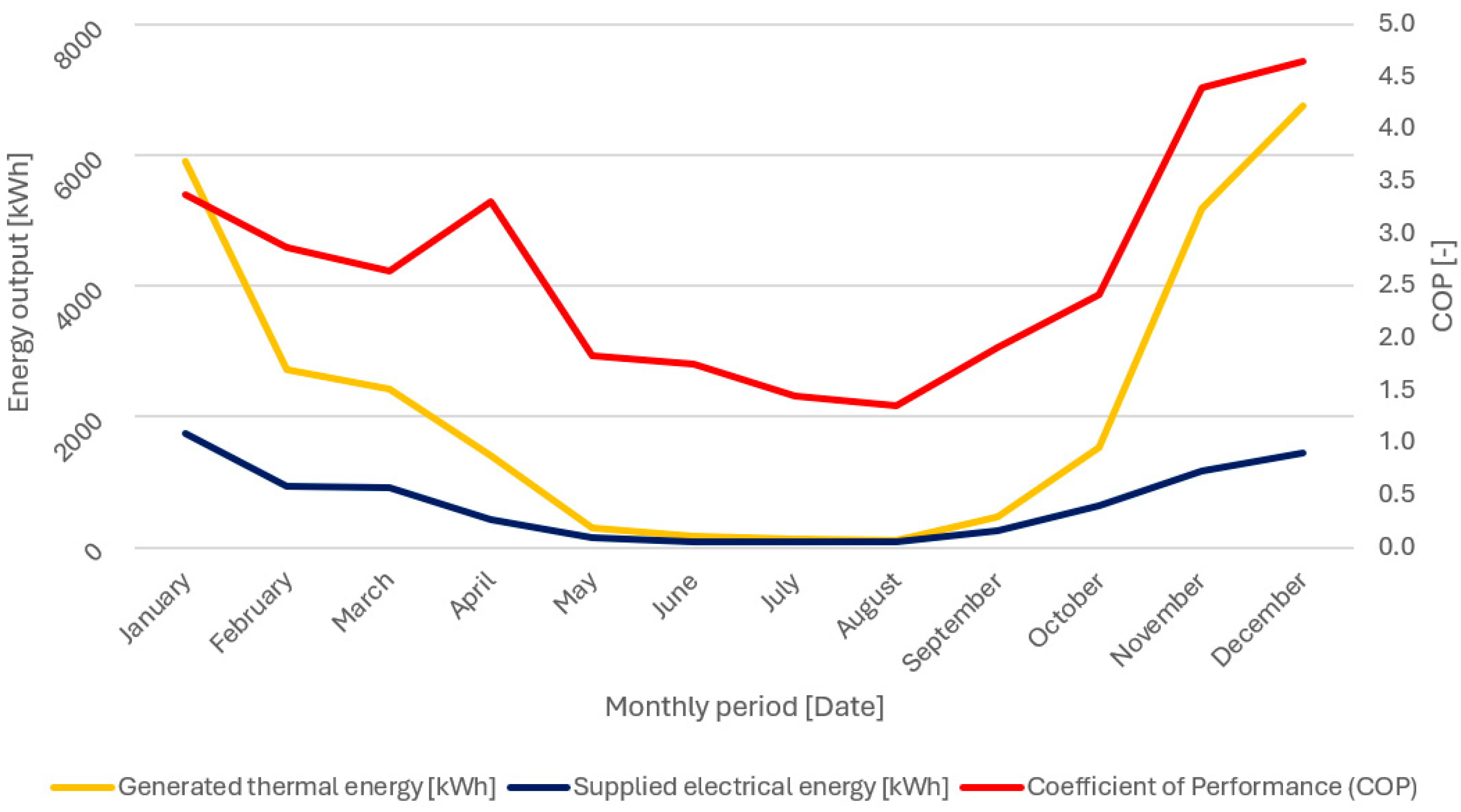
Figure 15 shows that the HP-B system achieves a higher average seasonal efficiency, with a SCOP of 3.39 compared to 3.06 for the HP-A unit. This difference indicates the potentially higher efficiency of the HP-B system under balanced operating conditions and in an environment with a favourable thermal gradient. This difference is particularly pronounced in the fourth quarter of the year, where HP-B shows significantly higher COP values (up to 4.5 in December), which indicate optimisation of control algorithms or favourable system configuration in relation to the dynamic demand of the building. HP-A shows more stable monthly COP, with less dispersion of values and consistent operation even during transition periods. This pattern can be considered an advantage in applications that emphasise performance stability without significant efficiency fluctuations in buildings with constant heat loads or in locations with variable climatic conditions.
The observations obtained point to the potential for deeper research in the area of control algorithms and their impact on seasonal operational efficiency. Future studies could focus on detailed monitoring of compressor response dynamics and control logic in real operation, especially under extreme temperature conditions. The prediction of heat pump behaviour with a link to advanced control, as addressed in a recent study [
31], also has potential for further research.
However, this paper specifically focuses on the heating of the water from May to August, which means the summer operating mode, which is often marginalised from a heating perspective. It is this period that is characterised by significantly lower heat demand, frequent part-load operation, and at the same time, there may be differences in the operating strategy and efficiency of different pump types [
32].
The initial boundary conditions of the case study were defined in order to simplify the input parameters. The buildings in which the heat pump systems were implemented were considered identical within the methodology—both in terms of their heat losses and with respect to the indoor and outdoor temperatures. This simplification is based on the almost identical location of the buildings in the area. An assessment of the suitability of the methods used to fill in the missing data could be the subject of a further study. The possibilities of working with incomplete data for similar purposes have already been addressed in another study [
33].
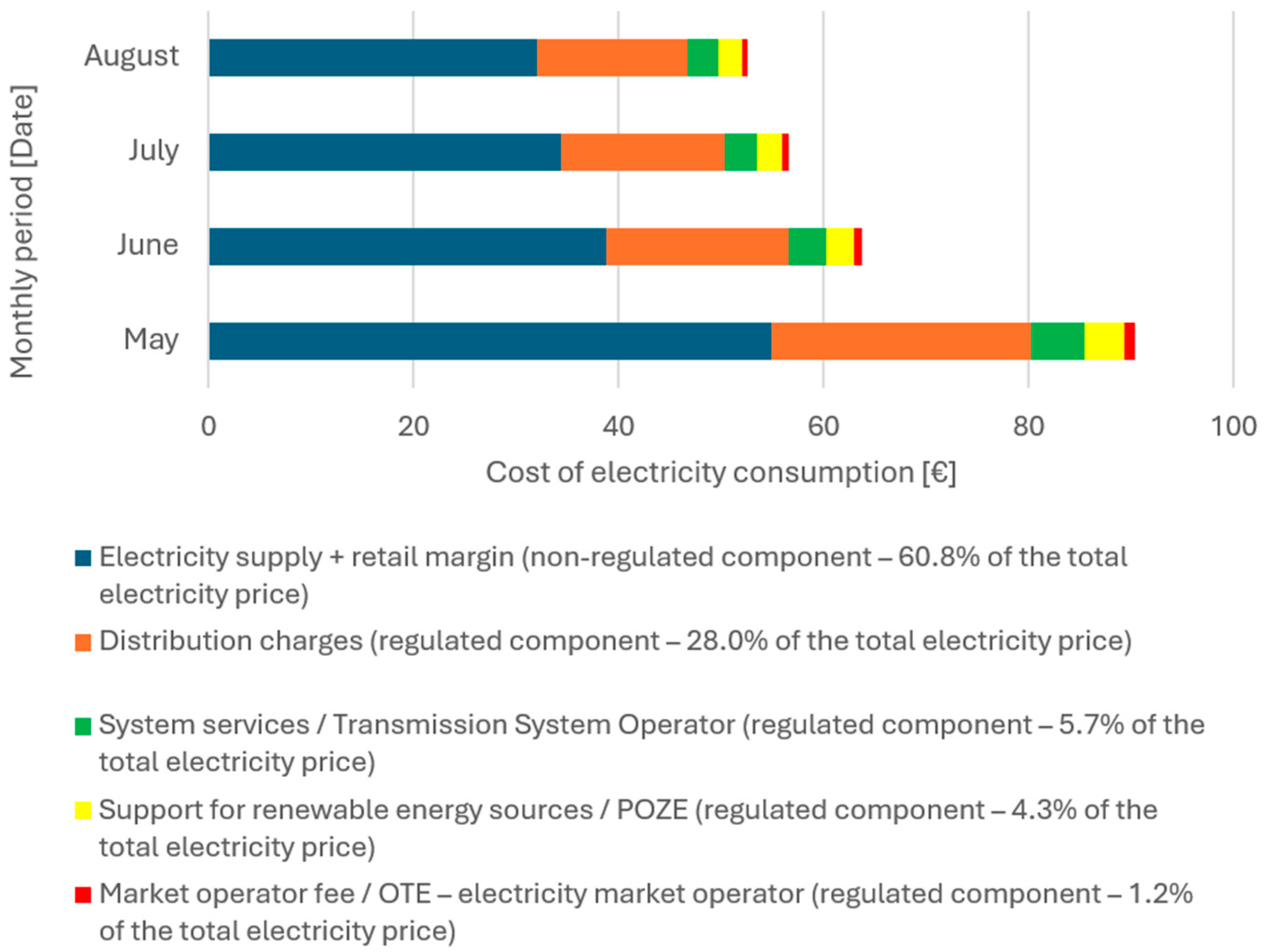
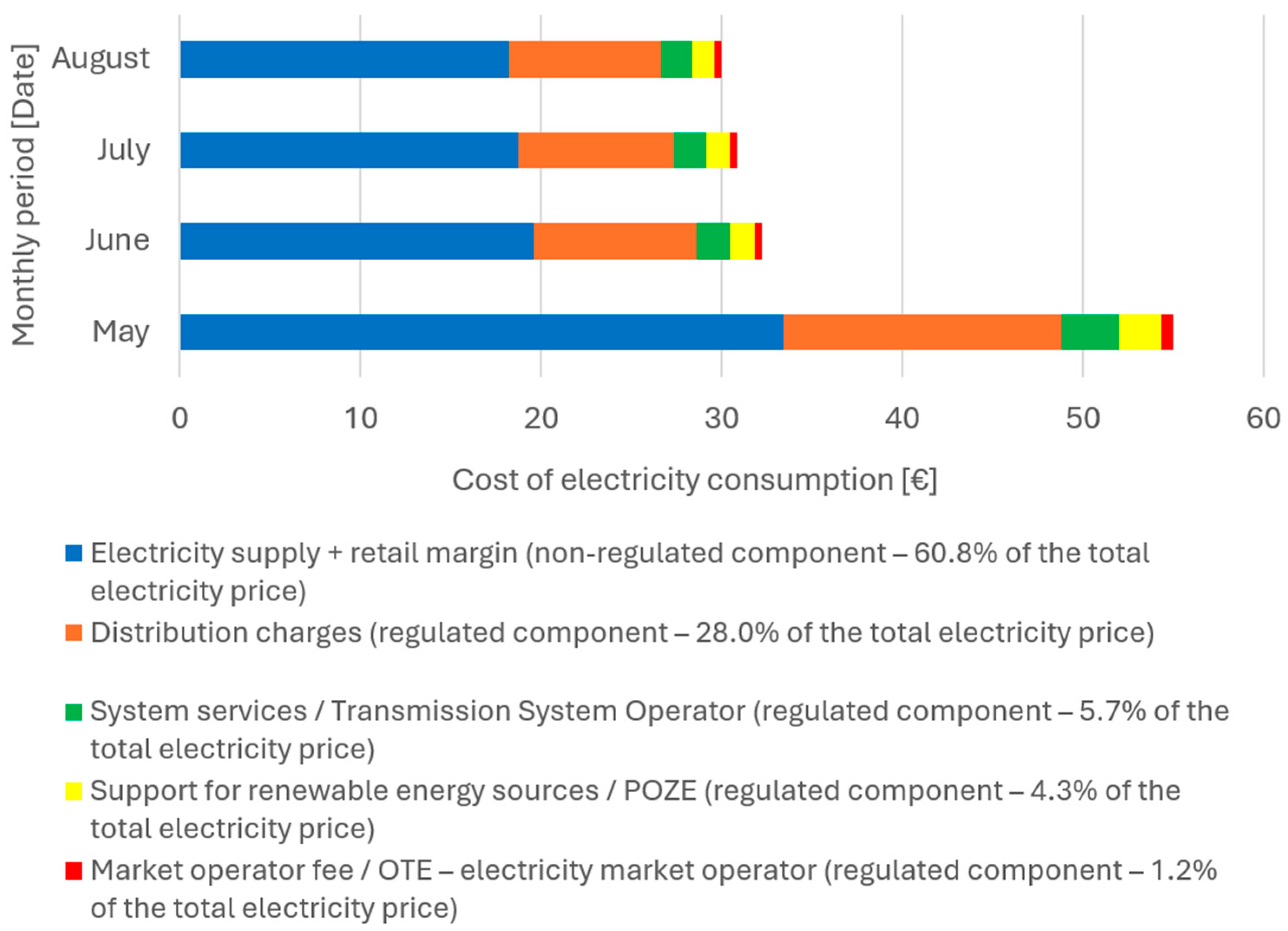
Figure 19 presents a monthly disaggregation of the final electricity expenditure for residential consumption associated with the HP-A configuration and HP-B configuration during the period May–August 2024. The total monthly cost is decomposed into non-regulated and regulated components in accordance with the 2024 national electricity price structure.
Figure 20 presents a monthly disaggregation of the final electricity expenditure for residential consumption associated with the HP-B configuration. The dominant contribution in both cases is the non-regulated component (electricity supply and retail margin), representing 60.8% of the total electricity price.
The regulated component, accounting for 39.2% of the total price, is further subdivided into:
- -
Distribution charges (28.0% of total price);
- -
System services/Transmission System Operator—“ČEPS” (5.7%);
- -
Support for renewable energy sources—“POZE” (4.3%);
- -
Market operator fee—“OTE” (1.2%).
Both analysed heat pump systems operate under the dual-tariff distribution scheme D57d. However, the differentiation between high-tariff (VT) and low-tariff (NT) electricity was not explicitly incorporated into the economic model. The inclusion of VT/NT switching would introduce an additional variable affecting the final electricity cost, which could introduce minor distortions into the comparative evaluation of the analysed storage configurations. The effective utilisation of low-tariff periods depends on the correct load management system integration (frequency-based ripple control signal injected into the distribution network for load management and tariff switching), distribution network conditions, and advanced control strategies—measurement and control systems. None of these operational or regulatory aspects constitute the focus of the present case.
Projecting the summer-period difference over a 10-year horizon, and assuming constant operating conditions and electricity prices, the cumulative gap would reach approximately 1154 €. This simplified estimate illustrates that in buildings where domestic hot water production constitutes a considerable share of annual energy demand, the long-term financial implications may be more significant than indicated by the annual balance alone.
The results of this case study are positive in terms of energy savings, although this study did not address other environmental impacts of air-to-water heat pumps, particularly in terms of global warming, as was done in another study [
34]. In this case, it is worth observing other options for the heat source used such as magnetocaloric heat pumps [
35] or special geothermal heat pumps [
36]. This study is structured as a real-world comparative case study evaluating system-level performance trends. Currently, no universal performance coefficients are derived from it.
Limitations of the Study
The domestic hot water storage configuration (tank-in-tank vs. separate tanks) is not the only differing factor in the systems researched in the study, but also the heat pump architecture (split vs. monobloc), refrigerant type, manufacturer-specific control algorithms, and system integration details. These factors may independently influence seasonal performance indicators (COP, SCOP), summer operation, and cycling behaviour.
The results presented in this paper should not be interpreted as a purely isolated comparison of storage tank concepts under otherwise identical boundary conditions. The study evaluates two integrated system solutions as implemented in practice.
While measured operational behaviour suggests that the storage concept influences standby losses, heat transfer efficiency, and system cycling characteristics, it is not possible within the scope of this study to fully decouple the storage effect from architecture-specific and control-related variables.
Future research should aim to isolate the impact of storage configuration by testing identical heat pump units operating under controlled and standardised boundary conditions.
The proportional redistribution method of the energy data for HP-B introduces uncertainty into the exact monthly distribution of thermal energy. The annual energy balance remains based on measured data, and both systems operate under comparable boundary conditions, which supports the validity of relative seasonal comparisons.
Although the installations are comparable in building typology and climatic exposure, strictly identical boundary conditions cannot be guaranteed in real residential environments. Variations in domestic hot water draw profiles, user setpoints, and habits may introduce performance variability, which is inherent to field-based studies.
The calculated circulation demand and internal heat transfer are sensitive to assumed boundary parameters. Variations in heat transfer coefficients or pump head assumptions may influence the absolute magnitude of calculated losses. However, the comparative relationship between the two systems remains structurally consistent.
To avoid introducing additional control-dependent factors, a simplified approach was adopted. A uniform average electricity price was applied, corresponding to the statistically reported household electricity price for the Czech Republic [
37]. This methodological choice ensures that the economic comparison remains focused on the thermal performance of the tank-in-tank system and its impact on monthly financial efficiency, without interference from tariff-optimisation effects.
Cycling metrics such as compressor starts per hour and runtime distribution were not accessible within the available dataset. This can influence DHW-dominant performance, and it can represent an area for future investigation.
5. Conclusions
The output of the case study is an evaluation of the differences between the hydraulic connection of the HP-A (tank-in-tank) and HP-B (two storage tanks).
Values for SCOP for year 2024 [-]
- -
HP-A has a SCOP of 3.06;
- -
HP-B has a SCOP of 3.39.
Thermal energy produced [kWh] for heating water in the summer period (May to August):
- -
HP-A produces 405.17 kWh;
- -
HP-B produces 223.96 kWh.
Economic costs of electricity supply for the operation of heat pumps in the summer period (May to August):
- -
HP-A costs in the period: 263.38 €;
- -
HP-B costs in the period: 148.02 €;
- -
Difference in costs is 115.36 [€];
- -
Energy savings are 44%.
Based on the analysis, it was found that the HP-B system has a 10% higher seasonal heating coefficient of performance (SCOP) value over the year-long operating cycle compared to the HP-A variant. The HP-A system shows almost double the thermal energy production compared to the HP-B system in the summer period. This phenomenon indicates numerically the difference in the hydraulic connection, where the thermal energy is also transferred to the heating system in the HP-A as part of the DHW heating. In the defined summer period (May–August), the increased financial burden of the HP-A system compared to HP-B was calculated to be approximately 115.36 €, which represents 44% of energy savings, keeping the unit price of electricity at 0.3381 €/kWh [
37] for the Czech Republic.
The results of this study show an additional internal heat transfer and storage interaction within the tank-in-tank configuration. This interpretation is consistent with previous research indicating that hydraulic integration, stratification degradation, and temperature drops between heat source and consumer influences system efficiency. Due to architectural and control differences between the analysed systems, the observed performance gap cannot be attributed exclusively to storage configuration.
From an annual perspective, the economic difference is 18.12 €, 0.67%. In conclusion, the impact of hydraulic configuration is substantially more pronounced in DHW-dominated regimes than in space-heating-dominated operation. The storage interaction effects remain masked in full-year SCOP evaluation and become visible primarily under summer operating conditions.
The presented evaluation focuses exclusively on comparing two specific hot water heating systems connected to air-to-water heat pumps. For this reason, it is necessary to take into account the limited informative value of the statistical evaluation, as such a narrow sample does not allow for a full generalisation of the results or robust statistical conclusions. The findings of this study should therefore be interpreted primarily in the context of the devices under review.



 ,
,