


Abstract
Earthen materials are attractive sustainable building solutions due to their low embodied energy and ecological benefits. However, their inherent weaknesses, such as low strength and poor durability, severely restrict modern engineering applications. Traditional physical or chemical modification methods struggle to balance significant improvement in mechanical performance with the preservation of their core sustainable attributes. To overcome this long-standing challenge, this study proposes a paradigm-shifting solution: a prefabricated monolithic lattice–earth composite wall structure. This system abandons the single-material-centered modification approach. Instead, through macroscopic system-level composite design, reinforced concrete lattices and earthen blocks are prefabricated into integral wall panels in a factory. These panels then work collaboratively with the peripheral frame through reliable integral connections. Via quasi-static tests and theoretical analysis on four scaled wall specimens with different design parameters, this study systematically reveals the working mechanism and performance regulation principles of this composite system. The core findings indicate: (1) The system achieves multiple seismic defense lines and a controllable energy dissipation path through a sequential damage mechanism: “earthen material cracking and friction → lattice yielding and energy dissipation → final defense by the frame.” (2) The ratio of the equivalent lateral stiffness of the prefabricated wall panel to the stiffness of the outer frame is a key dimensionless design parameter controlling the failure mode (ductile shear or brittle bending), and the lattice configuration is an effective means to adjust this parameter. (3) Based on tests and an equivalent stiffness model, quantitative design guidelines are proposed, focusing on optimizing lattice density (recommended: 3–4 lattice columns), limiting the aspect ratio (preferably ≤1.5), and ensuring “strong connections.” This study demonstrates that the system, without sacrificing the intrinsic sustainable advantages of earthen materials, successfully endows them with high performance, meeting modern seismic code requirements and potential for prefabricated construction through system integration innovation. It provides a new path with theoretical foundation and practical feasibility to resolve the core contradiction in the modernization of traditional earthen buildings—the incompatibility between ecological attributes and engineering performance. This lays an important foundation for developing next-generation high-performance green building structural systems.
1. Introduction
As one of humanity’s oldest construction materials, raw earth is experiencing a resurgence driven by the urgent need for sustainable building solutions. Its low embodied energy, superior hygrothermal regulation, and complete recyclability afford it an exceptional environmental profile, rendering it a material of great contemporary relevance [1,2]. Despite its inherent advantages and persistent role in housing about one-third of the global population [3], traditional raw earth faces intrinsic limitations, notably insufficient mechanical strength and poor durability, which have severely constrained its application in modern engineering practice.
To overcome these limitations, research has primarily pursued two distinct modification pathways. The first involves physical modification, which enhances the mechanical properties of raw earth by adjusting the physical characteristics and interlocking effects of additives, without triggering chemical reactions or altering the fundamental physicochemical properties of the soil matrix. The primary technical routes are fiber reinforcement and particle gradation optimization. Fiber reinforcement, incorporating materials such as polyethylene fibers [4,5], straw [6], sawdust [7], palm fibers [8], barley and lavender straw [9], and recycled fibers from discarded fishing nets [10], has proven highly effective in enhancing flexural toughness and compressive strength while suppressing shrinkage cracking. Particle gradation optimization enhances mechanical properties and deformation capacity by regulating the content and proportion of additives such as sand [11], recycled concrete aggregates [12], waste glass slag [13], and rubber particles [14], thereby improving the overall compactness. A key advantage of this approach is its ability to target specific mechanical properties while preserving the inherent sustainable attributes of raw earth, such as vapor permeability and recyclability. However, its improvements in compressive strength and water resistance are typically limited, thereby restricting its use in primary load-bearing components or harsh environments. Moreover, the biodegradation of organic fibers may compromise the long-term durability of fiber-reinforced earth [15,16].
The second focuses on chemical modification, which fundamentally alters soil chemistry through reactions or hydration between additives such as lime, cement, and alkali-activated binders and soil constituents. This process forms cementitious products that dramatically improve engineering performance [17,18,19,20,21,22]. Effective even when utilizing industrial by-products such as fly ash, this method delivers substantial gains in strength and water resistance, thereby enabling its application in load-bearing structures and humid environments [23,24]. However, this performance comes at a profound cost to sustainability. While chemical modification enhances material performance, it compromises sustainability by requiring energy-intensive binders and irreversible processes. This diminishes the core ecological benefits of raw earth, namely low embodied energy and full recyclability [25,26,27,28], thereby highlighting an irreconcilable conflict between mechanical improvement and environmental integrity.
In modernizing earthen architecture, the research paradigm is shifting from a singular focus on material optimization toward innovative designs based on system integration. This shift is fundamentally guided by the philosophy of composite materials, which aims to combine favorable properties, mitigate individual deficiencies, and achieve synergistic performance. By adopting multi-scale design to systematically integrate diverse materials and components, this approach overcomes the inherent limitations of monolithic raw earth. It thus moves beyond traditional modification methods, achieving a synergistic improvement in structural performance and full-lifecycle sustainability. Following this logic, researchers have explored various “reinforced composite” strategies. Examples include embedding tensile elements like bamboo reinforcement or lattices into the earthen matrix as reinforcing phases [29,30], or constructing integrated structural frameworks [31,32] and timber-frame wall systems [33]. In essence, these methods utilize the reinforcement to constrain the earthen base, redistribute stress, and control crack development, thereby enhancing the structural integrity and seismic performance in a composite manner. However, a critical disconnect persists between traditional materials and modern construction requirements. Current research predominantly focuses on localized reinforcement, often lacking systematic, holistic composite solutions. It has yet to seamlessly integrate the sustainable advantages of earth with core contemporary demands such as rapid assembly and standardized seismic performance [34]. Therefore, to advance earth from a niche material to a mainstream choice for sustainable construction, the key lies in evolving from “simple combination” to “sophisticated composite.”
To address this challenge, this study proposes a prefabricated monolithic lattice–earth composite wall structure (referred to as PM–LECS). This system constitutes a macro-scale composite, consisting of prefabricated lattice–earth composite panels (referred to as PM–LECP, serving as the core composite unit), a peripheral reinforced concrete frame, and floor slabs. These components are integrated on-site through assembly and cast-in-place connections to form a unified structure, as illustrated in Figure 1.
Figure 1.
Prefabricated Monolithic Lattice–Earth Composite Wall Structure (PM-LECS).
The primary innovation of the system is the design of the prefabricated lattice–earth composite panel (P-LECP). This panel is a strategically partitioned, slab-type composite element, in which earthen blocks—acting as a low-carbon matrix material—are embedded within a reinforced concrete lattice that serves as the structural skeleton. This configuration enables not only a complementary material combination of concrete and earth, but also—through pronounced interaction (interface synergy) between the integrated lattice frame and the infill—an optimization of load-transfer paths and a clear functional zoning within the structural system.
The Prefabricated Monolithic Lattice–Earth Composite Wall (PM-LECW) serves as the fundamental wall segment within the PM-LECS. It integrally comprises P-LECPs, connecting columns, and a restrained concealed beam. A nested structural design is employed, strategically allocating materials with distinct mechanical properties to predefined damage zones. The core of its seismic design lies in establishing three sequential lines of defense to dissipate seismic energy in stages (as shown in Figure 2):
Figure 2.
Schematic diagram of the seismic defense mechanism based on the multi-level coordinated energy dissipation concept of composite materials.
The first line of defense (serviceability under frequent earthquakes): Low-strength earthen blocks crack first. Under the effective confinement of the lattice frame, these cracks are confined within individual lattice units. The subsequent cyclic opening and closing of these cracks induces frictional energy dissipation.
The second line of defense (life safety under moderate earthquakes): The lattice frame is designed to incur damage prior to the outer frame. Plastic hinges form at the ends of its beams and columns, dissipating substantial energy through controlled inelastic deformation.
The third line of defense (collapse prevention under strong earthquakes): Acting as the ultimate safeguard, the outer frame engages in composite action with the internal lattice system to prevent structural collapse.
The proposed PM-LECW, with its designed multi-level defense mechanism, represents a complex multi-scale composite system. It is composed of discrete concrete lattices, earthen blocks, and a continuous outer frame, exhibiting highly complex mechanical behavior and failure mechanisms. The system displays significant heterogeneity, anisotropy, and complex interfacial interactions, making it difficult for traditional methods based on homogeneous continuum assumptions to accurately describe its stiffness degradation and complete failure process. Composite material homogenization theory provides a systematic framework for addressing such multi-scale problems by connecting microscopic heterogeneity to macroscopic equivalence via a representative volume element (RVE) [35]. It has been successfully applied to periodic masonry structures [36,37] and composite components such as truss–concrete slabs [38]. However, applying this theory to the PM-LECS remains challenging: the validity of its predictions heavily depends on accurately capturing the key microscopic mechanical behaviors of the lattice–earth synergy and reasonably describing the interfacial mechanical response [39]. Currently, a major bottleneck is the lack of homogenization models that simultaneously account for interfacial shear nonlinearity and geometry-driven failure mechanisms [40], hindering precise mechanical analysis and optimized design.
To directly address this modeling gap and validate the conceptual design, this paper investigates the mechanical behavior of the PM-LECW through systematic experimental research. The primary objectives are: (1) to quantify the degradation patterns of bearing capacity, stiffness, and energy dissipation capacity; (2) to characterize the hysteretic response and identify typical failure modes; and (3) to assess the feasibility for engineering applications. These objectives are pursued by conducting quasi-static low-cycle reversed loading tests on four scaled specimens with different lattice configurations and aspect ratios. The experimental results and the macroscopic failure mechanisms revealed herein will provide the essential data and mechanistic understanding for constructing and validating future multi-scale analytical models capable of overcoming the current limitations.
2. Experimental Program Design
2.1. Design and Manufacture of Test Specimens
2.1.1. Design of Test Specimens
To investigate the working mechanism of this system, four scaled wall specimens were designed based on a six-story PM-LECS structural prototype (story height: 2.9 m, typical wall thickness: 200 mm) using a geometric scaling ratio of 1:2. The similarity relationships for key physical and mechanical parameters between the model and prototype are presented in Table 1.
Table 1.
Similarity relationships between model and prototype.
The specimens were designed as follows:
Specimens PM-LECW1, PM-LECW2, and PM-LECW3 share identical external dimensions (1400 mm × 1440 mm × 100 mm) but feature 3 × 3, 2 × 3, and 4 × 3 lattice configurations, respectively. This design allows for a comparative investigation of the influence of lattice density (stiffness) on the walls’ mechanical performance and energy dissipation mechanisms.
Specimen PM-LECW4 adopts the same 2 × 3 lattice as PM-LECW2 but with a reduced length of 700 mm, resulting in a higher aspect ratio (approximately 2.06). This design was used to study the effects of the height-to-width ratio on the wall’s failure mode and mechanical behavior.
Detailed specimen parameters are provided in Table 2, and construction details are illustrated in Figure 3.
Table 2.
Specimen dimensions (mm).
Figure 3.
Dimensions and distributed reinforcement of specimens.
2.1.2. Manufacture of Test Specimens
The test specimens were fabricated following a three-stage sequential process: (1) manufacturing the plant fiber-reinforced earthen blocks, (2) fabricating the lattice–earth composite panels (P-LECP), and (3) on-site assembly of the integrated wall with cast-in-place concrete connections. This process is illustrated in Figure 4, Figure 5 and Figure 6.
Figure 4.
Fabrication process of plant fiber-reinforced earthen blocks.
Figure 5.
Fabrication process of the prefabricated lattice–earth composite panel (P-LECP).
Figure 6.
On-site assembly procedure of the integrated wall specimen.
- (1)
- Fabrication of Plant Fiber-Reinforced Earthen Blocks
The blocks served as the core infill and energy-dissipation material. Their fabrication process (Figure 4) was as follows:
- Straw Pretreatment: Wheat straw was cut into 10–30 cm lengths.
- Mixing: The straw and loess were uniformly mixed at a volume ratio of 1:2 (straw:loess).
- Curing: Water was added and mixed thoroughly, followed by static curing for 12 h to optimize moisture content.
- Molding: The mixture was vibrated and compacted into molds; the formwork was removed after 30 min.
- Drying: The blocks were air-dried naturally in a shaded, well-ventilated environment until constant weight was achieved, to avoid cracking from direct sun exposure.
- (2)
- Fabrication of Prefabricated Lattice–Earth Composite Panels (P-LECP)
This stage involved the factory prefabrication of the core wall panel unit (P-LECP), as shown in Figure 5:
- Skeleton Forming: Reinforcing cages for the peripheral lattice beams and columns were assembled in dedicated molds.
- Internal Formwork Positioning: Prefabricated earthen blocks, serving as permanent internal formwork, were precisely arranged and fixed within the reinforcing cages according to the design layout.
- Concrete Pouring: External formwork was installed, and concrete was poured integrally to ensure full encapsulation of the reinforcement and tight bonding with the blocks.
- Curing and Demolding: After curing to the specified strength, the formwork was removed, yielding a prefabricated unit that integrated load-bearing, enclosure, and energy-dissipation functions.
- (3)
- Overall Connection Configuration and On-Site Assembly
A critical aspect of this study was the integral connection between the P-LECP and the RC frame. The on-site assembly (Figure 6) constituted not merely a construction step, but a critical structural process essential for achieving the intended performance:
- Base Preparation: A layer of M20 bedding mortar with a minimum thickness of 10 mm was applied and leveled on the foundation beam to create a uniform bearing surface and ensure effective vertical load transfer.
- Wall Panel Installation: The prefabricated P-LECP was hoisted and positioned at its designated location.
- Key Reinforcement Anchorage: Horizontal protruding rebars on both sides of the wall panel and vertical rebars at the top were straightened and anchored into the reserved zones of the edge connection columns and the upper concealed beam, respectively. This step was crucial for achieving structural integrity, as these rebars transferred horizontal shear forces and bending moments during seismic events.
- Integral Joint Casting: Reinforcement for the edge columns and concealed beams was tied, formwork was erected, and micro-expansive concrete was poured in layers. This “wet connection” integrated the prefabricated wall panel, connecting rebars, and surrounding beams and columns into a rigid monolithic joint, enabling reliable transfer of shear, bending moment, and axial force.
- Curing: Continuous wet curing was applied to the cast-in-place joints to ensure proper strength development of the concrete.
2.1.3. Material Properties
Guided by a performance-based zonal design principle, materials were selected as follows: the outer frame employed C30 concrete for its requisite strength and stiffness as the primary load-bearer and ultimate defense; the internal lattice restraint system used cost-effective C20 concrete to provide lateral confinement; and the earthen infill consisted of straw-reinforced loess blocks. Their low elastic modulus (~135 MPa) and compressive strength (~1.6 MPa) were intentionally utilized, serving as the system’s “sacrificial” energy-dissipation units. Table 3 summarizes the fundamental properties of each material.
Table 3.
Basic physico-mechanical properties of constituent materials.
Reinforcement consisted of HRB400 steel bars. Bars with diameters of 2 mm and 4 mm were cold-drawn. The fundamental mechanical properties of the reinforcement are summarized in Table 4.
Table 4.
Basic mechanical properties of steel reinforcement.
2.2. Loading Protocol
The seismic performance of the wall specimens was tested using a quasi-static low-cycle reversed loading protocol. A schematic diagram of the loading setup is shown in Figure 7a, with an on-site photograph provided in Figure 7b. The loading procedure strictly adhered to the Chinese standard for seismic testing of buildings (JGJ/T 101-2015 [43]).
Figure 7.
Experimental setup.
2.2.1. Vertical Loading
The vertical load, a dominant factor influencing the stress distribution and seismic behavior of the wall, was designed to achieve a target axial compression ratio of 0.23. This resulted in equivalent vertical loads of 110 kN for specimens PM-LECW1, PM-LECW2, and PM-LECW3, and 55 kN for PM-LECW4. The load was applied by a hydraulic jack through a distribution beam system. It was first held constant for 2 min to ensure stability. Subsequently, horizontal loading was initiated while the vertical load was maintained at its preset value throughout the entire cyclic testing procedure.
2.2.2. Horizontal Loading
Following the stabilization of the vertical load, quasi-static horizontal loading was applied under a hybrid load–displacement control scheme. In the pre-yielding phase, force-controlled loading was employed in stages, with each 10 kN increment sustained for one complete cycle. Upon yielding, the control was switched to a displacement-controlled mode. Stepwise increases in displacement were then applied, with each target displacement level repeated for three full cycles. The loading protocol was terminated when the horizontal load degraded to 85% of its peak recorded value, or when the specimen failed to sustain the constant axial load. The complete loading history is illustrated in Figure 8.
Figure 8.
Loading scheme under displacement control.
3. Results and Analysis
3.1. Failure Mechanisms and Modes
Under low-cycle reversed loading, all four PM-LECW specimens (PM-LECW1 to PM-LECW4) exhibited a consistent three-stage response: initial elastic behavior, followed by elastoplastic development, culminating in failure. Figure 9 compares the final failure morphologies, and Table 5 summarizes the characteristic failure modes and underlying mechanisms for each stage.
Figure 9.
Failure photographs of the specimens.
Table 5.
Observed failure modes and mechanisms for PM-LECW specimens.
The analysis of Figure 9 and Table 5 reveals that the configuration of the constrained lattice is the primary factor governing the failure mechanism of the PM-LECW. The underlying rationale is elaborated below.
- (1)
- Dominant Influence of Constrained Lattice Configuration: From Multi-Defense Mechanisms to Stiffness Imbalance
As the core load-bearing skeleton, the density of lattice columns is a key parameter controlling the equivalent lateral stiffness (Kp) of the wall panel. In specimens with fewer lattice columns (PM-LECW1, PM-LECW2), the relatively weaker constraint on the earthen infill led to a clear progressive failure process under horizontal loading: the earthen infill cracked first, dissipating energy through friction along crack interfaces; damage then extended to the lattice beams and columns, inducing reinforcement yielding; finally, the outer frame participated in resisting forces until the ultimate state. This sequential activation mechanism—“infill →lattice→ frame”—formed an effective multi-defense seismic system, achieved relatively uniform damage distribution, and resulted in a ductile, shear-dominated failure mode, demonstrating high collapse resistance.
Conversely, in specimens with denser lattice columns (PM-LECW3), the wall panel stiffness increased significantly, creating a “strong panel–weak frame” stiffness imbalance. According to the load–distribution principle of a parallel model, the relatively flexible outer frame attracted a larger share of the bending moment, leading to premature formation of concentrated plastic hinges at its beam–column joints or column bases, while damage within the internal wall panel remained limited. This failure mode bypassed the intended early-stage energy-dissipation phase, manifested as a predominantly flexural brittle failure, localized damage, and exhibited low redundancy—representing an unfavorable seismic behavior pattern.
The experimental results indicate that the density of the restraining lattice is the primary design factor regulating Kp. The ratio Kp/Kf (where Kf is the flexural stiffness of the outer frame) determines the distribution of internal forces under horizontal loading. In PM-LECW3, an excessively high Kp/Kf ratio caused the wall panel to attract an unduly large share of shear forces, forcing the frame to carry a disproportionate bending moment. This short-circuited the intended “infill →lattice” energy-dissipation path, concentrating damage directly at the frame column bases and triggering brittle flexural failure. By contrast, in PM-LECW1 and PM-LECW2, a moderate Kp/Kf ratio ensured a rational, stiffness-based distribution of internal forces, enabling sequential yielding and a ductile failure mechanism.
- (2)
- Moderating Effect of Aspect Ratio: From Shear-Dominated Behavior to Flexure–Shear Coupling
For a given lattice configuration, the aspect ratio altered the overall force-resisting mechanism and played a critical moderating role. Specifically, a lower aspect ratio (PM-LECW2) favored shear-dominated deformation. The outer frame, restraining lattice, and earthen infill worked in effective synergy, with damage developing uniformly in the middle–lower portion of the wall, ultimately resulting in a typical ductile shear-dominated failure pattern. In contrast, a higher aspect ratio (PM-LECW4) promoted flexural deformation, leading to a “strong frame–weak wall panel” mechanism. The outer frame attracted the majority of the bending moment, causing premature yielding at the column bases, while the wall panel experienced significant uplift due to bending–tension effects. The resulting flexure–shear coupled failure mode did not fully mobilize the energy-dissipation capacity of the internal lattice and infill, thereby limiting the overall energy-dissipation capacity.
3.2. Hysteretic Curves
The hysteretic response, characterized by load–displacement curves under cyclic loading, provides critical insights into a structure’s deformation behavior, stiffness evolution, and energy dissipation capacity. It forms the basis for restoring force modeling and nonlinear seismic analysis. Figure 10 presents the hysteretic loops obtained from low-cycle reversed loading tests for the four PM-LECW specimens. The distinct characteristics of these loops—particularly their shape, fullness, and stiffness degradation—directly reflect the influence of key design variables: the constrained lattice configuration and the wall aspect ratio.
Figure 10.
Measured hysteretic curves (load vs. displacement) for the PM-LECW specimens.
Based on a systematic analysis, the following key observations are made:
- (1)
- Overall Hysteretic Behavior
The hysteretic characteristics of all specimens are fundamentally governed by the detailing and performance of the connection joints between the prefabricated wall panel and the cast-in-place outer frame. The joint detailing adopted in PM-LECW—bedding mortar at the panel base, with vertical and horizontal connecting rebars tied to the reinforcement of surrounding cast-in-place members before monolithic casting—is the decisive factor leading to stiffness degradation, the evolution of energy dissipation mechanisms, and the final failure mode. This performance evolution is directly reflected in the shapes of the hysteresis curves.
During the elastic stage, the joints maintained good integrity, and the hysteresis loops were narrow and nearly linear. Upon entering the elastoplastic stage, degradation of the interfacial bond between the earthen material and the lattice frame, along with the development of microcracks in the lattice concrete, led to reduced stiffness. The curves took on a full spindle shape, and energy dissipation increased. As displacement amplitudes grew, significant slip at the bottom bedding mortar interface and the cyclic opening-closing of cracks in the joint region jointly induced a “pinching” phenomenon in the load–displacement curves, causing the curve shape to evolve toward a bow shape and eventually an inverted S shape. This pinching effect macroscopically reflects a typical challenge in joint regions under cyclic loading: significant shear deformation and interface slip [47]. After reaching the ultimate load, yielding of reinforcement in the joint core, severe spalling of concrete, and a sharp increase in interface slip led to rapid degradation of both bearing capacity and stiffness. At this stage, the hysteresis curves exhibited a pronounced inverted S shape with severe pinching, indicating that the connection joints had entered a failure phase and foreshadowing significant deterioration in their long-term performance and durability.
- (2)
- Influence of Design Parameters on Hysteretic Response through Joint Behavior Control
Based on the aforementioned joint control mechanism, the differences in hysteresis curves among the specimens (Figure 10) essentially reflect how different design parameters reshape the stress state and damage progression within the joints.
Lattice configuration: Its density directly modulates the in-plane stiffness of the prefabricated wall panel, thereby altering the concentration of internal force flow transmitted to the wall-frame connection joints. The denser lattice in Specimen PM-LECW3 resulted in higher wall panel stiffness, causing horizontal forces to be excessively concentrated in the joint regions. This intensified shear deformation and interfacial slip, leading to earlier and more pronounced pinching of the hysteresis loops and poorer energy dissipation capacity. Conversely, specimens with sparser lattices possessed moderate wall panel stiffness, which promoted a more uniform distribution of internal force flow. This delayed damage concentration in the joints, thereby generating fuller hysteresis loops and better energy dissipation performance.
Aspect ratio: This parameter directly affects the stress pattern in the joint zone by altering the bending-to-shear force ratio acting on the wall. The lower aspect ratio of Specimen PM-LECW2 led to shear-dominated behavior; the joints were primarily subjected to shear, and damage development was relatively controlled, resulting in fuller hysteresis loops. In contrast, the higher aspect ratio of Specimen PM-LECW4 introduced significant bending moment effects. The joint zone experienced greater tensile–shear combined stresses, accelerating cracking and bond degradation in the core concrete. This strong coupling between bending-induced crack opening and interfacial slip caused earlier and more significant pinching in the hysteresis loops.
In summary, the hysteretic behavior of the specimens represents the macroscopic manifestation of joint performance modulated by various design parameters. It essentially results from the competition and coupling between two mechanisms: interfacial slip and material damage in the core joint region. This observation not only confirms the theoretical importance of joints as a key control factor for the seismic performance of such prefabricated structural systems but also aligns with existing research on construction and performance issues in reinforced concrete joints [47].
Therefore, the key to enhancing the seismic performance and long-term reliability of this system lies in treating the joints as the design core. This requires ensuring the coordinated design of anti-slip interface detailing, adequate shear and anchorage capacity of the joint core, along with stringent construction quality control.
3.3. Skeleton Curves
The skeleton curves of the four specimens are presented in Figure 11.
Figure 11.
Skeleton curves of the PM-LECW specimens.
A comparison of the skeleton curves in Figure 11 demonstrates three distinct structural response stages: elastic, elastoplastic, and failure. The post-yield transition to ultimate failure is gradual, characterized by a gentle negative slope that reflects a controlled degradation of lateral load-bearing capacity and indicates favorable ductile behavior. Furthermore, the positive and negative loading envelopes exhibit a remarkable degree of symmetry, confirming nearly identical load capacities in both directions. This symmetry suggests that cracks in the earthen block tended to close upon load reversal, allowing the infill to maintain composite action with the frame throughout the loading cycles.
The layout of the constraining lattice columns was found to be the primary factor controlling the post-peak response. In specimen PM-LECW3, the excessively dense arrangement provided high initial stiffness and peak load but led to a steep, brittle post-peak descent, which resulted in poor ductility and energy dissipation. In contrast, PM-LECW1, with a sparser layout, achieved comparable strength. Crucially, its skeleton curve transitioned to a gentle descending slope or an extended plastic plateau after the peak, signifying substantially enhanced ductility and superior energy dissipation capacity.
While the lattice layout controls the post-peak behavior, the aspect ratio dictates the strength–ductility trade-off. Although PM-LECW2 and PM-LECW4 shared the same lattice arrangement, the closely spaced columns in PM-LECW4 imposed strong confinement on the internal earthen blocks. This confinement counteracted—or even reversed—the stiffness reduction typically induced by a higher aspect ratio, yielding higher initial stiffness. Nevertheless, upon entering the nonlinear stage, the influence of the aspect ratio became dominant, dictating the failure mode and promoting a pronounced tendency toward flexural deformation. This transition from confinement-dominated to geometry-dominated behavior underscores the complex interplay between material detailing and global structural response.
3.4. Characteristic Loads and Displacements
The characteristic loads and displacements of the PM-LECW specimens, including the values at the cracking, yield, maximum load, and ultimate displacement points, are summarized in Table 6.
Table 6.
Characteristic loads and displacements of the PM-LECW specimens.
Based on the data in Table 6, the following conclusions are drawn:
- (1)
- Influence of Lattice Configuration on Load and Deformation Capacity
Specimen PM-LECW1 exhibited high bearing capacity at the cracking, yield, and peak load stages. Its peak load was 25.6% higher (push) and 39.7% higher (pull) than that of PM-LECW2, but 6.4% lower (push) and 4.0% lower (pull) than that of PM-LECW3. These comparisons indicate that denser restraining lattice columns offer improved crack control and enhance panel stiffness, as seen in PM-LECW3. However, this increased density also promotes the unfavorable “strong panel–weak frame” flexural failure mode, which corresponds to a lower displacement ductility coefficient. Therefore, the design should not seek to maximize lattice density solely for strength but should optimize it to achieve a balance between strength and ductility.
- (2)
- Effect of Aspect Ratio on the Strength–Ductility Balance
A comparison between PM-LECW2 and PM-LECW4 shows the influence of the aspect ratio. The peak load of PM-LECW4 was 14.1% lower (push) and 4.8% lower (pull) than that of PM-LECW2. Its ultimate displacement was 8.2% higher in the push direction but 11.5% lower in the pull direction. The displacement ductility coefficient of PM-LECW4 was significantly higher, demonstrating the characteristic trade-off of reduced strength for enhanced ductility with a larger aspect ratio. Both specimens exhibited relatively low cracking loads (approximately 3.5 kN for PM-LECW2 and 2.3 kN for PM-LECW4), indicating that the aspect ratio had minimal influence on the initial elastic stiffness and cracking resistance. Instead, its primary effect was manifested in the post-yield inelastic stage, where it governed the development of plastic deformation and ultimately determined the failure displacement and mode.
3.5. Stiffness Degradation
The degradation of lateral stiffness under cyclic loading serves as a critical indicator of structural damage accumulation. To quantify this degradation, the secant stiffness was computed for each displacement level. Figure 12 illustrates the stiffness evolution of all specimens, facilitating a direct comparison of degradation rates and patterns as influenced by the key design variables: lattice configuration and aspect ratio.
Figure 12.
Stiffness degradation of the PM-LECW specimens.
Analysis of the stiffness degradation curves reveals three principal trends:
- (1)
- General Degradation Pattern
The lateral stiffness of all specimens degraded nonlinearly with increasing displacement, with the most pronounced reduction occurring during the initial loading stage (up to ~5 mm). Beyond this point, the degradation rate gradually diminished. A key finding is that even at large drift levels, every specimen retained a measurable residual stiffness (0.65 to 1.46 kN/mm), indicating a substantial reserve capacity against collapse.
- (2)
- Effect of Lattice Configuration
The number of lattice columns governed both the initial lateral stiffness and its subsequent degradation. Specimen PM-LECW3 (with the densest layout) exhibited the highest initial stiffness (16.79 kN/mm), considerably surpassing those of PM-LECW1 (16.26 kN/mm) and PM-LECW2 (5.45 kN/mm). However, PM-LECW3 also underwent the most severe degradation, with its stiffness retention ratio dropping to only about 8.7% by the final stage—markedly lower than the values retained by PM-LECW1 (4.1%) and PM-LECW2 (11.9%).
This sharp contrast reveals a critical trade-off: while a denser column layout enhances initial stiffness, it concurrently promotes stress concentration and accelerates damage accumulation, leading to more rapid stiffness loss and reduced ductility. In contrast, PM-LECW1 achieved a more favorable balance between high initial stiffness and gradual degradation. This performance is attributed to its configuration, which promoted more uniform stress distribution and provided improved crack control.
- (3)
- Influence of Aspect Ratio
For specimens with an identical lattice configuration (PM-LECW2 and PM-LECW4), the aspect ratio emerged as the governing parameter for stiffness and its degradation. Although PM-LECW4 had a smaller infill area and thus benefited from greater frame confinement, resulting in higher initial stiffness, PM-LECW2 exhibited a more gradual degradation curve and retained a higher final stiffness ratio (~11.9% vs. 6.0%). This superior performance of PM-LECW2 is attributed to two mechanisms inherent to its lower aspect ratio: (i) it promoted a shear-dominated response, thereby more fully engaging the sectional shear capacity; and (ii) it reduced the P-Δ effect, mitigating additional second-order stiffness degradation. Consequently, PM-LECW2 demonstrated overall superior performance in terms of stiffness retention and lateral stability.
3.6. Energy Dissipation Capacity
The energy dissipation capacity was quantified using the energy dissipation coefficient, E, defined as:
where is the total area enclosed by the hysteresis loops in a complete loading cycle, and ( + ) are the areas of the ideal elastic–plastic triangles formed by the peak loads and corresponding displacements in the positive and negative directions, respectively (see Figure 13 for illustration). The evolution of the cumulative dissipated energy and the coefficient E throughout the test are presented in Figure 14 and Figure 15, respectively.
Figure 13.
Schematic for energy dissipation coefficient calculation.
Figure 14.
Cumulative energy dissipation of the PM-LECW specimens.
Figure 15.
Evolution of the energy dissipation coefficient E for the PM-LECW specimens.
- (1)
- Evolution of Cumulative Energy Dissipation
The evolution of cumulative energy dissipation for all specimens followed a characteristic three-stage progression (Figure 14). In the initial elastic stage, dissipation increased almost linearly, relying principally on the material’s inherent elastic deformation. Upon transitioning into the elastoplastic stage, the curve exhibited marked acceleration, signaling a shift in the dominant mechanism to crack initiation and propagation, accompanied by interfacial friction. Ultimately, in the failure stage, the growth rate decelerated and plateaued, primarily due to aggregate interlocking within severely damaged zones and plastic deformation of the reinforcement.
- (2)
- Evolution of the Energy Dissipation Coefficient
The energy dissipation coefficient E followed an asymmetric trajectory characterized by four distinct phases: a steep rise → a slow decline → a renewed ascent → stabilized fluctuations (Figure 15). This pattern reflects the synergistic interaction between the low-strength earthen blocks and the surrounding structural frame. In the initial phase, rapid damage within the earthen blocks triggered interfacial slip, causing a sharp increase in E. Subsequently, as the lattice system assumed the primary load-bearing role, E underwent a temporary decline. Thereafter, with further crack development and the full mobilization of interfacial friction, E rose again. Ultimately, under the combined effects of structural ductility and accumulated damage, it entered a phase of steady fluctuation. This evolution elucidates the progressive damage mechanism at stiffness-gradient interfaces within the composite system under cyclic loading.
- (3)
- Influence of Lattice Configuration
The lattice configuration exerted a decisive influence on energy dissipation performance. While specimen PM-LECW3 (five columns) achieved the highest total cumulative dissipation, with its coefficient E peaking early—denoting superior initial efficiency—it suffered from severe stiffness degradation and concentrated damage, which compromised its late-stage ductility and stability. In contrast, PM-LECW2 (three columns) exhibited the lowest total dissipation, owing to its relatively low initial stiffness and load capacity; its coefficient E remained minimal throughout, reflecting a fundamentally limited dissipation capacity. Notably, PM-LECW1 (four columns) matched PM-LECW3’s cumulative dissipation while exhibiting more stable growth and a steadily rising coefficient E in the mid- to late-loading stages—clear indicators of favorable dissipation dispersion and long-term sustainability. Therefore, the four-column configuration represents the optimal design, effectively balancing high energy dissipation capacity with stable post-peak performance and well-distributed damage.
- (4)
- Influence of Aspect Ratio
The aspect ratio fundamentally governed the deformation mode and energy dissipation behavior. Owing to its larger aspect ratio, specimen PM-LECW4 exhibited a bending-dominated response, characterized by lower lateral stiffness, premature yet insufficient development of plastic hinges, and consequently limited energy absorption. As a result, at comparable displacement levels, both its cumulative energy dissipation and coefficient E were lower than those of PM-LECW2.
Conversely, PM-LECW2 demonstrated a more pronounced shear deformation mode coupled with higher overall stiffness. This combination facilitated a more effective conversion of input energy into plastic dissipation. The stable, progressive evolution of its coefficient E throughout the plastic stage further confirms its superior and sustainable dissipation capacity.
In summary, these findings demonstrate that a lower aspect ratio promotes a shear-dominant deformation mode in PM-LECWs. This mode is more conducive to stable and efficient energy dissipation under cyclic loading, as it enables better utilization of material plasticity and distributes damage more effectively.
3.7. Self-Centering Performance Analysis
The self-centering capability of a structure is reflected in its residual deformation—the permanent displacement retained after unloading, which directly indicates the cumulative extent of plastic damage. Greater residual deformation generally corresponds to reduced ductility, diminished energy dissipation capacity, and an increased risk of brittle failure under subsequent loading. Therefore, residual deformation serves as a key metric for evaluating the self-centering performance of the PM-LECW specimens.
- (1)
- Evolution of Residual Displacement
The cumulative residual displacement of all specimens exhibited a characteristic two-stage evolution, as shown in Figure 16a and Figure 17a. In the initial low-drift stage (drift ≤ ~10 mm), the increase was gradual, primarily stemming from recoverable elastic deformation and interfacial micro-slip. Beyond this threshold, the response transitioned into a distinct quasi-linear growth phase. This marked acceleration was governed by three principal mechanisms: (i) the progressive accumulation of plastic deformation within the frame members; (ii) the initiation and propagation of cracks in the masonry infill; and (iii) the consequent degradation of the frame-infill interaction. Critically, the absence of any abrupt changes or drops in the displacement curves throughout the loading history indicates a stable and thus controllable damage progression—a key characteristic for structural repairability.
Figure 16.
Comparison of residual displacements for PM-LECWs with different lattice forms.
Figure 17.
Comparison of residual displacements for PM-LECWs with different aspect ratios.
- (2)
- Influence of Lattice Configuration
The lattice configuration exerted a decisive influence on residual displacement and self-centering behavior. As illustrated in Figure 16, PM-LECW3, with the densest column arrangement, exhibited the smallest cumulative residual displacement at each loading level, coupled with the highest degree of elastic recovery. This demonstrates that the dense layout effectively improves self-centering capacity, primarily by providing strong confinement that suppresses the development of plastic deformation.
Conversely, PM-LECW2, featuring the sparsest lattice, developed the largest residual displacement and the lowest recovery. These results indicate its weaker confinement, which allowed more pronounced accumulation of permanent deformation.
Most importantly, PM-LECW1 achieved a residual displacement only marginally greater than that of PM-LECW3, while simultaneously maintaining an excellent balance among initial stiffness, energy dissipation capacity, and self-centering capability. This balanced performance profile establishes the four-column configuration (PM-LECW1) as the optimal design, successfully reconciling high load resistance with favorable re-centering behavior and well-distributed damage.
- (3)
- Influence of Aspect Ratio and Design Implications
The aspect ratio is a decisive geometric parameter governing both deformation mode and residual displacement. As evidenced in Figure 17, PM-LECW4 exhibited substantially greater cumulative residual displacement and inferior elastic recovery compared to PM-LECW2 at identical drift levels. This performance disparity stems directly from its larger aspect ratio, which promoted a bending-dominated response. This mode amplified the P-Δ effect and triggered earlier, more extensive plastic hinge formation, thereby increasing irrecoverable deformation. Conversely, the shear-dominated response of PM-LECW2, facilitated by its lower aspect ratio, enabled improved sectional utilization, mitigated second-order effects, and consequently enhanced post-unloading recovery.
Synthesizing these findings with the preceding performance evaluations, the optimal design configuration is identified as one that combines a four-ribbed column layout (as in PM-LECW1) with a lower aspect ratio (as in PM-LECW2). This synthesis strikes an optimal balance, delivering high initial stiffness and energy dissipation capacity while concurrently ensuring a stable degradation path and effective control of residual displacement. Therefore, to achieve enhanced seismic resilience—characterized by controlled damage, minimized permanent drift, and facilitated post-event functional recovery—the implementation of this specific configuration is strongly recommended.
4. Comprehensive Discussion
4.1. Elucidation and Theoretical Interpretation of the Seismic Working Mechanism of PM-LECS
Based on the results of systematic low-cycle reversed loading tests, this study first summarizes the fundamental seismic working mechanism of the PM-LECS connection system from macroscopic phenomena. Subsequently, by introducing an effective stiffness theoretical model, the inherent controlling principles of its performance are revealed at the mechanical essence level. Ultimately, clear design guidelines are formulated.
4.1.1. Seismic Working Mechanism of PM-LECS
Experimental observations indicate that the PM-LECS system achieves its intended seismic performance through a unique configuration. Its working mechanism can be summarized in three key aspects:
- (1)
- Integrated Synergistic Action and Stiffness Contribution
The rigid perimeter wet connections enable the prefabricated wall panel to form an integral unit with the surrounding frame from the onset of loading, ensuring coordinated deformation. The high initial lateral stiffness demonstrated by specimens PM-LECW1/2 confirms that this connection method effectively incorporates the wall panel into the primary lateral force-resisting system, elevating its role beyond that of a traditional non-structural infill.
- (2)
- Controlled Internal Force Transfer and Failure Mechanism
Plastic damage in all specimens was predominantly concentrated within the wall panel body (cracking and crushing of the earthen blocks) and the horizontal joint region at the panel base, while reinforcement anchorage in the connection zones and the beam–column joints of the frame remained intact. This confirms the intended “strong connection–weak wall panel” failure mechanism. By ensuring the reliability of the connection regions, the system successfully channels the main plastic energy dissipation into predictable, accessible, and replaceable parts of the wall panel, thereby facilitating rapid post-earthquake functional recovery.
- (3)
- System-Level Energy Dissipation Pathways
Seismic energy is dissipated through two primary pathways: (i) nonlinear deformation (cracking and crushing) of the embedded earthen blocks, and (ii) plastic elongation of the reinforcement within the restraining lattice. The reliable connection configuration ensures effective redistribution of internal forces between the wall panel and the frame, maintaining overall structural stability under large deformations and preventing sudden brittle collapse.
4.1.2. Mechanism Elaboration Based on Effective Stiffness Theory
The mechanical behavior of the assembled monolithic lattice–earth composite wall lies between that of frame-infill walls and frame-reinforced concrete shear walls. To rationally evaluate its elastic lateral stiffness, this study adopts the equivalent stiffness analysis method established for masonry-infilled frame structures [48,49,50,51], employing the principle of component stiffness superposition. The overall elastic lateral stiffness K comprises three components in parallel: (1) the lateral stiffness of the outer frame, ; (2) the equivalent stiffness of the prefabricated lattice–earth composite wall panel, ; and (3) the interfacial spring stiffness, , which represents the connection performance. Herein, is determined by the series coupling of the stiffness of the restraining lattice, , and the stiffness of the constrained earthen infill, . This simplified model is intended for stiffness estimation and preliminary performance analysis during the design phase (as shown in Figure 18).
Figure 18.
Computational model of the prefabricated monolithic lattice–earth composite wall.
The outer frame and the prefabricated lattice–earth composite wall panel are rigidly connected through the lattice beams and columns, resulting in composite action under lateral load. This rigid connection implies . Thus, the total system lateral stiffness is:
In the formula, is the influence coefficient reflecting the effect of the interaction between the outer frame and the prefabricated lattice–earth composite wall panel on stiffness.
This computational model reveals that the global performance of the system is fundamentally governed by the relative stiffness relationship between the embedded wall panel and the outer frame . To verify this principle and elucidate the underlying mechanics, the distinct failure modes and energy-dissipation paths observed in the test series (PM-LECW1–4) are explained below through the core parameter .
- (1)
- Rational Stiffness Gradient and Sequential Yielding
In specimens PM-LECW1 and PM-LECW2, moderate values of and establish a rational stiffness gradient. Under lateral loading, the lower-stiffness earthen infill cracks first (constituting the first line of defense), followed by yielding of the lattice (second line of defense); finally, the frame reaches its capacity limit (third line of defense). This results in an ideal sequential yielding process and distributed energy dissipation.
- (2)
- Stiffness-Ratio Imbalance and “Short-Circuit” of the Failure Path
In specimen PM-LECW3, the dense lattice leads to an excessively high , creating a strongly imbalanced ratio. During the initial loading phase, the nearly elastic response of the overly stiff wall panel forces most of the deformation and bending moment to be carried by the relatively flexible frame . This “short-circuits” the intended progressive failure path, concentrating damage directly in the frame and triggering a brittle flexural failure.
- (3)
- Stiffness-Geometry Coupling Induced by Aspect Ratio
For PM-LECW4, although the reduced wall length decreases the absolute value of , the increased aspect ratio sharply raises the demand for flexural capacity (governed by ). This mismatch between the geometric configuration and stiffness contribution leads to a transitional failure mode characterized by flexure–shear coupling.
In summary, the seismic performance and failure mechanism of the PM-LECW system are fundamentally controlled by the relative stiffness relationship . The lattice configuration serves as the primary design variable for actively adjusting this ratio, while the wall aspect ratio acts as a key geometric parameter that moderates the system response.
4.1.3. Integrated Design and Control Guidelines
Based on the experimental results and mechanistic analysis presented above, the following design recommendations—both principled and quantitative—are proposed to achieve the seismic resilience objective of “multiple defense lines and orderly damage” in the PM-LECW system.
- (1)
- Core Control Parameters and Design Implications
Equivalent Stiffness Ratio (): The design should actively regulate the ratio between the equivalent lateral stiffness of the wall panel () and the flexural stiffness of the outer frame () to avoid the brittle “strong panel–weak frame” failure mode. It is recommended to configure the prefabricated wall panel with 3–4 lattice columns, with a clear spacing of 800–1000 mm (approximately one-third of the story height), targeting an elastic-stage ratio in the range of 0.8–1.1.
Wall Aspect Ratio: The aspect ratio (height-to-width) is a key parameter influencing stiffness matching and failure mode. It is recommended that the wall aspect ratio should not exceed 1.5. Furthermore, considering shear capacity, handling requirements, and economy, the width of a single prefabricated wall panel should be between 1.2 m and 3.6 m.
- (2)
- Implementation Assurance for Joint Detailing and Performance Objectives
To realize the “strong connection–weak wall panel” mechanism, the bearing capacity and stiffness of all connection joints must exceed those of the wall panel itself. The following detailing and construction provisions shall be satisfied.
- a.
- Horizontal Connections
For connections between adjacent wall panels or between wall panels and edge components (Figure 19), the extended rebars from the lattice beams shall be reliably anchored into the connection columns or edge members. The anchorage length shall not be less than 1.2la, where la is the basic development length specified in the governing concrete design code.
Figure 19.
Horizontal connection between wall panels.
- b.
- Vertical Connections for Structures Up to 6 Stories
For structures not exceeding 6 stories, vertical connections shall comply with the following (Figure 20):
Figure 20.
Vertical connection details for structures up to 6 stories.
- A continuous bedding mortar layer not less than 20 mm thick (e.g., grade M20) shall be provided on the foundation or floor slab.
- The extended vertical rebars from the lattice columns shall be reliably anchored into the confinement concealed beam or the cast-in-place floor slab above.
- The longitudinal reinforcement of the lattice beams shall be reliably anchored within the connection columns, with a development length not less than 1.2la.
- c.
- Vertical Connections for Structures Exceeding 6 Stories
For high-rise applications (structures exceeding 6 stories), vertical connections shall be achieved via welded embedded parts, as detailed in Figure 21. The embedded parts shall meet the following requirements:
Figure 21.
Vertical connection details for structures exceeding 6 stories.
- Anchor Plate: Thickness shall not be less than 0.6dor b/8, where dis the anchor bar diameter and b is the anchor bar spacing.
- Anchor Bars: Diameter shall not be less than that of the lattice column longitudinal reinforcement, preferably not less than 8 mm, and shall not exceed 25 mm. A minimum of 4 bars shall be provided.
- Spacing and Edge Distance: The clear spacing between anchor bars and the distance from bars to the plate edge shall both be not less than 3d or 45 mm. The anchorage length shall satisfy code requirements.
- Welding: Anchor bars shall be connected to the plate by double-sided fillet welds. The weld throat thickness shall not be less than 6 mm or 0.6d, and the weld length shall not be less than 5d.
- d.
- Performance-Based Design Process and Objectives
The design process should follow this sequence: (i) preliminary selection of lattice configuration and wall geometry; (ii) verification of the stiffness ratio and the intended failure sequence; (iii) review of bearing capacity and deformation limits. Corresponding performance objectives are recommended:
- Frequent Earthquakes (Serviceability): Cracking of earthen blocks, with an inter-story drift ratio of approximately 1/800.
- Moderate Earthquakes (Life Safety): Cracking of lattice concrete and partial yielding of reinforcement, with an inter-story drift ratio of approximately 1/200.
- Rare Earthquakes (Collapse Prevention): Prevention of structural collapse. Considering the ultimate deformation capacity of the test specimens and an appropriate safety margin, the residual inter-story drift ratio should preferably be controlled within 1/100.
By coordinating the design of the lattice configuration, wall geometry, and joint connections, the equivalent stiffness ratio can be regulated within a rational range. This ensures that under strong seismic action, the structure strictly follows the predefined, highly redundant ductile energy-dissipation path: “infill cracking → yielding of lattice members → ultimate capacity of the frame.” Consequently, damage concentration and brittle failure due to stiffness imbalance are effectively avoided, thereby maximizing the overall seismic resilience and collapse resistance of the structure.
4.2. Comparison with Traditional Construction Methods: From Material Substitution to Systemic Innovation
Moving beyond the conventional “frame-then-infill” approach, where masonry walls are often treated as secondary, non-structural elements, the Prefabricated Monolithic Lattice–Earth Composite Structure (PM-LECS) embodies a paradigm shift from mere material replacement to holistic system innovation. Its core achievement is the synergistic integration of structural resilience, environmental sustainability, and constructional practicality through prefabricated compositing and monolithic structural action.
4.2.1. Paradigm Shift in Design: From “Passive Infill” to “Active Defense”
Traditional infill walls are typically treated as non-structural elements, characterized by random, brittle failure modes. Their seismic design is often relegated to a passive role, with the primary objective limited to collapse prevention.
In contrast, the PM-LECS system intentionally engineers the wall as an integral component of the main lateral-force-resisting system. This is achieved through a dual innovation: the factory prefabrication of composite panels that unite a reinforced concrete lattice with earthen blocks, and the use of rigid on-site connections to form a monolithic unit with the surrounding frame. This integration effects a fundamental shift in the load-resisting mechanism.
Critically, experiments confirm that its failure follows a predetermined, sequential path: cracking of the earthen blocks → yielding of lattice members → attainment of the frame’s ultimate capacity. This ordered, “multi-defense-line” mechanism elevates the structural performance objective from basic “collapse prevention” to advanced “damage control and functional recoverability”, thereby fully embodying the philosophy of performance-based resilient design.
4.2.2. Sustainability Implementation Pathway: From “Performance Compromise” to “System Synergy”
Traditional methods for enhancing earthen materials present a fundamental dilemma: physical modification yields only modest strength gains, while chemical stabilization often sacrifices their inherent low-embodied-carbon and recyclable qualities.
The PM-LECS system resolves this long-standing conflict through system-level integration. Rather than modifying the earth itself, it employs a concrete lattice as a load-bearing skeleton that actively confines the earthen infill. This approach decouples the strength function from the sustainability function: the lattice provides the required structural performance, while the earthen blocks retain their core ecological benefits—low embodied carbon, passive humidity regulation, and high thermal mass.
Furthermore, compared to other sustainable alternatives (e.g., timber framing), the concrete lattice ensures superior fire resistance, durability, and compatibility with conventional concrete construction. This makes the system not only ecologically sound but also practically robust and readily adoptable in mainstream engineering practice.
In summary, by innovating a prefabricated composite wall and its integral connection to the main structure, the PM-LECS system transcends the traditional trade-off, achieving a synergistic marriage between the ecological virtues of earth and the performance demands of modern engineering. It thereby establishes a viable new pathway for developing high-performance, sustainable, and resilient prefabricated building systems.
4.2.3. Preliminary Analysis of Economic and Environmental Benefits
The PM-LECS system delivers comprehensive economic and environmental benefits through the synergistic use of materials and integrated structural design. A preliminary analysis, based on the material properties and construction logic of the system, yields the following estimates:
- (1)
- Economic and Carbon-Reduction Benefits
By replacing 60–70% of the concrete in the wall core with low-cost raw earth blocks, PM-LECS is estimated to reduce material costs by 15–25% and embodied carbon emissions by 30–40%, compared to a conventional reinforced concrete shear wall of equivalent stiffness. Furthermore, factory prefabrication of the composite panels coupled with rapid on-site assembly is projected to reduce wall construction time by over 50%, thereby lowering associated labor and overhead costs.
- (2)
- Operational Energy-Saving Benefits
The high thermal inertia (1.0–1.4 kJ/(kg·K)) and inherent humidity-buffering capacity of the raw earth infill are preserved and effectively utilized within the protective concrete envelope. This synergy significantly enhances the building envelope’s hygrothermal performance. Consequently, the annual operational energy consumption for heating and cooling is projected to decrease by 10–20% for buildings employing PM-LECS.
- (3)
- Life-Cycle Resilience and Recovery Benefits
The durable concrete framework shields the raw earth infill from direct weathering, ensuring long-term serviceability. More importantly, the “strong-connection, weak-wall panel” design philosophy localizes seismic damage primarily within the replaceable composite panels. Compared to the extensive, often irreparable damage in conventional structures after a major earthquake, this design is estimated to reduce post-earthquake repair costs by 30–50% and shorten the recovery time by approximately 60%. This dramatically improves the economic resilience and functional recovery capacity of the structure over its lifecycle.
Note: The above estimates are preliminary and based on comparative material analysis, construction sequencing, and performance modeling. They serve to highlight the potential benefits and direct future detailed life-cycle assessment (LCA) and cost–benefit analysis.
4.3. System Performance Inference and Research Outlook Based on Experiments
Based on the hysteretic behavior, energy dissipation mechanisms, and failure modes revealed by the quasi-static tests, this section outlines systematic inferences regarding the seismic response of full-scale PM-LECS under dynamic loading and proposes corresponding directions for future research.
4.3.1. Inferred Seismic Response Tendencies of the System
Based on the macroscopic performance and mesoscopic damage mechanisms revealed by the component-level quasi-static tests, the following inferences are drawn regarding the likely seismic response of prefabricated monolithic lattice–earth composite walls within a complete structural system. These inferences provide a basis for evaluating the system-level seismic performance of PM-LECS.
- (1)
- Dynamic Damage Process of the Earthen Block
In the quasi-static tests, the earthen block exhibited a progressive damage pattern of “micro-cracking → propagation → crushing,” continuously dissipating energy through interfacial friction and crushing. Under the multi-directional, rapid reversals of actual seismic motions, the initiation and propagation of internal micro-cracks are expected to accelerate significantly. This would lead to a more intense and concentrated damage accumulation process compared to quasi-static conditions, with two primary implications for the system’s macroscopic dynamic response: Accelerated degradation of stiffness and strength. Cracking and spalling of the infill weaken its confining effect on the internal concrete lattice, potentially causing more pronounced stiffness decay in the early cycles and a steeper post-peak strength degradation, as well as the evolution of energy-dissipation mechanisms. Under dynamic loading, energy is dissipated not only through infill friction-slip and crushing but also through the fragmentation process itself. However, premature and excessive fragmentation may rapidly reduce the effective load-bearing area, potentially shifting the main plastic dissipation prematurely to the concrete lattice and outer frame. This shift must be carefully managed to remain consistent with the “strong frame–weak infill” design principle, thereby avoiding non-ductile frame failure.
The hypothesized dynamic damage process and its system-level effects require validation through subsequent shaking-table tests.
- (2)
- Evolution of the Dynamic Performance of Connection Joints
The pronounced pinching observed in the hysteresis curves indicates repeated shear slip and cumulative damage at the interface between the prefabricated wall panels and the cast-in-place frame under cyclic loading. Under actual multi-directional, rapid seismic reversals, the joint regions will be subjected to more complex combined tension–shear or compression–shear stress states, accelerating the degradation of interfacial bond, micro-crack propagation, and stiffness decay.
The evolution of joint performance will systematically influence the structural dynamic response in two key ways:
- (i)
- Alteration of overall stiffness distribution and internal force paths. Premature softening of the joint zones may reduce their shear-transfer efficiency, causing story-level shear distribution to deviate from elastic design assumptions and forcing a redistribution of internal force paths.
- (ii)
- Competition between energy-dissipation mechanisms and failure modes. Although interfacial slip can provide frictional energy dissipation, excessive or premature slip may compromise the lateral resistance contribution of the wall panel as an integrated composite unit. This would shift a greater share of nonlinear deformation and energy-dissipation demand to the concrete frame, potentially conflicting with the “strong joints” seismic design principle.
Therefore, joints must be treated as a critical performance-control element in design, ensured through robust detailing measures. Their dynamic constitutive relationship and damage model require further quantification via subsequent shaking-table tests and refined numerical analysis.
- (3)
- Influence of Wall Configuration on Overall Dynamic Response
Quasi-static tests indicate that walls with overly dense lattices tend to develop a “strong panel–weak frame” failure mechanism, a tendency that would become even more pronounced under dynamic conditions. In the elastoplastic time-history analysis of a complete structure, such locally stiffened wall panels would attract a disproportionately large share of story shear forces, leading to a severe imbalance in internal force distribution among lateral-force-resisting elements within the same story. More critically, if the peripheral frame fails prematurely due to its relative weakness, these wall panels may rapidly lose their load-bearing capacity. This could trigger abrupt changes in lateral stiffness and drastic redistribution of internal force paths, likely concentrating damage in adjacent zones or vulnerable stories and thereby compromising the overall structural redundancy and progressive collapse resistance.
Therefore, during the integrated design phase, elastoplastic analysis must be utilized to rationally assess and control the relative stiffness contribution of different wall panels. Layouts in which individual wall panels dominate the story stiffness should be avoided to ensure the intended global ductile energy-dissipation mechanism and stable damage distribution can be achieved.
- (4)
- Influence of Aspect Ratio on Global Stability
The aspect ratio influences wall stability by altering its fundamental force-resisting mechanism. Experiments indicate that as the aspect ratio increases, the wall response shifts from shear-dominated to flexure–shear coupling. In the dynamic nonlinear stage, the P-Δ effect in taller wall panels would become more pronounced, leading to two primary consequences:
- (1)
- Reduction in effective lateral stiffness and accelerated strength degradation, which influences the overall structural stiffness distribution and internal force redistribution.
- (2)
- A tendency to form concentrated plastic hinge zones at the base, causing localized deformation and substantially increasing the risk of local instability or even triggering global stability concerns.
Therefore, for walls with larger aspect ratios, specialized stability and bearing-capacity checks must be conducted during design. Detailing measures—such as strictly controlling the axial compression ratio and enhancing the confinement of edge members—should be adopted to mitigate instability risks. The specific influence patterns and critical parameters require further verification and clarification through subsequent elastoplastic time-history analyses of the complete structural system.
4.3.2. Future Research Plan
To validate the inferences drawn above and advance the practical application of the PM-LECS system, subsequent research will be systematically pursued along the following interconnected paths:
- (1)
- System-Level Validation via Shaking-Table Testing
Conduct shaking-table tests on scaled structural models incorporating PM-LECS under multidirectional seismic excitations. These tests will directly observe the global dynamic response, damage progression, and collaborative working mechanisms of the multiple defense lines, thereby providing definitive experimental evidence of the system-level seismic performance and validating the dynamic tendencies inferred from component tests.
- (2)
- Development of Multi-Scale Numerical Models for Parametric Studies
Establish a two-stage macro-modeling framework based on composite homogenization theory. This framework will employ a “rigid-frame + homogenized composite plate” model for the elastic stage and transition to a “rigid-frame + equivalent diagonal strut” model for the elastoplastic stage. The validated model will be used for extensive parametric studies to quantitatively investigate the influence of key design variables (e.g., lattice density, aspect ratio, joint details) and to guide the design of future experimental programs.
- (3)
- Formulation of Practical Design Theory and Guidelines
Develop simplified, practical design methods for PM-LECS, synthesizing insights from both experimental and numerical work. The focus will be on creating capacity and deformation checks based on the effective stiffness concept ( ratio), and on standardizing detailing measures and design procedures for critical parameters such as lattice configuration, joint connections, and aspect ratio. The outcome will be a comprehensive design guide suitable for direct use in engineering practice.
The proposed research forms a closed loop of “experimental observation → model development → system validation → design theory,” which will provide a solid foundation for performance verification, performance-based optimization, and eventual codification of PM-LECS as a novel, sustainable structural system.
5. Conclusions
This study addresses the persistent conflict between the insufficient mechanical performance of earthen materials and the compromise of their sustainable attributes. It proposes and validates a novel structural system—the prefabricated monolithic lattice–earth composite wall (PM-LECS)—that integrates material innovation with systemic design. Based on systematic quasi-static testing and theoretical analysis, the following core conclusions are drawn:
- (1)
- Synergistic working mechanism and sequential damage process. The composite action between the concrete lattice and the earthen infill has been elucidated. Experiments confirm that the reinforced concrete lattice provides physical confinement and load redistribution for the low-strength earthen infill, enabling the system to establish three distinct seismic defense lines: initial cracking and frictional energy dissipation in the infill, followed by ductile yielding of the lattice members, with the outer frame acting as the ultimate safety reserve. This “sacrificial infill–ductile lattice–strong frame” sequence facilitates a performance leap from mere collapse prevention to predictable damage control.
- (2)
- Governing role of the core stiffness ratio (). The macroscopic mechanical performance is fundamentally controlled by the ratio of the equivalent lateral stiffness of the prefabricated wall panel () to the flexural stiffness of the outer frame (). A simplified analytical model based on equivalent stiffness theory confirms this principle. Experimental results show that when lies within a reasonable range (e.g., 0.8–1.1), ideal sequential yielding and ductile shear failure are achieved. An excessively high ratio induces a brittle “strong panel–weak frame” flexural failure, while an excessively low ratio reduces the system to a traditional non-structural infill. The lattice configuration serves as the primary design variable for tuning .
- (3)
- Quantitative design guidelines for balanced performance. Based on parametric experimental analysis, the following design principles are established: (i) the prefabricated wall panel should incorporate 3–4 lattice ribs to optimally balance stiffness, strength, and energy dissipation; (ii) the wall aspect ratio should preferably not exceed 1.5 to suppress unfavorable bending deformations and P-Δ effects; (iii) a “strong connection” detail must be ensured so that the joint’s capacity exceeds that of the wall panel, thereby directing plastic damage to repairable or replaceable areas.
- (4)
- Paradigm shift in sustainable construction. By adopting a macro-scale, system-level composite strategy instead of micro-scale material modification, the system fundamentally preserves the inherent low-carbon and recyclable benefits of earth. It successfully integrates the high performance and durability of concrete with the ecological advantages of earth (low embodied energy, hygrothermal regulation) into a synergistically functioning structural system. This provides a practical pathway for developing code-compliant, prefabricated structures that exhibit both high seismic resilience and low lifecycle carbon footprint.
Future work should focus on validating the system’s dynamic performance through shaking-table tests and developing refined multi-scale numerical tools based on homogenization theory, ultimately converging toward a comprehensive design theory and codifiable guidelines. This study lays a crucial theoretical and experimental foundation for transitioning earth—an ancient material—into mainstream modern engineering practice.
Author Contributions
Conceptualization, C.Z.; Methodology, L.T.; Validation, R.H. and Q.Q.; Formal analysis, X.Z., W.J. and Z.G.; Investigation, Q.Q., H.Z. and X.R.; Resources, W.J., Q.Q., Y.G. and H.Z.; Data curation, Y.W., C.S. and L.C.; Writing—original draft, C.Z. and X.Z.; Writing—review & editing, C.Z. and X.Z.; Project administration, J.W.; Visualization, Y.G. and J.W. All authors have read and agreed to the published version of the manuscript.
Funding
This work was supported by the following funding sources: (1) Shaanxi Provincial Key Industrial Innovation Fund (Grant No. 2024SF-ZDCYL-05-12). (2) School-Enterprise Joint Research Center of Underground Structure Earthquake Resistance, Shaanxi Province “Four Main Bodies and One Joint” (Grant No. KY2024-YB03 and KY2024-YB02). (3) Opening Fund of the State Key Laboratory of Green Building in Western China (Grant No. LSKF202114). The authors declare no competing financial interests or personal relationships that could influence the work reported in this paper.
Data Availability Statement
The original contributions presented in this study are included in the article material. Further inquiries can be directed to the corresponding author.
Conflicts of Interest
Author W.J. and Y.G. were employed by the company China Railway 20th Bureau Group Corporation Limited. Author H.Z. was employed by the company China Coal Xi’an Design & Engineering Co., Ltd. Author J.W., C.S. and L.C. were employed by the company Shaanxi Modern Architectural Design and Research Institute Co., Ltd. The remaining authors declare that the research was conducted in the absence of any commercial or financial relationships that could be construed as a potential conflict of interest.
References
- Pardo, J.M.F. Challenges and current research trends for vernacular architecture in a global world: A literature review. Buildings 2023, 13, 162. [Google Scholar] [CrossRef] [Scilit]
- Dabaieh, M.; Maguid, D.; El-Mahdy, D. Circularity in the new gravity—Re-thinking vernacular architecture and circularity. Sustainability 2022, 14, 328. [Google Scholar] [CrossRef] [Scilit]
- Sandil, S.; Kumar, R. Soil contamination from construction projects. In Ecological and Health Effects of Building Materials; Springer International Publishing: Cham, Switzerland, 2021; pp. 205–244. [Google Scholar]
- Burbano-Garcia, C.; Araya-Letelier, G.; Astroza, R.; Silva, Y. Adobe mixtures reinforced with fibrillated polypropylene fibers: Physical/mechanical/fracture/durability performance and its limits due to fiber clustering. Constr. Build. Mater. 2022, 343, 128102. [Google Scholar] [CrossRef] [Scilit]
- Han, W.; Wu, F.; Cheng, Y.; Wang, H.; Chu, S. Compressive performance of adobe masonry strengthened with glass-fiber reinforced matrix composites. Mater. Struct. 2023, 56, 53. [Google Scholar] [CrossRef] [Scilit]
- Alioui, A.; Kaitouni, S.I.; Azalam, Y.; Al Armouzi, N.; Bendada, E.M.; Mabrouki, M. Effect of straw fibers addition on hygrothermal and mechanical properties of carbon-free adobe bricks: From material to building scale in a semi-arid climate. Build. Environ. 2024, 255, 111380. [Google Scholar] [CrossRef] [Scilit]
- Medina-Martinez, C.J.; Sandoval Herazo, L.C.; Zamora-Castro, S.A.; Vivar-Ocampo, R.; Reyes-Gonzalez, D. Use of sawdust fibers for soil reinforcement: A review. Fibers 2023, 11, 58. [Google Scholar] [CrossRef] [Scilit]
- Eslami, A.; Mohammadi, H.; Banadaki, H.M. Palm fiber as a natural reinforcement for improving the properties of traditional adobe bricks. Constr. Build. Mater. 2022, 325, 126808. [Google Scholar] [CrossRef] [Scilit]
- Giroudon, M.; Laborel-Préneron, A.; Aubert, J.E.; Magniont, C. Comparison of barley and lavender straws as bioaggregates in earth bricks. Constr. Build. Mater. 2019, 202, 254–265. [Google Scholar] [CrossRef] [Scilit]
- Bertelsen, I.M.G.; Lima, A.T.M.; Ottosen, L.M. Possible applications for waste fishing nets in construction material. In Marine Plastics: Innovative Solutions to Tackling Waste; Springer Nature: Cham, Switzerland, 2023; pp. 211–241. [Google Scholar]
- Martin-Antunes, M.A.; Prieto, E.; Garcia, B.; Perlot, C.; Seco, A. A Methodology to Optimize Natural By-Product Mixes for Rammed Earth Construction Based on the Taguchi Method. Appl. Sci. 2024, 14, 10431. [Google Scholar] [CrossRef] [Scilit]
- Rayeesulhaq, M.R.; Ahamed, M.L.; Khushnood, R.A.; Khan, H.A. Optimization in recipe design of interlocking compressed earth blocks by incorporating fine recycled concrete aggregate. Constr. Build. Mater. 2024, 416, 135167. [Google Scholar] [CrossRef] [Scilit]
- Canivell, J.; Martin-del-Rio, J.J.; Solís, M.; Rodríguez-Mariscal, J.D.; Flores-Alés, V.; Pontiga, F. Evaluation of the physical and mechanical behaviour of rammed earth by incorporation of recycled glass. Boletín Soc. Española Cerámica Vidr. 2025, 64, 100442. [Google Scholar] [CrossRef] [Scilit]
- Elgalal, M.; Balkis, A.P. Optimizing alkali-activated clay with rubber waste for sustainable earthen bricks: A comprehensive study. Constr. Build. Mater. 2024, 449, 138343. [Google Scholar] [CrossRef] [Scilit]
- Liu, J.; Lv, C. Durability of cellulosic-fiber-reinforced geopolymers: A review. Molecules 2022, 27, 796. [Google Scholar] [CrossRef] [Scilit]
- Dungani, R.; Aditiawati, P.; Islam, M.N.; Aprilia, N.A.; Hartati, S.; Sulaeman, A.; Sumardi, I.; Karliati, T.; Yuniarti, K. Evaluation of the effects of decay and weathering in cellulose-reinforced fiber composites. In Durability and Life Prediction in Biocomposites, Fibre-Reinforced Composites and Hybrid Composites; Woodhead Publishing: Sawston, UK, 2019; pp. 173–210. [Google Scholar]
- Losini, A.E.; Grillet, A.C.; Bellotto, M.; Woloszyn, M.; Dotelli, G. Natural additives and biopolymers for raw earth construction stabilization—A review. Constr. Build. Mater. 2021, 304, 124507. [Google Scholar] [CrossRef] [Scilit]
- Ghasemalizadeh, S.; Toufigh, V. Durability of rammed earth materials. Int. J. Geomech. 2020, 20, 04020201. [Google Scholar] [CrossRef] [Scilit]
- Siddiqua, S.; Barreto, P.N.M. Chemical stabilization of rammed earth using calcium carbide residue and fly ash. Constr. Build. Mater. 2018, 169, 364–371. [Google Scholar] [CrossRef] [Scilit]
- Shukla, B.K.; Gupta, A.; Gowda, S.; Srivastav, Y. Constructing a greener future: A comprehensive review on the sustainable use of fly ash in the construction industry and beyond. Mater. Today Proc. 2023, 93, 257–264. [Google Scholar] [CrossRef] [Scilit]
- Kou, R.; Guo, M.Z.; Han, L.; Li, J.S.; Li, B.; Chu, H.; Jiang, L.; Wang, L.; Jin, W.; Poon, C.S. Recycling sediment, calcium carbide slag and ground granulated blast-furnace slag into novel and sustainable cementitious binder for production of eco-friendly mortar. Constr. Build. Mater. 2021, 305, 124772. [Google Scholar] [CrossRef] [Scilit]
- Karalar, M.; Özkılıç, Y.O.; Aksoylu, C.; Sabri Sabri, M.M.; Beskopylny, A.N.; Stel’makh, S.A.; Shcherban’, E.M. Flexural behavior of reinforced concrete beams using waste marble powder towards application of sustainable concrete. Front. Mater. 2022, 9, 1068791. [Google Scholar] [CrossRef] [Scilit]
- Sesay, T.; Xie, Y.; Chen, Y.; Xue, J. Bio-Based Stabilization of Natural Soil for Rammed Earth Construction: A Review on Mechanical and Water Durability Performance. Polymers 2025, 17, 1170. [Google Scholar] [CrossRef] [Scilit]
- Li, Q.; Kang, Y.; Pei, X.; Zhang, X.; Li, X.; Lei, N.; He, X.; Wei, R.; Wang, B.; Yin, D.; et al. Effects of modified organic material addition on soil and microbial communities in ecologically restored engineering slopes of the Qinghai-Tibetan plateau: A mesocosm study. Environ. Technol. Innov. 2024, 34, 103612. [Google Scholar] [CrossRef] [Scilit]
- Verma, H.; Ray, A.; Rai, R.; Gupta, T.; Mehta, N. Ground improvement using chemical methods: A review. Heliyon 2021, 7, e07678. [Google Scholar] [CrossRef] [Scilit]
- Tang, T.; Wang, Z.; Chen, L.; Wu, S.; Liu, Y. Opportunities, challenges and modification methods of coal gangue as a sustainable soil conditioner—A review. Environ. Sci. Pollut. Res. 2024, 31, 58231–58251. [Google Scholar] [CrossRef] [Scilit]
- Undabeytia, T.; Shuali, U.; Nir, S.; Rubin, B. Applications of chemically modified clay minerals and clays to water purification and slow release formulations of herbicides. Minerals 2020, 11, 9. [Google Scholar] [CrossRef] [Scilit]
- Bordoloi, S.; Hussain, R.; Sen, S.; Garg, A.; Sekharan, S. Chemically altered natural fiber impregnated soil for improving subgrade strength of pavements. Adv. Civ. Eng. Mater. 2018, 7, 48–63. [Google Scholar] [CrossRef] [Scilit]
- Sangma, S.; Tripura, D.D. Flexural strength of cob wallettes reinforced with bamboo and steel mesh. Constr. Build. Mater. 2021, 272, 121662. [Google Scholar] [CrossRef] [Scilit]
- Aizaz, M.; Shahzada, K.; Gul, A.; Saqib, M. Experimental study on the in-plane behavior of mud brick walls strengthened with bamboo strip mesh and dried jute thread. In Structures; Elsevier: Amsterdam, The Netherlands, 2024; Volume 68. [Google Scholar]
- Ekrami Kakhki, S.A.; Kheyroddin, A.; Mortezaei, A. Numerical investigation of the progressive collapse of the reinforced concrete wall-frame structures considering the soil–structure interaction. Int. J. Concr. Struct. Mater. 2023, 17, 22. [Google Scholar] [CrossRef] [Scilit]
- De Angelis, A.; Pecce, M.R. The role of infill walls in the dynamic behavior and seismic upgrade of a reinforced concrete framed building. Front. Built Environ. 2020, 6, 590114. [Google Scholar] [CrossRef] [Scilit]
- Blanchet, P.; Perez, C.; Cabral, M.R. Wood building construction: Trends and opportunities in structural and envelope systems. Curr. For. Rep. 2024, 10, 21–38. [Google Scholar] [CrossRef] [Scilit]
- Fan, J.; Liu, Y.; Zhou, L.; Zhao, K.; Cai, S. Prefabricated building policy and low-carbon transformation of China’s construction industry. Energy Build. 2025, 347, 116328. [Google Scholar] [CrossRef] [Scilit]
- Yan, X.; Hu, Y.; Xie, Y.; Fang, Q.-Z. Unified Homogenization Model for Accurate Prediction of Effective Thermal Conductivity in Multi-phase Particle-reinforced Composites. Mater. Today Commun. 2025, 46, 112917. [Google Scholar] [CrossRef] [Scilit]
- Silva, L.C.; Lourenço, P.B.; Milani, G. Numerical homogenization-based seismic assessment of an English-bond masonry prototype: Structural level application. Earthq. Eng. Struct. Dyn. 2020, 49, 841–862. [Google Scholar] [CrossRef] [Scilit]
- Scacco, J.; Milani, G.; Lourenço, P.B. Automatic mesh generator for the non-linear homogenized analysis of double curvature masonry structures. Adv. Eng. Softw. 2020, 150, 102919. [Google Scholar] [CrossRef] [Scilit]
- Staszak, N.; Garbowski, T.; Szymczak-Graczyk, A. Solid truss to shell numerical homogenization of prefabricated composite slabs. Materials 2021, 14, 4120. [Google Scholar] [CrossRef] [Scilit]
- Staszak, N.; Szymczak-Graczyk, A.; Garbowski, T. Elastic analysis of three-layer concrete slab based on numerical homogenization with an analytical shear correction factor. Appl. Sci. 2022, 12, 9918. [Google Scholar] [CrossRef] [Scilit]
- Valentino, J.; Gilbert, M.; Gueguin, M.; Smith, C.C. Limit analysis of masonry walls using discontinuity layout optimization and homogenization. Int. J. Numer. Methods Eng. 2023, 124, 358–381. [Google Scholar] [CrossRef] [Scilit]
- GB/T 50080-2016; Standard for Test Method of Performance on Ordinary Fresh Concrete. Ministry of Housing and Urban-Rural Development of the People’s Republic of China: Beijing, China, 2016.
- GB/T 50081-2019; Standard for Test Methods of Mechanical Properties of Ordinary Concrete. Ministry of Housing and Urban-Rural Development of the People’s Republic of China: Beijing, China, 2019.
- JGJ/T 101-2015; Specification for Seismic Test of Buildings. Ministry of Housing and Urban-Rural Development of the People’s Republic of China: Beijing, China, 2015.
- GB/T 50123-2019; Standard for Geotechnical Testing Method. Ministry of Housing and Urban-Rural Development of the People’s Republic of China: Beijing, China, 2019.
- GB/T 228.1-2021; Metallic Materials—Tensile Testing—Part 1: Method of Test at Room Temperature. State Administration for Market Regulation: Beijing, China, 2021.
- GB/T 22315-2008; Metallic Materials—Determination of Modulus of Elasticity and Poisson’s Ratio. General Administration of Quality Supervision, Inspection and Quarantine of the People’s Republic of China: Beijing, China, 2008.
- Szymczak-Graczyk, A.; Ksit, B.; Laks, I. Operational problems in structural nodes of reinforced concrete constructions. IOP Conf. Ser. Mater. Sci. Eng. 2019, 603, 032096. [Google Scholar] [CrossRef] [Scilit]
- Chaker, A.A.; Cherifati, A. Influence of masonry infill panels on the vibration and stiffness characteristics of R/C frame buildings. Earthq. Eng. Struct. Dyn. 1999, 28, 1061–1065. [Google Scholar] [CrossRef] [Scilit]
- Asteris, P.G. Lateral stiffness of brick masonry infilled plane frames. J. Struct. Eng. 2003, 129, 1071–1079. [Google Scholar] [CrossRef] [Scilit]
- Ghassan, A.C.; Mohsen, L.; Steve, S. Behavior of masonry infilled nonductile reinforced concrete frames. ACI Struct. J. 2002, 136, 347–356. [Google Scholar]
- Liu, Y.; Li, G. Experimental and theoretical study on lateral resistance of steel frame structures with infill walls. J. Build. Struct. 2005, 26, 78–84. [Google Scholar]
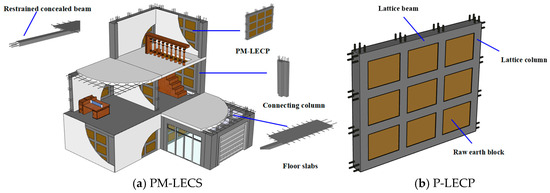
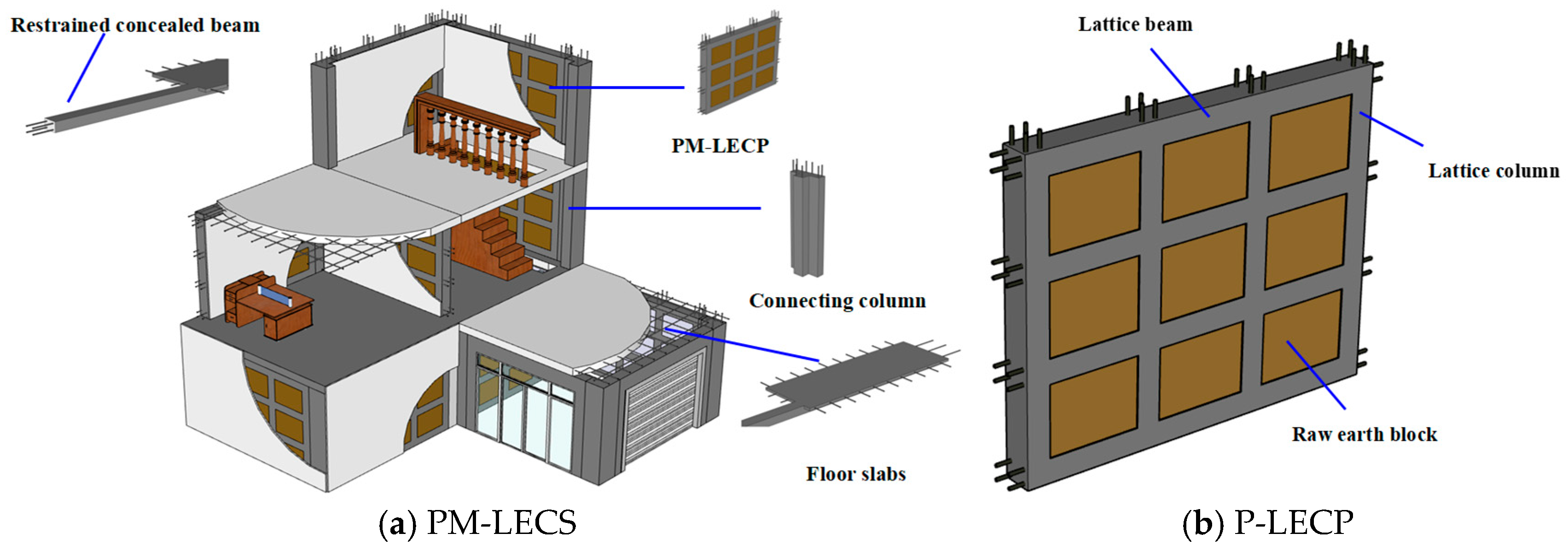
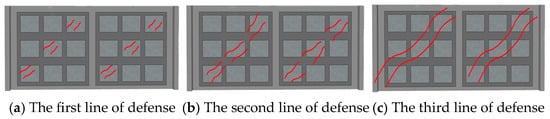
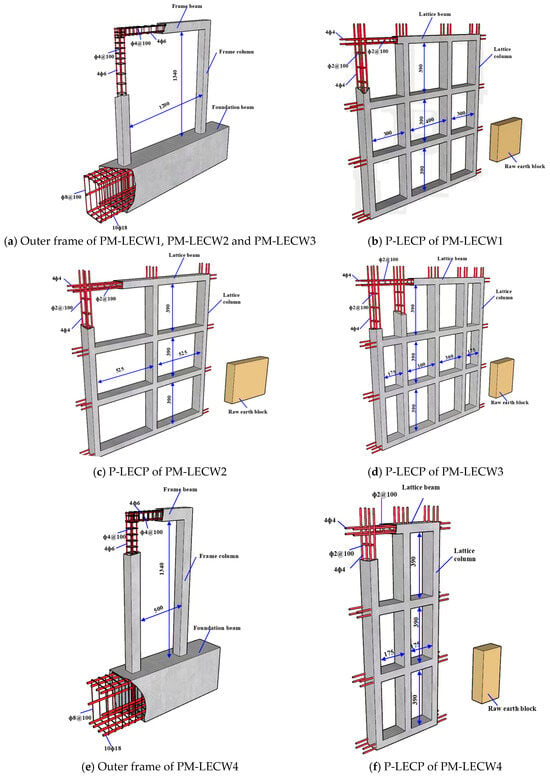
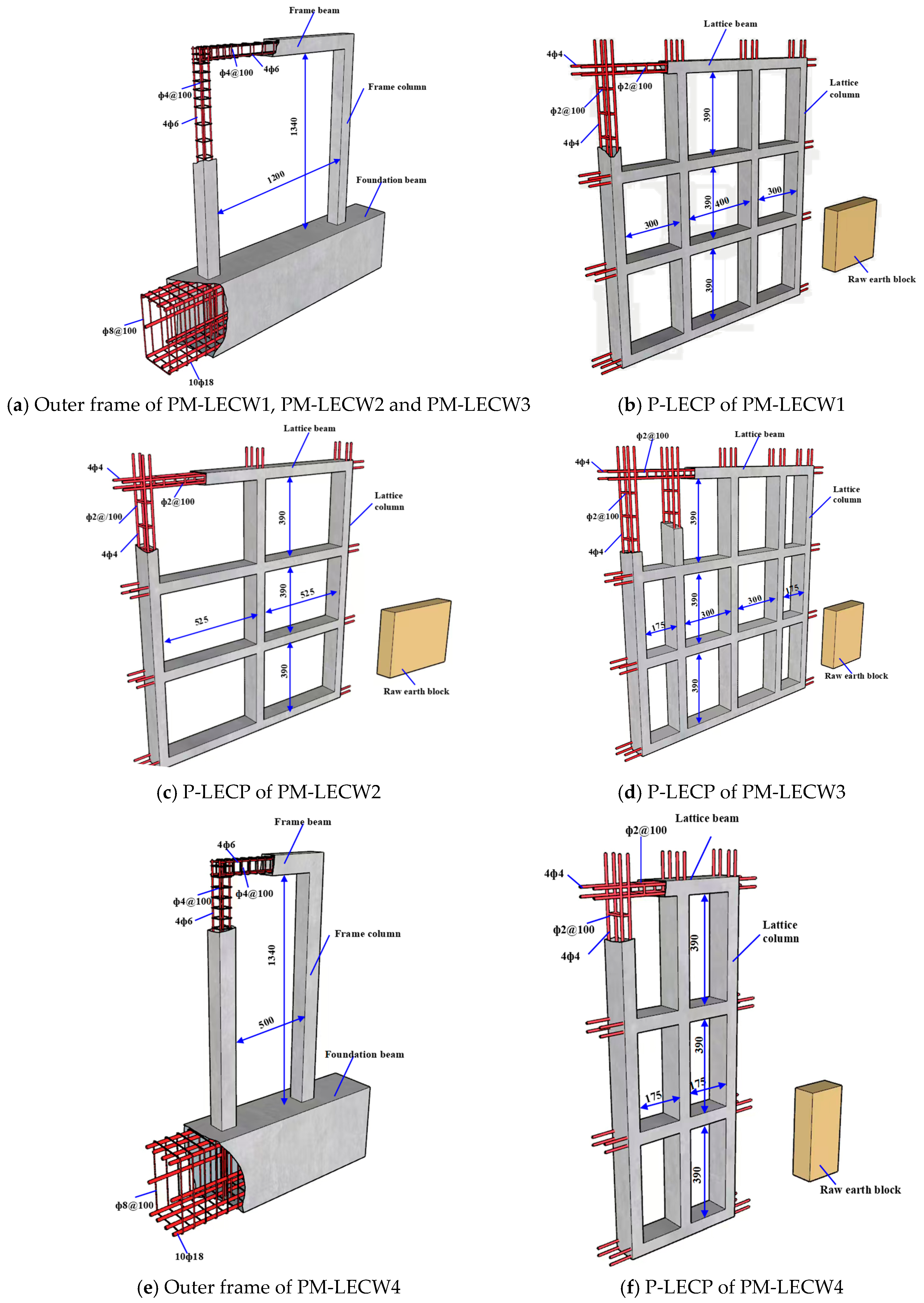
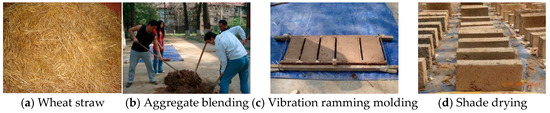
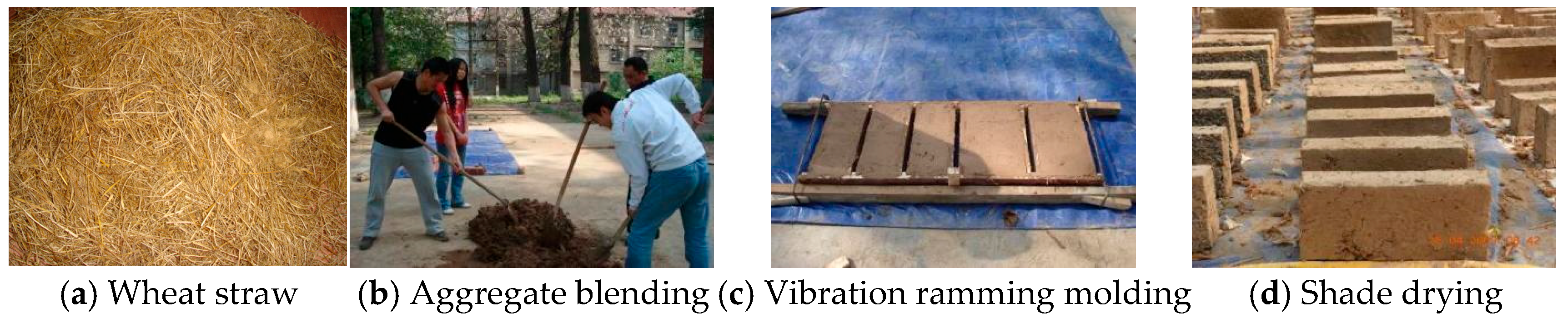
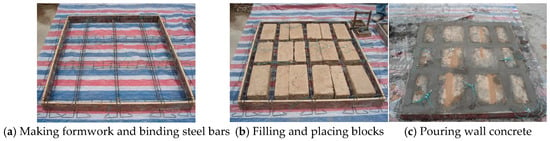
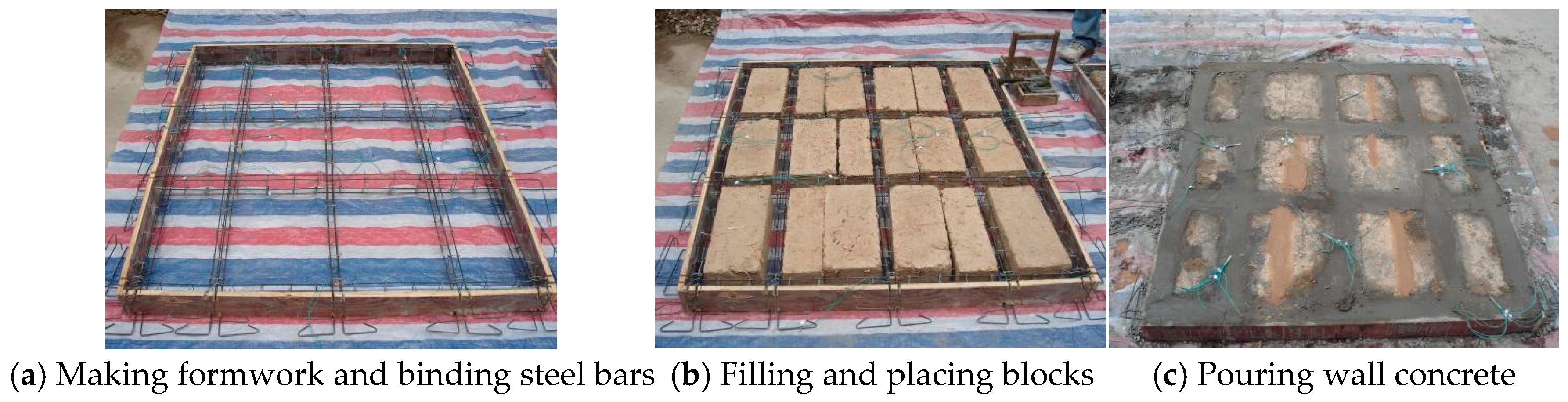
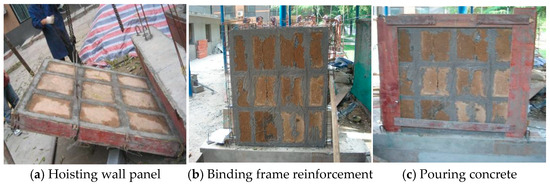
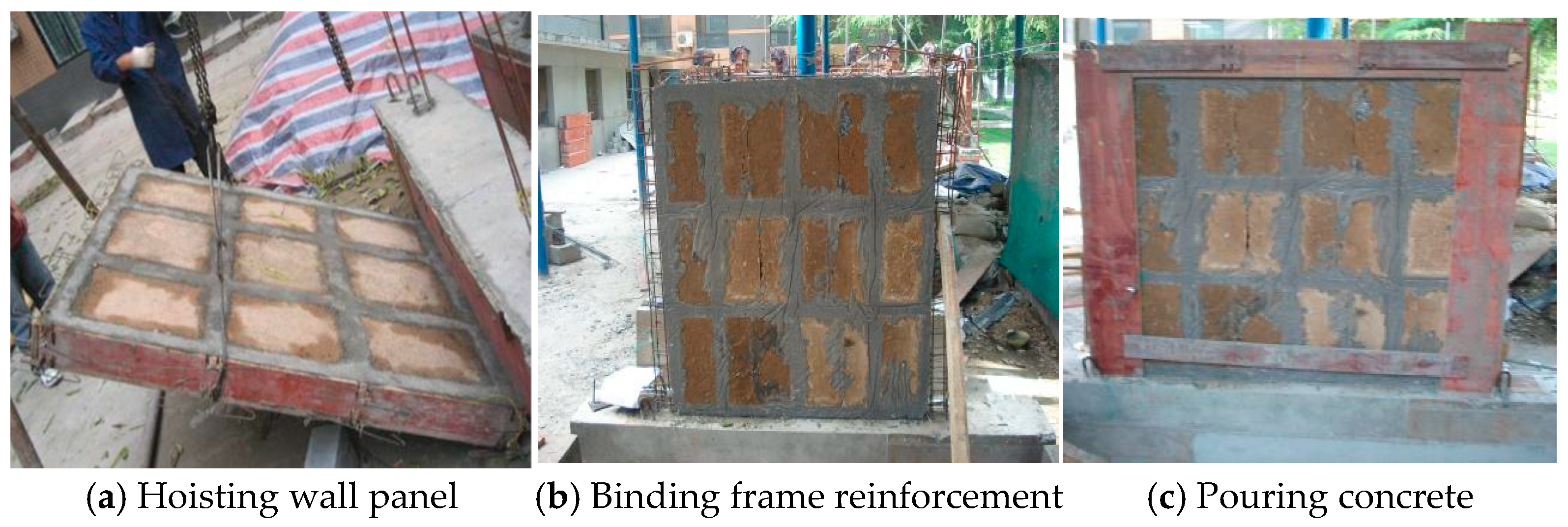
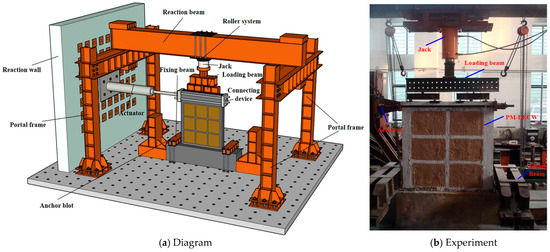
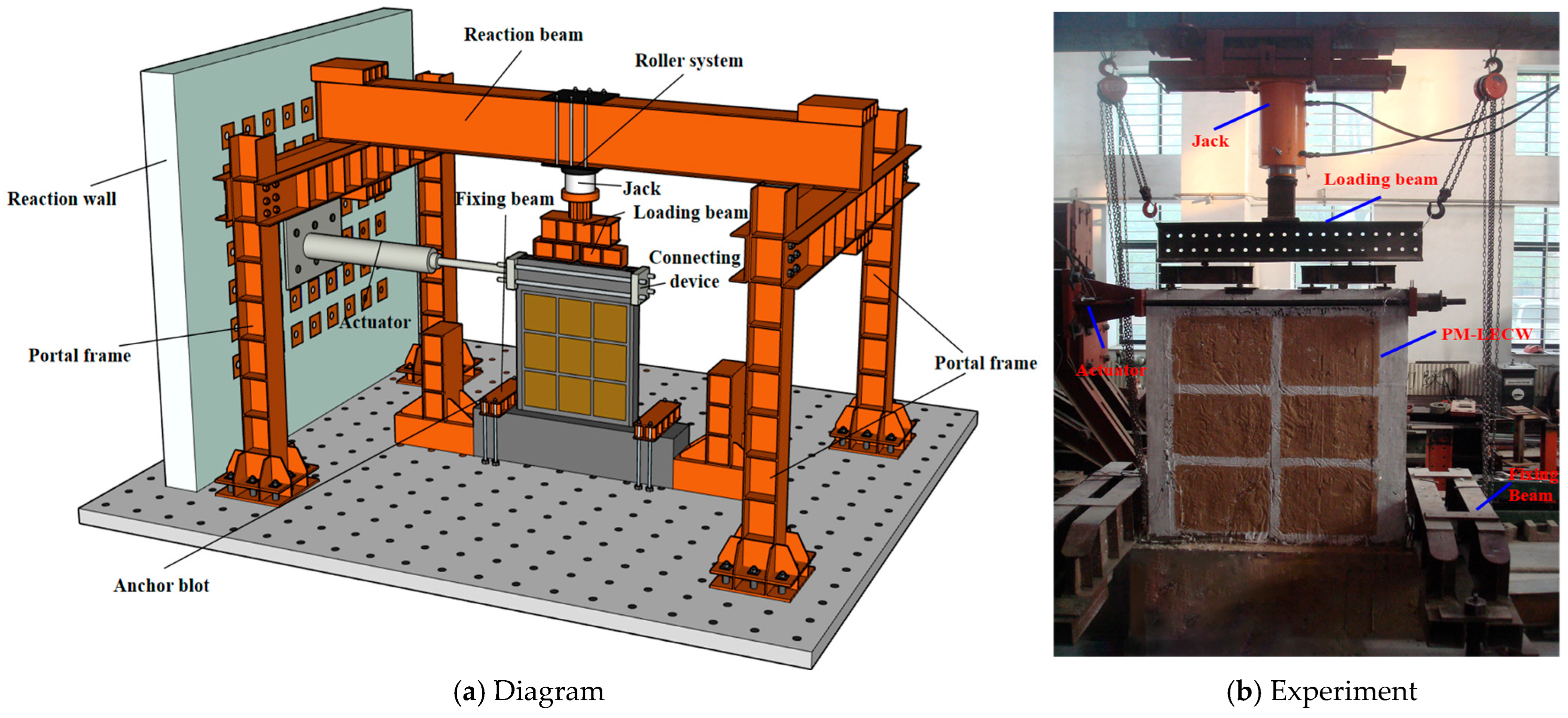
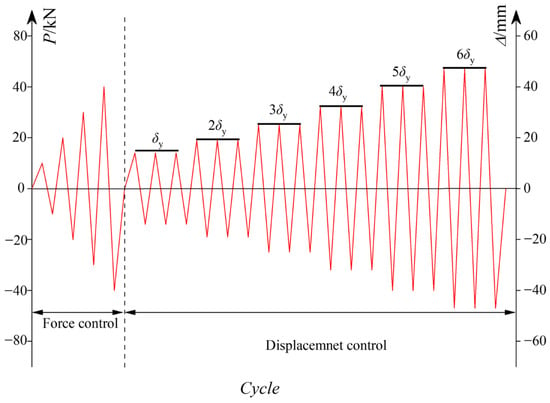
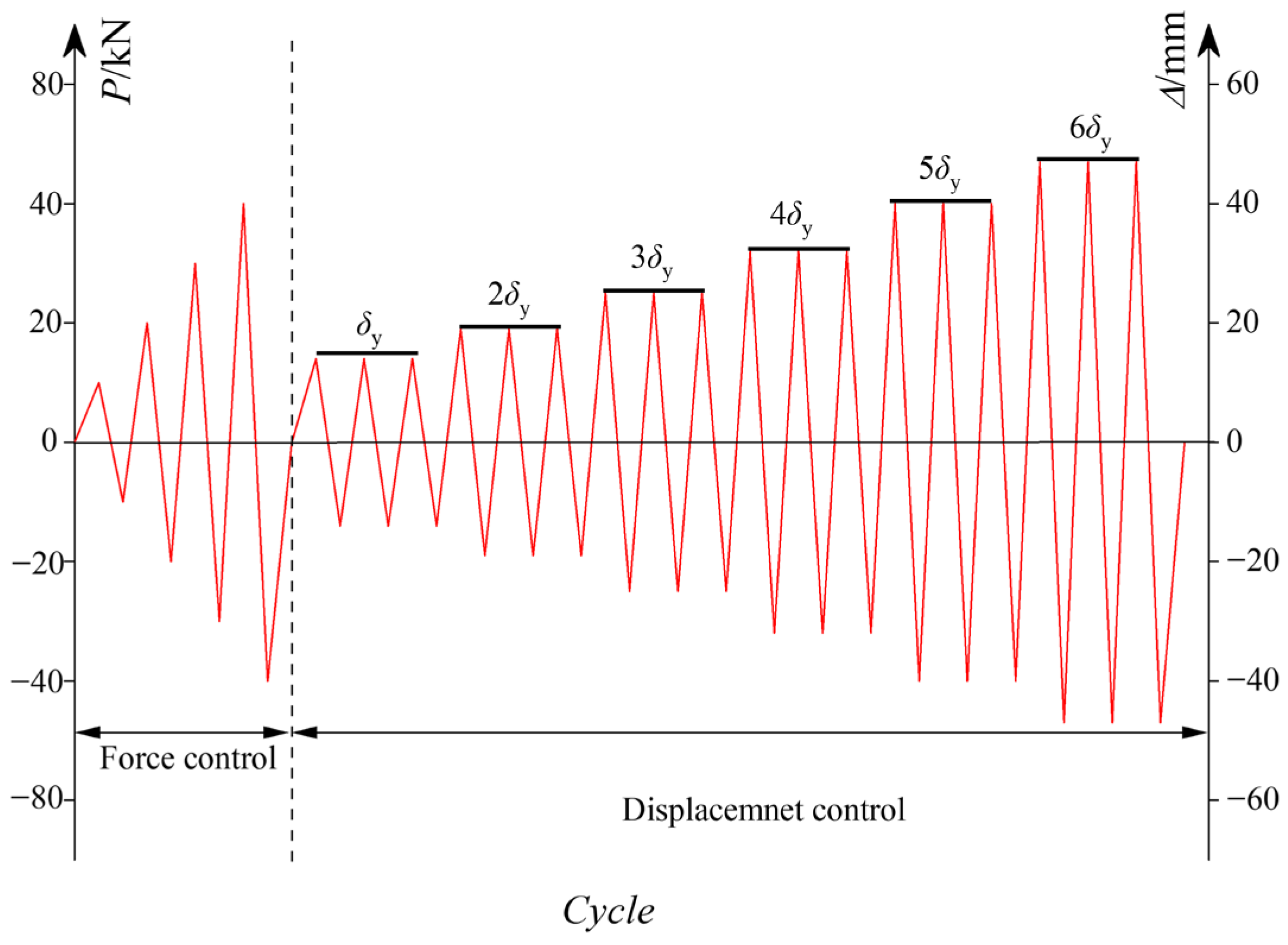
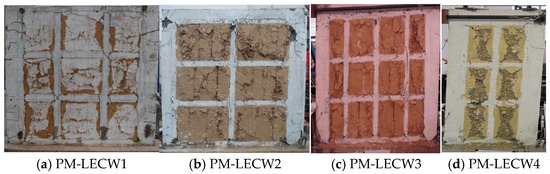
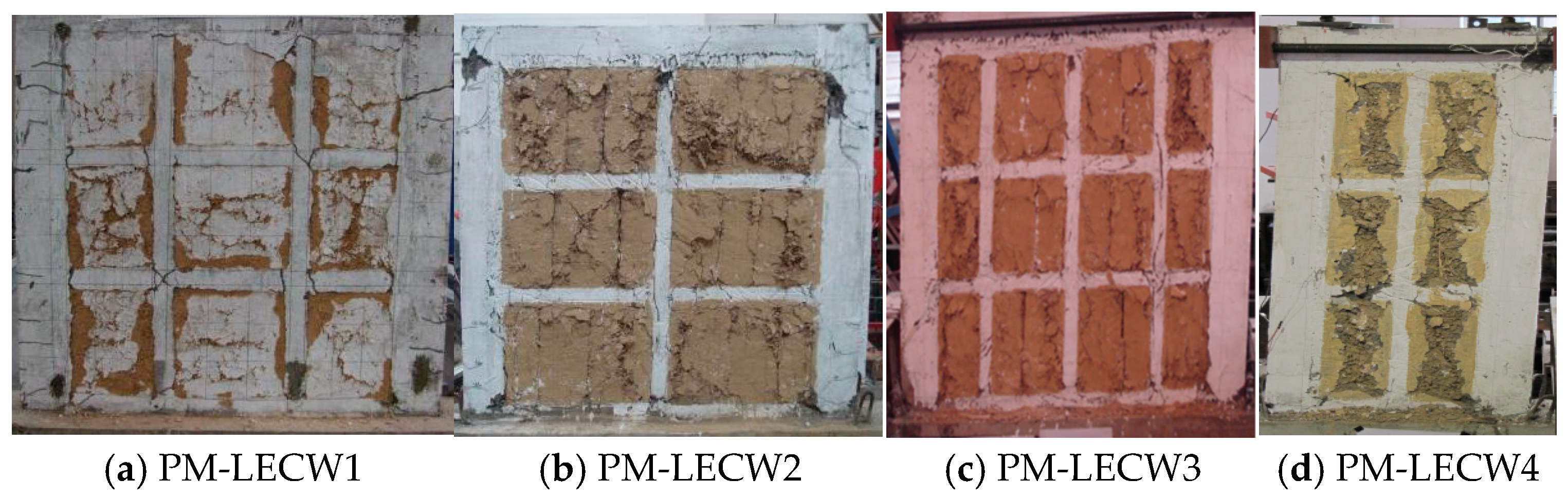
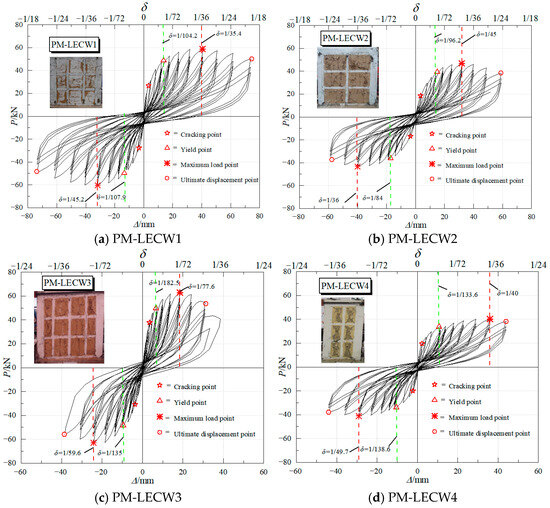
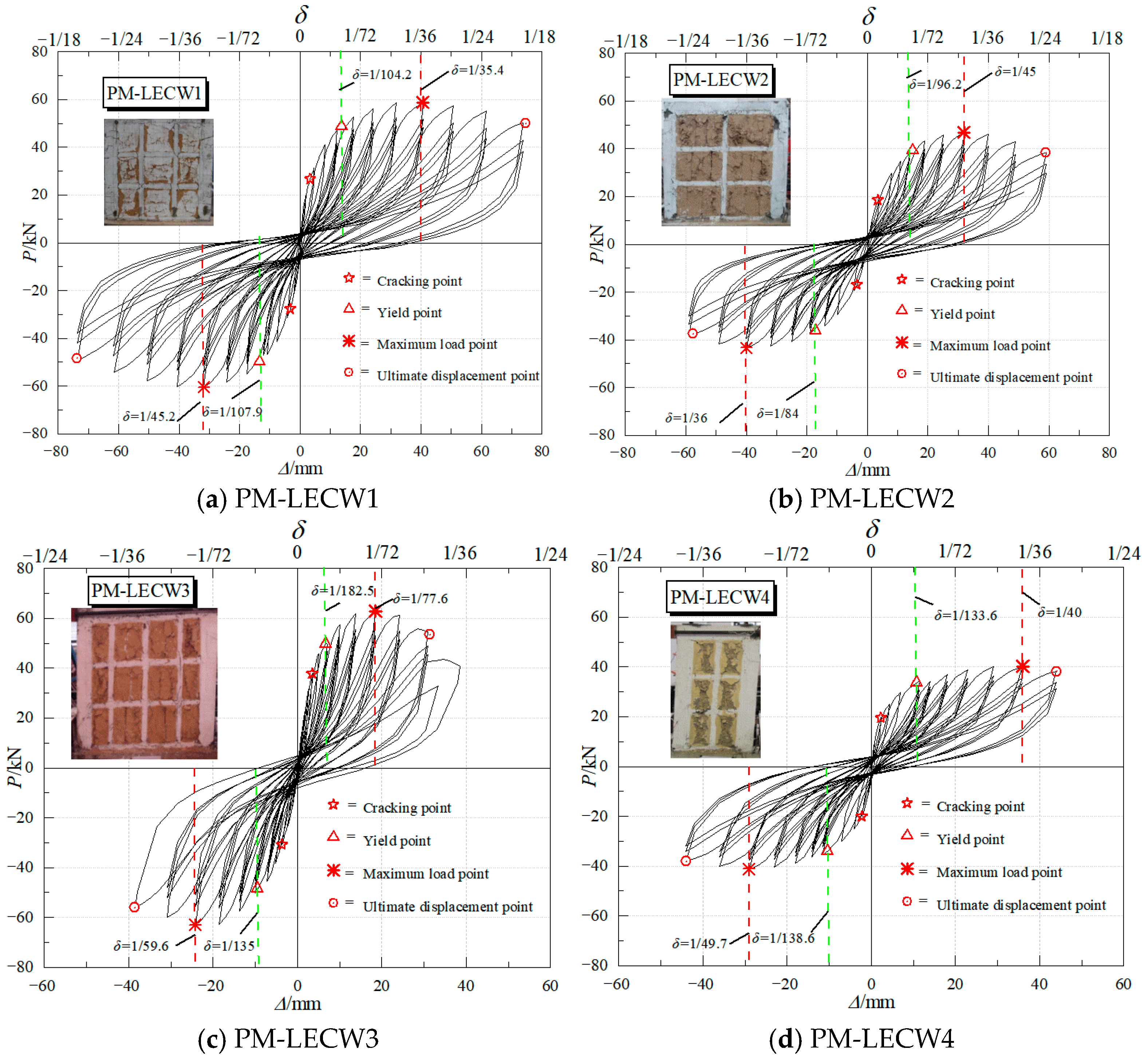
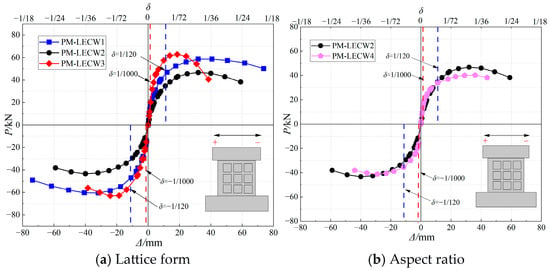
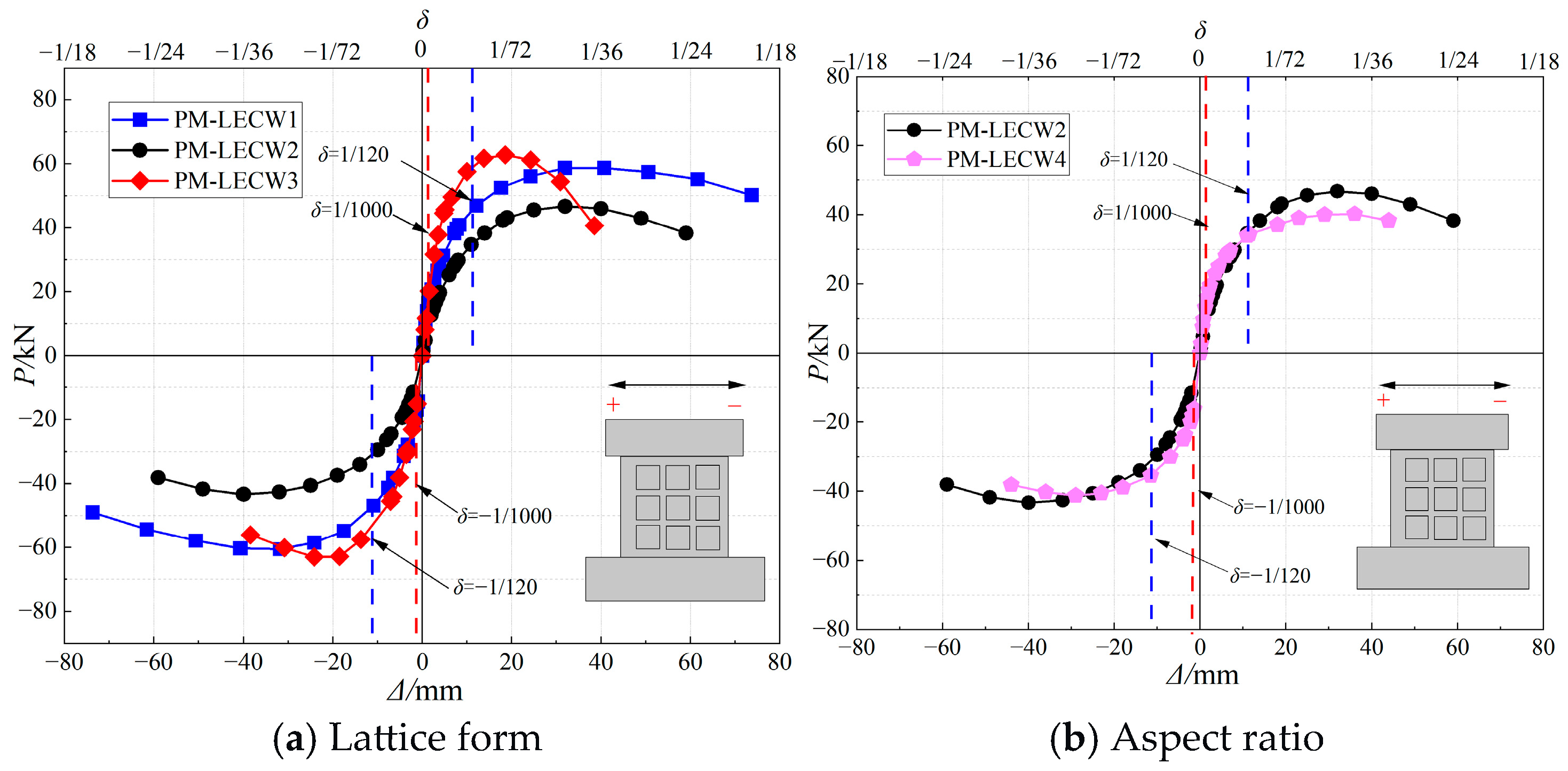
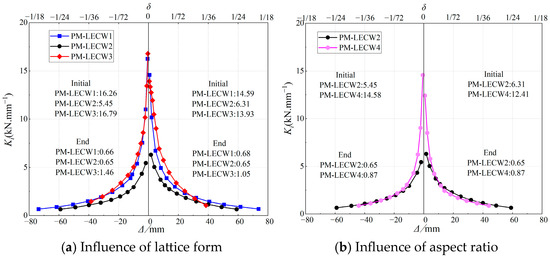
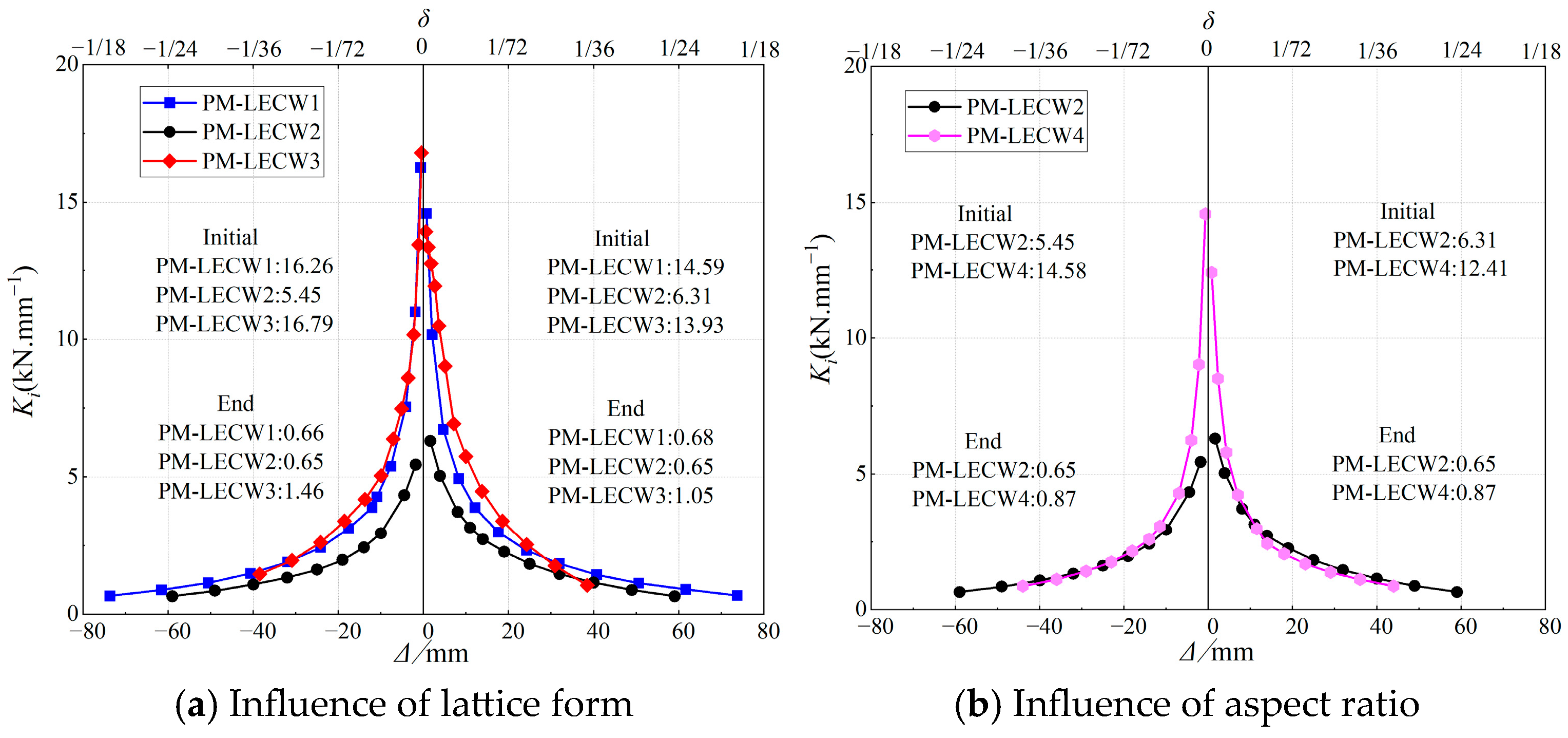
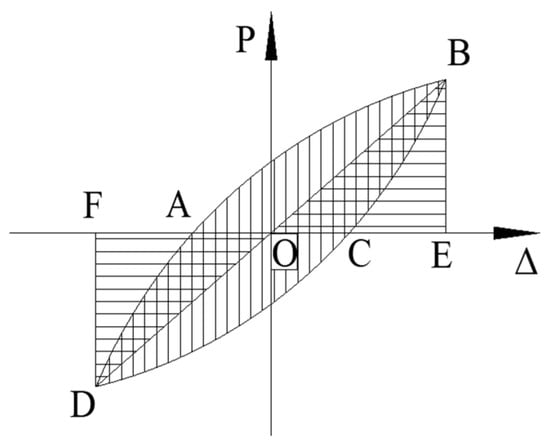
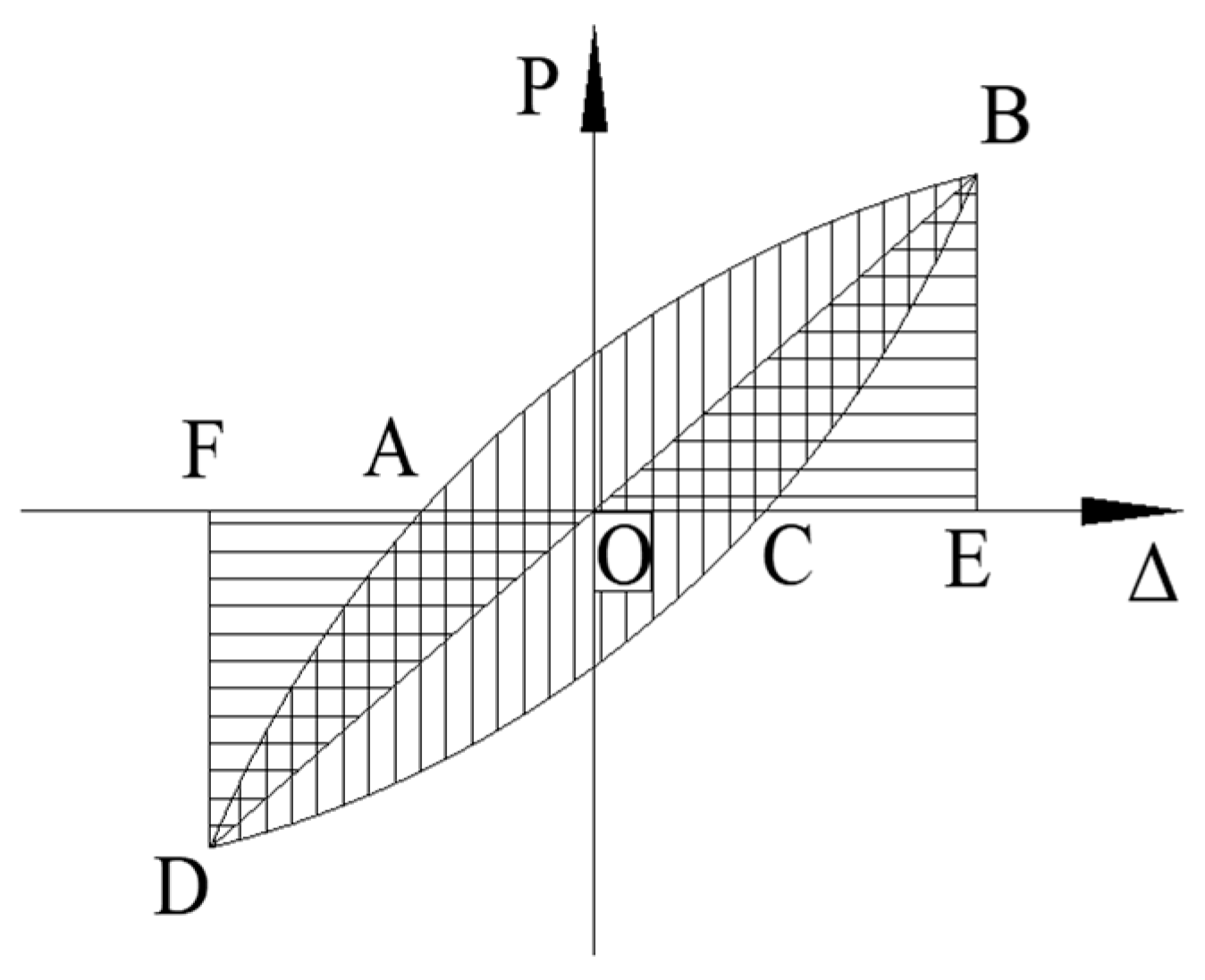
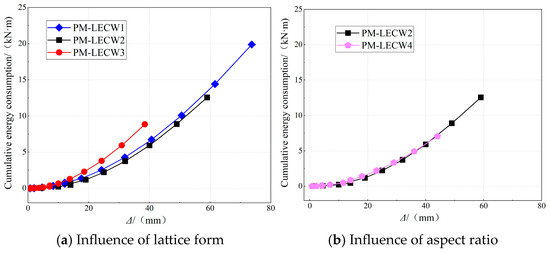
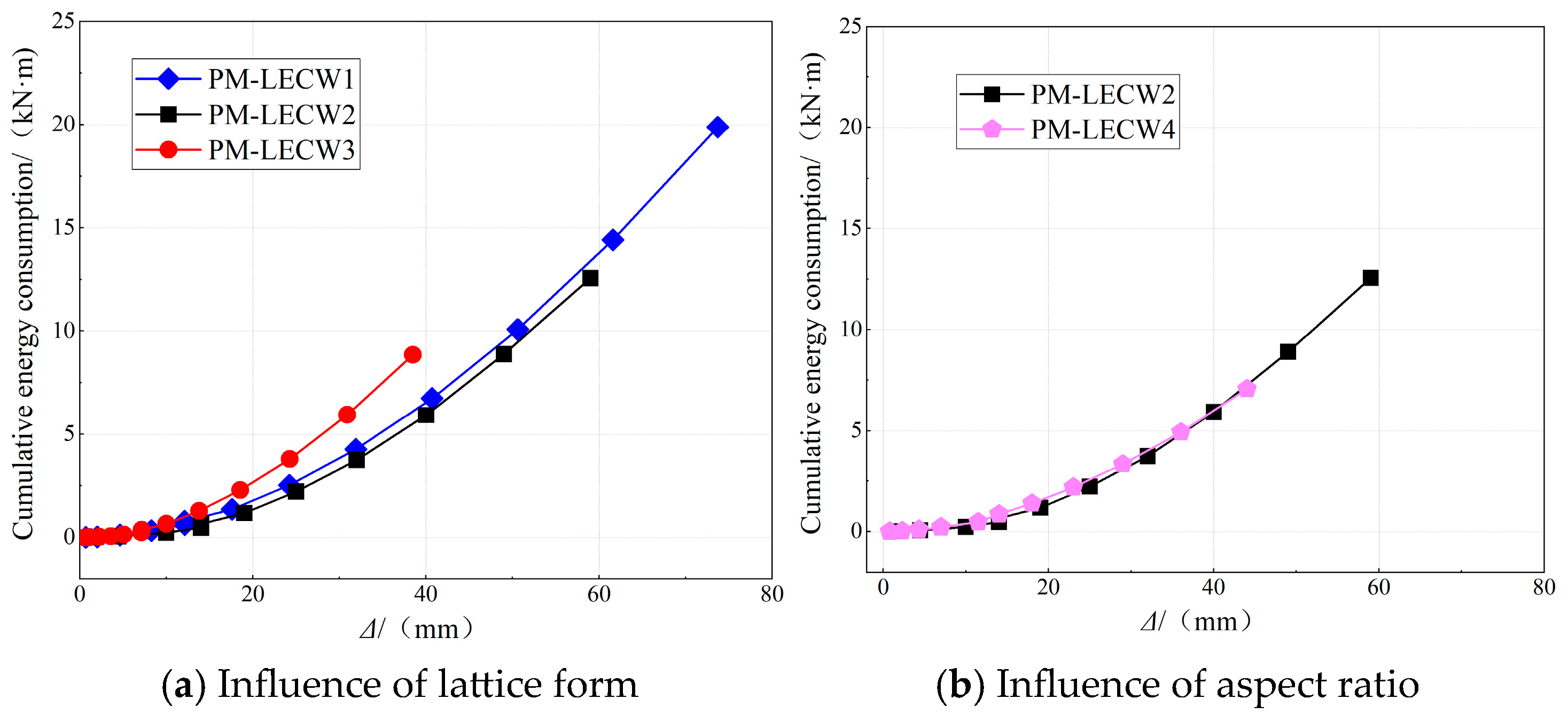
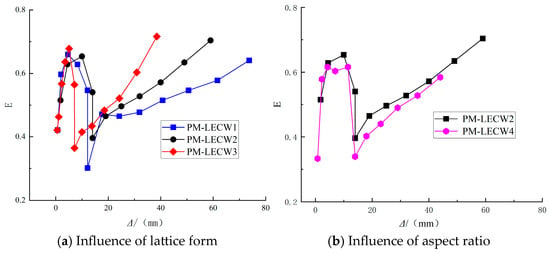
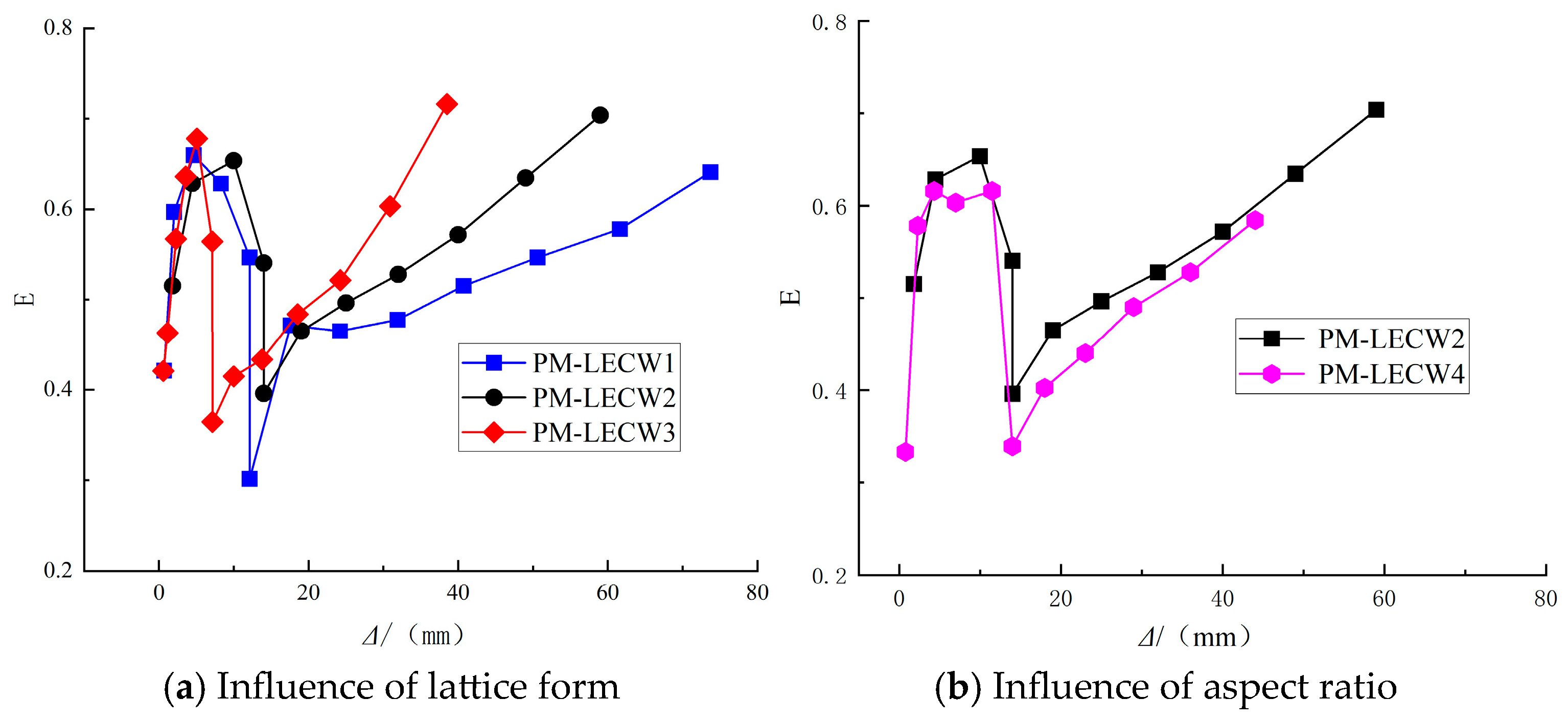
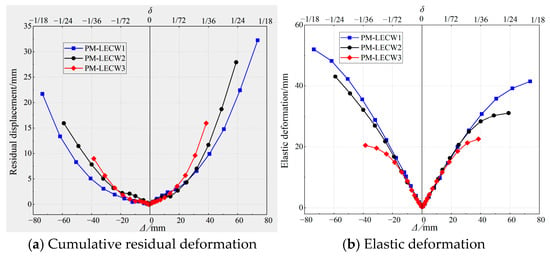
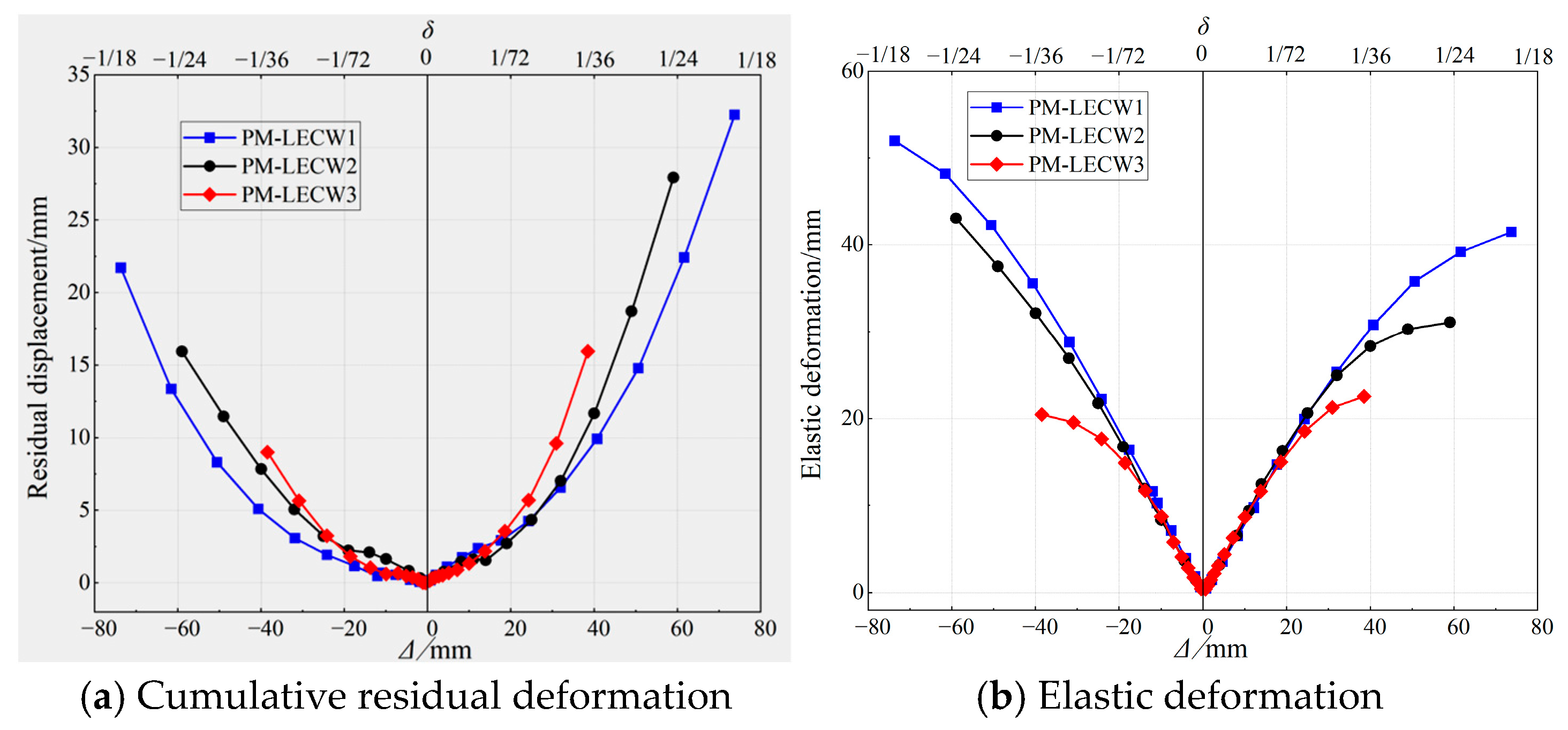
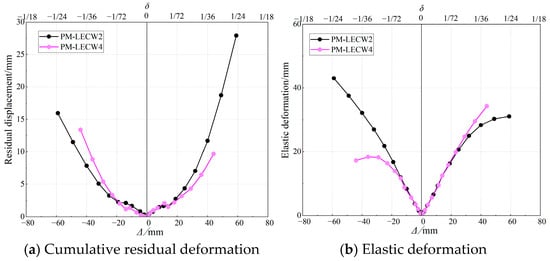
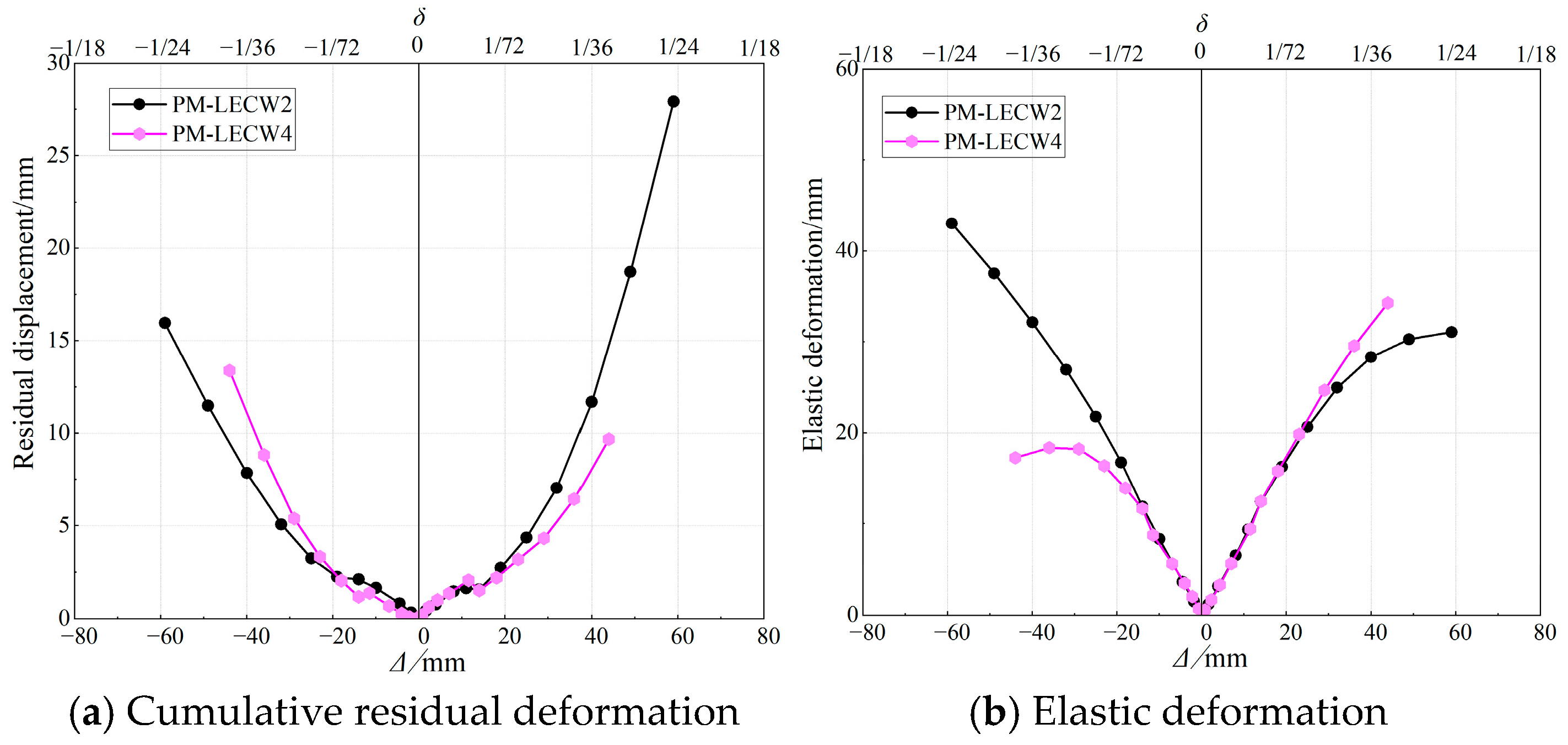
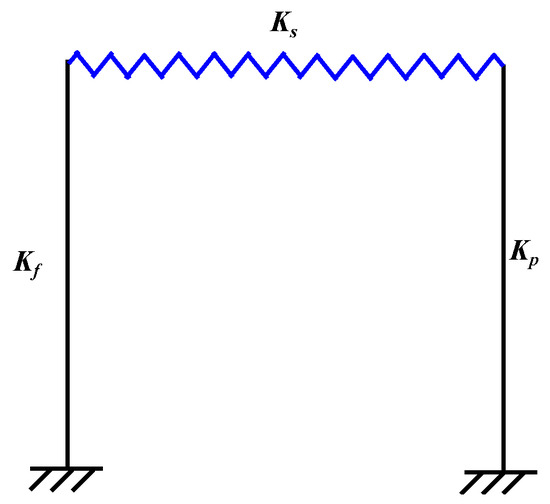
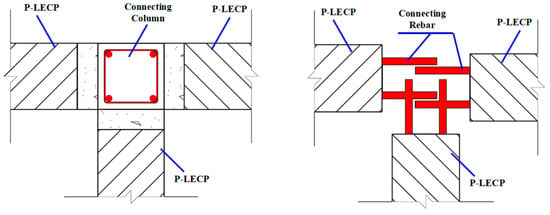
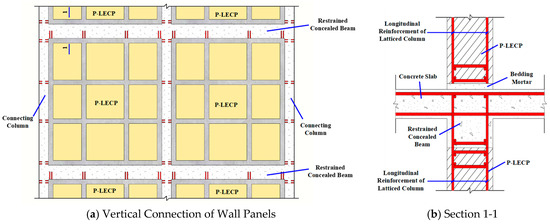
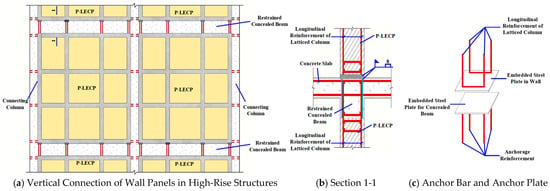
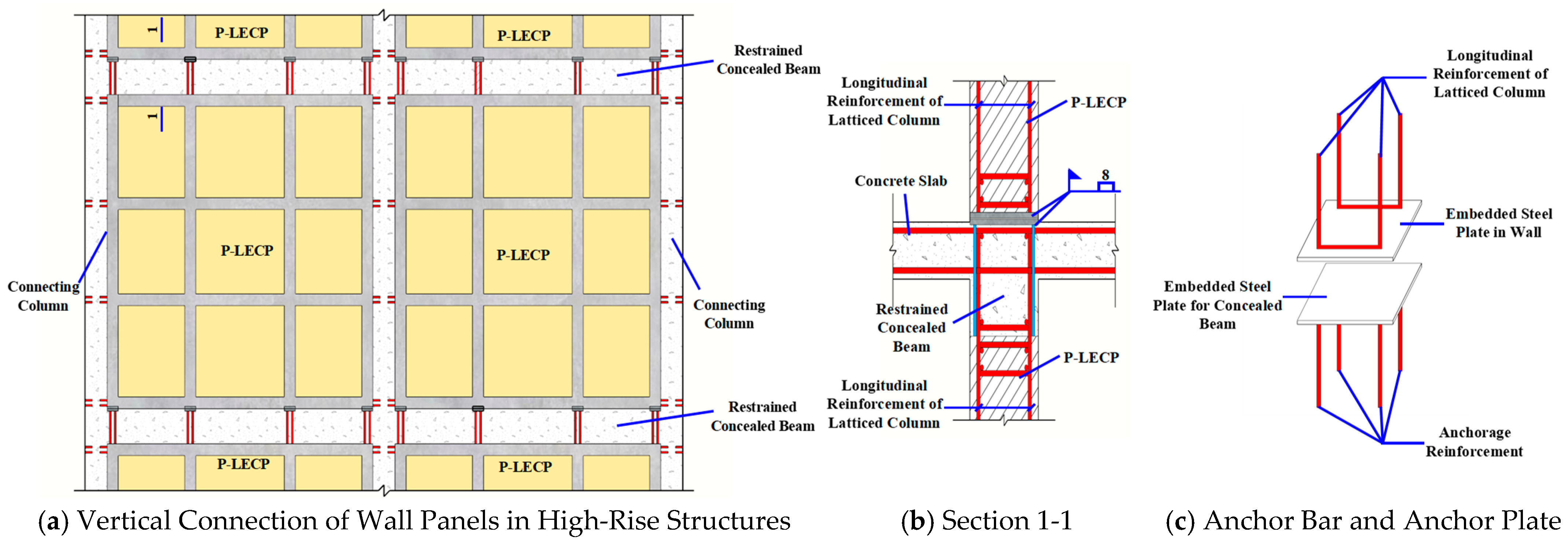

Disclaimer/Publisher’s Note: The statements, opinions and data contained in all publications are solely those of the individual author(s) and contributor(s) and not of MDPI and/or the editor(s). MDPI and/or the editor(s) disclaim responsibility for any injury to people or property resulting from any ideas, methods, instructions or products referred to in the content. |
© 2026 by the authors. Licensee MDPI, Basel, Switzerland. This article is an open access article distributed under the terms and conditions of the Creative Commons Attribution (CC BY) license.