Article

Urban Riparian Green Corridors as Climate-Adaptive Infrastructure: Quantifying Ecological Thresholds for Cooling Performance and Sustainable Management


1
School of Human Settlements, North China University of Water Resources and Electric Power, Zhengzhou 450046, China
2
School of National Safety and Emergency Management, Beijing Normal University, Zhuhai 519087, China
3
Joint International Research Laboratory of Catastrophe Simulation and Systemic Risk Governance, Beijing Normal University at Zhuhai, Zhuhai 519087, China
4
College of Landscape Architecture and Art, Henan Agricultural University, Zhengzhou 450002, China
5
School of Architecture, Tianjin University, Tianjin 300072, China
*
Authors to whom correspondence should be addressed.
Buildings 2026, 16(3), 660; https://doi.org/10.3390/buildings16030660

Submission received: 6 January 2026 / Revised: 29 January 2026 / Accepted: 3 February 2026 / Published: 5 February 2026
(This article belongs to the Section Architectural Design, Urban Science, and Real Estate)

Abstract

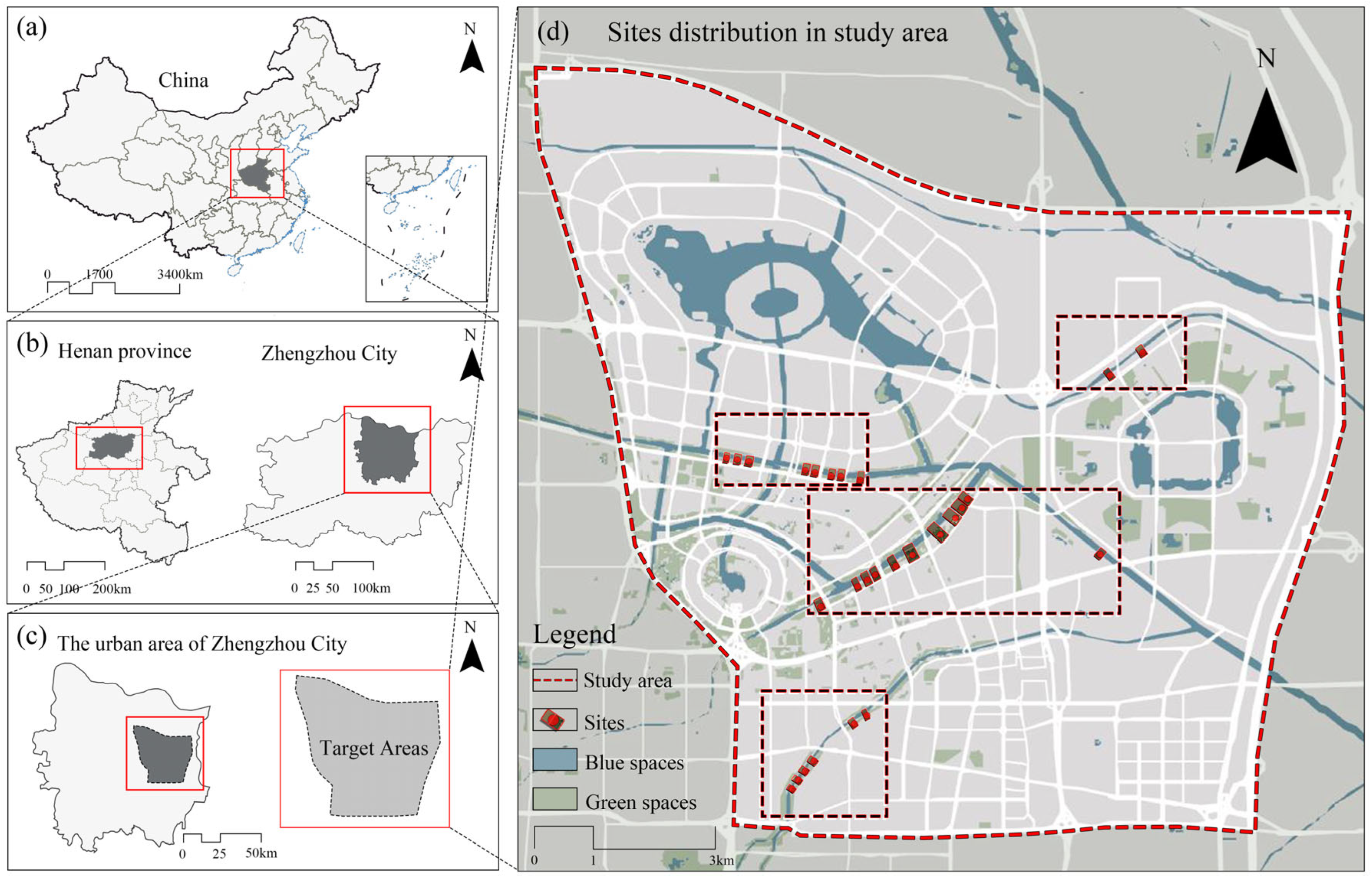
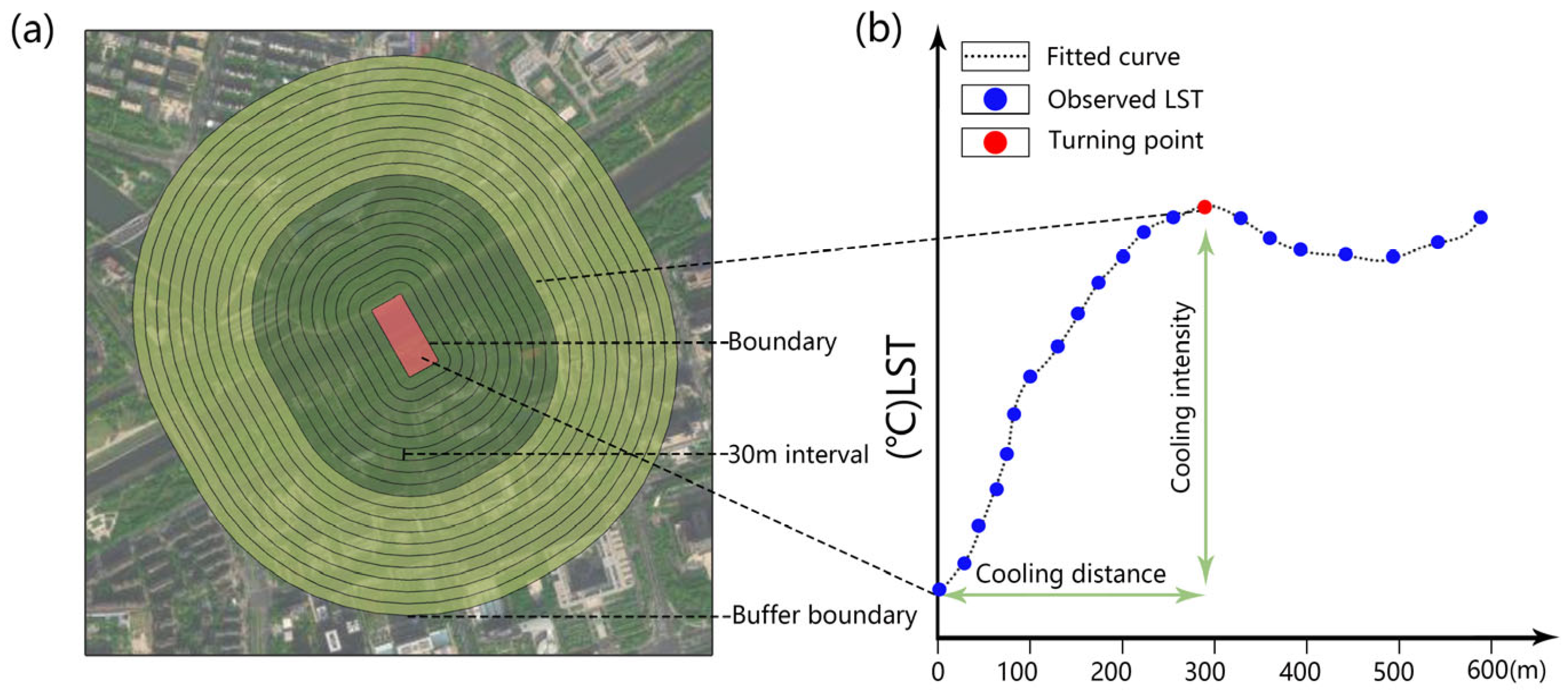
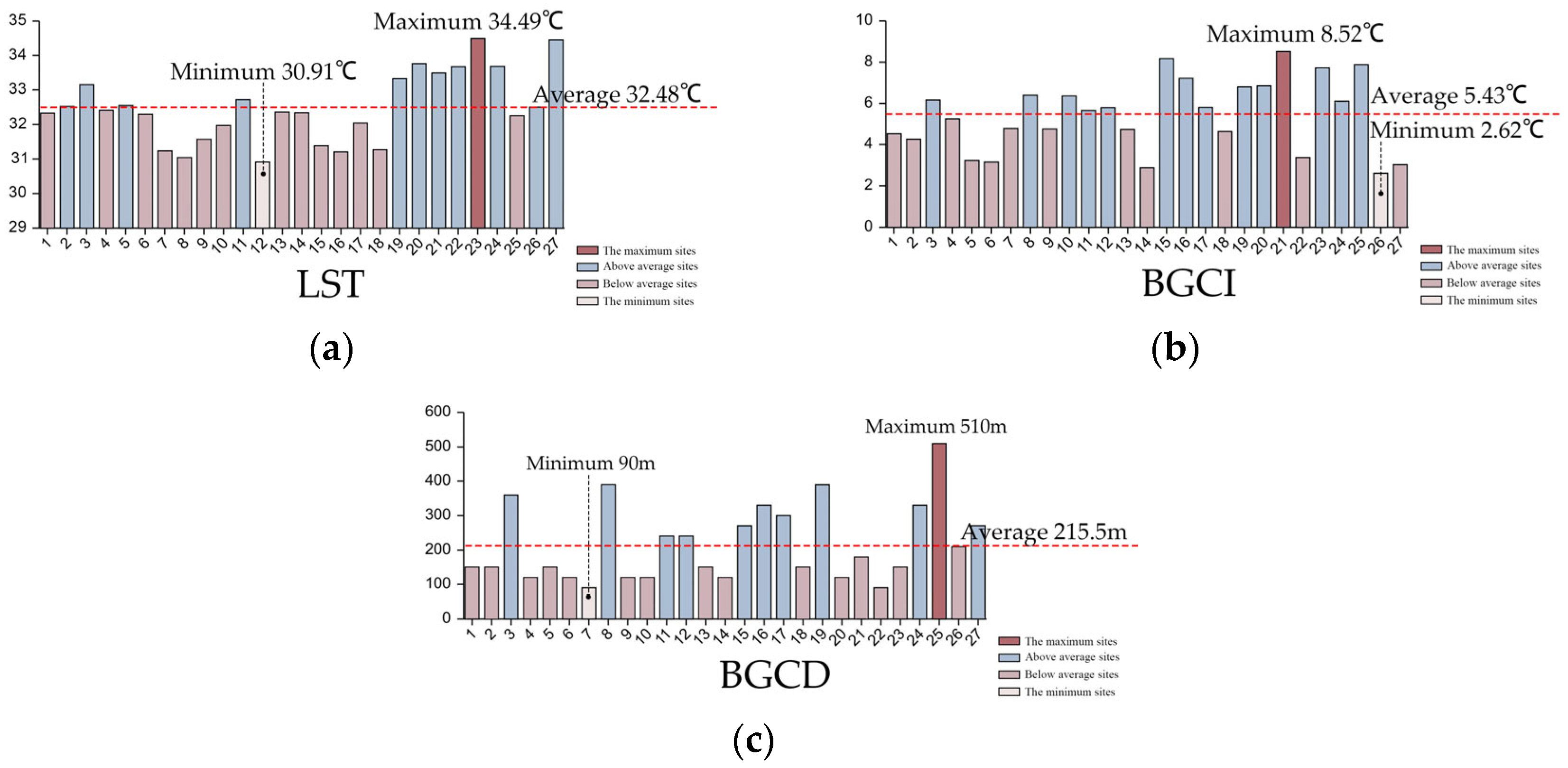
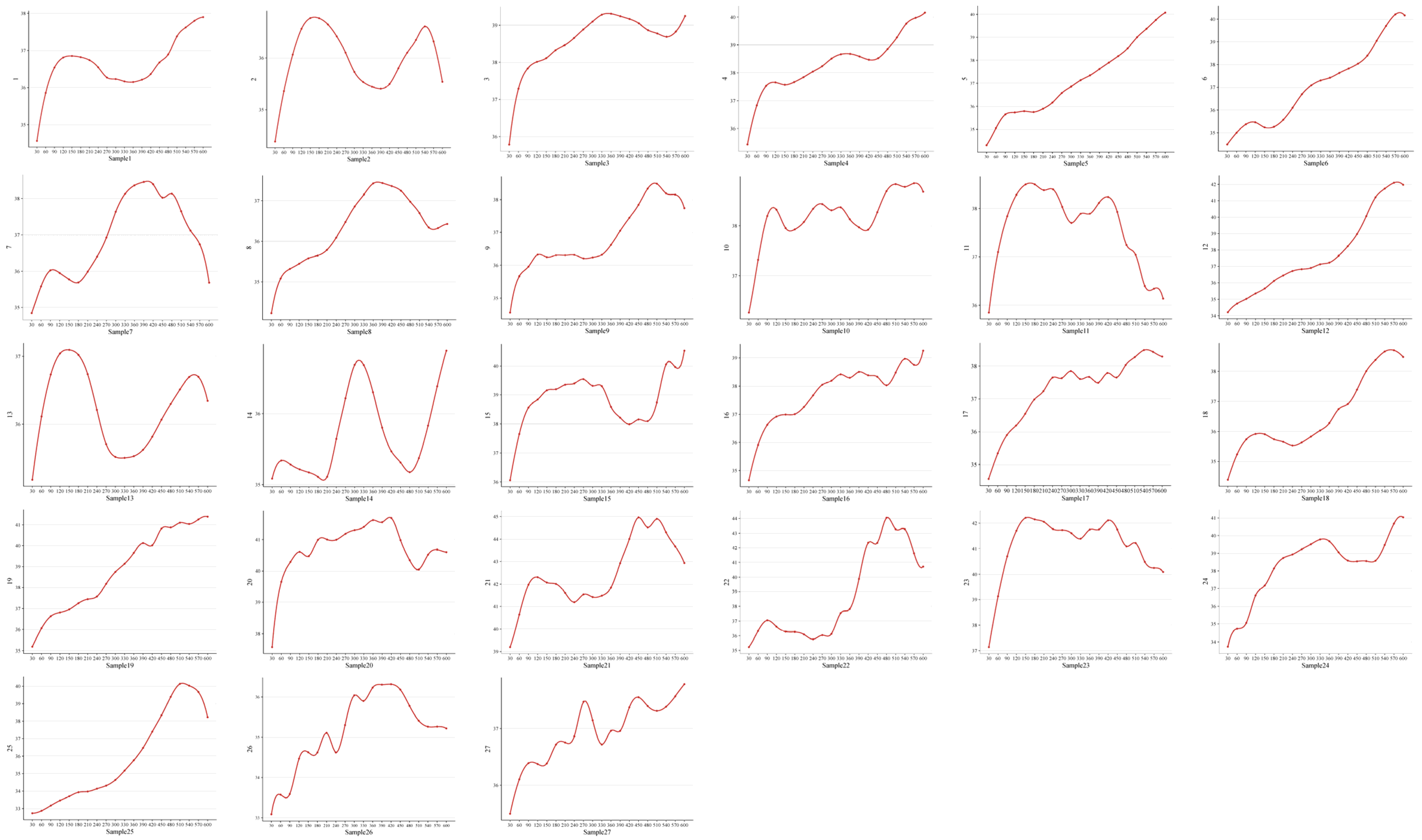
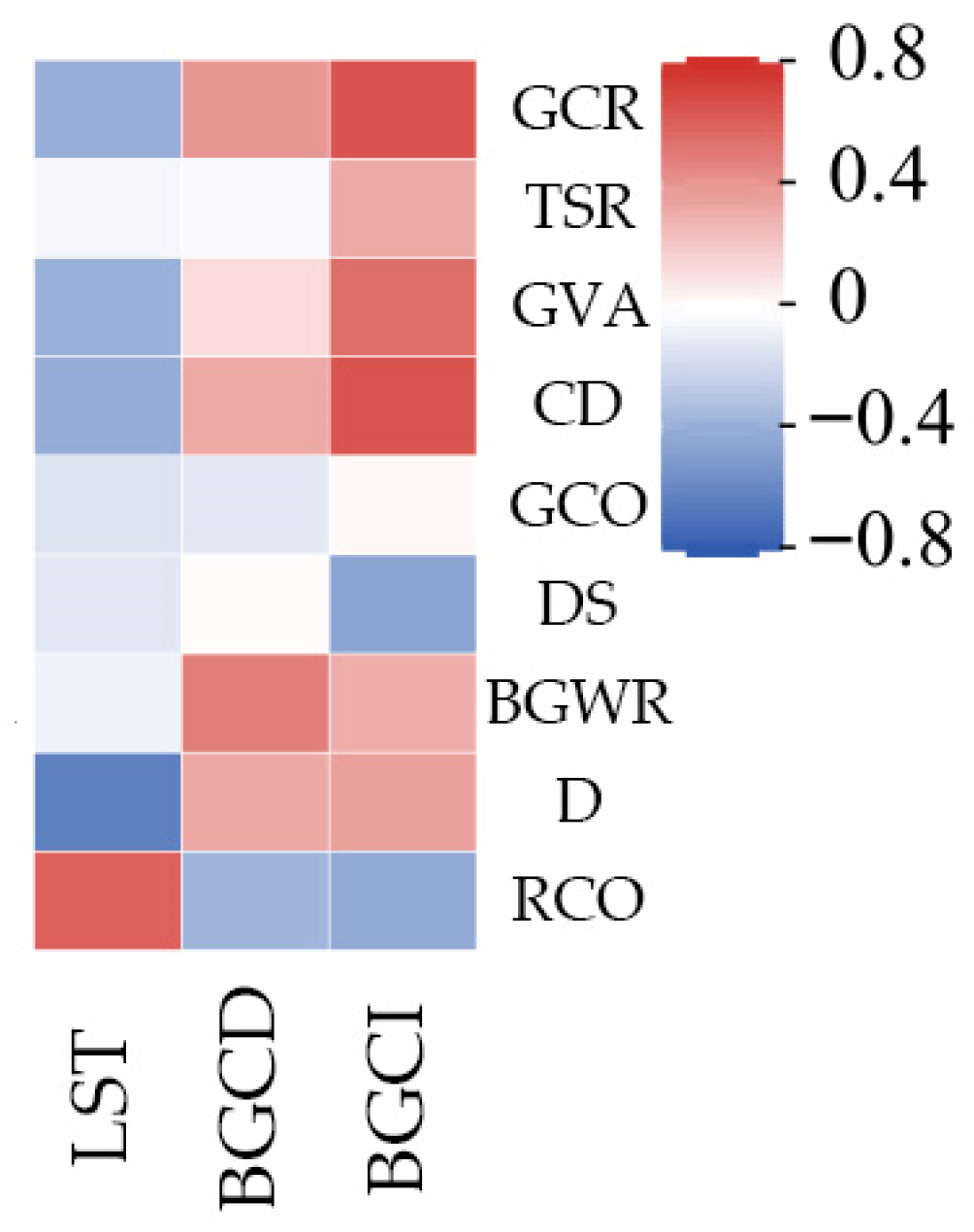
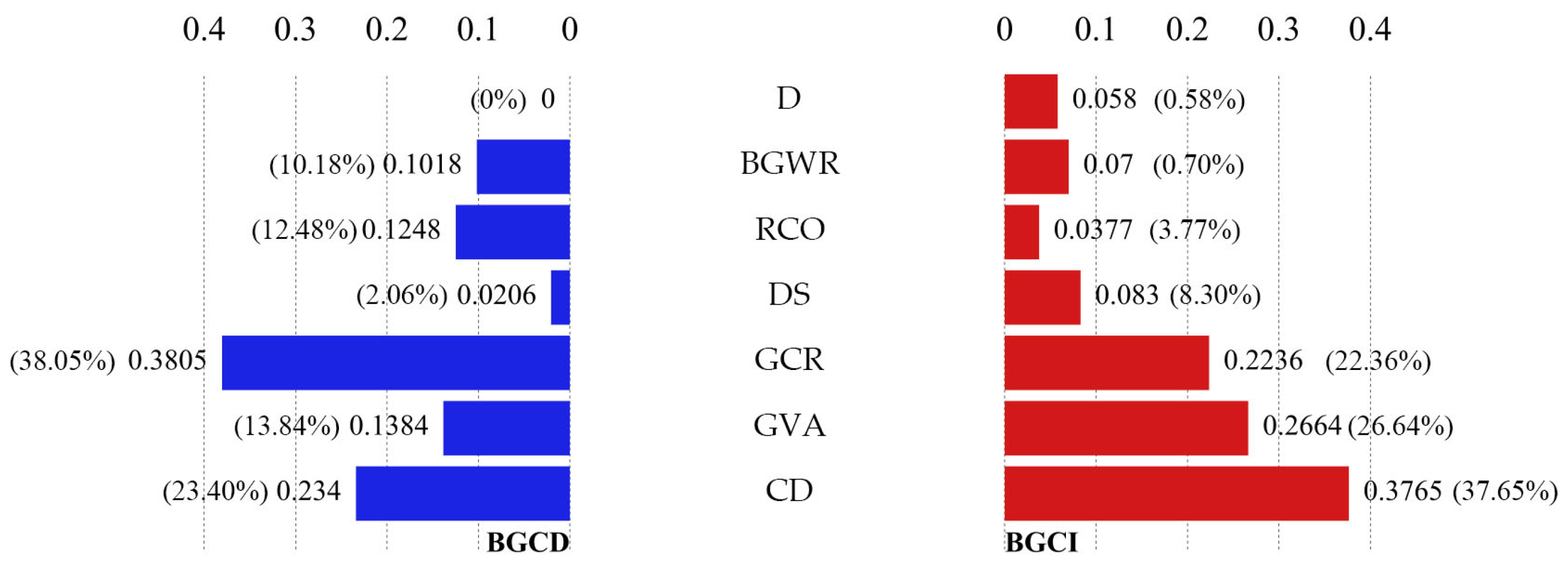
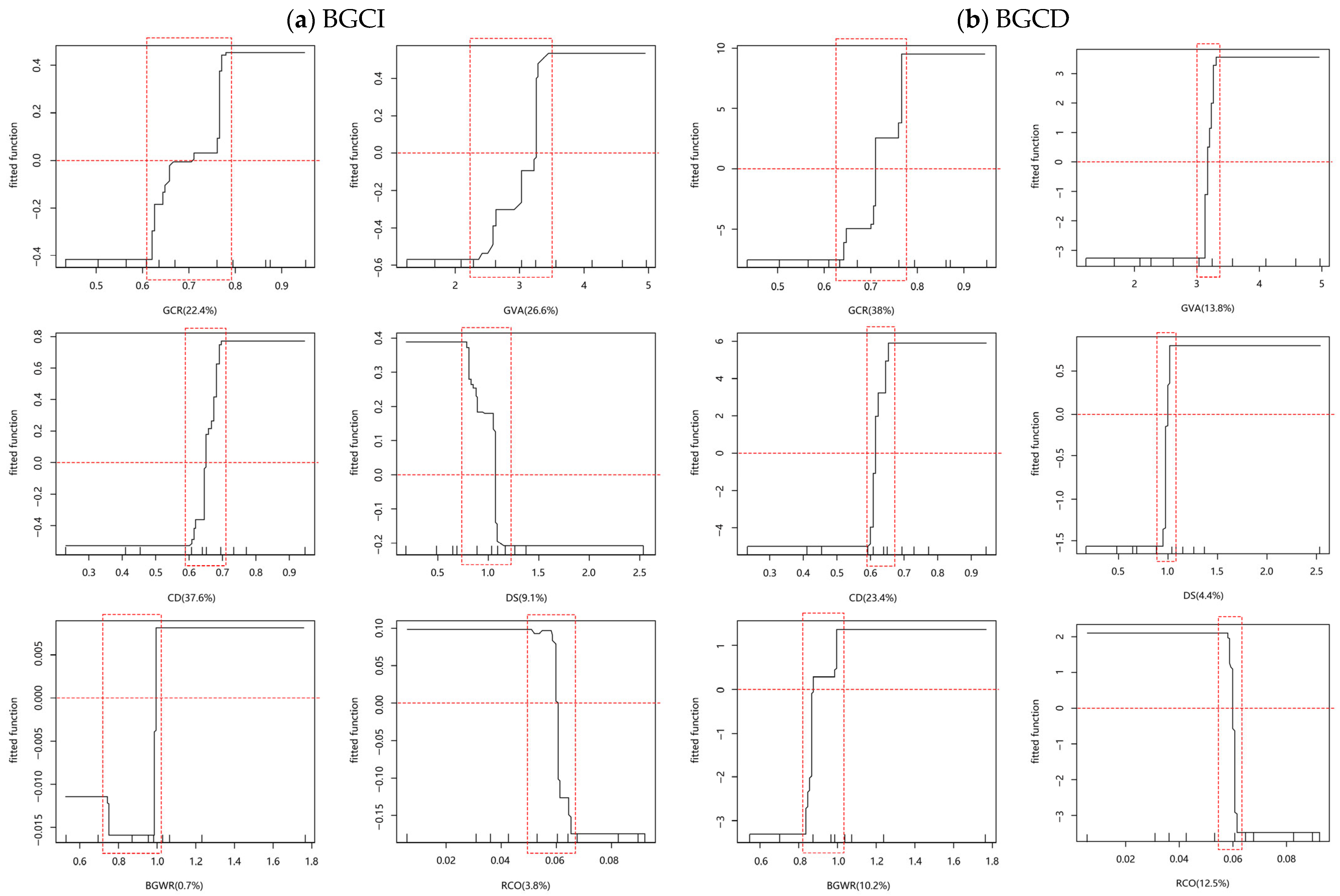
In the context of global climate change and rapid urbanization, integrating urban blue-green infrastructure into the built environment is essential for mitigating the urban heat island effect and enhancing climate resilience. Focusing on urban riparian corridors as vital natural cooling systems, this study aims to: (1) quantify their cooling performance in terms of intensity and distance; (2) identify the key landscape drivers and their relative importance; (3) uncover nonlinear relationships and determine ecological thresholds for optimal thermal regulation; and (4) translate these findings into science-based guidelines for climate-adaptive design and sustainable management. Taking 27 representative riparian green spaces in Zhengzhou, China (average area: 17,539 m2, range: 10,027–42,690 m2) as a case study, nine key factors characterizing vegetation structure and composition, corridor morphology, and blue-green spatial pattern were used as predictors in a Boosted Regression Tree (BRT) model to analyze their contributions and marginal-effect thresholds. Results show that these corridors provide substantial cooling, with an average intensity of 5.43 °C extending over 215.56 m. Canopy Density, 3D Green Volume per Unit Area, and Green Cover Ratio emerged as the three core drivers, jointly explaining >86% of the cooling performance. The key innovation lies in identifying explicit, design-oriented ecological thresholds—for example, cooling efficacy stabilizes when Green Cover Ratio reaches ~77%, Canopy Density attains 0.7, and the Blue-Green Space Width Ratio approaches 1:1. These thresholds can be directly translated into performance benchmarks for sustainable urban planning and landscape engineering, providing evidence-based parameters for optimizing vegetation structure and spatial configuration. This study demonstrates that applying quantified ecological thresholds can transform riparian corridors into efficient climate-resilient infrastructure, thereby synergistically improving thermal comfort, enhancing ecosystem services, and promoting sustainable land use in urban environments.
Keywords: urban blue-green infrastructure; urban riparian corridors; ecological thresholds; cooling performance; climate-resilient design; Boosted Regression Tree (BRT); sustainable urban planning urban blue-green infrastructure; urban riparian corridors; ecological thresholds; cooling performance; climate-resilient design; Boosted Regression Tree (BRT); sustainable urban planning