1. Introduction
In marine environments, reinforced concrete (RC) structures often face high concentrations of chloride ion erosion and salt mist, leading to corrosion of steel reinforcements and a significant reduction in the load-bearing capacity and service life of the structures [
1,
2,
3,
4]. Fiber-reinforced polymer (FRP) bars provide notable benefits, including low weight, high tensile strength., good fatigue performance and excellent corrosion resistance [
5,
6], making them a potential choice for structural reinforcement in marine environments. Many scholars have conducted in-depth research on the mechanical properties of the structures reinforced with FRP bars [
7,
8,
9]. However, GFRP bars are characterized by a relatively low elastic modulus and the absence of a yielding plateau, which results in poor ductility in fully GFRP-reinforced members. This may lead to brittle failure modes, wider cracks and excessive deflection [
10], thereby limiting their widespread application in structural engineering.
To overcome these limitations, researchers have proposed a hybrid reinforcement strategy. In this approach, GFRP bars replace the corner steel bars that are prone to corrosion, while the corrosion-susceptible steel bars are arranged on the interior side to afford a thicker concrete cover. This approach enhances the ductility and service performance of the members. Ge [
11] conducted bending tests on hybrid concrete beams reinforced with basalt-fiber-reinforced plastic (BFRP) and steel bars. He found that the ductility of hybrid reinforced concrete beams was superior to that of purely BFRP-reinforced beams, but lower than that of conventional RC beams. The calculation formula of the flexural bearing capacity of hybrid reinforced concrete beams was established. Similarly, Refar [
12] carried out bending tests on hybrid concrete beams reinforced with BFRP and steel bars. Formulas were introduced to predict both deflection and crack width. Maranan [
13] performed bending tests on geopolymer concrete beams reinforced with a hybrid reinforcement of steel and GFRP bars, demonstrating improved ductility and crack resistance compared to beams reinforced solely with GFRP.
Although the use of hybrid reinforcement can enhance the durability of structural members to some extent, it possesses significant limitations and fails to completely resolve the corrosion issue in RC structures within marine environments. This is primarily because the wetting–drying cycles of the marine environments cause concrete to shrink due to drying and to expand when wet, leading to the formation and propagation of micro-cracks in the concrete [
14]. Moreover, the wetting–drying cycles can significantly exacerbate chloride-induced corrosion. Research by Li [
15] revealed that due to the adsorption of chloride ions, the depth and concentration of intrusion even exceeded that of continuous chloride salt immersion in the process of dry–wet alternation.
Consequently, chloride ions will inevitably invade the interior of the RC structure in the marine environment. The chloride salts present in seawater accelerate the corrosion of steel bars, which additionally react with concrete material to form non-cementitious by-products [
16]. This degradation process leads to the expansion of concrete cracks and the increase in porosity, reducing the durability and service life of the structure. Therefore, improving the compactness of concrete and preventing or slowing the ingress of aggressive agents like chloride ions, is critical to enhancing the corrosion resistance and long-term durability of structures used in marine engineering, bridges and port facilities.
Ultra-high-performance concrete (UHPC), alternatively referred to as reactive powder concrete (RPC), is an advanced construction material primarily composed of cement, quartz sand, silica fume, slag and steel fibers. It is characterized by ultra-high strength, excellent durability and exceptional impermeability [
17,
18,
19], giving it superior resistance to erosion and corrosion under marine exposure. Pyo [
20] found that under standard curing conditions, the total porosity of UHPC is only 1–3% of the total volume, which is five to ten times lower than that of high-performance concrete (HPC) and ordinary concrete. In a separate study, Pyo [
21] reported that the chloride diffusion coefficient in UHPC is merely 0.01–0.1 times that of ordinary concrete, highlighting its effectiveness in blocking external corrosive agents. Additionally, Ghafari [
22] revealed that the time to cracking caused by accelerated corrosion in UHPC is twice as long as in HPC.
Despite these advantages, some steel fibers embedded near the surface of UHPC structures remain vulnerable to corrosion. However, research by Pyo [
23] indicates that if the steel bars in UHPC members have sufficient protective cover thickness, surface steel fiber corrosion exerts little effect on the structural mechanical performance. For thin components like slabs, however, the effect of steel fiber corrosion near the surface can become notable and should not be disregarded.
This research investigates UHPC beams incorporating hybrid reinforcement. In this approach, steel bars at the corners of the beam, which are close to the concrete surface and susceptible to corrosion, are replaced with GFRP bars, such that internal steel bars are provided with increased concrete cover. This configuration not only addresses the corrosion issue in marine environments but also leverages the high stiffness and excellent ductility of UHPC in its plastic stage. This compensates for the inherent deficiencies of GFRP bars, such as insufficient ductility and excessive deflection caused by low stiffness [
11,
12], thus markedly improving both the mechanical behavior and durability of hybrid reinforced beams. In addition, GFRP bars are deliberately selected in this study because they are widely available and cost-effective in practical applications, and their relatively low elastic modulus makes serviceability (deflection and crack-width control) a critical and representative design concern for hybrid reinforced UHPC beams. It should be noted that higher-modulus FRP bars (e.g., AFRP or CFRP) may substantially alter stiffness, crack development and load-sharing mechanisms; therefore, the conclusions drawn herein are primarily applicable to hybrid GFRP–steel-reinforced UHPC beams, and further validation for other FRP types will be pursued in future studies.
Although FRP-reinforced and hybrid FRP–steel-reinforced beams have been widely studied, existing research has mainly focused on normal-strength or geopolymer concrete [
24,
25,
26], while investigations on UHPC beams with hybrid reinforcement remain limited. Owing to the ultra-high strength, strain-hardening behavior and pronounced fiber-bridging effect of UHPC, together with the low elastic modulus and non-yielding behavior of GFRP bars, the flexural response and serviceability performance of hybrid reinforced UHPC beams may differ significantly from those of conventional concrete members. In particular, the cooperative working mechanism between GFRP bars and steel bars, the applicability of the plane-section assumption and reliable prediction methods for flexural capacity and serviceability behavior (deflection and crack width) have not yet been fully clarified.
Although considerable research has been conducted on steel-reinforced UHPC beams, studies on UHPC beams incorporating hybrid reinforcement remain limited.
To advance the engineering application of hybrid reinforced UHPC beams, several key challenges must be resolved: (1) The influence of the bond performance between GFRP bars and UHPC on the crack resistance and bearing capacity of beams has not been fully clarified. (2) The cooperative working mechanism of steel bars and GFRP bars under flexural loading requires further investigation to verify whether the two types of bars meet the plane-section assumption. (3) The prediction method of flexural bearing capacity and the control theories for deflection and cracking of hybrid reinforced UHPC beams need to be further refined and validated.
To address these challenges, five UHPC beams reinforced with hybrid GFRP and steel bars were designed and fabricated. Four-point bending tests were conducted to systematically investigate the failure modes, crack distribution, mid-span deflection and strain variations. On this basis, analytical formulas to predict the cracking load and flexural capacity were developed. In addition, prediction methods to estimate short-term stiffness and crack width were proposed. The research findings offer both experimental evidence and theoretical foundation for the practical use of hybrid reinforced UHPC beams.
2. Experimental Programs
2.1. Specimen Design and Fabrication
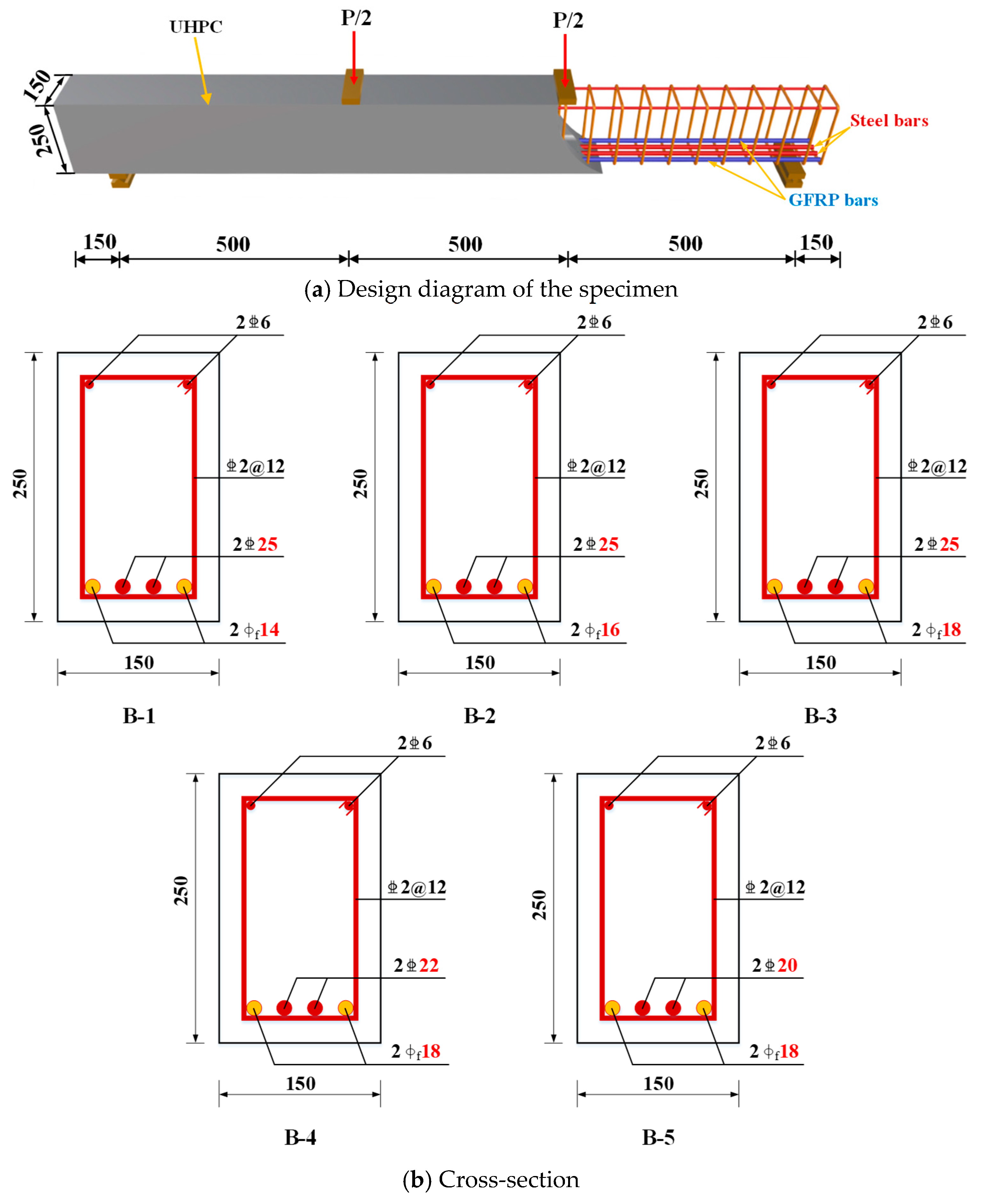
Five UHPC beams reinforced with hybrid GFRP and steel bars were designed and fabricated, labeled B-1 through B-5. As illustrated in
Figure 1, each of the five beams used a rectangular section (
b ×
h) of 150 mm × 250 mm. The overall length was 1800 mm with a clear span of 1500 mm, leaving 150 mm overhangs beyond each support. The constant-moment (pure bending) region measured 500 mm. Compression reinforcement consisted of two 6 mm diameter steel bars, while 12 mm stirrups were installed at 50 mm intervals. To ensure that the beam specimens failed in flexure rather than in flexure–shear, both the flexural capacity and the shear capacity were calculated. The results indicated that providing stirrups at a spacing of 50 mm satisfied the strong-shear–weak-flexure design requirement, thereby ensuring flexural failure of the specimens. Each specimen was designed to fail in a balanced mode.
The reinforcement layouts are summarized in
Table 1, where
ρs denotes the reinforcement ratio of steel bars and
ρf represents that of GFRP bars.
The primary test parameters were
ρs and
ρf. To quantify the overall reinforcement ratio of the specimens, the ratios
ρ,
ρ1 and
ρ2 were defined as shown in Equations (1)–(3), representing the actual ratio, the strength-converted ratio and the modulus-converted ratio, respectively. The design tensile stress for GFRP reinforcement
ffd was specified as a minimum of 0.01
Ef and 0.75
ffu, where
ffu is the ultimate tensile strength of the GFRP bars,
Es is the elastic modulus of steel bars and
Ef is the elastic modulus of the GFRP bars.
The main materials used for preparing UHPC included Portland cement of grade PO42.5 (Jiangsu Helin Cement Co., Ltd., Zhenjiang, China), 40–70 mesh quartz and 70–140 mesh quartz sand (mass ratio of 1:1, Fengyang County Chaoxin Building Materials Co., Ltd., Chuzhou, China), S95 slag powder (Nanjing Nangang Jiahua New Building Materials Co., Ltd., Nanjing, China), silica fume (Shanghai Shengkuo Chemical Technology Co., Ltd., Shanghai, China) and high-efficiency polycarboxylate superplasticizer (Jiangsu China Railway Arit New Materials Co., Ltd., Nanjing, China). The mass ratio of cement, slag powder, silica fume and quartz sand was 1:0.28:0.14:1.2. The content of high-efficiency polycarboxylate superplasticizer was 1.5%, the steel fiber (Jiangsu Bositai Steel Fiber Co., Ltd., Taizhou, China) volume fraction was 2.5% (avg. diameter 0.22 mm length 12 mm) and the water–binder ratio was 0.18.
2.2. Material Properties
During specimen casting, multiple sets of companion specimens were prepared and cured under the same conditions as the UHPC beams. These included cubic specimens with dimensions of 100 mm × 100 mm × 100 mm, prismatic specimens of 100 mm × 100 mm × 300 mm and three dumbbell-shaped specimens with mid-section dimensions of 40 mm × 15 mm. UHPC mechanical properties were determined following DBJ43/T 325-2017 [
27]. The mechanical property tests of steel bars were performed following GB/T 228.1-2021 [
28], and GFRP bars in accordance with ISO 10406-1:2015 [
29].
Table 2 presents the average mechanical properties of UHPC, where the cube compressive strength
fcu, axial compressive strength
fc and tensile strength
ft are measured values, while the elastic modulus
Ec is calculated according to Ouyang [
30]. The stress–strain relationships of UHPC are given in Equations (4) and (5), where
σc and
σt denote the axial compressive stress and axial tensile stress of UHPC, respectively;
εc and
εt denote the corresponding axial compressive strain and axial tensile strain.
εc0 and
εt0 are the strains corresponding to the peak compressive stress and peak tensile stress of UHPC, respectively.
Table 3 summarizes the average mechanical properties of the GFRP bars, in which the tensile strength
ffu is experimentally measured and the elastic modulus
Ef is calculated based on [
29].
Table 4 reports the average mechanical properties of the steel bars, where the yield strength
fy and ultimate tensile strength
fu are measured values, and the elastic modulus
Es is calculated according to [
28]. The material properties of the steel fibers are presented in
Table 5.
It is worth emphasizing that, in contrast to conventional steel bars, GFRP bars lack a distinct yield point and maintain a linear elastic response until failure, typically demonstrating a higher tensile strength but a lower elastic modulus than the steel. By incorporating the experimentally obtained material parameters into Equations (2) and (3), the comprehensive reinforcement ratios
ρ1 and
ρ2 for the specimens can subsequently be determined, as detailed in
Table 1.
2.3. Loading Scheme and Measurement Point
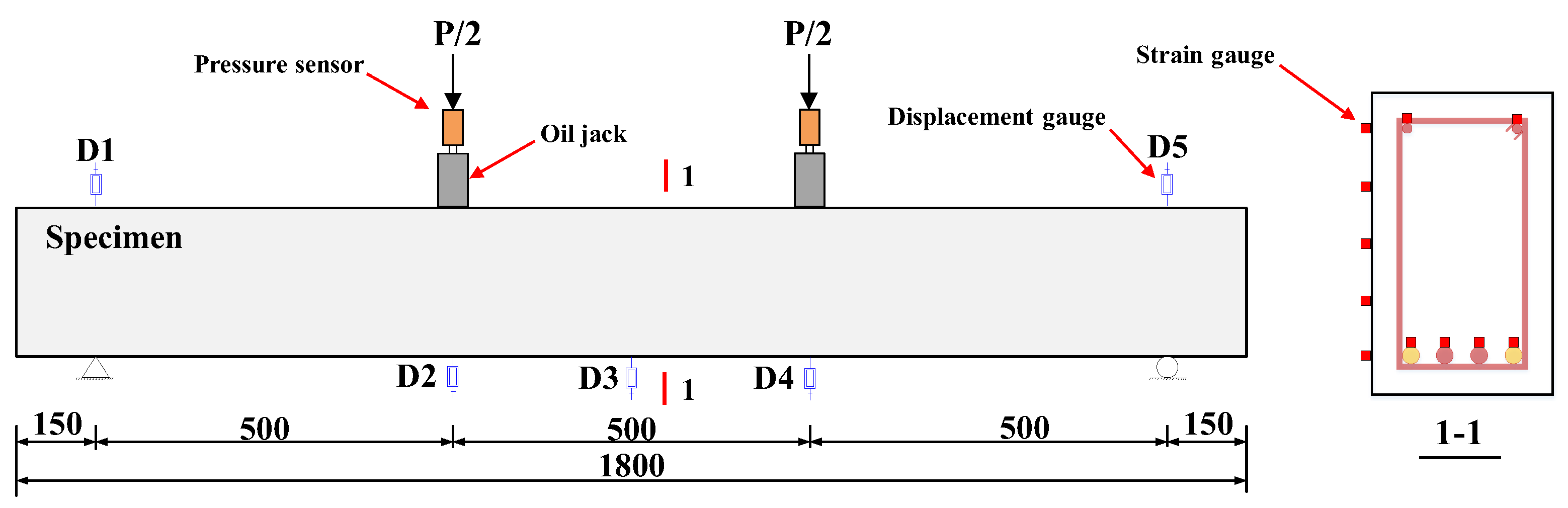
Figure 2 illustrates the test loading setup and the layout of the measurement points. Each specimen was supported by a fixed hinge at one end and a sliding hinge at the other. Symmetrical two-point loading was applied using two hydraulic jacks. To prevent local compressive failure of the UHPC, 5 mm thick steel plates were placed at each loading point and support.
Prior to formal testing, a preload was applied to check the proper operation of the loading apparatus and measurement devices. During the main loading phase, 5 kN increments were used initially to identify the cracking load, after which the increment was adjusted to 10% of the estimated peak load. Once the applied load reached 80% of the calculated peak load, the load increment at each stage was appropriately reduced to ensure safety and accurate observation. The test was terminated when either a crushing failure occurred in the UHPC compression zone or there was a sharp decline in load, indicating failure.
Measurements covered the load–deflection response of the specimens; the strains of GFRP bars, steel bars and the UHPC side surface within the pure bending span; the cracking Pcr, yield Py and peak load Pu of the specimens; and the crack widths measured at various load levels.
Support settlement and mid-span deflection were determined using five electronic displacement gauges located at the mid-span, the loading points and the supports. Strain gauges were attached to the tensile GFRP and steel bars at mid-span, with additional gauges fixed to the UHPC side face to verify the plane-section assumption.
Strain and pressure data were collected using a TS3862 static resistance strain gauge (Yangzhou Test Electric Co., Ltd., Yangzhou, China). Crack widths were gauged with a crack-width meter. A marker pen was used to trace the crack development patterns.
3. Experimental Results and Analysis
3.1. Experimental Observations and Failure Modes
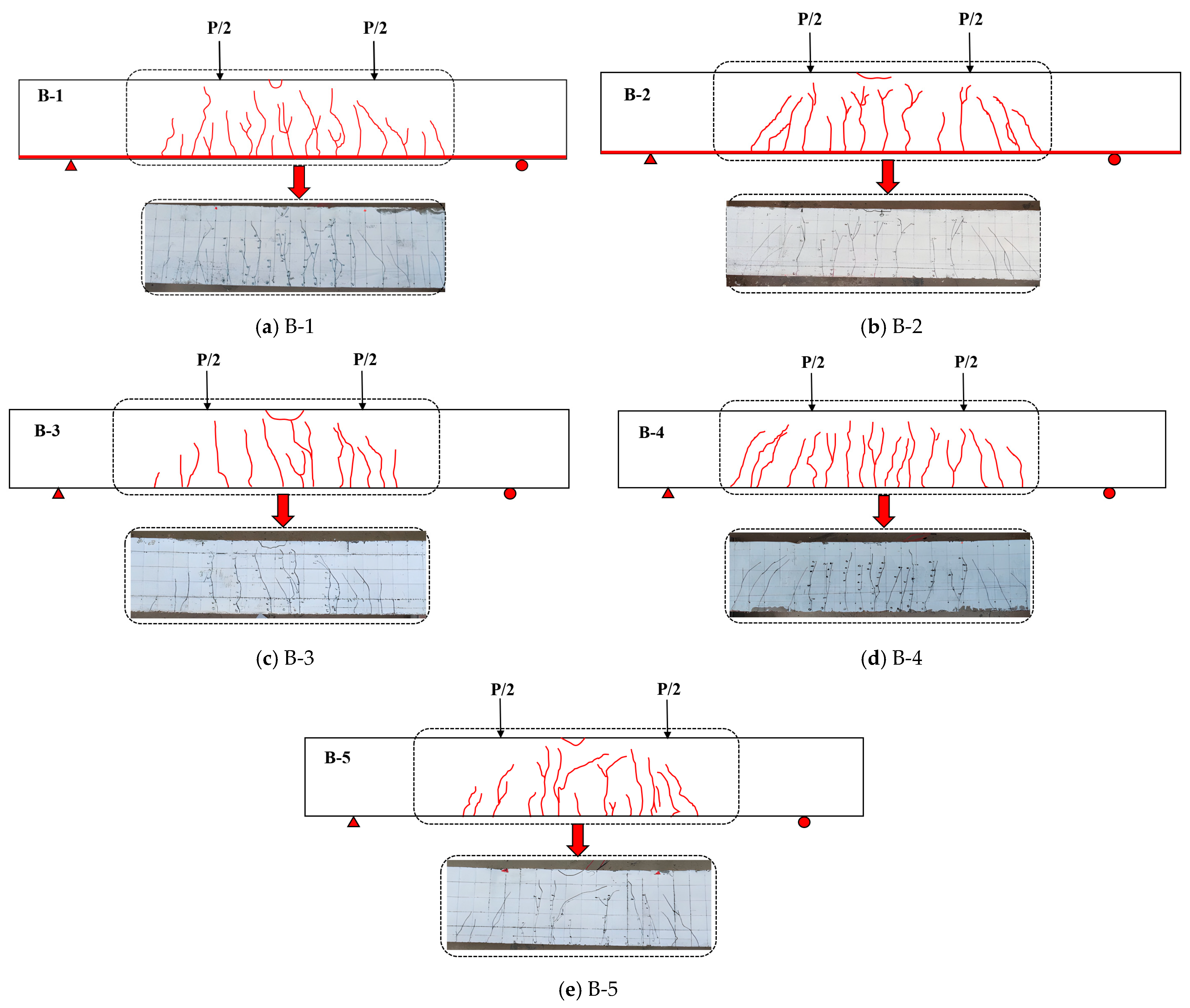
Figure 3 shows the failure modes and crack patterns of the five tested specimens. In the shear-bending spans, vertical cracks consistently formed in the lower regions and propagated upward toward the loading point after reaching a certain height. Within the pure bending span, cracks primarily developed vertically, initiating from the bottom and extending upward. All specimens exhibited typical flexural failure behavior: the tensile steel bars in the lower region yielded and the UHPC in the upper compression zone was crushed.
Taking specimen B-2 as a representative case, the loading procedure and corresponding phenomena can be summarized as follows: At the onset of loading, the specimen exhibited linear elastic response, with mid-span deflection exhibiting a proportional relationship to the applied load. Upon the vertical load attaining 60.2 kN, the initial vertical crack emerged within the pure bending span of the specimen, measuring approximately 0.010 mm in width and 4.6 cm in length. As the load continued to increase, additional vertical cracks formed almost symmetrically on both sides of the pure bending span, progressively widening and extending upward.
When the load attained 167.4 kN, no additional cracks were observed in the pure bending region. Upon increasing the load to 216.6 kN, the tensile steel bars yielded and the maximum crack width at mid-span reached 0.203 mm. Subsequent loading produced horizontal longitudinal cracks on the upper UHPC face and a pronounced increase in mid-span deflection.
Ultimately, the UHPC in the upper region was crushed and the specimen achieved its ultimate capacity. Benefiting from the presence of steel fibers, significant spalling was prevented following UHPC crushing, and the specimen maintained good structural integrity, which was consistent with the experimental observations by Lai [
31].
A peak load of 265.0 kN was attained, associated with a mid-span deflection of 15.63 mm. The maximum crack within the pure bending span widened to 1.022 mm and extended to a length of 20.8 cm. Upon unloading, the mid-span deflection recovered well, and the fine cracks exhibited effective closure.
3.2. Load–Deflection Curve
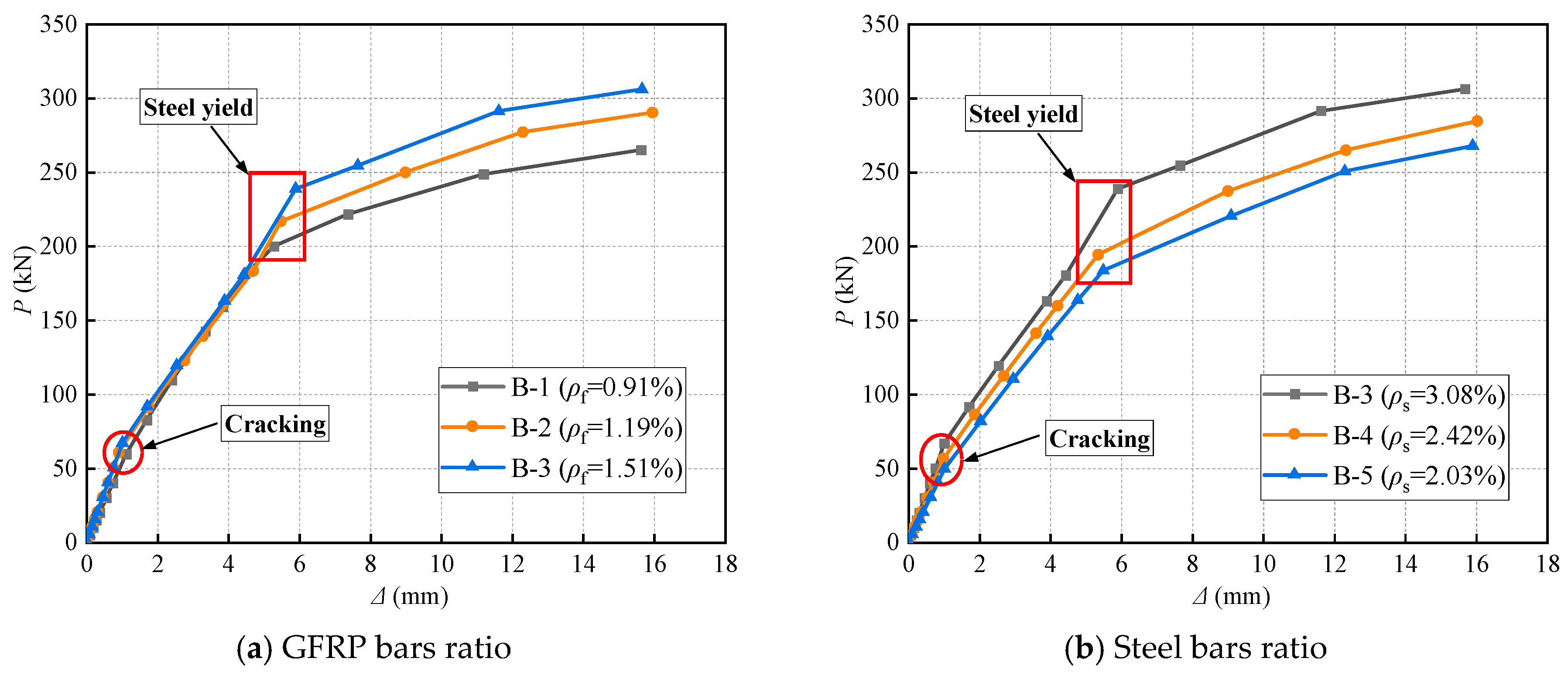
Table 6 summarizes the characteristic loads alongside their mid-span deflections. In the table,
Pcr,
Py and
Pu refer to the cracking, yield and peak load, respectively, while
Δcr,
Δy and
Δu denote the associated deflections.
The mid-span load–deflection (
P-
Δ) responses are shown in
Figure 4, which can be partitioned into three stages: (1) from initial loading to UHPC cracking; (2) from UHPC cracking to yielding of the tensile steel bars; and (3) from steel yielding to ultimate failure.
Cracking of the tensile zone UHPC produced a distinct kink on the curve. The load and mid-span deflection at this point were defined as the cracking load Pcr and cracking deflection Δcr. As loading continued, yielding of the tensile steel bars led to a sharp growth in mid-span deflection and notable crack widening. The curve exhibited a second clear inflection point, corresponding to the yield load Py and yield deflection Δy. As the load continued to increase, the specimen entered the hardening stage: mid-span deflection continued to increase while the load increment slowed, until the upper UHPC was crushed and the beam failed. The maximum applied load at this point was defined as the peak load Py, with the corresponding deflection denoted as the ultimate deflection Δu.
A comparative analysis of the curves of B-1, B-2 and B-3 indicated that, with a constant steel bar reinforcement ratio, increasing the reinforcement ratio of GFRP bars raised both the cracking and yield loads, while the overall stiffness remained nearly unchanged. Specifically, the peak load capacity increased from 265.0 kN to 290.4 kN and 306.2 kN, representing increases of 9.58% and 15.55%, respectively. This phenomenon is primarily ascribed to the relatively low elastic modulus of GFRP bars, which limits their contribution to the section’s flexural stiffness, despite their high strength. This behavior is further supported by an analysis of the reinforcement ratios: as the GFRP bars’ reinforcement ratio ρf was increased from 0.91% to 1.19% and 1.51%, the reinforcement ratio converted by strength ρ1 rose from 3.99% to 4.27% and 4.58%, representing increases of 7.02% and 14.79%. This trend aligned closely with the observed increase in peak bearing capacity. In contrast, reinforcement ratio converted by elastic modulus ρ2 increased only marginally from 3.30% to 3.37% and 3.45%, which corresponded to the insignificant change observed in the flexural stiffness of the specimens.
A comparative analysis of the curve of B-3, B-4 and B-5 demonstrates that when the GFRP reinforcement ratio ρf was held constant, increasing the steel reinforcement ratio ρs resulted in a simultaneous increase in the load at cracking, yield point and overall stiffness. Specifically, the peak load exhibited an increase from 267.8 kN to 284.6 kN and 306.2 kN, marking increases of 6.27% and 14.34%, respectively.
This trend is further explained by the analysis of the reinforcement ratios. As ρs was increased from 2.03% to 2.42% and 3.08%, the ρ1 rose from 3.63% to 4.02% and 4.67% (increases of 10.74% and 28.65%, respectively). Similarly, the ρ2 rose from 2.40% to 2.80% and 3.45% (increases of 16.67% and 43.75%, respectively). Consequently, both the reinforcement ratios converted by strength and elastic modulus exhibited significant growth with the increase in the reinforcement ratio of steel bars. This directly corresponded to the synchronized enhancements observed in the stiffness and peak bearing capacity of the specimens.
Furthermore, increasing the reinforcement ratio of GFRP bars from 0.87% to 1.14% and 1.44% led to peak bearing capacity enhancements of 9.58% and 15.55%, respectively. In contrast, as the steel reinforcement ratio increased from 1.94% to 2.32% and 2.95%, the peak load rose by only 6.27% and 14.34%, respectively. These results revealed that the peak bearing capacity exhibited greater sensitivity to the reinforcement ratio of GFRP bars. This is because GFRP bars with high ultimate tensile strength could continue to bear the load after the steel bars in the tensile zone reached the yield strength. Moreover, there was no tensile failure in the test in which GFRP bars ruptured and UHPC in the compression zone was not crushed. This demonstrates that the hybrid reinforced UHPC beams can enable more effective utilization of the strength of both steel and GFRP bars.
3.3. Load–Strain Response
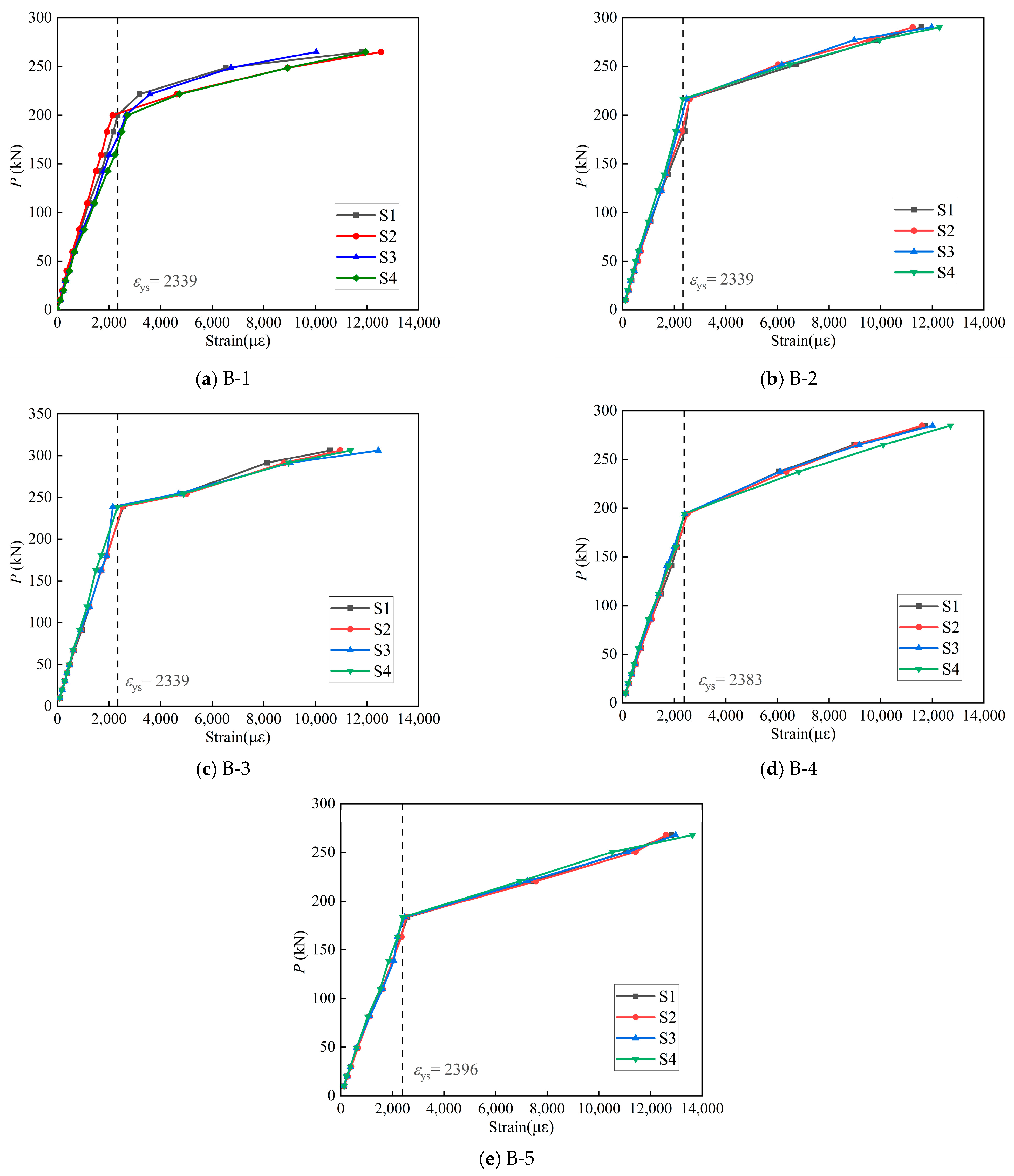
Figure 5 presents the load–strain response for the tensile steel bars and GFRP bars within the pure bending span of the specimens. Specifically, S1 and S2 represent strain gauges installed on the GFRP bars, while S3 and S4 correspond to those affixed to the steel bars. From the figure, it is evident that a strong bond was maintained between the UHPC and GFRP bars during the loading process, with no significant slip observed. At the point of ultimate bearing capacity of the test beam, the tensile steel bars had already yielded. Moreover, the GFRP and steel bars located at the same height exhibited similar strain values, further confirming the compatibility of deformation and effective load transfer between the materials.
3.4. Strain Distribution Across the Depth of the Mid-Span Cross-Section
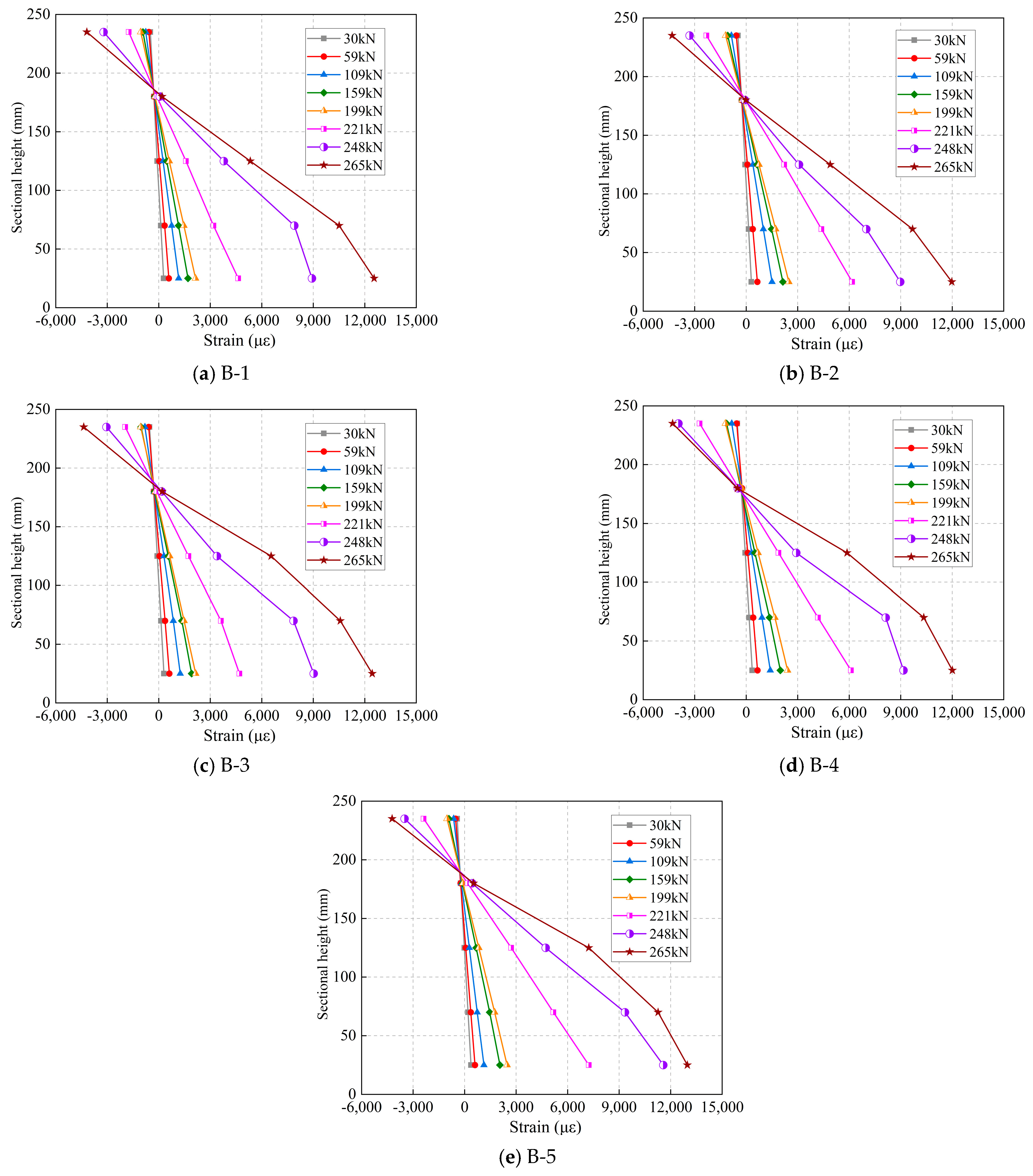
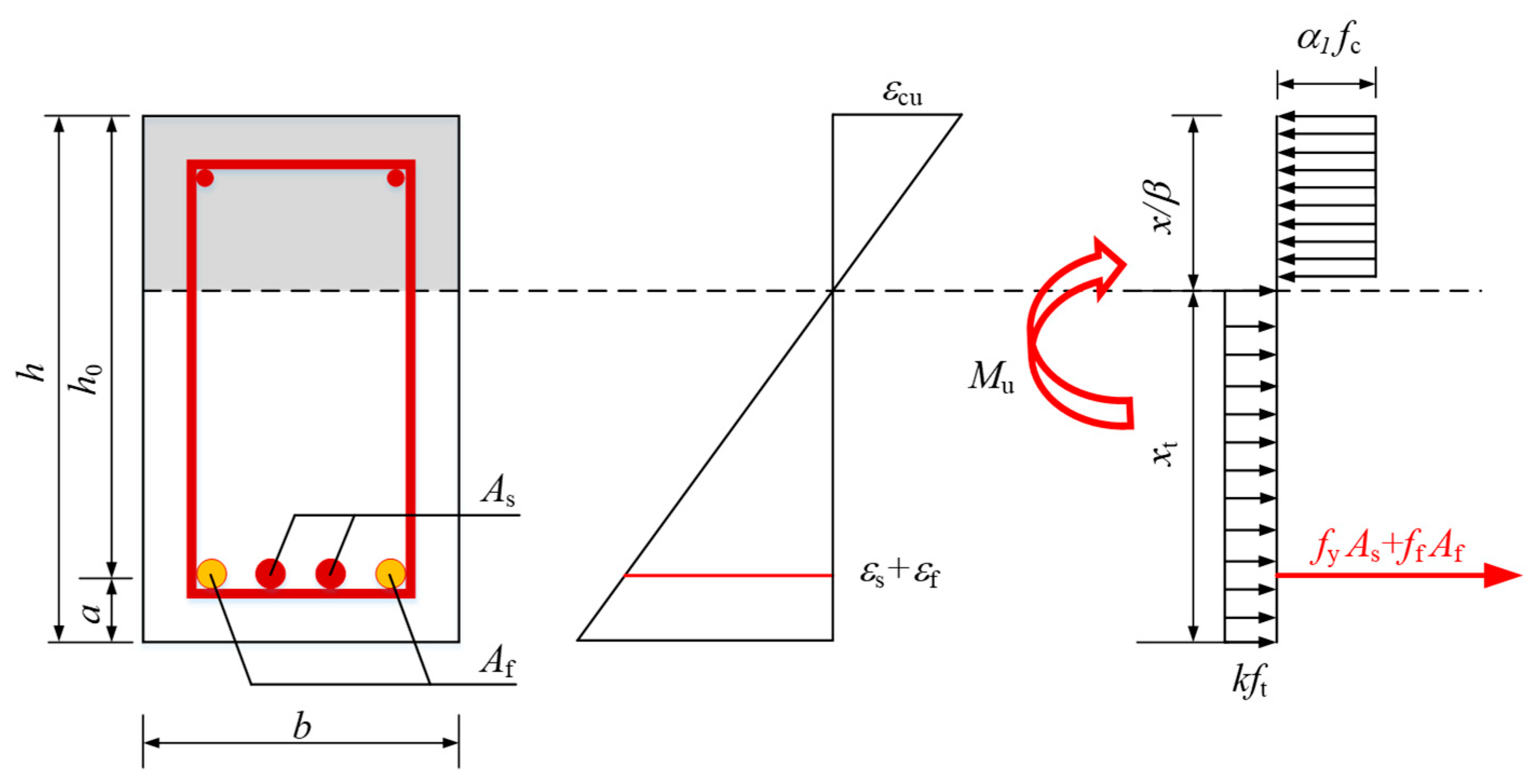
Figure 6 illustrates the average strain distribution across the depth of the mid-span cross-section. It is evident that prior to the yield point of the tensile steel bars, the strain across the section exhibited an approximately linear variation with the height, thereby validating the plane-section assumption. After the yielding of the steel bars, although the increased strain gradient in the plastic zone led to localized deflections in the curve, the strain in the concrete compression zone and uncracked regions maintained a linear distribution, thus remaining broadly consistent with the assumption of a plane section. This supports the theoretical foundation for deriving flexural capacity formulas.
8. Conclusions
Four-point bending tests were performed on UHPC beams reinforced with hybrid GFRP and steel bars. The effect of the reinforcement ratios of steel bars and GFRP bars on the flexural performance of the specimens was investigated. The formulas for calculating the cracking moment, load-bearing capacity, deformation capacity and crack width were proposed. Drawing on both experimental findings and analytical investigations, the following conclusions are obtained:
(1) All specimens experienced typical flexural failure: tensile bars were yielded followed by UHPC crushing. Throughout the loading, GFRP bars remained well bonded to the UHPC with no significant slip observed. The high stiffness and ductility of UHPC effectively compensated for the large deflections and poor ductility of GFRP-reinforced beams.
(2) Increasing steel reinforcement notably enhanced stiffness and ultimate load capacity. In contrast, increasing the GFRP reinforcement ratio had little influence on stiffness but contributed more significantly to improving ultimate load capacity than to an equivalent increase in steel reinforcement.
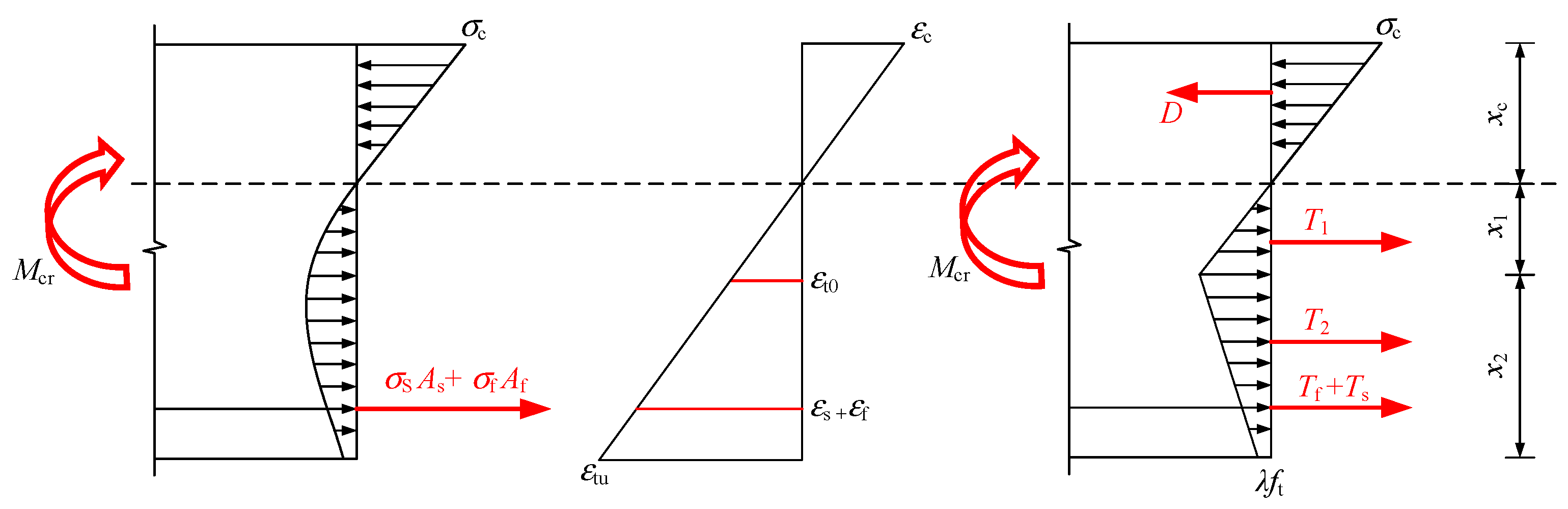
(3) The strain distributions in both GFRP and steel bars were generally consistent, confirming cooperative action between the two materials. A flexural capacity formula accounting for the tensile effect of UHPC was derived. The predicted outcomes showed close agreement with experimental measurements, validating the predictive capability of the model.
(4) By converting the GFRP area into an equivalent steel section based on the elastic modulus ratio and incorporating the effect of steel fibers, a stiffness calculation formula was established. The deflection predicted by this formula showed close agreement with the experimental results.
(5) Steel fibers effectively bridged cracks, restricting crack propagation. Based on this mechanism, the calculation methods for average crack spacing and crack width in current concrete standards were modified. The outcomes derived from the modified method exhibited close agreement with the experimental data, thereby confirming the validity of the proposed calculation approach.
9. Discussion
This study investigated the flexural behavior of UHPC beams reinforced with hybrid GFRP and steel bars through bending tests on five specimens and proposed analytical models for predicting their flexural capacity and serviceability performance. Nevertheless, several limitations should be acknowledged.
First, the experimental program was limited to five laboratory-scale beam specimens. Although the results were sufficient to reveal the fundamental flexural behavior and performance trends of hybrid reinforced UHPC beams, the limited number of specimens restricted the statistical robustness of the conclusions, and potential size effects associated with full-scale members were not addressed.
Second, the present study was primarily based on experimental observations and analytical formulations. Finite element analysis was not conducted to further investigate the internal stress–strain distribution, crack evolution and parameter sensitivity of hybrid reinforced UHPC beams. The incorporation of numerical simulations would allow a more comprehensive assessment of the proposed analytical models over a wider parameter range.
In addition, only GFRP bars were considered in this study. Since FRP bars with higher elastic modulus (e.g., CFRP bars) may significantly influence stiffness, deflection and crack development, the conclusions of this study are mainly applicable to UHPC beams reinforced with hybrid GFRP and steel bars, and their extension to other FRP types requires further validation.
Future research will focus on conducting additional tests with a larger number of specimens, including full-scale UHPC beams, developing finite element models to systematically study key parameters and investigating the flexural behavior of UHPC beams reinforced with different types of FRP bars combined with steel bars.