Article

Simulation-Based Fault Detection and Diagnosis for AHU Systems Using a Deep Belief Network

Department of Architectural Engineering, Daejin University, Pocheon 11159, Republic of Korea
Buildings 2026, 16(2), 342; https://doi.org/10.3390/buildings16020342

Submission received: 12 November 2025 / Revised: 20 December 2025 / Accepted: 5 January 2026 / Published: 14 January 2026
(This article belongs to the Special Issue Built Environment and Building Energy for Decarbonization)

Abstract

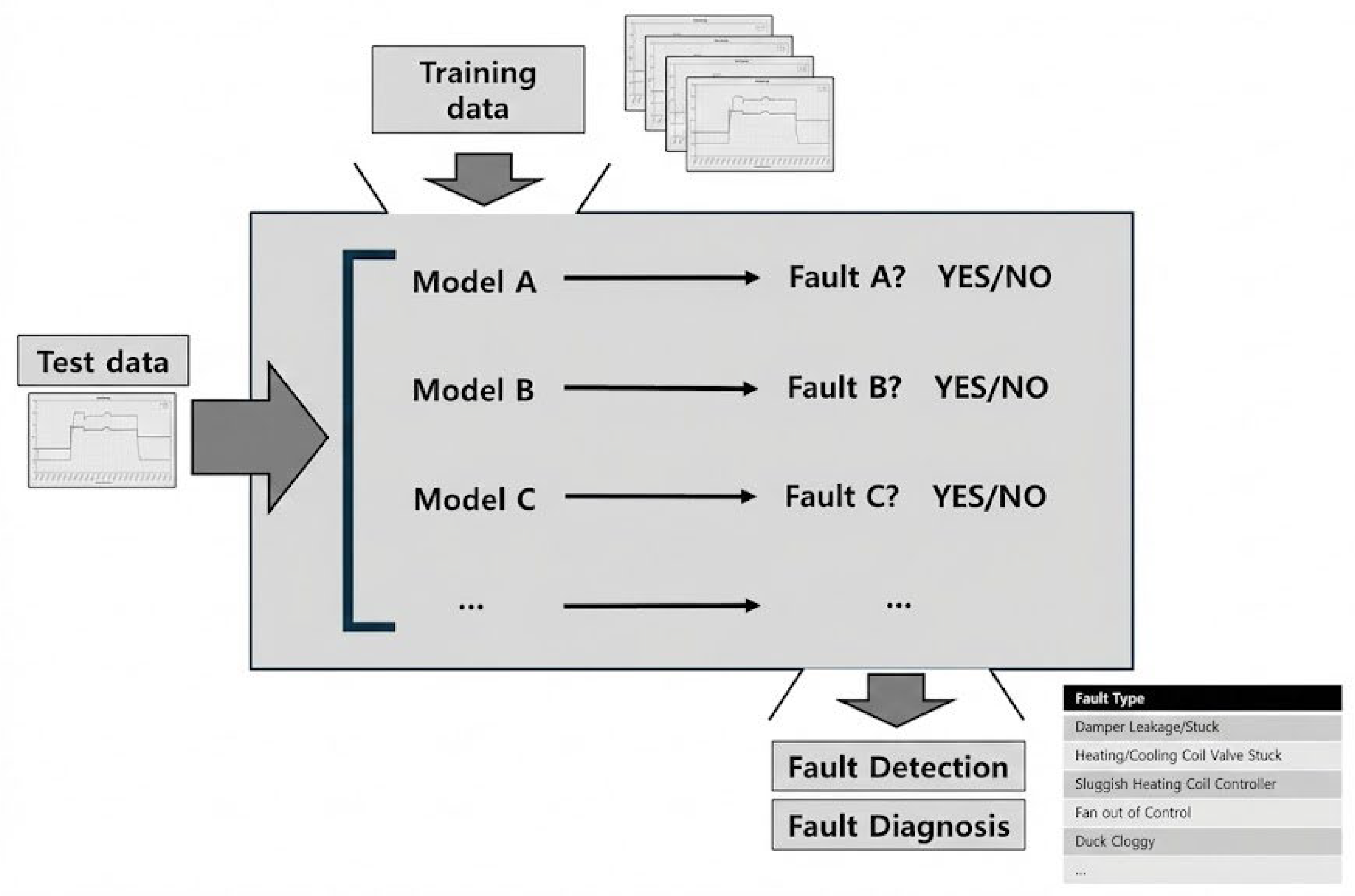
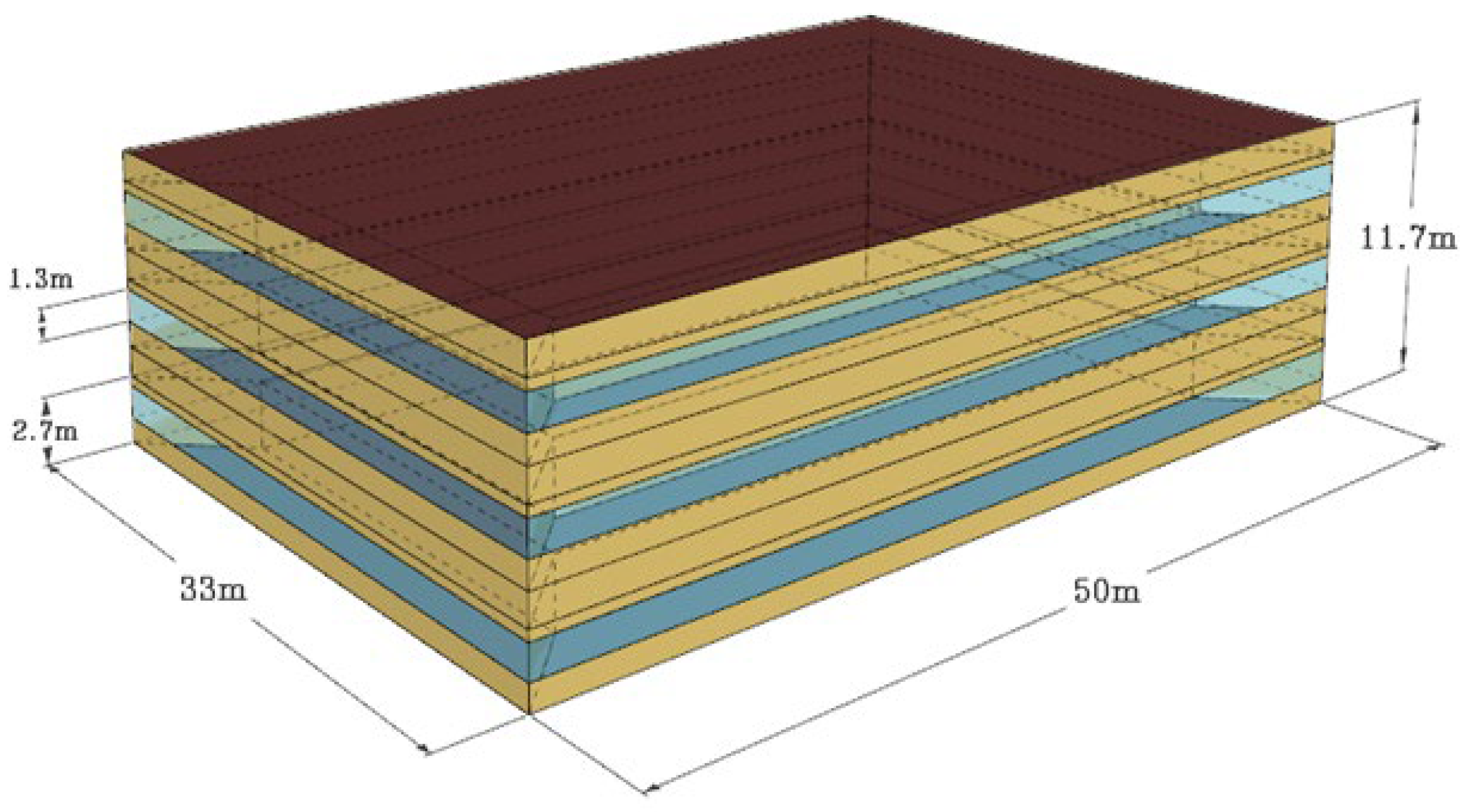
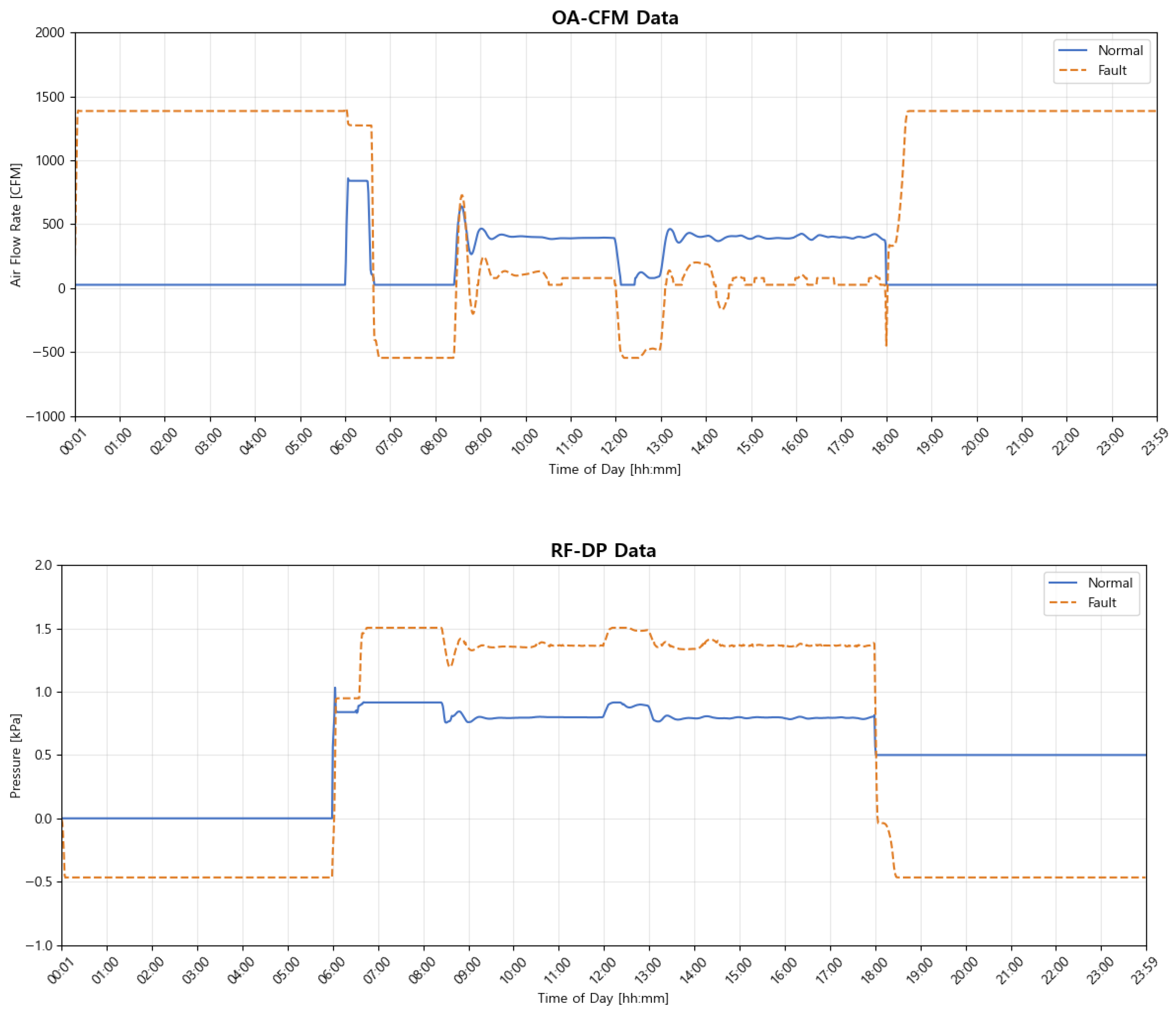
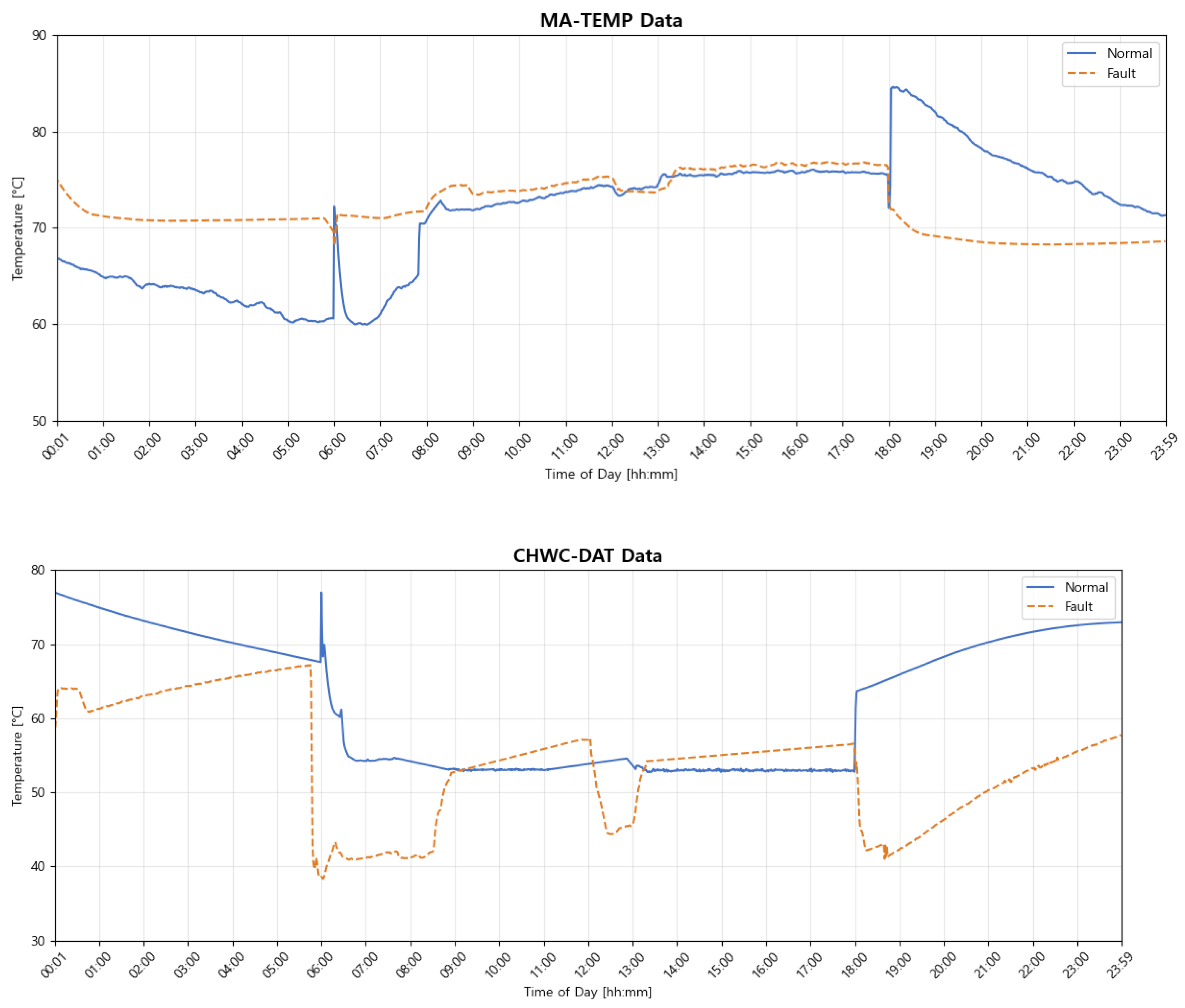
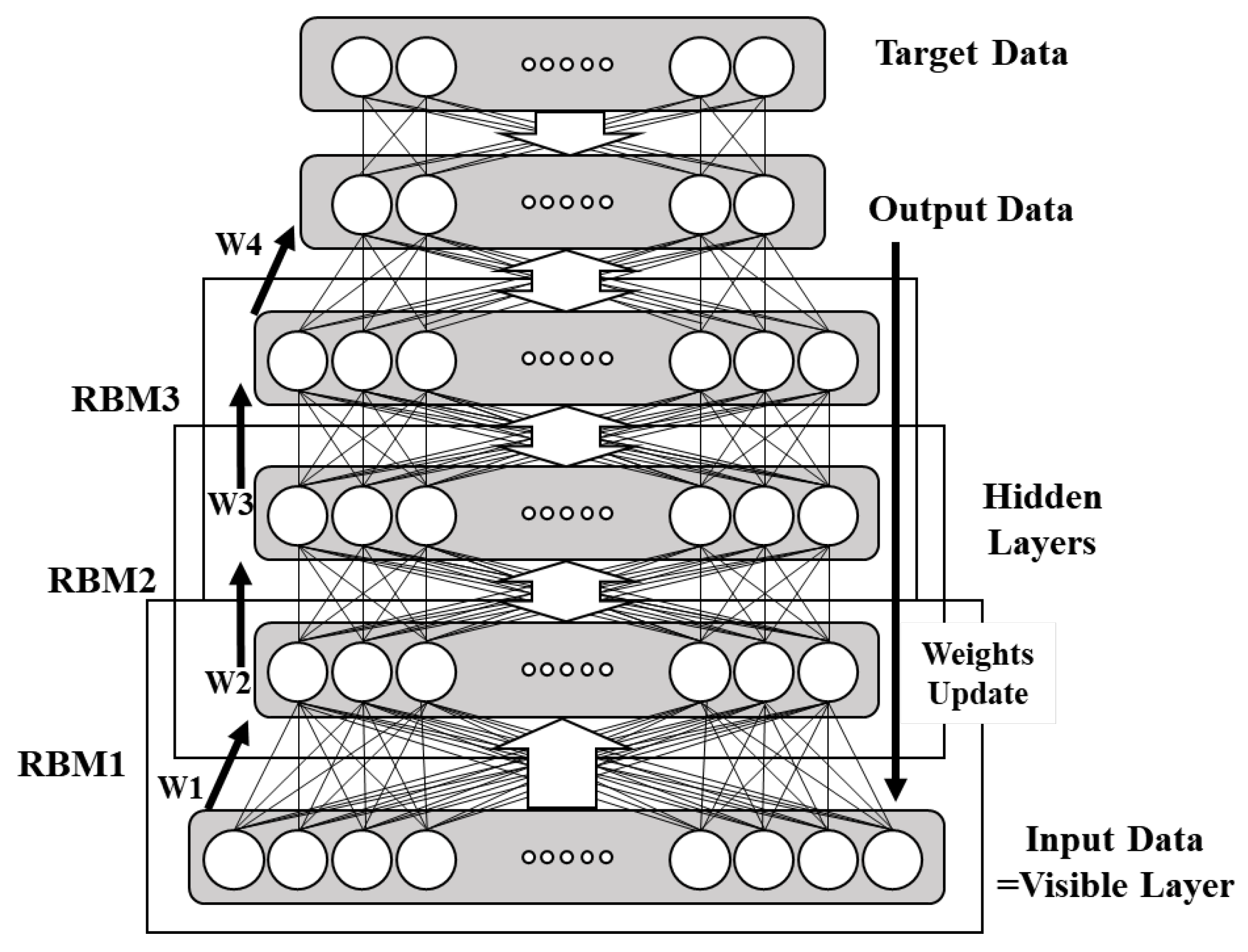
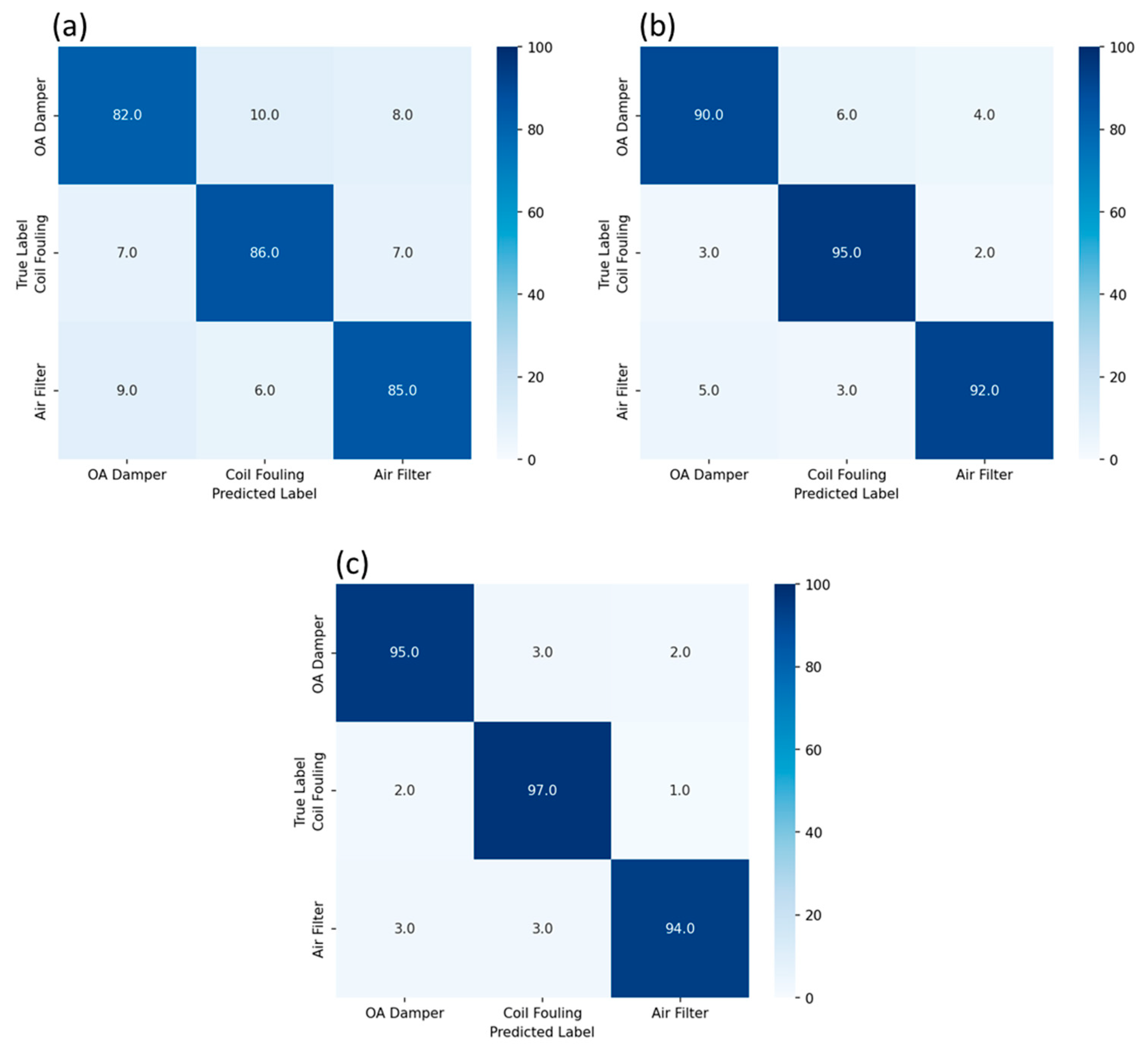
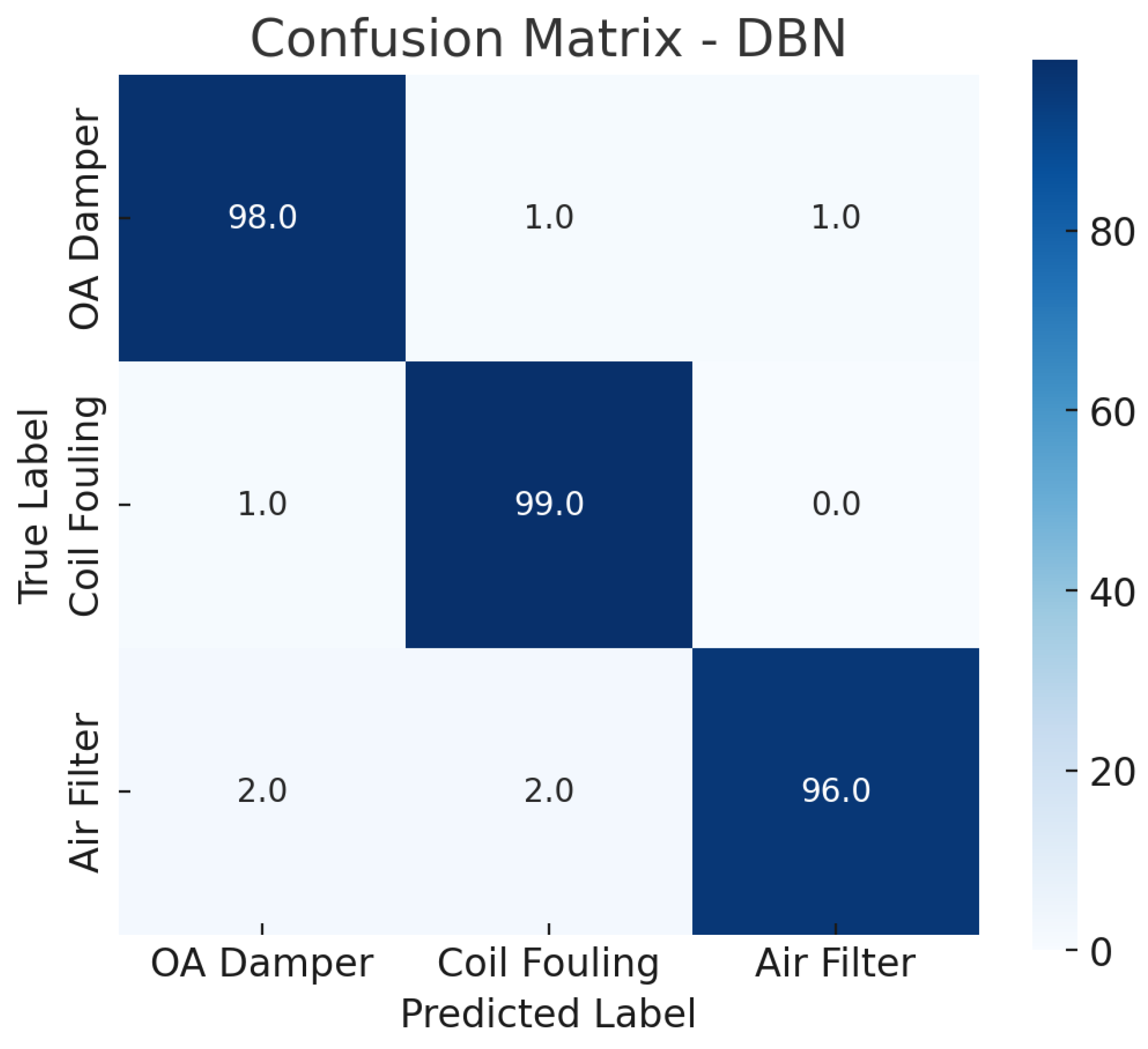
Heating, ventilation, and air conditioning (HVAC) systems account for a significant portion of building energy consumption and play a crucial role in maintaining indoor comfort. However, hidden faults in air-handling units (AHUs) often lead to energy waste and degraded performance, highlighting the importance of reliable fault detection and diagnosis (FDD). This study proposes a simulation-driven FDD framework that integrates a standardized prototype dataset and an independent evaluation dataset generated from a calibrated EnergyPlus model representing a target facility, enabling controlled experimentation and transfer evaluation within simulation environments. Training data were generated from the DOE EnergyPlus Medium Office prototype model, while evaluation data were obtained from a calibrated building-specific EnergyPlus model of a research facility operated by Company H in Korea. Three representative fault scenarios—outdoor air damper stuck closed, cooling coil fouling (65% capacity), and air filter fouling (30% pressure drop)—were systematically implemented. A Deep Belief Network (DBN) classifier was developed and optimized through a two-stage hyperparameter tuning strategy, resulting in a three-layer architecture (256–128–64 nodes) with dropout and regularization for robustness. The optimized DBN achieved diagnostic accuracies of 92.4% for the damper fault, 98.7% for coil fouling, and 95.9% for filter fouling. These results confirm the effectiveness of combining simulation-based dataset generation with advanced deep learning methods for HVAC fault diagnosis. The results indicate that a DBN trained on a standardized EnergyPlus prototype can transfer to a second, independently calibrated EnergyPlus building model when AHU topology, control logic, and monitored variables are aligned. This study should be interpreted as a simulation-based proof-of-concept, motivating future validation with field BMS data and more diverse fault scenarios.
Keywords: Fault Detection and Diagnosis (FDD); HVAC systems; Air-Handling Unit (AHU); Deep Belief Network (DBN); simulation-based modeling Fault Detection and Diagnosis (FDD); HVAC systems; Air-Handling Unit (AHU); Deep Belief Network (DBN); simulation-based modeling