Next Article in Journal
Daylight Glare with the Sun in the Field of View: An Evaluation of the Daylight Glare Metric Through a Laboratory Study Under an Artificial Sky Dome and an Extensive Simulation Study
Previous Article in Journal
Seismic Performance of a Hybrid Structural Steel–Reinforced Concrete Coupled Wall Building: Preliminary Response Estimates from an NCREE–QuakeCoRE Joint Study
error_outline You can access the new MDPI.com website here. Explore and share your feedback with us.
 
 
Article

Experimental Study on the Axial Compression High-Cycle Fatigue Performance of Concrete-Filled Double-Skin Steel Tubular Columns


1
Zhejiang Huadong Xinneng Technology Co., Ltd., Hangzhou 311100, China
2
School of Civil Engineering, Chongqing University, Chongqing 400045, China
3
Key Laboratory of New Technology for Construction of Cities in Mountain Area, Chongqing 400045, China
*
Author to whom correspondence should be addressed.
Buildings 2026, 16(2), 247; https://doi.org/10.3390/buildings16020247
Submission received: 2 December 2025 / Revised: 24 December 2025 / Accepted: 26 December 2025 / Published: 6 January 2026
(This article belongs to the Section Building Structures)

Abstract

Concrete is widely used in the field of wind power generation. Under design conditions, concrete in wind turbine towers is often subjected to compressive cyclic fatigue loading. In this study, 10 specimens were experimentally investigated to clarify the high-cycle fatigue behavior of plain concrete (PC), steel-reinforced concrete (SRC), and concrete-filled double-skin steel tubular (CFDST) members. The specimens were designed based on a scaled-down model of the corner columns from an actual lattice tower structure, considering the most unfavorable fatigue load scenario. The fatigue life and failure modes of the different member types were analyzed. The results indicate that, in terms of fatigue life, CFDST members are superior to PC and SRC members. Experimentally, the mean fatigue lives were 31,008 cycles for PC members and 85,374 cycles for SRC members, whereas all CFDST specimens survived beyond 100,000 cycles without failure. The fatigue failure of these specimens is characterized by localized failure leading to global collapse. Under axial cyclic loading, the confinement effect provided by the double-skin steel tubes significantly enhances the fatigue life of the concrete core. Furthermore, the axial compressive capacity of the CFDST specimens with a low steel ratio still generally meets the requirements of relevant design codes. Finally, design recommendations for the corner columns of lattice wind turbine towers are proposed.

1. Introduction

The increasing use of wind energy, as a crucial component of renewable energy, has driven the development of supporting structural systems for its efficient utilization [1,2,3,4]. As the capacity of wind turbine units has grown, the hub height has increased accordingly. The lattice wind turbine tower offers distinct advantages over those made with pure steel tubes and prestressed concrete [5,6,7]. It effectively transforms the bending-dominated behavior of the support structure into axial-force-dominated characteristics, leading to improved cross-sectional utilization and a smaller wind-exposed area.
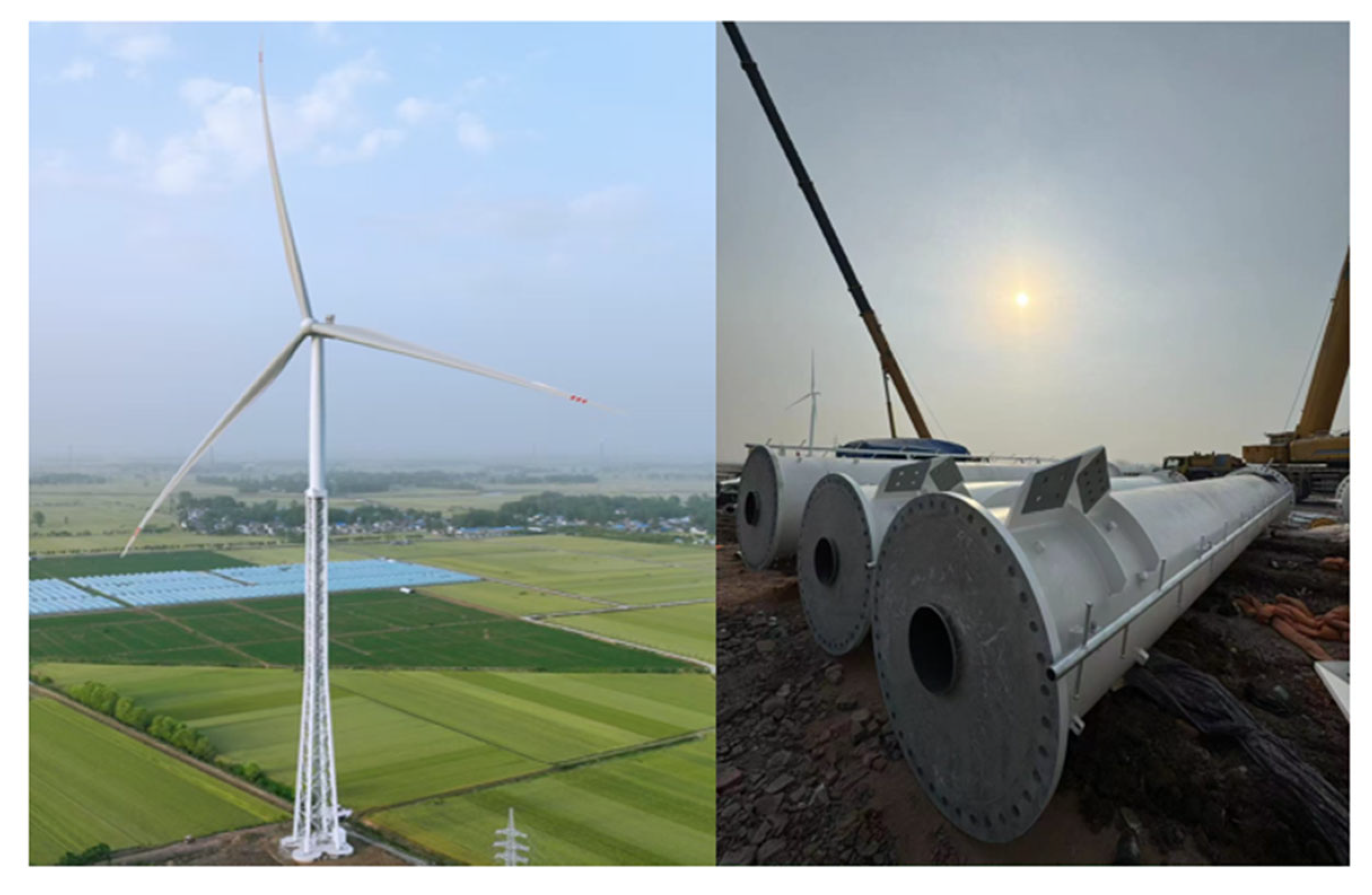
Figure 1 shows a demonstrative lattice tower project in which concrete-filled double-skin steel tubular (CFDST) sections are employed for the corner columns.
Due to the concrete infill between the inner and outer steel tubes, the materials’ composite action is fully utilized under service conditions, enhancing the mechanical performance of the structure while reducing project costs [8,9,10,11]. The fatigue assessment of these corner columns, as the primary load-bearing components, follows the FIB Model Code for Concrete Structures 2010 [12]. However, the sandwiched concrete is treated as plain concrete, failing to account for the benefits derived from the composite structural system. Therefore, investigating the mechanical behavior of CFDST columns under high-cycle fatigue loading is important.
CFDST members have been researched to investigate their static-load-bearing capacity and energy dissipation capabilities [13,14,15,16,17,18]. Studies on the fatigue life of concrete materials are primarily based on continuum damage mechanics theory, with prediction algorithms developed from the fatigue behavior characteristics observed in experiments [19,20,21,22]. In contrast, research on the mechanical performance of steel–concrete composite structures under high-cycle fatigue remains limited, with most studies focusing on complex loading conditions or intricate joint details. Wang et al. [23] conducted four-point bending fatigue tests on hollow steel tubes and CFDST members, demonstrating that concrete infill can improve the fatigue behavior of the specimens. Musa et al. [24] proposed corresponding calculation methods based on nominal stress and hot-spot stress approaches by filling concrete in T-, K-, and X-type welded joints. Fan et al. [15] performed low-cycle fatigue tests on CFDST specimens by varying parameters such as the hollow and slenderness ratios, highlighting the significant influence of higher fatigue amplitudes on fatigue life. Jiang et al. [25], focusing on the application of concrete in bridge engineering, conducted uniaxial high-cycle fatigue tests. They proposed a fatigue deformation prediction model for concrete. Furthermore, they investigated the long-term effects of fatigue loading on concrete structures by analyzing case studies from bridge engineering. Wu et al. [26] conducted fatigue tests on concrete-filled steel tubular K-joints, which showed that internal studs can effectively enhance fatigue life. Xia et al. [27] carried out comparative experimental studies on CFDST K-joints, revealing a significant reduction in the stress concentration factor after concrete infill. Similar findings were reported by Wang et al. [28] and Chen et al. [29], who observed that filling concrete in the joint region of CFST members reduces stress concentrations induced by welded connections, thereby improving the structural fatigue life. Wang et al. [30,31] conducted fatigue tests on CFST KK-joints and comprehensively compared the significant discrepancies in fatigue life predictions among different design codes. Li et al. [32] performed fatigue tests on T-joints with CFDST chords and circular hollow section braces. They concluded that the fatigue life of the joints is underestimated when compared with predictions from current design codes.
This study aims to investigate the high-cycle fatigue performance of plain concrete (PC), steel-reinforced concrete (SRC), and CFDST members under axial compression fatigue loading. The specimen geometry was designed by scaling down the corner columns of a lattice wind turbine tower, while also considering the loading capacity of the testing apparatus. A comparative analysis was conducted regarding the high-cycle fatigue behaviors of the different specimen types. The failure modes, fatigue life, and deformation characteristics throughout the loading process were analyzed for each specimen type. Furthermore, the residual static-load-bearing capacity of the CFDST specimens after being subjected to high-cycle fatigue was revealed.

2. Experimental Research

2.1. Scheme

Uniaxial compression fatigue tests were conducted to investigate the fatigue performance of three types of specimens: PC, SRC, and CFDST members. Given the significant scatter typically observed in fatigue test data, three replicate tests were performed for each typical loading scenario to ensure data reliability. The objectives of this study are (1) to characterize the fatigue behavior of plain concrete, thereby establishing a baseline for the fatigue design of SRC and CFDST members; (2) to analyze the influence of different steel configuration patterns on the fatigue performance of members under the condition of equivalent steel usage; and (3) to verify the applicability of existing design methods for SRC and CFDST members. The experimental results are analyzed primarily from the following three aspects: (a) failure modes, including the initiation locations and propagation paths of cracks or fractures; (b) fatigue life; and (c) post-fatigue static-load-bearing capacity.

2.2. Materials

2.2.1. Steel Tube

The test utilized Q235 steel plates with thicknesses of 1.42 mm and 1.00 mm, which were cold-rolled and welded to form circular steel tubes. Deformed steel rebars of HRB400 grade with nominal diameters of 12 mm and 6 mm were employed. Monotonic tensile tests were conducted to determine the yield strength, ultimate tensile strength, and elastic modulus of the steel materials [33]. The average measurements of material properties are presented in Table 1.

2.2.2. Concrete

Cubic (150 mm × 150 mm × 150 mm) and prismatic (100 mm × 100 mm × 300 mm) concrete specimens were cast from the same batch as the structural test specimens to determine the concrete’s cubic compressive strength and elastic modulus, respectively. The measured cubic compressive strength (fcu) was 57.38 MPa, and the elastic modulus (Ec) was 2.84 × 10⁴ MPa [34]. The concrete mix proportions per cubic meter were as follows: water 138 kg, cement 392 kg, coarse aggregate 980 kg, fine aggregate 835 kg, and superplasticizer 2.6 kg, resulting in a water-to-cement ratio of 0.35.

2.3. Specimen Preparation

High-cycle axial compression fatigue loading tests were performed on 10 specimens—3 plain concrete (PC), 3 steel-reinforced concrete (SRC), and 4 concrete-filled double-skin steel tubular (CFDST) specimens. The specimen details are summarized in Table 2. Do and Di represent the outer diameters of the outer and inner steel tubes; to and ti denote the wall thicknesses of the outer and inner steel tubes. The nominal steel ratio αn and the nominal confinement factor ξ were determined in accordance with the Chinese standard T/CCES 7-2020 [35].
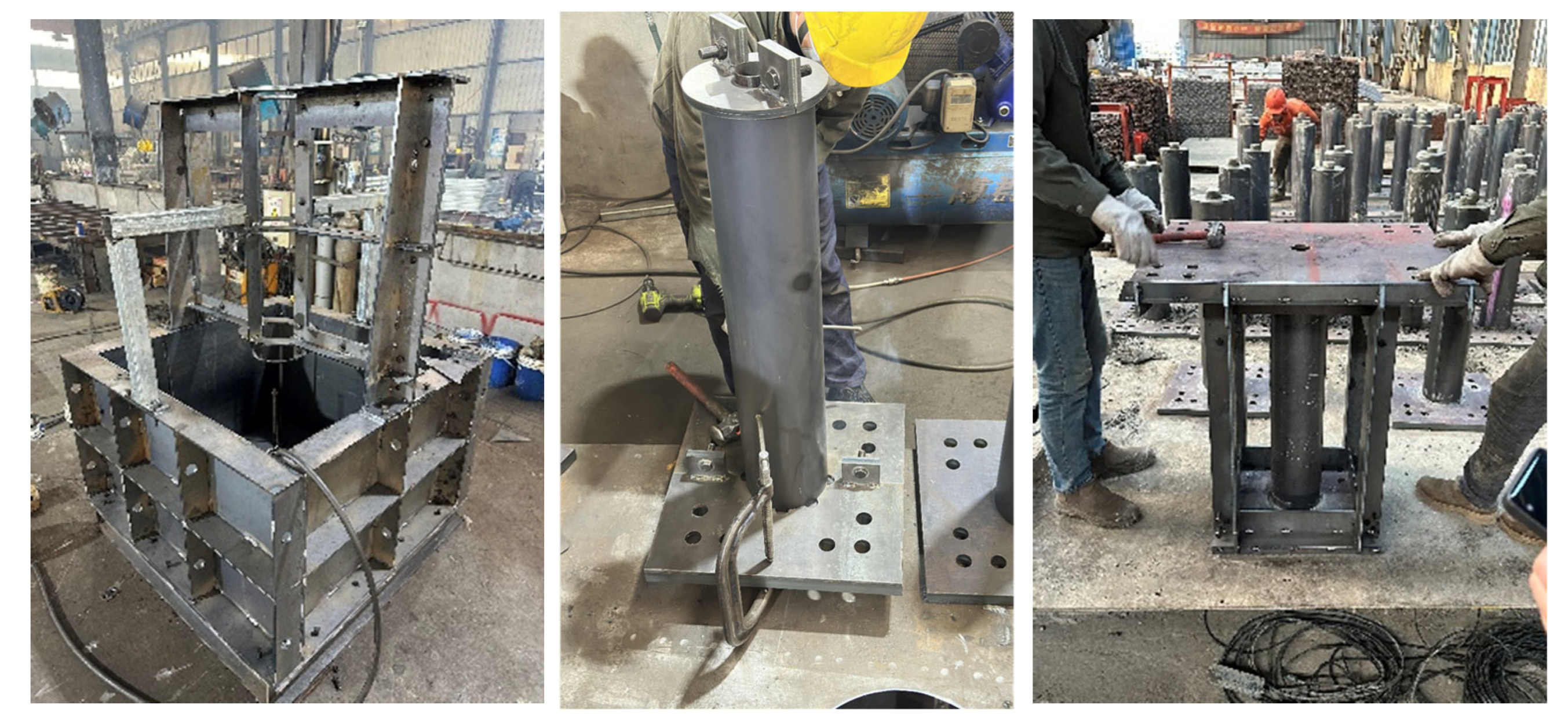
The PC and SRC specimens were cast using steel molds. The hollow core in the PC specimens was formed using low-strength plastic tubes. The low-strength plastic tube was not removed during either specimen preparation or testing. The primary reason was to prevent the formation of cracks and initial defects in the PC specimen that would occur if the tube were extracted. For the CFDST specimens, the inner steel tubes were fabricated using resistance welding, while the outer steel tubes were manufactured via laser welding. In this study, the selection of the welding method was primarily determined by the influence of the steel tube wall thickness on weld quality. Magnetic particle testing was employed for weld inspection. Both the inner and outer steel tubes were connected to the top and end plates via metal active gas (MAG) welding. During the welding process, the vertical alignment of the tubes was strictly maintained to prevent any eccentricity. A schematic illustration of the specimen fabrication process is provided in Figure 2.
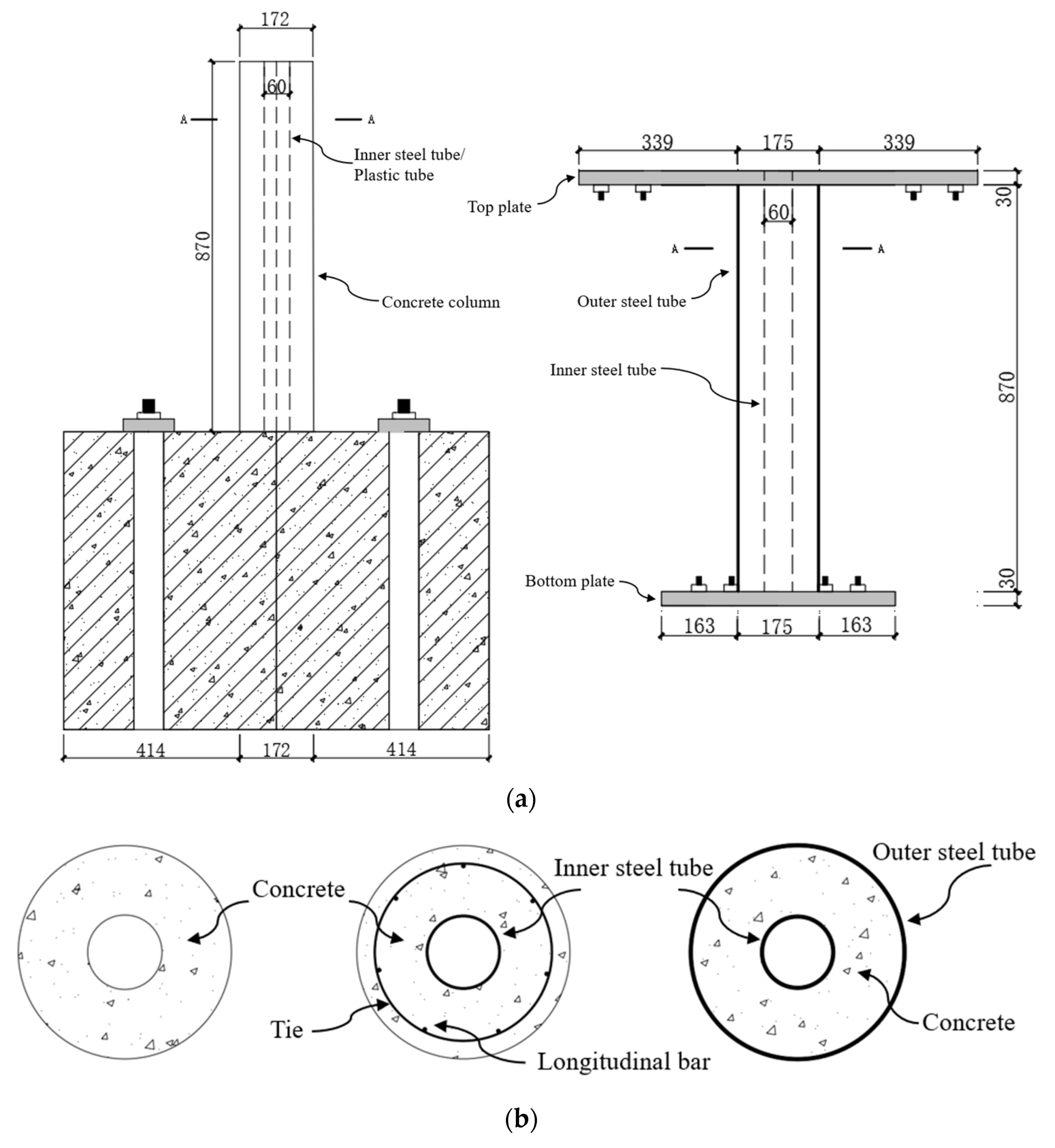
The specimen geometry and cross-sectional details are illustrated in Figure 3a and Figure 3b, respectively.

2.4. Test Setup and Procedures

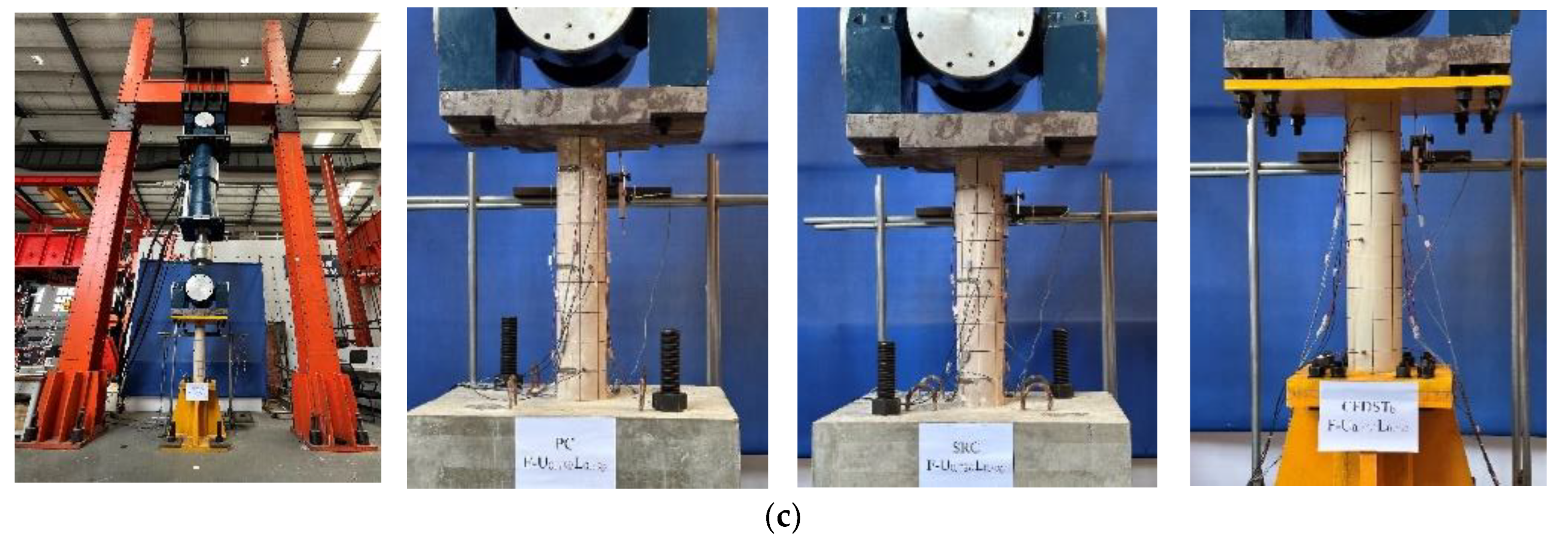
Figure 3c illustrates the test setup for high-cycle axial compression fatigue loading. Electrical resistance strain gauges were mounted on the specimens in both the vertical and horizontal directions, complemented by two linear variable differential transformers (LVDTs) aligned vertically to measure axial deformations. The data acquisition system was primarily composed of the DH3818Y and DH5922D dynamic signal test systems from Donghua Test, along with 5G104 linear displacement transducers. The loading system consisted of a reaction frame, a rigid beam, and a 2000 kN servo-controlled hydraulic actuator, all interconnected by high-strength bolts. The fatigue actuator, provided by Servotest, had a maximum load capacity of 2000 kN and a maximum stroke of ±250 mm. The reaction frame itself was bolted securely to the reinforced laboratory strong floor. The PC and SRC specimens were directly connected to the strong floor via bolts. In contrast, the CFDST specimens were fastened to the strong floor through specially designed loading fixtures to ensure uniform load introduction.
This study employed two distinct loading procedures: fatigue loading and monotonic static loading. The fatigue loading was force-controlled, applying a sinusoidal waveform between predetermined upper and lower load limits. Due to the significant load amplitude, the loading frequency was maintained between 1 Hz and 2 Hz to ensure test stability. The magnitude of the fatigue load was determined based on the mechanical properties of the steel and concrete, following an axial compressive stiffness distribution method. As summarized in the table, the nominal concrete stress was kept consistent for Specimen Nos. 1–7, while the load levels for Specimen Nos. 8–10 were defined as 0.1 to 0.9 times their respective estimated static ultimate capacities. The monotonic static tests were conducted using a hybrid control scheme: the initial loading was force-controlled, which switched to displacement control upon approaching and surpassing the yield point.

3. Experimental Results and Discussion

3.1. Failure Modes

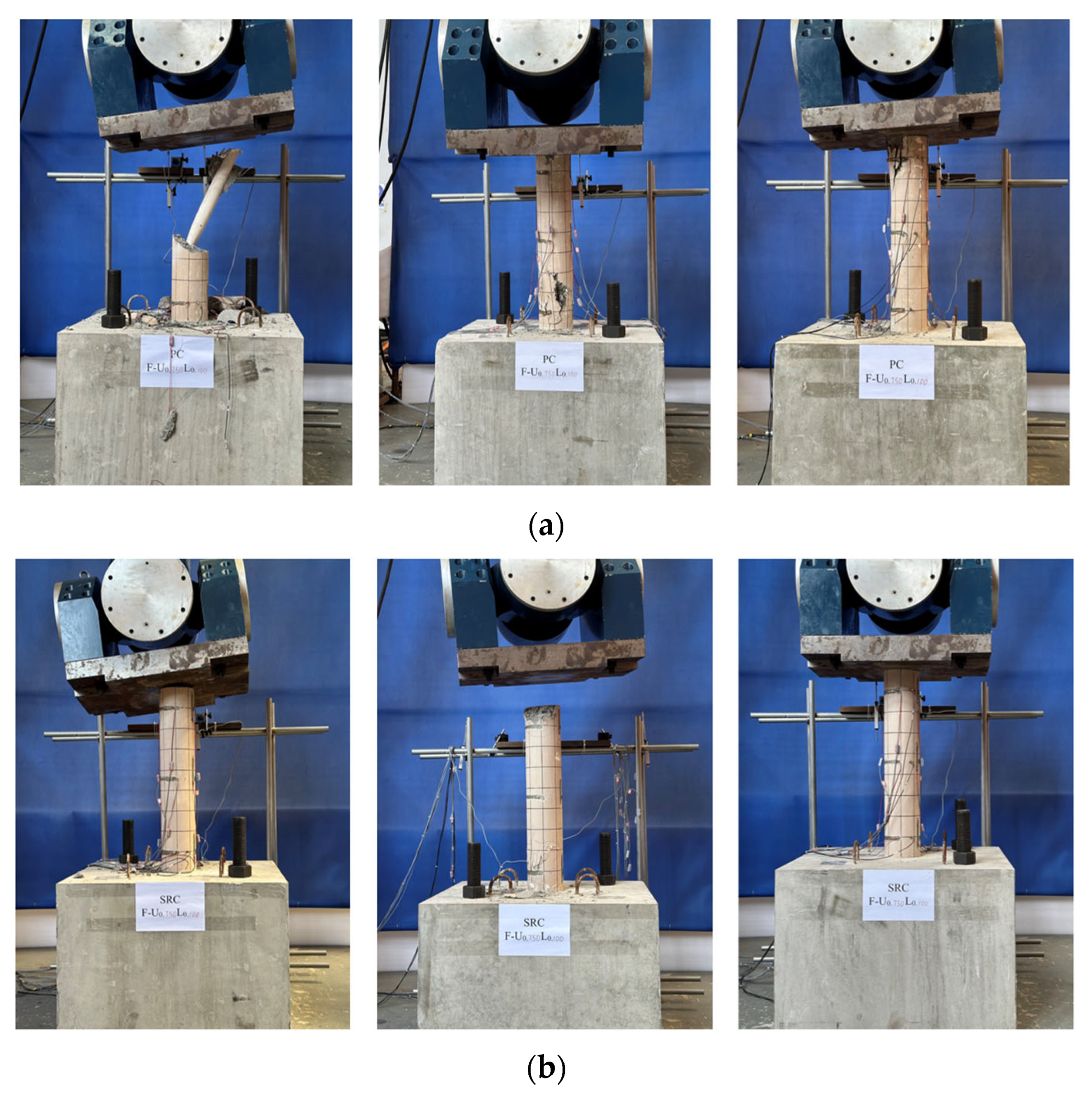
Figure 4 compares the typical failure modes observed in the different types of specimens under fatigue loading. Distinct differences in failure progression were identified between the plain concrete (PC) and steel-reinforced concrete (SRC) specimens. For the PC specimens, multiple vertical cracks initially developed under cyclic loading. As the number of cycles increased, these cracks propagated progressively. Once the crack width reached a critical magnitude, extensive concrete spalling occurred, leading to final specimen failure. In contrast, the steel reinforcement cage in the SRC specimens provided effective confinement, preventing vertical cracks from immediately developing once initiated. In these specimens, failure was characterized by localized concrete crushing. As fatigue cycling continued, the combined effect of cracks and axial cyclic loading induced a shift in the load-bearing mechanism, transitioning from pure axial compression to eccentric compression fatigue. This resulted in a final failure mode combining localized crushing and flexural failure.
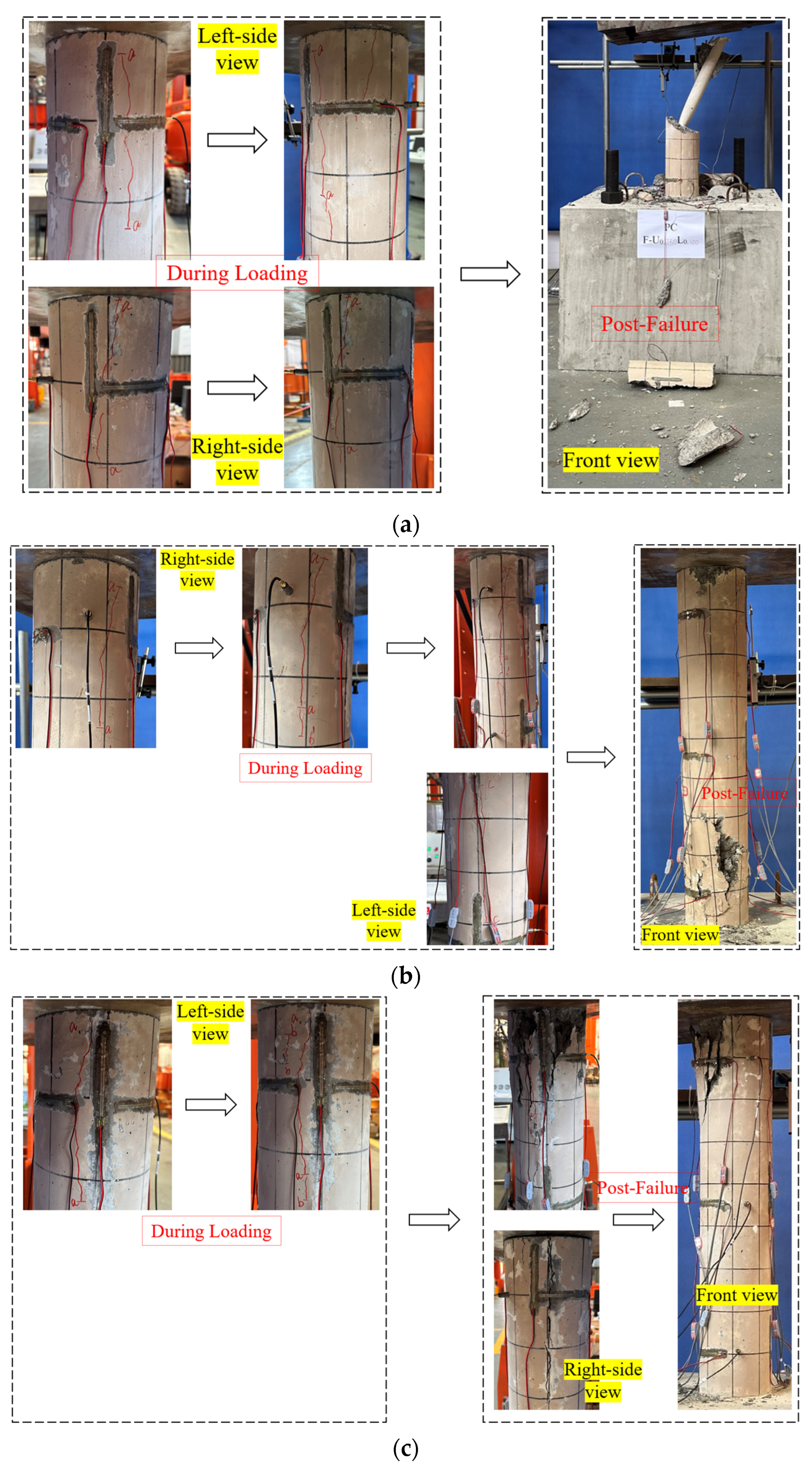
Figure 5 illustrates the failure process of the PC specimens, providing comprehensive multi-angle views of crack development and the complete progression to failure during loading. For PC, fatigue failure is abrupt once the crack length and width reach a critical extent. The progression to failure in specimen PC-1 evolved through two distinct stages, marked by the initiation and development of critical cracks. The first stage was dominated by Crack a-a, which initiated and propagated symmetrically on both the left and right sides of the specimen, with nearly identical crack lengths. This crack symmetry indicates excellent alignment between the vertical loading system and the specimen axis. As the number of fatigue cycles increased, the specimen entered the second stage, where Crack a-a propagated progressively, ultimately leading to concrete spalling at the crack location and resulting in the final fatigue failure of the specimen. The failure progression of Specimen PC-2 evolved through a three-stage process of crack initiation and development. The first stage was characterized by the initiation and propagation of Crack a-a, located on the right side of the specimen. As fatigue loading continued, the second stage commenced, with Cracks b and c propagating as sub-branches extending from the primary Crack a-a. Simultaneously, the third stage was marked by the independent initiation of Crack c-c on the left side of the specimen. The final failure was triggered by a compound failure mechanism involving concrete crushing at the top-front region, combined with compressive failure at the bottom section of the specimen. Specimen PC-3 shared similarities with PC-1 in its fatigue process. It began with the initiation of Crack a-a in the upper left part of the specimen, which subsequently propagated as Crack b-b under cyclic loading. The ultimate failure was attributed to a combination of mechanisms: multiple vertical cracks on the left side caused concrete spalling at the top, while the vertical crack on the right side propagated downward with a significant increase in crack width, collectively leading to the final disintegration of the specimen.
Figure 6 provides views of the failure details and the overall post-failure condition of SRC specimens. The SRC specimens exhibited similar failure patterns under cyclic fatigue loading. The failure process was typically initiated with vertical cracks appearing at the top of the specimen. These vertical cracks gradually increased in density and became interconnected by transverse cracks. Subsequently, concrete in the heavily cracked regions began to spall, leading to the eventual failure of the specimen. The failure progression of SRC-1 followed the general pattern described above. Following the initial crushing of local concrete, the axial load applied to the specimen gradually became eccentric, transforming the failure mechanism from axial compression fatigue to eccentric compression fatigue. This transition ultimately resulted in the development of multiple horizontal cracks in the prismatic body of the specimen. For specimen SRC-2, multiple vertical cracks emerged at both the top and bottom on the same side. These vertical cracks propagated progressively and were eventually linked by horizontal cracks. The specimen ultimately failed due to the extensive damage to the top concrete, while the bottom concrete had already begun to spall. In the experiment on SRC-3, the failure process involved the initiation and propagation of cracks at the top rear of the specimen, followed by concrete spalling in that region, leading to the final failure.
In contrast to the PC specimens, the failure of the SRC specimens was characterized by localized concrete damage, owing to the effective confinement provided by the steel reinforcement cage. Furthermore, the bond interactions between the concrete and the steel components—longitudinal bars, stirrups, and the embedded steel tube—significantly retarded the crack propagation.
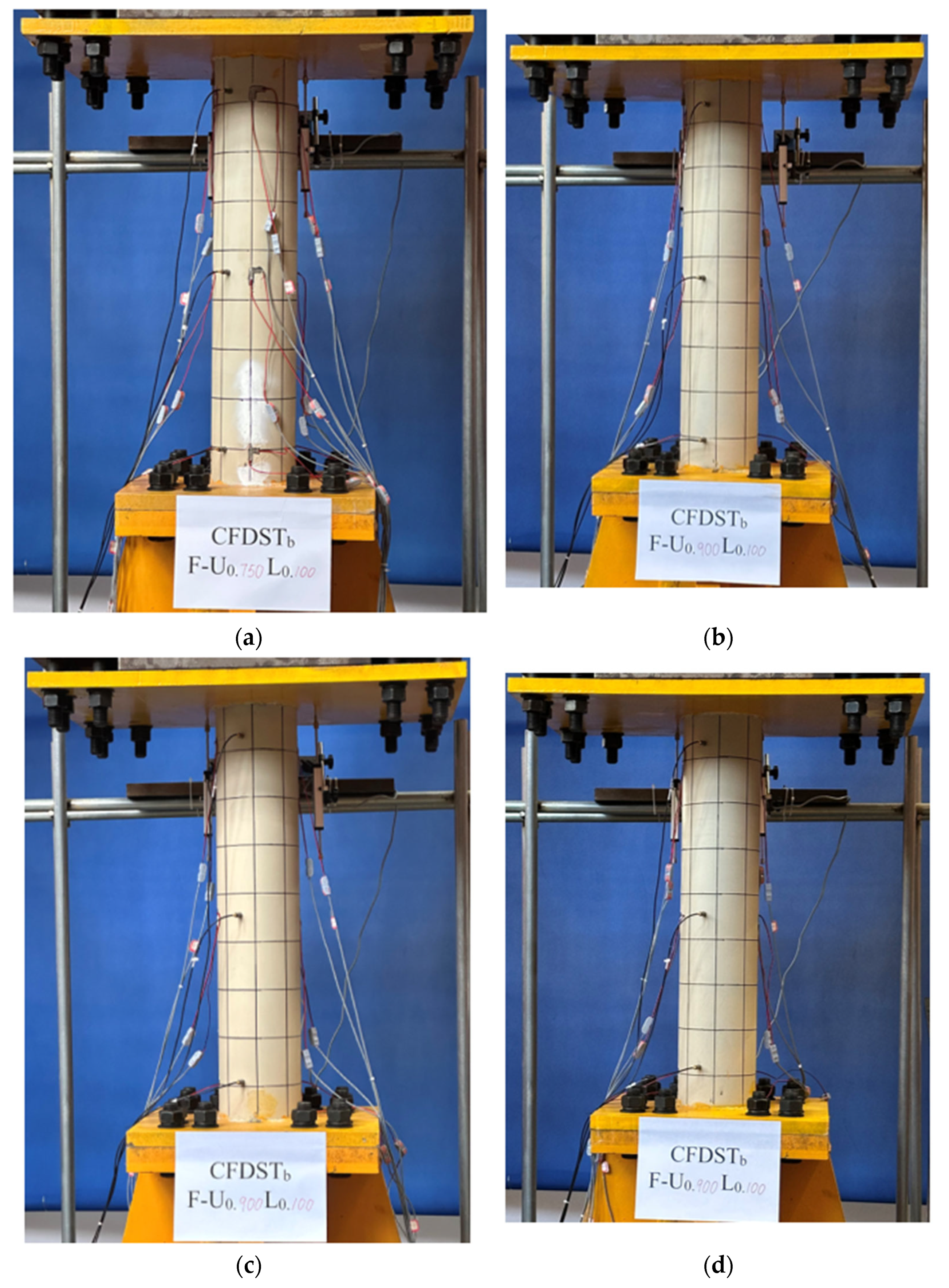
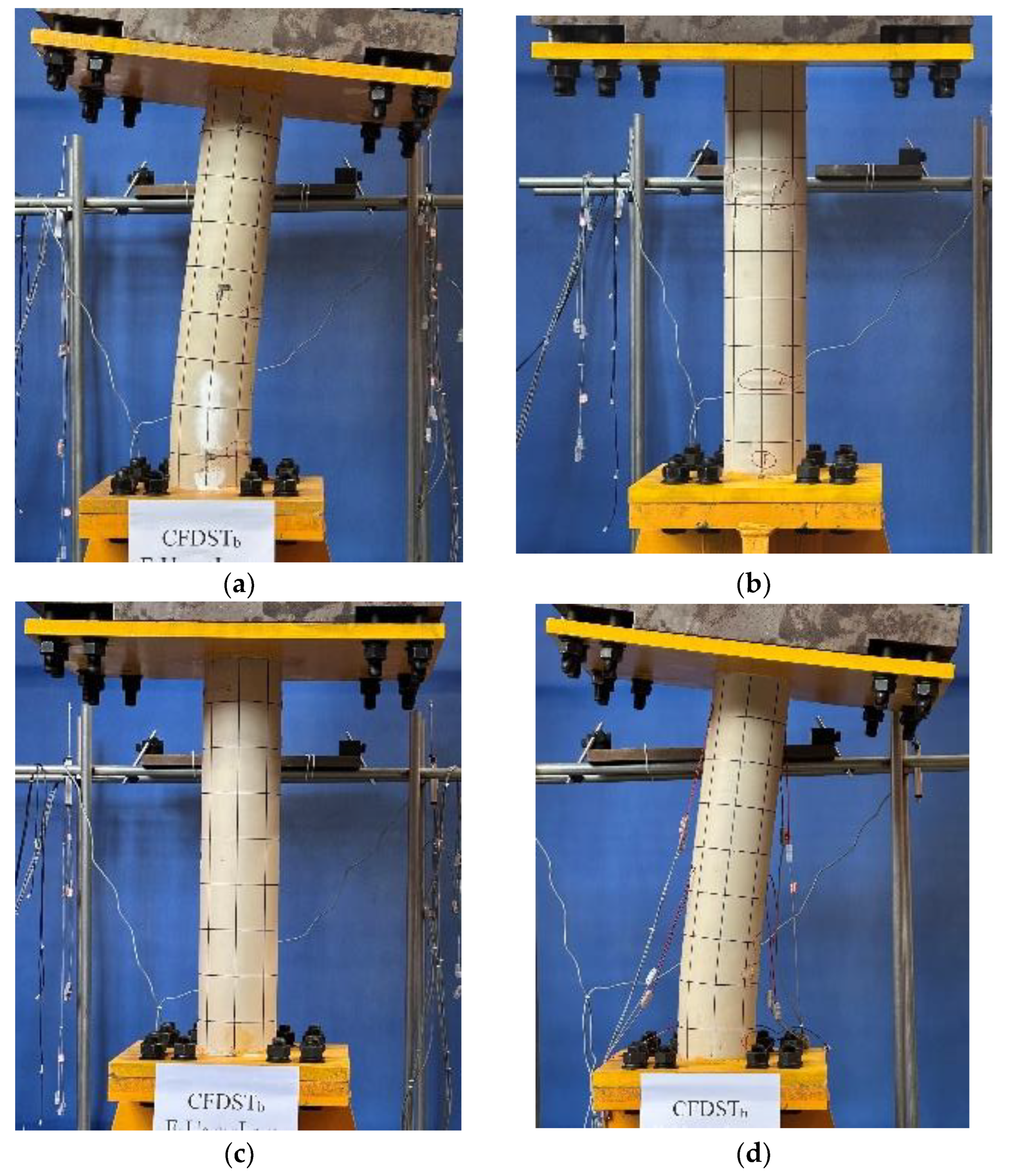
It is noteworthy that CFDST Specimen Nos. 7–10 did not experience failure under the applied axial fatigue loading. For CFDST-1, the fatigue loading resulted in a nominal concrete stress ranging from 3.48 MPa to 26.2 MPa. For CFDST-2 to CFDST-4, the nominal concrete stress under fatigue loading ranged from 4.09 MPa to 36.9 MPa. Figure 7 shows these four CFDST specimens during the loading process.

3.2. Number of Cycles and Axial Displacements

Table 3 summarizes the number of fatigue cycles sustained by the three PC specimens, three SRC specimens, and four CFDST specimens. The designations “Y” and “N” indicate whether the specimen failed or remained intact under cyclic fatigue loading, respectively. The data allow for a preliminary conclusion that the CFDST specimens exhibit superior axial compression fatigue performance.
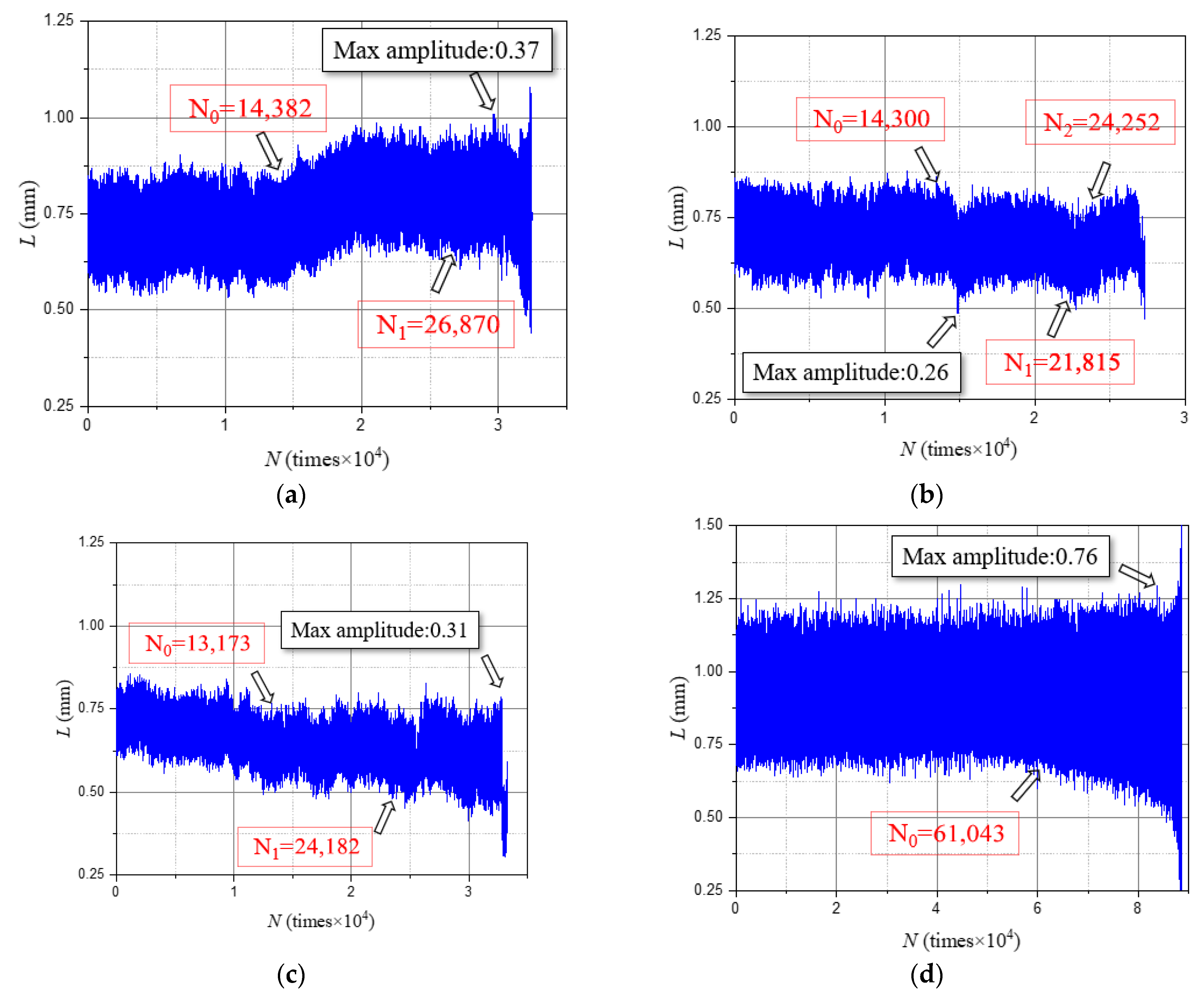
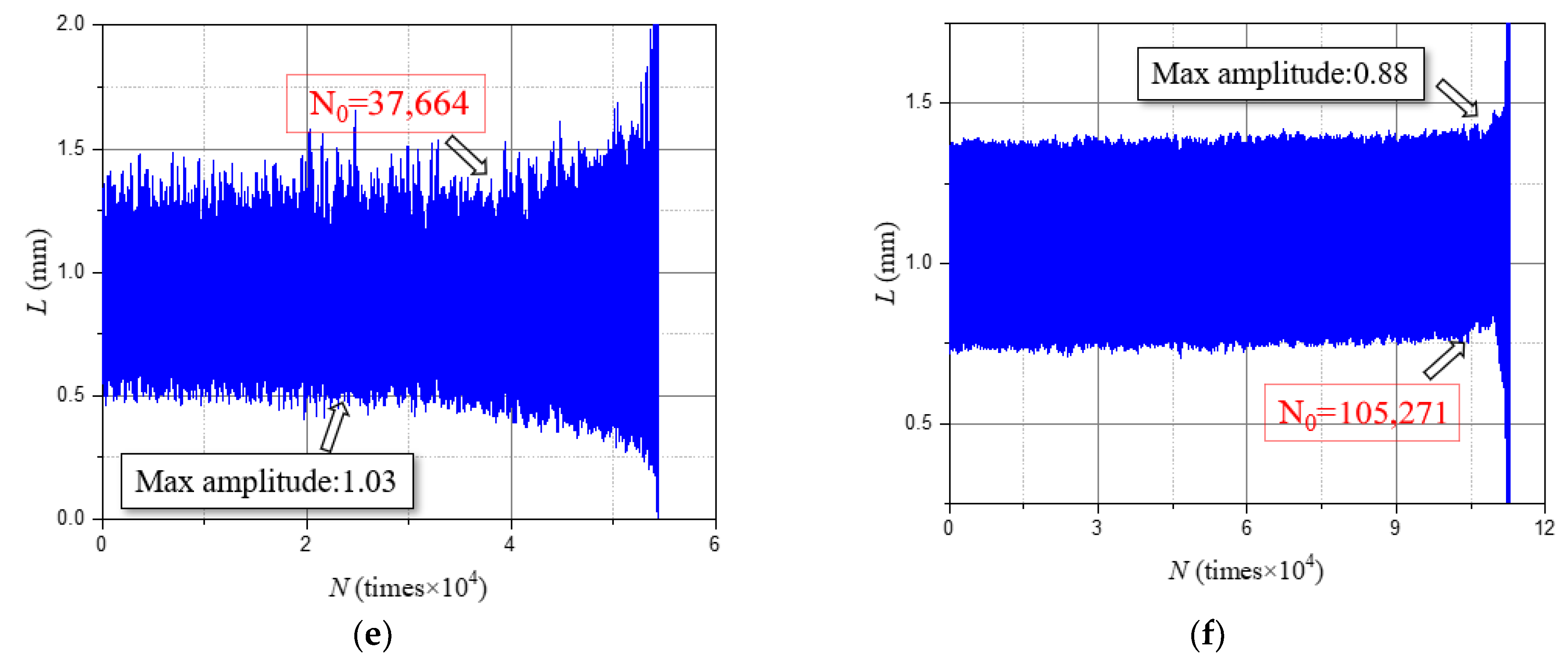
Figure 8 illustrates the relationship between axial compressive deformation and the number of fatigue cycles for both PC and SRC specimens during the loading process. Overall, the PC specimens exhibited smaller axial deformations compared to the SRC specimens. This observation can be attributed to two primary factors: firstly, the applied load on the PC specimens was lower than that on the SRC specimens; secondly, the presence of the steel reinforcement cage and the embedded steel tube in the SRC specimens enhanced structural ductility. Under cyclic fatigue loading ranging from 2 kN to 541 kN, the PC specimens exhibited axial displacements between approximately 0.55 mm and 0.76 mm prior to cracking, with a corresponding displacement amplitude of 0.21 mm. In contrast, the SRC specimens, subjected to fatigue loading between 96 kN and 722 kN, demonstrated axial displacements ranging from approximately 0.50 mm to 1.40 mm before concrete cracking, with a displacement amplitude of 0.9 mm. Multiple vertical displacement transducers were installed at different locations during testing. The data presented in Figure 8 were selected from the transducer that exhibited clearer characteristic responses. The observed increase in vertical displacement after crack initiation is attributed to the proximity of the transducer to the crack tip, whereas the decrease in displacement recorded by other transducers was due to their relative distance from the cracking zones.
For specimen PC-1, when the number of cycles reached approximately 14,382, cracks had propagated to the a-a cracks shown in Figure 5a. The lengths of the a-a cracks on both sides of the specimen were essentially identical, measuring about 200 mm. After the initial cracks appeared, the displacement of the specimen increased, but the amplitude remained nearly unchanged. After approximately 5000 fatigue cycles, the axial displacement of the specimen stabilized. Subsequently, when the number of cycles reached about 26,870, the cracks propagated further, with three cracks developing as follows: the left a-a crack extended by approximately 70 mm, the right a-a crack extended by about 20 mm, and a new crack extended by 135 mm. When the number of fatigue cycles reached approximately 31,500, the axial deformation of the specimen became progressively uncontrollable, ultimately leading to complete failure at 32,420 cycles.
For specimen PC-2, when the number of cycles reached 14,300, cracks had developed to the a-a cracks shown in Figure 5b, with a crack length of about 250 mm. After the initial cracks appeared, the displacement of the specimen decreased while the amplitude remained unchanged. After approximately 2500 cycles, the axial displacement deformation gradually stabilized. At 21,815 cycles, the right a-a crack propagated further, extending by approximately 50 mm. By 24,252 cycles, the right crack had extended to 200 mm, and the left crack had extended to 250 mm. When the number of fatigue cycles reached approximately 27,000, the axial deformation of the specimen increased rapidly, ultimately leading to failure at 27,325 cycles.
For specimen PC-3, when the number of cycles reached approximately 13,173, cracks had developed to the a-a cracks shown in Figure 5c, with a length of about 250 mm. During subsequent loading, both the deformation and crack propagation of the specimen remained relatively stable. When the number of fatigue cycles reached 24,182, the crack length extended to segment b, measuring approximately 50 mm. When the number of fatigue cycles reached 32,600, the cracks in the specimen propagated rapidly, ultimately leading to failure at 33,279 cycles.
The vertical displacement behavior of SRC specimens under fatigue loading exhibited notable differences compared to that of PC specimens. As shown in Figure 8d–f, the development of initial cracks in the SRC specimens had a relatively minor influence on both the magnitude and amplitude of vertical displacement. Distinct vertical cracks were observed in the three SRC specimens at 61,043, 37,664, and 105,271 cycles, respectively. From the observations in Figure 8, it can be concluded that the specimens maintained a reasonably good capacity to withstand vertical fatigue loads during the period between the appearance of fine vertical cracks and final failure. The tie rod plays a critical role in significantly enhancing the fatigue life of the SRC specimen compared to its RC counterpart. Its primary function is to maintain effective composite action between the longitudinal bars and the surrounding concrete during vertical displacement. By ensuring this consistent bond and alignment, it mitigates stress concentrations and local damage initiation, which is key to improving fatigue performance. The eventual failure of the SRC specimens was triggered by the spalling of localized concrete, resulting from the transverse interconnection of multiple vertical cracks that developed near the initial crack locations.
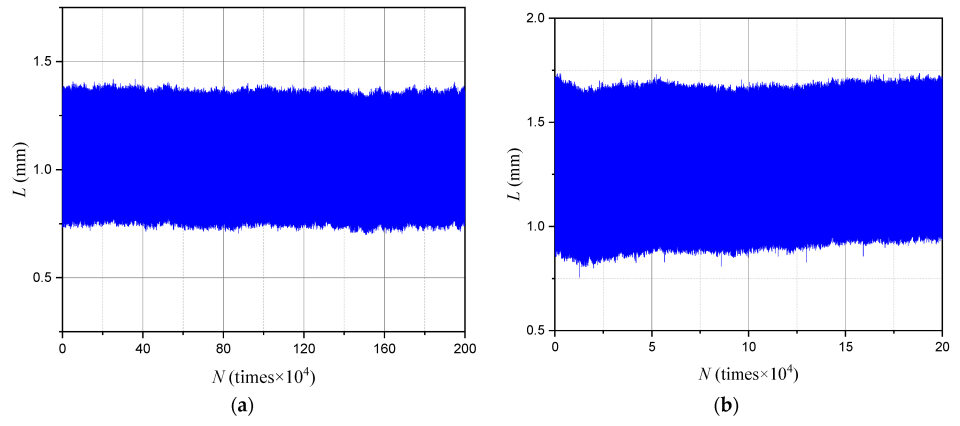
Figure 9 presents the relationship between axial compressive deformation and the number of fatigue cycles for the CFDST specimens during testing. No CFDST specimens exhibited ultimate failure, despite being subjected to a prolonged period of fatigue testing. The nominal concrete stress level shown in Figure 9a was consistent with that applied to the SRC specimens, and the resulting axial deformation of the CFDST specimen was nearly identical. The specimens shown in Figure 9b–d were subjected to identical loading conditions and exhibited vertical displacements ranging from approximately 0.9 mm to 1.9 mm, with nearly consistent displacement amplitudes across all three specimens. The displacement data for some specimens indicated a potential trend of further degradation. However, visual inspection revealed no apparent defects. Furthermore, the number of applied loading cycles had far exceeded the fatigue endurance requirements specified in practical engineering codes. Consequently, axial monotonic compression tests were subsequently performed on these undamaged CFDST specimens to evaluate their residual load-bearing capacity.

3.3. Fatigue Life

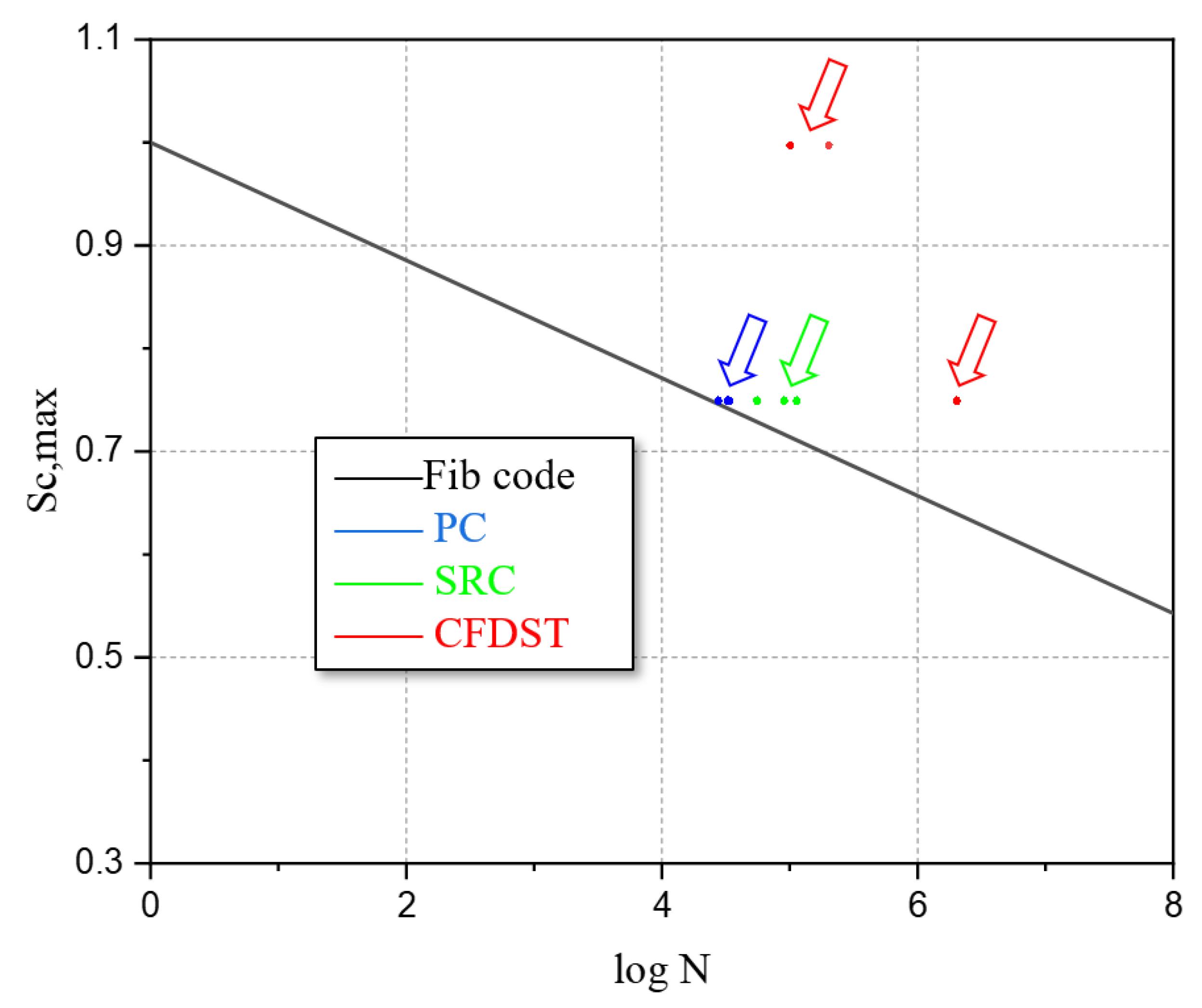
This study investigated the fatigue performance of three different types of structural members through experimental testing. The Fib Model Code 2010 [12] was applied to practical engineering applications, specimen design, and test load setup. This code predicts the fatigue life of concrete primarily based on the stress level. As specified in the code, for Sc,min > 0.8, the S-N relations for Sc,min = 0.8 are applicable.
In this study, Specimen Nos. 1 to 7—comprising PC, SRC, and CFDST members—were subjected to a nearly identical nominal concrete stress range from Sc,max = 0.75 to Sc,min = 0.10. According to the code, the predicted fatigue life under this stress condition is 20,113 cycles. Figure 10 compares the actual fatigue lives of these specimens with the S-N curve specified in the Fib recommendations.
Based on the results presented in Table 3 and Figure 10, the fatigue life predictions for PC specimens according to the fib recommendations are somewhat conservative. However, these recommendations fail to accurately predict the fatigue lives of both SRC and CFDST specimens.
During the fatigue tests, only the PC and SRC specimens experienced failure. The PC specimens exhibited fatigue lives of 32,420, 27,325, and 33,279 cycles under identical loading conditions, demonstrating relatively low scatter with a mean value of 31,008 cycles. In contrast, the SRC specimens showed significantly more scatter in their fatigue lives, recorded as 88,645, 54,422, and 113,057 cycles under the same load level.
The CFDST specimens showed no visible damage throughout fatigue testing. The methodology in the fib recommendations proves inadequate for predicting the fatigue life of CFDST members under compressive cyclic loading. As specified in T/CCES 7-2020 [35], fatigue design verification may be omitted for members not subjected to tensile stresses under fatigue loading. However, the CFDST specimens in this study, characterized by a low steel ratio and insufficient confinement effect, did not satisfy the specified limits for the nominal steel ratio α n and the nominal confinement factor ξ stipulated in this code.
In summary, the fib recommendations provide a conservative estimation of the fatigue life for plain concrete specimens. When comparing specimens with equivalent steel content, the CFDST members demonstrated superior fatigue performance compared to the SRC specimens. Based on the observed failure processes, this enhancement can be attributed to the effective confinement provided by the inner and outer steel tubes, which significantly inhibits the initiation, propagation, and interconnection of cracks within the concrete core, thereby enhancing the overall fatigue life of the member.

4. Static Behavior After High Cyclic Loading

4.1. Test Setup and Loading Scheme

The static loading setup was identical to the fatigue loading apparatus, utilizing a servo-hydraulic actuator with a maximum capacity of 2000 kN. During testing, the load applied by the actuator and the vertical displacement of the specimen were continuously recorded. The static loading scheme employed a hybrid control method: force control followed by displacement control. The force-controlled phase involved load increments of 10% of the estimated ultimate load until 60% of the ultimate load was reached. Subsequently, displacement control was adopted, with increments of 0.5 mm per loading step. Each load or displacement level was maintained for 2 min before proceeding to the next increment. The test was terminated when the axial load dropped to 85% of the peak load or when significant specimen failure was observed. Three CFDST specimens, Nos. 7, 8, and 10, were selected for the post-fatigue static tests to failure. Specimen No. 9 was excluded from static testing, as it was reserved for post-test dissection to examine the condition of the internal concrete after fatigue cycling.

4.2. Failure Mode

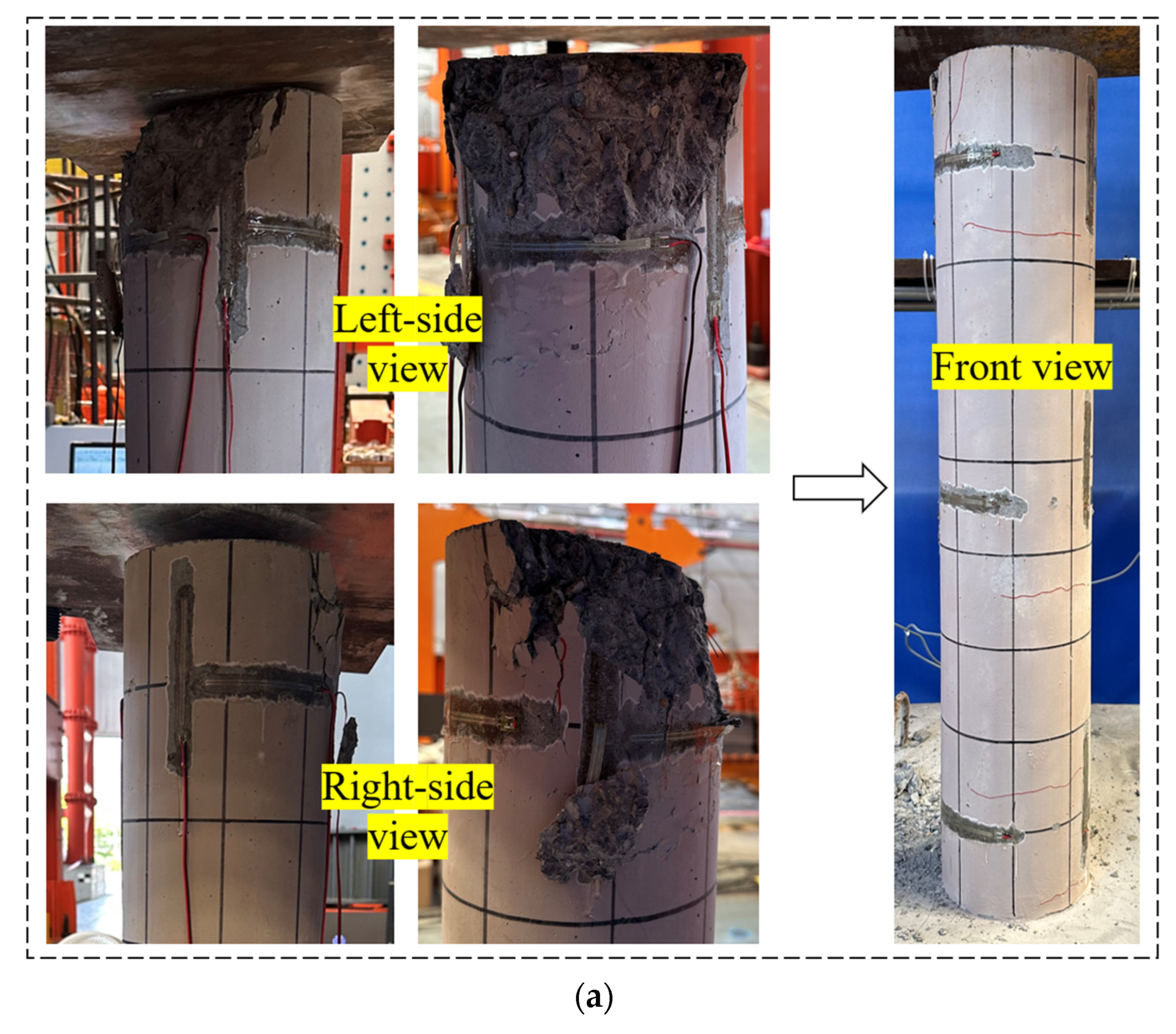
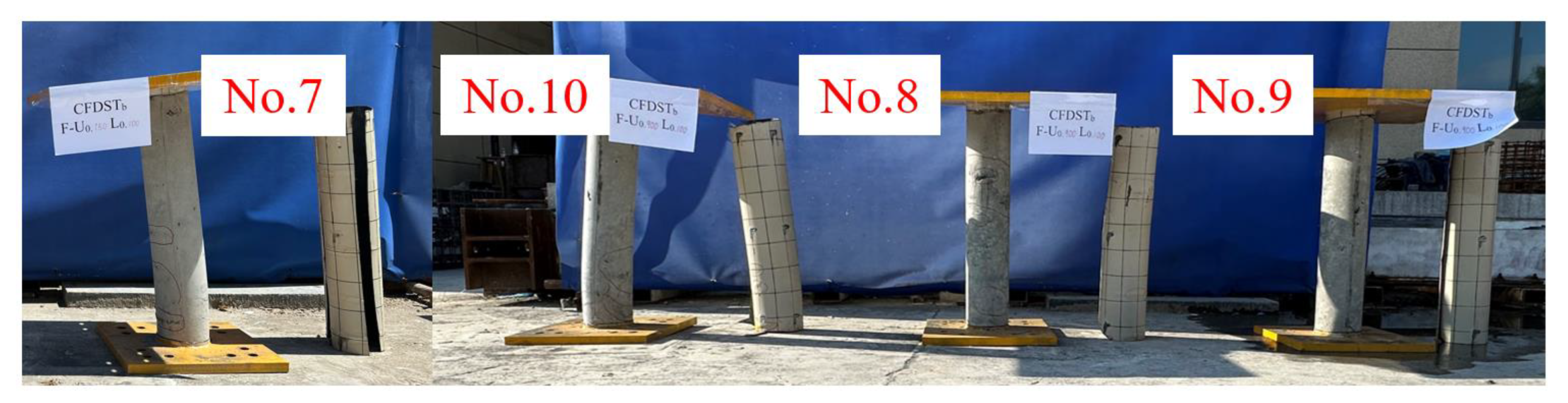
Figure 11 presents the static failure modes of CFDST Nos. 7, 8, and 10 after fatigue testing, along with the external condition of No. 9 following fatigue loading. Firstly, it can be preliminarily concluded that No. 9 showed no significant signs of damage after 100,000 compression fatigue cycles, with its displacement largely recovering to the initial position after cycling. Furthermore, the failure mechanisms of Specimens 7, 8, and 10 were fundamentally similar. The specimens behaved elastically during the initial loading stage, and rapid failure occurred following local buckling in the outer steel tube. Due to the configuration of the loading and fixing apparatus, the specimens exhibited a failure pattern characterized by leaning to one side. On the leaning side, 3 to 4 local buckles of varying locations and sizes were observed, primarily concentrated near the top and bottom of the specimen, with minor occurrences in the mid-height region. In contrast, the opposite side of the specimen showed no noticeable deformation on the outer surface.
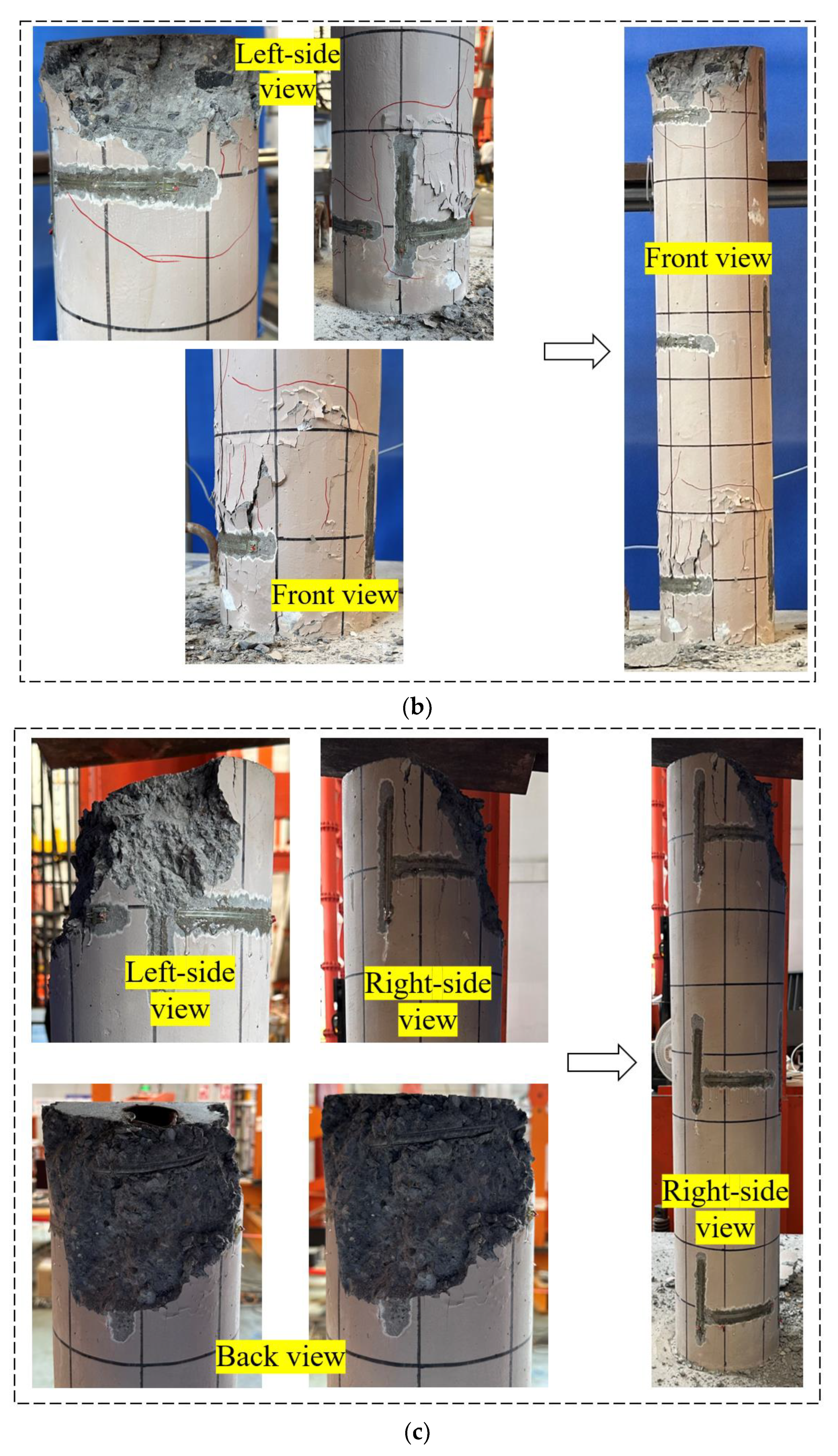
Following the static tests, the outer steel tubes of the four specimens were removed to examine the condition of the sandwiched concrete, as shown in Figure 12. Specimen No. 9, positioned at the far right in Figure 13, showed no damage to its sandwiched concrete after being subjected to 100,000 compression fatigue cycles. The condition of the sandwiched concrete in CFDST Specimen Nos. 7, 8, and 10 after static failure was similar. Specifically, the concrete was crushed at the locations corresponding to the outer steel tube buckling. The extent of crushing was positively correlated with the size and area of the bulges. Minor vertical cracks were observed in the crushed concrete regions. On the side opposite to the crushing, the failure mode of the sandwiched concrete was characterized by multiple horizontal cracks. These horizontal cracks resulted from the sudden release of force upon specimen failure, which generated tensile stresses on the side opposite to the buckling, causing the sandwiched concrete to split.

4.3. Load–Displacement Curves and Bearing Capacity Analysis

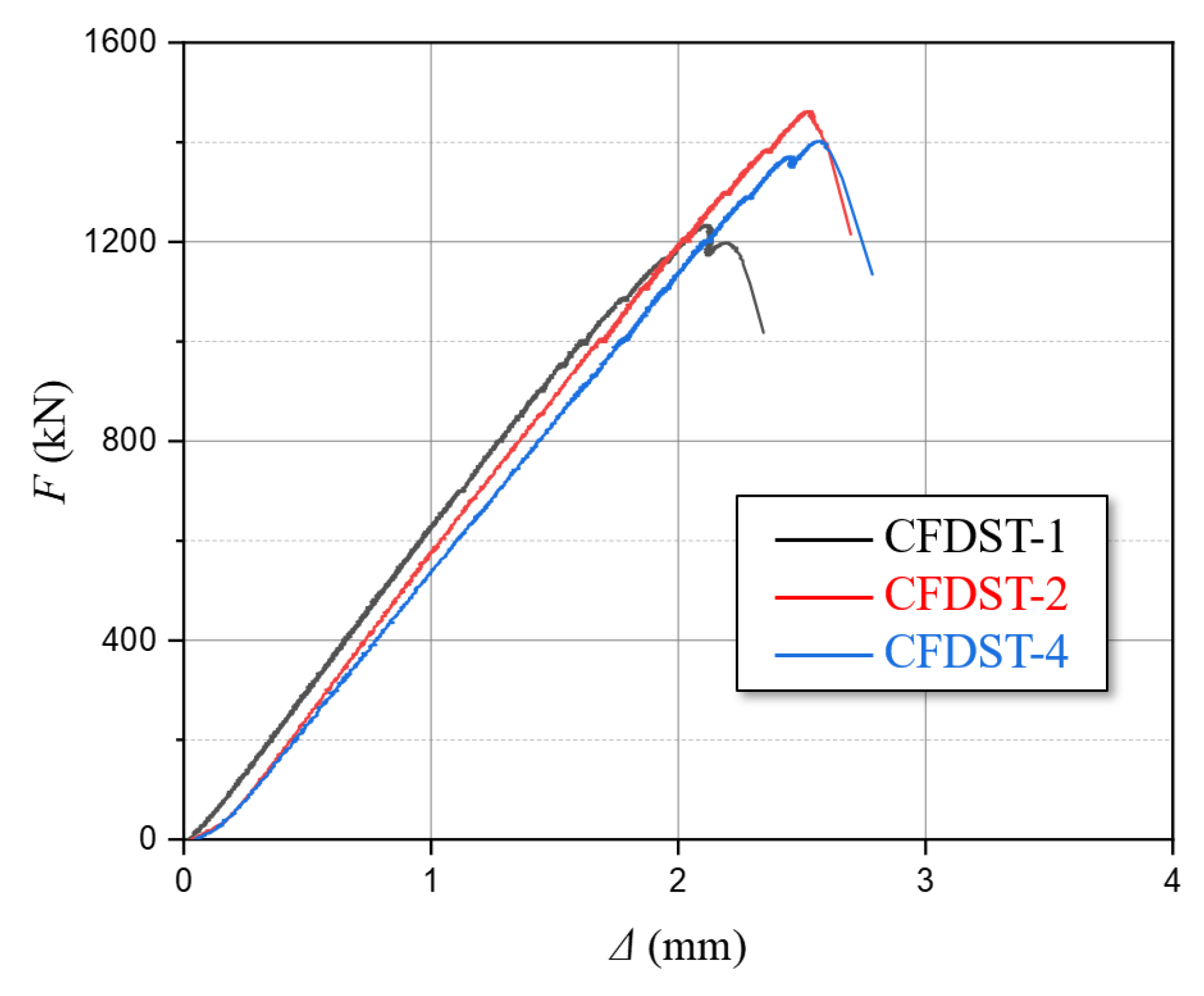
Figure 13 presents the load–displacement curves of Specimens 7, 8, and 10. The curves indicate that when the axial load applied to the CFDST specimens was below approximately 1100 kN, the slopes of the load–displacement curves were nearly identical. This suggests that the specimens were in the elastic stage, with the inner tube, outer tube, and sandwiched concrete working in coordination. However, due to the spherical hinge of the fatigue actuator and the relatively small diameter of the specimens, the load–displacement curves did not effectively capture the post-buckling behavior of the outer tube. In the static failure tests, the peak loads were 1240 kN for CFDST-1, 1461 kN for CFDST-2, and 1401 kN for CFDST-4. The cross-sectional steel ratio and confinement factor of the CFDST specimens in this study did not meet the specified requirements of the T/CCES 7-2020 [35]. Nevertheless, substituting the measured geometric and material properties into the code’s formula for axial compressive capacity yields a calculated strength of 1238 kN. Before the fatigue test, three static tests conducted on CFDST specimens yielded an average ultimate load of 1143 kN. Combining the results from these multiple static tests, it can be preliminarily concluded that the axial compressive capacity of CFDST members can still be reasonably predicted using the code’s calculation method, even if the steel ratio and confinement factor fall below the specified limits in the code. This phenomenon can be attributed to the synergistic effect arising from the composite action of the inner and outer steel tubes. Although individual geometric parameters may not satisfy the prescriptive limits of the design code, their combined action induces a more effective triaxial stress state in the concrete core, thereby compensating for the deficit and ultimately achieving the required load-bearing capacity.

5. Conclusions

This study presented the design and implementation of axial compression fatigue tests on PC, SRC, and CFDST columns. The mechanical response characteristics of each specimen type during fatigue loading and after failure were elucidated. Following the fatigue tests, undamaged CFDST specimens were subsequently subjected to static loading tests. The main conclusions are as follows:
(1) The fatigue failure of PC columns progressed through crack initiation, crack propagation, extensive concrete spalling and, finally, global failure. The failure was abrupt, occurring instantaneously once the width of the primary crack reached a critical size.
(2) The fatigue failure process of SRC columns involved the initiation of multiple vertical cracks, their transverse interconnection, localized concrete spalling and, ultimately, localized failure. A gradual increase in displacement preceded failure, providing a recognizable warning. The presence of the embedded steel tube and reinforcement cage confined the damage primarily to localized concrete failure.
(3) CFDST columns with an equivalent steel ratio did not experience failure under high-cycle fatigue loading. This demonstrates that the confinement provided by the steel tubes effectively suppresses both the initiation and propagation of cracks in the concrete core during fatigue cycling.
(4) Compared to the fatigue life predictions of the Fib Model Code 2010, the test results demonstrated significant enhancements: the PC specimens exhibited an improvement of approximately 54%, the SRC specimens showed an increase of at least 2.7 times (170%), and the CFDST specimens achieved a remarkable improvement exceeding 90 times. However, it should be noted that the fatigue life data for the SRC specimens exhibited considerable scatter, indicating a need for further verification.
(5) For CFDST members whose steel ratio and confinement factor do not meet the limits specified in T/CCES 7-2020, the axial compressive capacity can still be reasonably assessed using the calculation method provided in this code.

6. Limitations

The following limitations of this study are acknowledged: First, the lack of a comprehensive suite of fatigue tests prevents the definitive revelation of the fatigue life characteristics of CFDST specimens under axial loading. Consequently, while the observed performance is qualitatively excellent, a robust quantitative model for predicting fatigue damage progression remains unavailable. Furthermore, due to the capacity limitations of the available fatigue actuator, it was impractical to conduct tests on specimens with a large scale ratio representative of actual engineering corner columns.

Author Contributions

Conceptualization, J.-W.Z., Y.-T.L. and D.-L.Z.; formal analysis, Y.-T.L. and K.F.; investigation, J.-L.L. and X.-Y.Z.; data curation, L.Y.; writing—original draft preparation, Y.-T.L. and J.-W.Z.; supervision, D.-L.Z. and Y.-H.W.; project administration, J.-L.L.; funding acquisition, Y.-H.W.; resources, K.F., J.-W.Z. and L.Y. All authors have read and agreed to the published version of the manuscript.

Funding

This research was funded by the National Natural Science Foundation of China, grant number 52221002.

Data Availability Statement

All data generated or analyzed during this study are included in this published article.

Conflicts of Interest

Author Jia-Wei Zhang, Jun-Lin Li, Dong-Liang Zhang, Kun Fu, and Xin-Yi Zhou were employed by the company Zhejiang Huadong Xinneng Technology Co., Ltd. The remaining authors declare that the research was conducted in the absence of any commercial or financial relationships that could be construed as a potential conflict of interest.

References

  1. McKenna, R.V.D.; Leye, P.O.; Fichtner, W. Key challenges and prospects for large wind turbines. Renew. Sust. Energy Rev. 2016, 53, 1212–1221. [Google Scholar] [CrossRef]
  2. Ren, W.; Deng, R.; Zhou, X.-H.; Wang, Y.-H.; Liu, Y.-S. Torsional behavior of prestressed concrete towers for wind turbines considering the effect of horizontal joint. Thin-Walled Struct. 2025, 216, 113610. [Google Scholar] [CrossRef]
  3. Yu, B.; Fang, D.; Meng, J. Analysis of the generation efficiency of disaggregated renewable energy and its spatial heterogeneity influencing factors: A case study of China. Energy 2021, 234, 121295. [Google Scholar] [CrossRef]
  4. Liu, Y.-S.; Zhou, X.-H.; Wang, Y.-H.; Zhou, Y.; Lan, Y.-S.; Li, Q. Seismic behavior of prestressed concrete filled steel tubular lattice tower subjected to combined compression-bending-torsion. J. Constr. Steel Res. 2023, 204, 107883. [Google Scholar] [CrossRef]
  5. Stavridou, N.; Koltsakis, E.; Baniotopoulos, C.C. Lattice and Tubular Steel Wind Turbine Towers. Comparative Structural Investigation. Energies 2020, 13, 6325. [Google Scholar] [CrossRef]
  6. Xiong, C.; Dai, K.; Luo, Y.; Tesfamariam, S.; Li, Y. Innovative Large-Scale Prefabricated Onshore Lattice Wind Turbine Support Structures: Multiparameter Collaborative Optimization and Design Guidelines. Struct. Des. Tall Spec. Build. 2025, 34, e70010. [Google Scholar] [CrossRef]
  7. Tao, Z.; Han, L.H.; Zhao, X.L. Behaviour of concrete-filled double skin (CHS inner and CHS outer) steel tubular stub columns and beam-columns. J. Constr. Steel Res. 2004, 60, 1129–1158. [Google Scholar] [CrossRef]
  8. Pagoulatou, M.; Sheehan, T.; Dai, X.H.; Lam, D. Finite element analysis on the capacity of circular concrete-filled double-skin steel tubular (CFDST) stub columns. Eng. Struct. 2014, 72, 102–112. [Google Scholar] [CrossRef]
  9. Ayough, P.; Sulong, N.H.R.; Ibrahim, Z. Analysis and review of concrete-filled double skin steel tubes under compression. Thin-Walled Struct. 2020, 148, 106495. [Google Scholar] [CrossRef]
  10. Jin, K.-Y.; Wang, Y.-H.; Zhou, X.-H.; Deng, R.; Hu, C.; Wen, H. Behavior of super-sized thin-walled CFDST columns for wind turbine towers subjected to combined loads: Experiment. Eng. Struct. 2024, 303, 117458. [Google Scholar] [CrossRef]
  11. Wang, J.-T.; Liu, X.-H.; Sun, Q.; Li, Y.-W. Analytical behavior and bearing capacity research on out-of-code tapered CFDST members under pure torsion and compression-torsion combination. Ocean Eng. 2023, 284, 115324. [Google Scholar] [CrossRef]
  12. FIB. FIB Model Code for Concrete Structures 2010 (FIB MC2010); Wiley: New York, NY, USA, 2013. [Google Scholar]
  13. Uenaka, K.; Kitoh, H.; Sonoda, K. Concrete filled double skin circular stub columns under compression. Thin-Walled Struct. 2010, 48, 19–24. [Google Scholar] [CrossRef]
  14. Huang, H.; Han, L.-H.; Zhao, X.-L. Investigation on concrete filled double skin steel tubes (CFDSTs) under pure torsion. J. Constr. Steel Res. 2013, 90, 221–234. [Google Scholar] [CrossRef]
  15. Fan, J.-H.; Wang, W.-D.; Shi, Y.-L.; Zheng, L. Low-cycle fatigue behaviour of concrete-filled double skin steel tubular (CFDST) members for wind turbine towers. Thin-Walled Struct. 2024, 205, 112384. [Google Scholar] [CrossRef]
  16. Zubydan, A.H.; ElSabbagh, A.I. Monotonic and cyclic behavior of concrete-filled steel-tube beam-columns considering local buckling effect. Thin-Walled Struct. 2011, 49, 465–481. [Google Scholar] [CrossRef]
  17. Han, L.-H.; Huang, H.; Tao, Z.; Zhao, X.-L. Concrete-filled double skin steel tubular (CFDST) beam-columns subjected to cyclic bending. Eng. Struct. 2006, 28, 1698–1714. [Google Scholar] [CrossRef]
  18. Shen, L.; Ding, M.; Feng, C.; Alqawzai, S.; Elchalakani, M.; Yang, B. Axial Compressive Behavior of Thin-Walled Concrete-Filled Double-Skin Steel Tubular Stub Columns with Connecting Strips. J. Struct. Eng. 2022, 148, 04021267. [Google Scholar] [CrossRef]
  19. Alliche, A. Damage model for fatigue loading of concrete. Int. J. Fatigue 2004, 26, 915–921. [Google Scholar] [CrossRef]
  20. Isojeh, B.; El-Zeghayar, M.; Vecchio, F.J. Fatigue resistance of steel fiber-reinforced concrete deep beams. ACI Struct. J. 2017, 114, 1215–1226. [Google Scholar] [CrossRef]
  21. Holmen, J.O. Fatigue of concrete by constant and variable amplitude loading. Spec. Publ. 1982, 75, 71–110. [Google Scholar]
  22. Yadav, I.N.; Thapa, K.B. Fatigue damage model of concrete materials. Theor. Appl. Fract. Mech. 2020, 108, 102578. [Google Scholar] [CrossRef]
  23. Wang, F.; Cheng, Z.; Shen, J. Flexural fatigue behavior of butt-welded circular concrete-filled double skin steel tube (CFDST):Experimental study and numerical modeling. Mar. Struct. 2023, 88, 103380. [Google Scholar] [CrossRef]
  24. Musa, I.; Mashiri, F.R.; Zhu, X. Design S-N Curves for T-, K-, and X-Concrete-Filled Steel Tubular Joints. In Implementing Innovative Ideas in Structural Engineering and Project Management; Saha, S., Zhang, Y.X., Yazdani, S., Singh, A., Eds.; ISEC Press: Fargo, ND, USA, 2015; pp. 357–362. [Google Scholar]
  25. Jiang, C.; Gu, X.; Huang, Q.; Zhang, W. Deformation of concrete under high-cycle fatigue loads in uniaxial and eccentric compression. Constr. Build. Mater. 2017, 141, 379–392. [Google Scholar] [CrossRef]
  26. Wu, Q.; Zheng, Q.; Chen, K.; Nakamura, S. Study on fatigue performance of concrete-filled steel tubular K-joints with internal studs. J. Constr. Steel. Res. 2023, 200, 107662. [Google Scholar] [CrossRef]
  27. Xia, Q.; Ma, L.; Li, G.; Hu, C.; Zhang, L.; Xu, F.; Liu, Z. Stress Concentration Factors of Concrete-Filled Double-Skin Tubular K-Joints. Buildings 2024, 14, 1363. [Google Scholar] [CrossRef]
  28. Wang, K.; Tong, L.-W.; Zhu, J.; Zhao, X.-L.; Mashiri, F.R. Fatigue Behavior of Welded T-Joints with a CHS Brace and CFCHS Chord under Axial Loading in the Brace. J. Bridge Eng. 2013, 18, 142–152. [Google Scholar] [CrossRef]
  29. Chen, K.; Fan, L.; Wu, Q.; Wang, Q.; Nakamura, S. Fatigue performance of concrete-filled steel tubular K-joints with circularly arranged internal studs. Structures 2025, 72, 108143. [Google Scholar] [CrossRef]
  30. Wang, K.; Wang, Y.; Gao, S.; Wang, B.; Chen, J.; Luo, P. Experimental Study of Hot Spot Stress for Spatial CHS KK-Joints. J. Mar. Sci. Eng. 2023, 11, 1432. [Google Scholar] [CrossRef]
  31. Wang, K.; Zhou, X.-H.; Tsutsumi, S.; Wu, J.-X.; Wang, Y.-H.; Tan, J.-K.; Wang, B.; Gao, S.; Li, Y. Fatigue tests of multiplanar concrete-filled steel tubular KK-joints with inner ring stiffeners. Ocean Eng. 2024, 291, 116453. [Google Scholar] [CrossRef]
  32. Li, W.; Cheng, Y.-F.; Wang, D.; Han, L.-H.; Zhao, X.-L. Behaviour of high-strength CFDST chord to CHS brace T-joint: Experiment. Eng. Struct. 2020, 219, 110780. [Google Scholar] [CrossRef]
  33. GB/T228.1-2021; Metallic Materials-Tensile Testing-Part 1: Method of Test at Room Temperature 2021. China Standards Press: Beijing, China, 2021.
  34. GB/T50081; Standard for Test Method of Mechanical Properties on Ordinary Concrete 2019. China Architecture and Building Press: Beijing, China, 2019.
  35. T/CCES 7-2020; Technical Specification for Concrete-Filled Double Skin Steel Tubular Structures 2020. China Architecture and Building Press: Beijing, China, 2020.
Figure 1. Lattice wind turbine tower and corner columns.
Buildings 16 00247 g001
Figure 2. Specimen fabrication process.
Buildings 16 00247 g002
Figure 3. Specimen details and test devices. (a) Specimen dimensions (unit: mm); (b) A–A cross-sections of three types specimens; (c) Test devices.
Buildings 16 00247 g003aBuildings 16 00247 g003b
Figure 4. Failure modes of PC and SRC. (a) PC; (b) SRC.
Buildings 16 00247 g004
Figure 5. PC failure process. (a) PC-1; (b) PC-2; (c) PC-3.
Buildings 16 00247 g005
Figure 6. SRC failure process. (a) SRC-1; (b) SRC-2; (c) SRC-3.
Buildings 16 00247 g006aBuildings 16 00247 g006b
Figure 7. Loading process for CFDST specimens. (a) CFDST-1; (b) CFDST-2; (c) CFDST-3; (d) CFDST-4.
Buildings 16 00247 g007
Figure 8. Relationship between L and N (PC and SRC). (a) PC-1; (b) PC-2; (c) PC-3; (d) SRC-1; (e) SRC-2; (f) SRC-3.
Buildings 16 00247 g008aBuildings 16 00247 g008b
Figure 9. Relationship between L and N (CFDST). (a) CFDST-1; (b) CFDST-2; (c) CFDST-3; (d) CFDST-4.
Buildings 16 00247 g009aBuildings 16 00247 g009b
Figure 10. Comparison of test results with the code.
Buildings 16 00247 g010
Figure 11. Failure mode of CFDST specimens. (a) CFDST-1; (b) CFDST-2; (c) CFDST-3; (d) CFDST-4.
Buildings 16 00247 g011
Figure 12. Sandwich concrete of CFDST specimens.
Buildings 16 00247 g012
Figure 13. Load–displacement curve of specimens.
Buildings 16 00247 g013
Table 1. Material properties of steel.
Typet
(mm)
Nominal Diameter
(mm)
fy
(MPa)
fu
(MPa)
Es
(MPa)
Outer tube1.42/3283892.49 × 105
Inner tube1.00/3424382.12 × 105
Longitudinal bar/124346002.08 × 105
Tie/65266001.66 × 105
Table 2. Data on high-cycle fatigue specimens.
No.LabelGeometryLoadConcrete Nominal StressLoading Frequency/Hz
Outer Tube
Do × to
(mm × mm)
Inner Tube
Di × ti
(mm × mm)
αnξUpper Limit
(kN)
Lower Limit
(kN)
ΔP
(kN)
Upper
Limit
(MPa)
Lower
Limit
(MPa)
1PC-1////5417246926.53.532.0
2PC-2////5417246926.53.532.0
3PC-3////5417246926.53.532.0
4SRC-1/60 × 1.0//7229658426.63.541.5
5SRC-2/60 × 1.0//7229658426.63.541.5
6SRC-3/60 × 1.0//7229658426.63.541.5
7CFDST-1175 × 1.4260 × 1.00.0330.317299763226.173.481.3
8CFDST-2175 × 1.4260 × 1.00.0330.31102911491536.94.091.0
9CFDST-3175 × 1.4260 × 1.00.0330.31102911491536.94.091.0
10CFDST-4175 × 1.4260 × 1.00.0330.31102911491536.94.091.0
Table 3. Number of cycles.
No.LabelConcrete Nominal StressN
(Times)
Failure
Upper Limit
(MPa)
Lower Limit
(MPa)
1PC-126.53.5332,420Y
2PC-226.53.5327,325Y
3PC-326.53.5333,279Y
4SRC-126.63.5488,645Y
5SRC-226.63.5454,422Y
6SRC-326.63.54113,057Y
7CFDST-126.173.482,000,000N
8CFDST-236.94.09200,000N
9CFDST-336.94.09100,000N
10CFDST-436.94.09100,000N
Disclaimer/Publisher’s Note: The statements, opinions and data contained in all publications are solely those of the individual author(s) and contributor(s) and not of MDPI and/or the editor(s). MDPI and/or the editor(s) disclaim responsibility for any injury to people or property resulting from any ideas, methods, instructions or products referred to in the content.