EICP Surface Spraying Reinforcement of Yan’an Q3 Loess: Optimization and Pore-Scale Mechanism


Abstract
1. Introduction
2. Materials and Methods
2.1. Loess
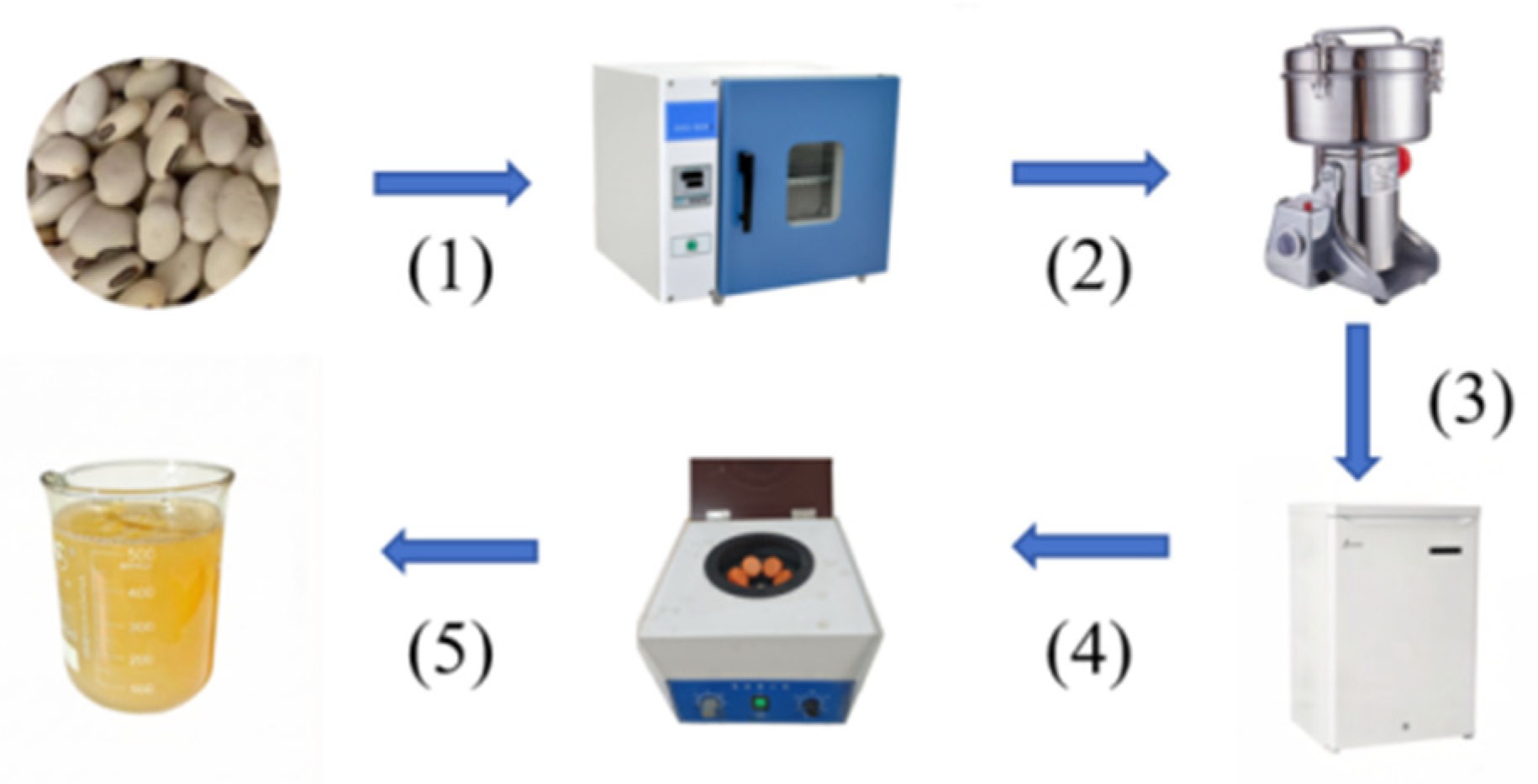
2.2. Urease
2.3. EICP Reaction Cementation Solution
2.4. Specimen Preparation and Curing
2.5. Experimental Plan
2.5.1. Experimental Design
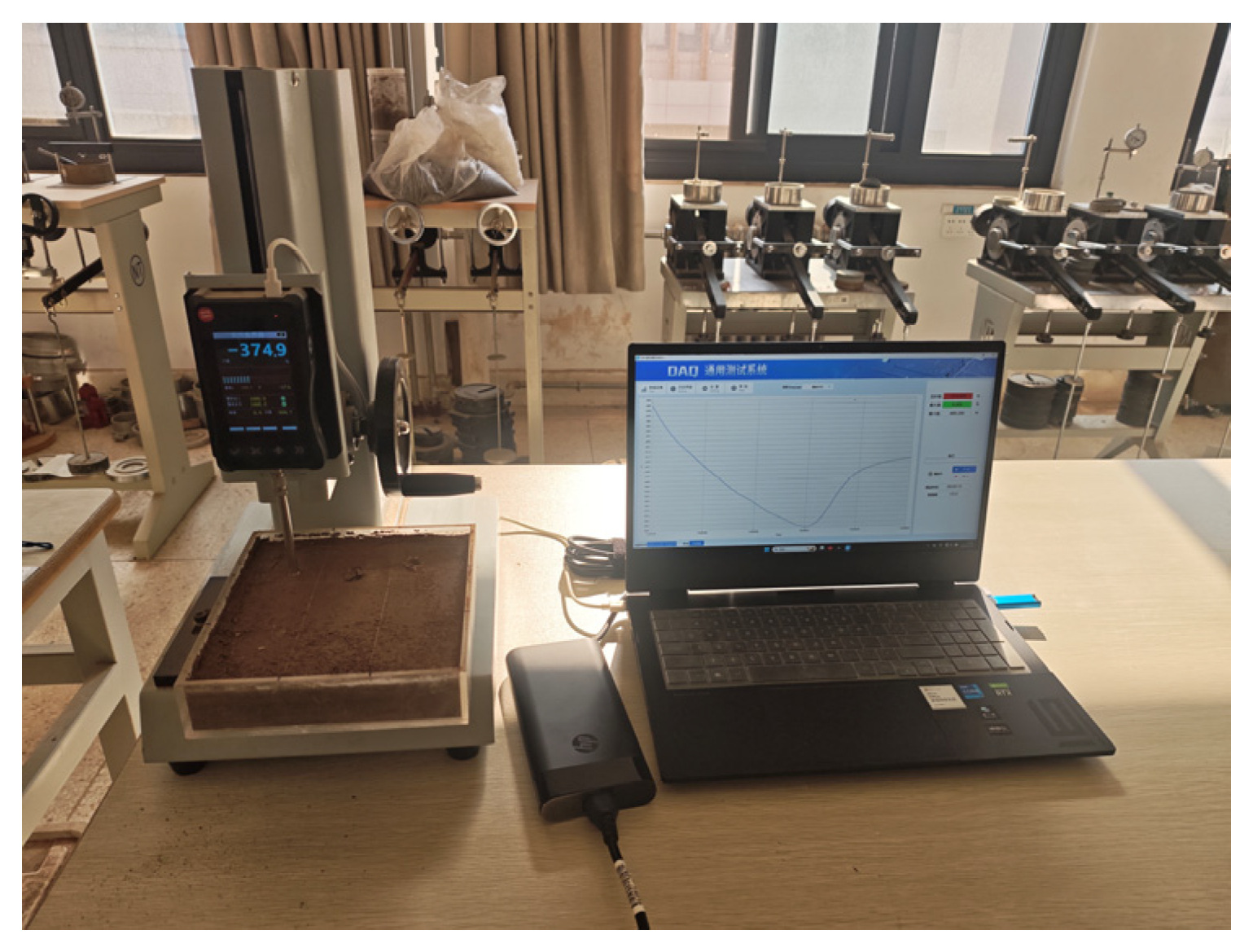
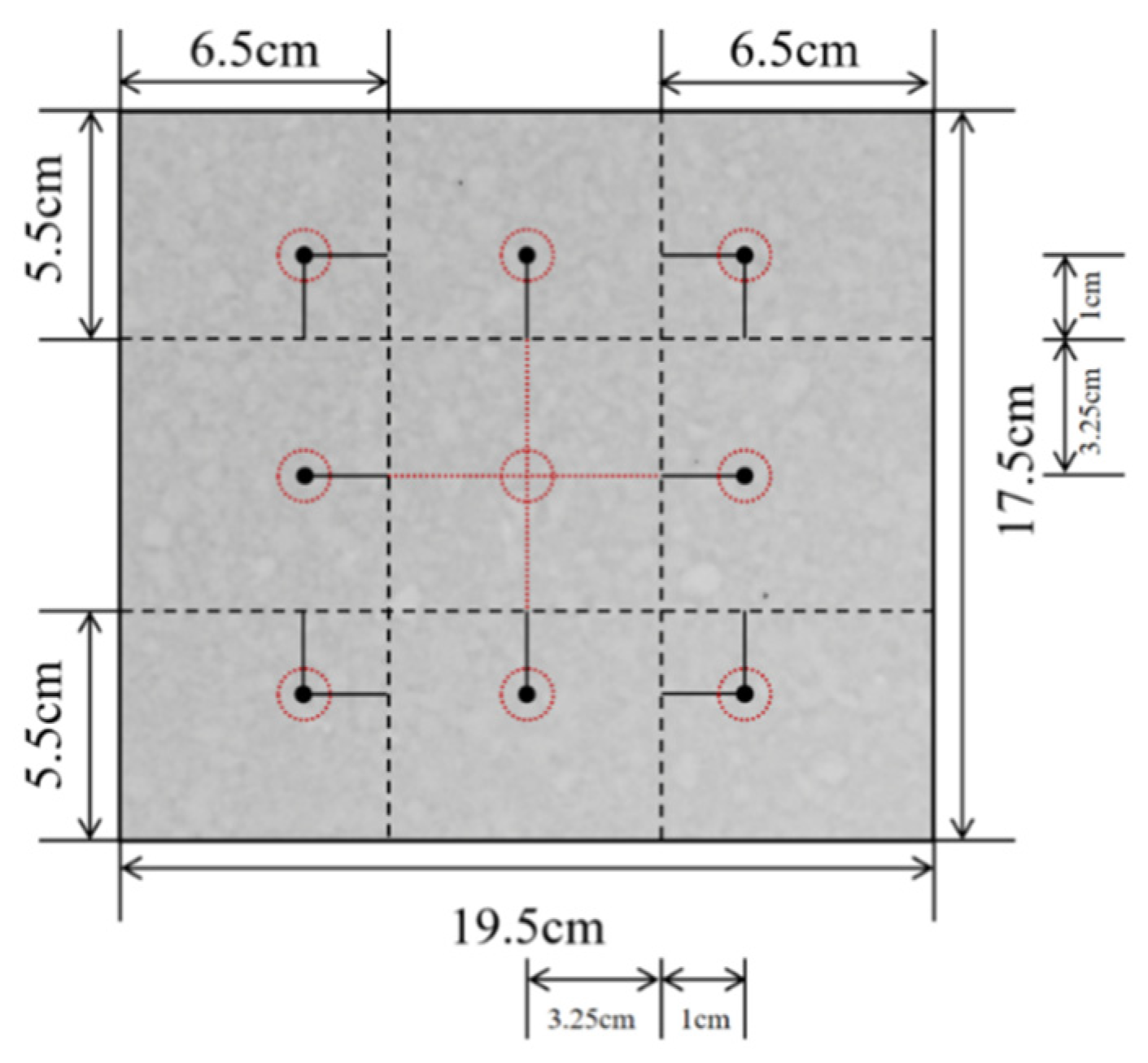
2.5.2. Surface Strength Test
2.5.3. Microscopic Test
3. Results and Discussion
3.1. Analysis of Surface Strength Test Results
3.1.1. Single Factor Analysis
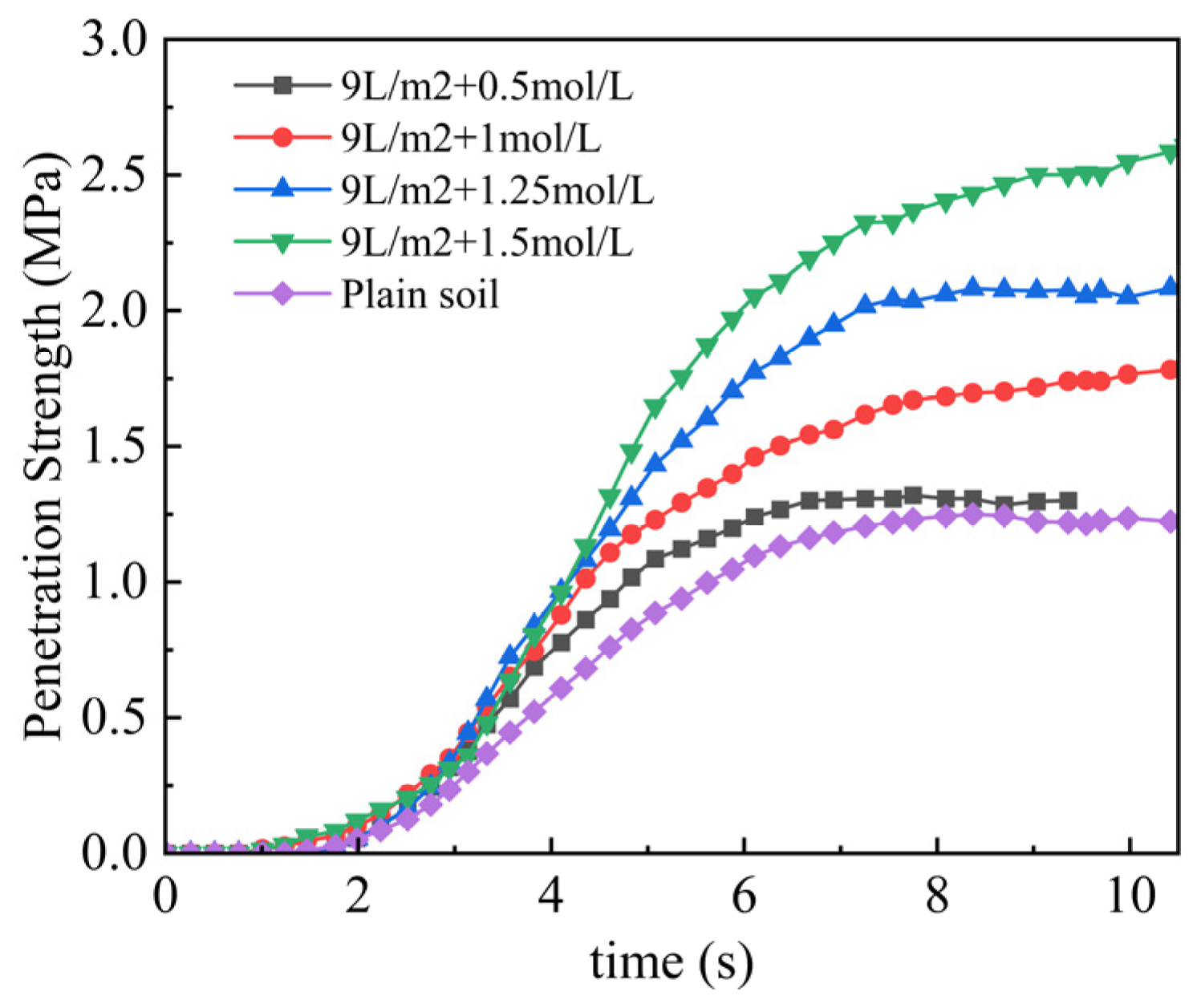
- The influence of cementation solution concentration
- 2.
- The influence of reaction solution spraying dosage.
3.1.2. Response Surface Modeling and Influence Analysis
3.2. Analysis of CT Results
3.3. Analysis of SEM Results
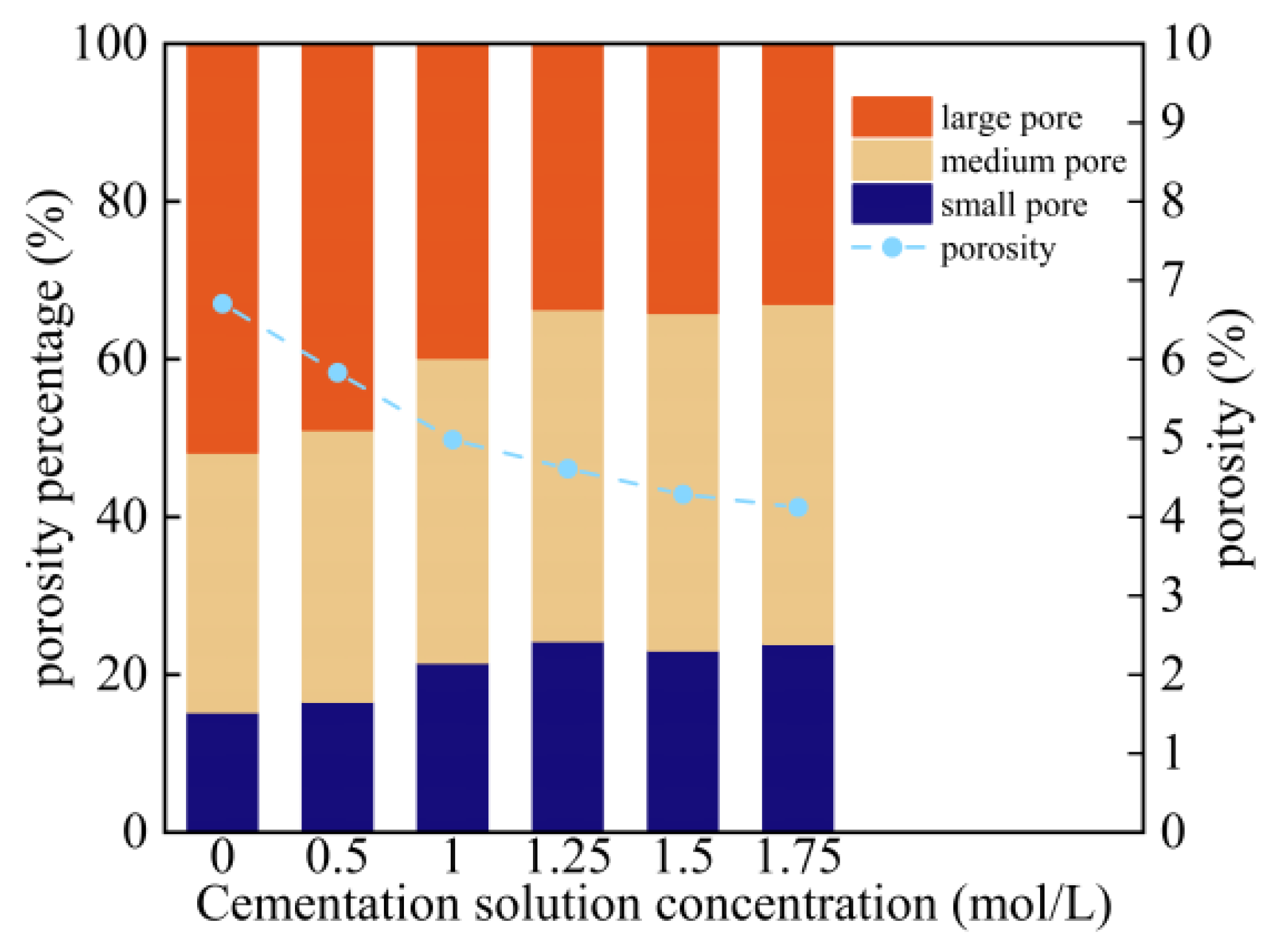
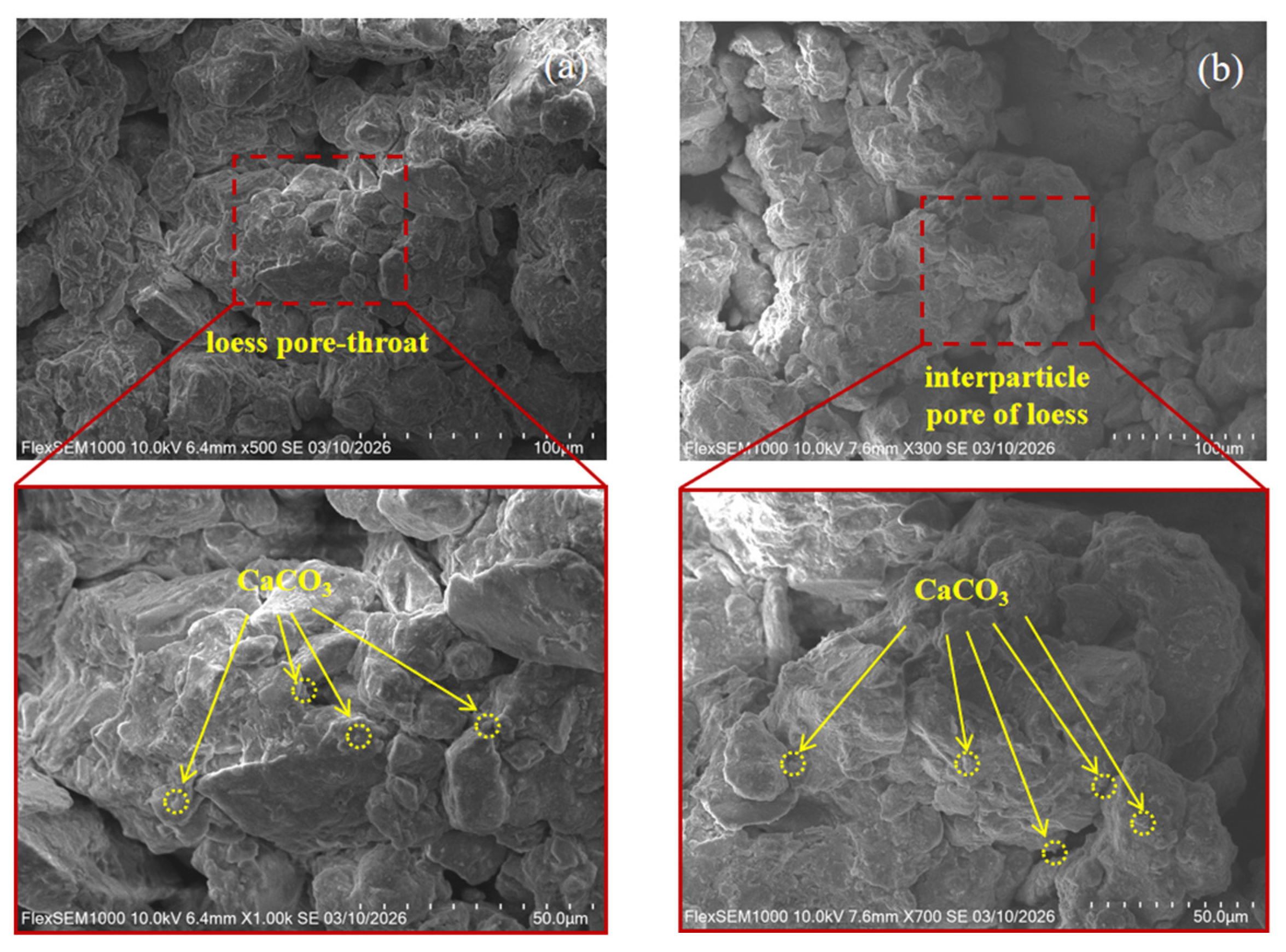
- As shown in Figure 11a, CaCO3 precipitation filled and subdivided the larger pores in the soil, transforming connected pores into isolated smaller pores. As a result, the total porosity decreased from 6.7% to approximately 4.0%, corresponding to a reduction of about 40%, which indicates a marked improvement in soil compactness.
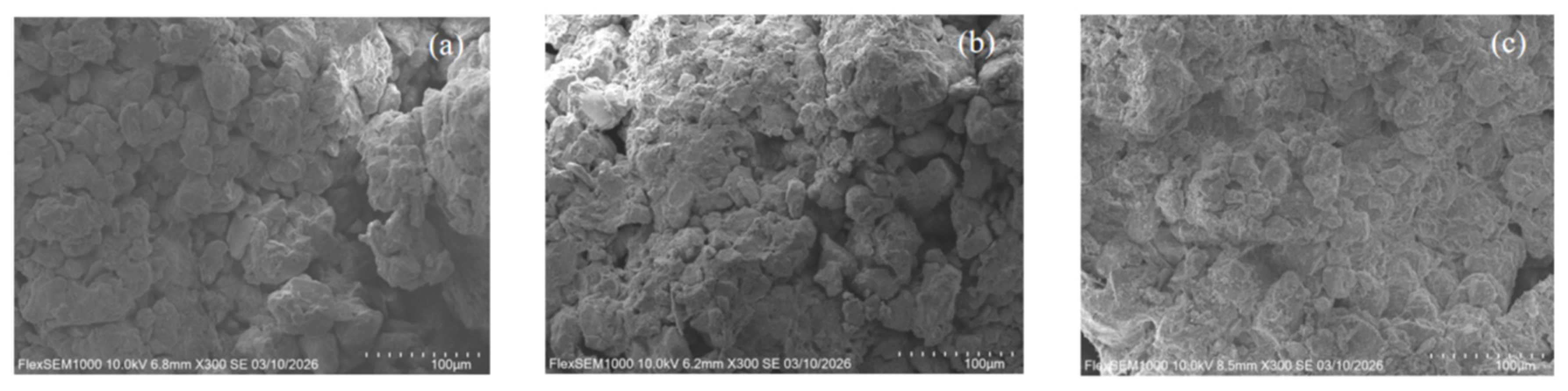
- CaCO3 precipitation preferentially adhered to the surfaces of soil particles. As the cementation solution concentration increased, CaCO3 precipitation gradually developed from isolated attachments into inter-particle bonds, thereby reducing the gaps between soil particles and enhancing the stability of the soil structure, as shown in Figure 11b.
4. Conclusions
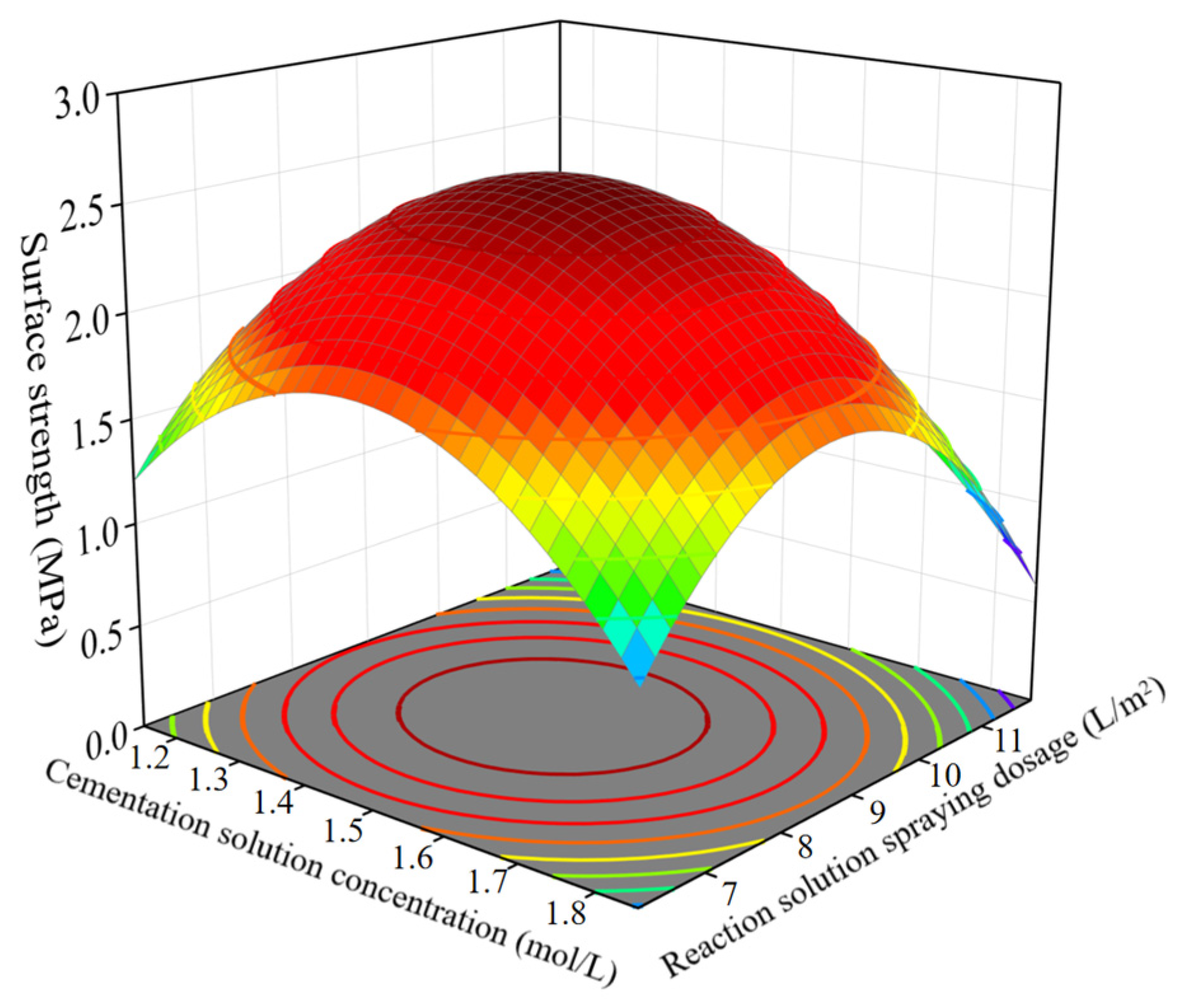
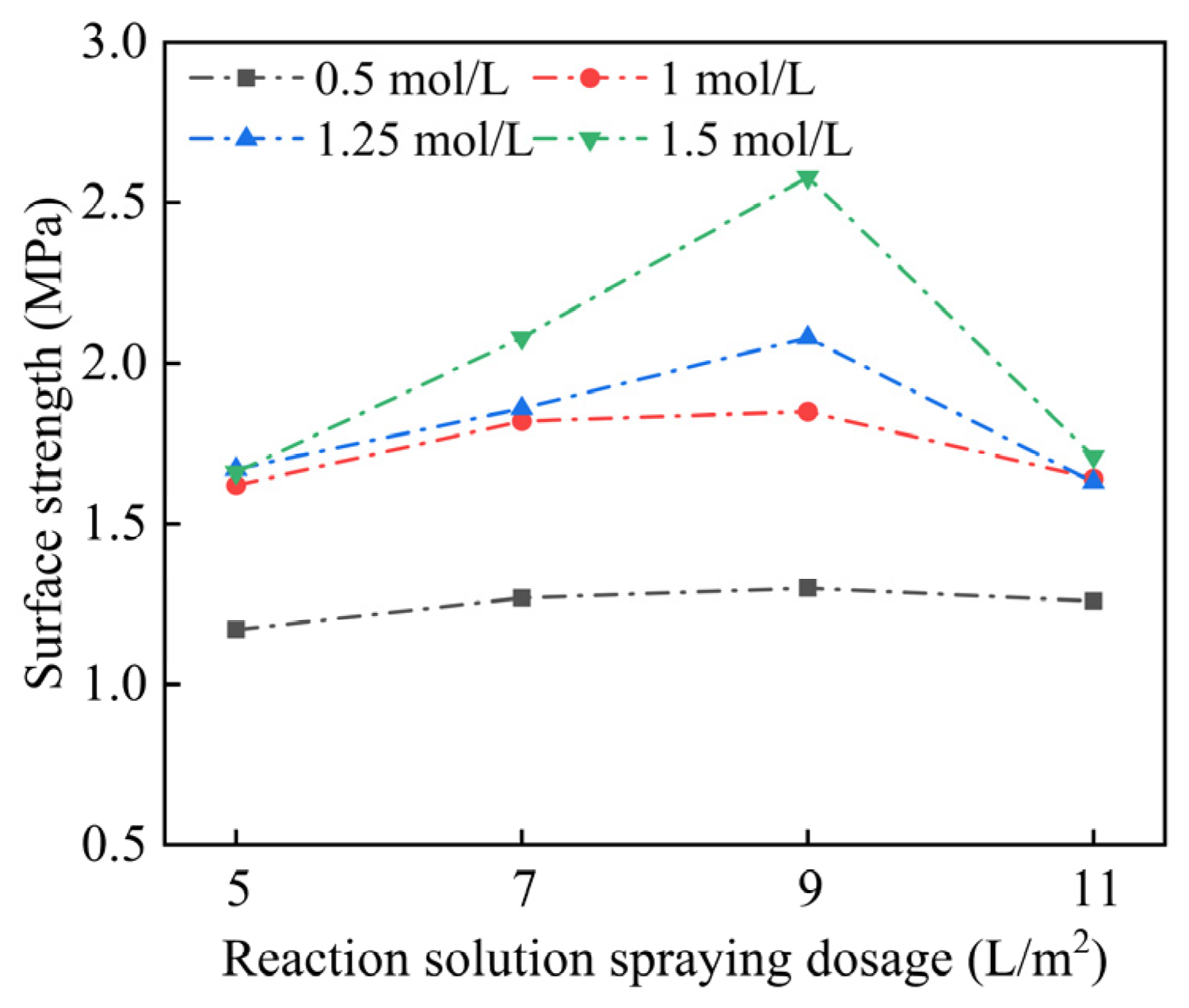
- Threshold effect of parameters: The surface strength of EICP-treated loess is governed by both cementation solution concentration and spraying dosage, with the latter exerting a more dominant influence. Due to the highwater sensitivity of loess, a distinct threshold for spraying dosage (9 L/m2) was identified. Excessive spraying leads to structural softening and a subsequent reduction in strength.
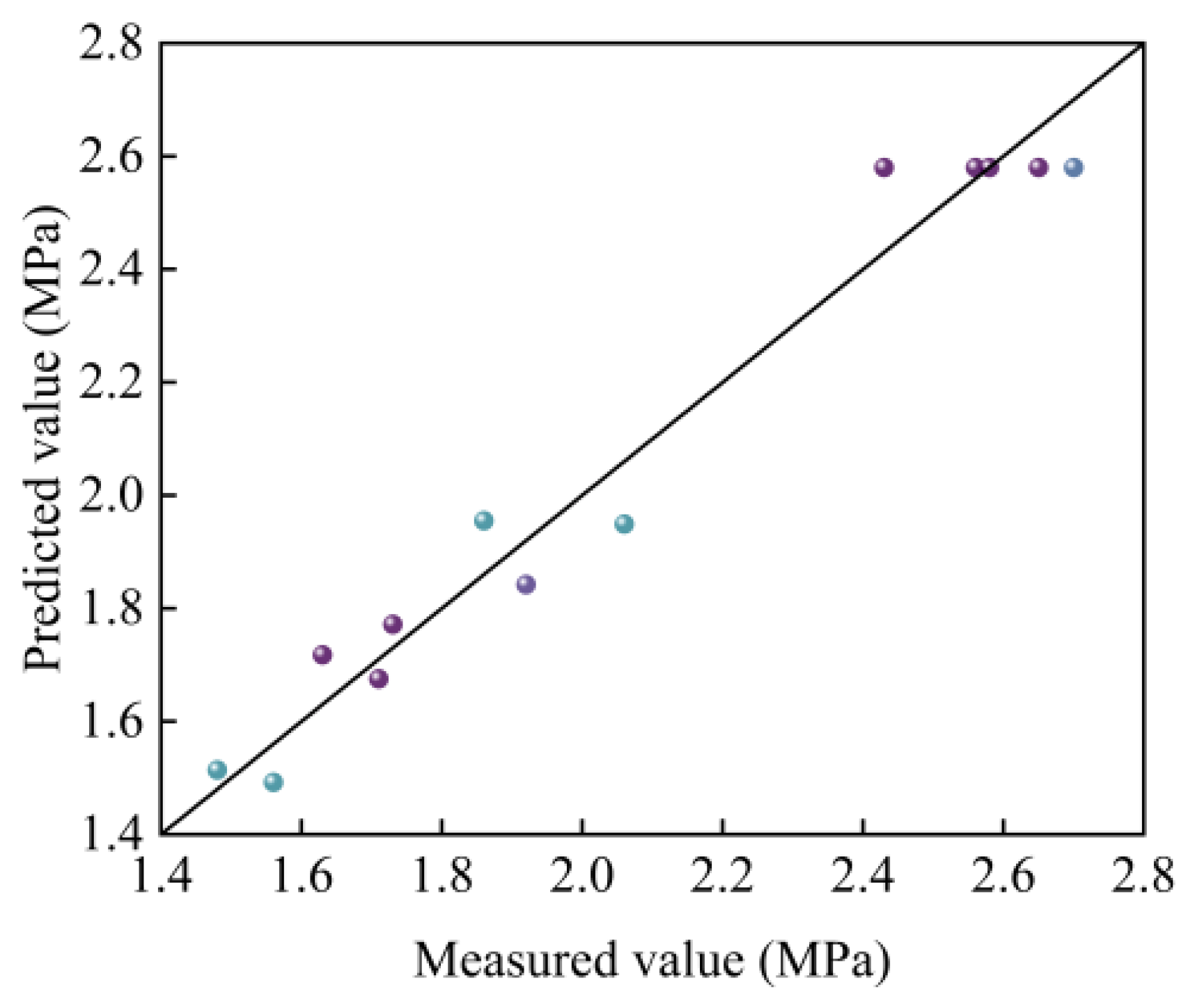
- Parameter optimization and economic feasibility: A strength prediction model was established based on the response surface methodology. Considering both reinforcement efficiency and economic feasibility, the optimal combination was determined to be a cementation solution concentration of 1.5 mol/L and a spraying dosage of 9 L/m2. Under these conditions, the surface strength peaked at 2.08 times that of the untreated plain soil, achieving an optimal balance between reinforcement effect and material cost.
- Pore structure evolution: Micro-CT results indicated that CaCO3 precipitation preferentially filled large pores, dividing them into medium and small pores. Consequently, the total porosity decreased significantly from 6.7% to approximately 4.0%. This pore refinement enhanced inter-particle interlocking and friction, resulting in a denser soil skeleton.
- Microscopic reinforcement mechanism: SEM analysis confirmed a dual mechanism of “pore filling” and “particle cementation.” CaCO3 crystals not only physically filled the voids but also formed rigid cementation bridges between soil particles, transforming point contacts into surface contacts, thereby substantially improving macroscopic surface strength.
Author Contributions
Funding
Data Availability Statement
Conflicts of Interest
References
- Liu, X.; Pan, C. Study on Micro-Characteristics of Microbe-Induced Calcium Carbonate Solidified Loess. Crystals 2021, 11, 1492. [Google Scholar]
- Liu, J.; Ou, X. Mechanical Mechanism and Quantitative Analysis of Water Sensitivity of Loess. Sci. Technol. Eng. 2026, 26, 2104–2112. [Google Scholar]
- Kong, J.; Deng, G. Dewater sensitivity of under-compacted saturated loess. Hydrogeol. Eng. Geol. 2026, 53, 158–170. [Google Scholar]
- Ren, J.; Hu, S. Causes and reinforcement measures for expansive soil dangeroussituations of high slopes. Chin. J. Geotech. Eng. 2022, 44, 138–142. [Google Scholar]
- Zhang, C.-L.; Jiang, G.-L. Effect of cement on the stabilization of loess. J. Mt. Sci. 2017, 14, 2325–2336. [Google Scholar] [CrossRef]
- Liu, R.; Yan, S. Research on reinforced anchor with fibre mortar. Chin. J. Geotech. Eng. 2005, 27, 214–218. [Google Scholar]
- Ou, Y.; Zhang, H. Optimization of the ratio of expansive soil improved by biological matrix based on response surface method. Rock Soil Mech. 2025, 46, 1368–1378. [Google Scholar]
- Saif, A.; Cuccurullo, A. Advances in Enzyme Induced Carbonate Precipitation and Application to Soil Improvement: A Review. Materials 2022, 15, 950. [Google Scholar] [CrossRef] [PubMed]
- Liu, Y.; Gao, Y. Evaluation of enzyme-induced carbonate precipitation using crude soybean urease during soil percolation. Acta Geotech. 2024, 19, 1571–1580. [Google Scholar]
- Ahenkorah, I.; Rahman, M.M. A Review of Enzyme Induced Carbonate Precipitation (EICP): The Role of Enzyme Kinetics. Sustain. Chem. 2021, 2, 92–114. [Google Scholar] [CrossRef]
- Wang, X.; Wang, B. Study on the Effect of EICP Combined with Nano-SiO2 and Soil Stabilizer on Improving Loess Surface Strength. Buildings 2025, 15, 1998. [Google Scholar]
- Chen, Y.; Hazarika, H. Extraction efficiency and activity determinants of soybean urease for sustainable biomineralization technology. Smart Constr. Sustain. Cities 2025, 3, 11. [Google Scholar] [CrossRef]
- Lai, H.-J.; Cui, M.-J. Extraction of crude soybean urease using ethanol and its effect on soil cementation. Soils Found. 2023, 63, 101300. [Google Scholar] [CrossRef]
- Lai, H.; Chen, Y. Extraction of high activity bacterial urease and its application to biomineralization of soil. J. Rock Mech. Geotech. Eng. 2025, 17, 1847–1861. [Google Scholar]
- Ren, G.; Peng, Y. Rheological behavior of biogenic calcium carbonate from high-concentration enzyme-induced calcium carbonate precipitation and the mechanical properties of treated soil. J. Rock Mech. Geotech. Eng. 2026, 18, 2945–2959. [Google Scholar]
- Cui, M.-J.; Lai, H.-J. One-phase-low-pH enzyme induced carbonate precipitation (EICP) method for soil improvement. Acta Geotech. 2021, 16, 481–489. [Google Scholar]
- Chen, Y.-W.; Cui, M.-J. Modified one-phase-low-pH EICP method using low-pH cementation solution for soil biomineralization. Acta Geotech. 2025, 20, 4133–4146. [Google Scholar]
- Meng, H.; Shu, S. Multiple-phase enzyme-induced carbonate precipitation (EICP) method for soil improvement. Eng. Geol. 2021, 294, 106374. [Google Scholar]
- Huang, M.; Jiang, Q. Feasibility analysis of EICP technique for reinforcing backfill layer behind TBM tunnel linings based on model tests. Tunn. Undergr. Space Technol. 2025, 155, 106172. [Google Scholar]
- Jiang, Q.; Huang, M. Mechanism study and optimal proportioning test of pea gravel behind TBM tunnel linings reinforcement using EICP technology. Rock Soil Mech. 2024, 45, 2037–2049. [Google Scholar]
- Xie, J.; Zhang, H. Comparative effectiveness of MICP, EICP and EICP-lignin technologies for repairing concrete cracks of different widths. Case Stud. Constr. Mater. 2025, 23, e05659. [Google Scholar] [CrossRef]
- Li, G.; Deng, H. Experimental study on impermeability of concrete panels repaired by Enzyme-Induced Calcium Carbonate Precipitation (EICP). Case Stud. Constr. Mater. 2026, 24, e05956. [Google Scholar] [CrossRef]
- Chen, Y.; Tan, L. The hydro-mechanical characteristics and micro-structure of loess enhanced by microbially induced carbonate precipitation. Geomech. Energy Environ. 2023, 34, 100469. [Google Scholar]
- Pan, C.; Zhang, C. Experimental study of urea-catalyzed microbial solution-based curing of fissured loess soil. Front. Mater. 2025, 12, 1583278. [Google Scholar]
- Mehmood, M.; Guo, Y. Influence of Enzyme Induced Carbonate Precipitation (EICP) on the Engineering Characteristics of Expansive soil. Arab. J. Sci. Eng. 2024, 49, 14101–14116. [Google Scholar] [CrossRef]
- Yu, B.; Dijkstra, T.A. Advanced multi-scale characterization of loess microstructure: Integrating μXCT and FIB-SEM for detailed fabric analysis and geotechnical implications. Eng. Geol. 2024, 341, 107727. [Google Scholar]
- Luo, G.; Pan, S. Research on establishing numerical model of geo material based on CT image analysis. EURASIP J. Image Video Process. 2019, 2019, 36. [Google Scholar] [CrossRef]
- Huang, M.; Xu, K. Effect of drying-wetting cycles on pore characteristics and mechanical properties of enzyme-induced carbonate precipitation-reinforced sea sand. J. Rock Mech. Geotech. Eng. 2024, 16, 291–302. [Google Scholar]
- Wang, W.; He, X. Presence of Mg-calcite and its influence on MICP and EICP processes. J. Rock Mech. Geotech. Eng. 2025, 17, 5373–5384. [Google Scholar]
- GB/T 50123-2019; Standard for Geotechnical Testing Method. China Planning Press: Beijing, China, 2019.
- Ng, S.; Chu, J. Frozen enzyme EICP method for more effective soil improvement. Acta Geotech. 2024, 19, 7117–7124. [Google Scholar] [CrossRef]






| Name of Soil Sample | Plastic Limit/% | Liquid Limit/% | Plasticity Index | Maximum Dry Density/(g/cm3) | Optimum Moisture Content/% |
|---|---|---|---|---|---|
| Q3 Loess | 18.3 | 29.6 | 11.4 | 1.78 | 16.9 |
| Order Number | 1 | 2 | 3 | 4 | 5 | 6 | 7 | 8 | 9 | 10 | 11 | 12 | 13 | |
|---|---|---|---|---|---|---|---|---|---|---|---|---|---|---|
| Response factor | A mol/L | 1.25 | 1.75 | 1.25 | 1.75 | 1.14645 | 1.85355 | 1.5 | 1.5 | 1.5 | 1.5 | 1.5 | 1.5 | 1.5 |
| B L/m2 | 7 | 7 | 11 | 11 | 9 | 9 | 6.17157 | 11.8284 | 9 | 9 | 9 | 9 | 9 | |
| Response value | F MPa | 1.86 | 1.73 | 1.63 | 1.48 | 2.06 | 1.71 | 1.92 | 1.56 | 2.56 | 2.43 | 2.7 | 2.58 | 2.65 |
| Source | Sum of Squares | Degree of Freedom | Mean Square | F-Value | p-Value | Significance |
|---|---|---|---|---|---|---|
| Model | 2.39 | 5 | 0.4782 | 39.00 | <0.0001 | ** |
| A | 0.751 | 1 | 0.0751 | 6.12 | 0.0425 | * |
| B | 0.1223 | 1 | 0.1223 | 9.98 | 0.0160 | * |
| AB | 0.0001 | 1 | 0.0001 | 0.0082 | 0.9306 | |
| A2 | 1.03 | 1 | 1.03 | 83.62 | <0.0001 | ** |
| B2 | 1.45 | 1 | 1.45 | 118.19 | <0.0001 | ** |
| Residual | 0.0858 | 7 | 0.0123 | |||
| Lack of Fit | 0.0437 | 3 | 0.0146 | 1.38 | 0.3692 | |
| Pure Error | 0.0421 | 4 | 0.0105 | |||
| Cor Total | 2.48 | 12 |
| Cementation Solution Concentrations | 0 mol/L | 0.5 mol/L | 1 mol/L | 1.25 mol/L | 1.5 mol/L | 1.75 mol/L |
|---|---|---|---|---|---|---|
| large pore |  |  |  |  |  |  |
| medium pore |  |  |  |  |  |  |
| small pore |  |  |  | 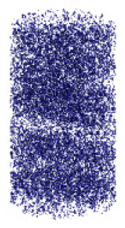 |  |  |
Disclaimer/Publisher’s Note: The statements, opinions and data contained in all publications are solely those of the individual author(s) and contributor(s) and not of MDPI and/or the editor(s). MDPI and/or the editor(s) disclaim responsibility for any injury to people or property resulting from any ideas, methods, instructions or products referred to in the content. |
© 2026 by the authors. Licensee MDPI, Basel, Switzerland. This article is an open access article distributed under the terms and conditions of the Creative Commons Attribution (CC BY) license.
Share and Cite
Wang, X.; Dong, G.; Yuan, Y.; Yang, T.; Wang, B.; Liu, M. EICP Surface Spraying Reinforcement of Yan’an Q3 Loess: Optimization and Pore-Scale Mechanism. Buildings 2026, 16, 2484. https://doi.org/10.3390/buildings16132484
Wang X, Dong G, Yuan Y, Yang T, Wang B, Liu M. EICP Surface Spraying Reinforcement of Yan’an Q3 Loess: Optimization and Pore-Scale Mechanism. Buildings. 2026; 16(13):2484. https://doi.org/10.3390/buildings16132484
Chicago/Turabian StyleWang, Xueyan, Guojie Dong, Yili Yuan, Tao Yang, Bo Wang, and Mengyuan Liu. 2026. "EICP Surface Spraying Reinforcement of Yan’an Q3 Loess: Optimization and Pore-Scale Mechanism" Buildings 16, no. 13: 2484. https://doi.org/10.3390/buildings16132484
APA StyleWang, X., Dong, G., Yuan, Y., Yang, T., Wang, B., & Liu, M. (2026). EICP Surface Spraying Reinforcement of Yan’an Q3 Loess: Optimization and Pore-Scale Mechanism. Buildings, 16(13), 2484. https://doi.org/10.3390/buildings16132484