


Abstract
Against the background of profound transformation within the construction industry, the construction industry ecosystem serves as a vital vehicle for regional economic development. Its resilience has become a key factor in influencing the sustainable development of industry. From an ecological perspective, this paper integrated the cusp catastrophe model and Fuzzy-Set Qualitative Comparative Analysis (fsQCA) method, using data from Shandong Province to investigate the evolutionary state of the construction industry ecosystem and the diverse concurrent paths driving the system toward high levels of functionality. This study found that: (1) the resilient development of the construction industry ecosystem in Shandong Province presented a differentiated pattern, characterized by dual-core leadership, relative strength in the east, and weakness in the west, and localized catch-up. (2) The results from the cusp catastrophe model indicated that construction industry ecosystems in different regions were primarily undergoing stable evolution, though some cities faced the risk of functional degradation due to the combined effects of insufficient resilience and severe shocks. (3) fsQCA identified three equivalent configuration paths for achieving high system functionality: the “resilience accumulation path”, “resilience synergy path”, and “resilience transition path”, as well as three equivalent configuration paths for low system functionality: the “low resilience-low shocks dependency path”, “low-resilience, fixed-type path”, and “low resilience-high shocks imbalance path”. (4) These paths demonstrated that recovery was the key factor determining a system’s level of functionality.
1. Introduction
The construction industry has played an increasingly vital role as a pillar of the national economy. It makes significant contributions to promoting economic growth, alleviating social employment pressures, advancing new-type urbanization, and improving the standard of living for the people as China strives to achieve the goal of building a moderately prosperous society in all respects [1]. However, in the face of a once-in-a-century transformation, global horizontal production networks and vertical governance systems are undergoing dramatic changes [2]. These external changes have posed numerous challenges to China’s supply chains and industrial chains, further exacerbating the uncertainty and fragility of industrial synergy, and presenting a severe test for the sustainable development of the construction industry system. Therefore, how the construction industry can withstand shocks, adapt to changes, and achieve sustainable evolution has become a critical research direction for promoting high-quality economic development.
The construction industry does not operate in isolation. Rather, it is a complex dynamic system composed of various enterprises, institutions, markets, technologies, policies, infrastructure, and other diverse actors and elements that are interdependent and co-evolve. Through extensive development, this dynamic system has formed a complex network among its participants characterized by both competition and collaboration. By integrating resources in a collaborative manner, these entities achieve functional complementarity [3] and establish interdependent relationships guided by strategic objectives [4], ultimately giving rise to the construction industry ecosystem. The self-sustaining and self-organizing nature of industrial activities has generated symbiotic relationships of interdependence, mutual restraint, and adaptive coordination both within and outside the industrial ecosystem. This enables the industrial ecosystem to exhibit new characteristics that cannot be achieved by the mere aggregation of individual enterprise functions: system functionality. As the industrial ecosystem continues to evolve, leading industries drive the steady enhancement of competitiveness in supporting industries, while enterprises gradually establish mutually beneficial cooperation models at various levels, resulting in increasingly close and complex interconnections.
Ecosystem resilience refers to an ecosystem’s ability to adapt to and recover from external disturbances while maintaining a state of equilibrium [5,6], or its capacity to go beyond mere recovery and even create new opportunities for development and expansion [7,8]. Since its introduction, this concept has garnered widespread attention and has become a key element of sustainable development [9,10]. However, existing research on resilience in the construction industry still has significant limitations. Research perspectives are often confined to the resilience of a single entity or a specific segment, such as the physical seismic and fire resistance of individual building structures [11], information sharing and coordination mechanisms within the prefabricated building supply chain [12], and the development of evaluation metrics for supply chain resilience [13]. Therefore, these studies disregard the complex interactive networks among multiple actors, overlooking the central driving roles of knowledge flow, power dynamics, and collective action in the system’s response to shocks [14,15]. Even though some studies have introduced analytical frameworks for industrial cluster resilience [16,17], their analyses mostly remain at the level of describing static network characteristics. Resilience is not a fixed attribute but a dynamic manifestation of a system’s trajectory before and after a disturbance [18]. In the construction industry, the behavioral strategies of stakeholders (such as developers, contractors, suppliers, and government regulators) do not exist in isolation but are embedded in a continuous evolutionary game [15]. Consequently, research that treats the industry as a complex ecosystem and dynamically examines how various internal actors co-evolve through mutual interaction to form systemic resilience remains relatively scarce. Therefore, drawing on industrial ecosystem theory and multidisciplinary resilience research, this study focused on the construction industry in the context of stock renewal. It further explored the dynamic emergence patterns and intrinsic promotion mechanisms of industrial resilience, which provided solid theoretical support and academic insights for related fields.
From an ecological perspective, this paper innovatively employed a two-stage mixed-methods approach to examine the nonlinear evolutionary states of the construction industry ecosystem when confronted with external shocks and internal resilience, as well as the multiple equivalent evolutionary paths resulting in high system functionality. First, the cusp catastrophe model was introduced to accurately diagnose the variations in evolutionary states across different regions. Second, the fuzzy set qualitative comparative analysis (fsQCA) method was employed to further explore the multiple concurrent causal relationships and differentiated configuration paths that drive the positive evolution of the construction industry ecosystem.
2. Literature Review and Theoretical Framework
2.1. The Concept of Ecosystem Resilience
The concept of resilience originated from research on the properties of metallic materials in physics and has gradually expanded into psychology, sociology, urban economics, and other disciplines [19,20,21]. American scholar Holling was the first to apply this concept to ecology [22], noting that resilience refers to the capacity of a system to recover relatively quickly to its original state and maintain its structure and function after being subjected to a disturbance [23,24]. As a complex organic whole that is composed of interconnected enterprises, intermediary institutions, and government agencies, the industrial ecosystem serves as a crucial vehicle for regional industrial transformation. The resilience of a construction industry ecosystem refers to its ability to rapidly recover to its initial state or evolve to a higher functional state through self-learning and self-adaptation when faced with external shocks and disturbances [25,26,27]. From a resilience perspective, external shocks and disturbances are key catalysts for driving the evolution of the construction industry ecosystem. When the external environment changes, the internal structure and functions of the system adapt accordingly. To respond effectively to such changes, the system requires a complex and diverse network of connections among its internal components. Relying on sufficient internal resources and structural redundancy, the system generates a buffering capacity to withstand external shocks, thereby facilitating the restoration and adjustment of its functional levels [28].
Therefore, the resilience of the construction industry ecosystem can be broken down into the capacities for resistance, recovery, and regeneration [29,30,31]. The primary function of shock resistance is to directly absorb shocks and disturbances, dispersing and dissipating them through the intrinsic complex structure and diverse elements of the system. Recovery refers to the internal organizational restructuring and optimization that occurs after the system is subjected to a shock, enabling it to gradually return to its original functional level [32]. The organizational regeneration refers to the ability of a system to evolve into a completely new state through self-organization, self-learning, and self-adaptation. The three capacities are mutually reinforcing and complementary. They constitute the resilience of the construction industry ecosystem, embodying the proactive role of industry actors in the face of shocks and disturbances.
2.2. Theoretical Framework
2.2.1. Composition of the Construction Industry Ecosystem
Drawing on the organizational principles of natural ecosystems, the construction industry ecosystem can be divided into biotic and abiotic components. The biotic components include core manufacturing enterprises, supporting service providers, knowledge and institutional entities, and waste-to-resource enterprises, while the abiotic components encompass external environmental factors such as geographic location, policy environment, technology markets, and sociocultural factors. These elements collectively form a four-tiered, progressive structure comprising individual enterprises, enterprise populations, enterprise communities, and the industry ecosystem. At the same time, drawing an analogy to the food chains and food webs of natural ecosystems, the construction industry ecosystem establishes an ecological framework interwoven with vertical “layer chains” and horizontal “vein networks”. Vertically, it connects the full lifecycle supply–demand-recycling chain encompassing raw material supply, component manufacturing, design and construction, as well as operation, maintenance, and demolition. Horizontally, it embodies collaborative relationships among enterprises characterized by technological synergy, data interoperability, and resource sharing. The coupling of these two dimensions creates a redundant pathway mechanism that enables path substitution when a single link is blocked, effectively enhancing the resistance and recovery of the system. Overall, the construction industry ecosystem exhibits typical ecological characteristics such as hierarchy, dynamism, complexity, co-evolution, and self-organization. Based on shared interests, various entities form a symbiotic structure characterized by interdependence and mutual restraint, enabling the ecosystem to autonomously undergo a dynamic evolution from disorder to order through endogenous forces.
2.2.2. Building the Resilience of the Construction Industry Ecosystem
- (1)
- Factors Contributing to Resilience
Mainstream resilience theory posits that the resilience of industrial ecosystems develops throughout the entire process of shocks (Figure 1), with close organizational relationships, redundancy in the ecosystem chain, and self-organization capabilities serving as the three core pillars that enable the system to remain dynamic. Among these, resistance is underpinned by close organizational relationships and represents a system’s core capacity to withstand and absorb external shocks by leveraging its inherent static structure and resource endowments. Close organizational relationships are divided into strong friendly relationships and strong hostile relationships, which together strengthen the foundation of resilience: the former facilitates rapid resource allocation and coordinated action through strategic alliances, long-term cooperation, and technology sharing, thereby generating collective buffering capacity; the latter stimulates innovation vitality through healthy competition and regulatory constraints, prevents path dependence within the system, and enhances overall resource allocation efficiency and adaptability at the macro level. Consequently, when facing external changes and shocks, the system can withstand some of the impact through the rational mobilization of internal resources and close communication among organizations. These two organizational relationships leverage resource coordination and efficiency optimization, respectively, and focus on maintaining functional integrity in the face of shocks, thereby constituting the structural foundation of resilience.
Figure 1.
Factors contributing to the resilience of the construction industry ecosystem.
Recovery is achieved through redundancy in the ecosystem chain and is key to a system’s ability to quickly restore operations after a disruption. It depends not only on the system’s capacity for dynamic adjustment and adaptation following a disruption but also on the resources and structural reserves that already exist within the system. The essence of redundancy in the ecosystem chain lies in the multiple occupation of the same ecological niche by functionally equivalent components [33]. The construction industry ecosystem forms multiple alternative paths and functional backup through the interwoven coupling of vertical “layer chains” and horizontal “vein networks”. When external disturbances such as fluctuations in raw material prices or defaults by key enterprises occur, redundant pathways can rapidly step in to maintain the flow of materials, information, and energy within the system, thereby providing a buffer and a safety net against shocks [34]. It primarily focuses on restoring functions and replenishing resources in the immediate aftermath of shocks, thereby serving as a material source of recovery.
Regeneration is driven by a system’s ability to self-organize and determines its long-term potential for evolution following shocks. An industrial ecosystem must be capable of self-transformation in response to changes in internal and external factors, functioning as a highly adaptive system [35]. After sustaining structural damage, the system utilizes self-organization mechanisms to transform trial-and-error information into new rules, new nodes, and new ecological niches, thereby achieving a transition to a higher state of order and enhancing its long-term potential to raise the threshold of resilience. Self-organization capabilities drive the evolution of the system’s structure through self-adaptation, self-optimization, and self-evolution, primarily influencing iterative upgrades and transitions in the medium to long term following a shock, and thus constitute the dynamic source of the system’s regeneration.
- (2)
- The Impact of External Shocks on System Resilience
For the construction industry ecosystem, external shocks can be categorized into fluctuations in the macroscopic environment and pressure from industry transformation. Fluctuations in the macroscopic environment influence market expectations, cash flow, and project implementation through regulatory and capital chains, while pressure from industry transformation alters companies’ competitive advantages via supply and capital chains, forcing the system to adjust its technological pathways. Together, these factors form a cross-scale stream of disturbances that penetrates the system’s boundaries through the coupling channels of supply, capital, and regulatory chains. External shocks not only directly impact the system as a load but also expose structural vulnerabilities, compel the exploration of new pathways, and reveal governance gaps. This drives the system away from static equilibrium and activates self-organizing regulatory mechanisms. Within the cycle of disruption–exposure–reorganization, the system gradually restores its functions, optimizes its structure, and accumulates capabilities, transforming the energy of disturbances into the driving force for enhancing resilience. Ultimately, this achieves a transition from passive response to active evolution.
The resilience of the construction industry ecosystem is not activated only after the end of shocks. Instead, it is a dynamic process that unfolds in tandem with the shocks and continues to evolve over time. External disturbances trigger the resilience mechanism of the system. The system spontaneously mobilizes and utilizes organizational relationships, redundant paths of ecological chains, and self-organization capabilities to construct a three-dimensional resilience pathway encompassing resistance, recovery, and regeneration. This pathway transforms the disturbance flow into a source of energy for upgrading the system’s structure, manifesting a three-stage parallel resilience phase in response to the shocks: shock absorption, shock adaptation, and renewal and reconstruction. These three phases do not progress linearly but rather overlap and iterate across time and space, collectively facilitating a capability leap from passive disaster response to active evolution. The mechanism by which shocks influence the resilience of the construction industry ecosystem is illustrated in Figure 2.
Figure 2.
The formation and mechanism of the resilience of the construction industry ecosystem.
2.2.3. The Complexity of Functions in the Construction Industry Ecosystem and a Configuration Perspective
The formation of the functional level of the construction industry ecosystem is not the linear result of a single factor, but rather the outcome of the synergistic interaction between internal resilience factors and multidimensional external shock factors. On the one hand, the resilience dimensions of the system itself (resistance, recovery, and regeneration) may exhibit complementary effects, collectively forming the core foundation of its risk-mitigation capabilities. On the other hand, different types of external shocks may produce substitution or synergy effects with internal resilience factors under various scenarios. At the same time, the functionality of the construction industry ecosystem exhibits significant scenario-specific and nonlinear characteristics. Configuration theory posits that outcome variables are formed by specific combinations of certain condition variables, and different combinations of conditions can lead to the same system functionality through multiple paths [36]. Furthermore, the causal configurations leading to high-functionality and low-functionality systems do not exhibit a simple symmetrical relationship but rather demonstrate distinct causal asymmetry. This perspective aligns closely with the essence of the construction industry ecosystem functionality, allowing different types of construction industry ecosystems to construct and enhance their ecosystem functions in a context-specific manner based on their own resource endowments and external environments.
Therefore, following a logical framework of “assessment of evolutionary status-analysis of evolutionary paths-summary of practical paths”, this paper first assesses the evolutionary status of construction industry ecosystems in various regions. Building on this foundation, it examines the evolutionary paths through which these ecosystems achieve varying levels of functionality, using resistance, recovery, regeneration, economic policy uncertainty, and technological environmental uncertainty as antecedent conditions. The theoretical analytical framework for the functionality of construction industry ecosystems is shown in Figure 3.
Figure 3.
Theoretical analytical framework.
3. Materials and Methods
3.1. Study Area and Data Sources
This study selected 16 cities in Shandong Province as its research subjects, primarily due to the region’s characteristic of uneven development. The construction industry in Shandong Province has a relatively solid foundation and a continuously expanding scale. However, it is currently in a transitional phase from semi-maturity to maturity, and its systemic structure and competitiveness require further optimization. Furthermore, there are significant disparities in the development level of the construction industry across the cities in Shandong Province. This regional imbalance provides a diverse set of research samples for examining the resilience of the construction industry ecosystem under different scenarios. It enables a systematic analysis of the resilience characteristics of the construction industry ecosystem as it responds to shocks such as economic fluctuations, policy adjustments, and market competition, thereby helping to reveal the intrinsic relationship between resilience levels, external shocks, and the restoration of system functions. The data sources of this paper include the following: China Urban Statistical Yearbook, the Shandong Provincial Statistical Yearbook, and the statistical yearbooks of various cities. Missing data for certain cities are obtained from information disclosure channels on local government websites; some corporate financial and operational data come from the CSMAR database; and textual data come from the websites of various municipal governments in Shandong Province, as well as the official websites of listed companies.
3.2. Variable Measurements
3.2.1. System Resilience Rating Indicators
Based on the mechanisms underlying the formation and functioning of the resilience of the construction industry ecosystem, relevant influencing factors act upon the core components of the system through resistance, recovery, and regeneration, thereby shaping the evolution of the system’s resilience. Among these, resistance is examined from two perspectives: the economic foundation and social factors. The economic foundation serves as the material basis for the industry ecosystem to withstand external pressures, determining whether the system can maintain basic operations and allocate resources effectively when faced with shocks. Social factors constitute the external environmental conditions that underpin the stable operation of the industrial ecosystem, influencing the ability of the system to withstand shocks at the macro level. Recovery is primarily driven by two dimensions: industrial foundation and development capacity. The industrial foundation provides the necessary static support and buffer space for the system’s recovery, serving as the material and structural conditions that enable functional restart and path substitution. Development capacity reflects the system’s potential for dynamic adjustment and upgrading during the recovery process, determining the speed, direction, and sustainability of recovery. Regeneration primarily stems from two core aspects: technological innovation and industrial transformation. Technological innovation serves as the internal engine for the system’s fundamental restructuring and upgrading, reflecting the comprehensive level of knowledge creation, technological accumulation, and human capital development. Meanwhile, industrial transformation embodies the ability of the system to convert innovative potential into actual structural changes and sustainable development models, focusing on substantive shifts in industrial resource allocation methods and long-term development directions.
In accordance with the principles of indicator selection and drawing on relevant literature regarding resilience, a resilience evaluation indicator system for the construction industry ecosystem was established, as shown in Table 1.
Table 1.
Indicator system for evaluating the resilience of the construction industry ecosystem.
3.2.2. External Shocks
External shocks are comprehensively measured across two dimensions: economic policy uncertainty and technological environmental uncertainty [37], in order to fully reflect the volatility and unpredictability of the dual external environment facing the construction industry ecosystem, namely economic fluctuations, policy adjustments, and technological advancements.
Economic Policy Uncertainty: Drawing on the approaches of Zheng et al. [38] and Wu et al. [39], this study used the “Government Work Reports” issued by cities across Shandong Province as authoritative text sources. By applying text analysis methods, this study measured local government estimates and disclosures regarding economic policy uncertainty within respective regions, thereby quantifying the economic policy uncertainty faced by each region. First, this study followed the economic policy uncertainty index framework developed by Baker et al. [40]. On this basis, it combined the China-specific keyword list optimized by Huang and Luk [41] with further localization adjustments based on the linguistic characteristics of government work reports from various regions in Shandong Province. A keyword database covering three core dimensions, namely economy, policy, and uncertainty, was established accordingly. Second, using Python 3.9 for text segmentation and word frequency analysis, sentences containing all three types of keywords were identified as statements related to economic policy uncertainty. Finally, the economic policy uncertainty index for each prefecture-level city was calculated as the ratio of the total frequency of uncertainty-related keywords to the total number of words in the full report.
Technological Environmental Uncertainty: Drawing on existing research [42,43] regarding approaches to measuring technological environmental uncertainty, text analysis methods were employed to assess the extent to which executives of listed companies perceive uncertainty in the external business environment, thereby quantifying the technological environmental uncertainty faced by different regions. Specifically, a list of keywords was first compiled based on two categories: keywords indicating constraints on technological development and keywords indicating constraints on technological exchange between nations. Second, Python was used to calculate the relative frequency of these keywords in the annual reports of listed companies in relevant sectors in Shandong Province, thereby measuring the level of technological environmental uncertainty perceived by individual firms. Finally, the annual averages of the technological uncertainty indices for all sample firms within the same city were aggregated to derive a technological environmental uncertainty indicator at the city level.
3.2.3. System Functionality Level
The level of system functionality serves as a core variable for measuring the operational status and output performance of the construction industry ecosystem, while industry scale and market output capacity provide a direct and comprehensive reflection of its health and vitality. As an aggregate indicator reflecting the final outcomes of production activities in the regional construction industry over a specific period, the total output value of the construction industry encompasses the monetized gross output of all construction enterprises within the region. It serves as a key metric for assessing the regional economic standing of the industry and for mapping the market responsiveness, resource integration, and project execution efficiency of the industrial ecosystem. Its stable growth or fluctuations can reflect the functional state of the system. Therefore, this study used the annual total output value of the construction industry in each city as a proxy variable for system functional level.
3.3. Multistage Analysis Methods: Cusp Catastrophe Model and fsQCA
This paper employs a two-stage mixed-methods approach that integrates the strengths and focal points of both the cusp catastrophe model and fsQCA, thereby achieving methodological complementarity between nonlinear research and configuration recognition. The cusp catastrophe model is used to identify the evolutionary processes of nonlinear mutations in systems. It captures complex nonlinear relationships among variables and clarifies the overall evolutionary patterns of the system. Meanwhile, fsQCA can parse the complex mechanisms underlying resilience, external shocks, and system functionality, and explain joint causal effects [44]. The combination of these two methods enables bidirectional validation of evolutionary characteristics and driving mechanisms, achieving cross-validation at the methodological level, and better accommodates the complex nature of the construction industry ecosystem and its multi-path equivalence system attributes.
In the first stage, the cusp catastrophe model was introduced to investigate the nonlinear evolution of state variables that undergo abrupt changes during the continuous variation in control variables; the theoretical model is shown in Figure 4 [45]. Every system has a tendency to maintain its own equilibrium state; when it transitions from one equilibrium state to another, a mutation phenomenon occurs. The overall form of this transition process can be described by a smooth equilibrium surface. This equilibrium surface manifests as a three-dimensional surface structure comprising three regions: the upper leaf, the middle leaf, and the lower leaf. The upper leaf corresponds to the system’s benign stable state, the lower leaf corresponds to its malignant stable state, and the middle leaf represents the transition region where the mutation occurs.
Figure 4.
Theoretical model of the cusp catastrophe model.
The potential function for a point mutation can generally be described by the following equation:
Here, is the state variable of the construction industry ecosystem, and and are the control variables, respectively.
Equation (1) represents the steady-state model of the construction industry ecosystem, and taking the first derivative yields the equation for the equilibrium surface of the potential function:
Taking the second derivative of Equation (1) yields the equation for the set of singularities of the potential function:
By combining Equations (2) and (3) and eliminating the state variable , the branching set equation can be derived:
The projection of the edges of the curved fold onto the control variable plane forms the bifurcation set, which is the set of control variables that can cause a sudden jump in x [46]. The bifurcation set serves as the boundary determining whether a system undergoes a sudden change. Only when Δ ≤ 0 does the system have the potential to cross the bifurcation set and undergo a sudden change. Therefore, Δ ≤ 0 is the condition for determining whether a system undergoes a sudden change. The magnitude of the value can be interpreted as the distance between the system’s evolving state and its critical state; this is referred to as the bifurcation eigenvalue. The smaller the value, the more likely a sudden change is to occur.
In the second stage, configuration analysis was performed using the fsQCA method. Following the analytical procedure proposed by Ragin [47], all outcome variables and condition variables were calibrated and converted into fuzzy set membership scores. Next, a necessity analysis was conducted to determine whether any single condition constitutes a necessary condition for the outcome. Subsequently, truth tables were constructed and simplified using Boolean algebra algorithms to identify the condition configurations that lead to either high or low system functionality.
4. Analysis of Results
4.1. Resilience Evaluation Results
- (1)
- Resilience Value
After calculating the weighting ratios of the indicators using a game-theoretic combined weighting method that incorporates the CRITIC method and the entropy-weighted method, the resilience values of construction industry ecosystems in each city of Shandong Province for the period 2015–2023 were determined using the composite index method, as shown in Table 2.
Table 2.
Resilience value of the construction industry ecosystem in Shandong Province, 2015–2023.
- (2)
- Trends Over Time
Figure 5 shows the trends in resilience values across cities in Shandong Province. Based on an analysis of these trends over time, the development of construction industry ecosystem resilience in these cities can be categorized into three distinct trajectories. The first category is characterized by a sustained upward trend, represented by cities such as Jinan, Qingdao, Yantai, Weifang, Jining, and Tai’an. The resilience curves of these cities generally exhibited a steady upward trend, with the upward momentum becoming particularly pronounced after 2020. It is worth noting that Jinan, Qingdao, and Tai’an all experienced a brief dip in resilience scores in 2020, reflecting their high sensitivity to sudden shocks such as the pandemic. However, they rebounded rapidly and continued to strengthen, demonstrating strong system recovery capabilities and the potential for resilience regeneration through dynamic adjustment.
Figure 5.
Trends in resilience value for cities in Shandong Province.
The second category consists of cities exhibiting fluctuating adjustments. For example, Zaozhuang saw a slight decline after reaching its peak in 2021, while the resilience trajectories of Zibo and Weihai displayed “W”-shaped fluctuations, reflecting the phased growing pains and profound adjustments that traditional industrial cities undergo during industrial restructuring; meanwhile, the resilience values of Binzhou, Rizhao, and Dongying have fluctuated within a narrow range at relatively low levels over the long term, indicating strong stability in the development of their construction industry ecosystems. However, these cities faced bottlenecks in improving their overall resilience, and their growth potential remains untapped.
The third category is the “steady development” type, which includes the four cities of Linyi, Dezhou, Liaocheng, and Heze. In terms of trends in resilience values, these four cities generally exhibited a slow, fluctuating upward trajectory, though the rate of growth was relatively limited, reflecting a relative lack of endogenous growth momentum within their construction industry ecosystems. Specifically, the resilience value of Linyi has remained on a steady upward trend, gradually rising from 0.2720 in 2015 to 0.3381 in 2023. While there were occasional fluctuations during this period, the overall growth has been relatively robust. Dezhou and Liaocheng started from a lower baseline; although their resilience values rebounded in some years, overall growth remained slow, and Liaocheng even experienced a slight decline in 2023. The resilience value of Heze continued to fluctuate slightly between 0.20 and 0.25, lacking a sustained upward trend. Overall, these cities demonstrated a degree of systemic stability amid changes in the external environment and policy impacts. However, they have not yet established a sustained, robust mechanism for resilience growth. The development of their construction industries continues to face challenges such as slow structural transformation and insufficient growth momentum.
- (3)
- Patterns of Resilient Spatial Change
The development of resilience exhibits a differentiated pattern characterized by dual-core leadership, relative strength in the east and weakness in the west, and localized catch-up. Using 2015, 2019, and 2023 as reference points, ArcGIS 10.8 software was employed to visualize the spatial distribution of resilience within the construction industry ecosystem [48]. The results are shown in Figure 6. From a spatial distribution perspective, the resilience of the construction industry ecosystem in Shandong Province exhibits distinct spatial variations, with an overall pattern of “the east leading and the central and western regions lagging behind”. Furthermore, over time, regional disparities have shown a dynamic evolution, first widening and then narrowing.
Figure 6.
Spatial distribution of the resilience of the construction industry ecosystem across 16 cities in Shandong Province: 2015 (a); 2019 (b); 2023 (c).
In 2015, regions with high resilience were primarily concentrated in core cities such as Jinan and Qingdao, while central Shandong and the Jiaodong region began to show signs of clustering. In contrast, most cities in western and northern Shandong remained at medium-to-low resilience levels, revealing a distinct spatial gradient. By 2019, the spatial resilience pattern had further solidified. The leading positions of Jinan and Qingdao continued to strengthen, and the resilience of cities in the Jiaodong region, such as Yantai and Weifang, steadily improved. However, some cities in northwestern Shandong, such as Dezhou and Liaocheng, remained in the lower resilience range, and the disparity between the east and west widened somewhat. By 2023, the spatial structure of resilience exhibited a pattern of both localized optimization and overall coordination. Jinan and Qingdao continued to play a driving role as the “dual cores”, while cities in southern Shandong, such as Linyi and Jining, saw significant improvements in resilience, thus gradually narrowing the gap with the eastern regions. However, some cities in northern and southwestern Shandong, such as Binzhou and Heze, remain at low levels of resilience, and the issue of uneven development within the region remains prominent.
A closer examination of the spatial evolution reveals that the resilient development of the construction industry in Shandong Province exhibits a distinct core-periphery structure. High-resilience regions centered on Jinan and Qingdao continue to radiate outward, driving the coordinated improvement of resilience in surrounding cities. The two cities have maintained high resilience due to the convergence of multiple structural factors. First, they possess significant institutional and policy advantages. As the provincial capital and a separately planned city, respectively, Jinan and Qingdao enjoy priority in resource allocation, policy pilot programs, and the deployment of major projects, thereby establishing institutionalized risk resilience. Second, the industrial ecosystems are highly diverse and sophisticated. Qingdao leverages cross-sectoral synergy between construction and manufacturing, while Jinan possesses a complete industrial chain, effectively diversifying risks from external shocks. Third, as the region’s dual economic hubs, Jinan and Qingdao not only drive growth in surrounding cities but also strengthen their own resilience through the aggregation of economic factors. The central and southern regions of Shandong are gradually integrating into the high-resilience network under the impetus of policies and regional collaboration. Meanwhile, due to factors such as a monolithic industrial structure and resource constraints, resilience growth in parts of northern and western Shandong remains slow, becoming a weak link in the coordinated development of regional resilience.
4.2. Results of Applying Cusp Catastrophe Model
4.2.1. Analysis of Evolutionary State
In the cusp catastrophe model, the functional level of the construction industry ecosystem is taken as the state variable because it directly reflects the system’s state and may undergo discontinuous transitions in response to external disturbances. It is co-driven by two control variables, namely the external shocks intensity and the systemic resilience value , and evolves along the equilibrium surface of the system. The external shocks acts as a bifurcation factor, determining whether the control system enters a bimodal region (points where Δ ≤ 0), and thus, whether a sudden change is likely to occur. The system’s resilience value acts as a normalizing factor, driving the system to transition between the high-functionality and low-functionality branches. Under the interaction of the two variables, the systemic evolution presents nonlinear and discontinuous catastrophe characteristics.
The critical threshold is determined by taking the median of catastrophe eigenvalues with Δ > 0. The classification of upward leaf transition, downward leaf transition, and catastrophe is determined by the changing trend in the comprehensive score of each city across consecutive years. On this basis, the evolutionary states of the system are divided into three categories: (1) When Δ > 0 and the value exceeds the critical threshold, the construction industry ecosystem maintains a benign steady state, corresponding to the upper leaf area of the equilibrium surface. In this state, the system possesses strong resilience and robust maintenance capacity, enabling it to effectively resist external shocks and sustain high operational efficiency and synergy. (2) When Δ > 0 and the value falls below the critical threshold, the construction industry ecosystem falls into a non-benign steady state, corresponding to the lower leaf area of the equilibrium surface. In this state, the system exhibits a low functional level and insufficient resilience, making it difficult to cope with severe external disturbances. (3) When Δ ≤ 0, the system enters the catastrophic state of the middle leaf on the equilibrium surface, acting as a critical transition zone for system evolution. Any minor disturbance may trigger drastic functional changes. This state can be further divided into positive and negative catastrophes. A positive catastrophe means that, with structural optimization, resilience improvement, or external support, the long-term accumulated resilience potential is activated by moderate external shocks. The system integrates internal resilience factors, breaks through critical points, and transitions to the upper leaf, thereby enabling collaborative restructuring of structure, function, and institutions, as well as the nonlinear leap of overall functions. By contrast, negative catastrophe stems from excessive shock intensity or inadequate resilience. Even if the system is initially in a benign steady state, rigid resilience mechanisms or unexpected extreme shocks may lead to failure of the resilience framework, causing a cliff-side decline in system functions and a collapse toward the lower leaf.
The core characteristics of the middle leaf state lie in bidirectional evolutionary possibility and inherent instability. Faced with shocks of similar intensity, an identical construction industry ecosystem may develop completely different evolutionary directions due to discrepancies in resilience response mechanisms and response timing. Accordingly, the middle leaf state is not only a high-risk stage but also a strategic opportunity period for the industry ecosystem.
4.2.2. Determination of Evolutionary State
First, the entropy weighting method [44] is adopted to assign objective weights and conduct a comprehensive evaluation of two dimensions: namely, economic policy uncertainty and technological environment uncertainty. A composite index is further constructed to reflect the external shock intensity exerted on the construction industry ecosystems of each city. Second, to eliminate the effects of differing units among variables, enhance explanatory power, and satisfy model assumptions. The external shocks and the system’s resilience value were processed using the Z-score standardization method [49]. This accurately reflects the potential abrupt change behavior of the system under the interaction of shocks and resilience. Use the discriminant to check whether the sample covers the bimodal region (points where Δ ≤ 0), ensuring that the model can capture mutation behavior. Finally, using R 4.2.3, the evolutionary state of the system was quantitatively characterized. Table 3 presents the calculated values of the mutation eigenvalues for the samples, while Figure 7 illustrates the distribution of various regions in Shandong Province within the shock–resilience two-dimensional coordinate system and their relative positions with respect to the bifurcation set boundary. It provides a visual indication of whether the system is in a critical state of mutation.
Table 3.
Catastrophe characteristic values of the construction industry ecosystem in 16 cities of Shandong Province from 2015 to 2023.
Figure 7.
Bifurcation and dispersion plot of the evolution of the construction industry ecosystem.
Overall, the province exhibits a development pattern characterized by steady-state evolution with localized fluctuations. In terms of the distribution of values, as much as 83.33% of the samples were in a stable state of system evolution (Δ > 0), indicating that the system possessed strong structural stability and functional continuity during the vast majority of the period. Among these, more than half of the stable samples were concentrated in regions with moderate shocks and high resilience. This indicates a distinct positive evolutionary trend of the construction industry ecosystem, driven by the evolving external environment and the continuous enhancement of system resilience. Only 16.67% of the samples fell into the critical state of abrupt change (Δ ≤ 0), with these samples primarily occurring in years when certain cities faced short-term shocks and had relatively weak resilience-building capabilities. Overall, the evolution of the construction industry ecosystem in Shandong Province exhibits distinct hierarchical characteristics and path dependence. High-resilience core cities continue to play a leading and stabilizing role, while some peripheral cities exhibit dynamic adjustment characteristics in the interplay between shocks and resilience.
Looking at typical cities at different stages of development, cities such as Jinan and Qingdao have Δ values that are significantly higher than the critical threshold; their system functions continue to improve, demonstrating the positive characteristics of high resilience and adaptability. Cities such as Tai’an, Dezhou, Binzhou, and Heze have consistently low values, with slow growth in system functions, and are located on the lower lobe of the equilibrium surface, reflecting insufficient resilience capacity and unstable adaptive capabilities in response to shocks. Cities such as Yantai and Linyi exhibit an evolutionary state characterized by a sudden shift to the upper leaf in certain years. In the early stages of the study period, they entered a critical phase of system evolution due to the combination of insufficient resilience and external shocks. However, as resilience strengthened and shocks subsided, the system gradually transitioned to a high-functionality steady state, demonstrating the developmental potential for structural optimization in systems with insufficient resilience as they progressively build resilience capacity and enhance their adaptability to shocks. In contrast, cities such as Zibo and Liaocheng exhibited negative values in certain years, with the system remaining in the lower-leaf state for several subsequent years. These areas represent typical cases of downward leaf transitions, indicating that, under the combined effects of severe shocks and low resilience, the system faces risks of functional degradation and instability, which require close attention.
4.3. Analysis of Fuzzy-Set Qualitative Comparative Analysis (fsQCA)
4.3.1. Variable Calibration
Variable calibration is a fundamental step in configurational studies such as fuzzy set qualitative comparative analysis (fsQCA), providing a standardized basis for subsequent analyses of necessary and sufficient conditions. Following the approach in Fiss [50], the 75th, 50th, and 25th percentiles of the sample data are set as the thresholds for full membership points, crossover points, and full non-membership points, respectively. It better captures both the extreme values and the central tendency of the variables, thereby enhancing the objectivity of the calibration process. Furthermore, the quartile method significantly mitigates the bias arising from the subjective selection of anchor points, rendering it particularly suitable for scenarios where clear external benchmarks are unavailable. This method relies on the statistical characteristics of the sample data to set anchor points, ensuring strong robustness. The variable calibration anchor points and descriptive statistics are presented in Table 4.
Table 4.
Variable calibration and descriptive statistics.
4.3.2. Analysis of Necessary Conditions
Before conducting a configuration analysis, it is necessary to perform a necessity test on each conditional variable to ensure that no single conditional variable is a necessary condition for the outcome variable. The results of the necessity analysis for the conditional variables are shown in Table 5. As can be seen, the consistency of each condition is less than 0.9, indicating that none of the conditions are necessary factors for the outcome variable, which is consistent with the expected results.
Table 5.
Results of the analysis of the necessity of prerequisites for the functionality of the construction industry ecosystem.
4.3.3. Results of fsQCA Analysis
This paper employed fsQCA for configuration analysis. First, based on sample size considerations, the case frequency threshold was set to 2. This setting ensures that the configurations included in the analysis are sufficiently supported by empirical evidence and aligns with the principle that at least 75% of the sample cases must be included in configuration analysis, thereby effectively eliminating accidental configurations that occur in only a very small number of cases. Second, the consistency threshold was set to 0.8 to ensure the minimum standard for the adequacy of the outcome variable in the conditional configurations. Additionally, to further prevent situations where both the conditional and outcome variables are absent from affecting the analysis results, the PRI consistency threshold was set to 0.75, thereby excluding configurations where the subset relationships may be ambiguous.
- (1)
- Configurations for High System Functionality
As shown in Table 6, the overall consistency is 0.9314, which exceeds the threshold of 0.8, indicating that this combination of conditions is sufficient for high system functionality. The overall coverage is 0.7945, meaning that the three configuration conditions cover 79.45% of the sample cities exhibiting high system functionality, demonstrating high explanatory power. Through an analysis of the characteristics of the core and marginal conditions within each configuration, the three configuration conditions (H1, H2, and H3) are systematically categorized into three typical paths.
Table 6.
Ecosystem configurations for the construction industry that support high-level and low-level system functionality.
Configuration H1: The “Resilience Accumulation” Path. This path indicates that a construction industry ecosystem with high resistance, high recovery, and low economic policy uncertainty as the core conditions can generate high system functionality. Under a relatively stable external economic policy environment, the construction industry ecosystem relies on its systemic resilience to absorb shocks and disperse risks, thereby maintaining stable development and achieving a steady level of functionality. Tight-knit yet heterogeneous network relationships function through a dual mechanism, forming the first layer of buffer against system disturbances; a robust and extensive ecological chain network serves as the second mechanism in response to disturbances. Through its deep-rooted trust networks, it repairs disconnected nodes and maintains the smooth flow of information, materials, and other resources within the system. The high resistance and high recovery of the system embodied in these two-stage processes serve as the core prerequisites for this path. They constitute the primary driving force, enabling the construction industry ecosystem to maintain high-level functional development when the external economic policy environment is relatively stable.
Configuration H2: The “Resilience Synergy” Path. This path indicates that the development state of the construction industry ecosystem, which takes high recovery and high regeneration as core conditions and complementary high resistance as a peripheral condition, can yield high system functionality. The coupling and synergy of these three-dimensional capabilities form the system’s high resilience. This path reflects the synergistic resonance of the construction industry ecosystem’s three-dimensional resilience, encompassing resistance, recovery, and regeneration, which facilitates a capability transition from passive disaster response to proactive evolutionary development. This path corresponds to a three-stage parallel and iterative process of resilience. The shock absorption represented by resistance, the shock adaptation represented by recovery, and the renewal and reconstruction embodied by regeneration do not progress linearly but rather intertwine and synergize across temporal and spatial dimensions. While the organizational network disperses instantaneous loads, the redundant pathways within the ecological chain are already in a state of readiness for activation. Self-organizing capabilities enable the system to monitor the external environment continuously and adjust its structural configuration. This synergistic coupling of three-dimensional capabilities allows the system to maintain dynamic equilibrium amid continuous disturbances, converting part of the disturbance energy into the driving force for achieving structural diversity.
Configuration H3: The “Resilience Transition” Path. This path reveals that the construction industry ecosystem, with high recovery and high regeneration as core conditions, and intense economic policy uncertainty, as well as low technological environmental uncertainty as peripheral conditions, can achieve high system functionality. This path illustrates the evolutionary logic of the construction industry ecosystem: under a relatively stable technological development environment, and in the face of intense economic policy pressures, the system can fully mobilize its resilience capabilities. Through the interaction between resilience and external shocks, it achieves structural reorganization and a leap in functional capacity.
- (2)
- Configurations of Low System Functionality
To comprehensively reveal the evolutionary mechanisms underlying the functional levels of the construction industry ecosystem, this study further analyzed the condition configurations leading to low system functionality. The results indicated the existence of four configurations associated with low system functionality (H4, H5, H6, and H7), each revealing different types of causes for low system functionality. According to Table 6, the overall consistency is 0.9422, which exceeds the threshold of 0.8, indicating that the condition configurations are sufficient for low system functionality. The overall coverage is 0.7371, meaning that the four configuration conditions cover 73.71% of the sample cities exhibiting low system functionality, demonstrating high explanatory power. Through an analysis of the characteristics of the core and marginal conditions within each configuration, the four configuration conditions were systematically categorized into three typical paths.
Configurations H4 and H5: The “Low Resilience–Low Shocks Dependency” Path. This path indicates that a construction industry ecosystem characterized by neither high resistance nor high recovery as core conditions, and where either a lack of high-impact economic policy uncertainty or a lack of high-impact technological environmental uncertainty serves as a peripheral condition, results in low system functionality. These two configurations account for 34.64% and 44.35% of the cases, respectively. This path reveals the path-dependence dilemma arising from the dual absence of resilience capabilities and external shocks. From the perspective of system evolution, the absence of high resistance and high recovery implies that the system has lost its fundamental capabilities for shock absorption and adaptation. At the same time, the absence of significant economic policy uncertainty and technological environmental uncertainty implies that the system remains in a prolonged state of “policy stagnation” and “technological silence”, lacking the triggering conditions for structural upgrading driven by external pressure. When both endogenous momentum and external pressure are absent, the system lacks the capacity for self-evolution and the impetus for forced transformation. Industrial development thus follows a low-level trajectory over the long term, falling into a “double-low” lock-in state where it “lacks both the ability to change and the pressure to change”.
Configuration H6: The “Low-Resilience, Fixed-State” Path. This path demonstrates that the development state of the construction industry ecosystem, in which neither high resistance nor high recovery acts as a core condition, nor does high regeneration function as a peripheral condition, results in low system functionality. This configuration accounts for 57.56% of the cases. The core of this path lies in the fact that a comprehensive lack of resilience is the key factor leading to low system functionality. Resistance and recovery, the foundational defenses of resilience, undertake the core functions of shock absorption and shock adaptation. When both of these defenses fail simultaneously, even momentary disturbances can trigger node failure; fractured relationships become difficult to mend, and the system loses the foundation necessary to maintain basic functional output. At this point, even if regeneration has not been completely lost, it cannot compensate for the structural collapse at the foundational level, and investments in innovative elements struggle to achieve their intended effectiveness. This confirms the underlying logic of resilience-building: without a solid foundation in resistance and recovery, investments in regeneration are nothing more than a castle in the air.
Configuration H7: The “Low Resilience–High Impact Imbalance” Path. This path indicates that a construction industry ecosystem characterized by low recovery, low regeneration, high economic policy uncertainty, and high technological environment uncertainty results in low system functionality. This configuration accounts for 16.04% of the cases. This path reveals the dual, vicious impact of internal resilience shortcomings compounded by external environmental turbulence. In terms of configuration, the system is under intense pressure from high economic policy shocks. Low recovery implies that the system lacks the ability to adapt to policy changes rapidly and maintain short-term operational order. Low regeneration means the system struggles to transform policy pressure into innovation momentum, failing to align with policy directions or to seize the initiative through technological innovation and model upgrades. When internal weaknesses collide with external pressures, the system is unable to cushion short-term shocks to stabilize its position, nor can it leverage the momentum to transform and upgrade for long-term sustainability. Ultimately, caught in the combined resonance of “internal and external crises”, the system’s functionality remains at a persistently low level.
By synthesizing the six configurations that integrate high-level and low-level system functions, a core principle running throughout can be distilled: the fundamental conditions for recovery are the key determinants that distinguish between high and low levels of system functionality. Within the theoretical framework of evolutionary resilience, resilience is no longer simply defined as a system’s ability to resist external disturbances, but rather as a process through which a system continuously adapts, learns, and reorganizes itself within a complex and dynamic environment [51]. Among these aspects, recovery as opposed to mere resistance or regeneration, more directly reflects a system’s core ability to maintain critical functions and rapidly return to normal operations after deviating from its standard state [52]. For the construction industry ecosystem, completely resisting disturbances caused by economic fluctuations, policy adjustments, or market shocks is both unrealistic and costly [53]. What truly determines the system’s long-term survival and evolution is its ability to efficiently integrate resources, restore production order after a shock, and evolve from a damaged state toward a higher level of stability. This finding reveals the pivotal role of recovery within the resilience framework of the construction industry ecosystem. As the intermediate link connecting shock absorption and renewal, recovery fulfills the core function of rapidly repairing fractured nodes and maintaining basic system order during disturbances. It also provides a stable operational foundation and a space for trial and error to support the innovative leaps of regeneration. For local governments, the primary task in enhancing the functionality of the construction industry ecosystem is to prioritize the cultivation of recovery.
4.3.4. Robustness Tests
This study further conducted robustness tests on the fsQCA results by adjusting the consistency threshold to ensure the reliability and stability of the conclusions. The original threshold of 0.8 was raised to 0.85, and adequacy analyses were re-conducted separately for the high-system-functionality and low-system-functionality configurations. The test results are shown in Table 7. There were no substantial changes in the configuration analysis results for either the high-system-functionality or low-system-functionality configurations. In terms of fit parameters, the consistency of each path and the overall consistency remained above 0.85 after the adjustment, and the overall coverage was largely consistent with the baseline analysis results, indicating that the model possesses good explanatory power.
Table 7.
Robustness test results of increasing the consistency threshold.
5. Discussion
5.1. Cities with High System Functionality
“Resilience accumulation” cities rely on the synergistic effects of high system resistance and high recovery to maintain system stability under low-intensity external shocks. This corresponds to the stages of engineering resilience and equilibrium stability in ecosystem resilience, with the core mechanism involving heterogeneous networks within the industry, trust mechanisms, and redundancy in the industrial ecosystem to absorb external disturbances, thereby ensuring the smooth operation of information and material flows [54]. This conclusion aligns with the view in existing research that the resilience of infrastructure systems is primarily manifested in damage resistance and rapid recovery capabilities [55], and it is consistent with the developmental characteristics of industries that maintain functional stability by relying on existing resource allocation and cooperative relationships in a stable environment [56]. For cities aiming to achieve high system functionality along this path, there is no need for large-scale capacity restructuring at the policy level. The core focus should be on consolidating the industry’s existing developmental advantages, improving industry credit evaluation and incentive–disincentive mechanisms, and solidifying the foundation of the industrial trust network. At the same time, moderate and appropriate investment in industry–academia–research innovation should be maintained, focusing on the implementation and deepening of mature technologies such as BIM and project management platforms. Incremental innovation should be promoted to avoid resource misallocation caused by blind technological leaps, thereby maintaining a dynamic equilibrium in the system’s resilience.
“Resilience synergy” cities have advanced systemic resilience from passive defense to active adaptation. Centered on high recovery and regeneration capabilities and supported by high resistance, they have formed an evolutionary model characterized by the dynamic coupling of “resistance-recovery-regeneration” capabilities. This aligns with the core tenets of evolutionary resilience theory, which posits that systems achieve resilience upgrades through learning-based adaptation and self-organization [57]. This study further confirms that industrial resilience is not merely the sum of individual capabilities [58], but rather the spatiotemporal synergy and resonance of multidimensional resilience capabilities. It can transform external shocks into opportunities to optimize industrial structures, achieve dynamic, balanced development by activating redundant pathways within the industrial ecosystem, optimize supply chain layouts, and innovate industrial cooperation models. This pathway represents the core development trajectory for most high-functionality cities. For such cities, in addition to consolidating the existing foundation of industrial resilience, it is essential to prioritize expanding the openness of the industrial innovation ecosystem. They should actively participate in international construction technology cooperation and the formulation of industry standards, empowering industrial upgrading through cross-border technology learning. Simultaneously, they should strengthen the industrial spillover and driving role of core cities on surrounding regions to build a regionally coordinated construction industry resilience community.
“Resilience transition” cities that are driven externally by intense economic policy shocks and rely on the system’s high regeneration to achieve structural transformation and a leap in industrial capabilities [59], validate the applicability of the theory of creative destruction to the evolution of industrial ecosystems [14,60]. Existing research on the resilience of regional innovation ecosystems indicates that higher-order dynamic capabilities can propel systems past critical development thresholds and achieve qualitative upgrades [61]. This study further refines the application of this theory to the construction industry, confirming that digital technologies, internal innovation, and process reengineering are the industry’s core levers to break through inherent developmental constraints and achieve a resilience-driven leap. By integrating data elements and reshaping industrial production relations, industry can complete the transition from “shock absorption” to “shock-driven regeneration.” For high-system-functionality cities on this trajectory, high-intensity external shocks are not obstacles to development but rather “pressure engines” that compel industrial upgrading. Local governments must accurately identify the window of opportunity presented by such shocks, establish routine industrial emergency buffer mechanisms, and solidify the transformation support system by setting up special transformation funds, building contingency supply chains, and improving coordination mechanisms among government, banks, and enterprises. At the same time, they should proactively leverage external shocks to drive industrial innovation, overcome technological bottlenecks through technology introduction and joint research efforts, and propel the urban construction industry to make a qualitative leap from a “large-scale industrial city” focused on expansion to a “strong industrial city” centered on quality upgrading.
5.2. Cities with Low System Functionality
First, a dual-track approach of strengthening fundamentals and providing stimulus to break out of path lock-in should be considered. For dependent and stagnant cities, policy should focus on simultaneously activating endogenous momentum and leveraging external pressures. The former involves solidifying foundations by attracting leading enterprises and securing support from higher-level authorities; the latter involves stabilizing enterprises through credit relief and risk buffers, prioritizing the cultivation of niche markets and collaborative networks, and introducing advanced innovation factors only after basic absorption capacity has been established to avoid the idling of resources. Second, correcting misalignments to resolve internal and external cross-cutting dilemmas should also be considered. For cities characterized by low resilience and high-impact imbalances, priority must be given to activating emergency buffer mechanisms for recovery. While relying on government–bank–enterprise collaboration to provide liquidity support, an emergency collaboration network for equipment sharing and personnel deployment should be established to stabilize core operations. Simultaneously, enterprises should be guided to seize policy windows, leverage transformation funds, build external partnerships, and cultivate specialized, refined, distinctive, and innovative enterprises to capture policy dividends, thereby transforming pressure into momentum. Once the impact subsides, emergency response nodes should be transformed into industrial hubs, temporary funding into regular credit, and emergency trust into long-term contracts, thereby completing the restructuring of capabilities through the process of responding to the shock.
6. Conclusions and Limitations
6.1. Conclusions
- (1)
- Theoretical Contributions
This study systematically revealed the evolutionary patterns of the construction industry ecosystem under the dual influence of external shocks and internal resilience. And it overcame the limitations of traditional static assessments by exploring the intrinsic logic of its adaptation and transformation from a dynamic, nonlinear perspective. First, a theoretical analytical framework was constructed that integrated the formation and mechanisms of resilience. By integrating industrial ecosystem theory with resilience theory, this study elucidated the constitutive characteristics of the construction industry ecosystem, clarified the transmission pathways of external shocks, and explained how the system accumulated and released resilience through organizational relationships, ecological chain redundancy, and self-organizing capabilities. Building on this foundation, this study advances theoretical understanding from “what resilience is” to “how resilience operates and evolves.” Second, this study revealed the nonlinear evolutionary patterns of the construction industry ecosystem under the dual influence of shocks and resilience. By introducing the cusp catastrophe model, this study identified critical states of system evolution and accurately diagnosed the differentiated evolutionary states exhibited by different regions under the interaction of external shocks and internal resilience. Third, this study analyzed the differentiated configuration paths driving the functional evolution of the construction industry ecosystem. By employing the fsQCA method, it investigated how specific combinations of external shocks and internal resilience across various dimensions lead to the emergence of high or low system functionality, identifying multiple equivalent paths.
- (2)
- Practical Implications
The findings of this study hold dual practical value for enhancing resilience and promoting high-quality development in Shandong Province. From the perspective of government governance, this study provided scientific support for differentiated and refined policy regulation of the construction industry. By implementing tailored measures for cities with different resilience characteristics, it can effectively move away from a one-size-fits-all governance model and precisely address the shortcomings in the construction industry’s ability to withstand shocks across various regions. From the perspective of construction industry development, this study clarified that resilience is the core factor determining the functionality of the construction industry system, thereby providing important guidance for enterprises in managing shocks and transforming their operations.
6.2. Limitations and Future Directions
This study has some limitations that could be addressed in future research. First, although Shandong Province ranks among the top in the country in terms of the scale of its construction industry and can represent the development trajectory of the construction industry in most regions of China, further verification is needed to determine whether the study’s conclusions also apply to provinces or countries with different economic structures. Provinces or countries with different economic structures exhibit differences in terms of economic development levels, industrial structures, and policy environments, and the patterns of resilience evolution exhibit certain regional characteristics. In the future, the scope of the study could be expanded to all provinces across the country and to other nations, broadening the research to the regional level and conducting cross-regional comparative studies to identify common patterns in the evolution of resilience.
Second, while some of the variables in this study rely on the annual reports of listed companies, which ensure the authority, availability, and standardization of the data, this approach overlooks the actual data from unlisted small- and medium-sized enterprises. To some extent, this limits the representative value of the study’s conclusions for the entire industry. In the future, questionnaire surveys or interviews targeting small- and medium-sized enterprises could be conducted to supplement the corporate data, thereby validating and enriching the conclusions of this study.
Third, this study spans a total of nine years (2015–2023), allowing it to reflect the evolutionary characteristics of Shandong Province’s construction industry ecosystem during this period. However, the accumulation and release of resilience in economic systems are often long-term processes, and a nine-year timeline may not be sufficient to fully capture the entire process from technological investment to functional transformation. In the future, the study period could be extended to conduct phased comparative analyses, observing the accumulation of resilience and shifts in evolutionary trajectories as the system undergoes multiple rounds of shocks across different time periods, thereby gaining a more comprehensive understanding of the long-term patterns of resilience evolution.
Author Contributions
Conceptualization, J.Z. and X.Y.; methodology, X.Y. and L.Z.; formal analysis, X.Y. and L.Z.; investigation, X.Y. and L.Z.; resources, X.Y. and L.Z.; data curation, X.Y. and L.Z.; writing—original draft preparation, J.Z. and X.Y.; writing—review and editing, J.Z. and X.Y.; supervision, J.Z.; project administration, J.Z.; funding acquisition, X.Y. All authors have read and agreed to the published version of the manuscript.
Funding
This research was funded by the BUCEA Post Graduate Innovation Project (PG2026127).
Data Availability Statement
Data available on request, due to restrictions.
Conflicts of Interest
The authors declare no conflicts of interest.
References
- Wang, T. Synergistic Mechanisms of Circular Economy Driven Sustainable Supply Chain Performance: A Case Study of China Railway Construction Corporation. Mod. Manag. 2026, 46, 126–137. [Google Scholar] [CrossRef]
- Hu, X.H.; Dong, K.; Yang, Y. An Analytical Framework on Regional Economic Resilience from the Perspective of Evolutionary Strategic Coupling. Geogr. Res. 2021, 40, 3272–3286. [Google Scholar] [CrossRef]
- Sun, L.W.; Ren, X.W.; Xing, L.Y. The Construction of Industrial Ecosystem and High-Quality Development of China’s Economy: From the Perspective of Interactive Evolution of High and New Technology and Traditional Industrial Communities. Contemp. Econ. Manag. 2020, 42, 40–48. [Google Scholar] [CrossRef]
- Liu, X.L.; Wang, Q. Value Proposition as the Core of Co-evolutionary of Innovation Ecosystem. Stud. Sci. Sci. 2021, 39, 962–964. [Google Scholar] [CrossRef]
- Jiang, D.; Zhu, W.; Zhang, Z. The Spatiotemporal Coupling and Synergistic Evolution of Economic Resilience and Ecological Resilience in Africa. Sustainability 2025, 17, 863. [Google Scholar] [CrossRef] [Scilit]
- Duniway, M.C.; Finger-Higgens, R.; Geiger, E.L.; Hoover, D.L.; Pfennigwerth, A.A.; Knight, A.C.; Van Scoyoc, M.; Miller, M.; Belnap, J. Ecosystem Resilience to Invasion and Drought: Insights after 24 Years in a Rare Never-Grazed Grassland. Glob. Change Biol. 2023, 29, 5866–5880. [Google Scholar] [CrossRef] [Scilit]
- Zhong, Y.; Li, Y. Statistical Evaluation of Sustainable Urban Planning: Integrating Renewable Energy Sources, Energy-Efficient Buildings, and Climate Resilience Measures. Sustain. Cities Soc. 2024, 101, 105160. [Google Scholar] [CrossRef] [Scilit]
- Wang, Y. Construct, Measurement and Influencing Factors of Organizational Resilience. J. Cap. Univ. Econ. Bus. 2016, 18, 120–128. [Google Scholar] [CrossRef]
- Han, P.; Hu, H.; Zhou, J.; Wang, M.; Zhou, Z. Integrating Key Ecosystem Services to Study the Spatio-Temporal Dynamics and Determinants of Ecosystem Health in Wuhan’s Central Urban Area. Ecol. Indic. 2024, 166, 112352. [Google Scholar] [CrossRef] [Scilit]
- Tan, C.; Xu, B.; Hong, G.; Wu, X. Integrating Habitat Risk and Landscape Resilience in Forest Protection and Restoration Planning for Biodiversity Conservation. Landsc. Urban Plan. 2024, 248, 105111. [Google Scholar] [CrossRef] [Scilit]
- Zhang, J.; Zhang, M.; Li, G. Seismic resilience evaluation and improvement of old buildings. China Civ. Eng. J. 2022, 55, 41–52. [Google Scholar] [CrossRef]
- Zhu, L.; Chen, J.; Yuan, J. Research on Critical Factors Influencing the Resilience of Prefabricated Building Supply Chain Based on ISM. J. Civ. Eng. Manag. 2020, 37, 108–114. [Google Scholar] [CrossRef]
- Liu, W.; Liu, Z. Simulation Analysis of Supply Chain Resilience of Prefabricated Building Projects Based on System Dynamics. Buildings 2023, 13, 2629. [Google Scholar] [CrossRef] [Scilit]
- Havinga, F.; Mahdad, M.; Dolfsma, W. Unpacking Ecosystem Dynamics in the Construction Industry: The Transition toward Circular Construction Ecosystems. J. Clean. Prod. 2023, 414, 137455. [Google Scholar] [CrossRef] [Scilit]
- Han, Y.; Ji, M.; Li, N.; Chen, M. Facilitating Digital Transformation in the Construction Industry: Evolutionary Game among Key Stakeholders Integrating with System Dynamics. J. Constr. Eng. Manag. 2025, 151, 04025197. [Google Scholar] [CrossRef] [Scilit]
- Zhu, H.; Li, N.; Zhuang, Y.; Jiang, Z. Resilience Characteristics and Influencing Factors of Electronic Information Industry Clusters in the Yangtze River Delta under the Impact of Crisis. Geogr. Res. 2021, 40, 3420–3436. [Google Scholar] [CrossRef]
- Wang, Y.; Zhao, O.; Zhang, L. Multiplex Networks in Resilience Modeling of Critical Infrastructure Systems: A Systematic Review. Reliab. Eng. Syst. Saf. 2024, 250, 110300. [Google Scholar] [CrossRef] [Scilit]
- Napier, E.; Liu, S.Y.H.; Liu, J. Adaptive Strength: Unveiling a Multilevel Dynamic Process Model for Organizational Resilience. J. Bus. Res. 2024, 171, 114334. [Google Scholar] [CrossRef] [Scilit]
- Bacchi, S.; Licinio, J. Resilience and Psychological Distress in Psychology and Medical Students. Acad. Psychiatry 2016, 41, 185–188. [Google Scholar] [CrossRef] [Scilit] [PubMed]
- Freshwater, D. Vulnerability and Resilience: Two Dimensions of Rurality. Sociol. Rural. 2015, 55, 497–515. [Google Scholar] [CrossRef] [Scilit]
- Jiang, J.; Zhang, X.; Huang, C. Influence of Population Agglomeration on Urban Economic Resilience in China. Sustainability 2022, 14, 10407. [Google Scholar] [CrossRef] [Scilit]
- Holling, C.S. Resilience and Stability of Ecological Systems. Annu. Rev. Ecol. Syst. 1973, 4, 1–23. [Google Scholar] [CrossRef] [Scilit]
- Liu, W.; Shan, M.; Zhang, S.; Zhao, X.; Zhai, Z. Resilience in Infrastructure Systems: A Comprehensive Review. Buildings 2022, 12, 759. [Google Scholar] [CrossRef] [Scilit]
- Li, J.; Yu, H.; Deng, X. A Systematic Review of the Evolution of the Concept of Resilience in the Construction Industry. Buildings 2024, 14, 2643. [Google Scholar] [CrossRef] [Scilit]
- Sgrò, C.M.; Lowe, A.J.; Hoffmann, A.A. Building Evolutionary Resilience for Conserving Biodiversity under Climate Change. Evol. Appl. 2011, 4, 326–337. [Google Scholar] [CrossRef] [Scilit] [PubMed]
- Kolte, R.; Goswami, S.; Kumar, A.; Pipralia, S. Challenges in Practical Implementation of the Concept of Urban Resilience in Cities. Int. J. Disaster Risk Reduct. 2023, 99, 104142. [Google Scholar] [CrossRef] [Scilit]
- Zhang, J.; Yang, X.; Lu, D. Evaluation of Urban Resilience Based on Trio Spaces: An Empirical Study in Northeast China. Buildings 2023, 13, 1695. [Google Scholar] [CrossRef] [Scilit]
- Sesana, M.M.; Dell Oro, P. Sustainability and Resilience Assessment Methods: A Literature Review to Support the Decarbonization Target for the Construction Sector. Energies 2024, 17, 1440. [Google Scholar] [CrossRef] [Scilit]
- Li, P.; Zhu, J.Z. A Literature Review of Organizational Resilience. Foreign Econ. Manag. 2021, 43, 25–41. [Google Scholar] [CrossRef]
- Zhang, B.; Liu, Y.; Liu, Y.; Lyu, S. Spatiotemporal Evolution and Influencing Factors for Urban Resilience in China: A Provincial Analysis. Buildings 2024, 14, 502. [Google Scholar] [CrossRef] [Scilit]
- Meerow, S.; Pajouhesh, P.; Miller, T.R. Social Equity in Urban Resilience Planning. Local Environ. 2019, 24, 793–808. [Google Scholar] [CrossRef] [Scilit]
- Li, R.Q.; Shan, J.X.; Gao, G.Y.; Xu, C.L.; Kang, Y.Y. Dynamic Evolution and Mechanism of Coastal City Resilience Based on “Element-Feature-Capability”: Case Study of the Bohai Rim. Econ. Geogr. 2025, 45, 89–99. [Google Scholar] [CrossRef]
- Cimellaro, G.P.; Reinhorn, A.M.; Bruneau, M. Framework for Analytical Quantification of Disaster Resilience. Eng. Struct. 2010, 32, 3639–3649. [Google Scholar] [CrossRef] [Scilit]
- Al Qurneh, D.A.; AbuMoeilak, L.; Beheiry, S.; Mortula, M. Coupling and Quantifying Sustainability and Resilience in Intelligent Buildings. Sustainability 2024, 16, 3175. [Google Scholar] [CrossRef] [Scilit]
- Le, X.; Ding, X.; Zhang, J.; Zhao, L. Has Green Finance Enhanced the Ecological Resilience Level in the Yangtze River Economic Belt? Sustainability 2024, 16, 2926. [Google Scholar] [CrossRef] [Scilit]
- Du, Y.Z.; Jia, L.D. Configuration Perspective and Qualitative Comparative Analysis (QCA): A New Path for Management Research. Manag. World 2017, 33, 155–167. [Google Scholar] [CrossRef]
- Zhao, Y.B.; Zhang, G.; Wang, H. Ideas, Characteristics and Evolution of Resilience of Digital Economy Industry Innovation Ecosystem. Soft Sci. 2022, 36, 86–95. [Google Scholar] [CrossRef]
- Zheng, S.; Wen, J. How Does Firm-Level Economic Policy Uncertainty Affect Corporate Innovation? Evidence from China. Sustainability 2023, 15, 6219. [Google Scholar] [CrossRef] [Scilit]
- Wu, F.; Hu, H.Z.; Lin, H.Y.; Ren, X.Y. Enterprise Digital Transformation and Capital Market Performance: Empirical Evidence from Stock Liquidity. Manag. World 2021, 37, 130–144. [Google Scholar] [CrossRef]
- Baker, S.R.; Bloom, N.; Davis, S.J. Measuring Economic Policy Uncertainty. CEP Discuss. Pap. 2015. [Google Scholar] [CrossRef] [Scilit]
- Huang, Y.; Luk, P. Measuring Economic Policy Uncertainty in China. China Econ. Rev. 2020, 59, 101367. [Google Scholar] [CrossRef] [Scilit]
- Nie, H.H.; Ruan, R.; Shen, J. Firm Perception of Uncertainty, Investment Decisions and Financial Asset Allocation. World Econ. 2020, 43, 77–98. [Google Scholar] [CrossRef]
- Handley, K.; Li, J.F. Measuring the Effects of Firm Uncertainty on Economic Activity: New Evidence from One Million Documents. SSRN Electron. J. 2020. [Google Scholar] [CrossRef] [Scilit]
- Du, Y.Z.; Liu, Q.C.; Chen, K.W.; Xiao, R.Q.; Li, S.S. Ecosystem of Doing Business, Total Factor Productivity and Multiple Patterns of High-quality Development of Chinese Cities: A Configuration Analysis Based on Complex Systems View. Manag. World 2022, 38, 127–145. [Google Scholar] [CrossRef] [Scilit]
- Qiao, C.; Guo, Y.H.; Li, C.H. Study on Rock Burst Prediction of Deep Buried Tunnel Based on Cusp Catastrophe Theory. Geotech. Geol. Eng. 2021, 39, 1101–1115. [Google Scholar] [CrossRef] [Scilit]
- Yuan, Q.; Xiao, M.; Kong, C.; Wang, K. Seismic Response and Security Assessment of Cross-Fault Hydraulic-Tunnel Lining Structures. Buildings 2023, 13, 2348. [Google Scholar] [CrossRef] [Scilit]
- Ragin, C.C. Redesigning Social Inquiry: Fuzzy Sets and Beyond; University of Chicago Press: Chicago, IL, USA, 2008. [Google Scholar]
- Li, C.; Ren, K.; Xu, X.; Kuang, K.; Yang, H.; Lam, J.F.I. Spatio-Temporal Distribution Patterns and Evolutionary Mechanisms of Ancient Architecture in the Yangtze River Basin. Buildings 2025, 15, 4466. [Google Scholar] [CrossRef] [Scilit]
- Zhang, M.; Fu, D.M.; Cheng, X.Q.; Yang, B.K.; Hao, W.K.; Chen, Y.; Shao, L.Z. A Two-Step Method for Cusp Catastrophe Model Construction Based on the Selection of Important Variables. J. Eng. Sci. Technol. 2023, 45, 128–136. [Google Scholar] [CrossRef]
- Fiss, P.C. Building Better Causal Theories: A Fuzzy Set Approach to Typologies in Organization Research. Acad. Manag. J. 2011, 54, 393–420. [Google Scholar] [CrossRef] [Scilit]
- Zhu, Y.; Wang, Z.; Qiao, H.; Gao, Z. The Resilience Evolution and Influencing Mechanisms of the “Ruralism-Ecology” System of Tourist Destinations in Dabie Mountains Old Revolutionary Base Area. J. Nat. Resour. 2022, 37, 1748–1765. [Google Scholar] [CrossRef] [Scilit]
- Yarveisy, R.; Gao, C.; Khan, F. A Simple yet Robust Resilience Assessment Metrics. Reliab. Eng. Syst. Saf. 2020, 197, 106810. [Google Scholar] [CrossRef] [Scilit]
- Nassereddine, H.; Seo, K.W.; Rybkowski, Z.K.; Schranz, C.; Urban, H. Propositions for a Resilient, Post-COVID-19 Future for the AEC Industry. Front. Built Environ. 2021, 7, 687021. [Google Scholar] [CrossRef] [Scilit]
- Pulkka, L.; Ristimäki, M.; Rajakallio, K.; Junnila, S. Applicability and Benefits of the Ecosystem Concept in the Construction Industry. Constr. Manag. Econ. 2016, 34, 129–144. [Google Scholar] [CrossRef] [Scilit]
- Wang, F.; Tian, J.; Shi, C.; Ling, J.; Chen, Z.; Xu, Z. A Multi-Stage Quantitative Resilience Analysis and Optimization Framework Considering Dynamic Decisions for Urban Infrastructure Systems. Reliab. Eng. Syst. Saf. 2024, 243, 109851. [Google Scholar] [CrossRef] [Scilit]
- Vigren, O. Ecosystems in Construction Management and Urban Development: A Comprehensive Review of Conceptualizations and Contributions. Constr. Manag. Econ. 2024, 42, 162–181. [Google Scholar] [CrossRef] [Scilit]
- Szemző, H.; Mosquera, J.; Polyák, L.; Hayes, L. Flexibility and Adaptation: Creating a Strategy for Resilience. Sustainability 2022, 14, 2688. [Google Scholar] [CrossRef] [Scilit]
- Lu, F.; Liu, Q.; Wang, P. Spatiotemporal Characteristics of Ecological Resilience and Its Influencing Factors in the Yellow River Basin of China. Sci. Rep. 2024, 14, 16988. [Google Scholar] [CrossRef] [Scilit] [PubMed]
- Harala, L.; Alkki, L.; Aarikka-Stenroos, L.; Al-Najjar, A.; Malmqvist, T. Industrial Ecosystem Renewal towards Circularity to Achieve the Benefits of Reuse—Learning from Circular Construction. J. Clean. Prod. 2023, 389, 135885. [Google Scholar] [CrossRef] [Scilit]
- Komninos, N. Transformation of Industry Ecosystems in Cities and Regions: A Generic Pathway for Smart and Green Transition. Sustainability 2022, 14, 9694. [Google Scholar] [CrossRef] [Scilit]
- Du, D.; Jian, X. Enhancing the Resilience of Regional Digital Innovation Ecosystems: A Pathway Analysis from the Lens of Resource Orchestration Theory. Ann. Reg. Sci. 2024, 73, 1811–1838. [Google Scholar] [CrossRef] [Scilit]
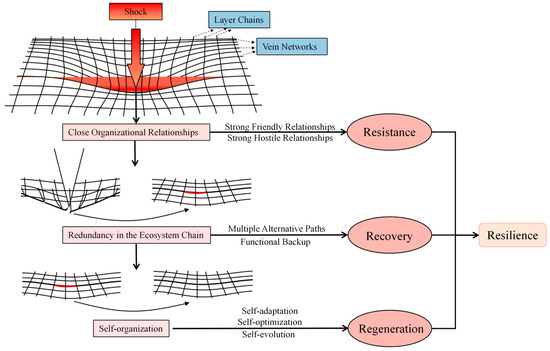
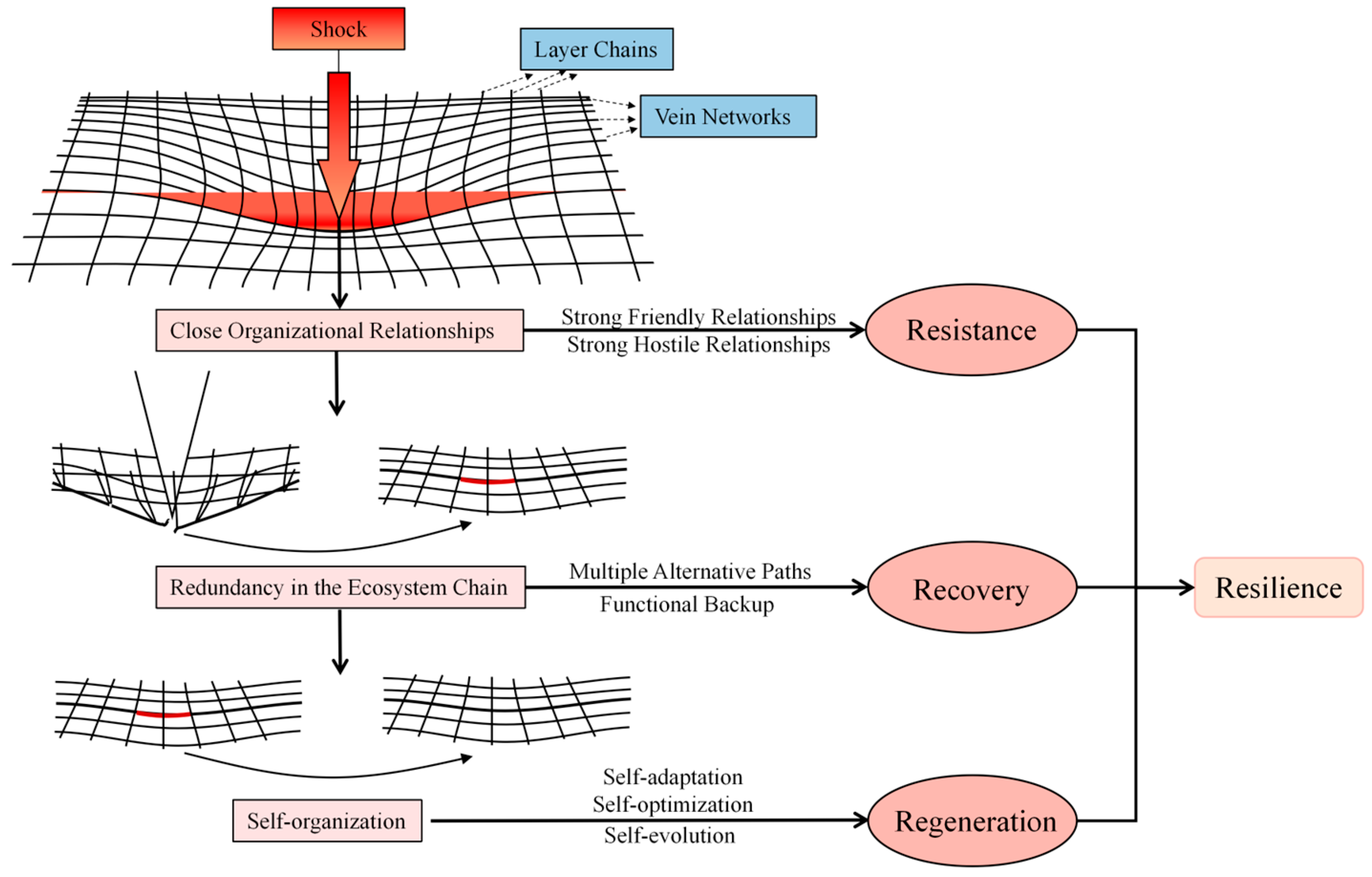
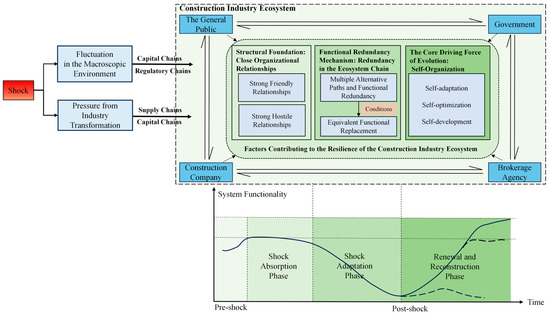
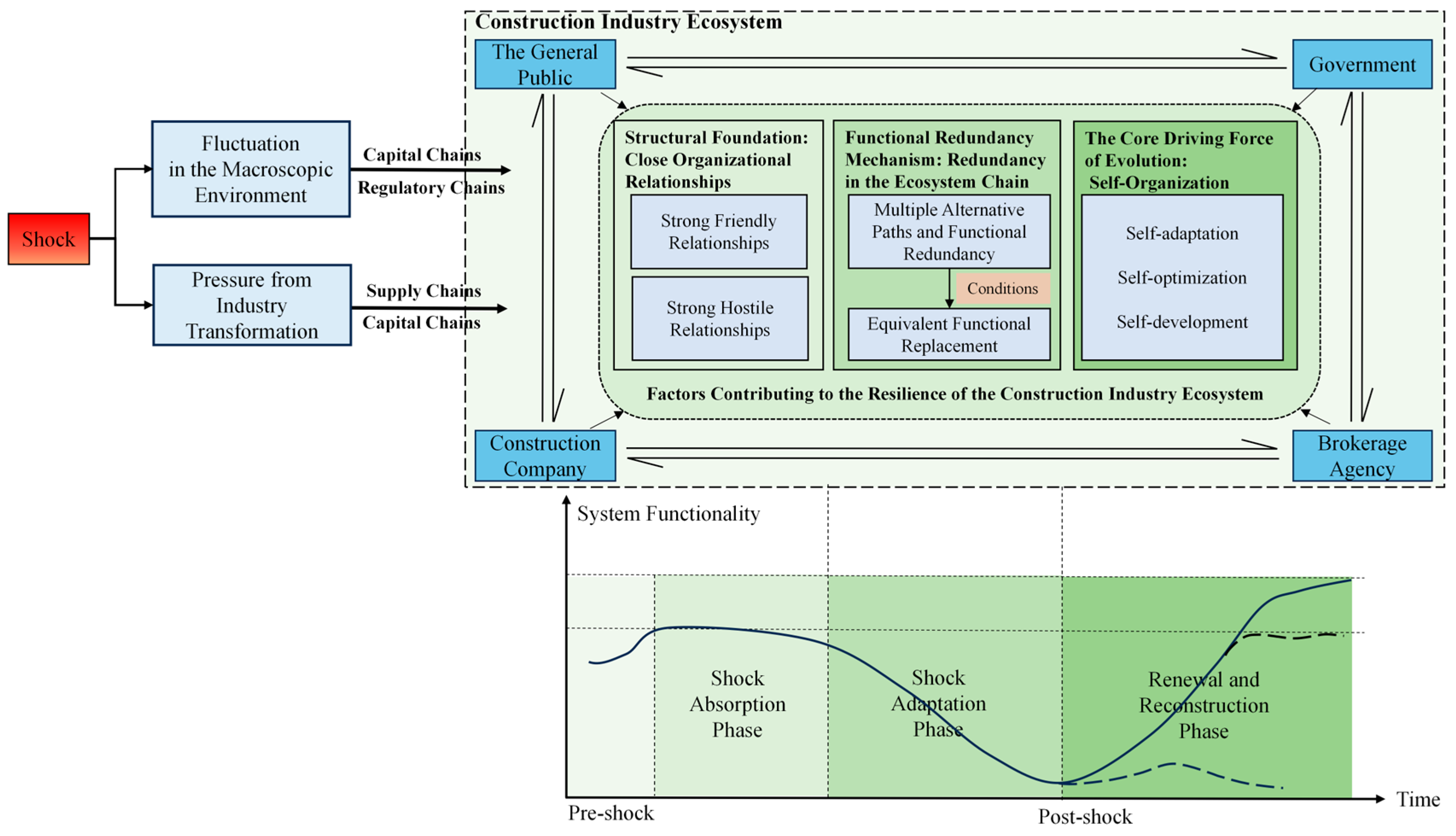
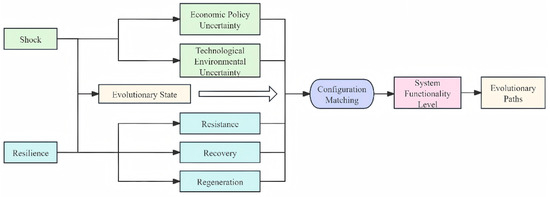
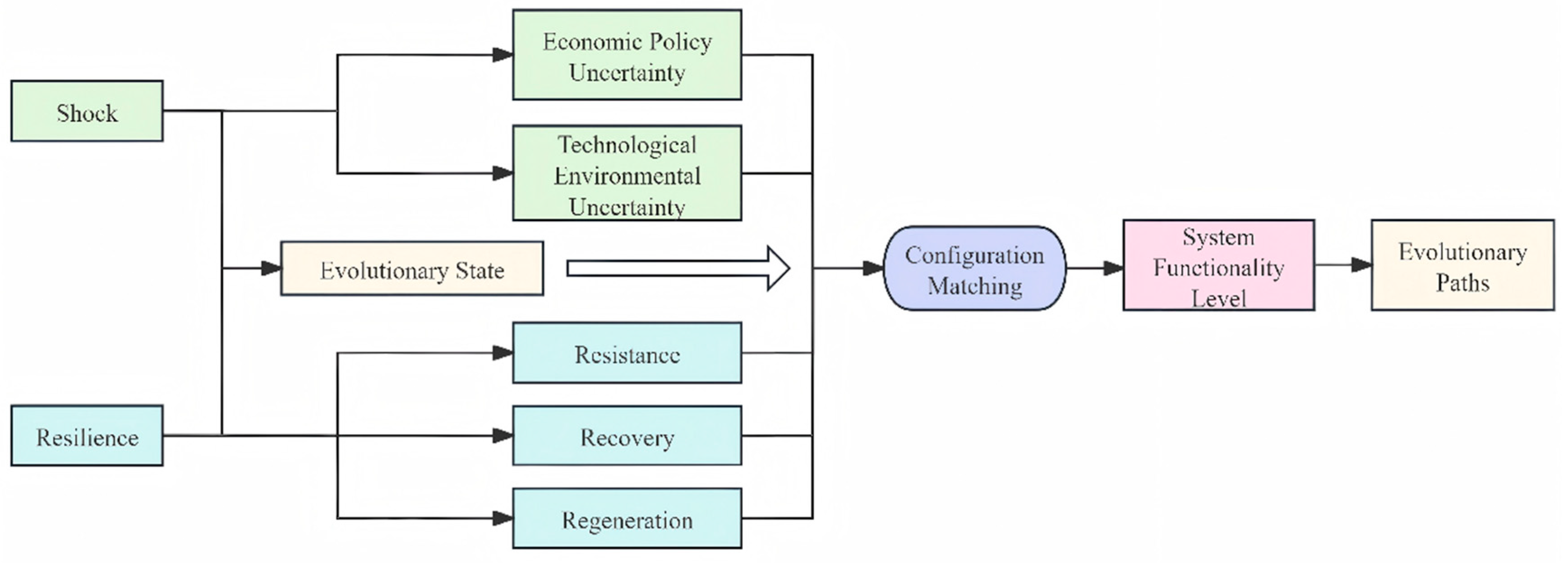
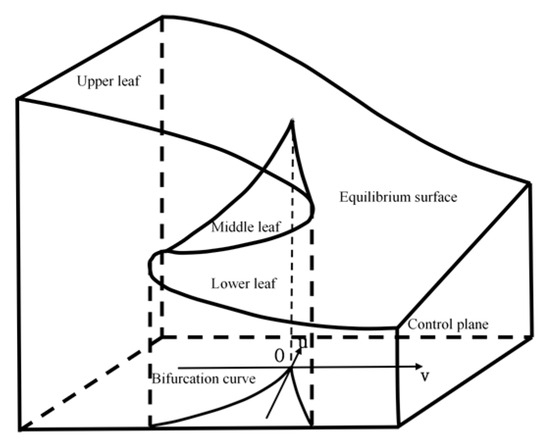
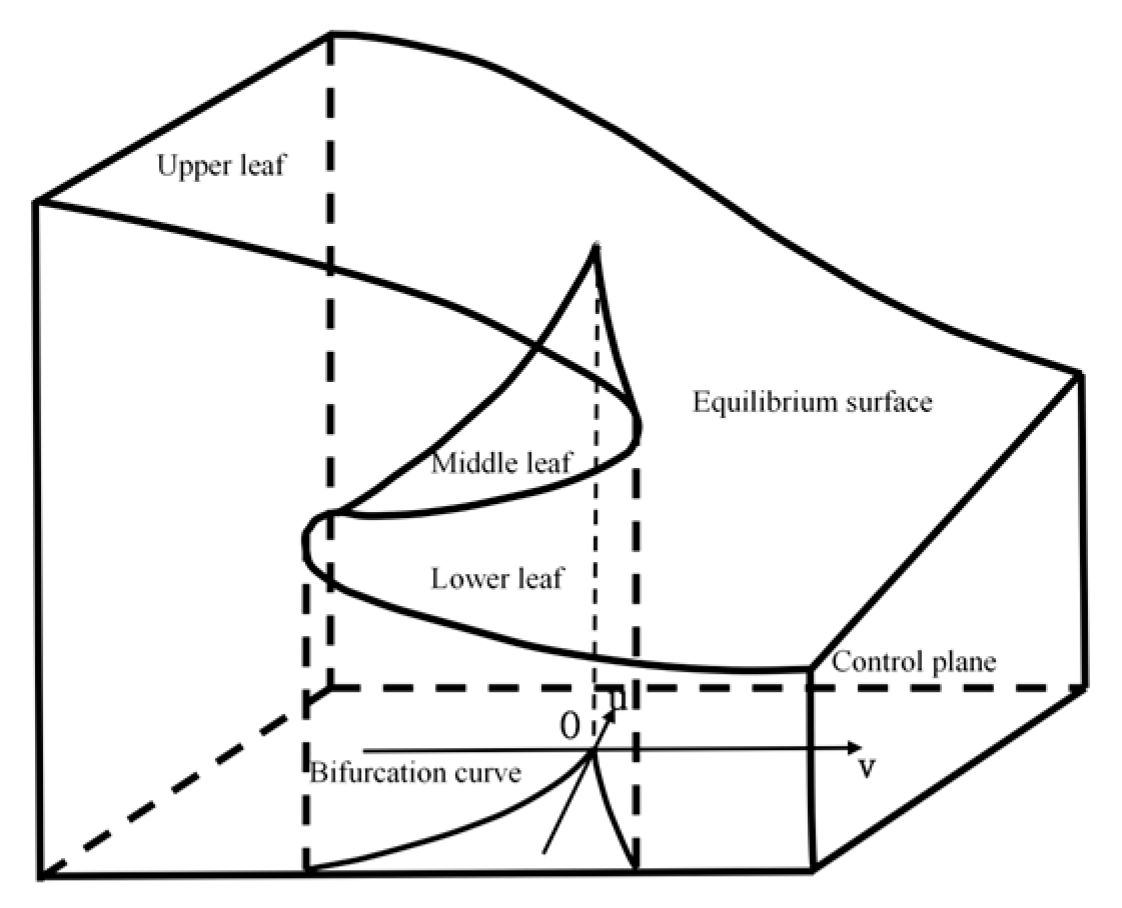
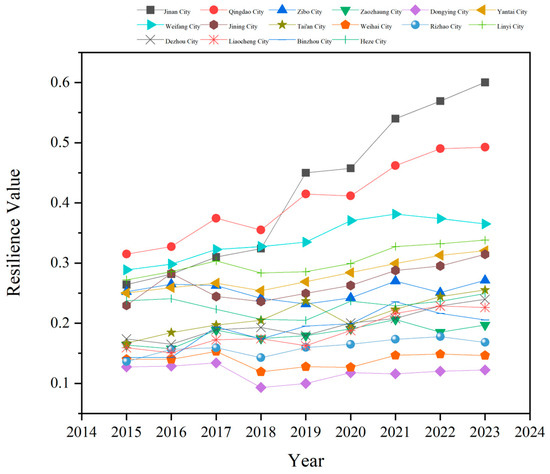
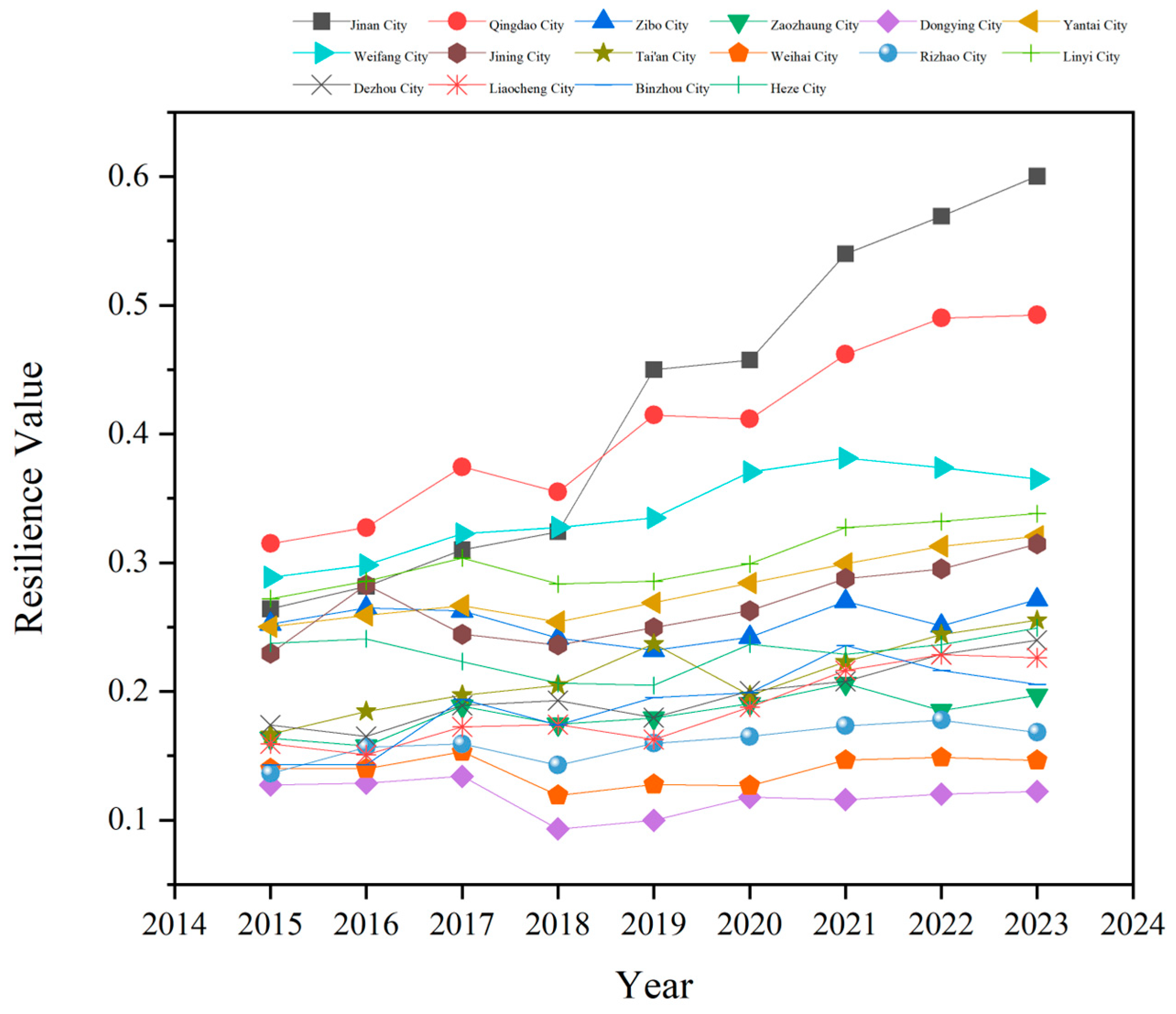
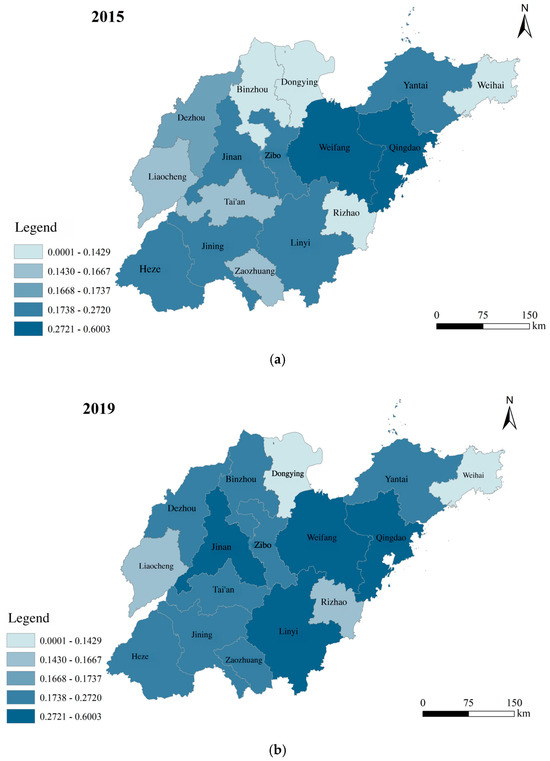
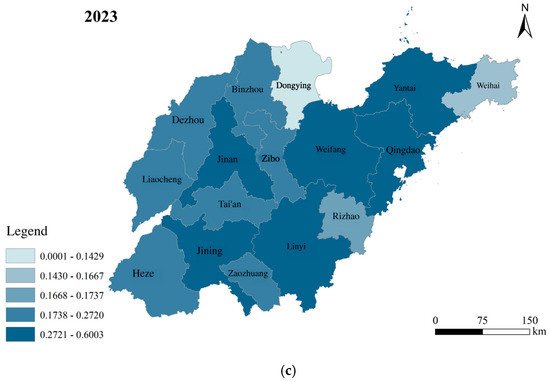
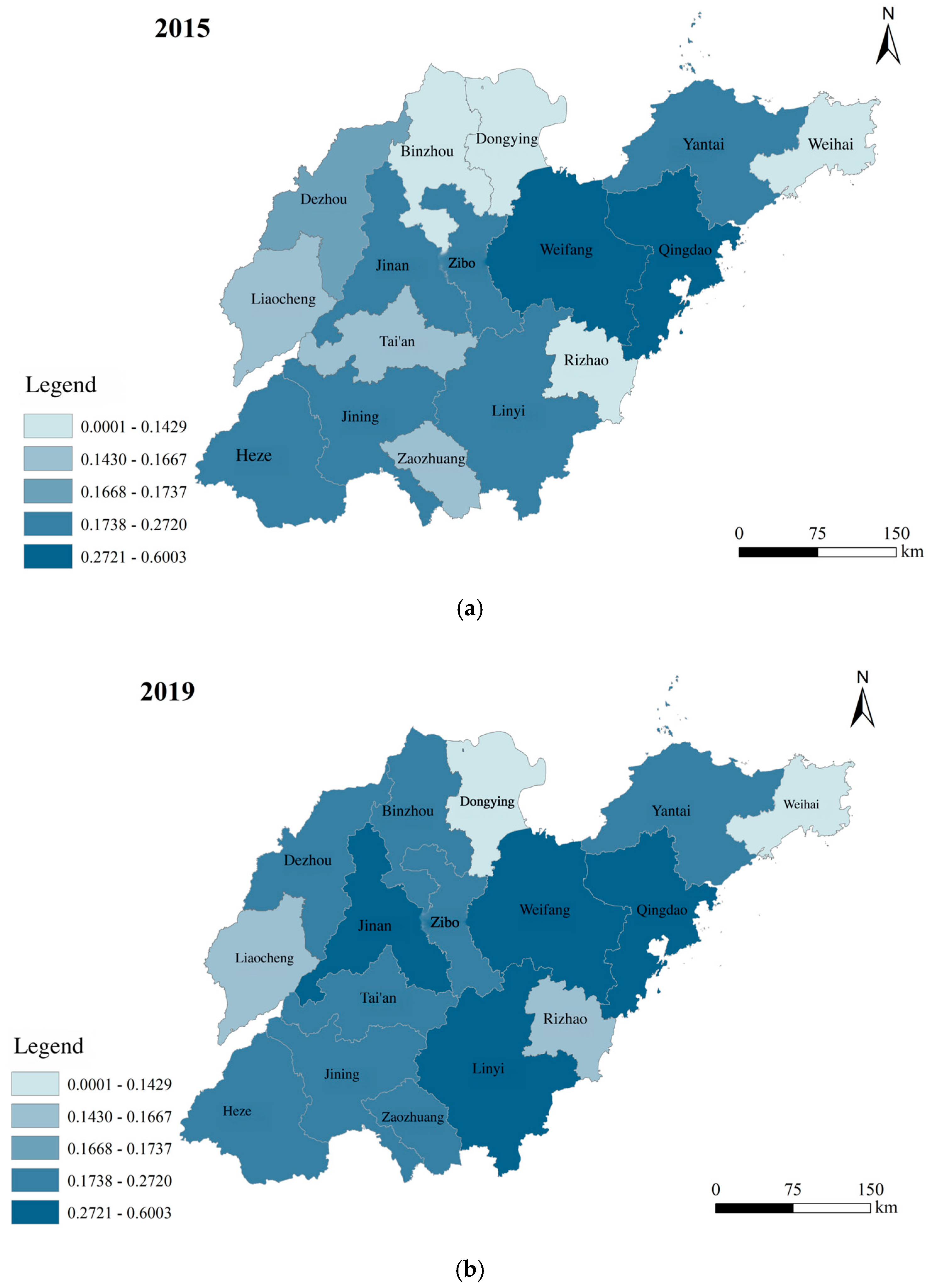
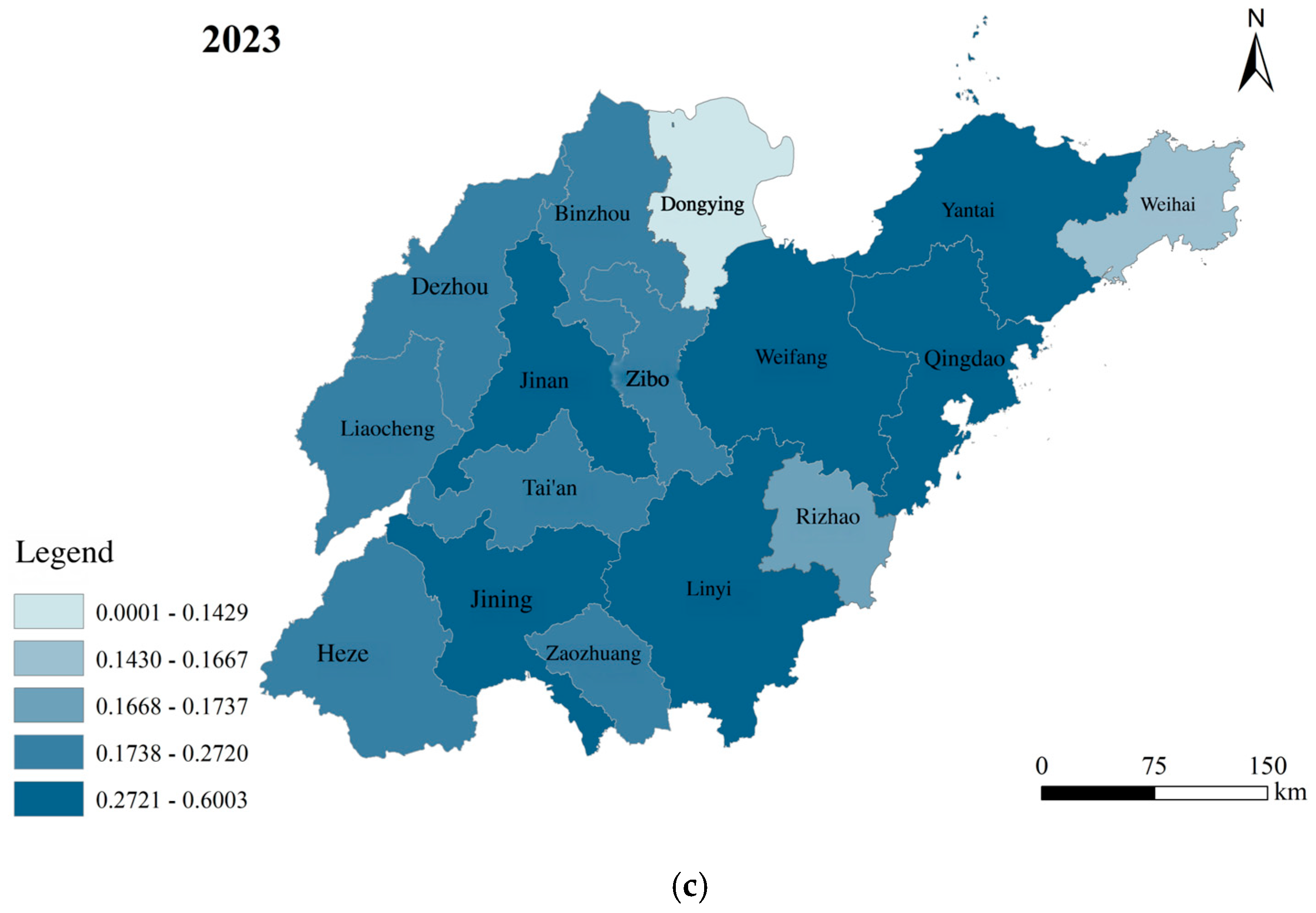
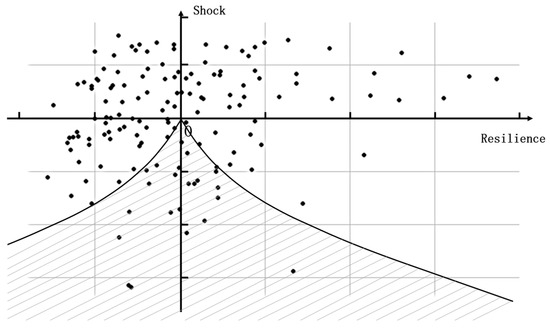
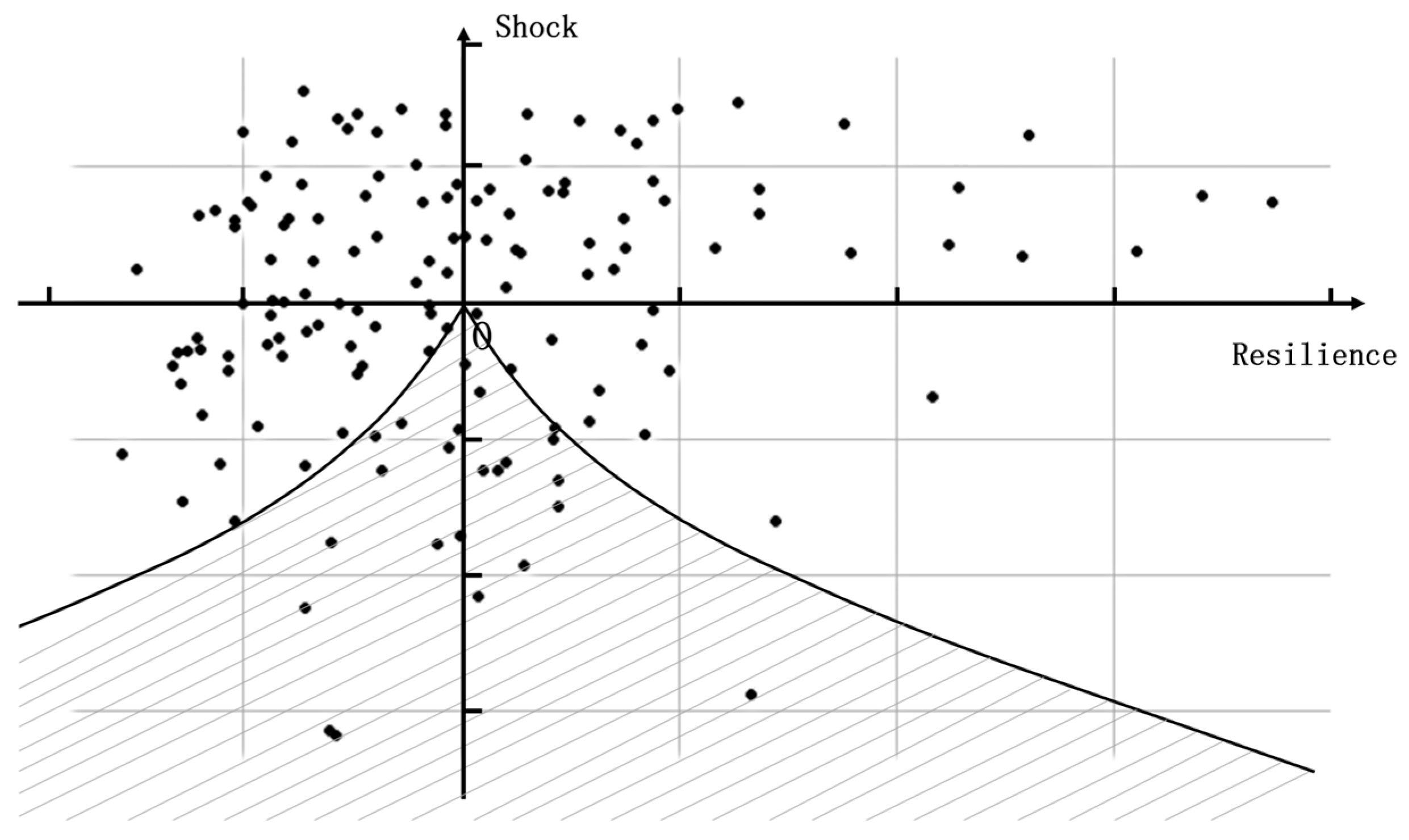

Disclaimer/Publisher’s Note: The statements, opinions and data contained in all publications are solely those of the individual author(s) and contributor(s) and not of MDPI and/or the editor(s). MDPI and/or the editor(s) disclaim responsibility for any injury to people or property resulting from any ideas, methods, instructions or products referred to in the content. |
© 2026 by the authors. Licensee MDPI, Basel, Switzerland. This article is an open access article distributed under the terms and conditions of the Creative Commons Attribution (CC BY) license.