Study on Properties and Hydration Mechanism of Polymer-Modified High-Belite Sulfoaluminate Cement Repair Mortar
Abstract
1. Introduction
2. Experimental Procedure
2.1. Raw Materials
2.1.1. Cementitious Material
2.1.2. Polymers
2.1.3. Fine Aggregate
2.1.4. Water-Reducing Admixture
2.2. Mix Proportion and Preparation of Repair Mortar
2.3. Experimental Methods
3. Results and Discussion
3.1. Setting Time of HBSAC Paste
3.2. Workability of HBSAC Repair Mortar
3.3. Flexural Strength of HBSAC Repair Mortar
3.4. Compressive Strength of HBSAC Repair Mortar
3.5. Bond Strength of HBSAC Repair Mortar
3.6. Microscopic Properties of HBSAC Repair Mortar
3.6.1. Hydration Characteristics
3.6.2. Thermogravimetric Analysis (TG/DTG)
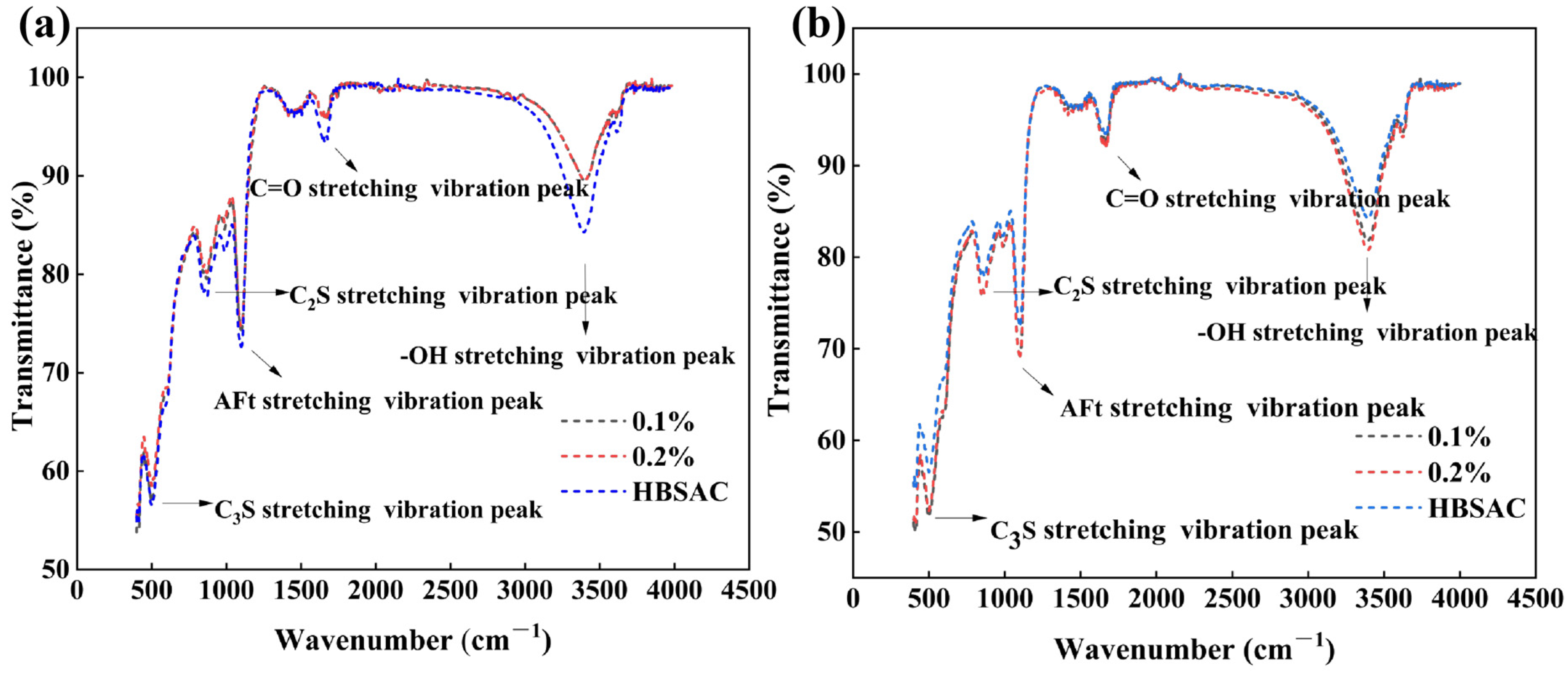
3.6.3. FTIR Analysis
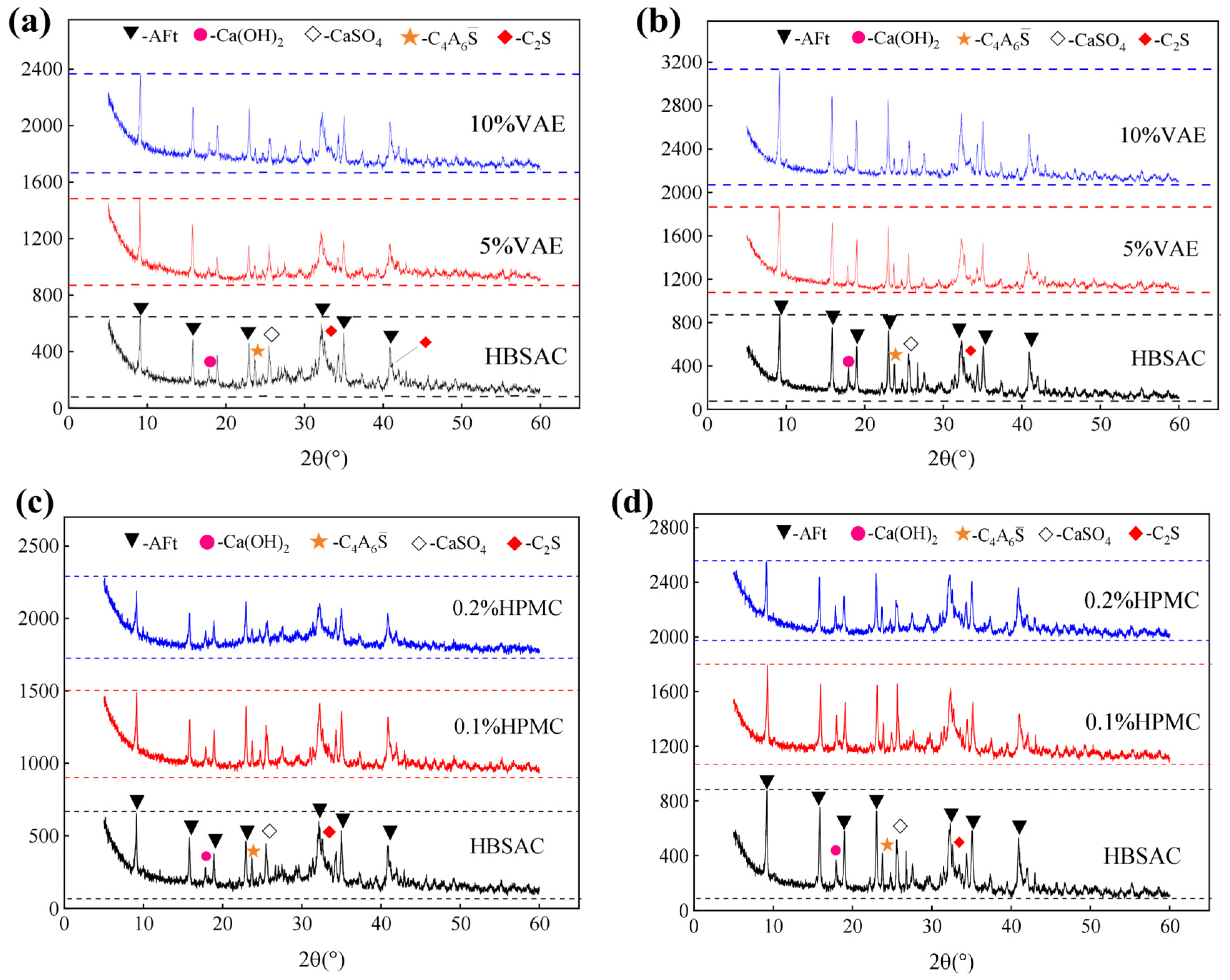
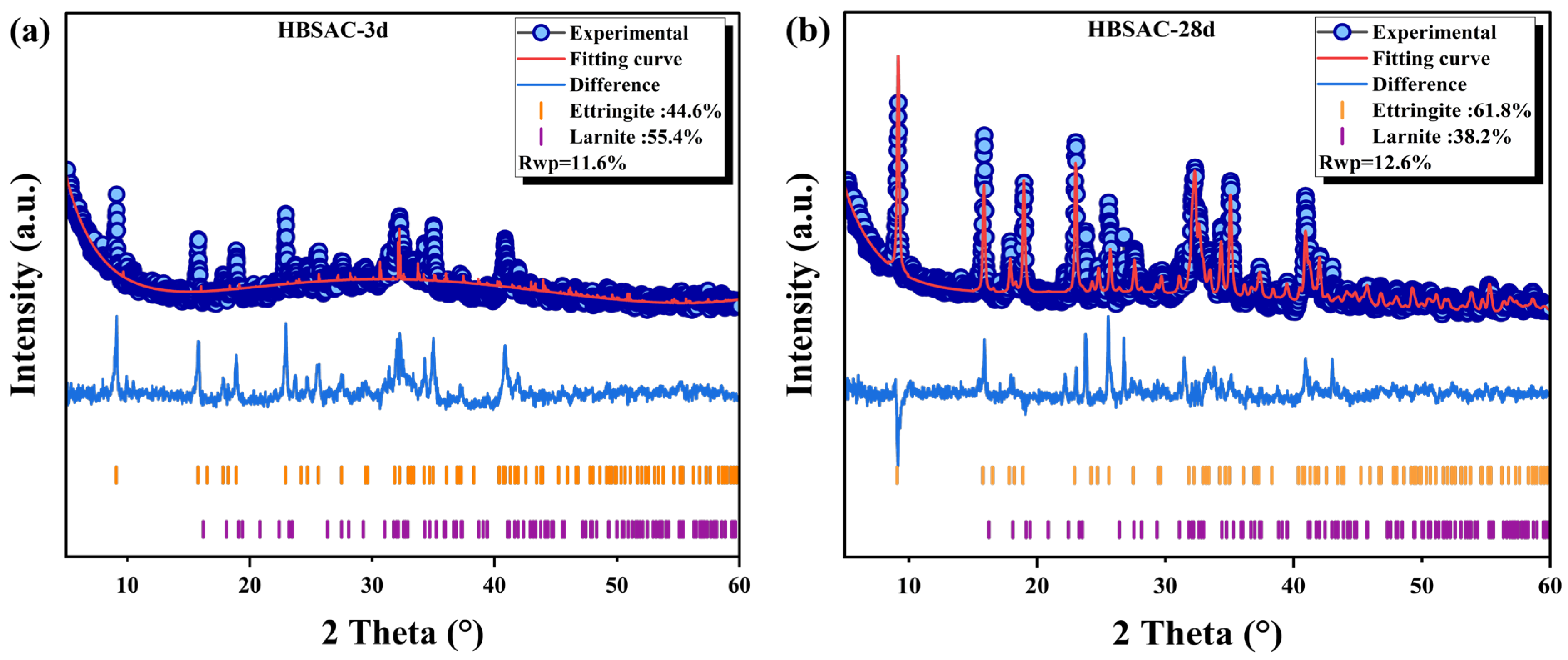
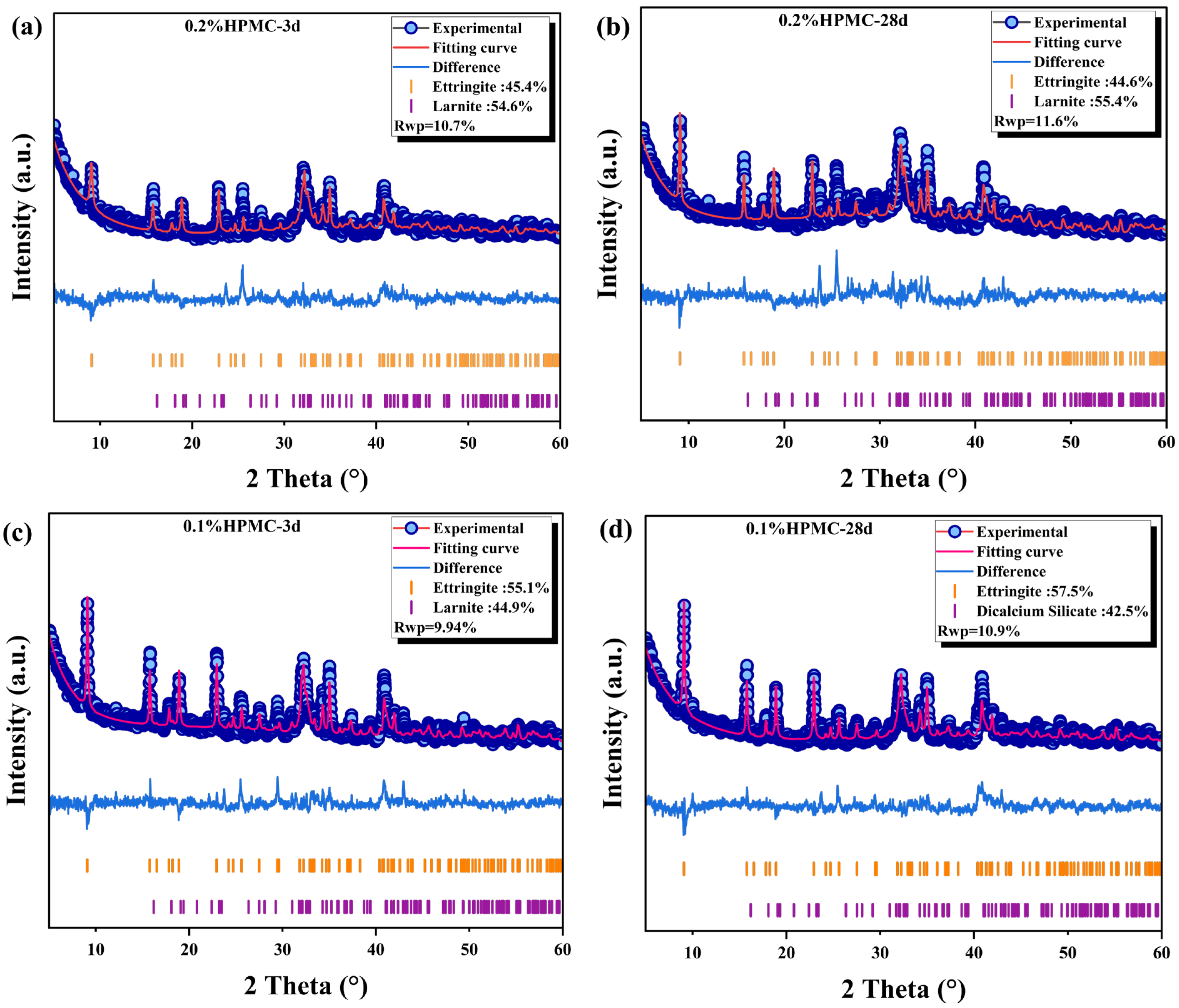
3.6.4. XRD Analysis
3.6.5. SEM Microscopic Morphology
4. Conclusions
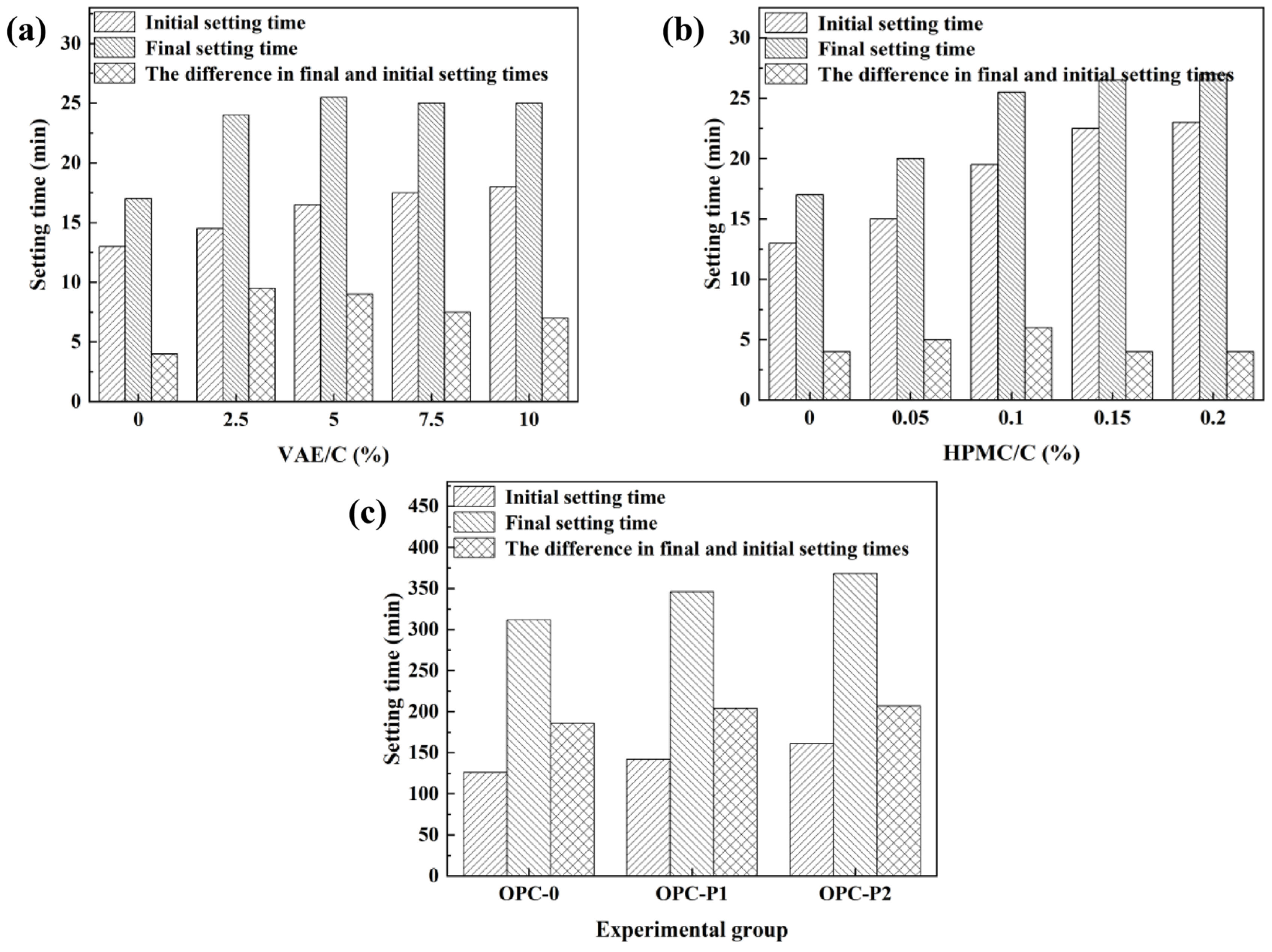
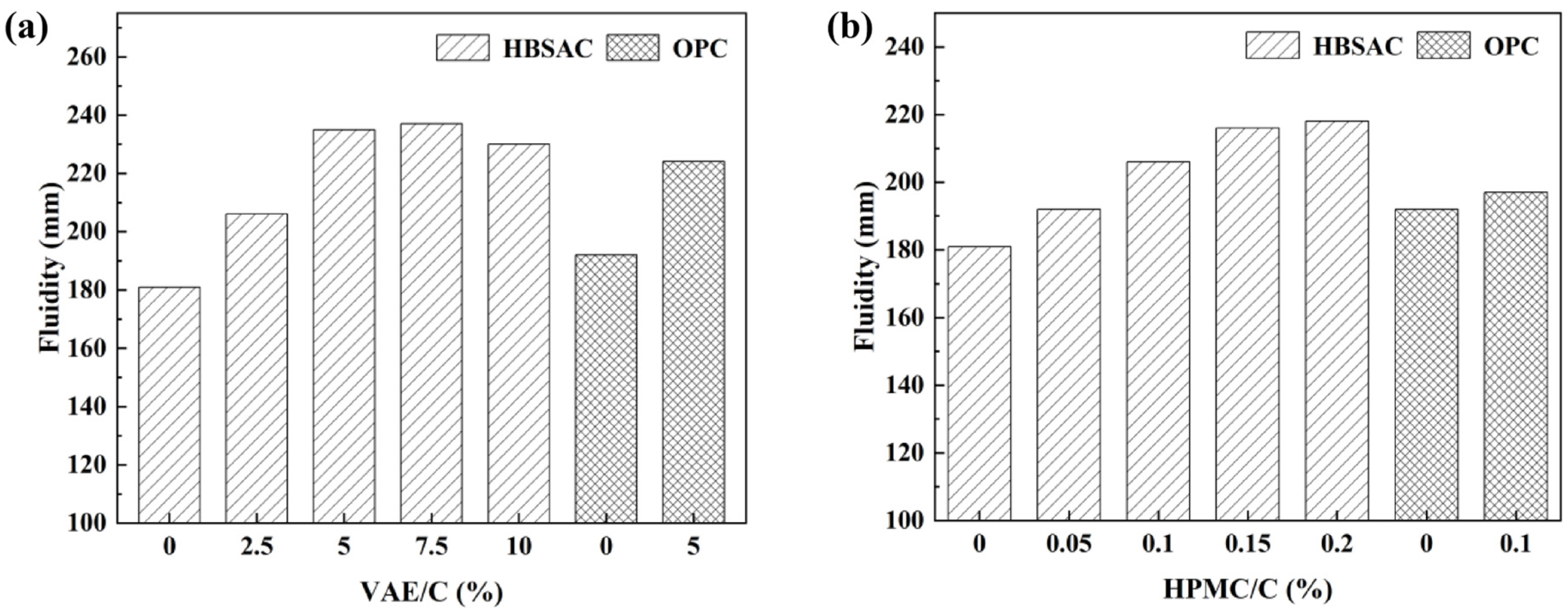
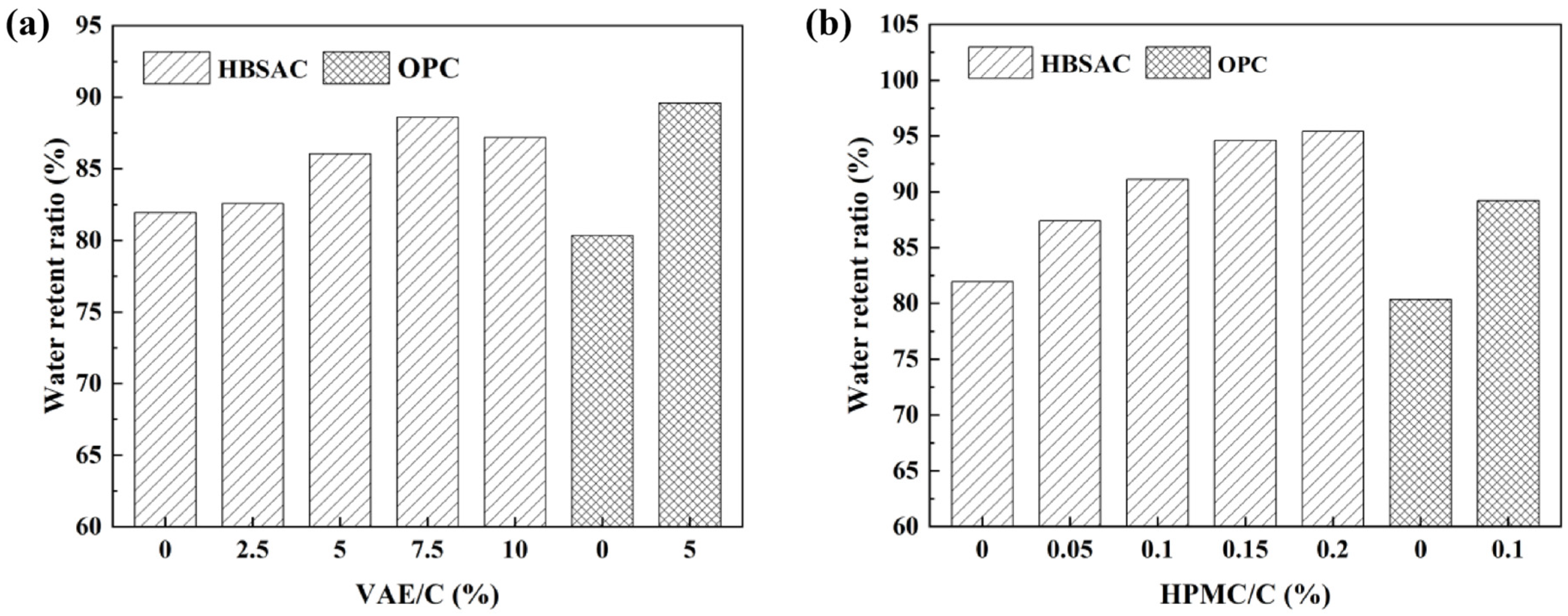
- The addition of VAE and HPMC can prolong the setting time of HBSAC and OPC pastes, and the retarding effect on HBSAC is more prominent. Both types of polymers can enhance the flowability of the mortar, lubricate the paste–aggregate interface, and significantly improve the water retention rate of the mortar. Among them, HPMC modification has a better effect, with a water retention rate of over 90% achieved at a content of 0.1%.
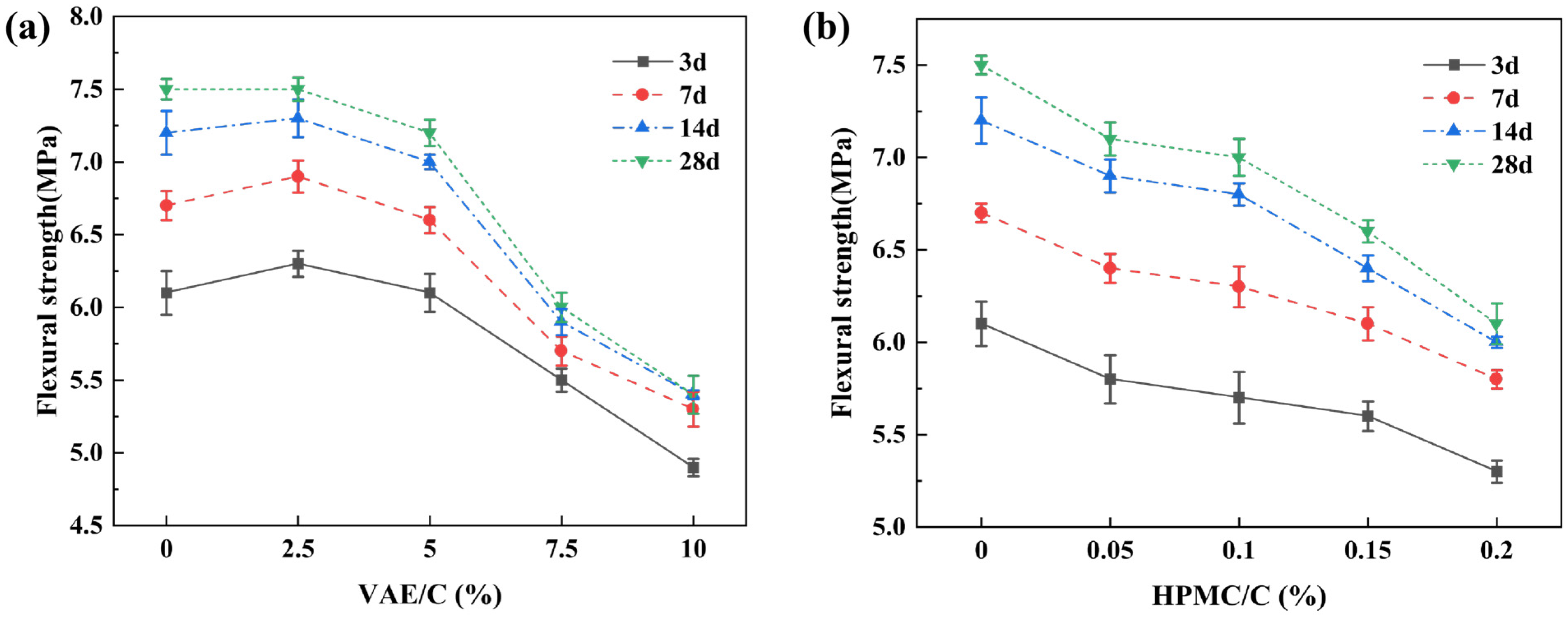
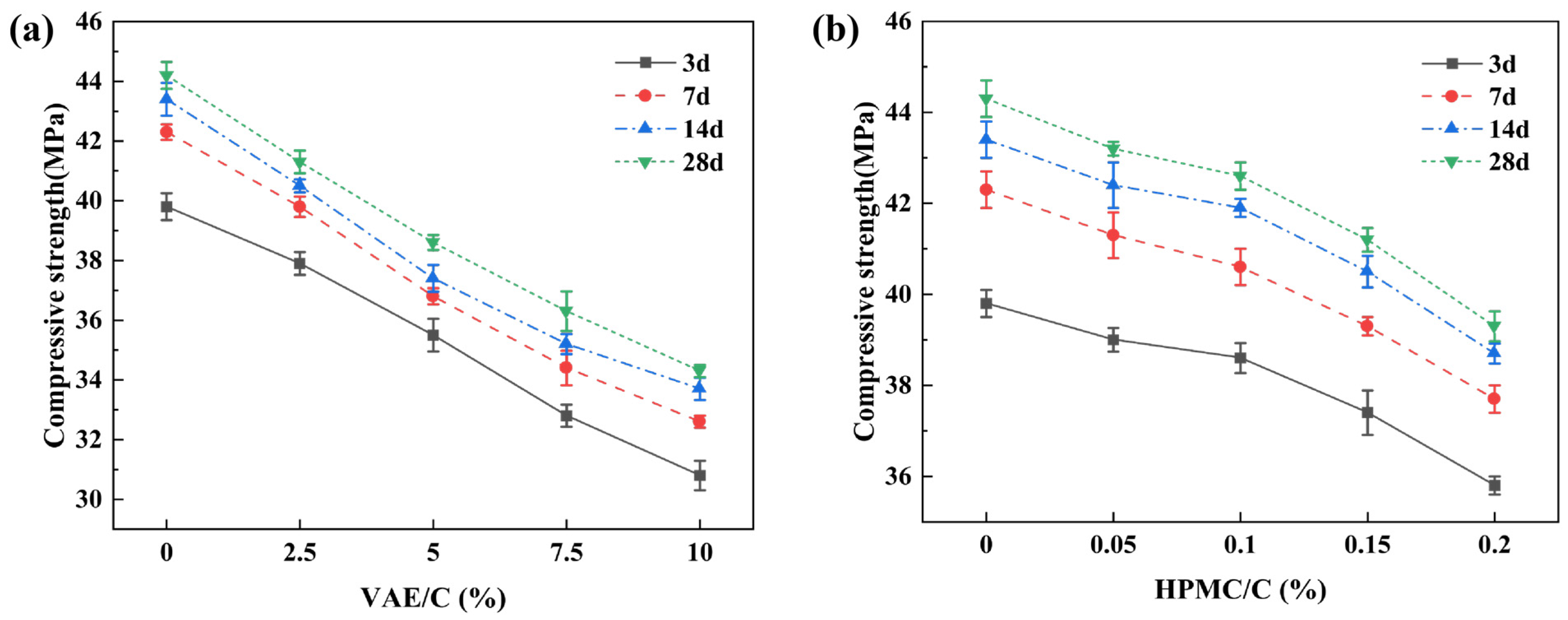
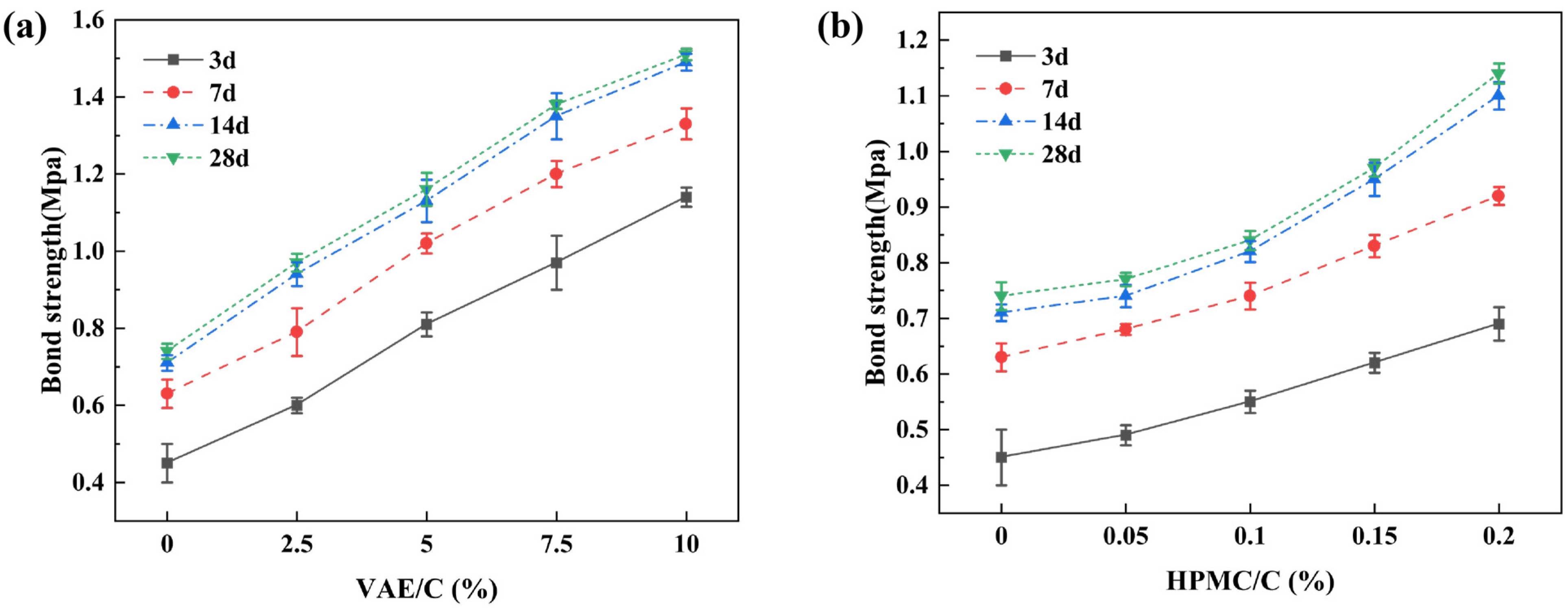
- Low content of VAE can slightly improve the flexural strength of HBSAC mortar, while high content significantly reduces both flexural and compressive strength. The mechanical strength of HPMC-modified HBSAC mortar fluctuates with the content. The bond strength of the two polymers to the mortar was significantly improved, with the 5% VAE group and 0.1% HPMC group increasing by 56.7% and 15.1% respectively at 28 d. The polymer induces a smaller reduction in the compressive strength of HBSAC mortar, but a larger improvement in the bond strength.
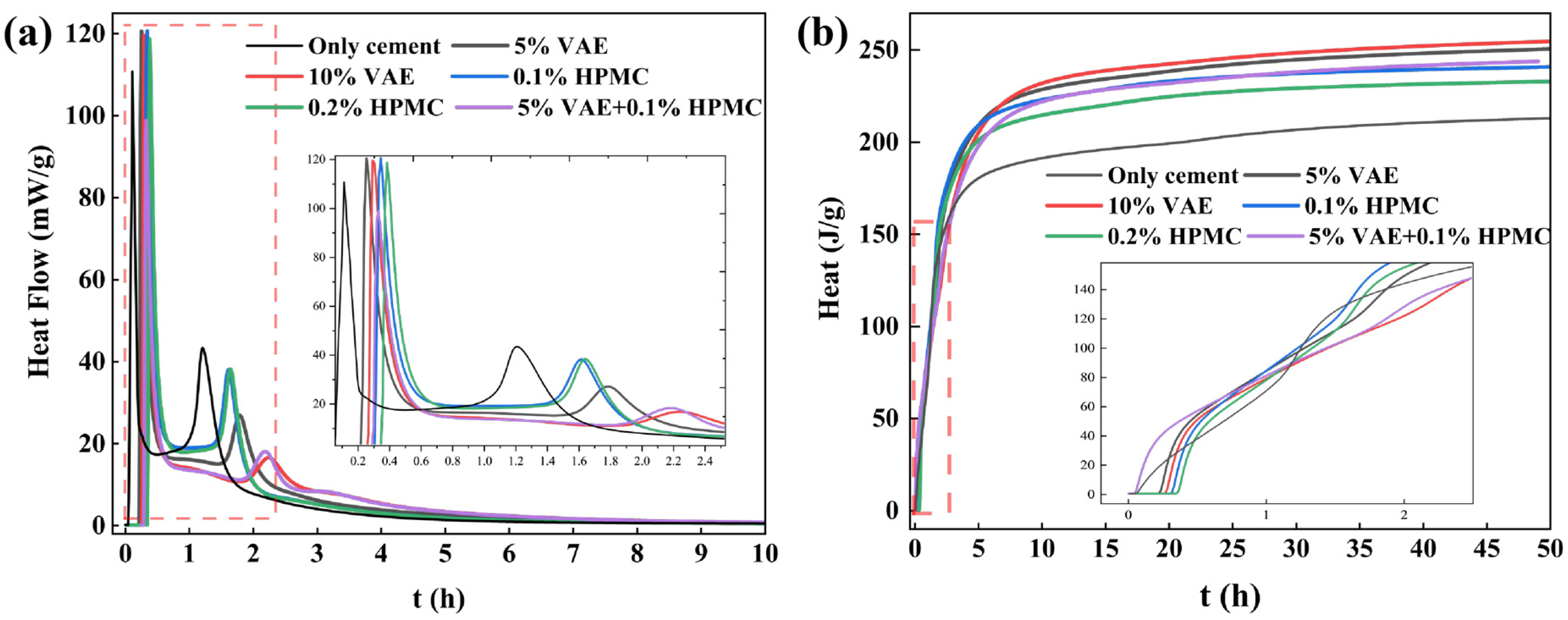
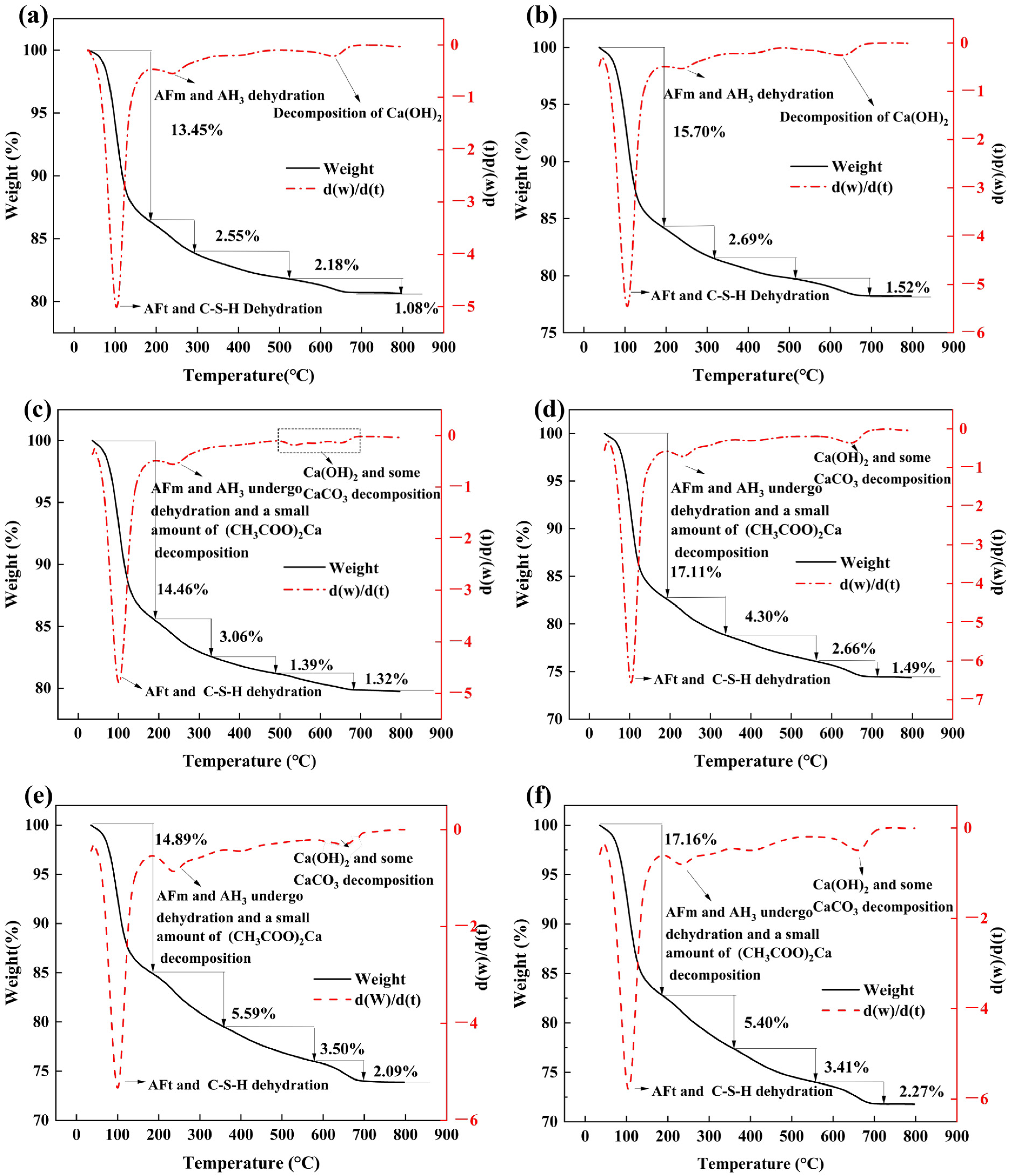
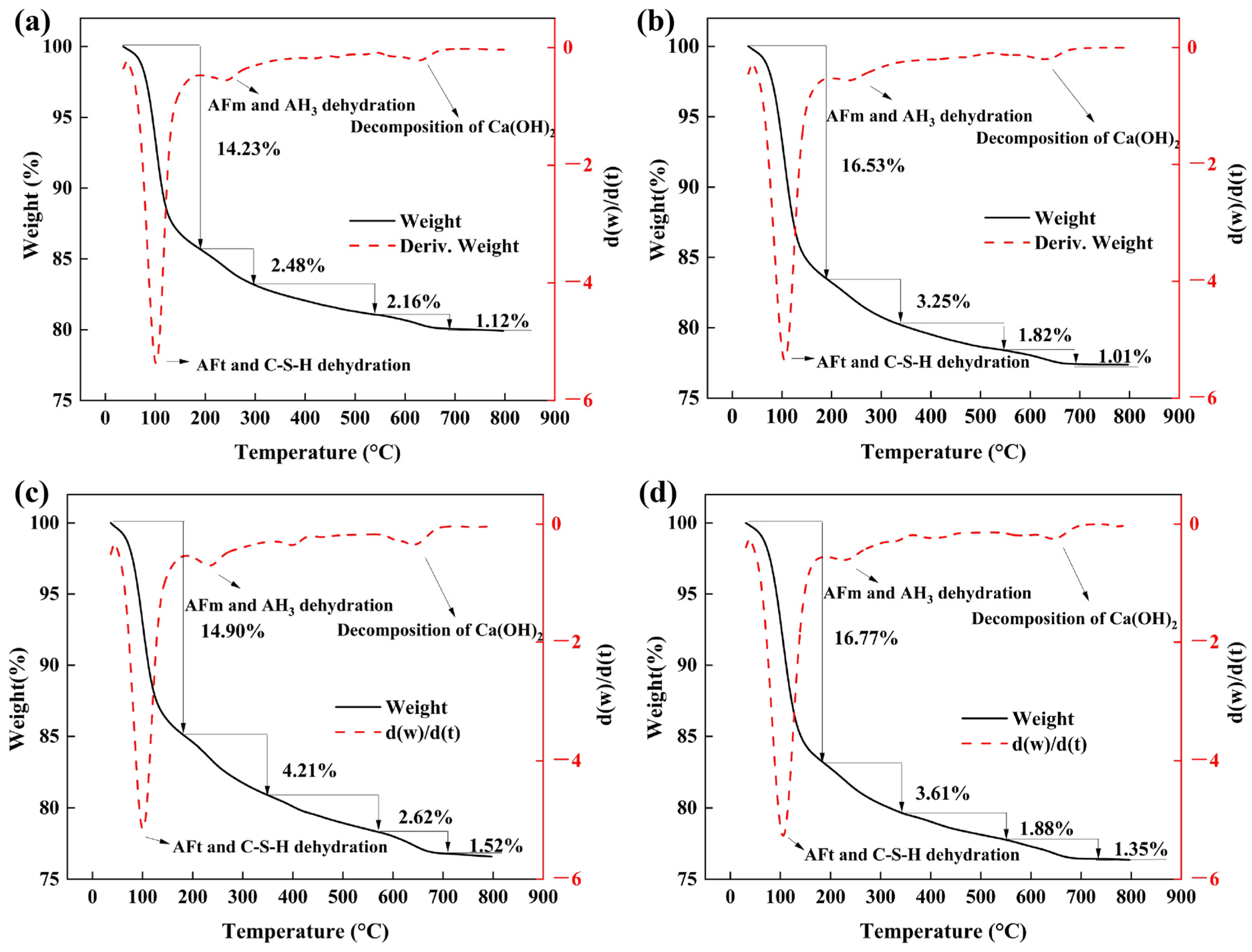
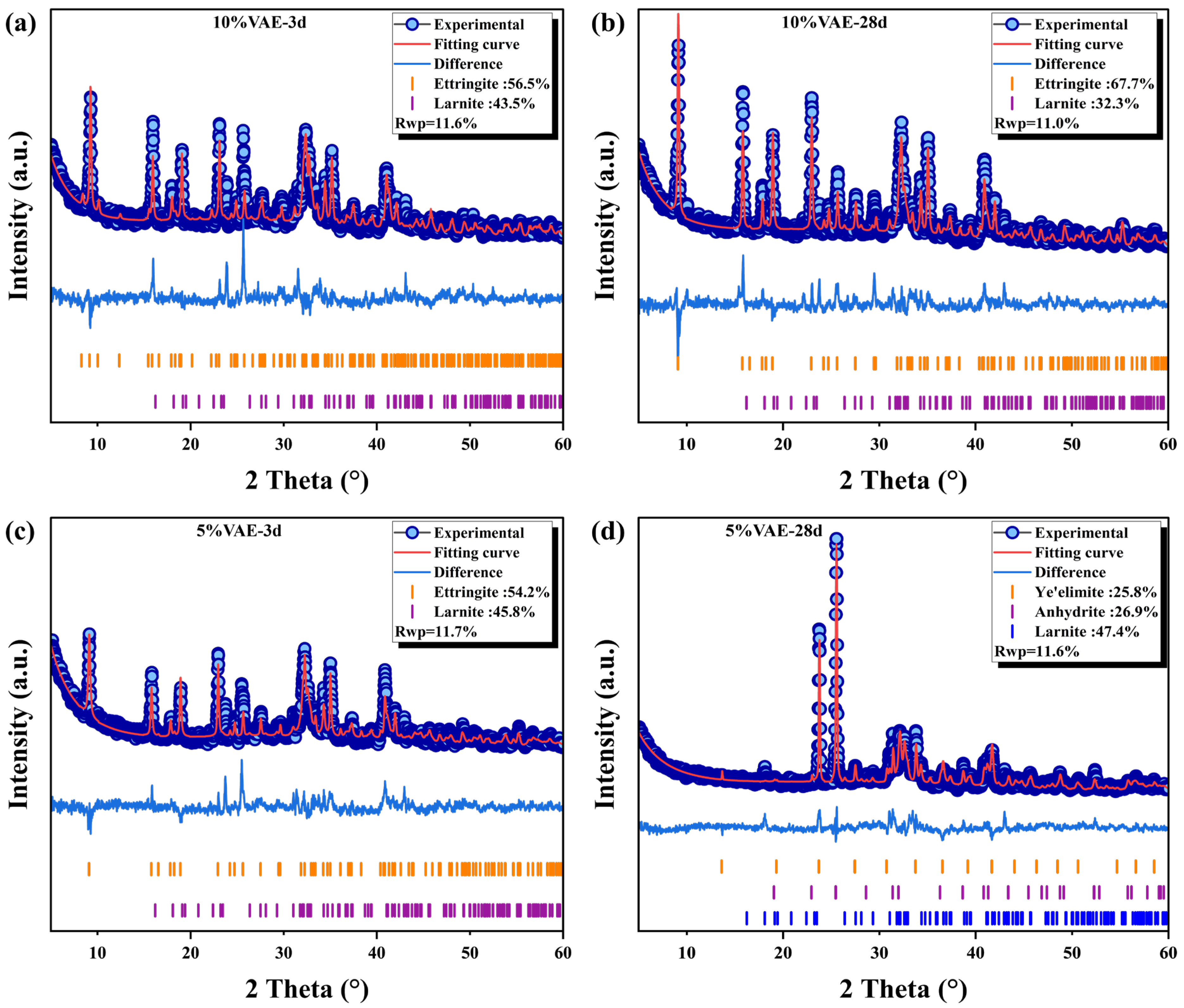
- The hydration heat release of HBSAC has two characteristic heat release peaks: cement dissolution and formation of AFt. The polymers can delay the AFt heat release peak and reduce the peak rate, while increasing the total hydration heat release within 48 h, making the hydration heat release process smoother and more persistent. The XRD results indicate that VAE is beneficial for the generation of AFt and weakens the diffraction peaks of other minerals, while HPMC inhibits the generation of AFt and enhances the diffraction peak intensity of Ca(OH)2.
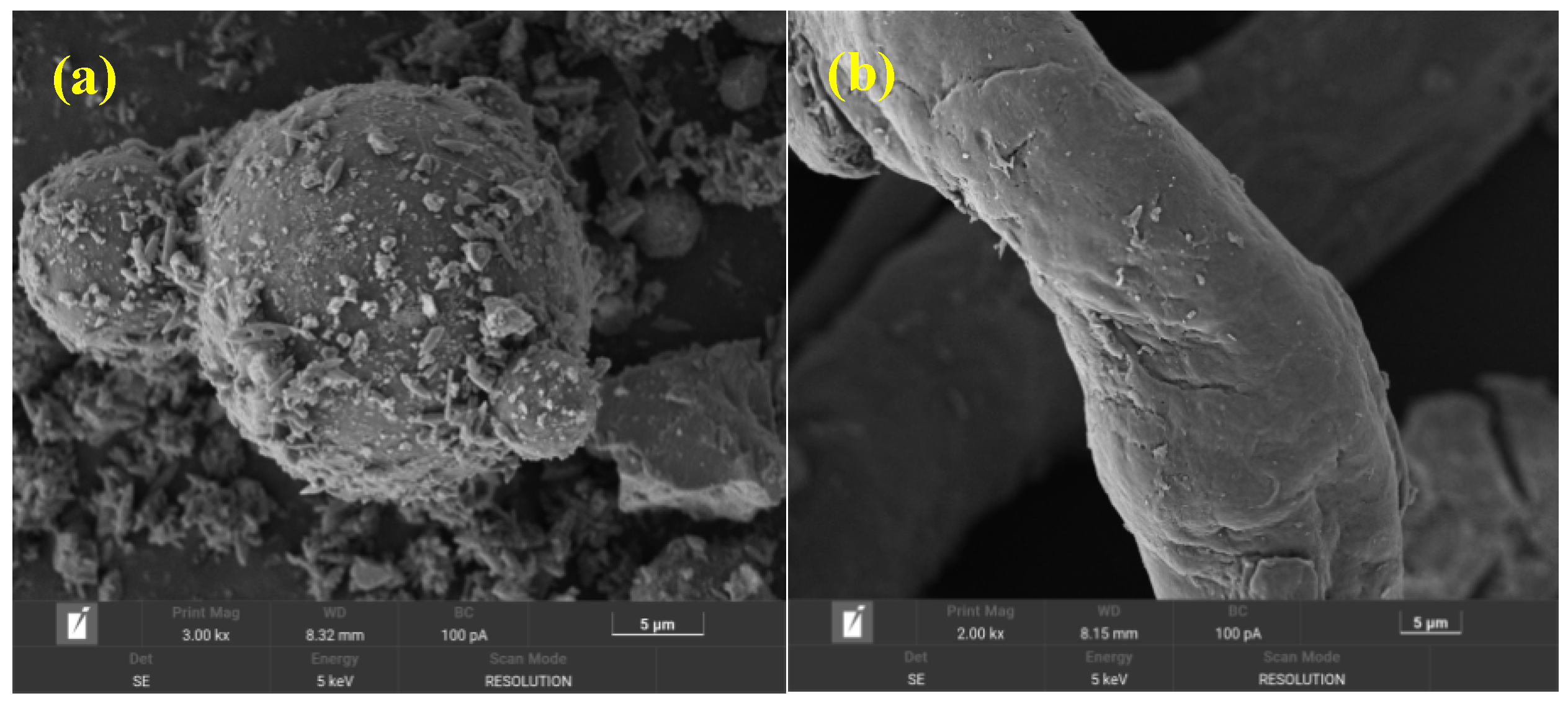
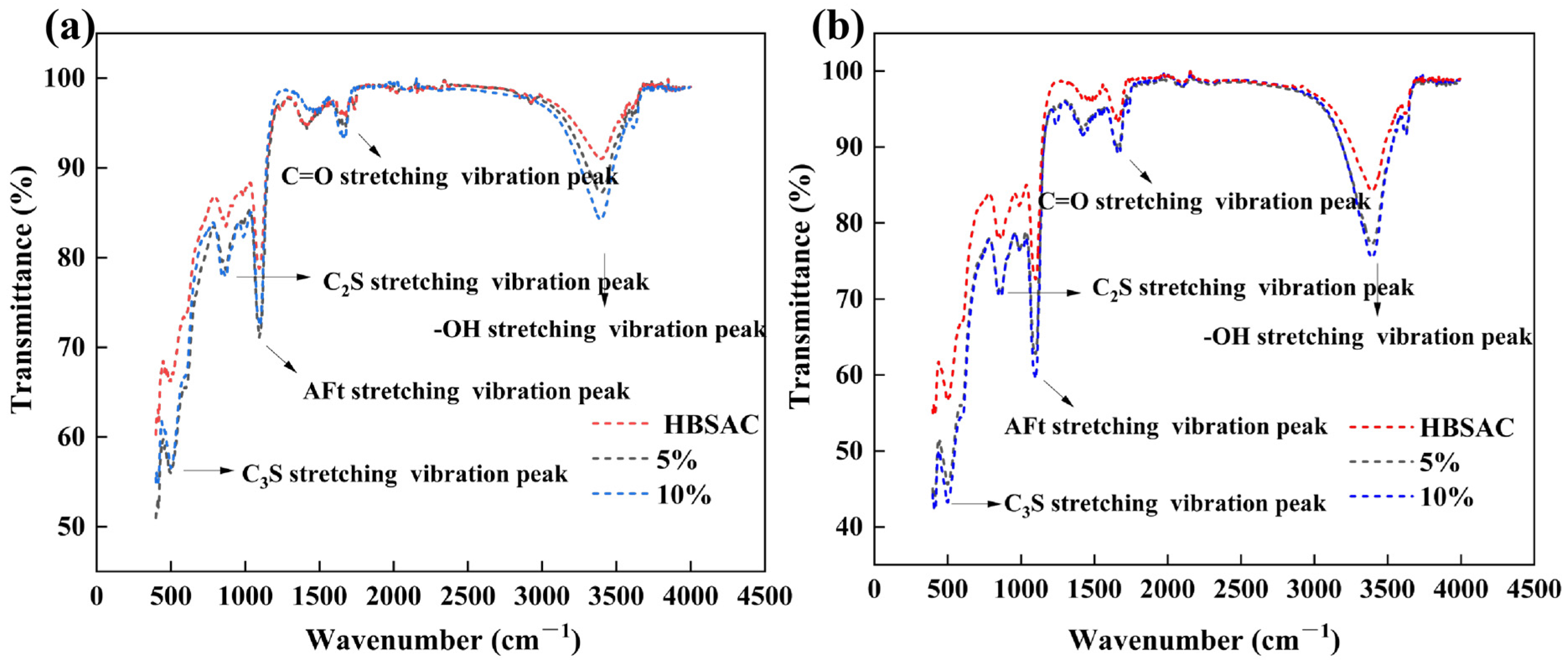
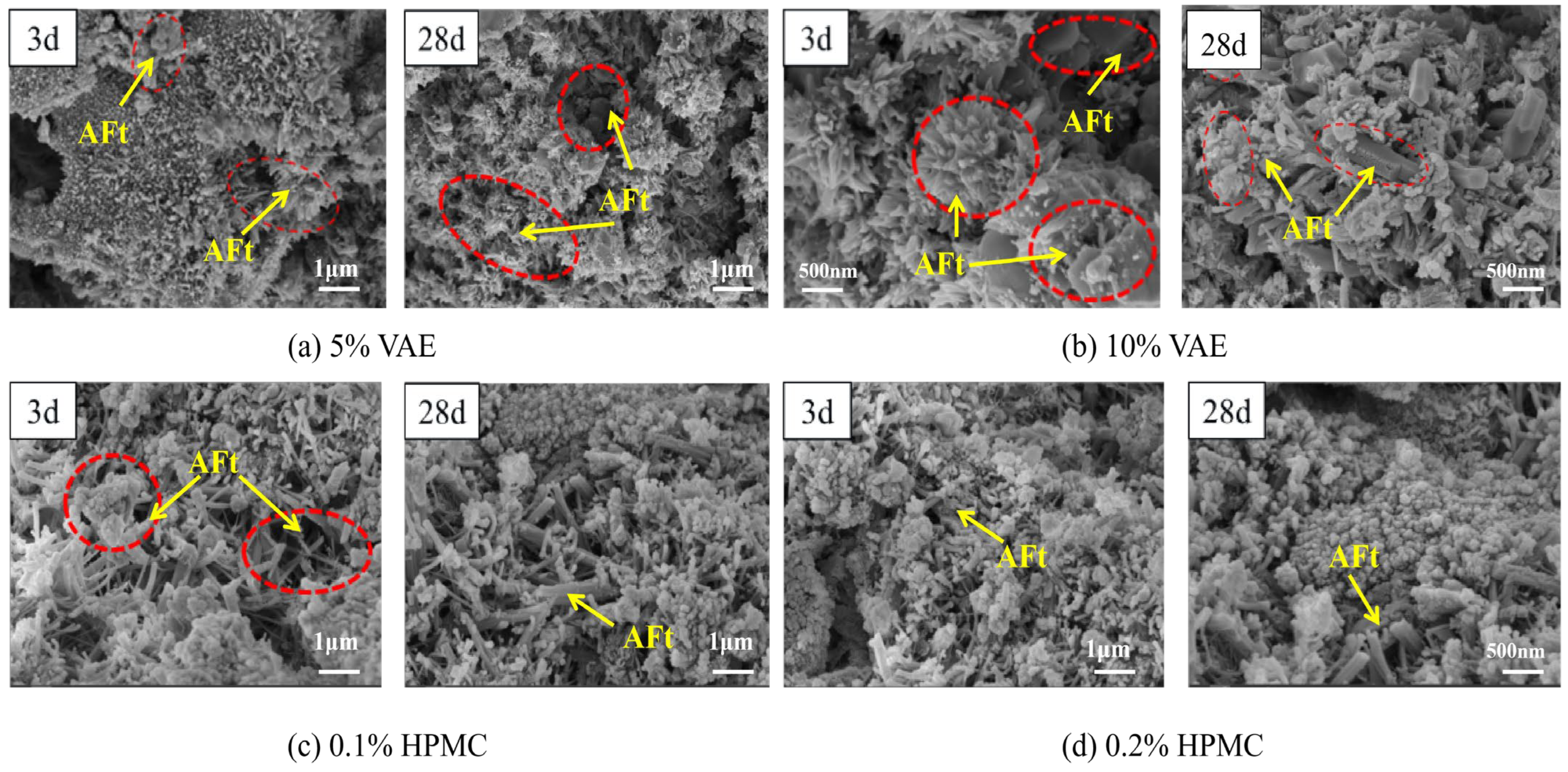
- FTIR analysis shows that the characteristic peaks of polymer functional groups decay after hydration reaction, and VAE can enhance the infrared characteristic peak of AFt, while HPMC has a weaker effect on the characteristic peak of AFt. VAE has a spherical microstructure, which can refine AFt needle-like crystals and form a network-like polymer film. HPMC has a band-like structure, which can generate a large number of stacked spherical structures after hydration, optimizing the morphology of hydration products and improving the density of the paste.
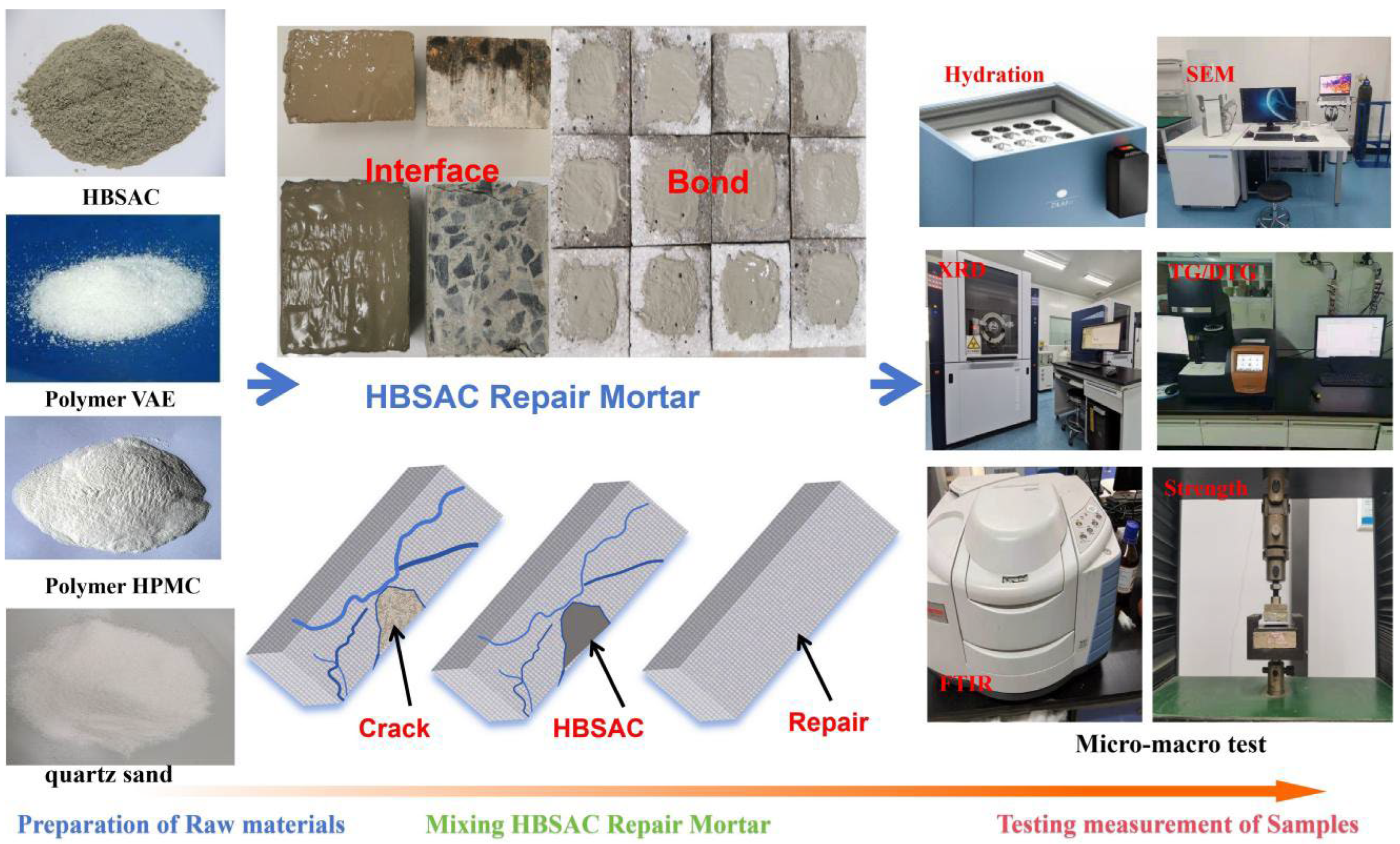
- The HBSAC-based repair mortar modified with 5.0% VAE or 0.1% HPMC features rapid hardening and high early strength, as well as excellent workability, bonding performance and mechanical properties. It can be widely used for repairing damaged concrete building components, emergency maintenance of municipal roads and partial restoration of old structures. The mortar can meet the engineering requirements for rapid construction service, processing a good practical value and promotion prospects in the field of repair material.
Author Contributions
Funding
Data Availability Statement
Acknowledgments
Conflicts of Interest
References
- Xia, J.; Jiang, H.; Chen, J. A comparative study of durability design standards for concrete structures exposed to marine chloride environments. Constr. Build. Mater. 2026, 528, 146474. [Google Scholar] [CrossRef]
- Ning, X.; Liu, Z.; Jian, L.; Li, Y.; Li, J. Effects of various fibers on bond durability between BFRP bars and self-compacting concrete in marine environment: Experiment and prediction. J. Build. Eng. 2026, 121, 115726. [Google Scholar] [CrossRef]
- Wang, W.; Xing, Q.; Li, H.; Bao, J.; Wen, L.; Lei, D. Enhancing marine concrete durability: A novel silicone-based slippery coating for antifouling and corrosion resistance. Constr. Build. Mater. 2025, 501, 144342. [Google Scholar] [CrossRef]
- Kobbekaduwa, D.; Yang, P.; Nanayakkara, O.; Krevaikas, T.; Di Sarno, L. Experimental study on corroded reinforced concrete columns repaired with textile-reinforced mortar (TRM) and organic corrosion inhibitors. Constr. Build. Mater. 2025, 491, 142702. [Google Scholar] [CrossRef]
- Felekoglu, B. A comparative study on the bonding performance of an admixed repair mortar and high-strength flowable micro-concrete with substrate: Considerations on the physico-mechanical compatibility. J. Build. Eng. 2024, 98, 111113. [Google Scholar]
- Kim, K.; Lee, J.; Lee, H.; Rodrigazo, S.A.; Yeon, J. Evaluation of polymer resin mortars for surface repair of porous asphalt pavements. Constr. Build. Mater. 2025, 489, 142329. [Google Scholar] [CrossRef]
- He, Y.; Wen, F.; Lian, P.; Chen, R.; Bai, Y.; Ma, J.; Wang, Y.; Cheng, L.; Tan, H.; Gu, Y.; et al. Preparation and performance of acrylic mortar repair material modified suitably by nano-fiber and nano-particle in low-temperature for high-strength gain applications in construction. J. Build. Eng. 2024, 84, 108366. [Google Scholar] [CrossRef]
- Abdullah, M.; Zahid, M.; Ayob, A.; Muhamad, K. Flexural behavior of fire-damaged reinforced concrete beams repaired with high-strength fiber reinforced mortar. J. Struct. Fire Eng. 2019, 10, 56–75. [Google Scholar]
- Jiang, L.; Li, Y.; Li, P.; Hu, S.; Zhao, X.; Wang, W.; Zhang, Y.; Liu, Y. Study on self-healing effect and mechanism of cement mortar cracks based on mixed bacteria mineralization repair system. J. Build. Eng. 2026, 121, 115606. [Google Scholar] [CrossRef]
- Chen, Y.; Chen, Y.; Wang, S.; Chen, Z.; Guo, J.; Chen, G. Research progress and application prospects of microbial mineralization for repairing cracks in recycled concrete. Biochem. Eng. J. 2025, 219, 109733. [Google Scholar] [CrossRef]
- Kobbekaduwa, D.; Nanayakkara, O.; Liu, E. Long-term drying shrinkage characteristics of repair mortars with organic corrosion inhibitors in aggressive environments. Constr. Build. Mater. 2026, 529, 146566. [Google Scholar] [CrossRef]
- Tian, H.; Zhang, Y.; Feng, Q.; Qiao, H. Pore structure analysis and prediction of characteristics by metaheuristic algorithm of manufactured sand polymer-modified repair mortar. Constr. Build. Mater. 2025, 463, 140065. [Google Scholar] [CrossRef]
- Yang, F.; Tchekwagep, J.; Wang, S.; Huang, S.; Cheng, X. The effect of extensive heat exposure on the mechanical properties of polymer-modified sulfoaluminate cement repair mortar. Case Stud. Constr. Mater. 2024, 20, e03348. [Google Scholar] [CrossRef]
- Yuan, P.; Zhang, B.; Yang, Y.; Jiang, T.; Li, J.; Qiu, J.; He, H. Application of polymer cement repair mortar in underground engineering: A review. Case Stud. Constr. Mater. 2024, 19, e02555. [Google Scholar] [CrossRef]
- Zhang, J.; Han, T.; Xiao, M.; Altaf, M.; Wang, R.; Feng, Y. Preparation of organic-inorganic styrene-acrylate emulsion and its improvement on the comprehensive performance of mortar. J. Build. Eng. 2026, 118, 115017. [Google Scholar] [CrossRef]
- Shi, C.; Wang, P.; Ma, C.; Zou, X.; Yang, L. Effects of SAE and SBR on properties of rapid hardening repair mortar. J. Build. Eng. 2021, 35, 102000. [Google Scholar] [CrossRef]
- Tarannum, N.; Pooja, K.; Khan, R. Preparation and applications of hydrophobic multicomponent based redispersible polymer powder: A review. Constr. Build. Mater. 2020, 247, 118579. [Google Scholar] [CrossRef]
- Xu, C.; Guo, Y.; Li, Q.; Kong, Z.; Shao, C. Advancing sustainable infrastructure: Leveraging forestry waste fibers to enhance crack resistance and durability in repair mortar. Case Stud. Constr. Mater. 2024, 21, e04089. [Google Scholar] [CrossRef]
- Wang, Z.; Xu, J.; Meng, X.; Huang, Z.; Xia, W. Effect of VAE emulsion and inorganic fillers on the properties of styrene-acrylic emulsion based cement composite joint sealant. Constr. Build. Mater. 2021, 286, 122976. [Google Scholar] [CrossRef]
- Wang, R.; Wang, P. Action of redispersible vinyl acetate and versatate copolymer powder in cement mortar. Constr. Build. Mater. 2011, 25, 4210–4214. [Google Scholar] [CrossRef]
- Zhang, C.; Liu, J.; Zhang, S.; Kong, X. Mechanical properties of polymer modified mortars using polymer latexes with varied glass transition temperature and surface charges. Cem. Concr. Compos. 2024, 150, 105573. [Google Scholar] [CrossRef]
- Li, Y.; Shen, J.; Lin, H.; Li, Y. The autogenous shrinkage mitigation mechanism and mechanical properties of Alkali-activated High Strength Mortar (AAHSM) incorporating hydroxypropyl methylcellulose (HPMC). Constr. Build. Mater. 2024, 442, 137708. [Google Scholar] [CrossRef]
- Guo, C.; Li, J.; Qu, L.; Wang, R. The role of HEMC and HPMC in the early-stage structure build-up of Portland cement-calcium sulphoaluminate cement composites. Constr. Build. Mater. 2025, 495, 143714. [Google Scholar] [CrossRef]
- Bhandari, I.; Kumar, R. Effect of silica fume and PCE-HPMC on LC3 mortar: Microstructure, statistical optimization and life cycle Assessment. Constr. Build. Mater. 2023, 403, 133073. [Google Scholar] [CrossRef]
- Nitin; Chaudhary, V. A state of the art an exploration of HPMC and its opportunities in the construction industry. Constr. Build. Mater. 2025, 495, 143579. [Google Scholar] [CrossRef]
- Huang, W.; Zhang, H.; Xiao, Y.; Yang, Y.; Li, Y.; Yuan, Q. Mechanical properties of waterborne epoxy resin systems: A novel mortar-based evaluating method. Constr. Build. Mater. 2026, 506, 145049. [Google Scholar] [CrossRef]
- Xia, W.; Bai, E.; Luo, X.; Lv, Y. Influence of single/hybrid addition of basalt fiber and calcium sulfate whisker on early performance of epoxy resin based rapid repair mortar. J. Build. Eng. 2025, 100, 111746. [Google Scholar] [CrossRef]
- Shi, C.; Li, M.; Ma, C.; He, T. Interfacial bonding properties of styrene-butadiene rubber and ethylene vinyl acetate emulsion-modified OPC-CAC-G repair mortar. Constr. Build. Mater. 2023, 370, 130747. [Google Scholar] [CrossRef]
- Sun, D.; Li, M.; He, H.; Meng, S.; Li, W.; Wang, J.; Liu, M.; Liu, S.; Wang, Y.; Cui, S.; et al. Trigger mechanism investigations of microcapsules containing SAC for rapid self-healing mortars. Constr. Build. Mater. 2026, 514, 145591. [Google Scholar] [CrossRef]
- Jia, L.; Jia, W.; Guo, J.; Sun, Y. Nano-silica-enhanced high-performance magnesium phosphate cement repair mortars: Optimization of interfacial bonding. Constr. Build. Mater. 2025, 490, 142447. [Google Scholar] [CrossRef]
- Praneedpolkrang, P.; Dokduea, W.; Mangkhang, K.; Jaturapitakkul, C.; Tangchirapat, W. Mechanical and compatibility properties of alkali-activated repair mortar reinforced with microfibers. Case Stud. Constr. Mater. 2025, 22, e04717. [Google Scholar] [CrossRef]
- Zhang, S.; Wang, Q.; Zhou, W.; Lu, Y.; Liu, X.; Chang, X. A fast-setting and eco-friendly superhydrophobic high belite sulphoaluminate cement mortar. J. Mater. Res. Technol. 2023, 23, 2690–2702. [Google Scholar] [CrossRef]
- Wan, H.; Wang, Z.; Gao, L.; Liu, Z.; Yuan, S.; Wei, H.; Dong, C.; Liu, B.; Yuan, Z. Multiscale modification of sulfoaluminate cement mortar using nano-calcium carbonate, polypropylene fiber and silane coupling agent: Mechanical performance, sulfate resistance and mechanism clarification. Constr. Build. Mater. 2026, 522, 146108. [Google Scholar] [CrossRef]
- Zhang, Y.; Ye, C.; Tang, W.; Wen, L.; Yu, B.; Tao, W.; Xu, H.; Li, J. Study on the anti-corrosion and barrier ability of modified sulfoaluminate cement mortar cutoff wall against sulfate. Constr. Build. Mater. 2023, 409, 134035. [Google Scholar] [CrossRef]
- Zhao, J.; Yang, S.; Wang, Z.; Pan, H.; Duan, J. Mechanical deterioration and long-term life prediction of GFRP and BFRP bars embedded in low-alkaline SAC mortar under water immersion environment. Constr. Build. Mater. 2025, 499, 144053. [Google Scholar] [CrossRef]
- Gökçe, H.S. High temperature resistance of boron active belite cement mortars containing fly ash. J. Clean. Prod. 2019, 211, 992–1000. [Google Scholar] [CrossRef]
- Li, G.; Zhang, H.; Li, M.; Shen, Z.; Tian, A.; Wang, L. Study on coal wall spalling mechanism of large mining height working face based on folding mutation theory. Sci. Rep. 2026, 16, 15277. [Google Scholar] [CrossRef]
- Xue, Y.; Wang, L.; Cai, Y.; Liu, J.; Ranjith, P.G.; Gao, F.; Xie, H.; Liu, Y. Effects of heating-cooling on the mechanical properties and damage evolution of granite for underground cryogenic storage. Acta Geotech. 2026. [Google Scholar] [CrossRef]
- GB/T 1346-2024; Test Methods for Water Requirement of Normal Consistency, Setting Time and Soundness of the Portland Cement. State Administration for Market Regulation: Beijing, China, 2024.
- GB/T 2419-2005; Test Method for Fluidity of Cement Mortar. General Administration of Quality Supervision, Inspection and Quarantine of the People’s Republic of China: Beijing, China, 2005.
- JGJ/T 70-2009; Standard for Test Method of Performance on Building Mortar. Shaanxi Provincial Institute of Building Science: Xi’an, China, 2009.
- GB/T 17671-2021; Test Method of Cement Mortar Strength (ISO Method). State Administration for Market Regulation: Beijing, China, 2021.
- DL/T 5126-2001; Test Code on Polymer—Modified Cement Mortar. State Economic and Trade Commission of the People’s Republic of China: Beijing, China, 2001.
- Liu, C.; Chen, Y.; Xiong, Y.; Jia, L.; Ma, L.; Wang, X.; Chen, C.; Banthia, N.; Zhang, Y. Influence of HPMC and SF on buildability of 3D printing foam concrete: From water state and flocculation point of view. Compos. Part B Eng. 2022, 242, 110075. [Google Scholar] [CrossRef]



| Cement | Specific Surface Area/m2·kg−1 | Initial Set/min | Final Set/min | Flexural Strength/MPa | Compressive Strength/MPa | Stability | ||
|---|---|---|---|---|---|---|---|---|
| 3 d | 28 d | 3 d | 28 d | |||||
| HBSAC | 501 | 18.5 | 24.5 | 6.7 | 7.8 | 34.6 | 43.2 | Qualified |
| OPC | 385 | 152 | 275 | 4.6 | 7.3 | 25.7 | 47.2 | Qualified |
| Cement | CaO | SiO2 | Al2O3 | Fe3O4 | MgO | SO3 | NaO | K2O | TiO2 | L.O.I |
|---|---|---|---|---|---|---|---|---|---|---|
| OPC | 61.65 | 18.58 | 6.56 | 5.87 | 2.92 | 1.88 | 0.84 | 0.65 | 0.56 | 0.49 |
| HBSAC | 50.5 | 13.8 | 15.3 | 1.5 | 2.1 | 14.2 | 0.58 | 0.48 | 0.62 | 0.92 |
| Color | Solid Content/% | pH Value | Ash Content/% | Film-Forming Temperature/°C |
|---|---|---|---|---|
| White powder | ≥98 | 6–8 | 10 ± 2 | 0–5 |
| Color | Fineness/% | pH Value | Viscosity/Pa·s | Apparent Density/kg·m−3 |
|---|---|---|---|---|
| Pale yellow powder | ≥90 | 5–7.5 | 300–600 | 0.5 |
| Serial Number | VAE/C /% | HPMC/C /% | Cement (kg/m3) | Sand (kg/m3) | Binder/Sand Ratio | Water/Binder Ratio | Water Reducer (kg/m3) |
|---|---|---|---|---|---|---|---|
| HBSAC-0 | 0 | 0 | 450 | 1350 | 1:3 | 0.5 | 6.75 |
| HBSAC-P1 | 2.5 | 0 | 450 | 1350 | 1:3 | 0.5 | 6.75 |
| HBSAC-P2 | 5.0 | 0 | 450 | 1350 | 1:3 | 0.5 | 6.75 |
| HBSAC-P3 | 7.5 | 0 | 450 | 1350 | 1:3 | 0.5 | 6.75 |
| HBSAC-P4 | 10.0 | 0 | 450 | 1350 | 1:3 | 0.5 | 6.75 |
| HBSAC-P5 | 0 | 0.05 | 450 | 1350 | 1:3 | 0.5 | 6.75 |
| HBSAC-P6 | 0 | 0.10 | 450 | 1350 | 1:3 | 0.5 | 6.75 |
| HBSAC-P7 | 0 | 0.15 | 450 | 1350 | 1:3 | 0.5 | 6.75 |
| HBSAC-P8 | 0 | 0.20 | 450 | 1350 | 1:3 | 0.5 | 6.75 |
| OPC-0 | 0 | 0 | 450 | 1350 | 1:3 | 0.5 | 6.75 |
| OPC-P1 | 5.0 | 0 | 450 | 1350 | 1:3 | 0.5 | 6.75 |
| OPC-P2 | 0 | 0.10 | 450 | 1350 | 1:3 | 0.5 | 6.75 |
Disclaimer/Publisher’s Note: The statements, opinions and data contained in all publications are solely those of the individual author(s) and contributor(s) and not of MDPI and/or the editor(s). MDPI and/or the editor(s) disclaim responsibility for any injury to people or property resulting from any ideas, methods, instructions or products referred to in the content. |
© 2026 by the authors. Licensee MDPI, Basel, Switzerland. This article is an open access article distributed under the terms and conditions of the Creative Commons Attribution (CC BY) license.
Share and Cite
Wang, L.; Wu, Y.; Guo, C.; Guo, Y.; Yue, G.; Li, Q. Study on Properties and Hydration Mechanism of Polymer-Modified High-Belite Sulfoaluminate Cement Repair Mortar. Buildings 2026, 16, 2352. https://doi.org/10.3390/buildings16122352
Wang L, Wu Y, Guo C, Guo Y, Yue G, Li Q. Study on Properties and Hydration Mechanism of Polymer-Modified High-Belite Sulfoaluminate Cement Repair Mortar. Buildings. 2026; 16(12):2352. https://doi.org/10.3390/buildings16122352
Chicago/Turabian StyleWang, Liang, Yaning Wu, Chao Guo, Yuanxin Guo, Gongbing Yue, and Qiuyi Li. 2026. "Study on Properties and Hydration Mechanism of Polymer-Modified High-Belite Sulfoaluminate Cement Repair Mortar" Buildings 16, no. 12: 2352. https://doi.org/10.3390/buildings16122352
APA StyleWang, L., Wu, Y., Guo, C., Guo, Y., Yue, G., & Li, Q. (2026). Study on Properties and Hydration Mechanism of Polymer-Modified High-Belite Sulfoaluminate Cement Repair Mortar. Buildings, 16(12), 2352. https://doi.org/10.3390/buildings16122352