1. Introduction
Effective construction progress monitoring is fundamental to ensuring timely project delivery, cost efficiency, and overall performance [
1,
2]. By continuously tracking physical progress against the baseline plan, project managers can proactively identify potential schedule deviations and implement corrective actions before minor issues escalate into major disruptions. This ongoing feedback loop not only enhances operational efficiency but also supports data-driven decision-making for better project control.
However, conventional on-site monitoring practices, such as site inspections, paper-based progress reports, and schedule updates, suffer from inherent limitations that often lead to inefficiencies and delays in the construction process. One major issue lies in the lack of real-time and reliable information [
3]. These methods depend on manual data collection, making them slow, error-prone, and vulnerable to reporting delays and subjective bias [
4]. In addition, the collected data are often updated at long intervals, providing only a partial and outdated view of actual site conditions, which hinders timely decision-making. Another critical issue is the poor coordination and information sharing among different teams and stakeholders. Conventional approaches typically produce separate, role-specific reports maintained in centralized databases, which reinforces data fragmentation and information silos [
5]. As a result, stakeholders often operate on inconsistent data versions, leading to misaligned interpretations, delayed responses, and disputes over schedule adherence. Moreover, centralized architectures pose critical cybersecurity vulnerabilities, including the risks of data manipulation, single-point failure, and unauthorized access, which further undermine the integrity and reliability of progress records [
6].
In recent years, the construction industry has been shifting toward contactless progress monitoring through surveillance cameras, unmanned aerial vehicles (UAVs), and mobile sensing devices. Coupled with advances in computer vision (CV) and deep learning, these vision-based methods enable the automatic recognition of construction activities [
7], detection of component states [
8], and quantification of completion percentage [
9] in a more objective, efficient, and continuous manner. Extensive research has demonstrated their potential to significantly improve the accuracy and timeliness of progress detection, making them promising tools for real-time performance assessment and management.
However, existing CV systems predominantly operate as isolated perception tools rather than integrated components of the entire progress management workflow [
10]. While significant effort has been devoted to improving detection accuracy and quantifying completion status, these systems rarely translate raw progress metrics into standardized, schedule-aligned performance indicators that can directly trigger management actions. Consequently, even when real-time progress data are accurately captured, critical downstream processes, such as progress validation, deviation detection, and corrective action triggering, still depend on manual intervention, creating a persistent disconnect between physical observation and managerial response. Moreover, CV-generated data are typically stored in conventional centralized databases. Although such systems support basic data storage and role-based access control, they remain vulnerable to both external cyberattacks and internal tampering; authorized users can modify or delete records without leaving detectable traces, thereby undermining data integrity. Such architectures struggle to simultaneously uphold transparency for collaborative oversight and confidentiality for sensitive project information—a dual requirement essential for multi-party trust in construction environments.
Blockchain technology has increasingly been adopted in AEC governance to provide a decentralized, cryptographically secured infrastructure that enhances transparency, accountability, and trust among multiple stakeholders [
11,
12]. Unlike centralized repositories, blockchain ledgers immutably record progress-related transactions, ranging from schedule submissions to CV-derived progress updates, with each record cryptographically linked to its originator and timestamp. This creates non-repudiable audit trails that all authorized participants (e.g., owners, contractors, supervisors) can independently verify, thereby eliminating disputes over data authenticity or reporting timelines. More importantly, blockchain’s native support for smart contracts enables the automation of rule-based workflows: predefined governance logic (e.g., if schedule deviation exceeds 10%, notify the contractor to initiate corrective action procedures) can be encoded, deployed, and automatically executed upon the receipt of verified data inputs, without requiring intermediary approval or manual intervention. Thus, blockchain functions not merely as a data repository but as an active mechanism for enforcing rules and arbitrating progress-related decisions.
While these technologies offer significant promise, a unified framework that integrates computer vision, blockchain, and schedule-based performance evaluation to enable closed-loop, automated construction progress management within the Plan–Do–Check–Act (PDCA) cycle remains lacking [
13]. To address this research gap, the specific objectives of this study are as follows: (1) Develop a computer vision–blockchain framework that continuously captures and verifies objective construction progress data, ensuring immutability and auditability across stakeholders. (2) Implement smart contracts to automate workflow execution, enforce accountability, and trigger context-aware management actions based on schedule deviations. (3) Incorporate Earned Duration Management (EDM) theory to provide standardized, schedule-aligned performance indicators that bridge physical observation and managerial response. By explicitly addressing data integrity, workflow automation, and performance-based decision support, the proposed system aims to shift progress management from fragmented, reactive reporting to a proactive, autonomous, and auditable control process, bridging the physical and digital realms of construction projects.
2. Literature Review
2.1. Construction Monitoring Using Vision-Based Methods
With the rapid advancement of computer vision and high-performance computing, vision-based methods have emerged as an effective solution for automated construction progress monitoring. These approaches are generally classified into two categories: point cloud-based and image processing-based methods.
Point cloud-based methods generate as-built models by leveraging data from depth-sensing technologies, such as laser scanners and RGB-D cameras, or through photogrammetric and videogrammetric processing of 2D images [
14]. Three-dimensional semantic segmentation then extracts information from these point cloud models, enabling the precise detection and localization of key structural components such as beams, slabs, and columns [
15,
16]. To identify progress deviations, the acquired as-built model is then registered with the corresponding as-planned BIM model [
17]. Although these methods provide high accuracy, their scalability is constrained by practical challenges: data acquisition is often time-consuming and costly, while subsequent processing requires specialized expertise and substantial computational resources [
18].
Image processing-based methods leverage 2D images captured by devices such as cameras, closed-circuit television (CCTV), and unmanned aerial vehicles (UAVs) for construction monitoring. With the rapid advancement of deep learning, algorithms such as object detection [
19], semantic segmentation [
20], and instance segmentation [
21] facilitate pixel- or instance-level understanding of construction scenes. Wong et al. [
22] developed an improved YOLOv4 model to detect on-site installed and stacked material, which supported automatic quantification of real-time material consumption for inferring construction progress. The YOLO architecture was chosen for its ability to achieve a favorable balance between detection speed and accuracy, making it well-suited for real-time progress assessment in a complex construction environment. For fine-grained progress monitoring, enhanced instance segmentation frameworks, such as SOLOv2 and PointRend, were applied in soil–foundation [
23] and prefabricated construction projects [
24], respectively. These models segmented common structural elements and accurately identified the construction stage and percentage of completion. The recognition results were compared with 4D BIM models and visualized using color labels to indicate whether that component was built on schedule (green) or behind schedule (blue). These image processing-based methods have emerged as a cost-effective and easily deployable alternative to point cloud-based approaches [
25].
Despite significant progress in the accuracy of vision-based methods for construction monitoring, existing studies still fail to translate CV-derived completion metrics into actionable, quantifiable performance indicators for project control and decision-making [
1,
10]. Moreover, most CV-based monitoring systems rely heavily on centralized servers, which are vulnerable to attacks and arbitrary tampering [
26], thereby undermining the reliability and trustworthiness of the results.
2.2. Blockchain in Construction
2.2.1. Blockchain Architecture
Blockchain is a decentralized, distributed ledger technology that provides secure and tamper-resistant mechanisms for data storage and sharing. It employs four essential technical elements, namely, Peer-to-Peer (P2P) network, chain block structure, consensus mechanisms, and smart contracts [
27]. The P2P network supports direct interaction and data transmission among all nodes without central servers [
6]. Each node stores a copy of the ledger and participates in data verification, ensuring the system remains operational even if some nodes fail. The chain block structure ensures the immutability and security of data stored on the blockchain. Cryptographic hash functions, like SHA-256, generate a unique fixed-length hash value for each block, which also incorporates the hash of the previous block. This chained linkage means that any modification to data would disrupt the subsequent links and invalidate the whole chain, making tampering computationally infeasible [
28]. To maintain consistency across the distributed ledger, consensus mechanisms, such as Proof of Work (PoW) and Proof of Stake (PoS), the rules for nodes should be defined to reach agreement on the validity of transactions and the order of block addition. Smart contracts are self-executing digital programs embedded into the blockchain to govern transactions or tasks. Once the specified conditions are met, they automatically trigger predefined actions, which reduces the risk of manipulation and enhances operational efficiency [
29]. These elements provide blockchain with the advantages of decentralization, transparency, immutability, and traceability, forming the foundation for its broad application potential [
30].
According to application scenarios and access thresholds, blockchains can be categorized into three types: public (permissionless), private (permissioned), and consortium (hybrid) [
31]. A public blockchain is fully decentralized and open to anyone for participation in reading, writing, and verification [
32]. However, its maximum transparency raises concerns regarding data confidentiality, while mining-based consensus mechanisms demand substantial computing resources, resulting in limited scalability and inefficiency [
33]. A private blockchain is controlled by a single organization or individual, with data access restricted to authorized members [
34]. Despite its operational efficiency, the absence of decentralization makes it unsuitable for multi-stakeholder environments, including construction and supply chain management [
35,
36]. In contrast, a consortium blockchain strikes a balance between transparency and efficiency, allowing multiple authorized organizations to participate with different levels of access permissions to the recorded data [
35]. Accordingly, this study adopts a consortium blockchain based on Hyperledger Fabric, which facilitates data sharing and collaboration among owners, contractors, and supervisors in construction projects.
2.2.2. Blockchain Application
Building on these architectural advantages, blockchain technology has been increasingly explored in the construction domain, primarily to improve information management and process transparency among fragmented stakeholders. Existing studies can be broadly categorized into two main research streams.
The first stream focuses on secure information storage and sharing, aiming to ensure data integrity, version control, and fine-grained access control over confidential information. Typical applications integrate blockchain with off-chain storage solutions (e.g., IPFS) and cryptographic techniques to manage large construction datasets and sensitive documents such as cost records. For example, Ding et al. [
35] addressed the inherent limitations of blockchain in handling large-scale data, such as BIM models and CAD drawings, by integrating it with the Interplanetary File System (IPFS) for information-sharing in precast construction supply chain management. To safeguard security-minded information, they established a multi-channel network to group stakeholders into dedicated sub-networks, restricting access to authorized participants only. In addition, they designed a lightweight proxy re-encryption (PRE) scheme to prevent unauthorized access to IPFS-stored files, even when content identifiers (CIDs) are disclosed. Cheng et al. [
36] proposed four encryption-integrated smart contracts to manage both transparent and confidential cost data on the blockchain. In this approach, project members first shared their encryption keys, after which cost data were uploaded with sensitive information automatically encrypted to ensure confidentiality. Authorized participants could subsequently query and access the stored data, while newly joined members were granted decryption capabilities through a PRE-based mechanism. While these approaches are effective in preventing unauthorized data modification and improving information traceability, the blockchain is largely treated as a trusted repository for submitted records, with limited involvement in downstream management or control processes.
Another stream leverages smart contracts for transaction and process automation, including bidding [
37] and tendering [
38], payment administrations [
39], and claim management [
27]. By encoding contractual rules into self-executing code, these studies reduce manual processing and disputes in financial and contractual workflows. For instance, Yoon et al. [
40] proposed a transformational procurement system in which the general contractor (GC) and subcontractors (Subs) recorded project requirements and specifications on the blockchain. The decision-making process, including performance evaluation and matching between the GC and Subs, was then automated through trusted smart contracts. It helped extend the pool of Subs and eliminate relationship bias, thereby enhancing the fairness and effectiveness of the procurement. Some recent efforts have extended smart contracts toward performance-related applications. Bahnas et al. [
41] applied smart contracts to calculate buffer consumption and delay duration for each activity in Critical Chain Project Management (CCPM) schedules. This method allowed project managers to proactively identify deviations, take corrective actions promptly, and optimize resource allocation based on accurate and up-to-date information. However, such approaches typically rely on manually reported progress data and remain disconnected from real-time, objective site observations.
2.3. Research Gaps
Recent studies have validated computer vision as a powerful tool for non-intrusive progress data collection and blockchain as a robust infrastructure for immutable recordkeeping in construction. In particular, studies [
42,
43] have combined these two technologies in the domain of safety monitoring, where visual data and detected safety events are recorded on a blockchain platform as immutable logs to support incident reporting. However, in these integrations, blockchain is primarily utilized as a tamper-resistant data repository, while the potential of smart contracts for automated workflow execution and management logic enforcement remains largely unexplored.
In contrast, our study aims to advance the integration of CV and blockchain from passive data recording toward executable progress governance. Specifically, it bridges physical observation and managerial decision-making by converting raw site images into actionable progress control decisions, while ensuring that both data and decision processes are transparent, traceable, and verifiable throughout the project lifecycle. A comparative overview of the proposed framework with existing related studies is presented in
Table 1, highlighting the distinctive features and advantages of the proposed framework.
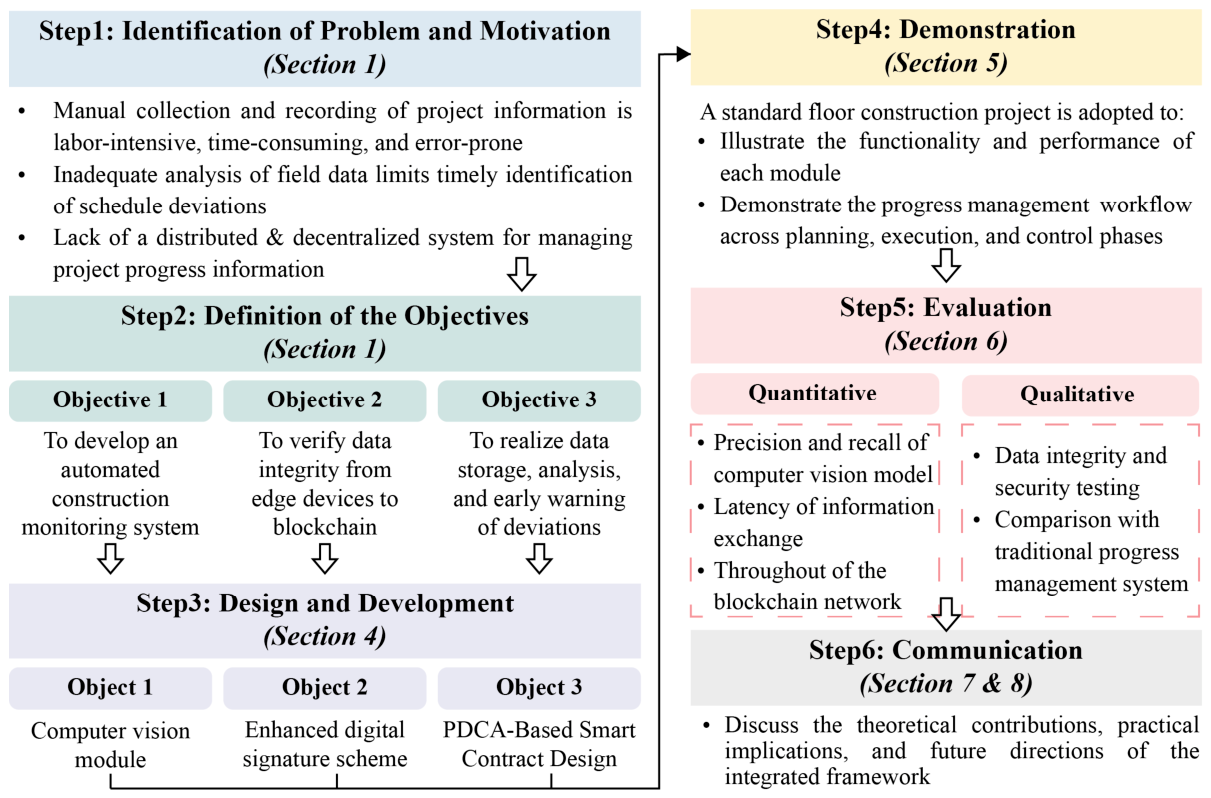
3. Design Science Research (DSR) Methodology
This paper adopts the Design Science Research (DSR) methodology [
44], an analytical and innovative approach that creates novel artifacts (e.g., frameworks, algorithms, models) to tackle identified challenges in construction progress management and enrich relevant academic knowledge. The DSR methodology includes six research steps, as presented in
Figure 1.
Step 1: Identification of the problem and motivation. Based on a literature review and interviews with industry professionals, the research problem identified in
Section 1 is the lack of a decentralized system for managing the construction progress lifecycle.
Step 2: Definition of the objectives. Three research objectives are outlined in
Section 1: (1) automated on-site progress monitoring, (2) ensuring data integrity between off-chain and on-chain records, and (3) implementing an executable progress management workflow.
Step 3: design and development.
Section 4 presents the development process. A computer vision module is developed to segment on-site images for accurate progress quantification, with a digital signature scheme embedded to prevent unauthorized modification. Furthermore, smart contracts are designed following the PDCA cycle to govern data storage, deviation analysis, and early-warning generation across the planning, execution, and control phases.
Step 4: demonstration. The implementation of the proposed framework in a standard floor construction project is shown in
Section 5, which validates the functionality and performance of each module.
Step 5: evaluation.
Section 6 assesses how well the artifact meets the research objectives using both quantitative and qualitative metrics.
Step 6: communication. The theoretical contributions and practical implementations of the developed framework are discussed with both researchers and industry practitioners (
Section 7).
Section 8 further highlights the limitations of the current study and outlines promising avenues for future research.
4. An End-to-End Construction Progress Management System
4.1. Framework Overview
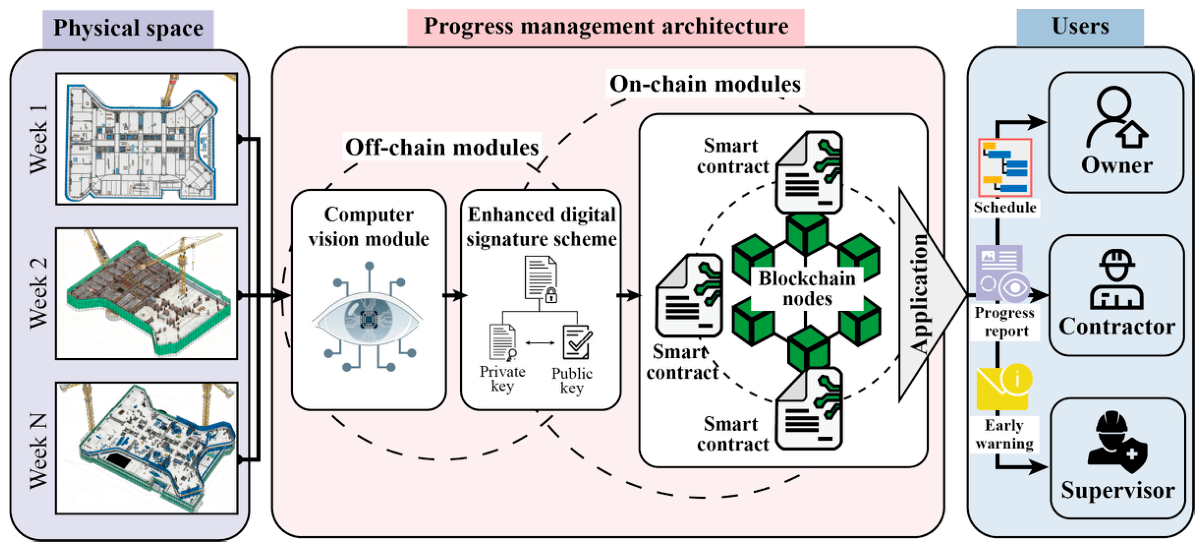
Our proposed framework aims to establish a seamless link between the physical construction space and project stakeholders (e.g., owner, contractor, and supervisor) to automatically collect, store, analyze, and manage progress information.
Figure 2 presents how the three layers and their included modules allow the framework to achieve this goal. In the first layer, on-site conditions are captured through periodic visual inspections (e.g., weekly drone or camera imagery), which serves as the primary data source for the entire system. The computer vision module processes these raw images to detect and quantify the completion status of specific areas or components. To ensure data integrity and authenticity during transmission between off-chain and on-chain modules, an enhanced digital signature scheme is incorporated, cryptographically binding each progress record to its source. Verified data is subsequently committed to blockchain nodes, guaranteeing transparent, immutable, and tamper-resistant storage. Smart contracts deployed on the blockchain automate key operational workflows, such as generating standardized progress reports or issuing alerts when deviations are detected, based on predefined logical rules. This integrated framework not only automates progress tracking but also enhances accountability, reduces disputes, and enables proactive project management through real-time, tamper-proof insights accessible to all authorized stakeholders.
4.2. Computer Vision (CV) Module
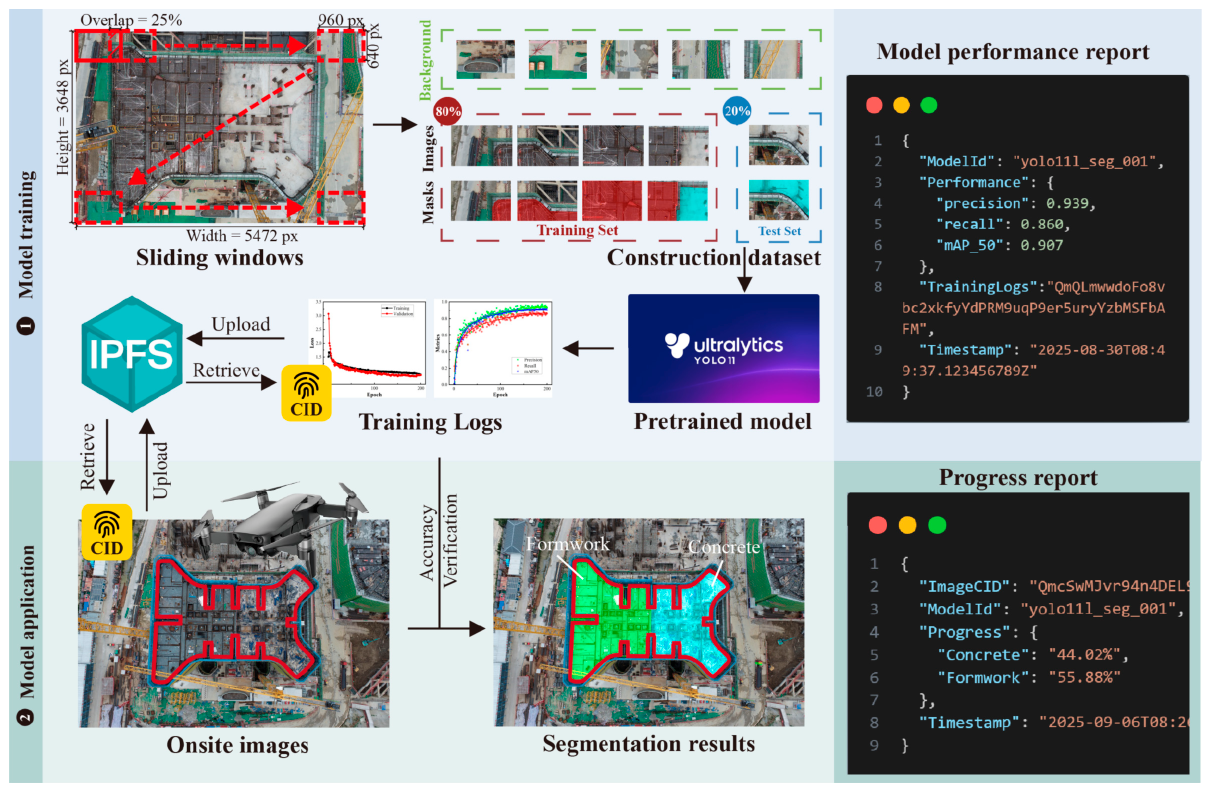
This module is designed to monitor the completion status of construction projects through automated visual analysis, providing the basis for detecting potential schedule deviations. As illustrated in
Figure 3, the workflow consists of two main stages: first, a computer vision model is trained on construction-related datasets to enhance contextual awareness; then, the trained model is applied to analyze on-site images captured periodically by UAVs for progress quantification.
Despite the widespread adoption of UAVs in construction [
45], directly processing high-resolution aerial imagery remains constrained by GPU memory limitations. To address this bottleneck, a sliding-window cropping strategy is employed. Each raw image is partitioned into fixed-size overlapping patches (e.g., 960 × 640 px) with a 25% overlap between adjacent patches. This approach preserves fine spatial details, mitigates the loss of context at patch boundaries, and effectively increases the number of training samples available from a limited set of original images. Predictions from individual patches are then merged using non-maximum suppression (NMS) to produce a coherent scene-level analysis.
A YOLOv11-seg model is adopted as the core vision backbone due to its trade-off between inference efficiency and segmentation accuracy [
46,
47], which is critical for real-time progress monitoring. Transfer learning is applied using weights pre-trained on the COCO dataset to reduce training time and manual annotation effort. Following each training run, model performance is evaluated against predefined thresholds (e.g., Precision > 0.90, Recall > 0.85); only models satisfying all criteria are authorized for deployment.
From a data management perspective, directly storing large-scale UAV images and training logs on blockchain networks is impractical due to their high storage cost and block size limitations [
43]. This would compromise the system’s scalability and responsiveness by causing increased latency and network congestion. Therefore, the InterPlanetary File System (IPFS), a peer-to-peer distributed file storage network, is employed for off-chain storage. In IPFS, each uploaded file is assigned a unique content identifier (CID) derived from cryptographic hashing of the document. Any modification to the stored image, even at the bit level, results in a completely different CID. These CIDs are recorded as immutable references within blockchain transactions. During data retrieval and validation, CIDs are recomputed and compared against the on-chain records, enabling automatic detection of unauthorized data modification and ensuring end-to-end traceability of visual evidence used for progress assessment.
4.3. Enhanced Digital Signature Scheme
Blockchain inherently guarantees the immutability of data once recorded on-chain; however, progress reports generated by computer vision modules may traverse multiple off-chain communication layers before blockchain submission, during which they are susceptible to unauthorized modification, substitution, or replay. Therefore, a digital signature-based data authentication scheme is introduced to secure the off-chain data onboarding process.
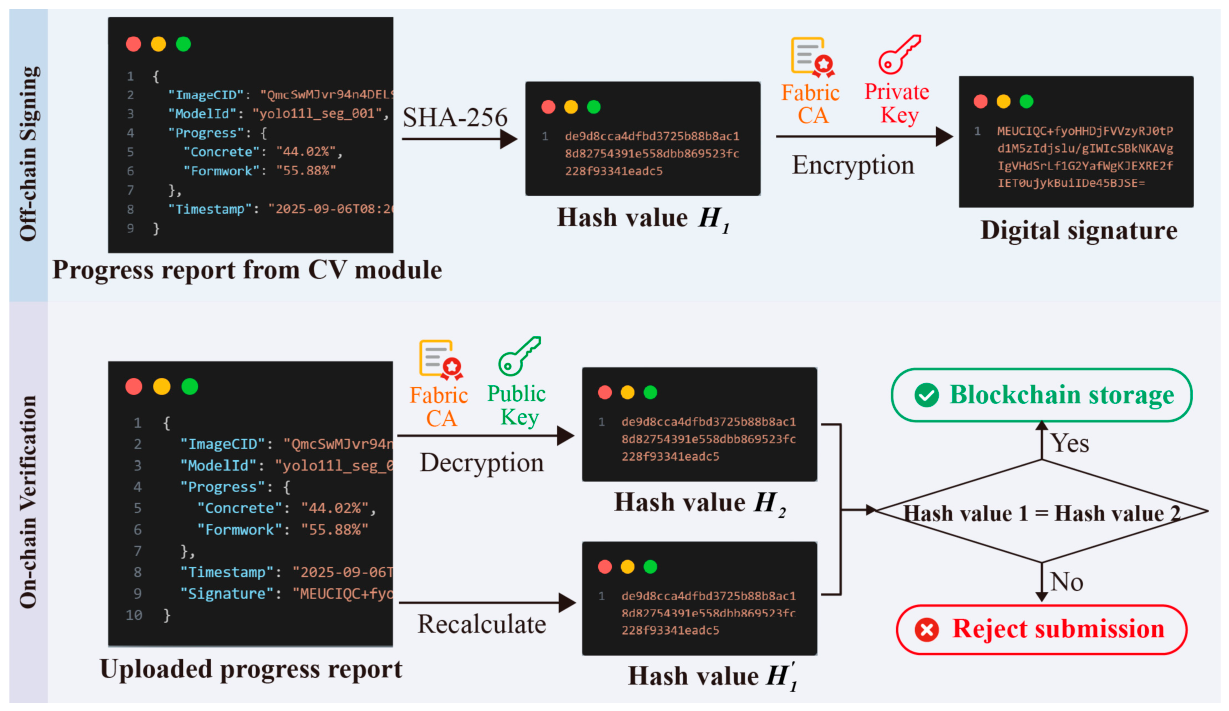
In the proposed system, each authorized data provider is issued a unique private–public key pair by a trusted Certificate Authority (CA). The private key is securely stored and managed by the provider, while the corresponding public key is registered on the blockchain to enable verification of both data integrity and source identity. As depicted in
Figure 4, the proposed scheme operates through two sequential phases: off-chain signing and on-chain verification.
During the off-chain signing phase, each progress report is first serialized in a canonical format and hashed using the SHA-256 algorithm to produce a unique and fixed-length hash value . This hash is then encrypted with the private key of the data provider to generate a digital signature. The resulting package, including the report and its signature, is subsequently prepared for blockchain submission. Any modification to the report content would alter the corresponding hash, allowing tampering to be immediately detected. Moreover, the digital signature also binds the data to its originator and ensures non-repudiation, meaning the sender cannot later deny having signed the message.
In the on-chain verification phase, the stored public key associated with the data provider is retrieved from the blockchain to verify the integrity of the submission. The public key is used to decrypt the received signature and obtain the hash value . The system then recalculates a new hash from the received report using the same hashing algorithm and compares it with . If , the verification succeeds, confirming that the report remains intact and unaltered since its signing. The verified report and signature are then recorded immutably on the blockchain. Conversely, if the two hash values differ, the submission is automatically rejected, and a notification is issued to the data provider.
By integrating this two-stage process, the proposed digital signature scheme effectively prevents data forgery and unauthorized alterations, thereby reinforcing the trustworthiness of progress information exchanged within the blockchain-enabled construction management framework.
4.4. PDCA-Based Smart Contract Design
Closed-loop construction progress management in this study is conceptually grounded in Deming’s PDCA (Plan-Do-Check-Act) cycle [
13], in which information is continuously collected, analyzed, and utilized to guide process adjustments and improvements. As illustrated in
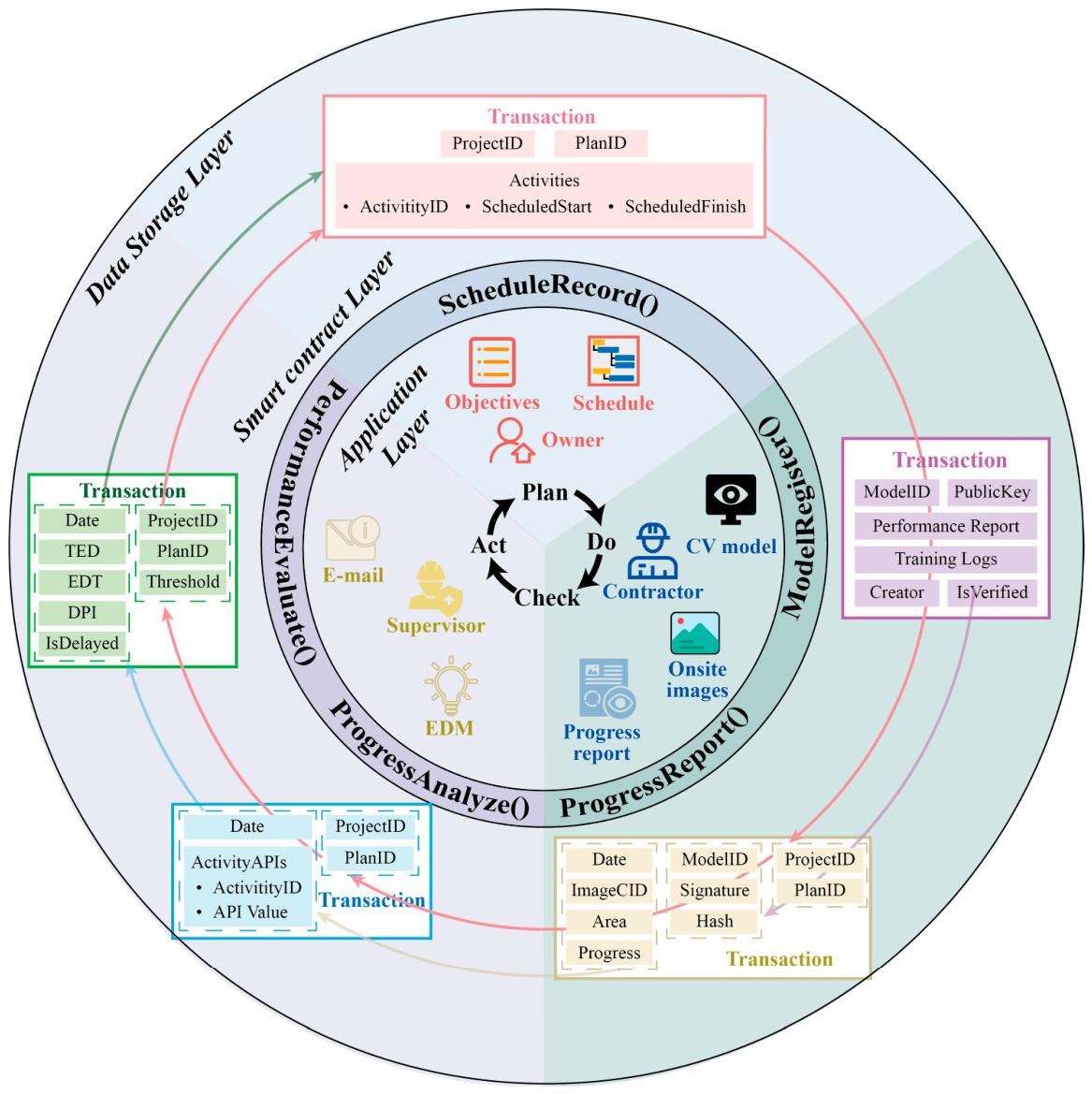
Figure 5, this logic is embedded into a set of smart contracts that collectively govern data recording, verification, analysis, and feedback generation in a decentralized environment.
In the Plan phase, baseline schedules are recorded on-chain via the ScheduleRecord contract, which stores project- and activity-level planning information such as ProjectID, ActivityID, and planned start/finish time. This immutable record serves as a shared, tamper-proof reference accessible to all authorized stakeholders, ensuring that the subsequent construction execution and progress assessment are consistently anchored to the same agreed schedule.
During the Do phase, construction activities are executed according to the approved plan and periodically documented through UAV imagery and CV-based progress analysis. At scheduled reporting intervals, contractors submit an on-site progress report via the ProgressReport contract. Each submission includes identifiers (ProjectID and PlanID), temporal information (Date), references to on-site images stored on IPFS (ImageCID), and the CV-derived outputs (Area and Progress). Upon receipt, the system automatically validates the digital signature using the registered public key to confirm provenance and data integrity. Verified reports are then aggregated to form a time-series representation of physical construction progress. To ensure the reliability of vision-based progress data, the ModelRegister contract governs the registration and authorization of computer vision models. Model metadata, including ModelID, PublicKey, TrainingLogs, and Creator, are recorded for traceability, while predefined performance thresholds (e.g., precision and recall > 0.9) are enforced to ensure that only validated models are permitted to generate progress reports.
The Check and Act phases focus on schedule performance evaluation and feedback generation. Earned Duration Management (EDM) [
48] is adopted to evaluate the schedule performance. Unlike the traditional cost-based earned value management (EVM), EDM eliminates the influence of cost variations by measuring progress purely in temporal terms, thereby providing a more accurate assessment of schedule adherence. The abbreviations and concepts used for EDM-based schedule evaluation are summarized in
Table 2.
Since the CV module produces fine-grained observations of construction elements (e.g., formwork, rebar) rather than direct estimates of higher-level activity completion (e.g., a standard floor), the ProgressAnalyze contract aggregates these observations into activity-level indicators by computing the Activity Progress Index (API). Subsequently, the PerformanceEvaluate contract integrates this information with the baseline schedule to calculate key EDM indicators, including Total Earned Duration (TED) and the Duration Performance Index (DPI). Once the DPI drops below a predefined threshold (e.g., DPI < 1), the system automatically triggers an early warning by sending notification emails to relevant stakeholders, prompting timely corrective actions. Project-specific thresholds can be configured by supervisors based on experience and contextual considerations.
These smart contracts operationalize the PDCA cycle from a conceptual management framework into an executable, auditable workflow. By cryptographically binding data to its source, enforcing validation rules, and automating deviation alerts, the system ensures that planning, execution, and evaluation are transparent, traceable, and minimally susceptible to manual manipulation or disputes. This contract-driven closed-loop mechanism enhances stakeholder trust and supports more predictable and coordinated construction progress control.
5. System Implementation
5.1. Prototype System Development
Hyperledger Fabric [
49] was selected for the proposed system primarily due to its permissioned architecture, which restricts access to pre-authorized participants and ensures that sensitive project and personnel data are only visible to relevant stakeholders. In addition, Fabric provides higher throughput and lower latency compared to other mainstream permissioned blockchain platforms [
50], which is essential for construction scenarios involving frequent updates and interactions among multiple site participants. However, its deployment and management require dedicated technical expertise.
A blockchain dashboard (Hyperledger Explorer [
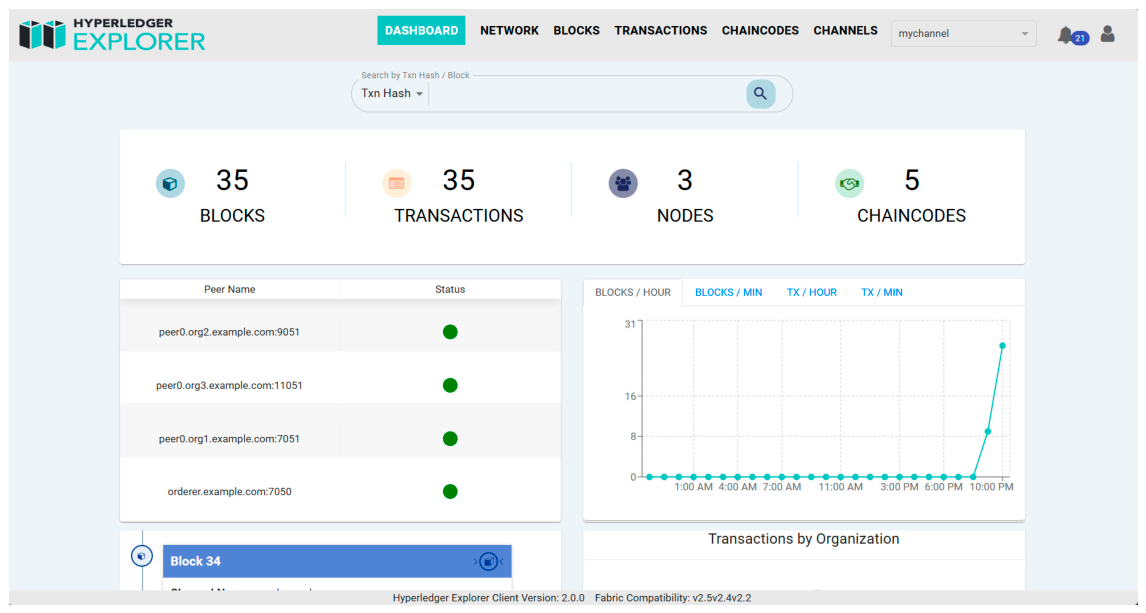
51]) was integrated with the User Interface (UI) to monitor the blockchain network configuration and operational status, as shown in
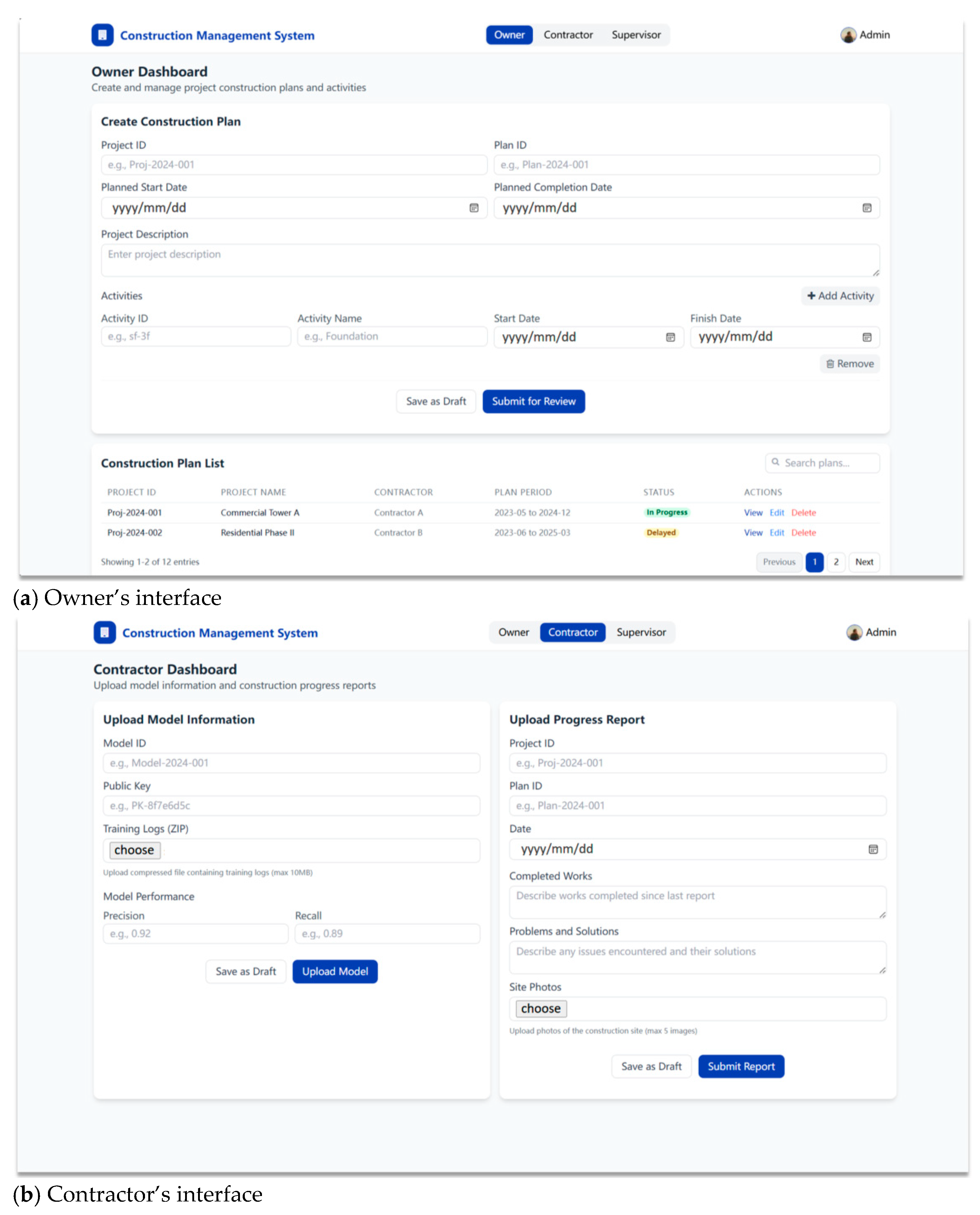
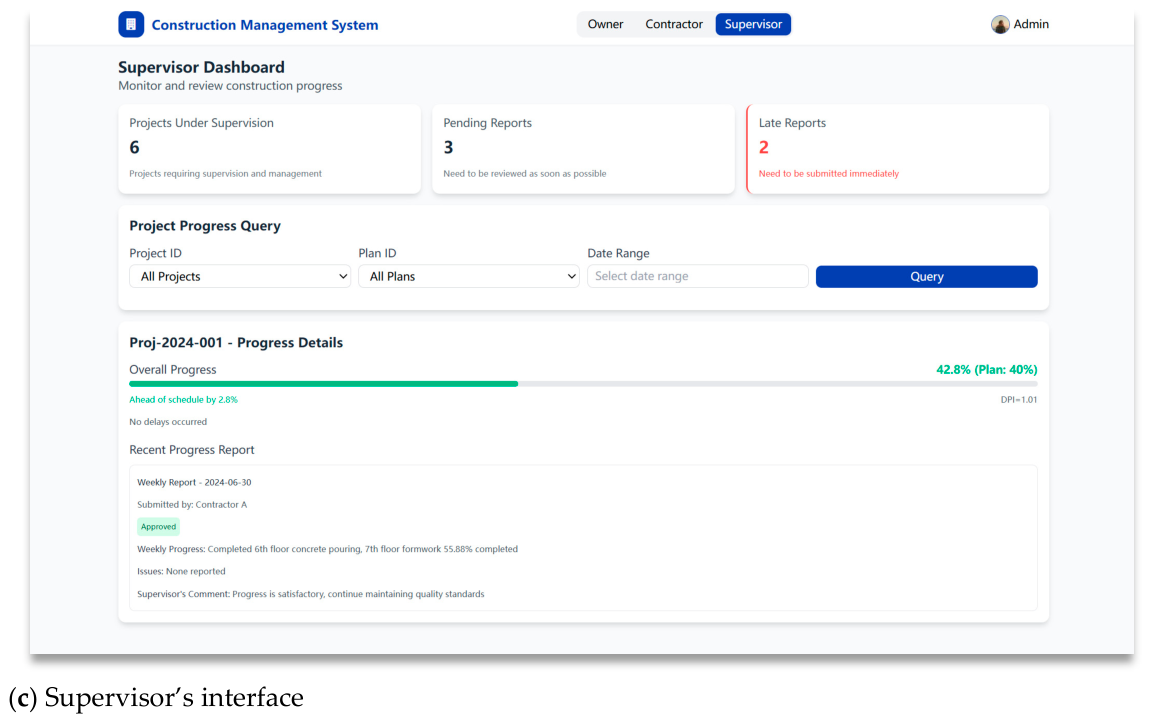
Figure 6. A single application channel was established to support data sharing among all participating organizations, namely the owner, the contractor, and the supervisor, with each hosting one peer node. The user-centric frontend interface was developed to support role-specific interactions (
Figure 7). Five chaincodes (smart contracts) were deployed to ensure system functionalities across the PDCA cycle, including ScheduleRecord, ModelRegister, ProgressReport, ProgressAnalyze, and PerformanceEvaluate. The development of the prototype system required the utilization of multiple hardware and software components.
Table 3 presents a comprehensive overview of technical components used in the prototype system.
5.2. Implementation
5.2.1. Case Study Overview
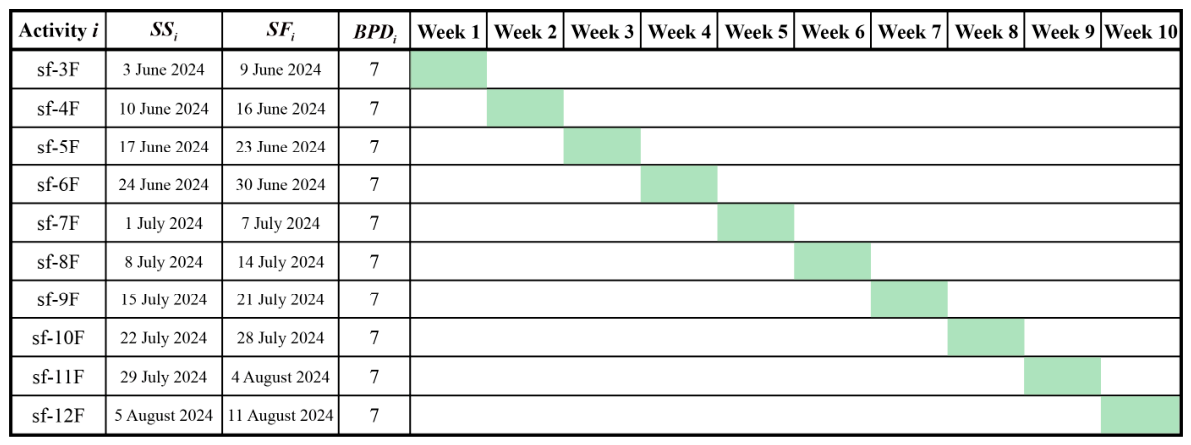
To demonstrate the practical applicability and operational effectiveness of the proposed integrated construction progress management system, a case study was conducted on a standard-floor construction project in China. The project involved the sequential construction of ten standard floors, each with a planned duration of seven days, as illustrated in the Gantt chart presented in
Figure 8. Each floor comprised four subactivities: scaffolding erection, formwork installation, rebar tying, and concrete pouring. During the execution phase, on-site images were periodically captured by UAVs and processed by the trained CV model to monitor the project completion status. The resulting progress reports, along with corresponding images and analytical metadata, were stored on the blockchain to ensure data immutability and traceability throughout the project lifecycle. Smart contracts further analyzed the recorded data to evaluate performance metrics under the EDM framework. When deviations between planned and actual progress were detected, the system automatically triggered early warnings and notified relevant stakeholders for proactive and timely intervention. This case study illustrates the proposed system’s capability to achieve automated, transparent, and closed-loop control of construction progress.
5.2.2. Plan Phase
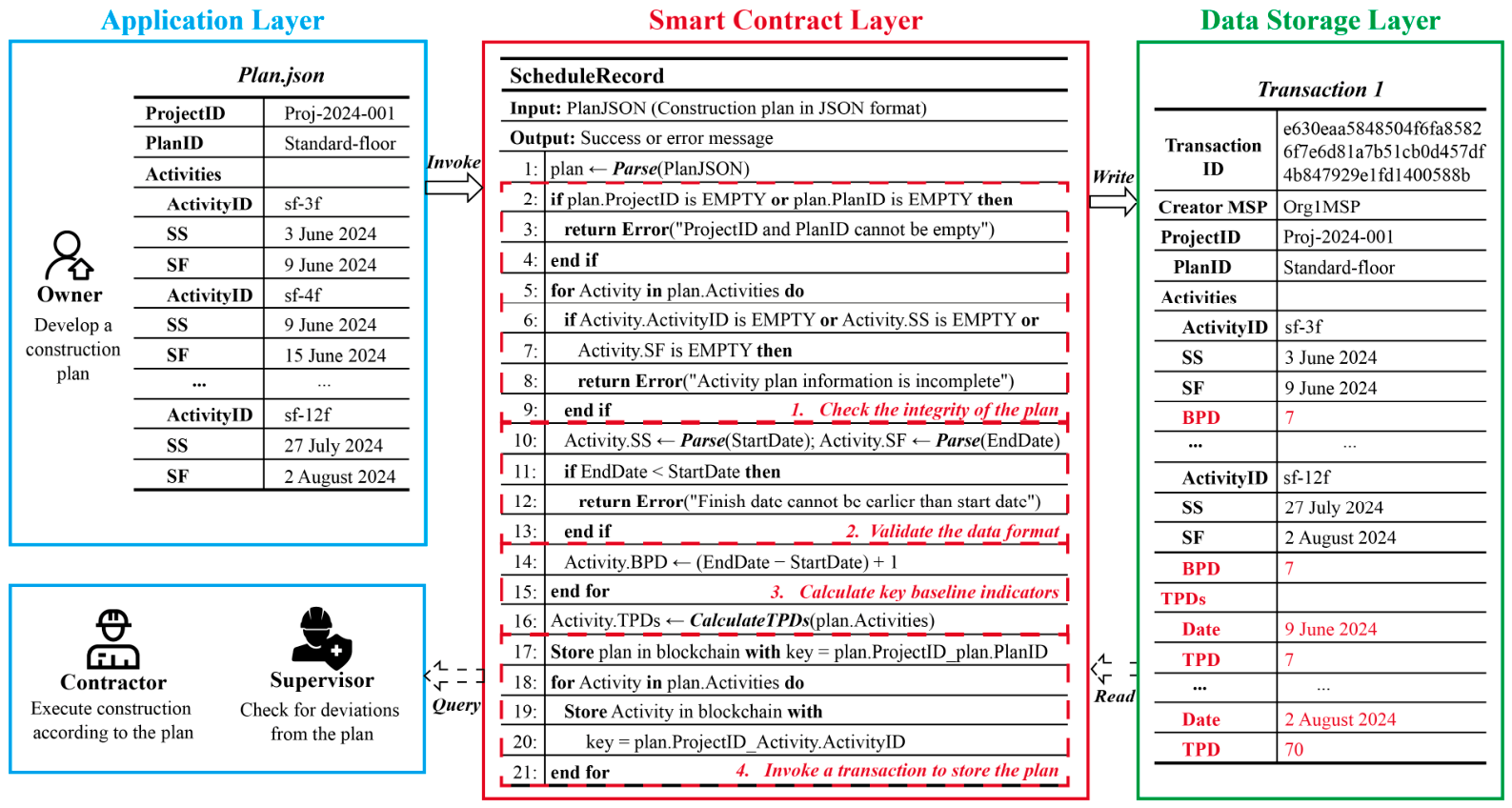
Figure 9 illustrates the workflow of the Plan phase in the proposed framework. In this phase, the project owner formulated a construction schedule based on project objectives, available resources, and predefined milestones. Each plan was stored in a structured file (Plan.json), which contained essential scheduling information: ProjectID (proj-2024-001, a unique identifier for traceability), PlanID (Standard-floor, denoting the specific construction scope), and activity-level details such as ActivityID (sf-3f), SS (3 June 2024, scheduled start time), and SF (9 June 2024, scheduled finish time).
Upon file submission, the smart contract ScheduleRecord was automatically triggered to process the plan in four steps. First, it parsed the JSON payload and verified the completeness of all mandatory fields. Second, it checked logical consistency, ensuring that no activity’s finish date preceded its start date. Then, two key baseline indicators were calculated for EDM-based progress evaluation: the Baseline Planned Duration (BPD) for each activity and the Total Planned Duration (TPD) accumulated up to each reporting period. In this project, each activity was scheduled for a 7-day duration, so BPD = 7 for every activity. Starting from 9 June 2024, progress reports were submitted weekly, with the TPD values increasing cumulatively (i.e., 7, 14, 21, …). Finally, both the original data and the computed metrics were recorded on the blockchain ledger through a transaction initiated by the owner. Authorized participants, such as contractors and supervisors, could access an identical, tamper-proof version of the schedule using the composite key (projectID_planID).
5.2.3. Do Phase
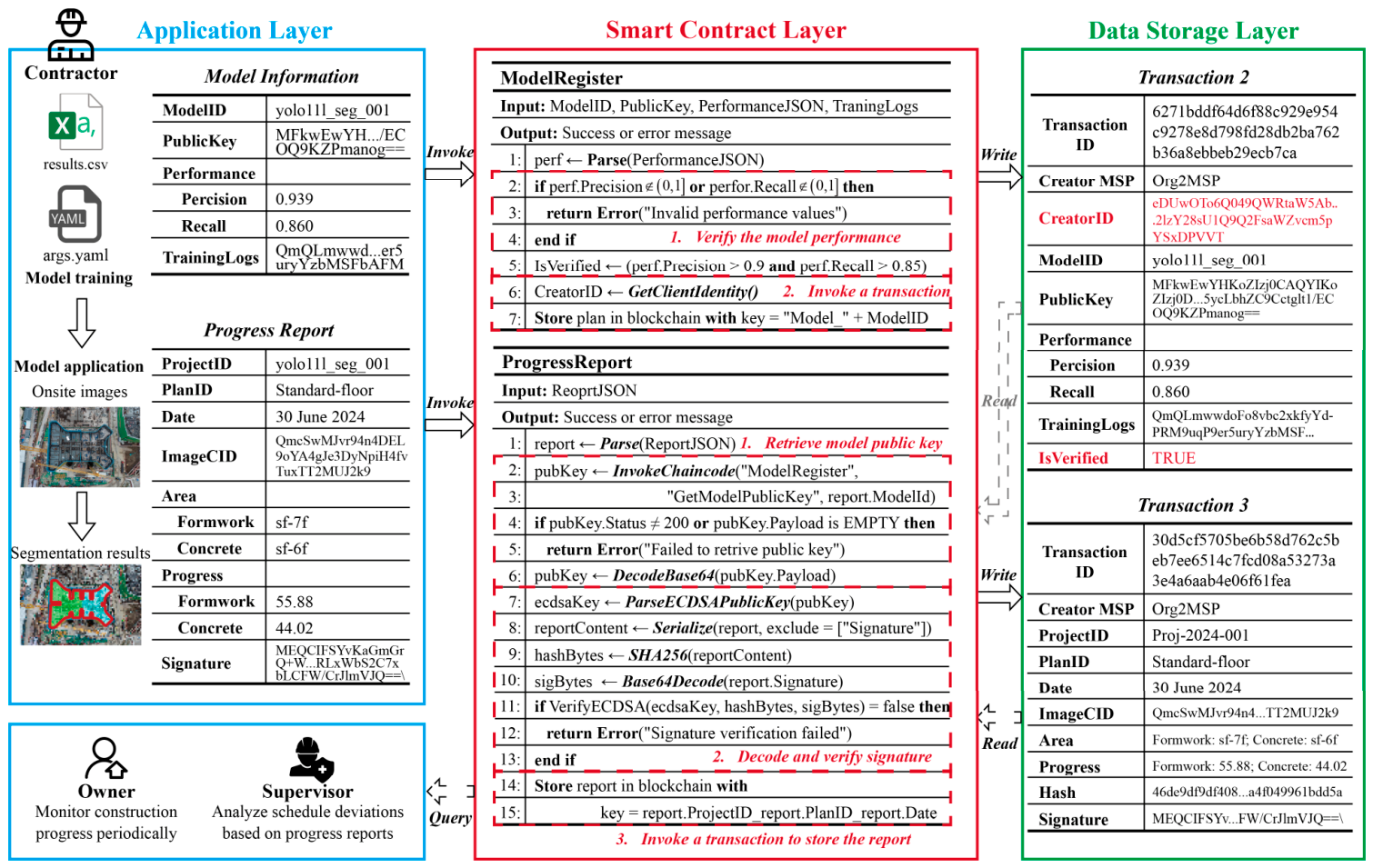
Figure 10 presents the workflow of the Do phase within the proposed system. During this phase, the contractor executed construction activities in accordance with the verified plan and conducted periodic on-site image capture to record actual progress. The captured images were processed by the fine-tuned CV model to generate progress reports, while the validation and recording of relevant data were governed by smart contracts to ensure transparency and consistency across all stakeholders.
To enable automated progress monitoring, a construction-specific CV model was trained and registered on the blockchain. The large training logs were first uploaded to the IPFS, and the obtained CID was packaged together with the ModelID (yolo11l_seg_001, a unique identifier), Publickey (used for cryptographic signature verification), and Performance metrics (Precision = 0.939, Recall = 0.860, reflecting model accuracy). The model information was then submitted to invoke the smart contract ModelRegister. In addition to verifying the completeness of the submissions, the contract also validated whether the model performance met the predefined accuracy thresholds (e.g., Precision > 0.90 and Recall > 0.85). Only models that passed validation stages were authorized for subsequent inference tasks, thereby ensuring the reliability and robustness of model applications in real-world progress detection.
On 30 June 2024, the case project reached the construction stage of the seventh floor. The contractor conducted a UAV inspection to capture the as-built state, and the acquired images were uploaded to IPFS for off-chain storage, returning a set of content identifiers (CIDs). Concurrently, the images were processed by the registered CV model to segment key structural components, including formwork (55.88%) and concrete (44.02%). The report payload containing this information and basic metadata (e.g., ProjectID, PlanID, Date, ImageCID) was hashed using the SHA-256 algorithm and signed with the data provider’s private key before submission.
The signed report was then submitted to invoke the smart contract ProgressReport as a transaction. It first queried the ModelRegister contract to retrieve the on-chain public key associated with ModelID = yolo11l_seg_001. Using that public key, the contract decrypted the submitted signature to recover the hash value , while recomputing the hash from the received report body. If they matched, the contract proceeded to record the verified report on the ledger under the composite key ProjectID_PlanID_Date, together with the transaction timestamp and block metadata. The successful transaction emitted an on-chain event that could be consumed by the ProgressAnalyze contract to update EDM indicators. Conversely, if the hashes mismatched, the contract regarded it as an integrity violation; the transaction was therefore rejected and reverted with an explicit error (e.g., “Signature verification failed”), and an event was also broadcast to notify system administrators of a possible tampering attempt.
By integrating cryptographic signing for data integrity assurance and smart contract-based model quality examination, the system ensured that only accurate, attributable, and tamper-proof progress reports were appended to the blockchain ledger. This mechanism not only established an immutable audit trail for the case project but also enabled transparent and reliable data sharing among authorized stakeholders. Project owners could remotely access up-to-date progress information without frequent site visits, significantly reducing inspection workload while improving accuracy and timeliness in decision-making. Moreover, payment disbursements could also be automatically aligned with verified progress records, and supervisors could utilize these immutable logs to evaluate compliance with planned milestones, facilitating early detection and correction of schedule deviations.
5.2.4. Check & Act Phases
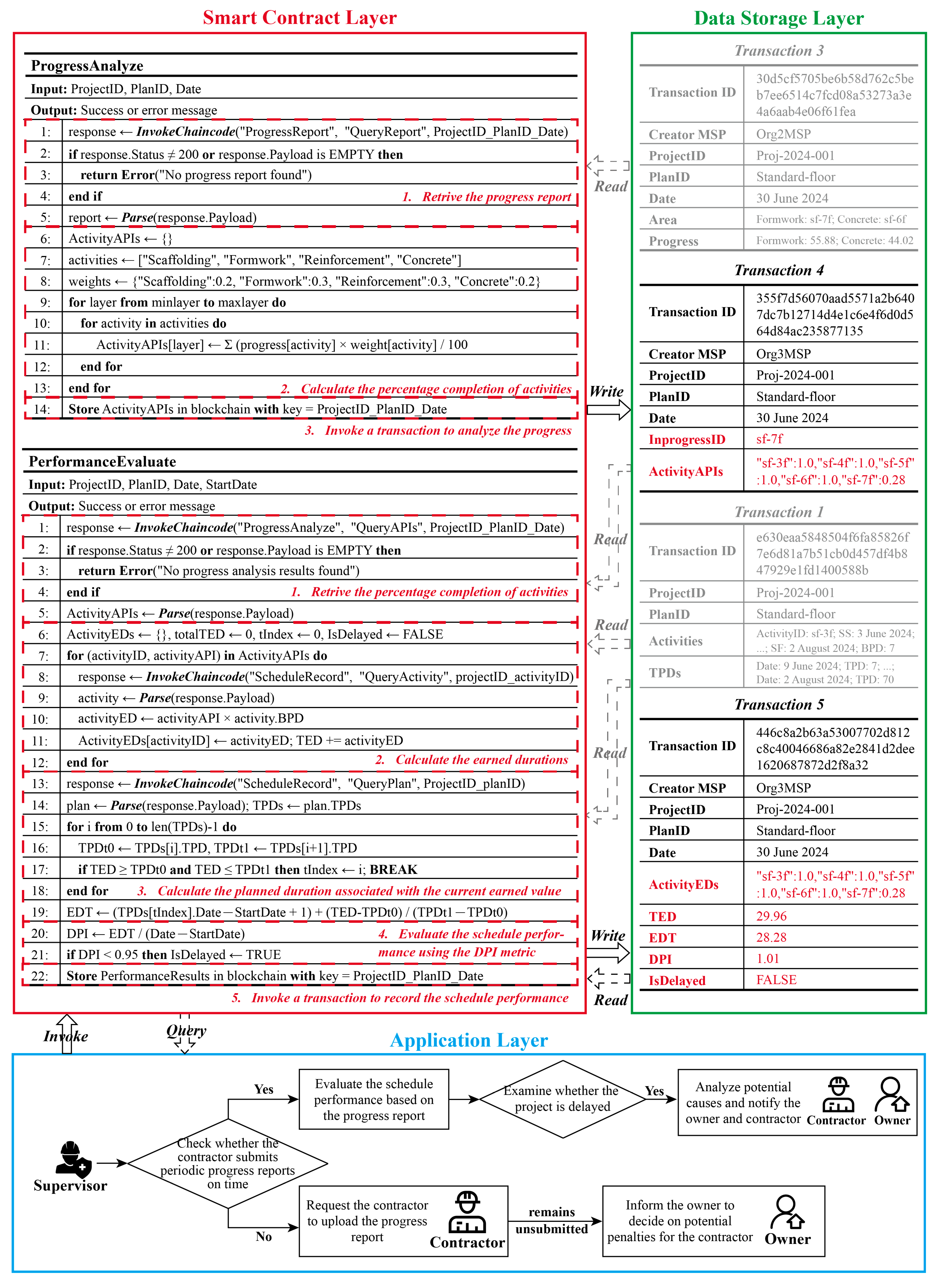
Figure 11 illustrates the workflow of the Check & Act phases within the proposed system, demonstrating how automated schedule performance evaluation and stakeholder-driven corrective actions were integrated into a closed-loop control mechanism.
During the Check phase, the supervisor first verified whether the contractor had submitted the required progress reports on time by invoking the ProgressAnalyze contract to query the latest progress records associated with the current project (Proj-2024-001) and plan (Standard-floor). If no valid report was found, the supervisor sent an email requesting the contractor to upload the missing report. Continued noncompliance triggered an escalation procedure, where the owner was informed to determine potential contractual penalties. This ensured timely data submission and reinforced accountability in the reporting process.
Upon receiving a valid progress report from the corresponding ProgressReport transaction (e.g., the report from 30 June 2024), the ProgressAnalyze contract automatically parsed the report and calculated the Activity Progress Index (API) for each floor. Before calculation, the construction workflow and relative weights of key subactivities, such as scaffolding, formwork, reinforcement, and concrete, were predefined to reflect their practical contributions to overall progress. These weights were initialized based on a combination of domain knowledge from three experienced project managers and the relative BIM quantities (e.g., estimated labor hours or material volumes) extracted from the project model. Specifically, formwork installation and rebar tying were assigned a weight of 0.3 each, while the remaining subactivities were weighted at 0.2. While static weights are sufficient for prototype validation, future implementations could adopt dynamic or data-driven weighting based on historical progress data to enhance objectivity and scalability. The calculated APIs were then recorded on-chain for transparent reference, as seen in Transaction 4.
Subsequently, the PerformanceEvaluate contract retrieved the baseline indicators, TPDs and BPDs from ScheduleRecord contract, and combined them with the APIs obtained from ProgressAnalyze contract. Then the Total Earned Duration (TED) was determined by summing the product of each activity’s BPD and its corresponding API. By comparing the actual earned duration with the planned duration (TPD) up to the reporting date, the contract estimated the expected duration (ED(t)) that should have been achieved according to the baseline schedule. The Duration Performance Index (DPI) was finally derived as the ratio between ED(t) and the actual elapsed duration (AD), serving as a quantitative indicator of schedule adherence. In this case study, the calculated DPI (1.01) exceeded the predefined threshold (0.95), and the flag IsDelayed was set to false, indicating that construction progress was consistent with the plan.
If the DPI had fallen below 0.95, the system automatically emitted an event to trigger alerts via email or dashboard notifications, prompting stakeholders to take timely corrective actions. The supervisor reviewed the analytical report and collaborated with the contractor to diagnose possible causes of delay, such as resource shortages, adverse weather, or unexpected technical challenges. Based on this diagnosis, targeted corrective measures were implemented, including resource reallocation, workflow adjustment, or extended working hours. The owner also assessed potential contractual implications and provided managerial or logistical support when necessary. Through this collaborative feedback loop, the system maintained real-time oversight of schedule performance and ensured that deviations were promptly addressed, achieving a closed-loop progress control mechanism from planning to execution and correction.
6. System Evaluation
6.1. Performance of Computer Vision Module
To enhance both training efficiency and domain-specific accuracy, a transfer learning strategy was employed by fine-tuning a pre-trained YOLOv11-seg model on a construction-related dataset. The dataset consisted of 40 high-resolution aerial images (5472 × 3648 px) captured from similar construction projects. These images were manually annotated for four key components including scaffolding, formwork, rebar, and concrete. For computational feasibility, each image was cropped into fixed-size patches (960 × 640 px) using a sliding window strategy with 25% overlap. After removing patches without meaningful annotations, the final dataset comprised 1252 images. To prevent data leakage, the split into training (80%, 1002 images) and test (20%, 250 images) sets was performed at the original-image level. The model was trained and tested on a desktop equipped with an NVIDIA GeForce RTX 4090 GPU (24 GB). The training process took approximately 1 h with the hyperparameters listed in
Table 4.
Model performance was evaluated based on standard segmentation metrics. A prediction was regarded as correct if the Intersection over Union (IoU) between the predicted mask
P and the ground truth mask
G exceeds 0.5, where IoU is defined as
To provide a comprehensive evaluation, the mean Average Precision (
) is further adopted, defined as follows
where
indicates the number of classes and
represents the average precision for class
. Precision and Recall are computed as
where
,
, and
denote the true positives, false positives, and false negatives, respectively.
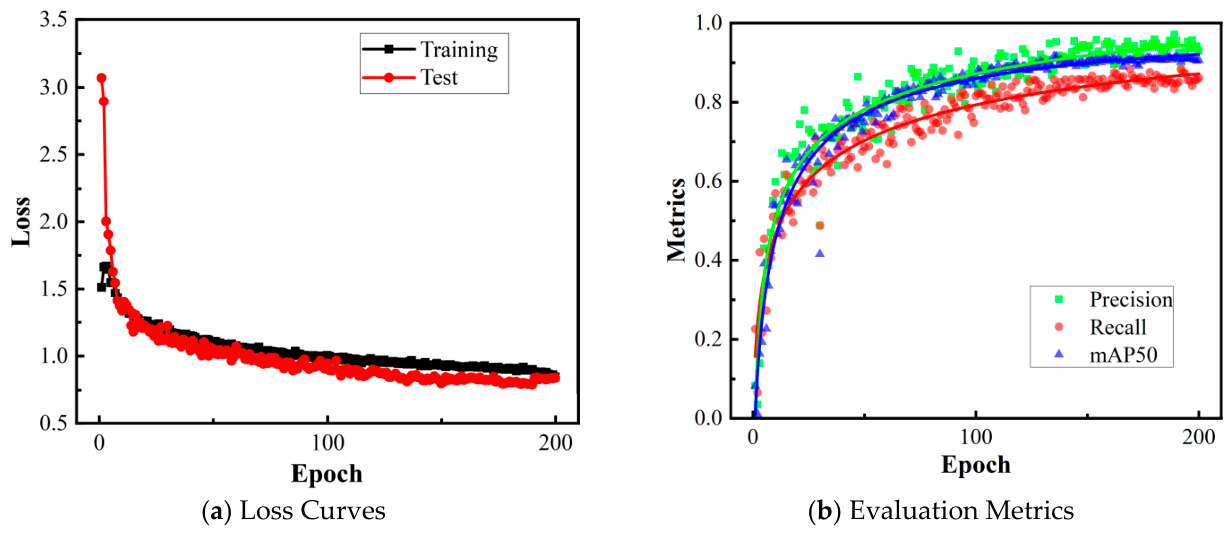
The training and evaluation results are presented in
Figure 12. The loss curves (
Figure 12a) showed steady convergence, with training and test losses following similar trends throughout the epochs, suggesting that overfitting was minimal. The evaluation metrics (
Figure 12b) exhibited consistent improvement across epochs. The final model achieved a Precision of 0.939, a Recall of 0.860, and an
of 0.907. These results demonstrate that the fine-tuned model achieved high accuracy and robustness in detecting key construction components under real-world conditions, providing a reliable foundation for progress quantification in subsequent system integration.
6.2. Computational Efficiency Evaluation
In a multi-stakeholder collaboration scenario, the responsiveness and processing capacity of the blockchain-enabled system are essential to ensuring timely and reliable information flow. Accordingly, latency and throughput are selected to evaluate the computational efficiency. Latency is defined as the total time elapsed from submitting a transaction to receiving confirmation from the blockchain network, encompassing propagation delay, endorsement, ordering, and commitment. Throughput measures the number of valid transactions successfully committed to the ledger per second (tps), reflecting the ability to handle concurrent operations under load.
The benchmarking experiments were conducted using Hyperledger Caliper 0.4.2 [
52], a performance evaluation tool specifically designed for Hyperledger Fabric network. Ten independent test rounds were executed, each comprising 1000 transactions to ensure statistical reliability. The results are summarized in
Table 5. Among the tested contracts, ScheduleRecord, ModelRegister, and ProgressAnalyze demonstrated average latencies between 108 and 144 ms and throughputs exceeding 100 tps, indicating efficient execution of standard data recording and analytical operations. The PerformanceEvaluate contract exhibited a higher average latency of 184 ms and a lower throughput of 74 tps, as it involves the computation of EDM-based indicators for schedule performance assessment. Nevertheless, these results remain well within acceptable ranges according to empirical evidence on blockchain-enabled construction systems [
36,
53], which suggests that latency below 200 ms and throughput exceeding 50 tps are adequate for practical deployment. The experimental results therefore confirm that the proposed blockchain framework achieves satisfactory computational efficiency and scalability for handling progress-related transactions in construction scenarios.
6.3. Security Evaluation
The security of the proposed system is evaluated across three layers, including blockchain, IPFS, and data transmission, to ensure the confidentiality, integrity, and availability of progress-related information throughout the progress monitoring and analysis workflow.
First, on-chain data security is fundamentally guaranteed through the access control framework of Hyperledger Fabric. The network employs a Certificate Authority (CA) to issue X.509 certificates and manage cryptographic identities (public and private keys) for all participants. Each organization operates its own Membership Service Provider (MSP), which defines role-based permissions and validates transaction endorsements according to predefined policies. Moreover, all sensitive operations are confined within private channels, ensuring that only authorized stakeholders can access or modify the distributed ledger. This channel-based isolation, combined with CA and MSP, enforces strict identity authentication, access control, and tamper resistance for all on-chain transactions.
Second, the large-volume data (e.g., UAV imagery and model training logs) is securely managed via IPFS. Once uploaded, IPFS splits each file into content-addressed blocks and distributes them across multiple network nodes. This decentralized structure enhances fault tolerance and data availability, as files can be reconstructed from redundant nodes even if part of the network fails. Access to IPFS-stored data is controlled through CID, ensuring that only authorized users with valid permissions can retrieve the original content.
Third, the integrity and authenticity of data during transmission from off-chain to on-chain environments are safeguarded by an enhanced digital signature scheme. The detection results generated by the CV model are signed with the sender’s private key and verified by the ProgressReport smart contract using the corresponding public key. By combining off-chain signing with on-chain verification, the framework achieves end-to-end integrity, preventing any tampering, forgery, or replay attacks during transmission.
7. Discussion
This study advances the closed-loop paradigm of construction progress management by integrating blockchain technology into the Plan-Do-Check-Act (PDCA) cycle. Rather than merely employing blockchain as a recordkeeping tool, it serves as a foundation for data-driven and self-correcting progress governance. Within this framework, baseline schedules and periodical progress reports are immutably recorded on-chain to ensure traceability and accountability throughout the project lifecycle. Furthermore, smart contracts are designed to autonomously perform schedule performance evaluations, facilitating the early detection of deviations and proactive risk mitigation. This study extends the application of blockchain in construction from static information storage toward more dynamic, performance-oriented project control.
The implementation of this approach involves three key aspects: (1) Integrated computer vision–blockchain architecture for automated progress management. The proposed framework fuses computer vision-based progress monitoring with blockchain-enabled verification and storage. This integration bridges the gap between physical progress perception and digital governance, providing a foundation for future AI-enhanced construction management systems. (2) End-to-end trust through data integrity assurance mechanism. As the value of automation fundamentally depends on the reliability of its underlying data, this study proposes an enhanced digital signature scheme that safeguards the integrity of data transmission between off-chain CV models and on-chain contracts. In addition, the ModelRegister smart contract is developed to verify model performance before deployment, thereby maintaining the credibility of segmentation results. (3) Automated on-chain performance evaluation for proactive control. Building on the EDM theory, key evaluation metrics such as TED and DPI are encoded into smart contracts. This automation enables the system to detect early warnings of potential schedule delays and initiate data-driven corrective actions.
Compared with traditional progress management practices, the proposed CV-blockchain integrated framework demonstrates substantial advantages and strong potential for practical application in real-world construction management. First, by leveraging UAV imagery and computer vision models, the proposed framework effectively overcomes the inefficiency of manual observation, enabling automated and timely progress acquisition. This automation not only enhances monitoring accuracy but also relieves site personnel from repetitive reporting tasks, allowing them to focus on critical decision-making and on-site coordination. Second, storing progress-related data on the blockchain ensures immutability, reliability, and transparency, while supporting real-time data sharing among all stakeholders. Moreover, all records remain fully traceable and reusable throughout the project lifecycle, facilitating continuous performance evaluation and process improvement. Third, the smart contract-based workflow establishes a consensus-driven execution mechanism that replaces subjective expert judgment with objective, rule-based evaluation. This automated governance process minimizes disputes and enhances trust, making the framework particularly suitable for multi-party collaborative construction environments.
However, large-scale adoption of the framework still faces several practical challenges. The initial deployment of a consortium blockchain system involves infrastructure setup and network configuration, along with the requirement for dedicated technical expertise for smart contract development and maintenance. These factors remain important concerns, particularly for small- and medium-sized contractors. In addition, achieving seamless interoperability and integration with existing project management systems demands additional engineering efforts, which may further increase system complexity. Nevertheless, the initial investments may be offset by the long-term benefits of the framework, including reduced manual inspection efforts, improved schedule management efficiency, and fewer disputes related to progress verification and delay claims. Future research should explore incentive-driven adoption strategies through government- or industry-supported pilot projects and further quantify the long-term return on investment of blockchain-enabled construction progress management systems.
8. Conclusions
Effective monitoring and timely analysis of on-site progress are fundamental to ensuring schedule adherence and preventing cost overruns. However, existing progress management practices face several challenges: (1) data collection and interpretation remain labor-intensive and prone to human error; (2) the reliance on centralized and mutable records compromises data reliability; and (3) fragmented information flows restrict data sharing and hinder collaboration among project stakeholders.
To address these issues, this paper introduces a computer vision-blockchain integrated framework for closed-loop construction progress management. The framework incorporates a YOLOv11-based CV module for automated recognition of on-site construction components, an enhanced digital signature scheme to guarantee data authenticity and integrity, and smart contracts that govern the transparent and traceable execution of Plan-Do-Check-Act (PDCA) phases. A prototype system was implemented on Hyperledger Fabric and validated through a real-world case study. Quantitative evaluations of the CV model and blockchain network confirmed the practicality of the proposed system, demonstrating high detection accuracy, acceptable latency, and sufficient transaction throughput for real-world deployment.
Beyond technical contributions, the proposed framework carries broader implications for construction management practice. By enabling automated progress sensing and verifiable data flows, the traditional reliance on manual reporting and fragmented information exchange can be substantially reduced. Project managers and site engineers are likely to move away from routine data collection toward higher-level coordination and exception management, while owners and supervisors can gain more timely and reliable visibility into project status, supporting more informed oversight and decision-making. In addition, the introduction of tamper-proof progress records and rule-based execution mechanisms provides a foundation for more transparent and auditable project governance, which may encourage future developments in contract structures, such as performance-based payment systems and digitally enforced progress verification. These changes suggest a potential shift toward more data-driven and trust-enabled collaborative construction ecosystems.
This study still has several limitations that open up directions for future research. First, the proposed framework was demonstrated through a single case study, which limits its generalizability and robustness across projects of varying types and scales. Therefore, future work should validate the framework through additional case studies under different project types, procurement models, and organizational contexts, as these factors may significantly influence system deployment feasibility and data integration requirements in practice. Future work should also involve structured surveys and in-depth interviews with project participants to gather feedback on usability, adoption barriers, and perceived value in real-world settings. Second, while this study provides a preliminary exploration of the integration between blockchain and computer vision, future research can extend this direction by incorporating other artificial intelligence (AI) and machine learning (ML) techniques to enhance predictive capabilities and enable more intelligent construction workflow optimization.