


Abstract
The development of additive manufacturing in steel construction opens new possibilities for shaping structurally efficient and geometrically differentiated load-bearing systems. At the same time, the viability of such solutions depends strongly on their material rationality, especially at the scale of larger structural typologies. This paper presents a computational comparative screening of spatial steel roof typologies that may be relevant for future large-scale metal additive manufacturing, focusing on how global geometry, support arrangement, curvature, and structural depth influence mass efficiency under a unified structural modelling framework. Using computational modelling and comparative evaluation, the study examines how variations in structural form influence the performance of spatial systems developed within a unified design framework. The analysis demonstrates that the potential for material rationalisation of such structures is not limited to local modification of member dimensions, but is fundamentally linked to the configuration of the overall structural geometry. More than 40 structural configurations were analysed, covering seven typological variants, three rise levels, two support strategies, and two section-sizing approaches. An additional threshold sensitivity check was performed for representative variants to examine whether the main typological ranking remained stable under an alternative four-group utilisation classification. The obtained masses varied by more than one order of magnitude between the most and least favourable configurations, confirming the strong influence of global typology and support arrangement on material demand. The results highlight the importance of structural typology, support arrangement, and geometric organisation in achieving material-efficient solutions. The study therefore argues that, in the context of steel structures considered for future additive manufacturing, global form should be treated as a primary design variable rather than as a secondary outcome of local member sizing.
1. Introduction
The design of contemporary steel structures is increasingly shaped by the integration of computational modelling, numerical analysis, and fabrication-aware optimisation [1,2,3,4,5,6,7,8]. This tendency is particularly evident in spatial load-bearing systems intended for additive manufacturing, where structural performance cannot be considered independently of production logic [1,2,9,10]. In conventional steel construction, the geometry of a structural system is usually constrained by standardised sections, subtractive processing, and assembly-based fabrication [1,2,11,12,13,14]. By contrast, metal additive manufacturing enables the production of non-prismatic members, differentiated nodes, and geometrically complex components with locally adapted stiffness and material distribution [1,2,15,16,17]. As a result, additive manufacturing opens new possibilities not only for fabrication itself but also for rethinking the structural principles by which steel systems are designed [1,2,17].
This issue is particularly important for spatial roof structures. Their behaviour is governed not only by the resistance of individual members, but also by the global geometry of the system, the stiffness of connections, the redistribution of internal forces, and the interaction between local and global instability phenomena [9,18,19,20]. In such structures, efficiency depends directly on the rationality of force flow and on the distribution of material within a three-dimensional configuration [9,18,21]. For this reason, spatial steel systems provide a particularly relevant field for investigating how geometric transformation may improve structural efficiency and reduce total mass [9,15,17,18]. In this context, structural optimisation cannot be reduced to the design of individual elements alone, because the overall form of the system directly influences its load-bearing behaviour [9,18,22,23].
From the perspective of additive manufacturing, this problem acquires additional significance. In metal 3D printing, especially in large-scale processes considered relevant for construction, material consumption remains one of the key technological, economic, and environmental constraints [9,20,24,25,26,27,28,29]. The layered deposition of steel enables the fabrication of forms that are difficult or impossible to obtain using conventional methods, but the viability of such production depends on whether the resulting structural solutions are materially efficient [9,15,20]. In this context, reducing structural mass is not only a classical engineering objective. It becomes a central condition of fabrication feasibility, affecting production time, energy demand, and overall resource use [9,19,20,27,30]. The ability to minimise the amount of deposited material while maintaining structural performance is therefore fundamental to the rational use of additive manufacturing in steel construction [9,20,31].
The growing role of additive manufacturing in steel construction should therefore be understood not merely as a technological novelty, but as a shift in design logic [1,3,18,25,32,33,34,35]. If fabrication constraints are no longer defined primarily by cutting, welding, and the use of standard sections, then structural design can move beyond the conventional optimisation of member sizes and begin to exploit broader geometric variation at the level of the entire load-bearing system [1,10,15,18,36]. This creates an opportunity to search for structural forms in which geometry, force flow, and material allocation are more closely aligned than in conventional design workflows [1,9,17,18,31]. Such an approach is especially relevant for lightweight spatial structures, where relatively small geometric changes may lead to significant differences in stiffness, internal force distribution, and total mass [1,18,21,37].
At present, a substantial part of the available literature on additively manufactured steel structures focuses on manufacturing technologies, material behaviour, and the optimisation of individual components such as joints, nodes, and locally differentiated members [2,3,10,16,19,22,38]. These studies have made an important contribution to understanding the performance and fabrication potential of AM-based steel solutions [2,10,20,22,30]. However, comparatively less attention has been devoted to the influence of global structural geometry on the material efficiency of complete spatial systems under identical boundary conditions. Yet in structures where overall geometry strongly affects the path of forces and the required quantity of material, this question becomes central [2,10,22,39]. Recent studies indicate that system-level optimisation can provide an effective framework for improving material efficiency, because it considers the interaction between structural components within a unified numerical model. Such holistic approaches have been successfully applied to other structural typologies, demonstrating that defining the optimal configuration of the entire load-bearing system is the primary driver of material rationalisation [40]. There is therefore a clear need for comparative studies that examine how different geometric typologies of spatial steel structures perform when span, support arrangement, and loading assumptions remain constant [2,10,22,37].
Accordingly, the present study investigates a set of computationally generated spatial steel roof structures with constant plan dimensions and support conditions, but with varied geometric configurations [1,9,18,41]. Figure 1 presents the basic workflow of the research. The main objective is to evaluate how changes in the system’s global form, interacting with different support topologies, affect structural efficiency, expressed primarily in terms of total mass, while maintaining the required structural performance under assumed loading conditions [1,4,9,18,37]. The study is based on the assumption that, in the context of steel structures intended for additive manufacturing, shaping geometry at the level of the entire load-bearing system may provide a more decisive contribution to material reduction than design strategies focused solely on local adjustments to cross-sections or details. In this sense, the paper addresses additive manufacturing not only as a production method, but also as a framework for redefining how spatial steel structures can be shaped toward greater material efficiency [1,9,18].
Figure 1.
General workflow of the study, from literature review and parametric geometry generation to structural analysis and mass comparison.
Background
Among the most important additive manufacturing technologies for steel are Powder Bed Fusion, Directed Energy Deposition, Wire Arc Additive Manufacturing and Binder Jetting. Figure 2 presents basic differences in the presented technologies. Powder Bed Fusion involves the selective melting of thin layers of metal powder using a concentrated energy source, most commonly a laser or an electron beam [42]. This technology ensures high geometric accuracy and enables the production of highly complex shapes; however, it is usually limited by the size of the build chamber, relatively low throughput, and stringent requirements regarding process control and powder quality [43,44].
Figure 2.
Classification of steel additive manufacturing technologies considered in the context of structural applications.
Directed Energy Deposition (DED) encompasses a group of processes in which material in the form of powder or wire is fed directly into the zone of action of a focused energy source and melted there [45,46,47,48]. This solution is particularly useful for manufacturing larger components, building up existing parts and repairing components, although it generally offers lower surface accuracy than PBF and often requires subsequent finishing [27,49,50]. DED is also an important technology for steel structures, as it better meets the requirements regarding component scale and the ability to locally feed material than powder processes [50].
A specific variant of DED is WAAM, or Wire Arc Additive Manufacturing, in which the heat source is a welding arc, and the feed material is wire [2]. This technology is characterised by high material deposition rates, relatively low raw material costs, and the ability to produce large-scale components, which is why it is currently regarded as one of the most promising methods for structural and construction applications [20,24,26,51]. At the same time, WAAM is associated with problems typical of high-energy processes, such as heat accumulation, residual stresses, deformation, property anisotropy, and the need to control the geometry of successive passes [39,52].
Binder jetting, on the other hand, involves the selective application of binder to successive layers of metal powder, without fully melting the material during the printing process itself [53]. After printing, a so-called green part is obtained, which requires stages of curing, binder removal, sintering, and sometimes infiltration. The advantage of this technology is the separation of the forming and densification stages, which facilitates mass production, reduces problems associated with high thermal gradients during the process itself, and can be cost-effective [43,54]. However, limitations remain in terms of shrinkage and dimensional accuracy control in intermediate processes, as well as achieving the required density and mechanical properties of the final components [55].
The study is therefore framed as a computational comparative screening of AM-relevant steel roof typologies. It does not aim to deliver fabrication-ready additively manufactured roof systems or a global optimisation framework. Instead, it evaluates how predefined geometric typologies, support arrangements, curvature, and structural depth influence mass efficiency under consistent bar-based structural modelling assumptions. Additive manufacturing is treated as a future fabrication context that motivates the search for materially rational spatial forms, while process-specific AM constraints are introduced as qualitative feasibility criteria and as directions for further process-aware development. Accordingly, the revised interpretation connects the numerical mass results with verification indicators, support logic, loading-scope limitations, and preliminary AM feasibility criteria, so that the analysed variants are evaluated as typological candidates rather than as fabrication-ready or globally optimal solutions.
2. State of the Art
To clarify the structure of the literature review, this section is organised around three themes. The first concerns metal additive manufacturing processes and material-related constraints, including process control, anisotropy, residual stresses, surface quality, and post-processing. The second addresses form-finding, topology optimisation, and geometry-driven design of spatial steel structures. The third concerns structural verification issues relevant to roof and frame systems, including load combinations, stability, deformation, support conditions, and connection behaviour. This organisation reflects the logic of the present study, which combines AM-relevant design motivation with a comparative structural assessment of spatial roof typologies.
The idea that structural form should emerge from the logic of force flow is not new. It has deep roots in the history of structural design, including the work of Antoni Gaudí and Frei Otto, whose experimental methods employed hanging models, membranes, and physical form-finding to identify geometries approaching equilibrium [23,56,57]. Contemporary digital tools extend this tradition by replacing physical analogue models with computational procedures that simulate force-driven geometric transformations. In this sense, current form-finding and optimisation methods do not merely produce visually complex forms; rather, they allow designers to seek geometries in which structural action and material allocation become more closely aligned [4,58].
2.1. Metal Additive Manufacturing Processes and Material Constraints
Research on additive manufacturing in steel construction has so far developed along several partially overlapping directions. The first concerns the technological capabilities and limitations of metal additive manufacturing processes [1,2,59]. The second focuses on the structural performance of printed steel components and assemblies. The third addresses optimisation methods for improving the material efficiency of additively manufactured structural elements. Although these areas have advanced rapidly in recent years, the literature still places greater emphasis on the optimisation of individual components than on the influence of global structural geometry on the efficiency of complete spatial systems. It is precisely this distinction that becomes critical in the case of spatial roof structures, where force redistribution, curvature, and support arrangement strongly affect the total amount of material required to satisfy structural criteria. [1,2].
One major strand of the literature examines the relevance of specific additive manufacturing technologies for steel applications. Among the most frequently discussed are Powder Bed Fusion, Directed Energy Deposition, Wire Arc Additive Manufacturing, and Binder Jetting. Powder Bed Fusion offers high geometric accuracy and allows the production of highly complex forms, but it is usually limited by build volume and productivity. Directed Energy Deposition is better suited to larger components and local material addition, although it generally requires post-processing and offers lower dimensional precision. Within this group, WAAM has gained particular attention in structural engineering due to its high deposition rate, relatively low feedstock cost, and potential for large-scale applications [2,51,52]. Binder Jetting is also considered a promising route for some metal applications, but its reliance on sintering and post-printing dimensional control limits its direct applicability to structural steel components at larger scales. In the context of construction, the literature increasingly points to WAAM and related DED-based approaches as the most relevant technological families for future load-bearing applications [2,52].
Recent studies on metal AM further show that structural performance cannot be reduced to nominal material grade or geometric mass reduction alone. In laser powder bed fusion of 430 stainless steel, Li et al. demonstrated that high strength is governed by microstructure-property relationships and process-dependent strengthening mechanisms, which indicates that the mechanical response of printed steel depends on the manufacturing route and thermal history rather than only on the selected alloy designation [60]. Durability is also process-dependent: Hong et al. showed that corrosion response in laser additively manufactured steel can be affected by heterogeneous nitriding structures inherited from the AM microstructure [61]. Surface condition and post-processing are equally important for service performance. Liu et al. investigated solid dielectric electrochemical polishing for high-roughness metal AM surfaces, highlighting that surface finishing can influence inspection, corrosion behaviour, fatigue resistance, and serviceability [62]. For wire-based and freeform routes, Huang et al. showed that Al/steel bimetallic freeform components involve process-material-interface phenomena that cannot be interpreted only through geometric efficiency [63]. These studies support the assumption that system-level typological screening must eventually be coupled with process-aware material, surface, durability, and fabrication analyses before AM design readiness can be claimed.
A second well-developed area concerns the structural and material performance of steel elements produced by additive manufacturing [1,38]. Numerous studies have shown that printed metallic components may differ significantly from conventionally manufactured steel in terms of strength distribution, residual stresses, geometric accuracy, porosity, and anisotropy [1,20,38,47,49]. These factors are directly relevant to structural applications, because they affect not only the local resistance of members and joints, but also the reliability and repeatability of their load-bearing behaviour. In particular, research on additively manufactured metallic materials and sections has demonstrated that process-dependent material characteristics must be considered together with geometric design. This means that the structural validity of additive manufacturing cannot be assessed solely through the novelty of fabricated forms, but must be verified against the performance requirements of engineering practice [1,38]. These studies indicate that AM-oriented structural assessment cannot be reduced to material quantity alone. The feasibility of printed steel components also depends on process-induced heterogeneity, residual stresses, surface condition, corrosion response, dimensional tolerances, inspection requirements, and post-processing effort. For this reason, mass efficiency in the present study is treated as only one layer of typological preselection, which must later be combined with fabrication-aware and material-performance criteria.
This issue becomes especially visible in case studies of larger prototypes and demonstrators. The MX3D bridge remains one of the most frequently cited examples in this field because it showed that metal additive manufacturing can be used to realise a load-bearing steel structure at architectural and infrastructural scale. At the same time, the project made clear that process control, material testing, dimensional verification, and structural validation are indispensable if such objects are to be treated as engineering structures rather than technological showcases. The importance of this example lies not only in the scale of the realisation, but also in the fact that it highlighted the need to connect fabrication technology with rigorous structural reasoning [20].
2.2. Form-Finding, Topology Optimisation, and Geometry-Driven Design of Spatial Steel Structures
Another major research direction focuses on optimisation. In the context of steel additive manufacturing, optimisation is not merely a formal exercise, but a necessary response to the material, energetic, and economic demands of the process [9,64]. Because additive manufacturing deposits material only where it is needed, its structural promise depends on the ability to define geometries and material distributions that are genuinely efficient [3,9,64,65]. For this reason, a large part of the literature explores topology optimisation, evolutionary design, generative strategies, and blended optimisation procedures aimed at reducing mass while maintaining required stiffness and strength [9,22,58,64,66]. Furthermore, advanced numerical techniques, such as the Trust Region Gradient Method, have been effectively used to optimise structural cross-sections and material distribution in complex engineering objects [67]. Incorporating these gradient-based methods allows for more rigorous mathematical refinement of structural parameters compared to traditional trial-and-error approaches. These approaches are especially visible in studies of nodes, joints, and locally differentiated components, where the geometric freedom of AM can be used to remove redundant material and tailor forms to force flow [9,64]. In the context of the present study, this body of research provides methodological reference points rather than a direct description of the adopted procedure. It shows the importance of clearly defining the design space, objective function, constraints, and robustness of the search process. The present work therefore distinguishes full topology, reliability, metaheuristic, gradient-based, or global optimisation frameworks from the more limited comparative sizing workflow applied to predefined roof typologies.
Within this body of work, there is a strong tendency to focus on localised structural problems. A considerable number of studies address joint rationalisation, connection-shape optimisation, treelike supports, and fabrication-aware refinement of complex nodes. These investigations are highly valuable because they demonstrate that additive manufacturing can improve the structural and environmental efficiency of details that are difficult to produce conventionally. However, their scale of inquiry usually remains limited to components or subassemblies. As a result, they do not fully answer whether a different global geometry of the load-bearing system could produce an even greater reduction in total mass than local component optimisation alone [10,22].
This limitation is particularly important for spatial roof structures. In such systems, the efficiency of the structure depends not only on the size of individual members, but also on the geometric logic of the whole configuration. Curvature, rise, support arrangement, and spatial organisation of the load-bearing network directly influence force paths, stiffness, instability effects, and, therefore, the quantity of material required to satisfy the ultimate and serviceability limit states. For this reason, the problem of optimisation in spatial steel systems cannot be reduced to the design of better components alone. It must also address how global geometry affects the structural performance of the entire system. This is precisely the type of issue that becomes more relevant, not less, under additive manufacturing conditions, because fabrication feasibility is strongly linked to the total volume and distribution of deposited material [9,18].
The conceptual background for this way of thinking can be traced to form-finding traditions, in which structural geometry is understood as a consequence of force equilibrium rather than as an arbitrary formal decision [10,18,23]. Historical analogue experiments associated with Antoni Gaudí and Frei Otto have often been invoked in contemporary discussions of structurally efficient form generation. In digital design environments, these principles are translated into computational form-finding, dynamic relaxation, and performance-driven geometry generation. However, as emphasised in recent structural research, the reliability of such computational models, especially when dealing with complex geometries or non-standard loading conditions, fundamentally depends on their experimental validation. Real-scale testing remains the most effective method to verify numerical assumptions and ensure the safety of innovative structural solutions [68]. In the context of additive manufacturing, this lineage gains renewed importance because digitally generated force-responsive forms can now be considered not only as conceptual or analytical models, but also as potentially manufacturable structural solutions [18].
2.3. Structural Verification of Spatial Roof and Frame Systems
Despite substantial progress in AM-oriented structural design, a gap remains in the systematic investigation of complete spatial steel typologies under comparable boundary conditions [1,2,25,44]. The available literature provides strong evidence for the value of AM in customised joints, optimised details, and locally differentiated members, but offers fewer comparative studies examining how different structural geometries perform when plan dimensions, support conditions, and loading assumptions remain constant [1,2,10,16]. Yet this type of comparison is essential if additive manufacturing is to be understood not only as a method for producing unusual steel elements, but also as a driver of a broader redesign of structural systems toward lower material consumption [1,2,30].
The present study addresses this gap by investigating a series of computationally generated spatial steel roof structures that share identical plan dimensions and support assumptions but differ in their global geometry. Rather than focusing on a single optimised component, the study examines how geometric transformation at the level of the whole load-bearing system affects total mass and structural efficiency. In this sense, the paper extends the current discussion on steel additive manufacturing from the scale of parts and connections to that of spatial structural typologies, where the relationship among geometry, force flow, and material consumption becomes decisive [9,18]. The importance of this example lies not only in the scale of the realisation, but also in the fact that it highlighted the need to connect fabrication technology with rigorous structural reasoning. In the present study, these AM-related issues are used to define the technological context and future development requirements, rather than as direct input parameters of the numerical models.
3. Theoretical Study Methodology
3.1. Research Framework and Study Assumptions
The study was designed as a comparative investigation of parametrically generated spatial steel roof structures under constant geometric and support-related assumptions (Figure 3). The main objective was to evaluate how changes in the global structural form influence the mass efficiency of steel systems considered in the context of additive manufacturing. To ensure comparability, all analysed variants were based on the same roof coverage dimensions of 25 × 25 m, while differences between cases resulted exclusively from the adopted structural typology, the support arrangement, and the geometric parameters defining curvature and structural depth.
Figure 3.
Classification of the analysed structural variants according to support arrangement and topological designation.
The research was divided into two principal groups of structures. The first group included barrel-vault-type systems supported continuously along two opposite edges of the square plan, with nodal supports at all nodes along these edges. This group was established to examine whether geometries based on arch-like longitudinal division can yield favourable structural optimisation under fixed boundary conditions. The second group included dome-like systems supported only at the four corner points of the plan. In this case, the study focused on the behaviour of spatial configurations under point-support conditions and on the effect of dome-like geometry on structural efficiency.
It must be noted that since the support conditions differ between the groups, the study does not isolate geometry as a singular variable, but rather investigates the combined effect of global form, load path, and restraint distribution.
Within both main groups, additional subgroups of structural typologies were defined. Variants A and E were single-layer gridshells, whereas the remaining variants were generated as double-layer space truss systems with variable rise and structural depth. This made it possible to compare not only two fundamentally different support schemes, but also different degrees of spatial development within each scheme.
The present study should be understood as a computational comparative screening of steel roof typologies that may be relevant for future large-scale metal additive manufacturing, rather than as a complete process-aware optimisation of AM-fabricated steel structures. The numerical models use S355 steel, standard circular hollow sections, and conventional bar-based structural analysis to provide a consistent structural proxy for comparing global geometry, support logic, curvature, and spatial depth. This modelling strategy enables the identification of materially efficient typological candidates under controlled assumptions, but it does not directly incorporate process-specific AM constraints such as residual stresses, heat accumulation, anisotropy, bead geometry, surface roughness, print-path continuity, dimensional tolerance, post-processing, build orientation, or inspection feasibility. These factors remain essential for the fabrication-ready development of the identified typologies and are treated as a necessary next stage of research.
3.2. Parametric Generation of Structural Geometries
All structural variants were generated parametrically in the Rhinoceros 8/Grasshopper environment (Figure 4 presents the Grasshopper scripting process). The purpose of the parametric model was not to optimise a single form directly, but to create a controlled family of comparable spatial steel roof structures differing in support arrangement, curvature, and structural depth, while maintaining constant overall plan dimensions. In all cases, the roof covered an area of 25 × 25 m, and the geometric subdivision of the base mesh remained unchanged.
Figure 4.
Parametric Grasshopper/Rhinoceros definition used for the generation of the analysed structural geometries.
A uniform 7 × 7 mesh subdivision was applied to both principal groups of structures, ensuring direct comparability of the analysed typologies. This subdivision was selected to maintain a balanced relationship between member length, nodal density, and overall model complexity for the 25 × 25 m span. While spatial gridshell and space-truss behaviour is highly sensitive to mesh density and panel aspect ratio, the adopted grid serves as a controlled baseline for evaluating global geometric transformations. The study’s findings should therefore be interpreted within the limits of this discretization and should not be generalised to denser or coarser mesh configurations without further sensitivity analysis.
The parametric generation process followed a consistent workflow, presented in Figure 5. First, the curvature of the base structural surface was defined. Next, a regular panel subdivision was applied to this surface. Finally, depending on the structural typology, the resulting geometry was either retained as a single-layer gridshell or used as the lower layer to generate a double-layer space truss. In this way, all analysed structures were derived from a common geometric logic, while their final structural configuration depended on the adopted support scheme and the relationship between the lower and upper layers.
Figure 5.
Detailed computational workflow from parametric model generation to structural analysis in Robot Structural Analysis and comparative mass evaluation.
The study comprised two main groups of structures (Figure 6). The first group included barrel-vault-type systems supported along two opposite edges of the square plan. In these cases, supports were assigned to all nodes located along the two parallel boundary edges (Figure 6a). The second group included dome-type systems supported only at the four corner nodes (Figure 6b). Although the support conditions differed, both groups were generated using the same plan dimensions and the same base mesh subdivision, enabling comparison of the influence of global geometry under equivalent geometric assumptions.
Figure 6.
Reference geometric families adopted in the study: (a) two-edge-supported barrel-vault structures and (b) four-corner-supported dome-like structures, both generated on a 25 × 25 m plan with a constant 7 × 7 mesh subdivision.
In both groups, the rise in the base surface, understood as the rise in the lower structural layer, was treated as a variable parameter. The analysed rise values ranged from 0 to 6 m, with increments of 1 m. Each structural family, therefore, included a sequence of geometries starting from a flat configuration and progressing toward increasingly curved spatial forms. The lower layer served as the primary geometric reference for all subsequent typological transformations introduced in the study.
To organise the comparative analysis, a unified alphanumeric notation was introduced. The letter symbol identified the structural typology and support logic, whereas the numerical symbol identified the rise in the lower layer. This notation made it possible to compare structures that share the same geometric base conditions but differ in spatial development and structural depth.
Within the barrel-vault group, four structural variants were defined and denoted as A–D. Variant A represented a single-layer gridshell derived directly from the curved base mesh and supported along two opposite edges. Variants B, C, and D were generated as double-layer space trusses built on the same lower-layer geometry as Variant A. Their differentiation resulted from the relationship between the rise in the lower layer and the height of the truss, understood as the vertical distance between the lower and upper layers. In Variant B, the ratio between the rise in the lower layer and the truss height was 1:1, meaning that both values were equal. In Variant C, the ratio was 1.5:1, and in Variant D, it was 2:1. As a result, although the lower-layer geometry remained identical across the corresponding rise series, the upper layer and the total structural depth varied among the three double-layer typologies. Consequently, Variant B had the greatest truss height, whereas Variant D had the smallest.
Within the dome-supported group, three structural variants were defined and denoted as E–G. Variant E represented a single-layer gridshell generated on the same mesh subdivision as the barrel-vault group, but supported only at the four corner nodes, which resulted in a dome-like spatial configuration. Variants F and G were generated as double-layer space trusses based on the same lower-layer geometry as Variant E. In contrast to Variants B–D, the truss height in these cases was not linked proportionally to the rise in the lower layer. Instead, it remained constant throughout the full rise series. In Variant F, the vertical distance between the lower and upper layers was fixed at 1 m, whereas in Variant G it was fixed at 2 m. Therefore, the curvature of the dome changed as the lower layer rose, while the structural depth remained constant within each typological series.
The numerical designation defined the rise in the lower layer in all analysed families. A value of 0 corresponded to a flat configuration, while the values from 1 to 6 corresponded to increasingly curved geometries with rise increments of 1 m. This numbering system enabled the consistent tracking of geometric changes across all structural typologies. At the same time, geometrically repetitive zero-rise configurations were removed from the final comparative set to eliminate redundant cases and retain only unique structural arrangements.
This classification enabled the comparison of two fundamentally different strategies for shaping spatial steel roof structures. In the first strategy, represented by Variants B–D, the depth of the double-layer system varied with the rise in the lower surface. In the second strategy, represented by Variants F–G, the depth of the double-layer system remained constant while the curvature of the supporting geometry changed. Combined with the comparison between single-layer gridshells and double-layer space trusses, this framework provided the basis for evaluating how the synergy between global geometry, support topology, and structural depth influence structural response and mass efficiency under otherwise comparable conditions.
3.3. Structural Modelling and Load Cases
All generated structural geometries were transferred from the Rhino/Grasshopper environment to Autodesk Robot Structural Analysis Professional (ARSAP) for structural verification and comparative assessment. At this stage, the parametric models were converted into analytical bar systems and assigned a consistent set of material, support, and loading assumptions. The purpose of this stage was to ensure that all analysed typologies were assessed under identical calculation conditions and could therefore be compared directly in terms of structural response and mass efficiency. Member intersections were treated as idealised analytical bar-system joints within the structural analysis model. The present study did not introduce separate semi-rigid joint models, local node flexibility, connection eccentricities, or detailed connection geometry. Consequently, the results should be interpreted as a typological-level comparison under idealised joint assumptions rather than as a fabrication-ready connection design. This limitation is particularly relevant for single-layer gridshells, whose stiffness and stability may be strongly affected by joint rotational behaviour. All structural members were modelled using S355 structural steel, and the same material grade was used consistently in the section sizing, resistance checks, stress verification, and comparative mass assessment.
The support conditions introduced in the analytical model corresponded to the assumptions adopted during geometric generation. In the case of the barrel-vault-type systems, nodal supports were assigned along the two opposite edges of the square plan, with support provided at all nodes located on these edges. In the dome-type systems, supports were introduced only at the four corner nodes. The boundary conditions were modelled as pinned (hinged) supports, with all translational degrees of freedom (TX, TY, TZ) fully restrained, while allowing for free rotation at the nodes. This configuration ensures that the system can effectively resist horizontal thrust and membrane forces, which are critical for the structural integrity of gridshell and space-truss typologies. This distinction reflected the two principal static schemes considered in the study and constituted one of the key variables affecting the global behaviour of the analysed structures.
All structures were analysed as steel systems composed of circular hollow sections made of S355 steel. The use of a single steel grade and a single general cross-sectional family across all variants ensured methodological consistency and enabled assessment of the influence of geometry without interference from additional material variability. The adoption of circular hollow sections was also consistent with the intended comparison of lightweight steel configurations relevant to fabrication-oriented structural rationalisation.
The adoption of circular hollow sections was also consistent with the intended comparison of lightweight steel configurations relevant to fabrication-oriented structural rationalisation. While the numerical models employ standard circular hollow sections and S355 steel for methodological consistency, this setup serves as a structural proxy to identify promising global geometries. Specific AM constraints, such as bead geometry, anisotropy, and residual stresses, are not directly included in the present comparative sizing workflow.
To ensure uniform loading conditions, surface panels were assigned to the lower layer of the generated structures, and the applied surface loads were transferred to the analytical bar models through these panels. The load model included the structure’s deadload as well as superimposed surface loads representing snow and service loads. In the adopted calculation scheme, the characteristic snow load was set to 0.9 kN/m2, and the service load to 1.0 kN/m2. These assumptions were applied consistently to all analysed structural typologies. The adopted loading model was intended to provide a consistent comparative basis for all analysed typologies rather than a complete representation of all possible design actions governing spatial steel roofs. Therefore, the obtained mass-efficiency ranking should be interpreted within the scope of the applied vertical loading assumptions. Effects such as wind uplift, asymmetric snow distribution, thermal gradients, accidental eccentricities, geometric imperfections, dynamic sensitivity, erection stages, and support settlement were not included in the present analytical framework. These actions may influence the relative performance of single-layer and double-layer systems and should be considered in subsequent stages of design-oriented verification.
The structural verification was carried out with reference to ultimate and serviceability limit state requirements using the steel design and analysis procedures available in ARSAP. All analysed variants were assessed under the same combination logic and verification assumptions in order to ensure comparability between typologies. The verification included member resistance and stability checks, utilisation control, and global deformation assessment within the adopted analytical bar model. The accepted configurations were therefore the lightest available section sets that satisfied the adopted ULS and SLS verification criteria, including resistance/stability, utilisation, stress, and deformation requirements within the applied CHS catalogue. The numerical assessment was based on linear elastic analysis combined with code-based member verification procedures. Dedicated nonlinear global stability analysis, explicit imperfection sensitivity assessment, second-order geometric analysis, and separate investigation of lateral or global instability modes were not included in the present study. The support conditions were modelled as idealised pinned restraints, and the member connections were treated as idealised analytical bar-system connections, without separate modelling of semi-rigid joint behaviour, local node flexibility, connection eccentricities, or detailed connection geometry. Therefore, the verification should be understood as a comparative structural assessment at the typological level, not as a complete fabrication-ready design including detailed joint stiffness, local node behaviour, semi-rigid connection modelling, or full nonlinear stability verification. This limitation is particularly relevant for single-layer gridshells, where joint rotational stiffness, member effective length, geometric imperfections, and nonlinear instability mechanisms may substantially affect the apparent stiffness and mass efficiency of the system. Therefore, the present results should not be interpreted as a final design verification of the analysed roof typologies, but as a controlled comparison under consistent linear bar-model assumptions.
The purpose of the analytical model was not only to verify the feasibility of the generated geometries but also to provide a consistent basis for the subsequent section-sizing and refinement procedure. For this reason, each structural variant was first checked under the same material and load assumptions before cross-sectional sizing and refinement were performed. In this way, the numerical model established a common reference level for all analysed typologies and enabled a reliable comparison of their structural efficiency.
3.4. Section Sizing and Refinement Procedure
The section-sizing and refinement procedure was carried out individually for each analysed structural variant and followed a two-stage workflow. It should be noted that this procedure was not intended as a full numerical optimisation framework in the strict mathematical sense. The study did not employ continuous topology optimisation, metaheuristic search, gradient-based optimisation, or process-aware AM optimisation. Instead, it combined a controlled parametric generation of predefined roof typologies with a comparative engineering sizing procedure based on standard circular hollow sections. The purpose of this workflow was to obtain structurally acceptable and mass-efficient solutions for each typology under identical modelling assumptions, rather than to prove global optimality within an unrestricted design space.
The selection of this procedure was based on the comparative aim of the study. Since the analysed roof geometries were predefined as a controlled family of typologies, the objective was not to search for an unrestricted global optimum, but to evaluate how different geometric and support configurations perform under identical modelling assumptions. In this context, a catalogue-based section sizing procedure was considered appropriate because it reflects a practical engineering workflow and allows direct comparison between variants using the same material, loading, support, mesh, and verification assumptions.
This approach differs from advanced numerical optimisation methods, including gradient-based, global, metaheuristic, and topology optimisation procedures, which usually involve a broader design space and an automated search for optimal variables. Such methods provide an important methodological background for structural optimisation research, including topology, reliability-based, and global optimisation studies [40,67,68,69,70,71,72]. In such formal optimisation frameworks, the search space, design variables, objective function, constraints, convergence logic, and uncertainty treatment are explicitly defined and algorithmically explored. However, the present study adopts a deliberately narrower workflow: predefined geometric typologies are first generated parametrically, and then their member sections are selected and refined using a discrete catalogue of circular hollow sections. This makes the procedure suitable for preliminary typological screening, while avoiding the implication that the obtained results represent mathematically global optima. To avoid ambiguity in the interpretation of the adopted workflow, the main components of the section-sizing and refinement procedure are summarised in Table 1. The table defines the procedure as a constrained engineering sizing workflow applied to predefined typologies, not as an unrestricted mathematical optimisation process.
Table 1.
Methodological definition of the section-sizing and rule-based grouped-section refinement procedure.
In this framework, the objective of the sizing procedure was limited to reducing total structural mass while maintaining compliance with the adopted verification criteria. The design variables were restricted to the selection of circular hollow sections, whereas the geometric topology, span, support arrangement, mesh subdivision, material grade, and loading assumptions remained fixed within each analysed case. The procedure was repeated until the assigned sections satisfied the adopted verification criteria and no further reduction was possible within the available catalogue and the applied grouping rule.
In the first stage, uniform section sizing was carried out. All members of a given structure were assigned one common circular hollow section selected from the adopted section catalogue. The structural model was then verified in Robot Structural Analysis against the adopted ultimate and serviceability limit state criteria. The selected section was increased or reduced iteratively until the lightest uniform section satisfying all verification requirements was identified.
In the second stage, a rule-based grouped-section refinement was performed to assess whether limited sectional differentiation could reduce the total mass of the same predefined typology. This stage did not constitute an independent topology optimisation procedure; rather, it redistributed member sizes according to utilisation ranges obtained from the initial uniform-section verification.
The four design groups were defined according to the following utilisation ranges: Group 1: 100–70%, Group 2: 70–40%, Group 3: 40–25%, and Group 4: 25–0%. These thresholds were adopted as a rule-based engineering classification rather than as mathematically optimal grouping limits. They were selected to obtain the greatest practical differentiation of member groups within a limited four-group classification. The purpose was to separate the most highly utilised members from the least utilised members as clearly as possible, while maintaining a proportional transition between the intermediate classes. Members with utilisation levels between 100% and 70% were treated as the most structurally demanding group and were therefore assigned the largest required sections, whereas members with utilisation levels between 25% and 0% formed the lightest group. The two intermediate ranges were introduced to avoid excessive concentration of members in a single class and to enable a more gradual redistribution of section sizes according to structural demand. Thus, the adopted grouping strategy provided controlled diversification of member sections while preserving a manageable and comparable number of section types across all analysed typologies. It should be noted that alternative utilisation thresholds or a larger number of section groups could affect the absolute mass values obtained for individual variants. In the present study, the same grouping rule was applied consistently to all typologies; therefore, the grouped-section refinement should be interpreted as one rationalisation scheme within the adopted comparative framework, not as a general optimum. A sensitivity analysis of alternative grouping thresholds remains an important direction for future work.
To examine the sensitivity of the grouped-section refinement to the adopted utilisation thresholds, an additional limited sensitivity check was introduced for three representative variants: A, G, and E. These variants were selected because they represent the main typological outcomes of the study: the most favourable two-edge-supported system, the most favourable four-corner-supported system, and the most unfavourable four-corner-supported single-layer system. The original grouping strategy, based on the utilisation ranges of 100–70%, 70–40%, 40–25%, and 25–0%, was compared with an alternative equal-band strategy of 100–75%, 75–50%, 50–25%, and 25–0%. In both cases, the number of groups was kept constant at four in order to test the influence of threshold distribution without changing the level of section grouping complexity. This sensitivity check was intended to verify whether the primary ranking of the representative typologies remains stable under an alternative rule-based grouping scheme, rather than to identify a globally optimal grouping strategy.
After assigning the four groups of cross-sections, the structure was verified again against both ultimate and serviceability limit states. If the initially selected section for a given group did not satisfy the adopted criteria, the section assignment was revised, and the verification procedure was repeated. Likewise, if the reassignment of sections in one group caused another group to fail the structural requirements, the full rule-based grouped-section refinement cycle was repeated until a structurally acceptable and mass-efficient solution was achieved. In this way, the iterative refinement process retained an iterative character and ensured that the final section distribution remained consistent with the structural response of the complete system.
The two sizing strategies represented two distinct design logics. The uniform section sizing corresponded to the highest level of standardisation, in which the entire structure was rationalised using a single common member size. The rule-based grouped-section refinement represented a more differentiated design logic, in which section sizes were assigned according to the structural role and utilisation level of the members while still limiting the number of section types. Their comparison made it possible to assess not only the effect of geometric typology itself, but also the extent to which the efficiency of a given geometry could be enhanced through a more selective distribution of material.
For all analysed typologies, the outcome of the procedure was evaluated primarily based on total structural mass. At the same time, the sizing procedure also provided the basis for further comparisons involving member utilisation, structural deformation, and other response parameters discussed in the following sections. The sizing and refinement stage, therefore, formed the key analytical link between the generated geometric typologies and the final comparative assessment of their structural efficiency.
Because the procedure relies on predefined typologies, a discrete section catalogue, and fixed utilisation thresholds, the obtained solutions should be interpreted as mass-efficient results within the adopted comparative framework, not as mathematically global optima. The term “optimisation” is therefore used in the engineering sense of section sizing and mass-oriented refinement under fixed assumptions. The sensitivity of the ranking to alternative grouping thresholds and broader design variables remains an important direction for further work.
3.5. Evaluation Criteria and Comparative Framework
The comparative assessment of the analysed structural typologies was based primarily on total structural mass. This parameter was treated as the principal measure of structural efficiency, since the study’s main objective was to determine how changes in global geometry influence material consumption in steel roof structures in the context of additive manufacturing. However, total mass was not interpreted as a stand-alone measure of structural superiority. The mass comparison was considered meaningful only for variants that satisfied the adopted resistance, stability, utilisation, and deformation criteria. A lower-mass solution may still be less favourable under other design actions or when additional criteria such as wind uplift, asymmetric loading, buckling sensitivity, connection detailing, support reaction concentration, fabrication tolerances, or erection stages are considered. For this reason, the results are interpreted as a mass-efficiency comparison under controlled assumptions rather than as a complete structural ranking for all design scenarios. Because all analysed variants covered the same plan area, the total mass could be compared directly between typologies. In addition, the mass-to-area ratio was used as a supplementary indicator to express structural mass per square metre of roof area.
In addition to mass-related parameters, the evaluation also included selected structural response indicators obtained from the numerical analysis. These comprised the maximum member utilisation ratio and the maximum global deformation of the structure. These parameters were considered necessary for interpreting whether a reduction in mass was achieved through a more efficient geometric arrangement of the load-bearing system while still satisfying the adopted design criteria. Where relevant, the analysis also included stress-related values recorded during the numerical verification of the optimised models. For the optimal or representative cases, the reported diagnostic indicators additionally include the governing design criterion, member slenderness, and the number of distinct section types used after the sizing or grouped-section refinement procedure.
The recorded results were analysed separately for the two sizing strategies introduced in the study: single-section and rule-based grouped-section refinement. This made it possible to evaluate not only the influence of structural geometry itself, but also the extent to which the efficiency of a given typology could be improved through a more differentiated allocation of cross-sections. As a result, the study’s comparative framework operated at two levels: comparisons between different geometric typologies and between different section-sizing strategies applied to the same typology.
The final interpretation of the results was therefore based on the relationship between geometry, structural response, and material consumption. In this way, the study was not limited to identifying the lightest structural solution, but aimed to determine which geometric configurations provided the most favourable balance between low mass and structurally acceptable performance under the adopted loading and support conditions. This approach emphasises the identification of high-level structural strategies, treating standardised member sizing as a secondary refinement rather than a final fabrication-ready specification.
4. Results
4.1. Comparative Framework of the Analysed Results
The results were analysed comparatively across all investigated structural typologies with respect to the total structural mass obtained under two optimisation strategies: single-section and grouped-section. Since all analysed structures covered the same plan area and were generated using the same mesh subdivision, the obtained values could be directly compared across the entire set of variants. The comparison clearly indicates that the most influential parameters governing material efficiency were the support arrangement, the structure’s rise, and the degree of spatial development of the system.
Across the full dataset, the lowest mass values were obtained for Variant G and Variant A, while the highest values were consistently associated with Variant E. The best overall result was achieved by Variant G under rule-based grouped-section refinement at H = 3 m, where the total mass was 7566 kg. A similarly favourable result was obtained for Variant A, which reached 7931 kg at H = 3 m under rule-based grouped-section refinement. By contrast, the least efficient configuration in the entire analysed set was Variant E at H = 1 m, with a single-section mass of 122,383 kg and a grouped-section mass of 51,854 kg. These values already indicate that structural typology and support conditions had a much stronger influence on total mass than local sectional refinement alone. To make the structural verification evidence more transparent, Table 2 reports the main numerical results together with diagnostic verification indicators for selected representative variants. The full set of corresponding results for all analysed variants and rise levels is provided in Supplementary Table S1.
Table 2.
Numerical results and structural verification indicators for the selected variants. The full set of results is provided in Supplementary Table S1.
Table 2 provides the complete numerical summary of the analysed variants and reports not only the final structural mass, but also the main verification indicators used to interpret the obtained mass-efficiency results. The table includes the selected CHS profiles, maximum capacity utilisation, maximum deformation, stress range, maximum support reaction, total member length, roof area, and mass-to-area ratio. These data confirm that the mass comparison was not based on weight reduction alone, but on the lightest admissible section configurations satisfying the adopted utilisation, stress, resistance/stability, and deformation criteria. Consequently, the lower mass values reported for Variants A and G should be interpreted as verification-constrained mass results, not as mass reductions obtained by excluding resistance, utilisation, stress, deformation, or support-reaction considerations.
The numerical indicators also help explain why Variants A and G achieved the most favourable mass results under different support conditions. Variant A benefits from two-edge support, where vertical loads are transferred toward continuous restrained edges rather than concentrated at isolated points. This reduces support reaction concentration and allows the single-layer gridshell to use its curvature and axial/membrane-like response more effectively under the adopted vertical loading scenario. Variant G, by contrast, performs favourably under four-corner support because its double-layer configuration introduces structural depth and enables a more effective three-dimensional redistribution of forces toward the corner supports. The separation between the layers reduces the dependence on bending-dominated behaviour and improves stiffness relative to the four-corner-supported single-layer system. Therefore, the observed ranking should be interpreted as the result of combined support logic, load-path transformation, curvature, structural depth, and verification-constrained section sizing, rather than as the effect of grouped-section refinement alone.
The additional indicators also clarify why the final ranking should be interpreted as a structural typology comparison rather than as a purely mass-based ordering. In particular, the results show that the most favourable variants combine low total mass with acceptable deformation and utilisation levels, whereas the least favourable systems are associated not only with higher mass, but also with less efficient load transfer and higher support reaction concentration. The inclusion of support reactions and mass-to-area ratios allows the results to be read as a broader comparative assessment of structural response under the adopted modelling assumptions.
The comparison also shows that side-supported structures generally performed more favourably than corner-supported structures. Within the analysed family, the two-edge-supported variants yielded consistently lower mass values than the four-corner-supported ones, especially for the single-layer typologies. At the same time, the results indicate that the introduction of spatial depth was much more important for the corner-supported family than for the side-supported one. This means that the influence of geometry must be interpreted in direct relation to the support arrangement, rather than as an isolated formal parameter.
4.2. Mass Performance of Side-Supported Structures
In the side-supported family, Variant A proved to be the most efficient structural solution (Figure 7). Its single-section mass decreased from 38,203 kg at H = 1 m to 13,157 kg at H = 3 m, which corresponds to a reduction of approximately 65.6%. Under rule-based grouped-section refinement, the mass decreased from 14,412 kg at H = 1 m to 7931 kg at H = 3 m, representing a reduction of approximately 45.0%. The minimum values obtained for Variant A were therefore 13,157 kg and 7931 kg, both at H = 3 m. These results confirm that the simplest side-supported single-layer gridshell was already highly effective in terms of material efficiency.
Figure 7.
Total structural mass of Variant A, a two-edge-supported single-layer gridshell, as a function of lower-layer rise H for single-section and rule-based grouped-section refinement.
The double-layer side-supported structures B, C, and D produced more differentiated results (Figure 8, Figure 9 and Figure 10). Among them, Variant B was the least favourable, with a minimum single-section mass of 15,953 kg at H = 3 m and a minimum grouped-section mass of 11,463 kg at H = 2 m. Variant C performed better, reaching 14,886 kg at H = 3 m for single-section optimisation and 10,572 kg at H = 5 m for rule-based grouped-section refinement. Variant D achieved the lowest minimum within the double-layer side-supported family, with 14,341 kg at H = 3 m for single-section optimisation and 9987 kg at H = 3 m for rule-based grouped-section refinement. This means that among the more spatially developed side-supported systems, Variant D gave the most favourable local minimum, although Variant C showed a more regular and stable response over the analysed range.
Figure 8.
Total structural mass of Variant B, a two-edge-supported double-layer space truss with a maximum rise-to-depth ratio of 1:1, as a function of lower-layer rise H for single-section and rule-based grouped-section refinement.
Figure 9.
Total structural mass of Variant C, a two-edge-supported double-layer space truss with a maximum rise-to-depth ratio of 1.5:1, as a function of lower-layer rise H for single-section and rule-based grouped-section refinement.
Figure 10.
Total structural mass of Variant D, a two-edge-supported double-layer space truss with a maximum rise-to-depth ratio of 2:1, as a function of lower-layer rise H for single-section and rule-based grouped-section refinement.
The comparison between these variants indicates that increasing the system’s spatial development did not automatically yield better results than the simpler single-layer solution. Even the best-performing double-layer side-supported typology, Variant D, remained heavier than Variant A (Figure 11). At their respective minima, Variant D was approximately 8.9% heavier than Variant A for single-section optimisation and approximately 25.9% heavier for rule-based grouped-section refinement. Variant C was approximately 13.1% heavier than Variant A in the single-section case and approximately 33.3% heavier in the grouped-section case, while Variant B was heavier by approximately 21.2% and 44.5%, respectively. This confirms that, under line-support conditions, the introduction of greater structural complexity did not yield a superior mass-performance outcome.
Figure 11.
Comparison of total single-section mass for side-supported structures (Variants A–D) as a function of lower-layer rise H.
The effect of the rise is also clear in this family. For all side-supported typologies, the weakest performance was generally observed at low rise values, whereas the most favourable values were concentrated around H = 3 m, with some grouped-section minima shifting to H = 5 m. This indicates that moderate curvature activated the most efficient structural behaviour, while flat or weakly curved structures remained less effective in terms of mass (Figure 12).
Figure 12.
Comparison of total grouped-section mass for side-supported structures (Variants A–D) as a function of lower-layer rise H.
4.3. Mass Performance of Corner-Supported Structures
The corner-supported family showed a clearly different structural response (Figure 13). The least favourable structure in the entire analysed set was Variant E, i.e., the four-corner-supported single-layer gridshell. At H = 1 m, its single-section mass reached 122,383 kg and its grouped-section mass 51,854 kg. Even its best result, obtained at H = 5 m, remained at 44,634 kg for single-section optimisation and 19,965 kg for rule-based grouped-section refinement. This means that even at its optimum, Variant E was substantially heavier than all other corner-supported configurations. This result should be interpreted as the response of a combined typological system rather than as the effect of geometry alone. Variant E combines a single-layer dome-like grid with a severe four-corner support condition, which forces vertical loads to be redirected toward only four discrete support points. As a result, the system is more exposed to reaction concentration, bending sensitivity, deformation demand, and less favourable force redistribution than line-supported single-layer systems. Therefore, the high mass of Variant E reflects the interaction between geometry and boundary conditions under the adopted analytical assumptions, not a universal inefficiency of dome-like single-layer gridshells.
Figure 13.
Total structural mass of Variant E, a four-corner-supported single-layer gridshell, as a function of lower-layer rise H for single-section and rule-based grouped-section refinement.
The scale of this difference becomes especially clear when Variant E is compared with Variant A. At H = 1 m, Variant E was approximately 220.3% heavier than Variant A for single-section optimisation and approximately 259.8% heavier for rule-based grouped-section refinement. Even at H = 5 m, where Variant E reached its most favourable values, it remained approximately 201.8% heavier than Variant A in the single-section case and approximately 128.4% heavier in the grouped-section case. These values confirm that the analysed single-layer dome-like structure is highly inefficient within the specific four-corner support condition and modelling assumptions adopted in this study. It should be noted, however, that this is not a universal statement on dome-like gridshells. The introduction of a support ring, perimeter restraint, edge stiffening, elastic support stiffness, semi-rigid connection behaviour, or tension cable action could significantly alter the structural behaviour and mass efficiency of such systems by redistributing reactions more continuously and reducing the concentration of internal forces near the support zones.
A significant improvement was achieved by introducing a double-layer space truss configuration in Variants F and G (Figure 14 and Figure 15). Variant F reached a minimum single-section mass of 15,103 kg at H = 6 m and a minimum grouped-section mass of 7985 kg at H = 6 m. Variant G produced the most favourable values in the corner-supported family, with a minimum single-section mass of 12,188 kg at H = 2 m and a minimum grouped-section mass of 7566 kg at H = 3 m. These are also the lowest grouped-section values in the entire analysed set.
Figure 14.
Total structural mass of Variant F, a four-corner-supported double-layer space truss with a maximum central truss depth of 1 m, as a function of lower-layer rise H for single-section and rule-based grouped-section refinement.
Figure 15.
Total structural mass of Variant G, a four-corner-supported double-layer space truss with a maximum central truss depth of 2 m, as a function of lower-layer rise H for single-section and rule-based grouped-section refinement.
When compared with Variant E at its respective minima, Variant F reduced the single-section mass by approximately 66.2% and the grouped-section mass by approximately 60.0% (Figure 16), while Variant G reduced the single-section mass by approximately 72.7% and the grouped-section mass by approximately 62.1% (Figure 17). This demonstrates that under four-corner support conditions, the introduction of a double-layer space truss was not only beneficial but essential for achieving competitive mass efficiency. Among the point-supported typologies, Variant G proved to be the most efficient and the most promising in terms of structural material reduction.
Figure 16.
Comparison of total single-section mass for corner-supported structures (Variants E–G) as a function of lower-layer rise H.
Figure 17.
Comparison of total grouped-section mass for corner-supported structures (Variants E–G) as a function of lower-layer rise H.
4.4. Influence of Section Sizing Strategy on Mass Efficiency
For all analysed variants, rule-based grouped-section refinement led to lower mass values than single-section optimisation. However, the magnitude of this improvement varied between structural families and between individual geometric configurations. In Variant A, the reduction ranged from 15.1% to 62.3%, with the largest improvement observed at H = 1 m. In Variant B, the reduction ranged from 12.3% to 38.0%, while in Variant C, it remained comparatively stable, between 28.6% and 36.6%. Variant D showed the greatest variability, with reductions ranging from 5.3% to 58.9%, indicating greater sensitivity to sectional differentiation.
The corner-supported variants also benefited significantly from rule-based grouped-section refinement. In Variant E, the reduction ranged from 48.3% to 57.6%; in Variant F, from 42.5% to 48.4%; and in Variant G, from 35.7% to 42.7%. These reductions were accepted only for section assignments that continued to satisfy the adopted resistance, stability, utilisation, and deformation criteria. Therefore, the grouped-section refinement should not be interpreted as an uncontrolled reduction in lightly loaded members, but as a controlled redistribution of section sizes according to member utilisation within the adopted verification framework. In all analysed cases, the refinement reduced the total mass without changing the overall typological ranking, which indicates that sectional differentiation acted as a secondary mass-reduction mechanism rather than as the primary determinant of structural efficiency. This means that the grouped-section strategy was particularly effective in structurally demanding corner-supported systems. However, it should be noted that this significant reduction reflects the inherent inefficiency of applying a single uniform section to systems with highly non-uniform force distribution—a phenomenon common to conventional steel design rather than a feature unique to additive manufacturing. At the same time, the results show that even relatively large percentage improvements did not reverse the ranking of the typologies. Variant E remained the least efficient solution, while Variants A and G remained the most favourable under both optimisation strategies.
These results confirm that sectional differentiation—a standard practice in structural engineering—should be understood as a secondary refinement layer. While AM facilitates more granular differentiation, the primary source of material savings remains the global structural form, which dictates the fundamental efficiency of the system. Rule-based grouped-section refinement clearly improves performance, but it does not compensate for an unfavourable support arrangement or an inefficient global geometry. The hierarchy of performance was determined mainly by structural typology and rise, while the optimisation strategy acted as a refinement tool. This finding directly extends the conclusions of global optimisation research, which demonstrates that for complex systems like ribbed tank walls, the strategic arrangement of the entire system (global optimisation) provides more substantial weight reductions than local sizing alone. Our study confirms this phenomenon for spatial steel roofs: while sectional differentiation (Variant II) improved performance, it could not compensate for an inherently inefficient global geometry, such as the corner-supported single-layer gridshell (Variant E) [40].
To clarify the interpretation of the grouped-section refinement, representative control parameters were additionally reported for selected typologies. The purpose of this comparison is to show that the reduction in total mass was accepted only when the final section assignment satisfied the adopted structural verification criteria (Table 3).
Table 3.
Control parameters for representative typologies after grouped-section refinement. The table reports not only the final mass but also selected verification indicators used to confirm that the mass reduction remained within the adopted resistance, stability, utilisation, and deformation criteria.
4.5. Overall Trends and Comparative Interpretation
Across the entire analysed set, a common trend can be identified in the rise in the structure. Flat and weakly curved configurations generally produced the least favourable mass values, while the most advantageous range was concentrated between H = 3 m and H = 5 m. This tendency was especially clear in Variants A, C, D, E, and G, where the lowest or near-lowest values were consistently observed in that interval. Very low-rise values, particularly H = 1 m, were associated with significantly poorer performance, especially in the corner-supported family.
At the same time, the results indicate that increasing the rise beyond the favourable range did not always further improve performance. In some cases, such as Variants A and E, the mass increased again after reaching the optimum range, whereas in others, the improvement was marginal. This suggests that the most efficient solutions were achieved not through maximum geometric development but through a balanced relationship among curvature, structural depth, and support logic.
Overall, the most efficient solutions identified in the study were Variant A among the side-supported structures and Variant G among the corner-supported structures, whereas the least favourable solution was Variant E. The results obtained demonstrate that the total structural mass was governed primarily by the support scheme and by the geometry’s capacity to enable efficient spatial structural behaviour. Local refinement of member groups through discrete sizing improved the results, but the decisive factor remained the global structural configuration. In this sense, the ranking should be understood as a comparison of complete typological systems rather than isolated roof shapes: the support arrangement, load path, restraint distribution, and structural depth are inseparable from the geometric form in the obtained mass-efficiency results.
The sensitivity check reported in Table 4 shows that the alternative equal-band grouping strategy produced only minor changes in the mass-to-area ratio of the representative variants. The variation ranged from −0.98% for Variant A to +1.01% for Variant G, while Variant E remained unchanged. Most importantly, the relative ranking of the representative typologies was not reversed by the alternative threshold distribution. Variant G at H = 3 m retained its position as the most material-efficient candidate among the four-corner-supported configurations, with the mass-to-area ratio changing only slightly from 11.70 kg/m2 to 11.82 kg/m2. Variant A under two-edge support remained highly competitive, with a mass-to-area ratio of 12.11 kg/m2 under the equal-band grouping strategy. Conversely, Variant E at H = 5 m remained the least efficient single-layer configuration under point-support conditions, with a constant mass-to-area ratio of 29.26 kg/m2 across both strategies.
Table 4.
Sensitivity check of grouped-section refinement thresholds for representative variants.
This result supports the interpretation that, within the tested grouping strategies, the global typological system had a stronger influence on material efficiency than the exact position of the utilisation thresholds. The sensitivity check does not prove that the adopted grouping strategy is globally optimal, nor does it eliminate the possible influence of other section catalogues or a different number of groups. It does, however, indicate that the main conclusion concerning the dominance of support logic, curvature, and structural depth is stable for the two rule-based grouping schemes compared in this study.
5. Discussion
The results indicate that the material efficiency of the analysed steel roof structures depends primarily on the system’s global structural logic rather than on local member differentiation alone. Across the compared typologies, the most important factors were the interdependence of support arrangement, the degree of curvature, and the spatial depth of the load-bearing system. This implies that the dominant variable is not global form in isolation, but the integrated performance of geometry and the support system. This finding is important in the context of steel structures intended for additive manufacturing, because it shifts the design emphasis from the optimisation of isolated components toward the optimisation of the entire structural configuration. In other words, the study suggests that the reduction in structural mass is governed first by how the structure works as a whole, and only secondarily by how efficiently material is redistributed within an already assumed topology. This perspective aligns with optimisation strategies observed in other complex structures, where global configuration parameters—rather than local refinements—dictate the fundamental efficiency of the system. Evidence suggests that when structural systems are optimised globally, the resulting material savings are significantly more substantial than those achieved through secondary member sizing [40]. This interpretation is consistent with the broader literature on metal additive manufacturing in construction, where the greatest potential of AM is increasingly associated not only with geometric freedom itself, but with the possibility of using that freedom to create more materially efficient structural systems [1].
It should also be noted that the present comparison is based on a limited vertical loading model. The adopted loads provide a consistent basis for evaluating the relative mass efficiency of the analysed typologies, but they do not exhaust the range of actions that may govern spatial steel roofs. Wind uplift, asymmetric snow, thermal effects, geometric imperfections, dynamic sensitivity, erection stages, and support settlement could alter internal force redistribution and may affect the relative ranking of single-layer and double-layer systems. Therefore, the conclusions should be read as valid within the adopted comparative loading framework rather than as a general statement of structural robustness under all possible design conditions.
A particularly clear outcome of the study is the strong influence of the support scheme on structural mass. The comparison between the line-supported and corner-supported configurations shows that support conditions fundamentally redefine the force flow within the system and, therefore, the amount of material required to satisfy the same design criteria. In the present study, the single-layer barrel-vault gridshells supported along two opposite edges performed much more favourably than the corresponding single-layer dome-like gridshells supported only at four corners. While this highlights the disadvantage of corner supports in the tested configuration, the conclusion is sensitive to the discretization and the absence of continuous shell-like behaviour. Future variations in mesh density or the use of peripheral stiffening elements could potentially activate more efficient force-transfer mechanisms in Variant E. This confirms that the efficiency of curved steel roofs cannot be interpreted solely through geometry; it must be understood through the interaction between geometry and boundary conditions. It should be emphasised that the comparison between the two-edge-supported and four-corner-supported families does not isolate geometry as an independent variable. The change in support arrangement also changes the load path, restraint distribution, reaction concentration, and global force-transfer mechanism. Therefore, the poor performance of Variant E should not be interpreted as a universal indication that dome-like single-layer gridshells are inefficient. Rather, it reflects the specific behaviour of the analysed four-corner-supported configuration under the adopted modelling assumptions. The introduction of perimeter beams, ring beams, intermediate supports, elastic support conditions, or semi-rigid connection models could significantly modify the structural response of this typology and may lead to different mass-efficiency outcomes. In qualitative terms, perimeter or ring-beam systems would be expected to distribute support reactions over a larger part of the boundary and reduce the concentration of forces at four discrete support points. Elastic supports could change the balance between vertical deformation, membrane action, and bending demand by allowing partial redistribution of reactions. Semi-rigid connection behaviour could be especially important for single-layer gridshells, where rotational stiffness directly affects bending sensitivity and global stability. Therefore, a separate support-sensitivity study would be required to determine whether the ranking observed in the present models remains stable when the boundary stiffness is varied. For spatial structures, the same degree of curvature may lead to very different structural behaviour depending on whether the load can be transferred continuously along edges or must be redirected toward a limited number of support points. From the perspective of additive manufacturing, this distinction is essential because a geometry that appears formally efficient may still be materially inefficient if the support logic produces unfavourable internal force redistribution.
The mechanical reasons for the favourable performance of Variants A and G differ because they are associated with different support logics. Variant A benefits from continuous support along two opposite edges, which enables a relatively direct transfer of vertical loads toward the supports and reduces reaction concentration. Under these boundary conditions, the moderate curvature of the single-layer gridshell promotes a more favourable axial and membrane-like load-transfer mechanism. As a result, the additional number of members and increased total member length introduced in the double-layer side-supported variants did not produce sufficient structural benefit to compensate for their higher material demand. This explains why the simpler single-layer Variant A remained more efficient than the deeper double-layer side-supported typologies within the adopted assumptions.
In the four-corner-supported family, the structural mechanism is different. Loads must be redirected toward only four support points, which increases reaction concentration and makes single-layer configurations more sensitive to bending, deformation, member slenderness, and local utilisation. This explains the poor performance of Variant E under the adopted support conditions. Variant G achieved a substantially lower mass because the double-layer configuration introduced spatial depth and a more effective three-dimensional truss action. The separation between the lower and upper layers increased the structural lever arm, improved force redistribution toward the corner supports, and reduced the dependence on bending-dominated behaviour. Therefore, in the corner-supported group, structural depth was not merely an additional geometric feature but a key mechanism for controlling stiffness, stability, and material demand. The observed mass differences should therefore be attributed primarily to the interaction between support logic, load path, reaction concentration, axial and bending response, spatial depth, and local utilisation patterns, rather than to the grouped-section refinement strategy alone.
The results also show that curvature improves structural efficiency only up to a certain range. In nearly all analysed groups, the least favourable solutions were the flat or weakly curved configurations, whereas the most advantageous range was associated with intermediate rises. This suggests that curvature should not be treated as a value that automatically improves performance when increased, but rather as a parameter that must be tuned in relation to span, support layout, and structural typology. At low-rise values, the structures do not yet benefit sufficiently from spatial action and therefore require higher member capacity to satisfy stiffness and resistance criteria. At higher rise values, however, the geometric advantage may begin to be offset by increased member length and a less favourable material distribution. This is a valuable conclusion because it shows that the search for materially efficient AM-oriented structures should focus on a geometric optimum rather than on maximum formal expressiveness. Such a reading aligns well with research on optimisation-driven AM workflows, where structural and fabrication efficiency emerge from calibrated rather than extreme geometric modification [18,64].
Another important observation concerns the role of structural depth in double-layer systems. In the barrel-vault family, increasing truss depth relative to the lower-layer rise generally improved material efficiency, confirming that the transition from a single-layer shell-like action to a deeper spatial truss system may be beneficial when it leads to a better distribution of axial forces and a reduction in bending sensitivity. At the same time, the results do not suggest that increasing spatial complexity is beneficial in itself. The analysed typologies demonstrate that a more complex structural arrangement becomes justified only when it produces a measurable gain in mass efficiency. This point is especially relevant for additive manufacturing. Although AM can accommodate higher geometric and topological complexity more easily than conventional fabrication, complexity still entails material, temporal, and process-related costs. Therefore, the design aim should not be to maximise geometric differentiation, but to identify the level of complexity at which structural benefit becomes meaningful. This interpretation helps distinguish rational AM-oriented design from the mere exploitation of fabrication freedom for formally elaborate but structurally unnecessary solutions.
Within the corner-supported group, the strong performance of the deeper double-layer truss solutions is particularly significant. These results suggest that under point-support conditions, the introduction of a properly configured spatial depth is not simply an improvement but a structural necessity if the system is to be materially competitive. In such cases, the double-layer arrangement appears to compensate for the unfavourable support logic by creating a more effective three-dimensional force-transfer mechanism. This finding is consistent with a broader tendency in AM-related structural research: additive manufacturing is especially promising where it can support non-standard structural organisation that would be difficult, inefficient, or fabrication-intensive in conventional workflows. Existing studies on optimised tubular structures and AM-enabled joints have already shown that fabrication-aware geometric tailoring can improve the structural rationality of components and subassemblies; the present study extends this argument by showing that similar reasoning applies at the scale of full roof typologies [18,22].
The comparison between single-section sizing and rule-based grouped-section refinement is also meaningful in interpretative terms. The grouped-section refinement strategy implemented in this study led to mass reductions ranging from 12.3% to 62.3%. These results remain consistent with the efficiency gains observed in advanced structural optimisation studies using the Trust Region Gradient Method, where iterative thickness adjustments for rectangular tank walls achieved significant material savings by aligning local capacity with stress distributions. Although the present rule-based refinement is not directly comparable to gradient-based optimisation, the observed mass reductions show that even a simplified engineering sizing strategy can produce substantial material savings when applied to structurally differentiated roof typologies [67]. However, the broader tendency visible in the study is that section differentiation refines the efficiency of a given structural family rather than overturning the hierarchy established by geometry and support conditions. This is one of the most important implications of the paper. It suggests that local optimisation of members, even when rational and effective, cannot fully compensate for an unfavourable global structural concept. For additive manufacturing, this is a crucial conclusion, because much of the recent literature has focused on optimising nodes, joints, and local details. Those studies remain highly valuable, but the present results imply that the greatest material savings may still lie one level higher, in the geometric definition of the structural system itself. In this sense, the paper supports the argument that AM should be understood not only as a technology for producing better components, but as an opportunity to redefine the structural morphology of steel systems from the outset [22,64,73].
The discussion should also acknowledge the broader technological context. Large-scale metal additive manufacturing in construction is still constrained by deposition rate, thermal effects, residual stresses, geometric tolerances, process control, and cost. This has been clearly demonstrated both in review literature and in built demonstrators such as the MX3D bridge, where structural feasibility was inseparable from extensive testing and verification. For this reason, the present study should not be read as a direct claim that all analysed typologies are immediately ready for full-scale fabrication. Rather, its contribution lies in identifying which geometric strategies are more promising from the viewpoint of material efficiency before fabrication-specific constraints are introduced in detail. This distinction is important methodologically: the paper does not replace process-oriented AM research, but complements it by defining a higher-level structural preselection logic. In practical terms, such a step may help narrow the design space before more detailed constraints related to printability, build orientation, nodal resolution, or thermal distortion are considered [1,20,73]. Similarly, the literature on numerical validation and design-oriented structural assessment supports a cautious interpretation of the present results. Numerical mass efficiency should be complemented by checks of governing response mechanisms, stability sensitivity, connection behaviour, support reaction concentration, and experimental or measurement-based validation before design-level conclusions are drawn. In the present paper, these studies are used to frame the results as a comparative screening outcome rather than as final verification of fabrication-ready roof systems.
Since total mass alone does not determine the suitability of a structural typology for additive manufacturing, an additional qualitative feasibility assessment was introduced. The purpose of this assessment is not to simulate the AM process directly, but to identify potential fabrication-related advantages and limitations of the analysed typologies at the preliminary design stage. The evaluation considers criteria that may influence future large-scale metal AM implementation, including node complexity, expected print-path continuity, member orientation, support demand, distortion sensitivity, inspection difficulty, surface finishing, and post-processing burden. The criteria used in this qualitative assessment were derived from the fabrication-related issues identified in the literature, including process-induced material heterogeneity, residual stresses, surface quality, dimensional tolerance, inspection requirements, and post-processing effort. The matrix is therefore intended to translate AM process constraints into a preliminary typology-level interpretation, rather than to serve as a generic checklist.
In this interpretation, the mass-based ranking and the AM-feasibility ranking should be treated as related but not identical. Residual stresses and heat accumulation may become more critical in typologies with dense three-dimensional node regions, abrupt changes in member orientation, and locally concentrated material deposition. Process-induced anisotropy and bead geometry may affect members differently depending on their orientation and continuity within the global system. Surface roughness, dimensional tolerance, and post-processing effort are also likely to increase in systems with many spatial intersections, limited tool access, or complex internal node zones. Inspection difficulty may likewise be higher in double-layer systems, where overlapping members and spatially dense joints reduce accessibility. For this reason, a low structural mass should be interpreted as only one indicator of AM relevance. A typology that is structurally light may still be less attractive for future AM development if it requires complex print-path planning, intensive post-processing, difficult inspection, or strict distortion control.
The ratings in Table 5 were assigned as a qualitative synthesis of three sources of interpretation: AM-related issues identified in the literature, engineering judgement concerning fabrication and inspection difficulty, and observable geometric indicators derived from the analysed typologies. Node complexity was evaluated according to the expected density and spatial complexity of member intersections. Print-path continuity was assessed from the continuity or interruption of member trajectories. Member orientation was interpreted through the variability and three-dimensionality of member directions. Support demand was linked to the concentration of load transfer near restrained zones. Distortion sensitivity was assessed from the expected influence of concentrated material deposition, local stiffness discontinuities, and support-related deformation demand. Inspection difficulty was related to access to members and nodes, especially in dense double-layer regions. Surface finishing and post-processing burden were interpreted through the accessibility, geometric complexity, and expected number of spatially complex node zones. Therefore, the assessment should be understood as a structured qualitative screening procedure, not as a quantitative AM manufacturability index.
Table 5.
Qualitative AM feasibility assessment of the analysed typologies.
In Table 5 the qualitative assessment uses three descriptive levels: Favourable, Moderate, and Challenging. “Favourable” indicates comparatively lower expected fabrication difficulty, “Moderate” indicates manageable but relevant fabrication constraints, and “Challenging” indicates a higher expected demand related to geometry, deposition continuity, inspection, distortion control, or post-processing. The matrix should be interpreted as a preliminary fabrication-oriented assessment, not as a substitute for detailed AM process simulation. The ratings are therefore intended to support comparative interpretation between typologies rather than to provide an absolute measure of printability. This interpretation is consistent with recent AM steel studies showing that mechanical performance, durability, surface quality, and fabrication reliability are strongly affected by process-induced microstructure, corrosion response, surface roughness, post-processing, and material-interface phenomena.
The qualitative matrix indicates that the typologies with the lowest structural mass are not automatically the least demanding from the fabrication perspective. Variant G achieved the lowest mass after rule-based grouped-section refinement; however, its double-layer configuration introduces a denser three-dimensional node arrangement, more complex member orientations, and a greater number of spatial intersections. From an AM perspective, these features may increase fabrication difficulty, inspection demand, surface finishing requirements, and post-processing burden. Therefore, Variant G should be interpreted as the most favourable structural mass candidate within the adopted numerical model, but not automatically as the most fabrication-ready AM candidate.
Variant A provides a different type of balance. Although it was slightly heavier than Variant G in the best grouped-section case, it combines favourable mass performance with a simpler single-layer arrangement, lower nodal complexity, and more continuous member trajectories. These characteristics may be beneficial for future AM-oriented development because they may reduce geometric discontinuities, simplify inspection, and limit the complexity of post-processing. For this reason, Variant A can be regarded as one of the most promising typological candidates when structural mass efficiency is considered together with preliminary fabrication feasibility.
Variant E illustrates the opposite case. Although its single-layer configuration is geometrically simpler than the double-layer systems, its very high mass under the adopted four-corner support condition indicates an unfavourable structural response. In addition, the concentration of load transfer toward only four support points may increase sensitivity to deformation, local force concentration, and process-related distortion if such a system were to be developed for AM fabrication. Thus, Variant E should not be interpreted merely as a heavy structural solution, but as a typology in which structural inefficiency and fabrication-related risks may coincide under the adopted assumptions.
These observations show that AM-oriented typological selection cannot be based on total mass alone. A structurally light configuration may still be fabrication-unfavourable if it requires complex spatial nodes, discontinuous deposition paths, difficult inspection, or extensive post-processing. Conversely, a slightly heavier but geometrically simpler configuration may offer a more realistic starting point for future process-aware AM development.
The ranking of the analysed typologies should also be interpreted as deterministic and assumption-dependent. The final ordering of variants was obtained for a fixed set of modelling parameters, including the adopted support idealisation, section catalogue, mesh subdivision, loading scheme, member verification assumptions, and grouped-section thresholds. Changes in support stiffness, wind or thermal actions, asymmetric loading, initial geometric imperfections, member buckling lengths, fabrication tolerances, connection stiffness, or section availability could influence both the absolute mass values and the relative performance of the analysed typologies. Therefore, the ranking presented in this study should be understood as valid within the adopted comparative framework, rather than as a reliability-based or uncertainty-resistant optimum.
From a methodological perspective, the study confirms the usefulness of a parametric comparative framework in which typologies are generated under constant plan dimensions, constant mesh logic, and controlled changes in rise, support arrangement, and structural depth. This approach makes it possible to isolate the effect of global geometry more clearly than in studies focused on a single demonstrator or a single optimised node. At the same time, the adopted framework has limitations that should be made explicit. The structures were analysed under uniform material assumptions and within a predefined family of circular hollow sections, while fabrication-related variables specific to metal AM were not directly incorporated into the optimisation loop. Furthermore, the conclusions regarding the most efficient typologies are tied to the selected 7 × 7 mesh subdivision. The study does not include a mesh-density sensitivity check (e.g., comparison with 6 × 6 m or 8 × 8 m grids), which is a significant constraint, as changes in member length and topology could potentially influence the identified mass-efficiency rankings. As a result, the present conclusions concern structural mass efficiency at the level of comparative design, not a full techno-fabrication optimisation. A significant limitation of this study is its exclusive reliance on numerical modelling without direct experimental validation. The study by [68] is not directly comparable to the present roof typologies, but it provides a relevant example of how numerical models can be strengthened through experimental verification and 3D measurement techniques. In the present research, no such experimental validation was performed; therefore, the numerical results should be interpreted as a comparative modelling outcome rather than as experimentally confirmed structural behaviour. In the context of spatial structures with complex geometries, where nonlinear behaviour may occur, experimental verification is essential to confirm the credibility of modelling assumptions. As demonstrated in studies on other steel systems, such as temporary excavation supports, the use of advanced measurement techniques like 3D laser scanning to validate numerical results against 1:1 scale field tests is considered a primary requirement for ensuring engineering reliability [68]. Following this example of good practice, future stages of this research should involve physical prototyping and experimental comparison with numerical results in order to verify the identified typological candidates. Future work should therefore connect the current geometric framework to process-aware criteria such as print-path continuity, support-free deposition, local overhang limits, nodal manufacturability, thermal distortion control, and embodied-carbon assessment [18,30,73].
The loading scenario adopted in the present study should be interpreted as a controlled baseline for comparing the analysed typologies, not as a complete roof design loading envelope. The comparison was based primarily on vertical actions, including self-weight, snow load, and service load. Other actions may modify the relative performance of the analysed systems and could become governing in design-oriented assessment.
To clarify how the omitted load and response scenarios could affect the relative ranking, Table 6 provides a qualitative sensitivity interpretation. The table does not represent an additional numerical load-case analysis, but indicates which typological families may be more sensitive to specific actions and why the mass ranking obtained under vertical loading should be treated as a baseline result.
Table 6.
Qualitative sensitivity of the analysed typological families to additional load and response scenarios not included in the baseline model.
This qualitative interpretation reinforces the need to read the present ranking as load-scenario-dependent. Under the adopted vertical loading assumptions, the comparison highlights the influence of global geometry, support logic, curvature, and structural depth on mass demand. Under broader design actions, however, the relative performance may change if serviceability, uplift, asymmetric loading, thermal response, support settlement, or nonlinear stability becomes governing. This is particularly relevant for single-layer gridshells and four-corner-supported systems, where joint stiffness, geometric imperfections, and reaction concentration may strongly affect the design-level response.
For single-layer gridshells, wind uplift, asymmetric snow, local compression of members, geometric imperfections, and nonlinear buckling effects may be particularly relevant, because these systems have limited structural depth and may rely more strongly on membrane-like force redistribution and joint stiffness. For four-corner-supported single-layer systems, such as Variant E, support settlement, accidental eccentricities, reaction concentration, and global instability mechanisms may further increase the demand in support-zone members and alter the observed mass ranking. Double-layer systems, such as Variant G, may provide greater spatial stiffness and more favourable force redistribution, but their performance may also be affected by thermal gradients, erection stages, dynamic sensitivity, node detailing, and differential support movements.
Therefore, the mass-efficiency ranking obtained in this study should be treated as valid for the adopted vertical loading and linear analytical assumptions. A broader design-oriented ranking would require additional load combinations and response checks, including wind uplift, asymmetric snow, thermal actions, geometric imperfections, nonlinear buckling, erection-stage analysis, and support settlement scenarios.
Overall, the study supports the view that in steel structures considered for additive manufacturing, the main reserve of further optimisation may lie not in increasingly sophisticated local adjustment of members, but in the deliberate transformation of the global structural form. The results indicate that support logic, calibrated curvature, and appropriately chosen spatial depth have a decisive influence on total mass and can therefore redefine the system’s overall efficiency. In this sense, the paper contributes to the ongoing transition from component-based AM thinking toward system-based structural design, in which additive manufacturing is treated as an enabler of new structural typologies rather than merely a new method for producing old ones.
The findings discussed above provide a basis for formulating preliminary design recommendations for steel roof structures considered for additive manufacturing. The results suggest that material efficiency depends primarily on global structural decisions, especially the support logic, the range of curvature, and the degree of spatial depth. Local optimisation through member grouping provides significant savings by addressing non-uniformity in force distribution, but this is a general principle of structural mechanics. The specific advantage of additive manufacturing lies in its potential to enable the global typologies that make such efficient distributions possible. These observations support the interpretation of the present results and the final conclusions concerning the role of geometry in AM-oriented structural design.
6. Conclusions
This study developed a comparative computational screening framework for AM-relevant steel roof typologies under adopted linear bar-model assumptions. The analysis was limited to predefined geometric variants, two support strategies, three rise levels, a vertical loading scenario, catalogue-based section sizing, and rule-based grouped-section refinement. The results should therefore be interpreted as a preliminary typological assessment that narrows the design space, rather than as a fabrication-ready AM design methodology or a global optimisation framework. The ranking should also be interpreted as support-condition-dependent, since alternative perimeter restraints, ring beams, elastic supports, or semi-rigid connection assumptions could modify the force-transfer mechanisms, especially in four-corner-supported single-layer systems.
The results confirm that the global structural configuration has a decisive influence on total material consumption. In particular, the study showed that support conditions strongly affect the efficiency of the analysed systems, acting as a primary determinant that redefines the impact of any geometric transformation. Structures supported along two opposite edges consistently performed more favourably than those supported only at four corner points, especially in the single-layer typologies modelled in this framework. While Variant E appeared highly inefficient, this result should be viewed as case-specific rather than as a universal rule for all dome-like single-layer gridshells. Its high mass reflects the combined influence of the adopted four-corner support condition, load-path redirection toward discrete support points, reaction concentration, and the absence of perimeter stiffening or ring-beam action in the model. Different edge conditions, support stiffness assumptions, mesh configurations, tension-ring mechanisms, or semi-rigid connection behaviour could lead to different force-transfer mechanisms and more favourable material allocation. This demonstrates that the material performance of spatial steel structures cannot be explained by curvature alone, but must be understood through the interaction between form and boundary conditions.
This conclusion should be interpreted within the adopted vertical loading scenario and linear bar-model assumptions. The qualitative sensitivity discussion further indicates that wind uplift, asymmetric snow, thermal gradients, dynamic response, erection stages, support settlement, and geometric imperfections could affect single-layer and double-layer systems through different mechanisms and may modify the ranking if they become governing. The analysed ranking was obtained for self-weight, snow load, and service load applied under consistent comparative assumptions. Additional actions, including wind uplift, asymmetric snow, thermal gradients, accidental eccentricities, geometric imperfections, nonlinear buckling, dynamic response, erection stages, and support settlement, could modify the relative performance of single-layer and double-layer systems. Therefore, the reported ranking should be understood as a baseline result of the adopted comparative framework, not as a general ranking under all possible roof design conditions.
The study also showed that the increase in curvature does not produce a linear improvement in structural efficiency. The least favourable results were generally associated with flat and weakly curved configurations, whereas the most advantageous range was observed for intermediate rise values. This indicates that efficient design should aim not at maximising curvature, but at identifying a geometrically balanced configuration that provides an appropriate relation between stiffness, force redistribution, and material demand.
Another important conclusion concerns the role of structural typology. The introduction of a double-layer space truss may significantly improve the behaviour of point-supported dome-like structures, but greater spatial complexity does not necessarily reduce mass. In several cases, simpler structural arrangements remained highly competitive. This confirms that geometric complexity should not be treated as an end in itself, but as a valid design strategy only when it leads to measurable structural benefits.
The comparison between uniform section sizing and rule-based grouped-section refinement further showed that local cross-sectional refinement improves material efficiency, but does not fundamentally change the hierarchy of structurally favourable and unfavourable typologies. This means that member sizing serves mainly as a secondary refinement layer, while the primary source of material savings lies in the global structural form. The additional threshold sensitivity check further indicates that the relative ranking of the representative typologies remained stable under the tested alternative four-group classification, although this should be understood as evidence of limited robustness within the adopted section catalogue rather than as proof of global optimality.
The AM-oriented interpretation of these results should not be understood as evidence of fabrication readiness, because residual stress, heat accumulation, anisotropy, bead geometry, surface roughness, dimensional tolerance, build orientation, post-processing, inspection, and connection detailing were not modelled directly. The findings, therefore, suggest that future AM-oriented structural design should focus not only on customised nodes or optimised components, but also on the deliberate development of structurally efficient global typologies.
The study has a comparative and exploratory character, and its conclusions should be interpreted within the limits of the adopted modelling framework. While the results provide a strong theoretical basis for geometric preselection, they treat numerical data as the primary source of evidence. To elevate the findings to a fabrication-ready level, subsequent research must address the current lack of experimental validation. The integration of physical testing on 1:1 scale demonstrators, as seen in recent validations of steel plate systems using 3D modelling [68], would provide the necessary empirical grounding for the proposed AM-oriented typologies. The analysed structures were based on a constant span, constant 7 × 7 mesh subdivision, and a limited set of support schemes and geometric transformations. Since the structural hierarchy may be sensitive to the discretization level, the conclusions are limited to the assumed grid. Therefore, future research should include mesh-density sensitivity checks to verify if the identified favourable cases remain stable across different topological resolutions, while also incorporating additional fabrication-related criteria, including process constraints specific to metal additive manufacturing, production time, nodal detailing, and cost-related assessment.
Overall, the findings confirm that global geometry, support logic, calibrated curvature, and appropriately selected spatial depth play a decisive role in the material efficiency of steel roof structures considered in the context of additive manufacturing.
The study should therefore be read as a comparative computational screening framework for AM-relevant steel roof typologies, rather than as a complete fabrication-ready design methodology for additively manufactured steel systems. The AM-oriented interpretation of the results should therefore be understood as a combined assessment of mass efficiency and preliminary fabrication-related constraints, rather than as a direct ranking of fabrication-ready steel AM roof systems. It provides a preliminary structural preselection framework for identifying global steel roof typologies that may be worth further development under process-aware metal additive manufacturing constraints. In this sense, the results represent an intermediate design step between general structural typology exploration and future fabrication-oriented AM development.
Future research should extend the present comparative framework in three directions. First, multi-load and multi-response evaluation should be introduced, including wind uplift, asymmetric snow, thermal gradients, geometric imperfections, nonlinear buckling sensitivity, dynamic response, erection stages, support settlement, and detailed connection modelling. Second, intermediate support scenarios, perimeter and ring-beam systems, elastic support stiffness, and semi-rigid connection behaviour should be examined in order to separate more clearly the influence of global geometry from the influence of support logic and connection modelling. Such analyses would help determine whether the high mass of the four-corner-supported single-layer gridshell observed in this study results primarily from the typology itself, from the severity of the support condition, or from idealised connection assumptions. Third, the identified typologies should be further verified under process-aware AM constraints, including print-path planning, residual stress simulation, fabrication tolerances, fatigue, connection design, inspection strategy, post-processing requirements, and experimental validation. This is especially important for single-layer gridshells, for which joint rotational stiffness, effective lengths, and geometric imperfections may significantly modify the design-level response.
The main contribution of the study is therefore the proposed system-level screening framework, which links global typology, support logic, curvature, structural depth, verification-constrained section sizing, and preliminary AM feasibility criteria. The framework can help narrow the design space before more detailed structural and fabrication-oriented analyses are undertaken. Future research should include multi-load evaluation, nonlinear stability and imperfection sensitivity assessment, detailed joint and connection modelling, support-stiffness sensitivity, tolerance analysis, fatigue and durability checks, print-path planning, residual-stress simulation, surface-quality assessment, and experimental or fabrication-oriented validation.
Supplementary Materials
The following supporting information can be downloaded at: https://www.mdpi.com/article/10.3390/buildings16122286/s1, Table S1: Complete numerical results and diagnostic verification indicators for all analysed variants and rise levels.
Author Contributions
Conceptualization, A.S. and M.U.; methodology, A.S.; software, M.U.; validation, M.U.; formal analysis, M.U.; investigation, A.S. and M.U.; resources, M.U.; data curation, A.S. and M.U.; writing—original draft preparation, A.S. and M.U.; writing—review and editing, A.S. and M.U.; visualisation, M.U.; supervision, A.S.; project administration, A.S.; funding acquisition, A.S., M.U. All authors have read and agreed to the published version of the manuscript.
Funding
This research received no external funding.
Institutional Review Board Statement
Not applicable.
Informed Consent Statement
Not applicable.
Data Availability Statement
The raw data supporting the conclusions of this article will be made available by the authors on request.
Acknowledgments
During the preparation of this manuscript/study, the authors used Grammarly v1.2.265.1895 for editing style and grammar. The authors have reviewed and edited the output and take full responsibility for the content of this publication.
Conflicts of Interest
The authors declare no conflicts of interest.
References
- Buchanan, C.; Gardner, L. Metal 3D Printing in Construction: A Review of Methods, Research, Applications, Opportunities and Challenges. Eng. Struct. 2019, 180, 332–348. [Google Scholar] [CrossRef] [Scilit]
- Gardner, L. Metal Additive Manufacturing in Structural Engineering—Review, Advances, Opportunities and Outlook. Structures 2023, 47, 2178–2193. [Google Scholar] [CrossRef] [Scilit]
- Craveiro, F.; Duarte, J.P.; Bartolo, H.; Bartolo, P.J. Additive Manufacturing as an Enabling Technology for Digital Construction: A Perspective on Construction 4.0. Autom. Constr. 2019, 103, 251–267. [Google Scholar] [CrossRef] [Scilit]
- Qin, S.; Fei, Y.; Liao, W.; Lu, X. Leveraging Data-Driven Artificial Intelligence in Optimization Design for Building Structures: A Review. Eng. Struct. 2025, 341, 120810. [Google Scholar] [CrossRef] [Scilit]
- García-Alvarado, R.; Soza, P.; Moroni, G.; Pedreros, F.; Avendaño, M.; Banda, P.; Berríos, C. From BIM Model to 3D Construction Printing: A Framework Proposal. Front. Archit. Res. 2024, 13, 912–927. [Google Scholar] [CrossRef] [Scilit]
- Skoury, L.; Asaf, O.; Sprecher, A.; Menges, A.; Wortmann, T. Data-Informed Digital Twin for Large-Scale 3D Printing in Construction. Autom. Constr. 2026, 182, 106706. [Google Scholar] [CrossRef] [Scilit]
- Wu, P.; Wang, J.; Wang, X. A Critical Review of the Use of 3-D Printing in the Construction Industry. Autom. Constr. 2016, 68, 21–31. [Google Scholar] [CrossRef] [Scilit]
- Forcael, E.; Medina, M.; Opazo-Vega, A.; Moreno, F.; Pincheira, G. Additive Manufacturing in the Construction Industry. Autom. Constr. 2025, 169, 105888. [Google Scholar] [CrossRef] [Scilit]
- Laghi, V.; Gasparini, G. Explorations of Efficient Design Solutions for Wire-and-Arc Additive Manufacturing in Construction. Structures 2023, 56, 104883. [Google Scholar] [CrossRef] [Scilit]
- Xie, C.; Bagheri Sabbagh, A.; Bakhshivand, E.; Iuorio, O. Shape Optimisation of Metal Additive Manufacturing Connections in Lightweight Steel Structures. J. Constr. Steel Res. 2026, 241, 110290. [Google Scholar] [CrossRef] [Scilit]
- Jayawardane, H.; Davies, I.J.; Gamage, J.R.; John, M.; Biswas, W.K. Sustainability Perspectives—A Review of Additive and Subtractive Manufacturing. Sustain. Manuf. Serv. Econ. 2023, 2, 100015. [Google Scholar] [CrossRef] [Scilit]
- Lopez Cesar, I. World Expos: A History of Structures; Architect Publications: Mumbai, India, 2018. [Google Scholar]
- Addis, B. The Crystal Palace and Its Place in Structural History. Int. J. Space Struct. 2006, 21, 3–19. [Google Scholar] [CrossRef] [Scilit]
- Schoenefeldt, H. The Building of the Great Exhibition of 1851, an Environmental Design Experiment. In Proceedings of the 25th Passive and Low Energy Architecture International Conference, Dublin, Ireland, 22–24 October 2008. [Google Scholar]
- Laghi, V.; Savino, E.; Gasparini, G. Reduction of the Environmental Impact of Complex-Shaped Steel Joints through Topology Optimization and Large-Scale Metal 3D Printing. Results Eng. 2025, 27, 105610. [Google Scholar] [CrossRef] [Scilit]
- Na, S.; Kim, S.; Moon, S. Additive Manufacturing (3D Printing)-Applied Construction: Smart Node System for an Irregular Building Façade. J. Build. Eng. 2022, 56, 104743. [Google Scholar] [CrossRef] [Scilit]
- Kanyilmaz, A.; Berto, F.; Paoletti, I.; Caringal, R.J.; Mora, S. Nature-Inspired Optimization of Tubular Joints for Metal 3D Printing. Struct. Multidiscip. Optim. 2020, 63, 767–787. [Google Scholar] [CrossRef] [Scilit]
- Ye, J.; Kyvelou, P.; Gilardi, F.; Lu, H.; Gilbert, M.; Gardner, L. An End-to-End Framework for the Additive Manufacture of Optimized Tubular Structures. IEEE Access 2021, 9, 165476–165489. [Google Scholar] [CrossRef] [Scilit]
- Buchanan, C.; Gardner, L. Blended Structural Optimization of Steel Joints for Wire-and-Arc Additive Manufacturing. Eng. Struct. 2024, 300, 117141. [Google Scholar] [CrossRef] [Scilit]
- Gardner, L.; Kyvelou, P.; Herbert, G.; Buchanan, C. Testing and Initial Verification of the World’s First Metal 3D Printed Bridge. J. Constr. Steel Res. 2020, 172, 106233. [Google Scholar] [CrossRef] [Scilit]
- Stefańska, A.; Gawell, E.; Rokicki, W. The Delunay Triangulation in the Design of Architectural Gridshells. Creat. Constr. Conf. 2019, 2019, 132–138. [Google Scholar] [CrossRef] [Scilit]
- Wang, H.; Du, W.; Zhao, Y.; Wang, Y.; Hao, R.; Yang, M. Joints for Treelike Column Structures Based on Generative Design and Additive Manufacturing. J. Constr. Steel Res. 2021, 184, 106794. [Google Scholar] [CrossRef] [Scilit]
- Otto, F.; Rasch, B. Finding Form: Towards an Architecture of the Minimal; Axel Menges: Stuttgart-Fellbach, Germany, 1995. [Google Scholar]
- Agustí-Juan, I.; Habert, G. Environmental Life Cycle Assessment of Wire Arc Additively Manufactured Steel Structural Components. J. Clean. Prod. 2023, 389, 136071. [Google Scholar] [CrossRef] [Scilit]
- Labonnote, N.; Rønnquist, A.; Manum, B.; Rüther, P. Towards Innovative and Sustainable Buildings: A Comprehensive Review of 3D Printing in Construction. Autom. Constr. 2024, 163, 105417. [Google Scholar] [CrossRef] [Scilit]
- Dias, M.; Pragana, J.P.M.; Ferreira, B.; Ribeiro, I.; Silva, C.M.A. Economic and Environmental Potential of Wire-Arc Additive Manufacturing. Sustainability 2022, 14, 5197. [Google Scholar] [CrossRef] [Scilit]
- Trapani, M.G.; Di Lorenzo, R.; Fratini, L.; Ingarao, G. A Flexible Decision Support Tool for the Green Selection of Additive over Subtractive Manufacturing Approaches. J. Clean. Prod. 2025, 519, 146024. [Google Scholar] [CrossRef] [Scilit]
- Sauerwein, M.; Doubrovski, E.; Balkenende, R.; Bakker, C. Exploring the Potential of Additive Manufacturing for Product Design in a Circular Economy. J. Clean. Prod. 2019, 226, 1138–1149. [Google Scholar] [CrossRef] [Scilit]
- Bello, K.A.; Maladzhi, R.W. Innovative and Best Practices in Sustainable Strategies for Waste Reduction in Additive Manufacturing. Hybrid Adv. 2025, 11, 100527. [Google Scholar] [CrossRef] [Scilit]
- Kanyilmaz, A.; Demir, A.G.; Chierici, M.; Berto, F.; Gardner, L.; Kandukuri, S.Y.; Kassabian, P.; Kinoshita, T.; Laurenti, A.; Paoletti, I.; et al. Role of Metal 3D Printing to Increase Quality and Resource-Efficiency in the Construction Sector. Addit. Manuf. 2022, 50, 102541. [Google Scholar] [CrossRef] [Scilit]
- Baqershahi, M.H.; Ayas, C.; Ghafoori, E. Design Optimisation for Hybrid Metal Additive Manufacturing for Sustainable Construction. Eng. Struct. 2024, 301, 117355. [Google Scholar] [CrossRef] [Scilit]
- Garcés, G.; Montalbán-Domingo, L.; Sanz-Benlloch, A. Construction 4.0 Technologies and Their Contribution to Sustainability in Building Construction: A Comprehensive and Comparative Assessment. J. Build. Eng. 2026, 118, 115004. [Google Scholar] [CrossRef] [Scilit]
- Rashidian, S.; Hossain, S.T.; Volz, K.; Teo, M. Enabling Circularity in Construction: A Technology-Phase Alignment of Construction 4.0 and Circular Economy Principles. Sustain. Prod. Consum. 2025, 60, 245–259. [Google Scholar] [CrossRef] [Scilit]
- Siriwardhana, S.D.; Moehler, R.C.; Fang, Y. Construction 4.0 in Australia: Evaluating Technological Implementation, Organisational Adaptation and Skills Development. J. Innov. Knowl. 2025, 10, 100822. [Google Scholar] [CrossRef] [Scilit]
- Schneidenbach, K.; Feldmann, C. Impact of Additive Manufacturing and Parametric Design on the Structure and Economic Efficiency of Construction Supply Chains. IFAC-PapersOnLine 2024, 58, 1000–1005. [Google Scholar] [CrossRef] [Scilit]
- Kaushal, I.; Ma, J.; Dallasega, P. Sustainability Assessment of Smart Mobile Factory and Centralized Factory—Related Logistics for Linear Infrastructure Projects: A Comparative Study. Procedia Comput. Sci. 2025, 253, 1981–1990. [Google Scholar] [CrossRef] [Scilit]
- He, L.; Gilbert, M. Rationalization of Trusses Generated via Layout Optimization. Struct. Multidiscip. Optim. 2015, 52, 677–694. [Google Scholar] [CrossRef] [Scilit]
- Buchanan, C.; Matilainen, V.P.; Salminen, A.; Gardner, L. Structural Performance of Additive Manufactured Metallic Material and Cross-Sections. J. Constr. Steel Res. 2017, 136, 35–48. [Google Scholar] [CrossRef] [Scilit]
- Huang, X.; Wang, Z.; Zhong, Y.; Chen, M.-T.; Zhao, O. Cross-Section Compressive Performance of Wire Arc Additively Manufactured Stainless Steel Singly Symmetric (T-Shaped, Channel and Angle) Section Stub Columns. Thin-Walled Struct. 2026, 127, 114618. [Google Scholar] [CrossRef] [Scilit]
- Garbowski, T.; Borecki, P.; Rutkowski, J.; Szymczak-Graczyk, A. Optimal Design of Rectangular Tank Walls with Ribs Using Numerical Models and Global Optimization. Civ. Environ. Eng. Rep. 2024, 34, 293–306. [Google Scholar] [CrossRef] [Scilit]
- Li, K.; Gan, V.J.L.; Li, M.; Gao, M.Y.; Tiong, R.L.K.; Yang, Y. Automated Generative Design and Prefabrication of Precast Buildings Using Integrated BIM and Graph Convolutional Neural Network. Dev. Built Environ. 2024, 18, 100418. [Google Scholar] [CrossRef] [Scilit]
- Dejene, N.D.; Lemu, H.G. Current Status and Challenges of Powder Bed Fusion-Based Metal Additive Manufacturing: Literature Review. Metals 2023, 13, 424. [Google Scholar] [CrossRef] [Scilit]
- Czán, A.; Czánová, N.; Holubják, J.; Czánová, T.; Krišák, D.; Markovič, J. Comparison of Selective Laser Melting and Atomic Diffusion Additive Manufacturing Technologies: Evaluating Stainless Steel Materials in Terms of Accuracy and Key Performance Indicators. Transp. Res. Procedia 2026, 93, 502–509. [Google Scholar] [CrossRef] [Scilit]
- Gao, W.; Zhang, Y.; Ramanujan, D.; Ramani, K.; Chen, Y.; Williams, C.B.; Wang, C.C.L.; Shin, Y.C.; Zhang, S.; Zavattieri, P.D. The Status, Challenges, and Future of Additive Manufacturing in Engineering. Comput. Aided Des. 2015, 69, 65–89. [Google Scholar] [CrossRef] [Scilit]
- Farias, F.W.C.; dos Santos, T.J.G.; Oliveira, J.P. Directed Energy Deposition + Mechanical Interlayer Deformation Additive Manufacturing: A State-of-the-Art Literature Review. Int. J. Adv. Manuf. Technol. 2024, 131, 999–1038. [Google Scholar] [CrossRef] [Scilit]
- Sæterbø, M.; Pourhejazy, P. The Impact of Metal Additive Manufacturing Adoption on the Steel Supply Chain. IFAC-PapersOnLine 2025, 59, 2238–2243. [Google Scholar] [CrossRef] [Scilit]
- Zhang, A.; Chen, K.; Li, B.; Song, X.; Li, N.; Xie, M. Design of Defect Detection System Based on Multi-Modal Cascade for Laser Metal Wire Deposition Additive Manufacturing. Measurement 2026, 267, 120518. [Google Scholar] [CrossRef] [Scilit]
- Wang, S.; Zhou, L.; Zhong, S.; Li, G.; Zhang, L.; Wang, X.; Li, Z.; Lu, J. Recent Advances in Metal Additive Manufacturing: Materials Design and Artificial Intelligence Applications. Engineering 2026, 913 KEM, 27–34. [Google Scholar] [CrossRef] [Scilit]
- Du, W.; Li, X.; Zhang, J.; Chen, C.; Zhu, S. Review of Hybrid Additive–Subtractive Manufacturing of Stainless Steel for Repair Applications. Addit. Manuf. Front. 2026, 5, 200290. [Google Scholar] [CrossRef] [Scilit]
- He, W.; Zhu, L.; Liu, C.; Jiang, H. Metal Additive Manufacturing and Molten Pool Dynamic Characterization Monitoring: Advances in Machine Learning for Directed Energy Deposition. Metals 2025, 15, 106. [Google Scholar] [CrossRef] [Scilit]
- Srivastava, M.; Rathee, S.; Tiwari, A.; Dongre, M. Wire Arc Additive Manufacturing of Metals: A Review on Processes, Materials and Their Behaviour. Mater. Chem. Phys. 2023, 294, 126988. [Google Scholar] [CrossRef] [Scilit]
- Zhang, Z.; He, F.; Chen, Z.; Yuan, L.; Guan, H.; Pan, Z.; Li, H. Comprehensive Review of Robotic Wire Arc Additive Manufacturing for Steel Structures: Process, Material Behaviour, Structural Applications and Pathways to Automated Construction. Autom. Constr. 2026, 182, 106758. [Google Scholar] [CrossRef] [Scilit]
- Li, M.; Du, W.; Elwany, A.; Pei, Z.; Ma, C. Metal Binder Jetting Additive Manufacturing: A Literature Review. J. Manuf. Sci. Eng. 2020, 142, 090801. [Google Scholar] [CrossRef] [Scilit]
- Zago, M.; Segata, G.; Perina, M.; Cristofolini, I. Assessment of Causes of Precision and Accuracy Loss in Metal Binder Jetting Additive Manufacturing Technology. J. Manuf. Mater. Process. 2025, 9, 363. [Google Scholar] [CrossRef] [Scilit]
- Zhu, B.; Li, R.; Yuan, T.; Li, W.; Cai, D.; Kang, N. Metal Binder Jetting Additive Manufacturing: An Overview of the Process, Materials and Reinforcement Methods. J. Alloys Compd. 2025, 1037, 182196. [Google Scholar] [CrossRef] [Scilit]
- Otto, F.; Nerdinger, W.; Meissner, I. Complete Works: Lightweight Construction Natural Design; Birkhäuser: Basel, Switzerland, 2005. [Google Scholar]
- Vrachliotis, G. De La Maquette à La Modélisation. La Recherche Architecturale de Frei Otto. Livraisons L’histoire L’architecture 2020, 39, 65–75. [Google Scholar] [CrossRef] [Scilit]
- Li, Y.H.; Sheng, Z.; Zhi, P.; Li, D. Multi-Objective Optimization Design of Anti-Rolling Torsion Bar Based on Modified NSGA-III Algorithm. Int. J. Struct. Integr. 2021, 12, 17–30. [Google Scholar] [CrossRef] [Scilit]
- de Figueiredo Soares, L.; de Abreu, I.R.; Coelho, R.S. A Review of Multi-Scale Modeling Strategies for Metal Additive Manufacturing with Emphasis on Computational Cost and Time Efficiency. J. Mater. Res. Technol. 2026, 41, 5768–5781. [Google Scholar] [CrossRef] [Scilit]
- Li, J.; Wang, Q.; Sing, S.L.; Wang, C.; Jiang, W.; Lu, K.; Ren, J.; Xue, H.; Lu, X.; Tang, F. Achieving High Strength in 430 Stainless Steel by Laser Powder Bed Fusion: Microstructure-Property Relationships and Strengthening Strategies. Virtual Phys. Prototyp. 2026, 21, e2631285. [Google Scholar] [CrossRef] [Scilit]
- Hong, Y.; Dong, D.D.; Zou, G.P.; Li, Y.; Lin, S.S.; Kuang, T.C.; Wu, Y.Z.; Dai, M.J. The Corrosion Response of the Heterogeneous Nitriding Structure Originated from the Laser Additive Manufactured Steel. Corros. Sci. 2023, 218, 111188. [Google Scholar] [CrossRef] [Scilit]
- Liu, S.; Li, C.; Liu, G.; Yang, Y. Experimental Study on Solid Dielectric Electrochemical Polishing for High-Roughness Metal Additive Manufacturing Surfaces. J. Mater. Res. Technol. 2026, 42, 716–728. [Google Scholar] [CrossRef] [Scilit]
- Huang, Y.; Wang, J.; Wang, F.; Meng, X.; Li, J.; Zhang, L.; Yan, Y.; Sun, S.; Xie, Y. Formation Mechanisms on Amorphous-Enhanced Interfaces of Al/Steel Bimetallic Freeform Components via Wire-Based Friction Stir Additive Manufacturing. Addit. Manuf. 2026, 119, 105113. [Google Scholar] [CrossRef] [Scilit]
- Laghi, V.; Palermo, M.; Bruggi, M.; Gasparini, G.; Trombetti, T. Blended Structural Optimization for Wire-and-Arc Additively Manufactured Beams. Prog. Addit. Manuf. 2022, 8, 381–392. [Google Scholar] [CrossRef] [Scilit]
- Bi, M.; Tran, P.; Xia, L.; Ma, G.; Xie, Y.M. Topology Optimization for 3D Concrete Printing with Various Manufacturing Constraints. Addit. Manuf. 2022, 57, 102982. [Google Scholar] [CrossRef] [Scilit]
- Ibhadode, O.; Zhang, Z.; Sixt, J.; Nsiempba, K.M.; Orakwe, J.; Martinez-Marchese, A.; Ero, O.; Shahabad, S.I.; Bonakdar, A.; Toyserkani, E. Topology Optimization for Metal Additive Manufacturing: Current Trends, Challenges, and Future Outlook. Virtual Phys. Prototyp. 2023, 18, e2181192. [Google Scholar] [CrossRef] [Scilit]
- Garbowski, T.; Szymczak-Graczyk, A.; Rutkowski, J. Optimization of Rectangular Tank Cross-Section Using Trust Region Gradient Method. Inż. Miner. 2024, 1. [Google Scholar] [CrossRef] [Scilit]
- Kopras, M.; Buczkowski, W.; Szymczak-Graczyk, A.; Walczak, Z.; Gogolik, S. Experimental Validation of Deflections of Temporary Excavation Support Plates with the Use of 3D Modelling. Materials 2022, 15, 4856. [Google Scholar] [CrossRef] [Scilit] [PubMed]
- Staszak, N.; Garbowski, T.; Ksit, B. Optimal Design of Bubble Deck Concrete Slabs: Sensitivity Analysis and Numerical Homogenization. Materials 2023, 16, 2320. [Google Scholar] [CrossRef] [Scilit]
- Garbowski, T.; Cornaggia, A.; Zaborowicz, M.; Sowa, S. Computer-Aided Structural Diagnosis of Bridges Using Combinations of Static and Dynamic Tests: A Preliminary Investigation. Materials 2023, 16, 7512. [Google Scholar] [CrossRef] [Scilit] [PubMed]
- Xu, Y.; Wang, X.; Wang, Z. Quantum Mapping Algorithm for Structural Non-Probabilistic Reliability Optimization. Struct. Multidiscip. Optim. 2025, 68, 138. [Google Scholar] [CrossRef] [Scilit]
- Wang, Z.; Wang, X. Quantum-Classical Hybrid Genetic Evolutionary Algorithm for Topology Optimization of Continuum Structures. Int. J. Numer. Methods Eng. 2025, 126, e70073. [Google Scholar] [CrossRef] [Scilit]
- Meng, X.; Gardner, L. Hybrid Construction Featuring Wire Arc Additive Manufacturing: Review, Concepts, Challenges and Opportunities. Eng. Struct. 2025, 326, 119337. [Google Scholar] [CrossRef] [Scilit]

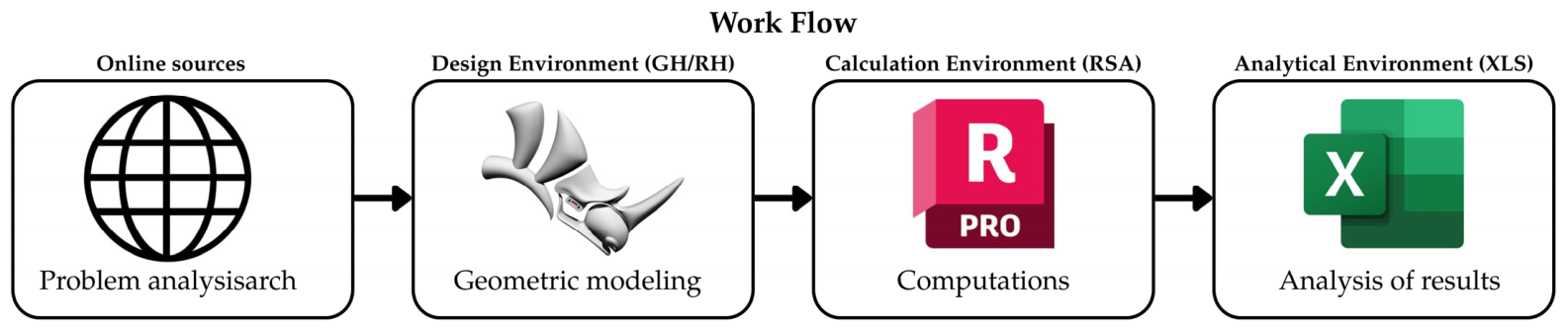
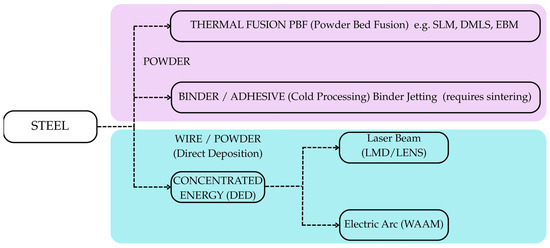
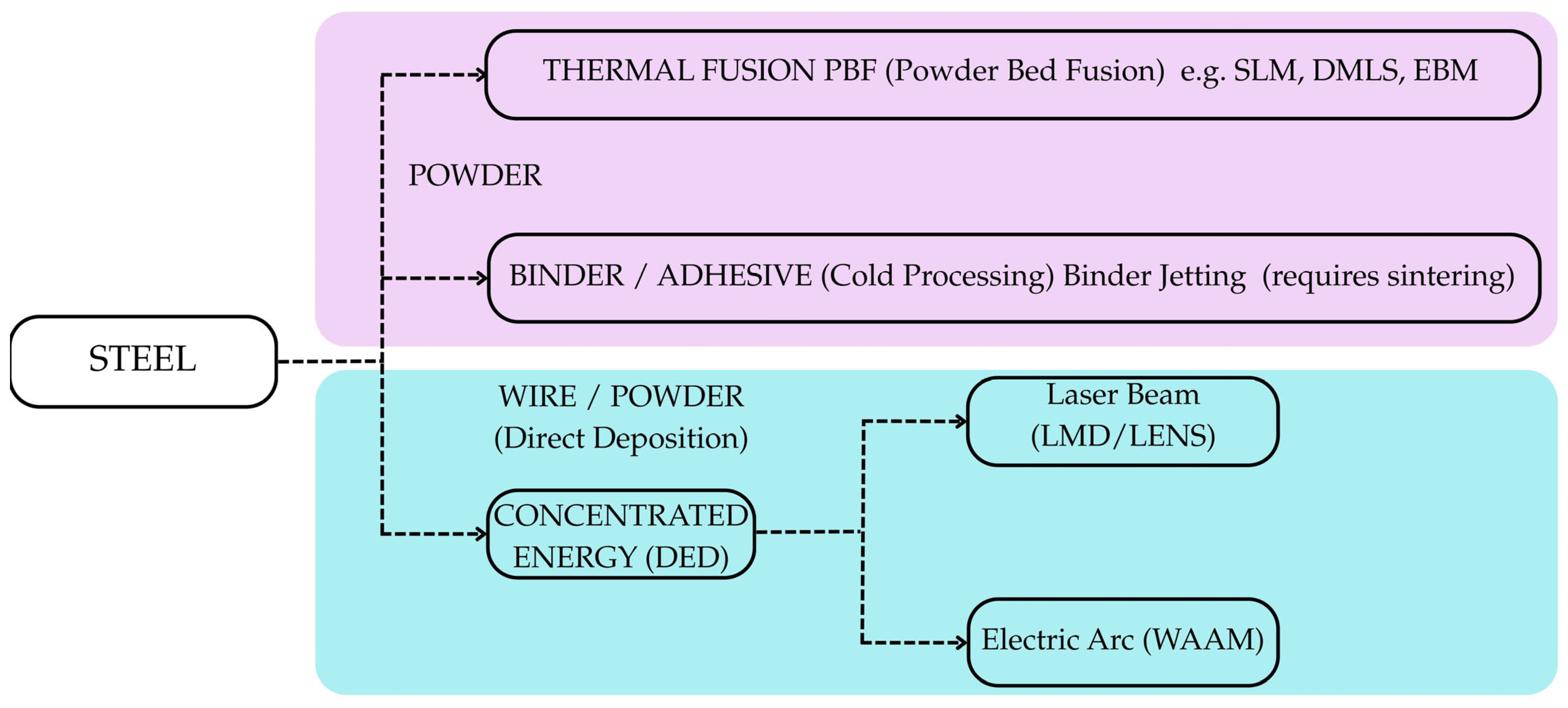
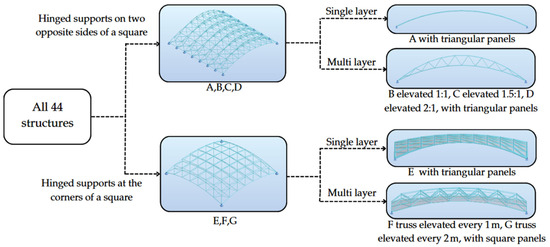
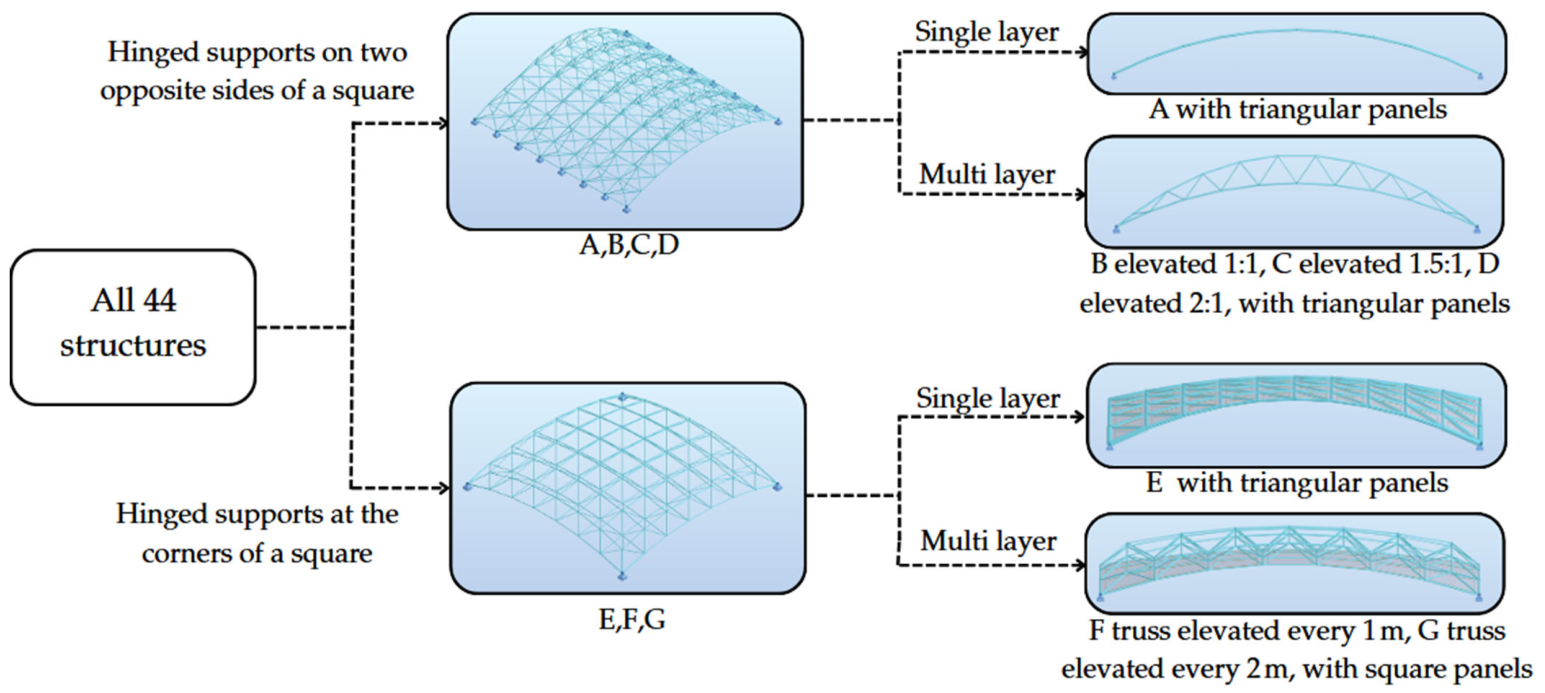
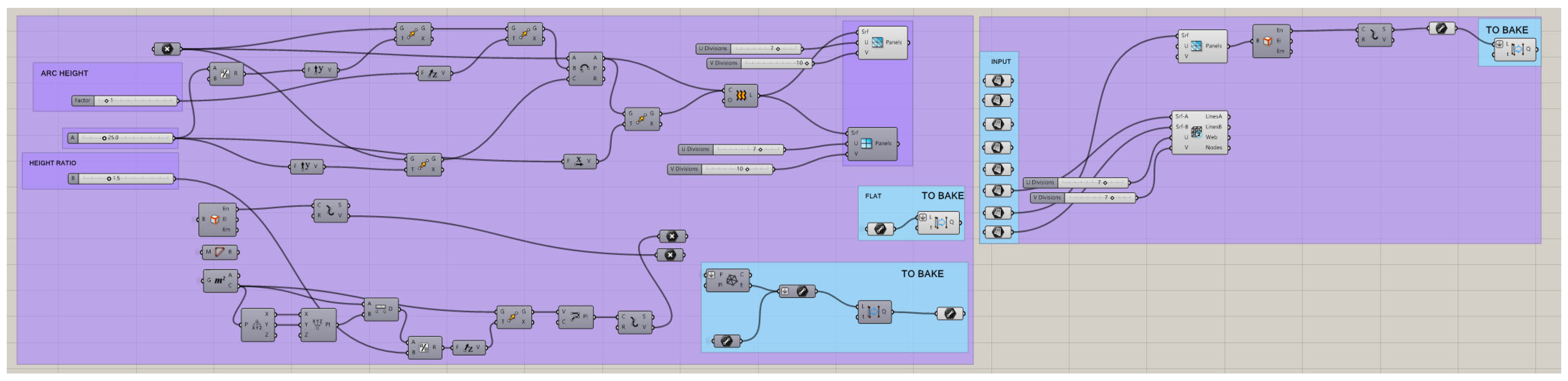
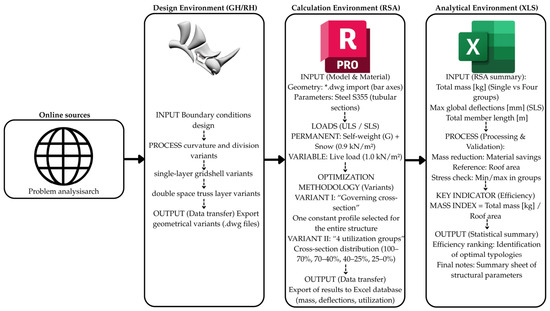
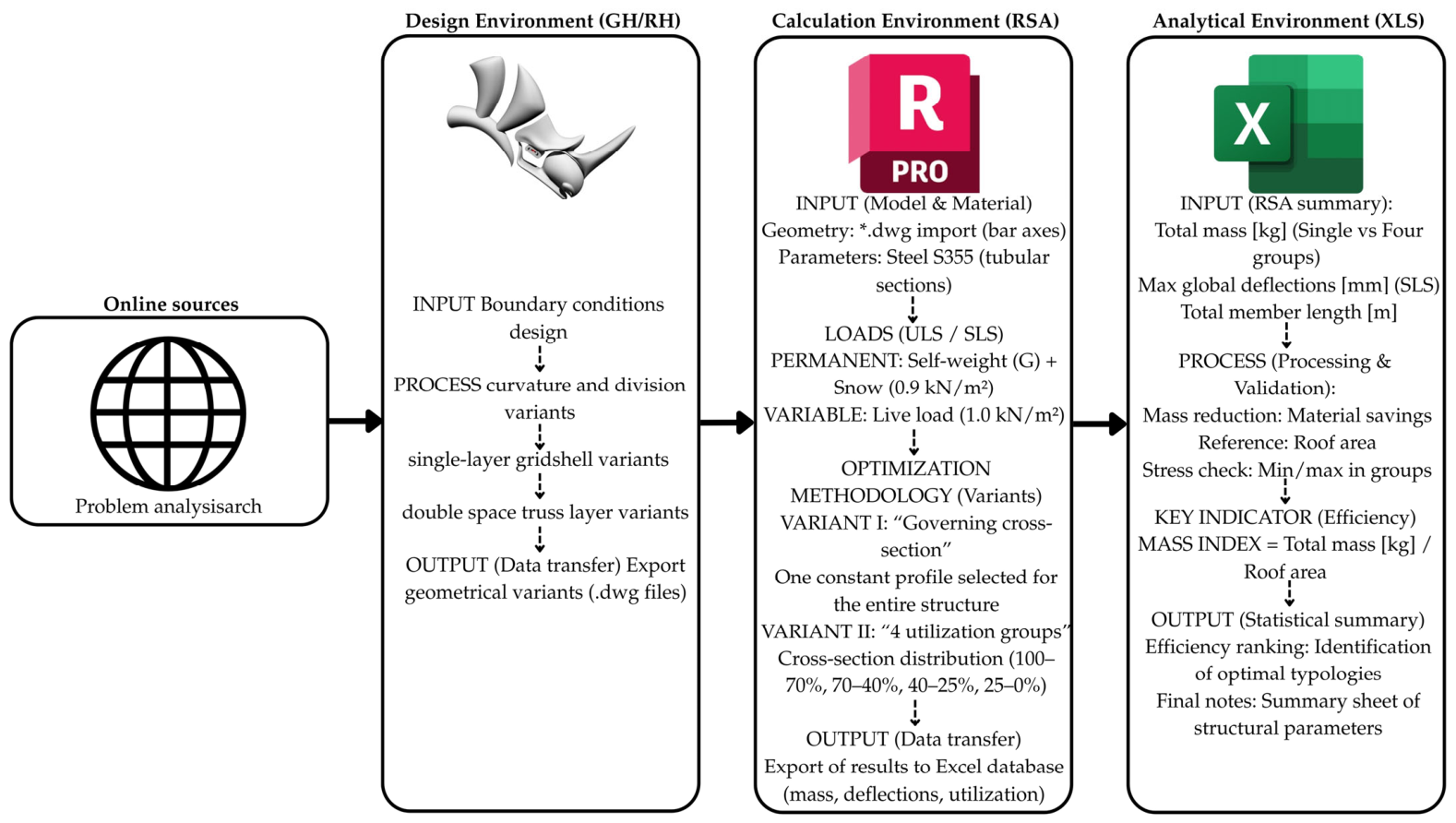
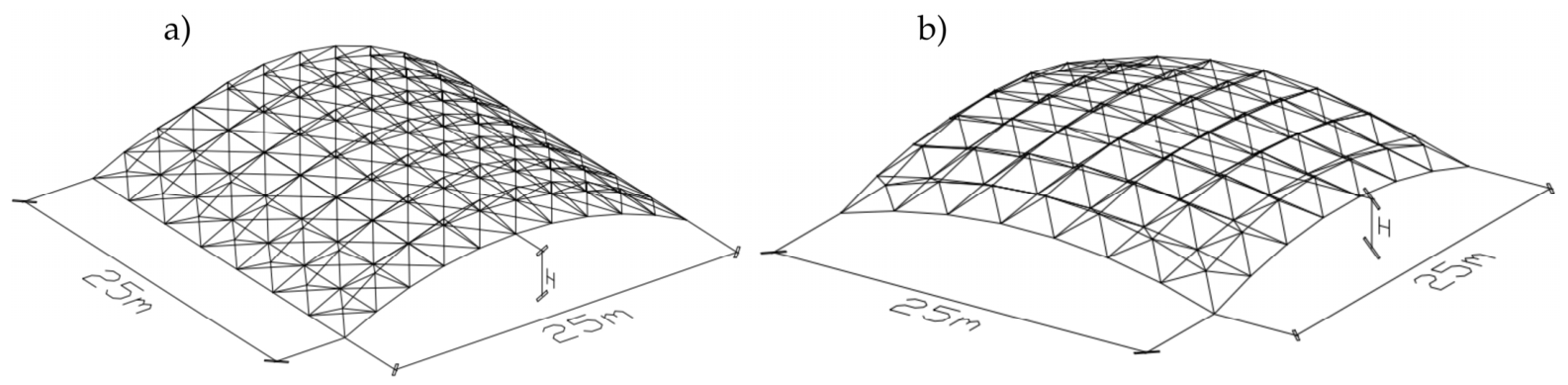
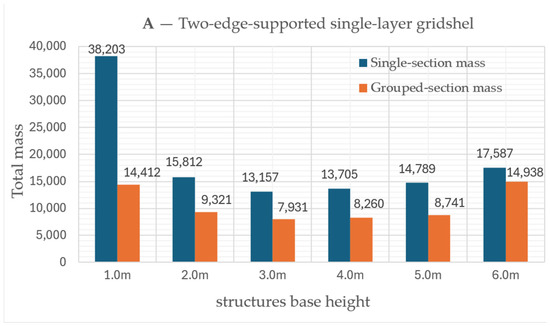
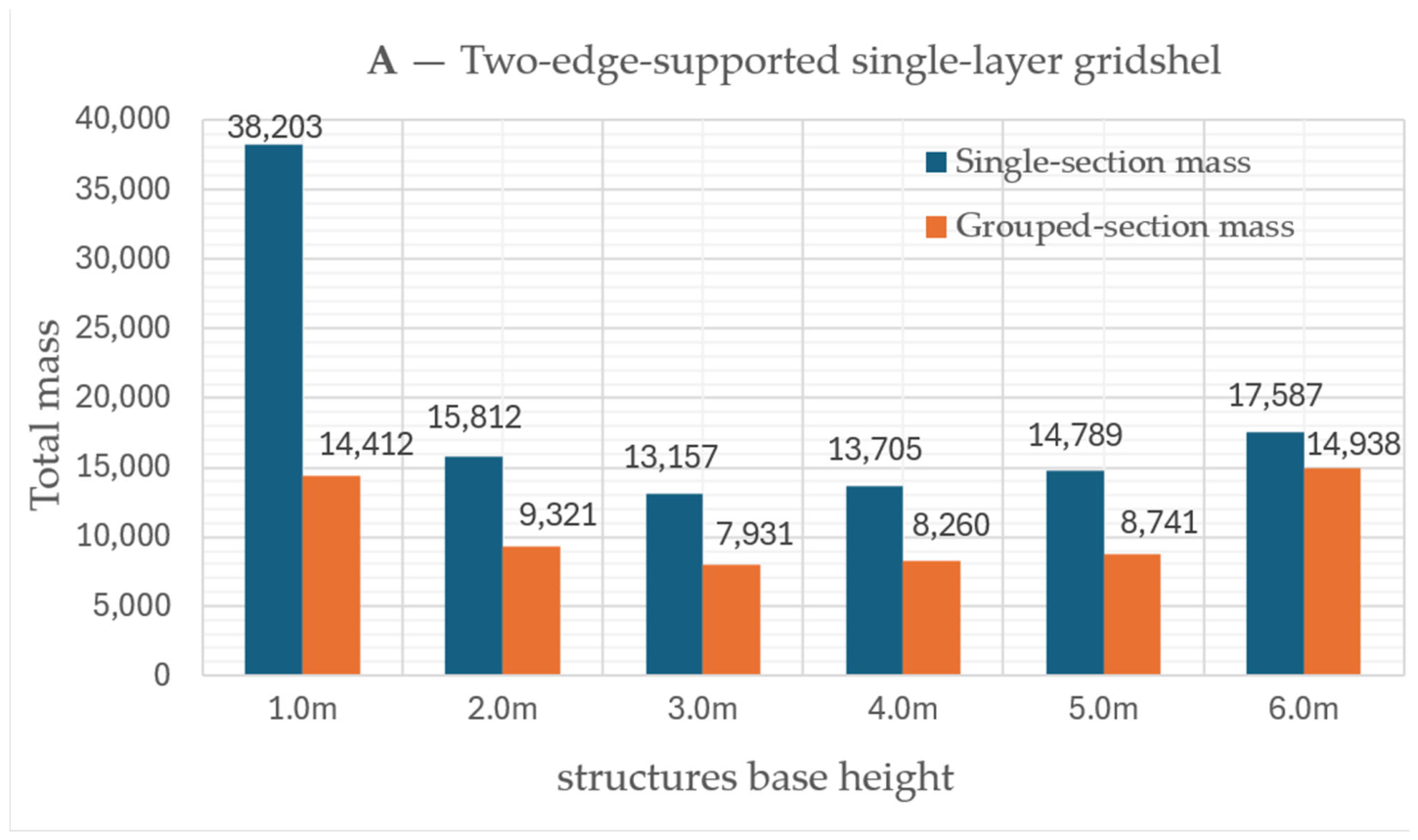
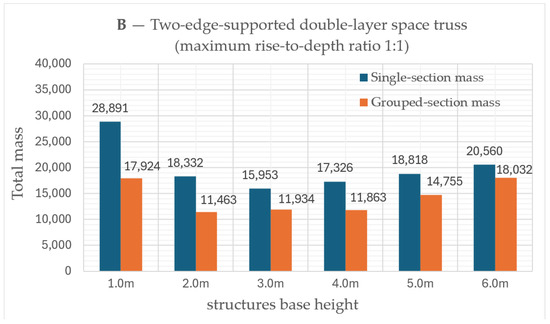
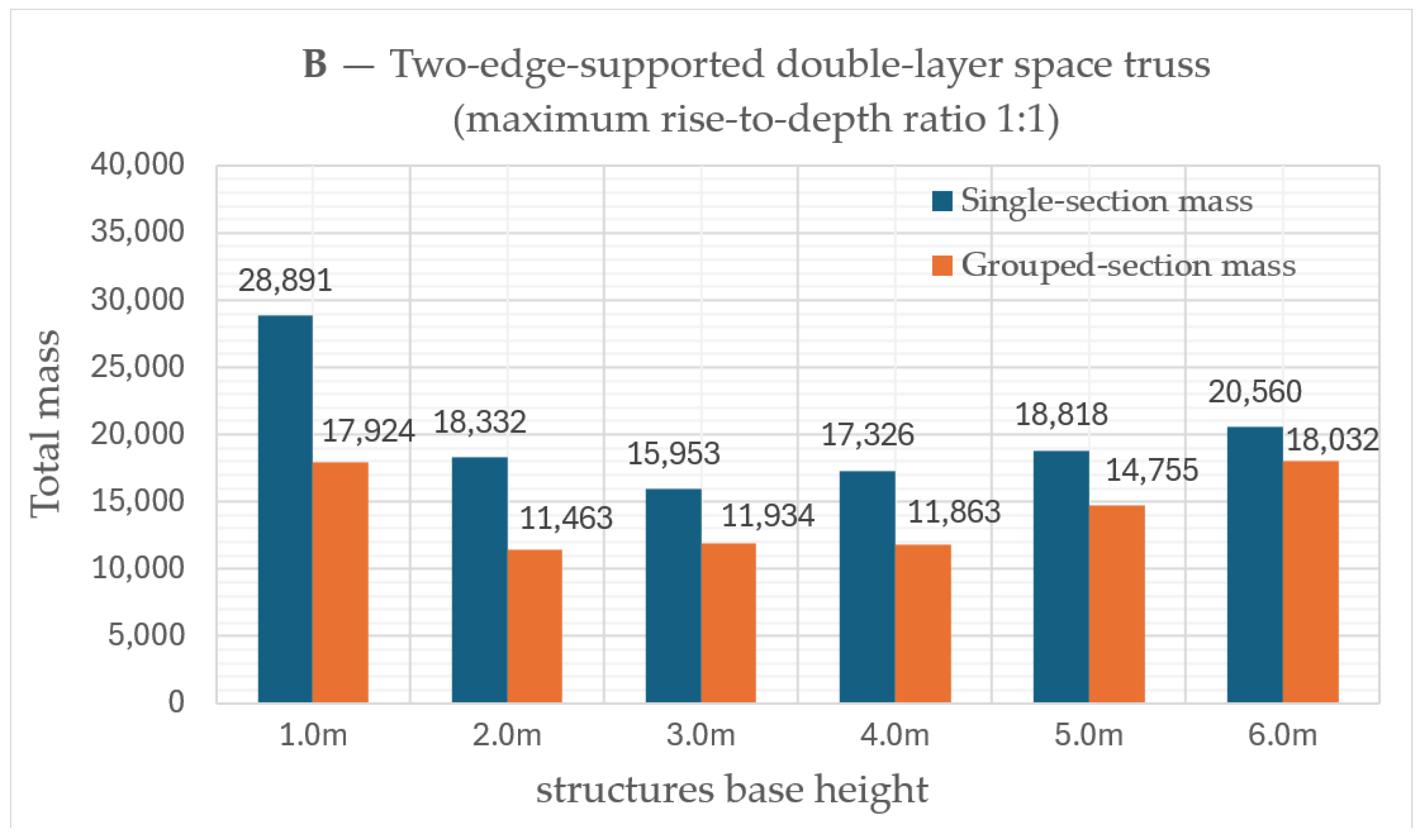
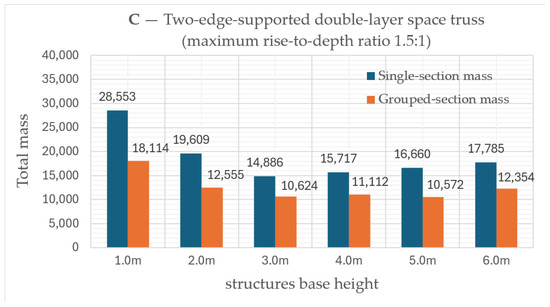
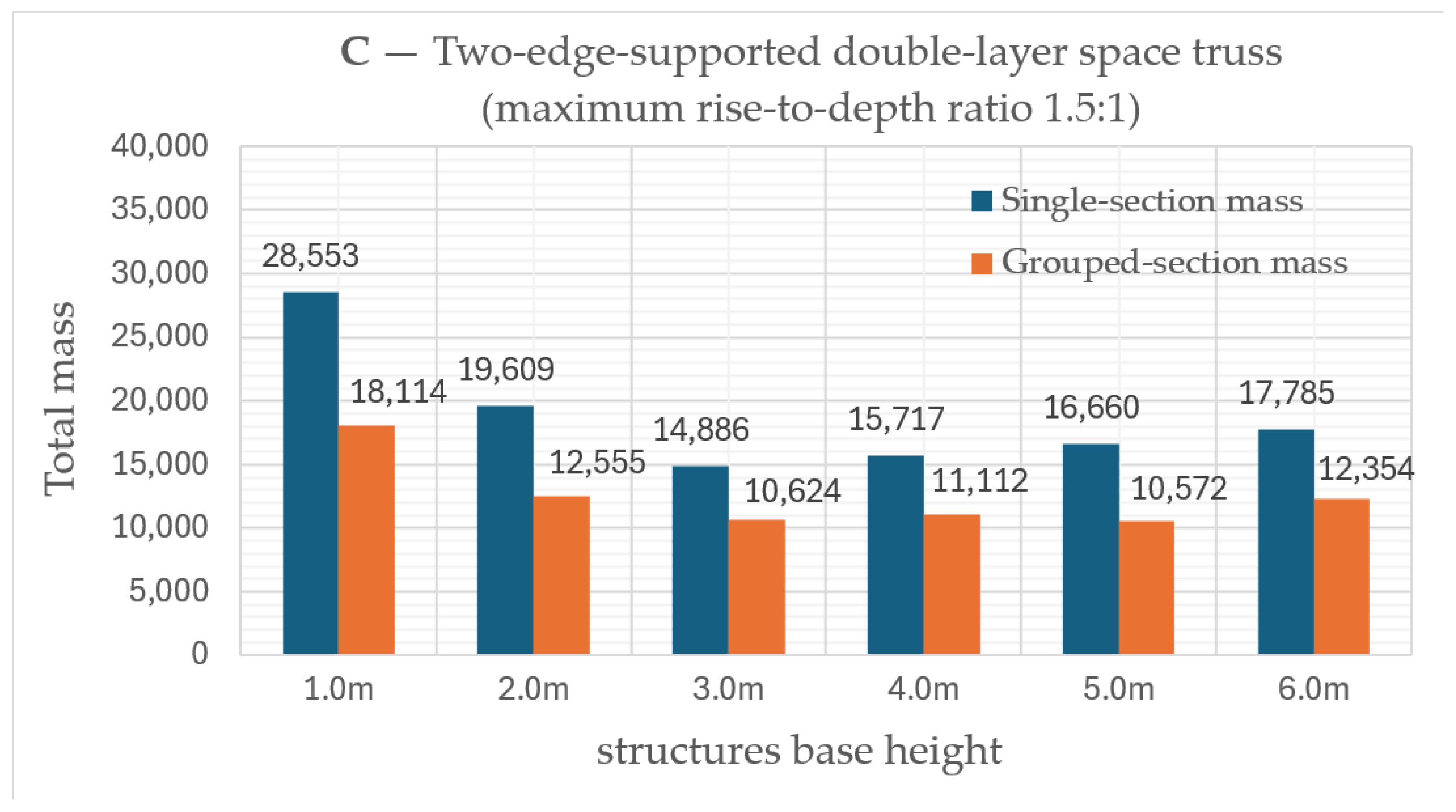
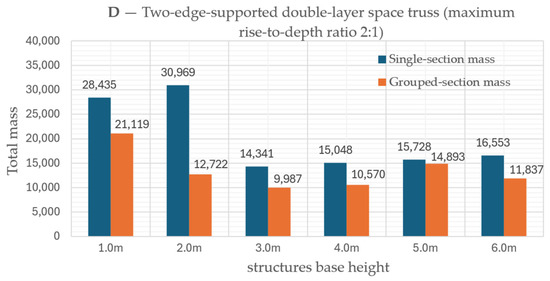
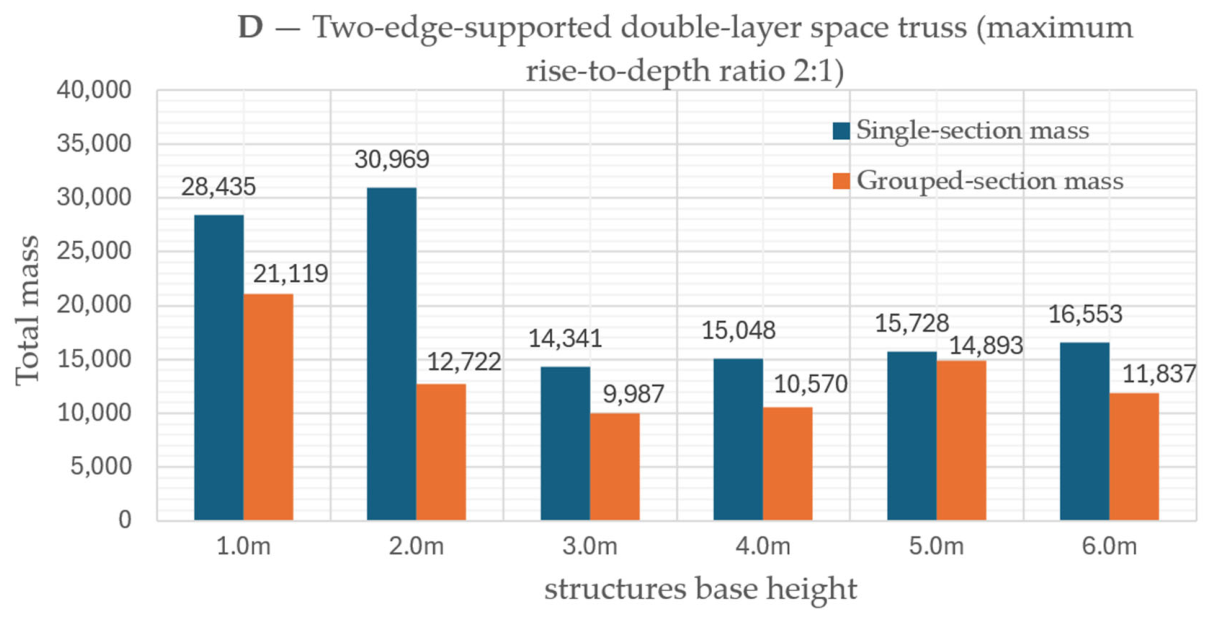
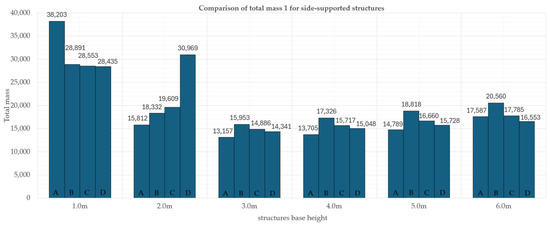
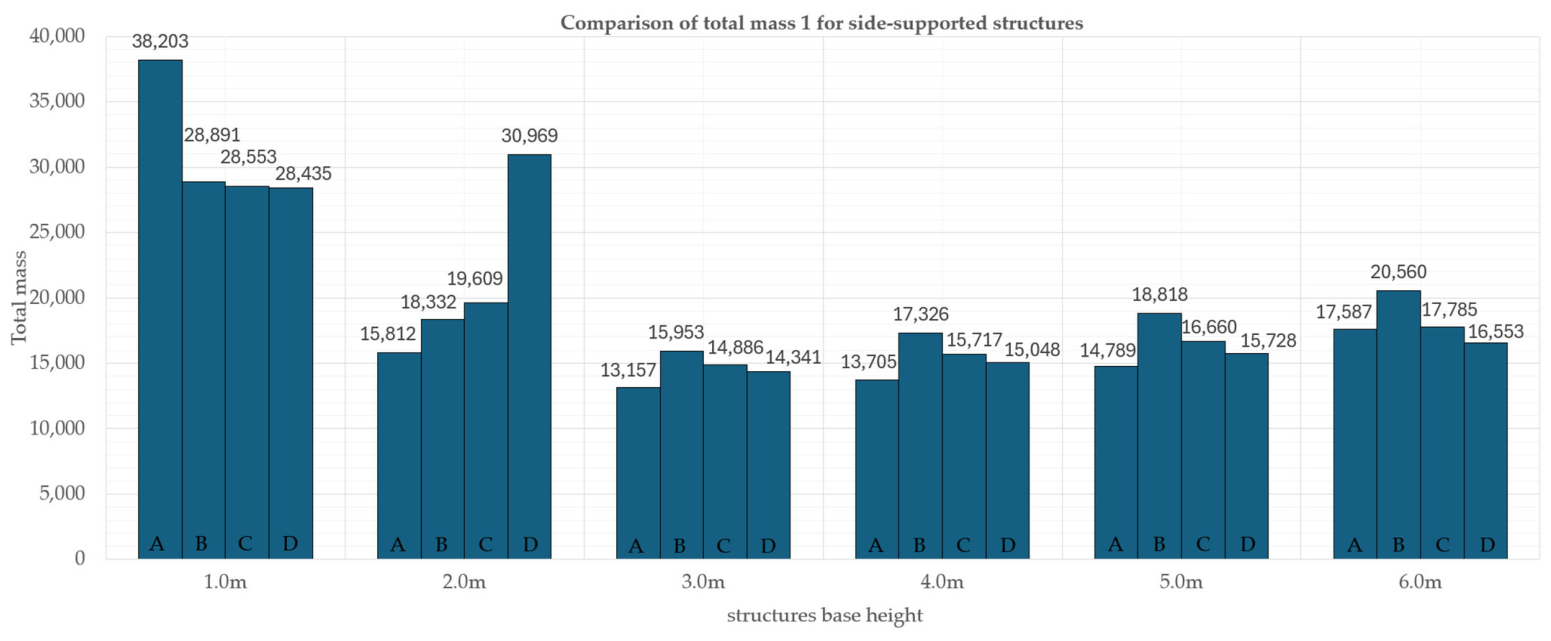
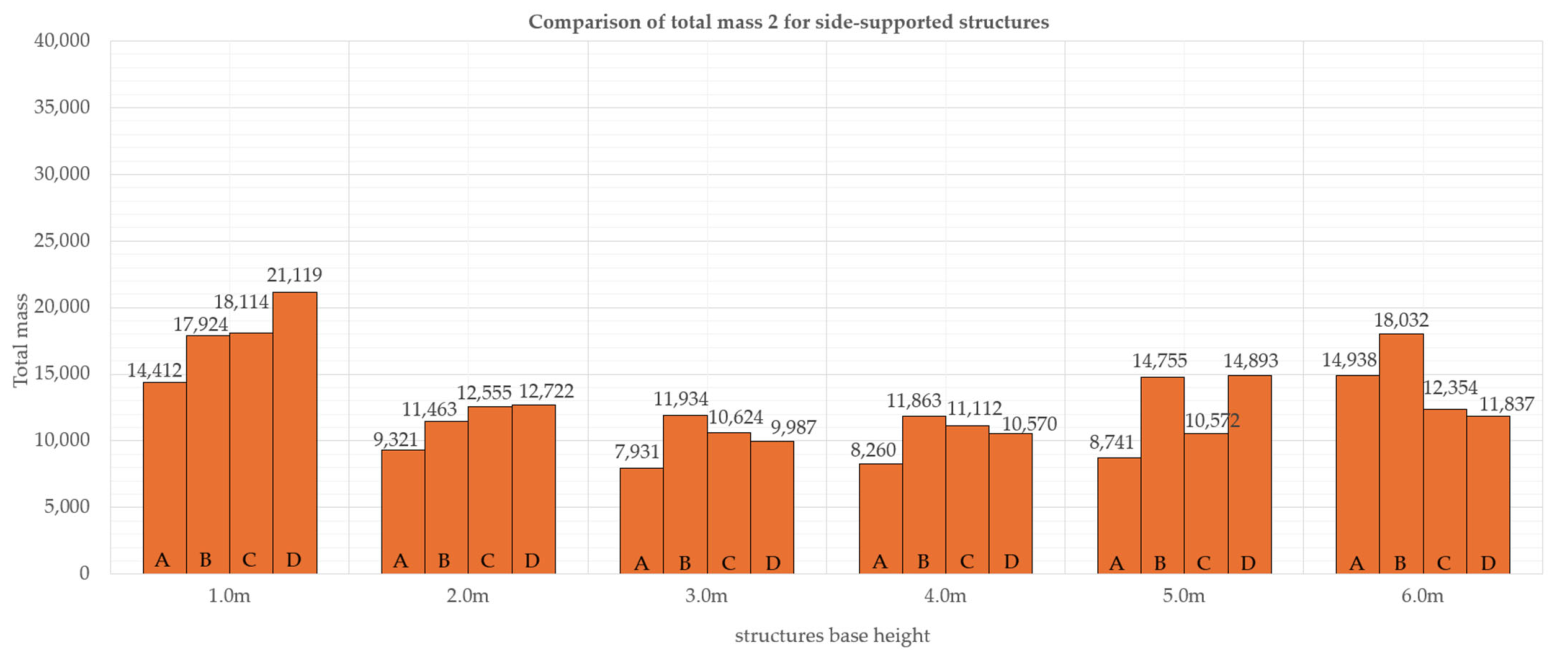
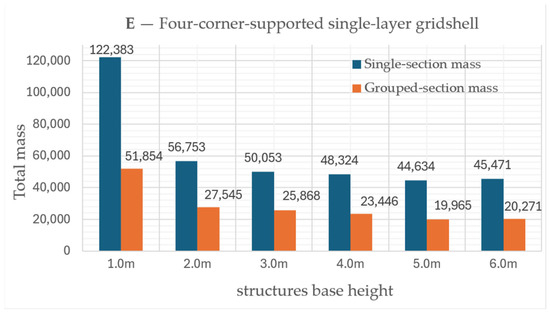
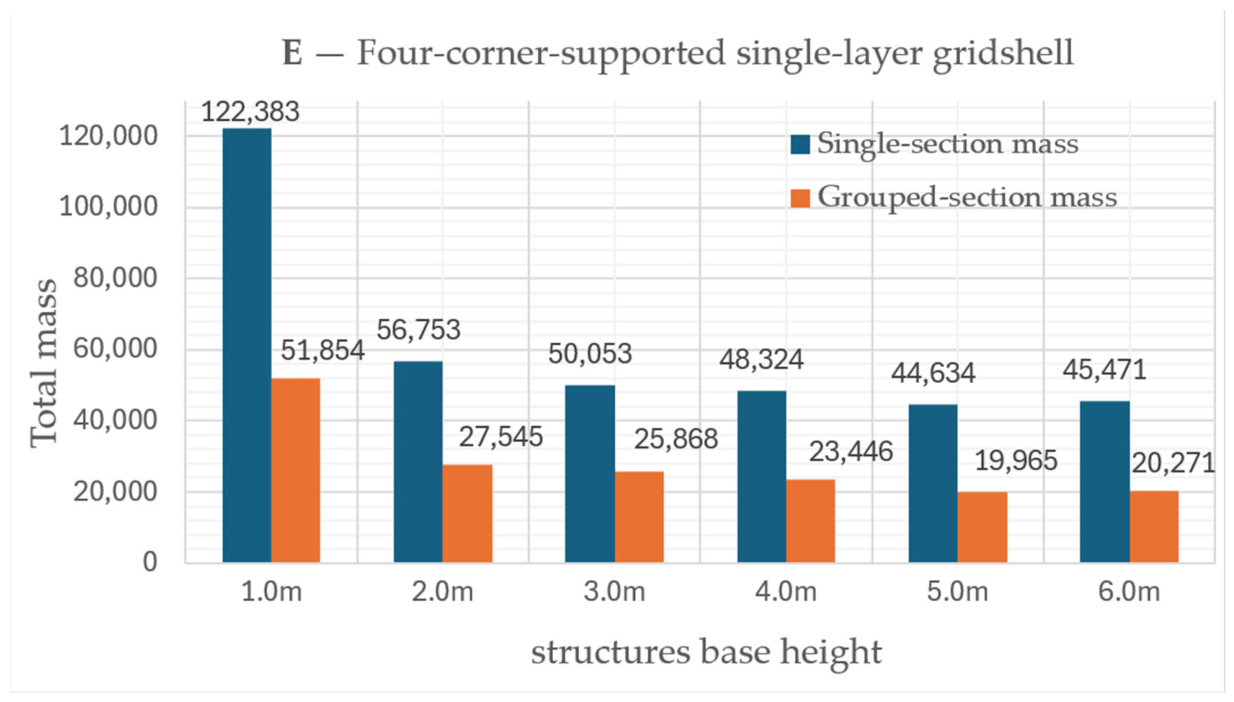
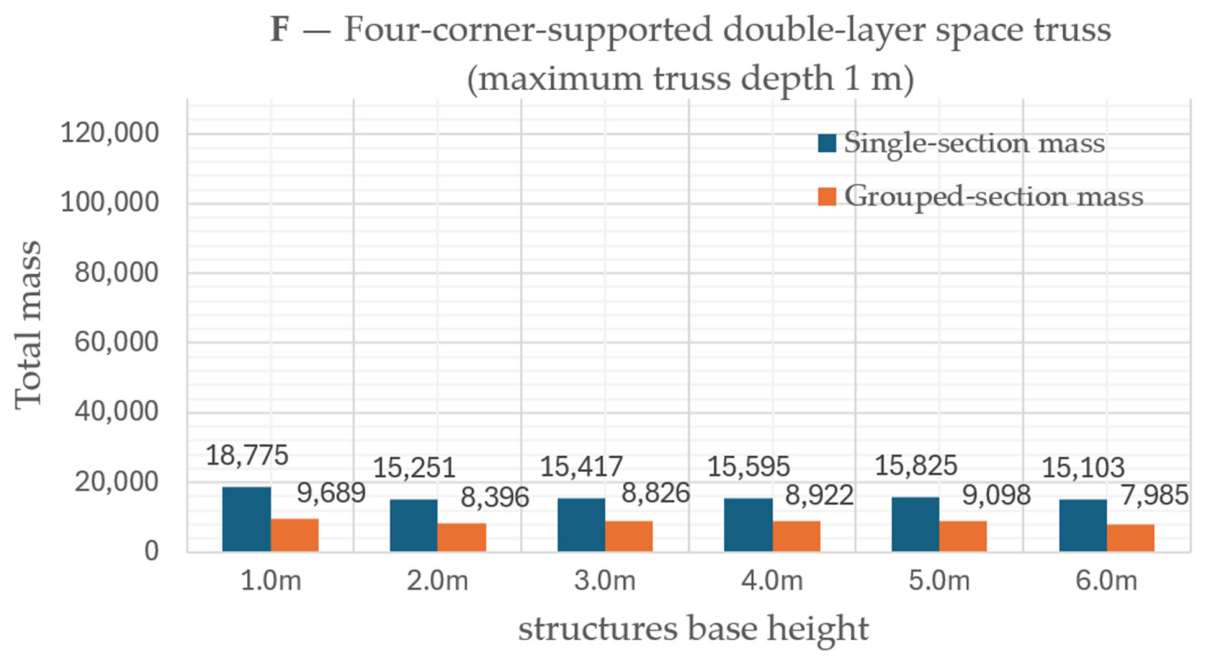
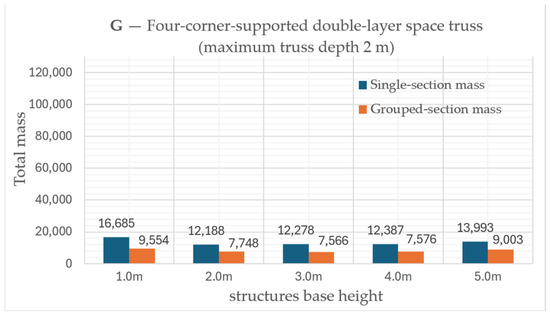
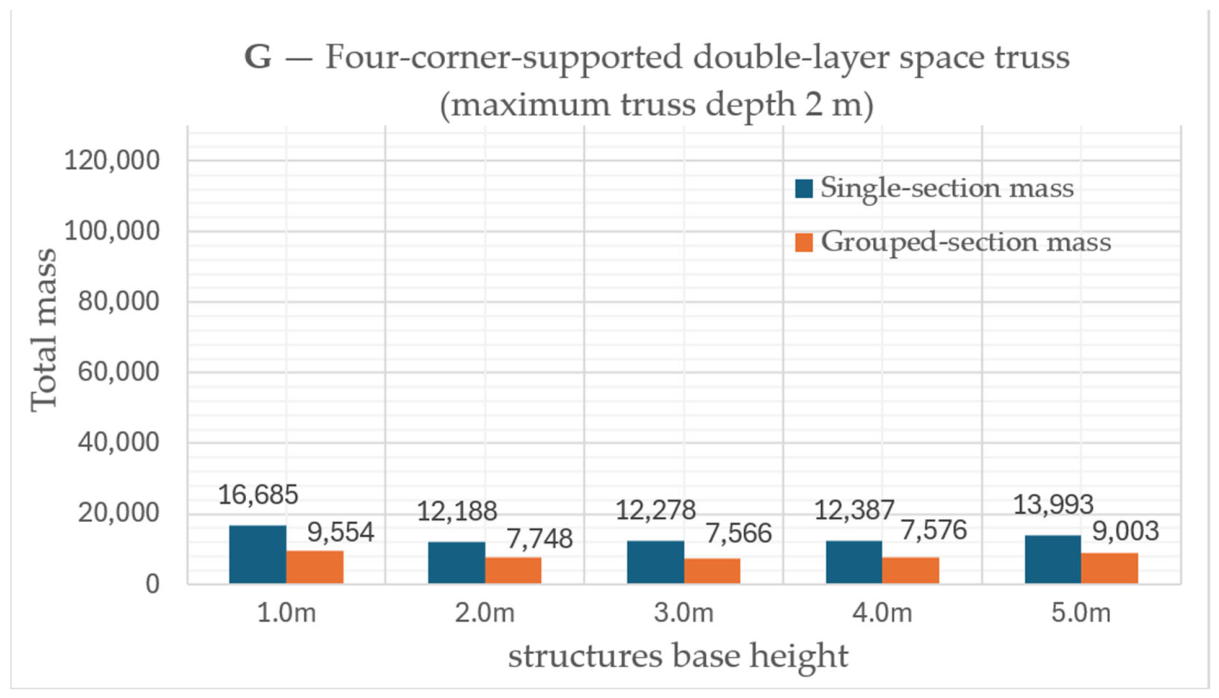
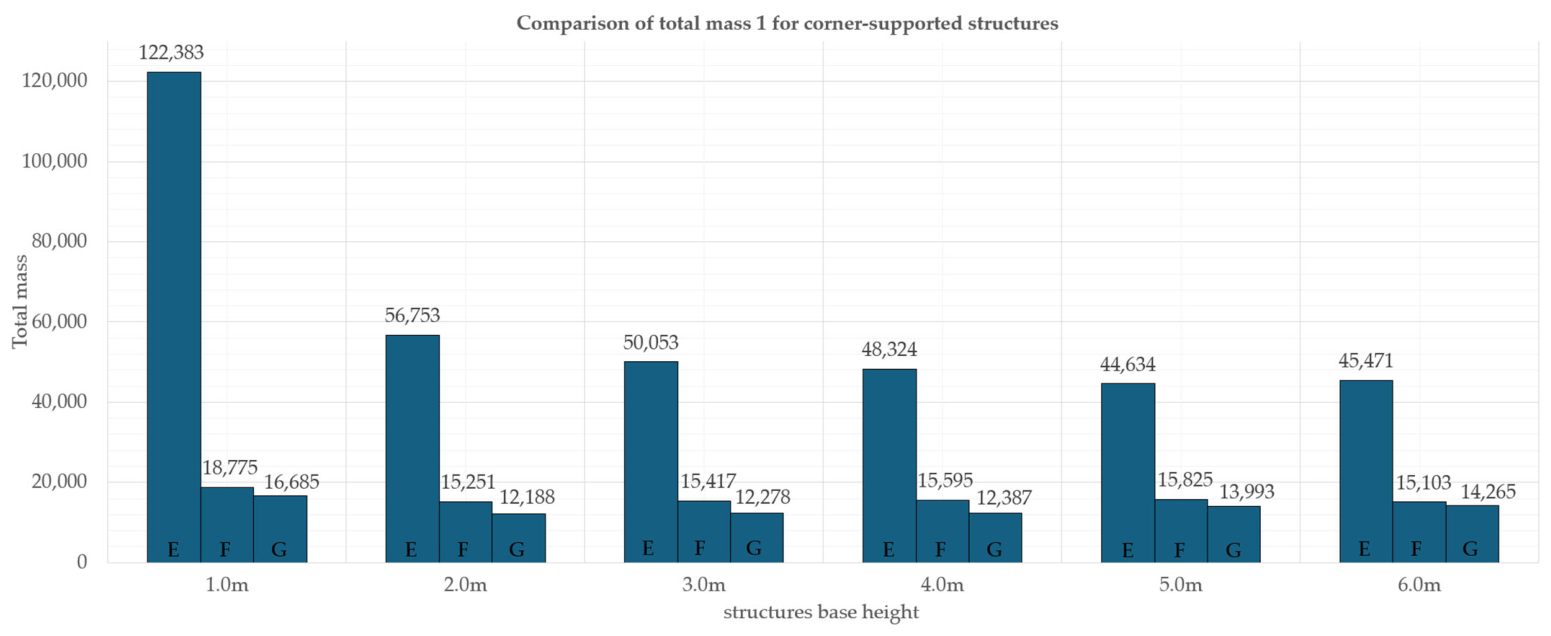
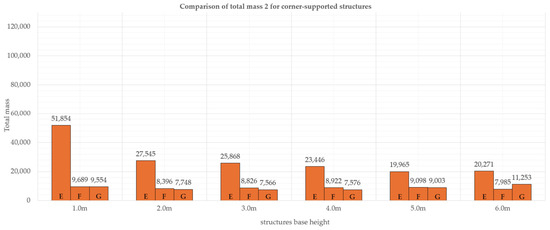
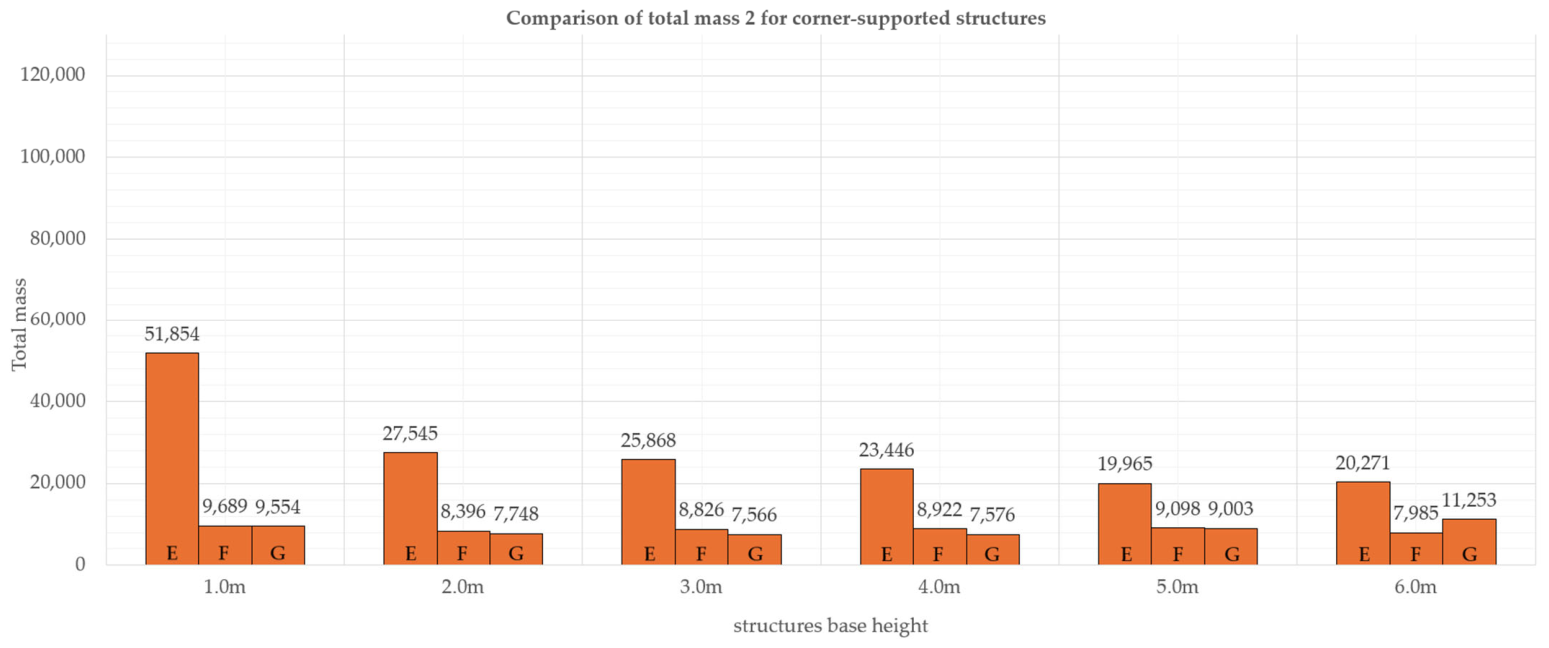

Disclaimer/Publisher’s Note: The statements, opinions and data contained in all publications are solely those of the individual author(s) and contributor(s) and not of MDPI and/or the editor(s). MDPI and/or the editor(s) disclaim responsibility for any injury to people or property resulting from any ideas, methods, instructions or products referred to in the content. |
© 2026 by the authors. Licensee MDPI, Basel, Switzerland. This article is an open access article distributed under the terms and conditions of the Creative Commons Attribution (CC BY) license.