Systematic Review

Durability in Timber Construction: A Systematic Review of Status Quo and Perspectives

Institute of Steel Construction, RWTH Aachen University, 52074 Aachen, Germany
*
Author to whom correspondence should be addressed.
Buildings 2026, 16(11), 2269; https://doi.org/10.3390/buildings16112269
Submission received: 29 April 2026 / Revised: 22 May 2026 / Accepted: 2 June 2026 / Published: 4 June 2026

Abstract

This study investigates the durability of timber buildings through a systematic literature review and a service life assessment of two representative building components. The review focused on degradation mechanisms, reasons for demolition, reference service life values, and strategies for extending service life. The deterioration of timber was found to be primarily driven by biological, physical, and mechanical processes, with moisture as a critical factor. Although degradation mechanisms are thoroughly documented, evidence concerning the physical lifespan of timber buildings remains scarce. Most demolitions are due to obsolescence and inadequate maintenance rather than structural failure. Reference service life values are frequently derived from expert judgment and often lack transparent boundary conditions. Nevertheless, factor-based service life prediction models offer a framework for evaluating structural components. When applied to a reference building, the method yielded estimated service lives of 100 years for an interior LVL beech column and 81 years for an exterior wall stud. These findings align with observed lifespans reported in demolition studies. More robust empirical data on demolition ages and refined reference values under standardized conditions are needed. Such improvements would enhance the accuracy of service life prediction models, support more realistic environmental assessments, and strengthen the role of timber as a sustainable construction material.

1. Introduction

Climate change has been identified as our most pressing global threat [1]. The construction industry is a major contributor to this challenge, accounting for 34% of global energy consumption and 34% of energy-related greenhouse gas emissions in 2023 [2]. Although operational emissions have historically dominated this footprint, the energy embodied in construction materials has accounted for a growing share of the total impact, particularly in new construction [3].
In response to these challenges, the European Green Deal outlines a path toward climate neutrality: a 55% reduction in emissions by 2030, followed by net-zero emissions by 2050 [4]. A fundamental element of this strategy is substituting conventional building materials with more sustainable alternatives, most notably timber [5]. Timber, a natural and renewable material, can sequester carbon dioxide during tree growth and contribute to reduced emissions when used in long-lasting construction, lowering the greenhouse gas footprint of the construction sector [3].
In Germany, there is an emerging trend towards timber construction. In 2021, 21.3% of all newly constructed residential buildings were built primarily using timber, marking a historic high [6]. The increasing use of wood in construction presents a climate opportunity if buildings remain in use long enough to offset the carbon embedded [7]. The climate benefits of timber construction are front-loaded, accruing mainly during the production phase [8]. However, this advantage is only preserved if the harvested wood remains in buildings for an extended period, since biogenic carbon is released again at the end of life. Construction timber is sourced from trees with long rotation periods, which reach their highest rates of CO2 sequestration only at a later age [9]. To ensure climate benefits, it is essential that timber buildings achieve long service lives [10]. In line with this principle, researchers advocate for the use of wood in construction projects with a minimum lifespan of 30–50 years, ideally over 100 years [11]. However, ensuring such longevity depends on understanding the durability, degradation, and the service life of timber components.
Extending the service life of timber components is not merely a technical challenge but also a sustainability goal. It is a vital first step toward more circular construction, in which materials remain in use longer and are reused at the end of their lifespan [12].
Despite growing timber construction, knowledge gaps on modern engineered wood durability persist, identified as a critical research priority [13]. Service life prediction enables cost-effective maintenance and credible environmental assessments, yet public skepticism toward timber’s durability remains a major adoption barrier [14,15,16,17,18,19,20]. This is reinforced by institutional barriers including limited timber education, conservative insurance classifications, and entrenched developer preferences [21]. Addressing these gaps requires credible durability data and transparent service life models.
The objective of this study is to investigate the durability and service life of timber buildings through a systematic literature review (SLR) based on the PRISMA 2020 framework [22]. The study identifies degradation mechanisms, demolition reasons and typical age of timber buildings at the time of removal, introduces service life prediction models, and presents strategies to extend the service life of timber buildings. A model is then applied to calculate the expected service life (ESL) of a structural laminated veneer lumber (LVL) beech column and a structural timber stud of a prefabricated panel wall. This analysis illustrates the application of model-based predictions in quantifying component-specific lifespan expectations.
This contribution synthesizes the evidence base on timber durability and service life, illustrating the application of an established factor-based prediction model to a case study. Following the PRISMA 2020 framework [22], the review focuses on identifying degradation mechanisms, demolition reasons, reference service life values, and service life extension strategies. Rather than developing statistical models or conducting comprehensive economic evaluations, this study aims to provide a structured qualitative baseline of existing methodologies, highlighting key gaps to guide future research.

2. Methodology of the Literature Review

The methodology follows the revised Preferred Reporting Items for Systematic Reviews and Meta-Analyses (PRISMA) 2020 guidelines [22]. Using an SLR alongside clearly defined research objectives enables the identification of relevant studies, facilitates a critical review of selected studies in terms of their research quality, and assists in the unbiased summary of findings [23]. In recent years, an increasing number of researchers in the construction industry have also adopted these guidelines to reduce bias, thereby enhancing the legitimacy and authority of the resultant evidence and generating more reliable outcomes [23,24,25].
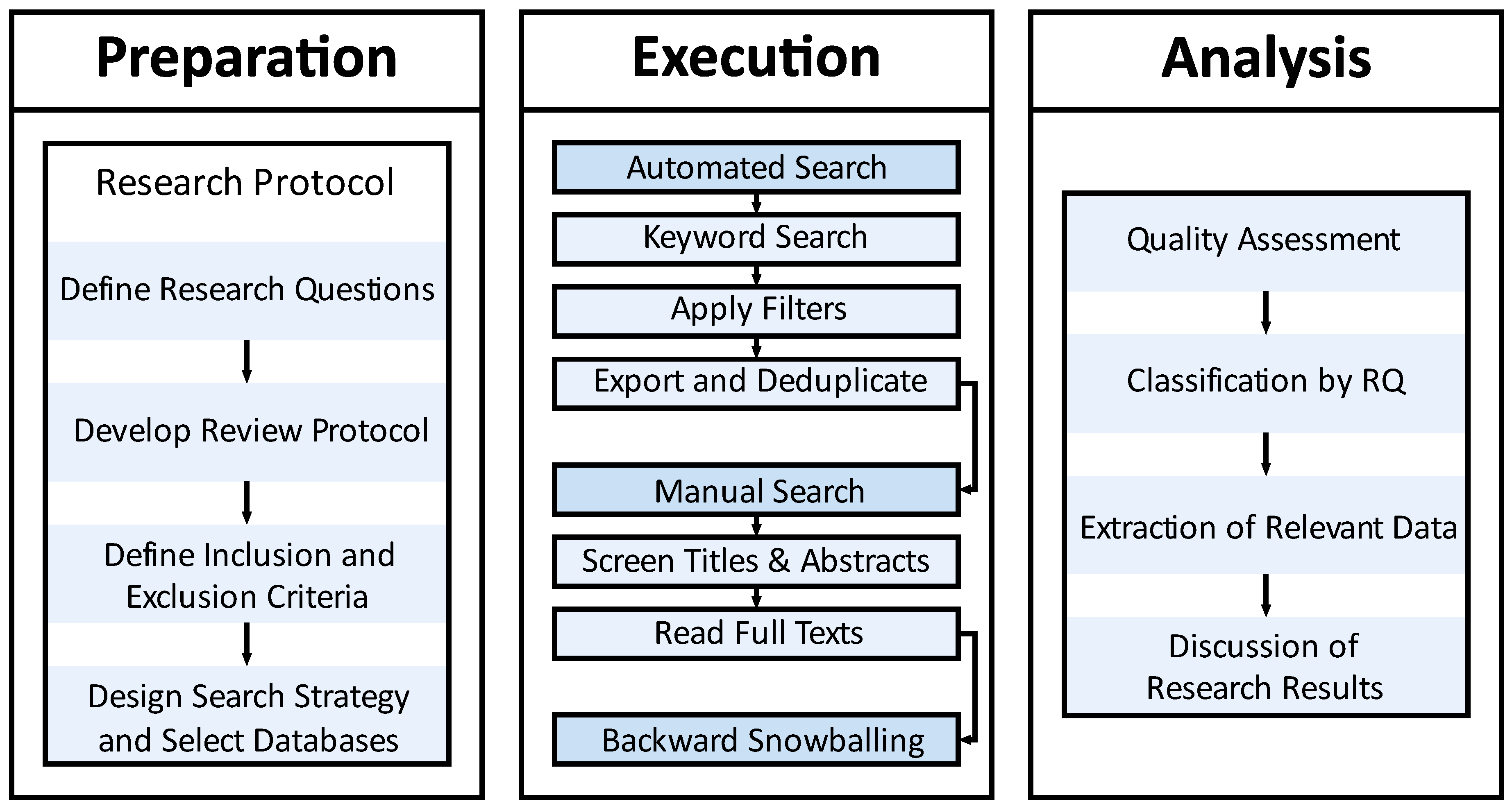
To ensure methodological integrity, this review is structured based on the three-phase model proposed by Kitchenham [26] as illustrated in Figure 1.

2.1. Preparation Phase

Four central research questions (RQ) were formulated to map the current state of knowledge on the durability and service life of timber buildings.
-
RQ1: What are the primary degradation mechanisms affecting timber buildings?
Identify the dominant physical, biological, and mechanical processes contributing to the deterioration of timber.
-
RQ2: What are the documented reasons for the demolition of timber buildings?
Determine the technical and non-technical factors leading to the removal of timber buildings.
-
RQ3: What is the current expected service life of timber buildings?
Summarize available reference service life data for structural timber components and identify available models to predict the expected service life.
-
RQ4: What strategies are proposed to extend the service life of timber buildings?
Identify design, material, and maintenance strategies that improve durability.

Search Strategy

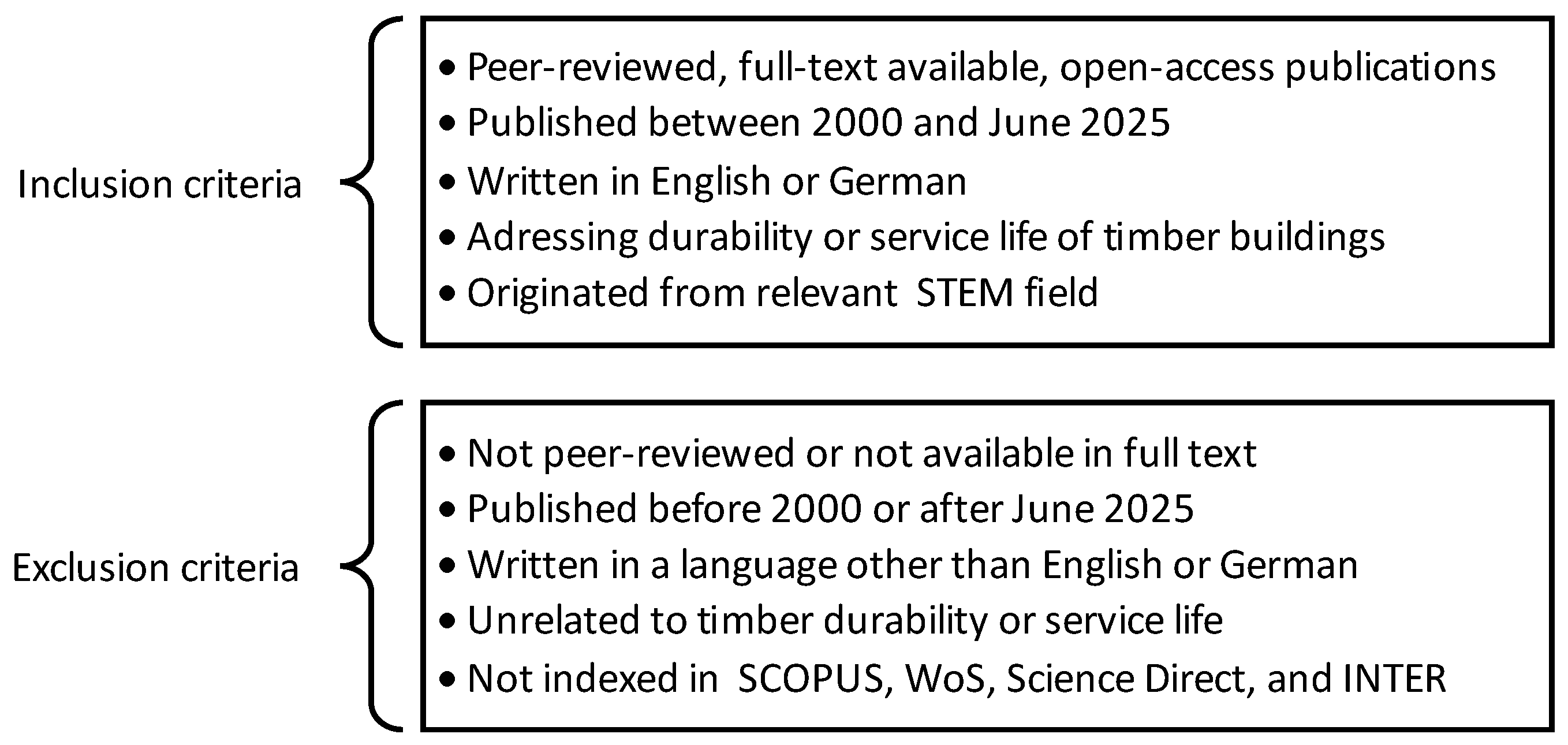
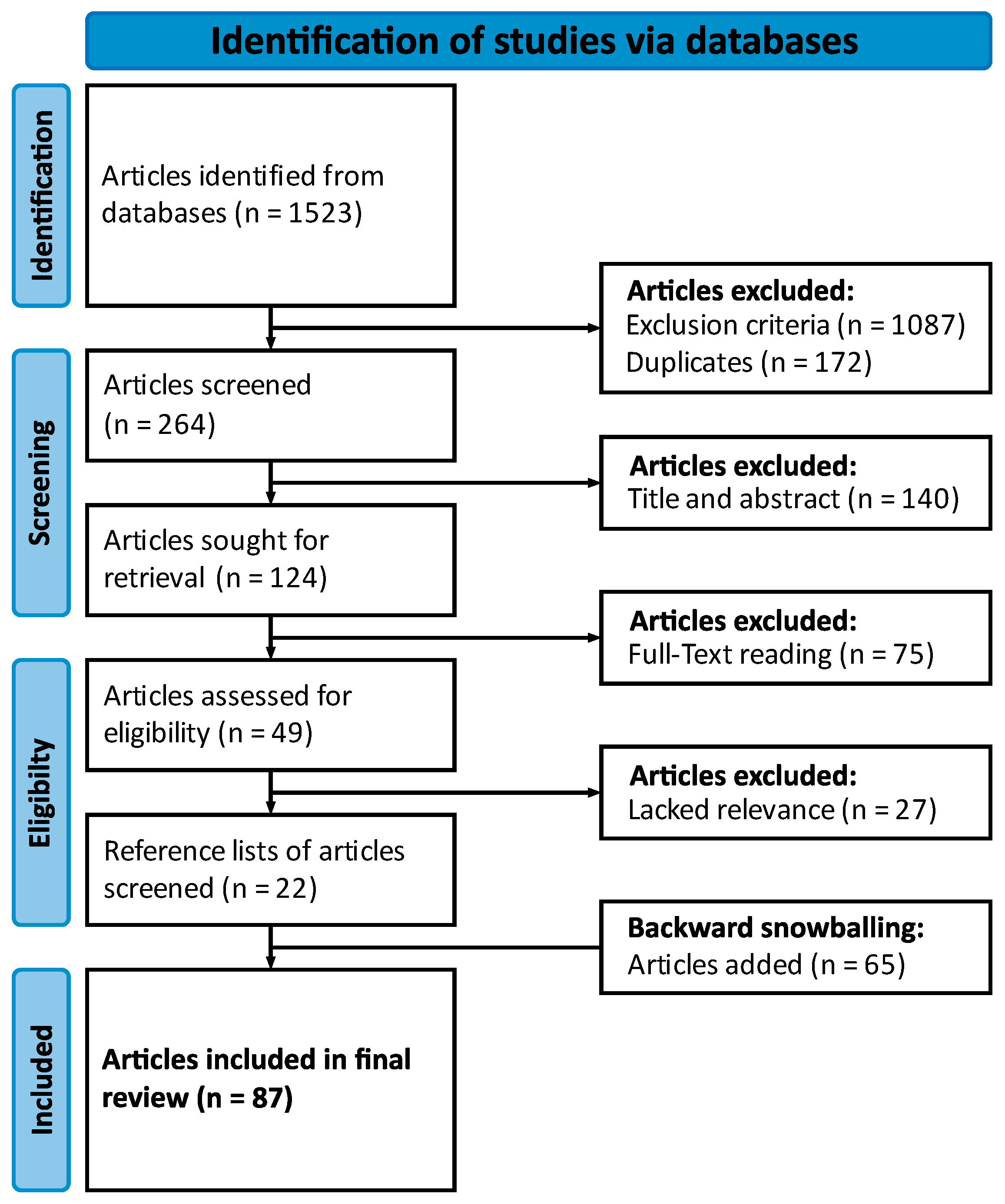
The literature search was completed on June 28, 2025, adhering to the inclusion and exclusion criteria illustrated in Figure 2. The databases searched were Scopus [28], Web of Science (WoS) [29], and ScienceDirect [30], supplemented by International Network on Timber Engineering Research [31] conference proceedings. In the final stage, a backward snowballing approach was employed, whereby the reference lists of significant papers were screened to identify additional sources. Google Scholar [32] facilitated cross-checking and article retrieval during this process.
A “building blocks” search strategy was employed, combining the core term “timber construction” with the keywords “durability”, “service life”, “maintenance”, and “life-cycle costs” (including German equivalents “Holzbau”, “Dauerhaftigkeit”, “Lebensdauer”, “Instandhaltung”, and “Lebenszykluskosten”) [33].

2.2. Execution Phase

The review process is illustrated in Figure 3. Titles and abstracts were manually screened to determine relevance to the predefined RQs. As abstracts can be insufficient for reliably assessing relevance, conclusions were consulted in cases of uncertainty [34].
Following the screening, full texts were reviewed for final eligibility. Finally, a backward snowballing technique was applied to the reference lists of eligible articles to identify additional relevant publications not captured by the initial search.

2.2.1. Data Extraction

In accordance with the PRISMA 2020 guidelines [22], data were systematically extracted from all studies that passed the full-text screening stage. In addition to outcome-specific data, several contextual variables were recorded across all included studies. The following elements were included:
Author(s)
Year
Country
Study design
Overall relevance to the study topic
The complete data extraction table can be found in Appendix A.

2.2.2. Risk of Bias and Certainty

In line with the PRISMA 2020 guidelines [22], the risk of bias in individual studies and potential bias in the review process were evaluated. A significant concern relates to publication bias, the tendency for studies producing positive results to be published with higher frequency than those with negative or inconclusive findings [26].
Given the variety of sources in this review, it was impossible to identify a single tool applicable across all study types. Instead, a narrative risk-of-bias appraisal was conducted, based on three primary domains: selection, measurement, and reporting. The presence of selection bias was assessed by examining whether the sample of buildings or components was appropriately described. Measurement bias was determined by assessing whether degradation mechanisms or service life values were objectively measured or merely assumed. The reporting bias was evaluated by analyzing whether all relevant outcomes for each research question were presented or whether only favorable results were selectively reported. Additionally, the funding disclosures and declarations of competing interests were reviewed. Each study was assigned a risk level of low, moderate, or high. Studies declaring no conflicts were rated as low risk, those with undeclared funding as moderate risk, and those with direct industry funding as high risk. A thorough review of grey literature and conference proceedings was carried out to mitigate the potential for bias in the search strategy itself. Certainty was assessed similarly, based on consistency (agreement across studies) and directness (alignment with the research context). Confidence in findings was classified as high, moderate, or low.

3. Literature Review

This section presents the results of the SLR in line with the four predefined RQs. The analysis begins with a descriptive overview of the included studies, followed by a content analysis structured around the RQs. Section 3.1 discusses the degradation mechanisms affecting timber buildings. Section 3.2 explores the reasons for their demolition. Section 3.3 summarizes the observed and reference service lives of timber buildings. Section 3.4 reviews strategies proposed in the literature to extend the service life of timber buildings. Together, these results form the basis for the subsequent application of service life prediction models in Section 4.
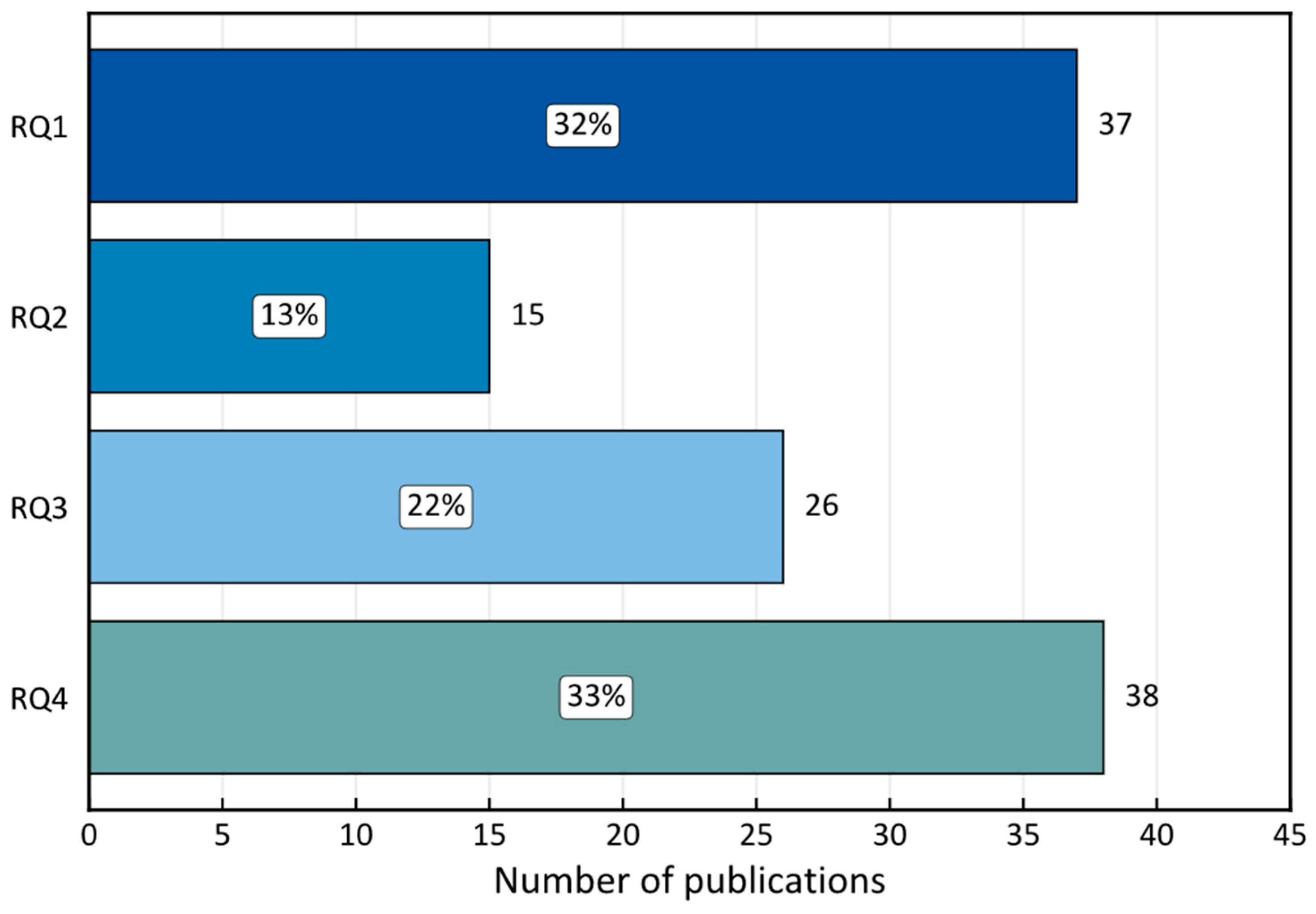
The final dataset comprised 87 studies. Most were rated moderate-certainty and moderate risk of bias, with a smaller number of high-certainty, low-bias publications strengthening the evidence base. Research is unevenly distributed across the four RQs, with RQ2 (demolition reasons) and RQ3 (service life data) notably underrepresented, as shown in Figure 4. The geographical focus is primarily Europe, North America, and Australia. A keyword analysis revealed three recurring thematic clusters: (1) degradation mechanisms and material behavior, (2) economic and construction-related aspects, and (3) service life, adaptability, and end-of-life decision-making. The evidence base shows substantial gaps in empirical service-life data and demolition studies, requiring more robust longitudinal research.

3.1. Degradation Mechanisms

Timber’s exceptional strength-to-weight ratio and its capacity to sequester carbon make it an increasingly attractive material for sustainable construction [35]. However, being a biological, porous material, it remains vulnerable to a range of degradation mechanisms in service. Based on Rashidi et al. [36], these mechanisms can be classified into:
  • Biotic attack: whereby bacteria, fungi, or insects degrade wood.
  • Abiotic degradation: due to weathering, chemical exposure, ultraviolet radiation, and mechanical wear.
Visible signs vary from superficial checking, staining, and insect galleries to corrosion around fasteners and, in severe cases, outright structural failure. Although the damage potential and appearance vary, most share a common accelerant: sustained or cyclic exposure to moisture above the fiber-saturation point. The most common type is biological degradation, with fungi being the most important agent [37]. Such moisture regimes induce dimensional changes that open surface cracks and create a habitat for organisms. The following subsections will review these primary degradation mechanisms, establishing the environmental and material factors that influence the service life of timber buildings.

3.1.1. Weathering

Weathering is the slow abiotic breakdown of exposed timber driven by heat- and UV-induced photo-oxidation, moisture cycling, and pollutants. It discolors the surface, erodes fibers, and roughens the grain, without directly endangering the timber’s load-bearing capacity [38]. However, the swelling and shrinkage cracks, warping, and surface corrosion that weathering triggers can provide entry points for moisture and organisms, making it a key precursor to biological attack [20,36].
Elevated moisture also accelerates secondary weathering effects. Metal fasteners may corrode above about 15–18% moisture content, releasing ferric ions that degrade adjacent wood cells and reduce tensile strength [36,39]. Uneven moisture distribution or rapid drying rates can induce warping and loosen connections [40].
Long-term UV exposure degrades lignin [20], causing discoloration and making it water-soluble and subsequently leached by rainwater [41].

3.1.2. Biological

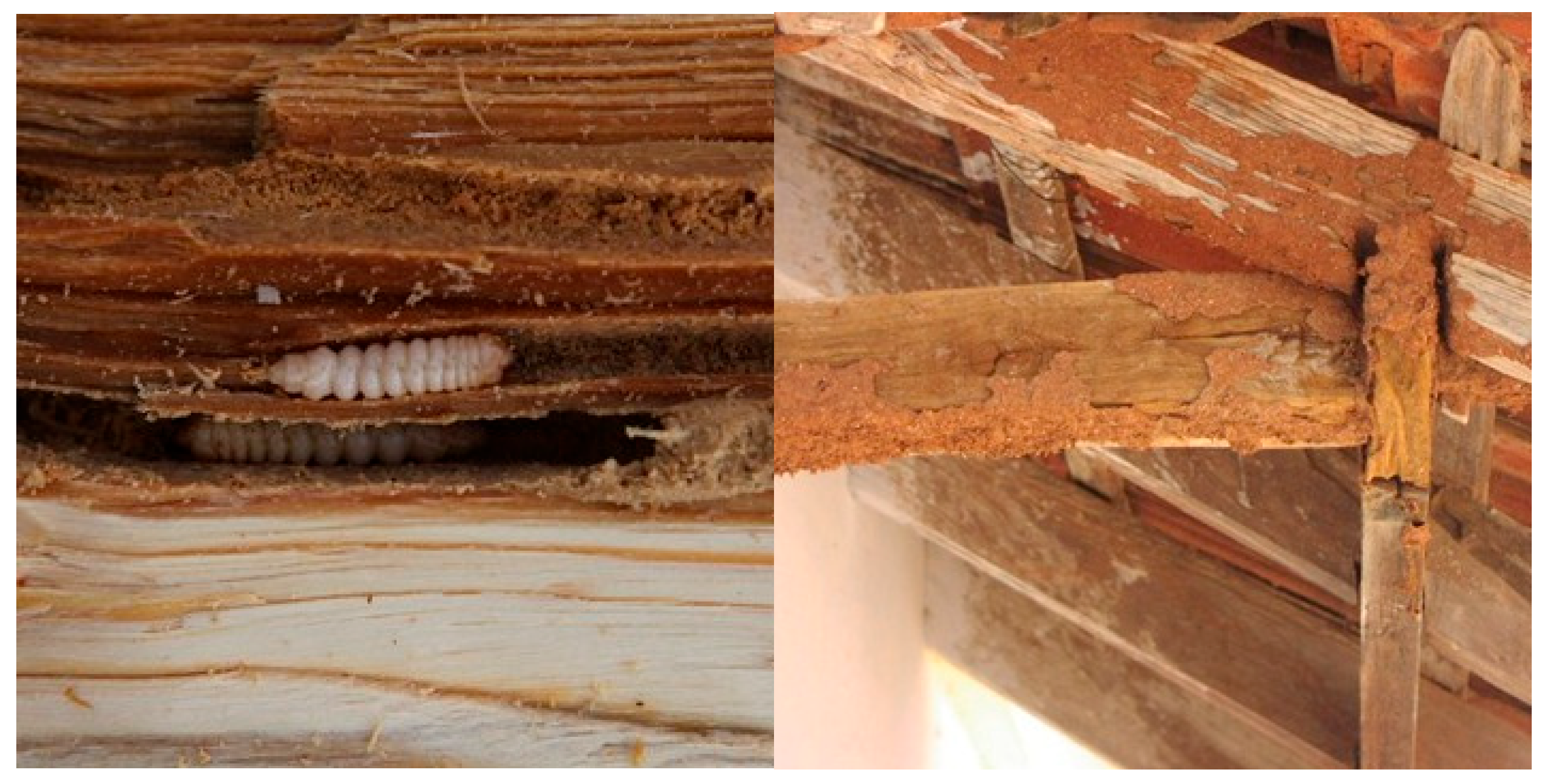
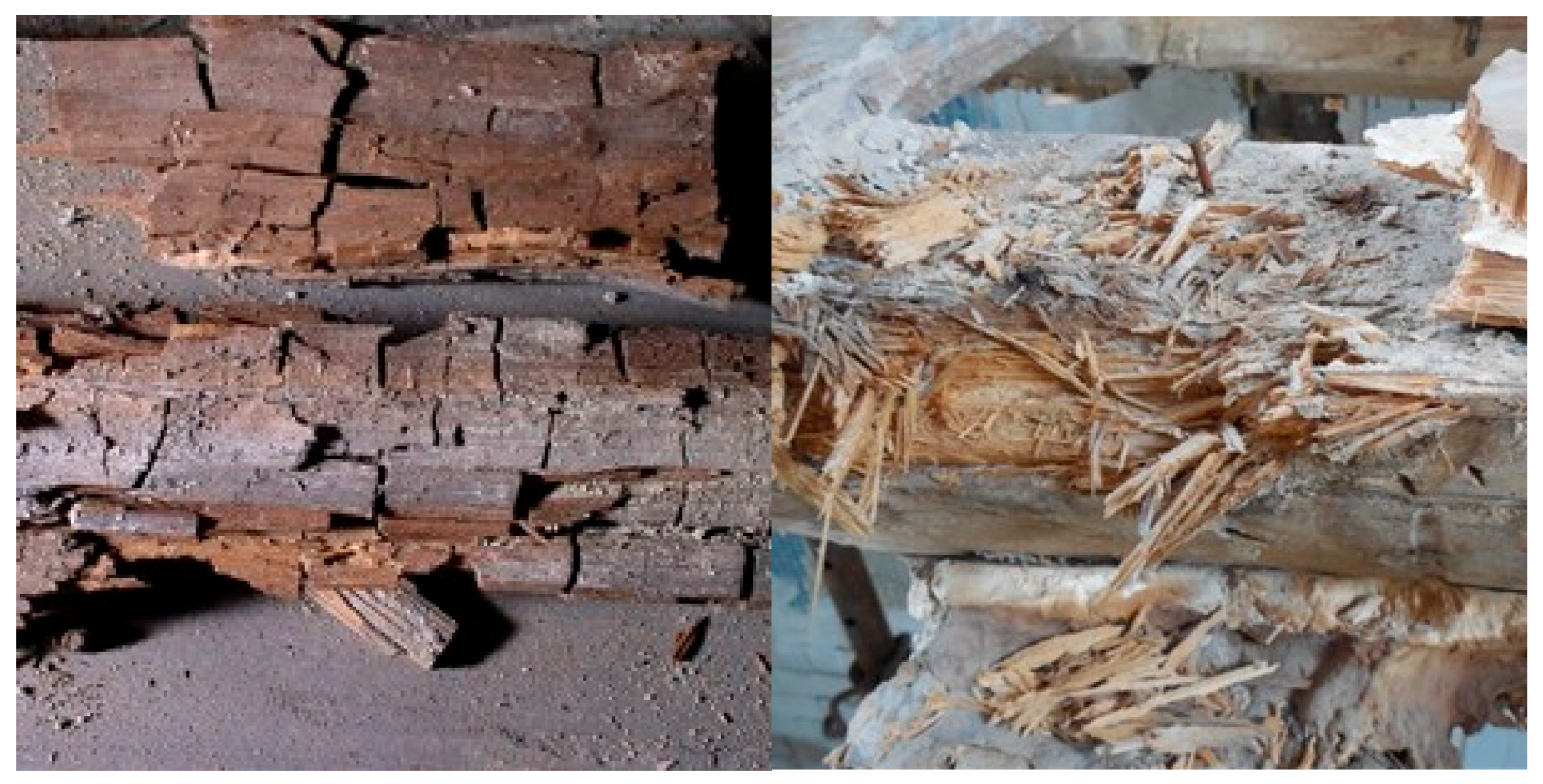
Fungal decay is the most widespread biotic degradation mechanism in timber. Growth requires sustained moisture above 20% and oxygen [41]. The optimal timber moisture range is 40–60% [42,43]. Fungi attack wood by breaking down its structural polymers, making starch-heavy sapwood especially vulnerable. In practice, the most relevant groups are brown-rot, white-rot, and soft-rot fungi, which differ in the wood components they attack but share the same environmental conditions [20,36]. Examples of fungal decay are shown in Figure 5.
Insect attack can significantly reduce service life, particularly in tropical regions where damage from insects may exceed that caused by fungi [38]. Wood-destroying insects lay eggs in cracks, using timber both as a habitat and a food source. The most prevalent agents are beetles and termites, which consume lignocellulosic material [46].
Termites are exclusively found in tropical climates and represent the primary biological threat to timber in these regions [47]. They are classified by habitat into damp wood, subterranean, and drywood groups [20]. Subterranean termites require ground contact and construct mud tunnels, making soil-contact timber highly vulnerable [36]. In a particular study, untreated cross-laminated timber (CLT) and LVL demonstrated signs of termite damage after merely four weeks of soil exposure [43].
In European climates, the house longhorn beetle poses the most significant threat [48]. The prevalence of this beetle is in decline, as glulam and smooth-surfaced structural timber lack the cracks necessary for oviposition [48]. Other borers, such as powderpost beetles or pinhole borers, have been documented in different climatic zones, including Australia, and marine borers in saltwater environments [36]. Examples of insect damage are shown in Figure 6.

3.1.3. Mechanical Wear

Mechanical deterioration in timber occurs through long-term loading, natural aging, and failures in adhesives.
Sustained loading leads to progressive strength reduction over time, particularly at elevated utilization ratios [51]. Over extended periods, strength properties may diminish by 35–50% [7]. In structural members, the modulus of rupture generally declines, while the modulus of elasticity typically remains stable [52,53]. However, experimental findings vary. Specifically, reported strength losses range from substantial reductions [53,54] to marginal increases over time [55]. Therefore, the duration-of-load phenomenon is recognized as a degradation mechanism in standards (e.g., kmod in EN 1995 [56]).
Aging begins immediately after harvest and is driven by environmental factors [20,57]. During aging, cellulose chains shrink due to a slow chemical reaction, affecting polymerization [20]. Despite these molecular changes, most studies report only marginal declines in static bending strength and stiffness, although natural variability in properties makes experimental testing challenging [51,58]. In contrast, some research indicates substantial strength losses in aged structural members, especially impact bending strength [54,59].
Delamination refers to the separation of layers in engineered timber products. This separation may occur at the end grain or progress gradually, with each delaminated layer exposing new surfaces [36]. An example of delamination is shown in Figure 7. Causes include manufacturing defects such as imperfect bonding or misaligned laminations, excessive service loads, and cyclic environmental stresses such as repeated changes in temperature and humidity [60].

3.2. Reasons for Demolition

To extend the service life of timber buildings, it is essential to understand why they are demolished. Durability is often assumed to be the main reason [62,63,64,65]. However, relevant, systematic data on demolition rates and their underlying causes remain scarce, particularly for timber buildings [65,66]. Furthermore, the annual demolition rate of European residential buildings, independent of construction material, is very low at 0.05 to 0.1%, underscoring the difficulty of finding data on this topic [67,68].
A variety of studies indicate that more than half of demolitions are attributed to different forms of obsolescence rather than technical failure, with some studies reporting shares as high as 90% depending on context and building type [62,63,64]. Although all demolition causes can be classified as forms of obsolescence in theory, this section takes a pragmatic approach by distinguishing between structural, functional, economic, and maintenance-related causes [69]. However, the available demolition datasets differ substantially in geographic coverage, scale, and categorization methods, which limits the extent to which the reported shares can be directly compared or generalized beyond their original contexts.

3.2.1. Structural Failure

The Athena Institute [63] conducted a survey of 227 demolished buildings to determine age at demolition, structural material, and reason for removal. Of these, 66% (148 buildings) were timber buildings. Notably, only 4% (six timber buildings) in the study were demolished due to structural issues; most were foundation-related. Similarly, Campbell [12] reported only a single case of a CLT building being demolished due to structural failure, specifically involving the external waterproofing system.
In contrast, a Dutch housing-association survey found that over 35% of demolitions were attributed to structural problems, exceeding 50% for pre-war housing stock [64]. However, this study did not differentiate by structural material. Taken together with the Athena Institute’s findings, it is clear that the rate of structural failure varies significantly depending on the construction material. A Swedish government survey reported that 40% of apartment buildings (all material types) had some form of damage, with roughly 45% being moisture-related, although most were noncritical [70]. Since moisture is one of the most critical degradation agents and often the basis for other failure mechanisms, these findings support the conclusion that structural failure is not typically the primary concern in the demolition of timber buildings [36,63].
Although these combined studies illustrate a consistent overall trend, they represent diverse local and national building stocks. Because building codes, construction practices, and climatic degradation factors differ significantly from country to country, these findings must be interpreted as contextual indicators rather than universally generalizable global rules.
When timber structures are failing, the underlying causes are often associated with improper design, defective assembly, or insufficient maintenance [71]. Timber connection details are particularly vulnerable due to exposure of end-grain, which absorbs moisture and can initiate decay [40,72]. Moisture intrusion during construction can cause hidden degradation [43]. Rainwater can penetrate unprotected edges and elevate moisture levels above safety thresholds, initiating hidden degradation that may only become apparent later [40,72,73,74]. Modern CLT elements are particularly vulnerable to water damage, as these panels function as continuous monolithic members, which makes localized repairs rarely feasible [75].

3.2.2. Functional Obsolescence and Vacancy

According to existing studies, many demolitions are the result of functional obsolescence or vacancy [62,70]. Obsolescence is a decline in the utility, performance, value, or usefulness of an object, building, or product [68,69]. It shortens the lifespans and can lead to premature demolition, despite having a significant amount of their physical life remaining [62,69].
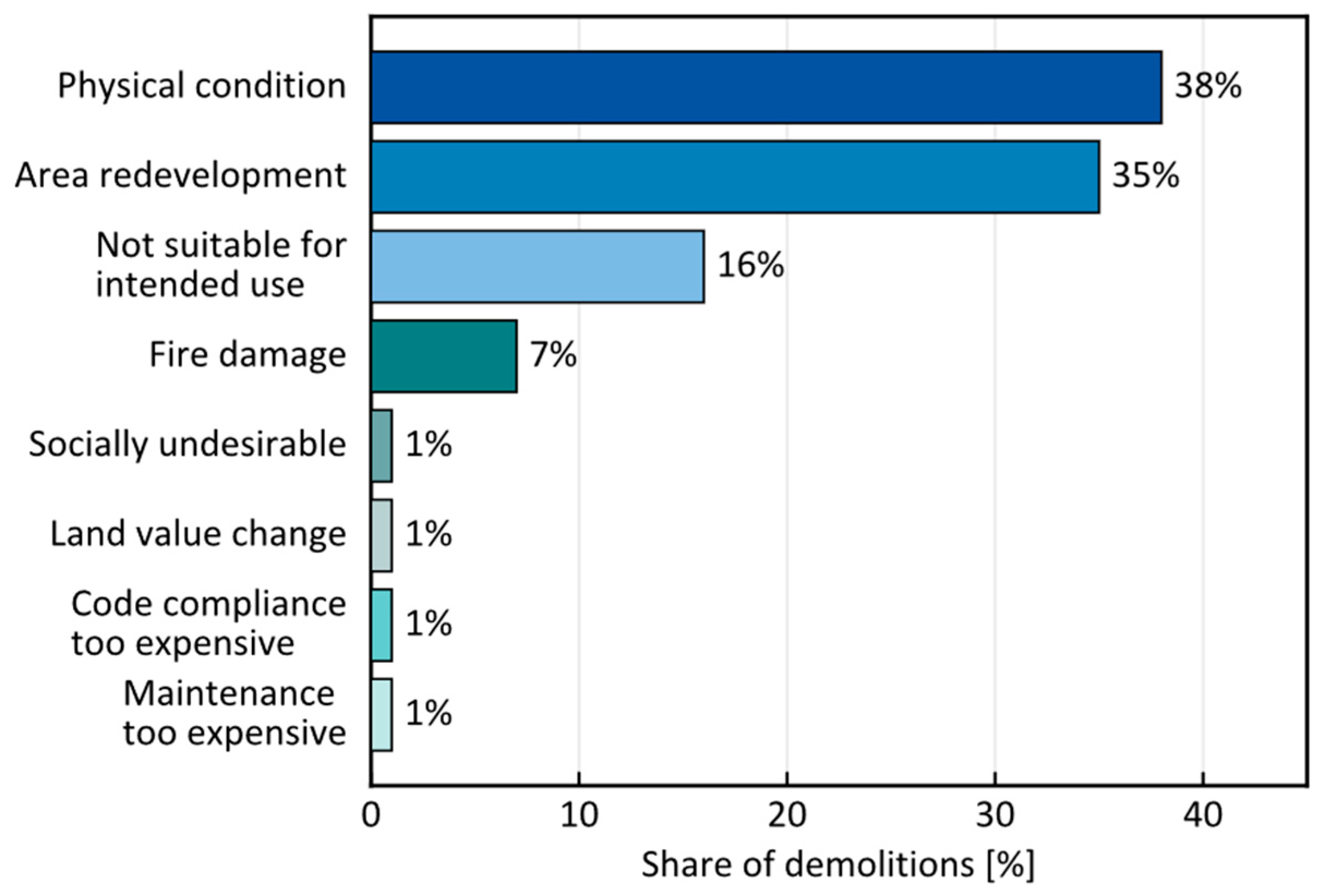
The literature contains a wide range of overlapping concepts, types, and classifications of obsolescence, which often create confusion. In response to this diversity, Pourebrahimi et al. [69] classified obsolescence into functional, economic, physical, social, legal, locational, technological, aesthetic, environmental, and tenure categories. The relevance of this classification is evident when reinterpreting the data from the Athena Institute’s demolition survey (see Figure 8). The survey’s various reasons can be mapped onto one of the obsolescence categories. Each of these reasons corresponds to a specific form of obsolescence, demonstrating that obsolescence is not an exception, but rather the dominant conceptual framework through which demolition decisions can be understood.
This interpretation underscores a crucial insight: degradation is rarely the sole driver of demolition. Rather, timber buildings are most often removed due to evolving functional needs, socioeconomic shifts, and planning priorities. Extending their service life, therefore, requires a variety of strategies, which will be outlined in Section 3.4.
These conclusions are supported by findings from the Dutch demolition survey. There, functional obsolescence was the main reason for demolishing post-war single-family houses, while multi-family buildings were usually removed due to functional or economic obsolescence [64].

3.2.3. Economic and Redevelopment Pressures

A substantial share of demolitions results from economic forces rather than degradation. These include rising land values, shifting urban priorities, or the prospect of more profitable new construction. These decisions often reflect broader market trends and planning strategies, rather than the physical or functional condition of the building [76].
The Athena Institute’s Minnesota demolition survey shows that 35% of all demolition cases were attributed to area redevelopment, making it the second most frequent reason [63]. In Germany, an analysis of long-term demolition data reveals that the most common reason is the construction of a new residential building on the same site, accounting for over 50% of all cases. The creation of open space, though less prominent in recent years, also reflects economically motivated decisions [77].
A similar finding was reported by Huuhka and Lahdensivu [78] in Finland. Their analysis of demolition records showed that the majority of demolished buildings were not due to abandonment or disrepair, but rather to facilitate new construction. The authors highlight that demolition is a result of conscious deliberation, often occurring well before a building’s technical lifespan is exhausted. This points to a trend where the existing building is replaced to increase floor area or modernize buildings. The Finnish study showed that demolitions were typically accompanied by new construction, leading to overall growth in floor area [78]. However, the available data from both studies offer limited insight into the condition or usability of the demolished buildings, obscuring the exact reason. The condition of the buildings prior to their demolition is not documented [77,78].
These findings are consistent with the recent modeling work of Hingorani et al. [79], which demonstrates that economic forces, particularly redevelopment pressures, can reduce the service life of buildings. A harmonized, cross-country statistical comparison of demolition drivers would require consistent, building-level datasets that are not yet available; such an analysis is therefore beyond the scope of this review and is identified as a priority for future empirical work.
While redevelopment decisions are often framed as responses to urban planning needs or sustainability goals, profit-driven motives frequently prove to be a determining factor. As Thomsen and Van der Flier [68] argue, official demolition justifications frequently obscure underlying economic interests.

3.2.4. Maintenance and Planning

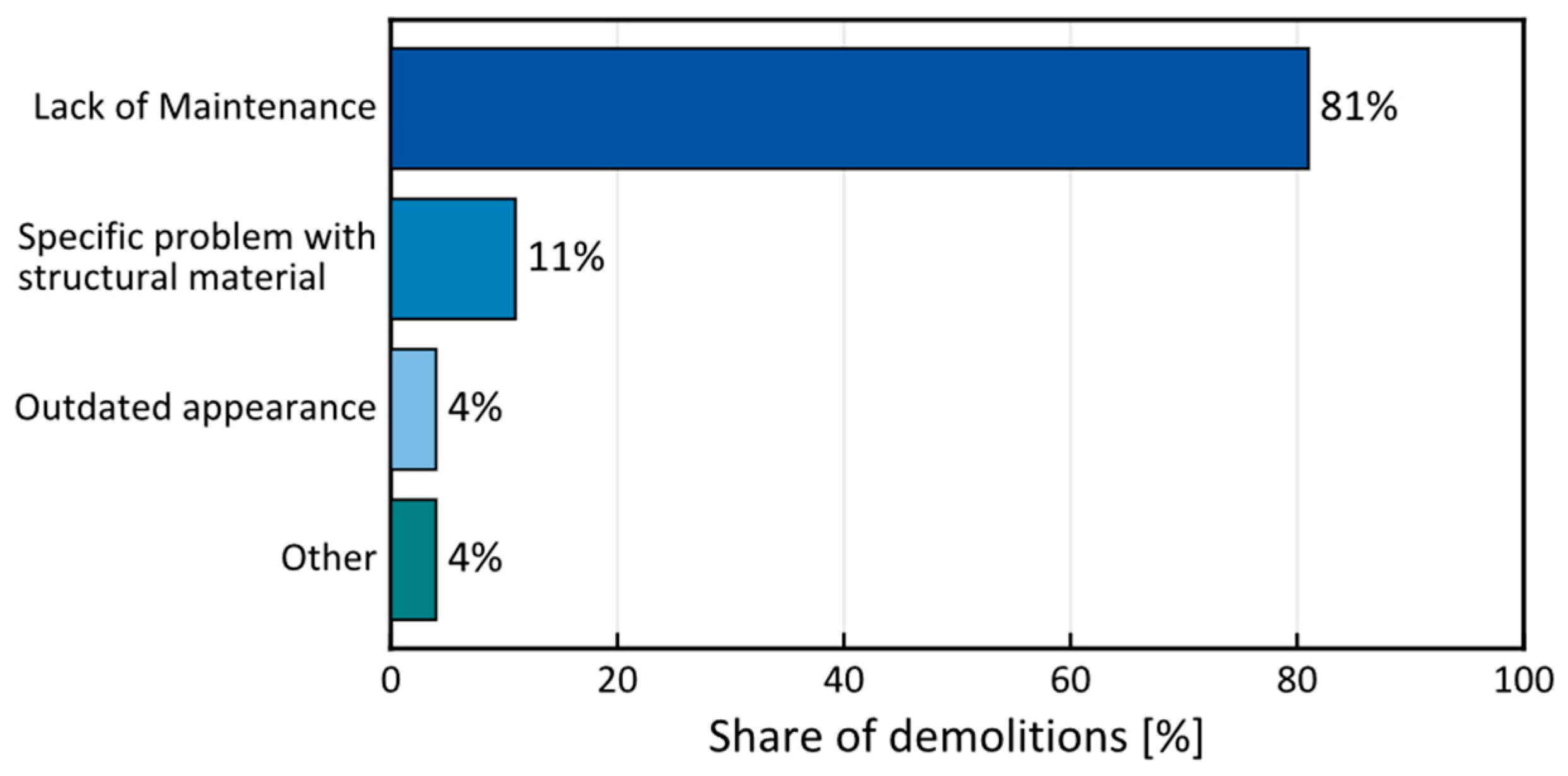
As shown in the Athena demolition report, the most frequently cited reason for demolishing timber buildings was “building’s physical condition”. A follow-up question identified lack of maintenance as the primary factor in 81% of cases, as illustrated in Figure 9. This indicates that the majority of these demolitions could have been postponed through proper maintenance [63].
As previously stated, only six timber buildings in the Athena dataset were demolished due to actual structural failure, and all but one were over 75 years old. This aligns with typical design life expectations and reinforces the idea that inadequate upkeep, rather than material degradation, is the more pressing challenge to service life. Consequently, preventive maintenance and strategic planning should be considered in extending service life [63,76].
These results are confirmed by a survey conducted by the Swedish government. Jockwer et al. [80] analyzed the findings, which indicated that damage predominantly affected the outer layers as well as wet rooms and installations. Many of these failures could likely be prevented or delayed through better planning and consistent maintenance.
However, the ability to generalize these findings across different construction methods and countries remains limited. Most demolition reports lack the level of detail found in the Athena survey, making it challenging to draw conclusions about different types of construction and countries [64,77,78].
In addition to routine maintenance, design compatibility of building components plays a critical role in long-term performance. Mismatched lifespans between interconnected materials, such as façades and fixings, can reduce the overall durability of the structure [76]. In the event of the failure of short-lived components, there is often an effect on longer-lasting elements. Similarly, as Öberg et al. [70] point out, a building is not an entity made up of components that will reach the end of their service lives at the same time. In this context, Martinez et al. [81] state that it is commonly accepted that façades typically require substantial maintenance or partial replacement after 20 to 30 years. The authors state that this approach should be adapted to the entire structure, considering respective life spans.

3.3. Expected Service Life and Lifespan

Service life is fundamental to life cycle assessment (LCA). The following core concepts, adapted from ISO 15686 [82] and established literature, are distinguished in this review:
-
Service Life: The period during which a building or its parts meet or exceed performance requirements.
-
Expected Service Life (ESL): The service life that a building or component is calculated or anticipated to achieve under its specific conditions.
-
Reference Service Life (RSL): A baseline service life known to be expected under a strictly defined set of standard in-use conditions, which forms the basis for calculating the ESL.
-
Technical Lifespan: The theoretical total time a building can physically function and resist degradation before structural replacement becomes strictly necessary.
-
Physical Lifespan (Age at Demolition): The actual period between a building’s completion and its full removal.
Suppose a shorter ESL is used than the building ultimately achieves; LCAs overstate annualized costs and carbon emissions. Conversely, if the assumed ESL exceeds the building’s realistic lifespan, environmental impact appears deceptively low, as it is spread over a timeframe the structure does not reach. This is particularly problematic in timber construction, where a long service life is essential to achieving the advantages of carbon storage. While timber buildings offer front-loaded climate benefits during production, these advantages can only be secured if the stored biogenic carbon remains in the building over a long service life [8]. Premature demolition leads to earlier carbon release, undermining environmental benefits [10].

3.3.1. Typical Assumptions in LCA/LCC

LCA and life-cycle costing (LCC) are the most widely used methods for environmental assessment in the construction industry, increasingly integrated into the regulatory frameworks [83]. For instance, countries such as Denmark and the United Kingdom have introduced mandatory LCA calculations for new buildings [84].
Despite its growing use, many LCAs adopt a fixed service life, most commonly 50 years, to calculate environmental impacts. This is reflected in a wide range of studies, as Table 1 outlines. Per EN 1990 [85], the design working life of 50 years is specified for building structures, indicating that such values are based on current standards. However, such values are increasingly criticized as arbitrary, particularly where they are not supported by empirical data on the actual longevity of buildings [67,84,86].
Using arbitrary ESL values can distort LCA outcomes, especially for embodied and operational energy. Furthermore, this practice fails to account for the fact that a shortened lifespan typically necessitates a replacement building with additional emissions. These impacts are found to be profoundly influenced by the assumed duration of use [84,93]. Extending service life from 50 to 100 years, for instance, has been shown to reduce the calculated embodied energy impact by approximately 16% over the whole life cycle [94].
However, relying on fixed service life assumptions can obscure the value of well-maintained, adaptable structures that exceed standard expectations. This can influence design and policy decisions, such as promoting demolition and new construction over renovation or exaggerating the environmental benefits of building replacements. To avoid these distortions, it is crucial to base ESL assumptions on empirical data rather than theoretical assumptions [65,67].

3.3.2. Observed Physical Lifespans

Determining the age of buildings at demolition provides an important counterpoint to the fixed service life assumptions used in LCA.
Although most studies do not differentiate by structural material, several have analyzed physical lifespans across different building stocks. A long-term study of the urban stock in Zurich found an average lifespan of 197 years over the full observation period (1830–2010). For more recent demolitions (1981–2010), however, the average lifespan dropped to 70 years. The mode remained in the 60–70-year range for both periods. The study attributes this to survivorship bias: lower-quality buildings may have been demolished earlier, while higher-quality structures remain. It is important to note that long-term survival reflects past construction and demolition behavior and does not necessarily represent technical potential. The older the buildings become, the higher their survival probability. Buildings that survive 180 years or more will reach an average lifetime of more than 250 years [65,67].
Tanikawa and Hashimoto [95] compared urban buildings in the UK and Japan. In a Salford neighborhood, the average lifespan was 81 years, compared with a national average of 128 years. In Wakayama, it was only 28 years, compared with a national average of 40 years. These differences highlight the influence of location, building function, and policy on demolition.
Another method of predicting physical lifespan is to use the inverse of the demolition rate [67]. However, as demolition rates in European housing stocks remain extremely low at 0.05–0.1% per year, the resulting average lifespan would be implausibly long at up to 1000 years [68].
A Danish study analyzing over 100,000 demolition cases found average lifespans of 129 years for single-family houses and 227 years for multifamily structures. However, for buildings constructed between 1990 and 2010, these values dropped sharply to 77 and 168 years, respectively [84].
In contrast, a Chinese study estimated the average service life of 1732 buildings in Chongqing to be only 34 years [96]. A South Korean study analyzed 1.8 million demolition records, including 116,000 timber buildings, using machine learning. The study found an average age at demolition of 53 years for timber buildings [97]. Compared with the much higher values reported in European studies, these shorter lifespans likely reflect region-specific economic and policy conditions rather than technical performance.
While the South Korean study differentiates between timber and other structures, most other studies do not distinguish buildings by structural material. The Athena Sustainable Materials Institute provides one of the few datasets that categorize buildings by primary material. According to their report, over 65% of timber buildings exceeded 75 years at demolition, compared with 51% of the total sample [63].
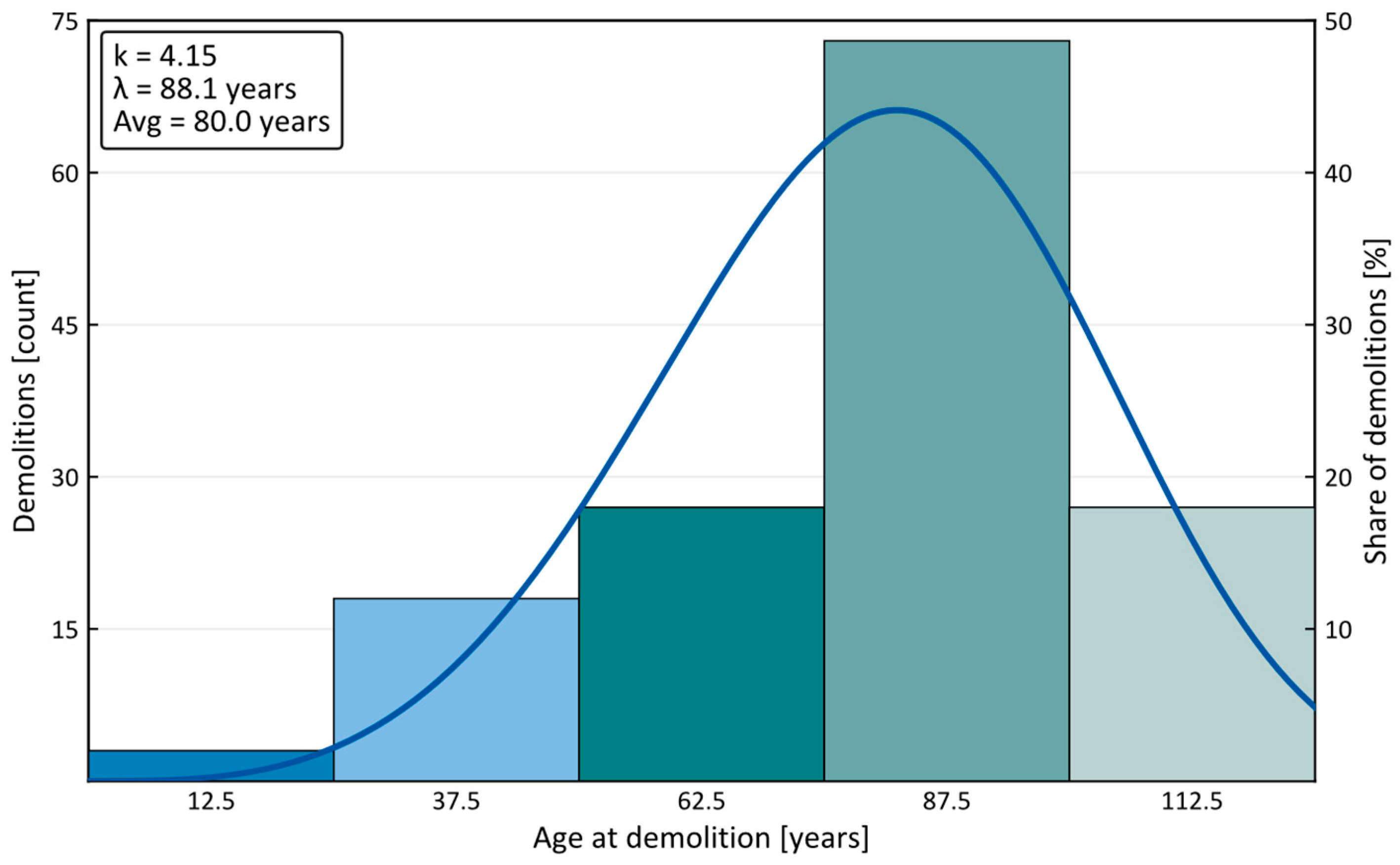
To estimate the average physical lifespan from the Athena data, a parametric Weibull distribution was fitted to the grouped demolition counts, as shown in Figure 10. Midpoints of the age classes were weighted by their respective frequencies, and the parameters were estimated using maximum likelihood. For the open-ended “100+ years” class, a conservative midpoint of 112.5 years was used. The resulting scale and shape parameters were λ   =   88.1 years and k   =   4.15 , respectively. The mean service life of timber buildings was calculated to be approximately 80 years from this fitted distribution. Using a conservative midpoint of 112.5 years for the open-ended “100+ years” class means that the resulting average service life represents a lower-bound estimate. Because the Athena demolition data are available only in grouped form and stem from a single regional context, the fitted Weibull curve should be interpreted as an indicative summary of that dataset rather than as a fully validated predictive model.
This estimate aligns reasonably well with higher values in European studies but contrasts with significantly shorter figures reported in Asia. Because demolition is driven by various factors, this variation is expected and reinforces the conclusion from Section 3.2. The studies reviewed illustrate broad trends across diverse building stocks rather than a single global benchmark, and differences in regulation, construction practice, and climate mean that their results cannot be directly transferred between regions. In summary, it is suggested that the average lifespan of timber buildings is considerably longer than the standard 50 years often used in LCA. It is also evident that the average age at demolition has decreased for newer constructions. This may be explained by survivor bias. However, further comprehensive research is needed.

3.3.3. Reference Service Life

This subsection presents RSL values for timber components identified through the SLR, focusing on exterior walls in lightweight timber construction with prefabricated panel systems and interior timber columns. These components correspond to the structural elements of the reference building described in Section 4. Most sources determine average technical service life values by consulting current standards and conducting expert surveys [48,98,99,100].
The median RSL across the reviewed sources is 70 years, with values ranging from a minimum of 30 years to a maximum of 100 years [48,87,88,98,99,100]. No catalog provides specific values for interior LVL columns. However, some data are available for interior timber columns in general. One catalog reports an average of 70 years with a range of 50 to 80 years, while another source provides a more conservative average of 50 years [89,98]. Most catalogs do not specify values with this level of detail. For interior glulam, the median RSL increases to 88 years. Due to the similar or superior material properties and durability of LVL beech compared with glulam, this value will be adopted as a conservative estimate for interior LVL columns in this study [11,90].
Several catalogs suggest an average RSL of 100 years or more for structural timber components [48,91,100]. This is supported by long-term observations of historic timber buildings. Pre-1918 timber ceilings and many pre-1960 wooden roof trusses remain functional today. Therefore, an RSL of over 100 years can be assumed indoors. However, some sources report maximum values of 60 to 80 years for lightweight timber construction. Zelger et al. [48] suggest that these lower values are likely the result of deductions for unfavorable boundary conditions rather than inherent material limitations.
These findings are reinforced by various studies. Rug and Held [92] examined 745 timber houses built between 1870 and 1945 and found that 99% were in good condition, suggesting real lifespans of over 100 years. The University of Leipzig reported service lives of 80 to 100 years for timber frame and prefabricated panel buildings constructed since 1985 [101,102].
In conclusion, the literature supports assigning a prefabricated timber panel wall an RSL of 70 years, with multiple sources indicating that this value could be extended to more than 100 years. For an interior LVL hardwood column, there are no specific catalogue values available; however, an RSL of 88 years can be considered a conservative estimate based on values for interior glued laminated timber in comparable applications.

3.3.4. Selected Methods for Determining Service Life

An accurate estimation of the service life of buildings is essential for reliable LCA. While average values from demolition data provide a starting point, they are inadequate for analyzing specific buildings, especially when local conditions, maintenance intensity, or construction quality differ significantly from standard assumptions. In response, the literature has developed methods to predict the ESL of buildings and components under specific use conditions.
While numerous approaches for service-life prediction exist in the literature, including the characteristic value method [103], the reference-factor method by Tomm et al. [104], Ritter’s object-specific service life model [103], and a wide range of probabilistic, computational, and experimental models, these methods were not included in detail in this study [20,64,65,103,105,106,107,108].
This section presents the factor method outlined in ISO 15686 [109] and a subsequent refinement for estimating ESL and forms the methodological basis for assigning a service life to the reference building in Section 4.
Factor Method (ISO 15686-3)
The factor method, as introduced in ISO 15686-3 [109], is the most frequently used [20]. It accounts for environmental and use-specific conditions to calculate a more accurate ESL. The method uses seven factors (A to G), which encompass inherent component quality, design and execution, indoor and outdoor environmental conditions, usage conditions, and maintenance level.
The ESL is calculated by multiplying the RSL by all seven factors. However, ISO 15686-3 [109] does not provide any RSL values or predefined factor values, making the application challenging. The standard states that RSL data should be obtained from literature or manufacturer data, sources whose reliability and consistency vary significantly [103,110].
E S L = R S L A B C D E F G
The model is designed to assign equal weight to all influencing factors. This suggests that the evaluation of influence must be incorporated within the factor itself. No dependencies between factors are recognizable, so no correlation analysis is required. Notwithstanding this fact, the multiplicative approach introduces considerable variability. As more factors are included, the range of possible ESL increases substantially. This reflects the method’s strength in capturing complex degradation scenarios, particularly when multiple mechanisms act together.
For example, neutral or unknown factors are assigned a default value of 1.0. The norm provides example values ranging from 0.8 to 1.25. Consequently, each factor has the potential to modify the RSL by ± 20–25%. The theoretical ESL therefore ranges from about 0.2 to 4.8 times the RSL if all factors take on extreme values. For a component with an RSL of 50 years, this would imply a range from 10 to 238 years. The lower bound remains viable under the most unfavorable conditions; however, the upper bound seems more difficult to justify. At the same time, such wide ranges can also be understood as reflecting the genuine uncertainty and variability of real-world exposure and maintenance conditions, and the review does not attempt to quantitatively evaluate the predictive accuracy of specific factor combinations.
While the standard requires transparent documentation of all factor values, sources, assumptions, and expert judgments, the grading remains subjective. This makes the outcomes difficult to reproduce or compare across studies. In addition, as previously discussed, the accuracy of ESL predictions remains limited due to the lack of reliable RSL data. Recognizing this, ISO 15686-3 [109] recommends expressing ESL predictions with confidence intervals or distributions, rather than relying on a single value.
Weighted Factor Model (Bahr and Lennerts)
The model developed by Bahr and Lennerts [110] is based on the factor method of ISO 15686-3 [109] and addresses several of its major limitations. These limitations include the absence of standardized RSL values, the lack of differentiated weightings for influencing factors, and the absence of factor ranges.
To address the lack of guidance on which RSL values to use, a consolidated list of average, minimum, and maximum RSL values is provided in the underlying research project [98]. The model explicitly limits itself to estimating the technical service life of building components because all influencing factors refer to physical and material properties. Immaterial properties, such as economic conditions, policy changes, or functional obsolescence, are not accounted for. As discussed in Section 3.2 and Section 3.3.2, this means that actual service lives may be considerably shorter than the calculated ESL.
The model builds on the seven ISO-defined factors (A-G) by introducing two additional subfactors:
  • A2—“Material combination”, to account for interactions between different materials,
  • F2—“Use according to intended purpose”, to capture mismatches between intended and actual use.
The complete set of factors and their descriptions are summarized in Table 2.
Unlike the factor method, which treats all influencing factors equally, the proposed model uses a weighted approach. Primary factors can influence the service life by ± 10%, while secondary factors can influence it by ± 5%. This prevents exaggerated deviations from the RSL. The limits are derived from expert opinion within the research project. It is explicitly stated that the framework is designed to serve as an estimation rather than as a probabilistic reliability model.
Bahr and Lennerts [110] argue that strong extensions of service life are unrealistic and that factors greater than 1.1 should not be permitted. Conversely, expert interviews confirm that reductions in service life below 0.9, down to 0.8, may be reasonable under the worst conditions.
To improve estimation accuracy, the model proposes a two-level system for evaluating factors. Level 1 provides a general, material-independent assessment suitable for quick estimations. Level 2 enables a more detailed evaluation of specific materials and components based on refined criteria. This level requires more effort and expert input, leading to more accurate predictions. For instance, Level 1 might distinguish between low, normal, and high usage based on factor F1 “Type of Use”. In Level 2, the evaluation could differentiate between single-family homes, multi-family housing, or apartment complexes. It could consider factors like occupancy patterns and user groups. Not all components currently have defined Level 2 criteria; these must be developed by specialists but can then be applied by non-experts in practice.
Bahr and Lennerts [110] believe that estimating service lives beyond 50 years is of limited practical use. The same is true for components that require significant effort to replace, as these are assumed to remain in service for the building’s entire life. In contrast, components that are particularly costly and time-consuming to maintain are important. It is also useful to consider components that could result in high consequential damage costs if they fail. Examples include a building’s roof cladding, façade, and windows [110].
However, this study argues that object-specific service life assessments are valuable for structural components with service lives exceeding 50 years. This is essential for improving the robustness and comparability of environmental assessments, particularly in the comparison of construction types.

3.4. Strategies for Extending the Service Life

Extending the service life of both newly constructed and existing buildings is among the most effective strategies for reducing environmental impacts in the built environment and combating climate change [12]. Considering this, RQ4 examines which strategies can be applied to extend the service life of timber buildings.
The literature identifies several complementary strategies. Design for adaptability (DfA) is particularly important when considering the findings of RQ2, which indicate that demolition is frequently driven by functional obsolescence rather than structural failure. Protection by design focuses on detailing and connections to increase timber’s resilience. Dry construction methods are crucial given the findings of RQ1, which indicated that moisture-induced degradation frequently initiates during the construction phase. Additional strategies include material durability approaches, such as chemical or thermal treatments, and the use of engineered wood products. Fire protection strategies are also frequently discussed in the literature [112,113,114,115]. However, they are not treated here as an extension of service life, since fire typically results in the removal of the entire structure rather than a gradual degradation process.

3.4.1. Design for Adaptability

DfA is a widely recognized strategy for extending the service life of buildings [7,62,70,80]. Incorporating adaptability into building design minimizes the necessity for demolition [116]. The principles of DfA are formally addressed in ISO 20887 [117], which defines three dimensions of adaptability:
  • Versatility: accommodate changed functions with minimal system changes.
  • Convertibility: support substantially different uses through building modifications.
  • Expandability: allow for building extensions or additions over time.
Because functional obsolescence is a key driver of early demolition (see RQ2: Section 3.2), DfA directly contributes to longer service life. Historic timber buildings were inherently adaptable due to their modular, layered construction and low material complexity [80]. In contrast, modern timber buildings often lack DfA principles, due to fixed, prefabricated components and non-reversible connections [70,80].
A foundational concept for DfA is Brand’s [118] theory of “shearing layers of change” (site, structure, skin, services, space plan, and stuff), which recognizes that different building components have different expected lifespans. Vandamme and Rinke [62] extend this idea through differentiated durability layers, aligning each component’s physical durability with its functional lifecycle. The following four key enablers of adaptability are highlighted [62,70]:
  • Layer separation (structure, services, skin, interior).
  • Spatial overcapacity, such as open floor plans, larger spans, and higher ceilings.
  • Structural readability, meaning clear load paths and exposed components.
  • As-built documentation, including building information modeling.
To implement DfA, modern timber buildings should incorporate modular, standardized components with reversible mechanical connections, such as dovetail, step-and-lap, or mortise-and-tenon joints [7]. Chemical connections should be reduced to allow disassembly, repair, or replacement without causing damage to surrounding elements [80,119].
Projects such as the ETH House of Natural Resources [120] and applications of screwed/bonded rod systems [121] demonstrate the technical feasibility of DfA principles. However, economic and regulatory barriers remain [80].
Milwicz & Nowotarski [122] expand DfA to multi-phase modular housing, enabling adaptation to changing life circumstances—extending functional lifespan while reducing large-scale intervention. Brigante et al. [123] report that DfA strategies increase construction costs by up to 14%, or 1–7% when only a subset of measures is applied. These increases are modest in light of the potential gains in long-term usability.
While comprehensive life-cycle costing (LCC) would further quantify these benefits, current literature generally provides only initial cost ranges. The evaluation of the long-term economic costs of DfA requires the development of more harmonized, building-level economic datasets.

3.4.2. Protection by Design

A critical strategy for extending the service life of timber buildings is incorporating moisture protection and durability considerations early in the design process. This approach, called protection by design, limits exposure to moisture and ensures that any water can dry rapidly [20]. The service life of a structure typically follows four phases: A: design and construction, B: absence of deterioration, C: onset of damage, and D: extensive damage is occurring [36]. The effectiveness of early design decisions is illustrated by lifecycle cost models, such as the “Law of Fives” by de Sitter [111], demonstrating that each investment unit during the design stage is up to 125 times more cost-effective than remedial measures. Consequently, service life planning should begin at the briefing stage [76].
The key design principles are avoiding horizontal or upward timber surfaces, preventing water traps, and facilitating ventilation and drainage. Elements like overhangs, eaves, slopes, and capillary breaks protect timber from wetting. To prevent direct water contact, install protective barriers and shields for exposed end-grain or interfaces. These principles can extend the service life of timber to 50–100+ years, particularly for protected interior components [13,20,38,124].
According to DIN 68800-2 [125], practical detailing recommendations are outlined: Elevate timber elements 30 cm above ground to reduce splash water exposure and ventilate façades to ensure adequate air circulation. Roofs and façades should be detailed with sloped connections, drip edges, and flashing to minimize water accumulation. Protect joints and cavities from water stagnation and end-grain areas [125].
In addition to the established norm, innovative detailing strategies are being developed. For instance, Kalbe et al. [126] proposed using transparent aluminum foils to protect the horizontal surfaces of CLT panels.
Beyond technical protection, protection by design offers environmental benefits. Minimizing moisture ingress and protecting against insect attack through design allows for classifying timber components in Use Class (UC) 0 under DIN 68800-2 [125], eliminating the need for chemical preservative treatments.
However, design teams require additional resources to implement these strategies effectively. This encompasses training on service life planning and contractual frameworks that acknowledge the long-term value of durability-conscious design [76].

3.4.3. Dry Construction Methods

Dry construction methods are crucial in extending the service life of timber buildings by minimizing moisture exposure during the construction phase. Recent case studies highlighted the importance of moisture management in preventing early degradation in timber buildings [43,126,127,128,129]. Monitoring a mass timber building revealed critical moisture levels [130]. A Norwegian case study of mass timber elements identified inadequate protection during construction as the primary cause of moisture-related damage. Post-construction drying was necessary after closing the building, emphasizing the value of preventive measures [131]. Using temporary building enclosures, such as full-tent weather protection, is the most effective measure, but market reluctance persists due to increased construction costs [126].
To mitigate the risks associated with assembly and early exposure, the literature recommends strategies such as: plastic wrapping of timber elements during transport, the immediate removal of standing water from all exposed surfaces; the rapid enclosure of the building; and mold-inhibiting surface sprays. End-grain should be carefully protected, and permeable air or vapor barrier membranes should only be installed once the timber has dried to a moisture content below 15%. If values exceed this threshold, it is necessary to protect the timber from further exposure to moisture and ensure proper ventilation until acceptable moisture levels are reached. One tested method is heated air, but its efficacy is limited for thick timber components like CLT, due to the potential for moisture retention within the core layers [42,127].
Monitoring is essential for this strategy. Moisture content should be checked visually and with meters placed at vulnerable locations. For optimal accuracy, permanent or semi-permanent meters that monitor both surface and core layers are recommended [127].
National regulations, such as DIN 68800-2 [125], reinforce these principles by requiring that all structural wood-based materials must be protected from precipitation, and that elevated moisture levels caused by construction-related humidity must be avoided.
In summary, implementing dry construction methods prevents water penetration, thereby improving durability and extending the service life of timber buildings. As most current literature relies on localized field monitoring, translating these practical strategies into standardized, quantitative reliability models remains an important next step for the field.

3.4.4. Material Durability Approaches

In addition to protection by design, material-specific strategies play a key role in extending the service life of timber buildings. These strategies address wood’s durability and enhance its resistance to biological degradation under various service conditions.
A foundational framework is EN 335 [132], which defines five Use Classes (UCs) for wood and wood products, representing varying levels of moisture exposure and fungal, insect, or marine organism risk. For instance, UC 1 applies to interior, dry environments with negligible risk, while UC 4 includes situations with direct ground or freshwater contact, where decay risk is high. In Germany, DIN 68800-1 [133] adds to this system with UC 0, which characterizes wood components that, due to their effective protection by design, can be used without additional chemical preservation.
According to both EN 335 [132] and DIN 68800 [133], the UC assigned to a timber component determines the level of biological risk and thus informs the necessity for additional protective measures. Nevertheless, the effectiveness of protection by design alone in preventing deterioration must be checked before applying chemical wood preservatives. The following subsections review strategies aligned with this framework, including natural durability, chemical and thermal modifications, and engineered wood products.
Natural Durability
A fundamental strategy for extending the service life of timber buildings is using wood species with inherent natural durability. According to DIN 68800-2 [125] and EN 350 [134], the term “natural durability” is defined as the resistance of heartwood (not sapwood) to biological agents such as fungi or insects.
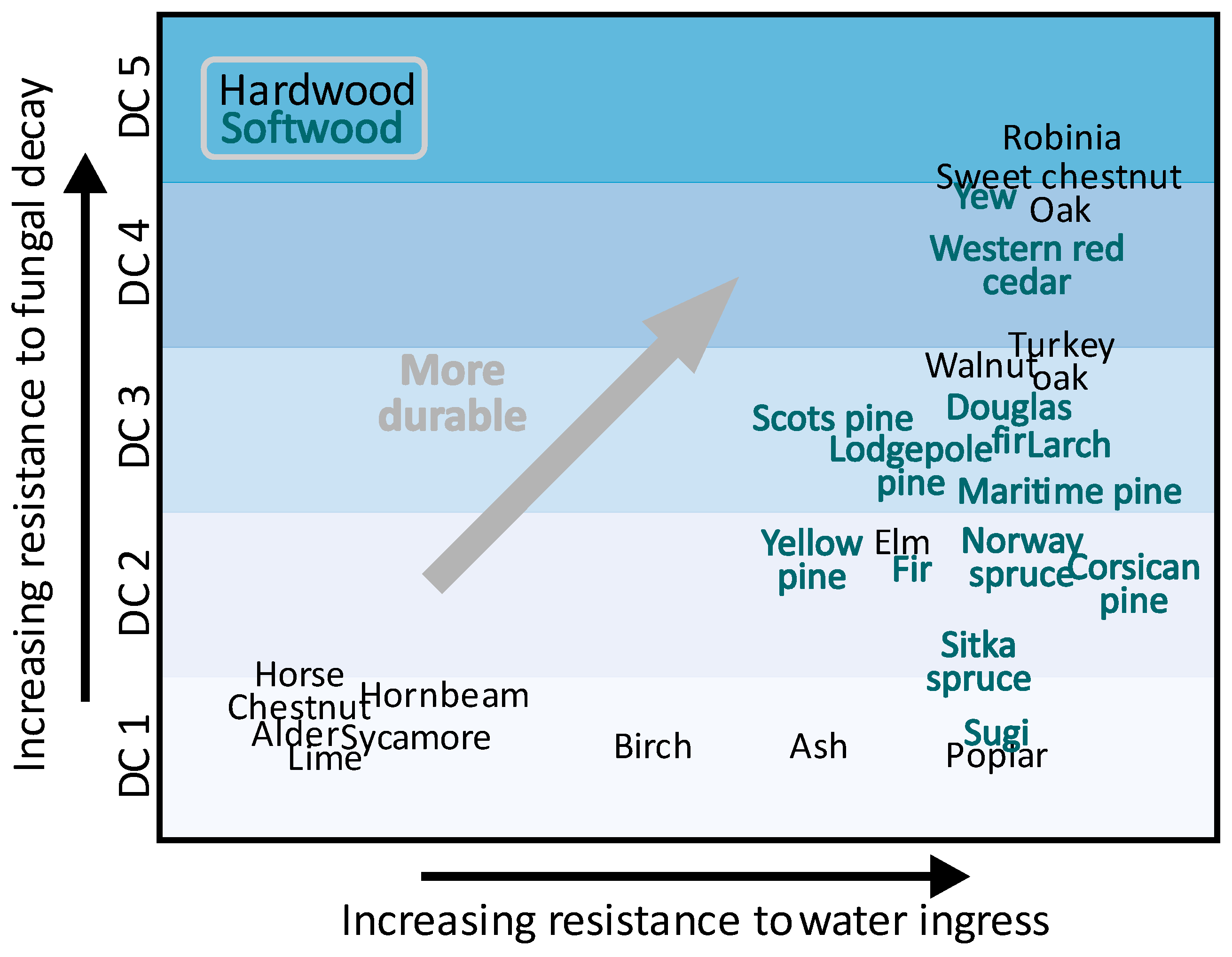
The norm EN 350 [134] classifies timber species according to their durability classes (DC) with respect to fungal decay, ranging from DC 1 (very durable) to DC 5 (not durable) and includes additional categories for beetles, termites, and marine borers.
DIN 68800-2 [125] notes that the inherent durability of heartwood can be sufficient, provided that moisture exposure is minimized through effective design. Figure 11 illustrates decay resistance and water-ingress behavior across species, with higher durability towards the top right.
Highly durable tropical species (Teak, Ipe, Azobé, Afzelia) are suitable for use under severe conditions, while moderately durable species (Douglas fir, larch, yellow cedar) can be used in UC 3.1 without chemical treatment [133]. The literature supports using naturally durable species as an effective strategy for service life extension [42,43,124]. However, recent findings suggest that timber sourced from plantation-grown trees may exhibit lower durability than that of the same species from native forests [135]. Nonetheless, the selection of natural durable timber species has the potential to considerably extend a timber structure’s service life.
Chemical Modification
For species lacking sufficient natural durability for its intended use, chemical treatments improve resistance to fungi, insects, and weathering. According to DIN 68800-3 [136], chemical protection involves applying approved biocidal wood preservatives to meet the durability requirements of UC 2 to UC 5.
Surface treatments such as stains, varnishes, and paints contain pigments that reduce UV degradation and form a protective seal that limits moisture ingress [41]. However, damaged coatings can trap water and accelerate deterioration [133].
A combination of different chemical compounds, including copper, chromium, arsenic, ammonium, borate, azole, and alkylammonium compounds, effectively protects against biological degradation mechanisms [13,47,124,137]. Beyond conventional treatments, new technologies have emerged as non-toxic alternatives, such as acetylation, in which wood is modified with acetic acid. It improves dimensional stability, resistance to fungi/insects, and coating performance, while retaining structural capacity [46,138].
Although chemical treatments enhance durability, they hinder recycling and reuse in circular systems [11,41]. Nevertheless, chemical protection enables the use of indigenous species that would otherwise be replaced with carbon-intensive alternatives, offering a balance between sustainability and durability [41,124].
Thermal Modification
Thermal modification is a treatment that uses temperatures above 160 °C and a low oxygen environment to alter the chemical composition of wood. The process alters the chemical composition of the cell walls, thereby increasing the resistance to fungal and insect attacks, reducing moisture absorption, and improving dimensional stability [11,41,133].
However, according to DIN 68800-1 [132], thermal modification significantly reduces dynamic strength properties. Consequently, thermally modified wood is not typically suitable for load-bearing applications, but widely used for cladding and decking [13,41].
Gómez-Royuela et al. [139] describe heat treatment as one of the most effective preservations for improving biological durability, especially for species with low natural resistance.
Use of Engineered Wood Products
Engineered wood products (EWP) offer enhanced and more consistent performance than sawn timber and typically have a longer service life (see Section 3.3). Their durability can be extended further through chemical treatments or effective protection by design strategies [140].
Beyond CLT and glulam, innovative composite materials are being developed that further enhance durability and structural adaptability. For example, Bingyu et al. [141] describe using fiber-reinforced polymers to retrofit or reinforce timber elements, which enhance load-bearing capacity, reduce creep deformation, and enable longer life spans.

4. Evaluation of the Expected Service Life for a Reference Building

This section applies the findings of the SLR to a practical case study by estimating the ESL of two structural timber components in a reference building. Using the model by Bahr and Lennerts [110] identified in Section 3.3.4, ESL values are calculated for one interior LVL beech column and one exterior wall stud in a prefabricated timber panel wall.

4.1. Building and Component Description

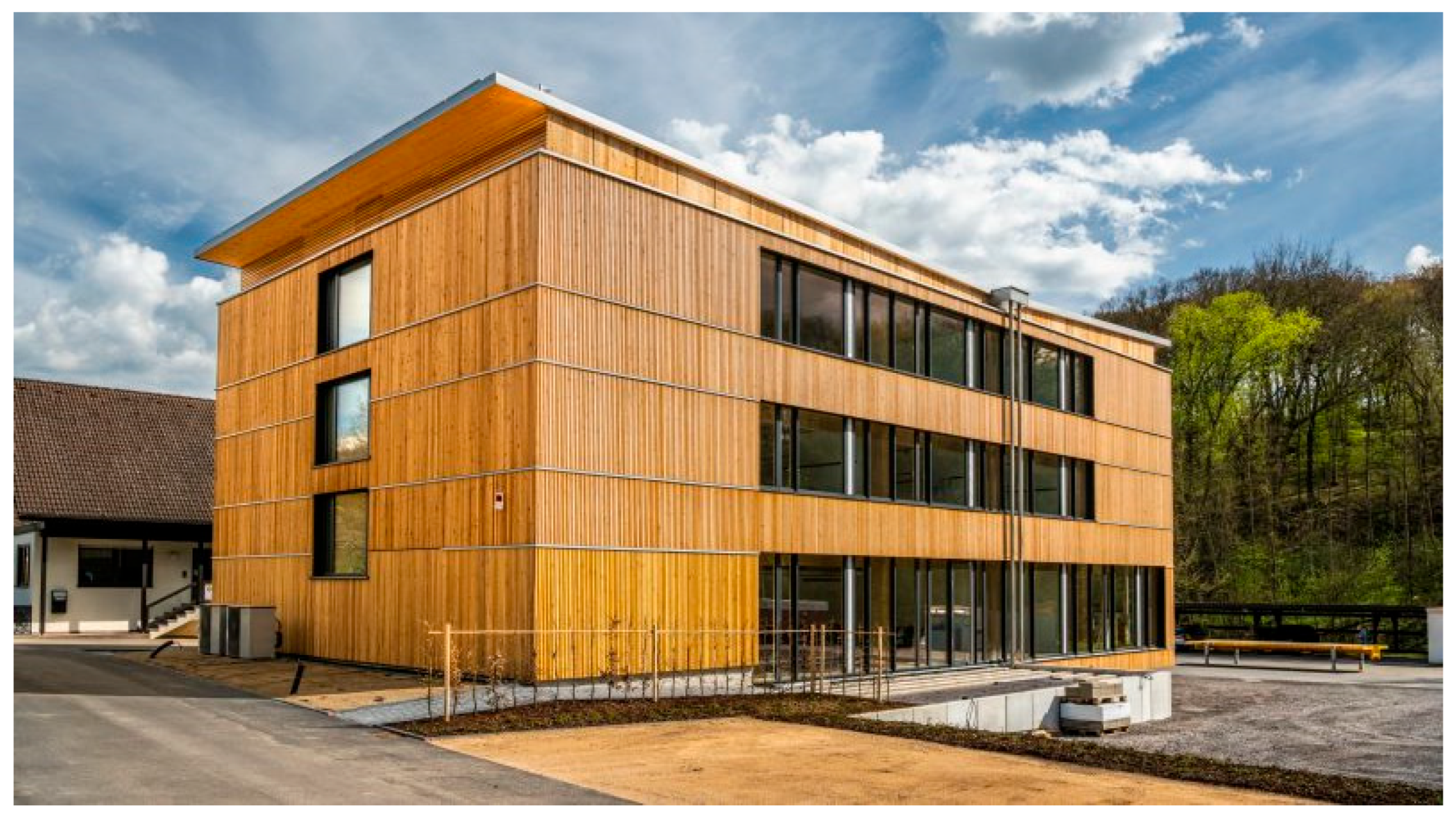
The reference building (Figure 12) is a three-story office structure constructed primarily in timber by Adams Holzbau-Fertigbau GmbH and completed in 2022, from which two representative structural components are selected for detailed analysis. The primary structural components are made of LVL beech (BauBuche) GL75, used for both columns and beams. The exterior and interior walls are constructed using prefabricated panel construction. The building rests on a concrete base slab, with timber construction above. It is in a temperate climate region of western Germany.
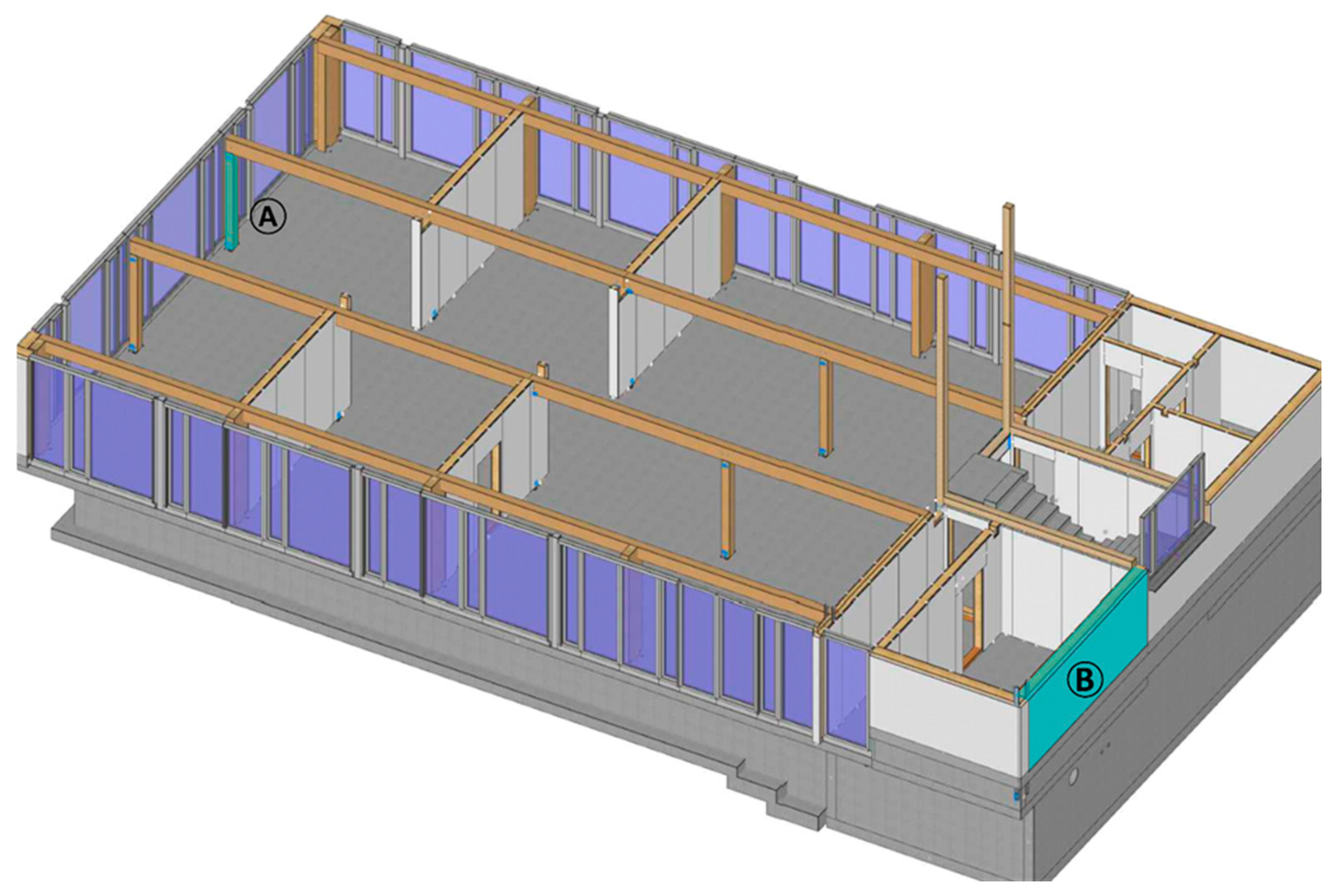
Two critical load-bearing timber elements were selected for a detailed service life assessment (Figure 13):
  • Component A—LVL Beech (BauBuche) Column—Interior, South Side:
A beech GL75 LVL column located on the ground floor along the south façade. Positioned inside the building envelope, it is protected from direct weather exposure but receives limited indirect solar exposure through glazing. It is exposed to the indoor climate and remains visible.
  • Component B—Stud in Prefabricated Timber Wall—Exterior Wall, North Side:
A C24 structural timber stud from a north-facing external wall panel. Installed within the wall assembly, it is sheathed on the interior side with OSB and clad with gypsum fiberboards as the interior finish. Toward the exterior, it is protected by wood-fiber boards and the façade. The wall encloses a bathroom, and the stud transfers vertical loads within the external wall system. While it does not experience direct weathering, it experiences marginal exposure through the building envelope.

4.2. Service Life Assessment Model

The weighted factor method, as proposed by Bahr and Lennerts [110], is used to calculate the ESL of the components in the reference building. This model builds on the ISO 15686-3 [109] factor method but addresses its limitations through a more structured and conservative approach.
A limitation of the model is its design for components with RSL values below 50 years rather than structural components, which the authors note are too costly to replace. The objective of this study is to analyze the service life of timber buildings from cradle to grave. To this end, the model is adapted to a structural component to offer insights into the fixed service life values in environmental assessment and the possible maximum service life values in real-world scenarios [110]. The adaptation follows the conceptual structure and weighting logic proposed by Bahr and Lennerts [110] but does not attempt a full statistical validation of the model for structural components, which remains an important topic for future research.

4.2.1. Selection of Main and Secondary Factors

The first step in the assessment is to identify the primary and secondary factors. Based on the exposure conditions of each component, the following classification was made in Table 3.

4.2.2. Defining the Assessment Criteria

The assessment criteria were developed based on standards in timber construction wherever possible, to guarantee that the neutral scenario represents a state that is as close as possible to the RSL. In this way, the neutral condition avoids compounding positive or negative influences that may already be present in the cataloged RSL values. Each factor was divided into three scenarios: negative, neutral, and positive, following the Level 1 and Level 2 structure of the model. Level 1 provides a broad and largely material-independent assessment, while Level 2 refines this using more detailed criteria based on standards. In practical application, Level 1 serves as a screening-level approximation, whereas Level 2 is intended to provide a more conservative and reproducible basis for decision-making.
Wherever feasible, the scenarios were expressed quantitatively. For instance, the subfactor “durability class” within A1—Component quality differentiates between timber of DC 4–5 (negative), DC 2–3 (neutral), and DC 1 (positive) according to EN 350 [134]. Moisture content during installation was evaluated following EN 335 and DIN 68800 [132,133]. The internal climate factors were also specified according to DIN 68800-1 [133]. External UV exposure thresholds were derived from EN 927-6 [144], while usage intensity was defined in accordance with EN 1991-1 [145].
Not all criteria allow for a positive scenario. In certain subfactors, adherence to standards is the maximum achievable state; exceeding this does not extend service life (e.g., documentation according to EN 13460 [146]). The complete set of criteria is presented in Supplementary Materials, where the assessment forms for the reference components are included.

4.2.3. Categorization of Reference Components

The defined criteria were applied to the two reference components: an interior LVL beech column and a structural timber stud in a load-bearing prefabricated timber wall.
LVL beech column:
Most factors were found to be neutral to positive. A1—Component quality was neutral, with durability class DC 5 rated negative under EN 350 [134]. The A2—Material combination was evaluated as neutral. Due to its location within the building envelope, the component qualifies for UC 0 per DIN 68800-1 [133], corresponding to a positive influence in B—Protection by design and favorable external exposure E—External physical properties. D—Internal physical properties were neutral in the Level 2 assessment. C—Result of Work Execution and G—Maintenance were neutral to slightly positive, reflecting third-party certification and documentation in accordance with EN 13460 [146]. F1—Type of use and F2—Use according to intended purpose were rated neutral.
Structural timber wall stud:
A1—Component quality was positive due to above-standard grading and adhesive performance, although spruce/fir durability (DC 4–5) contributed a negative sub-assessment [134]. B—Protection by design received a positive rating, through a classification in UC 1. C—Result of work execution was assessed positively and D—Internal physical properties were neutral. E—External physical properties were predominantly positive, due to shielding by the façade and wood fiber insulation. F1—Type of use, F2—Use according to intended purpose, and G—Maintenance level were assessed identically to the LVL column, as these factors are largely material- and position-independent and depend primarily on the building’s boundary conditions.

4.2.4. Determining Expected Service Life

RSL values of 88 years for the LVL beech column and 70 years for the structural timber stud were adapted from Section 3.3.3. The evaluation of the criteria in Section 4.2.3 resulted in the correction factors summarized in Table 4.
Using the model’s multiplicative approach, these correction factors yield an ESL of 123 years (level 1) and 100 years (level 2) for the LVL beech column. For the structural timber stud, the ESL is 93 years (level 1) and 81 years (level 2). The systematically higher Level 1 values reflect the coarser categorisation of exposure and detailing at that level, whereas Level 2 incorporates more restrictive, standard-based threshold criteria; accordingly, the Level 2 results are regarded as the more appropriate reference for design considerations and environmental assessments. These assessed service lives are consistent with ranges reported in the literature [48,92,101,102]. In light of the absence of long-term empirical data on service lives of LVL beech columns, the ESL values presented should be regarded as hypothetical scenario estimates based on conservative RSL assumptions, rather than as predictions of actual demolition ages.

5. Discussion

The review shows that knowledge on timber durability is unevenly distributed across the four research questions. Degradation mechanisms and strategies for extending the service life are reported with a high degree of certainty and a low risk of bias. However, the reasons for demolition, physical lifespans, reference service life values, and the effectiveness of strategies are not yet fully understood. The heatmap analysis of risk of bias versus certainty in the Supplementary Material demonstrates that most studies cluster in the “moderate–moderate” category. This implies that most individual studies cannot provide conclusive evidence on their own. However, when analyzed within an SLR framework, they collectively offer a robust basis for understanding the durability of timber buildings.
The review found that degradation mechanisms have been thoroughly researched. Standards such as DIN 68800 [133] and EN 350 [134] provide consistent classifications of biological hazards. Numerous studies offer a comprehensive list of mechanisms present in wood [20,36,38,41,46]. The remaining uncertainties are primarily regional (e.g., fungi in temperate vs. termites in tropical climates) [36,41,42].
By contrast, the evidence base for the demolition causes of timber buildings is limited. While the literature agrees that obsolescence is the dominant reason for demolition across building types, few studies differentiate by construction material [63,64,65,69,79]. The Athena demolition report [63] is the sole source that provides a detailed breakdown of demolition causes by structural material. The report’s findings indicate that a negligible proportion of timber demolitions was due to material failure. However, the dataset includes only 148 timber buildings in North America and cannot be considered representative of Europe, given the regional variation in building codes and practices. Similarly, the age at demolition remains underexplored. Documented values range from 53 years in South Korea to 80 years in Minnesota, which differ considerably from current RSL assumptions of 70 to 100+ years [48,63,97,102]. In addition, a survey of timber buildings in Europe has shown that such structures often remain in good condition after 55 years or more [92]. As Attia et al. [147] highlight, expert surveys on timber buildings increasingly point to a realistic lifespan well above 150 years. This discrepancy suggests that buildings are frequently demolished before their technical potential is fully exhausted, emphasizing the need for research that jointly considers age at demolition and underlying reasons.
Additionally, considerable uncertainty exists regarding RSL values. Many catalogs are derived from expert surveys that lack explicit boundary conditions, resulting in a lack of clarity regarding the specific UCs or assumptions reflected in the reference values [87,89,100]. This creates the risk of compounding positive influences in factor models, producing unrealistic service lives. For instance, if experts implicitly assume highly favorable boundary conditions as “neutral”, subsequent adjustment factors can further inflate results. A related issue arises when factors are subdivided into numerous smaller subfactors. Since the overall factor is derived as the average of the subfactors, stacking multiple slightly positive or negative influences can shift the result more strongly than a single aggregated factor would. To address these limitations, RSL values and assessment frameworks should be developed simultaneously by the same expert group under standardized conditions. In this study, the neutral scenario was aligned as close as possible with standards to avoid inflated results. The resulting ESLs of 100 years (LVL column) and 81 years (structural timber stud) fall within the observed physical lifespans for structural timber. As Galbusera et al. [108] point out, the quality of service life prediction depends on the quality of the data used to define the models. In light of the moderate certainty of the underlying data, these results should be regarded as approximate rather than definitive.
It is imperative to acknowledge several limitations when interpreting the findings. Firstly, the demolition-age and service-life data available for this review are reported in aggregated form and stem from diverse contexts. This limitation restricts the ability to conduct a comprehensive statistical analysis. Secondly, it should be noted that the analysis is confined to environmental and technical aspects. A comprehensive economic evaluation, including detailed life-cycle costing and payback analyses for service life extension strategies, would exceed the scope of this SLR and its illustrative case study.
In the context of environmental assessment, the findings imply that the fixed lifespans of 50 years frequently used in standards and LCA underestimate the technical potential of timber buildings. With further empirical research, service life assumptions could be extended, improving the accuracy of LCA results and strengthening the role of timber construction in carbon storage and long-term sustainability.
Strategies for extending service life represent another important dimension. As exemplified in the reference building, protection by design is already applied in practice, yet other approaches, such as DfA or improved dry construction methods, remain underutilized. These strategies have the potential to mitigate common causes of demolition [43,126,127,128,129]. The combination of multiple design-integrated measures are at the core of achieving 150-year service lives in timber buildings [145]. While the certainty that these approaches extend service life is high, their quantitative effect is insufficiently understood. A better understanding of the quantitative effect would improve ESL prediction models by adjusting the factor to reflect the real world more precisely rather than using fixed values. Realizing such refinements will depend on future long-term monitoring and calibration studies and falls beyond the scope of the present SLR and illustrative case study.
Overall, the uneven evidence base reflects both the construction industry’s national specialty and this review’s methodological limitations. While degradation mechanisms are well described, there are significant gaps in demolition ages, the reference service lives, and the quantified impact of service life extension strategies. The present work contributes to closing these gaps by providing a structured summary and a practical demonstration of ESL assessment for structural timber components.

6. Conclusions and Outlook

This study sets out to systematically review the durability of timber buildings, focusing on degradation mechanisms, reasons for demolition, expected service lives, and strategies for extending the service life. In addition, a service life assessment was conducted for two representative components of a reference building using a factor-based prediction model.
-
Degradation is well understood: Moisture remains the dominant driver of deterioration, accelerating both biological and abiotic degradation.
-
Demolition is rarely a material problem: Timber buildings are rarely removed due to structural failure; instead, it is predominantly driven by functional obsolescence, economic pressures, and insufficient maintenance. Poor maintenance is particularly critical, as many cases of deterioration could have been prevented.
-
Current service life assumptions are conservative: LCAs often apply fixed lifespans of 50 years; however, empirical data suggest significantly longer lifespans. European studies report averages of 70–130 years, and many timber buildings exceed 75 years at demolition.
-
Reference service life values lack standardization: Published RSL data typically range from 70 to 100+ years but are often based on expert judgement without explicit boundary conditions. This limits their reliability in prediction models.
-
Strategies for extending service life are established but need quantification: Design for adaptability addresses obsolescence; protection by design and dry construction methods reduce moisture risk; material-based approaches enhance resistance to degradation. Their qualitative benefits are widely acknowledged, but quantitative effects remain insufficiently researched. Addressing this gap will depend on long-term monitoring and harmonized datasets and lies beyond the qualitative synthesis and component-level scenario analysis presented here.
The assessment of the reference building illustrated the practical application of factor-based prediction models. An interior LVL beech column achieved an estimated service life of 100 years, while an exterior wall stud reached 81 years. These results confirm that favorable exposure conditions and protective detailing can significantly extend the service life of structural timber elements. This application should be understood as an illustrative scenario demonstrating how existing factor-based models can be used for structural components, rather than as a full validation of model accuracy for timber buildings. The findings support the conclusion that the durability of timber is not inherently limited by material properties but is strongly shaped by design, boundary conditions, and maintenance practices.
Future research should focus on generating more robust reference service life values and the quantitative influence of factors under standardized boundary conditions and linking them directly to prediction models. Such improvements would enable the use of longer and more realistic service lives in environmental assessments, thereby leading to a more comparable assessment between building materials. In parallel, more empirical data on the physical lifespan of timber buildings and the underlying causes of demolition are needed. Given the challenges of collecting data exclusively at the point of demolition, particularly since most modern timber buildings have not yet reached the end of their lifespan, condition surveys of existing buildings, similar to the approach taken by Rug and Held [92], could be used to estimate residual service life. Furthermore, the effectiveness of life-extension strategies and the influence of degradation mechanisms should be quantified more precisely to enhance the predictive accuracy of existing models.

Supplementary Materials

The following supporting information can be downloaded at: https://www.mdpi.com/article/10.3390/buildings16112269/s1. Others are available online and have been deposited in the Zenodo repository. Später B, Rauber L. Durability in Timber Construction: A Systematic Review of Status Quo and Perspectives. Zenodo. 2026. https://doi.org/10.5281/zenodo.19879045. These materials provide extended data for the systematic literature review and the detailed assessment forms for the case study: Distribution of studies by risk of bias and certainty per RQ; Distribution of studies by relevance assessment; Distribution of studies by publication type; Number of publications per year and cumulative growth; Geographical distribution of publications; Content analysis data extraction; Appendices for the “reference building” case study, including: Relevant standards and literature for the assessment of a structural timber component; Service life assessment of an interior LVL beech column; Service life assessment of an exterior structural timber stud.

Author Contributions

Conceptualization, B.S. and L.R.; methodology, B.S. and L.R.; formal analysis, B.S.; investigation, B.S. and L.R.; data curation, B.S.; writing—original draft preparation, B.S.; writing—review and editing, B.S. and L.R.; visualization, B.S.; supervision, L.R. All authors have read and agreed to the published version of the manuscript.

Funding

This research received no external funding.

Data Availability Statement

The data presented in this study are openly available in Zenodo at https://doi.org/10.5281/zenodo.19879045.

Conflicts of Interest

The authors declare no conflict of interest.

Appendix A

Table A1. Extracted information from selected studies, including author, year of publication, RQ addressed, relevance (Rel.), study design (Type), and assessed risk of bias (Risk) and certainty (Cert.).
Paper IDCountryRQRel.TypeRiskCert.
Woodard & Milner (2016) [38]Australia1,3,45ReviewModerateModerate
Sandak et al. (2019) [20]Slovenia15ExpertModerateLow
Rashidi et al. (2020) [36]Australia15ReviewModerateModerate
Kirker et al. (2013) [135]United States1,42StudyLowHigh
Johns et al. (2024) [73]Canada1,43StudyModerateModerate
Wang et al. (2014) [74]Canada1,44EmpiricalModerateModerate
Dangel (2016) [41]United States1,43StudyHighLow
Zelinka (2012) [39]United States12StudyLowHigh
Winandy et al. (2022) [114]Australia, United States1,42ReviewLowHigh
Wiesner et al. (2019) [115]United Kingdom, Australia1,42EmpiricalModerateHigh
Oliveira et al. (2018) [47]Brazil1,43EmpiricalModerateModerate
Udele et al. (2021) [43]United States1,44ReviewModerateModerate
Brischke & Unger (2017) [46]Germany1,44ReviewModerateModerate
Ottenhaus et al. (2023) [7]Australia, Austria, Finland, Sweden1,44ReviewModerateModerate
Brandner & Ottenhaus (2022) [52]Austria, Australia12ReviewLowHigh
Crews et al. (2008) [53]Australia12EmpiricalModerateModerate
Chini & Acquaye (2001) [55]United States11EmpiricalModerateModerate
Niu et al. (2021) [51]Finland 1,42ReviewModerateModerate
Sonderegger et al. (2015) [59]Switzerland11EmpiricalLowHigh
Froidevaux & Navi (2013) [57]Switzerland11EmpiricalModerateModerate
Fink & Köhler (2011) [58]Switzerland11StudyModerateModerate
Bucur (2011) [60]Netherlands12ReviewHighModerate
Campbell (2020) [12]United Kingdom1,23ExpertModerateLow
Kalbe et al. (2020) [126]Estonia1,42EmpiricalModerateModerate
Lepage (2012) [72]Canada12EmpiricalModerateModerate
McClung et al. (2014) [74]Canada12EmpiricalModerateModerate
Johns et al. (2024) [73]Canada1,42EmpiricalModerateModerate
Ott & Aondio (2020) [75]Germany11ExpertHighLow
Arriaga (2022) [54]Spain11SurveyModerateModerate
Athena Institute (2004) [63]Canada25EmpiricalModerateModerate
Thomsen & Battum (2005) [64]Netherlands25EmpiricalModerateModerate
Aksözen et al. (2017) [65]Switzerland2,33EmpiricalLowHigh
Müller (2006) [66]United States21EmpiricalHighLow
Aksözen et al. (2017) [67]Switzerland2,33EmpiricalModerateModerate
Thomsen & van der Flier (2011) [68]Netherlands23StudyModerateModerate
Pourebrahimi et al. (2020) [69]Iran, Netherlands23ReviewModerateModerate
Otto & Dorn (2025) [77]Germany23StudyLowHigh
Huuhka & Lahdensivu (2016) [78]Finland23StudyLowHigh
Hingorani et al. (2023) [79]Norway22StudyModerateModerate
Martinez et al. (2015) [81]United States2,41EmpiricalModerateModerate
Gu et al. (2006) [83]China31StudyModerateModerate
Andersen & Negendahl (2023) [84]Denmark2,33StudyLowHigh
Himes & Busby (2020) [8]United States32ReviewModerateModerate
Pei et al. (2022) [93]China31StudyHighLow
Rauf & Crawford (2015) [94]Australia31StudyLowHigh
Tanikawa & Hashimoto (2009) [95]Japan33StudyModerateModerate
Liu et al. (2014) [96]China33StudyModerateModerate
Ji et al. (2021) [97]Korea33StudyModerateModerate
Ritter (2011) [103]Germany35ThesisModerateModerate
Bahr & Lennerts (2010) [110]Germany35StudyLowHigh
Kämpfer at al. (2002) [105]Germany31StudyModerateModerate
Ansell et al. (2002) [106]Sweden31StudyModerateModerate
Galbusera et al. (2014) [108]Italy32StudyModerateModerate
IEMB (2008) [98]Germany35CatalogLowHigh
Bau EPD GmbH (2015) [100]Germany35CatalogModerateModerate
BTE (2008) [89]Germany35CatalogModerateModerate
IFB (2004) [87]Germany35CatalogModerateModerate
IBO (2009) [48]Austria35CatalogLowHigh
IBO (2008) [88]Austria35CatalogLowHigh
Rug & Held (2001) [92]Germany34StudyLowHigh
Winter & Kehl (2002) [101]Germany34StudyLowHigh
Dederich & Winter (2008) [102]Germany34StudyLowHigh
Vandamme & Rinke (2023) [62]Belgium44ExpertModerateModerate
Jockwer et al. (2020) [80]Sweden44ExpertModerateModerate
Öberg et al. (2024) [70]Sweden2,43ReviewLowHigh
Nordby (2009) [116]Norway42ThesisHighModerate
Askar et al. (2021) [119]Portugal42ReviewModerateModerate
Leyder et al. (2021) [120]Switzerland41EmpiricalModerateModerate
Gehri (2016) [121]Switzerland41EmpiricalLowHigh
Milwicz & Nowotarski (2015) [122]Poland43EmpiricalModerateModerate
Brigante et al. (2022) [123]United States42EmpiricalModerateModerate
Athena Institue (2006) [76]Canada44EmpiricalModerateModerate
Lehmann & Kremer (2023) [13]United States1,43ExpertHighLow
Johns & Richman (2025) [127]Canada43EmpiricalModerateModerate
Leyder et al. (2015) [128]Switzerland42ExpertModerateModerate
Olsson (2020) [129]Sweden42ReviewHighLow
Schmidt & Riggio (2019) [130]United States43EmpiricalModerateModerate
Austigard & Mattson (2020) [131] Norways42EmpiricalModerateModerate
Bongers et al. (2010) [138]Netherlands41ReviewHighLow
Lebow (2010) [137]United States41ReviewModerateModerate
Gómez-Royuela et al. (2021) [139]Spain42EmpiricalModerateModerate
Firoozi et al. (2024) [140]Botswana42ReviewModerateLow
Jian et al. (2022) [141]China41EmpiricalModerateModerate
Emberley et al. (2017) [112]Australia42EmpiricalModerateModerate
Ogrodnik et al. (2017) [113]Poland42EmpiricalModerateModerate
Ayanleye (2022) [124]United States, Canada, Germany43ReviewModerateModerate

References

  1. Lee, H.; Calvin, K.; Dasgupta, D.; Krinner, G.; Mukherji, A.; Thorne, P.; Trisos, C.; Romero, J.; Aldunce, P.; Barrett, K.; et al. Climate Change 2023: Synthesis Report. Contribution of Working Groups I, II and III to the Sixth Assessment Report of the Intergovernmental Panel on Climate Change; IPCC: Geneva, Switzerland, 2023. [Google Scholar]
  2. UN Environment Programme. Global Status Report for Buildings and Construction 2024/2025; Online Report; UN Environment Programme: Nairobi, Kenya, 2025; Available online: https://www.unep.org/resources/report/global-status-report-buildings-and-construction-20242025 (accessed on 31 July 2025).
  3. Rheude, F.; Röder, H. Estimating the use of materials and their GHG emissions in the German building sector. Clean. Environ. Syst. 2022, 7, 100095. [Google Scholar] [CrossRef]
  4. European Parliament; Council of the European Union. Regulation (EU) 2021/1119 of the European Parliament and of the Council of 30 June 2021 establishing the framework for achieving climate neutrality and amending Regulations (EC) No 401/2009 and (EU) 2018/1999 (‘European Climate Law’). Off. J. Eur. Union 2021, L 243, 1–17. [Google Scholar]
  5. European Commission. Communication from the Commission to the European Parliament, the Council, the European Economic and Social Committee and the Committee of the Regions: A Renovation Wave for Europe-Greening our Buildings, Creating Jobs, Improving Lives. COM/2020/662 Final. 2020. Available online: https://eur-lex.europa.eu/legal-content/EN/TXT/?uri=CELEX:52020DC0662 (accessed on 3 August 2025).
  6. Federal Statistical Office of Germany. Bauen und Wohnen: Baugenehmigungen von Wohn- und Nichtwohngebäuden nach überwiegend verwendetem Baustoff. Lange Reihen z. T. ab 1980. 2022. Available online: https://www.destatis.de/DE/Themen/Branchen-Unternehmen/Bauen/Publikationen/Downloads-Bautaetigkeit/baugenehmigungen-baustoff-pdf-5311107.pdf?__blob=publicationFile (accessed on 22 August 2025).
  7. Ottenhaus, L.-M.; Yan, Z.; Brandner, R.; Leardini, P.; Fink, G.; Jockwer, R. Design for adaptability, disassembly and reuse–A review of reversible timber connection systems. Constr. Build. Mater. 2023, 400, 132823. [Google Scholar] [CrossRef]
  8. Himes, A.; Busby, G. Wood buildings as a climate solution. Dev. Built Environ. 2020, 4, 100030. [Google Scholar] [CrossRef]
  9. Stephenson, N.L.; Das, A.J.; Condit, R.; Russo, S.E.; Baker, P.J.; Beckman, N.G.; Coomes, D.A.; Lines, E.R.; Morris, W.K.; Rüger, N.; et al. Rate of tree carbon accumulation increases continuously with tree size. Nature 2014, 507, 90–93. [Google Scholar] [CrossRef]
  10. Hoxha, E.; Passer, A.; Saade, M.R.M.; Trigaux, D.; Shuttleworth, A.; Pittau, F.; Allacker, K.; Habert, G. Biogenic carbon in buildings: A critical overview of LCA methods. Build. Cities 2020, 1, 504–524. [Google Scholar] [CrossRef]
  11. Ramage, M.H.; Burridge, H.; Busse-Wicher, M.; Fereday, G.; Reynolds, T.; Shah, D.U.; Wu, G.; Yu, L.; Fleming, P.; Densley-Tingley, D.; et al. The wood from the trees: The use of timber in construction. Renew. Sustain. Energy Rev. 2017, 68, 333–359. [Google Scholar] [CrossRef]
  12. Campbell, A. What engineers (still) do not know about wood: An engineer’s perspective on key knowledge gaps in the use of mass timber. Int. Wood Prod. J. 2020, 11, 70–79. [Google Scholar] [CrossRef]
  13. Lehmann, S.; Kremer, P. Filling the Knowledge Gaps in Mass Timber Construction. Mass Timber Constr. J. 2023, 6, 1–10. [Google Scholar]
  14. Mergel, C.; Menrad, K.; Decker, T. Which factors influence consumers’ selection of wood as a building material for houses? Can. J. For. Res. 2024, 54, 467–478. [Google Scholar] [CrossRef]
  15. Wong, F.P.; Oldfield, P.; Osmond, P. Industry perceptions of mass engineered timber (MET) construction: A comparison of South-East Asia with other regions. Arch. Eng. Des. Manag. 2024, 20, 1543–1565. [Google Scholar] [CrossRef]
  16. Hammon, S. Tall Wood Survey: Identifying and Analyzing the Obstacles of Perception. Perkins Will Res. J. 2016, 8, 25–47. [Google Scholar]
  17. Kremer, P.; Symmons, M. Overcoming Psychological Barriers to Widespread Acceptance of Mass Timber Construction in Australia; Forest & Wood Products Australia: Collingwood, VIC, Australia, 2016. [Google Scholar]
  18. Leszczyszyn, E.; Heräjärvi, H.; Verkasalo, E.; Garcia-Jaca, J.; Araya-Letelier, G.; Lanvin, J.-D.; Bidzińska, G.; Augustyniak-Wysocka, D.; Kies, U.; Calvillo, A.; et al. The Future of Wood Construction: Opportunities and Barriers Based on Surveys in Europe and Chile. Sustainability 2022, 14, 4358. [Google Scholar] [CrossRef]
  19. Petruch, M.; Walcher, D. Timber for future? Attitudes towards timber construction by young millennials in Austria-Marketing implications from a representative study. J. Clean. Prod. 2021, 294, 126324. [Google Scholar] [CrossRef]
  20. Sandak, A.; Sandak, J.; Brzezicki, M.; Kutnar, A. Service Life Performance. In Bio-based Building Skin; Sandak, A., Sandak, J., Brzezicki, M., Kutnar, A., Eds.; Springer: Singapore, 2019; ISBN 978-981-13-3746-8. [Google Scholar]
  21. Mahapatra, K.; Gustavsson, L.; Hemström, K. Multi-storey wood-frame buildings in Germany, Sweden and the UK. Constr. Innov. 2012, 12, 62–85. [Google Scholar] [CrossRef]
  22. Page, M.J.; McKenzie, J.E.; Bossuyt, P.M.; Boutron, I.; Hoffmann, T.C.; Mulrow, C.D.; Shamseer, L.; Tetzlaff, J.M.; Akl, E.A.; Brennan, S.E.; et al. The PRISMA 2020 statement: An updated guideline for reporting systematic reviews. BMJ 2021, 372, 71. [Google Scholar] [CrossRef]
  23. Sharma, N.; Laishram, B. Understanding the relevance and impact of the cost of quality in the construction industry: A systematic literature review using PRISMA. Constr. Innov. 2024, 25, 1707–1726. [Google Scholar] [CrossRef]
  24. Bhagwat, K.; Delhi, V.S.K. A systematic review of construction safety research: Quantitative and qualitative content analysis approach. Built Environ. Proj. Asset Manag. 2021, 12, 243–261. [Google Scholar] [CrossRef]
  25. Musarat, M.A.; Sadiq, A.; Alaloul, W.S.; Abdul Wahab, M.M. A Systematic Review on Enhancement in Quality of Life through Digitalization in the Construction Industry. Sustainability 2022, 15, 202. [Google Scholar] [CrossRef]
  26. Kitchenham, B.A.; Charters, S. Guidelines for Performing Systematic Literature Reviews in Software Engineering; EBSE-2007-01; Keele University: Keele, UK; University of Durham: Durham, UK, 2007; Available online: https://www.researchgate.net/publication/302924724 (accessed on 15 July 2025).
  27. Ali, O.; Abdelbaki, W.; Shrestha, A.; Elbasi, E.; Alryalat, M.A.A.; Dwivedi, Y.K. A systematic literature review of artificial intelligence in the healthcare sector: Benefits, challenges, methodologies, and functionalities. J. Innov. Knowl. 2023, 8, 100333. [Google Scholar] [CrossRef]
  28. Scopus. Available online: https://www.scopus.com/ (accessed on 30 August 2025).
  29. Web of Science. Available online: https://www.webofscience.com/ (accessed on 30 August 2025).
  30. Science Direct. Available online: https://www.sciencedirect.com/ (accessed on 30 August 2025).
  31. KIT Holzbau und Baukonstruktion. Complete List of INTER and CIB-W18 Papers. Available online: https://holz.vaka.kit.edu/download/INTER/current_list.pdf (accessed on 30 August 2025).
  32. Google Scholar. Available online: https://scholar.google.de/ (accessed on 30 August 2025).
  33. de Araújo, M.C.B.; Alencar, L.H.; de Miranda Mota, C.M. Project procurement management: A structured literature review. Int. J. Proj. Manag. 2017, 35, 353–377. [Google Scholar] [CrossRef]
  34. Brereton, P.; Kitchenham, B.A.; Budgen, D.; Turner, M.; Khalil, M. Lessons from applying the systematic literature review process within the software engineering domain. J. Syst. Softw. 2007, 80, 571–583. [Google Scholar] [CrossRef]
  35. Abed, J.; Rayburg, S.; Rodwell, J.; Neave, M. A Review of the Performance and Benefits of Mass Timber as an Alternative to Concrete and Steel for Improving the Sustainability of Structures. Sustainability 2022, 14, 5570. [Google Scholar] [CrossRef]
  36. Rashidi, M.; Hoshyar, A.N.; Smith, L.; Samali, B.; Siddique, R. A comprehensive taxonomy for structure and material deficiencies, preventions and remedies of timber bridges. J. Build. Eng. 2021, 34, 101624. [Google Scholar] [CrossRef]
  37. Reinprecht, L. Wood Deterioration, Protection and Maintenance; Wiley: Hoboken, NJ, USA, 2016; ISBN 9781119106531. [Google Scholar]
  38. Woodard, A.C.; Milner, H.R. Sustainability of timber and wood in construction. In Sustainability of Construction Materials; Elsevier: Amsterdam, The Netherlands, 2016; ISBN 9780081009956. [Google Scholar]
  39. Zelinka, S.L.; Rammer, D.R. Modeling the Effect of Nail Corrosion on the Lateral Strength of Joints. For. Prod. J. 2012, 62, 160–166. [Google Scholar] [CrossRef]
  40. Lima, D.F.; Duarte, S.; Branco, J.M.; Nunes, L. Mass Timber Buildings: The associated risks of rainwater exposure during construction in the Portuguese climate. J. Build. Eng. 2024, 98, 111110. [Google Scholar] [CrossRef]
  41. Dangel, U. Wendepunkt im Holzbau neue Wirtschaftsformen; Birkhäuser: Basel, Switzerland, 2017; ISBN 9783035610277. [Google Scholar]
  42. Wang, J.Y.; Stirling, R.; Morris, P.I.; Taylor, A.; Lloyd, J.; Kirker, G.; Lebow, S.; Mankowski, M.E.; Barnes, H.M.; Morrell, J. Durability of mass timber structures: A review of the biological risks. Wood Fiber Sci. 2018, 50, 110–127. [Google Scholar] [CrossRef]
  43. Udele, K.E.; Morrell, J.J.; Sinha, A. Biological Durability of Cross-Laminated Timber—The State of Things. For. Prod. J. 2021, 71, 124–132. [Google Scholar] [CrossRef]
  44. Mätes, I.I. Dry Rot in Wood Caused by Serpula lacrymans. Available online: https://commons.wikimedia.org/wiki/File:Braunfaeule_Holz_FI20070208.jpg (accessed on 31 August 2025).
  45. BLEI-INSTITUT GmbH. Microbiological Services for Wood-Destroying Fungi-White Rot. Available online: https://www.blei-institut.de/leistungen/holzzerstoerende-pilze/weissfaeule-erreger/ (accessed on 25 August 2025).
  46. Brischke, C.; Unger, W. Protection of the bio-based material. In Performance of Bio-Based Building Materials; Elsevier: Amsterdam, The Netherlands, 2017; ISBN 9780081009826. [Google Scholar]
  47. Oliveira, G.L.; de Oliveira, F.L.; Brazolin, S. Wood preservation for preventing biodeterioration of Cross Laminated Timber (CLT) panels assembled in tropical locations. Procedia Struct. Integr. 2018, 11, 242–249. [Google Scholar] [CrossRef]
  48. Zelger, T.; Mötzl, H.; Scharnhorst, A.; Wurm, M. Erweiterung des OI3-Index um die Nutzungsdauer von Baustoffen und Bauteilen; Endbericht; IBO Österreichisches Institut für Baubiologie und Ökologie GmbH: Vienna, Austria, 2009. [Google Scholar]
  49. svajcr. Woodworm Beetle (Hylotrupes bajulus) in An Old Birch Tree. Available online: https://commons.wikimedia.org/wiki/File:130312_Tesarik_krovovy_Hylotrupes_bajulus_(1).JPG (accessed on 25 August 2025).
  50. Kuriakose, B. Soil Termites Attacking the Timber Rafters. Available online: https://www.bennykuriakose.com/post/termite-attack-causes-and-its-prevention (accessed on 25 August 2025).
  51. Niu, Y.; Rasi, K.; Hughes, M.; Halme, M.; Fink, G. Prolonging life cycles of construction materials and combating climate change by cascading: The case of reusing timber in Finland. Resour. Conserv. Recycl. 2021, 170, 105555. [Google Scholar] [CrossRef]
  52. Brandner, R.; Ottenhaus, L.-M. Properties of salvaged structural timber components: How to account for long-term loading effects given unknown load histories. In Cost Action Holistic Design of Taller Timber Buildings: State of the Art Report; The University of Queensland: Brisbane, Australia, 2022. [Google Scholar]
  53. Crews, K.I.; Mackenzie, C. Development Of Grading Rules For Re-Cycled Timber Used In Structural Applications. In Proceedings of the World Conference on Timber Engineering 2008, Miyazaki, Japan, 2–5 June 2008. [Google Scholar]
  54. Arriaga, F.; Osuna-Sequera, C.; Bobadilla, I.; Esteban, M. Prediction of the mechanical properties of timber members in existing structures using the dynamic modulus of elasticity and visual grading parameters. Constr. Build. Mater. 2022, 322, 126512. [Google Scholar] [CrossRef]
  55. Chini, A.R.; Acquaye, L. Research Article: Grading and Strength of Salvaged Lumber from Residential Buildings. Environ. Pr. 2001, 3, 247–256. [Google Scholar] [CrossRef]
  56. EN 1995:2004-11; Design of Timber Structures. European Committee for Standardization (CEN): Brussels, Belgium, 2004.
  57. Froidevaux, J.; Navi, P. Aging law of spruce wood. Wood Mater. Sci. Eng. 2013, 8, 46–52. [Google Scholar] [CrossRef]
  58. Fink, G.; Köhler, J. Multiscale variability of stiffness properties of timber boards. In Proceedings of the Applications of Statistics and Probability in Civil Engineering, Zürich, Switzerland, 1–4 August 2011. [Google Scholar]
  59. Sonderegger, W.; Kránitz, K.; Bues, C.-T.; Niemz, P. Aging effects on physical and mechanical properties of spruce, fir and oak wood. J. Cult. Herit. 2015, 16, 883–889. [Google Scholar] [CrossRef]
  60. Bucur, V. Delamination in Wood, Wood Products and Wood-Based Composites; Springer: Dordrecht, The Netherlands, 2011; ISBN 978-90-481-9549-7. [Google Scholar]
  61. Krause, D. Holzbauteile im Außenbereich–Schäden, Ursachen, baulicher Schutz, Sanierung. In Proceedings of the Vortrag zum 20. Holzbauseminar an der HTW Berlin 2012, Berlin, Germany, 15 March 2012. [Google Scholar]
  62. Vandamme, E.; Rinke, M. Adaptability in Multi-Storey Timber Buildings–Towards Differentiated Durability Layers in Architecture. In Proceedings of the 13th World Conference on Timber Engineering, WCTE 2023, Oslo, Norway, 19–23 June 2023. [Google Scholar] [CrossRef]
  63. Athena Sustainable Materials Institute. Minnesota Demolition Survey: Phase Two (Building Service Life Study); Technical Report; Athena Sustainable Materials Institute: Ottawa, ON, Canada, 2004. [Google Scholar]
  64. Thomsen, A.; Battum, M.-T. Demolition of social dwellings in the Netherlands: Volume, plans and motives. In Proceedings of the ENHR Conference “Housing: Growth and Regeneration” 2004, Cambridge, UK, 2–6 July 2004. [Google Scholar]
  65. Aksözen, M.; Hassler, U.; Rivallain, M.; Kohler, N. Mortality analysis of an urban building stock. Build. Res. Inf. 2016, 45, 259–277. [Google Scholar] [CrossRef]
  66. Müller, D.B. Stock dynamics for forecasting material flows—Case study for housing in The Netherlands. Ecol. Econ. 2006, 59, 142–156. [Google Scholar] [CrossRef]
  67. Aksözen, M.; Hassler, U.; Kohler, N. Reconstitution of the dynamics of an urban building stock. Build. Res. Inf. 2016, 45, 239–258. [Google Scholar] [CrossRef]
  68. Thomsen, A.; van der Flier, K. Understanding obsolescence: A conceptual model for buildings. Build. Res. Inf. 2011, 39, 352–362. [Google Scholar] [CrossRef]
  69. Pourebrahimi, M.; Eghbali, S.R.; Pereira Roders, A. Identifying building obsolescence: Towards increasing buildings’ service life. Int. J. Build. Pathol. Adapt. 2020, 38, 635–652. [Google Scholar] [CrossRef]
  70. Öberg, V.; Jockwer, R.; Goto, Y. Design for Structural Adaptation in timber buildings: Industry perspectives and implementation roadmap for Sweden and Australia. J. Build. Eng. 2024, 98, 111413. [Google Scholar] [CrossRef]
  71. Kollmann, F.F.P.; Côté, W.A. Principles of Wood Science and Technology; Springer: Berlin/Heidelberg, Germany, 1968; ISBN 978-3-642-87930-2. [Google Scholar]
  72. Lepage, R.T.M. Moisture Response of Wall Assemblies of Cross-Laminated Timber Construction in Cold Canadian Climates. Master’s Thesis, University of Waterloo, Waterloo, ON, Canada, 2012. [Google Scholar]
  73. Johns, D.; Richman, R.; Lawrence, C. Assessing the effectiveness of cross-laminated timber (CLT) roof assembly moisture control and mitigation strategies: A field laboratory. Constr. Build. Mater. 2024, 457, 139409. [Google Scholar] [CrossRef]
  74. McClung, R.; Ge, H.; Straube, J.; Wang, J. Hygrothermal performance of cross-laminated timber wall assemblies with built-in moisture: Field measurements and simulations. Build. Environ. 2014, 71, 95–110. [Google Scholar] [CrossRef]
  75. Ott, S.; Aondio, P. Observations of Moisture Damages in Historic and Modern Wooden Constructions. Current Topics and Trends on Durability of Building Materials and Components. In Proceedings of the 15th International Conference on Durability of Building Materials and Components, DBMC, Barcelona, Spain, 20–23 October 2020. [Google Scholar] [CrossRef]
  76. Athena Sustainable Materials Institute; Morrison Hershfield. Service Life Considerations in Relation to Green Building Rating Systems: An Exploratory Study; Technical Report; Athena Sustainable Materials Institute: Ottawa, ON, Canada, 2006. [Google Scholar]
  77. Otto, J.; Dorn, C. Long-Lasting Real Estate: Anforderungen zukunftsfähiger Gebäude mit langen Lebensdauern. 2025. Available online: https://tu-dresden.de/bu/bauingenieurwesen/ibb/forschung/abgeschlossene-projekte/zukunftsorientierte-planungs-und-bautechnologien/LoLaRE (accessed on 24 August 2025).
  78. Huuhka, S.; Lahdensivu, J. Statistical and geographical study on demolished buildings. Build. Res. Inf. 2014, 44, 73–96. [Google Scholar] [CrossRef]
  79. Hingorani, R.; Dittrich, N.; Köhler, J.; Müller, D.B. Embodied greenhouse gas emissions in structural materials for the German residential building stock—Quantification and mitigation scenarios. Build. Environ. 2023, 245, 110830. [Google Scholar] [CrossRef]
  80. Jockwer, R.; Goto, Y.; Scharn, E.; Crona, K. Design for adaption–making timber buildings ready for circular use and extended service life. IOP Conf. Ser. Earth Environ. Sci. 2020, 588, 052025. [Google Scholar] [CrossRef]
  81. Martinez, A.; Patterson, M.; Carlson, A.; Noble, D. Fundamentals in Façade Retrofit Practice. Procedia Eng. 2015, 118, 934–941. [Google Scholar] [CrossRef]
  82. ISO 15686-1:2025-01; Buildings and Constructed Assets-Service Life Planning-Part 1: General Principles and Framework. International Organization for Standardization: Vernier, Switzerland, 2025.
  83. Gu, Z.; Wennersten, R.; Assefa, G. Analysis of the most widely used Building Environmental Assessment methods. Environ. Sci. 2006, 3, 175–192. [Google Scholar] [CrossRef]
  84. Andersen, R.; Negendahl, K. Lifespan prediction of existing building typologies. J. Build. Eng. 2023, 65, 105696. [Google Scholar] [CrossRef]
  85. EN 1990:2002+A1; 2005 Basis of Structural Design. European Committee for Standardization (CEN): Brussels, Belgium, 2005.
  86. König, H.; Kohler, N.; Kreißig, J.; Lützkendorf, T. Lebenszyklusanalyse in der Gebäudeplanung; DETAIL: München, Germany, 2009; ISBN 9783955530129. [Google Scholar]
  87. Institut für Bauforschung e.V. Lebensdauer der Baustoffe und Bauteile, Hannover, Germany. 2004. Available online: https://www.irbnet.de/daten/kbf/kbf_d_F_2464.pdf (accessed on 28 April 2026).
  88. Österreichisches Institut für Baubiologie und –ökologie GmbH. Passivhaus-Sanierungsbauteilkatalog. 2012. Available online: https://www.ibo.at/forschung/referenzprojekte/data/passivhaus-sanierungsbauteilkatalog (accessed on 27 August 2025).
  89. Agethen, F.; Frahm, K.-J.; Renz, K.; Thees, E.P. Lebensdauer von Bauteilen, Zeitwerte, Bund Technischer Experten e.V. 2008. Available online: https://www.bte-mitglieder.de/upload/bte75_Arbeitsblatt%20Lebensdauer%20von%20Bauteilen%20FG%20Bauwesen%20Agethen%20Frahm%20Renz%20Thees%20Stand%202008.pdf (accessed on 28 April 2026).
  90. Balasbaneh, A.T.; Sher, W.; Yeoh, D.; Yasin, M.N. Economic and environmental life cycle perspectives on two engineered wood products: Comparison of LVL and GLT construction materials. Environ. Sci. Pollut. Res. 2022, 30, 26964–26981. [Google Scholar] [CrossRef]
  91. IBO. Österreichisches Institut für Bauen und Ökologie GmbH. Leitfaden zur Berechnung des Entsorgungsindikators EI Kon von Bauteilen und des Entsorgungsindikators EI10 auf Gebäudeebene, Wien, Austria. 2020. Available online: https://www.ibo.at (accessed on 14 August 2025).
  92. Rug, W.; Held, H. Lebensdauer von Holzhäusern–Eine Untersuchung zur Lebensdauer von im Zeitraum Zwischen 1870 und 1945 Errichteten Holzhäusern; Studie: Wittenberge, Germany, 2001; Available online: https://informationsdienst-holz.de/fileadmin/forschung_wissenschaft/0217600495.pdf (accessed on 28 April 2026).
  93. Pei, L.; Schalbart, P.; Peuportier, B. Life cycle assessment of a residential building in China accounting for spatial and temporal variations of electricity production. J. Build. Eng. 2022, 52, 104461. [Google Scholar] [CrossRef]
  94. Rauf, A.; Crawford, R.H. Building service life and its effect on the life cycle embodied energy of buildings. Energy 2015, 79, 140–148. [Google Scholar] [CrossRef]
  95. Tanikawa, H.; Hashimoto, S. Urban stock over time: Spatial material stock analysis using 4d-GIS. Build. Res. Inf. 2009, 37, 483–502. [Google Scholar] [CrossRef]
  96. Liu, G.; Xu, K.; Zhang, X.; Zhang, G. Factors influencing the service lifespan of buildings: An improved hedonic model. Habitat Int. 2014, 43, 274–282. [Google Scholar] [CrossRef]
  97. Ji, S.; Lee, B.; Yi, M.Y. Building life-span prediction for life cycle assessment and life cycle cost using machine learning: A big data approach. Build. Environ. 2021, 205, 108267. [Google Scholar] [CrossRef]
  98. Kerz, N.; Asam, C.; Dorn, S.; Hänel, M.; Mann, B. Nutzungsdauerangaben von ausgewählten Bauteilen und Bauteilschichten des Hochbaus für den Leitfaden „Nachhaltiges Bauen“. 2008. Available online: http://www.nachhaltigesbauen.de/fileadmin/pdf/forschungsprojekte/Nutzungsdauern_IEMB-Studie_2008.pdf (accessed on 28 April 2026).
  99. Institut für Erhaltung und Modernisierung von Bauwerken e.V. Nutzungsdauerangaben von ausgewählten Bauteilen und Bauteilschichten, Berlin, Germany. 1998. Available online: https://www.nachhaltigesbauen.de/fileadmin/RunderTisch/Nutzungsdauer/Tabelle_091022_Bauteilnutzungsdauern_300-400-500.pdf (accessed on 28 April 2026).
  100. Bau-EPD GmbH. Nutzungsdauerkatalog der Bau-EPD GmbH für die Erstellung von EPDs. 2015. Available online: https://www.bau-epd.at/fileadmin/user_upload/pkr_allgemein_sonst_doks/BAU-EPD-M-DOKUMENT-20-Referenznutzungsdauern-Version1.0.Stand-2026-02-19-Deutsch-Webseite.docx (accessed on 28 April 2026).
  101. Winter, S.; Kehl, D. Untersuchung zur Objektivierung der Bewertung des Verkehrswertes von Gebäuden in Holzbauweise im Vergleich zu Anderen Bauweisen; Abschlussbericht: Leipzig, Germany, 2002; Available online: https://informationsdienst-holz.de/fileadmin/forschung_wissenschaft/0217600489.pdf (accessed on 23 October 2025).
  102. Dederich, L.; Winter, S. Holzhäuser–Werthaltigkeit und Lebensdauer, Überarbeitete Fassung; Informationsdienst Holz: Bonn, Germany, 2008. [Google Scholar]
  103. Ritter, F. Lebensdauer von Bauteilen und Bauelementen-Modellierung und praxisnahe Prognose. Ph. D. Thesis, TU Darmstadt, Darmstadt, Germany, 2011. [Google Scholar]
  104. Tomm, A.; Rentmeister, O.; Finke, H. Geplante Instandhaltung: Ein Verfahren zur Systematischen Instandhaltung von Gebäuden; Landesinstitut für Bauwesen und Angewandte Bauschadensforschung: Aachen, Germany, 1995; ISBN 3930860414. [Google Scholar]
  105. Kaempfer, H.W.; Berndt, M.; Voigtlaender, G. Estimation of Residual Service Life for Existing Sewerage Systems. In Proceedings of the 9th International Conference on Durability of Materials and Components, Brisbane, Australia, 17–20 March 2002. [Google Scholar]
  106. Ansell, A.; Racutanu, G.; Sundquist, H. A Markov Approach in Estimating the Service Life of Bridge Elements in Sweden. In Proceedings of the 9th International Conference on Durability of Materials and Components, Brisbane, Australia, 17–20 March 2002. [Google Scholar]
  107. Svane, P. Beständige Holzbeschichtung für außen—Prognose und Prüfung. J. Für Oberflächentechnik 2015, 55, 58–59. [Google Scholar] [CrossRef]
  108. Galbusera, M.M.; de Brito, J.; Silva, A. The importance of the quality of sampling in service life prediction. Constr. Build. Mater. 2014, 66, 19–29. [Google Scholar] [CrossRef]
  109. ISO 15686-3:2025-09; Buildings and Civil Engineering Works-Service Life Planning-Part 3: Methods, Data and Communication. International Organization for Standardization: Vernier, Switzerland, 2002.
  110. Bahr, C.; Lennerts, K. Lebens-und Nutzungsdauer von Bauteilen. BBSR—Bundesinstitut für Bau-, Stadt- und Raumforschung. 2010. Available online: https://www.bbsr.bund.de/BBSR/DE/forschung/programme/zb/Auftragsforschung/2NachhaltigesBauenBauqualitaet/2009/LebensNutzungsdauer/01_start.html (accessed on 30 August 2025).
  111. de Sitter, W.R. Costs of Service Life Optimization: “The Law of Fives”. In Proceedings of the CEB-RILEM Workshop on Durability of Concrete Structures, Copenhagen, Denmark, 18–20 May 1984. [Google Scholar]
  112. Emberley, R.; Putynska, C.G.; Bolanos, A.; Lucherini, A.; Solarte, A.; Soriguer, D.; Gonzalez, M.G.; Humphreys, K.; Hidalgo, J.P.; Maluk, C.; et al. Description of small and large-scale cross laminated timber fire tests. Fire Saf. J. 2017, 91, 327–335. [Google Scholar] [CrossRef]
  113. Ogrodnik, P.; Pieniak, D.; Bilski, D. Reseach on the Impact of Fireproof Impregnation by Preservatives Containing Nanoparticles on the Strength of Construction Timber in Increased Temperatures. Procedia Eng. 2017, 172, 800–807. [Google Scholar] [CrossRef]
  114. Winandy, J.E.; Wiesner, F.; Hassan, B.; Morrell, J.J. Fire performance of timber: Review for use in wildland-urban interfaces. Holzforschung 2022, 76, 679–698. [Google Scholar] [CrossRef]
  115. Wiesner, F.; Bisby, L.A.; Bartlett, A.I.; Hidalgo, J.P.; Santamaria, S.; Deeny, S.; Hadden, R.M. Structural capacity in fire of laminated timber elements in compartments with exposed timber surfaces. Eng. Struct. 2019, 179, 284–295. [Google Scholar] [CrossRef]
  116. Nordby, A.S. Salvageability of Building Materials: Reasons, Criteria and Consequences Regarding Architectural Design that Facilitate Reuse and Recycling. Ph.D. Thesis, Norwegian University of Science and Technology (NTNU), Trondheim, Norway, 2009. [Google Scholar]
  117. ISO 20887:2020-01; Sustainability in Buildings and Civil Engineering Works-Design for Disassembly and Adaptability-Principles, Requirements and Guidance. International Organization for Standardization: Vernier, Switzerland, 2020.
  118. Brand, S. How Buildings Learn: What Happens After They’re Built, Non-Classics Paperback; Penguin Books: New York, NY, USA, 1995; ISBN 9780140139969. [Google Scholar]
  119. Askar, R.; Bragança, L.; Gervásio, H. Adaptability of Buildings: A Critical Review on the Concept Evolution. Appl. Sci. 2021, 11, 4483. [Google Scholar] [CrossRef]
  120. Leyder, C.; Chatzi, E.; Frangi, A. House of Natural Resources–Modal Vibration Tests and Long-Term Monitoring; ETH Zurich: Zürich, Switzerland, 2021. [Google Scholar]
  121. Gehri, E. Performant Connections-A Must for Veneer-Based Products. In Proceedings of the WCTE 2016, Vienna, Austria, 22–25 August 2016. [Google Scholar]
  122. Milwicz, R.; Nowotarski, P. Influence of Multiphase Flexible Timber Frame House Construction on Housing Affordability. Procedia Eng. 2015, 122, 158–165. [Google Scholar] [CrossRef]
  123. Brigante, J.; Ross, B.E.; Bladow, M. Costs of Implementing Design for Adaptability Strategies in Wood-Framed Multifamily Housing. J. Arch. Eng. 2023, 29, 05022013. [Google Scholar] [CrossRef]
  124. Ayanleye, S.; Udele, K.; Nasir, V.; Zhang, X.; Militz, H. Durability and protection of mass timber structures: A review. J. Build. Eng. 2022, 46, 103731. [Google Scholar] [CrossRef]
  125. DIN 68800-2:2022-02; Wood Preservation-Part 2: Preventive Constructional Measures in Buildings. Deutsches Institut für Normung e. V.: Berlin, Germany.
  126. Kalbe, K.; Kukk, V.; Kalamees, T. Identification and improvement of critical joints in CLT construction without weather protection. E3S Web Conf. 2020, 172, 10002. [Google Scholar] [CrossRef]
  127. Johns, D.; Richman, R. Dry-out behaviour of cross-laminated timber (CLT) edge conditions in roof assemblies: A field study. Structures 2025, 72, 108210. [Google Scholar] [CrossRef]
  128. Leyder, C.; Chatzi, E.; Frangi, A. Structural health monitoring of an innovative timber building. In Proceedings of the Second International Conference on Performance-based and Life-Cycle Structural Engineering, Brisbane, Australia, 9–11 December 2015; School of Civil Engineering, The University of Queensland: Brisbane, Australia, 2015; ISBN 9781742721477. [Google Scholar]
  129. Olsson, L. Moisture safety in CLT construction without weather protection–Case studies, literature review and interviews. E3S Web Conf. 2020, 172, 10001. [Google Scholar] [CrossRef]
  130. Schmidt, E.; Riggio, M. Monitoring Moisture Performance of Cross-Laminated Timber Building Elements during Construction. Buildings 2019, 9, 144. [Google Scholar] [CrossRef]
  131. Austigard, M.S.; Mattsson, J. Fungal damages in Norwegian massive timber elements—A case study. Wood Mater. Sci. Eng. 2020, 15, 326–334. [Google Scholar] [CrossRef]
  132. EN 335:2013-06; Durability of Wood and Wood-Based Products-Use Classes: Definitions, Application to Solid Wood and Wood-Based Products. European Committee for Standardization (CEN): Brussels, Belgium, 2013.
  133. DIN 68800-1:2019-06; Wood Preservation-Part 1: General. Institut für Normung e. V: Berlin, Germany, 2019.
  134. EN 350:2016-12; Durability of Wood and Wood-Based Products-Testing and Classification of the Durability to Biological Agents of Wood and Wood-Based Materials. European Committee for Standardization (CEN): Brussels, Belgium, 2016.
  135. Kirker, G.T.; Blodgett, A.B.; Arango, R.A.; Lebow, P.K.; Clausen, C.A. The role of extractives in naturally durable wood species. Int. Biodeterior. Biodegrad. 2013, 82, 53–58. [Google Scholar] [CrossRef]
  136. DIN 68800-3:2020-03; Wood Preservation-Part 3: Preventive Protection of Wood with Wood Preservatives. Deutsches Institut für Normung e. V: Berlin, Germany, 2020.
  137. Lebow, S.T. Wood Preservation; USDA: Washington, DC, USA, 2010. [Google Scholar]
  138. Bongers, F.; Alexander, J.; Jorissen, A.; Blaß, H. Acetylated Wood in Structural Applications. In Proceedings of the European Conference on Wood Modification 2010, Riga, Latvia, 20–21 September 2010. [Google Scholar]
  139. Gómez-Royuela, J.L.; Majano-Majano, A.; Lara-Bocanegra, A.J.; Reynolds, T.P. Determination of the elastic constants of thermally modified beech by ultrasound and static tests coupled with 3D digital image correlation. Constr. Build. Mater. 2021, 302, 124270. [Google Scholar] [CrossRef]
  140. Firoozi, A.A.; Firoozi, A.A.; Oyejobi, D.O.; Avudaiappan, S.; Flores, E.S. Emerging trends in sustainable building materials: Technological innovations, enhanced performance, and future directions. Results Eng. 2024, 24, 103521. [Google Scholar] [CrossRef]
  141. Jian, B.; Cheng, K.; Li, H.; Ashraf, M.; Zheng, X.; Dauletbek, A.; Hosseini, M.; Lorenzo, R.; Corbi, I.; Corbi, O.; et al. A Review on Strengthening of Timber Beams Using Fiber Reinforced Polymers. J. Renew. Mater. 2022, 10, 2073–2098. [Google Scholar] [CrossRef]
  142. Ketz, D. Photograph of the New Office Building of Adams Holzbau-Fertigbau GmbH. Available online: https://www.adams-holzbau.de/referenzen/unser-neues-buerogebaeude-adams-holzbau-fertigbau-gmbh-2/ (accessed on 31 August 2025).
  143. Adams Holzbau-Fertigbau GmbH. Construction Project New Office Building—Ground Floor Layout; Adams Holzbau-Fertigbau GmbH: Niederzissen, Germany, 2021. [Google Scholar]
  144. EN 927-6:2018-12; Paints and Varnishes-Coating Materials and Coating Systems for Exterior Wood-Part 6: Exposure of Wood Coatings to Artificial Weathering Using Fluorescent UV Lamps and Water. European Committee for Standardization (CEN): Brussels, Belgium, 2018.
  145. EN 1991:2010-12; Actions on Structures. European Committee for Standardization (CEN): Brussels, Belgium, 2010.
  146. EN 13460:2009-08; Maintenance-Documentation for Maintenance. European Committee for Standardization (CEN): Brussels, Belgium, 2009.
  147. Attia, S.; Verdier, T.; van Acker, J. How Long Can Timber Buildings Last? Strategies for Service Life and Sustainability. In Holistic Design of Taller Timber Buildings; Fink, G., Jockwer, R., Cabrero, J.M., Eds.; Springer Nature: Cham, Switzerland, 2025; pp. 205–212. ISBN 978-3-032-02098-7. [Google Scholar]
Figure 1. Overview of the methodology used in the SLR, based on PRISMA 2020 [22] and adapted from [27].
Buildings 16 02269 g001
Figure 2. Inclusion and exclusion criteria of the SLR, adapted from [23].
Buildings 16 02269 g002
Figure 3. Flow diagram of the article selection process based on PRISMA 2020 [22].
Buildings 16 02269 g003
Figure 4. Share of included publications assigned to RQ1–RQ4. Bars show the number of studies; percentages are shown inside the bars.
Buildings 16 02269 g004
Figure 5. Examples of fungal decay in timber: brown rot [44]; white rot fungus, reproduced with permission from [45], Blei Institut.
Buildings 16 02269 g005
Figure 6. Examples of insect damage in timber: house longhorn beetle larva in infested wood [49]; soil termites attacking timber rafters, reproduced with permission from [50], Dr. Benny Kuriakose.
Buildings 16 02269 g006
Figure 7. Example of delamination: glulam beam with cracks along the glue lines, reproduced with permission from [61], Detlef Krause, 2020.
Buildings 16 02269 g007
Figure 8. Percentage of demolished wood buildings by reason for demolition (148 buildings); adapted with permission from [63], Athena Institute, 2004.
Buildings 16 02269 g008
Figure 9. Percentage of specific reasons for demolition related to timber buildings’ physical condition (57 buildings); adapted with permission from [63], Athena Institute, 2004.
Buildings 16 02269 g009
Figure 10. Histogram of demolition ages of timber buildings from the Athena Demolition Report [73] with a fitted Weibull distribution curve (shape parameter k   =   4.15 r and scale parameter λ   =   88.1 years). The fitted model yields an average timber building lifespan of 80 years.
Buildings 16 02269 g010
Figure 11. Durability of heartwood of timber species, based on fungal decay resistance and water ingress. Background bands indicate durability classes according to EN 350 [134]. Adapted from [11].
Buildings 16 02269 g011
Figure 12. Office Building constructed by Adams Holzbau-Fertigbau GmbH [142].
Buildings 16 02269 g012
Figure 13. Location of the components inside the building: A—LVL column, B—structural timber stud in prefabricated timber wall [143].
Buildings 16 02269 g013
Table 1. Overview of selected LCA studies and the respective used Service Life.
Ref.AuthorYearBuildingLocationService Life
[87]Dodoo et al.20218 stories CLTSweden50 years
[88]Victoria et al.2023Whole timber trussUnited Kingdom60 years
[89]Durlinger et al.201310 stories CLTAustralia50 years
[90]Balasbaneh & Sher2021Single-family GLTMalaysia50 years
[91]Grann20134 stories CLT and RCCanada60 years
[92]Felmer et al.20215 stories CLTChile50 years
Table 2. Factor set in the weighted factor model, including two additional subfactors A2 and F2 to account for material compatibility and intended use [111].
FactorNameDescription
AA1 Component qualityAssessed independently of origin or age based on compliance
with performance standards.
A2 Material combinationEvaluates compatibility of materials as incompatible pairings may accelerate degradation.
BProtection by designConsiders constructive protection against environmental influences
(e.g., overhangs).
CResult of work executionFocuses on observable execution quality rather than circumstances that led to the result.
DInternal physical propertiesIncludes factors such as humidity, chemical exposure, and temperature
influencing the component.
EExternal physical propertiesIncludes exposure to wind, UV radiation, precipitation, and vibrations.
FF1 Type of useGeneral use type and its typical stress on components.
F2 Use according
to intended purpose
Evaluates whether a component is used under conditions it was designed for.
GMaintenance levelReflects maintenance frequency and quality.
Table 3. Selection of primary and secondary factors for the components.
ComponentPrimary FactorSecondary Factor
LVL beech columnA1—Component quality
B—Protection by design
D—Internal physical properties
E—External physical properties
A2—Material combination
C—Result of work execution
F1—Type of use
F2—Use according to intended purpose
G—Maintenance level
Timber wall studA1—Component quality
B—Protection by design
E—External physical properties
G—Maintenance Level
A2—Material combination
C—Result of work execution
D—Internal physical properties
F1—Type of use
F2—Use according to intended purpose
Table 4. Correction factors derived from component categorization.
FactorA: LVL Beech ColumnB: Timber Stud
Level 1Level 2Level 1Level 2
A1 Component quality1.000.971.101.01
A2 Material combination1.001.001.001.00
B Protection by design1.101.031.101.03
C Result of work execution1.001.011.001.03
D Internal physical properties1.101.031.001.01
E External physical properties1.101.081.001.03
F1 Type of use1.001.001.001.01
F2 Use according to intended purpose1.001.001.001.00
G Maintenance level1.051.011.101.02
Correction factor1.401.141.331.15
Disclaimer/Publisher’s Note: The statements, opinions and data contained in all publications are solely those of the individual author(s) and contributor(s) and not of MDPI and/or the editor(s). MDPI and/or the editor(s) disclaim responsibility for any injury to people or property resulting from any ideas, methods, instructions or products referred to in the content.