1. Introduction
The growing use of cement-based materials has increased interest in binders with lower clinker content. Cement manufacture is associated with considerable carbon emissions, making clinker reduction an important strategy for developing more sustainable cementitious materials [
1,
2]. In response, supplementary cementitious materials (SCMs) such as fly ash, silica fume, and granulated blast furnace slag (GBFS) have been widely used to partially replace cement, thereby reducing environmental impact while improving material performance [
3], granulated blast furnace slag [
4,
5], and silica fume [
6] have been utilized as partial substitutes for cement in concrete, leading to a reduction in carbon emissions associated with cement production.
Mine tailings are solid residues produced during mineral processing and are generated in large quantities worldwide [
7]. The mining sector, intrinsically linked to the steel industry, is both resource- and energy-intensive. As illustrated in
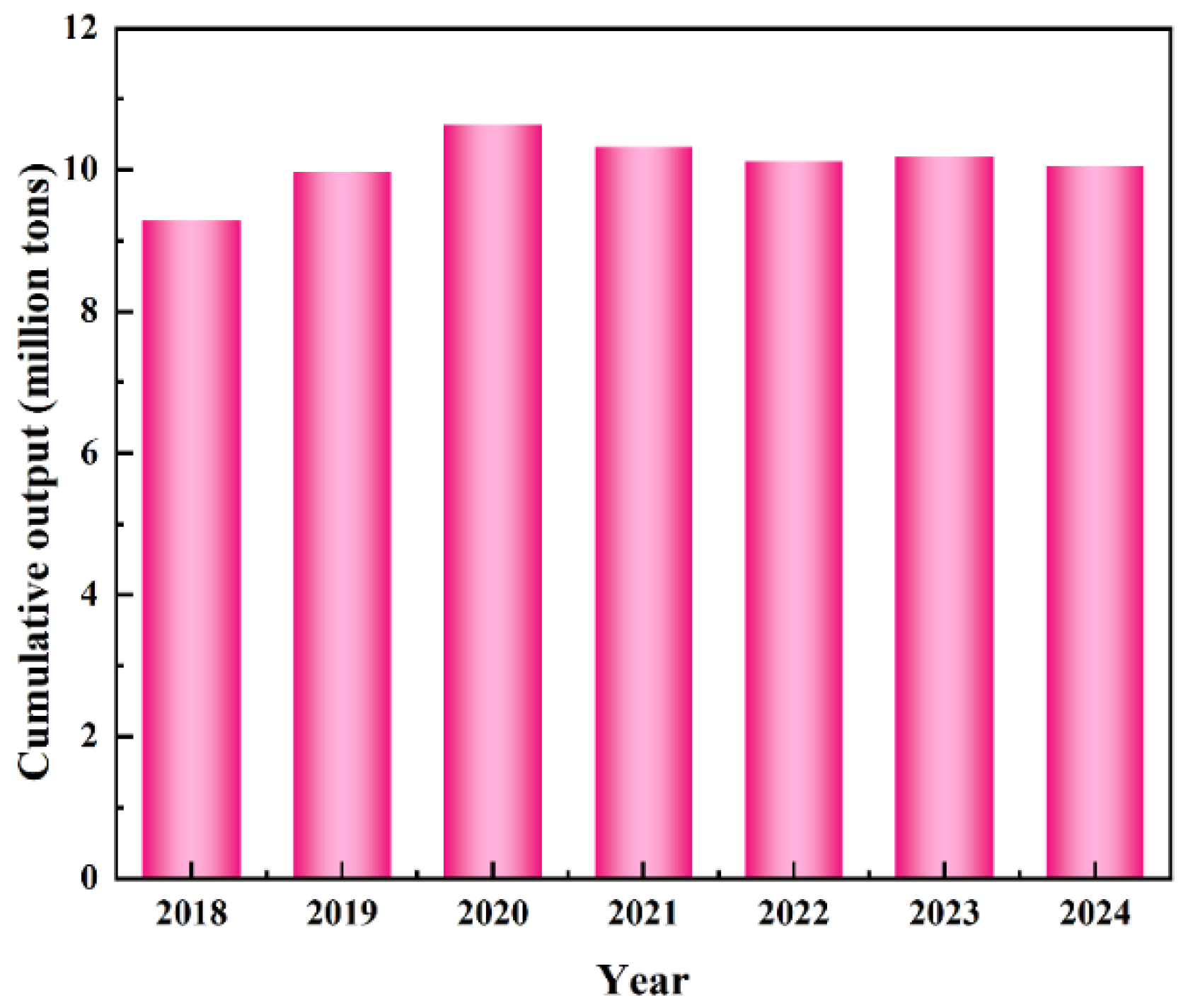
Figure 1, China’s crude steel production has consistently exceeded one billion tons annually since 2020, reflecting a sustained high level of industrial output. On average, the extraction of one ton of target metal yields approximately 200 tons of tailings. Consequently, the global generation of tailings is estimated to range between 5 and 10 billion tons per year [
8,
9,
10]. Advances in mineral processing technologies have further enabled the economic exploitation of low-grade ores, exacerbating the volume of tailings produced. This trend underscores the ongoing escalation in tailings accumulation. Conventional tailings storage may cause long-term environmental and stability problems if the materials are not effectively managed. In the absence of effective management, these tailings can lead to severe contamination of soil, surface and groundwater, air pollution through dust generation, and direct threats to human health and ecosystems [
9,
11,
12].
Although iron tailings contain useful mineral phases, their large-scale reuse remains limited [
13]. Vast volumes are therefore retained in surface impoundments that grow year after year. These tailings are rarely inert: they routinely contain elevated concentrations of Cr, Cu, Pb and Cd that were originally bound in the ore. Where geomembrane or clay-barrier systems are absent, or where leachate-collection networks and groundwater monitoring wells have never been installed, acidic or alkaline pore-water can percolate through the dam body, mobilising trace metals and releasing them into surrounding soils and aquifers [
14,
15,
16,
17]. The bulk chemistry of iron tailings is dominated by SiO
2, Al
2O
3 and Fe
2O
3, but the exact proportions vary markedly between mining districts. Mineralogically, the fines are composed chiefly of framework and sheet alumino-silicates—quartz, alkali feldspar, mica, amphibole and chlorite—together with accessory dolomite and trace sulphides that can act as long-term sources of metals and acid rock drainage [
18,
19,
20].
According to the findings of Adiguzel [
9] and Simonsen [
21] et al., when the combined total of Al
2O
3, Fe
2O
3, and SiO
2 exceeds 70%, the tailings are classified as potential volcanic ash. if the total of CaO and SiO
2 surpasses 50%, the tailings are designated as potential hydraulic hardness. that these materials may be suitable for use as supplementary cementitious materials (SCMs). ITP has attracted attention as a supplementary material because it can contribute to particle packing, reduce solid-waste accumulation, and lower cement consumption: (1) ITP possesses potential cementitious properties. Incorporating ITP into concrete can enhance its internal microstructure, thereby improving the mechanical properties and durability of the resulting specimens. (2) The current disposal of iron tailings presents significant challenges, posing risks of severe environmental pollution and economic losses. The opening of existing tailings ponds for disposal may introduce additional environmental hazards, and climate change could exacerbate the risk of tailings leakage [
22]. (3) Traditional cement production involves calcination, which consumes substantial energy and generates significant carbon emissions. Utilizing ITP as a substitute for cement can lower costs and reduce the overall carbon footprint of the cement industry, thereby promoting sustainable development.
Previous studies have shown that ITP affects mortar and concrete mainly through filler effects, limited pozzolanic activity, and changes in pore structure. Cheng et al. [
23] employed nano-indentation mapping across the interfacial transition zone (ITZ) and found that 15–20 wt.% ITP refined the ITZ porosity; micro-hardness and elastic modulus were locally lowered, but both parameters recovered progressively with distance from the aggregate surface, evidencing a densification front driven by secondary pozzolanic products. Han et al. [
24] monitored 28-day-old concretes containing up to 30 wt.% ITP. Early-age compressive strength remained statistically unchanged, whereas carbonation depth decreased by 25% and freeze–thaw mass-loss dropped by 30%; chloride-ion migration coefficients, however, were unaffected, implying that ITP alone does not generate a sufficiently tortuous pore network to hinder ionic transport. Tian et al. [
25] incorporated ultra-fine ITP (d
50 ≈ 3 µm) into ultra-high-performance concrete (UHPC). Rheometry showed that ITP acted as an inert micro-filler that reduced yield stress, while isothermal calorimetry revealed a secondary hydration peak after 36 h when ITP was co-blended with slag and fly ash. SEM/BSE images confirmed that the additional C-(A)-H phases nucleated on ITP particles, bridging the gap between slag grains and accelerating strength development beyond 90 MPa at 28 d.
GBFS is a steelmaking by-product with latent hydraulic activity due to its calcium-aluminosilicate glass phase. Because of its reactive glassy phase, GBFS is widely used to partially replace cement and improve later-age properties. To a certain extent, it can reduce the amount of cement required, absorb waste produced by the steel industry, and lower CO
2 emissions, thereby offering significant environmental protection benefits. Abbas et al. [
26] incorporated GBFS as a substitute for cement in self-compacting concrete at replacement levels of 10%, 20%, and 30%. After curing for 7, 28, and 90 days, tests were conducted to evaluate workability, compressive strength, flexural strength, and splitting tensile strength. The results indicated that as the curing age increased and the level of cement substitution with GBFS rose, the workability, compressive strength, splitting tensile strength, flexural strength, and other properties of the self-compacting concrete improved. Toshiki et al. [
27] also investigated the impact of a high dosage of GBFS powder on the durability of concrete and found that GBFS could enhance the freeze–thaw resistance of concrete without the need for air-entraining agents. Additionally, it increased the concrete’s resistance to chloride ion penetration and sulfate erosion. Li et al. [
28] examined the effect of GBFS micro-powder on the durability of a ternary cementitious system under combined chloride and sulfate erosion and reached similar conclusions. When GBFS micro-powder replaces a portion of the supplementary cementitious materials in the ternary cementitious system, it effectively reduces the content of free chloride ions and total chloride ions in the concrete.
The durability of cementitious materials under aggressive environments is a critical issue for infrastructure applications. Recent studies have shown that prolonged exposure to chemically aggressive or alkaline environments can affect the microstructure, interfacial bonding and mechanical performance of cement-based composite systems [
29]. Therefore, evaluating the resistance of low-cement mortars to chloride ion penetration is necessary when considering the use of solid-waste-based supplementary cementitious materials.
Most previous studies focused on ITP or GBFS separately, while the combined effect of ITP and GBFS on strength and chloride resistance remains insufficiently clarified; consequently, this study formulates a systematic suite of ternary binders in which ITP and GBFS jointly substitute 50% of Portland cement across five progressively inverted ITP/GBFS ratios, then traces the consequences for mechanical development, microstructural refinement, hydration chemistry and chloride resistance by subjecting identically proportioned mortar and paste samples to compressive/flexural testing, SEM imaging, XRD/TG phase analysis and rapid chloride migration measurements, thereby elucidating how the mutual dilution–pozzolanic balance governs strength gain, portlandite consumption, secondary C-(A)-H formation and ionic transport so that an optimal ITP–GBFS blend capable of matching control performance while markedly reducing clinker demand can be identified for durable, large-scale valorisation of mining and metallurgical wastes in aggressive service environments.
Although ITP and GBFS have been separately investigated as supplementary cementitious materials, the performance of high-volume cement replacement systems containing both ITP and GBFS remains insufficiently understood. In particular, the balance between the weakly reactive, silica-rich ITP and the calcium-aluminosilicate-rich GBFS has not been clearly established in terms of strength development, microstructural evolution and chloride ion penetration resistance. This study evaluates different ITP/GBFS ratios under a fixed 50% cement replacement level to identify a suitable composite binder. This approach allows the role of the ITP/GBFS balance to be clarified and provides a basis for identifying an optimized composite binder with reduced cement consumption and acceptable mechanical and durability-related performance.
3. Results and Discussion
3.1. Mechanical Properties
As shown in
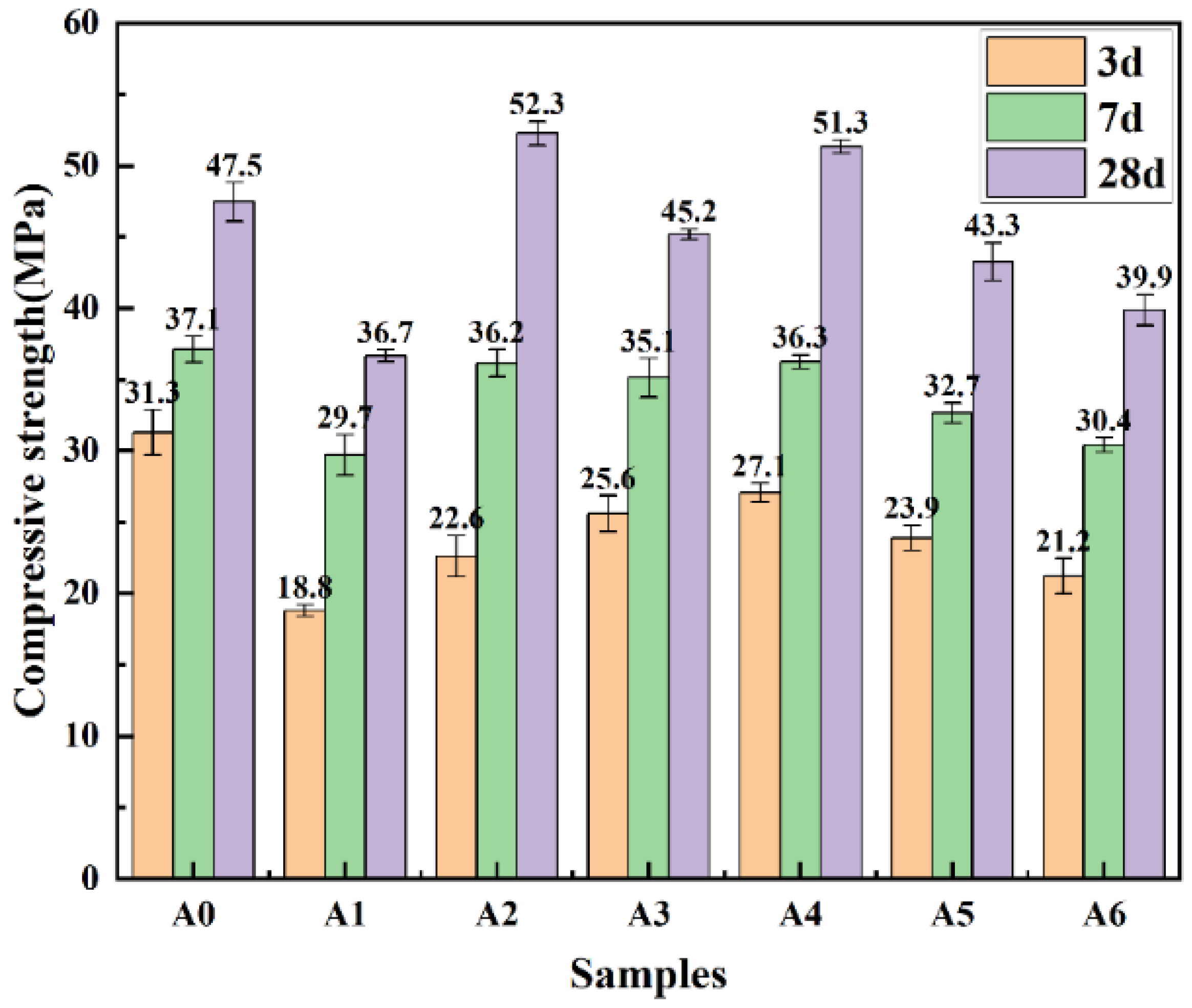
Figure 8, the compressive strength results show that the ITP–GBFS ratio strongly influenced strength development at all curing ages. At 28 d the ranking is A2 > A4 > A0 > A3 > A5 > A6 > A1, with the 50% GBFS mortar (A2) reaching 52.3 MPa—10.1% higher than A0—while the 50% ITP mortar (A1) falls to the minimum, 21% below the control. At 3 d, all blended mixtures showed lower strength than A0, mainly because cement dilution was dominant at early age. By 7 d the GBFS-containing mixes recover sharply as the glassy Ca-rich phase begins to hydrate, whereas A1 remains retarded; its SiO
2-rich but Al-deficient composition limits pozzolanic C-(A)-H formation, so strength gain stays sluggish and the 28 d value is lowest.
Among the ternary blends A3–A6, the 28 d compressive strength showed a bell-shaped trend and reached the maximum value of 51.3 MPa for A4, corresponding to the mixture with 20% ITP and 30% GBFS. This result suggests that the 20% ITP and 30% GBFS ratio provided the most suitable balance for strength development. The improved performance of A4 was related to the filling effect of ITP and the hydration activity of GBFS. ITP mainly acts as a micro-filler at early ages, providing nucleation sites and improving particle packing. GBFS, which contains reactive CaO, SiO
2 and Al
2O
3, can participate in latent hydraulic and pozzolanic reactions during hydration. As curing proceeds, the interaction between GBFS and the silica-rich ITP may promote the formation of additional poorly crystalline hydration products, such as C–S–H/C–A–S–H gels, which contribute to matrix densification. However, because these products are poorly crystalline, their formation is discussed here based on the combined interpretation of the mechanical results, SEM observations, XRD patterns, and previous studies, rather than being directly confirmed by XRD alone. When the ITP content exceeded the optimal level, the dilution effect became dominant, resulting in reduced strength.
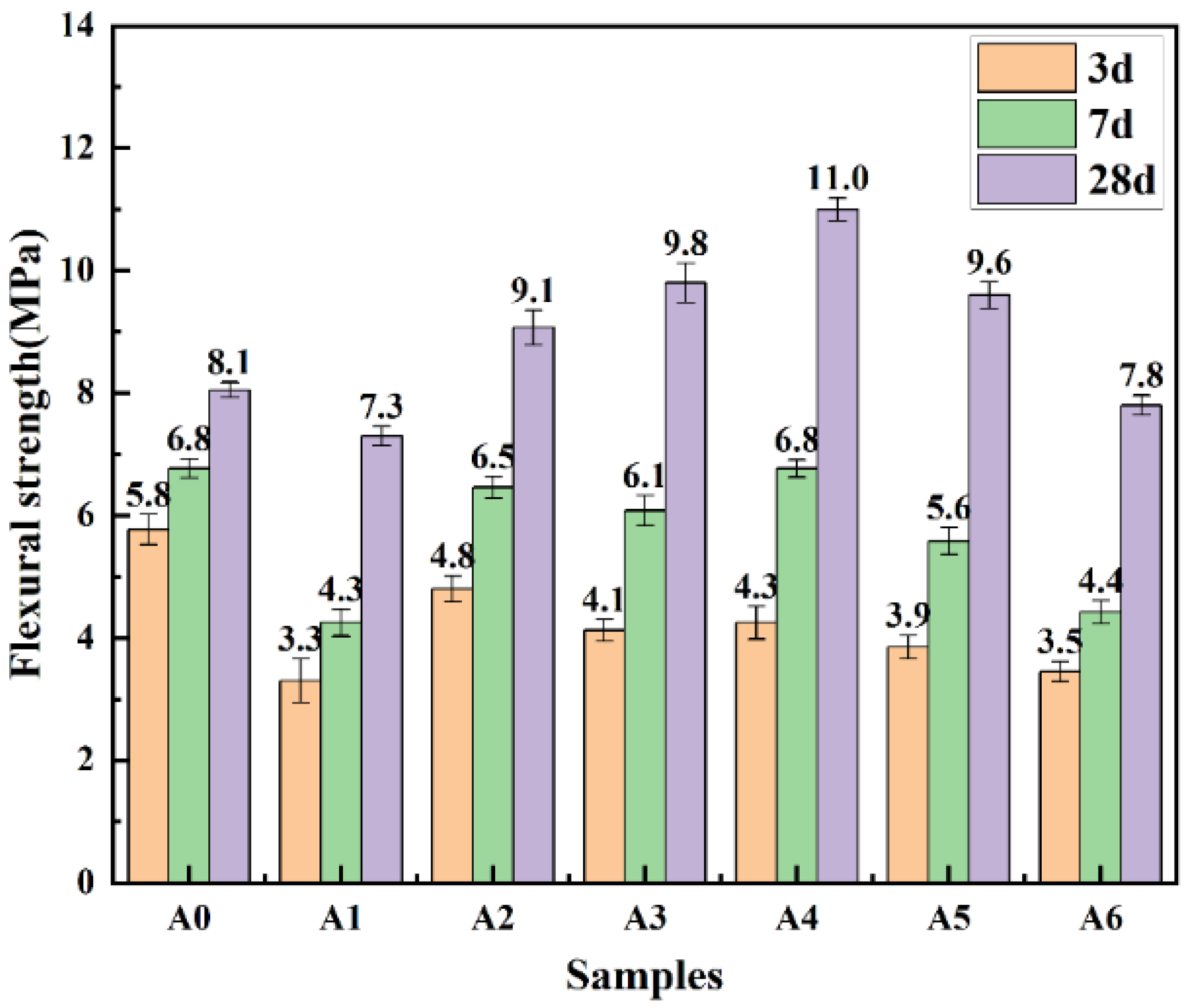
Figure 9 presents the flexural strength development of mortars with different ITP–GBFS ratios. The data presented in the figure indicate that the addition of ITP has a significant adverse effect on the flexural strength of mortar. In the ITP mortar experimental group A1, the flexural strength at the ages of 3 d, 7 d, and 28 d was only 56.9%, 63.2%, and 90.1% of that in the pure cement control group A0, respectively. The primary reason for this phenomenon is the relatively low activity of the hydration products within ITP. During the early hydration process of cement particles, the hydration priority of ITP is minimal, and it essentially does not participate in the hydration reaction. This explains the observed reduction in early strength when ITP is incorporated. These findings are consistent with the results reported in the literature [
25,
33]. The incorporation of ITP into cement-based materials adversely affects their early strength. However, as the curing age increases, the gap between the flexural strength of ITP mortar and that of the pure cement control group gradually narrows. This may be attributed to the fact that the hydration-active substances present in the cement are largely consumed during the intermediate stage, allowing the substances within the ITP particles to begin dissolving and participating in the hydration reaction. This process contributes a small amount of active substances towards the end of the mortar’s hydration reaction. These observations align with the research findings presented in the literature [
34,
35]. Thus, the addition of ITP positively influences the later strength of cement-based materials.
The 28-day flexural strength of the tested specimens follows the descending order: A4 > A3 > A5 > A0 > A6 > A1. Notably, the A4 mixture, incorporating 20% iron tailings powder (ITP) and 30% granulated blast-furnace slag (GBFS), exhibited a 25.9% reduction in flexural strength at 3 days compared to the control group (A0). However, this early-age deficiency was rapidly compensated, achieving strength parity with A0 at 7 days and ultimately surpassing it by 35.8% at 28 days. The 28 d strength improvement of A4 indicates that ITP filling and GBFS hydration jointly enhanced the hardened matrix, which is a key finding of this study. A comparative analysis across samples A3 to A6 reveals a consistent trend in flexural strength development, with A4 achieving the highest value of 11.0 MPa at 28 days. This underscores the superior performance of the optimized ITP–GBFS composite admixture in enhancing the mechanical properties of cementitious systems. More importantly, the strength increment from 7 to 28 days in the composite admixture groups notably exceeds that of the plain cement control, indicating a more sustained and effective pozzolanic and/or hydraulic reaction over time. This delayed but pronounced strength enhancement highlights the potential of the ITP–GBFS system in improving the long-term durability and service life of concrete structures. Unlike conventional supplementary cementitious materials (SCMs) that may compromise early-age performance, the ITP–GBFS blend demonstrates a balanced strength evolution profile, indicating its potential for low-cement cementitious materials, such as in permanent infrastructure or mass concrete elements. Furthermore, this study provides experimental evidence for the potential use of ITP–GBFS composite admixtures as high-volume cement replacements in mortar.
3.2. XRD Test and Analysis
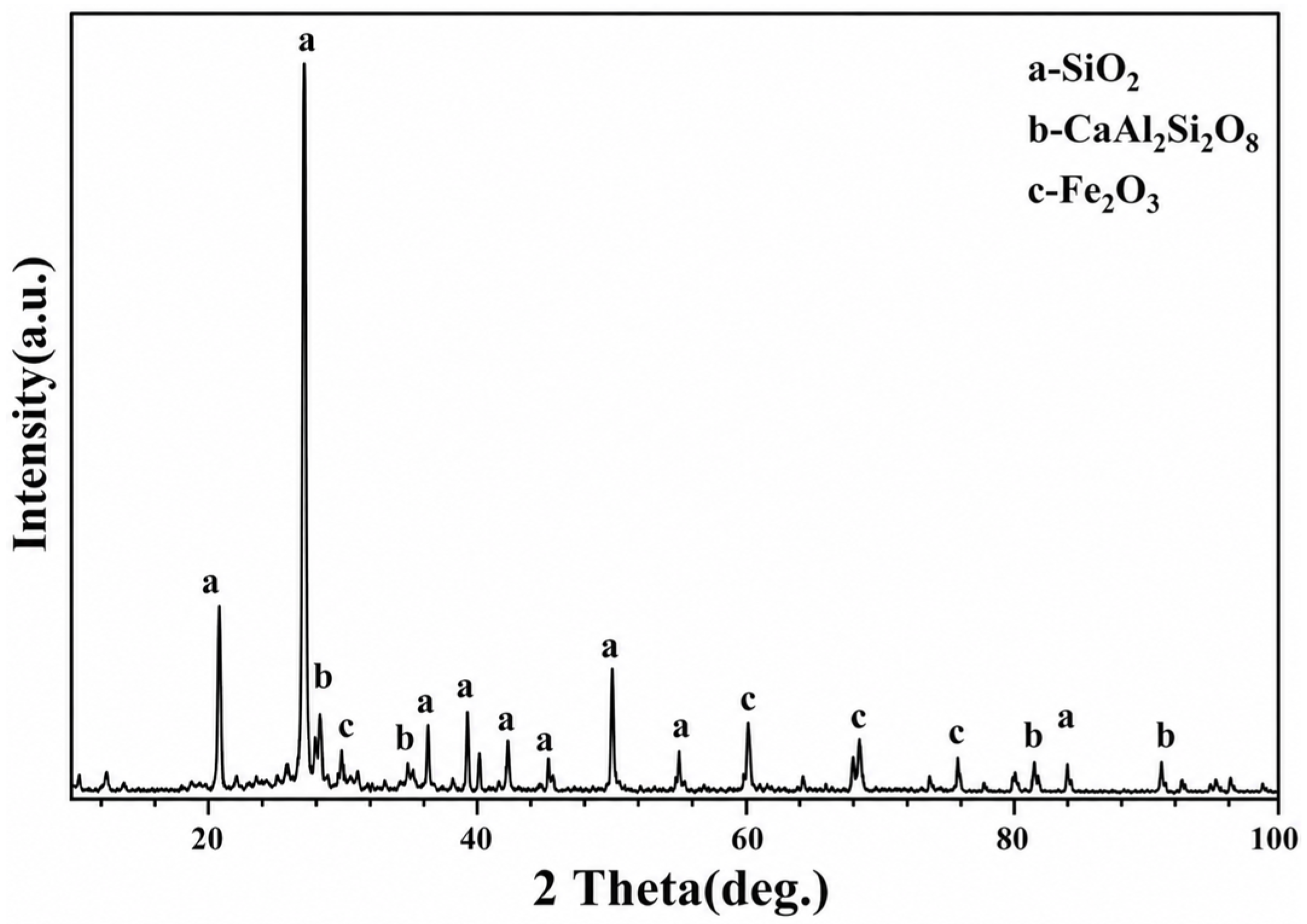
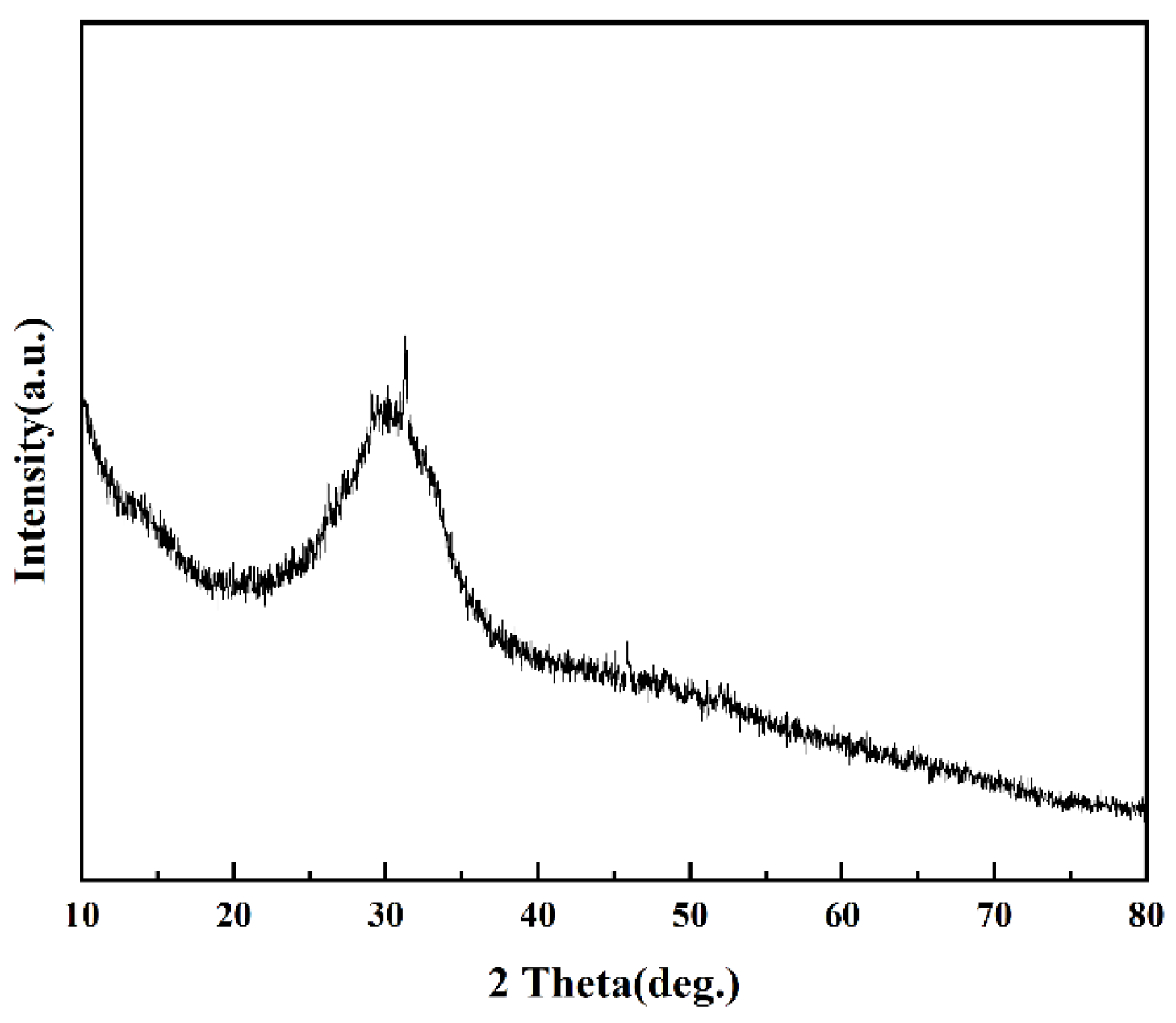
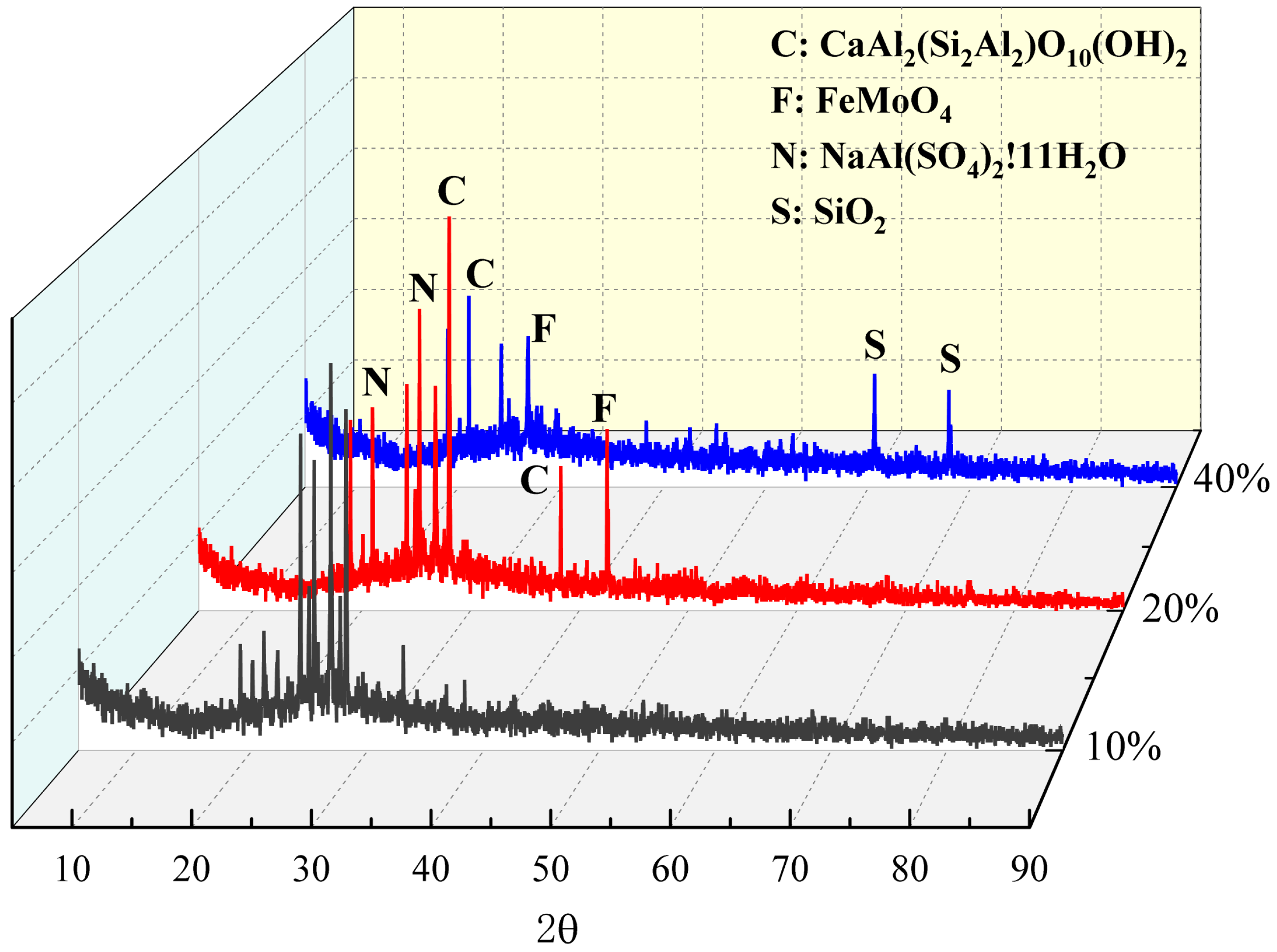
Figure 10 presents the XRD patterns of the mortar specimens cured for 28 d. XRD results showed that the addition of ITP and GBFS changed both the crystalline peaks and the amorphous background of the samples. The main crystalline phases detected in the samples included quartz, portlandite, calcite and residual clinker-related phases. The quartz peaks were mainly associated with the high SiO
2 content of ITP, while portlandite was derived from the hydration of Portland cement. Calcite may have originated from the carbonation of hydration products or the raw materials.
In the A1 mixture containing 50% ITP, the intensity of the quartz peaks was relatively high, indicating that a considerable fraction of ITP remained as a crystalline and weakly reactive filler at 28 d. This is consistent with the relatively low compressive and flexural strengths of A1. In contrast, the GBFS-containing mixtures exhibited a more pronounced broad hump in the XRD background, which can be associated with amorphous or poorly crystalline hydration products. C–S–H and C–A–S–H gels were not directly detected by sharp XRD peaks because of their poor crystallinity. Therefore, their presence is inferred from the broad amorphous feature in the XRD patterns together with the SEM observations and the mechanical performance results.
In A4, the lower portlandite intensity suggested stronger secondary hydration or pozzolanic reaction, suggesting that part of the Ca(OH)2 generated by cement hydration may have been consumed during the pozzolanic reaction. Meanwhile, the presence of GBFS supplied additional Ca, Si and Al species, which favored the formation of secondary hydration products. These poorly crystalline products filled capillary pores and improved the compactness of the matrix. However, when the ITP content was further increased, the dilution effect and the accumulation of less-reactive quartz-rich particles became more significant, leading to reduced formation of effective hydration products and a decline in mechanical performance.
Overall, the XRD results indicate that the optimized ITP–GBFS ratio did not simply increase the amount of crystalline hydration products, but rather promoted the formation of amorphous or poorly crystalline binding phases. This interpretation is consistent with the SEM observations and the strength development of the A4 mixture.
Because the available XRD data were primarily used for qualitative phase identification, quantitative Rietveld refinement was not performed in the present study. Instead, the potential reactivity of ITP and GBFS was evaluated based on their chemical compositions, XRD patterns, and previously reported activity characteristics. Therefore, the discussion of reactive components in this study is qualitative rather than quantitative. Quantitative Rietveld refinement should be conducted in future work to further clarify the crystalline and amorphous contents of ITP and GBFS and to better support the design of cement replacement levels.
3.3. SEM Test Analysis
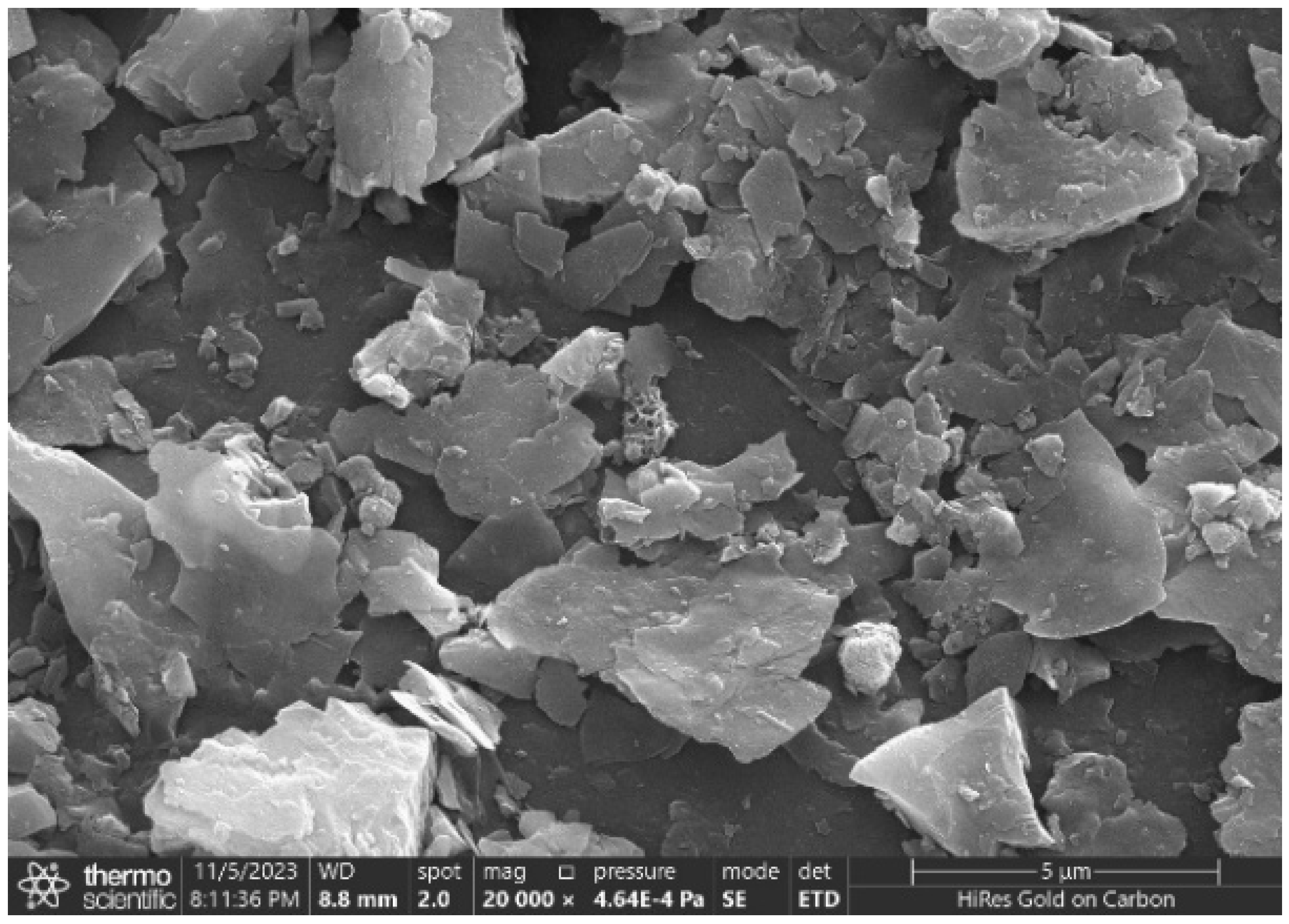
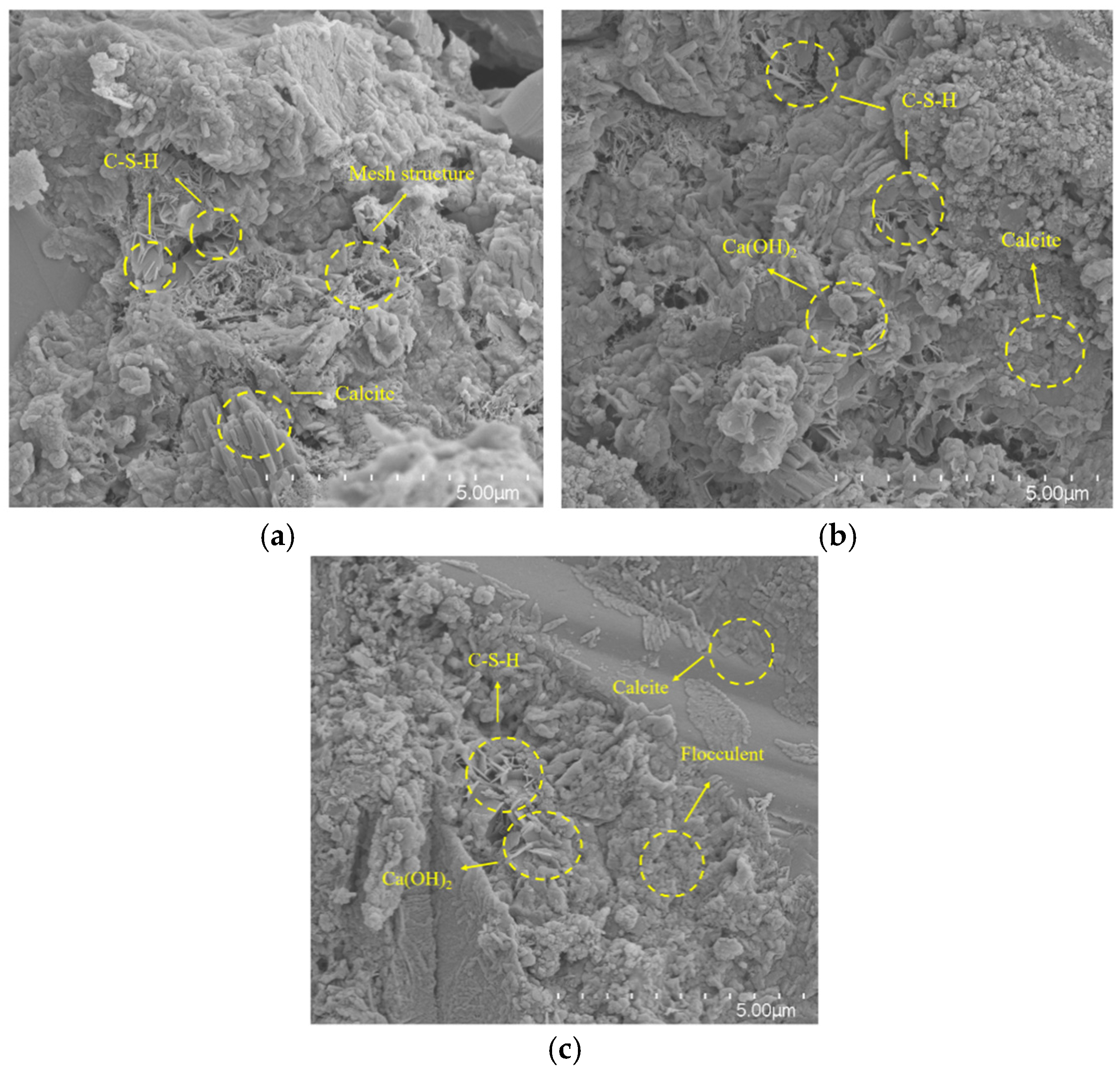
Figure 11 shows the microstructures of mortars with different ITP–GBFS proportions after 28 d curing. The rough, shell-like layer around the GBFS particles may be associated with hydration products, such as C–S–H/C–A–S–H gels and carbonate-containing phases. After a succession of coupled reactions, these products agglomerate into rod-like, spherical, and cubic morphologies, which furnish abundant heterogeneous nucleation sites for subsequent hydration and pozzolanic reactions. These hydration products filled part of the pores and improved the compactness of the matrix. A progressive densification of the microstructure is observed as the content of GBFS and ITP increases. At early ages, the matrix is characterized by abundant macropores and a honey-combed, loosely packed texture. This morphology can be attributed to the limited pozzolanic reactivity of GBFS and ITP during the initial hydration period, which results in a predominantly filler effect, while Portland cement remains the principal reactive phase. As shown in
Figure 11a, reticulated C–S–H gels are distributed across the interfacial regions, accompanied by residual GBFS grains and rhombohedral calcite crystals.
The SEM observations indicate that ITP mainly acted as a filler, while GBFS supplied reactive components for further hydration, thereby accelerating the formation of hydration products. With increasing curing time, copious interpenetrating C–S–H and calcite crystals nucleate and grow, establishing a rigid load-bearing skeleton that serves as a template for further hydration. Moreover, calcite provides heterogeneous nucleation sites that promote the hydration of C
3S and C
2S, sustaining the generation of additional C–S–H. GBFS, an industrial by-product of steelmaking, is rich in vitreous calcium-aluminosilicate phases. Its elevated Si
4+ and Al
3+ contents impart latent hydraulic activity, making it a common mineral admixture in cementitious systems. The introduction of these aluminosilicate species intensifies the pozzolanic reaction within the matrix. In
Figure 11b,c, needle-like and fibrous hydration products were observed to emerge progressively, supplying additional reactive substrates for subsequent hydration. The acicular calcite crystals, exhibiting high intrinsic stiffness, effectively refine the pore structure by occluding residual voids, thereby enhancing the microstructural compactness and, macroscopically, the mechanical performance of the composite.
3.4. Analysis of Resistance to Chloride Ion Penetration Test
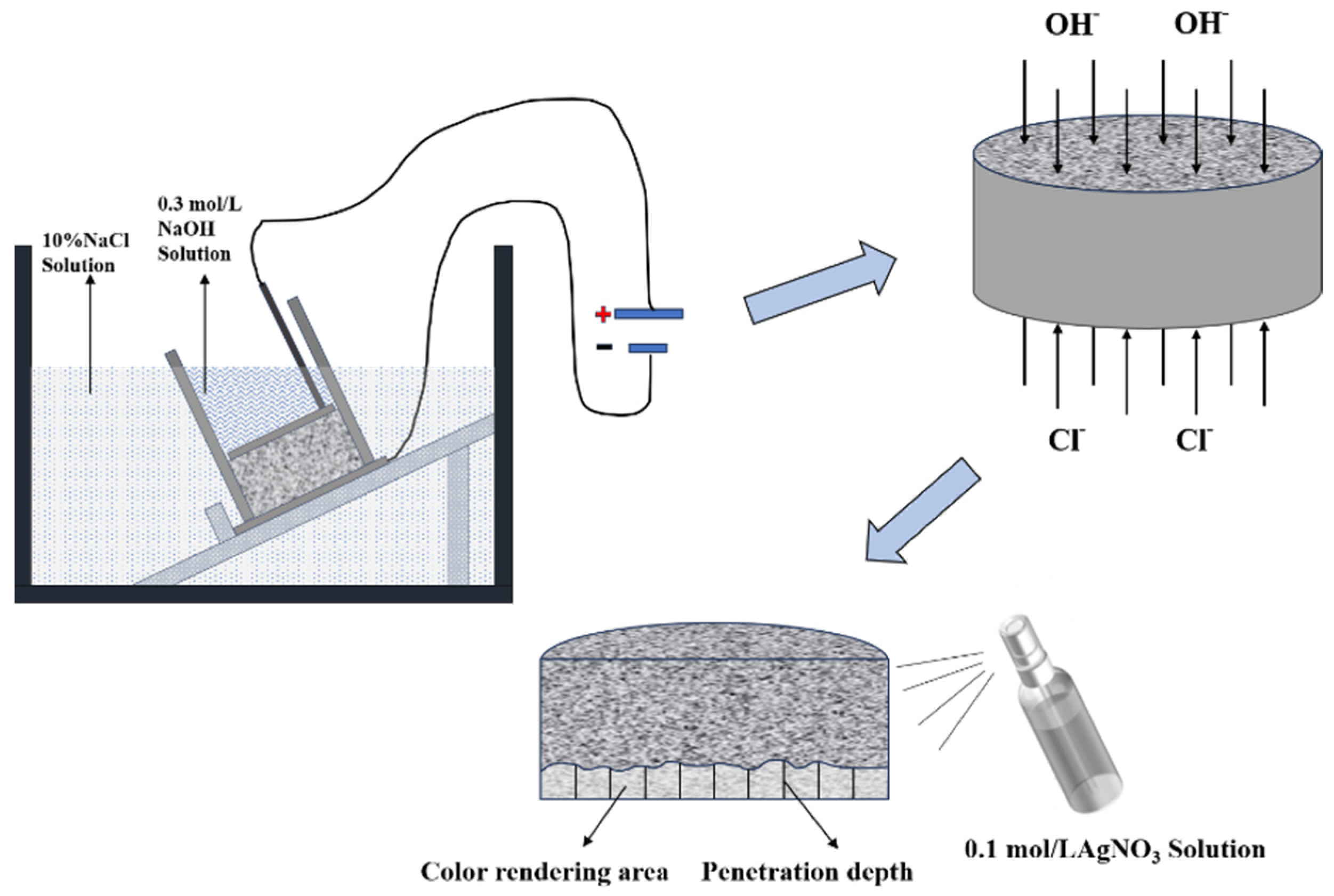
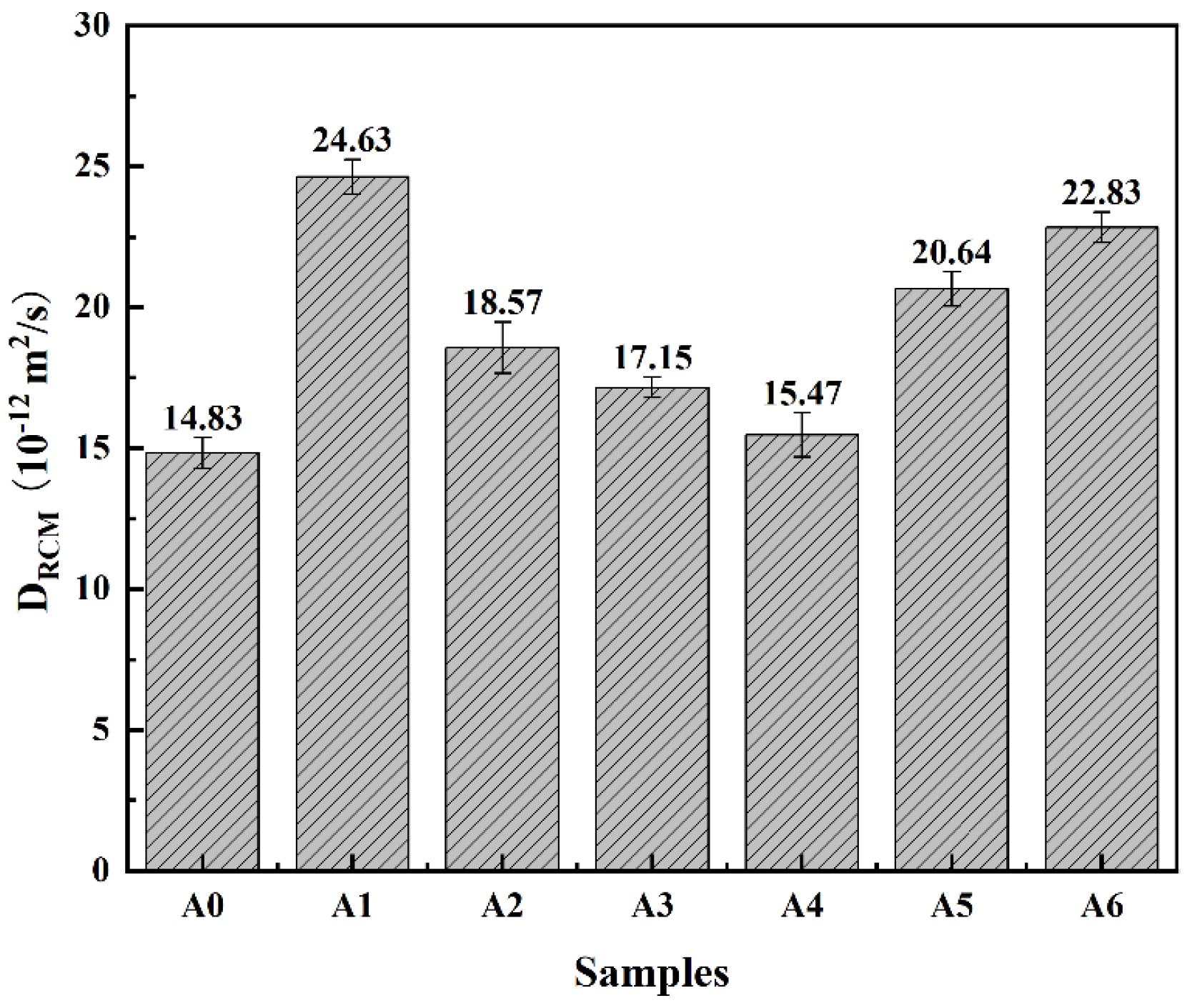
Chloride migration resistance was tested using cylindrical specimens prepared with the designed ITP–GBFS ratios. The chloride ion penetration coefficients are illustrated in
Figure 12. The permeability coefficients of chloride ions are ranked in the following order: A0 > A4 > A3 > A2 > A5 > A6 > A1. As shown in the figure, the pure cement control group exhibits the best resistance to chloride ion penetration, with a Drcm of 14.83 × 10
−12 m
2/s. In the experimental group with a single addition of ITP, A1 has a coefficient of 9.80 × 10
−12 m
2/s higher than A0, which aligns with previous studies [
3,
36]. However, the incorporation of excessive ITP negatively impacts the chloride ion resistance performance of the specimens. A comparison of A3 to A6 reveals that combining ITP with GBFS to create a composite admixture enhances the chloride ion penetration resistance of the specimens. This suggests that the combination of ITP and GBFS has a synergistic effect, mitigating the adverse impact of a single admixture on chloride ion resistance. The performance of A3 to A6 decreased by 30.3%, 37.2%, 16.2%, and 7.3%, respectively, compared to A1.
The chloride migration coefficient changed nonlinearly with the increase in ITP content. This behavior implies the existence of an optimal ITP dosage threshold, beyond which the durability performance deteriorates. When the ITP content exceeded 20%, the amount of unreacted ITP increased and the pore structure became less compact. However, due to the limited availability of aluminum (Al)-bearing phases, the pozzolanic reaction becomes kinetically constrained, resulting in insufficient formation of calcium-alumino-silicate-hydrate (C-A-S-H) and calcium-silicate-hydrate (C-S-H) gels. The unreacted SiO2 predominantly exists as inert micro-aggregates, which contribute minimally to microstructural densification or strength enhancement. Consequently, a substantial volume of micro-pores remains unfilled, forming interconnected capillary networks that facilitate chloride ion migration. This microstructural deficiency explains the observed increase in the chloride diffusion coefficient (Drcm) in mixtures A5 and A6, where ITP content surpasses the optimal level. A4, containing 20% ITP and 30% GBFS, showed the best chloride resistance among the composite mixtures, with a Drcm of 15.47 × 10⁻¹² m2/s. only marginally higher (by 0.64 × 10⁻¹² m2/s) than that of the pure cement control (A0). This suggests that the synergistic interaction between ITP and GBFS at this specific ratio can yield a refined pore structure and enhanced interfacial transition zone (ITZ) characteristics, thereby achieving chloride penetration resistance comparable to conventional Portland cement systems. This finding indicates that the optimized ITP–GBFS composite binder has potential for cement mortar applications requiring reduced cement consumption and resistance to chloride ion penetration. However, the present study only evaluated chloride migration resistance using the RCM method. Further long-term chloride exposure tests, including strength retention, chloride binding capacity and pore-structure evolution, are still required before its use in marine or coastal infrastructure can be fully assessed.