Article

Experimental Study on the Withdrawal Resistance of Self-Tapping Screws in Cross-Laminated Timber Considering Material Aging Effects

Department of Timber Structures, College of Materials Science and Engineering, Nanjing Forestry University, No. 159 Longpan Road, Nanjing 210037, China
*
Author to whom correspondence should be addressed.
Buildings 2026, 16(11), 2208; https://doi.org/10.3390/buildings16112208

Submission received: 24 April 2026 / Revised: 26 May 2026 / Accepted: 28 May 2026 / Published: 30 May 2026
(This article belongs to the Special Issue Performance and Analysis Methods of Timber Structures)

Abstract

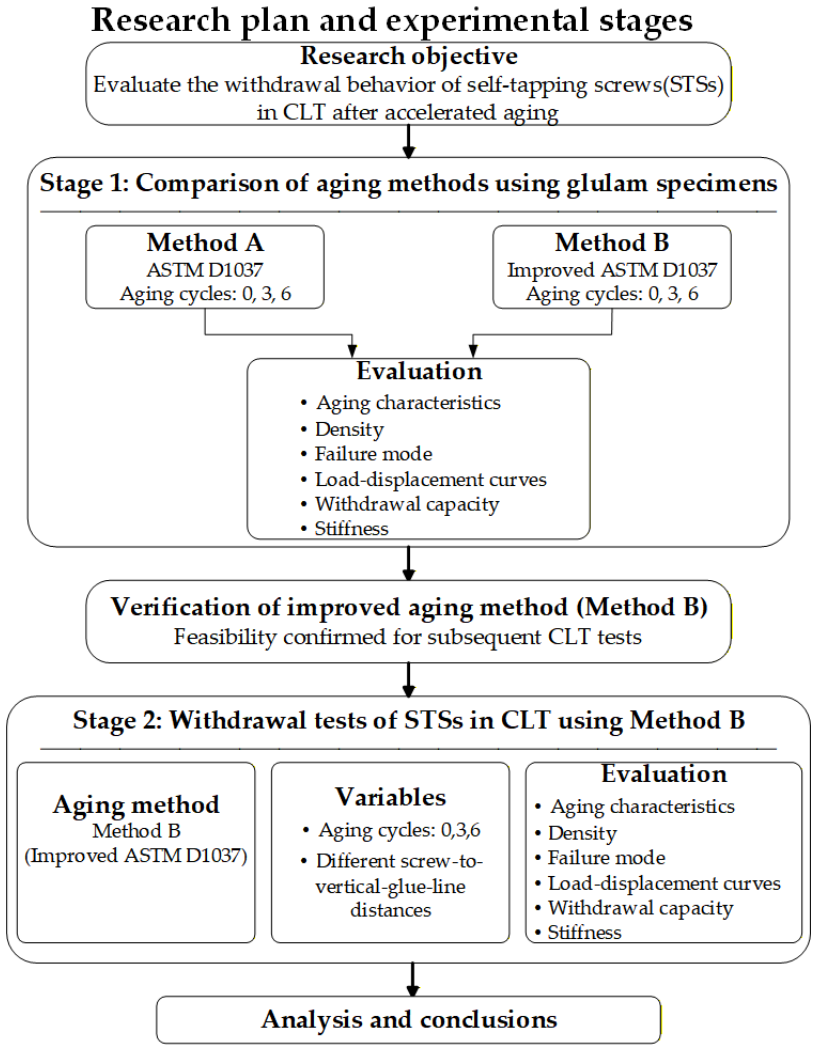
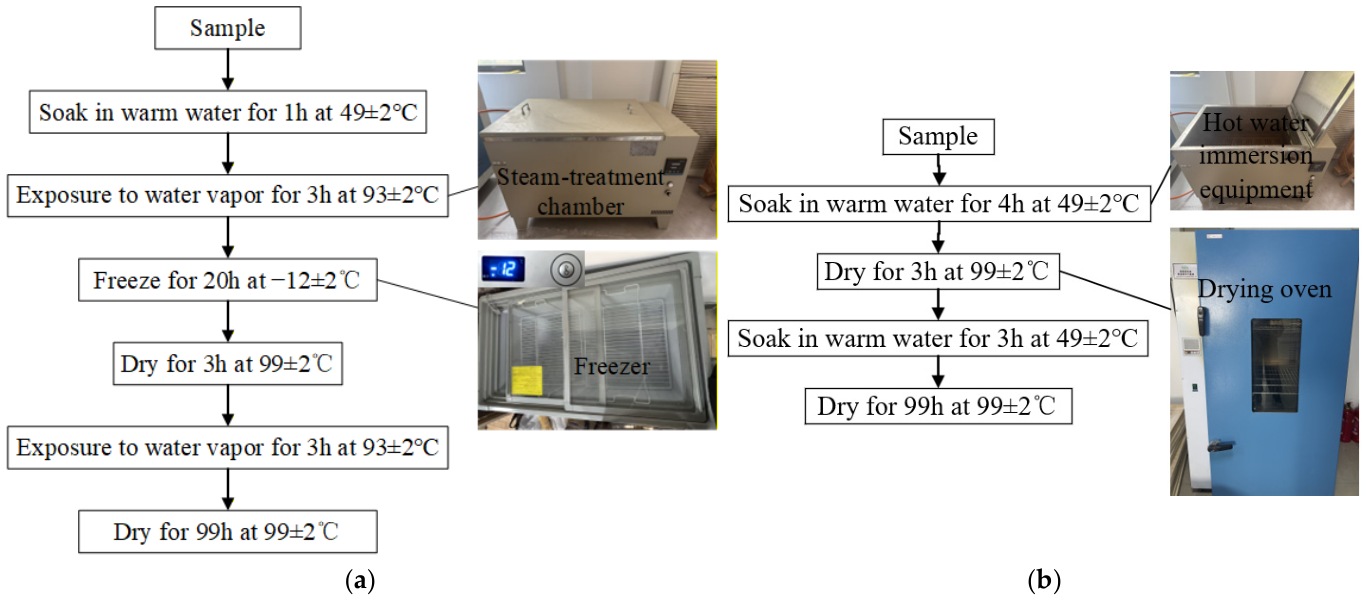
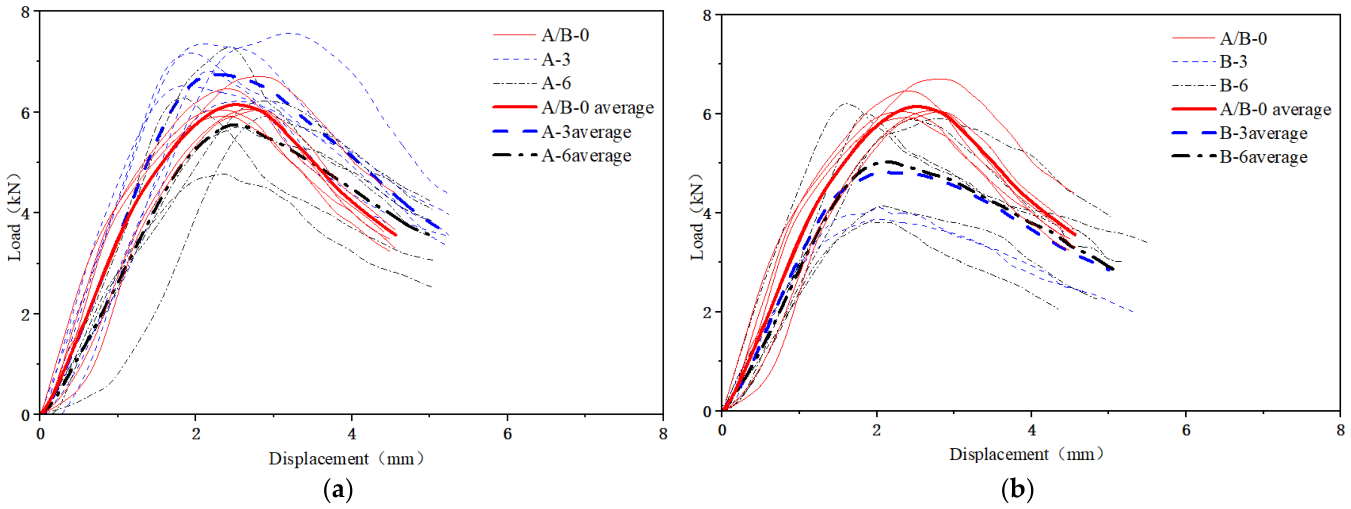
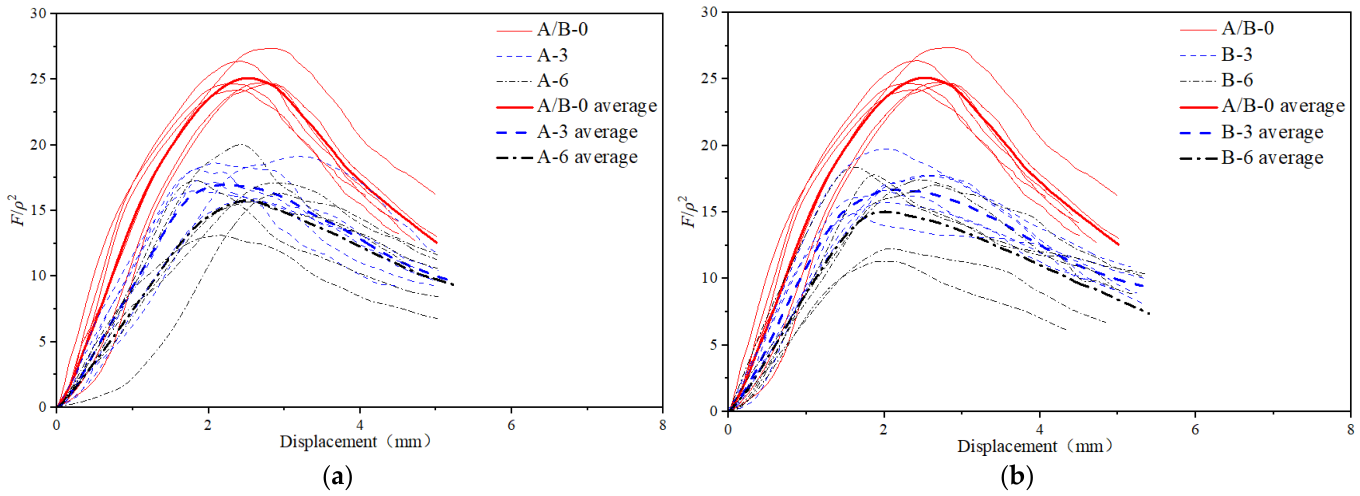
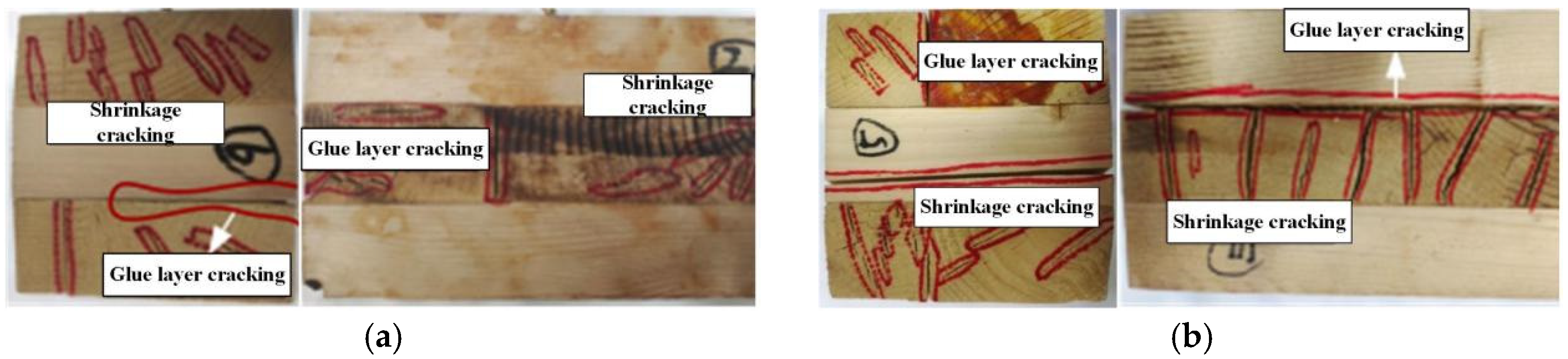
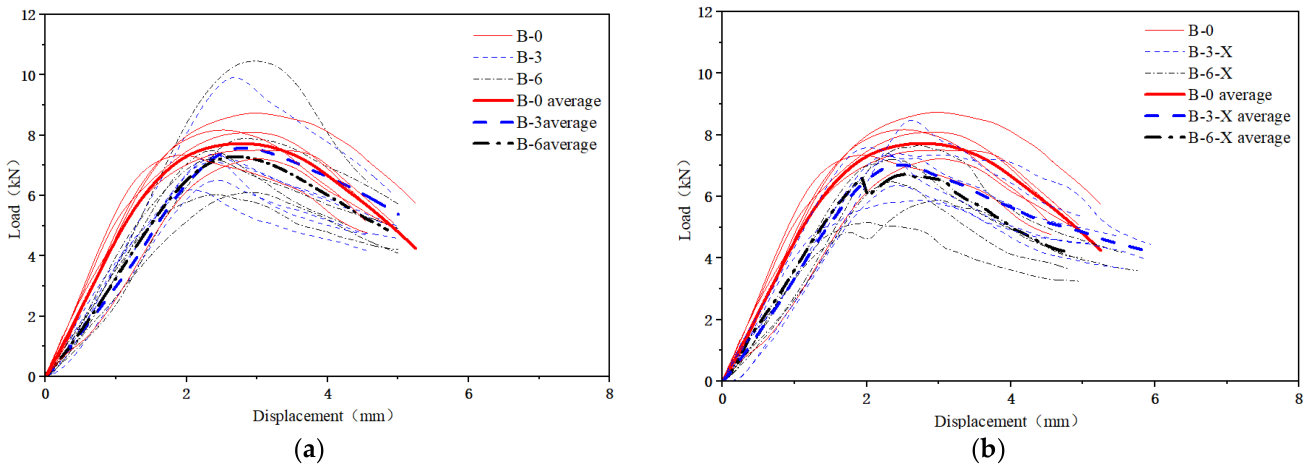
Cross-laminated timber (CLT), an engineered timber product with distinctive features, has significantly broadened the applicability of timber structures. The self-tapping screws (STSs) with excellent anchorage performance have become one of the primary connectors used in CLT structures. However, the long-term withdrawal resistance is susceptible to environmental factors such as temperature and humidity fluctuations, which may lead to reduced CLT density and corrosion-induced degradation of the steel components. These effects represent a critical life-cycle challenge to the structural integrity and safety of timber connections. This study aims to investigate the withdrawal resistance of STSs in CLT under material aging effects. To achieve this, a two-step experimental program was designed. First, the effects of two artificial accelerated aging methods (ASTM D1037 and improved version of ASTM D1037) on the withdrawal resistance of STSs in glued laminated timber (glulam) were compared to validate the feasibility of the improved protocol. This comparison was necessary to ensure that the improved protocol produces a degradation pattern without altering the failure mechanism. Subsequently, a series of CLT specimens with embedded STSs were subjected to 0, 3 and 6 aging cycles to investigate the withdrawal behavior including aging characterization, failure modes, load–displacement curves, withdrawal capacity, and stiffness. The results indicate that the failure mode of CLT joint with STSs under the improved aging scheme was the consistent pull-out of STSs, identical to that observed in the glulam, confirming mechanistic consistency. After three and six aging cycles, the normalized withdrawal capacity retention rates were 104.98% and 95.36%, respectively. The stiffness is more significantly affected by aging. The corresponding normalized stiffness retention rates were 85.60% and 80.94%, respectively. As the number of aging cycles increased, the occurrence of wood fiber tearing became more pronounced and the ratio of the corresponding load to the peak load decreased. Furthermore, ensuring adequate distance from the vertical glue layer was found to lead to greater long-term resilience and withdrawal capacity.
Keywords: cross-laminated timber; glulam; self-tapping screw; withdrawal resistance; material aging cross-laminated timber; glulam; self-tapping screw; withdrawal resistance; material aging