


Abstract
Long-term decarbonization of urban residential buildings in southern China depends on the joint evolution of building stock, end-use efficiency, and electricity carbon intensity. This study develops a dynamic stock-energy-carbon framework for urban residential buildings in China’s hot-summer warm-winter region from 2010 to 2060, using Guangdong, Guangxi, Fujian, and Hainan as case provinces. The model links demographic and housing-space change with stock survival, retrofit of the base-year stock, cohort-specific performance levels for post-2022 new construction, and time-varying provincial grid emission factors. EnergyPlus simulations of seven high-rise residential archetypes show that nearly zero-energy performance reduces province-level EUI by 19.2–26.5% relative to the baseline, with cooling-load reductions forming the dominant part of the improvement in the warmer provinces. Across coupled demand-side scenarios, stricter new-build performance standards reduce 2026–2060 cumulative operational energy by 5.3–10.1% relative to the conservative demand-side setting, while increasing retrofit intensity provides a smaller but consistent additional reduction. Carbon outcomes are more sensitive to electricity-sector assumptions: under the main demand-side setting, moving from the conservative to the accelerated grid pathway advances the operational-carbon peak by 8–15 years across the four provinces and lowers 2060 residual emissions by about 71%. A comparison with available observed provincial household-electricity statistics is added as a plausibility check; it confirms the relevant order of magnitude but also indicates that absolute demand estimates should be interpreted cautiously because of boundary and EUI-representation differences. These results suggest that demand-side efficiency policies must be coordinated with rapid provincial power-sector decarbonization if the residential sector in Hot-Summer Warm-Winter Region is to reach earlier carbon peaks and lower residual operational emissions.
1. Introduction
Decarbonizing the building sector is increasingly understood as a stock-transition problem rather than a collection of isolated building upgrades. Recent syntheses of building-stock decarbonization [1] and system-dynamics-based stock transformation [2], together with bottom-up residential stock modeling [3] and historical analyses from China [4], show that the long service life of housing assets creates strong path dependence and slows the turnover of inefficient stock. This concern is reinforced by evidence that building growth does not always track population growth proportionately [5], while the global transition of operational carbon in residential buildings has also been shown to be highly uneven across regions and development stages [6]. At the Chinese urban and regional scales, operational-carbon studies based on representative cities [7] and national spatiotemporal analyses [8] both point to substantial geographic heterogeneity. At the dwelling scale, Niu et al. [9] further demonstrated that occupant electricity-use behavior can materially alter operational carbon estimates, implying that stock decarbonization cannot be reduced to envelope parameters alone. Stock-level mitigation, therefore, requires the joint consideration of efficiency, electrification, and low-carbon electricity supply [10], while infrastructure lock-in [11] and province-specific decarbonization pathways [12] argue against one-size-fits-all strategies.
These issues are especially salient in southern China, where rapid urban growth coincides with strong cooling demand, increasing heat risk, and continuing expansion of urban residential floor area. In a subtropical context, recent evidence from Guangzhou shows that urban climate can substantially bias building-energy estimation: when suburban weather files are used in place of urban boundary conditions, cooling demand can be systematically underestimated [13]. At the neighborhood scale, occupant behavior and building type jointly shape indoor heat stress in Guangzhou urban villages [14] further underscoring that building operation is co-determined by climate, morphology, and residential use patterns. At the sectoral scale, a recent bottom-up prototype-based study for urban residential buildings in China [15] found that both daytime and nighttime cooling peaks deserve explicit attention during heat-wave conditions. More broadly, studies in China’s hot-summer climate contexts have shown that passive-building performance [16], long-term urban residential carbon trajectories [17], retrofit economics [18], and indoor thermal conditions under air-conditioning use [19] are highly climate-sensitive. The same applies to nearly zero-energy residential performance [20], the energy-performance gap in nominally efficient dwellings [21], adaptive window-opening behavior [22], and household heating practices under mixed hot-summer climates [23]. A recent Guangzhou study combining urban functional zones, hourly temperature fields, and mobile-signaling data further shows that heat-exposure hotspots shift from commercial cores during the day to dense residential belts at night [24], reinforcing the need to connect cooling demand, residential activity rhythms, and electricity-sector decarbonization. Taken together, this literature suggests that southern China cannot be adequately described by static annual averages alone; climate-sensitive operation and user diversity are central to any credible assessment of residential energy and carbon.
On the demand side, a substantial literature has examined retrofit and high-performance envelopes as key levers for reducing operational demand. Measured zero-energy retrofits [25], broad reviews of residential envelope-retrofit methods and simulation tools [26], and framework studies for converting existing houses to nearly zero-energy buildings [27] consistently report considerable saving potential. More detailed work shows that thermal-performance optimization [28], uncertainty in retrofit outcomes [29], and the decision context [30] all influence the robustness of retrofit strategies. In China, policy-oriented analyses have begun to estimate the mid- to long-term impacts of nearly zero-energy incentives [31], while another study has also reported the theoretical saving potential of renovations aligned with GB 55015-2021; General Code for Energy Efficiency and Renewable Energy Application in Buildings. China Architecture & Building Press: Beijing, China, 2021. across Chinese climate zones [32]. Parallel studies on envelope optimization [18], passive nearly zero-energy design for rural houses [33], and on embodied–operational trade-off of envelope choices [34,35] have deepened understanding of technical pathways. However, most of this literature remains either building-specific or scenario-static: it usually asks how much energy can be saved if an individual building is upgraded, rather than how provincial residential emissions evolve when retrofits are rolled out gradually across a changing housing stock.
That limitation matters because future residential carbon pathways depend not only on retrofitting existing dwellings but also on the performance level at which new floor area enters the stock. Archetype and stock models provide a practical bridge between building physics and regional dynamics. In China, prototype-building research has established national archetype sets for stock simulation [36], while GIS-based archetype identification has enabled city-scale UBEM, where detailed building information is unavailable [37]. Related work on stock-level mapping and carbon accounting [38], high-resolution residential-stock mapping [39], and rapid long-horizon simulation using a reference-day method [40] has further improved the feasibility of large-scale assessments. Comparable efforts have extended to old residential archetype identification [41], rapid retrofit-oriented calibration of prototype models [42,43], and archetype development for overlooked building stocks [42]. At the same time, occupancy prediction based on the surrounding urban environment [44] and macro-scale zero-energy optimization using archetypes [45] show that regional energy assessment increasingly depends on linking morphology, occupancy, and simulation efficiency. Yet a persistent gap remains: most province- or city-scale models still treat stock growth, retrofit, or new-build standards in isolation, rather than integrating demographic floor-area expansion, incremental new construction, and retrofit rollout within one coherent provincial framework.
A second gap concerns carbon accounting under electricity decarbonization. For electrically dominated residential operation, carbon outcomes depend not only on EUI reductions but also on how fast the electricity system becomes cleaner. Dynamic-emission-factor studies have shown that the carbon benefit of retrofit can change materially once the electricity mix is allowed to evolve over time [46,47]. At the provincial scale, electrification does not automatically guarantee carbon mitigation [48] and coordinated planning between building electrification and grid decarbonization can produce very different emission pathways [49]. This issue is now visible both in global net-zero assessments for commercial buildings [50] and in building-operation methods based on dynamic power-system carbon factors [51]. The accounting literature also warns that electricity-related emissions can be misrepresented when location-based and market-based treatments are mixed [52,53], or when the carbon-intensity logic is not kept consistent across end uses and time horizons [54]. Despite these advances, relatively few studies of China’s residential stock explicitly combine gradual retrofit of existing stock, tightening performance standards for new construction, and time-varying grid decarbonization within a single province-scale operational-carbon model.
Finally, climate-adaptive envelopes and urban-thermal studies provide useful boundary context for residential decarbonization in Hot-Summer Warm-Winter (HSWW) region. Work on ETFE roof cooling in Guangzhou [55], passive and green renovation of courtyard dwellings [56,57], and LCZ-based analyses of urban thermal heterogeneity and heat-risk inequality [58,59,60] show that climate sensitivity can operate through both building envelopes and urban morphology. These studies reinforce the need for region-specific modeling, while the present work focuses on the stock-energy-carbon pathway rather than on envelope optimization or urban thermal mapping.
Against this background, the present study develops a province-scale dynamic framework for urban residential buildings in China’s hot-summer warm-winter region. Rather than treating future housing stock as fixed, the study links total urban residential floor area to projected urban population and projected per capita living area, derives annual new construction from the resulting floor-area trajectory, and simultaneously models the gradual retrofit of the existing stock and the progressive tightening of performance levels for new residential buildings. Province-specific EUI values are derived from building simulations of representative residential archetypes under baseline and nearly zero-energy envelope conditions, while operational carbon is calculated under alternative grid-decarbonization pathways using official provincial electricity emission factors. By applying this framework to Guangdong, Guangxi, Fujian, and Hainan, the study aims to answer three questions: how urban residential floor area and operational demand evolve under demographic and housing-space change; how retrofit rollout and new-build entry standards jointly reshape long-term energy demand; and how these demand-side changes interact with grid decarbonization to alter peak-carbon timing and residual operational emissions by 2060.
2. Materials and Methods
This study investigates the dynamic decarbonization pathway of urban residential buildings in four provinces located in China’s HSWW region, namely Guangdong, Guangxi, Fujian, and Hainan. The HSWW zone is one of the five primary architectural climate zones in China. Geographically located in southern China, this region is characterized by a subtropical monsoon climate with long, humid summers and short, mild winters. The specific geographical and climatic characteristics of the representative cities selected for this study are detailed in Table 1. The assessment is limited to the operational stage and covers the period from 2010 to 2060. The demographic and housing-space reconstruction period spans 2010–2022, which is the latest year for which complete and comparable provincial urban population and urban per capita living-area data are available for all four provinces. The period from 2023 to 2060 is treated as the scenario simulation horizon, with 2022 used as the stock initialization year. The study focuses on three interacting processes: the evolution of housing-demand floor area and in-use residential stock area, as determined by projected urban population, smoothed per capita living floor area, and stock retirement; the gradual retrofit of the existing urban residential stock; and the tightening of thermal performance requirements for newly built residential buildings under alternative grid-decarbonization pathways.
Table 1.
Geographical and climatic characteristics of the representative cities in the HSWW zone.
Three types of input data were required. First, annual provincial urban population and urban per capita living floor area were collected to reconstruct housing-demand floor area and to derive the in-use residential stock area and annual new construction in the energy and carbon model. Second, province-specific operational energy use intensities for urban residential buildings were derived from archetype-based building energy simulations rather than from directly observed statistical averages. Seven representative residential archetypes developed from a large-scale survey of 120 residential districts in nine cities across the Pearl River Delta were modeled in EnergyPlus (version 25.1.0). For each province, the archetypes were simulated under province-specific climatic conditions and under two envelope-performance levels: a baseline condition and a nearly zero-energy condition. Third, the official provincial average electricity CO2 emission factors for 2023, jointly released by the Ministry of Ecology and Environment and the National Bureau of Statistics, were used as the province-specific starting values for future operational carbon accounting. As a separate plausibility check, provincial household electricity statistics were compiled from statistical yearbooks, electricity supply-demand bulletins, and public bond prospectus disclosures. These observations were used only for comparison, not for calibration, because their boundary is total residential household electricity, whereas the model estimates urban residential building operational electricity-related demand. The overall methodological framework of the study is shown in Figure 1.
Figure 1.
The methodological framework of the study.
The methodological workflow comprises four sequential phases. First, demographic data, building stock data, climate inputs, archetype simulation results, and provincial grid emission factors are compiled to establish the baseline dataset for the four provinces. Second, housing-demand floor area, in-use stock dynamics, and province-specific EUI values are integrated to estimate operational energy demand. Third, alternative retrofit pathways, new-build entry pathways, and grid decarbonization pathways are coupled to quantify annual operational carbon emissions. Finally, pathway performance is assessed using five indicators: peak year, residual emissions in 2060, cumulative emissions, interprovincial variation, and sensitivity analysis, as summarized in Table 2.
Table 2.
Model variables, assumed ranges, and output indicators used in the revised analysis.
2.1. Projection of Housing-Demand Floor Area and In-Use Stock Dynamics
Because a consistent and publicly available time series of provincial urban residential stock area is generally unavailable, this study distinguishes between housing-demand floor area and in-use residential stock area. Housing-demand floor area is derived from official demographic and housing-space indicators, whereas in-use stock area is determined by stock survival and annual additions. This distinction avoids equating demographic housing demand with the physical building stock entering the operational energy model.
For each province and year , the original urban per capita living floor area series was first smoothed to reduce isolated jumps that may arise from statistical discontinuities. A three-year centered median filter was applied to the interior years:
where denotes the smoothed urban per capita living floor area. For the endpoint years, the original values were retained.
Housing-demand floor area was then calculated as
where is the housing-demand floor area, is the urban population, and is the smoothed urban per capita living floor area. This identity was used throughout the historical period to reconstruct a province-level annual series of housing-demand floor area.
The base year was set to 2022, which is the latest year for which complete and comparable demographic and per capita living-area data are available for all four provinces. The in-use residential stock entering the future simulation was initialized as
where denotes the in-use residential stock area in the base year.
Future housing-demand floor area was projected by separately extrapolating the urban population and the smoothed urban per capita living floor area. To maintain consistency with the fixed base year, the average annual growth rates over 2018–2022 were calculated for the urban population and smoothed per capita living floor area, respectively. These rates were applied unchanged during the first projection stage up to 2035, then linearly damped to zero during 2036–2050 to represent gradual saturation in urbanization and housing-space expansion. From 2051 to 2060, both variables were held constant at their 2050 levels. Future housing-demand floor area was then recalculated using the same accounting identity.
In-use residential stock area was updated recursively by combining stock survival and annual new construction. A uniform annual retirement rate was introduced to represent stock withdrawal. Under the main scenario, was set at 0.3% yr−1. The surviving stock area carried over from the previous year was calculated as
Annual new residential construction was then defined as the additional floor area required to satisfy projected housing demand after accounting for surviving stock:
where is the newly built residential floor area is in the year . The in-use residential stock area in the year was therefore obtained as
This formulation allows the in-use stock area to lag behind demand decline when demand contracts, because no negative construction term is imposed, and excess stock is gradually absorbed through retirement rather than instantaneously removed.
For retrofit accounting, the base-year stock was divided into an unretrofitted portion and a retrofitted portion. Let and denote the surviving unretrofitted and retrofitted areas of the base-year stock, respectively. Their initial conditions are
For , the surviving pre-retrofit areas were first updated as
Let denote the annual retrofit rate applied to the surviving unretrofitted base-year stock. The retrofitted and unretrofitted areas were then updated as
Newly built residential floor area added after the base year does not enter the retrofit pool in the main model. Instead, it is tracked as post-2022 stock cohorts under the new-build entry pathway defined in Section 2.3. Accordingly, for the future simulation period, the annual floor area basis for operational energy accounting is no longer the projected demand area itself, but the in-use stock area composed of surviving unretrofitted stock, surviving retrofitted stock, and surviving post-base-year additions.
2.2. Archetype-Based Building Energy Simulation and Derivation of Provincial EUI Values
The provincial operational energy use intensities used in this study were not taken from statistical averages but were derived from archetype-based building energy simulations implemented in EnergyPlus. The archetypes were developed from a large-scale field survey of residential buildings in nine cities across the Pearl River Delta (Figure 2). The survey database included architectural drawings and design parameters from 120 residential districts. To ensure statistical representativeness, the surveyed buildings were classified into typologically distinct groups through K-means clustering analysis combined with linear regression. As a result, seven residential archetypes, denoted as residential A–G, were identified to represent the dominant high-rise residential forms in the region.
Figure 2.
Typical residential buildings in the HSWW region of China.
The seven archetypes cover a range of common plan configurations, including linear, T-shaped, and cross-shaped layouts, with building heights ranging from 29 to 35 stories. Their major geometric parameters were derived by averaging the building attributes within each cluster. The number of floors ranges from 29 to 35, and the floor height was fixed at 3.0 m for all archetypes. The average shape coefficients range from 0.26 to 0.32. The envelope opening characteristics were also standardized at the archetype level, with window-to-wall ratios of 0.14 for the east façade, 0.32 for the south façade, 0.14 for the west façade, and 0.22 for the north façade. The total building area of the seven archetypes ranges from 12,385 to 25,546 m2. In addition, a common set of representative room areas was adopted for the residential functional zones, including the master bedroom, study room, three secondary bedrooms, living room, dining room, kitchen, and bathroom. The detailed geometric properties of the seven archetypes are summarized in Table 3.
Table 3.
Geometric characteristics for the typical residential building in the HSWW region.
All residential archetypes were simulated in EnergyPlus under province-specific climatic conditions. For each province, the same seven archetypes were run with the local weather file so that the resulting annual EUI values reflect differences in climatic forcing rather than changes in building form. The HSWW cases are strongly cooling-oriented: across the baseline archetype simulations, mean cooling EUI accounts for 40.4% of total EUI in Fujian, 45.3% in Guangdong, 43.9% in Guangxi, and 53.7% in Hainan. After the nearly zero-energy envelope upgrade, the cooling share falls to 26.4–37.4% because the reduction is concentrated in envelope-sensitive cooling loads. Two envelope-performance conditions were simulated for each archetype: the baseline condition, representing conventional envelope performance, and the nearly zero-energy condition, representing the upgraded thermal performance after deep envelope improvement. The detailed thermal transmittance and related envelope parameters used for the two conditions are reported in Appendix A, and the resulting total EUI, cooling EUI, and cooling-share ranges are summarized in Figure A6. In both cases, the residential cooling system was modeled as a split air-conditioning system with a coefficient of performance (COP) of 3.2.
To represent diversity in occupancy behavior, four household composition models (F1–F4) were first defined to capture typical residential living patterns, such as working households and retired households. Weekday and weekend schedules were differentiated to reflect temporal variations in occupancy, lighting, and equipment use. The detailed hourly schedules used in the simulations are documented in Appendix A. Rather than applying all four household models to every archetype, each archetype was assigned the two most representative residential-use patterns from the F1–F4 set, resulting in a total of 14 simulation cases for each province under each envelope-performance condition.
These averaged EUI values were then multiplied by the corresponding residential floor area in the stock model to estimate the total operational energy demand at the provincial scale. Because reliable province-level floor-area shares of the seven archetypes are not available, the provincial EUI is represented by the arithmetic mean of the 14 simulated cases rather than by a stock-weighted mean. This choice keeps the building-performance input transparent, but it can influence the absolute energy level if one archetype is over- or under-represented in the real stock. The sensitivity analysis therefore includes EUI-related perturbation tests.
2.3. Operational Energy Modeling for Existing and Newly Built Residential Buildings
The annual operational energy demand of urban residential buildings was modeled as the sum of three components: unretrofitted existing buildings, retrofitted existing buildings, and newly built buildings. In the EnergyPlus simulations, thermal loads generated by climate, envelope performance, schedules, lighting, equipment, and air-conditioning assumptions are converted into electricity-related operational demand. The stock model then aggregates this annual electricity-related demand by province and building-stock component. For the historical period, baseline operational energy demand was reconstructed from housing-demand floor area and the province-level baseline EUI:
This historical reconstruction provides the reference trajectory of operational energy demand before explicit transition measures are introduced.
For the future period, the energy demand of the existing stock is
where is the province-level baseline EUI and is the province-level nearly zero-energy EUI. Province-level EUI values were derived from the arithmetic mean of 14 EnergyPlus simulation cases for each province and each envelope-performance condition. The 14 cases were generated by mapping two residential-use patterns onto each of the seven residential archetypes. Accordingly, no additional archetype weighting was introduced in the provincial stock model.
A separate performance pathway was assigned to the newly built residential floor area, because future emissions depend not only on retrofitting the existing stock but also on the standard at which the new floor area enters the system. Let denote the EUI assigned to new residential construction completed in year t. In this study, the new-build EUI values were constructed from the same EnergyPlus-based archetype simulation results used for the existing stock. Specifically, the baseline archetype simulation outputs were used to represent conventional new construction, while the nearly zero-energy archetype simulation outputs were used to represent high-performance new construction. The resulting conservative, progressive, and accelerated pathways should therefore be interpreted as scenario pathways for code tightening rather than as separate simulations of every intermediate GB code level.
for all . In the progressive pathway, which serves as the main scenario, all new buildings remain at baseline performance up to 2030, transition linearly toward the nearly zero-energy level during 2031–2040, and fully adopt the nearly zero-energy level from 2041 onward:
with
Thus, increases from 0.1 in 2031 to 1.0 in 2040. In the accelerated pathway, all new residential floor area built from 2031 onward is assumed to meet nearly zero-energy performance:
This structure was selected because it captures the policy-relevant choice between continued locking-in of conventional thermal performance and the gradual tightening of construction standards for future residential growth.
The energy demand of the newly built floor area was accumulated by the surviving cohort. Each cohort built in year t retains the EUI assigned at the time of construction, while its surviving stock in year y is reduced by the uniform retirement rate. This cohort-specific accounting is used for all 27 revised scenarios so that future new-build energy is not recalculated using the current year’s EUI for all surviving post-2022 stock. The operational energy demand of the new-build stock in year y is therefore
where denotes the EUI assigned to the newly built residential floor area entering the stock in the year . Total annual operational energy demand is then obtained as
This equation is the central energy-accounting identity used in the future simulation. It explicitly separates the energy implications of stock retrofit, stock expansion, and the thermal-performance level of future construction.
2.4. Carbon Accounting, Scenario Design, and Sensitivity Analysis
Operational carbon emissions were estimated using a location-based accounting approach, in which annual electricity consumption is multiplied by the annual provincial average electricity CO2 emission factor:
where is the operational carbon emission of the province in year y, is the annual operational energy demand, and is the average provincial electricity CO2 emission factor. This is a location-based, annual-average accounting approach. It deliberately does not add a separate renewable-electricity offset term because the official provincial average electricity CO2 factors already reflect the actual generation mix of the power system, including thermal, hydro, wind, nuclear, and solar generation. Market-based procurement, hourly marginal emission factors, demand-response effects, and load-shifting benefits are therefore outside the present model boundary and are discussed as limitations rather than treated as directly estimated mitigation effects.
The official provincial average electricity CO2 emission factor for 2023 was used directly as the province-specific starting point for all future grid-decarbonization pathways. The 2023 factors were 0.4419 kgCO2 kWh−1 for Guangdong, 0.4476 for Guangxi, 0.4211 for Fujian, and 0.3648 for Hainan. For 2024–2060, future grid decarbonization was simulated by recursively reducing the provincial factor from its 2023 value:
where is the annual rate of decline. This recursive formulation means that the electricity CO2 emission factor is not replaced by a single long-term target value. Instead, it is updated year by year from the provincial 2023 starting point, thereby generating a continuous annual trajectory of grid decarbonization for each province. Province-level heterogeneity in future electricity carbon intensity is therefore retained through different provincial baseline values in 2023, while scenario assumptions determine the subsequent pace of decline.
Three grid-decarbonization pathways were defined, as summarized in Table 4. These rates are scenario assumptions of this study rather than official forecasts, and are intended to represent slow, policy-aligned, and rapid grid-decarbonization trajectories.
Table 4.
Assumed annual decline rates of provincial electricity CO2 emission factors under alternative grid-decarbonization pathways.
Retrofit deployment was also modeled through three policy-intensity pathways. In the conservative retrofit pathway, the retrofit rate was set at 0.3% yr−1 for 2026–2030, 0.5% yr−1 for 2031–2040, and 0.8% yr−1 for 2041–2060. In the moderate retrofit pathway, which serves as the main scenario, the corresponding rates were 0.5%, 0.8%, and 1.2%. In the accelerated retrofit pathway, they were 0.8%, 1.2%, and 1.8%, respectively. For 2023–2025, the retrofit rate was set to 0 in all scenarios, so that explicit retrofit deployment begins in 2026. These values are not observations; they were selected to represent low, medium, and high deployment rates that remain compatible with China’s broader policy emphasis on scaling up existing-building energy retrofit and the construction of ultra-low- and nearly zero-energy buildings during and beyond the 14th Five-Year Plan period.
The full scenario space was constructed as the Cartesian combination of three retrofit pathways, three new-build entry pathways, and three grid-decarbonization pathways, yielding 27 combined scenarios for each province. The main scenario used for central interpretation consisted of the moderate retrofit pathway, the progressive new-build pathway, and the moderate grid-decarbonization pathway. For each scenario, three summary indicators were extracted from the annual emission trajectory: the peak year, the residual emission in 2060, and the cumulative emission from 2026 to 2060. The peak year was identified as
with the additional requirement that no later year exceeds the peak value. Residual emission in 2060 was simply recorded as , while cumulative emission was calculated as
In addition, a near-zero operational year was defined as the first year in which operational emissions fell below 1% of the 2023 level:
If no year satisfied this criterion, near-zero operation was considered not achieved by 2060.
A deterministic sensitivity analysis was conducted around the main scenario to test the robustness of the results. Specifically, the projected growth rates of urban population and smoothed per capita living floor area were each varied by +/−20%; the growth-rate window used to estimate future population and floor-area growth was replaced by three-year and seven-year windows; the phase-specific retrofit rates were shifted by +/−0.2 percentage points; the start of the new-build performance transition was moved five years earlier and five years later; the annual grid-factor decline rates were shifted by +/−0.2 percentage points; the uniform stock retirement rate was tested at 0, 0.3%, 0.6%, and 1.0% yr−1; province-level EUI values were perturbed to represent COP/EUI uncertainty; and an additional case allowed post-2022 cohorts to become retrofit-eligible after a minimum service age. These tests were used to examine whether the main conclusions depend on a single retirement, growth, retrofit, or EUI assumption, and the indicator changes are summarized in Figure A5.
The complete computational workflow is therefore straightforward to reproduce. For each province, the historical demographic and housing-area inputs are first harmonized, and the per capita living-area series is smoothed to reduce isolated discontinuities. These inputs are then used to reconstruct historical housing-demand floor area. Future housing demand is projected from urban population and smoothed per capita living floor area. The in-use residential stock area is subsequently updated through stock survival and annual additions under a uniform retirement rate. The base-year stock is dynamically split into retrofitted and unretrofitted portions, while post-base-year new construction is accumulated as surviving cohorts under the selected entry-standard pathway. Total annual operational energy demand is then computed from the surviving unretrofitted stock, surviving retrofitted stock, and surviving new-build cohorts, multiplied by the annual provincial grid factor, and summarized into peak, residual, and cumulative emission indicators for each scenario.
3. Results
3.1. Historical and Projected Residential Floor Area Demand and New Construction
Figure 3 shows the historical evolution of urban population and smoothed per capita living area in Guangdong, Guangxi, Fujian, and Hainan during 2010–2022. Urban population increased steadily in all four provinces over the study period. Guangdong had the largest urban population throughout, followed by Fujian and Guangxi, whereas Hainan remained much smaller in absolute terms. By contrast, the trend in smoothed per capita living area varied more clearly across provinces. Guangdong showed a temporary decline in the early 2010s and then a steady increase after 2014. Guangxi recorded the largest increase and reached the highest per capita living area by 2022. Fujian also showed substantial growth, although the increase became more moderate in later years. Hainan exhibited a relatively stable upward trend. These results indicate that, although urban population growth was consistent across the four provinces, the evolution of residential space consumption differed substantially.
Figure 3.
Historical urban population and smoothed per capita living area. (a) Guangdong; (b) Guangxi; (c) Fujian; (d) Hainan.
Figure 4 presents the historical reconstruction and projected evolution of housing-demand floor area, in-use stock area, and annual new construction. In all provinces, housing-demand floor area increased continuously from 2010 to the mid- or late 2040s, after which growth slowed, and the trajectories approached a plateau. Guangdong maintained the largest floor-area scale throughout the study period, followed by Guangxi and Fujian, while Hainan remained much smaller. By 2060, projected housing-demand floor area had largely stabilized in all four provinces, indicating that the combined effects of urban population growth and rising per capita living area weakened over time.
Figure 4.
Historical reconstruction and future evolution of housing-demand floor area, in-use stock, and annual new construction. (a) Guangdong; (b) Guangxi; (c) Fujian; (d) Hainan.
The in-use stock area closely followed housing-demand floor area in both the historical reconstruction and future-scenario period, with only small differences between the two curves. This suggests that stock evolution broadly kept pace with the expansion of housing demand and that the transition from the historical period to the scenario period was smooth. The limited gap between the demand area and the in-use stock also indicates that pronounced stock overaccumulation was not observed under the main projection pathway.
Annual new construction followed a different trajectory from total floor area. After 2023, annual new construction increased rapidly in all four provinces, peaked between the mid-2030s and early 2040s, and then declined sharply toward 2060. Guangdong showed the largest construction volume and the highest peak, whereas Hainan had the smallest increase throughout the period. Guangxi also exhibited a relatively high construction peak compared with Fujian, consistent with its stronger expansion in projected floor area. By the 2050s, annual new construction had fallen to a low level in all four provinces, indicating that future stock growth would rely less on large-scale expansion and would gradually move toward a near-steady-state condition.
3.2. Effects of Existing-Building Retrofit and New-Build Entry Standards on Operational Energy Demand
Figure 5 compares the province-level baseline EUI and nearly zero-energy EUI for the four provinces. In all cases, the nearly zero-energy standard reduced operational energy use intensity relative to the baseline. However, the magnitude of reduction differed across provinces. Hainan showed the highest baseline EUI and the largest improvement potential, with an absolute reduction of 14.8 kWh m−2 yr−1, equivalent to 26.5%. Guangdong and Guangxi showed similar reductions. The EUI decreased by 9.9 kWh m−2 yr−1 in Guangdong, corresponding to 21.0%, and by 9.4 kWh m−2 yr−1 in Guangxi, corresponding to 20.4%. Fujian had the lowest baseline EUI and the smallest absolute reduction, at 8.3 kWh m−2 yr−1, which was equivalent to 19.2%.
Figure 5.
Baseline and nearly zero-energy EUI by province.
The provincial ranking changed little after the transition from the baseline to the nearly zero-energy standard. Hainan remained the highest, while Fujian remained the lowest. This result suggests that a stricter new-build standard can reduce EUI in all provinces, but does not remove underlying inter-provincial differences.
Figure 6 shows a clear shift in stock composition from the surviving 2022 base-year stock to the post-2022 new-build stock under the main scenario. In each province, the surviving unretrofitted base-year stock declined steadily over time, while the retrofitted share increased gradually but remained limited in absolute terms. By contrast, surviving post-2022 new-build stock expanded rapidly from 2023 onward and became the dominant component of total in-use stock before the end of the simulation period. This pattern indicates that, under the assumed demand growth and stock turnover process, future stock expansion is driven mainly by new construction rather than by large-scale conversion of the initial stock.
Figure 6.
Evolution of stock composition under the main scenario. (a) Guangdong; (b) Guangxi; (c) Fujian; (d) Hainan.
Guangdong had the largest total stock throughout the study period and also showed the strongest growth in post-2022 new-build stock, which overtook the surviving base-year stock by the 2040s. Guangxi followed a similar pattern, with rapid expansion of new-build stock and continued contraction of unretrofitted stock. In Fujian, the transition was smaller in absolute magnitude, but the same compositional shift was observed: the original stock remained important in the early years, whereas new-build stock became increasingly prominent over time. Hainan had the smallest total stock, but the same internal transition remained evident, with declining unretrofitted stock, gradual growth in retrofitted stock, and continuous expansion of post-2022 new-build stock.
Overall, the retrofitted portion of the base-year stock increased continuously in all four provinces, but it did not become the dominant component by 2060. Instead, the future stock structure was characterized mainly by the growing share of post-2022 new buildings and the gradual decline of the original unretrofitted stock. Under the main scenario, stock turnover and new additions therefore play a larger role than retrofit in reshaping residential building stock.
3.3. Operational Energy and Carbon Pathways Under Demand-Side and Grid-Side Transitions
Figure 7 presents the historical reconstruction and the future main-scenario trajectories of operational energy demand in the four provinces. In all cases, operational energy demand increased during the historical period and continued to rise after 2023 under the main scenario, before gradually approaching a plateau in the later simulation period. Guangdong maintained the highest operational energy demand throughout, increasing from about 1100 × 108 kWh yr−1 in 2010 to a peak of 4240.5 × 108 kWh yr−1 in 2049 and 4188.5 × 108 kWh yr−1 in 2060. Guangxi ranked second in absolute scale, peaking at 2049.9 × 108 kWh yr−1 in 2049 and remaining at 2030.4 × 108 kWh yr−1 in 2060. Fujian and Hainan remained smaller, with peak values of 831.4 and 232.1 × 10⁸ kWh yr−1, respectively.
Figure 7.
Main-scenario operational energy trajectories by province. (a) Guangdong; (b) Guangxi; (c) Fujian; (d) Hainan.
A common feature across the four provinces is the rapid increase from the 2020s to the 2040s, followed by a marked slowdown thereafter. In all panels, the trajectories become flatter after the late 2040s, with a slight decline or near-stable trend toward 2060. This pattern is consistent with the earlier evolution of floor area and stock composition, where demand expansion and new construction gradually weakened in the later period. The transition from the historical reconstruction to the future scenario is also smooth, indicating that the main-scenario projection extends the historical energy trend without an abrupt structural break at the 2022/2023 boundary.
Inter-provincial differences remained pronounced throughout the study period. Guangdong showed the largest absolute increase in operational energy demand, reflecting its much larger stock scale. Guangxi also experienced substantial growth and approached a high plateau after 2050. Fujian showed a more moderate increase and entered a stable phase slightly earlier, while Hainan had the smallest absolute increase but followed the same overall temporal pattern. Overall, the results suggest that, under the main scenario, operational energy demand does not decline in absolute terms by 2060, but instead stabilizes at a relatively high level after a prolonged growth phase. The external comparison with observed provincial household-electricity statistics is reported in Appendix A (see Table A2).
Figure 8 compares the effects of retrofit and new-build pathways on province-level operational energy demand under a fixed moderate grid pathway. In each panel, cell color represents the 2060 operational energy demand, and the overlaid value denotes cumulative operational energy demand during 2026–2060. Across all four provinces, moving from the conservative to the progressive or accelerated new-build pathway produces a more pronounced reduction than moving from the conservative to the accelerated retrofit pathway. This result indicates that long-term operational energy demand is more sensitive to the stringency of new-build standards than to higher retrofit intensity.
Figure 8.
Effects of retrofit and new-build pathways on 2060 operational energy demand. (a) Guangdong; (b) Guangxi; (c) Fujian; (d) Hainan.
The inter-provincial ranking remains unchanged across all scenario combinations. Guangdong has the highest 2060 and cumulative operational energy demand in every case, followed by Guangxi, Fujian, and Hainan. This pattern is consistent with the larger stock scale in Guangdong and Guangxi. Hainan remains the smallest contributor in absolute terms under all pathway combinations.
For Guangdong, cumulative operational energy demand during 2026–2060 declines from 135,175.8 × 108 kWh under the conservative retrofit-conservative new-build combination to 123,318.0 × 108 kWh under the accelerated retrofit-accelerated new-build combination. A similar pattern is observed in Guangxi, where the cumulative value falls from 63,116.4 to 56,728.0 × 108 kWh. Fujian declines from 28,025.9 to 26,547.5 × 108 kWh, and Hainan declines from 7768.1 to 7057.1 × 108 kWh. Within each panel, a stronger retrofit generally lowers energy demand, but the reduction is modest. By contrast, shifting across new-build pathways produces a more visible decline in both the numerical values and the heatmap shading.
Another notable feature is that the difference between the progressive and accelerated new-build pathways is relatively small compared with the gap between the conservative and non-conservative new-build pathways. This suggests that a substantial share of the energy reduction is achieved once the new-build pathway moves beyond the baseline standard, whereas further tightening yields smaller additional gains. Overall, Figure 8 indicates that reducing future operational energy demand depends primarily on improving the energy performance of post-2022 new construction, while retrofit provides a secondary but consistent contribution.
3.4. Peak-Carbon Timing and Residual Emissions Under Coupled Scenarios
Figure 9 shows the projected provincial electricity CO2 emission factors under the conservative, moderate, and accelerated grid decarbonization pathways. In all four provinces, the emission factor declines continuously from the 2023 baseline to 2060, although the rate of decline differs markedly across pathways. The conservative pathway shows the slowest reduction and therefore retains the highest emission factor throughout the simulation period, whereas the accelerated pathway yields the most rapid decline and the lowest 2060 level in every province. The moderate pathway remains between these two cases.
Figure 9.
Provincial electricity CO2 emission-factor trajectories under alternative grid pathways. (a) Guangdong; (b) Guangxi; (c) Fujian; (d) Hainan.
Although the four provinces start from different 2023 baseline values, their trajectory patterns are broadly similar. Guangdong, Guangxi, and Fujian begin from relatively close emission-factor levels, while Hainan starts from a lower baseline and maintains the lowest absolute value throughout the period. By 2060, the differences among pathways become substantial in all provinces, indicating that grid decarbonization assumptions can strongly affect the carbon intensity of electricity use even when operational energy demand is held constant.
Figure 10 further shows how alternative grid pathways affect operational carbon emissions under the same demand-side assumptions. In all four provinces, the operational carbon trajectory is highly sensitive to the grid decarbonization pathway. Under the conservative pathway, emissions either continue to rise for a longer period or decline only slowly after the peak, leading to the highest residual emissions in 2060. Under the moderate and accelerated pathways, the peak occurs earlier, and the subsequent decline is much steeper.
Figure 10.
Operational carbon trajectories under alternative grid pathways. (a) Guangdong; (b) Guangxi; (c) Fujian; (d) Hainan.
Provincial differences are also evident. In Guangdong, operational carbon emissions peak in 2042 under the conservative grid pathway, but the peak shifts to 2037 under the moderate pathway and to 2030 under the accelerated pathway. The corresponding 2060 residual emissions decline from 84.12 MtCO2 yr−1 to 45.54 MtCO2 yr−1 and then to 24.38 MtCO2 yr−1. Guangxi shows a similar pattern, with the peak year advancing from 2044 to 2039 and then to 2036, while 2060 residual emissions fall from 41.30 to 22.36 and then to 11.97 MtCO2 yr−1. In Fujian, the peak shifts from 2031 under the conservative pathway to 2023 under the moderate and accelerated pathways, and residual emissions decline from 15.65 to 8.47 and 4.54 MtCO2 yr−1. Hainan peaks in 2038, 2030, and 2023 under the three grid pathways, with residual emissions of 3.77, 2.04, and 1.09 MtCO2 yr−1, respectively.
Taken together, Figure 9 and Figure 10 show that grid decarbonization plays a decisive role in determining both the timing and depth of operational carbon mitigation. While demand-side measures affect electricity use, the carbon pathway remains strongly conditioned by the pace of decarbonization in provincial electricity supply.
Figure 11 compares the peak year of operational carbon emissions under coupled combinations of retrofit, new-build, and grid-decarbonization pathways. A clear overall pattern is that peak timing is much more sensitive to the grid pathway than to the retrofit pathway. Across all four provinces, moving from the conservative grid pathway to the moderate and accelerated pathways shifts the peak year substantially forward, whereas changes across retrofit rows are generally limited. The effect of the new-build pathway is visible in some cases, but it remains weaker than that of grid decarbonization.
Figure 11.
Peak-carbon timing under coupled scenarios.
Guangdong and Guangxi show the latest peak timing among the four provinces. In Guangdong, the latest peak year is 2043 under the conservative coupled setting, whereas under the accelerated grid pathway, the peak converges to around 2030 across nearly all demand-side combinations. Guangxi exhibits a similar but slightly later pattern, with the latest peak at 2045 and the earliest values mostly around 2030–2032 under stronger grid decarbonization. These two provinces, therefore, retain a relatively long growth phase in operational carbon emissions unless electricity decarbonization is substantially accelerated.
By contrast, Fujian and Hainan peak much earlier. In Fujian, the peak year is 2035 under the most conservative demand- and supply-side combination, but shifts to 2030 or 2023 under stronger decarbonization cases. Hainan shows a similarly early transition, with peak years moving from 2040 under the conservative setting to 2023 under the accelerated grid pathway. Compared with Guangdong and Guangxi, these two provinces require a smaller shift in scenario assumptions to reach an earlier carbon peak.
Another notable feature is the limited effect of retrofit intensity on peak timing. Under the same grid and new-build setting, changing the retrofit pathway often does not alter the peak year or changes it by only a few years. This suggests that, in advancing the timing of peak operational carbon, electricity decarbonization is the dominant driver, while stricter new-build standards provide an additional but smaller contribution, and retrofit plays a supplementary role.
Figure 12 compares 2060 residual emissions and cumulative emissions during 2026–2060 across all coupled scenarios for the four provinces. In all panels, the scenario points show a clear positive relationship: lower 2060 residual emissions are consistently associated with lower cumulative emissions. No obvious trade-off is observed between reducing long-term residual emissions and limiting cumulative carbon emissions over the simulation period. Instead, both indicators decline together across the scenario space.
Figure 12.
Residual and cumulative emissions under all coupled scenarios. (a) Guangdong; (b) Guangxi; (c) Fujian; (d) Hainan.
A second clear feature is that the points are separated mainly by the grid-decarbonization pathway. In each province, scenarios under the conservative grid pathway are concentrated in the upper-right part of the panel, indicating both higher residual and higher cumulative emissions, whereas scenarios under the accelerated grid pathway shift toward the lower-left. Across all scenarios, 2060 residual emissions range from 23.4 to 91.6 MtCO2 yr−1 in Guangdong, 11.5 to 45.5 MtCO2 yr−1 in Guangxi, 4.4 to 16.5 MtCO2 yr−1 in Fujian, and 1.0 to 4.1 MtCO2 yr−1 in Hainan. The corresponding cumulative emissions during 2026–2060 range from 2.18 to 3.97 GtCO2 in Guangdong, 0.98 to 1.85 GtCO2 in Guangxi, 0.47 to 0.80 GtCO2 in Fujian, and 0.11 to 0.19 GtCO2 in Hainan. By comparison, the additional variation associated with new-build and retrofit pathways is present but smaller, suggesting that grid decarbonization is the dominant driver of the overall mitigation outcome when endpoint and cumulative metrics are considered together.
The inter-provincial ranking is also stable across all scenario combinations. Guangdong has the highest residual and cumulative emissions under every pathway combination, followed by Guangxi, whereas Fujian and Hainan remain much lower in absolute terms. At the same time, the overall distribution pattern is similar across provinces: stronger coupled mitigation pathways consistently move the results downward and leftward. This indicates that the best-performing combinations are those that simultaneously reduce residual emissions in 2060 and cumulative emissions during 2026–2060, rather than improving one metric at the expense of the other.
4. Discussion
The findings indicate that operational decarbonization of urban residential buildings in the hot-summer and warm-winter region is fundamentally shaped by the interaction between continued stock expansion and carbon-intensity reduction in electricity supply. In all four provinces, residential floor area and in-use stock continue to grow for several decades, which keeps operational energy demand at a high level even under stronger efficiency measures. This means that demand-side improvement alone is insufficient to produce a sustained absolute decline in operational energy use when residential stock is still expanding.
Within this framework, new-build entry standards exert a stronger influence on long-term operational energy demand than retrofit intensity. This is mainly because post-2022 new construction gradually becomes the dominant component of future stock, while retrofit only affects the surviving portion of the 2022 base-year stock. The implication is not that retrofit is negligible, but that in a rapidly evolving stock structure, the performance of newly added floor area has greater leverage over future operational energy demand. Retrofit remains important for containing legacy demand from the existing stock, whereas stricter new-build standards are more effective in reducing the energy implications of future stock growth.
For carbon mitigation, the results point more clearly to the central role of grid decarbonization. Because operational electricity demand remains substantial through mid-century, the timing and depth of carbon reduction depend strongly on how quickly the electricity emission factor declines. In this sense, demand-side measures and supply-side decarbonization play different roles: the former constrain the scale of electricity use, while the latter determines the carbon consequences of that use. This also explains why stronger grid pathways have a much larger effect on peak timing, residual emissions, and cumulative emissions than changes in retrofit intensity alone.
The provincial differences further suggest that mitigation pathways should not be treated as spatially uniform. Guangdong and Guangxi carry larger and more persistent carbon burdens because of their larger stock scale and stronger floor-area growth, whereas Fujian and Hainan reach earlier transitions under the same scenario structure. The broader implication is that provinces with larger and still-expanding residential stocks are likely to require earlier or stronger intervention, especially on the power-supply side, in order to achieve comparable carbon outcomes.
Several limitations should be noted. Future housing demand is projected from recent trends in urban population and smoothed per capita living area, retrofit is applied primarily to the surviving 2022 base-year stock, and province-level EUI is represented by an unweighted average of 14 simulation cases. In addition, the energy performance of future new-build stock is represented using province-level benchmark EUI values derived from the baseline and nearly zero-energy archetype simulations, rather than from a separate simulation set for future code-compliant intermediate standards. The observed household-electricity comparison also shows that the absolute modeled demand can be higher than the reported household electricity consumption in several provinces, especially Guangxi and Hainan. This does not invalidate the pathway comparison, but it means that the absolute energy-demand levels should be interpreted as building-performance-based demand estimates rather than calibrated metered electricity forecasts. Occupant-behavior variance is also represented through typical schedules rather than a probabilistic behavioral distribution, and future equipment-efficiency improvement, occupant adaptation, and part-load HVAC performance are not dynamically simulated; these factors may affect absolute EUI levels and cooling demand. Finally, the carbon accounting uses annual-average location-based grid factors; market-based procurement, hourly load shapes, marginal emission factors, and demand-response interactions remain outside the present annual model. These limitations should be considered when interpreting the numerical magnitudes, while the relative conclusions on stock turnover, new-build standards, and grid decarbonization are supported by the revised sensitivity tests.
5. Conclusions
This study developed a dynamic stock-energy-carbon framework to examine operational decarbonization pathways for urban residential buildings in Guangdong, Guangxi, Fujian, and Hainan from 2010 to 2060. By combining alternative retrofit pathways, new-build entry standards, and grid decarbonization trajectories, the analysis compared 27 coupled scenarios for each province and assessed their implications for operational energy demand, peak-carbon timing, 2060 residual emissions, and cumulative emissions.
The results lead to three main conclusions. First, continued growth in urban population, per capita living area, and residential stock keeps operational energy demand on an upward path for several decades, even when efficiency measures are strengthened. Under the main scenario, operational energy demand in all four provinces rises until 2048–2049 and then gradually stabilizes, with Guangdong and Guangxi maintaining the greatest absolute demand. Second, among the demand-side measures considered here, new-build entry standards exert a stronger influence on long-term operational energy demand than retrofit intensity, because post-2022 new-build stock increasingly dominates the future stock composition. Under the moderate grid pathway, the strongest demand-side combination reduces 2026–2060 cumulative operational energy by 8.8% in Guangdong, 10.1% in Guangxi, 5.3% in Fujian, and 9.2% in Hainan relative to the conservative retrofit-conservative new-build combination. Third, carbon outcomes are most sensitive to the grid pathway: under the main demand-side assumptions, moving from the conservative to the accelerated grid pathway lowers 2060 residual emissions from 84.12 to 24.38 MtCO2 yr−1 in Guangdong and from 41.30 to 11.97 MtCO2 yr−1 in Guangxi, with similarly strong proportional reductions in Fujian and Hainan.
Overall, the findings indicate that deep operational decarbonization of urban residential buildings in the hot-summer warm-winter region requires coordinated action on both the demand side and the supply side. Stricter new-build standards and continued retrofit are needed to restrain future electricity demand, but rapid grid decarbonization is indispensable for achieving earlier carbon peaks and lower residual emissions. The added comparison with observed household-electricity statistics makes the empirical boundary clearer: the framework is most useful for pathway comparison and mechanism identification, not for a calibrated prediction of metered residential electricity consumption. Within these boundaries, the framework provides a reproducible basis for linking stock turnover, archetype-based building performance, and electricity-sector decarbonization in province-scale residential building policy analysis.
Author Contributions
Conceptualization, G.L. and Z.L.; methodology, G.L. and X.T.; software, X.T. and Y.H.; validation, G.L., X.T. and Y.H.; formal analysis, G.L. and X.T.; investigation, G.L. and Y.H.; resources, Z.L.; data curation, X.T.; writing—original draft preparation, G.L.; writing—review and editing, X.T., Y.H. and Z.L.; visualization, X.T.; supervision, Z.L.; project administration, Z.L.; funding acquisition, G.L. and Z.L. All authors have read and agreed to the published version of the manuscript.
Funding
This work was supported by the Jiangsu Province Special Fund for Science and Technology Innovation on Carbon Peaking and Carbon Neutrality (Grant No. BT2025028).
Data Availability Statement
The processed data, revised scenario outputs, validation table, and plotting code supporting the revised analysis are available from the authors on request.
Conflicts of Interest
Author Yongbo He was employed by China Construction Fifth Bureau Civil Engineering Co., Ltd. The remaining authors declare that the research was conducted in the absence of any commercial or financial relationships that could be construed as a potential conflict of interest.
Abbreviations
The following abbreviations and mathematical symbols are used in this manuscript:
| CDD26 | Cooling degree days with a base temperature of 26 °C (°C d) |
| CO2 | Carbon dioxide |
| COP | Coefficient of performance |
| CSWD | Chinese Standard Weather Data (weather dataset) |
| ETFE | Ethylene tetrafluoroethylene (material in cited roof-cooling studies) |
| EUI | Energy use intensity (kWh m−2 yr−1) |
| F1–F4 | Household composition and occupancy schedule types (Appendix A) |
| GB | Chinese national standard (Guobiao) (building-code context) |
| GIS | Geographic information system (spatial-data/modeling context) |
| HSWW | Hot-summer warm-winter (Chinese climate region) |
| HVAC | Heating, ventilation, and air-conditioning (building-system context) |
| LCZ | Local Climate Zone (urban thermal-context classification) |
| UBEM | Urban building energy modeling (modeling context) |
| Province index | |
| Year index (yr) | |
| Construction year or new-build cohort index (yr) | |
| Base year for future simulation (2022) | |
| Smoothed urban per capita living floor area (m2 person−1) | |
| Urban population (persons) | |
| Housing-demand floor area (m2) | |
| In-use residential stock area (m2) | |
| Surviving stock after retirement and before new construction (m2) | |
| Newly built residential floor area (m2) | |
| Annual stock retirement rate (yr−1) | |
| Surviving unretrofitted base-year stock area (m2) | |
| Surviving retrofitted base-year stock area (m2) | |
| First symbol: surviving unretrofitted base-year stock area before the annual retrofit update; second symbol: surviving retrofitted base-year stock area before the annual retrofit update (m2). | |
| Annual retrofit rate (yr−1) | |
| First symbol: unretrofitted old-stock area used in the energy equation; second symbol: retrofitted old-stock area used in the energy equation (m2). | |
| Historical operational energy demand (kWh yr−1) | |
| Operational energy demand of old stock (kWh yr−1) | |
| Operational energy demand of post-2022 new-build stock (kWh yr−1) | |
| Total annual operational energy demand (kWh yr−1) | |
| First symbol: baseline province-level EUI used in the equations; second symbol: the same baseline EUI notation used in the scenario description (kWh m−2 yr−1). | |
| Nearly zero-energy province-level EUI (kWh m−2 yr−1) | |
| EUI assigned to newly built residential floor area in province p and year t (kWh m−2 yr−1). | |
| EUI assigned to the post-2022 new-build cohort constructed in province p and year tau (kWh m−2 yr−1). | |
| Transition coefficient for progressive new-build EUI | |
| Annual operational carbon emissions (kgCO2 yr−1) | |
| Average provincial electricity CO2 emission factor (kgCO2 kWh−1) | |
| Annual decline rate of the electricity CO2 emission factor (yr−1) | |
| Operational-carbon peak year (yr) | |
| Cumulative operational carbon emissions (kgCO2) | |
| Near-zero operational year (yr) |
Appendix A
Figure A1.
Occupancy schedule for household type F1: (a) weekday schedule; (b) weekend schedule.
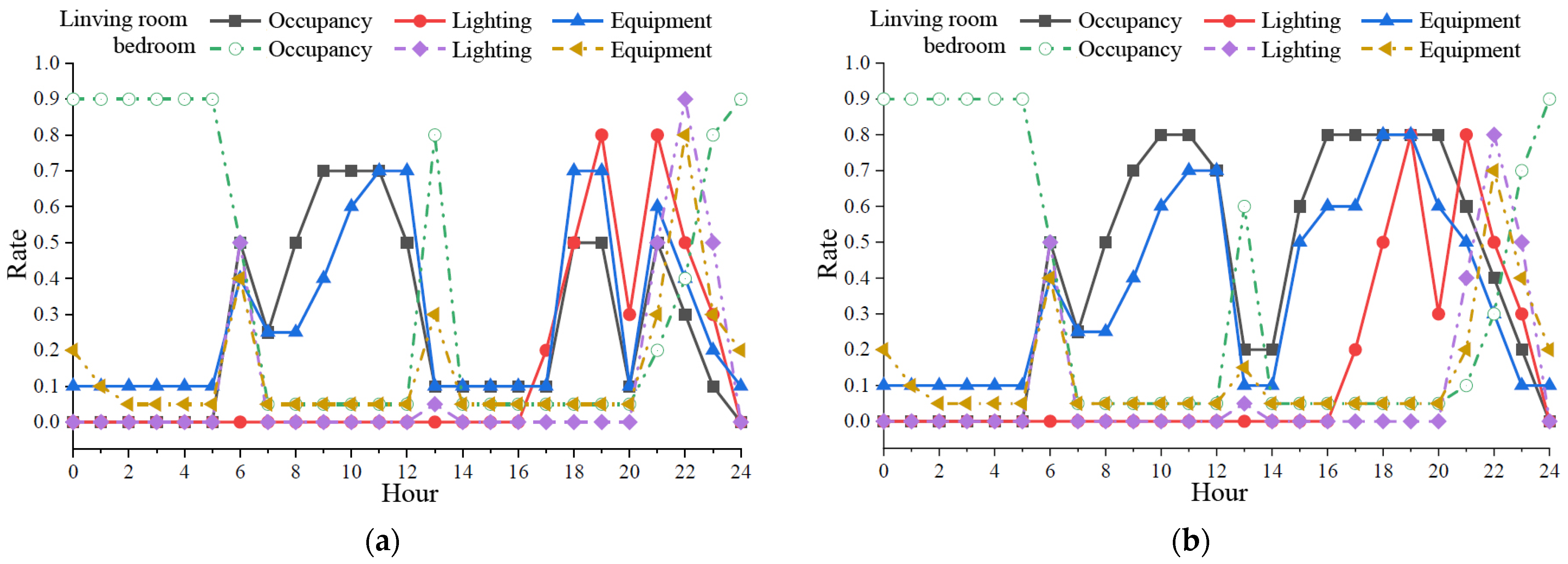
Figure A2.
Occupancy schedule for household type F2: (a) weekday schedule; (b) weekend schedule.
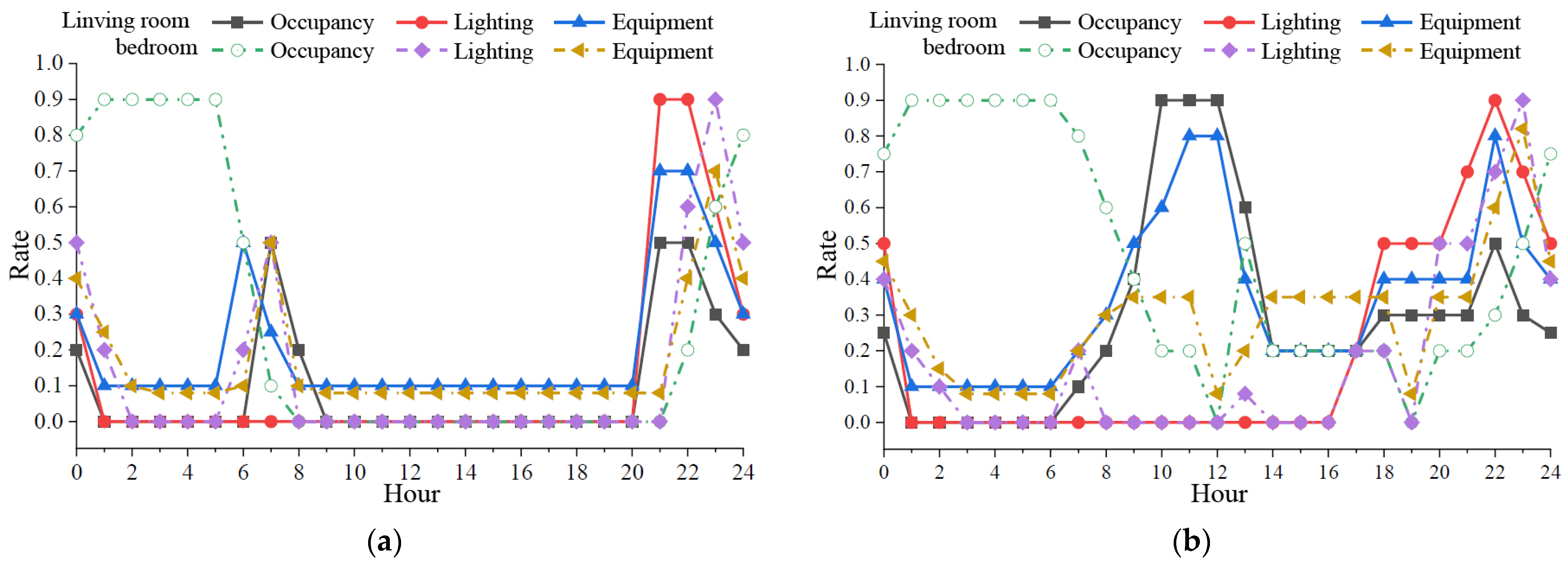
Figure A3.
Occupancy schedule for household type F3: (a) weekday schedule; (b) weekend schedule.
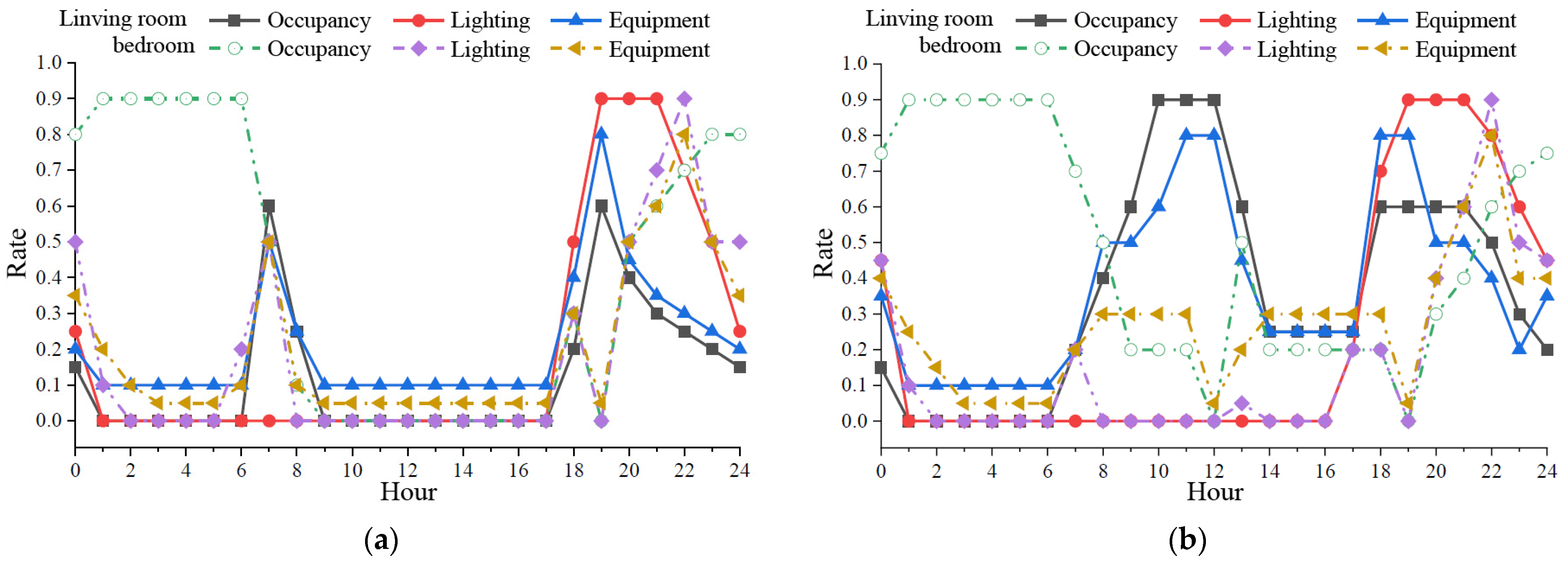
Figure A4.
Occupancy schedule for household type F4: (a) weekday schedule; (b) weekend schedule.
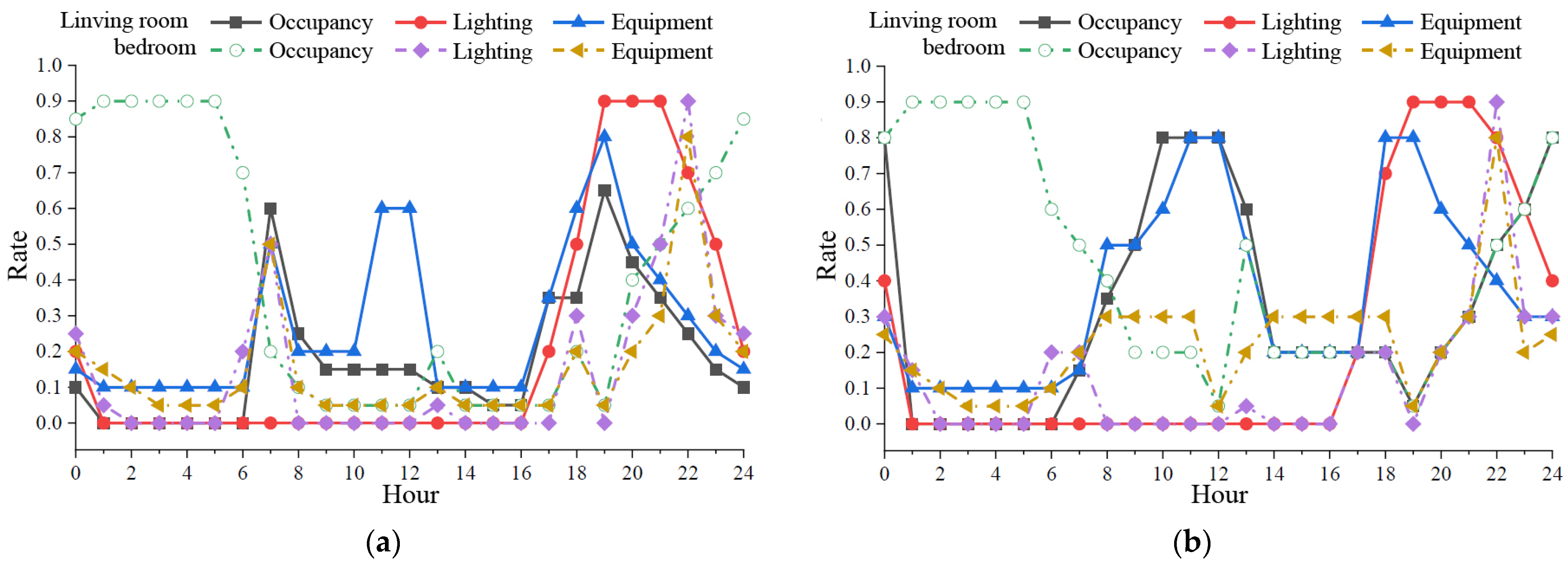
Figure A5.
Deterministic sensitivity results around the main scenario, including growth, retirement, retrofit, new-build timing, grid-factor decline, and EUI perturbation cases. (a) Guangdong; (b) Guangxi; (c) Fujian; (d) Hainan.
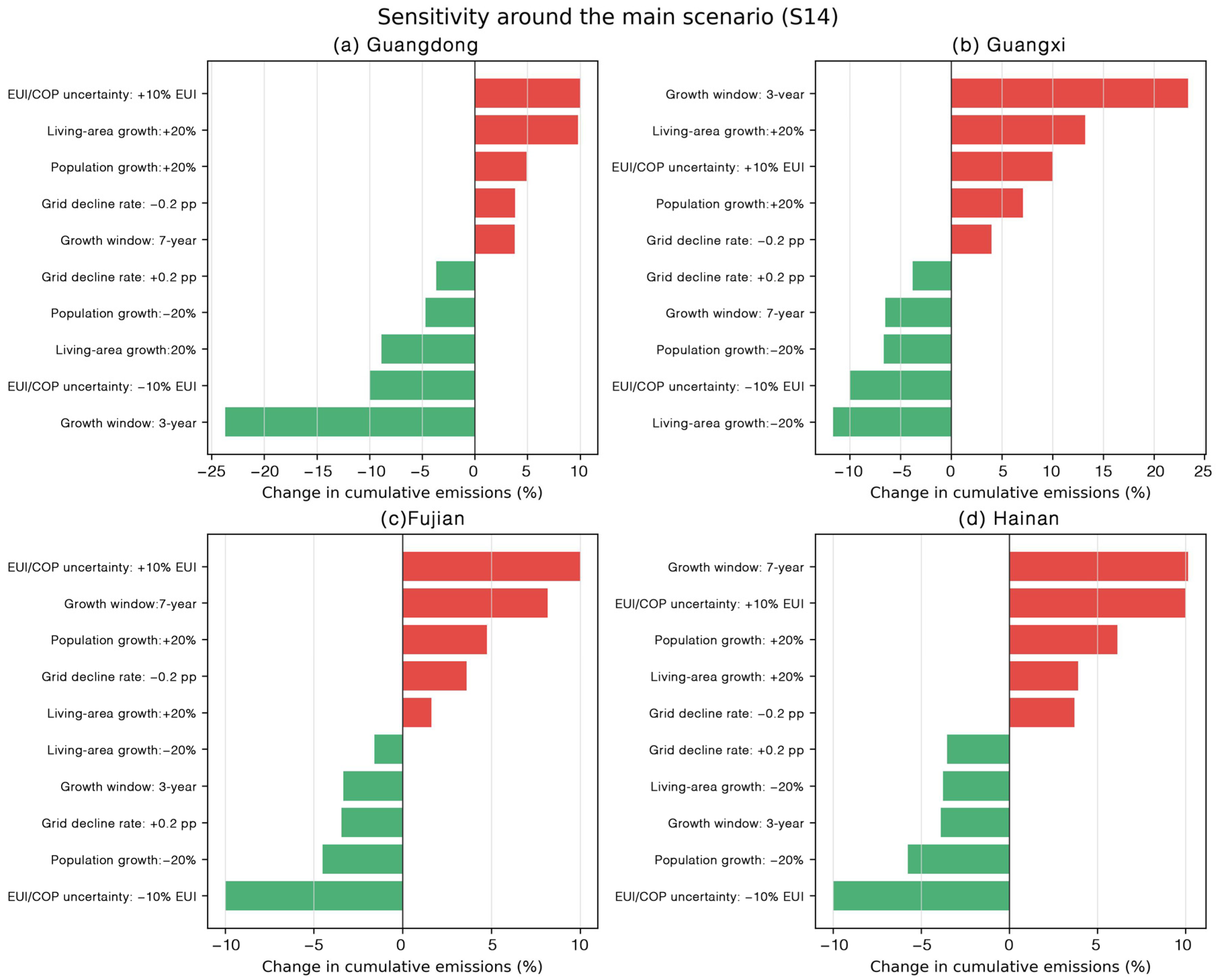
Figure A6.
Archetype-derived total EUI, cooling EUI, and cooling-share summary for baseline and nearly zero-energy envelope conditions.
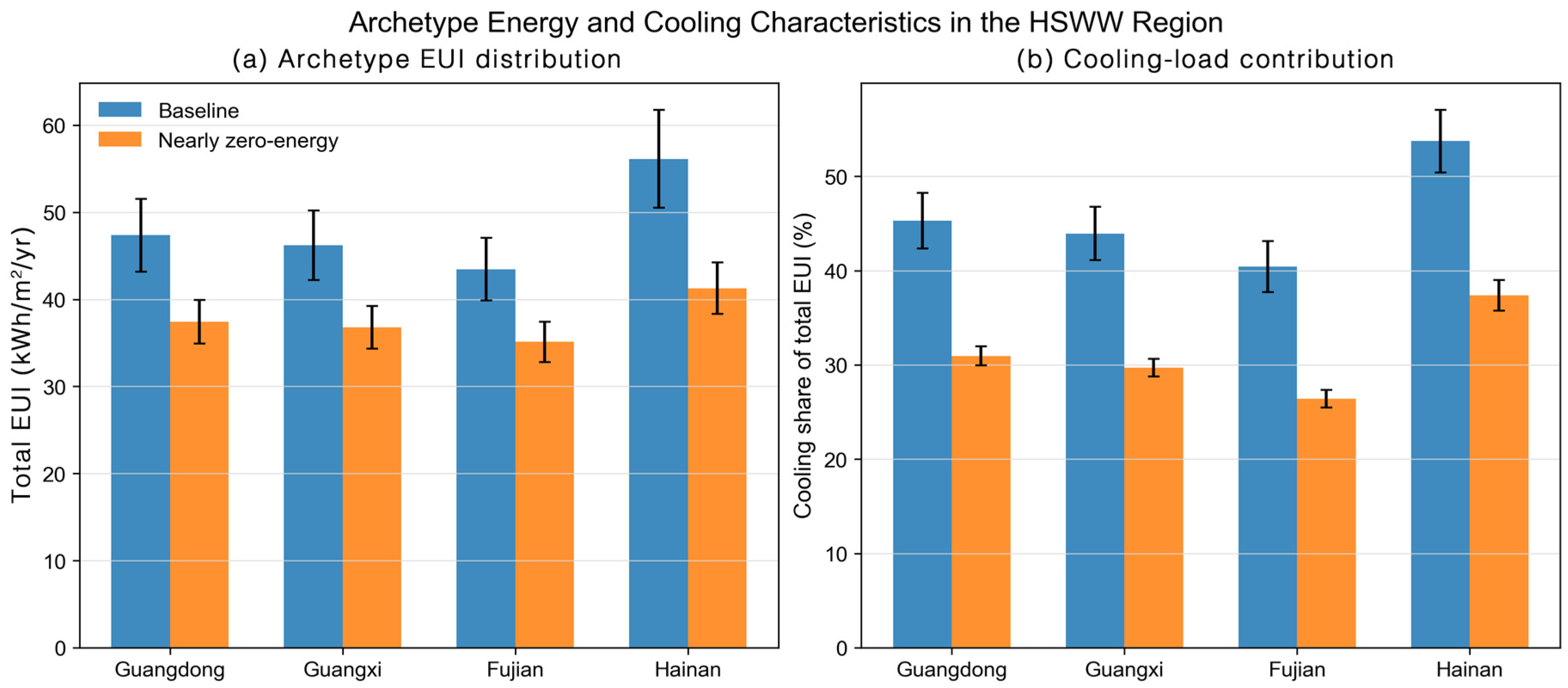
Table A1.
Household type for typical residential buildings.
The observed household-electricity comparison should be read as an external plausibility check rather than as a strict validation against the same boundary. The available observations are total residential household electricity statistics, whereas the model represents urban residential building operational electricity-related demand derived from simulated EUI and stock area. The comparison nevertheless provides a useful scale check. Fujian agrees closely with the observed values in 2023 and 2024, with differences of +0.5% and −2.9%, respectively. The model is higher than the observed household statistics in Guangdong (+25.0% in 2024), Guangxi (+35.5% in 2023 and +36.0% in 2024), and Hainan (+50.3% in 2022 and +34.7% in 2023). These differences indicate that the model results are more reliable for comparing pathway effects and provincial orders of magnitude than for reproducing metered household-electricity totals exactly. The larger positive differences in Guangdong, Guangxi, and Hainan are likely related to boundary mismatches between reported household-electricity totals and the modeled urban building-performance demand, the absence of province-specific archetype floor-area weights, and uncertainty in translating simulated EUI to the full provincial housing stock.
Table A2.
Plausibility check against observed provincial residential electricity statistics.
References
- Casals-Francas, L.; Gangolells, M.; Casals, M. From vision to action: Boosting building stock decarbonization. Energy Build. 2025, 338, 115692. [Google Scholar] [CrossRef] [Scilit]
- Zhou, W.; Moncaster, A.; Reiner, D.M.; Guthrie, P. Developing a generic System Dynamics model for building stock transformation towards energy efficiency and low-carbon development. Energy Build. 2020, 224, 110246. [Google Scholar] [CrossRef] [Scilit]
- Yang, X.; Hu, M.; Tukker, A.; Zhang, C.; Huo, T.; Steubing, B. A bottom-up dynamic building stock model for residential energy transition: A case study for the Netherlands. Appl. Energy 2022, 306, 118060. [Google Scholar] [CrossRef] [Scilit]
- Yan, R.; Xiang, X.; Cai, W.; Ma, M. Decarbonizing residential buildings in the developing world: Historical cases from China. Sci. Total Environ. 2022, 847, 157679. [Google Scholar] [CrossRef] [Scilit] [PubMed]
- Lou, S.; Huang, Y.; Zou, Y.; Xia, D. Mapping the mismatch between building and population growth: A global study of 1,700 cities. iScience 2025, 28, 113289. [Google Scholar] [CrossRef] [Scilit]
- Xiang, X.; Zhou, N.; Ma, M.; Feng, W.; Yan, R. Global transition of operational carbon in residential buildings since the millennium. Adv. Appl. Energy 2023, 11, 100145. [Google Scholar] [CrossRef] [Scilit]
- Huang, R.; Zhang, X.; Liu, K. Assessment of operational carbon emissions for residential buildings comparing different machine learning approaches: A study of 34 cities in China. Build. Environ. 2024, 250, 111176. [Google Scholar] [CrossRef] [Scilit]
- Chen, C.; Bi, L. Study on spatio-temporal changes and driving factors of carbon emissions at the building operation stage-A case study of China. Build. Environ. 2022, 219, 109147. [Google Scholar] [CrossRef] [Scilit]
- Niu, M.; Ji, Y.; Zhao, M.; Gu, J.; Li, A. A study on carbon emission calculation in operation stage of residential buildings based on micro electricity usage behavior: Three case studies in China. Build. Simul. 2024, 17, 147–164. [Google Scholar] [CrossRef] [Scilit]
- Liang, Y.; Yu, C.; Pan, W. Energy efficiency, renewables, and electrification contribute to decarbonising the operation of residential building stock in Hong Kong. Energy Build. 2025, 116520. [Google Scholar] [CrossRef] [Scilit]
- Li, Y.; You, K.; Cai, W. Lock-in effect of infrastructures metabolism in China’s residential centralized heating: View from consumption and production end. Sustain. Cities Soc. 2025, 119, 106067. [Google Scholar] [CrossRef] [Scilit]
- You, K.; Li, Y.; Feng, W.; Cai, W.; Ma, M. A provincial analysis of centralized heating systems decarbonization in China’s residential sector: History and future. Sustain. Cities Soc. 2024, 104, 105306. [Google Scholar] [CrossRef] [Scilit]
- Zou, Y.; Ren, S.; Wu, Z.; Yao, L.; Lou, S.; Li, H.; Huang, Y.; Lin, J. Evaluating the impact of urban climate on building energy: Discrepancies during the hottest period in a subtropical city. Energy 2025, 341, 139431. [Google Scholar] [CrossRef] [Scilit]
- Xie, W.; Yao, L.; Xia, D.; Zou, Y.; Lou, S.; Yang, L. Occupant behavior and building type jointly shape indoor heat stress in Guangzhou urban villages. Build. Environ. 2026, 296, 114505. [Google Scholar] [CrossRef] [Scilit]
- Xia, D.; Wu, Z.; Zou, Y.; Chen, R.; Lou, S. Developing a bottom-up approach to assess energy challenges in urban residential buildings of China. Front. Archit. Res. 2025, 14, 1810–1833. [Google Scholar] [CrossRef] [Scilit]
- Su, X.; Tian, S.; Shao, X.; Zhao, X. Embodied and operational energy and carbon emissions of passive building in HSCW zone in China: A case study. Energy Build. 2020, 222, 110090. [Google Scholar] [CrossRef] [Scilit]
- Huo, T.; Du, Q.; Qiao, Y.; Cai, W.; Cai, Y. Exploring the dynamic evolutionary trajectories for urban residential building carbon emissions toward 2060: Evidence from the HSCW zone in China. J. Clean. Prod. 2024, 457, 142310. [Google Scholar] [CrossRef] [Scilit]
- Wu, K.; Li, Y.; Wu, Z. Energy Efficiency Retrofit for Existing Residential Buildings in China’s HSCW Zone in Multiple Scenarios: Energy Economic Analysis. J. Archit. Eng. 2025, 31, 5024011. [Google Scholar] [CrossRef] [Scilit]
- Wang, M.; Li, Q.; Wang, F.; Yuan, Z.; Wang, L.; Zhou, X. Residential indoor thermal environment investigation and analysis on energy saving of air conditioning in hot summer and warm winter zone in China. Urban Clim. 2023, 47, 101369. [Google Scholar] [CrossRef] [Scilit]
- Ke, Z.; Liu, X.; Zhang, H.; Jia, X.; Zeng, W.; Yan, J.; Hu, H.; Hien, W.N. Energy consumption and carbon emissions of nearly zero-energy buildings in hot summer and cold winter zones of China. Sustainability 2023, 15, 11453. [Google Scholar] [CrossRef] [Scilit]
- Wang, X.; Yuan, J.; You, K.; Ma, X.; Li, Z. Using real building energy use data to explain the energy performance gap of energy-efficient residential buildings: A case study from the hot summer and cold winter zone in China. Sustainability 2023, 15, 1575. [Google Scholar] [CrossRef] [Scilit]
- Zhou, P.; Wang, H.; Li, F.; Dai, Y.; Huang, C. Development of window opening models for residential building in hot summer and cold winter climate zone of China. Energy Built Environ. 2022, 3, 363–372. [Google Scholar] [CrossRef] [Scilit]
- Jiang, H.; Yao, R.; Han, S.; Du, C.; Yu, W.; Chen, S.; Li, B.; Yu, H.; Li, N.; Peng, J. How do urban residents use energy for winter heating at home? A large-scale survey in the hot summer and cold winter climate zone in the Yangtze River region. Energy Build. 2020, 223, 110131. [Google Scholar] [CrossRef] [Scilit]
- Chen, R.; Ren, S.; Lin, J.; Zou, Y.; Xu, Q.; Zhang, W.; Samuelson, H. Urban Heat on the Move: How Functional Zoning and Shifting Populations Intensify Day–Night Exposure Hotspots. Sustain. Cities Soc. 2026, 145, 107471. [Google Scholar] [CrossRef] [Scilit]
- Wang, Z.; Shen, H.; Deng, G.; Liu, X.; Wang, D. Measured performance of energy efficiency measures for zero-energy retrofitting in residential buildings. J. Build. Eng. 2024, 91, 109545. [Google Scholar] [CrossRef] [Scilit]
- Kamel, E.; Memari, A.M. Residential building envelope energy retrofit methods, simulation tools, and example projects: A review of the literature. Buildings 2022, 12, 954. [Google Scholar] [CrossRef] [Scilit]
- Wang, Z.; Liu, X.; Deng, G.; Shen, H.; Xu, Z. A framework for retrofitting existing houses to nearly zero energy buildings: Development and a real-life case study. Energy Build. 2021, 252, 111438. [Google Scholar] [CrossRef] [Scilit]
- Huang, J.; Wang, S.; Teng, F.; Feng, W. Thermal performance optimization of envelope in the energy-saving renovation of existing residential buildings. Energy Build. 2021, 247, 111103. [Google Scholar] [CrossRef] [Scilit]
- Wu, D.; Zhang, T.; Zhang, J.; Yue, C.; Lu, J.; Zhang, Y.; Fu, M. Uncertainty analysis of envelope retrofits for existing residential buildings in underdeveloped areas: A case study of Daokou, China. Energy Build. 2023, 284, 112828. [Google Scholar] [CrossRef] [Scilit]
- Walker, L.; Hischier, I.; Schlueter, A. Does context matter? Robust building retrofit decision-making for decarbonization across Europe. Build. Environ. 2022, 226, 109666. [Google Scholar] [CrossRef] [Scilit]
- Zhang, S.; Fu, Y.; Yang, X.; Xu, W. Assessment of mid-to-long term energy saving impacts of nearly zero energy building incentive policies in cold region of China. Energy Build. 2021, 241, 110938. [Google Scholar] [CrossRef] [Scilit]
- Meng, X.; Meng, Y.; Nunoshige, J. Theoretical energy-saving potential assessment of an office building renovated to comply with GB 55015-2021 across three China climate zones. In Building Simulation 2025; IBPSA: Toronto, ON, Canada, 2025. [Google Scholar]
- Chang, H.; Hou, Y.; Lee, I.; Liu, T.; Acharya, T.D. Feasibility study and passive design of nearly zero energy building on rural houses in Xi’an, China. Buildings 2022, 12, 341. [Google Scholar] [CrossRef] [Scilit]
- Echenagucia, T.M.; Moroseos, T.; Meek, C. On the tradeoffs between embodied and operational carbon in building envelope design: The impact of local climates and energy grids. Energy Build. 2023, 278, 112589. [Google Scholar] [CrossRef] [Scilit]
- Hamida, A.; Alsudairi, A.; Alshaibani, K.; Alshamrani, O. Parametric study of the impact of building envelope systems on embodied and operational carbon of residential buildings. Int. J. Build. Pathol. Adapt. 2022, 40, 753–774. [Google Scholar] [CrossRef] [Scilit]
- An, J.; Wu, Y.; Gui, C.; Yan, D. Chinese prototype building models for simulating the energy performance of the nationwide building stock. Build. Simul. 2023, 16, 1559–1582. [Google Scholar] [CrossRef] [Scilit]
- Deng, Z.; Chen, Y.; Yang, J.; Chen, Z. Archetype identification and urban building energy modeling for city-scale buildings based on GIS datasets. Build. Simul. 2022, 15, 1547–1559. [Google Scholar] [CrossRef] [Scilit]
- Zhang, N.; Luo, Z.; Liu, Y.; Feng, W.; Zhou, N.; Yang, L. Towards low-carbon cities through building-stock-level carbon emission analysis: A calculating and mapping method. Sustain. Cities Soc. 2022, 78, 103633. [Google Scholar] [CrossRef] [Scilit]
- Shen, L.; Wang, L.; Yang, Q.; Ma, M. High-resolution mapping of urban residential building stock using multisource geographic data. Buildings 2024, 14, 1266. [Google Scholar] [CrossRef] [Scilit]
- Zou, Y.; Chen, Z.; Lou, S.; Huang, Y.; Xia, D.; Cao, Y.; Li, H.; Lun, I.Y.F. Accelerating long-term building energy performance simulation with a reference day method. Build. Simul. 2024, 17, 2331–2353. [Google Scholar] [CrossRef] [Scilit]
- Fan, C.; Liu, R.; Liao, Y. Archetype identification and energy consumption prediction for old residential buildings based on multi-source datasets. Buildings 2025, 15, 2573. [Google Scholar] [CrossRef] [Scilit]
- Hossain, M.U.; Cicco, I.; Bilec, M.M. Advancing urban building energy modeling: Building energy simulations for three commercial building stocks through archetype development. Buildings 2024, 14, 1241. [Google Scholar] [CrossRef] [Scilit]
- Chen, Y.; Wei, W.; Song, C.; Ren, Z.; Deng, Z. Rapid building energy modeling using prototype model and automatic model calibration for retrofit analysis with uncertainty. Buildings 2023, 13, 1427. [Google Scholar] [CrossRef] [Scilit]
- Zou, Y.; Xie, W.; Lou, S.; Huang, Y.; Xia, D.; Yang, X.; Feng, C. Prediction model establishment for residential community occupancy considering urban environment. J. Build. Eng. 2024, 96, 110463. [Google Scholar] [CrossRef] [Scilit]
- Ma, Y.; Deng, W.; Xie, J.; Heath, T.; Ezeh, C.I.; Hong, Y.; Zhang, H. A macro-scale optimisation of zero-energy design schemes for residential buildings based on building archetypes. Sol. Energy 2023, 257, 196–209. [Google Scholar] [CrossRef] [Scilit]
- Hepf, C.; Bausch, K.; Lauss, L.; Koth, S.C.; Auer, T. Impact of dynamic emission factors of the German electricity mix on the greenhouse gas balance in building operation. Buildings 2022, 12, 2215. [Google Scholar] [CrossRef] [Scilit]
- Lou, Y.; Ye, Y.; Yang, Y.; Zuo, W. Long-term carbon emission reduction potential of building retrofits with dynamically changing electricity emission factors. Build. Environ. 2022, 210, 108683. [Google Scholar] [CrossRef] [Scilit]
- Chen, R.; Xu, P.; Chen, L.; Yao, H. Did electrification of the building sector achieve carbon mitigation? A provincial retrospection in China. Build. Environ. 2024, 248, 111084. [Google Scholar] [CrossRef] [Scilit]
- Zhong, Y.; Li, R.; Cai, W. Coordinating building electrification with regional grid decarbonization: Comparison of carbon emissions of different scheduling strategies. Energy 2024, 303, 131942. [Google Scholar] [CrossRef] [Scilit]
- Wang, T.; Ma, M.; Zhou, N.; Ma, Z. Toward net zero: Assessing the decarbonization impact of global commercial building electrification. Appl. Energy 2025, 383, 125287. [Google Scholar] [CrossRef] [Scilit]
- Bu, L.; Chen, X.; Gan, L.; Yu, K.; Zhou, Y.; Cao, J.; Cao, Y. Low-carbon operation method of the building based on dynamic carbon emission factor of power system. IET Smart Grid 2023, 6, 67–85. [Google Scholar] [CrossRef] [Scilit]
- Holzapfel, P.; Bunsen, J.; Schmidt-Sierra, I.; Bach, V.; Finkbeiner, M. Replacing location-based electricity consumption with market-based residual mixes in background data to avoid possible double counting: A quantitative analysis of effects and challenges. Int. J. Life Cycle Assess. 2024, 29, 1279–1289. [Google Scholar] [CrossRef] [Scilit]
- Vader, N. Operational carbon emission factor literature review. In 2022 Building Performance Analysis Conference and SimBuild; ASHRAE/IBPSA-USA: Chicago, IL, USA, 2022; pp. 298–308. [Google Scholar]
- Soares, I.V.; Yarime, M.; Klemun, M.M. Estimating GHG emissions from cloud computing: Sources of inaccuracy, opportunities and challenges in location-based and use-based approaches. Clim. Policy 2025, 25, 1335–1353. [Google Scholar] [CrossRef] [Scilit]
- Mao, H.; Meng, Q.; Li, S.; Qi, Q.; Wang, S.; Wang, J. Cooling effects of a mist-spraying system on ethylene tetrafluoroethylene cushion roofs in hot-humid areas: A case study in Guangzhou, China. Sustain. Cities Soc. 2021, 74, 103211. [Google Scholar] [CrossRef] [Scilit]
- Yang, Q.; Xu, F.; Lu, W.; Yang, Z.; Bai, Y.; Wen, B. Green renovation and multi-objective optimization of Tibetan courtyard dwellings. Build. Environ. 2025, 279, 113071. [Google Scholar] [CrossRef] [Scilit]
- Yang, Q.; Lu, W.; Xu, F.; Luo, X.; Wen, B. A passive strategy for energy-saving retrofitting of courtyard dwellings and its climatic adaptability. Energy Build. 2025, 352, 116811. [Google Scholar] [CrossRef] [Scilit]
- Xu, S.; Guo, F.; Zhu, P.; Zhang, H.; Li, W.; Miao, S.; Zhao, J.; Dong, J. Winter–summer trade-offs and spatial heterogeneity of the urban thermal environment in a cold coastal city: A Local Climate Zone–based in. Build. Environ. 2025, 290, 114130. [Google Scholar] [CrossRef] [Scilit]
- Xu, S.; Guo, F.; Zhu, P.; Miao, S.; Li, W.; Zhao, J.; Xiong, X.; Zhang, H.; Dong, J. Thermal environment disparities and adaptive mechanisms in wintertime cold coastal cities: An empirical study based on Local Climate Zones. Sustain. Cities Soc. 2025, 130, 106605. [Google Scholar] [CrossRef] [Scilit]
- Guo, F.; Fan, G.; Zhao, J.; Zhang, H.; Dong, J.; Ma, H.; Li, N. Urban heat health risk inequality and its drivers based on local climate zones: A case study of Qingdao, China. Build. Environ. 2025, 275, 112827. [Google Scholar] [CrossRef] [Scilit]
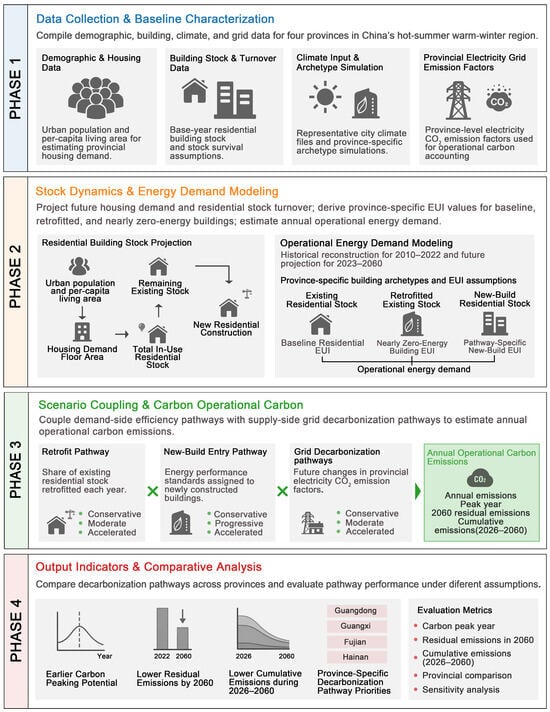
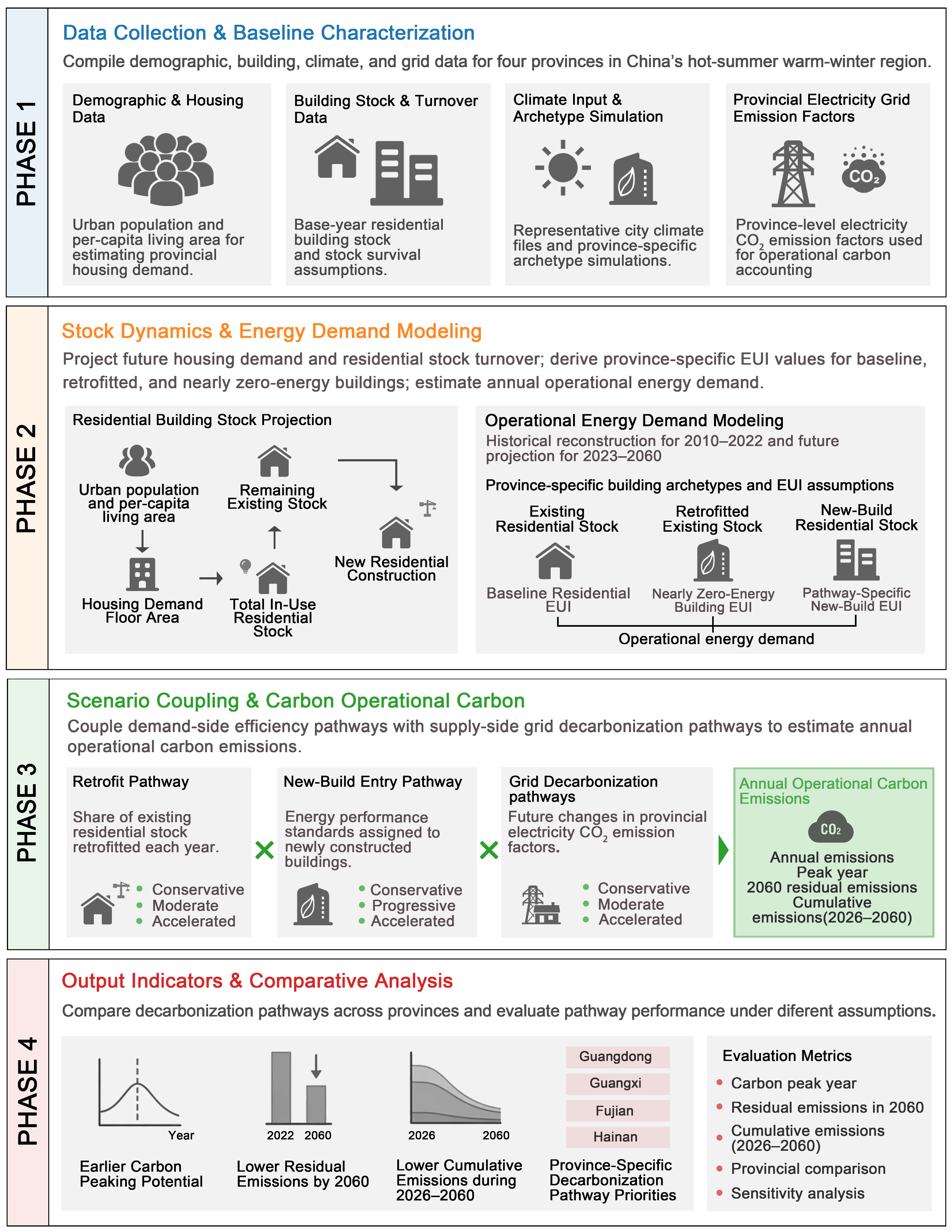
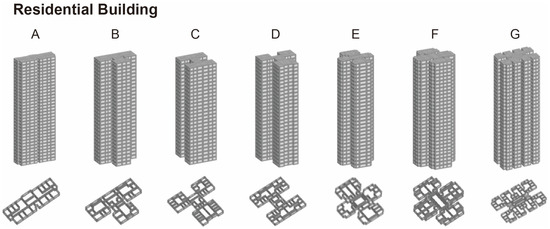
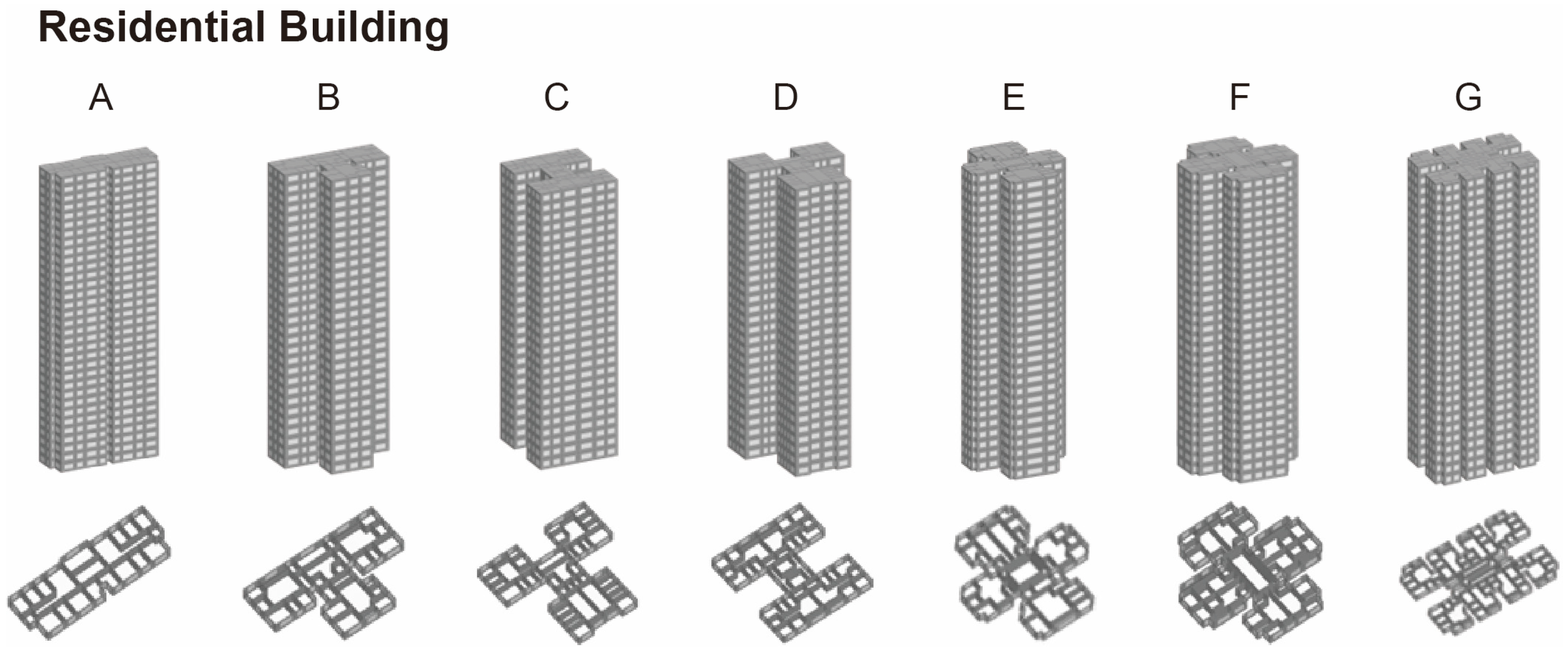
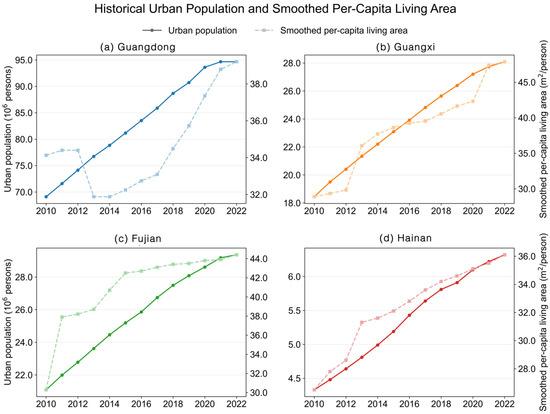
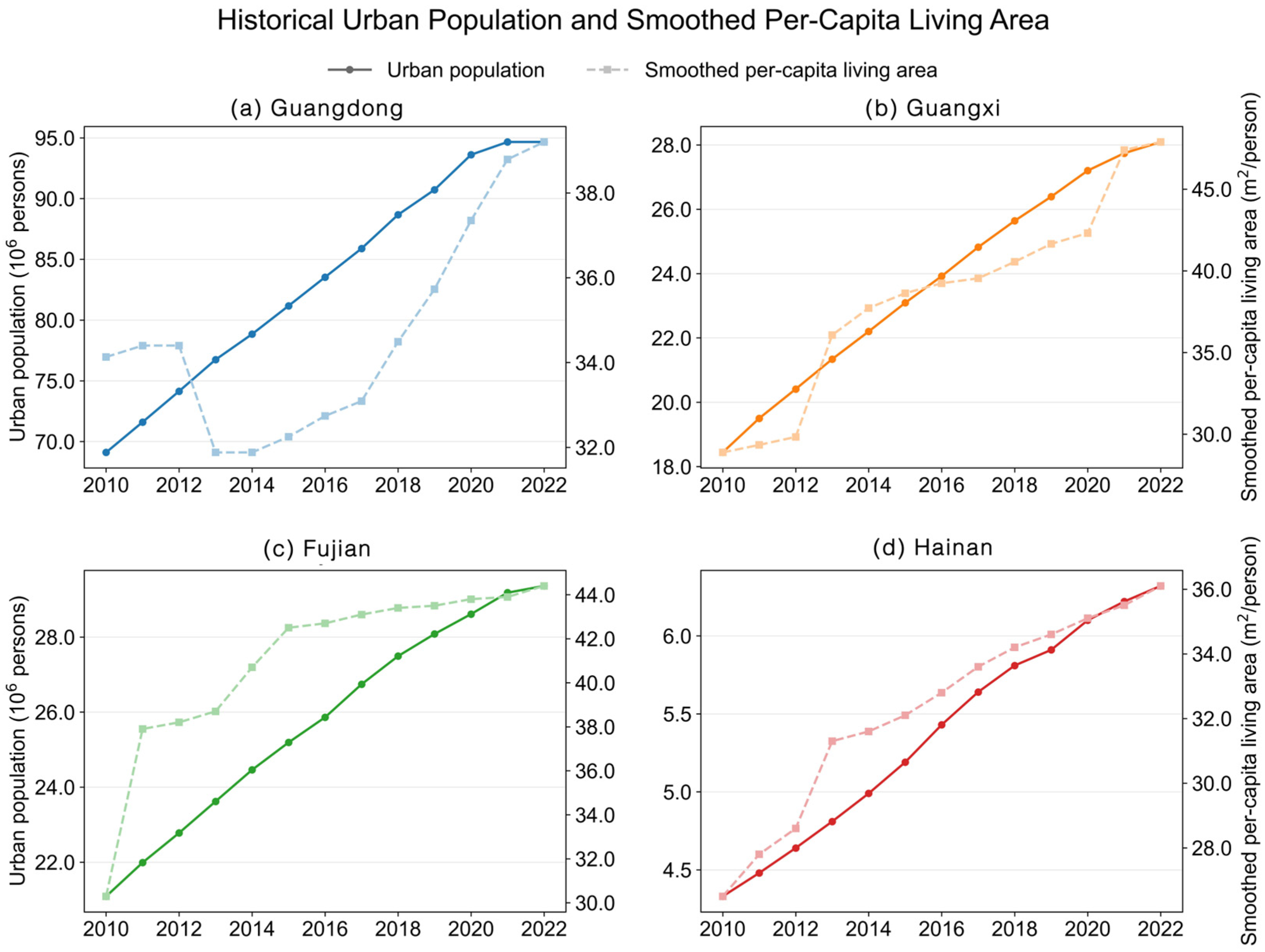
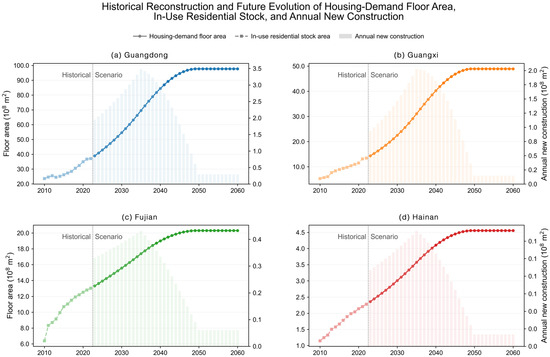
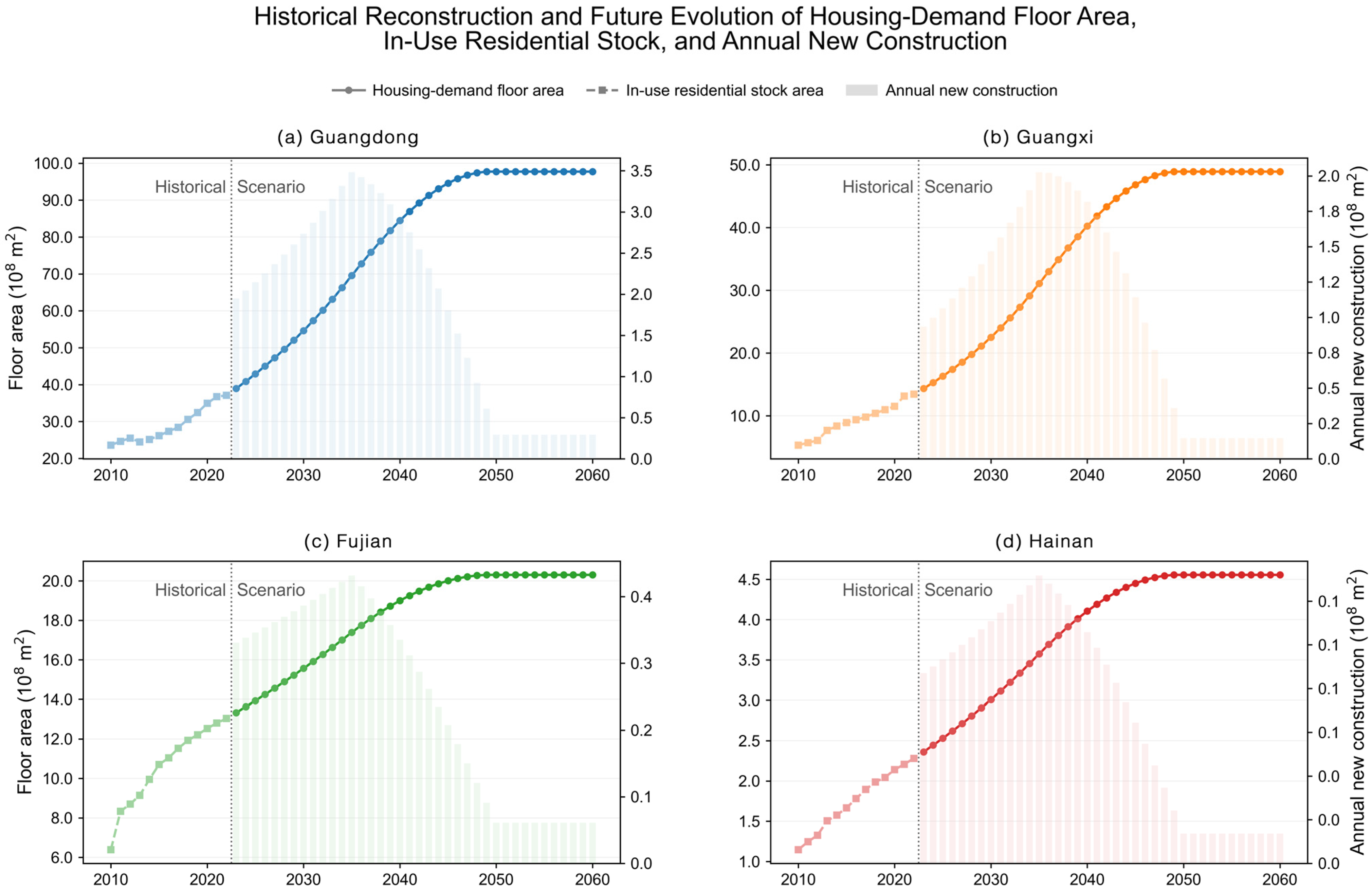
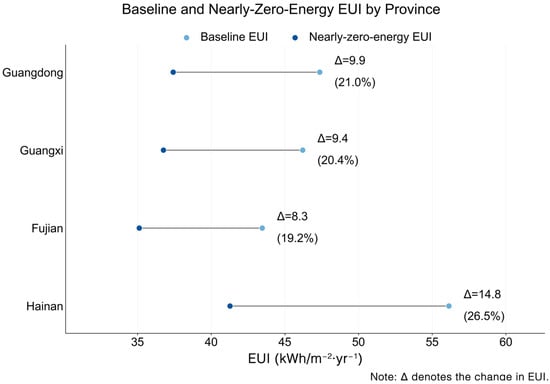
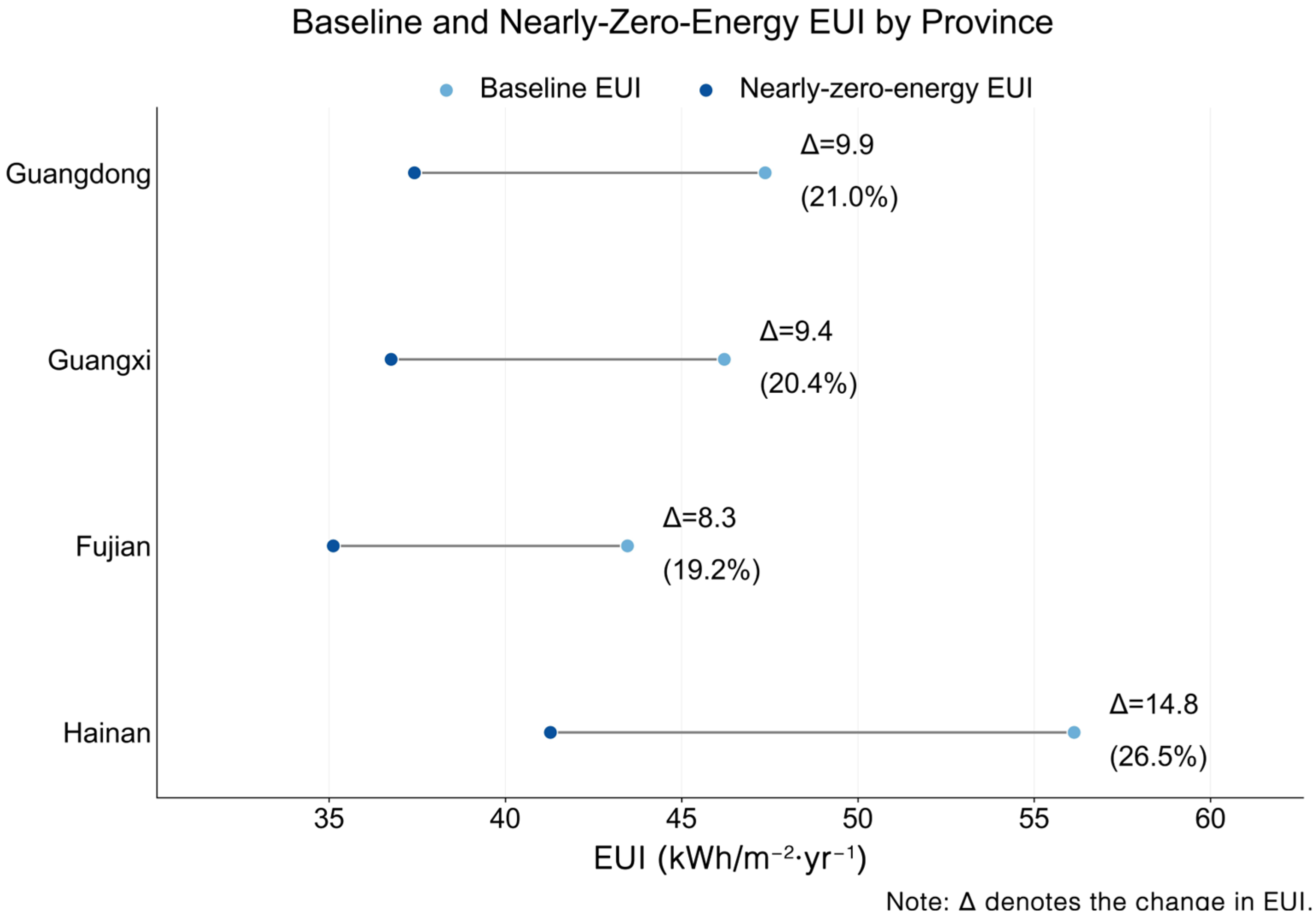
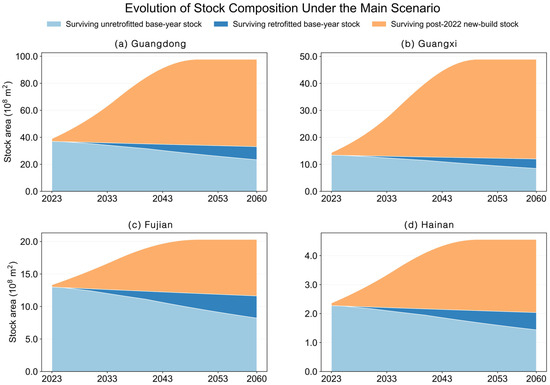
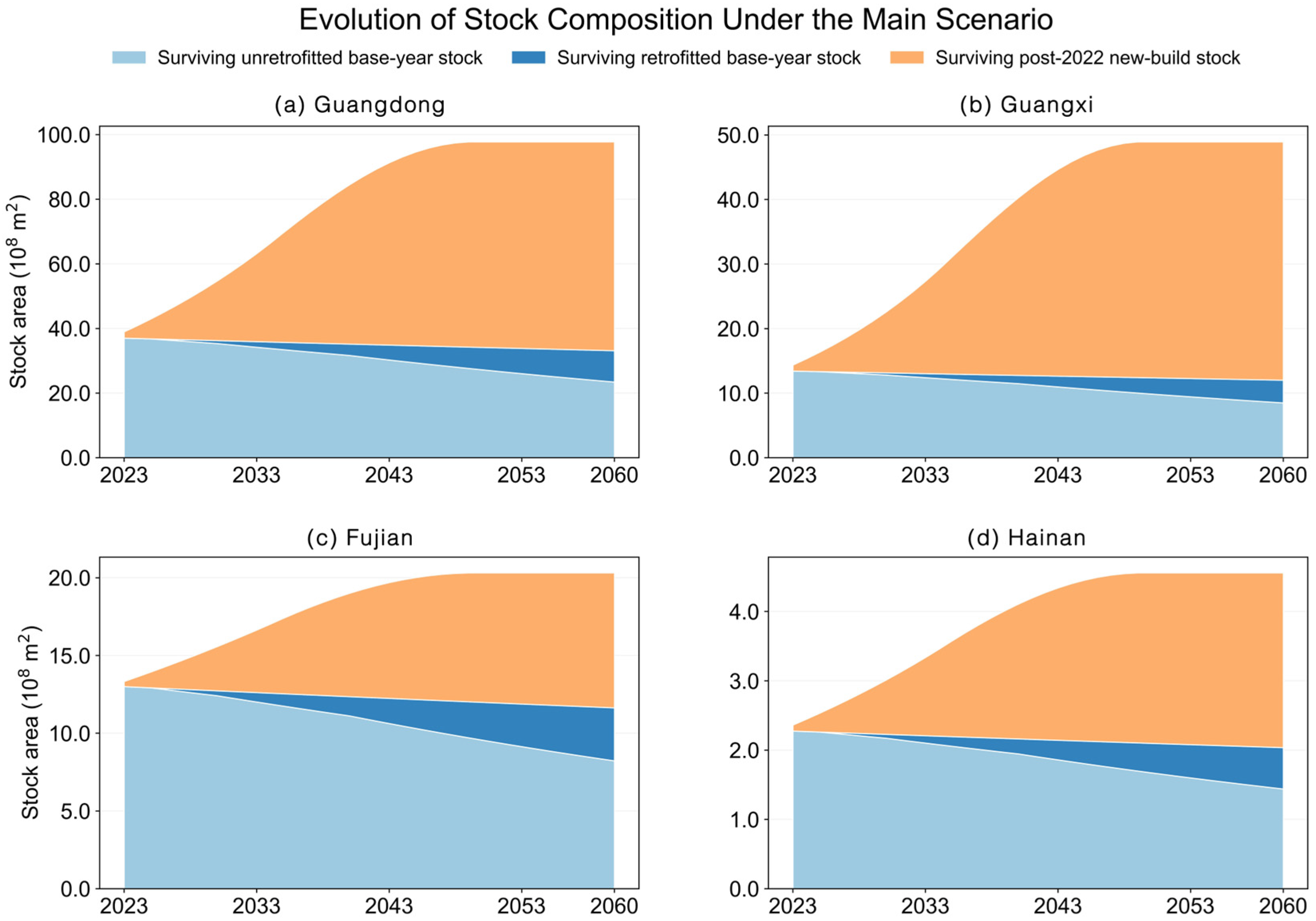
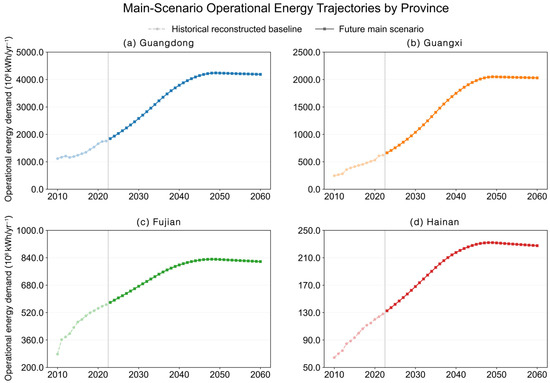
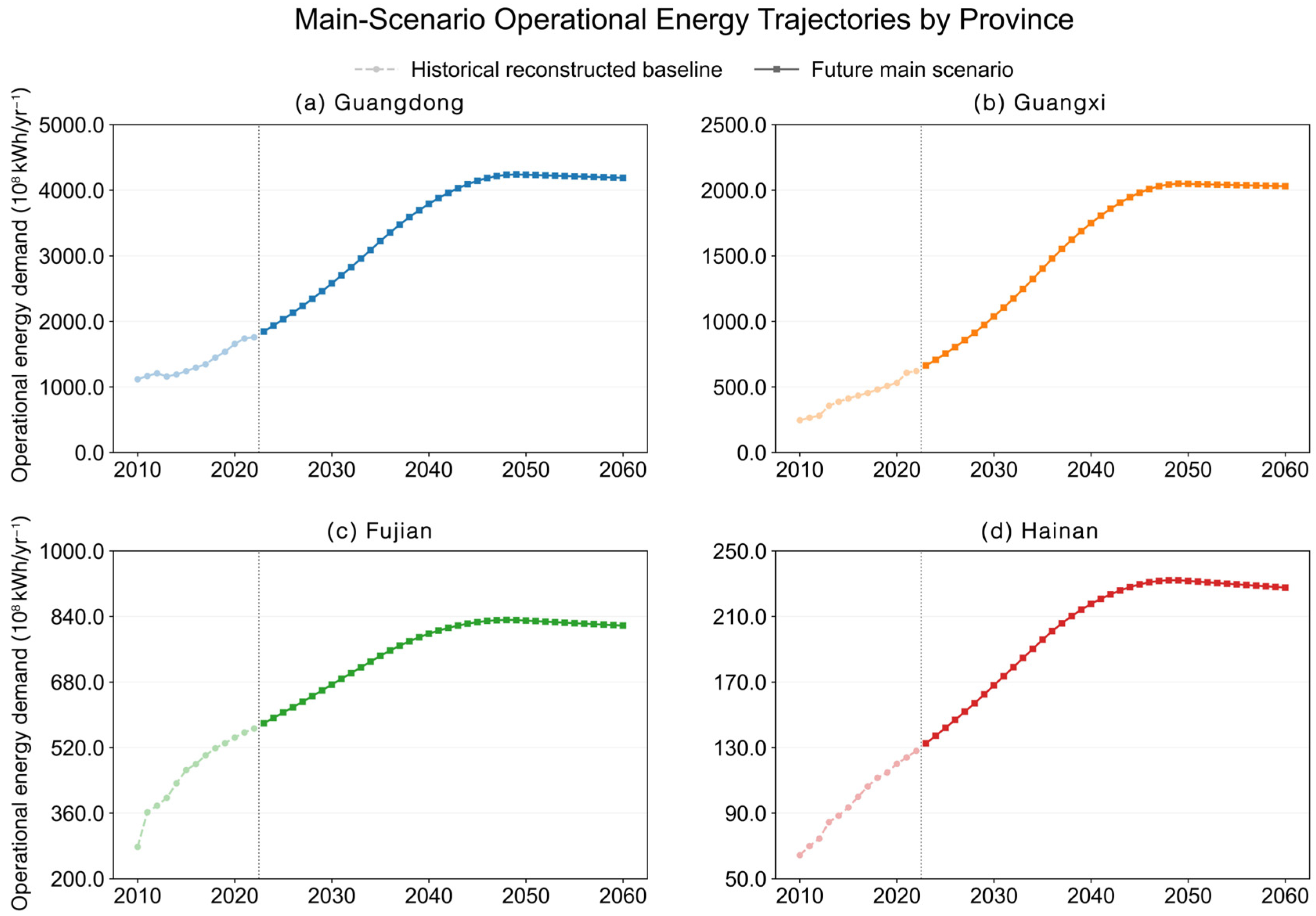
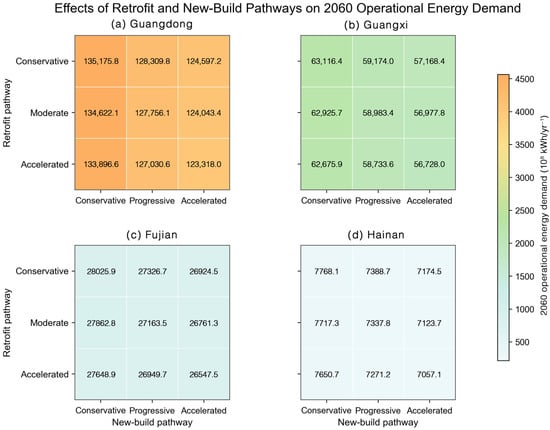
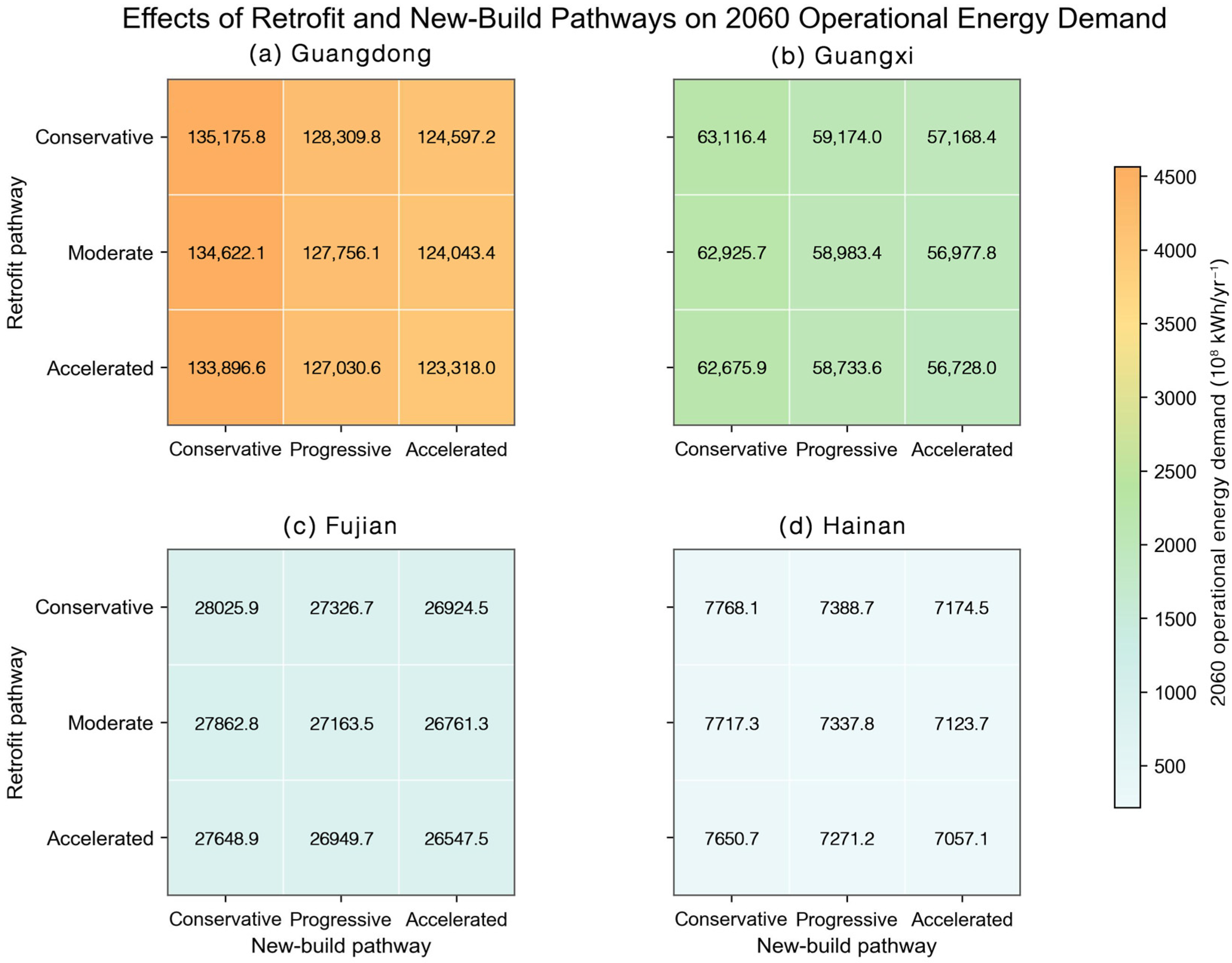
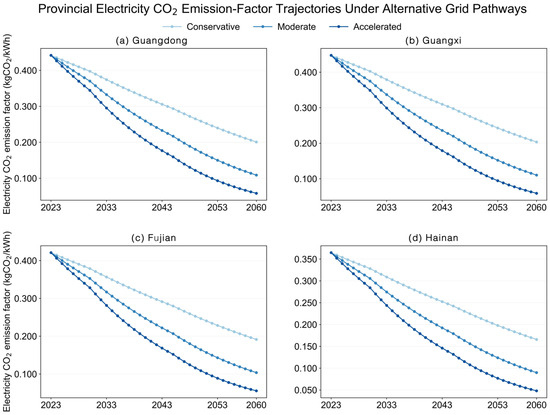
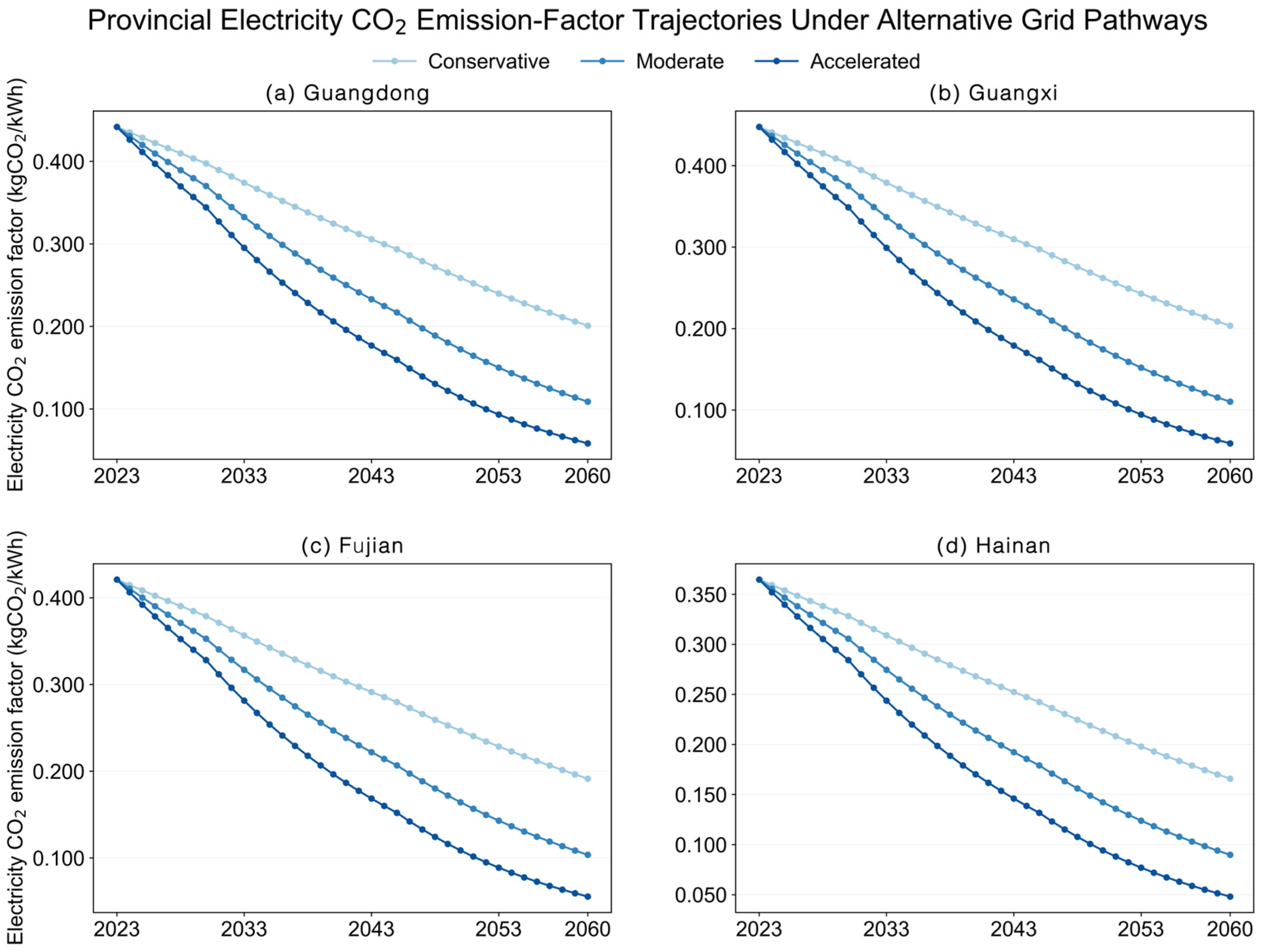
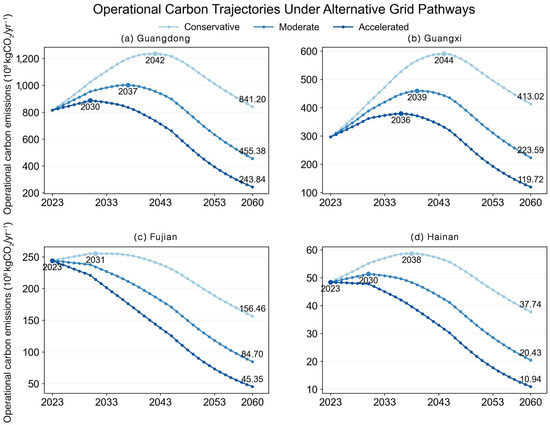
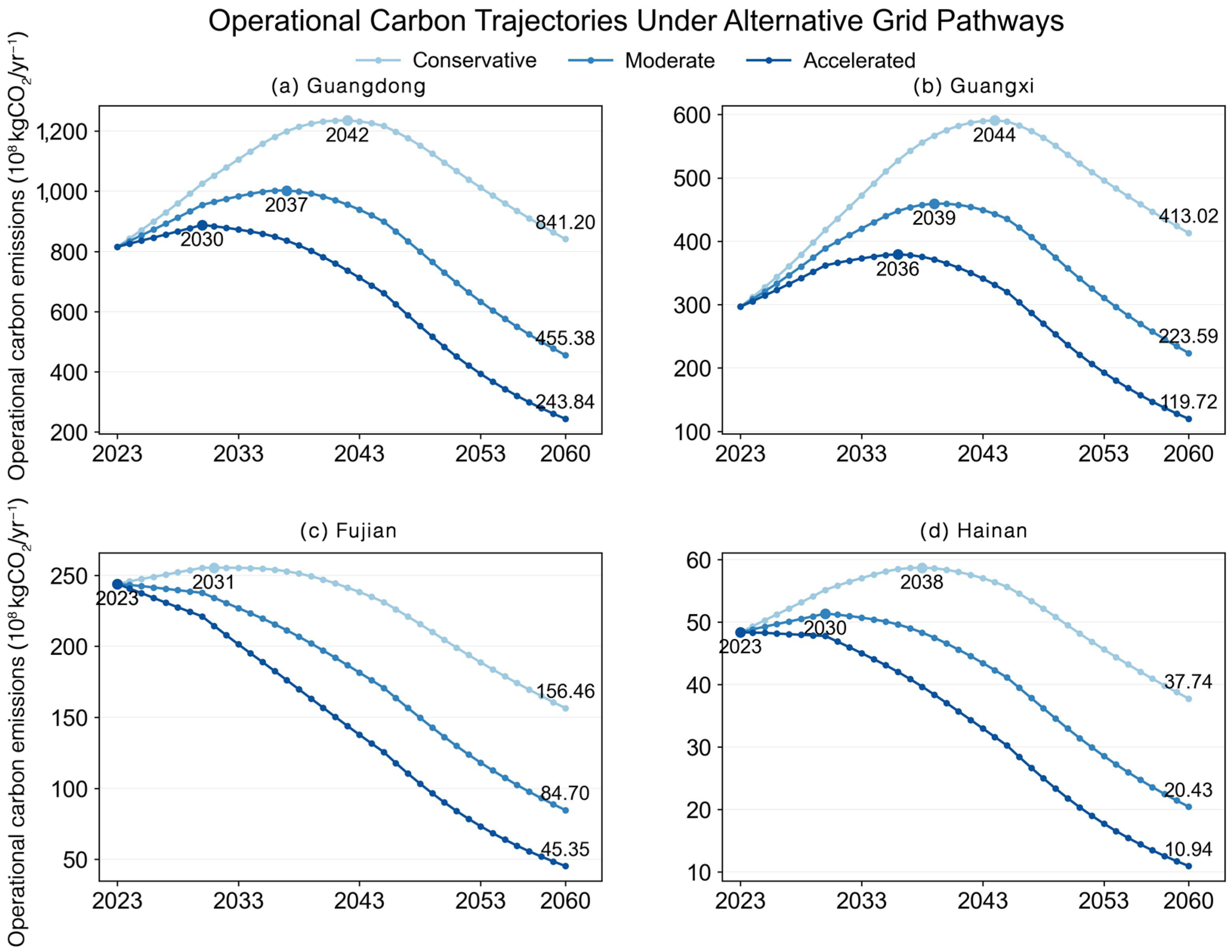
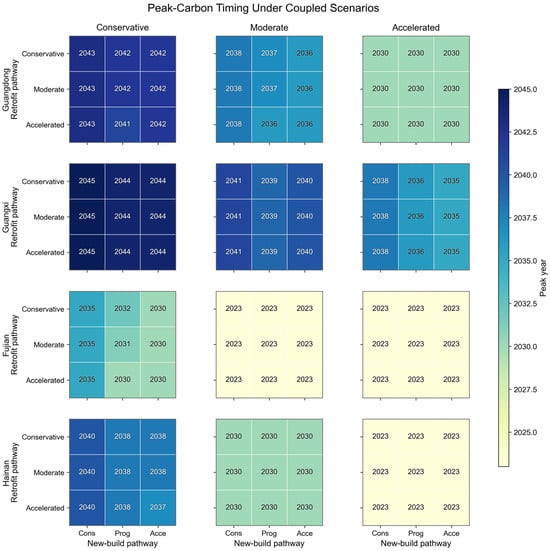
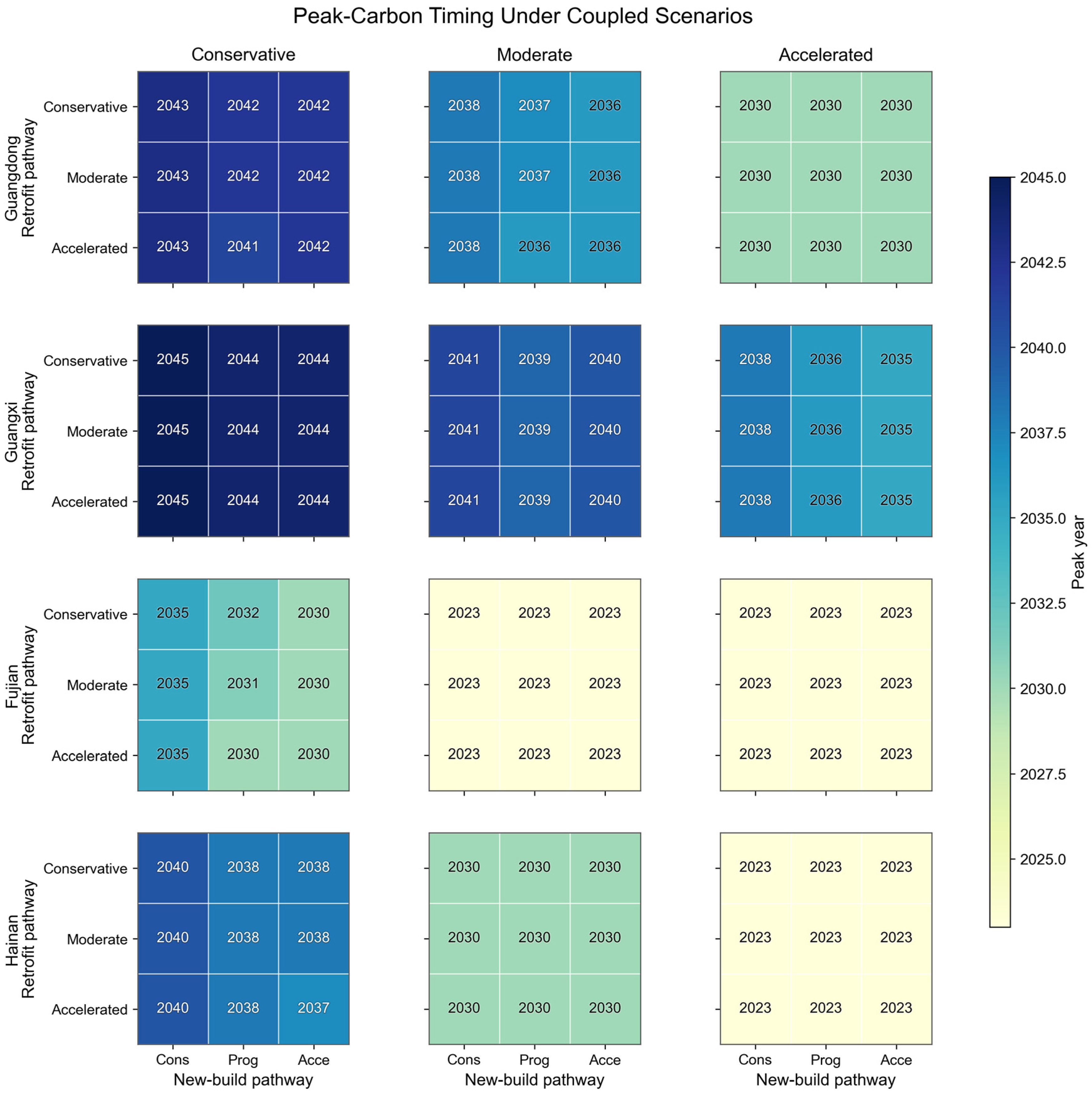
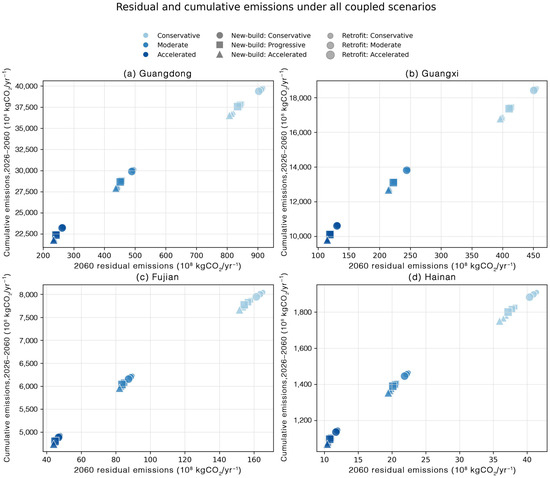
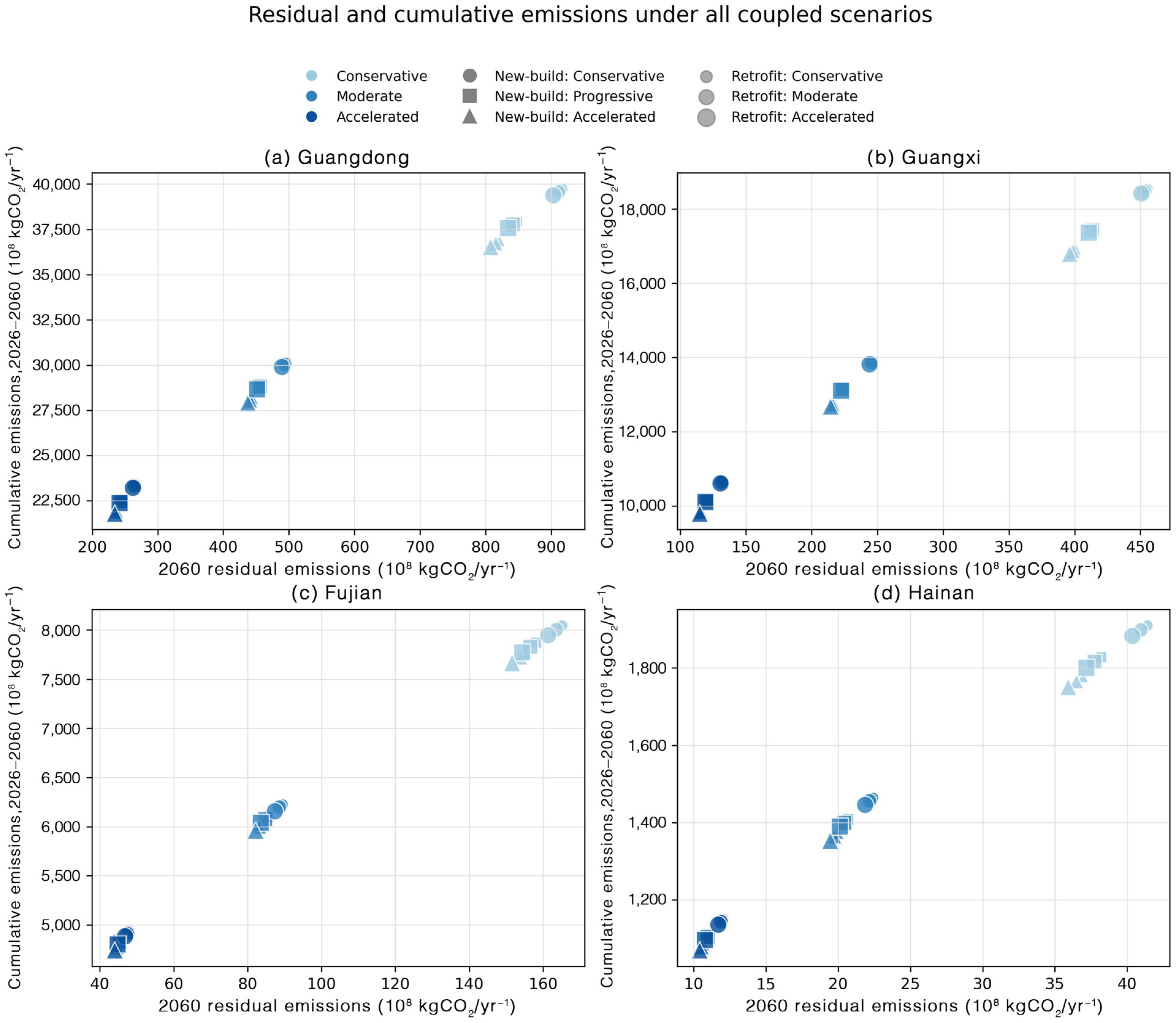

Disclaimer/Publisher’s Note: The statements, opinions and data contained in all publications are solely those of the individual author(s) and contributor(s) and not of MDPI and/or the editor(s). MDPI and/or the editor(s) disclaim responsibility for any injury to people or property resulting from any ideas, methods, instructions or products referred to in the content. |
© 2026 by the authors. Licensee MDPI, Basel, Switzerland. This article is an open access article distributed under the terms and conditions of the Creative Commons Attribution (CC BY) license.