5.2. Calculation Method for Sectional Bearing Capacity
Based on the above assumptions, an equivalent analysis was carried out for the eccentrically compressed section by considering the mechanical characteristics of the original masonry, the HPFRCC strengthening layer, and the reinforcing bars. To facilitate calculation, an equivalent rectangular stress block was adopted to simplify the nonlinear stress distribution in the compression zone. In addition, utilization factors for the compressive and tensile strengths of HPFRCC and a confinement-modified equivalent compressive strength of the core masonry were introduced.
The utilization factors for the compressive and tensile strengths of HPFRCC were determined mainly based on the measured material strengths and the degree of stress development at the ultimate state. These factors were introduced to account for the fact that the strength of the strengthening layer cannot be fully mobilized according to the nominal material strength under the present sectional assumptions. Therefore, they should be understood as experiment-informed and condition-dependent parameters within the framework of the present simplified model, rather than as universally applicable design parameters. The confinement-modified equivalent compressive strength of the core masonry was determined based on Richart’s confinement concept and the lateral static equilibrium relationship [
43], and was used to reflect the enhancement in compressive resistance of the core masonry subjected to lateral confinement under the double-sided strengthening condition.
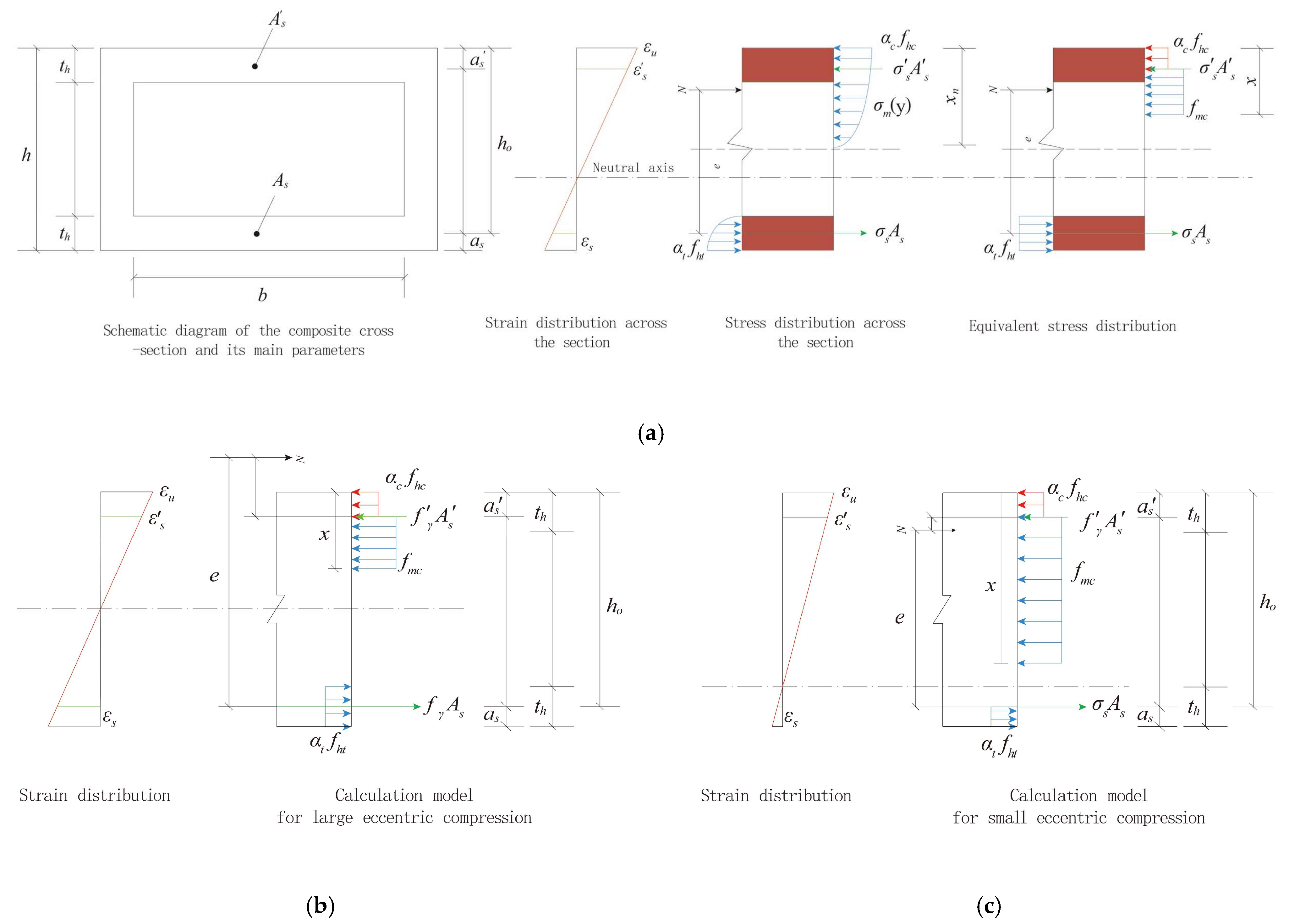
The above parameters were introduced so that the theoretical model, while remaining simplified, could approximately reflect the influences of the constituent materials and detailing characteristics on the eccentric compression bearing capacity. It should be emphasized that the utilization factors and equivalent strength parameters adopted in the present model were established mainly on the basis of measured material strengths and simplified sectional assumptions under the present test conditions. Although these parameters enable the model to reasonably reflect the sectional response of the tested specimens, they should not be interpreted as universally applicable design parameters. Their values remain condition-dependent and may vary with the strengthening configuration, material properties, eccentricity level, and modeling assumptions. Therefore, the present calculation method should be regarded as a preliminary analytical approach for specimens similar to those considered in this study. For a wider range of structural configurations and parameter values, further verification through additional tests and sensitivity analyses is still required. The sectional calculation model and the corresponding strain and stress distributions are illustrated in
Figure 22.
(1) Calculation of key coefficients
To account for the actual strength mobilization of the HPFRCC strengthening layer at the ultimate state, the compressive strength utilization factor α
c and the tensile strength utilization factor α
t are defined as follows:
where
is the actual compressive stress in the HPFRCC strengthening layer in the compression zone when the specimen reaches its ultimate bearing capacity;
is the measured compressive strength of HPFRCC;
is the actual tensile stress in the HPFRCC strengthening layer in the tension zone when the specimen reaches its ultimate bearing capacity; and
is the measured tensile strength of HPFRCC.
Under the double-sided strengthening condition, the core masonry is subjected to passive lateral confinement provided by the HPFRCC overlays on both sides. According to Richart’s confinement model, the equivalent compressive strength of the confined core masonry can be expressed as:
From lateral static equilibrium, it follows that:
Rearranging gives:
where
is the confinement-modified equivalent compressive strength of the core masonry;
is the compressive strength of the unconfined core masonry;
is the effective lateral confining stress exerted on the core masonry by the double-sided HPFRCC strengthening layers; and
is the thickness of the inner core hollow block masonry wall.
(2) Calculation of the eccentric compression bearing capacity for the double-sided strengthening scheme
When
, the tensile reinforcing bars yield, and the following relation is adopted:
For the large-eccentricity compression case, the axial force equilibrium equation is written as follows:
For the small-eccentricity compression case, the axial force equilibrium equation is written as follows:
When
, the tensile reinforcing bars do not yield, and their stress is:
The axial force equilibrium equation is:
The moment equilibrium equation is:
where
s the ultimate axial bearing capacity of the composite section; e is the distance from the line of action of the axial load to the resultant force point of the longitudinal tensile reinforcement;
is the initial eccentricity; b is the width of the wall section;
is the total height of the section;
is the thickness of the HPFRCC strengthening overlay on one side;
is the effective depth of the section;
and
are the cross-sectional areas of the longitudinal reinforcement in the tension zone and compression zone, respectively; as and as’ are the distances from the resultant force points of the longitudinal reinforcement in the tension zone and compression zone, respectively, to the nearest edge of the section;
and
are the tensile and compressive yield strengths of the longitudinal reinforcement, respectively;
and
are the compressive strength and tensile strength of HPFRCC, respectively;
is the compressive strength of the unconfined masonry;
is the confinement-modified equivalent compressive strength of the core masonry; and
is the stress in the tensile reinforcement under small-eccentricity compression.
When the eccentricity is small and the iterative results indicate that the section is fully in compression, the tensile terms in the above equations are taken as zero, and the reinforcing bars are included in the calculation as compression reinforcement.
(3) Calculation of the eccentric compression bearing capacity for the single-sided strengthening scheme
For the single-sided strengthened specimen, the HPFRCC strengthening overlay was provided only on the compression side, whereas the tension side remained as the original masonry. Consequently, the section exhibited a pronounced asymmetry in mechanical behavior. Therefore, the bearing capacity was calculated using an asymmetric composite section model under actual eccentric loading. In the calculation, only the contributions of the HPFRCC strengthening overlay on the compression side, the masonry in the compression zone, and the compression reinforcement were taken into account, while the contribution of the tension zone was neglected.
For the single-sided strengthening scheme, the total thickness of the composite section is expressed as
where
is the total thickness of the composite section after single-sided strengthening,
is the thickness of the original masonry wall, and
is the thickness of the HPFRCC strengthening overlay on one side.
The distance from the line of action of the axial load to the compression edge is expressed as
where
is the distance from the line of action of the axial load to the compression edge,
is the initial eccentricity, and
is the additional eccentricity.
Accordingly, the axial force equilibrium equation can be written as
and the moment equilibrium equation can be written as
The stress in the compression reinforcement is taken as
with
where
is the strain in the compression reinforcement,
is the ultimate compressive strain at the compression edge,
is the distance from the resultant force point of the compression reinforcement to the compression edge,
is the actual neutral axis depth,
is the yield strain of the compression reinforcement,
is the yield strength of the compression reinforcement, and
is the elastic modulus of the reinforcing steel.
5.4. Discussion, Engineering Implications, and Limitations
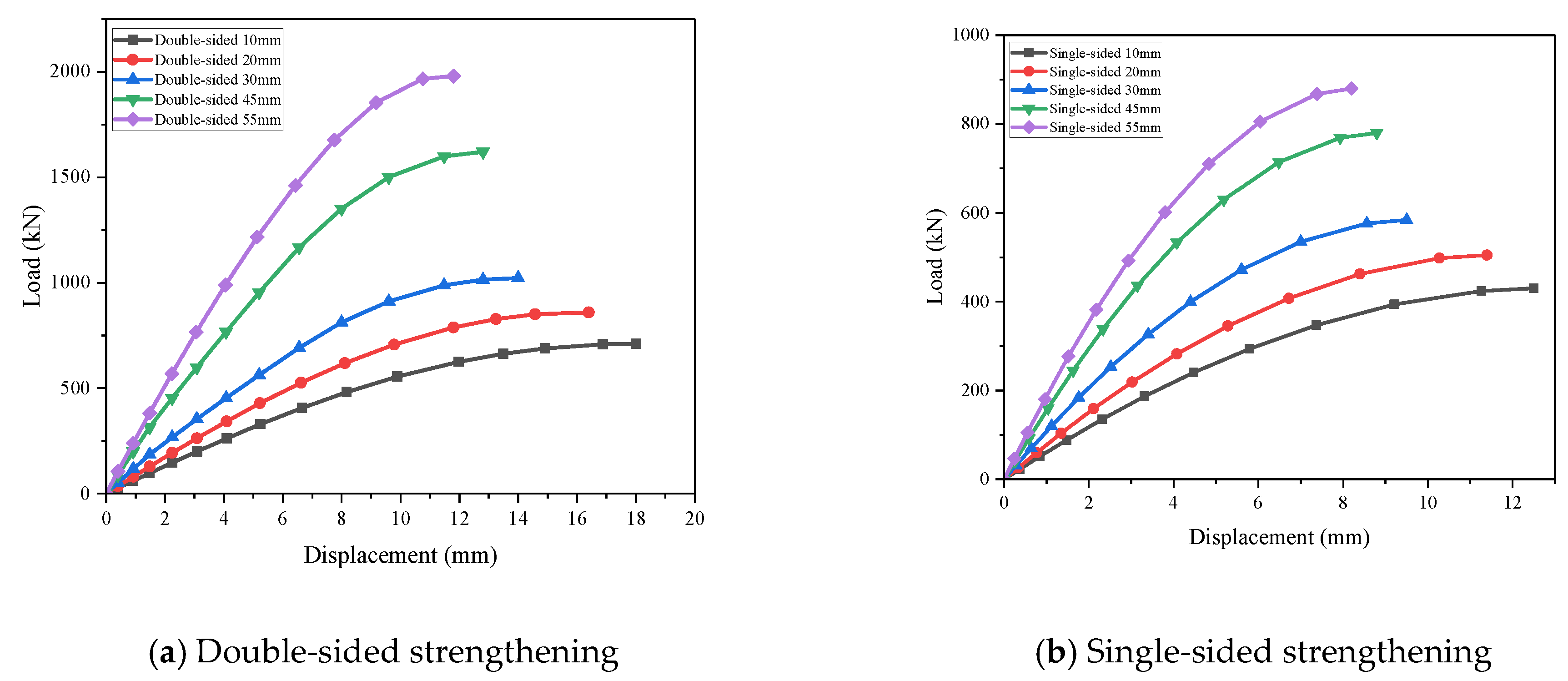
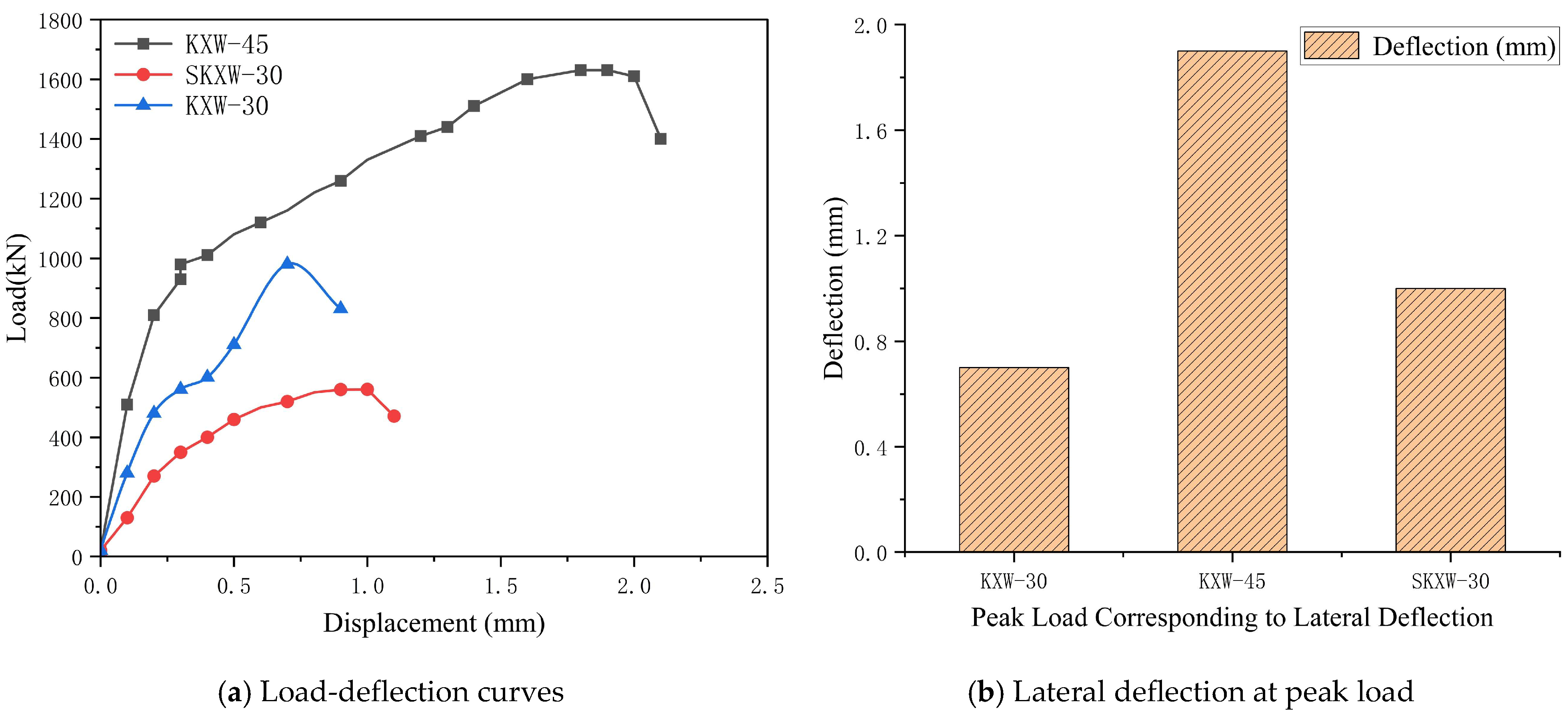
The experimental results obtained in this study are generally consistent with the trends reported in previous studies on HPFRCC- or ECC-strengthened masonry members under seismic, in-plane shear, cyclic, or lateral loading conditions, in which overlay strengthening was found to improve the bearing capacity, integrity, crack control performance, and deformation capacity of masonry members, and double-sided strengthening was generally more effective than single-sided strengthening. In the present study, under eccentric compression, the double-sided strengthened specimens also exhibited higher load-bearing capacity, greater stiffness, and better overall integrity than the single-sided strengthened specimen, which is in agreement with the strengthening tendency reported in the existing literature.
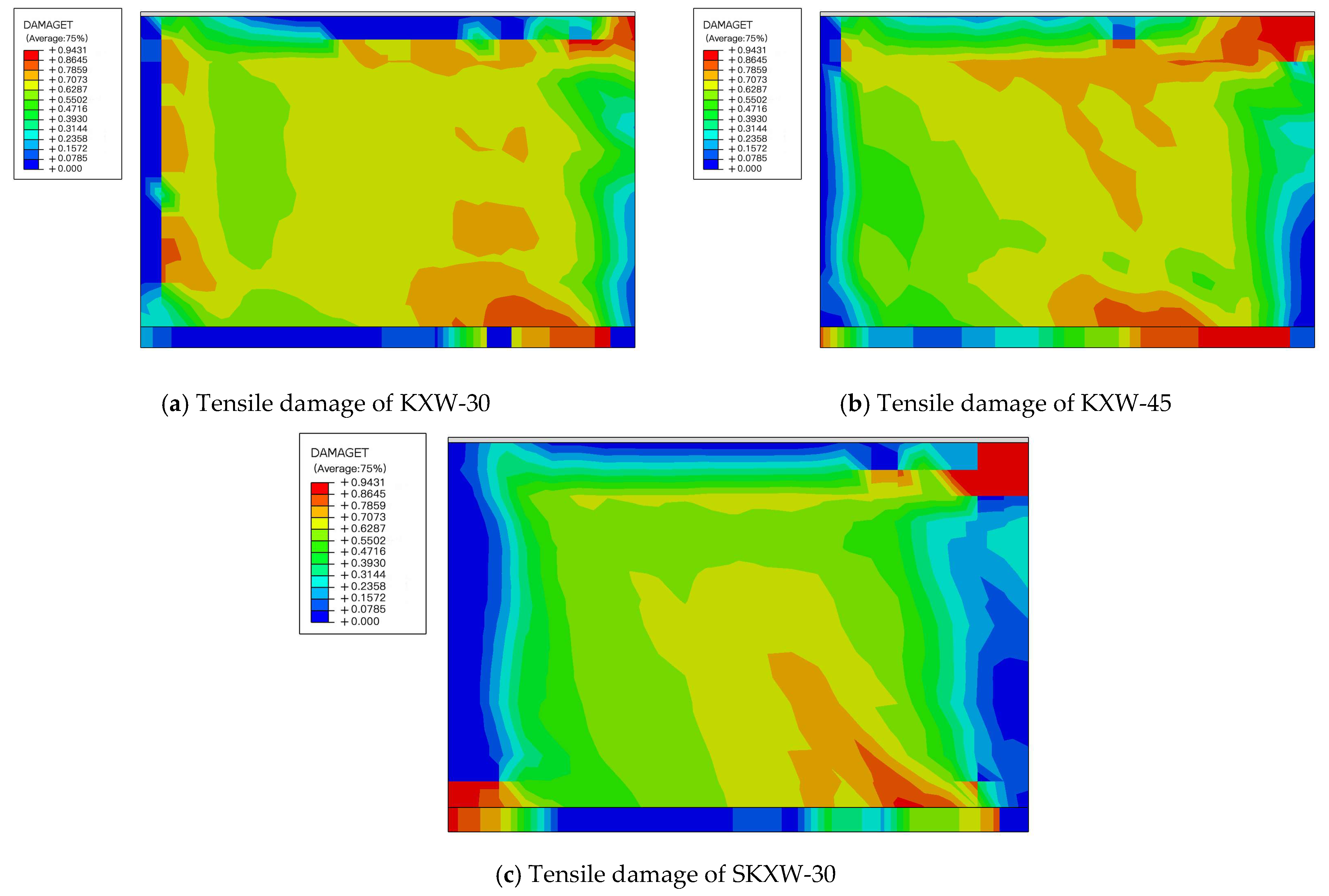
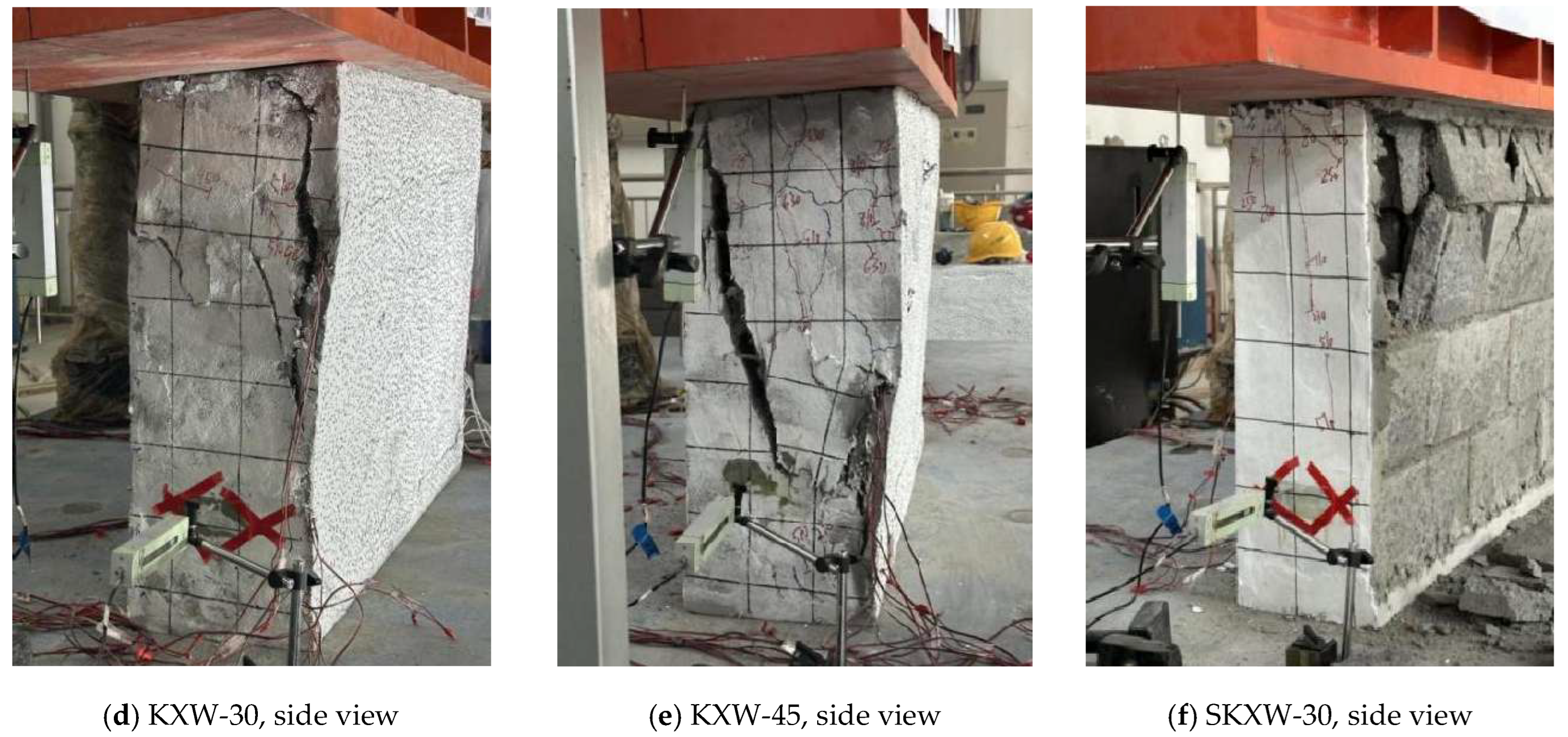
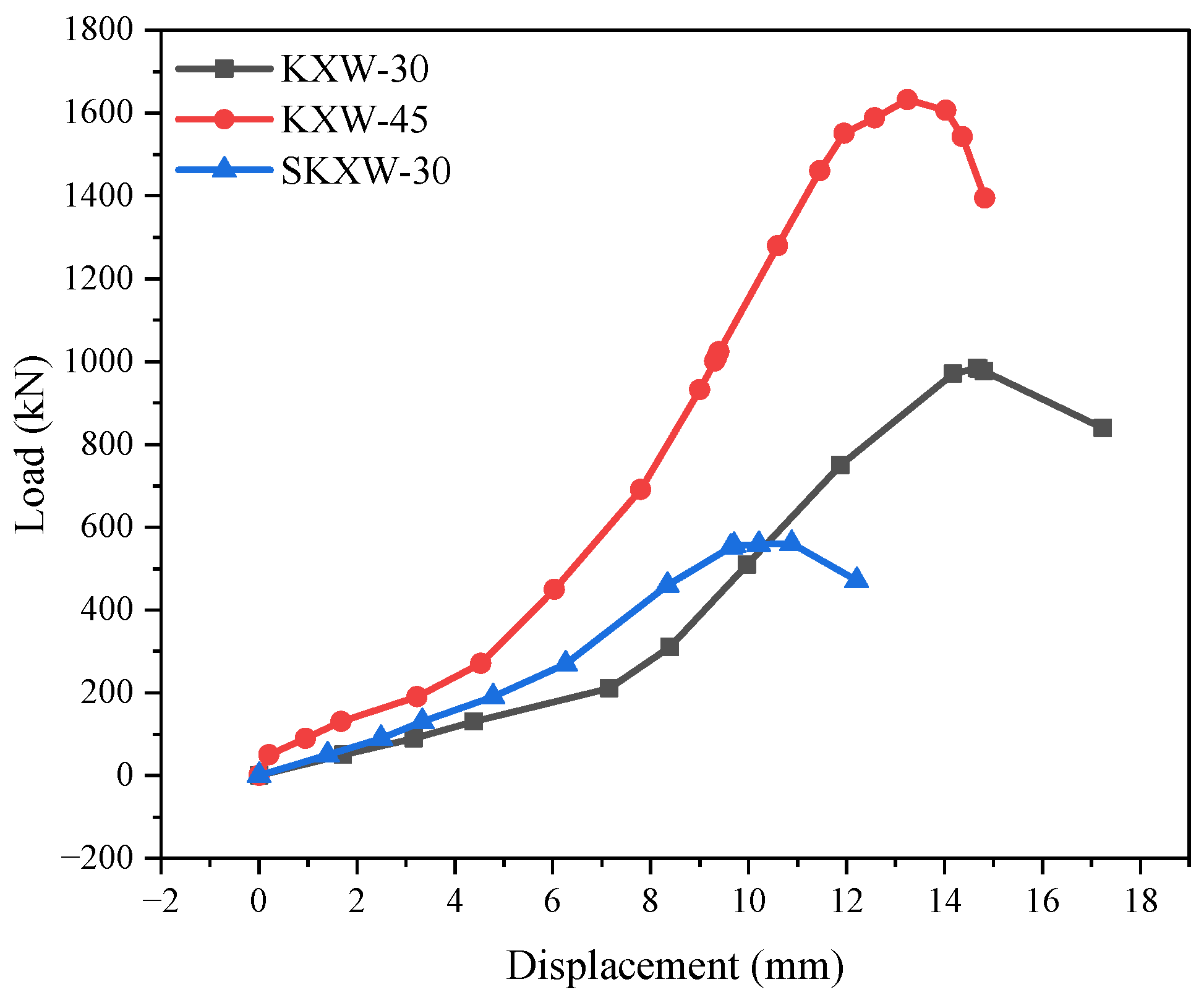
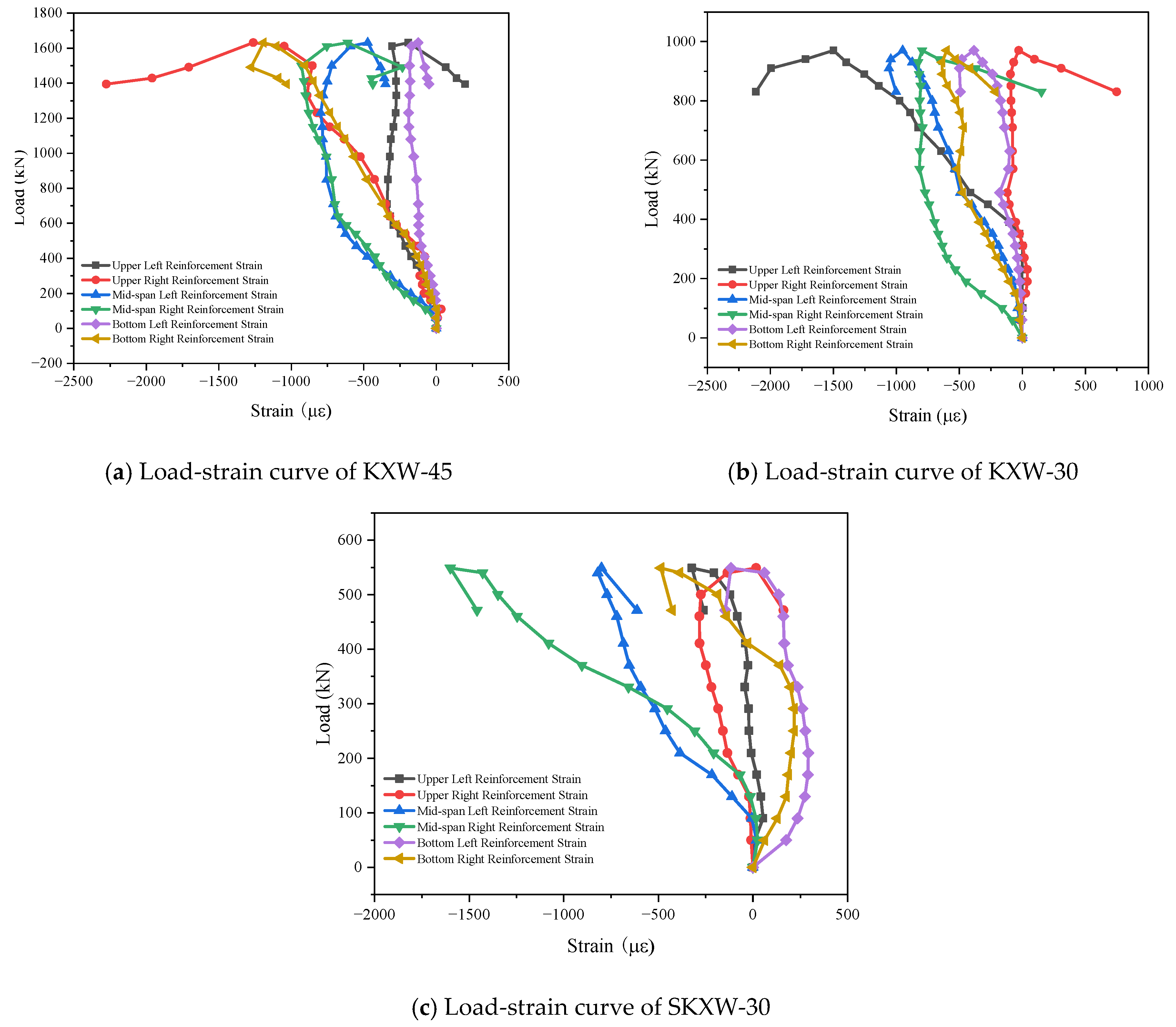
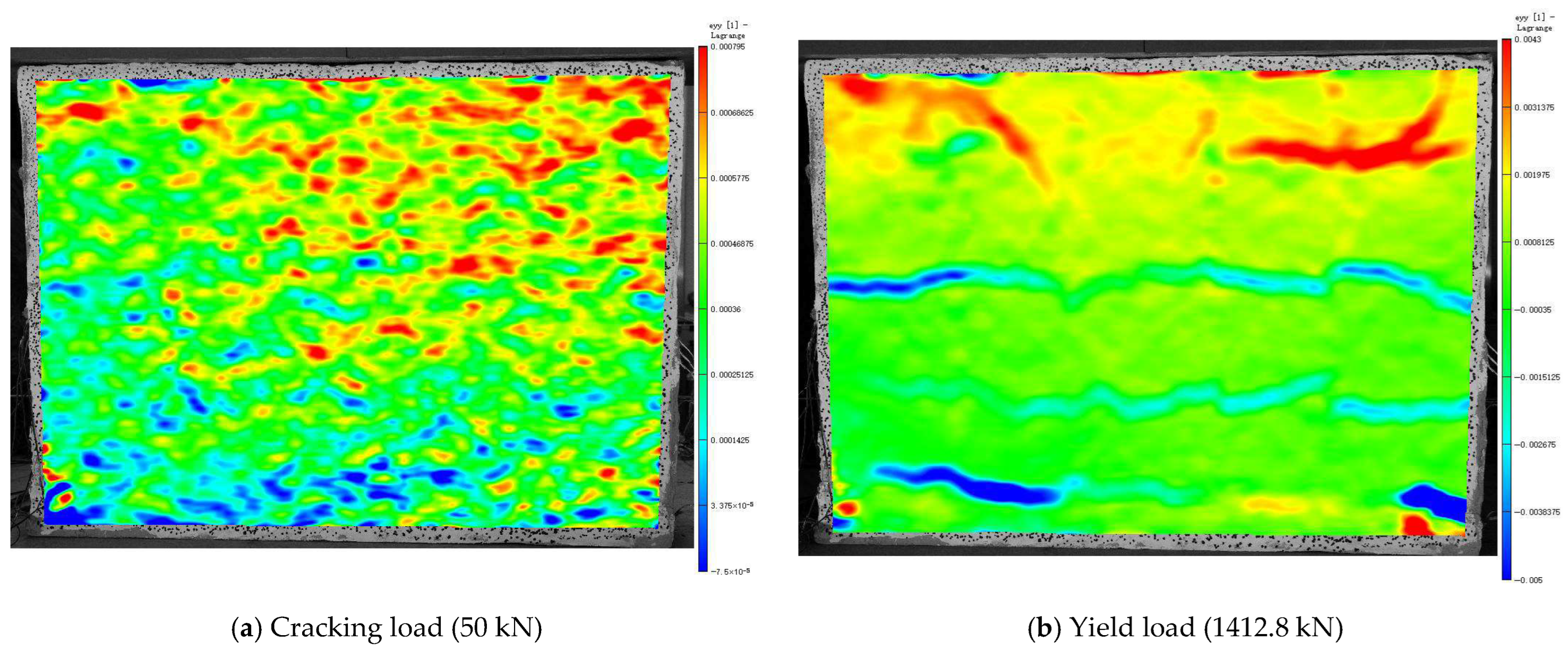
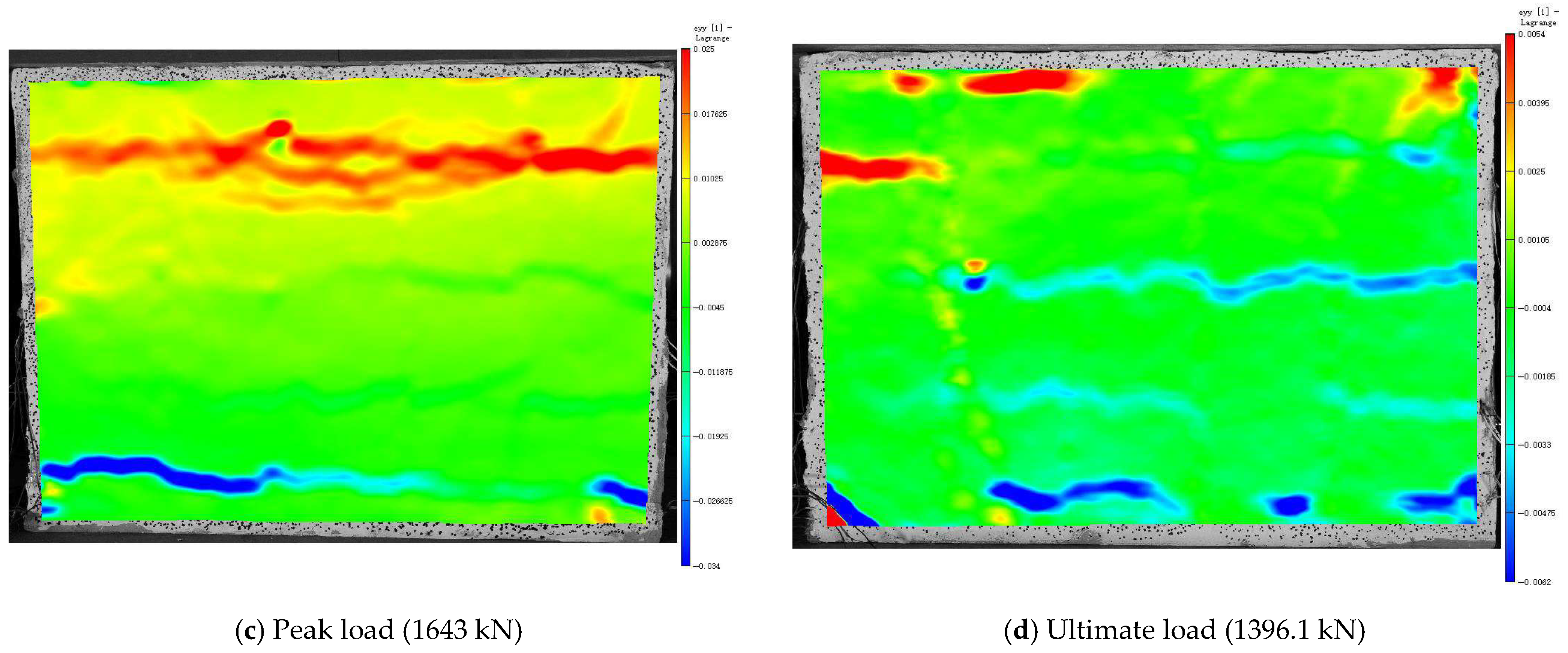
At the same time, the present results further indicate that, under eccentric compression, the influence of strengthening thickness is not limited to the enhancement of peak load-bearing capacity. Although the 45 mm double-sided strengthening scheme achieved the highest peak load, it also showed a more concentrated local failure pattern and more pronounced post-peak strain localization. By contrast, the 30 mm double-sided strengthening scheme exhibited a gentler post-peak response, more dispersed crack development, and better deformation compatibility. This observation supplements the existing body of research by highlighting the interaction between strengthening thickness, sectional resistance, and post-peak localization under eccentric compression.
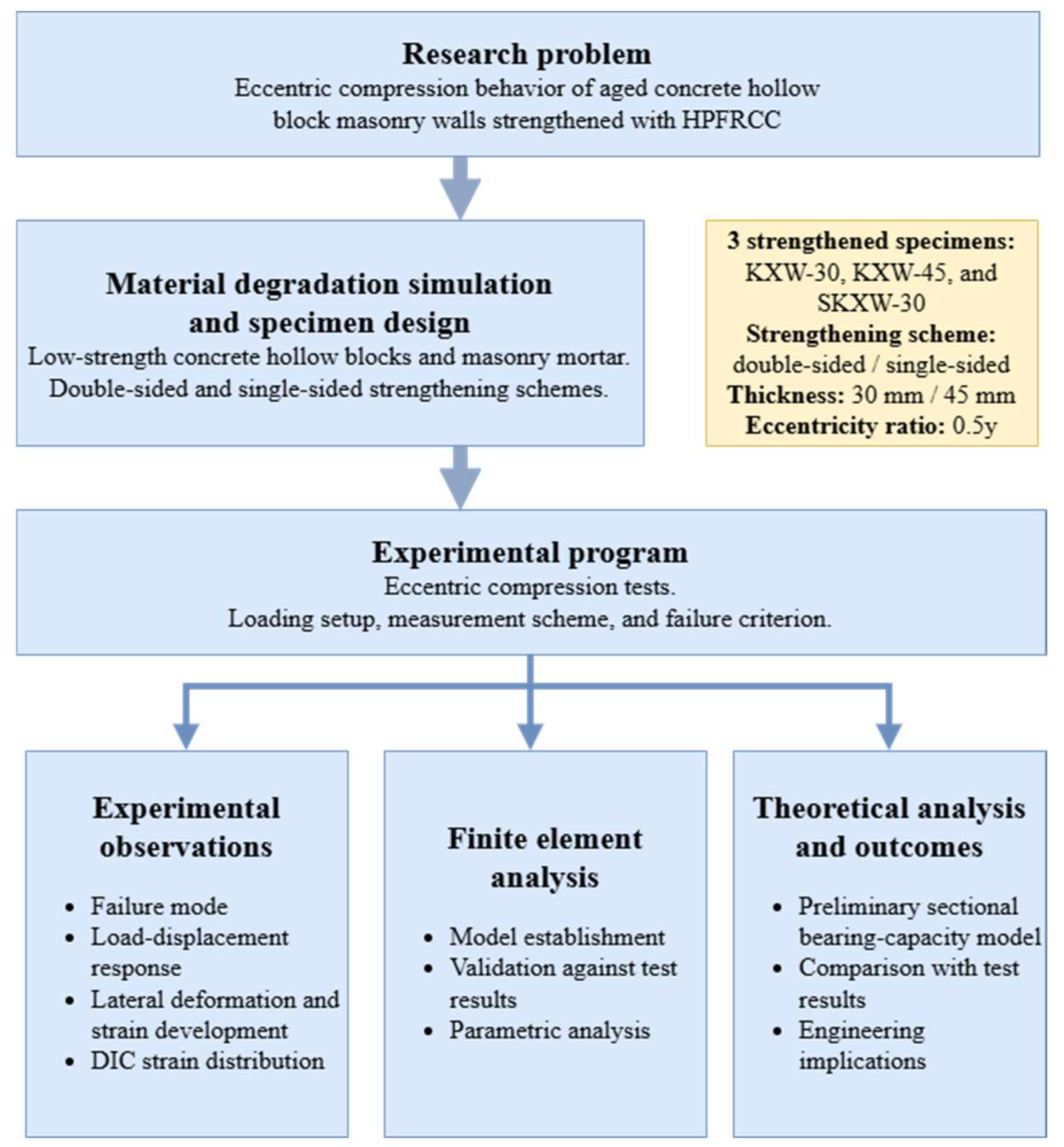
From an engineering perspective, HPFRCC overlay strengthening can effectively improve the integrity, stiffness, and eccentric compression resistance of degraded concrete hollow block masonry walls, especially when a double-sided strengthening scheme is adopted. However, the present findings should be interpreted within the limitations of the study, since only three strengthened specimens with a single eccentricity ratio of 0.5y were considered, no unstrengthened control wall was included, the degradation condition was simulated primarily through reduced material strength, and the finite element and theoretical models still contain simplified assumptions. Therefore, the present conclusions are more suitable for comparative interpretation under representative eccentric compression conditions than for direct extrapolation to all masonry structures in practice. Future work should include additional specimens with wider eccentricity ranges, unstrengthened control walls, more detailed deterioration characterization, and further validation of the theoretical model.