1. Introduction
Nowadays, one of the most pressing challenges to address is the reuse of waste generated by modern society. According to the data provided by the European Union (see
Figure 1) [
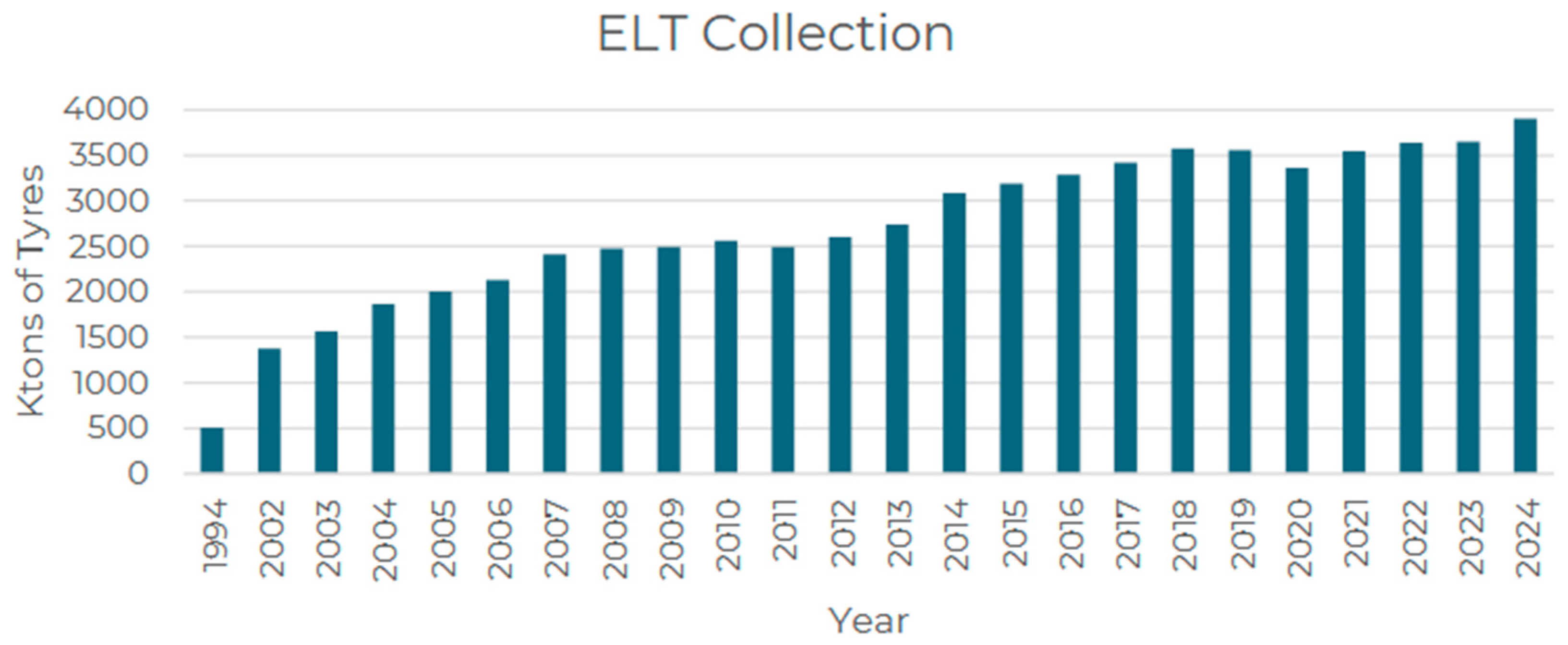
1], waste generated by the construction and demolition sector accounts for 38.4%, and in Spain and many other EU countries, it exceeds 30%. In addition, the number of tyres reaching their end-of-life increases each year [
2], almost reaching 4000 ktons in 2024 (see
Figure 2). On a global scale, approximately 1.5 billion tyres (17 million tons) reach the End-of-Life state annually [
3]. This view highlights the importance of assigning this waste a new role by leveraging its properties in fields where it may yield new benefits.
As current trends aim to reduce both energy consumption and waste generation while increasing the proportion of waste reused, the construction sector has gained significant relevance. Buildings play a crucial role in overall energy consumption due to their losses (particularly thermal losses), making insulation requirements an important issue. It is precisely within the construction industry that tyre rubber and aggregates have considerable potential for reuse, owing to the wide range of materials employed and the numerous types of works undertaken. In the case of aggregates, their reutilisation in construction is particularly well-suited to promoting a circular economy.
The recycling of tyre-derived rubber has been widely investigated, including within the field of Civil Engineering. Reported applications in this discipline include its use in seismic–geotechnical isolation systems [
4,
5], retaining walls and bridge abutments [
3,
4,
6,
7], railway sub-ballast material layers [
8], permeable pavement [
4,
9], lightweight embankment fills [
4], forming part of composites with polyurethane [
6,
10,
11,
12], and even as an additive in concrete and mortar mixtures [
13,
14,
15]. Recent research [
15] has further demonstrated the feasibility of incorporating tyre-derived rubber into high-performance concrete (HPC), showing that rubber powder can significantly reduce the carbon footprint of concrete while maintaining acceptable mechanical performance when used within optimized replacement ratios and combined with waste steel reinforcement. Conversely, aggregates obtained from construction and demolition waste have not been studied as extensively as tyre rubber. The majority of research to date has focused on incorporating this waste into concrete [
16], as many of its characteristics are compatible with conventional concrete behavior. Both tyre rubber and recycled aggregates can improve the performance of certain Civil Engineering systems and possess substantial potential for reducing pollutant emissions from manufacturing processes, due to reduced demand for raw materials and the recovery of valuable resources, particularly in the case of tyres [
3,
17].
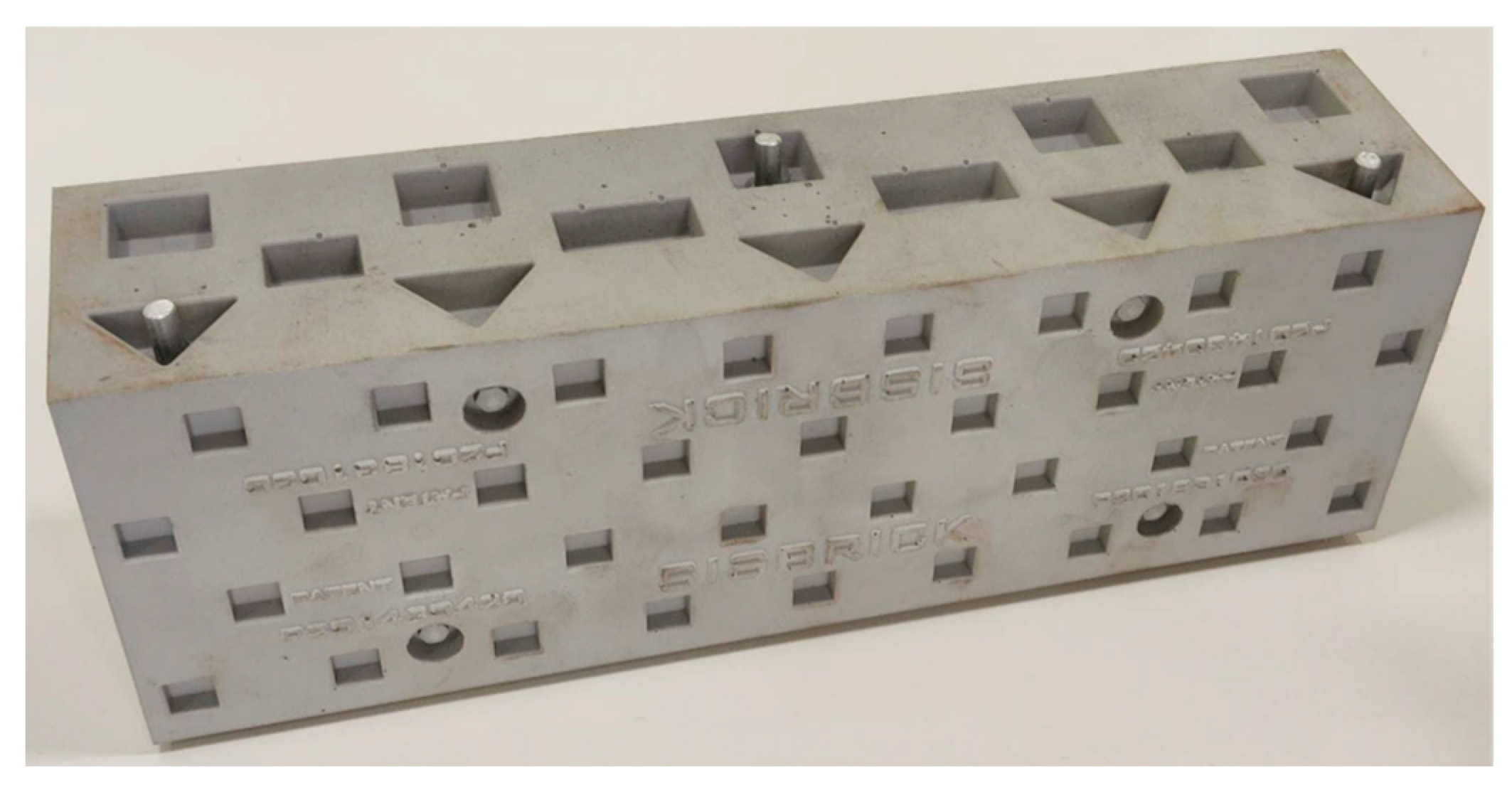
This work proposes the design of a seismic isolator (see
Figure 3) using two waste materials: Tyre rubber from heavy vehicles of the automotive sector and recycled aggregates from demolition activities in the construction sector. Both materials come from the aforementioned industries from the Comunitat Valenciana (Spain). Just as one of the uses commented on this waste, polyurethane is used as a binder for both materials due to its effective bonding properties.
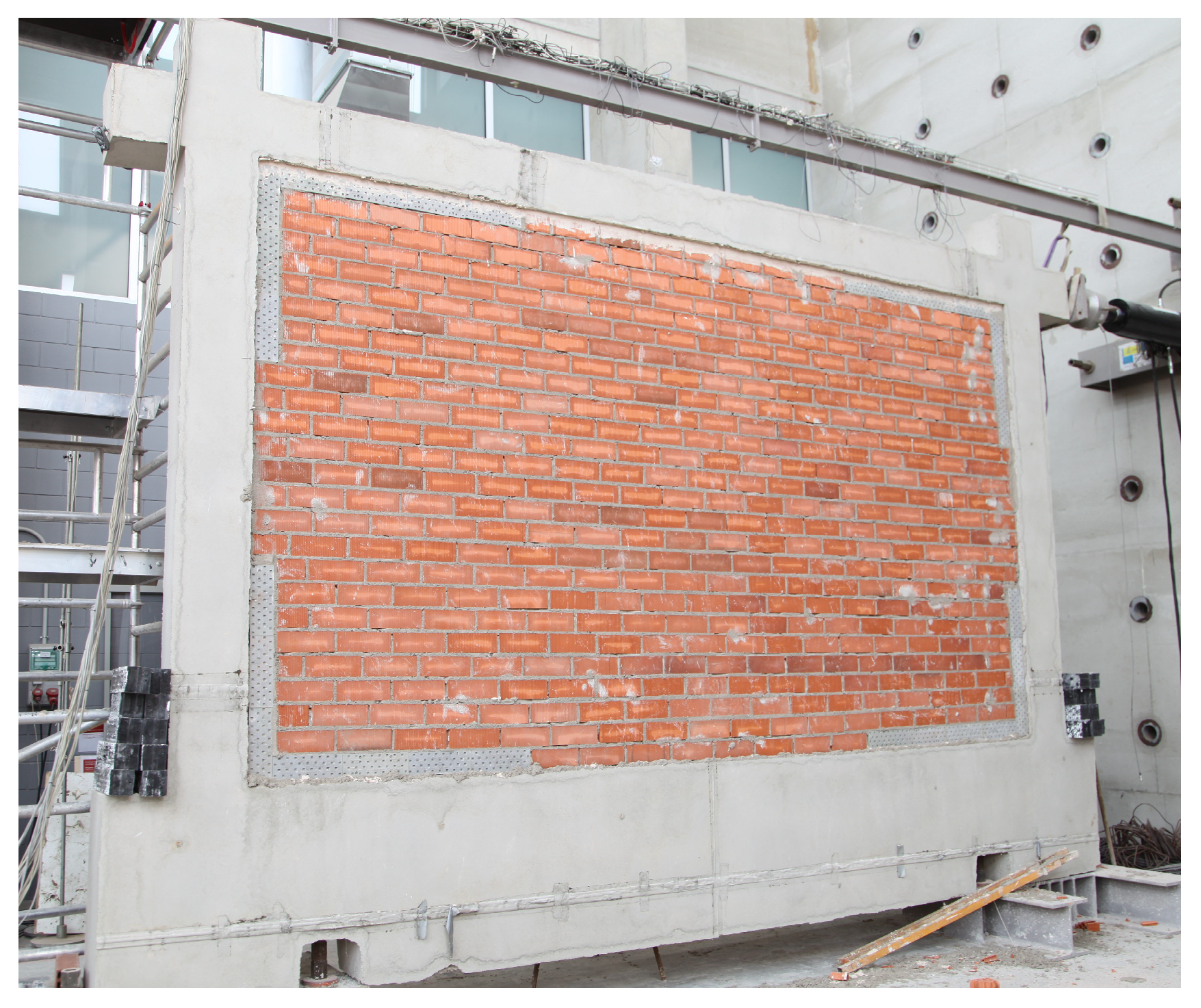
The main purpose of the seismic isolator is to decouple the building partitions from the surrounding structure, mitigating the damage suffered by both elements in a seismic event. These seismic isolators are installed at the edge of the partitions, occupying the place of the bricks, as indicated in
Figure 4. As part of the partition, they must comply with the same requirements specified in the corresponding regulations. Among these requirements are those related to the thermal and acoustic insulation of buildings, in accordance with the objectives of achieving a more energy-efficient and environmentally responsible building design.
One type of thermal test and three types of acoustic tests were carried out on the various manufactured samples. In addition, an empirical model was developed based on the acoustic results. The samples were produced by mixing tyre rubber and recycled aggregate at different proportions in order to identify the optimal composition in terms of thermal and acoustic properties.
2. Materials and Methods
The experimental campaign includes 1 seismic isolator, which serves as the reference specimen, and 19 samples manufactured of a mixture with different proportions (
Table 1) of washed aggregate and ground tyre rubber bonded using polyurethane. The densities of the different samples have been added to
Table 1, with their values ranging between 0.5 and 1. For additional comparison, two types of bricks commonly used in building partition walls were also tested in some of the experiments.
The aggregate used was recycled and washed, with a grain size of 4/11 mm. The tyre rubber was ground to a grain size of 4/6 mm. This waste has its origin in demolition works in the construction sector and in heavy vehicles’ tyres in the automotive sector in the Comunitat Valenciana (Spain), provided by Reciclaje de neumáticos y caucho, S.L. (Murcia, Spain). The polyurethane employed as a binder was an MDI elastomer resin with polyester, NCO index of 9.4–10.2%, provided by Synthelast S.A. (Elche, Spain). It was cured for at least 96 h at 23 °C, which is its fully cured process. The seismic isolator used as a reference for the experimental tests was mechanically characterized through cyclic loading. The cyclic test was performed under displacement-controlled conditions, with the displacement amplitude increasing in each cycle from 5 mm in the first cycle to 35 mm in the final cycle. The compressive stiffness measured in the first and last cycles was 1.83 kN/mm and 2.43 kN/mm, respectively, while the corresponding energy dissipation values were 4.29 J and 398.02 J. The seismic isolator samples were exposed to outdoor environmental conditions for a period of three years, including solar radiation, rainfall, high and low temperatures, without exhibiting significant changes in their mechanical performance.
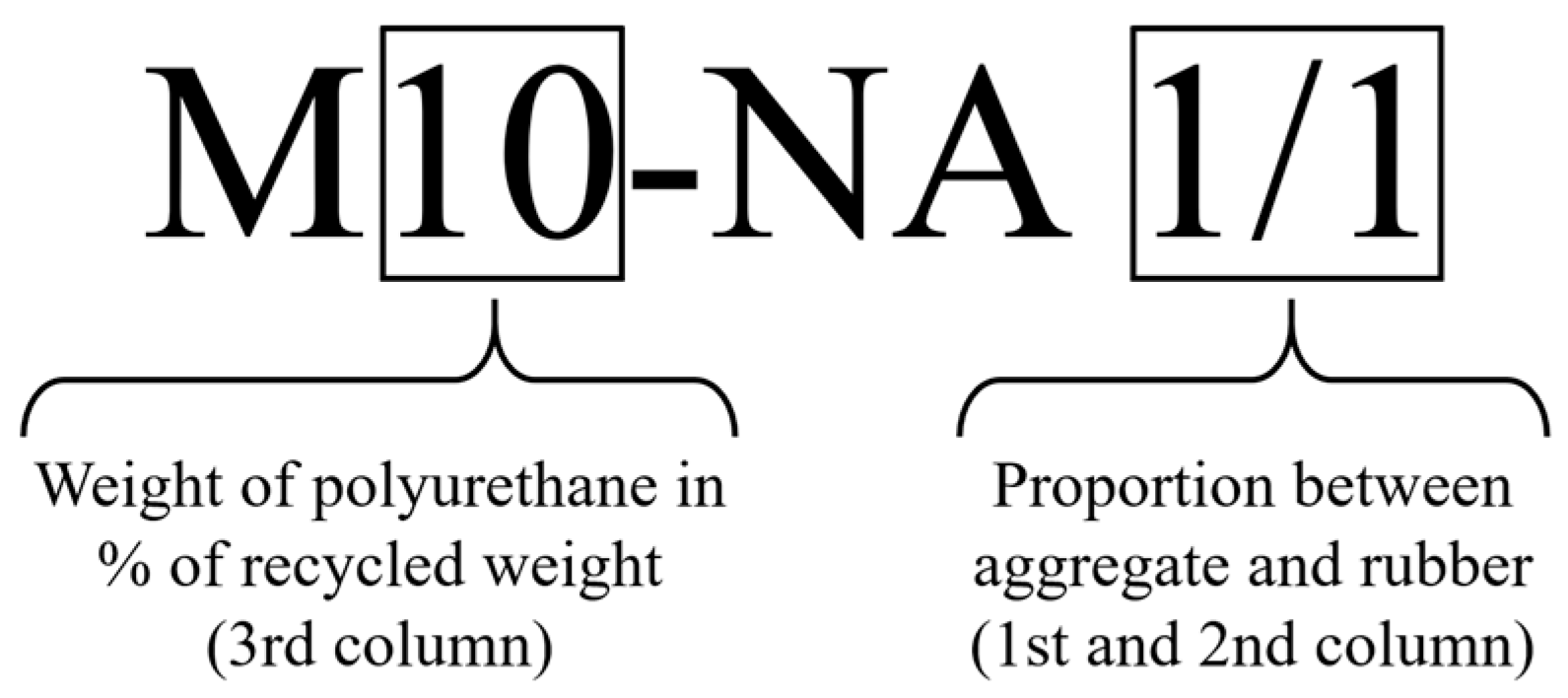
The nomenclature used to name each sample (
Figure 5) refers to the following factors:
The elaboration of the samples consists of mixing the recycled aggregate and the ground tyre rubber with the corresponding proportions. Then, the polyurethane was added, and the resulting mixture was blended by mechanical agitation for 1 min at a rate of 2000 rpm.
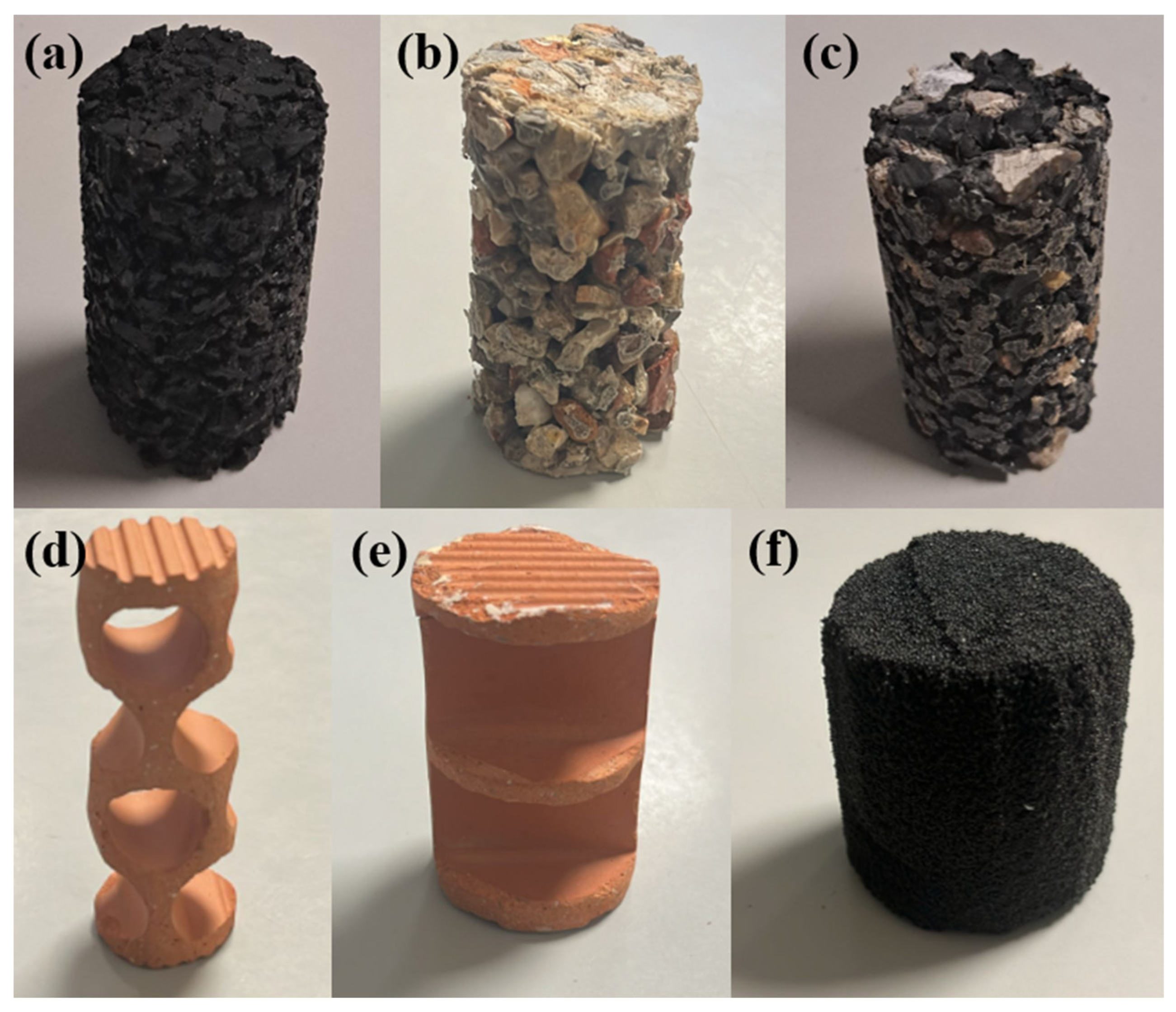
Following this procedure, a total of 19 samples measuring 20 × 14 × 10 cm were produced for the thermal tests, and another 19 samples with a diameter of 4 cm and a length of 7 cm were prepared for the acoustic tests. For the acoustic tests, an additional honeycomb-brick sample and a hollow brick sample were included. Representative examples of these samples are presented in
Figure 6.
Thermal and acoustic properties are essential requirements for materials utilized in building partitions. Compliance is mandated by relevant construction regulations, such as the Spanish regulations regarding residential buildings CTE [
18,
19] or the European Regulation (EU) No 305/2011 about the Products of construction [
20].
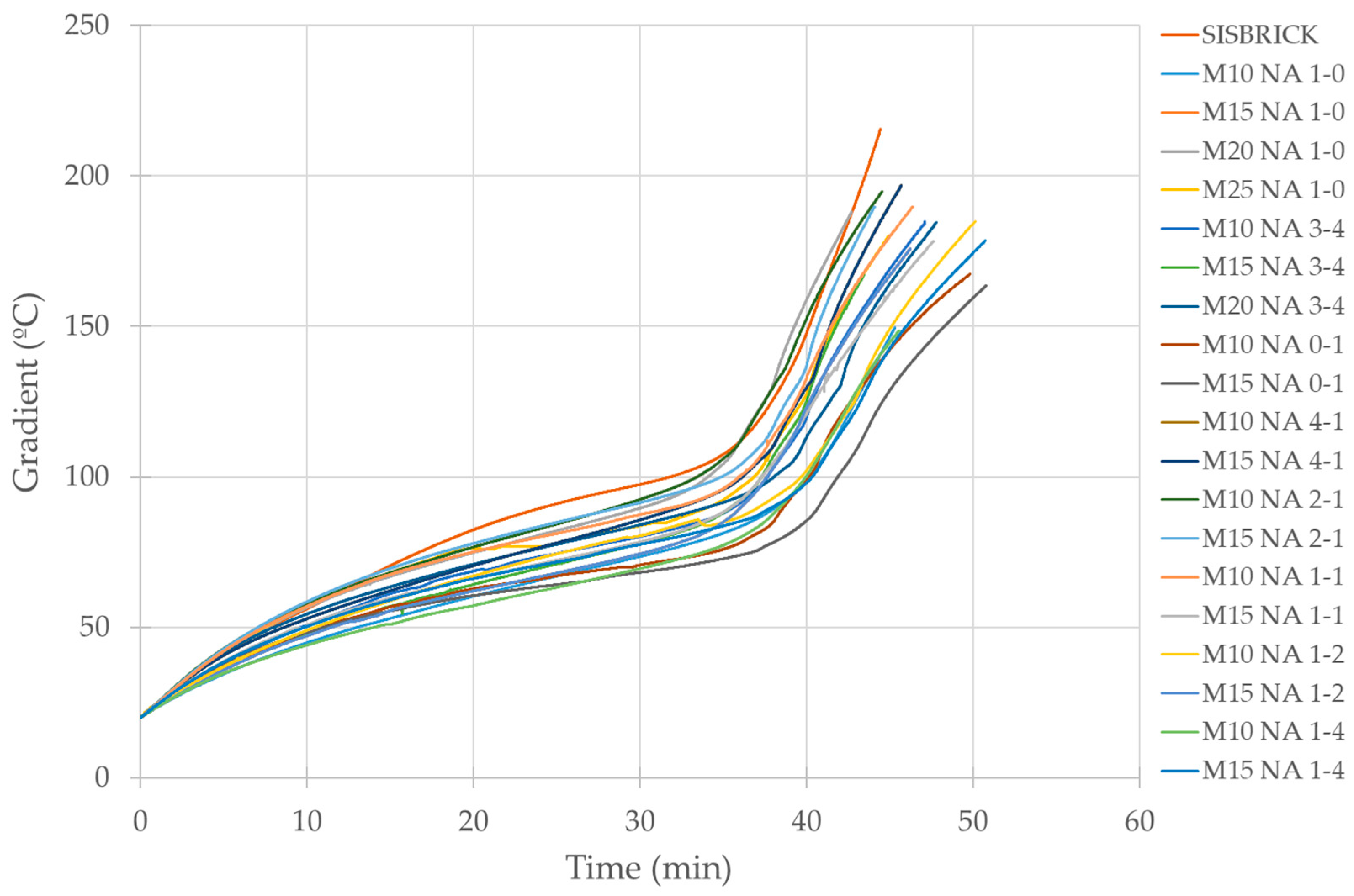
Thermal tests are conducted to characterize the behavior of the samples under fire conditions in a building. For each sample, the thermal gradient between the heated surface and the midpoint is calculated.
To determine the acoustic properties of each sample, 4 key parameters are calculated: the absorption coefficient (and associated impedance) at normal incidence, the airflow resistivity, and the transmission loss (acoustic isolation) at normal incidence.
2.1. Thermal Tests Description
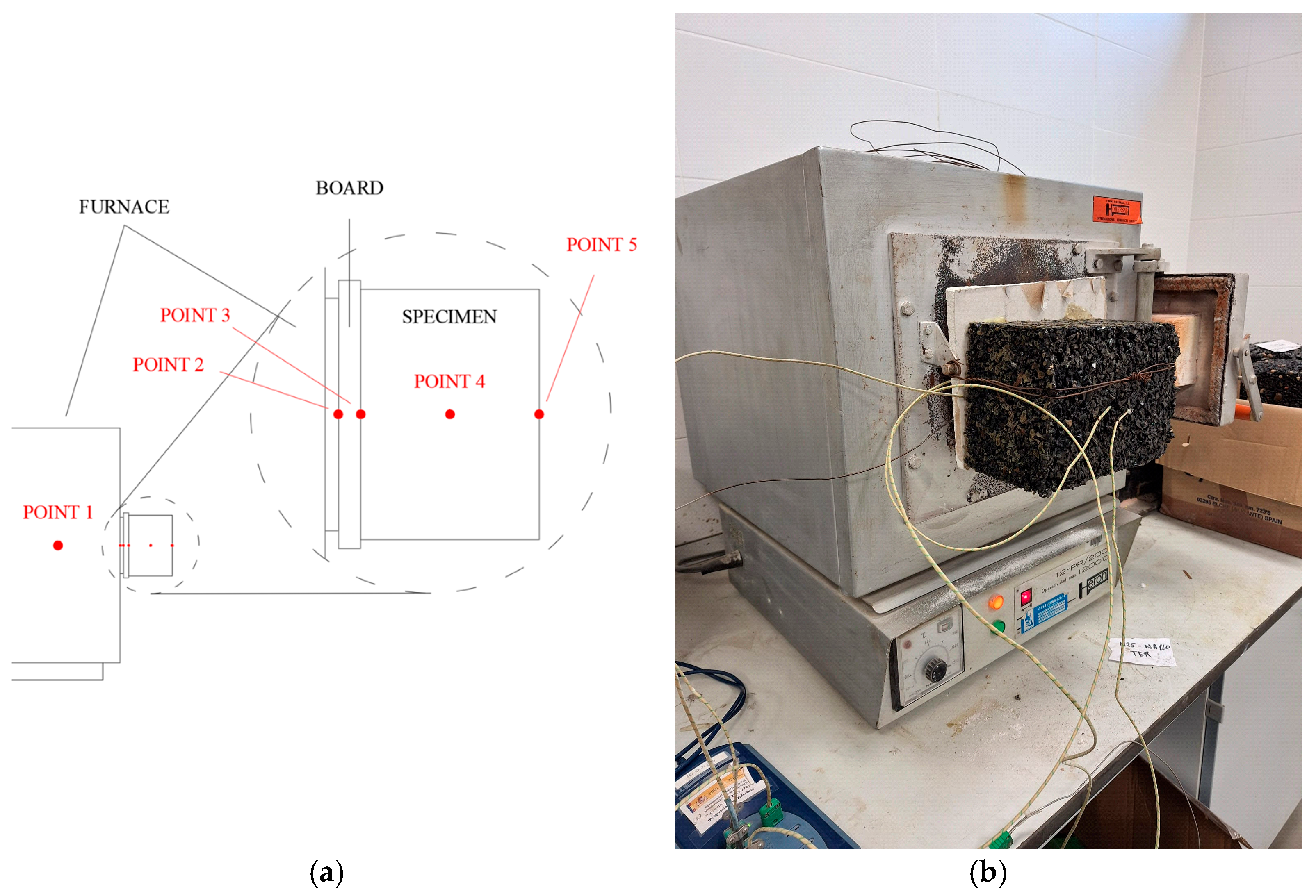
The samples (20 × 14 × 10 cm) were placed in a furnace and secured to the furnace door with a simple steel wire (scheme and layout in
Figure 7a,b), thereby sealing the furnace opening. Insulating mineral wool was used to fill any gaps or irregularities between the furnace opening and the sample, minimizing heat losses through paths not passing through the specimen. A gypsum board piece (22 × 16 × 1.25 cm) was attached to the specimens to simulate a typical building partition configuration. The heat source was applied to the free surface of the gypsum board, as illustrated in
Figure 7a (point 2).
To measure the temperature at selected locations, type K thermocouples were installed at the positions (1 to 5) shown in
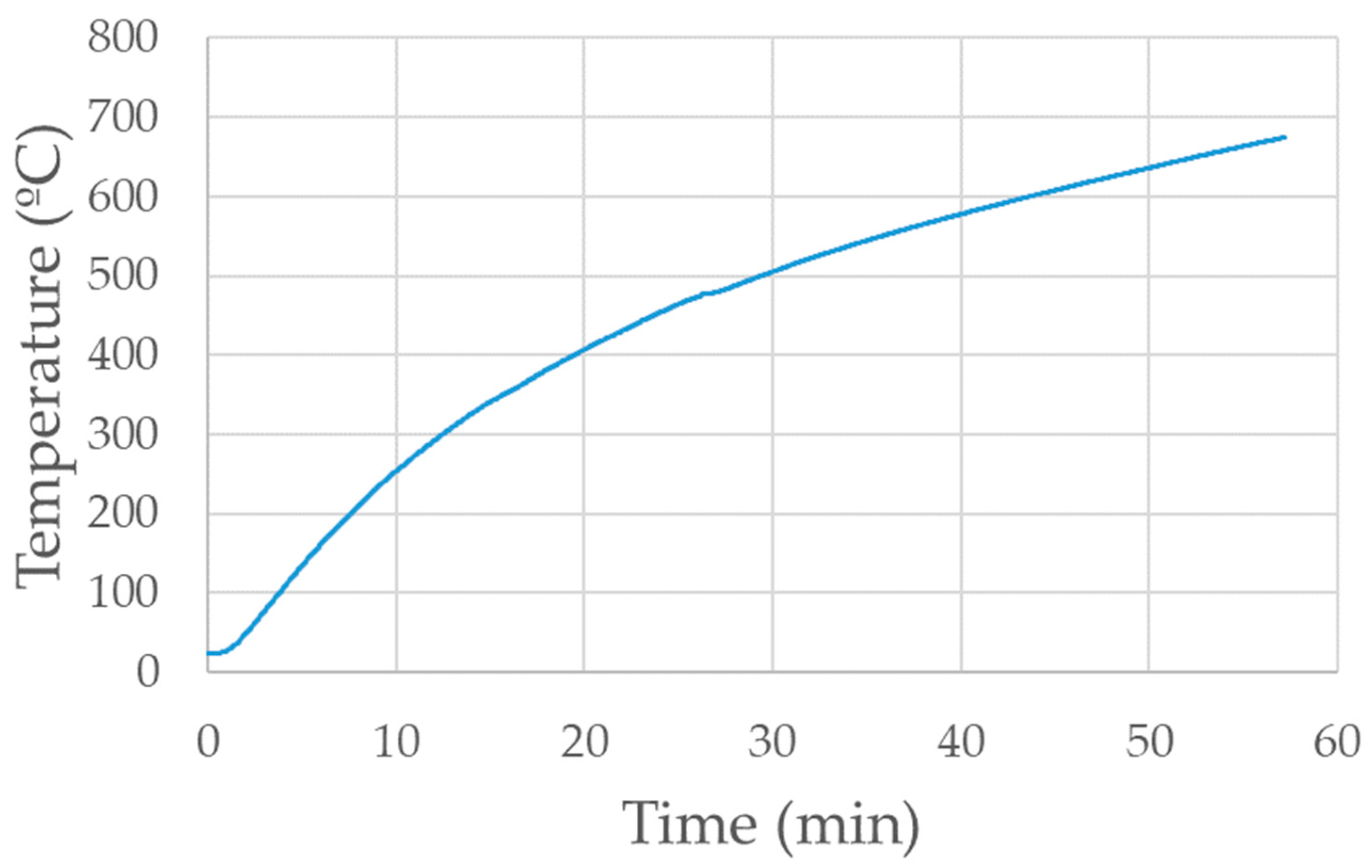
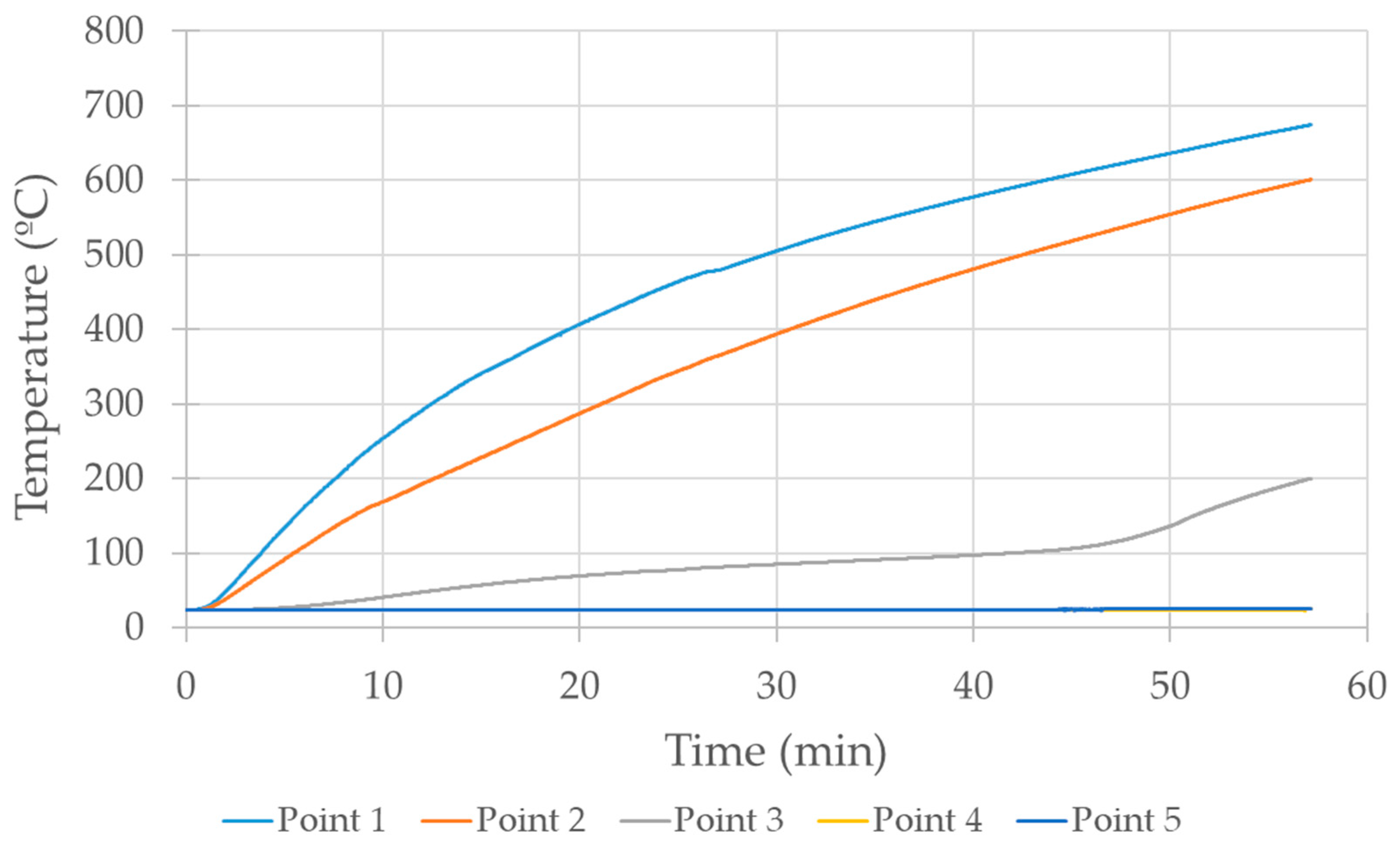
Figure 7a. Temperature measurements were recorded using a PicoLog TC-08 data logger (Pico Technology Ltd, Cambridgeshire, UK), which was used for post-processing of the temperature data during the tests. The heating rate was controlled such that the temperature at point 2 (the gypsum board surface in contact with the furnace) reached 600 °C within 55–60 min, at which point the test was ended.
Figure 8 shows the resulting heating curve.
2.2. Acoustic Tests Description
The devices used for acoustic measurements follow the standards [
21,
22,
23]. They provide limits and conditions for the validity of the frequency measurements, related to the tube diameter, the microphone capsule size, and, in the case of acoustic impedance, absorption coefficient and transmission-loss measurements; there are also limits for the spacing between the two microphones, the singularities of the microphones, and the effect of the capsule size. In the present case, the measurements are restricted to the 200–3150 Hz range. Within this interval, the measurement uncertainty complies with the referenced standards.
2.2.1. Sound Absorption Coefficient at Normal Incidence Description
Sound absorption measurements at normal incidence were conducted using the two-microphone transfer function method in a standing-wave impedance tube, in accordance with UNE-EN ISO 10534-2:2024 [
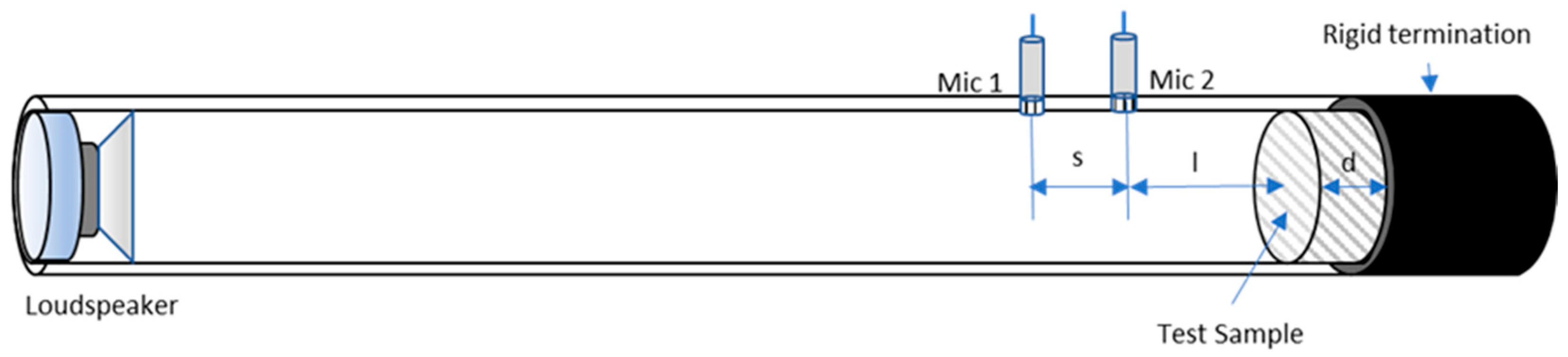
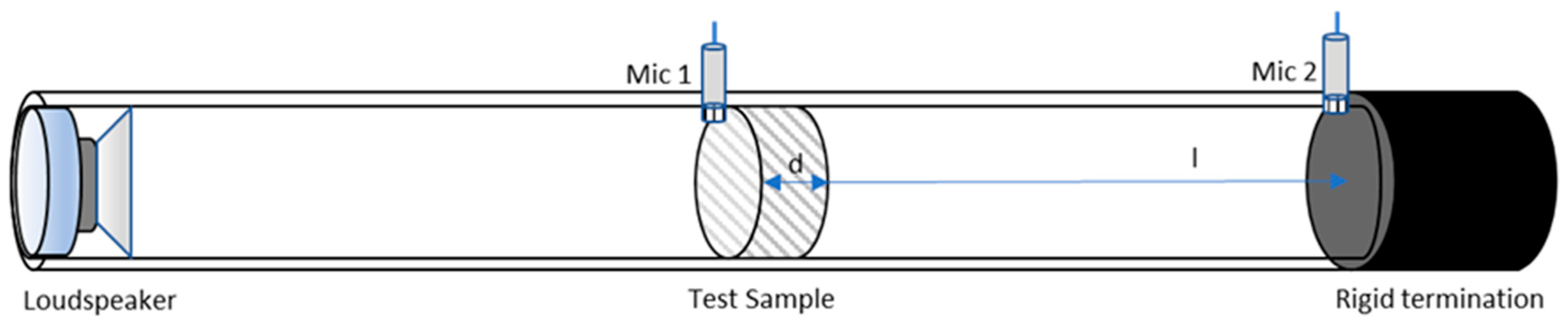
21]. This technique employs a broadband stationary random signal to separate the acoustic field into incident and reflected wave components. The impedance tube used had an internal diameter of 40 mm. Two laboratory-grade ½-inch microphones B&K 4189 (Bruel & Kjaer, Madrid, Spain), each connected to its respective preamplifier B&K ZC0032 (Bruel & Kjaer, Madrid, Spain), were flush-mounted along the tube wall. A spacing of 32 mm between the microphones enabled measurements across the 125–3150 Hz frequency range. One end of the tube was sealed with a Beyma CP800TI loudspeaker (Beyma, Valencia, Spain), while the opposite end was closed with a rigidly terminated sample holder. The microphone signals were processed in real time using an FFT signal analyzer B&K Pulse C3560-C (Bruel & Kjaer, Madrid, Spain), which also supplied the broadband excitation signal to the loudspeaker. The entire measurement setup was controlled via a notebook computer. The experimental configuration is illustrated in
Figure 9.
2.2.2. Airflow Resistivity Description
The determination of the airflow resistivity for porous materials is defined in the regulation ISO 9053-1:2020 [
22], which consists of the method of the flow of static air.
The resistance to the flow of the air is defined as the quotient between the difference in air pressure throughout the material (in relation to the atmospheric pressure) and the volumetric ratio of air that crosses the material. From this value, it can be calculated the specific flow resistance , which allows us to calculate the airflow resistivity of the material .
In Annex A of the regulation, it is indicated that the measurement of the airflow resistivity can be estimated by taking measures with impedance tubes. The indirect method of Ingard & Dear [
25] has been validated by several studies as a valid procedure for estimating the airflow resistivity for porous materials.
For the realization of these tests, the mentioned method of Ingard & Dear [
25]. The device used was built in the laboratory and consists of a cylindrical impedance tube with a rigid end, a sound source, and two microphones calibrated before and after testing each sample.
Figure 10 shows the scheme commented on this test. The impedance tube has a diameter of 40 mm, a wall thickness of 5 mm, a length of 169 cm, and is made of polymethylmethacrylate (PMMA). The loudspeaker is a Beyma CP800TI (Beyma, Valencia, Spain) high-frequency compression driver with a 49 mm throat diameter, which permits emission without considerable distortion at 100 Hz. The other end is closed with a rigid, highly sound-reflective termination. The distance between the first microphone and the rigid end was 84.5 cm. This value was chosen to be one-quarter wavelength at approximately 100 Hz. The two microphones used are 1/2-inch and are mounted flush into the tube wall.
2.2.3. Transmission Loss at Normal Incidence Description
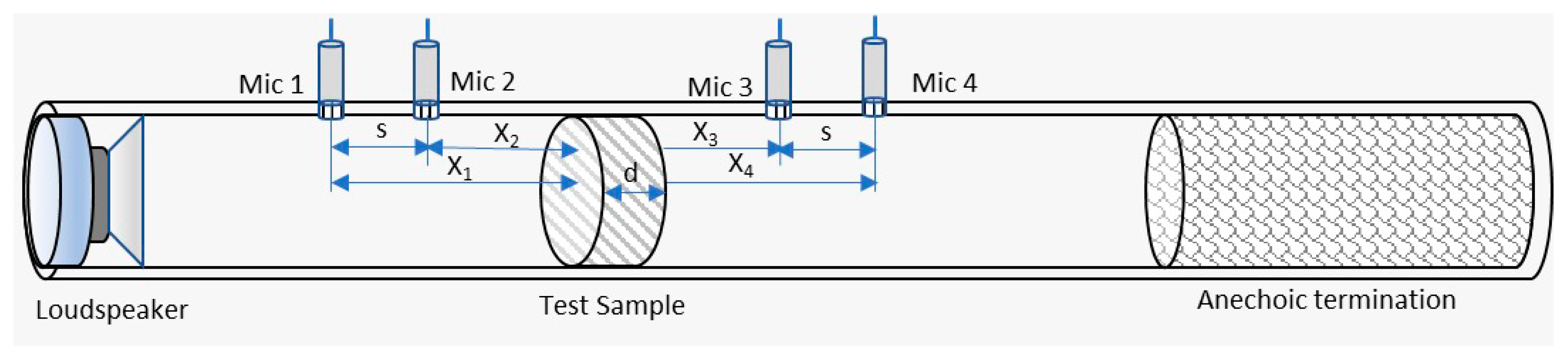
The transmission loss (TL) is determined in impedance tubes. The configuration used for these tests is shown in
Figure 11.
The loudspeaker is placed at one of the ends of the tube, generating plane waves, and at the other end, an anechoic termination is placed. The system employs four microphones, two of them placed between the loudspeaker and the sample and the other two between the sample and the anechoic termination. The dispositive represents the description of the transfer matrix representing the incident and reflected waves from the sample. If the coefficients of the matrix are known, it is possible to obtain the TL following Equation (1).
In this equation,
is the distance between the microphones;
and
are the transfer functions between microphones 1 and 2 (before the sample) and 3 and 4 (after the sample), respectively. The relation between autospectra
is defined by Equation (2).
where
is the autospectrum before the sample and
is the autospectrum after the sample.
2.3. Acoustic Empirical Model Description
From the measurements of the acoustic impedance and of the airflow resistivity of each material, semiempirical models can be derived. The equations of Delany and Bazley [
26], in the MKS units, for the model are the following:
In these equations is the impedance of the characteristic wave, is the characteristic constant of the propagation of the sound, is the density of the air, is the velocity of the sound, is the angular frequency, is the frequency, (i = 1, …, 8) are eight numeric coefficients and is an adimensional parameter. These empirical expressions give precise results when the parameter is between the values .
The superficial impedance
follows this expression (7), where
is the thickness of the material:
In order to carry out the adjustment, an error function is programmed based on the quadratic error (8), which compares the estimated acoustic impedance with the measurements.
In this expression, is the measured impedance for a sample at the i-th frequency and is the corresponding estimated value. To minimize the function, it has been programmed by a genetic algorithm that does not need an initial iteration and delimits the range of the coefficients. As each material has its own microstructure, the coefficients from Equations (3) and (4) must be unique for each type of porous material.
4. Discussion
Beginning with the thermal properties, it can be observed in
Figure 10 that the slope of the curve corresponding to the contact between the gypsum board and the sample changes at approximately 45–50 min from the start (which corresponds to 35–40 min in
Figure 11). This change is attributed to the deterioration of thermal insulation properties of the gypsum, which causes the sample to receive significantly more heat from the source than it did prior to this turning point.
In this regard, a higher thermal gradient value correlates with superior insulation performance. Overall, the seismic isolator sample exhibits the highest thermal gradient. All samples with recycled materials performed below the seismic isolator, with the exceptions of M20-NA1/0 and M10-NA2/1. In these two specific cases, their thermal insulation slightly surpasses that of the tested SISBRICK from approximately 36 min until nearly the end of the tests. They are followed by M25-NA4/1, M10-NA4/1, M15-NA4/1, and M15-NA2/1, which do not reach the seismic isolator, though they are close to the samples previously mentioned. The poorest performance is exhibited by M15-NA0/1, closely followed by the samples M10-NA0/1, M10-NA1/4, and M15-NA1/4.
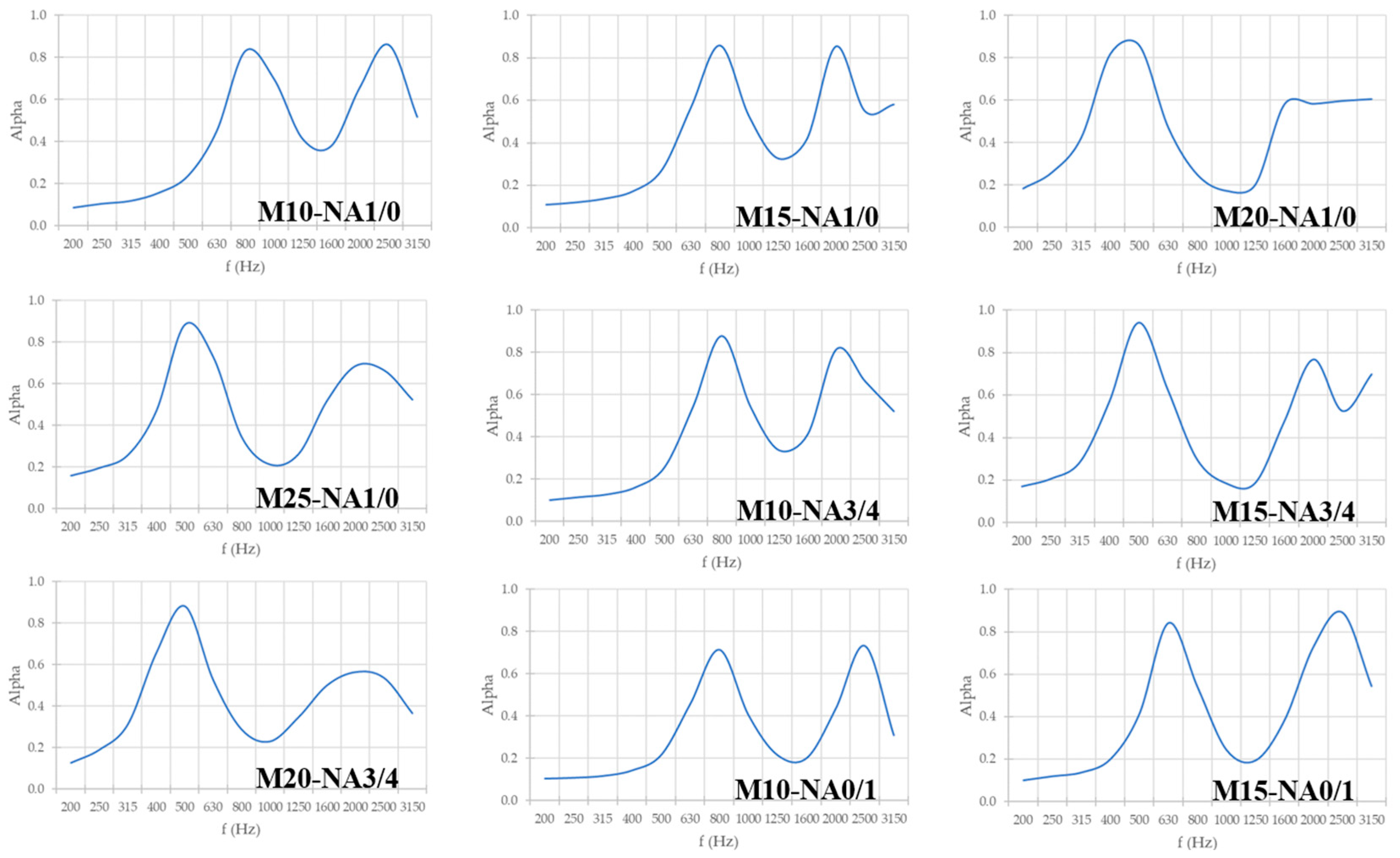
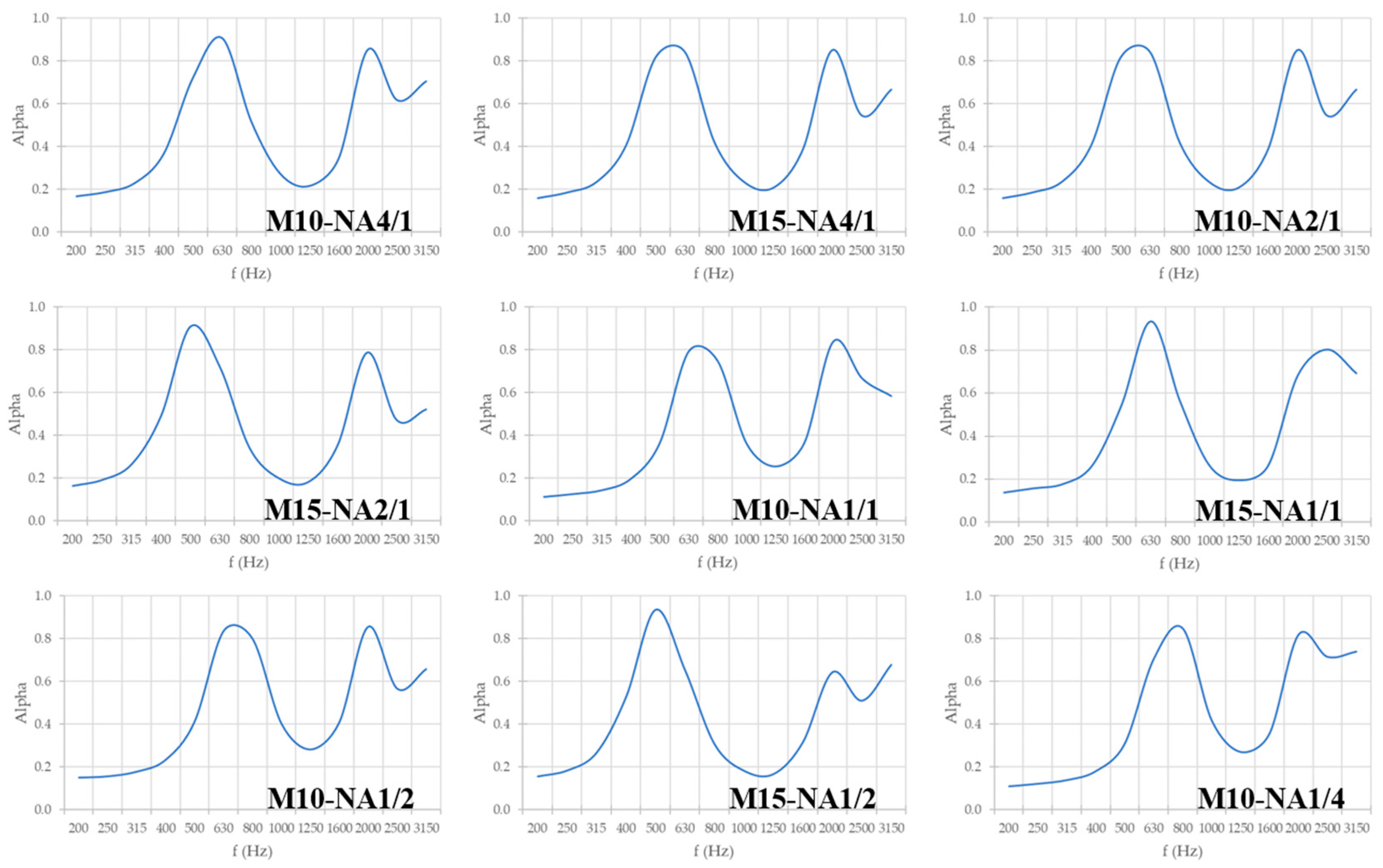
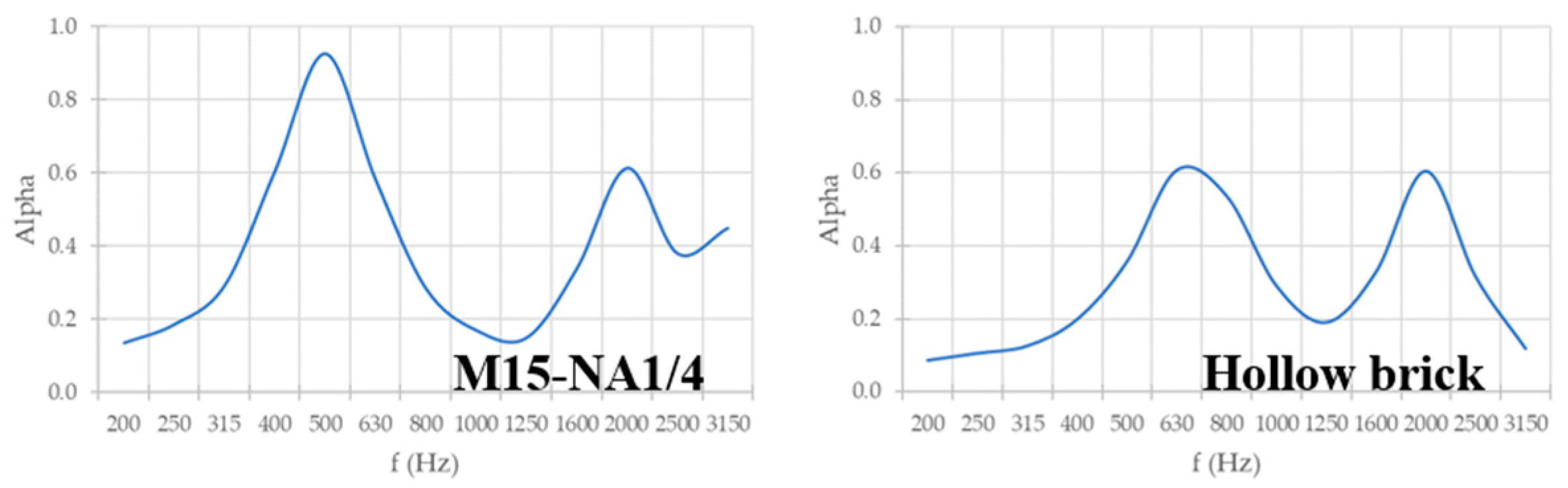
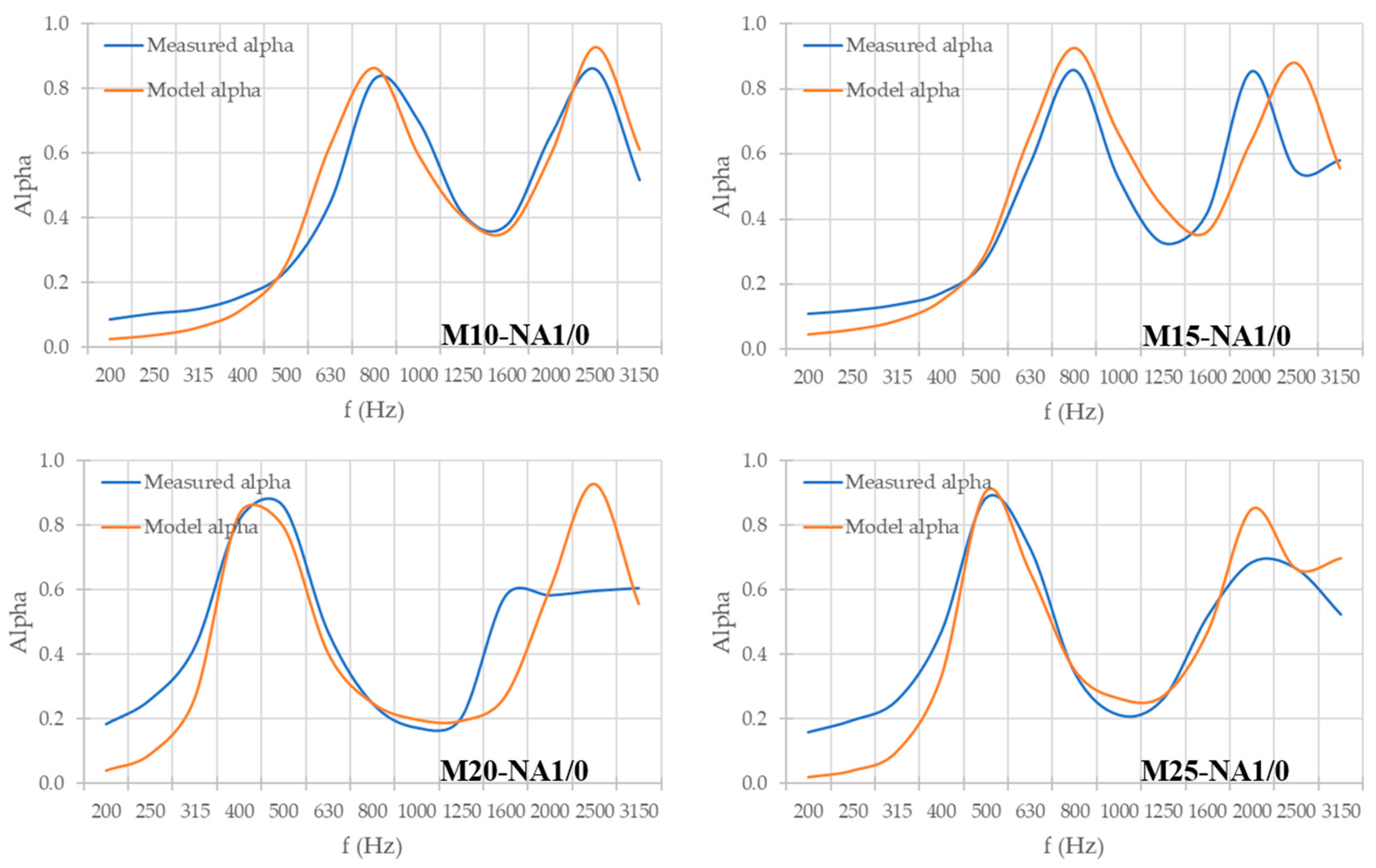
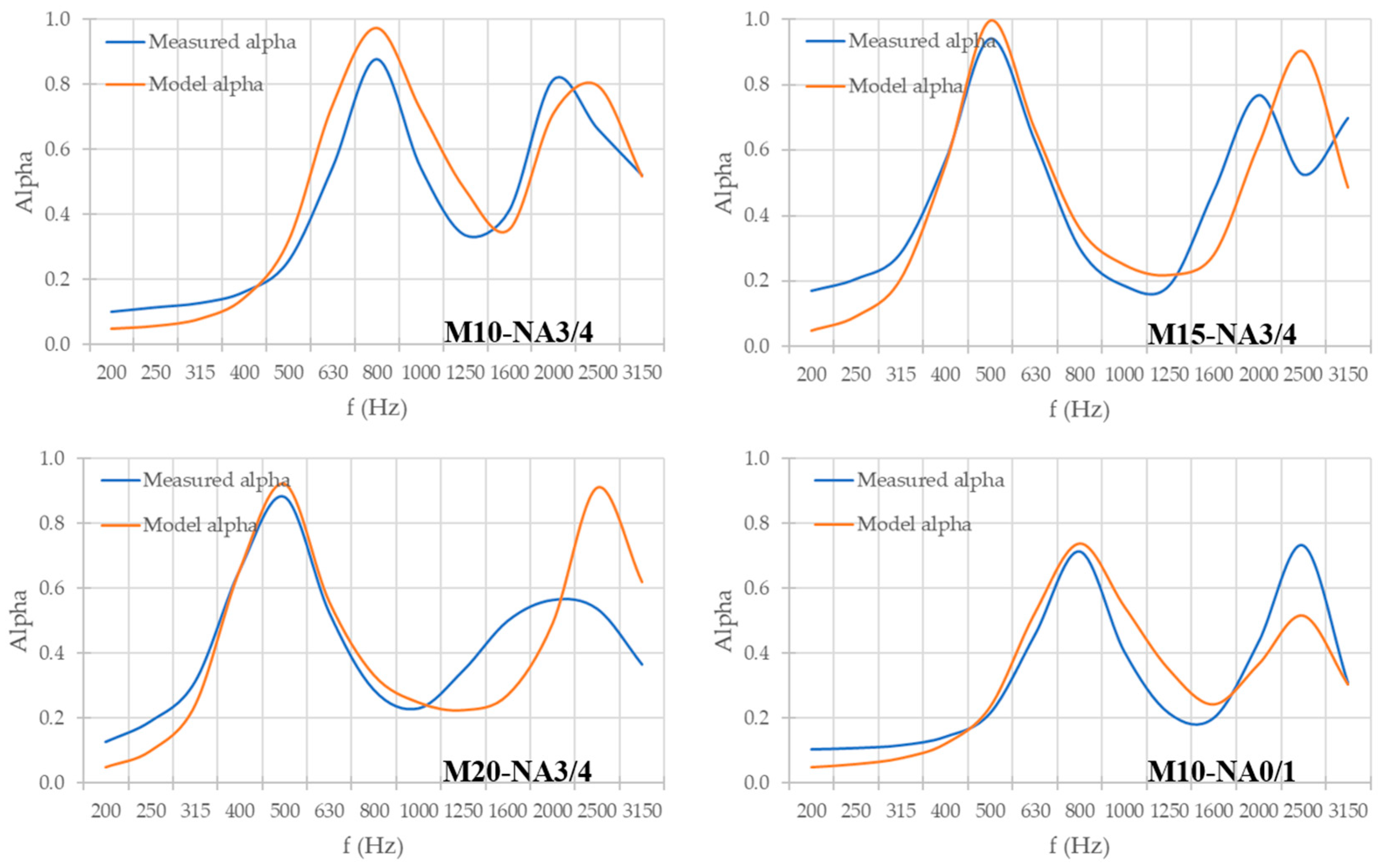
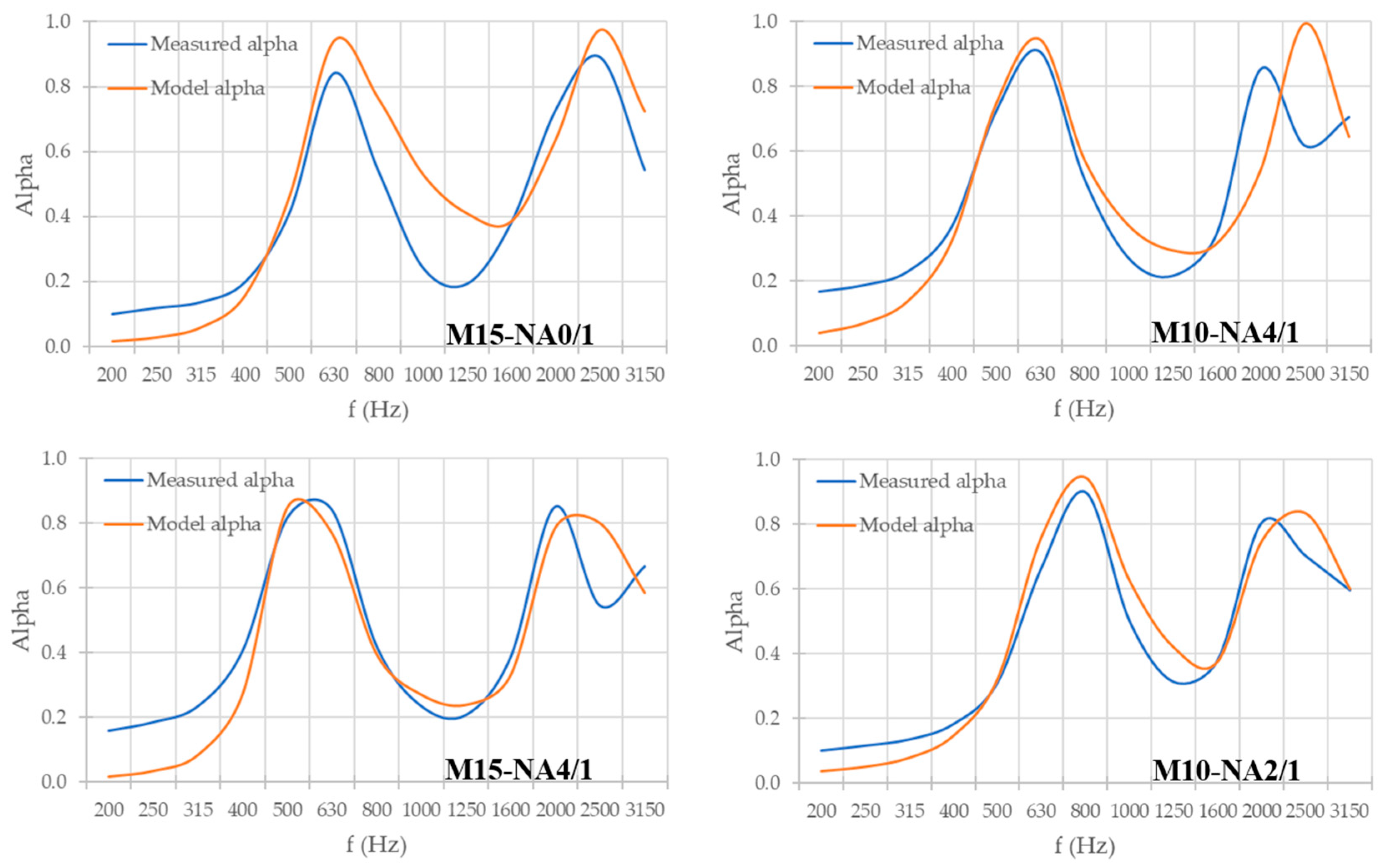
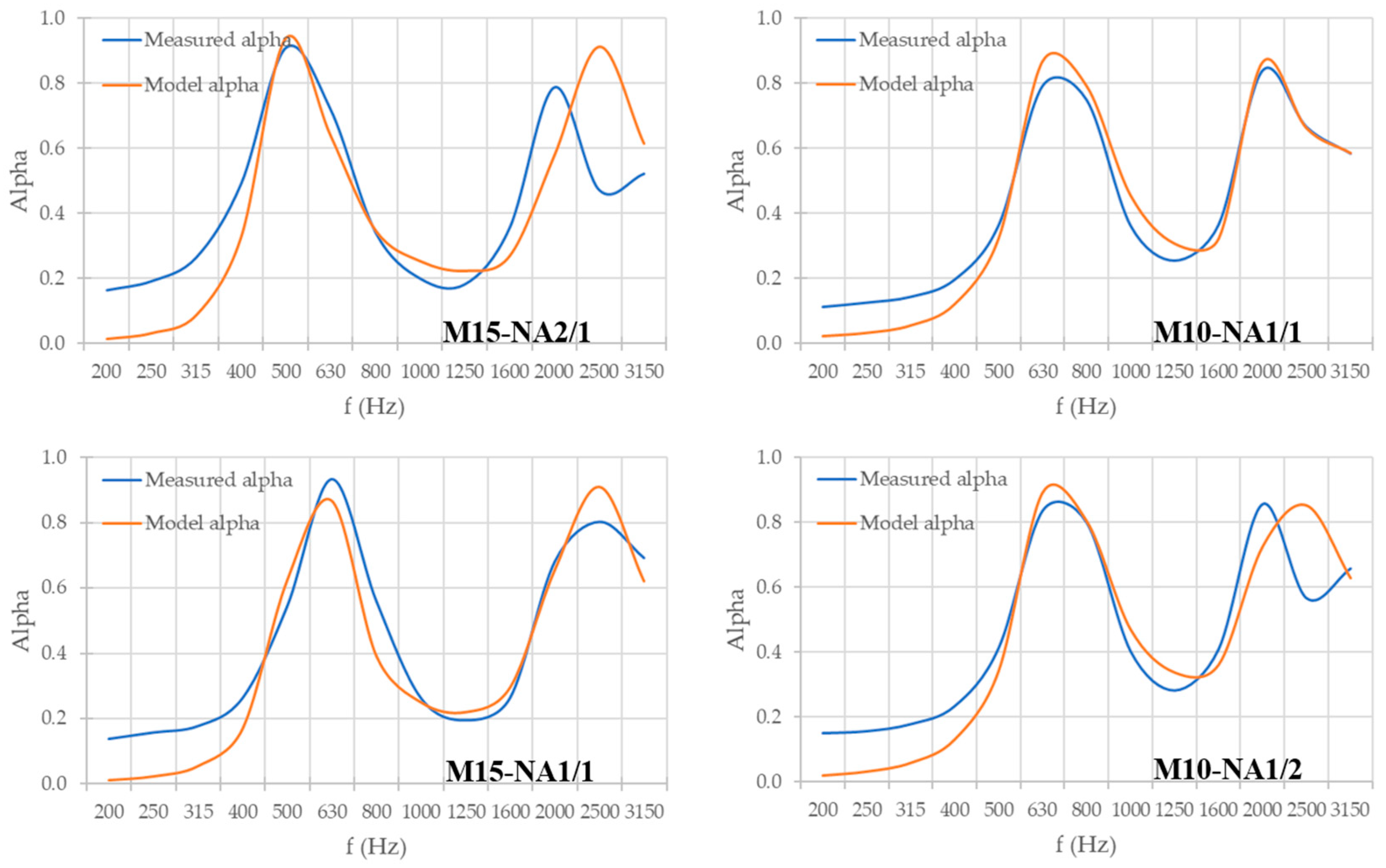
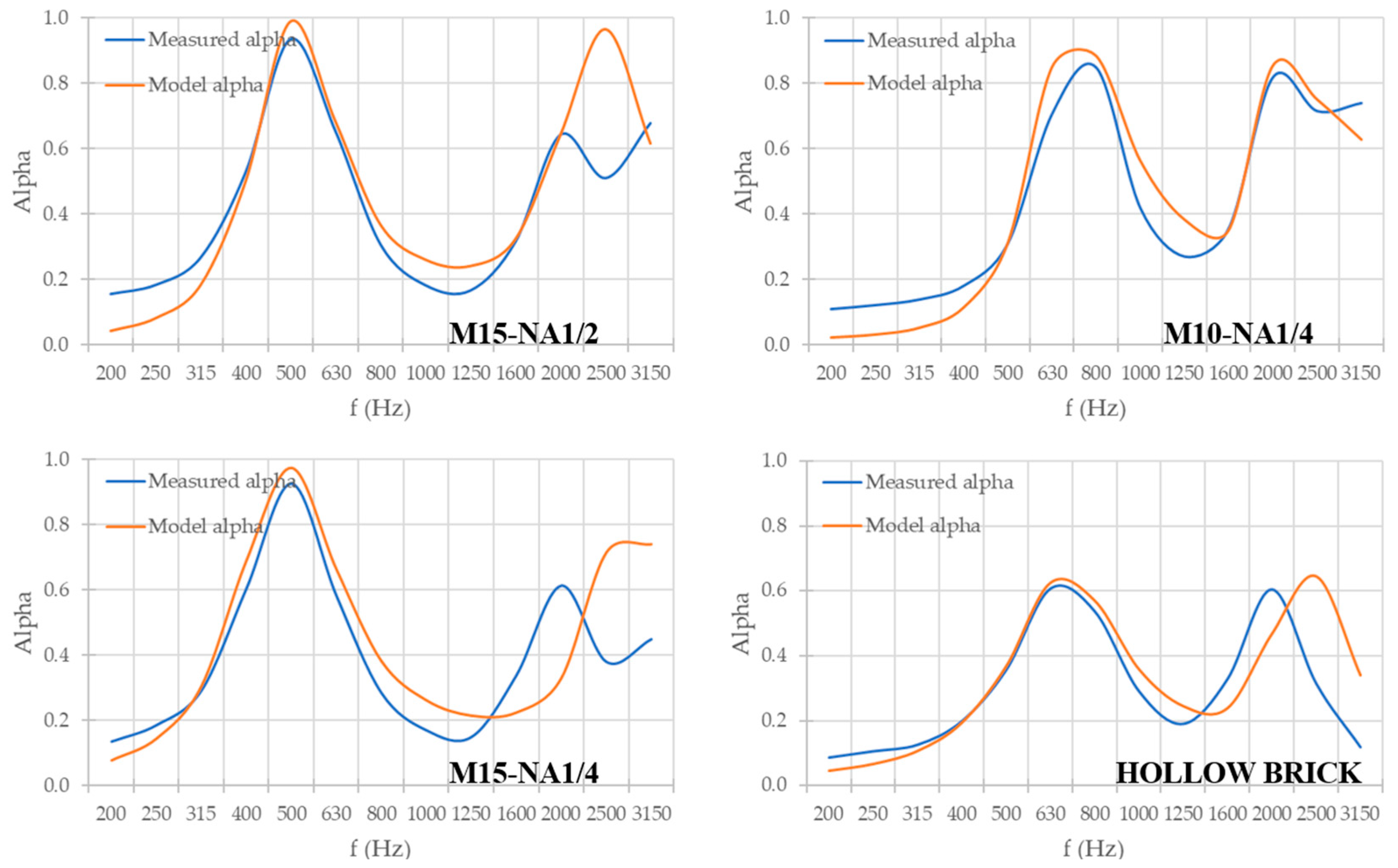
In the sound absorption coefficient at normal incidence tests, all brick and patented seismic isolator samples exhibit lower sound absorption coefficients compared to the samples with recycled materials. In general, all materials display two distinct frequency peaks in their sound absorption behavior, with some reaching values as high as 0.9. In most cases, the peak with a higher value takes place at a lower frequency between 400 and 630 Hz, while the second one tends to be located between 2000 and 2500 Hz. The samples with the best performance in this test are M20-NA1/0, M25-NA1/0, M20-NA3/4, and M10-NA1/2, followed by M15-NA3/4, M15-NA2/1, M15-NA1/2, and M15-NA1/4. The sample M10-NA0/1 shows the poorest performance among all tested samples.
In general, an increase in airflow resistivity correlates with improved acoustic absorption performance of the material. For applications in building acoustics, it is recommended that the airflow resistivity exceed 5 kNs/m4, although materials already begin to show sound absorption properties when this value surpasses 3 kNs/m4. All samples, except M10-NA0/1 and M15-NA0/1, exceed this threshold. The sample M20-NA3/4 demonstrates the best performance, followed by M25-NA1/0 and M20-NA1/0. The seismic isolator analyzed takes a value close to the threshold.
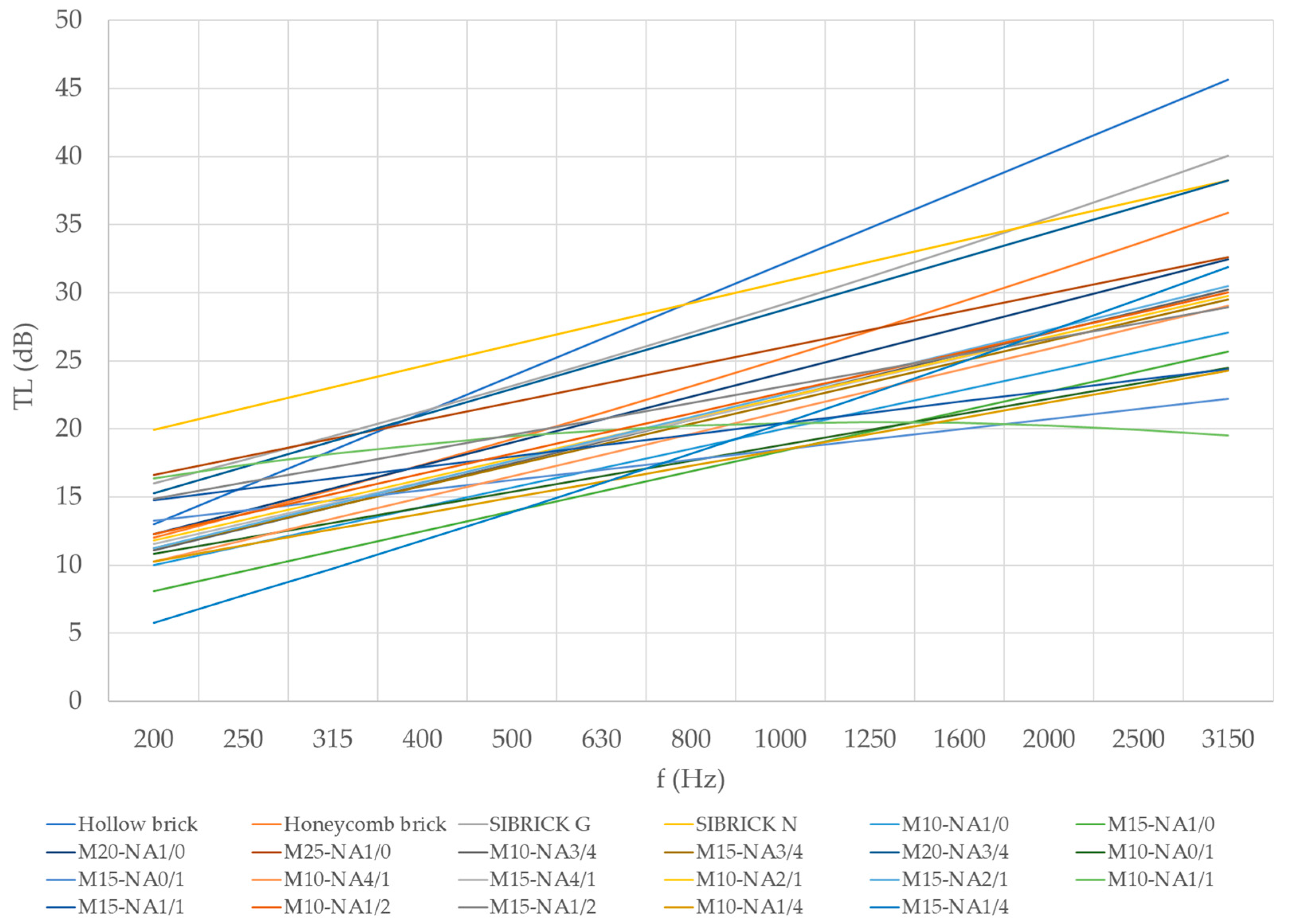
Regarding transmission loss, no samples of recycled material archive the acoustic isolation of the samples of the seismic isolators tested. The ceramic bricks show behavior around the average of all samples, whereas at higher frequencies, the transmission loss value of the hollow brick becomes the highest. In the case of the samples with recycled materials, the ones with better performance are M20-NA3/4 and M25-NA1/0, close to the SISBRICK samples. On the other side, the poorest sample is the M15-NA1/4, followed by N15-NA1/0.
All analyzed samples exhibit similar behavior in terms of both flow resistance and sound absorption coefficient to the recent work [
27]. The values of airflow resistivity are between 5.3 and 7.8 kPa·s/m
2, as well as peaks in the sound absorption response. This similar behavior also explains that the samples in this study exhibit dual-porosity behavior, and the model presented in [
27] is also plausible. The novelty of the samples presented in this work is that higher values of flow resistivity are achieved. In addition, the frequencies of the sound absorption peaks are lower, which is more interesting. This occurs at higher densities, which also allows the samples to provide better sound insulation.
Overall, the thermal tests indicate that samples containing higher proportions of ground tyre rubber tend to exhibit superior performance compared to those with larger amounts of mineral aggregate. Nonetheless, this trend is not entirely consistent, as some mixtures with relatively low aggregate content also perform well; notably, sample M20-NA3/4 ranks among the best-performing specimens. In contrast, samples composed exclusively of aggregate consistently yield the poorest thermal and acoustic results, suggesting that aggregate alone provides limited functional benefit.
A clearer pattern emerges in the acoustic measurements. The samples exhibiting the most favorable acoustic behavior are those containing approximately 20–25% polyurethane, specifically M20-NA1/0 and M25-NA1/0. The performance of sample M20-NA3/4, which also contains 20% polyurethane, further reinforces this trend. Polyurethane is known to possess intrinsically advantageous acoustic properties [
28], and previous studies have shown that combining PU with other materials can enhance both thermal and acoustic performance [
29]. Notably, in the present study, the influence of polyurethane remains significant even when it is not the predominant component, indicating that a proportion as low as 20–25% is sufficient to yield measurable acoustic improvements. The airflow resistivity values reported in [
28,
29] are consistent with those obtained here, and similar patterns are observed in the sound absorption coefficients, further supporting the validity of the present results.
When considering density, the thermal and acoustic behavior of the samples shows no clear correlation with bulk density values (
Table 1). In fact, M20-NA1/0 and M25-NA1/0—two of the best-performing samples—are also among the least dense due to their low aggregate content. This observation reinforces the notion that density is not the primary driver of performance in these composites. Instead, the amount of polyurethane appears to exert a more substantial influence. A plausible explanation is that higher polyurethane content fills the gaps between tyre rubber particles and aggregate more effectively, producing a structure that behaves more like a continuous material. This structural continuity may facilitate more efficient dissipation of acoustic energy and improved thermal insulation.
Taken together, the combined thermal, acoustic, and morphological analyses indicate that both ground tyre rubber and polyurethane contribute decisively to enhanced performance, whereas aggregate-dominated formulations consistently underperform. These findings underscore the importance of composite composition and highlight the synergistic role of polymer-based components—particularly polyurethane—in achieving improved functional properties.
Regarding the acoustic empirical model, the Delany & Bazley [
26] model has been successfully implemented for all phonoabsorbent materials. The sample M10-NA0/1 has the highest error in the adjustment. This is due to its low flow resistivity. Similarly, sample M10-NA1/1 has the lowest error. This is consistent, as it is the material with the highest flow resistivity.
5. Conclusions
Thermal testing indicated that sample M20-NA1/0 exhibited the highest thermal insulation performance, closely followed by M10-NA2/1, achieving thermal resistance comparable to that of the reference seismic isolator. Samples with higher aggregate content (ratios 0/1 and 1/4) consistently displayed poor thermal performance, whereas formulations with higher proportions of ground tyre rubber performed significantly better. Among the tested materials, M20-NA1/0 provided the best overall thermal behavior, M20-NA3/4 showed intermediate performance, and M25-NA1/0 slightly exceeded the average.
Acoustic measurements revealed behavior characteristic of closed-cell materials. Compared to brick samples, the recycled composites exhibited superior sound absorption. The frequency of the absorption peak was found to depend on the polyurethane content: M10-based samples peaked around 630 Hz, M15 around 500 Hz, and M20 between 400 and 500 Hz, reflecting a general trend toward lower-frequency absorption with increasing PU content. Seismic isolator reference samples did not show a clear trend in peak frequency. Airflow resistivity measurements indicated that almost all samples exceeded 3 kNs/m4, confirming their effectiveness as sound absorbers. The samples most closely matching the acoustic performance of the reference seismic isolator were M20-NA1/0, M25-NA1/0, and M20-NA3/4, with the latter showing the closest overall similarity.
The final selection among these top-performing samples should be based on the specific isolation requirements of the building. For applications prioritizing thermal insulation, M20-NA1/0 is the optimal choice, while M20-NA3/4 is preferable for acoustic isolation. M25-NA1/0 represents a suitable intermediate solution, balancing both thermal and acoustic performance. In general, the best overall properties were observed in formulations with lower aggregate content and higher proportions of ground tyre rubber and polyurethane, which function effectively as a binder.
Acoustic modeling of all samples was successfully performed, with models accurately capturing the first resonance peak and reasonably approximating the second. The mean squared error for the predicted sound absorption coefficients was low, confirming the reliability of the modeling approach.