Article

A GPS-Integrated IoT Framework for Real-Time Monitoring of Prefabricated Building Modules During Transportation

1
Offsite Construction Research Centre, Department of Civil Engineering, University of New Brunswick, Fredericton, NB E3B 5A3, Canada
2
Analytics Everywhere Lab, Department of Computer Science, University of New Brunswick, Fredericton, NB E3B 5A3, Canada
3
Building Technology Optimization, National Research Council/Government of Canada, Ottawa, ON K1A 0R6, Canada
*
Author to whom correspondence should be addressed.
Buildings 2025, 15(23), 4242; https://doi.org/10.3390/buildings15234242

Submission received: 4 October 2025 / Revised: 13 November 2025 / Accepted: 20 November 2025 / Published: 24 November 2025

Abstract

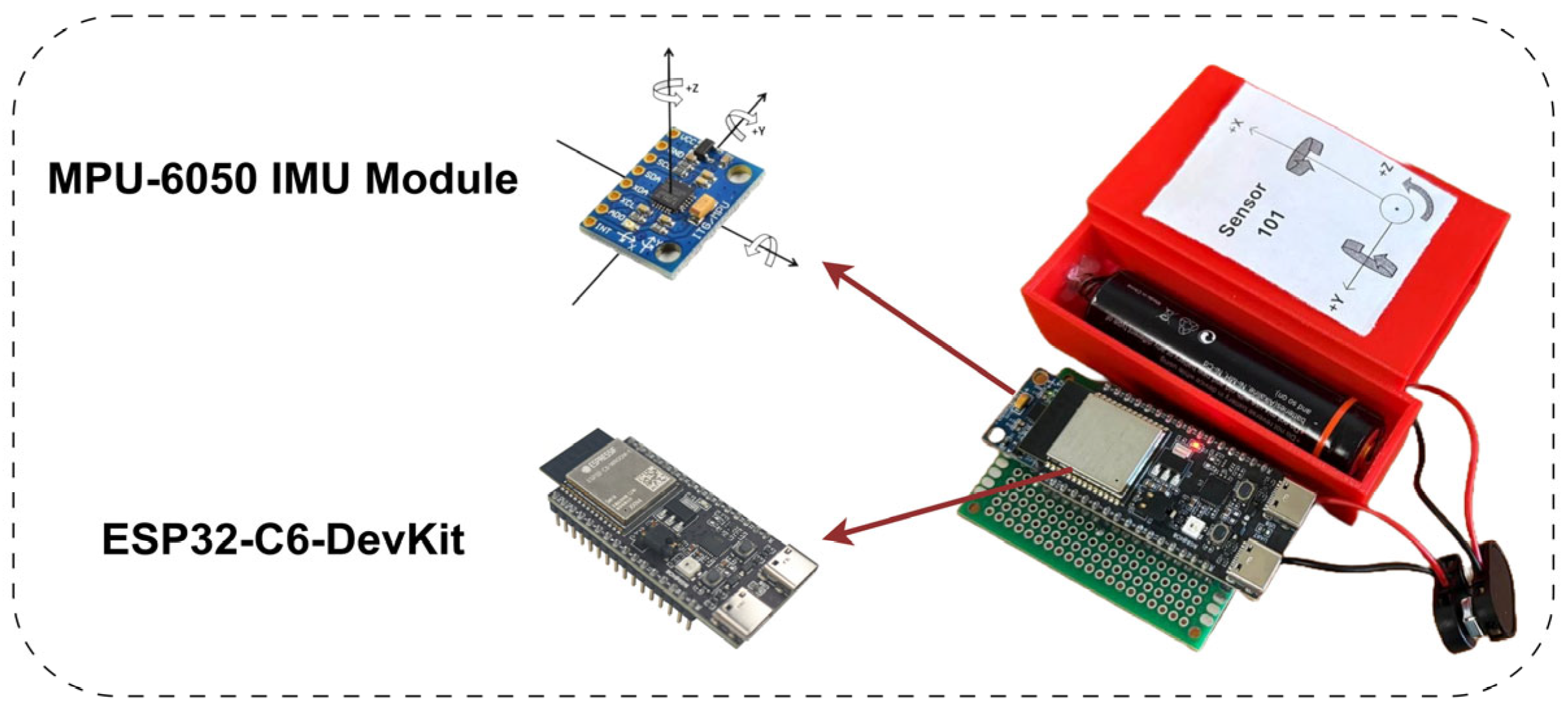
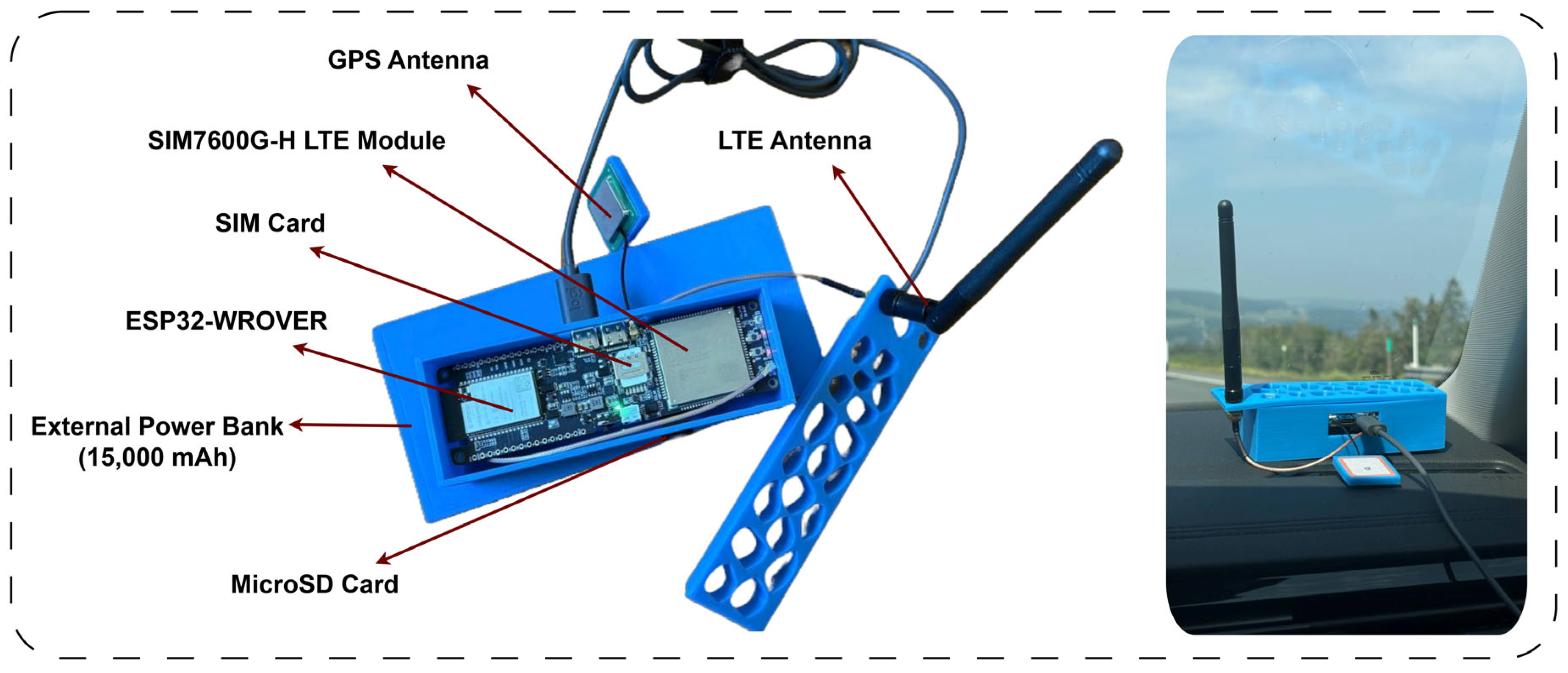
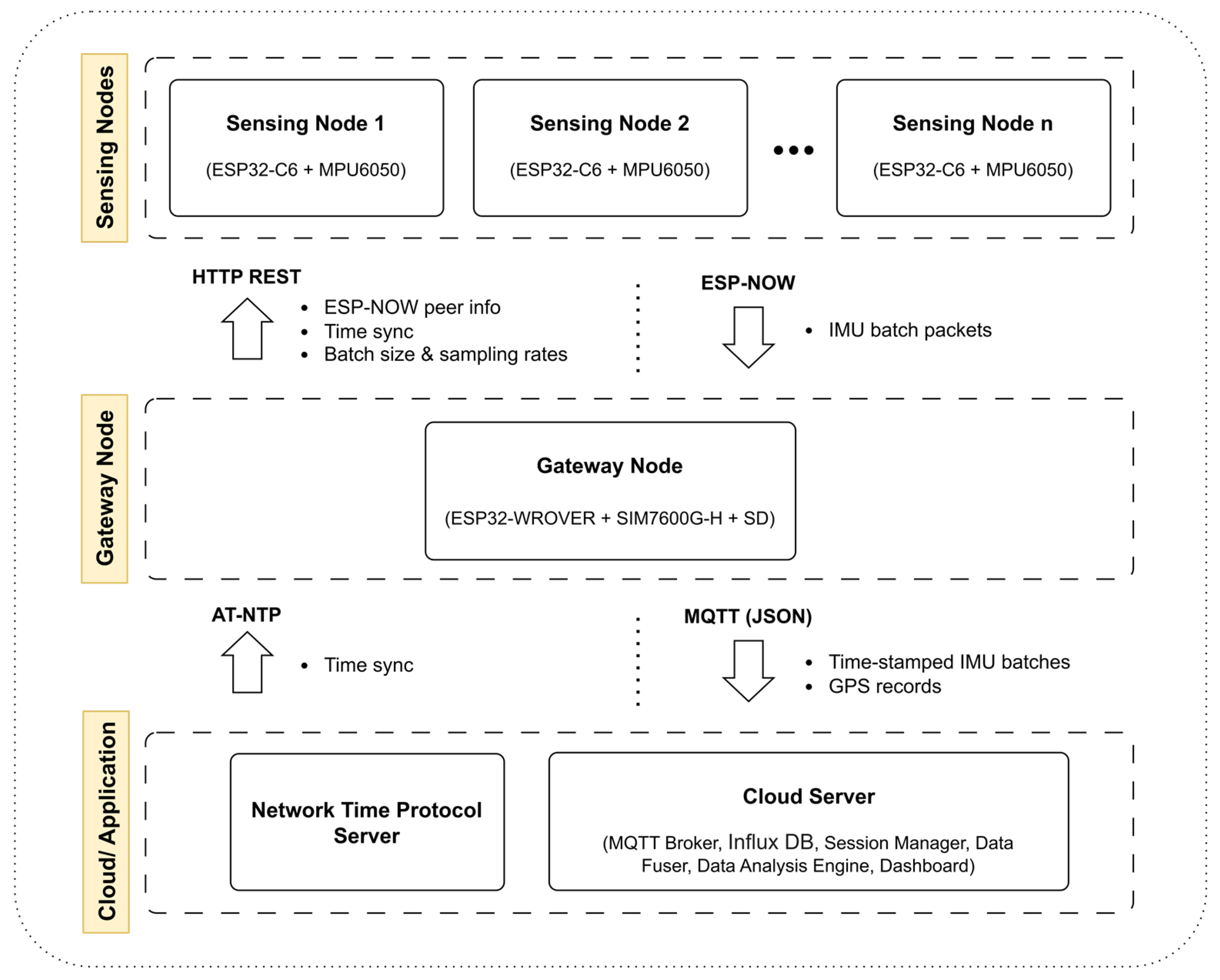
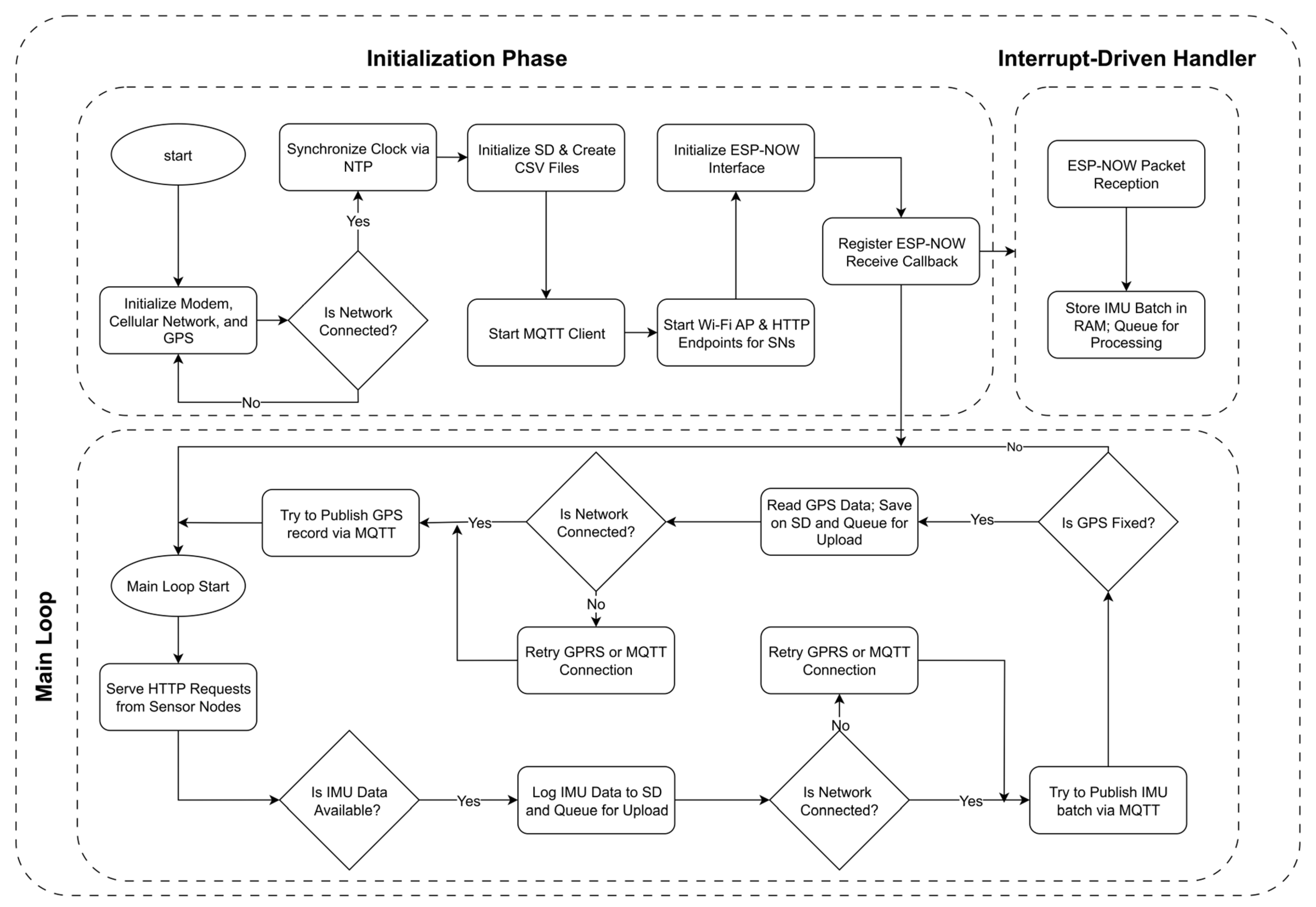
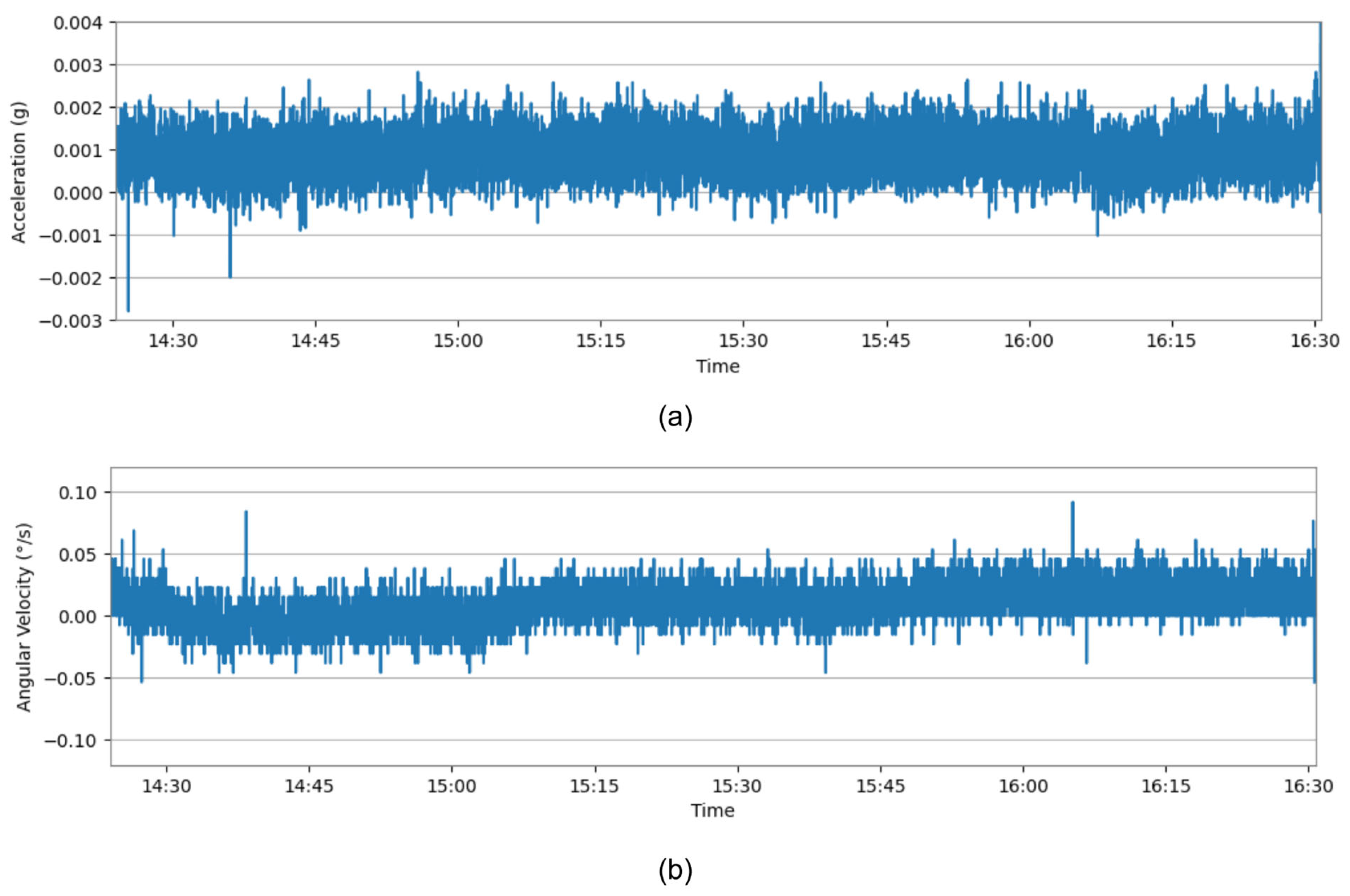
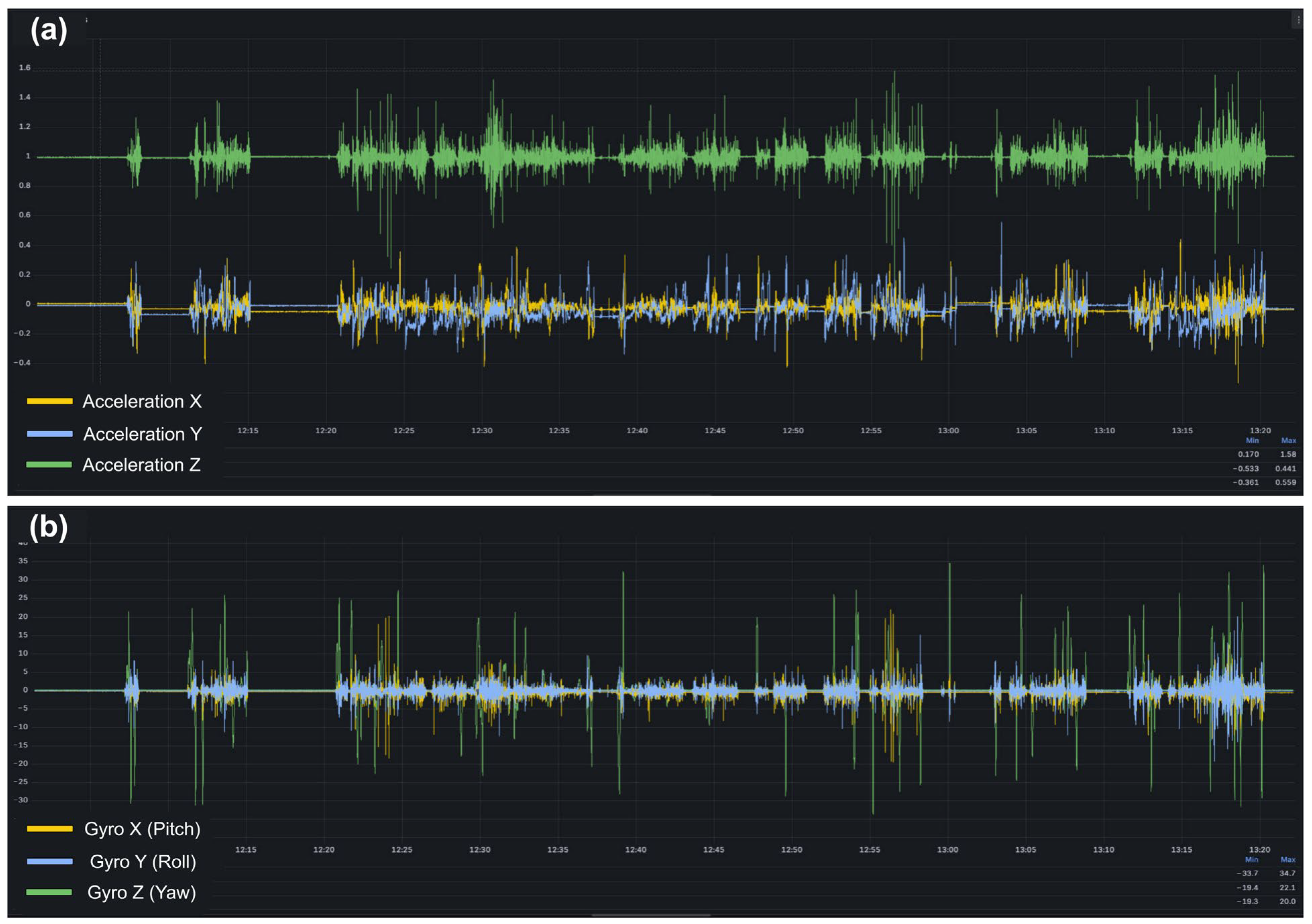
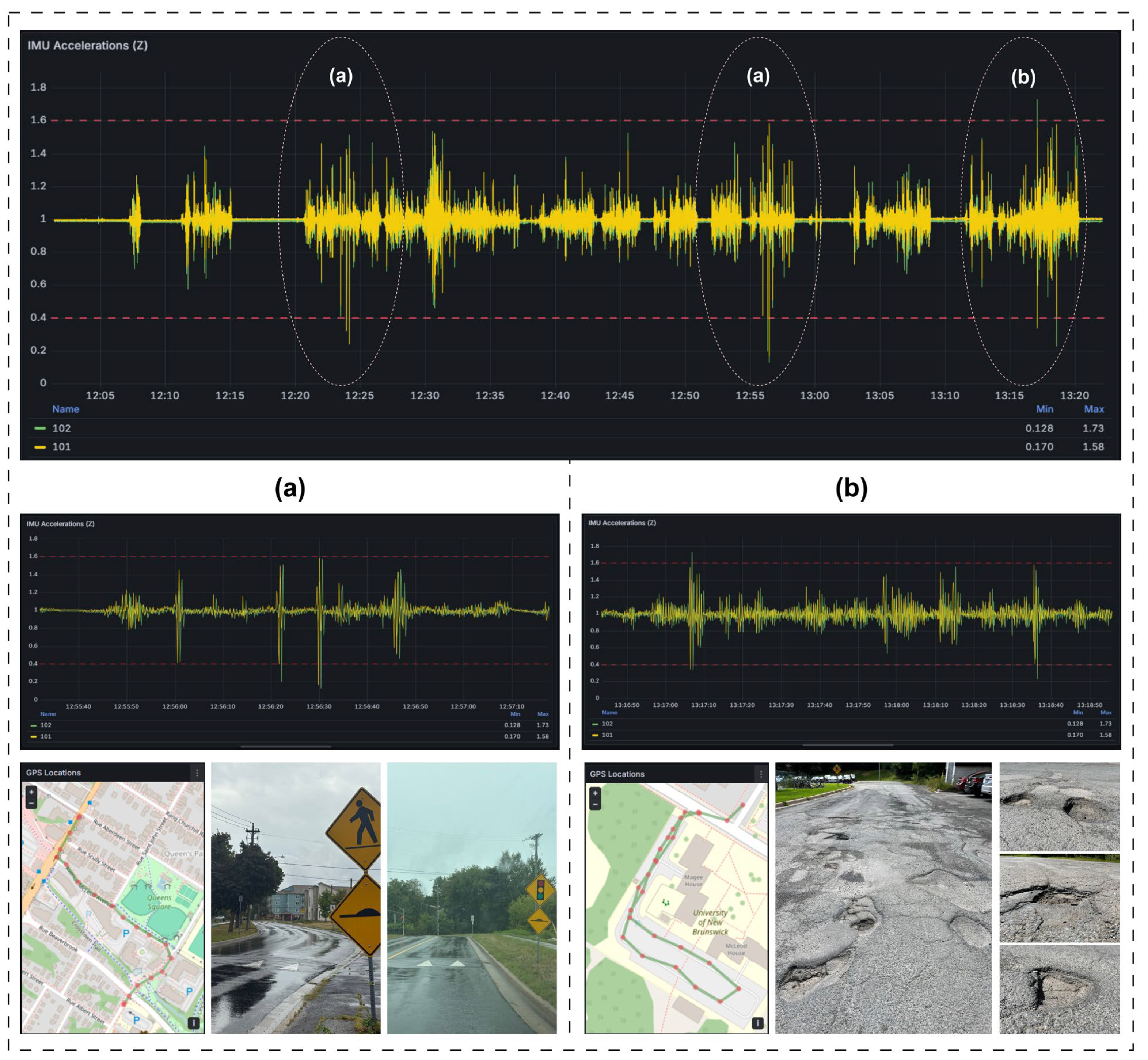
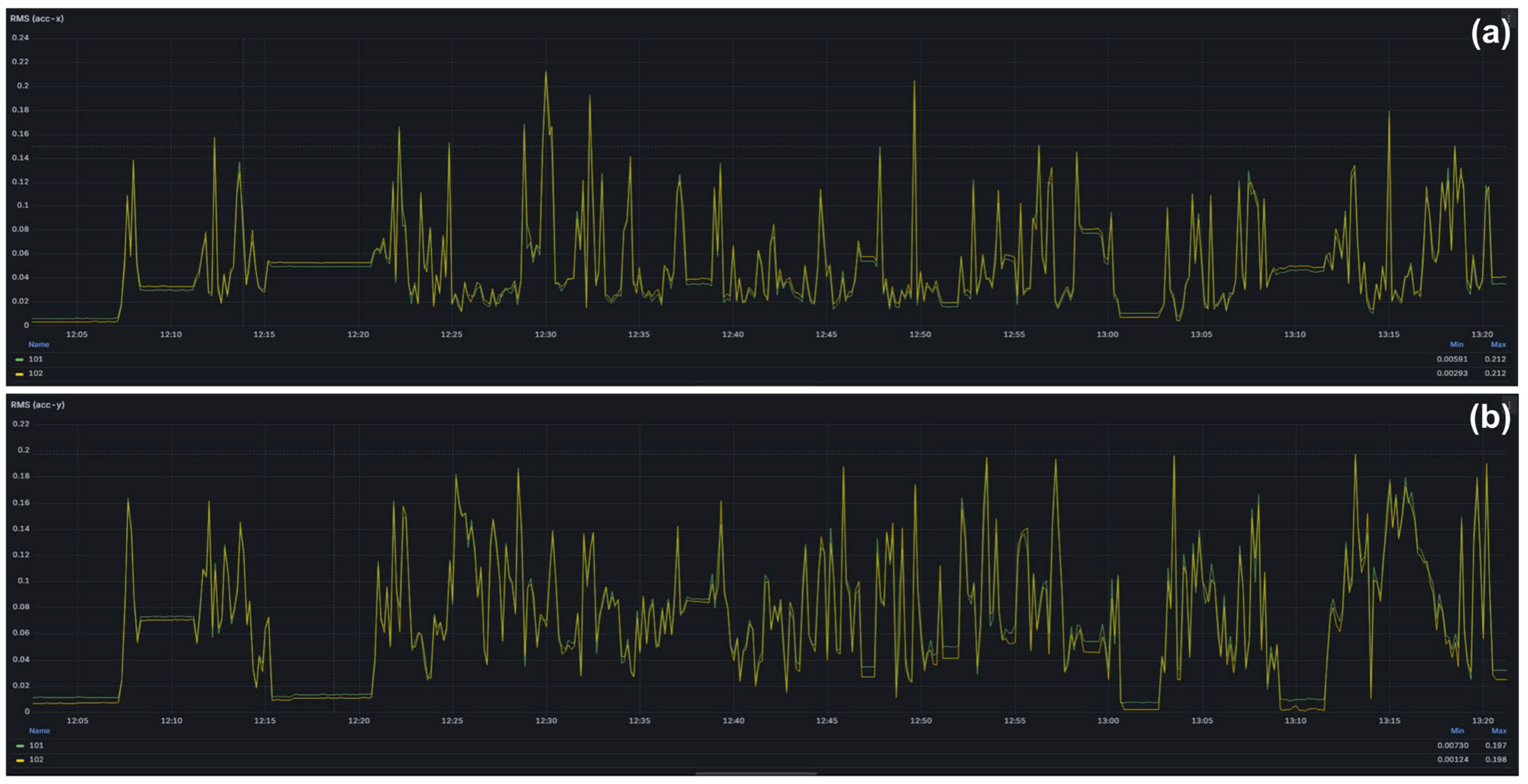
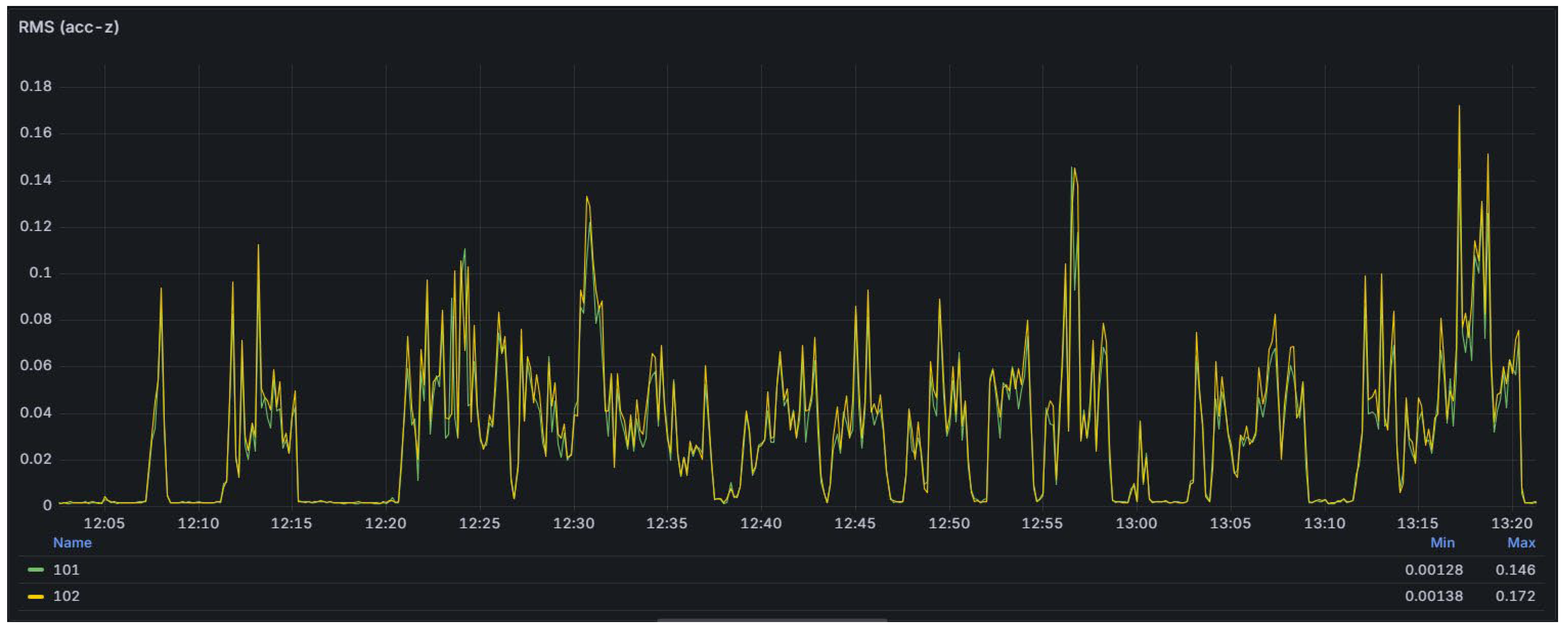
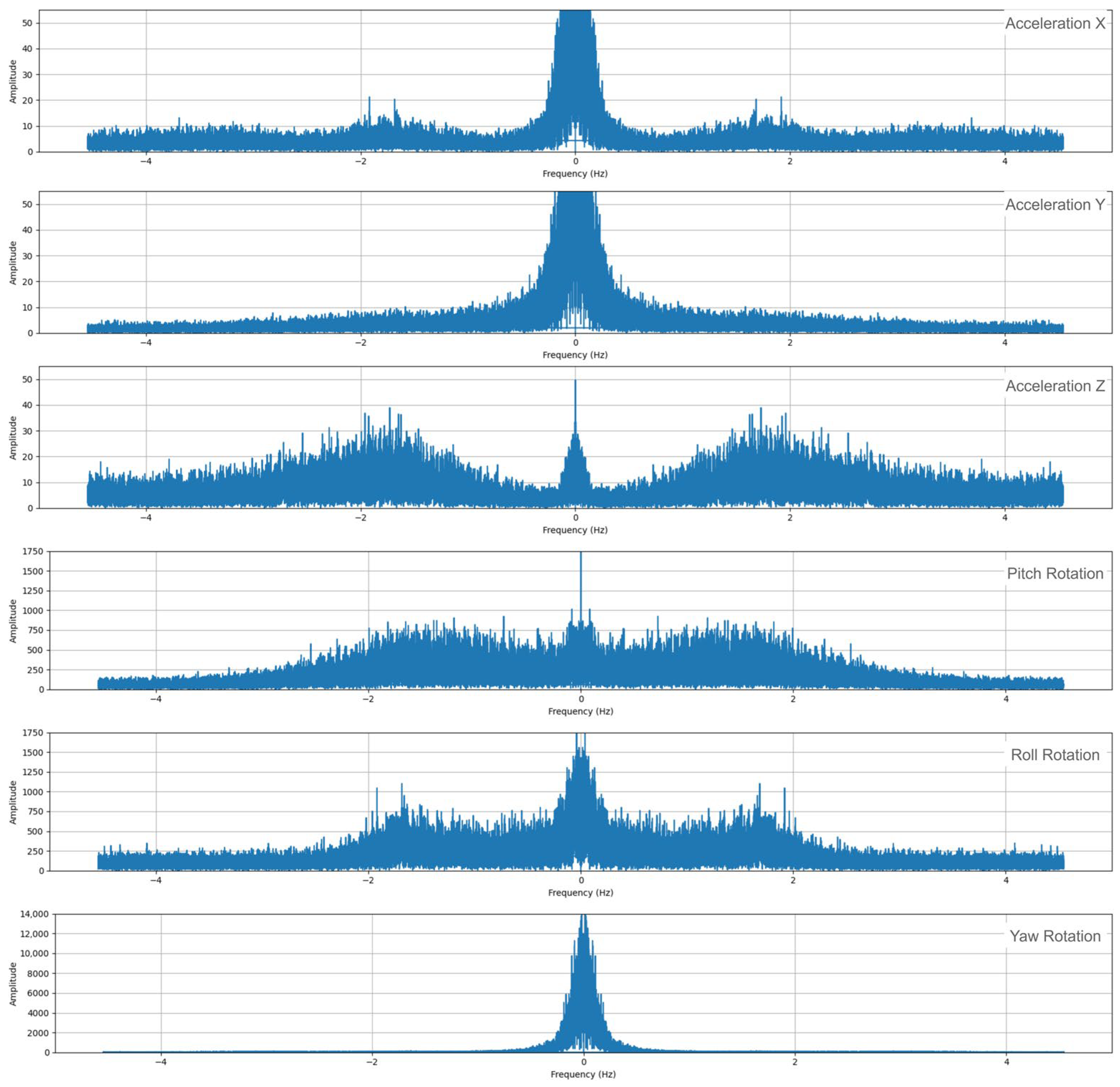
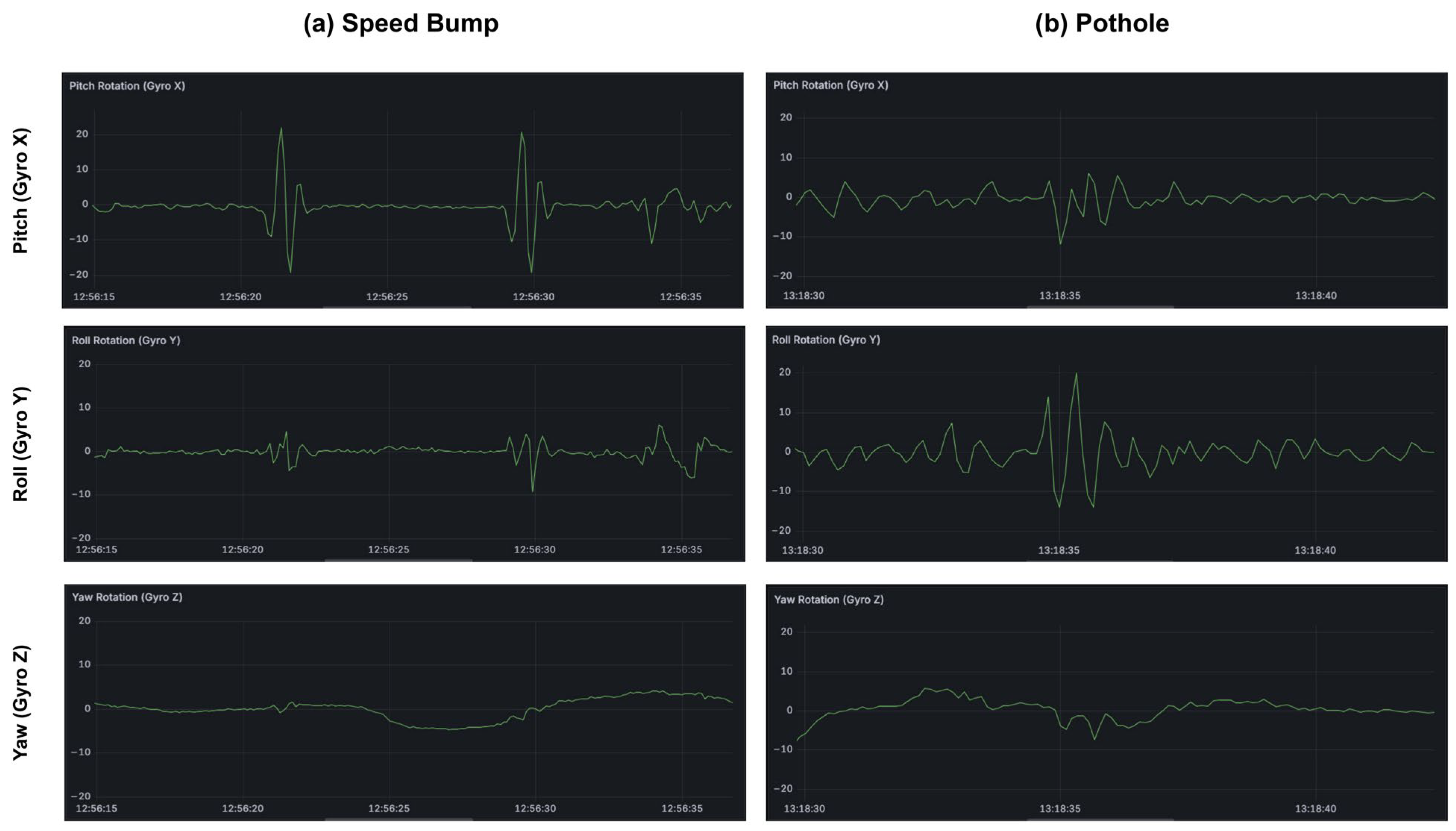
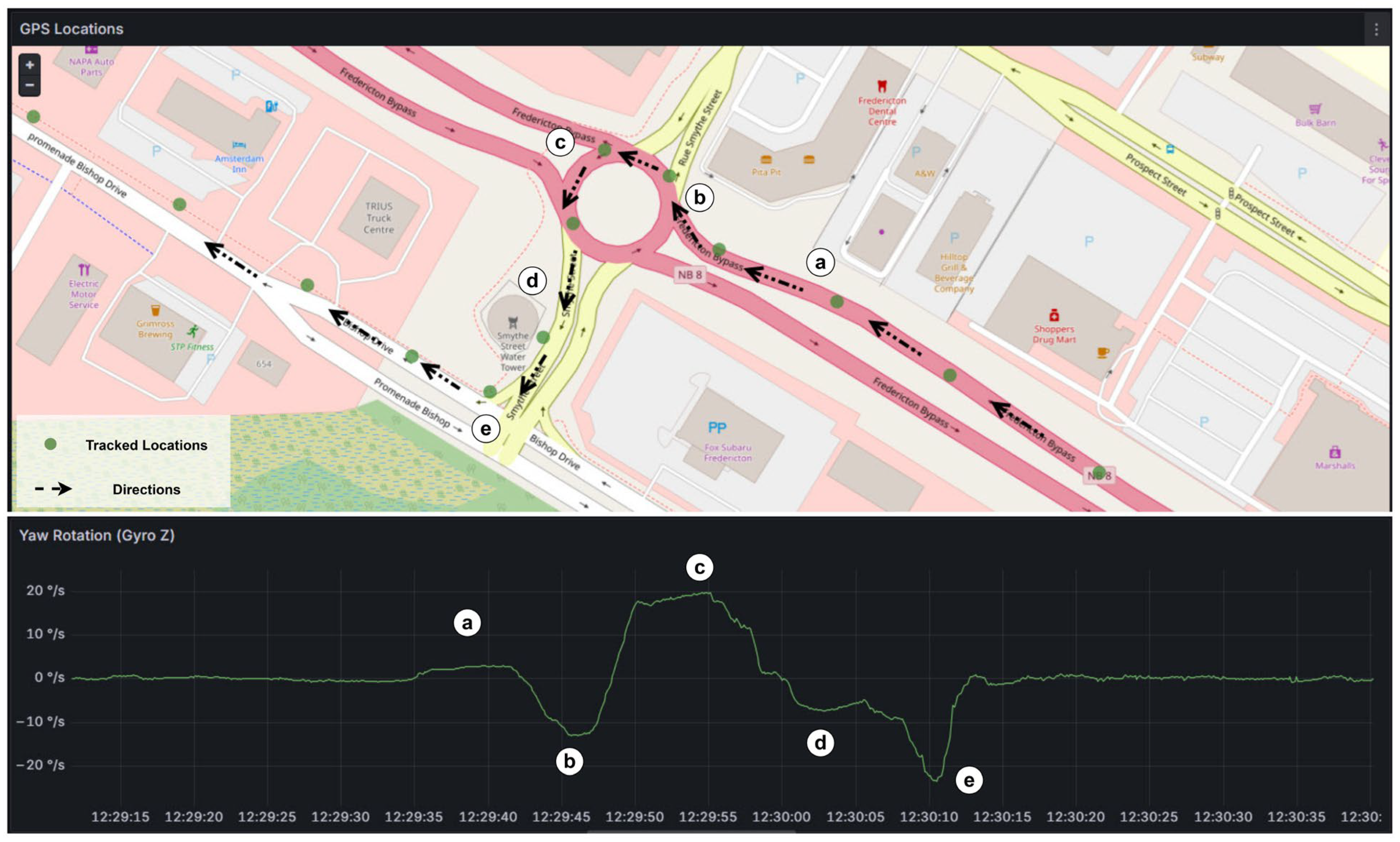
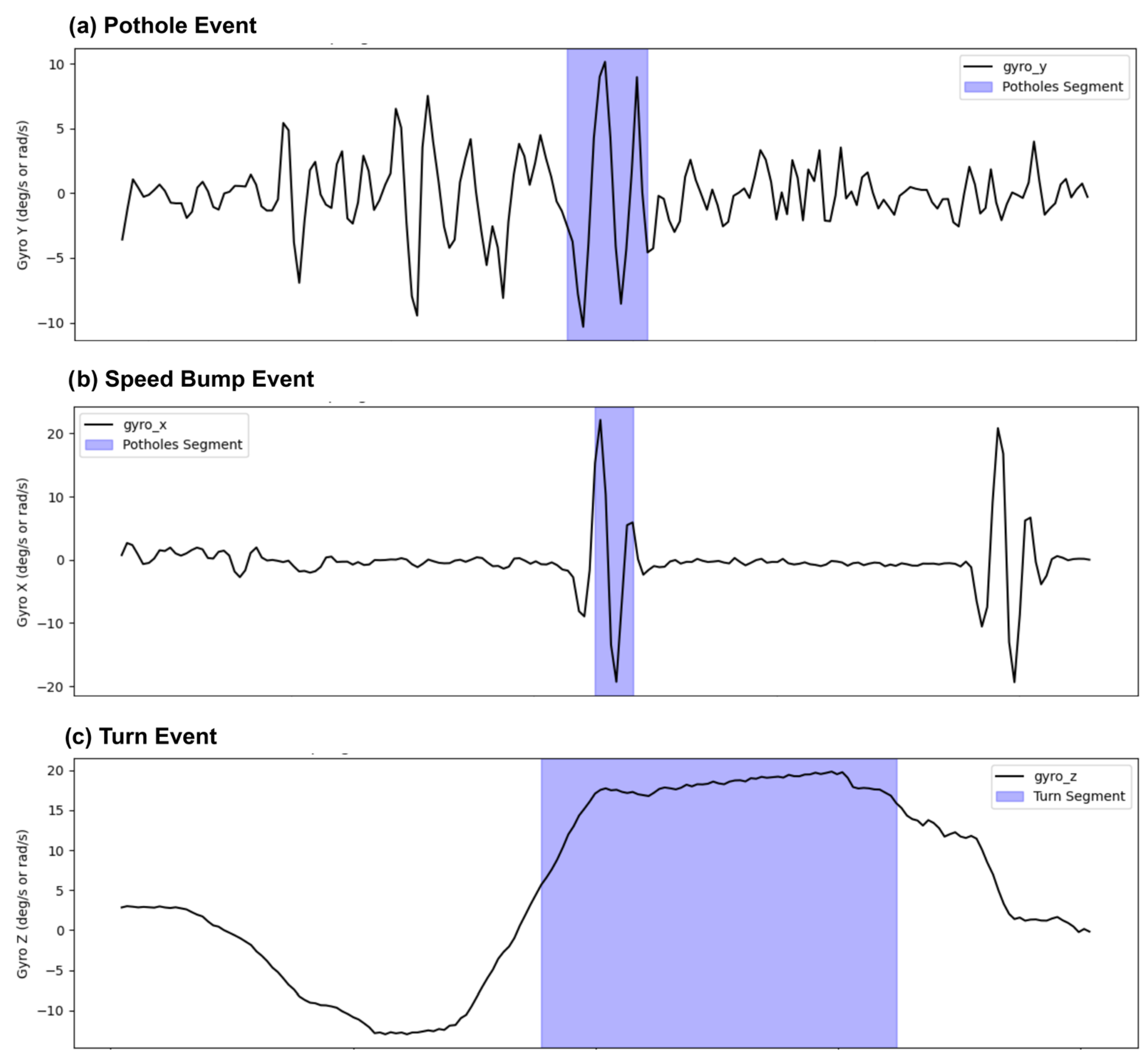
The transportation phase in off-site construction subjects prefabricated modules to road-induced vibrations, shocks, and handling loads that can degrade structural integrity. Existing monitoring approaches often rely on local data loggers, which not only lack real-time visibility but also fail to link structural responses to their precise spatial and temporal context. To address this gap, this study proposes a GPS-integrated Internet of Things (IoT) framework for real-time monitoring of prefabricated modules during transit. The system comprises distributed inertial sensing nodes wirelessly connected to a central gateway, which aggregates and transmits synchronized sensor and GPS data to a cloud platform for analysis and visualization. Field validation demonstrated stable multi-node data acquisition with sufficient battery life to support extended monitoring under LTE connectivity. The framework supports dual-stream analytics: (i) time- and frequency-domain assessment of structural exposure using peak acceleration, RMS, and FFT metrics, and (ii) causal inference of road events (e.g., potholes, bumps, sharp turns). Vertical acceleration emerged as the most responsive diagnostic channel for capturing road-induced excitations, while gyroscope-derived motion profiles distinguish between driver maneuvers and road irregularities. Through seamless integration of structural and geospatial data in a scalable, low-cost system, this framework enables actionable insights for route planning, condition-based inspection, and improved logistics management in modular construction.
Keywords: off-site construction; logistics management; monitoring system; transportation; internet of things (IoT); structural health monitoring (SHM); GPS off-site construction; logistics management; monitoring system; transportation; internet of things (IoT); structural health monitoring (SHM); GPS