1. Introduction
As an agricultural by-product, straw exhibits an exceedingly high annual yield, with corn straw being one of the most abundantly produced types [
1]. Current methods for straw disposal include its use as fuel, soil fertilizer, and animal feed, which are associated with relatively high CO
2 emissions [
2,
3]. However, due to constraints such as high labor costs, a significant proportion of crop straw is burned in situ annually, causing severe environmental pollution.
To reduce CO
2 emissions and promote sustainable development in the construction engineering sector, the development of green building materials has become a key area of research worldwide [
4]. Straw fiber, a common agricultural waste, has been extensively investigated in building materials research in recent years due to its advantages of being lightweight, low-cost, and eco-friendly [
5]. Some scholars have heated straw in an oxygen-limited environment to produce biochar [
6]. Replacing part of the cement with straw biochar on an equal-mass basis can not only reduce cement consumption to some extent but also sequester carbon from the straw and absorb CO
2 from the atmosphere, thereby contributing to energy savings and carbon reduction [
7,
8,
9]. Incorporating straw fiber into concrete not only reduces the density of concrete but also significantly enhances its mechanical properties, particularly in terms of toughness and crack resistance [
10]. Some researchers have already introduced straw ash into concrete as a mineral admixture, but its effect on enhancing concrete performance remains controversial. Some studies have found that the strength of straw ash concrete is higher than that of ordinary concrete [
11,
12], while others have reported a decrease in concrete strength with the addition of straw ash [
13]. Liu et al. reported that rice straw fiber can be pretreated with an alkaline solution before being mixed with concrete [
14,
15]. The modified rice straw fiber-reinforced concrete (RSFRC) they developed also promoted the application of plant straw fiber in civil engineering [
16]. However, some scholars have demonstrated that plant fibers can be decomposed and mineralized in the highly alkaline environment (pH > 13) of Portland cement-based materials, which may cause the plant fibers to lose their reinforcing effectiveness [
17,
18]. Strength differences may arise from fiber pretreatment—alkaline treatment (NaOH solution) can remove lignin and improve interfacial bonding, while untreated straw leads to strength reduction due to poor dispersion. Natural fibers are prone to mineralization in Portland cement (pH > 13), which reduces long-term durability. Recent studies have used silane coating to improve alkali resistance, increasing fiber service life by 50% [
19]. Based on existing research results [
10,
12,
14], the comparison of mechanical properties of straw-based concrete is detailed in
Table 1.
Due to global warming, researchers are increasingly interested in studying and developing sustainable building technologies [
20]. Prefabricated buildings offer significant advantages in carbon emission reduction and environmental protection [
21], while also being more material-efficient compared to traditional construction methods [
22,
23,
24,
25,
26]. Worldwide efforts are actively promoting prefabricated buildings, which will considerably contribute to achieving carbon emission reduction and carbon neutrality goals. Prestressed concrete composite panels are critical and primary components in prefabricated building projects [
27], often used as external and internal partition walls [
28]. In line with sustainability requirements, the use of environmentally friendly materials is essential when developing building components. Straw fiber exhibits low thermal conductivity and high sound insulation properties, with numerous engineering examples of its direct use in building construction [
29]. To further reduce carbon emissions, future studies may replace steel reinforcement with natural fiber composite bars (hemp/flax), which have 60–70% lower CO
2 emissions than steel.
The scientific gap is that existing studies lack systematic design for corn straw concrete (CSC) prefabricated panels, including reinforcement optimization and opening layout, which are critical for practical application. International studies on bio-based concrete have focused on hemp fiber panels and flax fiber composites [
21,
30], but few have investigated corn straw for prefabricated external walls. This study addresses this by integrating corn straw into prefabricated panels, a material with higher annual yield (280 million tons/year in China) than hemp (15 million tons/year globally).
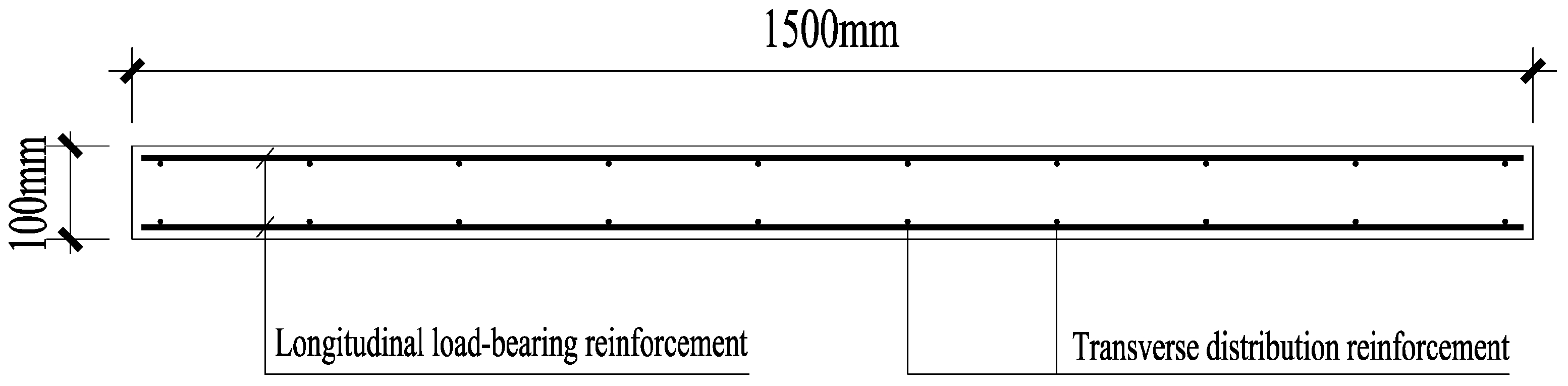
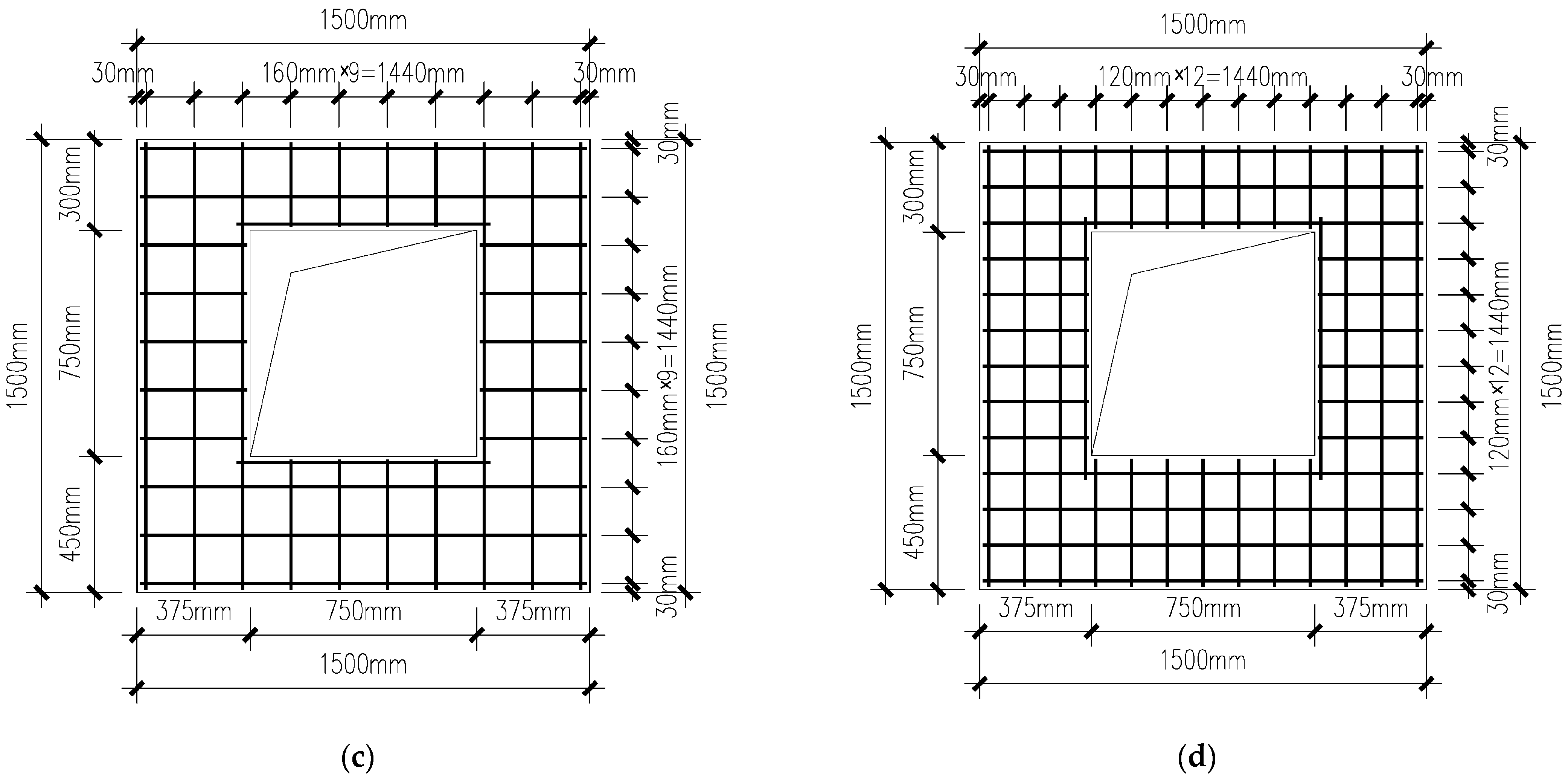
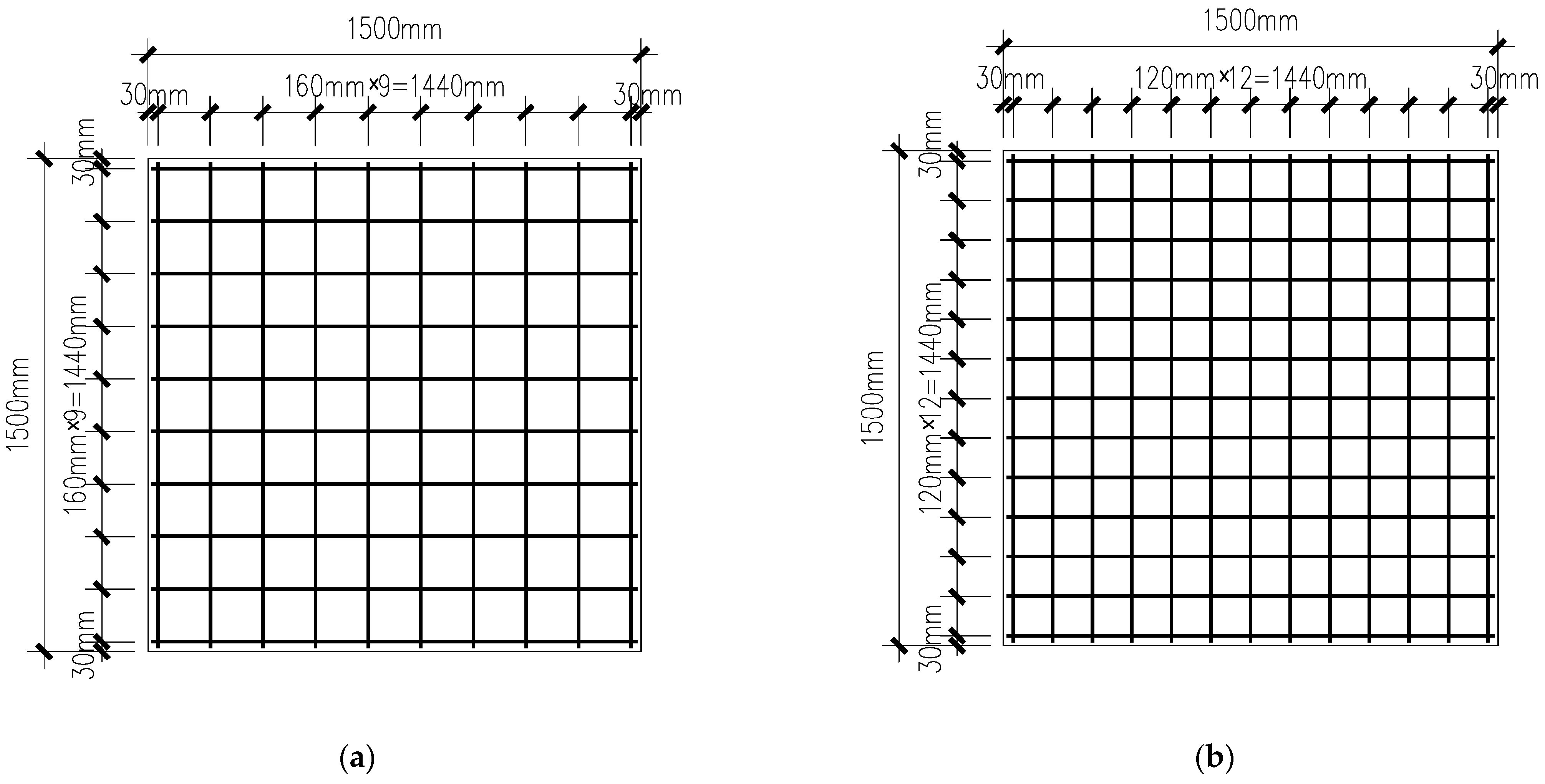
In this study, standard specimens of straw concrete were prepared by mixing dried corn straws—after being crushed—with cement, fly ash, and aggregates in specific proportions. The mechanical properties of the straw concrete were investigated without the addition of any chemical admixtures. The experimental procedure is simple, and the raw materials are widely available. Subsequently, non-load-bearing straw concrete wall panels were produced, reinforced with double-layer bidirectional steel meshes to enhance both the load-bearing capacity and deformation resistance of the panels.
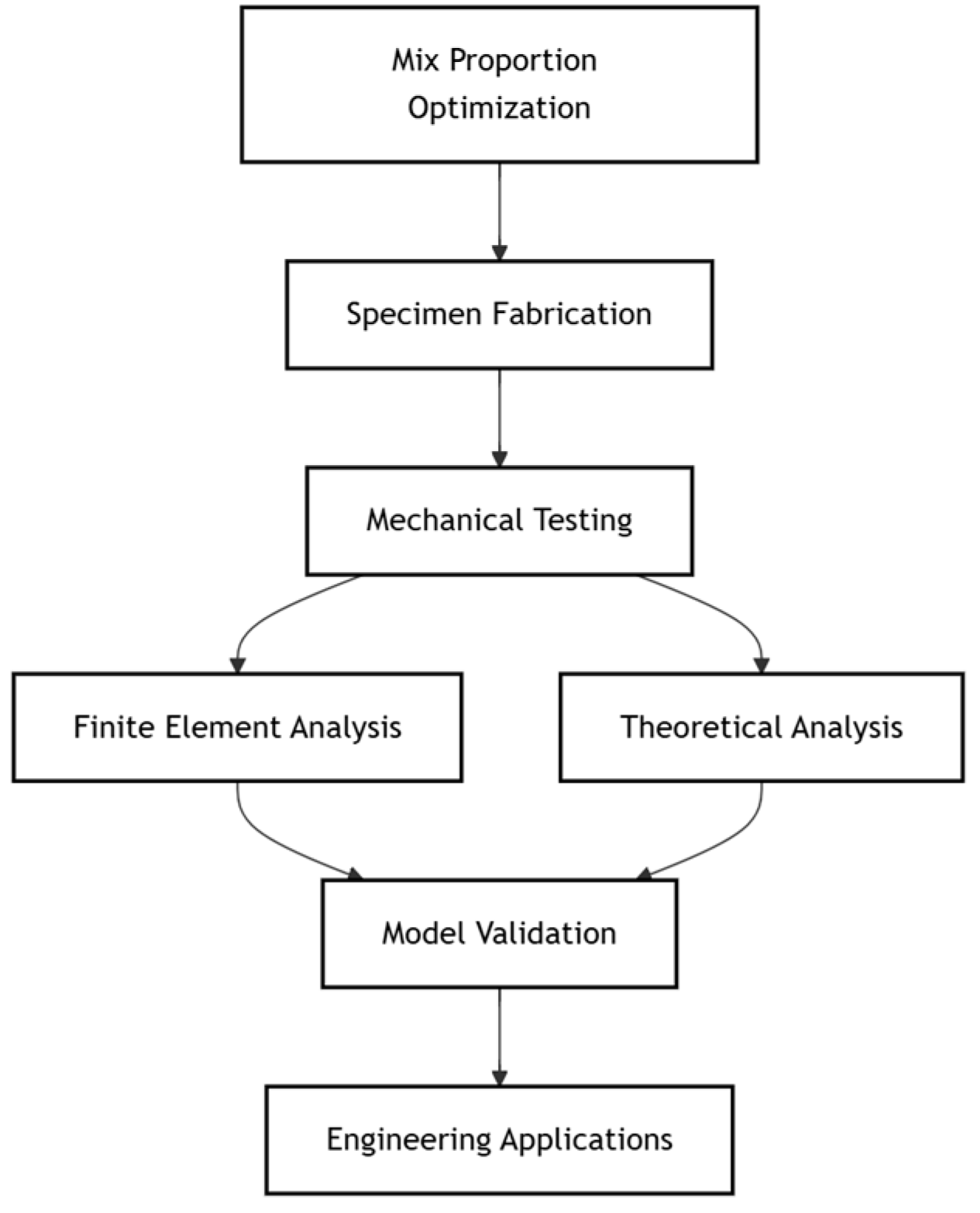
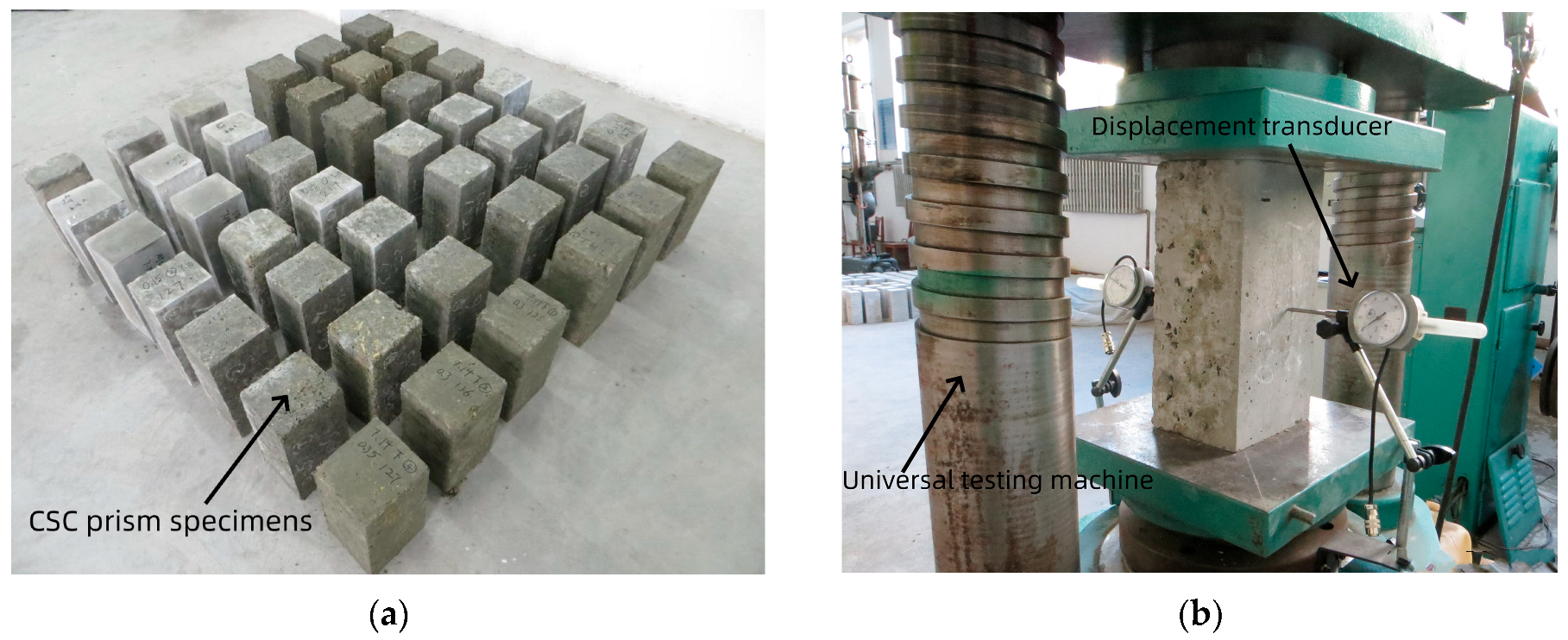
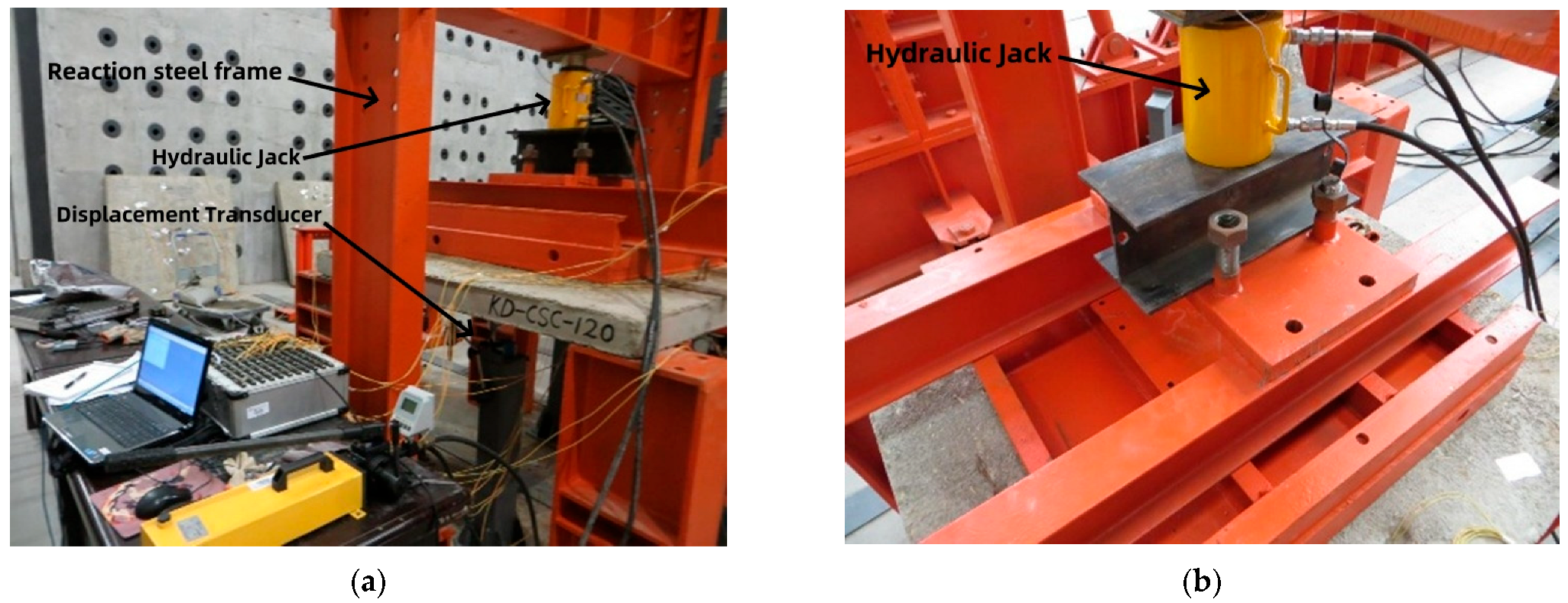
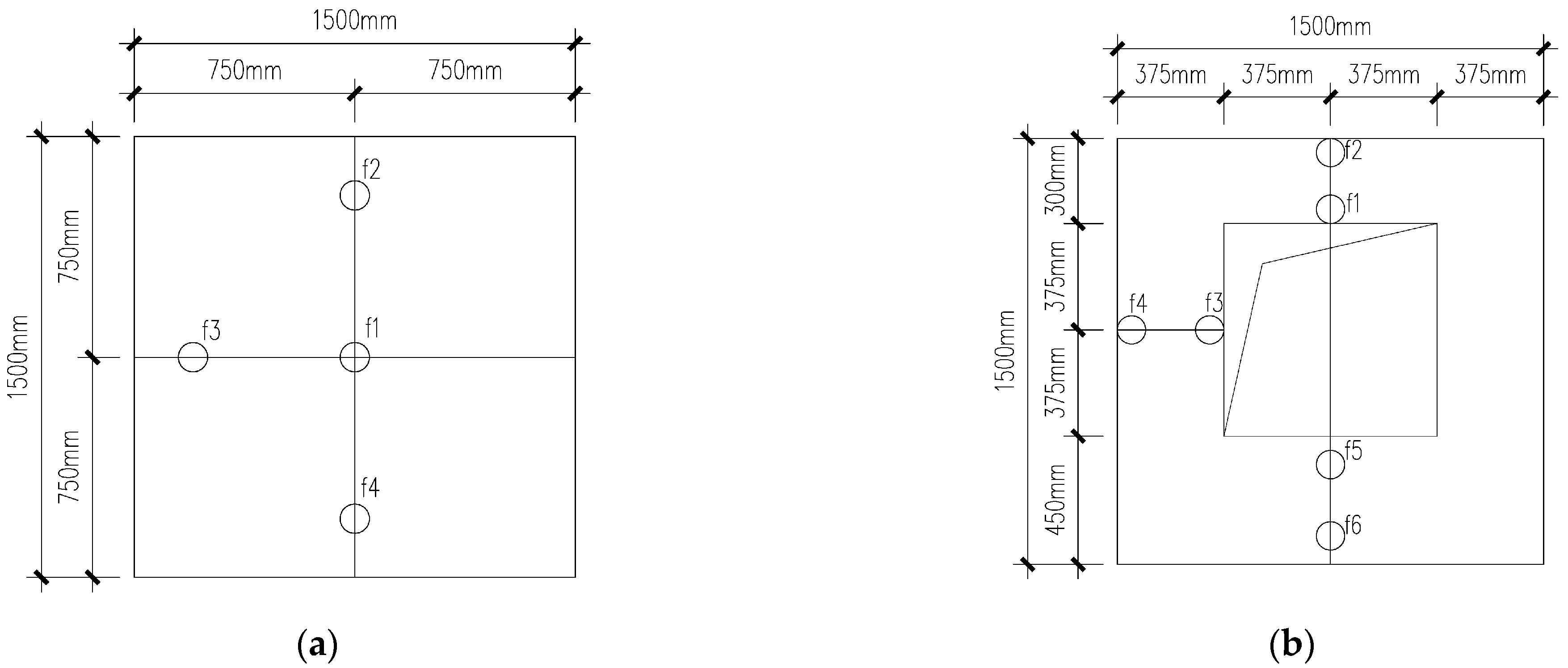
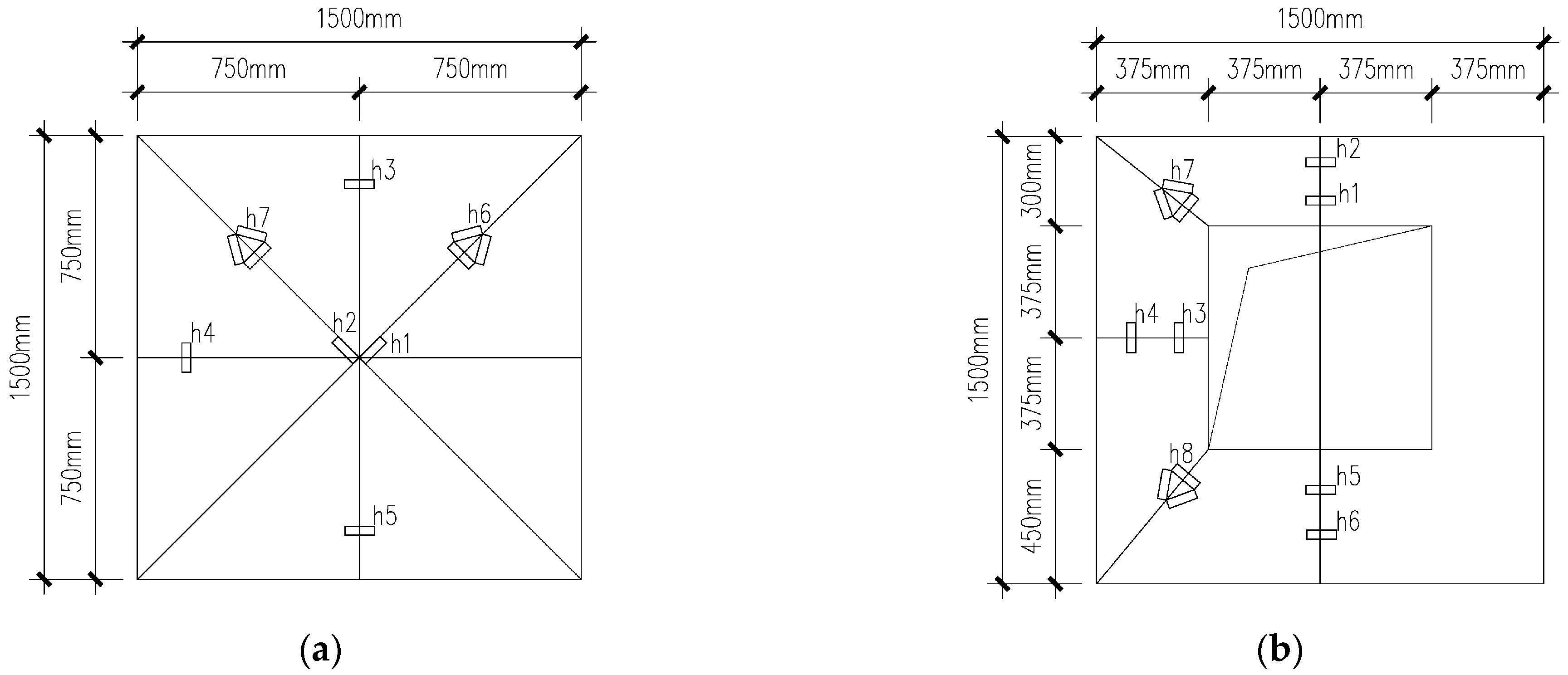
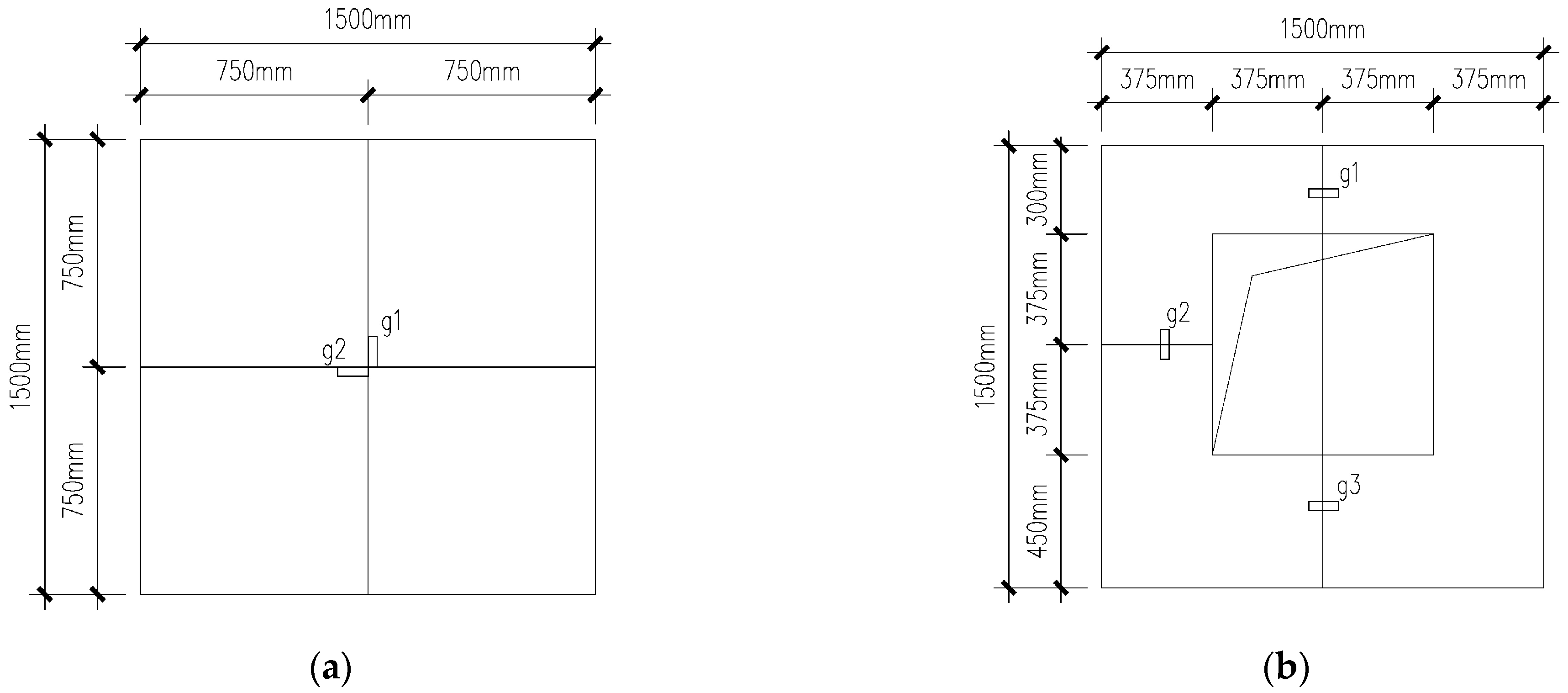
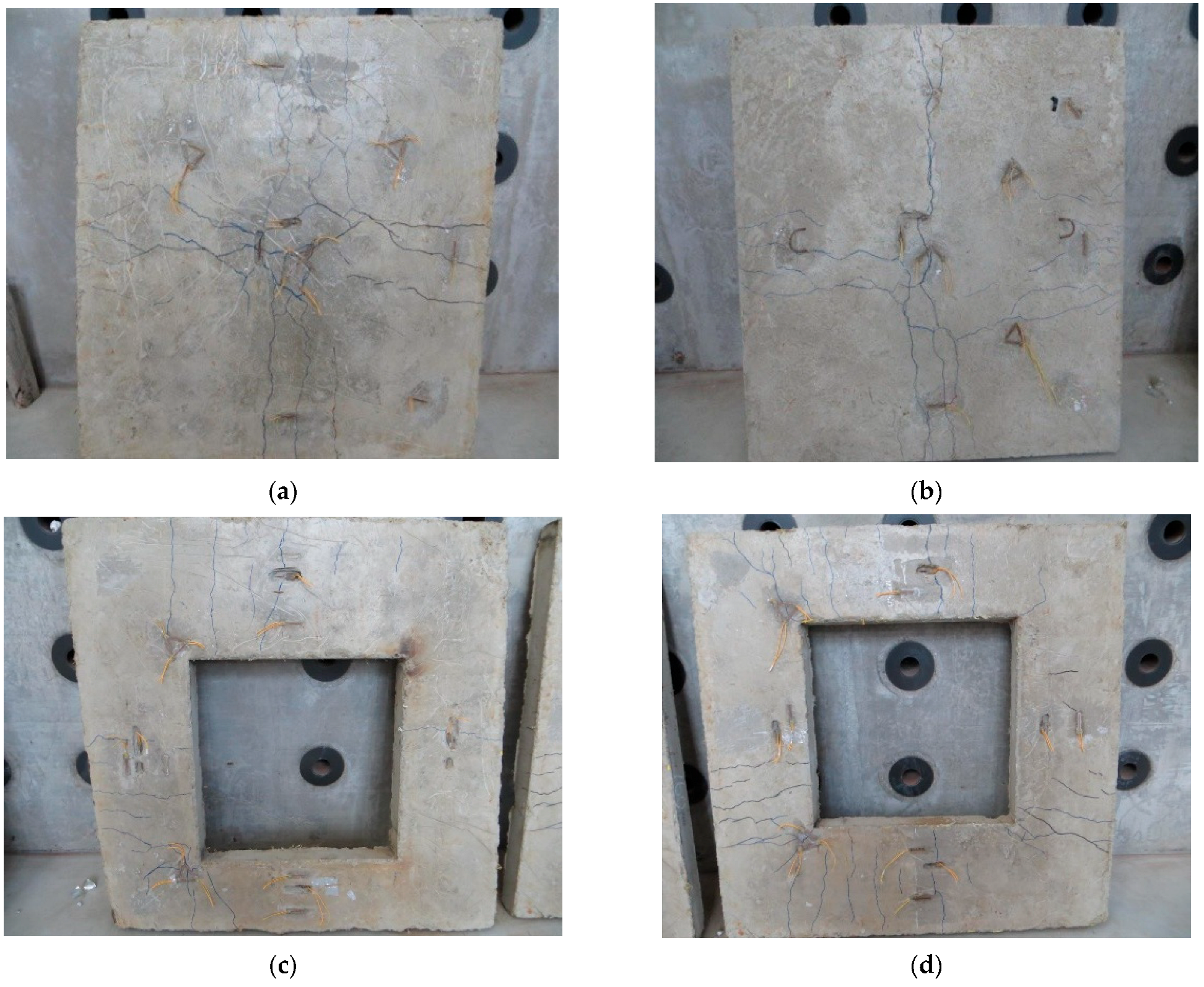
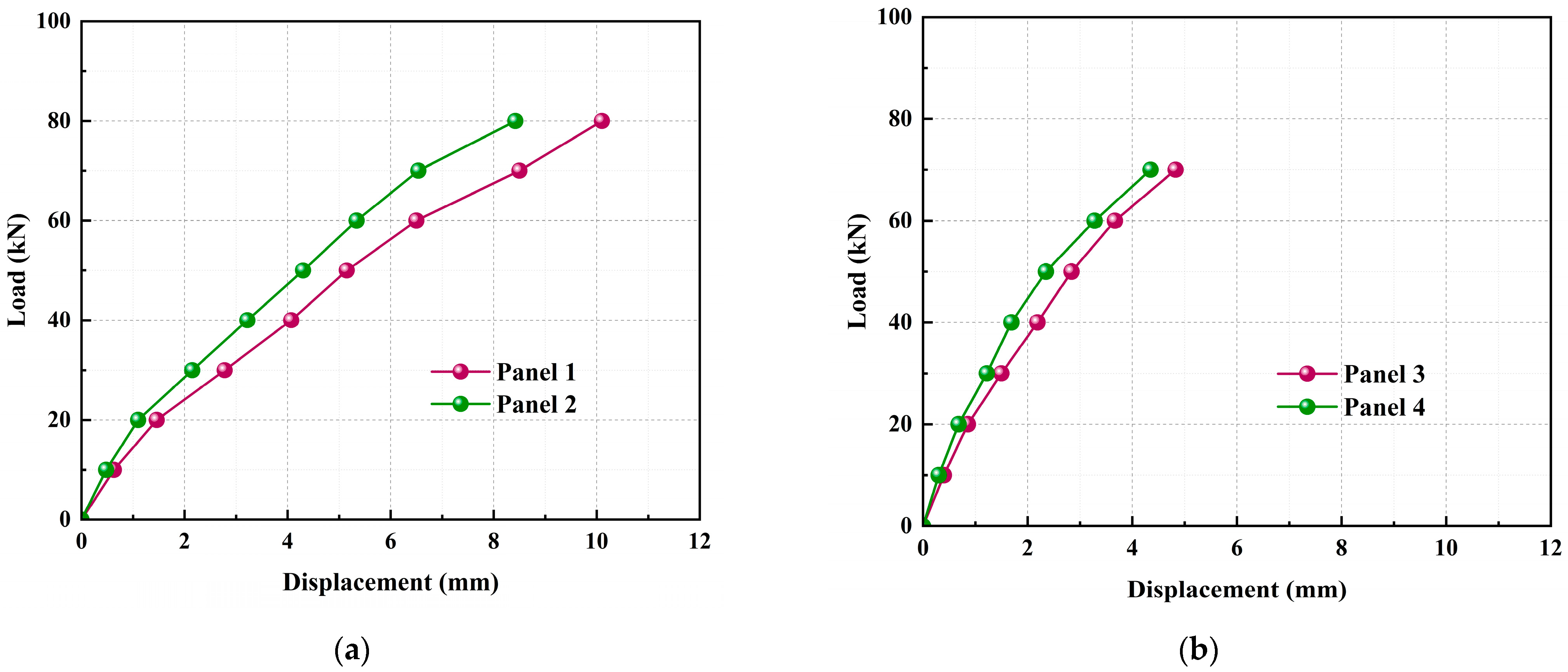
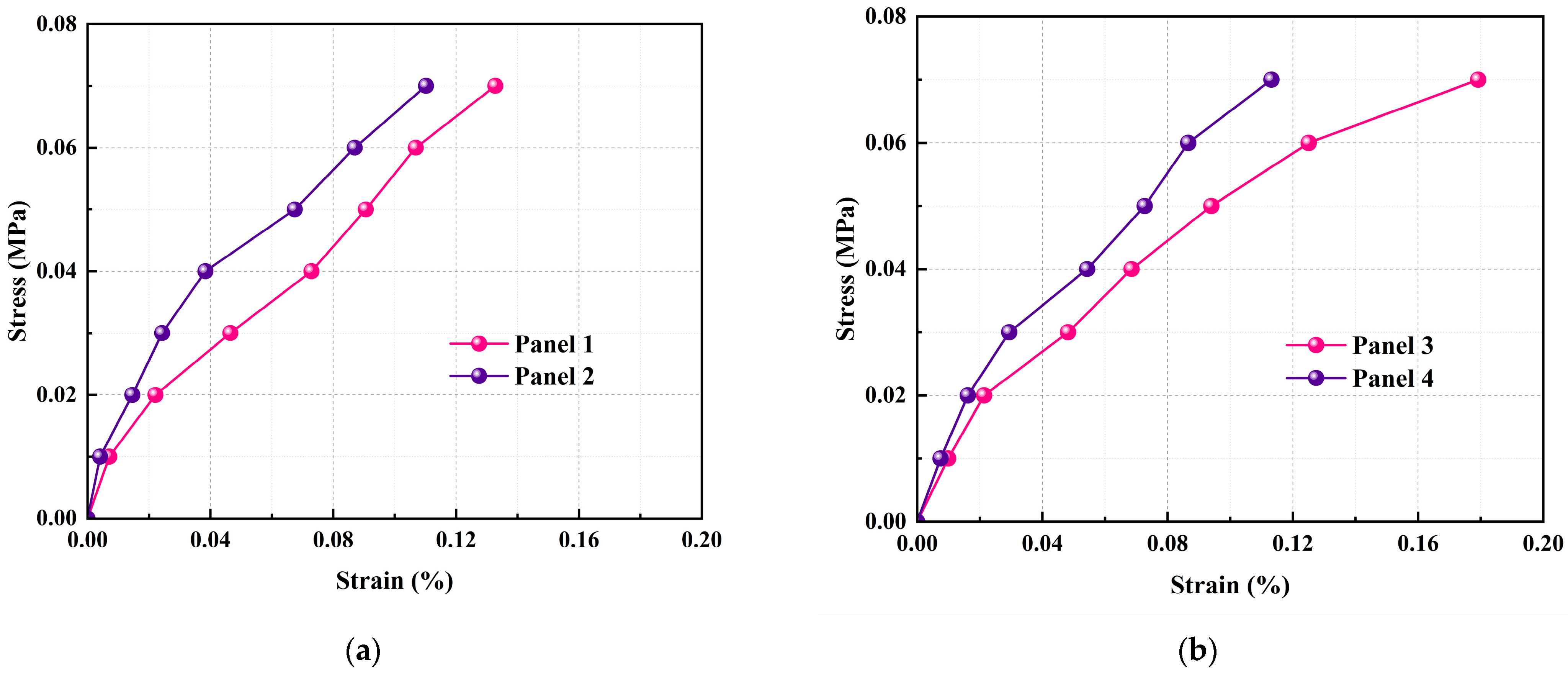
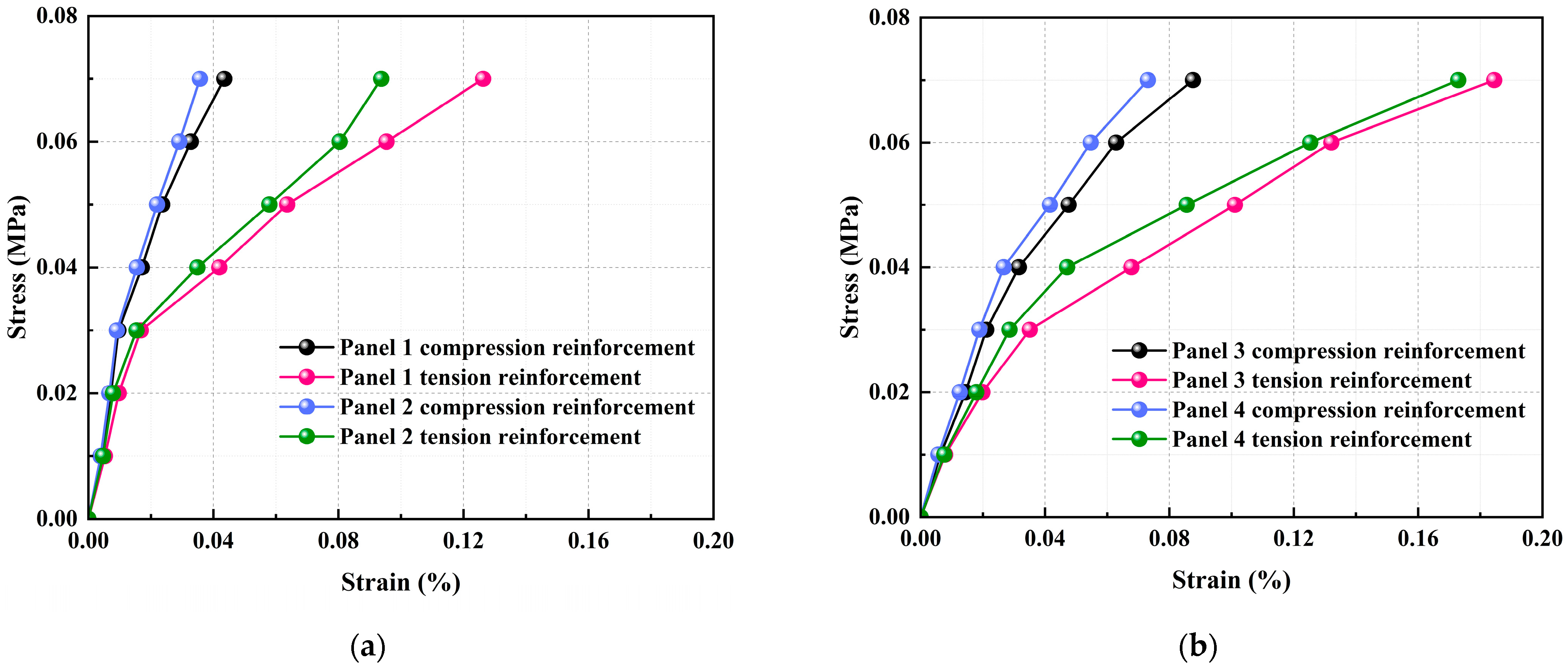
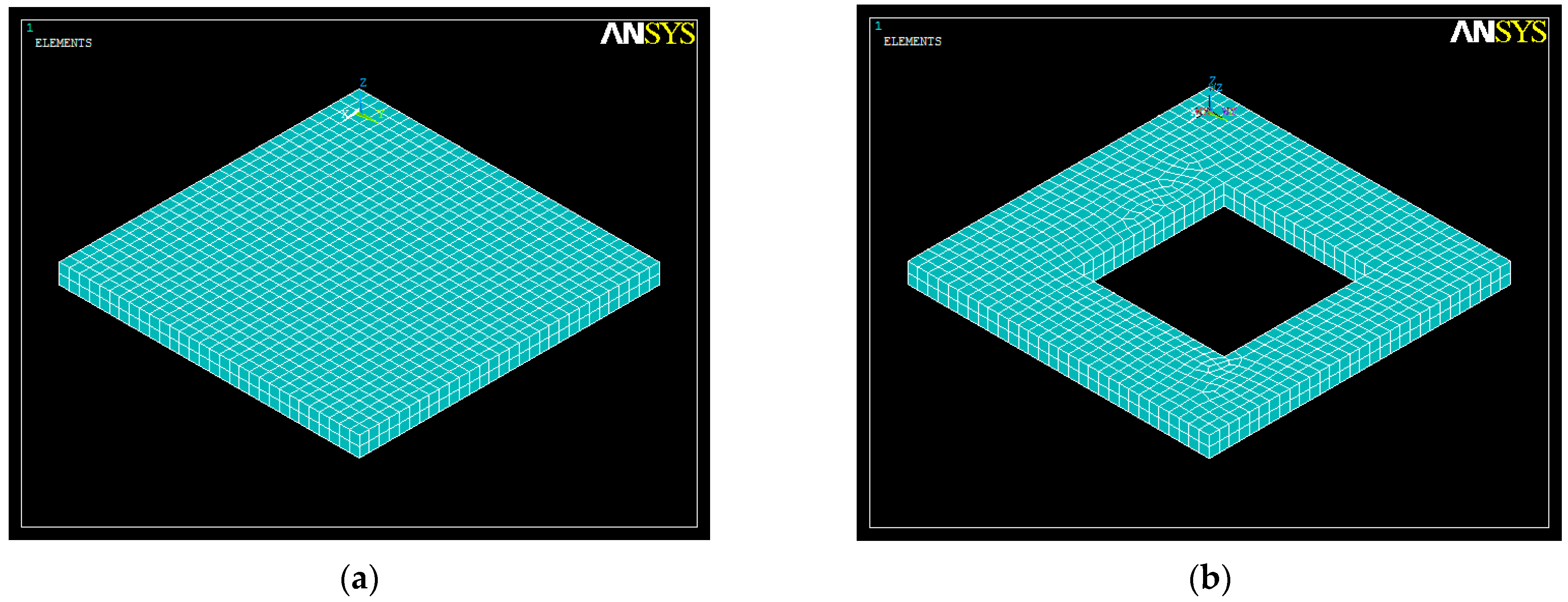
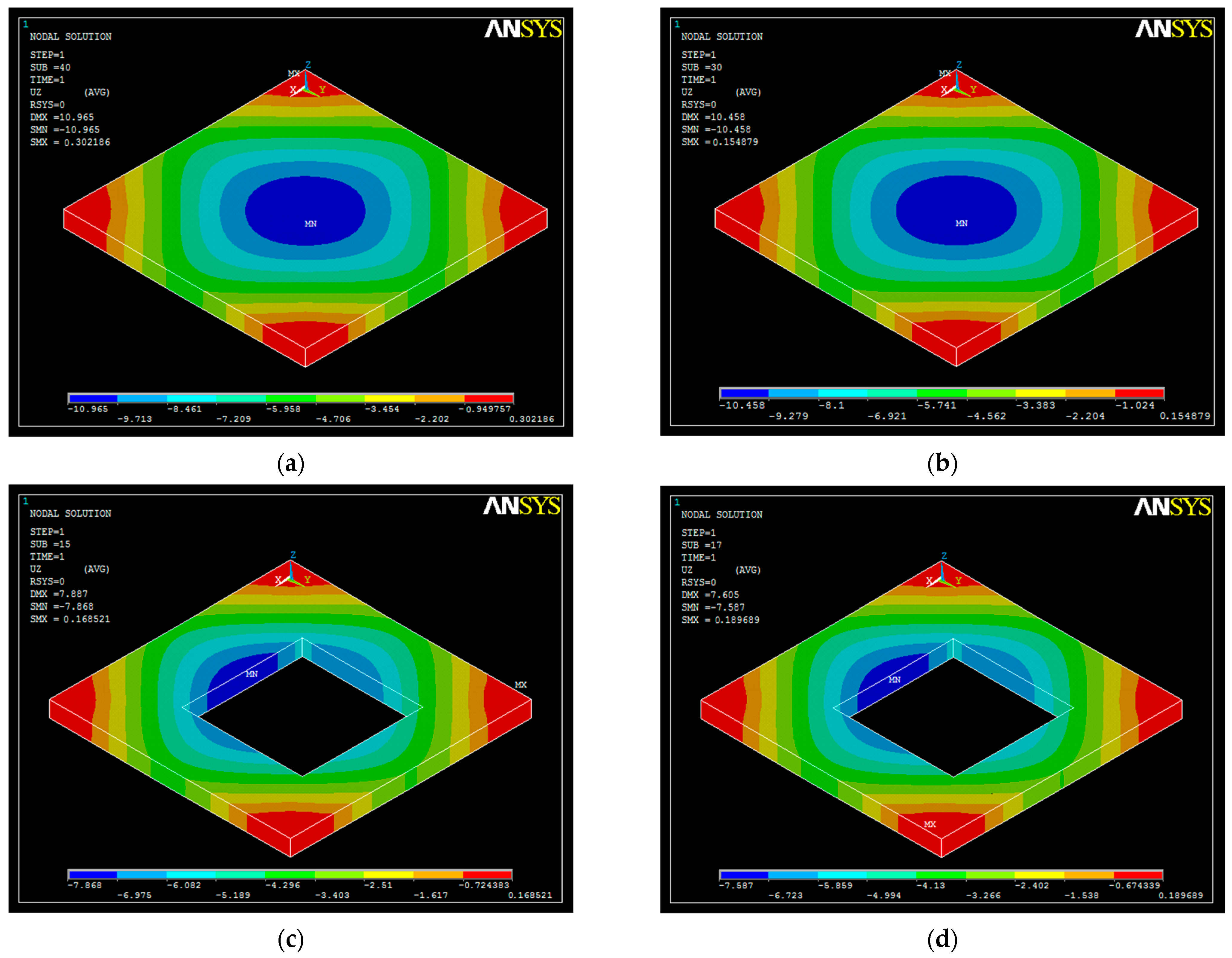
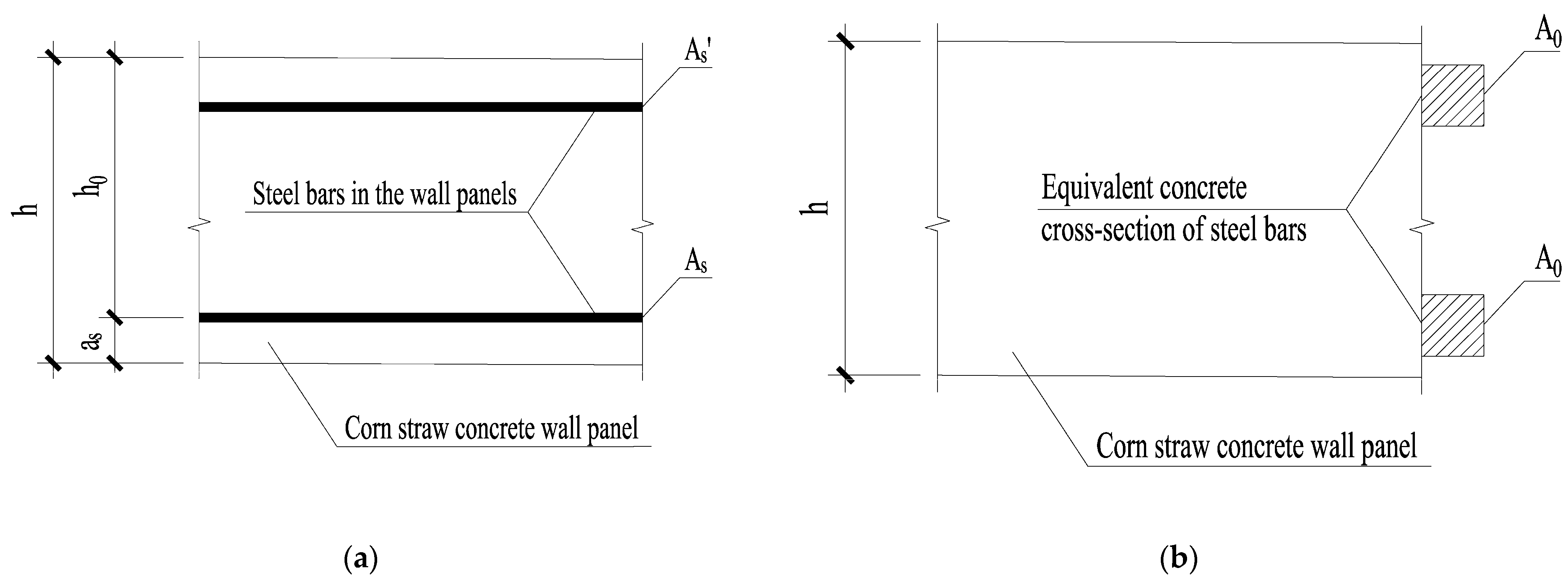
This study is structured as follows: Standard specimens of CSC were fabricated and subjected to loading to investigate the stress-strain constitutive relationship of the straw concrete. The optimal mix proportion was selected based on control indicators, including axial compressive strength, apparent density, elastic modulus, and Poisson’s ratio, while meeting the basic requirements for non-load-bearing external wall structures. Ordinary wall panels and window-opening wall panels with steel meshes were produced and subjected to static loading applied perpendicular to the test plane. Additionally, finite element modeling was employed to perform numerical simulations of the panels’ structural performance. By studying the failure conditions, deformation characteristics, and load-carrying capacity of the panels, their behavior and failure characteristics under static loading applied perpendicular to the plane were observed. Calculation methods for the cracking moment and ultimate flexural capacity of such panels were proposed. The aim is to provide a reference for the engineering application of prefabricated corn straw concrete external wall panels. Three research gaps are addressed: (a) Lack of design methodology for CSC prefabricated panels; (b) Few studies on yield line theory application in CSC panels; (c) No validated FEMs for CSC panels considering reinforcement and openings.
The framework diagram of this research is shown in
Figure 1.
6. Conclusions
Sustainable Material Solution: A viable mix proportion for non-load-bearing corn straw concrete was developed, successfully incorporating 2% agricultural waste by mass. The resulting material (Compressive strength: 8.59 MPa, Density: 1756 kg/m3) fulfills the mechanical criteria for prefabricated envelope applications and aligns with the principles of resource efficiency and circular economy in construction.
Structural Performance Enhancement: Increasing the reinforcement ratio from 0.18% (Φ6@160) to 0.24% (Φ6@120) markedly improved the flexural performance, elevating the ultimate load capacity by 25.0% to 33.3%. This finding underscores the effectiveness of conventional steel reinforcement in enhancing the structural reliability of this novel composite.
Quantified Impact of Openings: The presence of a window opening (with a 25% area ratio) was identified as a critical design factor, resulting in an 11.1–16.7% reduction in both cracking load and ultimate load. Stress concentration around the opening corners was the primary failure initiator, necessitating localized reinforcement in practical design.
Validated Numerical and Analytical Tools: The established finite element model accurately simulated the structural behavior of CSC panels, with maximum errors of 12.8% (deflection) and 11.1% (load capacity), providing a reliable tool for future parametric studies. The proposed analytical methods, derived from elastic theory and yield line theory (with a bending enhancement factor of 1.15 for CSC), enabled the accurate prediction of cracking moment (average error of 5.97%) and ultimate capacity (average error of 8.43%), thereby bridging the gap between experimental validation and design application.
For engineering applications, the optimal reinforcement ratio is 0.24% (Φ6@120) for solid panels, and window opening ratio should be ≤20% to avoid excessive load reduction. The limitations of this study include a small sample size (n = 3 for each panel type) and the absence of long-term field test data under actual service conditions (e.g., cyclic wind loads, temperature variations). Therefore, further full-scale panel tests are needed to validate practical performance. Future research will focus on long-term durability (e.g., freeze-thaw resistance, creep behavior) and large-scale manufacturing (e.g., prefabrication efficiency optimization). In addition, exploring hemp/flax composite bars as reinforcement for CSC panels will be a key direction to enhance the sustainability of prefabricated structures.
Contribution to Green Construction: This study demonstrates the feasibility of utilizing corn straw—an abundant agricultural waste—in prefabricated components, a practice that can reduce carbon emissions and agricultural waste pollution, thereby enhancing sustainability in the building industry. The findings provide valuable insights for engineers and architects seeking to incorporate innovative, eco-friendly materials into modern construction practices. Future work will propose design guidelines for CSC panels, aiming to integrate them into the updated Standard for Prefabricated Concrete Buildings of China (GB/T 21086-2019) [
40].