1. Introduction
From a temporal perspective, individuals spend approximately 66% of their time in indoor residential environments [
1], underscoring the profound impact of these environments on occupant health, comfort, and productivity. Extensive research has established significant relationships between key indoor environmental factors—such as thermal, visual, and auditory comfort, as well as air quality—and critical human outcomes including health, efficiency, productivity, and mental well-being [
2]. As the demand for higher-quality living spaces grows, the research focus has expanded beyond these traditional physical performance elements to encompass the role of spatial morphology itself. Specifically, the influence of spatial elements—including spatial scale (SS), the area ratio of window to wall (WWR), and interface material (IM)—on health has attracted increasing scholarly attention. For instance, living space size can impact psychological health by influencing resident activities and values [
3]. IM also modulates resident perceptions and emotional responses; exposure to wood-based environments has been shown to enhance comfort, lower blood pressure, and improve blood oxygen saturation, indicating reduced stress and anxiety levels [
4]. Furthermore, WWR affects emotions, as enclosed spaces can activate brain regions associated with fear [
5], leading to elevated stress and more negative emotions [
6].
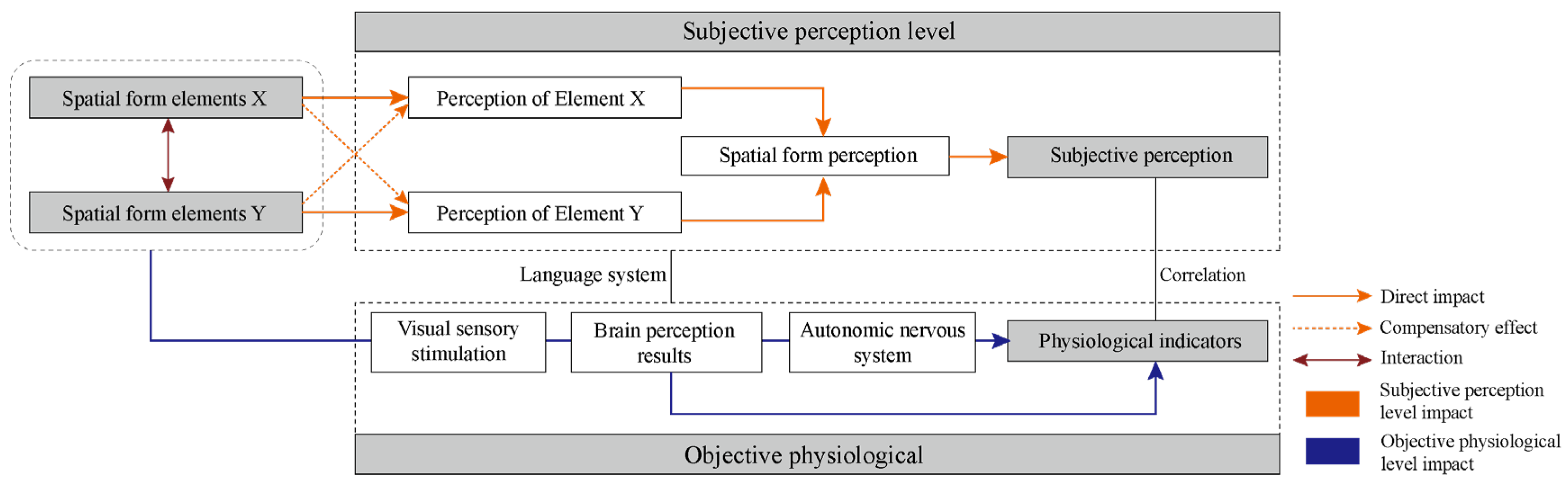
Micro-housing spaces, characterized by their small size, bring residents physically closer to the spatial interfaces, making them more sensitive to the perception of spatial elements. Even minor changes in spatial form can significantly impact the health and well-being of the occupants. It is challenging to establish a direct link between spatial form elements and health because these elements interact with the human sensory organs and are transmitted to the brain, where they are integrated with existing cognitive processes and spatial needs, forming a perception of the space. The perception within the acceptable range guides individuals toward adaptive or corrective behavior. However, when the perception exceeds the comfort threshold, it may negatively impact health, such as discomfort triggered by narrow proportions of space, hence raising psychological health risks [
7]. Thus, it is essential to explore how spatial form impacts the perceptions of residents to improve living health conditions.
Previous architectural studies on the impact of spatial form on the perceptions of residents primarily relied on subjective methods, such as questionnaires and interviews, which are easy to collect and cost-effective. However, these methods can introduce semantic bias during the process of interpreting and analyzing data. Furthermore, under subtle environmental changes, individuals may struggle to accurately describe these changes using language, whereas physiological indicators may reveal fluctuations. For example, in a short-term experiment, subjective questionnaires did not demonstrate changes in participants’ emotions, stress, or Sick Building Syndrome (SBS) symptoms, but physiological indicators such as SpO
2, pNN50, and RMSSD exhibited significant differences [
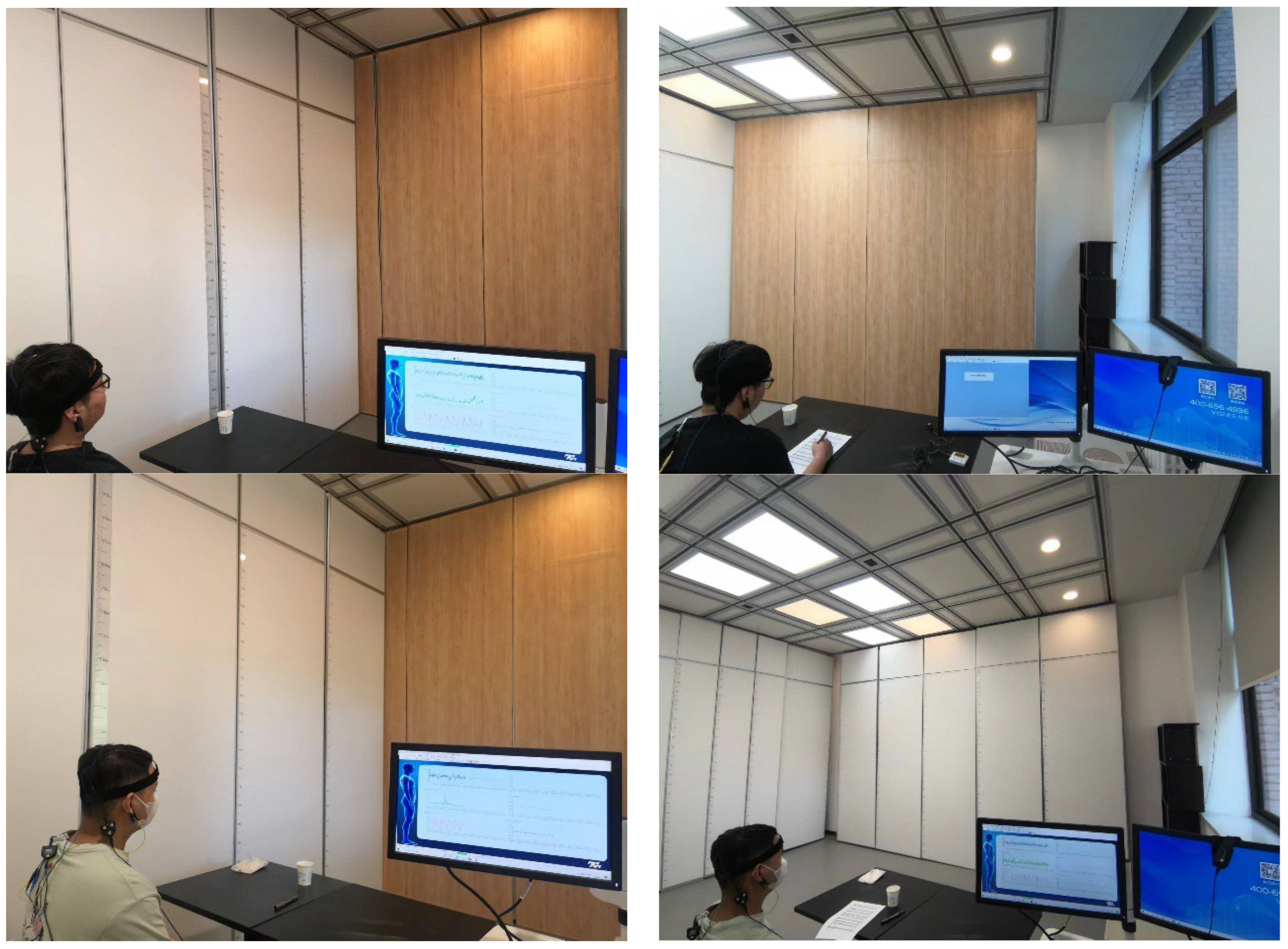
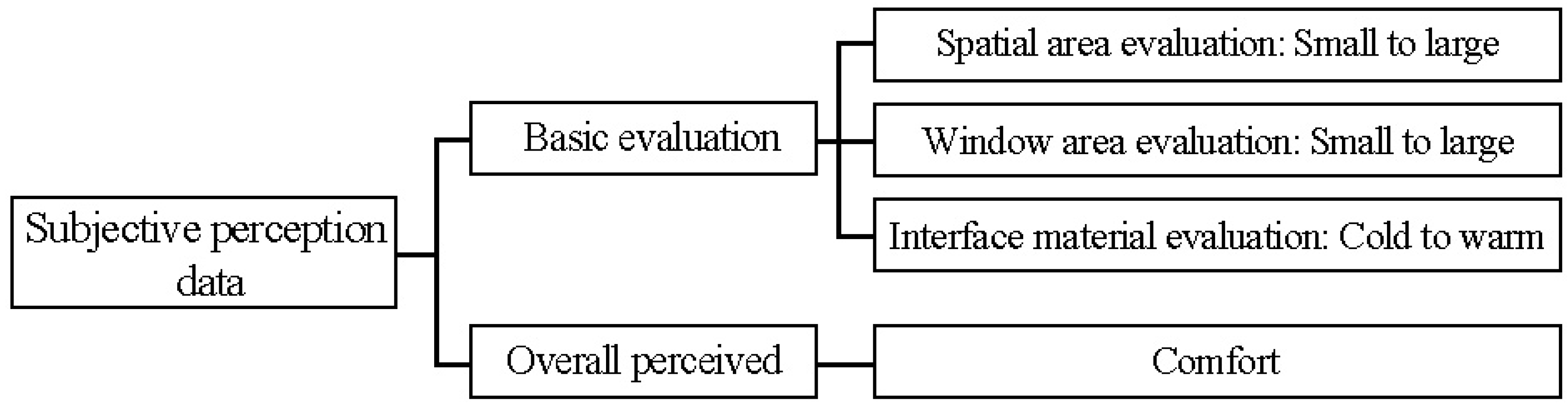
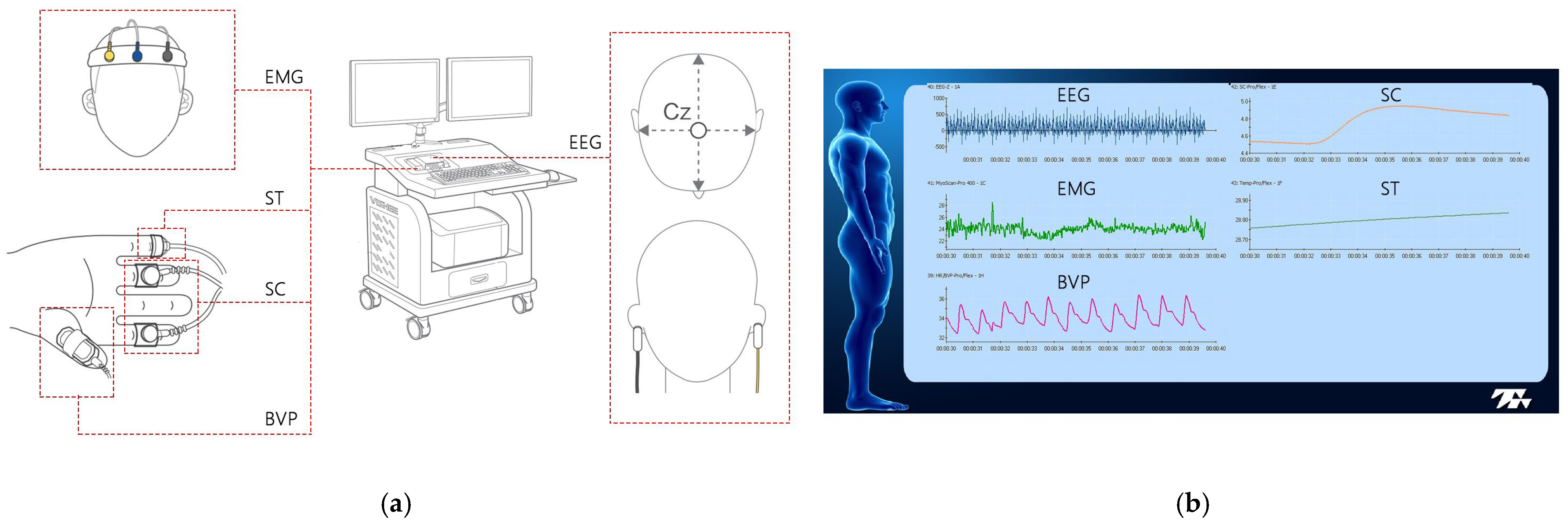
8]. The development of physiological measurement techniques provides a new perspective for objectively capturing the effects of micro-housing spatial forms on the perceptions of residents. Thus, this study aimed to collect both physiological data (Electroencephalography (EEG), Electromyography (EMG), Skin Conductance (SC), Blood Volume Pulse (BVP), Skin Temperature (ST)) and subjective perception evaluation data across different experimental conditions. The combined subjective and objective data corroborated with each other to strengthen the accuracy and objectivity of measuring the effects of spatial form on residents’ perceptions, as well as the generalizability and reliability of the research conclusions. The physiological indicators involved in this study include EEG, EMG, SC, ST, and BVP.
- (1)
EEG
The brain, as a complex organ, is highly energy-consuming. While it comprises only 2% of the body’s mass, it requires up to 20% of the body’s energy for processing neural information and performing neural computations [
9,
10]. This process is accompanied by a substantial amount of EEG signals. The brain’s EEG energy, which varies across different environments, can be transformed into signals at various frequencies through the Fast Fourier Transform (FFT). EEG signals are typically divided into five frequency bands: δ (<3 Hz), θ (3–8 Hz), α (8–12 Hz), β (12–30 Hz), and γ (>30 Hz). The corresponding human states associated with these frequency bands are detailed in
Table 1.
- (2)
EMG
Muscle activity in different regions of the face is closely related to the emotions and perceptions of the subject. For example, activities in the zygomaticus major muscle and corrugator supercilii muscle are associated with positive emotions and negative emotions, respectively [
12]. Therefore, EMG signals can be adopted to evaluate emotional responses in subjects across different spatial environments. In this study, the EMG data from the frontal muscles of the subjects were collected.
- (3)
SC
The electrodermal response in the hands and feet is highly sensitive to environmental changes [
13]. Skin Conductance (SC) reflects emotional changes in the subject. For example, some researchers established the method of Galvanic Skin Response (GSR) to evaluate the intensity of happiness and sadness and tested its feasibility in emotional computing applications [
13,
14]. Vijaya and Shivakumar [
15] classified emotions by SC. Generally, sympathetic nervous activity increases during emotional tension, fear, or anxiety, inducing increased sweat gland activity, enhanced conductivity, and thus higher SC readings. Conversely, SC levels decrease when the subject is calm (
Table 2).
- (4)
ST
Compared to other peripheral physiological signals such as SC and EMG, Skin Temperature (ST) presents lower temporal resolution and smaller fluctuations. Nevertheless, it is still correlated with emotional changes [
16] and can reflect variations in blood flow and different emotional states [
17]. When the sympathetic nervous system is activated, the smooth muscles of subcutaneous blood vessels contract, bringing about a decrease in local blood flow and ST. Conversely, ST rises when sympathetic nervous activity decreases. Therefore, variations in ST can serve as an indicator of emotional changes.
- (5)
BVP
BVP, typically occurring in sync with the heartbeat, indicates the blood flow within the blood vessels and the pressure changes in the cardiovascular system. Its amplitude and waveform are associated with the contraction and relaxation of the heart. Heart Rate (HR) and HR variability can be derived from BVP signals. HR, representing the number of heartbeats per unit of time, is determined by analyzing the periodic changes in the BVP signal [
18]. It is a key indicator of the cardiovascular system’s operational state and activity load. BVP can be utilized to monitor heart health and assess physical endurance, fatigue levels, and emotional states. In this study, the HR variation in BVP was analyzed to assess the human perception results in different spatial environments.
In summary, multimodal objective physiological measurement techniques were combined with subjective perception questionnaire data in this study to enhance residential comfort and investigate the impact of spatial form in micro-housing environments on perceptions of residents.
5. Conclusions
Micro-housing has emerged as a compact, economically viable, and space-efficient residential solution under the framework of high-quality urban development. It assists in effectively addressing the intensification of land use and serves as a critical housing type for new urban residents. In this study, objective physiological measurements were integrated with subjective perception assessments to quantify the impacts of spatial form elements on human perception. The results reveal the impact of SS, WWR, and IM on both subjective perception ratings and objective physiological indicators. The crucial conclusions are drawn below.
5.1. Direct Impacts and Compensation Mechanisms of Individual Spatial Elements
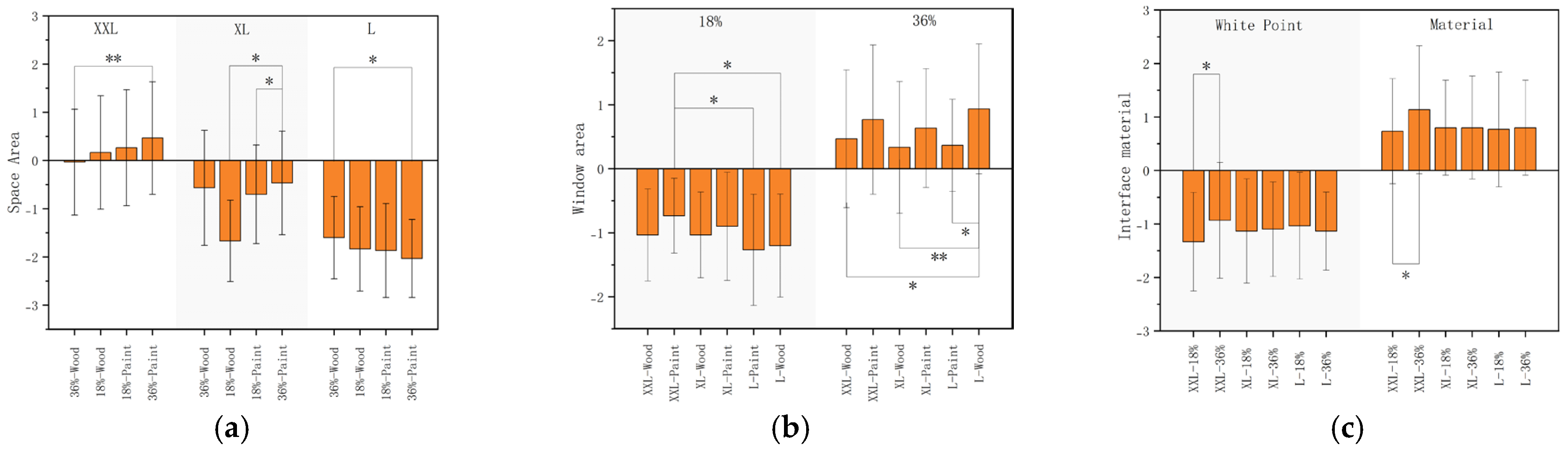
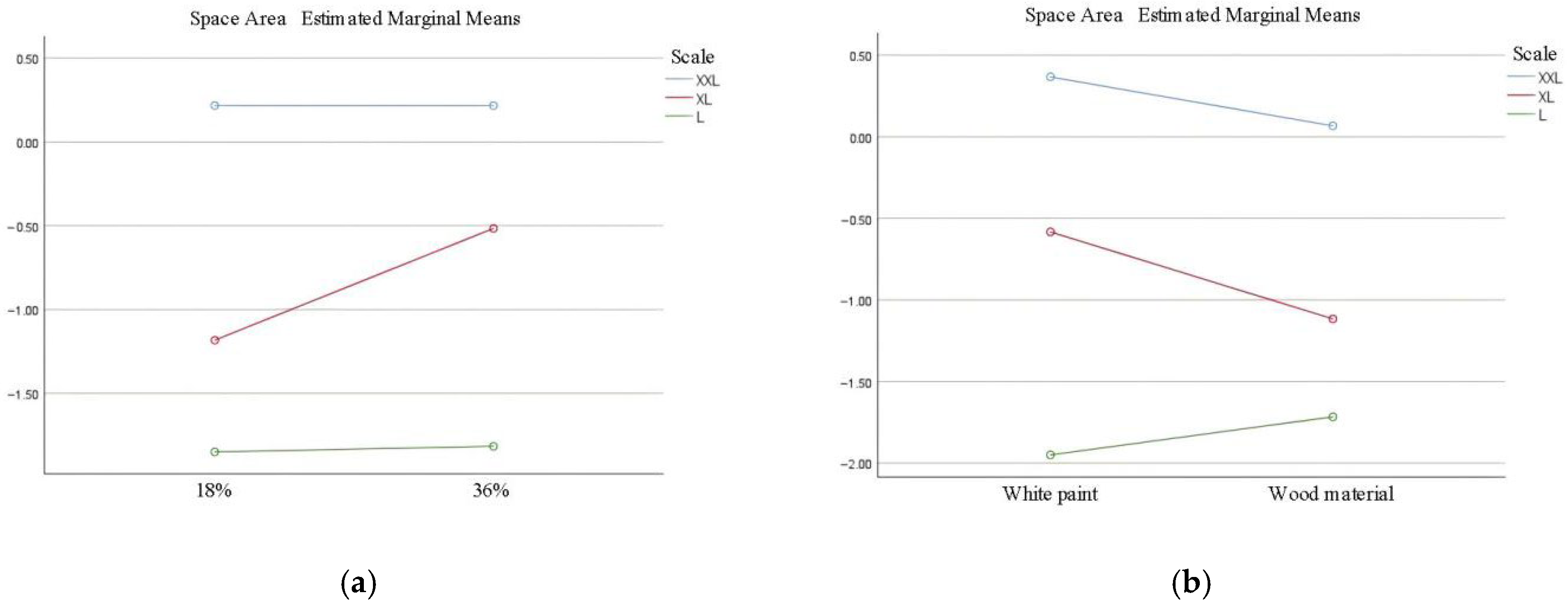
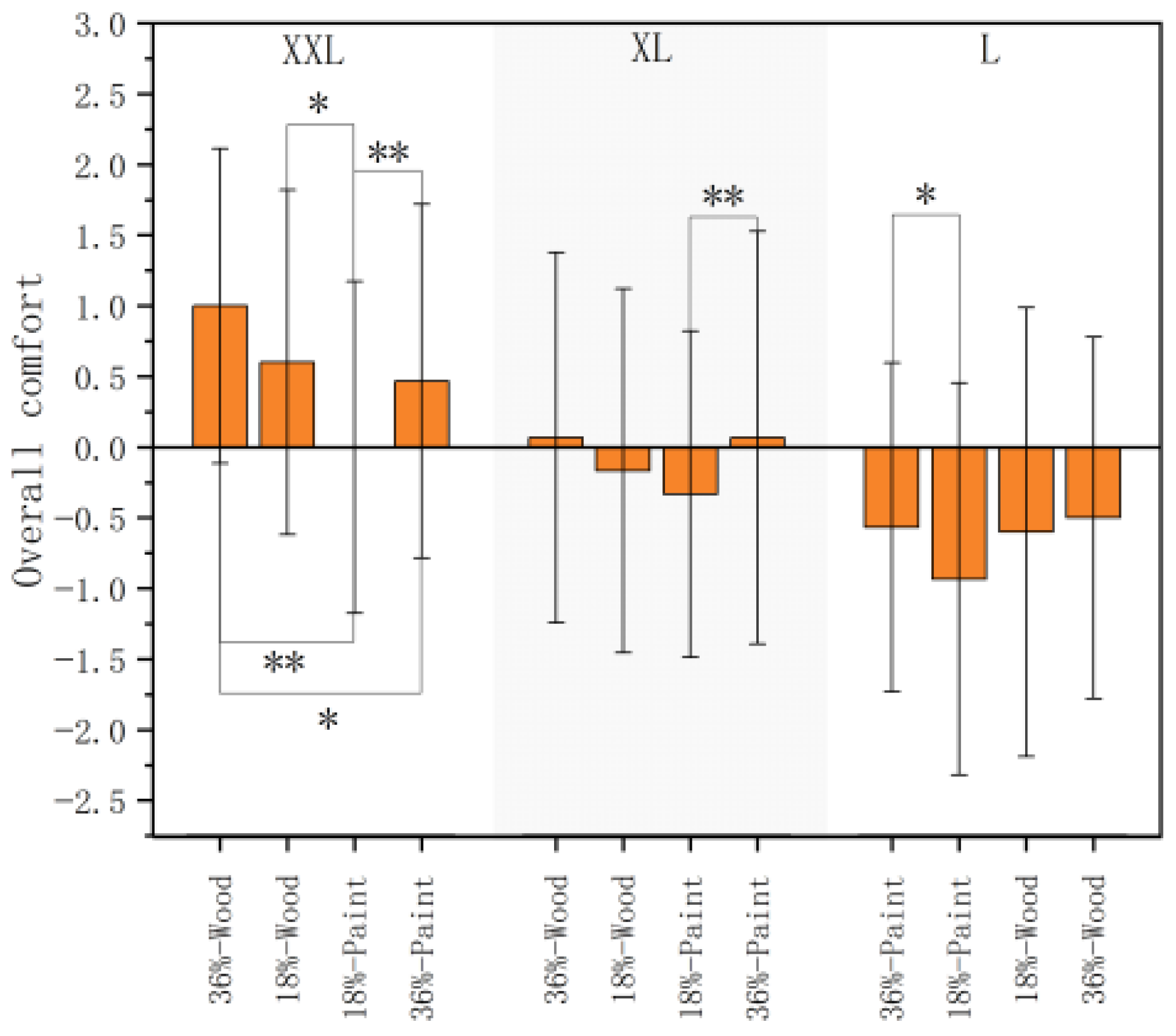
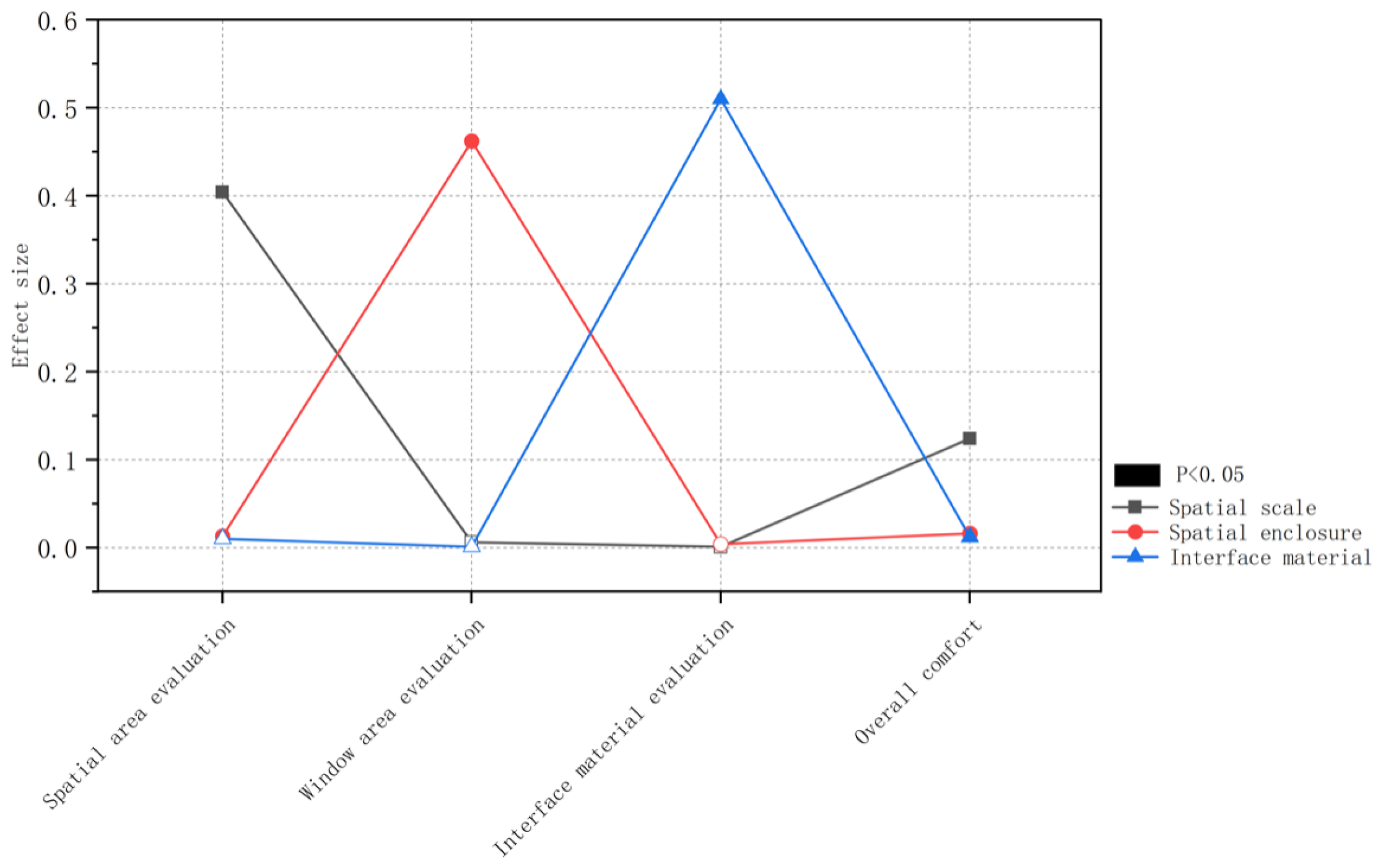
Concerning the impacts on subjective perception, (1) all three spatial elements (SS, WWR, and IM) significantly impacted spatial perception and overall comfort. The relative importance of these elements followed an order of SS > WWR > IM. Larger spatial areas, higher WWR, and wooden materials brought about greater perceived spaciousness and higher comfort ratings. (2) The WWR exerted a compensatory effect on area perception. Specifically, an increase in the WWR contributed to the improved perceived spatial area, particularly in mid-sized spaces.
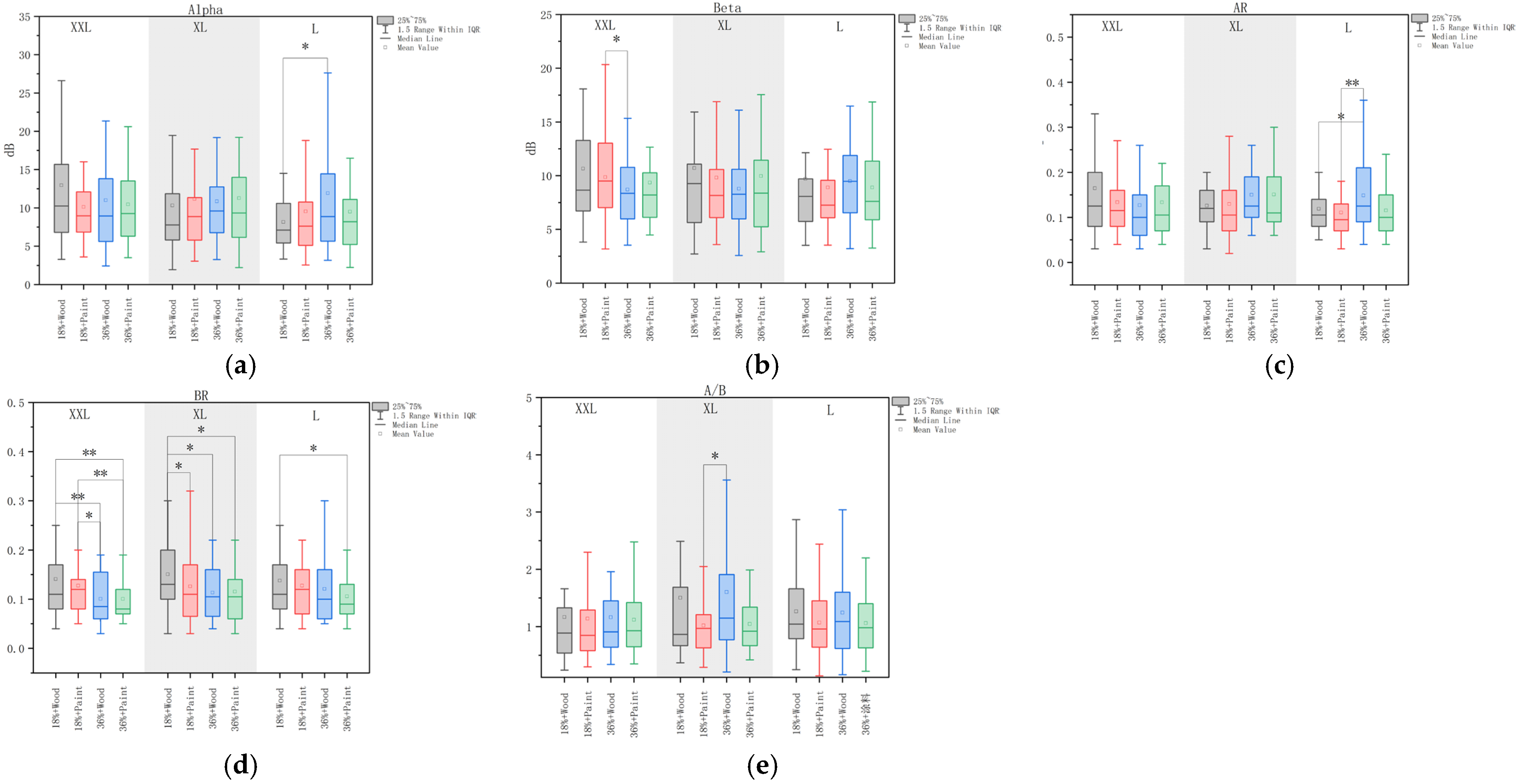
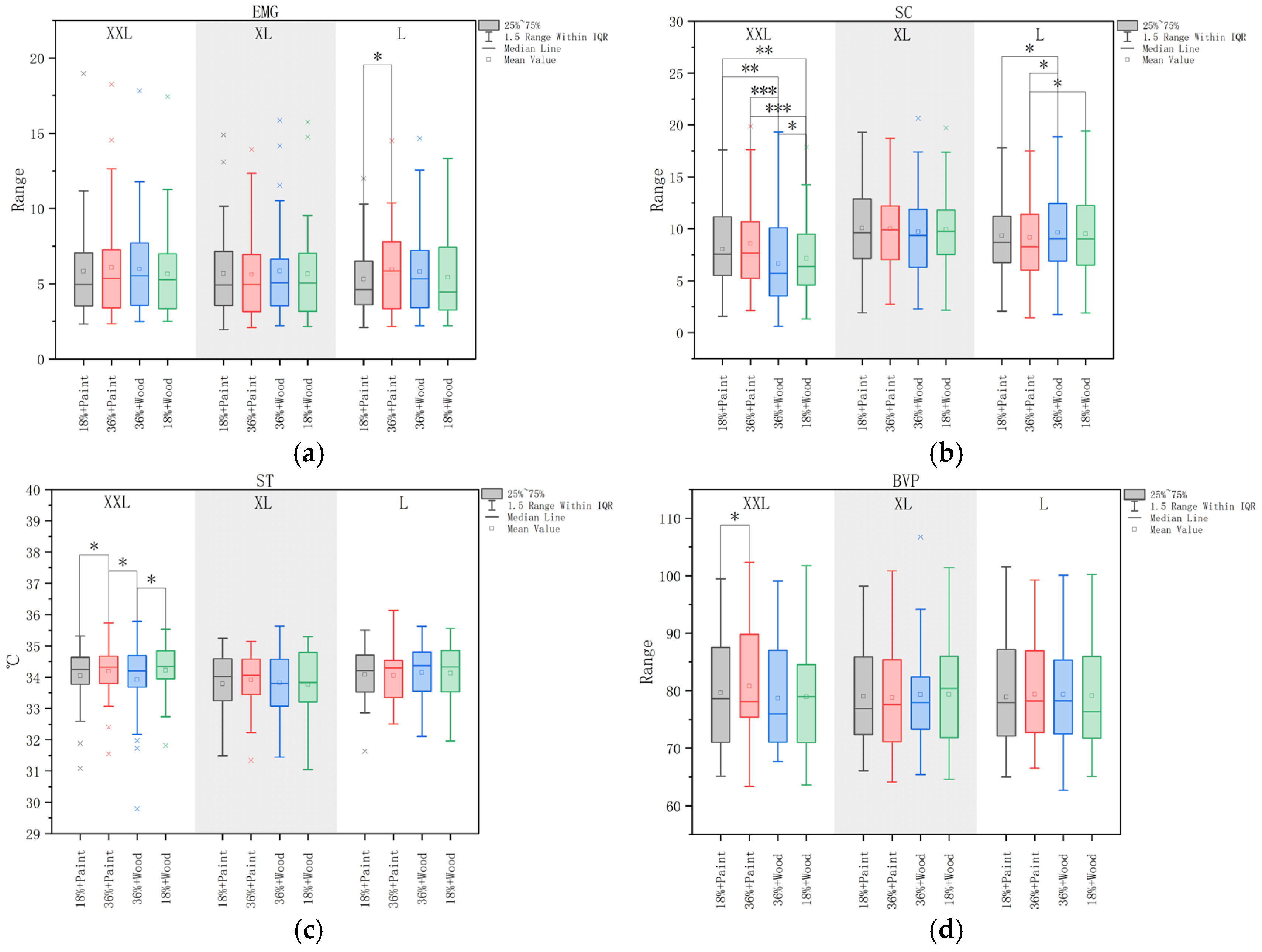
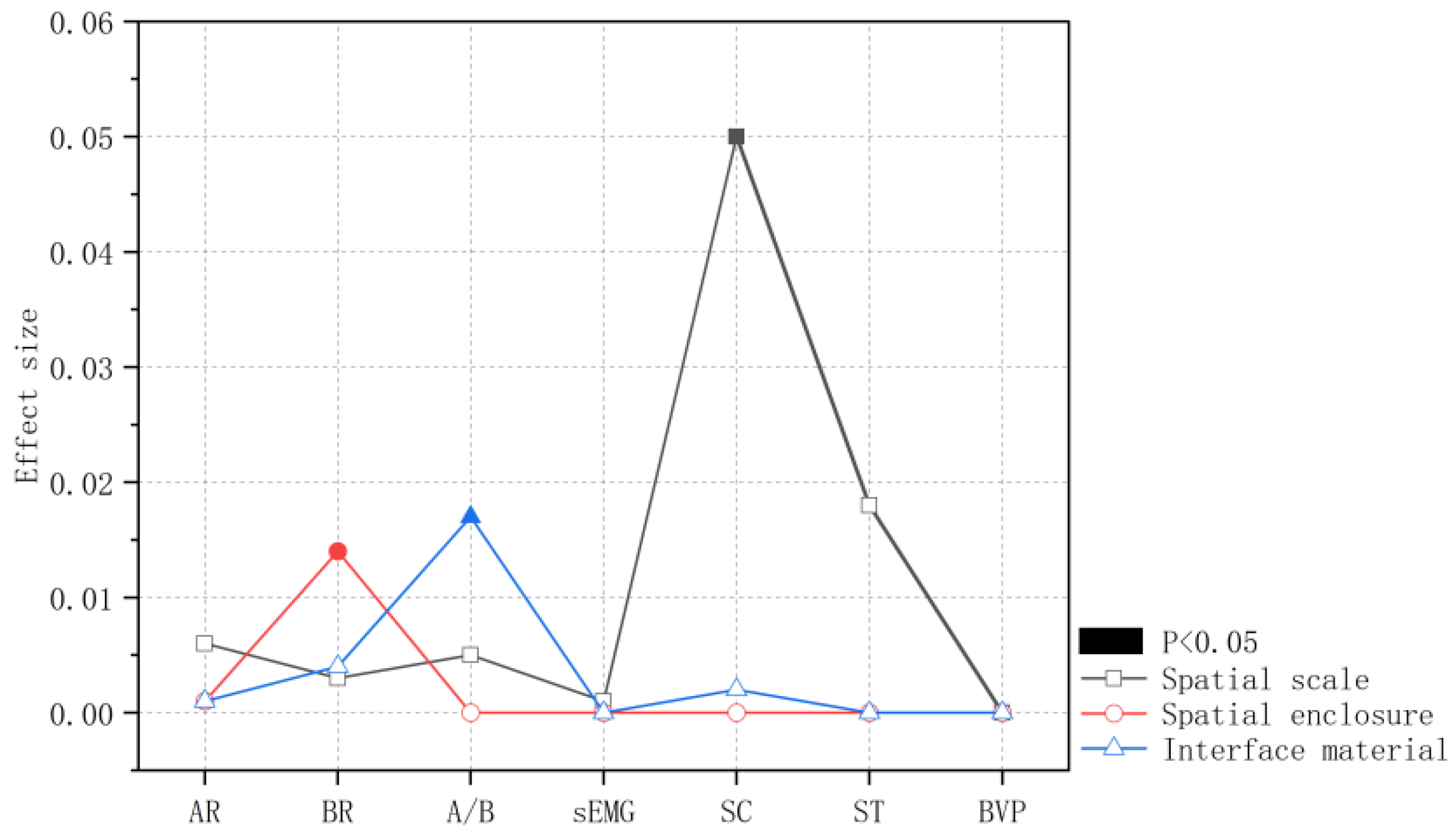
Regarding the impacts on physiological indicators, (1) SS significantly impacted SC. Larger spaces led to lower SC values in the three SSs tested, reflecting a more relaxed physiological state. (2) The WWR significantly impacted EEG BR. A larger WWR had lower BR, signifying greater relaxation. (3) IM significantly impacted EEG A/B ratios. Wooden spaces exhibited higher A/B ratios attributed to greater positive emotional responses. These physiological results are consistent with subjective perception results, confirming the relationship between spatial form elements and human perception from a physiological perspective.
5.2. Interaction Effects Among Different Spatial Elements
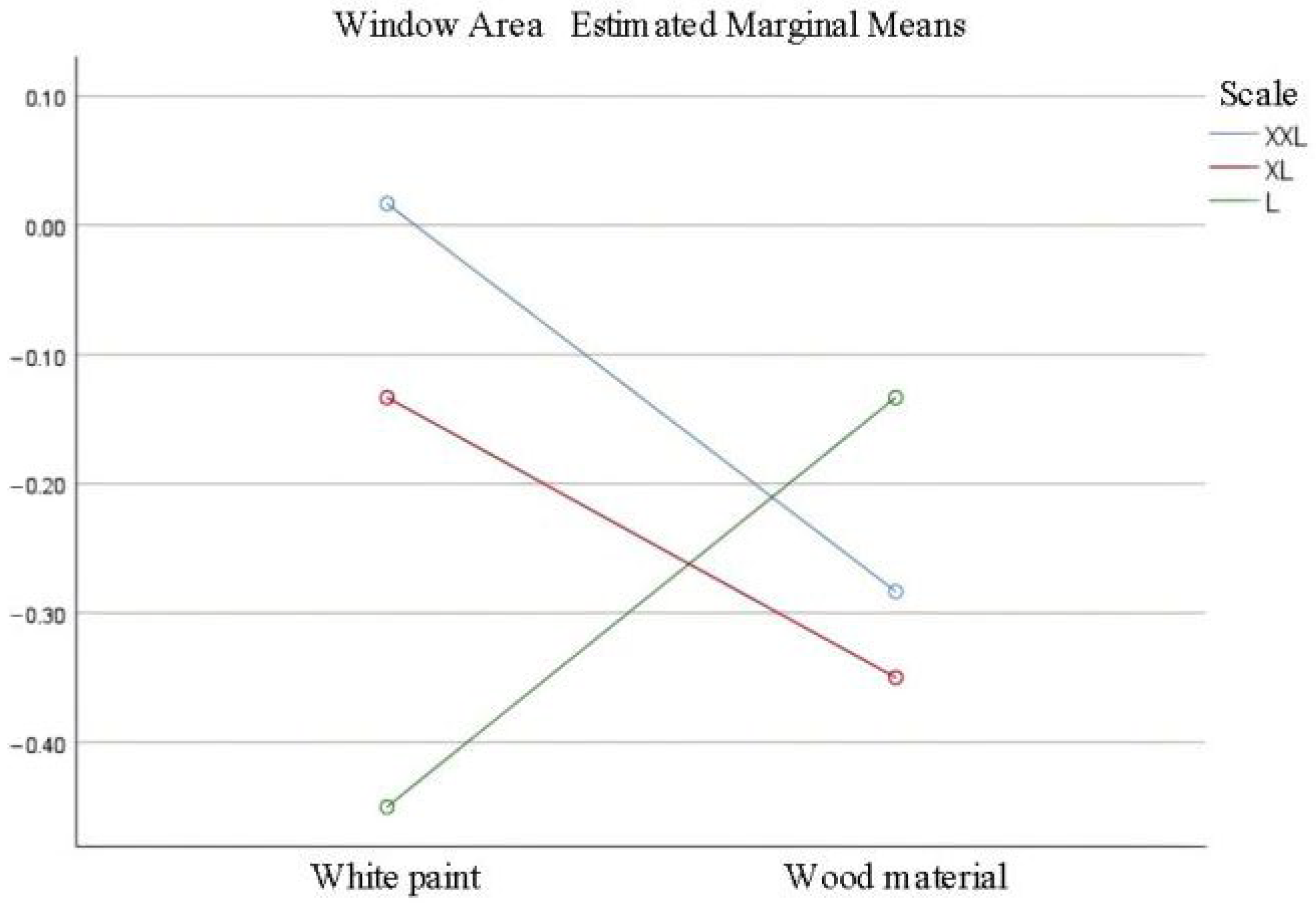
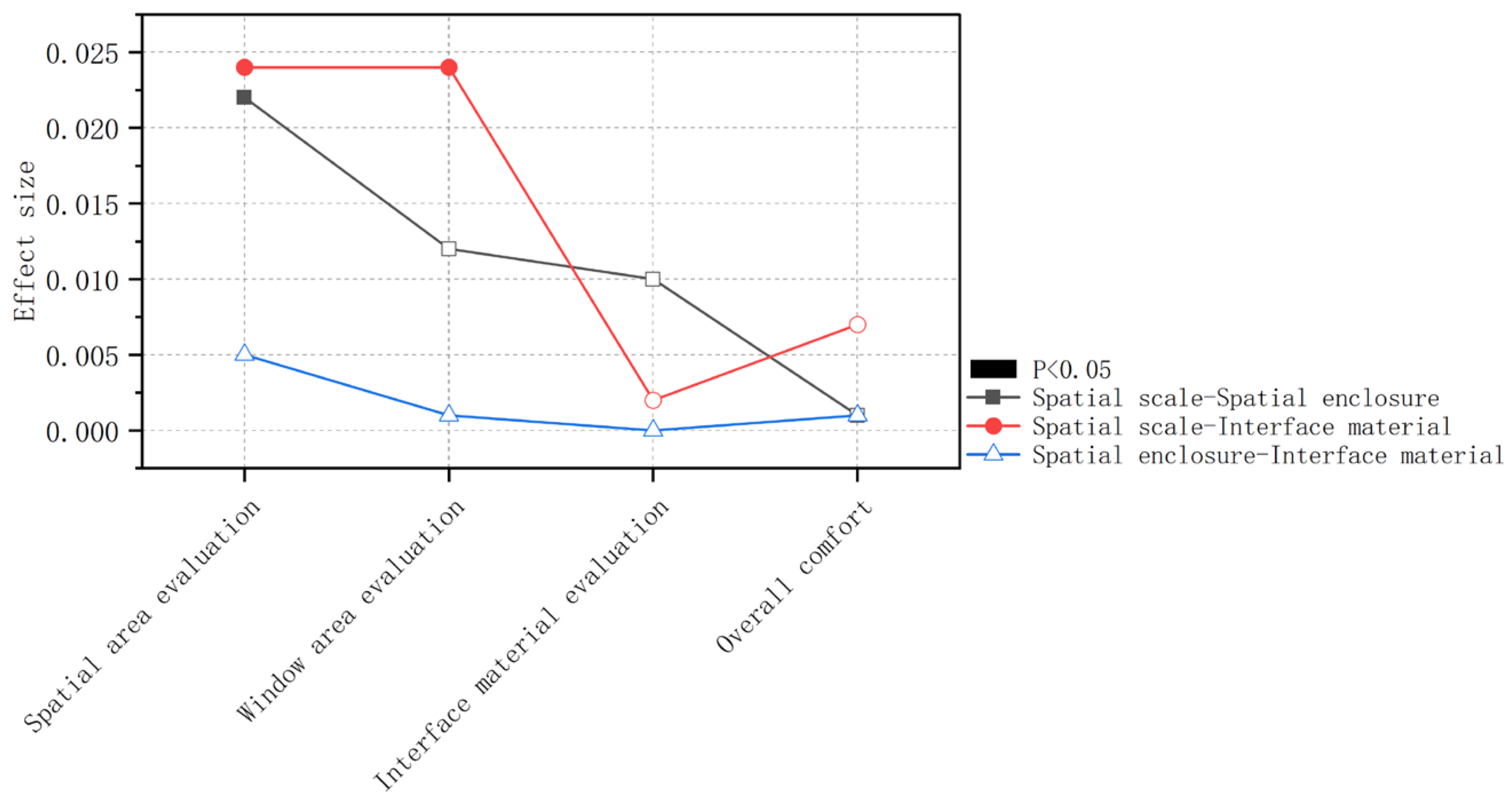
(1) Interaction between SS and WWR in area evaluation: Increasing the WWR significantly enhanced perceived spaciousness in XL spaces. However, the WWR had little impact on area evaluation in XXL and L spaces. (2) Interaction between SS and IM in area and window size evaluation: In L spaces, wooden surfaces reinforced both area and window size evaluations compared to white-painted surfaces. In contrast, white-painted surfaces brought about higher area and window size evaluations in XXL and XL spaces. Moreover, no significant interaction effects were observed in physiological indicators.
In summary, the impact of spatial elements on perception in micro-housing is characterized by multidimensionality, complexity, and integrative effects. In spatial design, both the direct and compensatory effects of form elements should be maximized to achieve better residential comfort. This approach can optimize overall spatial perception, thereby improving housing quality for new urban residents. In practical applications, constraints such as affordability, sustainability, and cultural context of micro-living spaces should be comprehensively considered to seek optimized combinations rather than simplistic application of single solutions. It is recommended to prioritize more cost-effective strategies (e.g., using wood finishes on key surfaces instead of everywhere, optimizing WWR through design techniques rather than unlimited expansion). While the research team possesses the capability to complete the current analysis, deeper neuroscientific interpretations may require closer collaboration with specialists in the field—an area for future refinement. Additionally, the 30 s resting period in this study primarily served to allow participants to adapt to the sensors and stabilize signals. It was not recorded as a formal baseline for subsequent data normalization, meaning it may not fully account for differences in physiological foundations between individuals.
Additionally, physiological measurements were integrated with subjective perception analysis in this study, providing a quantitative and objective approach for evaluating spatial perception. This methodology enlightens the measurement of human spatial perception results. Given the ongoing trend in multidisciplinary research integration, future studies should consider the aspects below.
5.2.1. Expanding Research Scope: Investigating the Holistic Impact of Space on Perception
This study primarily focused on spatial form elements (SS, WWR, and IM). In the future, a comprehensive framework that includes both spatial form factors and physical performance elements, such as acoustic conditions, lighting conditions, thermal environment, and air quality, should be established. This holistic approach will deepen the understanding of how the built environment impacts human perception and well-being.
5.2.2. Integrating Multidisciplinary Research: Establishing a New Paradigm for Space-Perception Studies
In future research, a more integrative research model should be developed by leveraging advancements in human factors, computer science, and cognitive neuroscience. Incorporating simulation experiments and artificial intelligence-driven analytical methods can facilitate more precise modeling and prediction of human responses to different spatial environments. Furthermore, a multidisciplinary paradigm should be established for spatial perception research to acquire a multi-perspective, multi-dimensional, and multi-layered understanding of human–space interactions.