1. Introduction
The construction industry faces challenges that differ from those in the past, particularly regarding sustainability, environmental protection, and the efficient use of natural resources [
1,
2,
3,
4]. One of the most pressing and persistent issues is the significant contribution of the construction sector to global CO
2 emissions [
5,
6]. Another critical concern for civil engineers in the search for optimal building materials is the increasing depletion of natural resources: not only limestone for cement production but also the aggregates used in concrete [
7,
8].
With increasing urbanization and infrastructure development, the demand for concrete is also rising. This in turn accelerates the extraction of natural aggregates, which has a considerable impact on ecosystems and landscapes [
9]. At the same time, the volume of construction and demolition waste is increasing, representing a significant environmental burden. In response to international efforts to implement circular economy principles, it is essential to identify effective ways to recycle and reuse this waste. One promising approach is the conversion of concrete waste into recycled aggregates [
10,
11,
12,
13,
14,
15]. This solution addresses two major challenges—the generation of construction and demolition waste without subsequent use and the increasing extraction of natural aggregates. From a sustainable development perspective, the use of recycled concrete aggregate represents a key step towards reducing CO
2 emissions, which are inherently associated with the production of concrete composites. Reducing the carbon footprint of concrete is a priority not only for environmentally conscious construction companies but also for governmental institutions and research centers, which are gradually introducing policies to support the use of green technologies and develop waste management strategies in the construction industry [
16,
17,
18,
19].
However, despite these advantages, concerns remain regarding the mechanical performance of concrete incorporating recycled aggregates, particularly in the case of high-performance concretes where the quality of the input materials plays a more critical role than in conventional Portland cement-based concrete. This issue has been addressed in several studies [
20,
21,
22,
23].
One issue frequently examined by researchers is the use of recycled aggregates derived from high-performance concrete (HPC). For example, Poon [
24]—who compared the use of recycled aggregates from ordinary concrete, HPC, and, as a reference, crushed granite—reported that the compressive strength of concrete made with HPC-derived recycled aggregate was comparable to that of concrete made with natural granite aggregate after 90 days. In addition, the microstructure of concrete containing recycled HPC aggregate exhibited a significantly denser interfacial transition zone (ITZ) and fewer pores, relative not only to the mixture with recycled conventional concrete aggregate but also to that with natural granite aggregate. Gonzalez [
25] observed that a 100% replacement of coarse aggregate with recycled aggregate could be effective if the latter was sourced from concrete with a compressive strength above 60 MPa. In contrast, for a 50% replacement, using recycled aggregate from concretes with a minimum compressive strength of 40 MPa was sufficient to achieve strength characteristics comparable to those of the reference concrete containing natural aggregate (HPC with 0% RCA content). Similarly, mixtures containing up to 50% recycled aggregate exhibited comparable chloride penetration resistance to the reference concrete. Beyond this threshold, however, the durability was found to decrease. Gonzalez has also explored the use of recycled aggregates derived from HPC and ordinary concrete in other studies; in one study by Gonzalez-Corominas et al. [
26], he expanded on earlier findings concerning the influence of recycled aggregate on the shrinkage behavior of HPC. The conclusions indicated that HPC containing equivalent-quality recycled aggregate could be used as a 100% replacement, even improving the shrinkage properties of the fresh mix. In the case of recycled aggregate from concrete with a compressive strength of up to 40 MPa, similar performance was only achieved with partial replacement levels of up to 50%. In addition to recycled concrete aggregates, other recycled materials such as ceramics [
27,
28], glass [
29,
30,
31], and other types of aggregates [
32,
33,
34,
35] are gaining the attention of many researchers. The authors have addressed the topic of HPC on a broader scale in their previous research [
36,
37,
38]. In the near future, they also intend to explore the potential of using recycled aggregates in hybrid composites—such as those described in [
39,
40]—in structural building element applications.
Although numerous studies have explored the use of recycled concrete aggregates in standard and high-performance concrete, most have focused on the effect of using coarse aggregates or a total replacement. Limited attention has been given to the selective replacement of fine natural aggregates (0–4 mm fraction) with recycled concrete aggregates in high-performance concrete, particularly at partial substitution levels that may offer an optimal balance between performance and sustainability. Moreover, there is a lack of comprehensive data on the early and long-term durability behavior—including surface degradation mechanisms—under aggressive environmental conditions. This study aimed to address this research gap by providing experimental data on fine RCA integration in HPC, with a focus on both mechanical and durability aspects.
This study investigated the physical, mechanical, and chemical properties of high-performance concrete mixtures in which 15% or 30% of natural sandstone aggregate (0–4 mm) was replaced by recycled concrete aggregate of the same grain size. A detailed description of the input materials and testing procedures is provided in the following section [
41,
42]. The presented results are from a long-term, comprehensive experimental program evaluating the properties of high-performance concretes with up to 100% replacement of natural aggregate with recycled aggregate.
3. Results of Experiments
3.1. Comparison of Natural and Recycled Aggregates
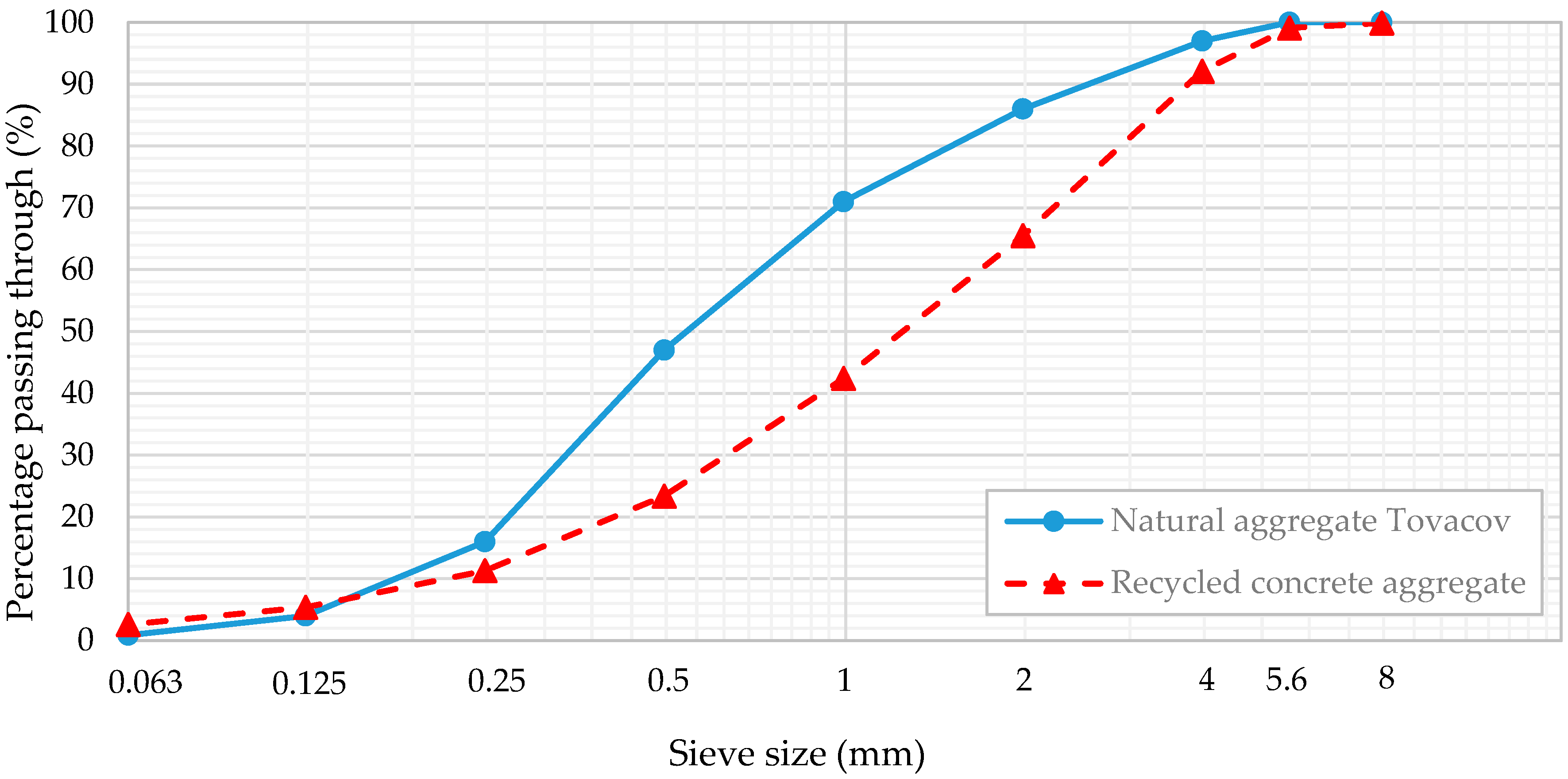
As outlined in the previous sections, this study focused on the comparison of three concrete mixtures differing in their recycled aggregate content. The reference mix was HPC containing natural aggregate, without any recycled components. The parameters measured for this mix served as baseline values for comparison with the other mixtures, in which RCA was incorporated at replacement levels of 15% or 30%. The RCA used in these mixtures partially substituted natural sand (0–4 mm) sourced from a local quarry in Tovacov (Czech Republic).
The primary parameters compared included the bulk density, loose bulk density, compacted (shaken) bulk density, and void ratio of the aggregate. For each parameter, three independent measurements were performed, and the average value was calculated. The resulting data are summarized in
Table 3.
Table 3 presents the basic physical properties of the two types of 0–4 mm aggregates used in this study: recycled concrete and sandstone aggregate from Tovacov. The particle density of the natural aggregate was determined to be 2580 kg/m
3, whereas that of the recycled aggregate was lower at 2420 kg/m
3, representing a reduction of more than 6%.
The compacted bulk density of the Tovacov sand was higher, reaching 1630 kg/m3. This may indicate better packing efficiency and smaller interparticle voids compared to those of the recycled aggregate, which exhibited a compacted bulk density of 1240 kg/m3, corresponding to a decrease of nearly 21%. The compacted-state void ratio was 37% for natural sand and 49% for the recycled aggregate, representing a 12% increase in the void content.
Similarly, the loose bulk density was higher for the natural aggregate (1520 kg/m3) than the recycled one (1220 kg/m3), with a reduction of approximately 20%. The loose-state void ratio was 41% for natural sand and 50% for the recycled aggregate, indicating a 9% increase in the spacing between the particles.
3.2. Compressive and Flexural Strength
Compressive strength tests were performed after 28 days on cube specimens with edge lengths of 150 mm and 100 mm, as well as prism specimens measuring 40 × 40 × 160 mm. These dimensions were chosen so we could observe the effect of the specimen size on a given characteristic. In addition, both compressive and flexural strength were evaluated for the prism specimens after 3 (demolding age), 14, 28 (standardized age), and 56 days of curing. We tested 14- and 56-day-old specimens to observe the trend of the change in strength over time.
3.2.1. Compressive Strength of 150 mm and 100 mm Cubes
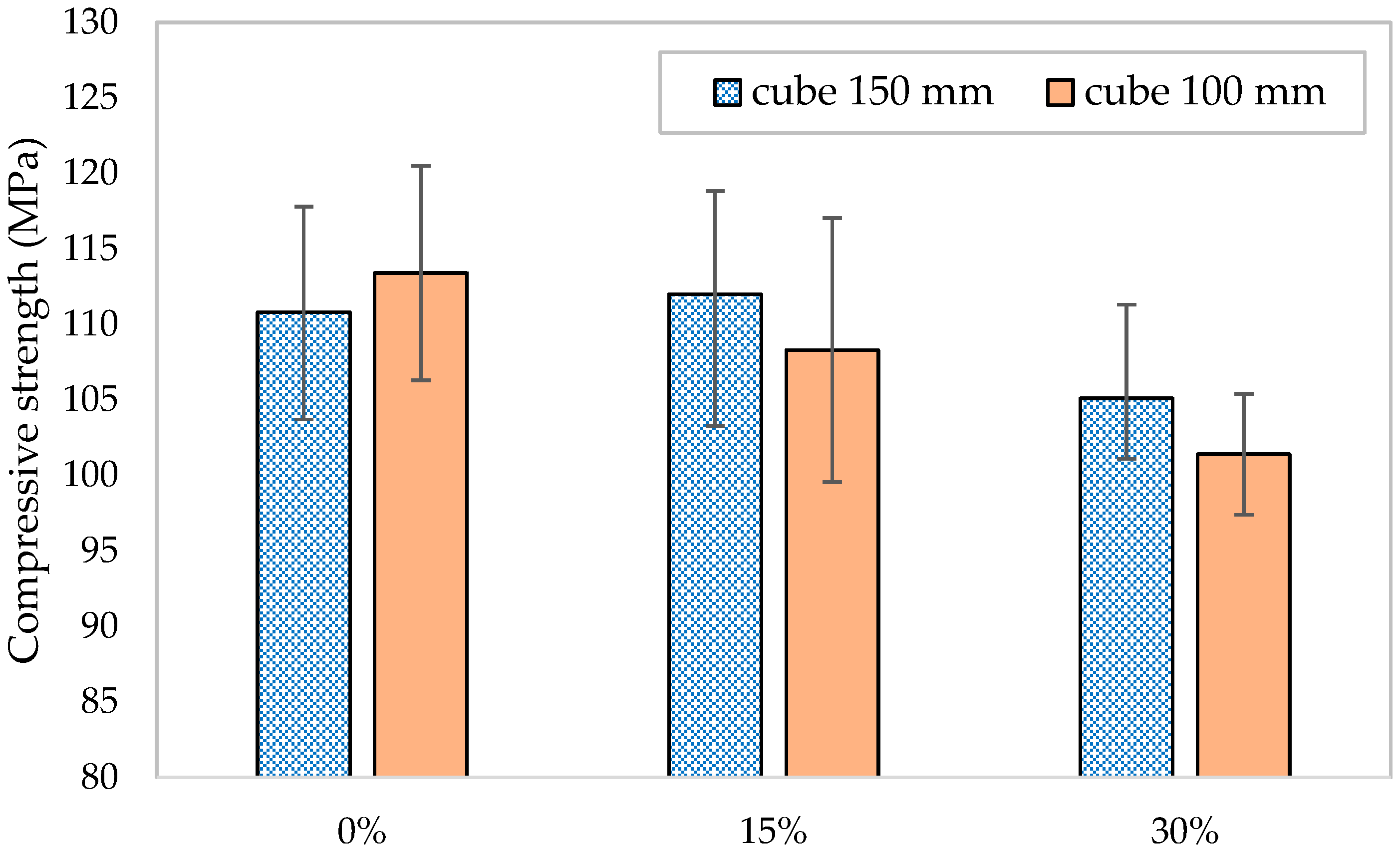
After 28 days of curing, compressive strength tests were conducted on six cube specimens for each mixture (to ensure statistical reliability and reduce the influence of potential material inhomogeneity or local defects). The average compressive strength of the reference mixture was 110.8 MPa. The mixture with 15% replacement of the natural aggregate with RCA exhibited a slightly higher strength of 112.0 MPa, representing an increase of 1.2 MPa. In contrast, the lowest strength was recorded for the 30% replacement mixture, at 105.1 MPa.
Overall, the differences in the compressive strength among the mixtures were minor, and all three exhibited very favorable strength values for both cube sizes tested. A graphical representation of the compressive strength results is shown in
Figure 2.
For the mixtures with 15% and 30% RCA replacement, the 150 mm cubes exhibited slightly higher compressive strength compared to the 100 mm cubes. This variation can be attributed to the heterogeneous nature of RCA and the size effect related to the distribution of coarse aggregate and residual mortar. In smaller specimens, the effect of individual RCA particles (which may have contained weak zones due to adhering mortar) was more pronounced, which may have led to the slightly lower measured strengths. Conversely, the larger volume of the 150 mm cubes may have more effectively averaged out these local weaknesses, leading to a slightly higher overall strength.
3.2.2. Compressive Strength of 40 × 40 × 160 mm Prism Fragments
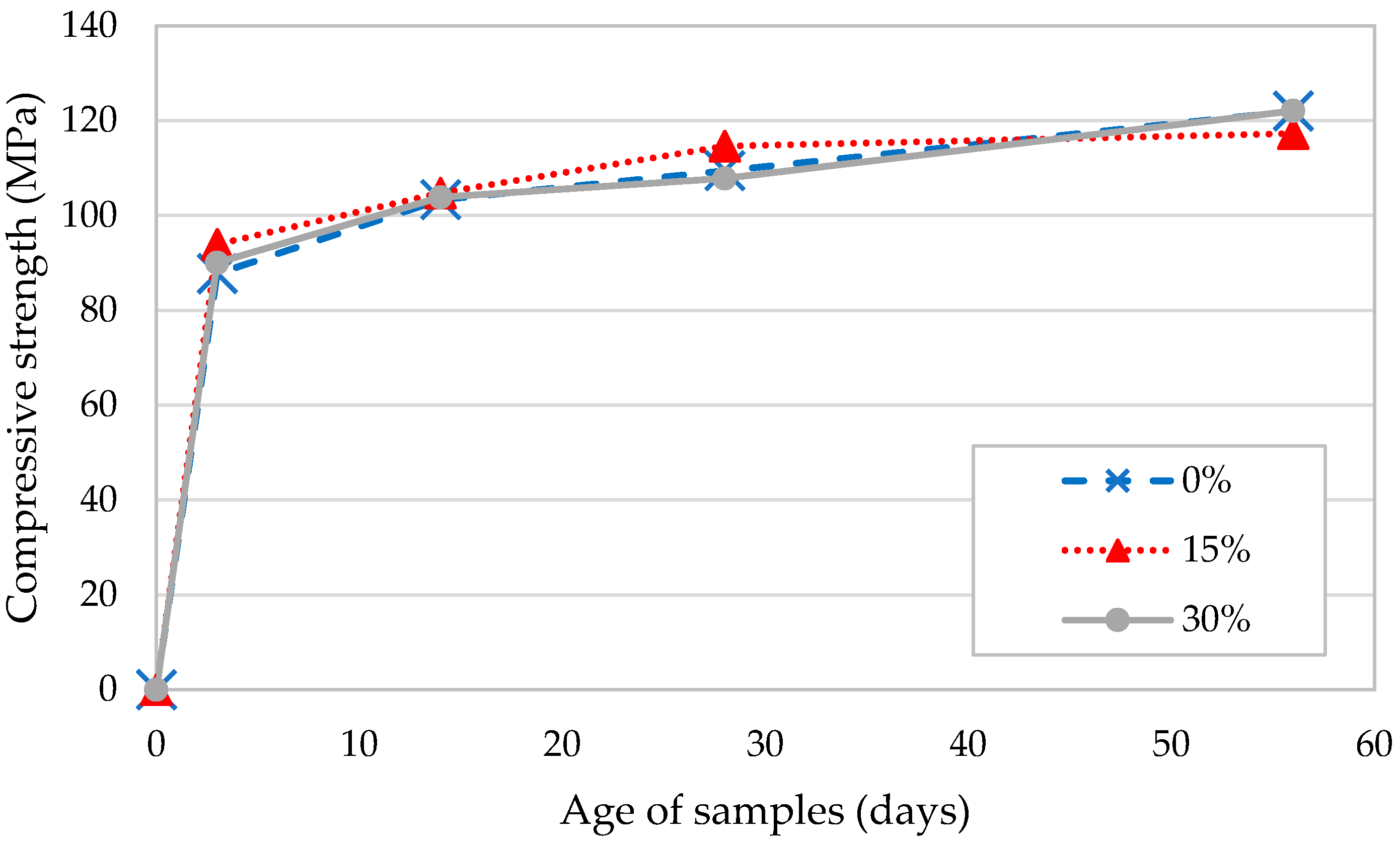
Compressive strength testing on prism fragments (40 × 40 × 160 mm) was initiated 3 days after casting. Subsequent tests were conducted after 14, 28, and 56 days of curing (see
Figure 3). At each of the first three time intervals (3, 14, and 28 days), eight specimens were tested to improve the reliability of the results and minimize the impact of possible variations in the material properties or localized imperfections. At 56 days, four specimens were tested.
To improve the clarity of the results presented in
Figure 3, the corresponding standard deviations of the compressive strength for each mixture and curing age are listed separately in
Table 4.
The standard deviation was generally higher in the reference mixture (0%) compared to the mixtures with recycled aggregate, particularly at early and late curing stages. Overall, it can be stated that the coefficient of variation was at most around 15%.
From the bar chart in
Figure 2 and the data in
Table 4, it can be seen that despite a slight increase in the compressive strength with 15% replacement of natural aggregate with recycled concrete aggregate, the strength decreased with a further increase in the RCA content. The slight increase at 15% RCA content could either be explained by the continued hydration of unhydrated cement particles on the surface of the RCA grains or the cement grains filling the smaller pores and, thus, helping to create a denser structure.
The dot plot in
Figure 3 shows a similar trend in the compressive strength development across all three mixtures. The mixture with 15% recycled concrete aggregate replacement exhibited the lowest variability throughout the testing period, and its compressive strength remained higher than that of the reference mixture for up to 28 days. After this point, its strength slightly declined. The relatively high standard deviation of the reference mixture at 56 days (18.73 MPa), compared to only 5.00 MPa for the 15% replacement mixture, likely influenced the apparent difference in the long-term performance.
3.2.3. Flexural Strength of 40 × 40 × 160 mm Prisms
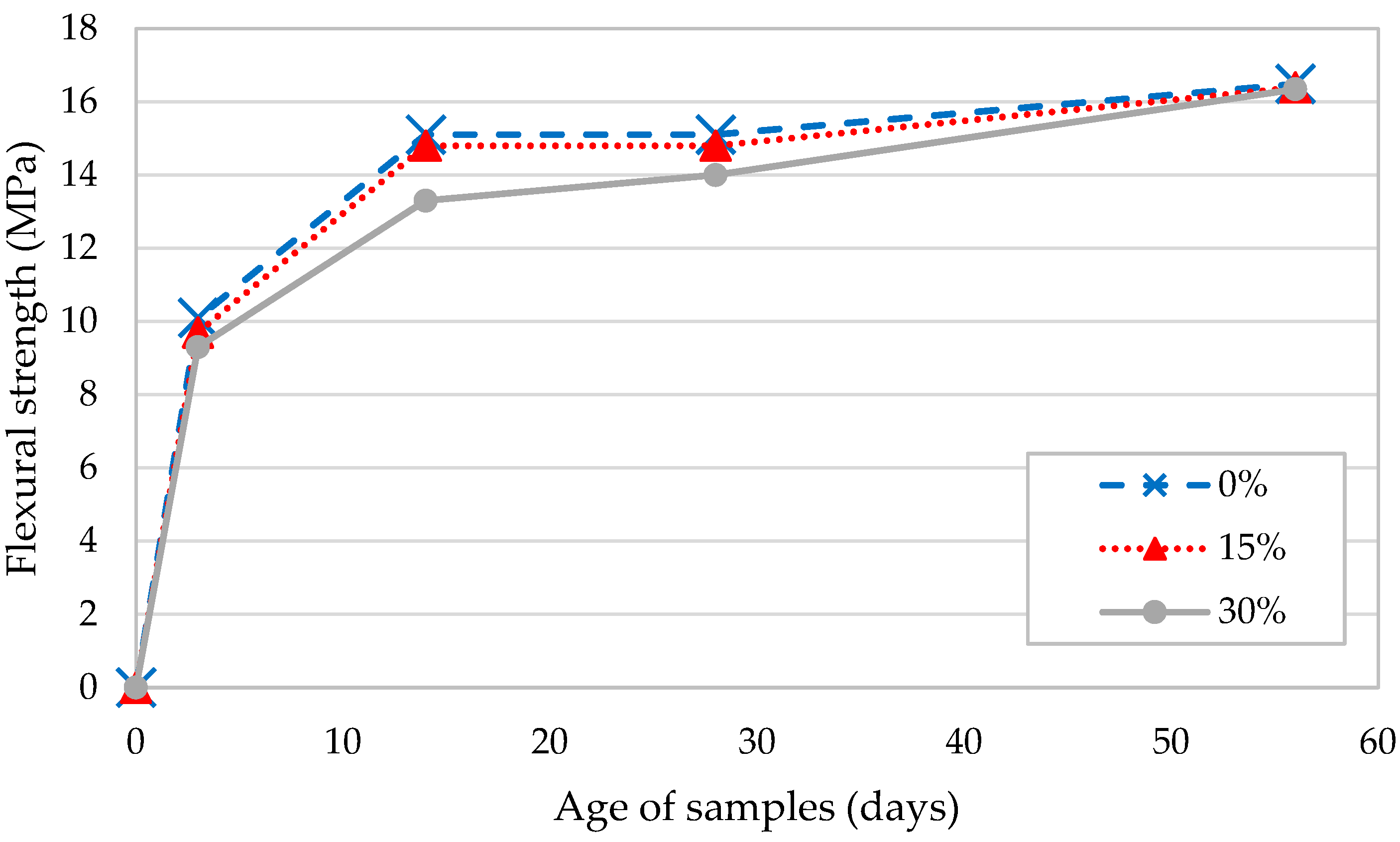
The flexural strength was determined using the same prism specimens, from which fragments were later used for the compressive strength tests. The results are presented in
Figure 4. As in the previous case, the standard deviations are provided separately in
Table 5 to improve the clarity of the graph in
Figure 4.
A slight decrease in the flexural strength over time was observed in the mixture with 30% replacement of natural aggregate with RCA, continuing up to day 56. In general, the flexural strength values of all three mixtures remained very similar. The reference mixture and the 15% RCA mixture exhibited nearly identical flexural strength development throughout the testing period. The low standard deviations across all the samples indicate minimal variability in the measured results. Correlations between increasing RCA content in HPC and strength characteristics are shown in
Table 6.
The correlation analysis indicated that the RCA content had a minimal influence on the compressive strength, with only weak positive or negative correlations observed at various curing stages and virtually no correlation by day 56. In contrast, the flexural strength exhibited a consistently strong negative correlation with the RCA content at all ages, becoming more pronounced over time. This suggests that while RCA can be used in HPC without significantly affecting its long-term compressive strength, increasing its content systematically reduces the flexural strength, likely due to microstructural weaknesses in the interfacial transition zone.
3.3. Determination of Resistance to Water and Chemical De-Icing Agents
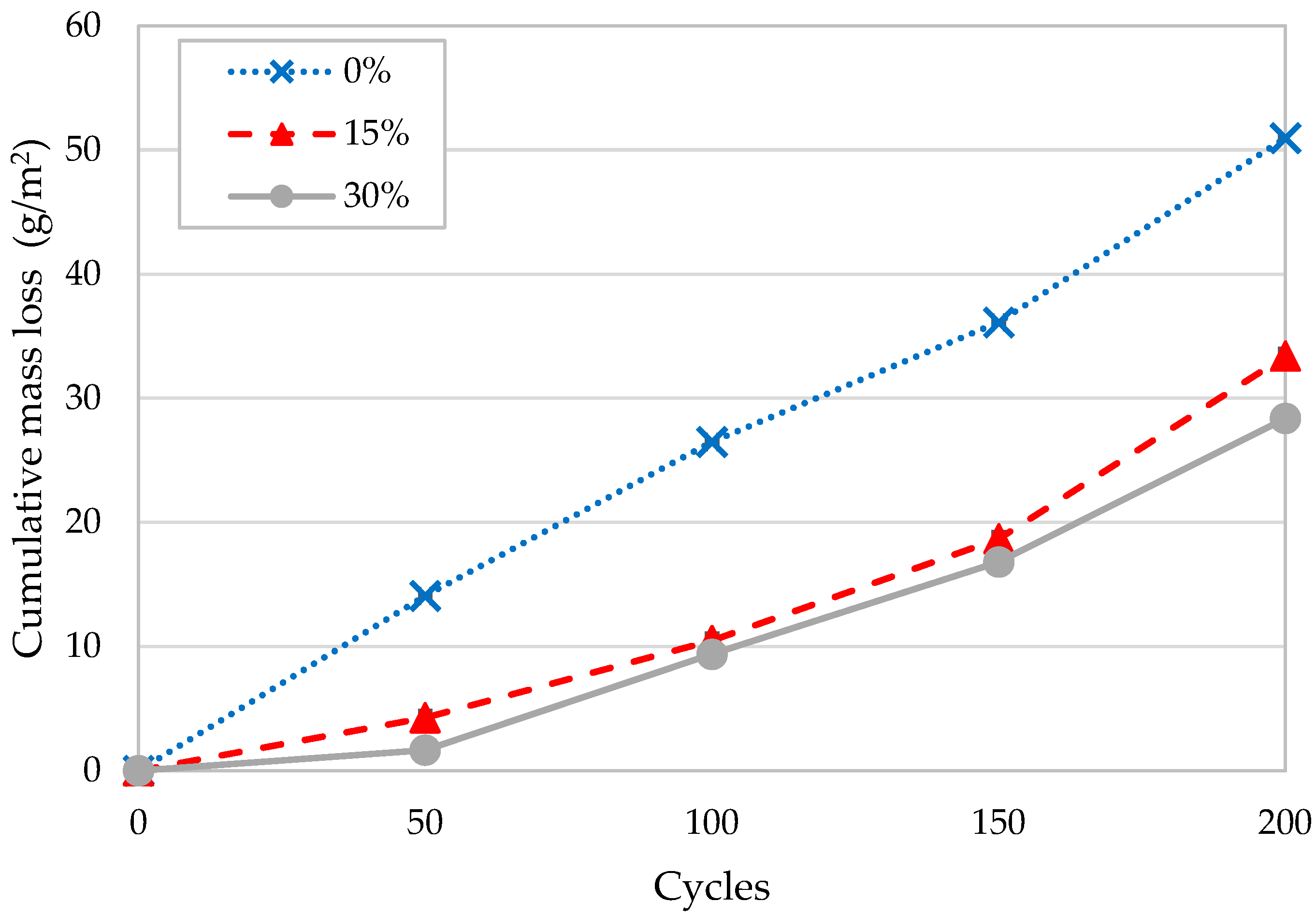
The resistance of the concrete to water and chemical de-icing agents was assessed using two reference specimens and three specimens containing recycled aggregate. All the specimens were cube-shaped with edge lengths of 100 mm and were partially immersed to a depth of 5 mm in a 3% NaCl solution. The specimens were subjected to a total of 200 freeze–thaw cycles (which might have been sufficient to account for the observed increase in the mass loss for individual preparations and the overall differences). After every 50 cycles, the specimens were thoroughly rinsed using a syringe, and the NaCl solution was replaced with a fresh one.
Figure 5 presents a dot plot of the cumulative mass loss of the tested mixtures at selected cycle intervals.
The results presented in the dot plot in
Figure 5 suggest a slightly positive effect of RCA on HPC mixtures’ resistance to water and chemical de-icing agents. Although the improvement was relatively modest, a decreasing trend in the cumulative mass loss could be observed with an increasing RCA content. This indicates that the partial replacement of natural aggregate with recycled material may enhance the durability of concrete under repeated freeze–thaw exposure in the presence of NaCl. Correlations between an increasing RCA content in HPC and the mass loss after testing the resistance to water and chemical de-icing agents are shown in
Table 7.
The correlation between the RCA content and the mass loss after the freeze–thaw cycles and chemical exposure was strongly negative at all the intervals tested. This consistent trend suggests that a higher RCA content is associated with slightly lower material loss during degradation, potentially indicating better resistance to this environment. Although this may seem contradictory, it may be attributed to intrinsic curing effects or better stress redistribution in the RCA-containing cement matrix.
3.4. Determination of Resistance to Repeated Freezing and Thawing
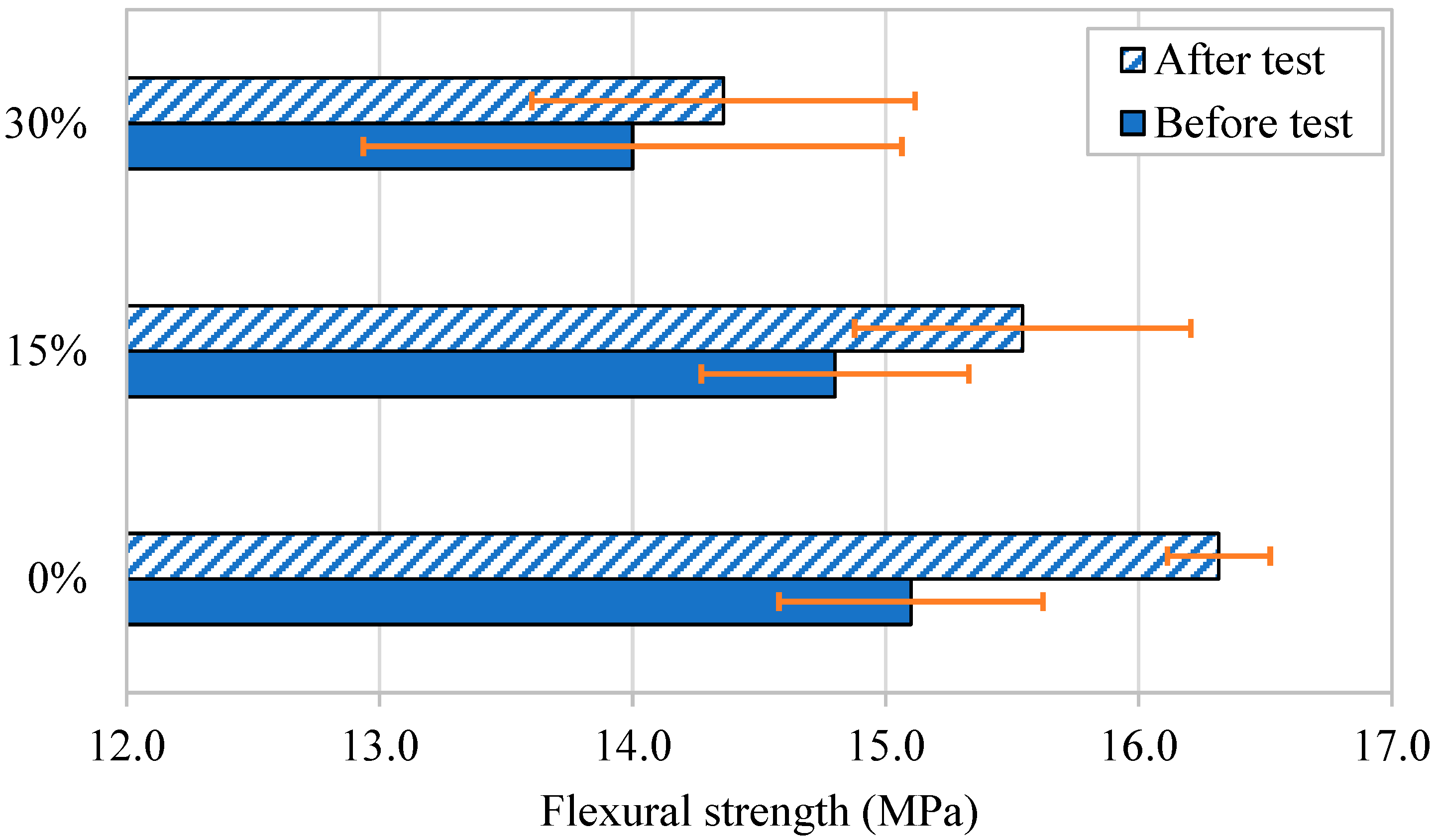
The resistance of the concrete mixtures to repeated freezing and thawing was evaluated for four specimens made from each mixture. The testing commenced 28 days after casting and the total number of freeze–thaw cycles was set at 125 (due to scheduling constraints and the limited availability of the freezer).
According to the Czech standard CSN 73 1322 [
46], concrete is considered frost-resistant if its frost-resistance coefficient reaches at least 75%. This coefficient is defined as the ratio of the flexural strength of frozen prisms to that of reference (unfrozen) specimens. This criterion was essential for interpreting the measured results and assessing the suitability of the concrete mixtures for applications in freezing conditions.
All three tested mixtures met the frost resistance requirement. The reference mixture achieved a frost-resistance coefficient of 108%, the 15% RCA mixture reached 105%, and the 30% RCA mixture reached 103%. Therefore, all the mixtures could be classified as frost-resistant after 125 freeze–thaw cycles.
Figure 6 presents the corresponding results. A greater scatter in the flexural strength values was evident in the mixtures containing recycled concrete aggregate. Additionally, a general decreasing trend in the flexural strength—both in reference and frozen specimens—was observed with an increasing RCA content.
Based on the calculated Pearson correlation coefficient of −0.9929, there was a very strong negative correlation between the RCA content in the mixture and the flexural strength after the freeze–thaw test, indicating that an increase in the RCA content was associated with a decrease in the post-exposure flexural strength.
3.5. Load Capacity of RC Beams
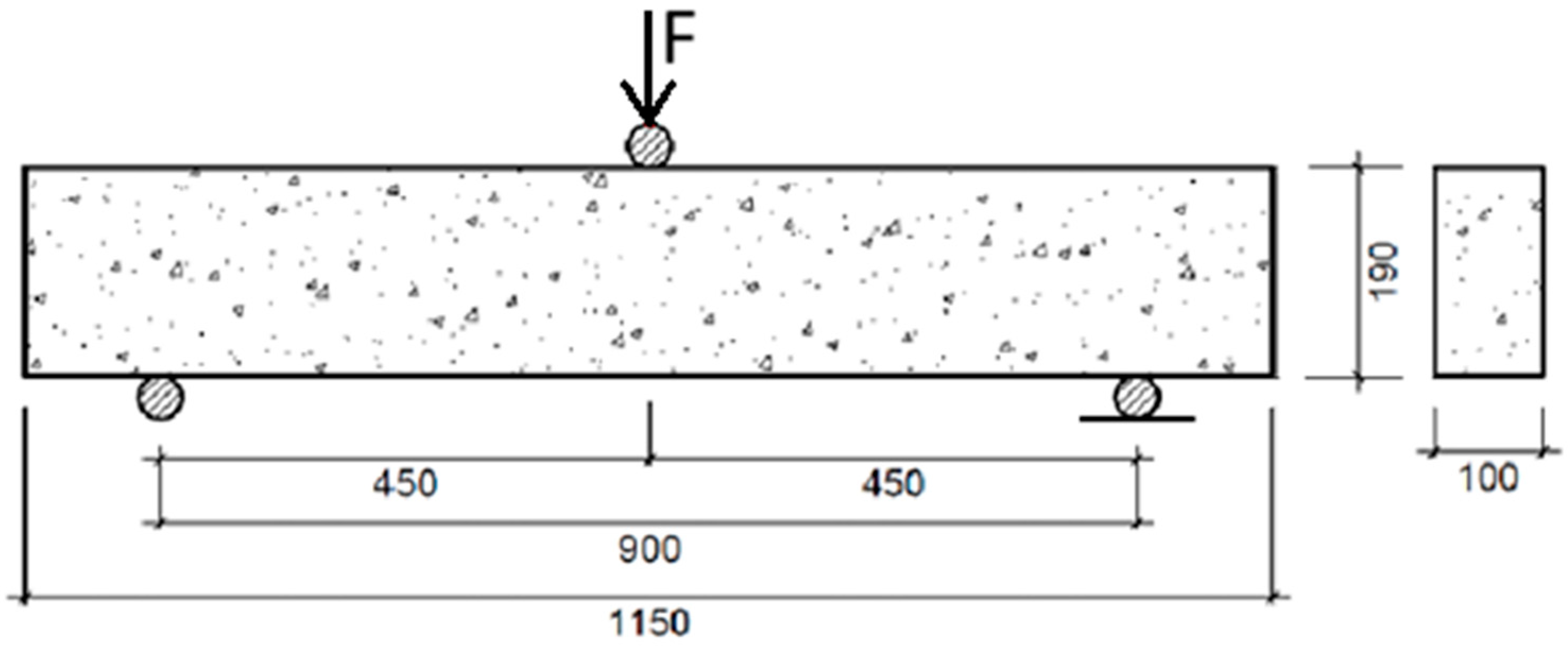
One RC beam was prepared from each of the three mixtures. The beams were 1150 mm long with a cross-section of 100 × 190 mm and were reinforced with three longitudinal bars (⌀10 mm, grade B500 steel, ribbed reinforcement with a yield strength of 500 MPa). The concrete cover was 20 mm, and no shear reinforcement was used.
All the specimens were tested under three-point bending, with a span length of 900 mm between the supports. The test setup is illustrated in
Figure 7.
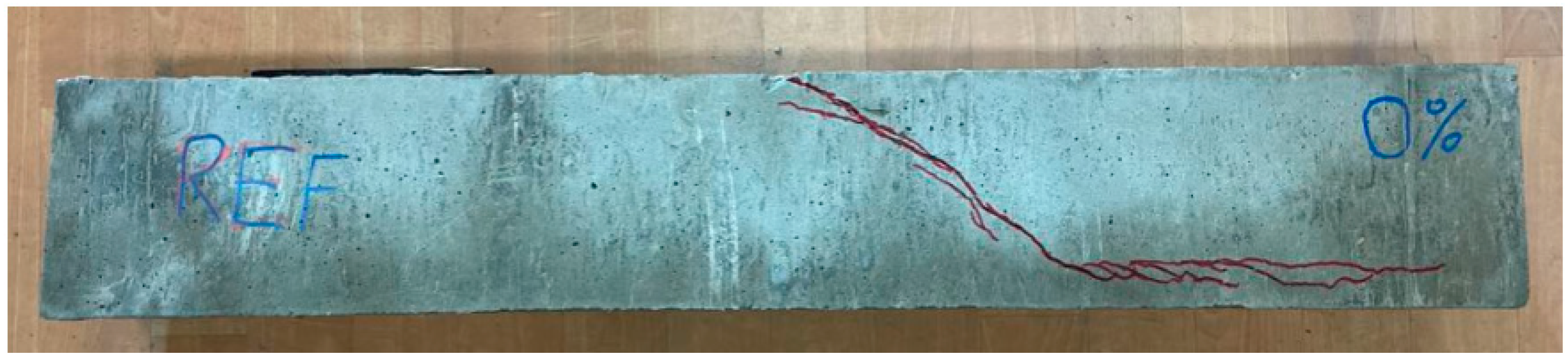
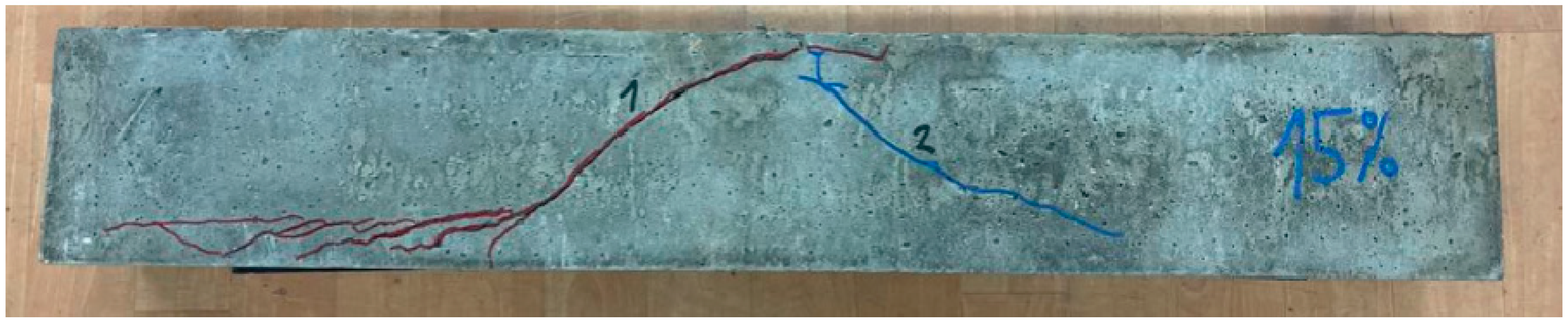
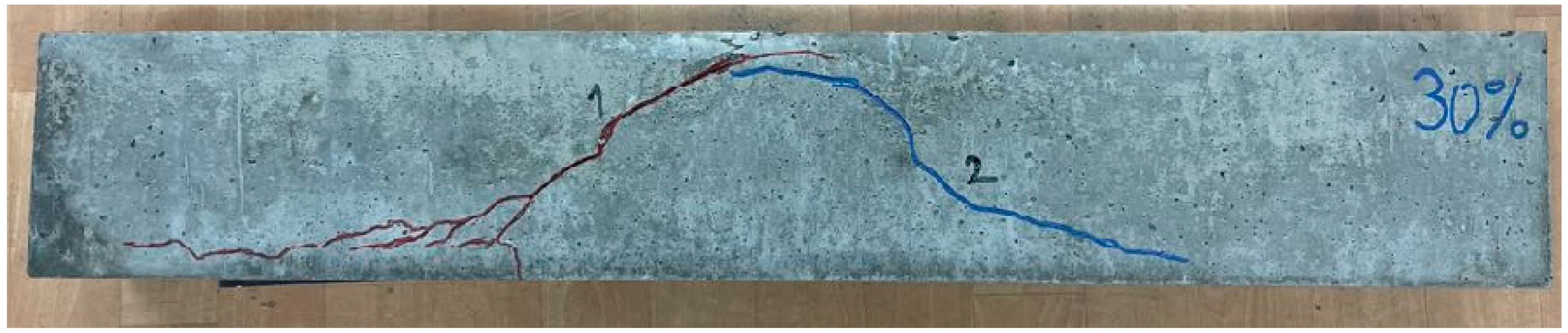
In the reference beam, a shear crack only appeared on one side, whereas in both the beams containing recycled aggregate, shear cracks developed symmetrically on both sides. No tensile cracks were observed in any of the specimens.
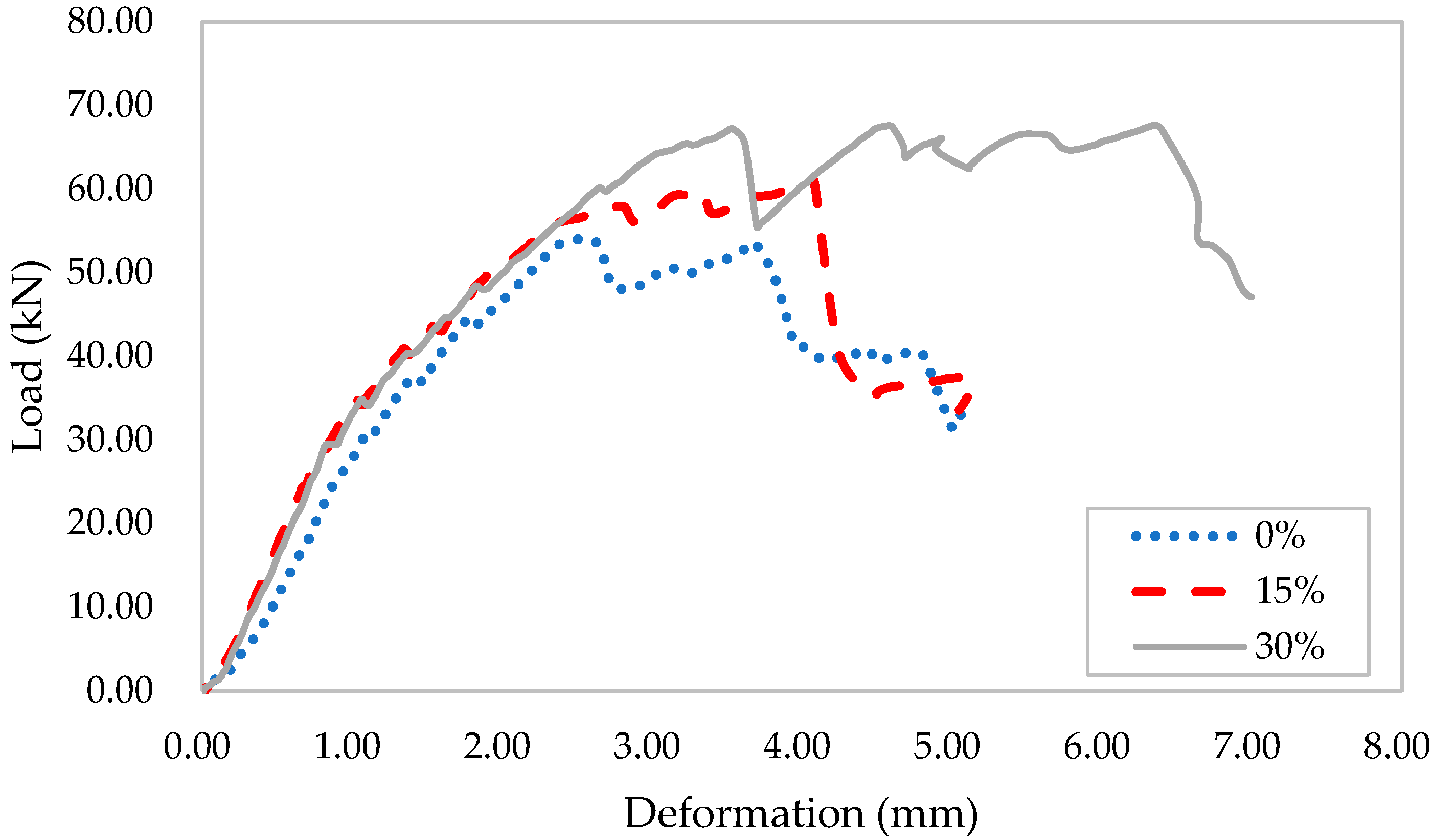
The reference beam exhibited the lowest load-bearing capacity, 54.08 kN. The beam with 15% recycled aggregate achieved a maximum load of 61.15 kN, while the beam with 30% recycled aggregate reached the highest load-bearing capacity of 67.60 kN. In this case, the degree of deformation was not evaluated as the loading process was completed without the failure of the steel reinforcement. A more detailed assessment would have required the production and testing of a larger number of specimens; however, this was not feasible due to time constraints and occupational safety considerations. The loading process was documented and is illustrated in
Figure 11. The load capacity of RC beams with concrete containing recycled aggregate is significantly influenced by the failure mechanism and variability of materials (concrete). It is evident that the cracks gradually developed in the first area, and afterwards, in the second area by RC beams with concrete containing recycled aggregate. There was only one major crack in the RC beam without recycled aggregate. The formation of only one crack is more typical. The above-mentioned is also influenced by the degree of longitudinal reinforcement.
3.6. Change in Surface of Specimens After Exposure to Water and Chemical De-Icing Agents
For each concrete mixture, four specimens were examined (due to specimen damage, tests were only conducted on two containing 15% RCA), and their surface areas were measured both before and after exposure to water and chemical de-icing agents. The evaluation was based on the relative increase in the surface area, expressed as a percentage, resulting from surface deterioration. For each specimen, four surface measurements were conducted in a defined area of 1 × 1 cm. The measurements were performed using a Keyence VHX-7000 digital microscope (Keyence, Ósaka, Japan), which featured a 4K CMOS sensor, a magnification range from 20× to 6000×, and advanced 3D surface profiling capabilities. The microscope’s automated focus stacking and high-resolution imaging ensured accurate and reproducible surface characterization. The changes in the surface area observed after the durability test are summarized in
Table 8.
As shown in
Table 8, the surface area of the specimens increased with a higher recycled aggregate content. A greater increase in the surface area was associated with reduced resistance to degradation. These findings suggest that mixtures with a higher recycled aggregate content experienced slightly more surface deterioration after exposure to water and chemical de-icing agents.
Despite the visual increase in the surface roughness observed in mixtures with a higher RCA content, the cumulative mass loss presented previously showed a decreasing trend with increasing RCA. This apparent discrepancy can be attributed to the different characteristics captured by each method. The optical surface scanning method is sensitive to microtexture and surface irregularities, which may have increased due to the greater porosity of the recycled aggregates. However, mass loss measurements reflect the actual material detachment, which may have been limited due to improved microstructural bonding or reduced shrinkage-induced cracking. Therefore, while the addition of RCA may result in a slightly rougher surface appearance, this does not necessarily imply inferior overall durability. A similar contradiction was addressed by Apedo [
47], who demonstrated the feasibility of using CSI to measure the surface roughness of cement pastes.
Overall, it can be concluded that replacing up to 30% of natural aggregate with recycled concrete aggregate only had a minimal effect on the resistance of high-performance concrete to water and chemical de-icing agents.
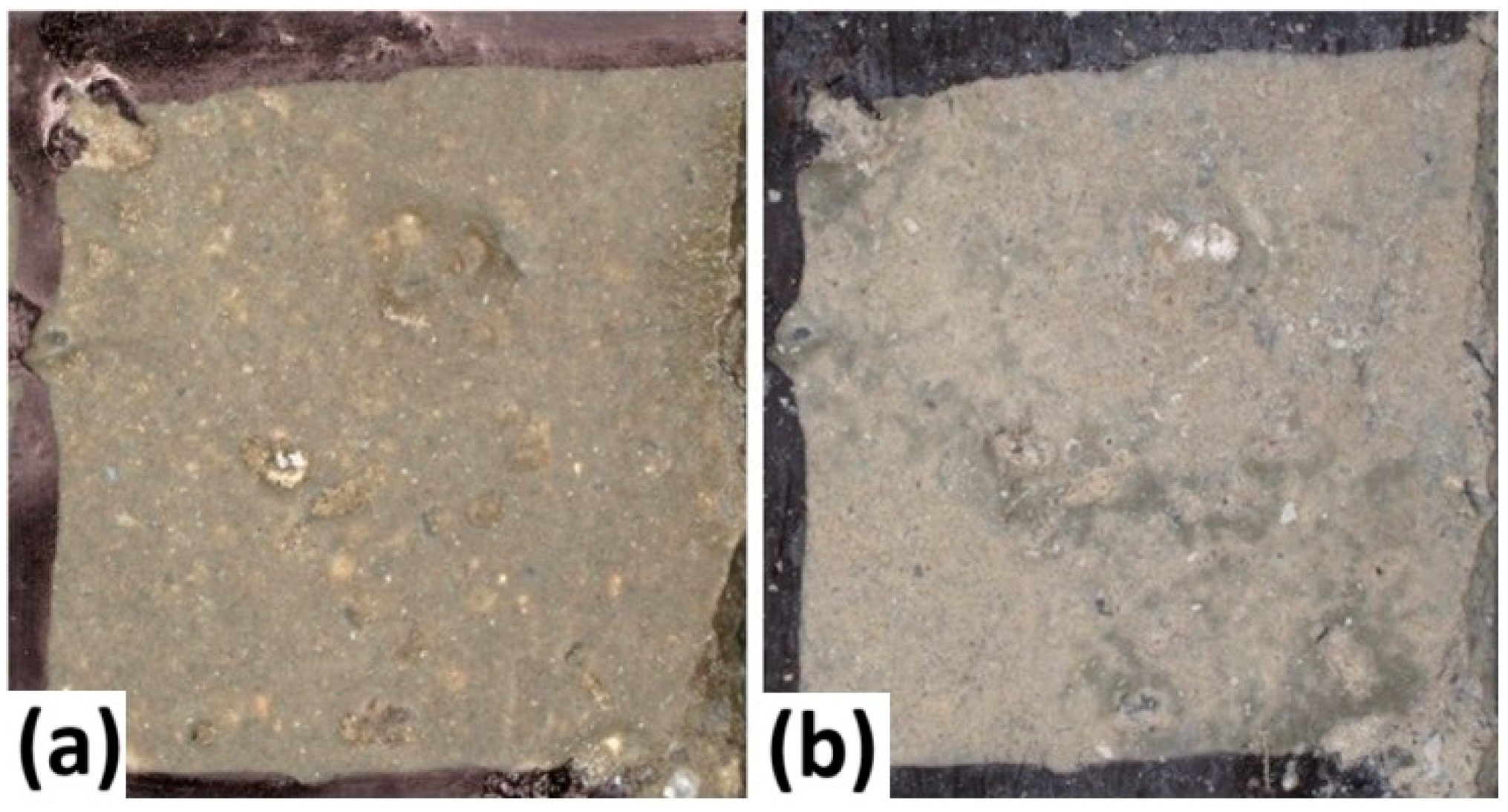
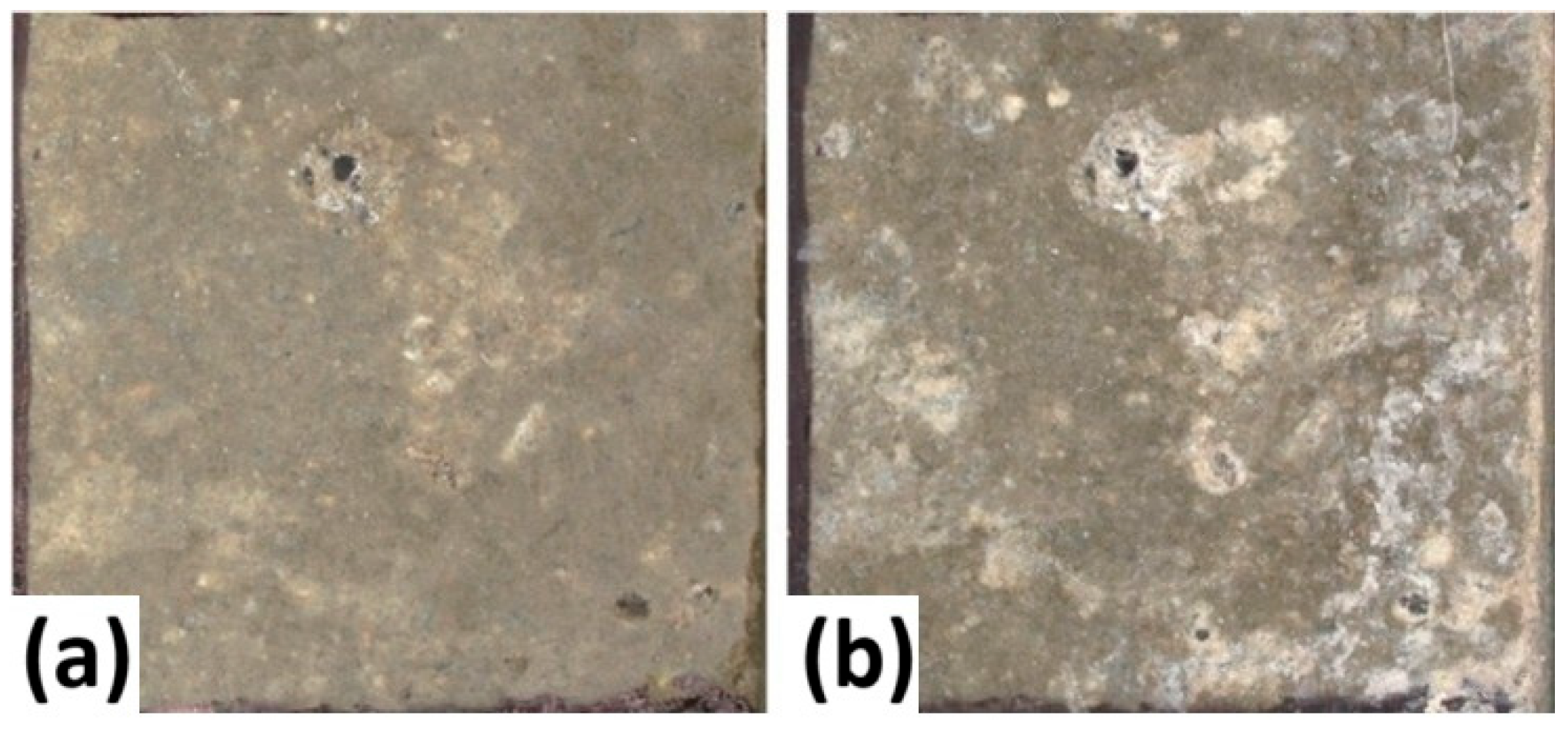
Figure 12,
Figure 13 and
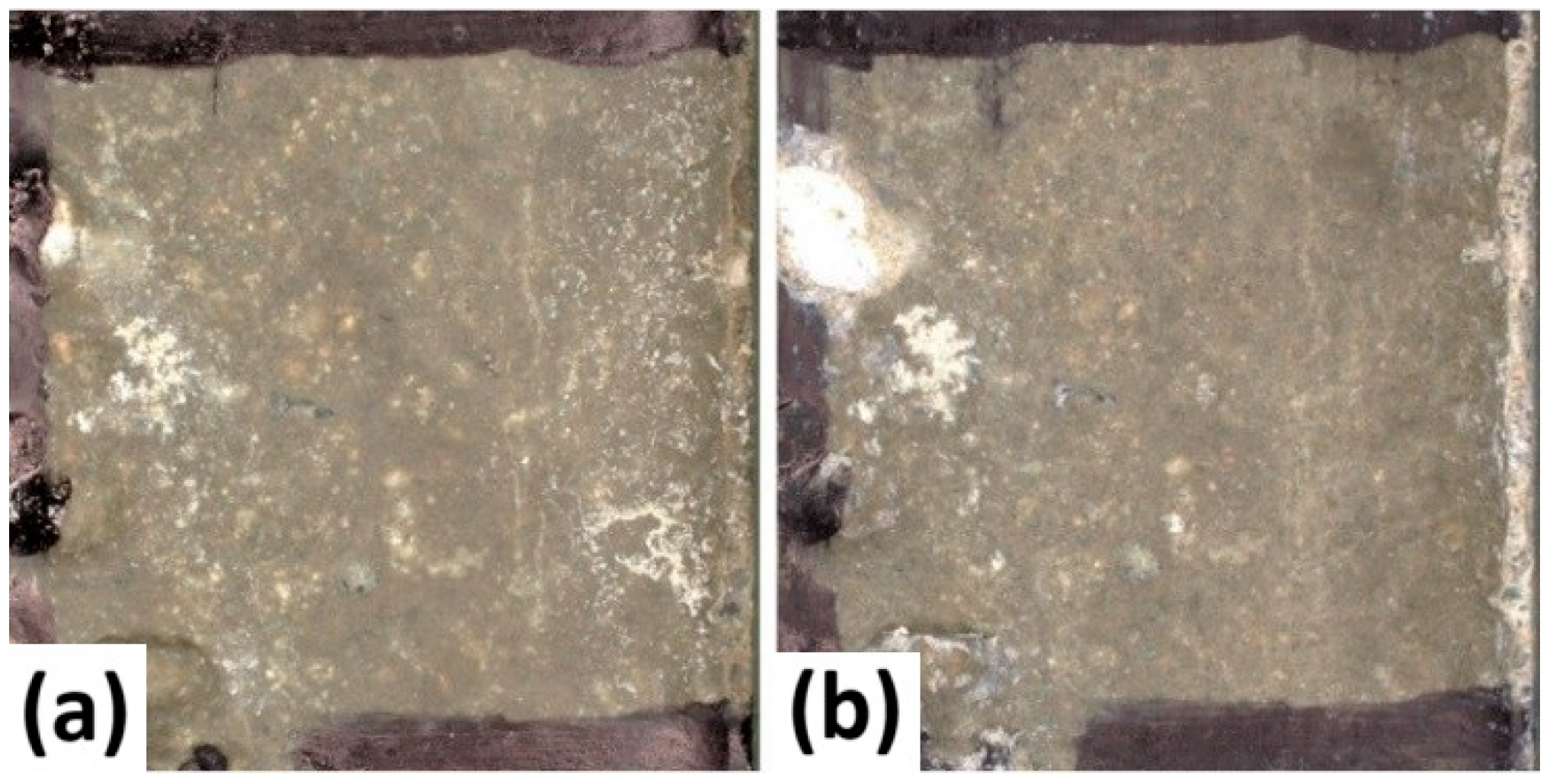
Figure 14 present selected specimens made from the mixtures containing 0%, 15%, and 30% RCA, shown before and after 200 cycles of exposure to water and de-icing agents. The images on the left show the condition of the specimens before testing, while those on the right show their surfaces after exposure. In the figures below, only a slight difference in the surfaces before and after exposure to the degrading agent is visible to the naked eye, as evidenced by the minimal differences in the surface area described in
Table 9.
It should be noted that this optical method is not suitable for specimens exhibiting significant degradation as its accuracy decreases with large volume changes and substantial mass loss.
3.7. Changes in Surface After Exposure to 0.5% Sulfuric Acid Solution
One prism specimen (40 × 40 × 160 mm) was prepared from each mixture and partially immersed in a 0.5% sulfuric acid (H2SO4) solution (which corresponded to environmental impact level XA3—highly aggressive) for 30 days in a sealed container. These conditions were designed to simulate a chemically aggressive environment. During the 30-day exposure period, the specimens were not manipulated, and the solution was not replaced.
Prior to and after exposure, a surface scan was performed on each specimen at two locations to evaluate the potential degradation (see
Table 9).
Concrete is an inherently alkaline material. When exposed to acidic environments, it undergoes acid–base neutralization reactions, which lead to the decomposition of calcium hydroxide and other hydration products, a phenomenon discussed in detail by Grandclerc [
48]. This process results in a gradual reduction in both the strength and durability.
Among the various acids, sulfuric acid is considered one of the most aggressive toward cementitious materials due to its dual effect: it causes both acid degradation and sulfate-induced expansion and cracking. This combined action accelerates surface deterioration and may result in the formation of gypsum and ettringite, which further disrupt the cement matrix, as mentioned by Davis [
49].
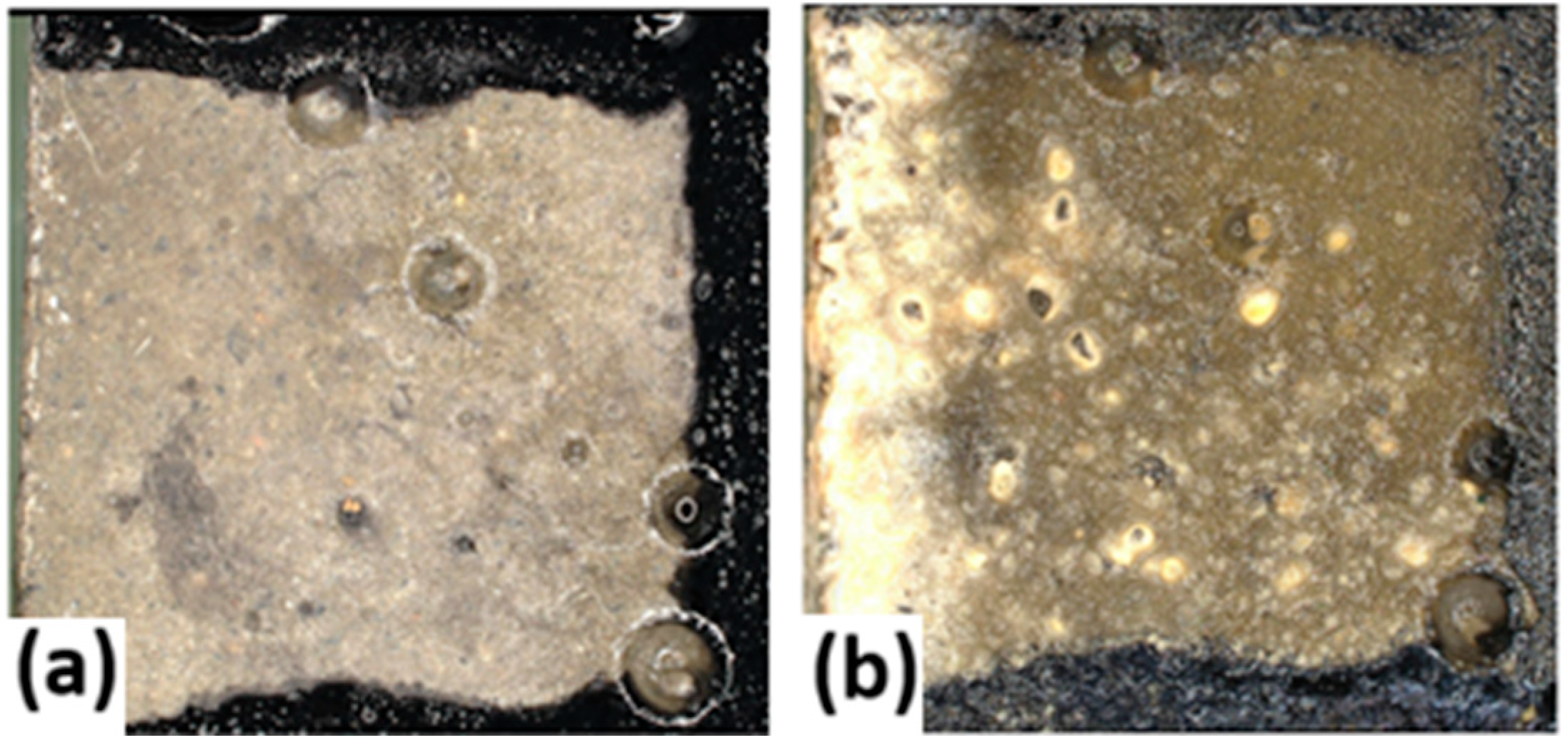
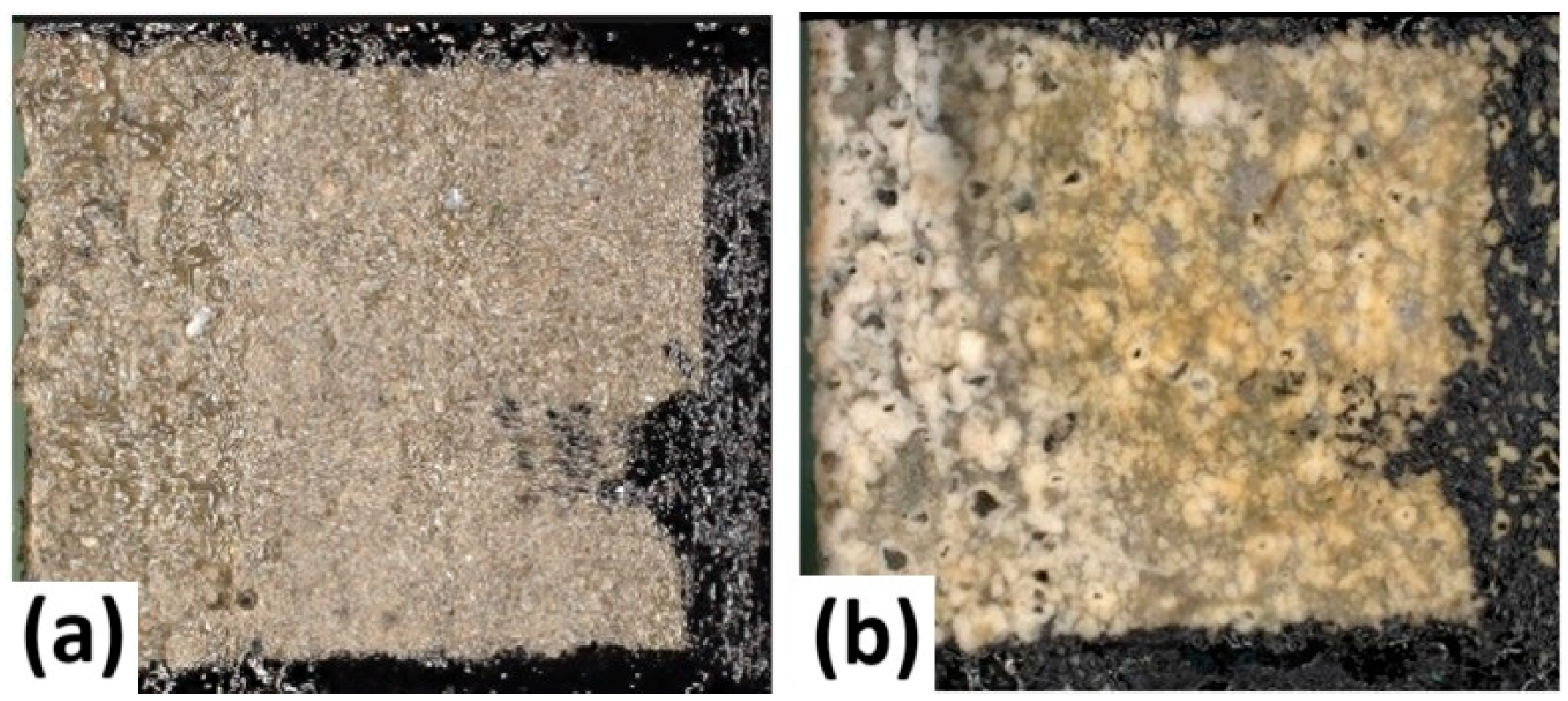
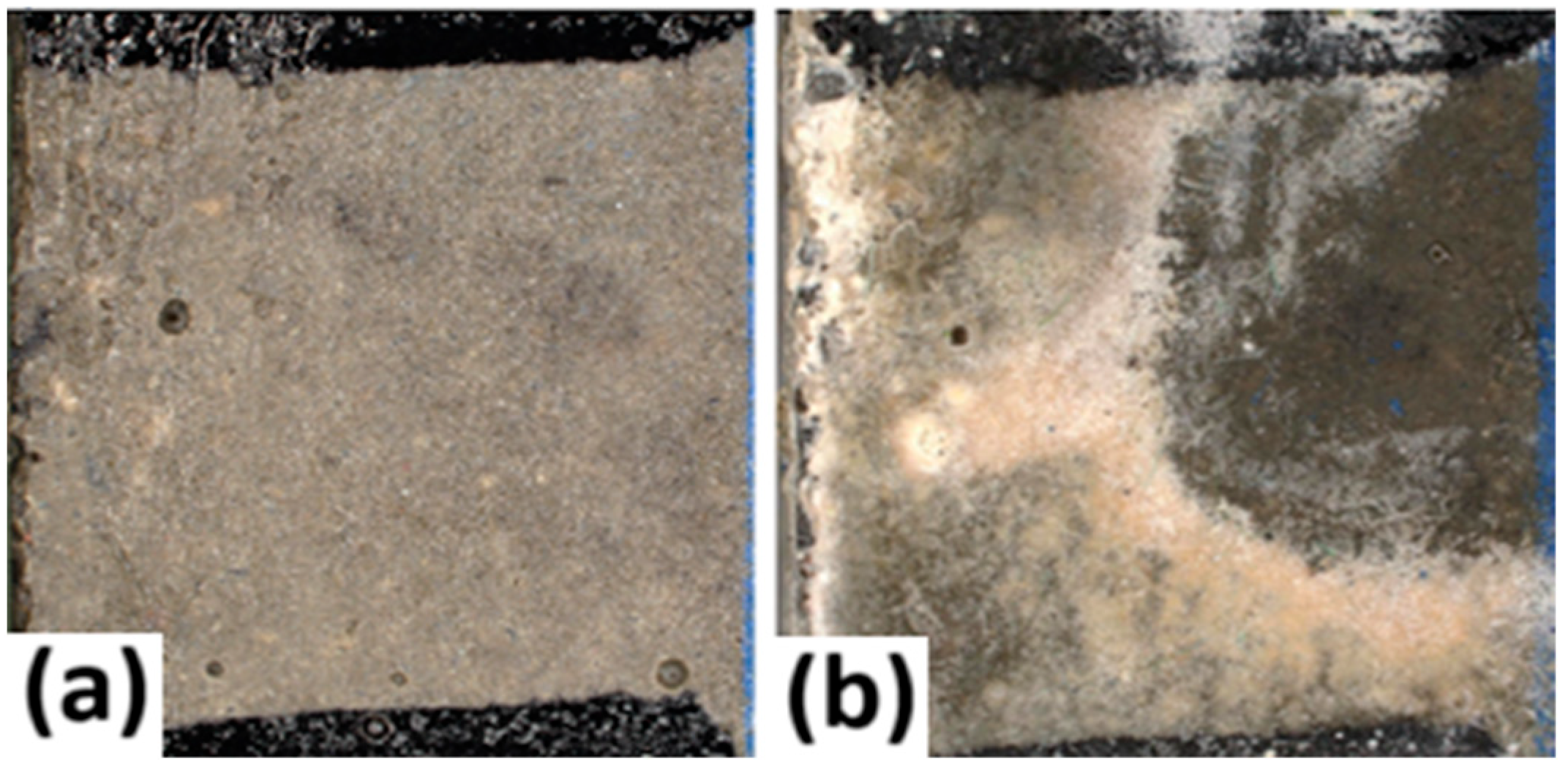
A visual representation of selected specimens’ surface condition after exposure to sulfuric acid is shown in
Figure 15,
Figure 16 and
Figure 17, where again only minimal surface changes can be observed with the naked eye after exposure.
3.8. Strength Characteristics After Exposure to 0.5% H2SO4
After removal from the sulfuric acid solution, the prism specimens were tested for both their flexural and compressive strengths.
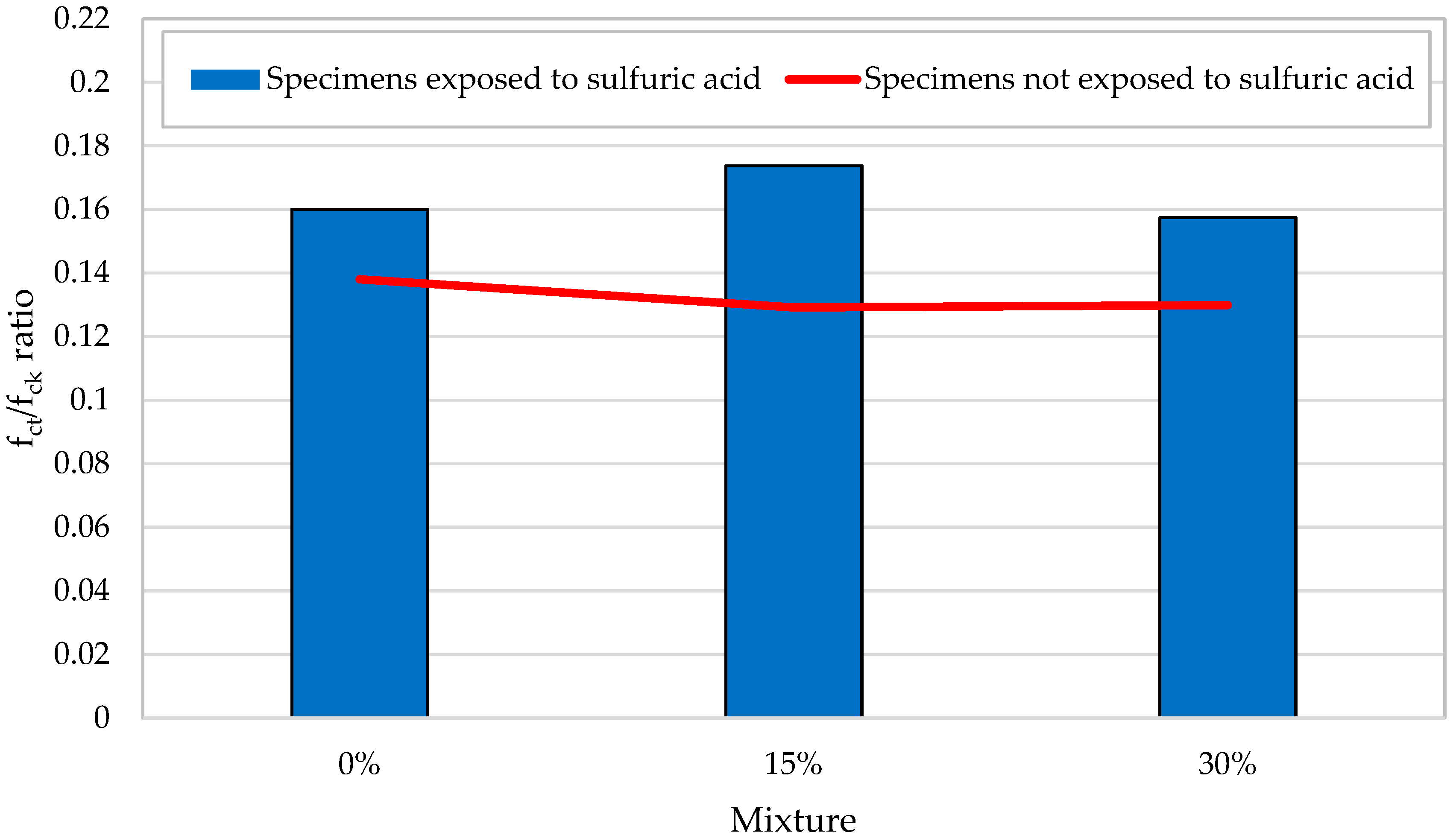
Figure 18 presents the ratio of the flexural strength (
fct) to the compressive strength (
fck) for each mixture, allowing for a comparison between the exposed and unexposed specimens. The corresponding numeric values are given in
Table 10 above
Figure 18.
The results indicate that exposure to the 0.5% sulfuric acid solution had a more detrimental effect on the compressive strength than the flexural strength. This trend was consistent across all the mixtures. The most significant decrease in the fct/fck ratio was observed in the 15% recycled aggregate mixture, where the value dropped by 0.044. In the case of the 30% mixture, although the reference (unexposed) ratio was the same as that for the 15% mixture, the post-exposure ratio was higher, suggesting that relatively, the strength characteristics were better preserved in this mixture.
4. Discussion
The objective of this study was to evaluate the mechanical properties and durability of HPC and its variants with 15% and 30% partial replacement of fine natural aggregate with RCA. This work focused on determining whether recycled aggregate can effectively replace natural aggregate and how its inclusion affects the key performance parameters of HPC.
The novelty of this study lies in the simultaneous evaluation of the structural behavior (RC beam tests) and surface degradation (quantified using digital microscopy, which has not yet been widely applied in this context) of HPC mixtures with partial RCA replacement. In particular, the combined use of advanced mechanical testing, frost and chemical resistance evaluations, and surface scanning techniques provided new insights into the multidimensional behavior of HPC containing recyclates. In addition, the finding that mixtures with 30% RCA can outperform reference mixtures in terms of their load-carrying capacities is significant and practically relevant.
At the beginning of the experimental program, tests were conducted to compare the physical properties of the natural and recycled aggregates. The bulk density of the natural sand was measured to be 2580 kg/m
3, while that of the recycled concrete aggregate was lower—2420 kg/m
3—representing a decrease of approximately 6.2%, consistent with the findings of Etxeberria et al. [
50].
Further measurements of the compacted (shaken) aggregates’ bulk density showed a 21% lower value for the recycled aggregate compared to the natural sand. The corresponding void ratio was 12% higher. In the case of loosely filled aggregates, the bulk density of the natural sand was nearly 20% higher than that of the recycled aggregate.
Based on the tests performed on hardened concrete, all the mixtures exhibited favorable mechanical performance, with only minor differences observed between them. The average compressive strength measured for the 150 mm cube specimens was 110.8 MPa for the reference mixture (0% RCA), 112.0 MPa for the 15% RCA mixture, and 105.1 MPa for the 30% RCA mixture.
The average flexural strength of the 40 × 40 × 160 mm prisms after 28 days was 15.1 MPa for the reference mixture, 14.8 MPa for the 15% mixture, and 14.0 MPa for the 30% mixture. These results indicate that the partial replacement of natural aggregate with recycled concrete aggregate did not adversely affect the mechanical properties of HPC, in agreement with findings reported by Xiao et al. and Evangelista et al. [
20,
21].
Moreover, the development of both the compressive and flexural strengths over time followed similar trends across all the mixtures. After 56 days, all the mixtures had reached comparable values, despite minor fluctuations during the curing period. One possible explanation was the continued hydration of unhydrated cement particles present on the surface of the recycled aggregates, as suggested by Katz and Wang et al. [
51,
52]; however, this effect was likely limited due to the low amount and young age of the recycled material used.
The tests of the resistance to water and chemical de-icing agents confirmed that all the mixtures met the performance requirements after 200 cycles. The cumulative mass losses were relatively small. Interestingly, the mixtures with a higher recycled aggregate content showed slightly better resistance, although this trend may have been influenced by result variability and should be interpreted with caution.
The frost-resistance coefficient exceeded 100% for all the mixtures after 125 freeze–thaw cycles. This unusual outcome—where the flexural strength values measured after the test were higher than those of the reference specimens—is consistent with observations reported by Haile and Liu [
53]. This phenomenon is the subject of ongoing investigation, and further research is needed to clarify whether it is caused by microstructural changes or the additional hydration of cement particles during long-term moisture exposure in the test setup.
The performance trends observed in both the mechanical and durability tests can be partially attributed to the unique physical and microstructural characteristics of the recycled concrete aggregate (RCA). One important factor was the lower bulk density and higher void ratio of RCA compared to natural sand, which affected the packing density and internal porosity of the concrete matrix. Despite these differences, the high strength and low w/c ratio of the HPC mix likely mitigated the negative effects commonly associated with increased porosity.
Although direct measurements of the water absorption were not taken, it is well known that RCA possesses a higher absorption capacity due to the presence of residual mortar on its surface. This characteristic can lead to partial internal curing—especially in high-performance concrete mixes—through the gradual release of moisture, which supports the hydration of the remaining cement particles. This internal curing effect may have played a role in the relatively stable, or even enhanced, strength development observed over time.
In terms of the durability, the slightly improved performance of mixtures with RCA under chemical and freeze–thaw exposure may also have been partially due to a denser ITZ, caused by the finer residual particles on the RCA surface. Additionally, the potential presence of pozzolanic reaction products from older adhered mortar may have enhanced the matrix integrity in localized zones, though this effect was likely minor due to the relatively low replacement levels used.
The load-bearing capacity tests on RC beams revealed that the beam made with 30% recycled aggregate achieved the highest load-bearing capacity of 67.60 kN, while the reference beam (0% RCA) reached a capacity of 54.08 kN. Although beams incorporating recycled aggregate exhibited slightly larger deflections, shear cracking occurred at higher loads compared to the reference specimen.
Similar findings were reported by Ignjatović [
54], who concluded that the use of recycled concrete aggregate has no significant adverse effect on structural performance, regardless of the replacement level. Likewise, Ajdukiewicz [
55] observed a higher load-bearing capacity in beams made with recycled aggregate compared to those made with natural aggregate. This effect was particularly notable in beams reinforced with ⌀16 mm bars, while for beams with ⌀12 mm reinforcements, there was a small but still negligible increase relative to the control beams.
The increase in the load-bearing capacity observed in the RC beams with RCA can also be linked to the rough and angular surface texture of the recycled aggregate, which improved the mechanical interlocking within the cement paste and enhanced the bond strength in the interfacial transition zone (ITZ). This may explain why the shear cracks in the RCA beams developed more symmetrically and at higher loads, suggesting a more uniform stress distribution and better energy dissipation under loading.
In addition to the mechanical and durability tests described above, supplementary experiments were conducted using digital microscopy to assess the surface condition of the specimens after exposure to freeze–thaw cycles, chemical de-icing agents, and a 0.5% sulfuric acid solution. The technique involved quantifying changes in the surface area after degradation using high-resolution surface scanning.
Although the use of digital microscopy for this type of evaluation is still in its early stages, it shows potential as a unified and complementary method for assessing various degradation effects. This approach offers both qualitative insights (through visual surface changes) and quantitative evaluation (based on surface area increases).
Specimens with 15% and 30% recycled aggregate replacement exhibited 1–2% higher increases in their surface area compared to specimens made from the reference mixture, following both the chemical de-icing and sulfuric acid exposure tests. These differences were minimal and may be attributed to measurement variability or procedural limitations rather than to the material performance.
The effect of sulfuric acid exposure on the mechanical properties of the tested mixtures confirmed that the compressive strength was more significantly affected than the flexural strength, consistent with findings reported by Arjomandi, A. [
56]. This observation suggests that, in chemically aggressive environments, structural elements predominantly subjected to bending may retain a higher proportion of their mechanical performance compared to those primarily subjected to compressive loading.
5. Conclusions
The present study demonstrates that the partial replacement of natural fine aggregate with RCA at 15% and 30% in HPC is not only technically viable but also environmentally beneficial.
All the mixtures exhibited a compressive strength surpassing 100 MPa, with the 15% RCA mixture even slightly outperforming the reference. The flexural strength remained stable across all the mixtures, and the beam tests showed improved load-bearing capacities with a higher RCA content. These findings suggest that recycled aggregate can enhance certain structural properties, potentially due to altered internal stress redistribution or crack propagation behavior.
From a durability perspective, all the mixtures fulfilled frost resistance criteria and withstood exposure to de-icing agents and a 0.5% H2SO4 solution with minimal surface deterioration. The novel digital microscopy method provided additional insights into the surface degradation but should be further validated against standardized metrics.
Overall, 15% RCA is recommended as an optimal substitution level balancing strength, durability, and variability; however, the 30% RCA mixture also demonstrated satisfactory performance in all the evaluated parameters and even exceeded the reference in terms of its load-bearing capacity. Therefore, higher substitution levels may be feasible in structural applications where a strength loss is acceptable or can be compensated for using mix design adjustments.
These results support the integration of recycled aggregates in structural concrete design within sustainability frameworks. Future work should focus on long-term performance, microstructural behavior, and using a higher RCA content to define safe boundaries for broader implementation.
Nevertheless, it must be emphasized that this study examined a limited number of specimens under controlled laboratory conditions. The sample set included four test specimens per mixture type, which constrained the statistical robustness and generalizability of the findings. Consequently, the conclusions presented here should be considered indicative rather than definitive. Broader application in real-world structural contexts requires further validation through expanded experimental programs including larger sample sizes, different environmental conditions, and diverse material sources. This limitation underscores the need for caution when extrapolating these results to full-scale structural design or field applications.
The preliminary results presented in this paper have not yet been statistically evaluated. We plan to carry out statistical analysis after extending the statistical subset in the next phase of our research.