Review

Dynamic Skin: A Systematic Review of Energy-Saving Design for Building Facades

1
College of Civil Engineering and Transportation, Yangzhou University, Yangzhou 225127, China
2
Urban Planning and Development Institute, Yangzhou University, Yangzhou 225127, China
*
Author to whom correspondence should be addressed.
Buildings 2025, 15(14), 2572; https://doi.org/10.3390/buildings15142572

Submission received: 7 June 2025 / Revised: 8 July 2025 / Accepted: 19 July 2025 / Published: 21 July 2025
(This article belongs to the Section Building Energy, Physics, Environment, and Systems)

Abstract

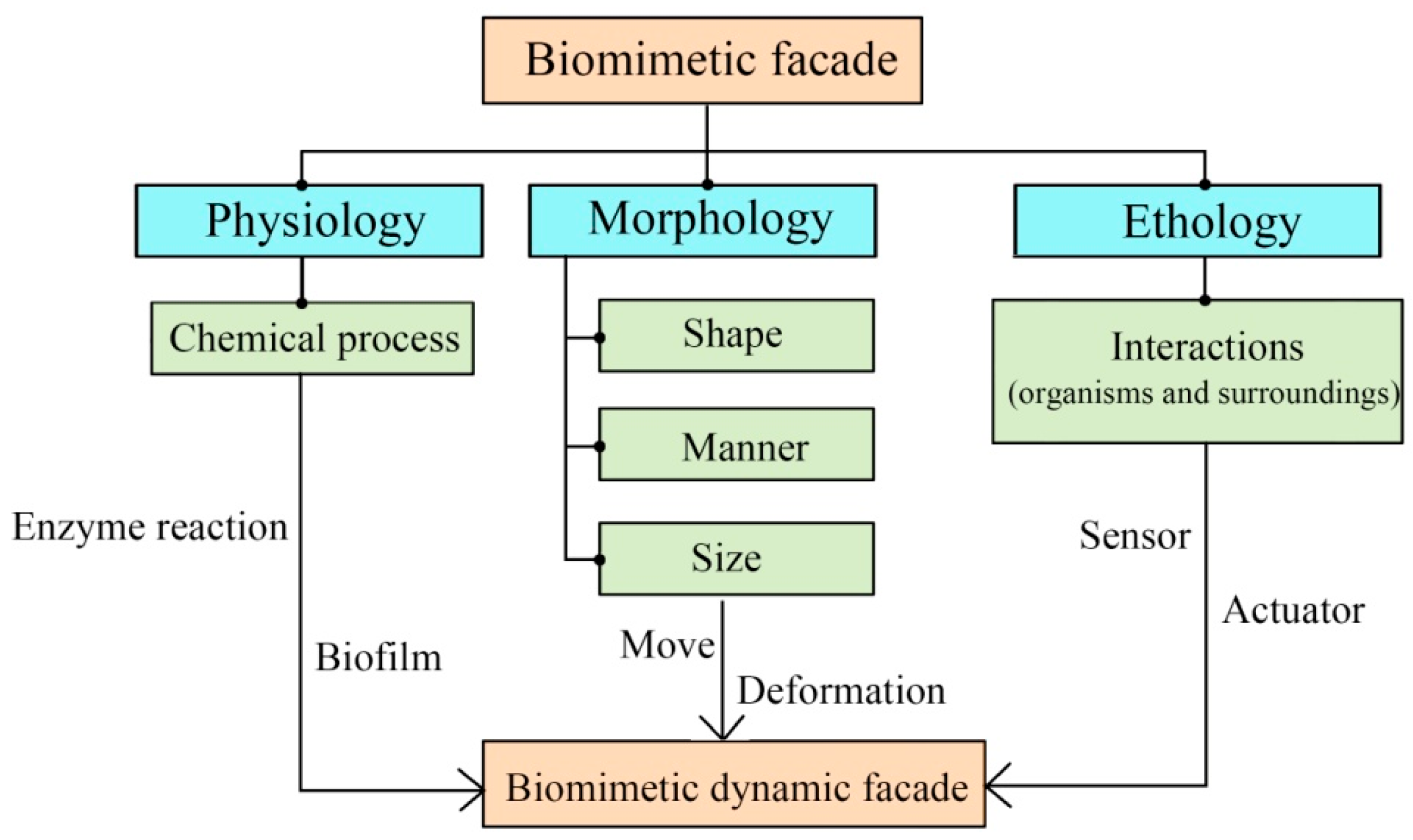
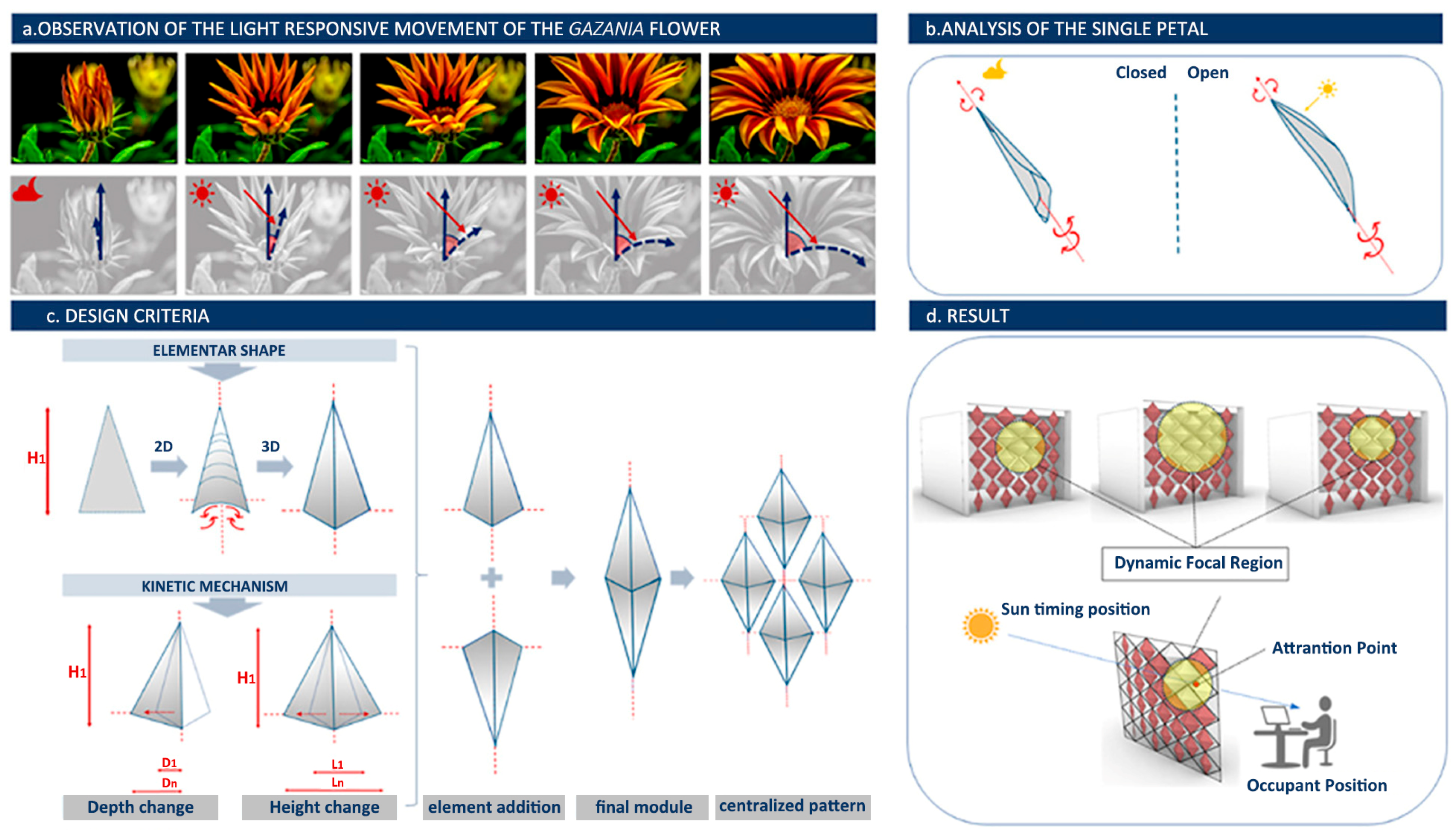
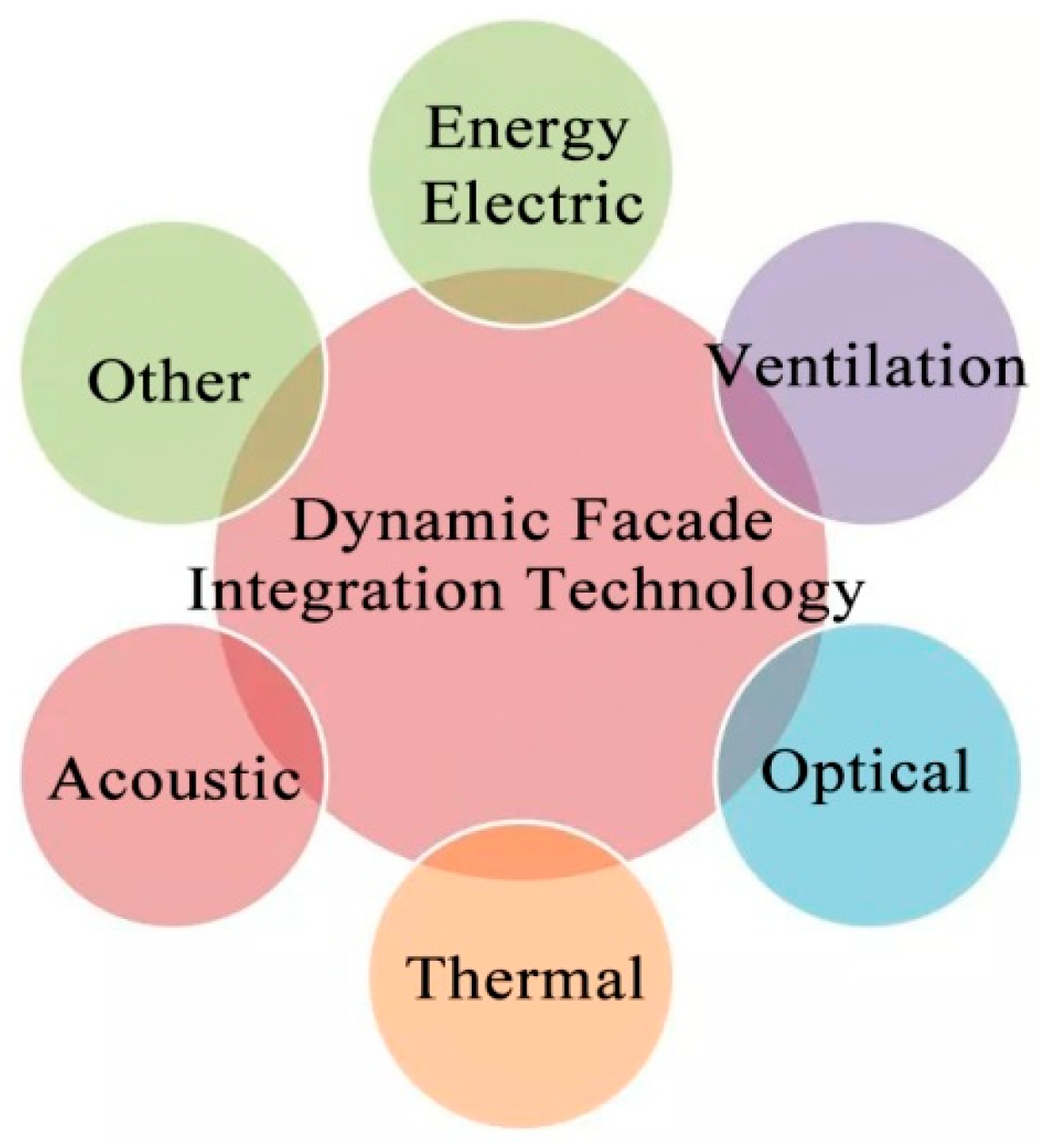
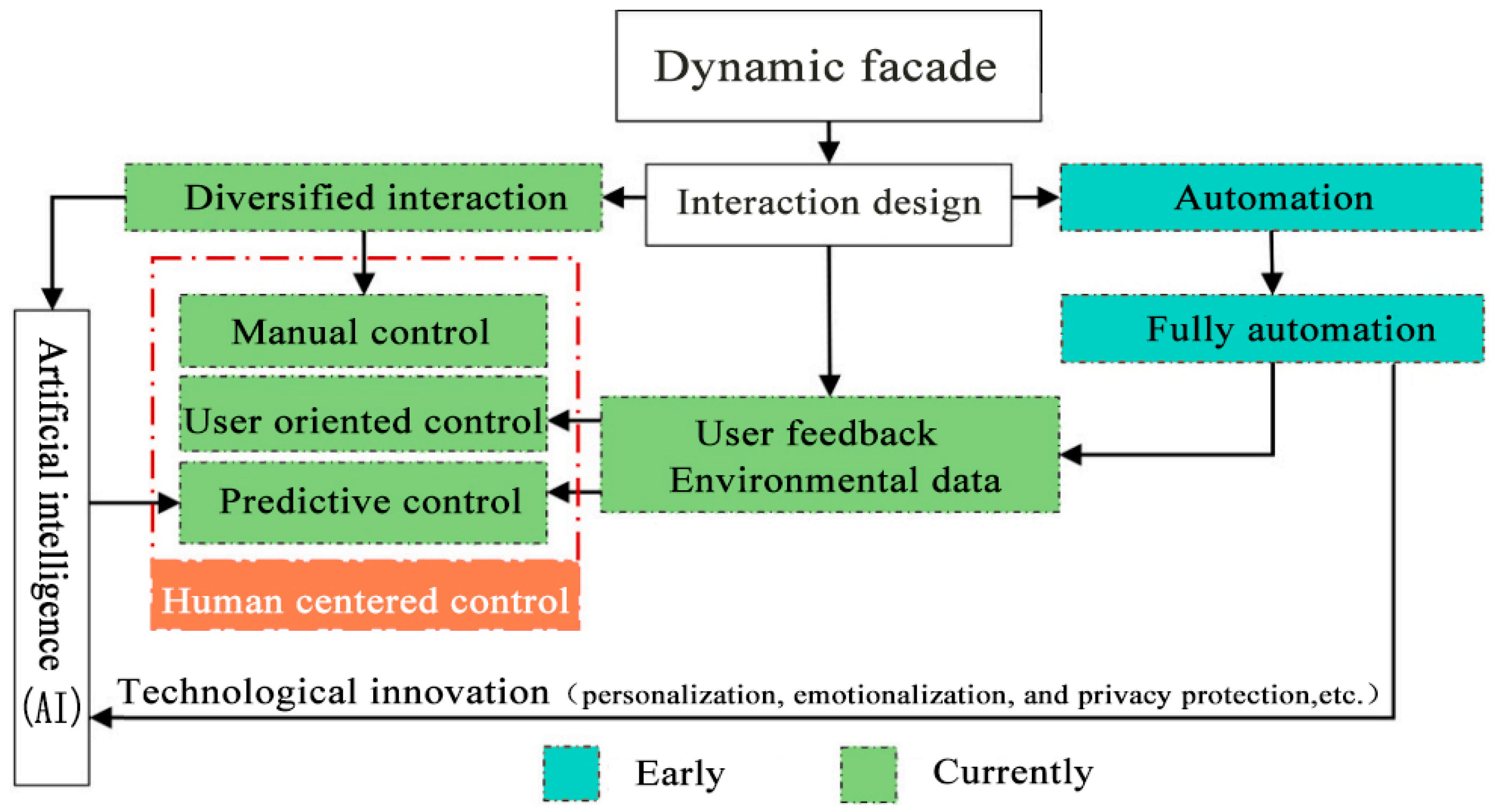
The construction industry is one of the main areas of energy consumption and carbon emissions, and strengthening research on the thermal performance of building facades can effectively promote energy conservation and emission reduction. Compared with traditional static enclosure structures, dynamic skin can adapt its functions, characteristics, and methods based on constantly changing environmental conditions and performance requirements. It has great potential in adapting to the environment, reducing energy consumption, adjusting shading and natural ventilation, and improving human thermal and visual comfort. To comprehensively understand the key technologies of dynamic skin energy-saving design, previous research results were comprehensively compiled from relevant databases. The research results indicate that various types of dynamic skins, intelligent materials, multi-layer facades, dynamic shading, and biomimetic facades are commonly used core technologies for dynamic facades. Parametric modeling, computer simulation, and multi-objective algorithms are commonly used to optimize the performance of dynamic skin. In addition, integrated technology design, interaction design, and lifecycle design should be effective methods for improving dynamic skin energy efficiency, resident satisfaction, and economic benefits. Despite current challenges, dynamic skin energy-saving technology remains one of the most effective solutions for future sustainable building design.
Keywords: adaptive facade; biomimetic technology; smart materials; responsive envelope; dynamic shading adaptive facade; biomimetic technology; smart materials; responsive envelope; dynamic shading