Article

Green Infrastructure: Opinion Mining and Construction Material Reuse Optimization Portal
by
Arturas Kaklauskas
1,*,
Elisabete Teixeira
2,
Yiannis Xenidis
3,
Anastasia Tzioutziou
3,
Lorcan Connolly
4,
Sarunas Skuodis
5,
Kestutis Dauksys
1,
Natalija Lepkova
1,
Laura Tupenaite
1,
Loreta Kaklauskiene
1,
Simona Kildiene
1,
Jurgita Zidoniene
1,
Virginijus Milevicius
1 and
Saulius Naimavicius
1
1
Department of Construction Management and Real Estate, Faculty of Civil Engineering, Vilnius Gediminas Technical University, Saulėtekio al. 11, LT-10223 Vilnius, Lithuania
2
Department of Civil Engineering, University of Minho, Largo do Paco, 4704-553 Braga, Portugal
3
Department of Civil Engineering, School of Engineering, Aristotle University of Thessaloniki, University Campus, 54124 Thessaloniki, Greece
4
Research Driven Solutions Ltd., 1a Saint Kevin’s Avenue, Blackpitts, D08 TX29 Dublin, Ireland
5
Department of Reinforced Concrete Structures and Geotechnics, Faculty of Civil Engineering, Vilnius Gediminas Technical University, Saulėtekio al. 11, LT-10223 Vilnius, Lithuania
*
Author to whom correspondence should be addressed.
Buildings 2025, 15(13), 2362; https://doi.org/10.3390/buildings15132362

Submission received: 30 May 2025 / Revised: 1 July 2025 / Accepted: 3 July 2025 / Published: 5 July 2025
(This article belongs to the Section Architectural Design, Urban Science, and Real Estate)

Abstract

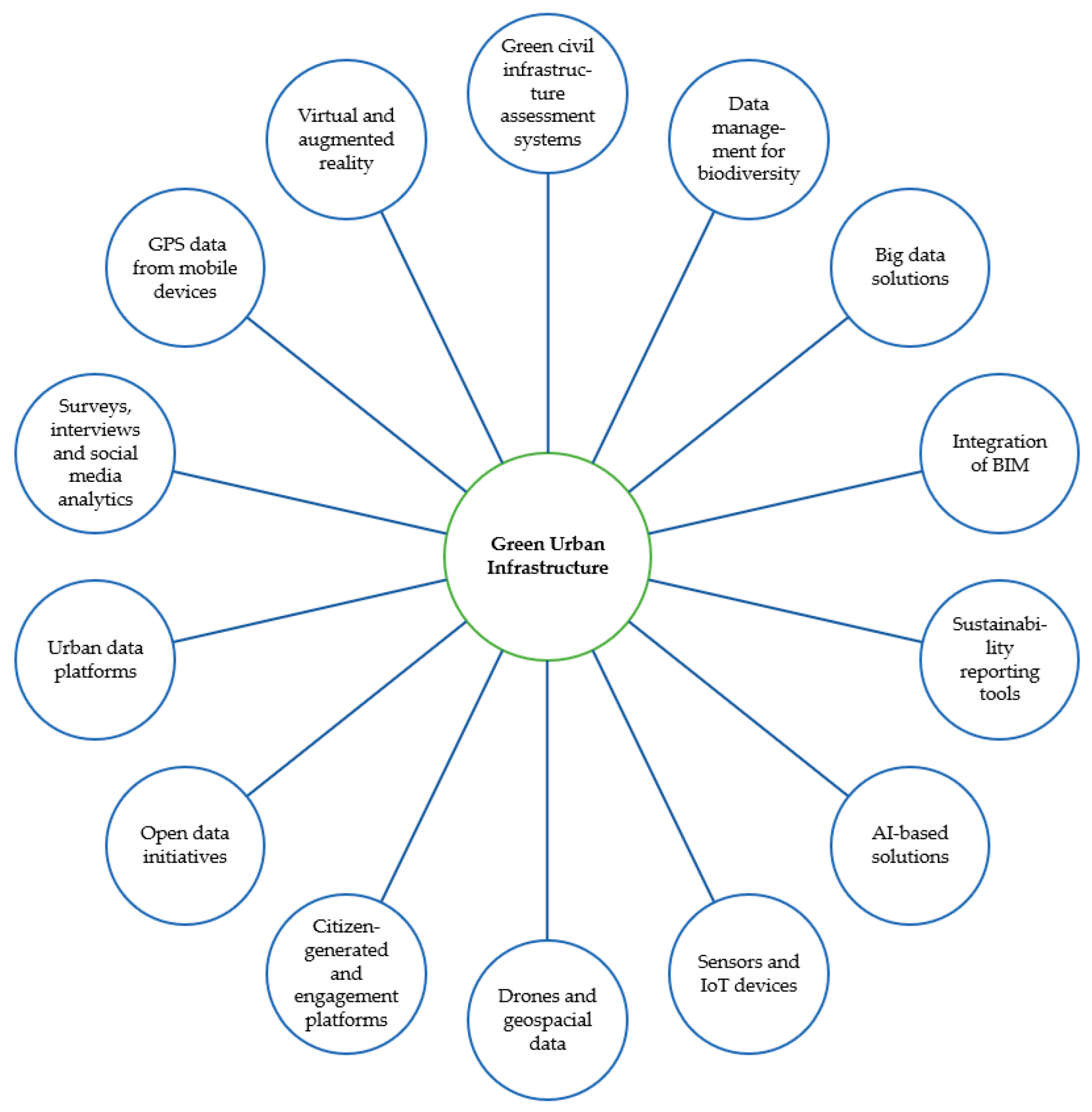
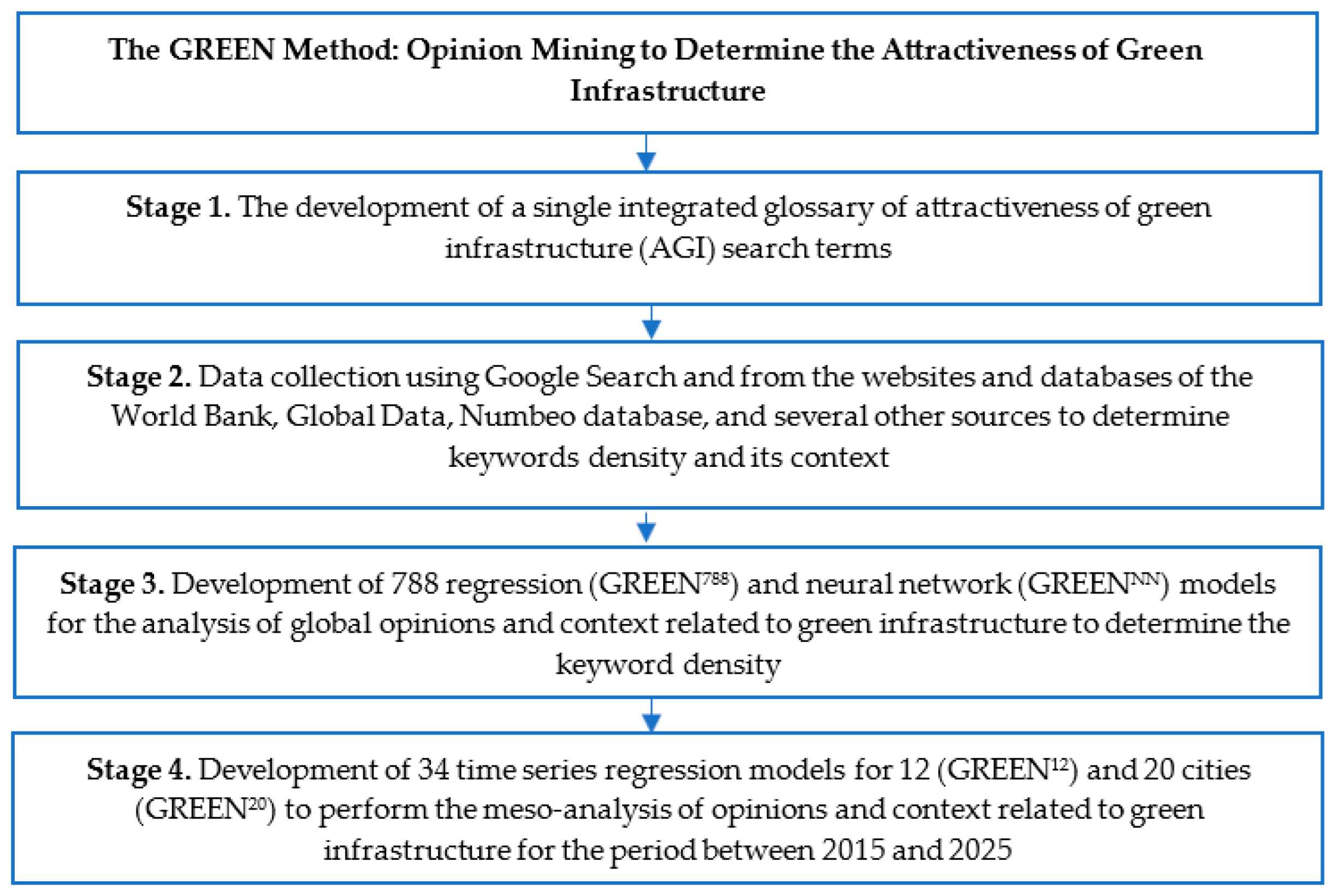
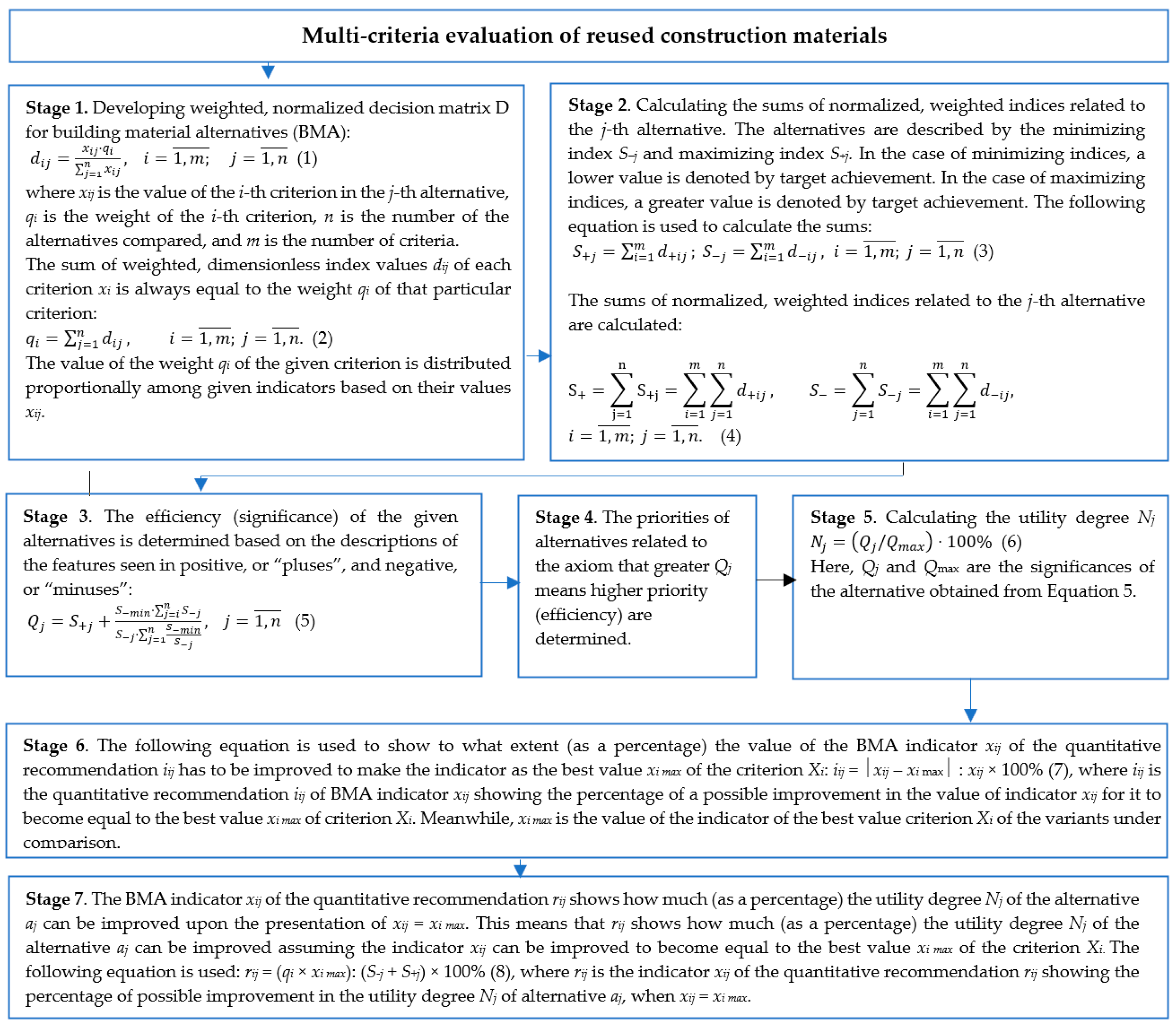
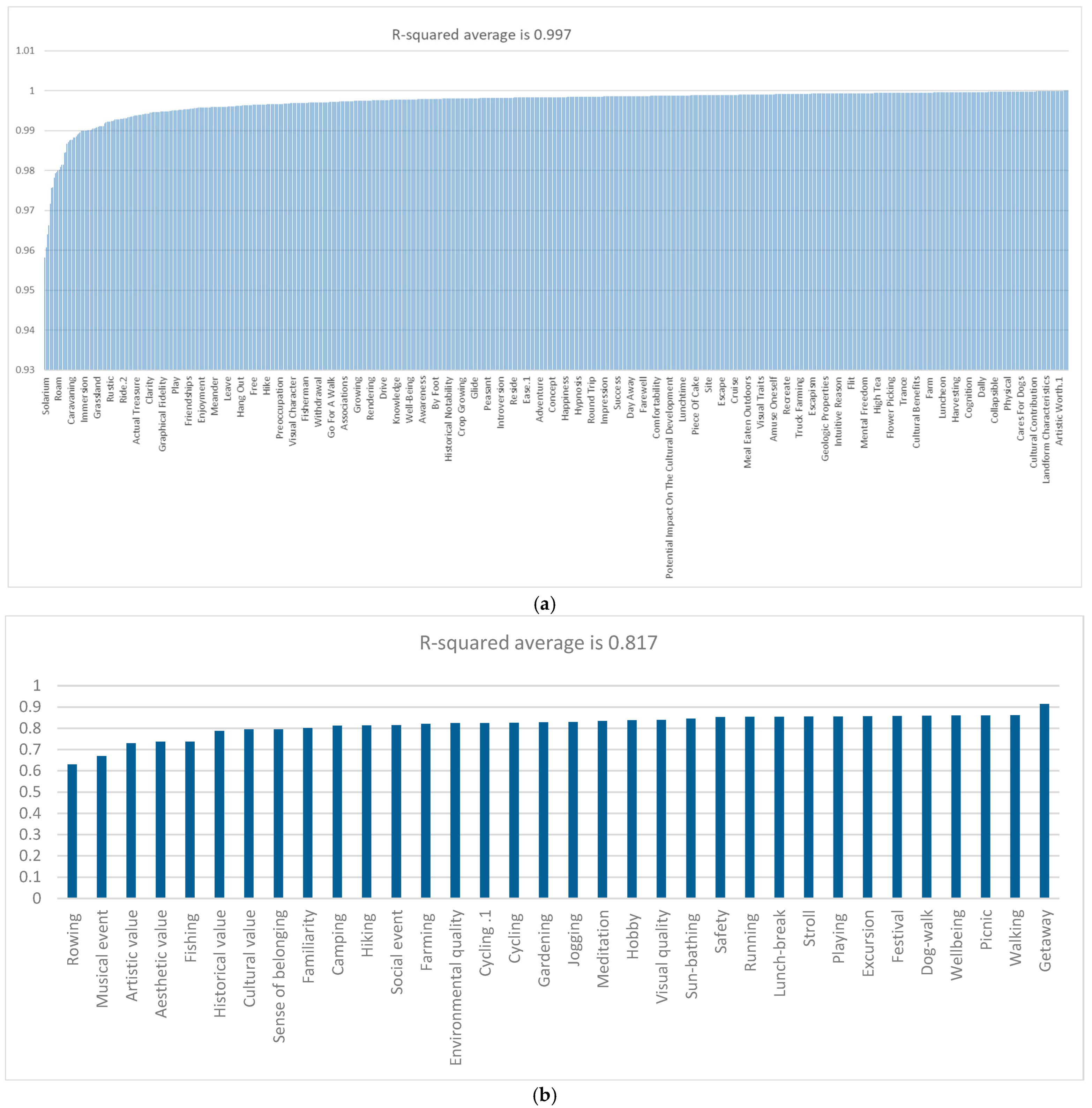
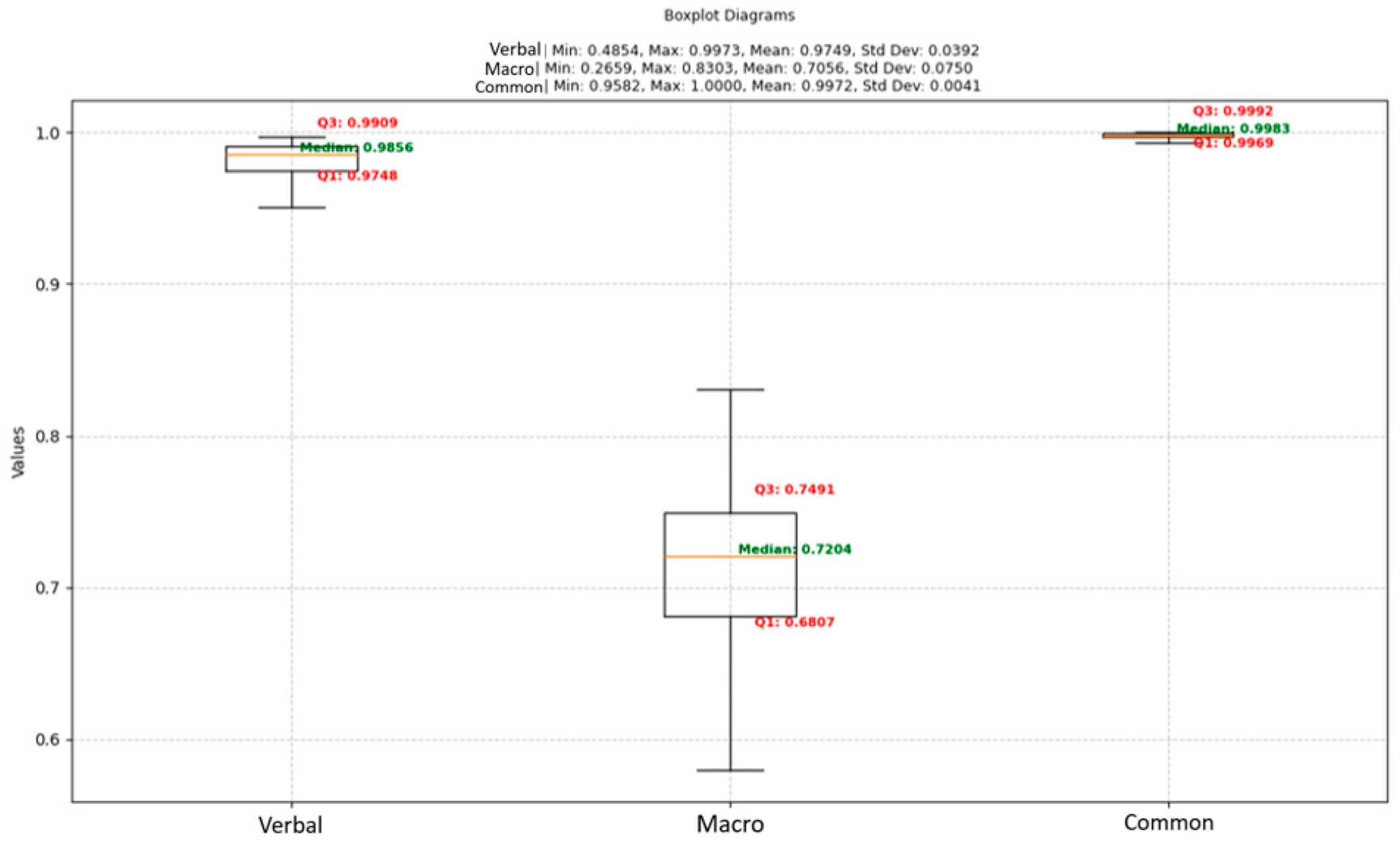
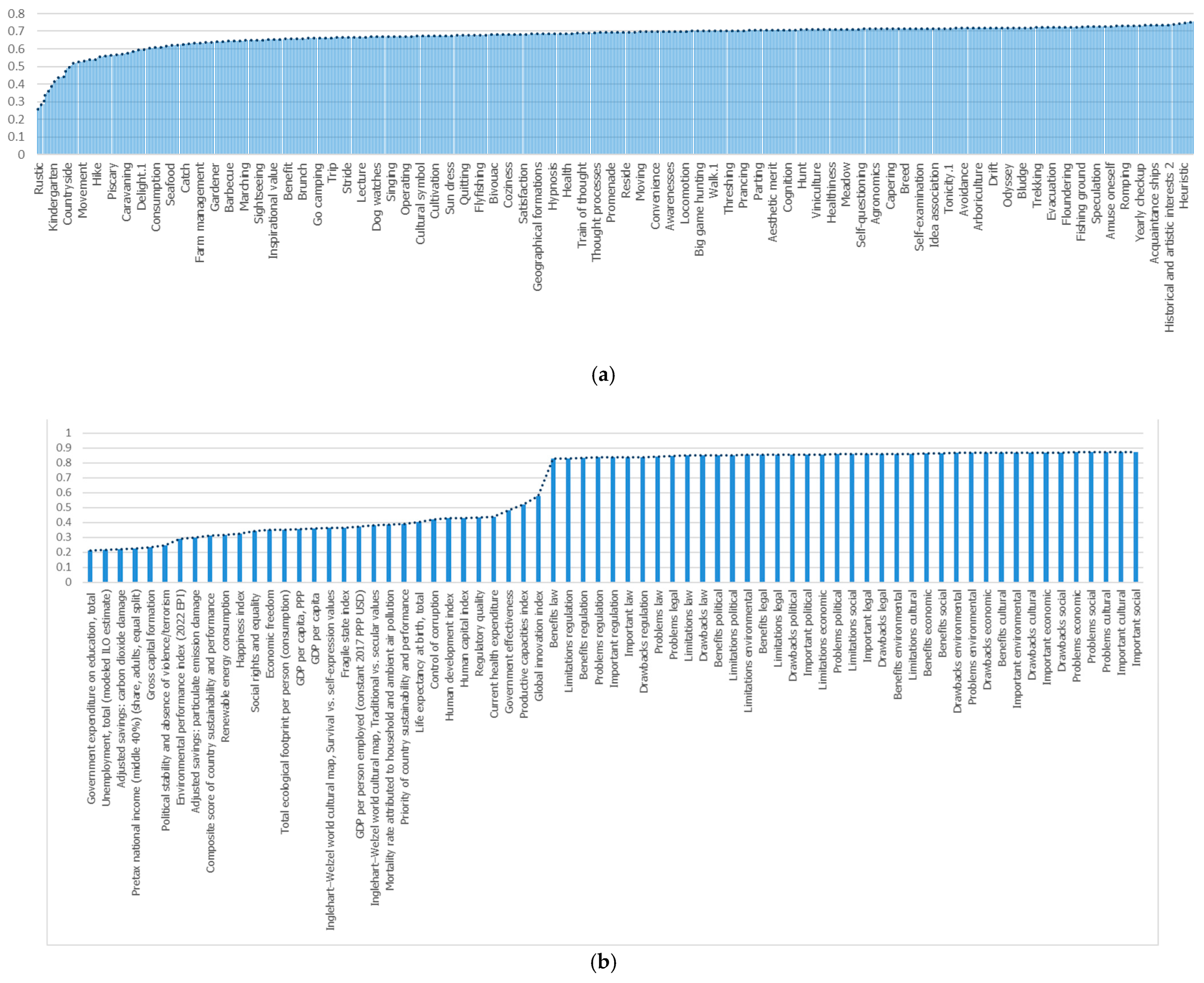
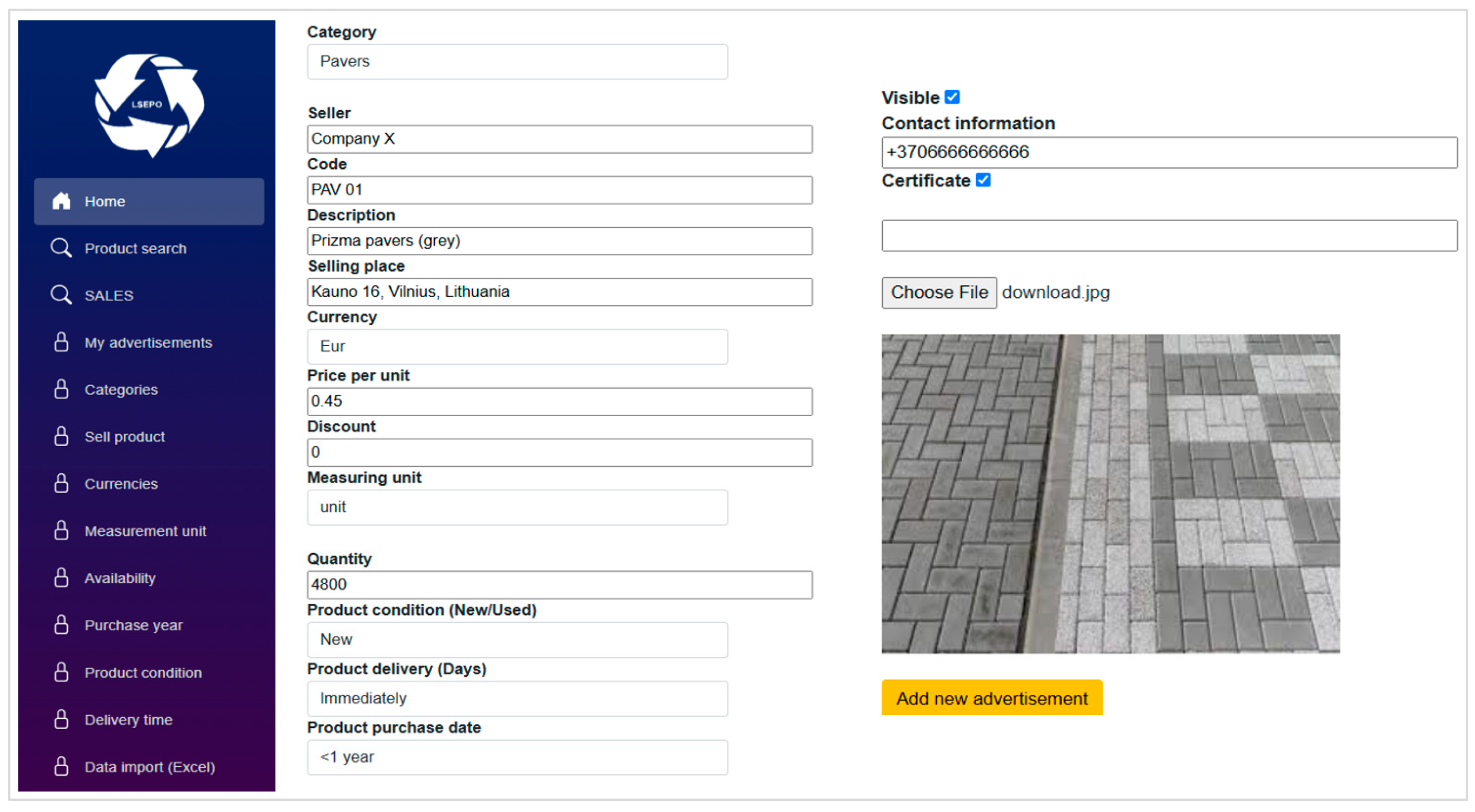
More and more sustainability data are being generated from green buildings and from urban and civil infrastructures. For decades, various systems have been developed, and their data have been collected and stored. More detailed, real-time, and cost-effective data, however, are still in short supply. To address this gap, one of the main objectives of the present study is to propose the GREEN method for opinion analysis to support the development of green infrastructure. Google Search was used to gather substantial amounts of information reflecting the views of both ordinary individuals and professionals regarding the benefits, drawbacks, challenges, and limitations of green infrastructure. Previously, however, such data have not been employed to improve green infrastructure by means of opinion analytics. The GREEN method was developed for the analysis of green infrastructure (GI) and its context, enabling multiple-criteria, neural network, correlation, and regression analyses across micro-, meso-, and macro-environmental scales. A total of 788 global regression (R2 = 0.997) and neural network (R2 = 0.596) GREEN models were developed and tested. In addition, 34 regression models for 12 (R2 = 0.817) and 20 (R2 = 0.511) cities were created for the world and separate cities (Munich (R2 aver = 0.801) and London (R2 aver = 0.817)). The GREEN method is a new way to analyze stakeholder opinions on sustainable green infrastructure and its context. With the objective of making green infrastructure more efficient and reducing carbon emissions, the Construction Material Reuse Optimization (SOLUTION) Portal was created as part of this research. The portal generates multiple options and proposes optimal alternatives for reused construction products. The results show that the GREEN method and SOLUTION Portal are reliable tools for evidence-based and rational green infrastructure development.
Keywords: green infrastructure; opinion analysis; multiple-criteria analysis; cost-effective data; linear regression models; neural network models; construction material reuse optimization; evidence-based digital recommendations green infrastructure; opinion analysis; multiple-criteria analysis; cost-effective data; linear regression models; neural network models; construction material reuse optimization; evidence-based digital recommendations