Article

A Preliminary Investigation on the Adsorption of Cu2+ by Sawdust/Foamed Geopolymer Composites

1
School of Energy and Power, Jiangsu University of Science and Technology, Zhenjiang 212100, China
2
College of Civil Engineering, Hunan University, Changsha 410082, China
3
National Center for International Research Collaboration in Building Safety and Environment (NCIRCBSE), Hunan University, Changsha 410082, China
4
Key Laboratory of Building Safety and Energy Efficiency of the Ministry of Education, Hunan University, Changsha 410082, China
5
College of Energy and Power Engineering, Changsha University of Science and Technology, Changsha 410114, China
*
Authors to whom correspondence should be addressed.
Buildings 2025, 15(13), 2251; https://doi.org/10.3390/buildings15132251

Submission received: 18 March 2025 / Revised: 17 June 2025 / Accepted: 23 June 2025 / Published: 26 June 2025

Abstract

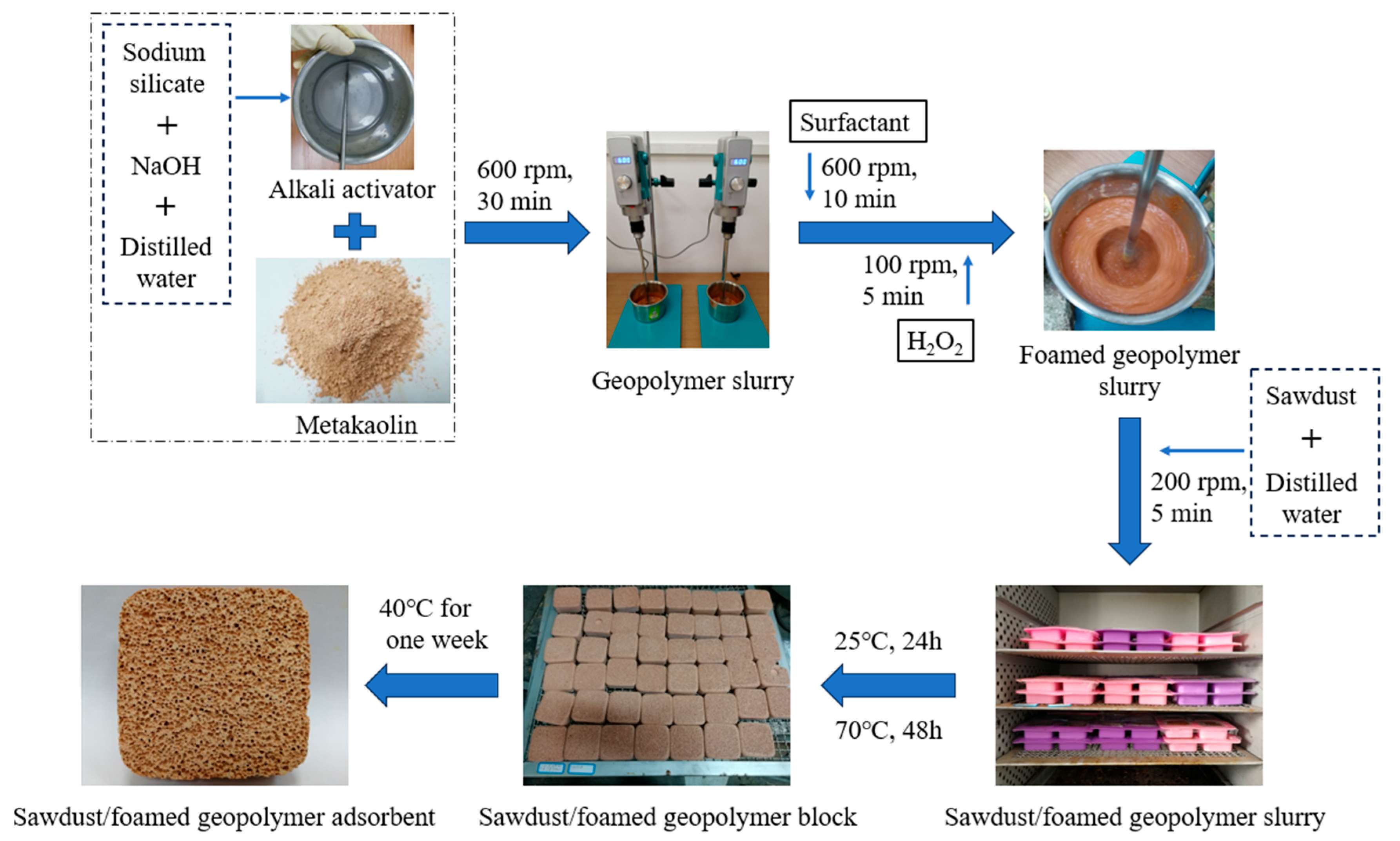
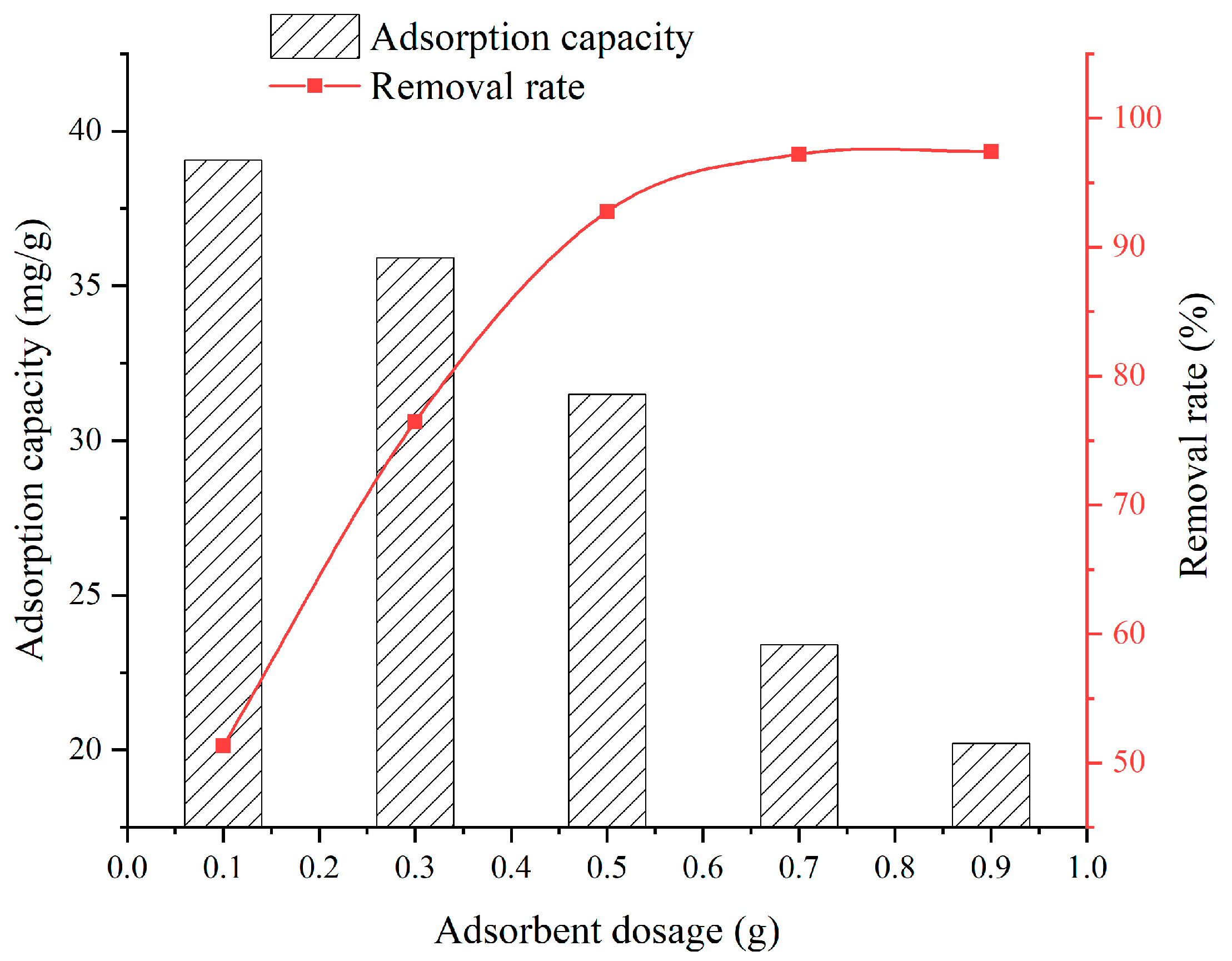
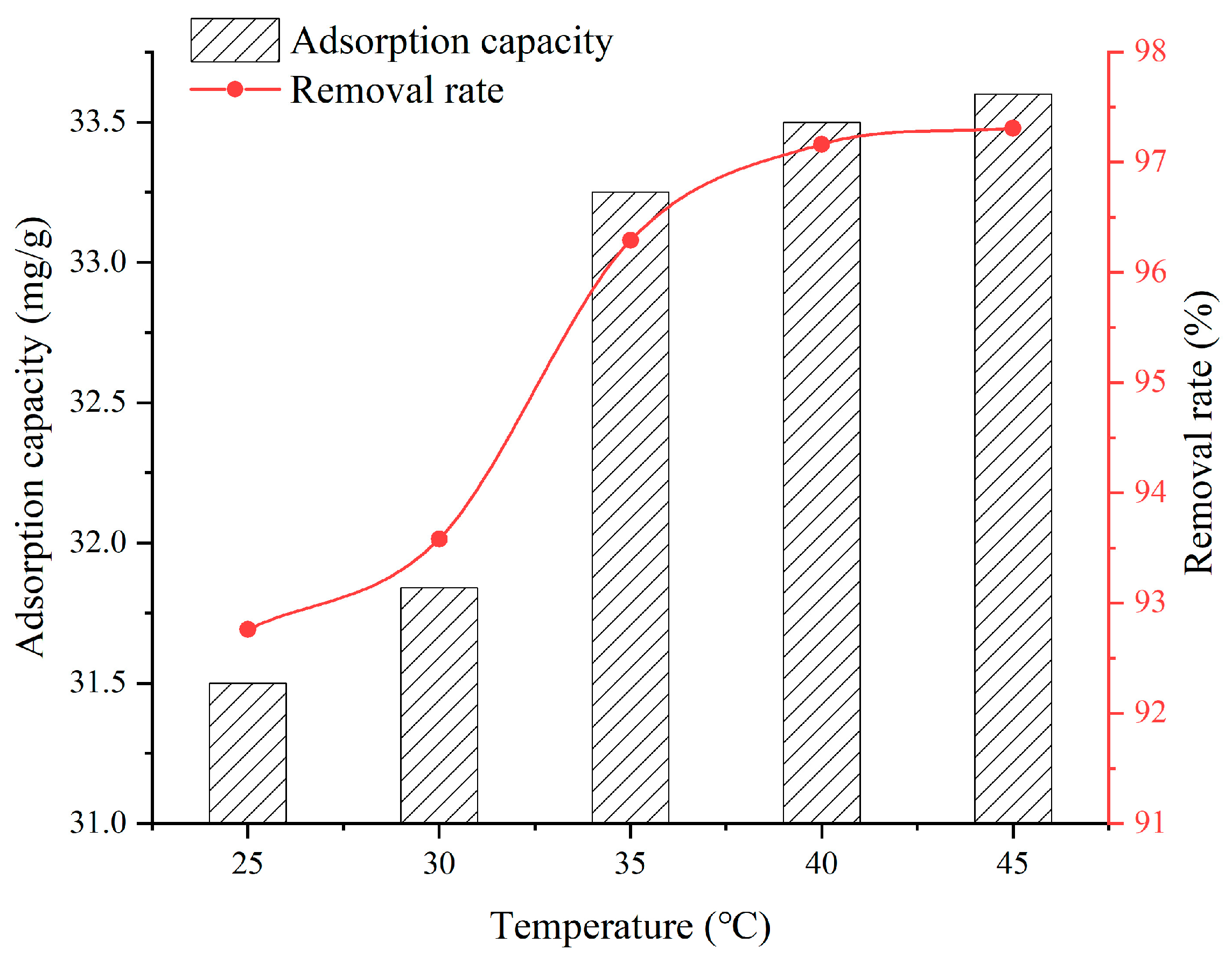
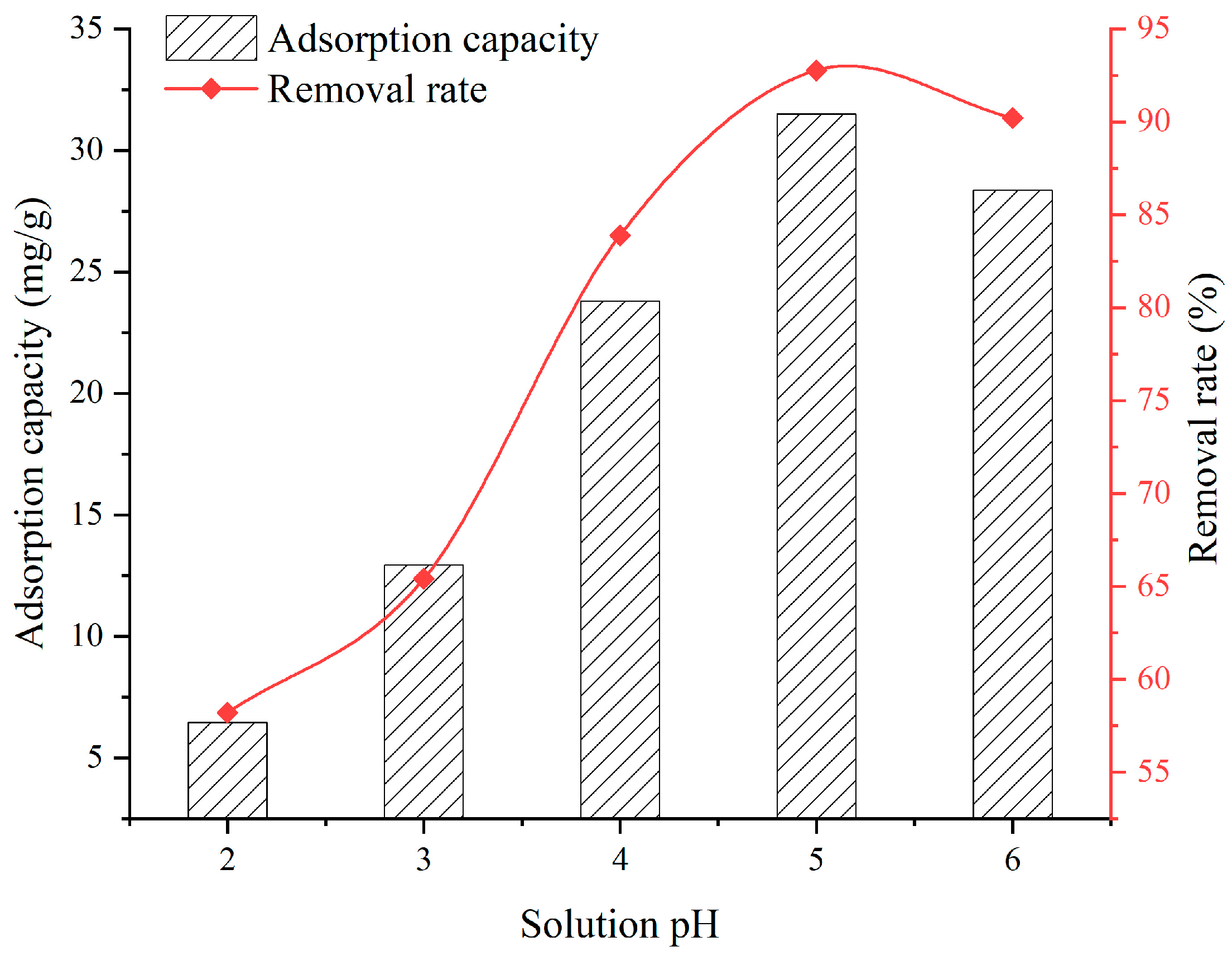
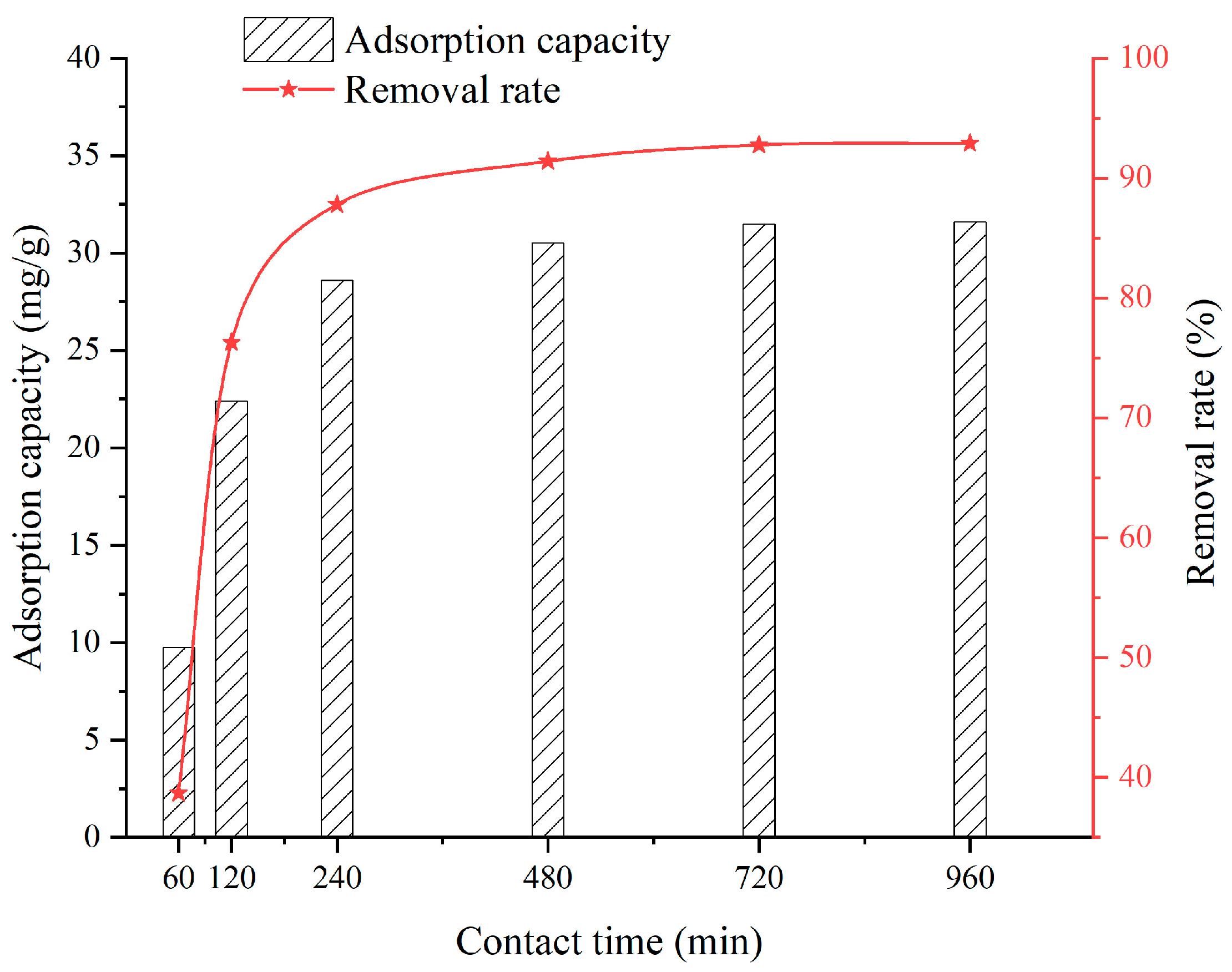
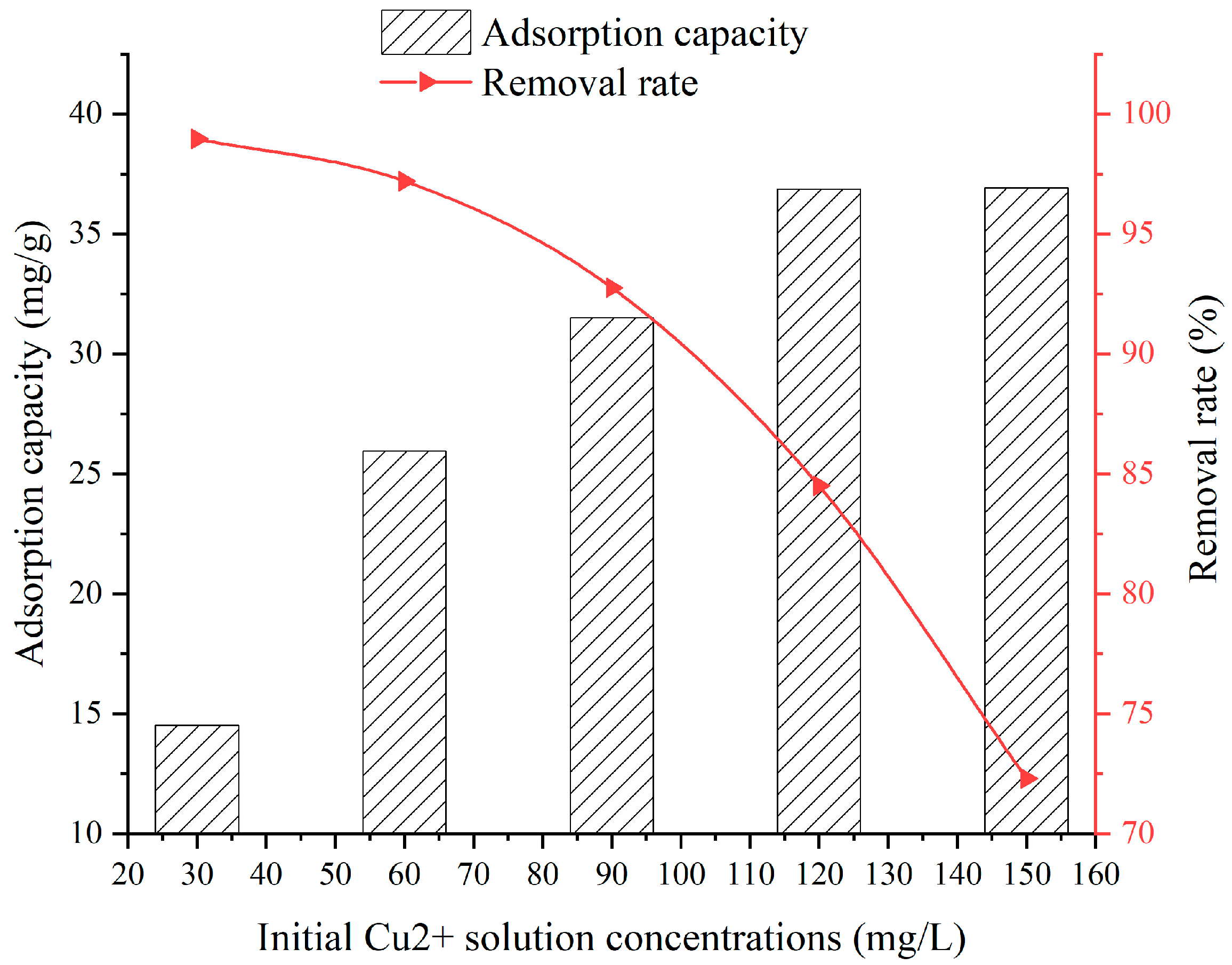
Sawdust is receiving increasing attention as a promising green adsorbent. However, due to its powder nature, it is difficult to recover after adsorbing heavy metals and may even cause secondary pollution. To solve this problem, a novel sawdust/foamed geopolymer (SFG) adsorbent was prepared by using sawdust as a raw material, geopolymer as a binder, and hydrogen peroxide as a foaming agent. This study discussed the effect of SFG dosage, solution temperature, solution pH, contact time, and initial Cu2+ solution concentration on the adsorption capacity and removal rate. The results showed that a desirable SFG adsorbent with the SFG dosage of 0.5 g, temperature of 25 °C, pH of 5, contact time of 720 min, and initial Cu2+ solution concentrations of 90 mg/L is recommended, of which the adsorption capacity is 31.5 mg/g with the removal rate being 92.76%. In addition, the adsorption performance of the SFG adsorbent is superior to that of pure sawdust and similar to that of the foamed geopolymer adsorbent, and it has the characteristics of higher strength, lower cost, and more environmental friendliness. This study indicated that the SFG adsorbents are feasible as adsorbents; meanwhile, this work can provide a scientific reference for the development of new bio-composite adsorbent materials, especially in the field of the treatment of heavy metal ions in wastewater.
Keywords: waste sawdust; foamed geopolymer; heavy metal Cu2+; adsorption capacity; removal rate waste sawdust; foamed geopolymer; heavy metal Cu2+; adsorption capacity; removal rate