Article

Material Properties and Mechanical Performances of Manufactured Factory-Produced Glass Fiber-Reinforced Autoclaved Aerated Concrete Panel


1
Shanghai Jundao Residential Industry Co., Ltd., Shanghai 201901, China
2
Civil Engineering Department, Design School, Xi’an Jiaotong-Liverpool University, Suzhou 215123, China
*
Author to whom correspondence should be addressed.
Buildings 2024, 14(9), 2895; https://doi.org/10.3390/buildings14092895

Submission received: 14 August 2024 / Revised: 10 September 2024 / Accepted: 11 September 2024 / Published: 13 September 2024
(This article belongs to the Section Building Structures)

Abstract

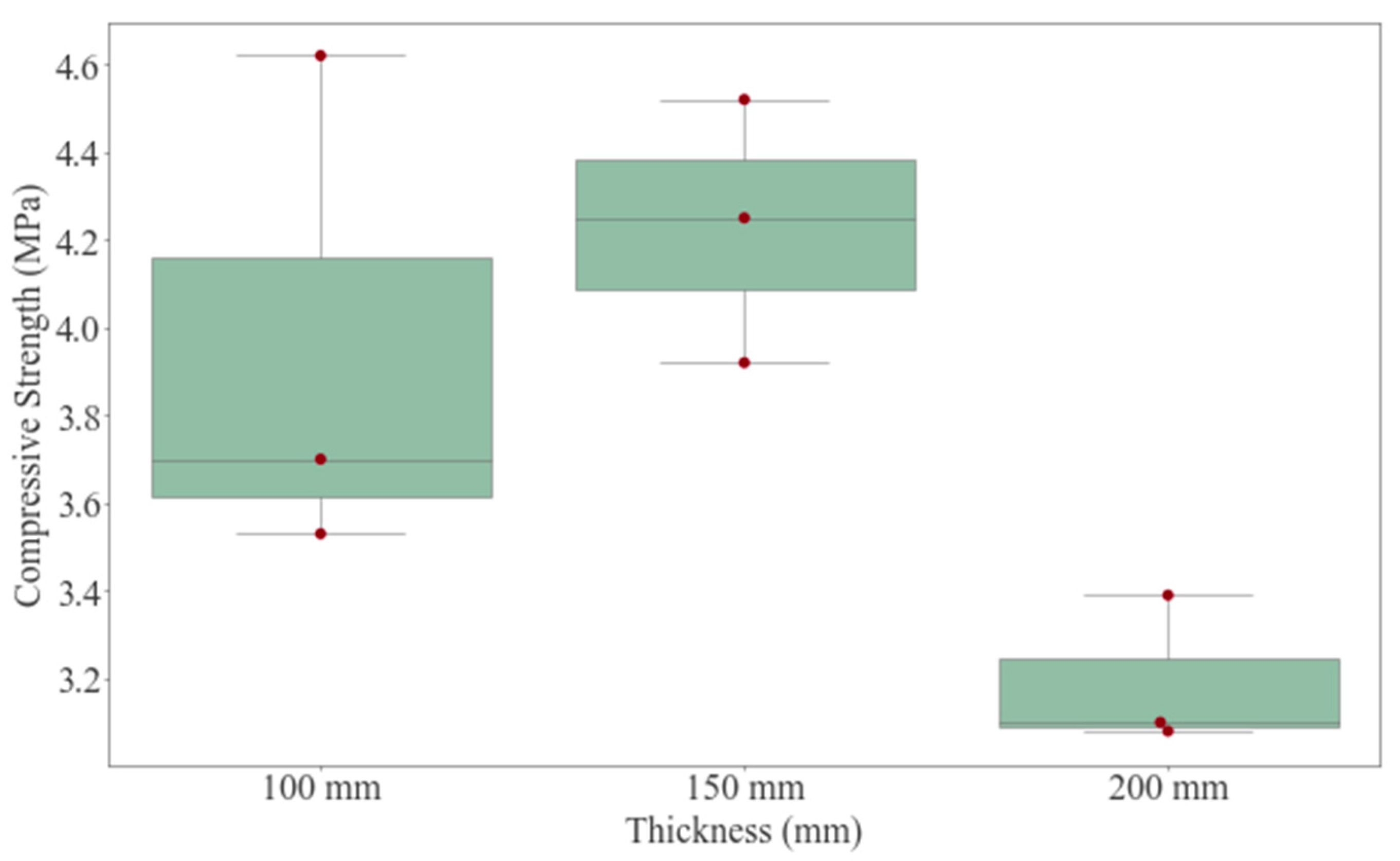
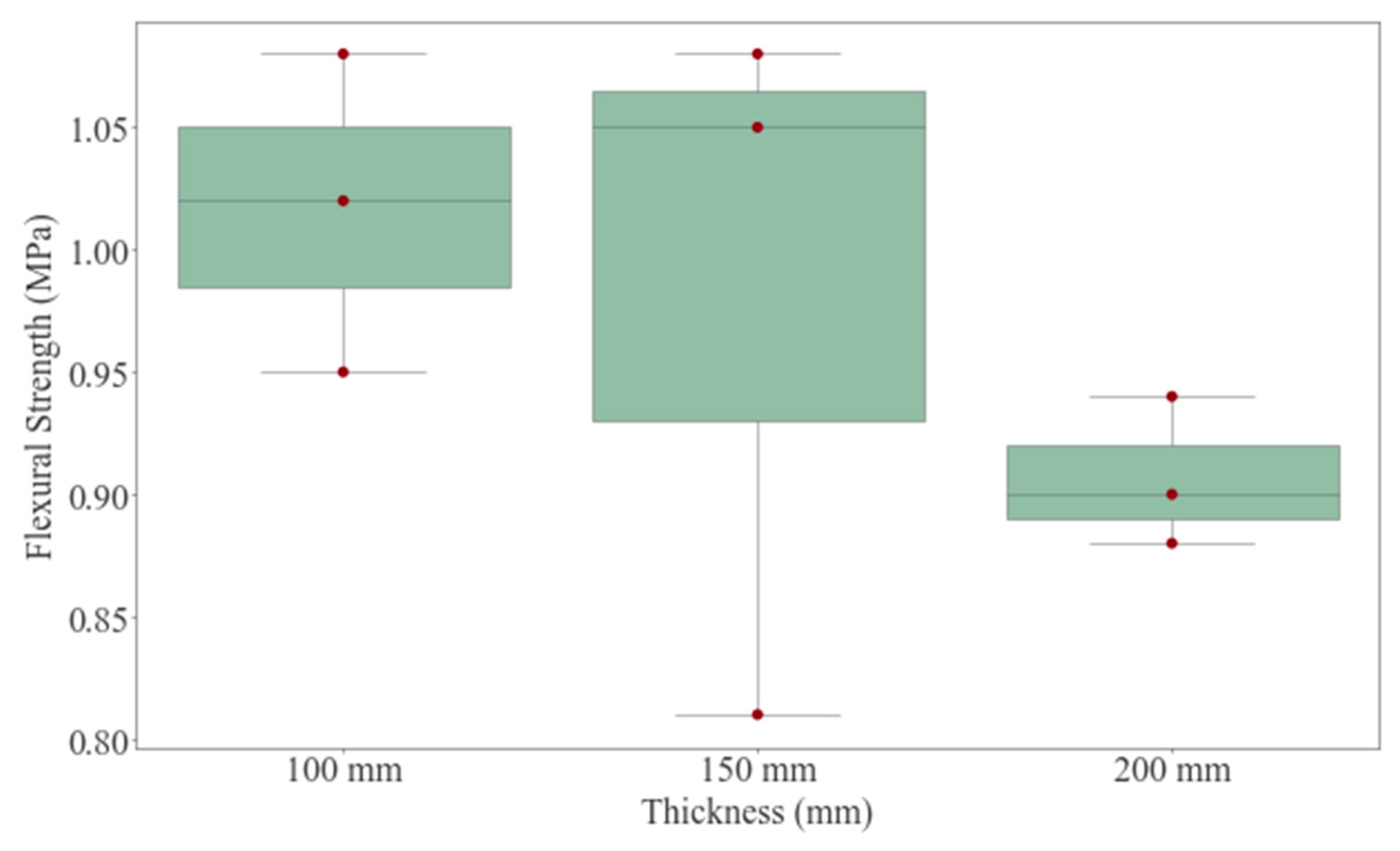
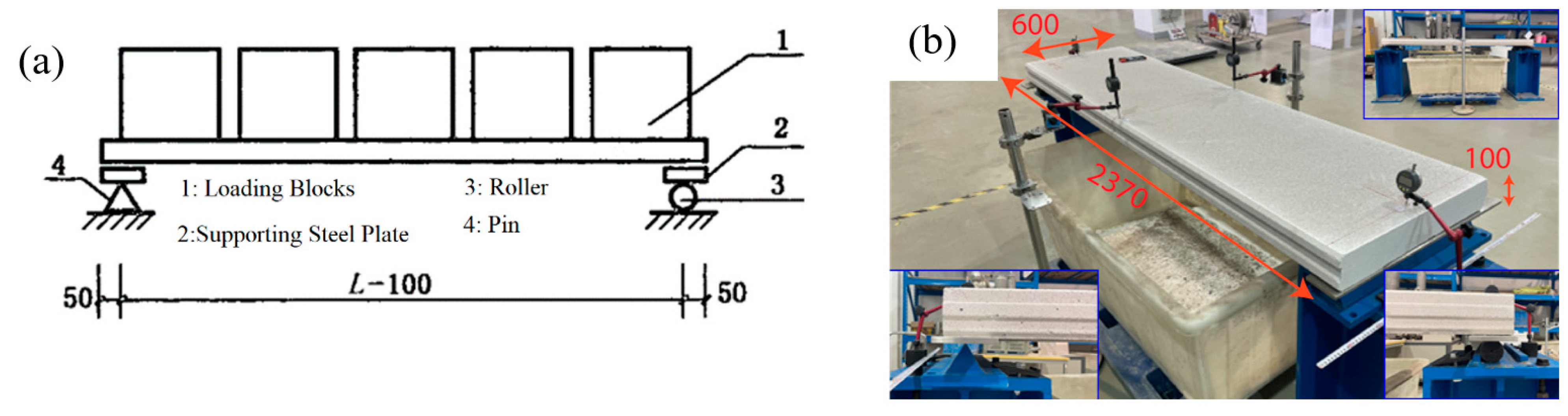
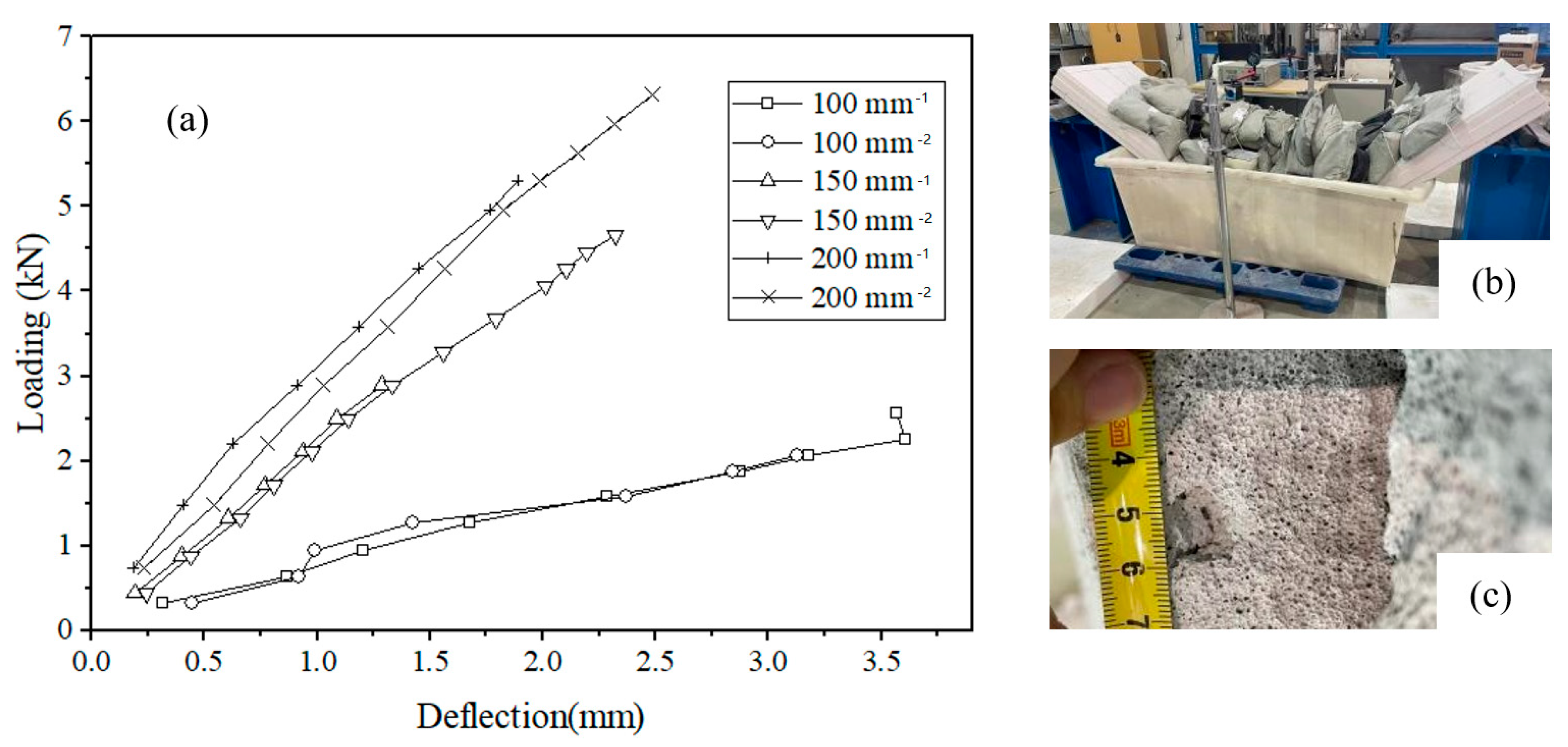
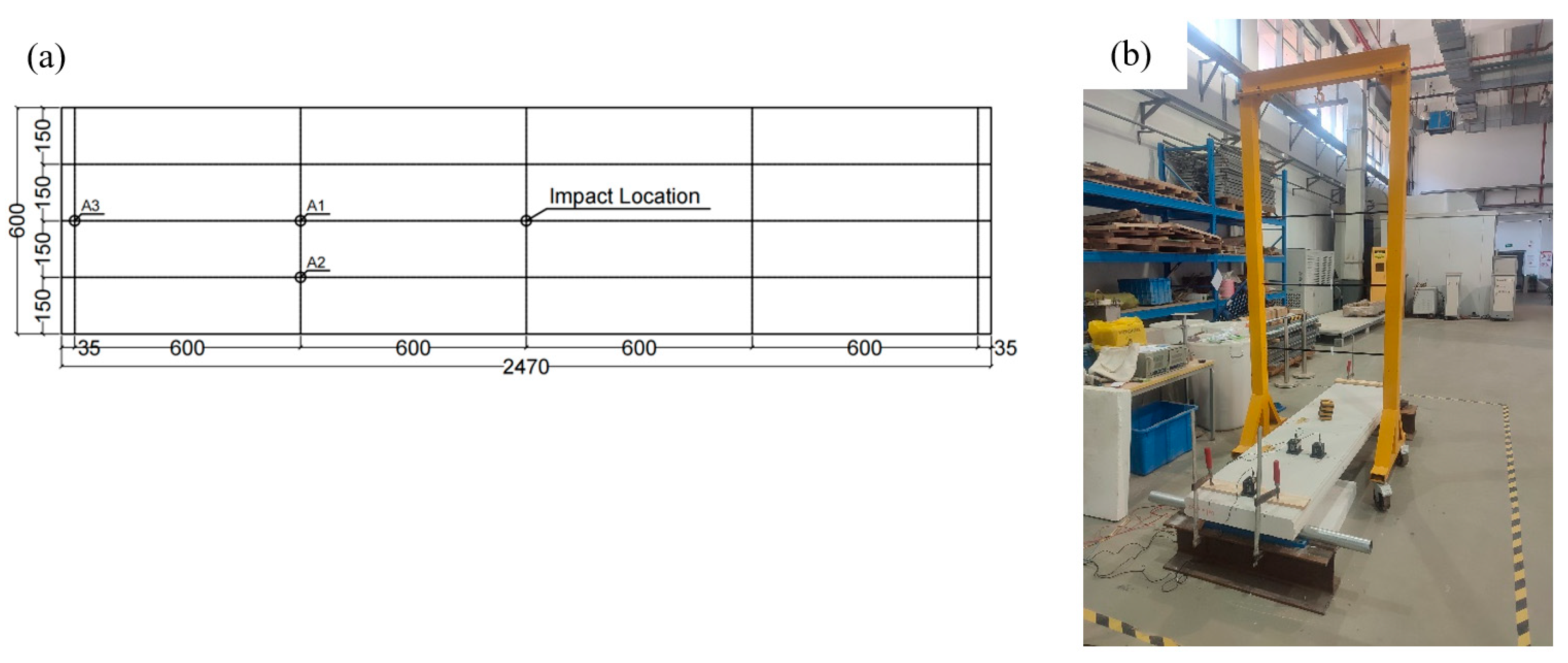
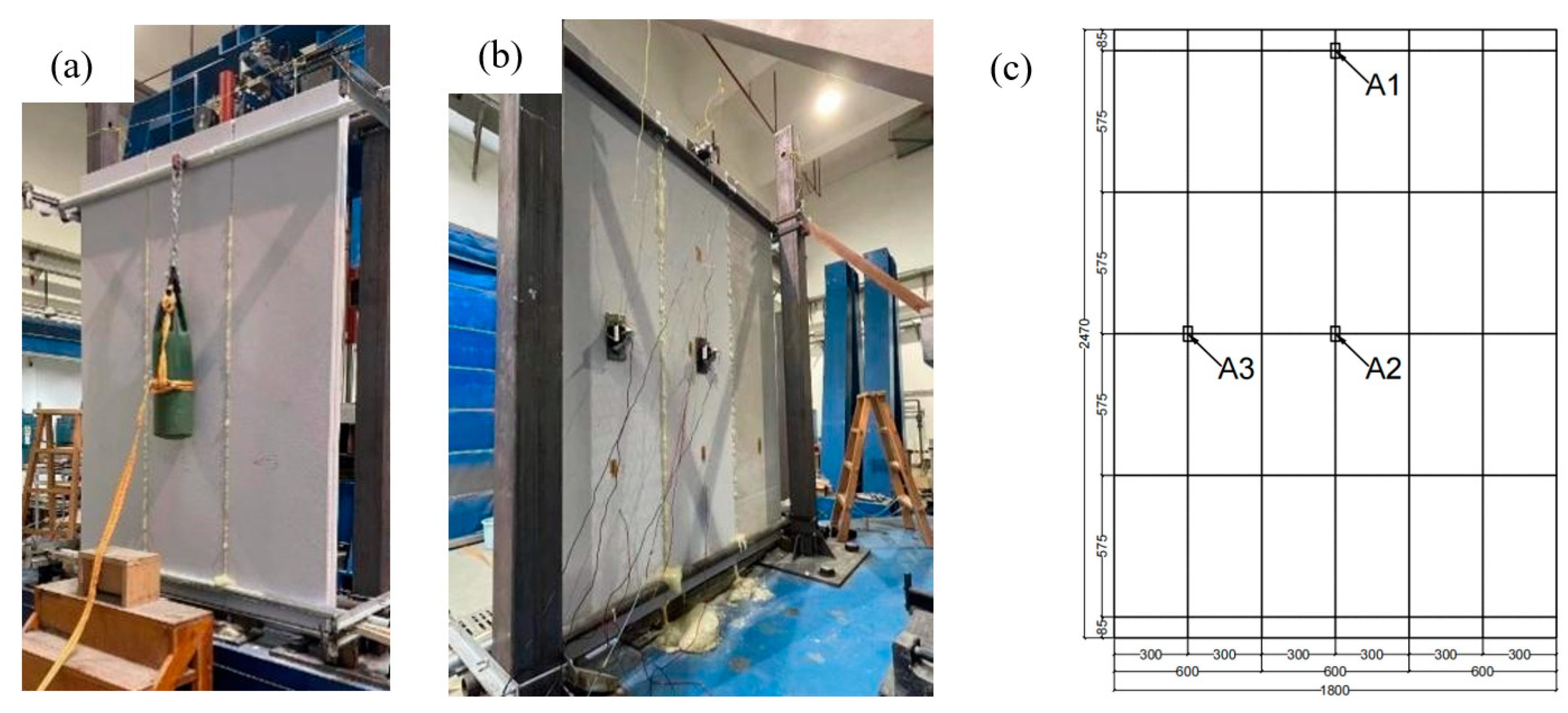
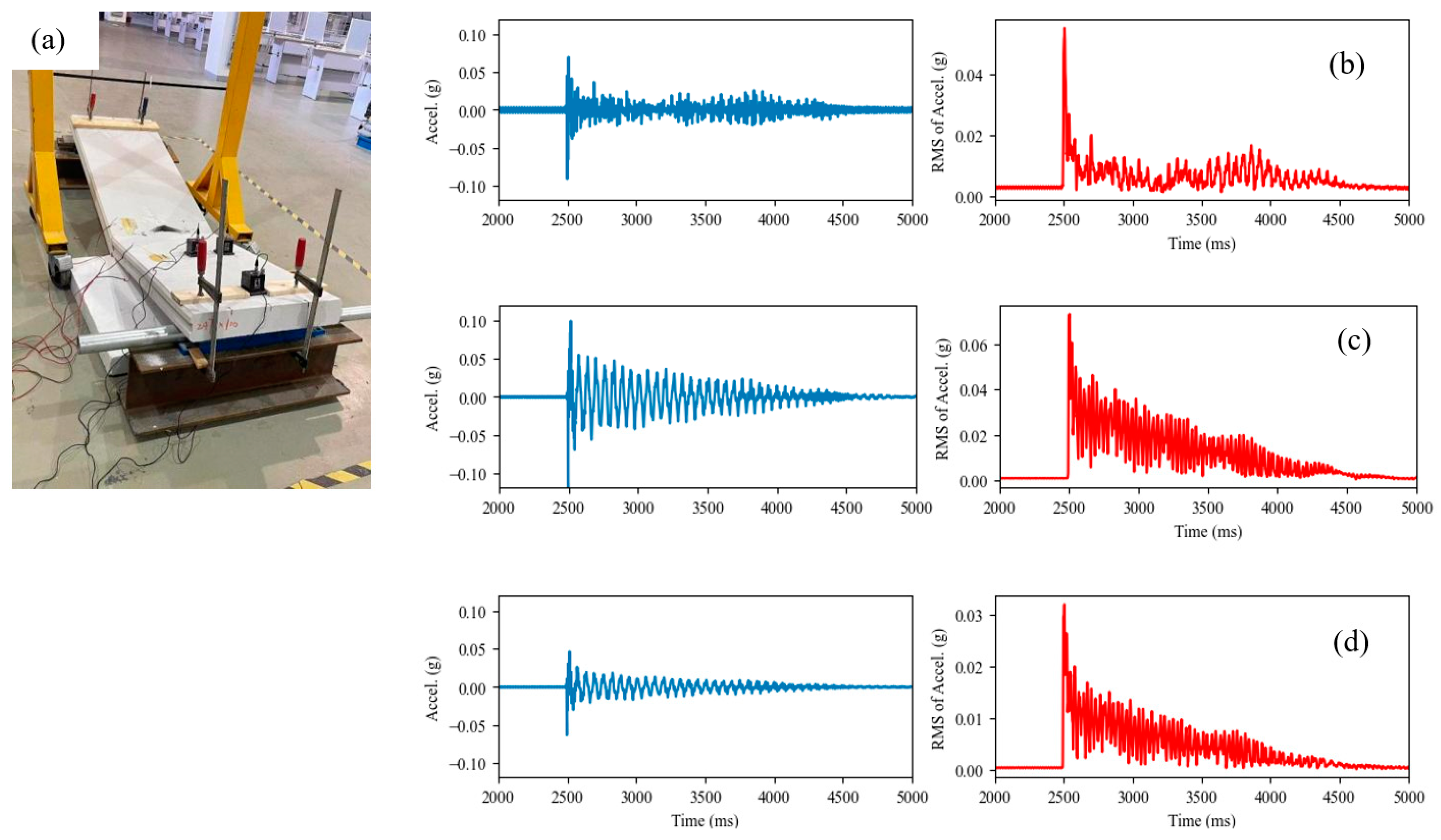
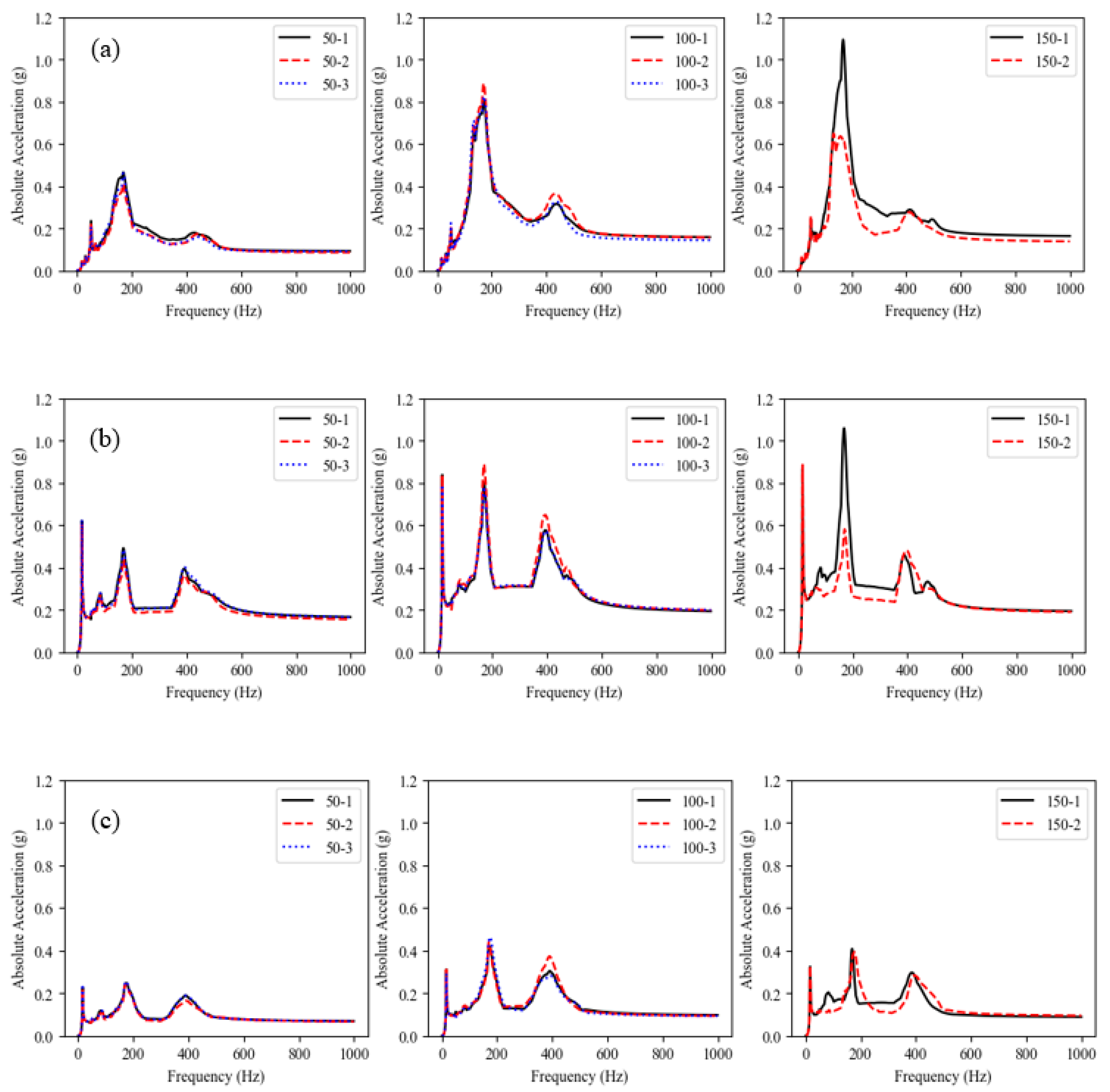
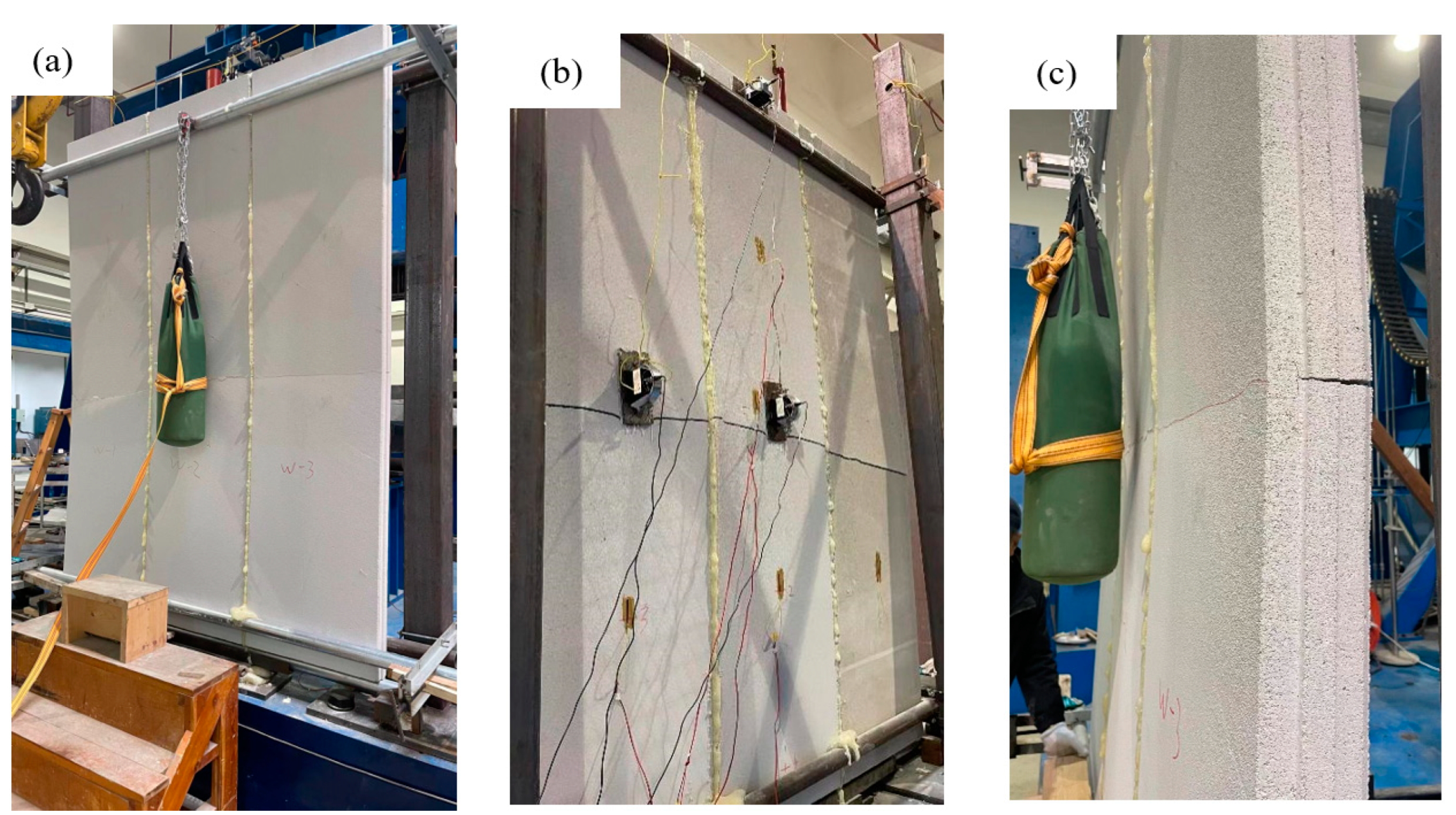
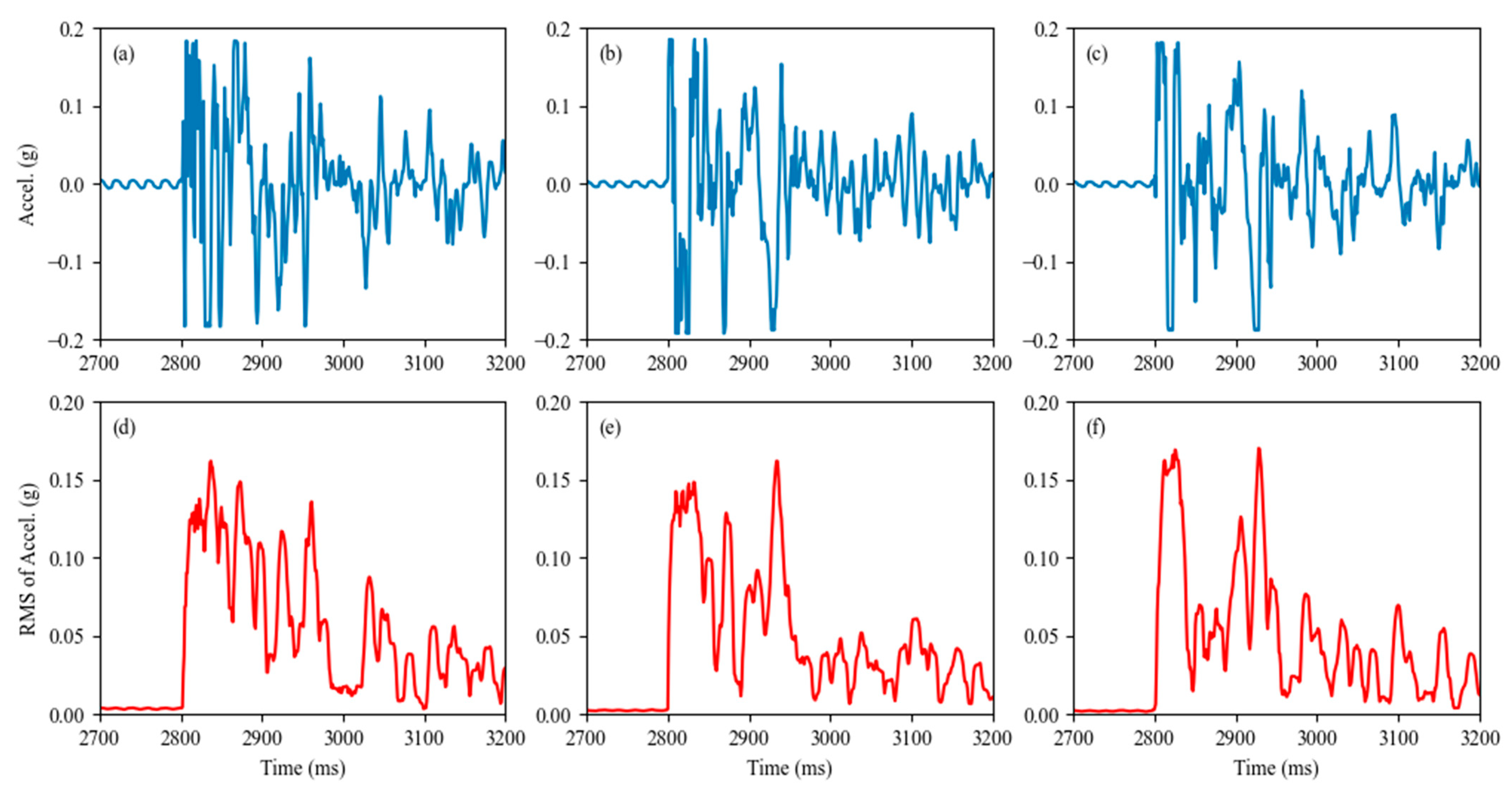
Autoclaved aerated concrete (AAC) has gained widespread acceptance in construction as a lightweight solution for exterior and interior walls. However, traditional steel-reinforced autoclaved aerated concrete (SR-AAC) has limitations, including concerns over its ductility and difficulty in cutting during installation. The steel reinforcement also has high embodied carbon that does not align with the actions in the construction section to reach carbon neutrality shortly. This study investigated the material properties and mechanical performances of factory-produced fiber-reinforced autoclaved aerated concrete (FR-AAC) panels, aiming to examine their potential as an alternative solution. Full-scale FR-AAC panels with thicknesses of 100 mm, 150 mm, and 200 mm were manufactured and tested. Some panels were down-sampled to determine the dry density, water absorption, compressive strength, and flexural strength of the material, while the mechanical performances were evaluated through static and impact loading tests. The results showed that the average dry density and absorption of the FR-AAC material are 533 kg/m3 and 63%, respectively, with compressive strengths up to 3.79 MPa and flexural strengths reaching 0.97 MPa. All six panels tested under static uniformly distributed loading exceeded the self-weight limit by a factor of 1.5, satisfying standard requirements for load-bearing capacity. However, the brittle failure modes observed in some tests raise potential health and safety concerns. In contrast, the impact tests revealed that the panels have acceptable performances with the inclusion of fibers.
Keywords: dry density; absorption; compressive strength; flexural strength; static loading test; impact testing dry density; absorption; compressive strength; flexural strength; static loading test; impact testing