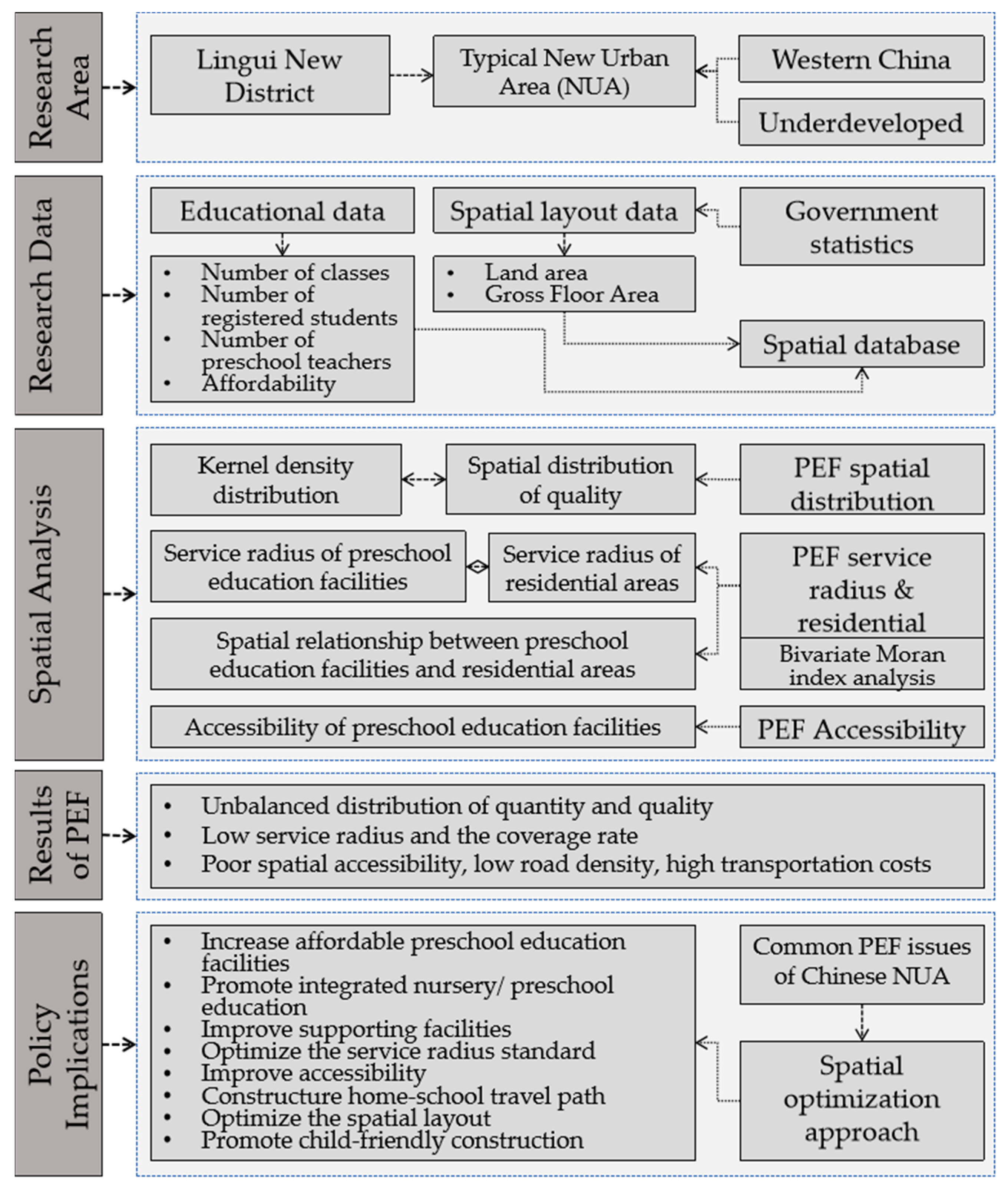
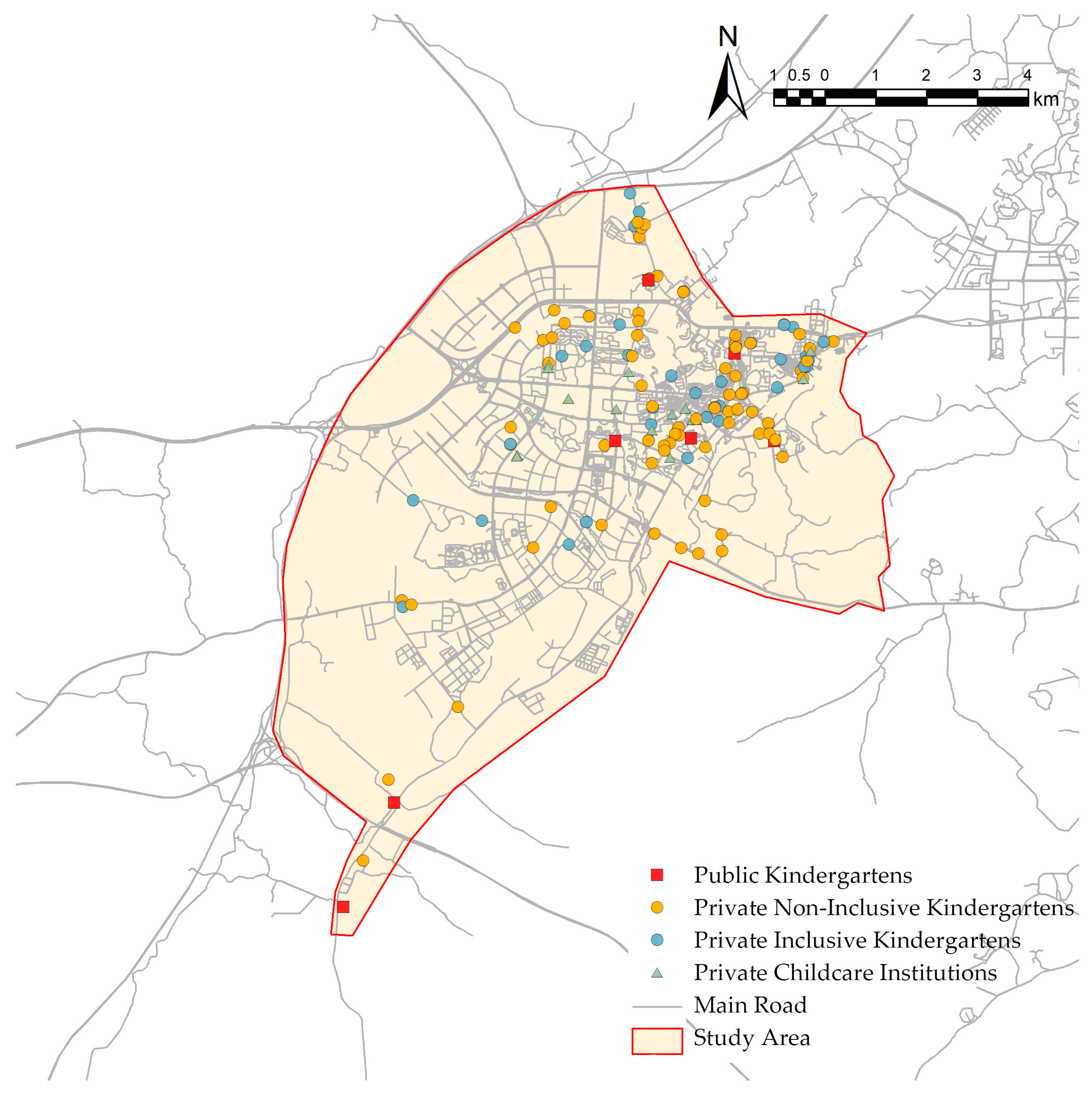
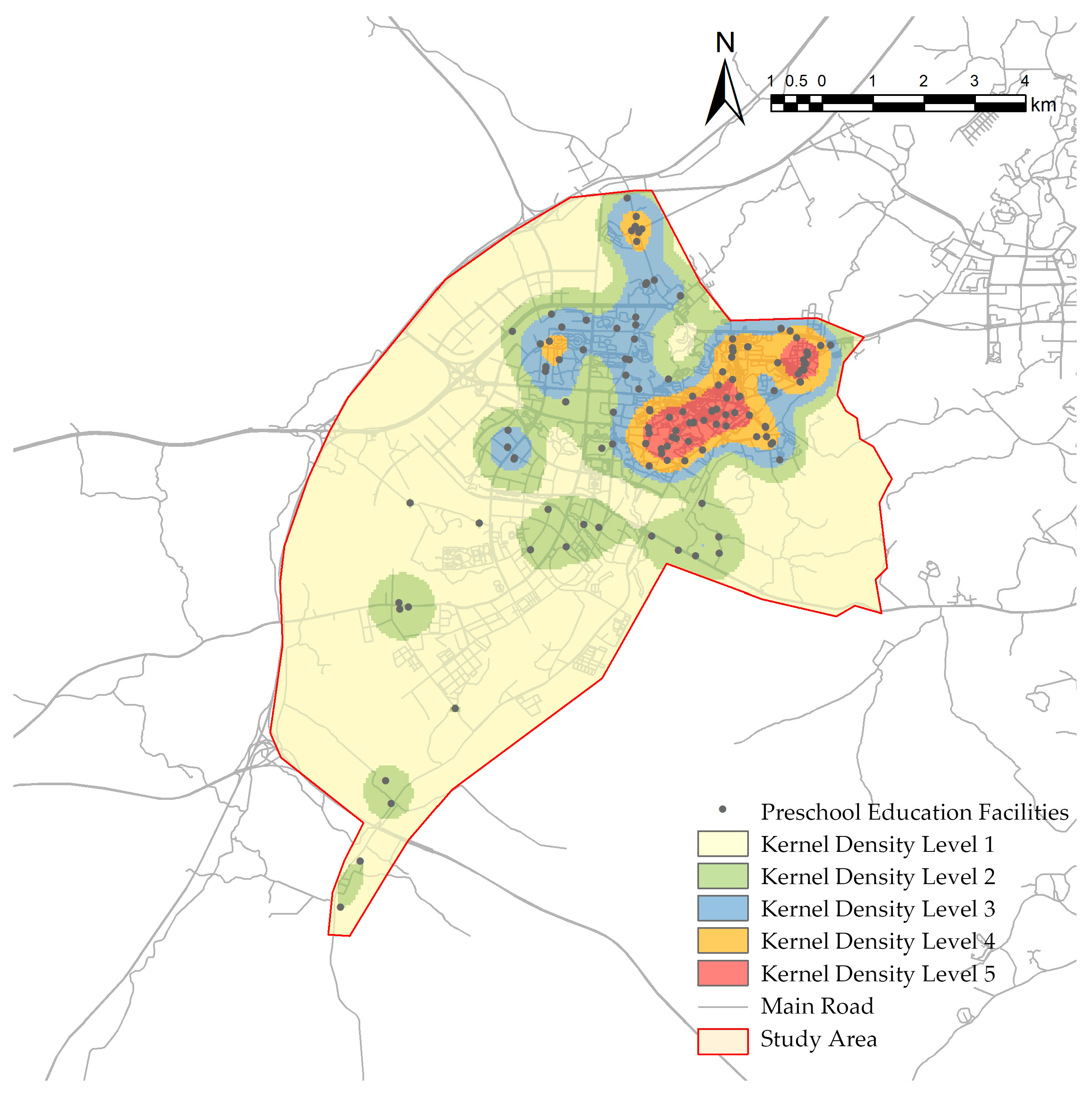
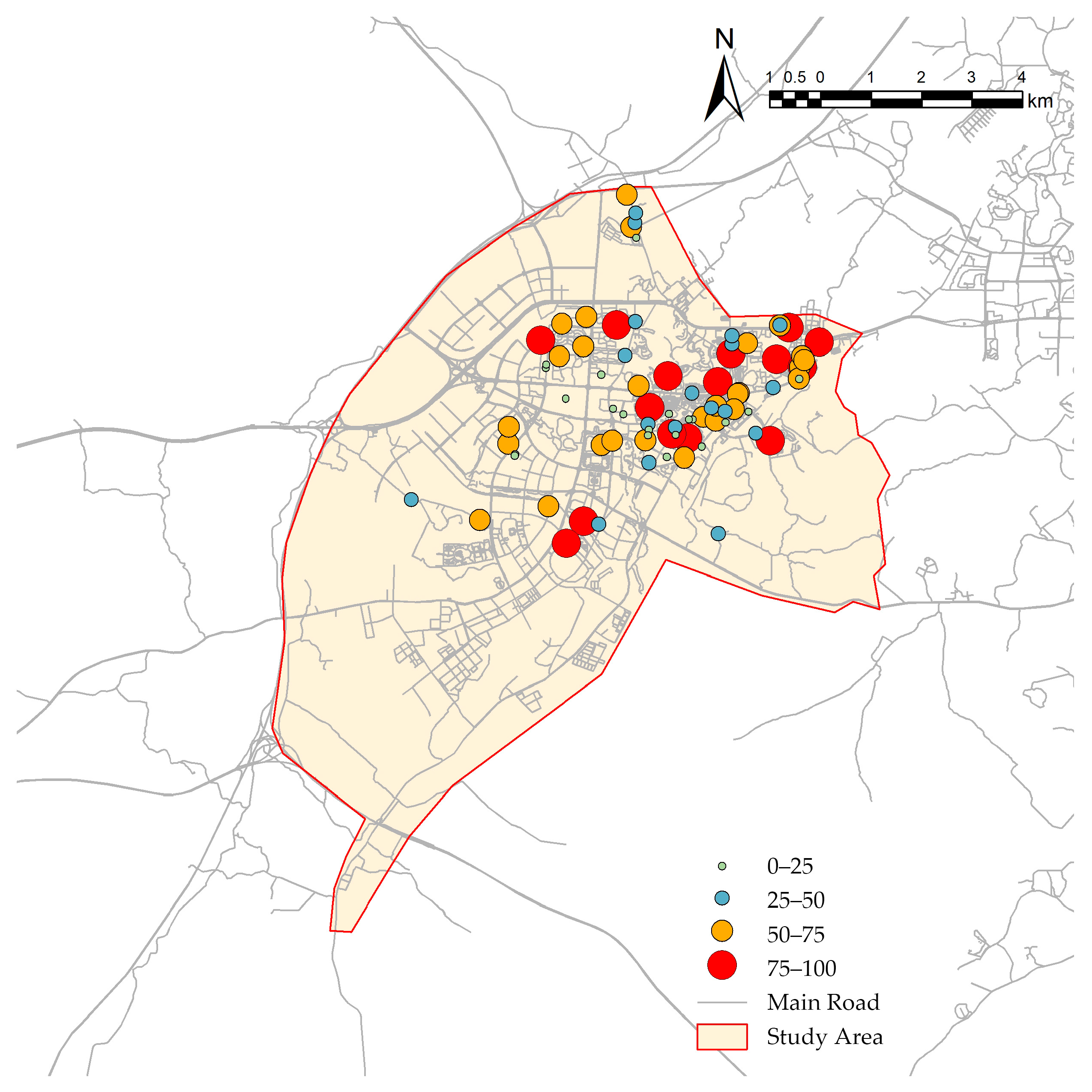
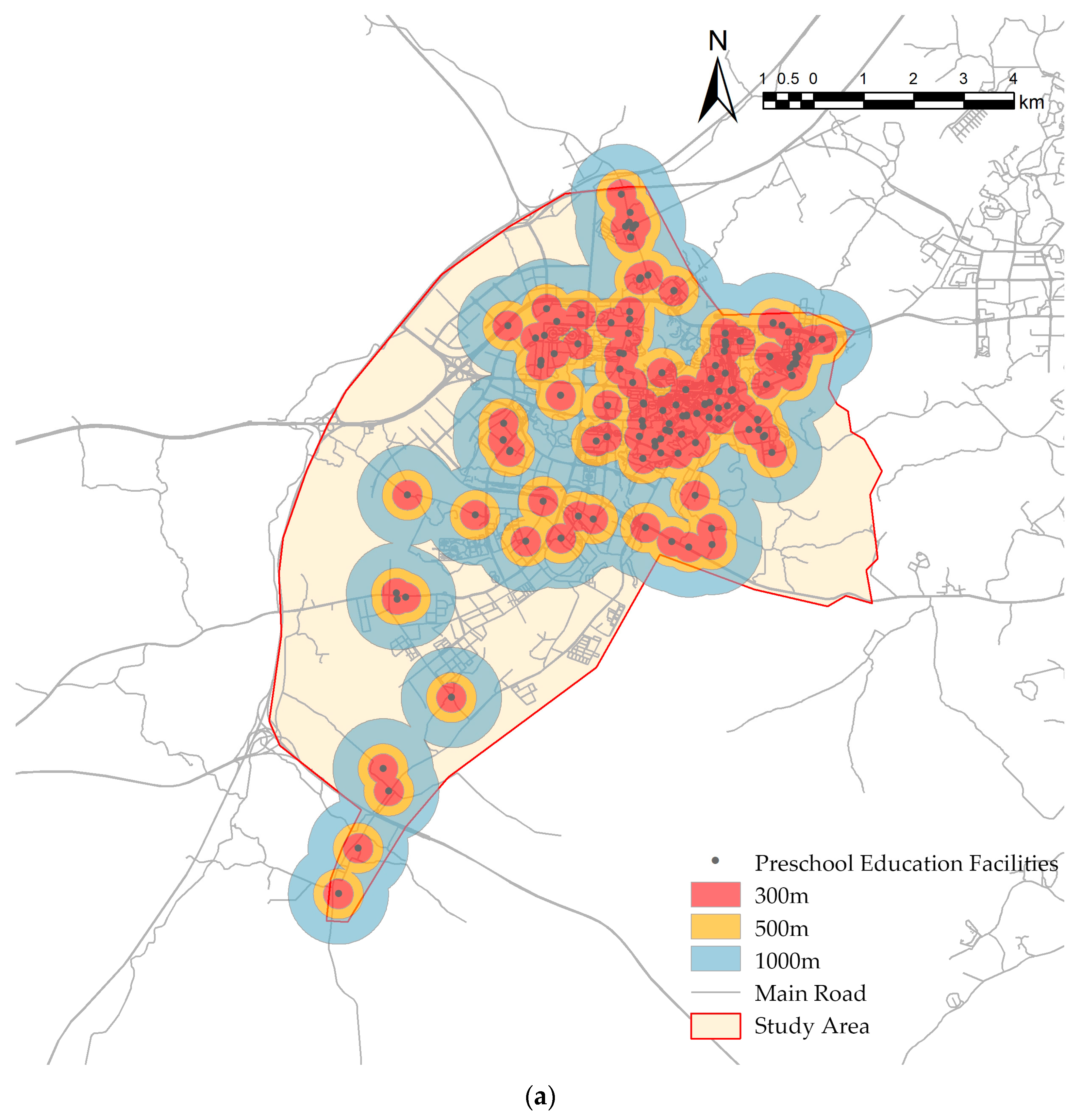
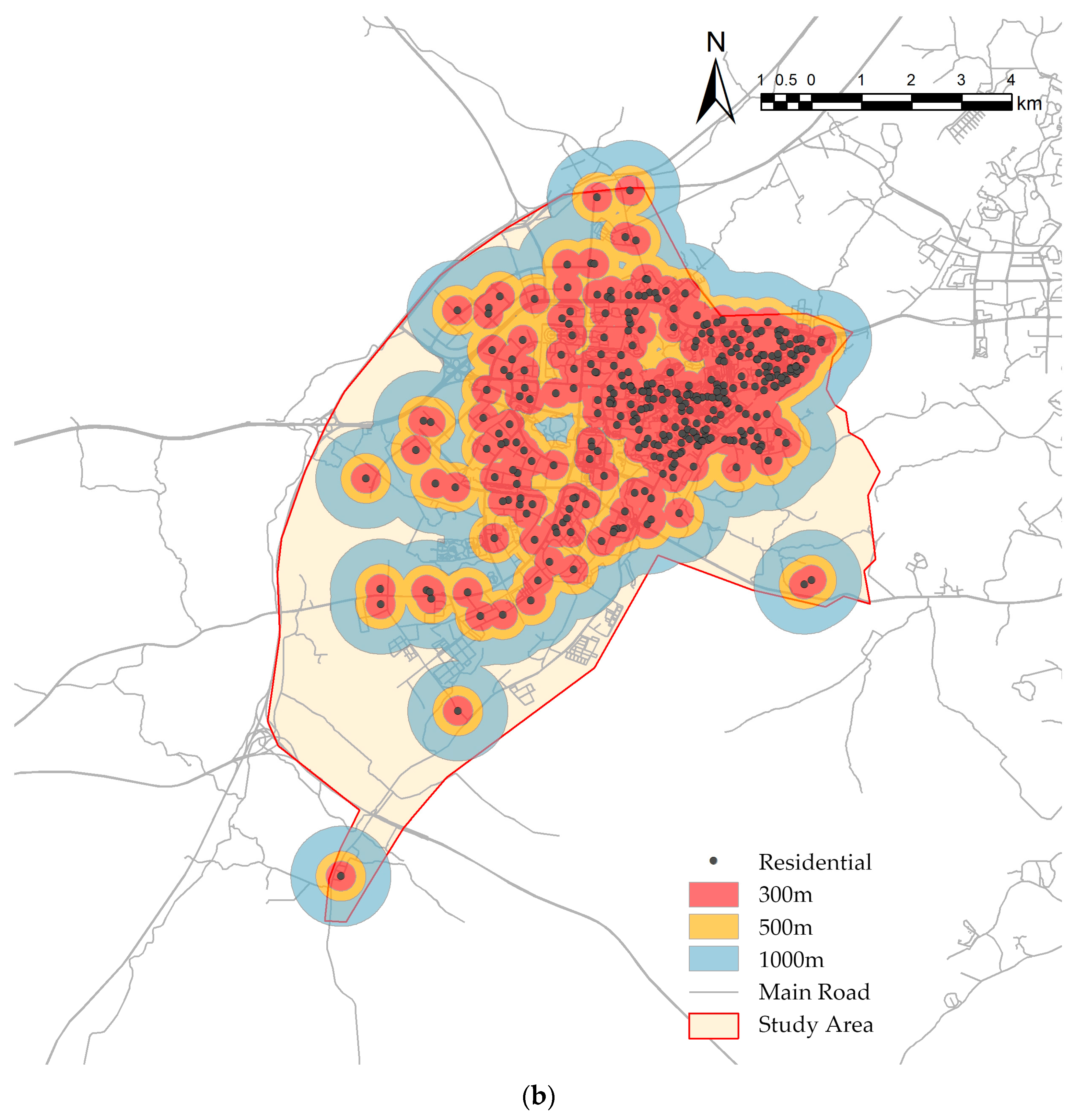
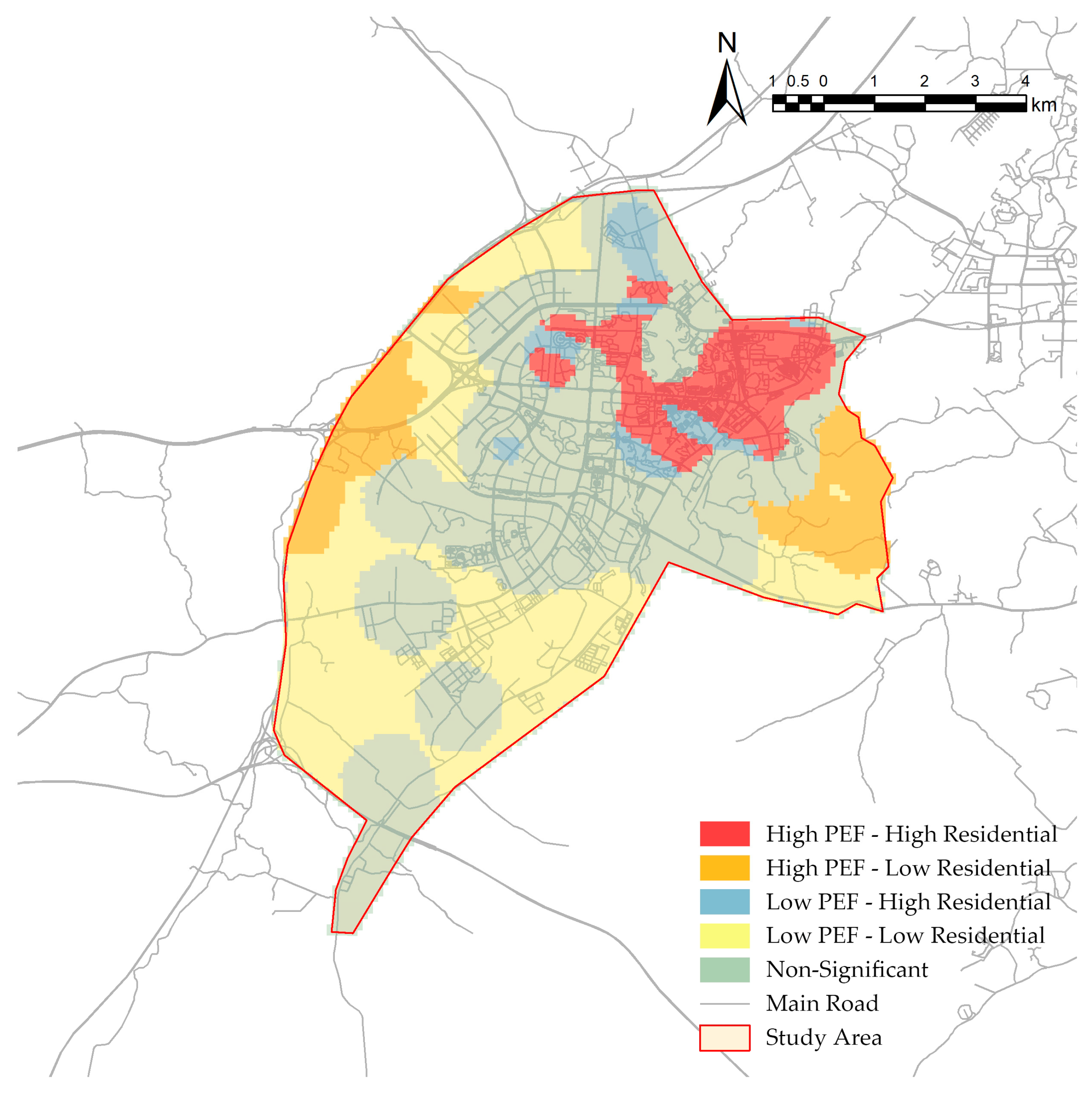
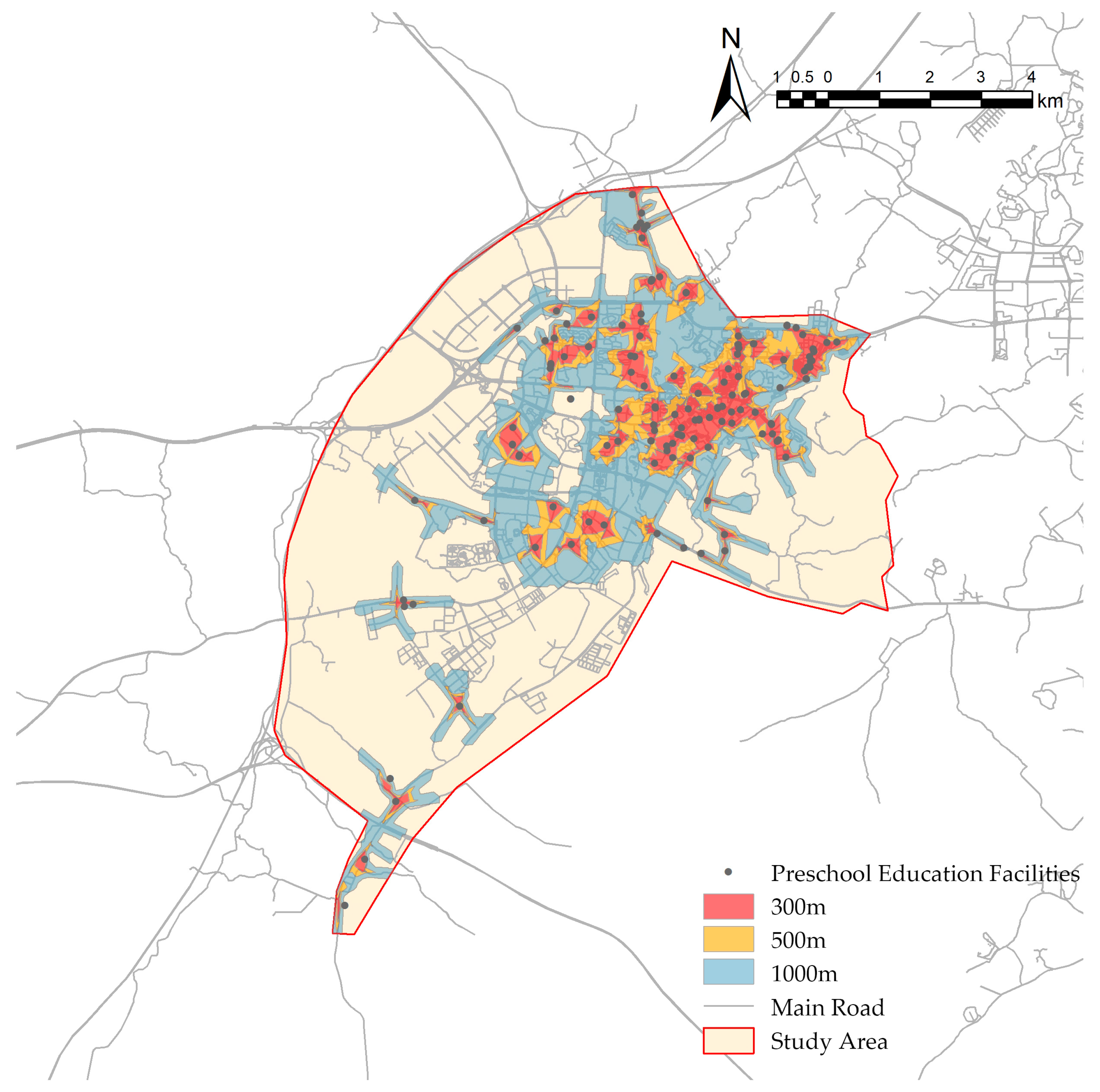
Spatial Pattern, Quality Evaluation, and Implications of Preschool Education Facilities in New Urban Areas Using Multi-Source Data: A Case Study from Lingui New District in West China


Abstract
Share and Cite
Wang, X.; Zhao, J.; Lu, Y.; Li, X. Spatial Pattern, Quality Evaluation, and Implications of Preschool Education Facilities in New Urban Areas Using Multi-Source Data: A Case Study from Lingui New District in West China. Buildings 2024, 14, 1718. https://doi.org/10.3390/buildings14061718
Wang X, Zhao J, Lu Y, Li X. Spatial Pattern, Quality Evaluation, and Implications of Preschool Education Facilities in New Urban Areas Using Multi-Source Data: A Case Study from Lingui New District in West China. Buildings. 2024; 14(6):1718. https://doi.org/10.3390/buildings14061718
Chicago/Turabian StyleWang, Xiao, Jiaying Zhao, Yuxi Lu, and Xiang Li. 2024. "Spatial Pattern, Quality Evaluation, and Implications of Preschool Education Facilities in New Urban Areas Using Multi-Source Data: A Case Study from Lingui New District in West China" Buildings 14, no. 6: 1718. https://doi.org/10.3390/buildings14061718
APA StyleWang, X., Zhao, J., Lu, Y., & Li, X. (2024). Spatial Pattern, Quality Evaluation, and Implications of Preschool Education Facilities in New Urban Areas Using Multi-Source Data: A Case Study from Lingui New District in West China. Buildings, 14(6), 1718. https://doi.org/10.3390/buildings14061718