Article

Effects of High Temperature and Cooling Regimes on Properties of Marble Powder-Based Cementitious Composites


1
Institute of Science, Kırıkkale University, Kırıkkale 71451, Türkiye
2
Department of Civil Engineering, Kırıkkale University, Kırıkkale 71451, Türkiye
*
Author to whom correspondence should be addressed.
Buildings 2023, 13(10), 2527; https://doi.org/10.3390/buildings13102527

Submission received: 18 September 2023 / Revised: 3 October 2023 / Accepted: 4 October 2023 / Published: 6 October 2023
(This article belongs to the Special Issue Research on High-Temperature-Resistant Materials in Buildings)

Abstract

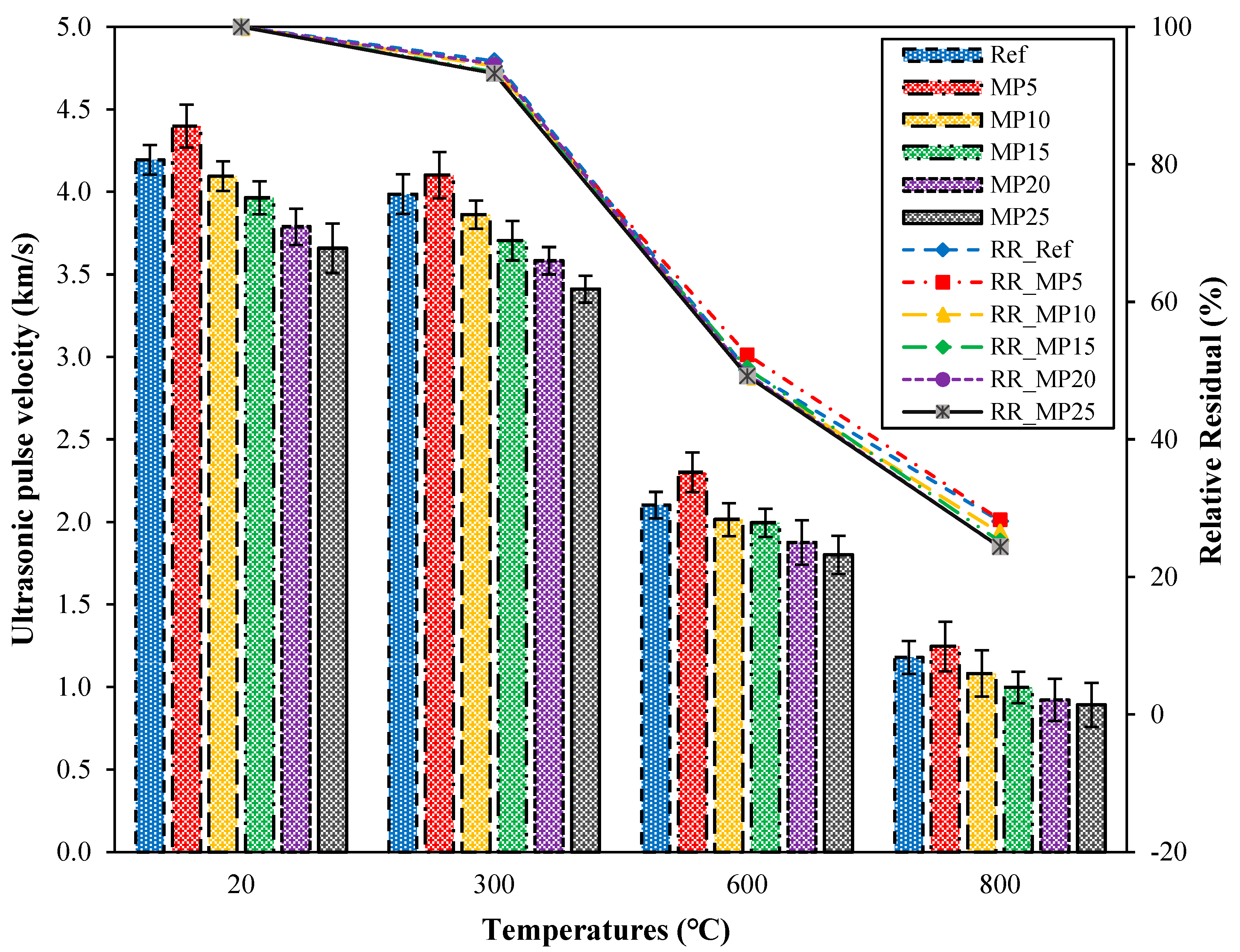
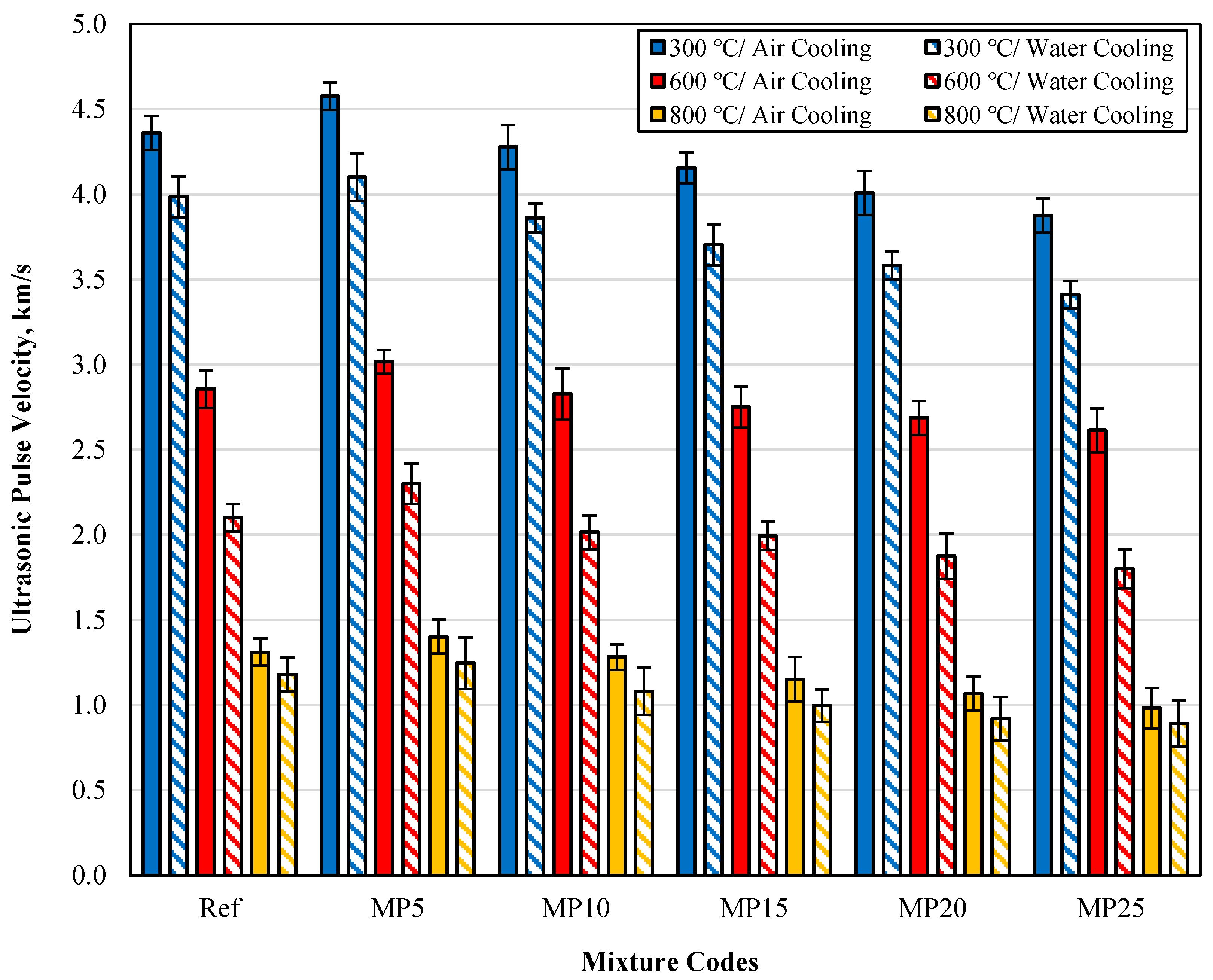
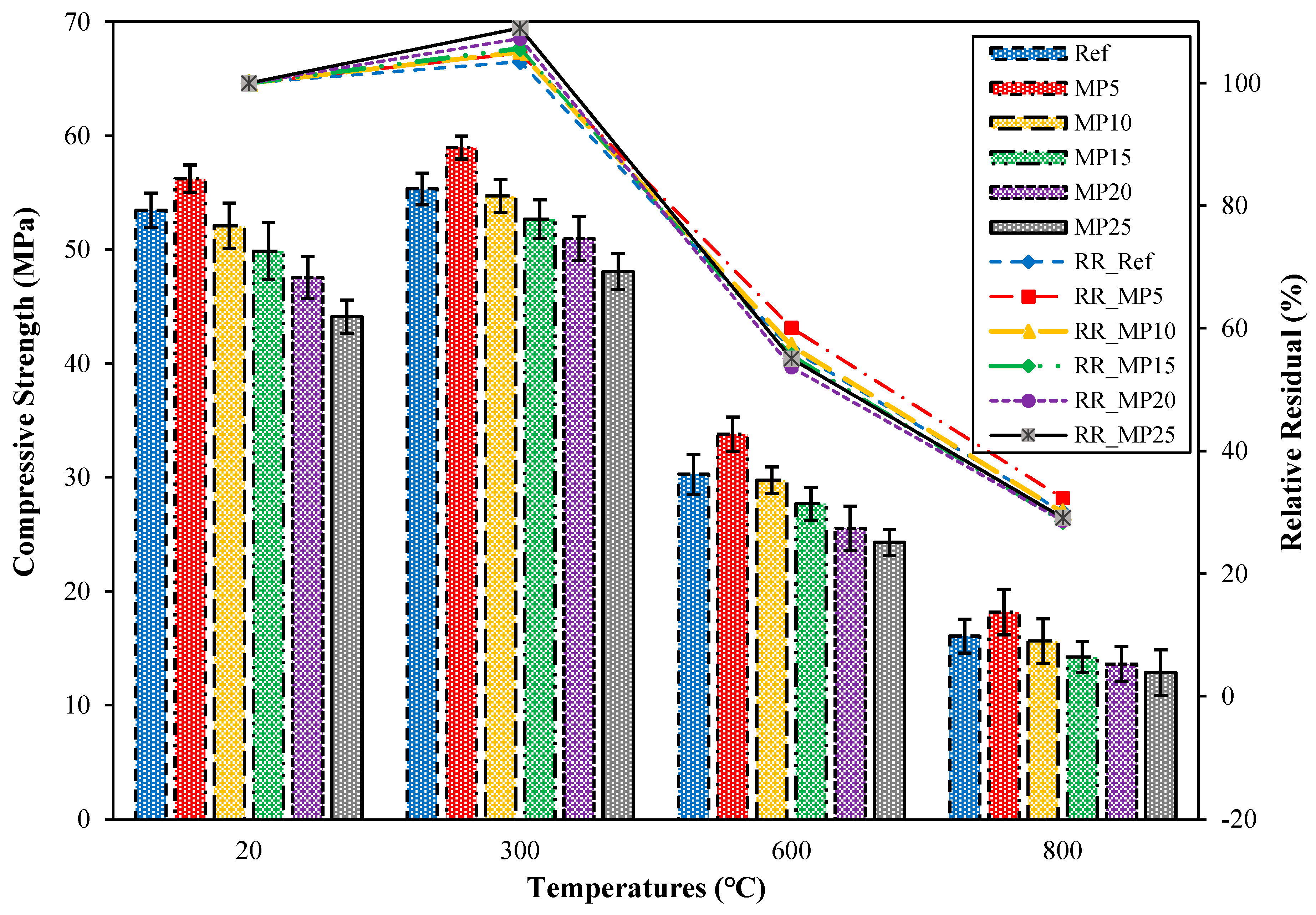
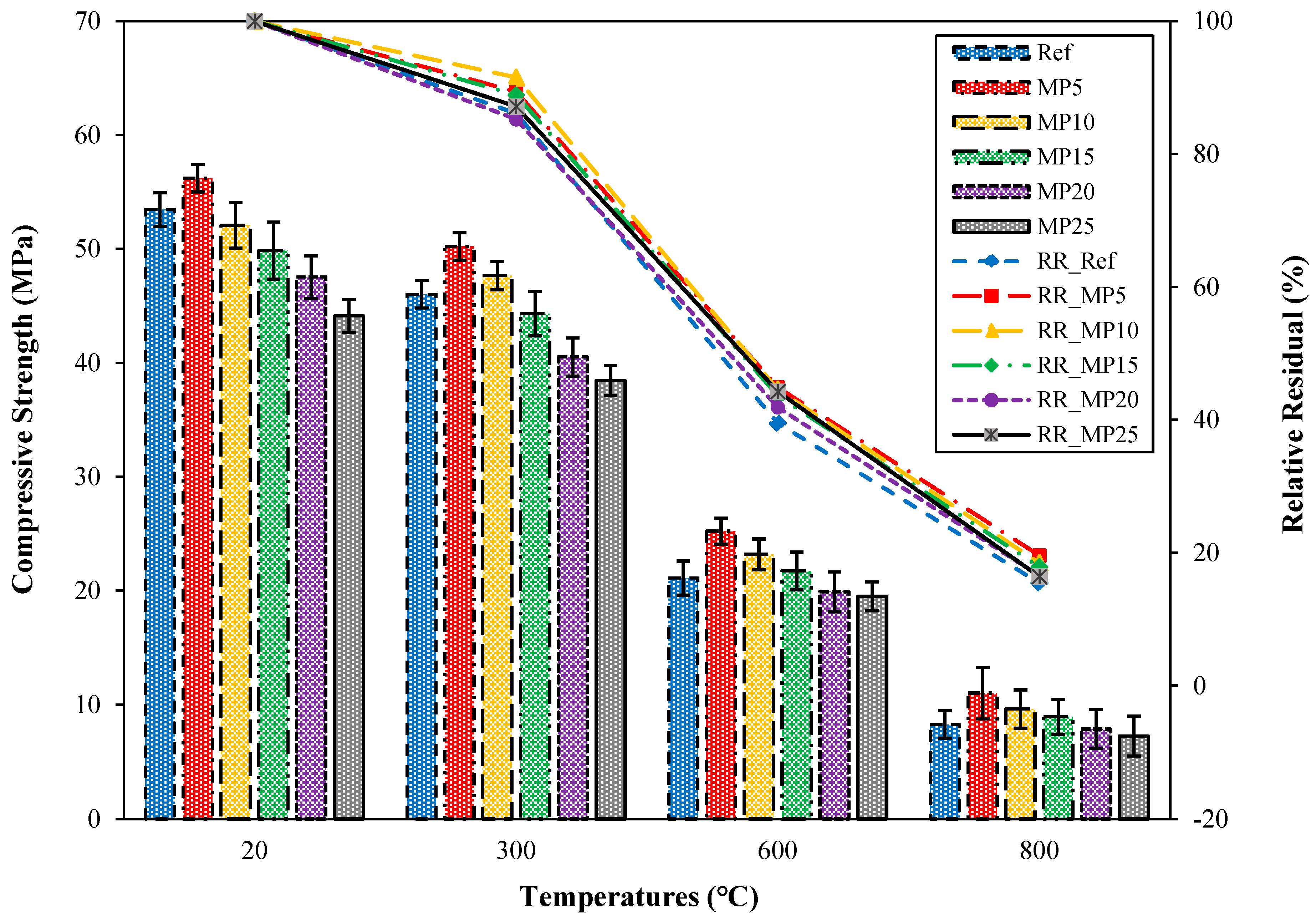
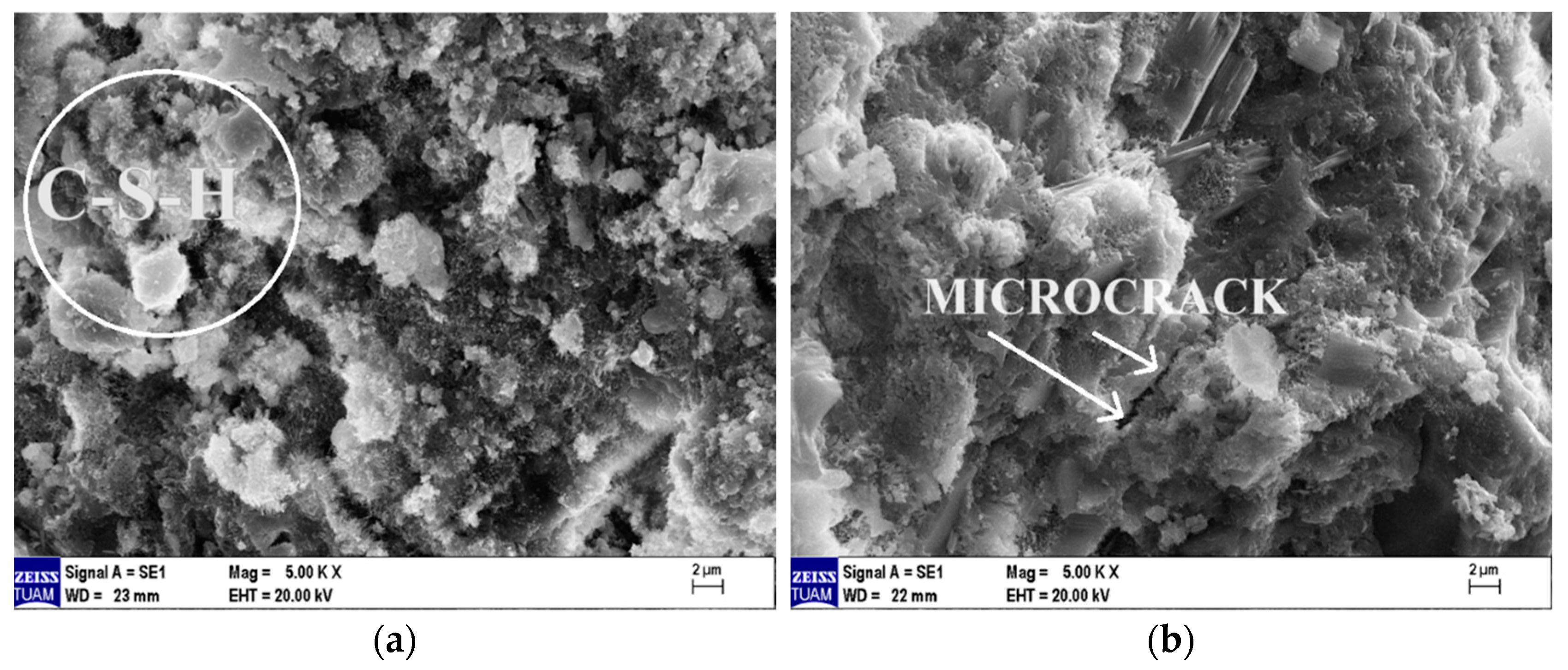
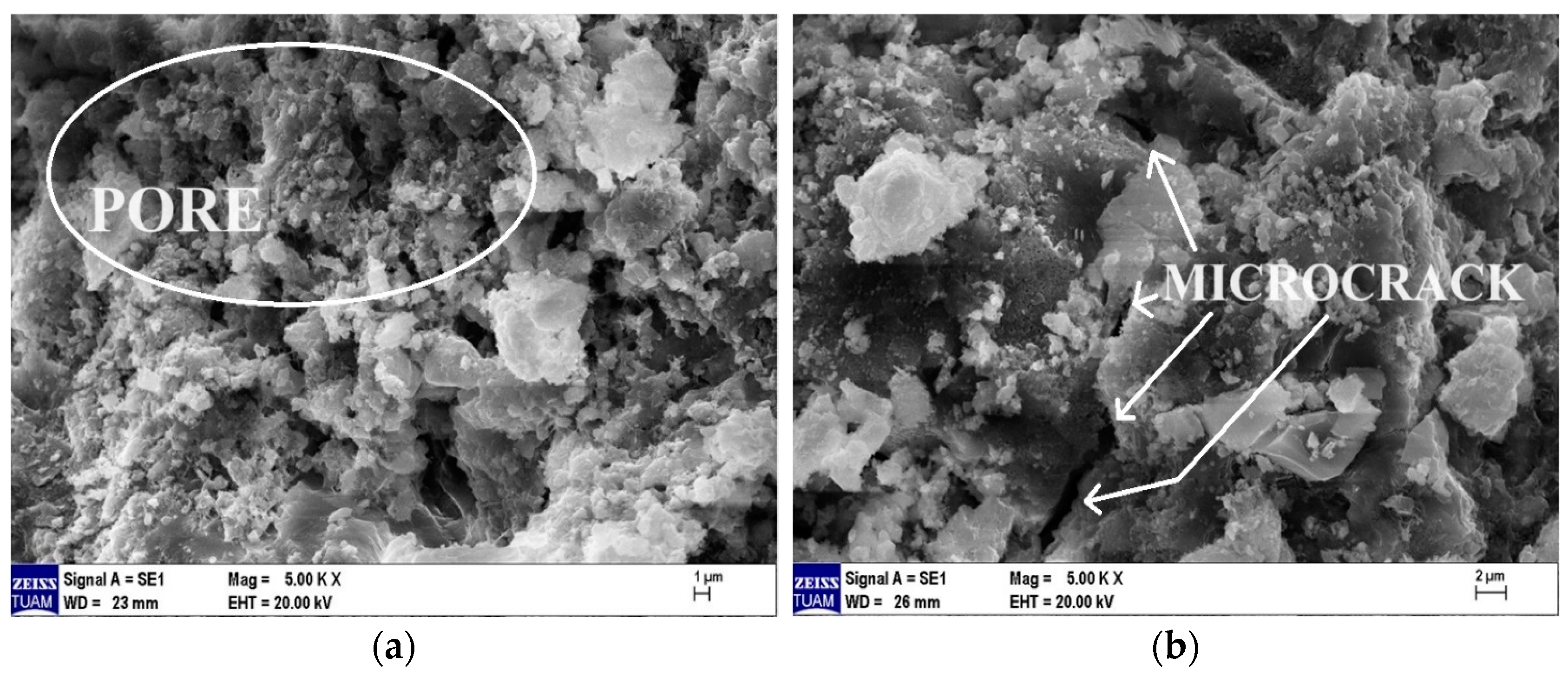
The demand for cement is increasing every day worldwide. To meet this demand, natural resources are rapidly being depleted. The excessive consumption of natural resources encourages researchers to conduct studies on the use of waste materials instead of cement. Marble waste is one of the major natural wastes abundantly generated worldwide. It has been evaluated that there is a gap in the literature regarding a study comparing the effects of different cooling regimes on cementitious composites with a marble powder (MP) replacement that has been exposed to high temperatures. In this study, waste marble powder (MP) was used as a replacement for cement at percentages of 5%, 10%, 15%, 20%, and 25% by mass. The water-to-binder ratio was kept constant at 0.5 for all mixture groups. Subsequently, the prepared cementitious composites were exposed to high temperatures (300 °C, 600 °C, and 800 °C) and subjected to air- and water-cooling regimes. Within the scope of this study, unit weight (Uw), ultrasonic pulse velocity (UPV), flexural strength (ffs), compressive strength (fcs), and mass loss tests were conducted. Additionally, a microstructure analysis was carried out using scanning electron microscopy (SEM) to examine the effect of MP replacement and the cooling regime. When examining the results of the samples tested in the laboratory, it was observed that the mortar with 5% MP replacement exhibited better mechanical properties compared with the others. In general, it can be said that the mechanical properties of samples cooled in air after exposure to high temperatures were better than those of samples cooled in water. As a result of this study, it was determined that MP replacement could positively contribute to the resistance of cementitious composites to high temperatures. Additionally, the use of a significant amount of waste MP can lead to savings in cement usage and significant reductions in CO2 emissions.
Keywords: different cooling regimes; elevated temperatures; microstructure of cementitious composites; marble powder; mechanical properties of cement mortar different cooling regimes; elevated temperatures; microstructure of cementitious composites; marble powder; mechanical properties of cement mortar