Article

Numerical Investigations of Wind Loads on Spherical Structures with Various Types of Configurations

1
Shaanxi Provincial Major Laboratory for Highway Bridge & Tunnel, Chang’an University, Xi’an 710054, China
2
Department of Civil and Environmental Engineering, Shantou University, Shantou 515063, China
*
Author to whom correspondence should be addressed.
Buildings 2022, 12(11), 1832; https://doi.org/10.3390/buildings12111832

Submission received: 25 September 2022 / Revised: 16 October 2022 / Accepted: 24 October 2022 / Published: 1 November 2022
(This article belongs to the Special Issue Advances in Wind Effects on Buildings)

Abstract

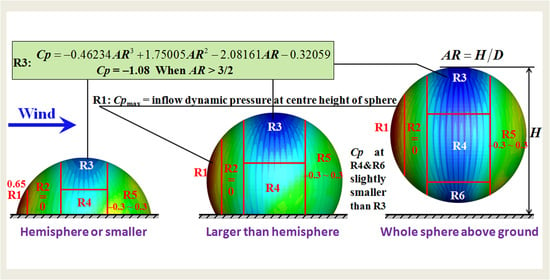
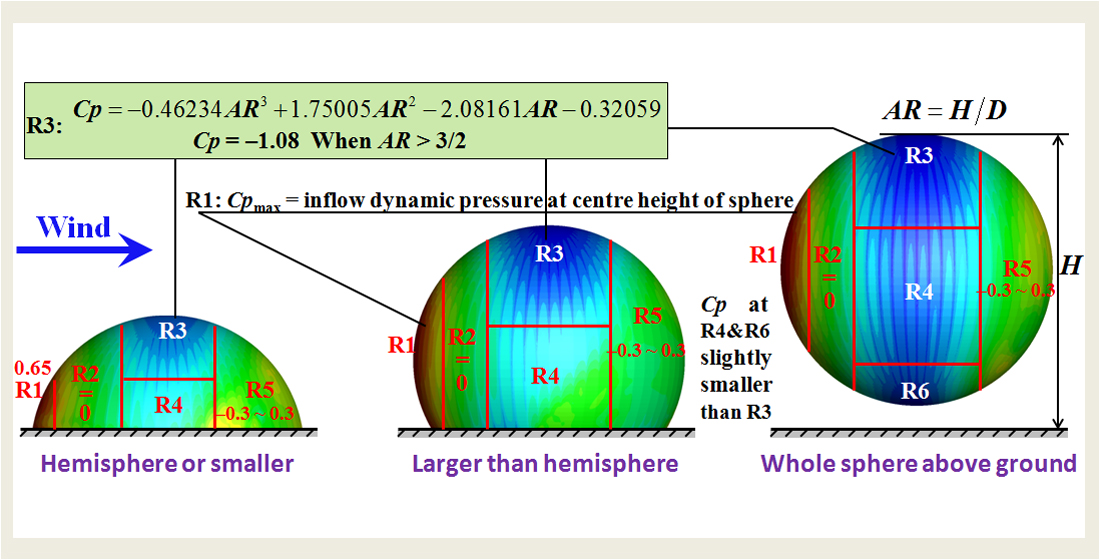
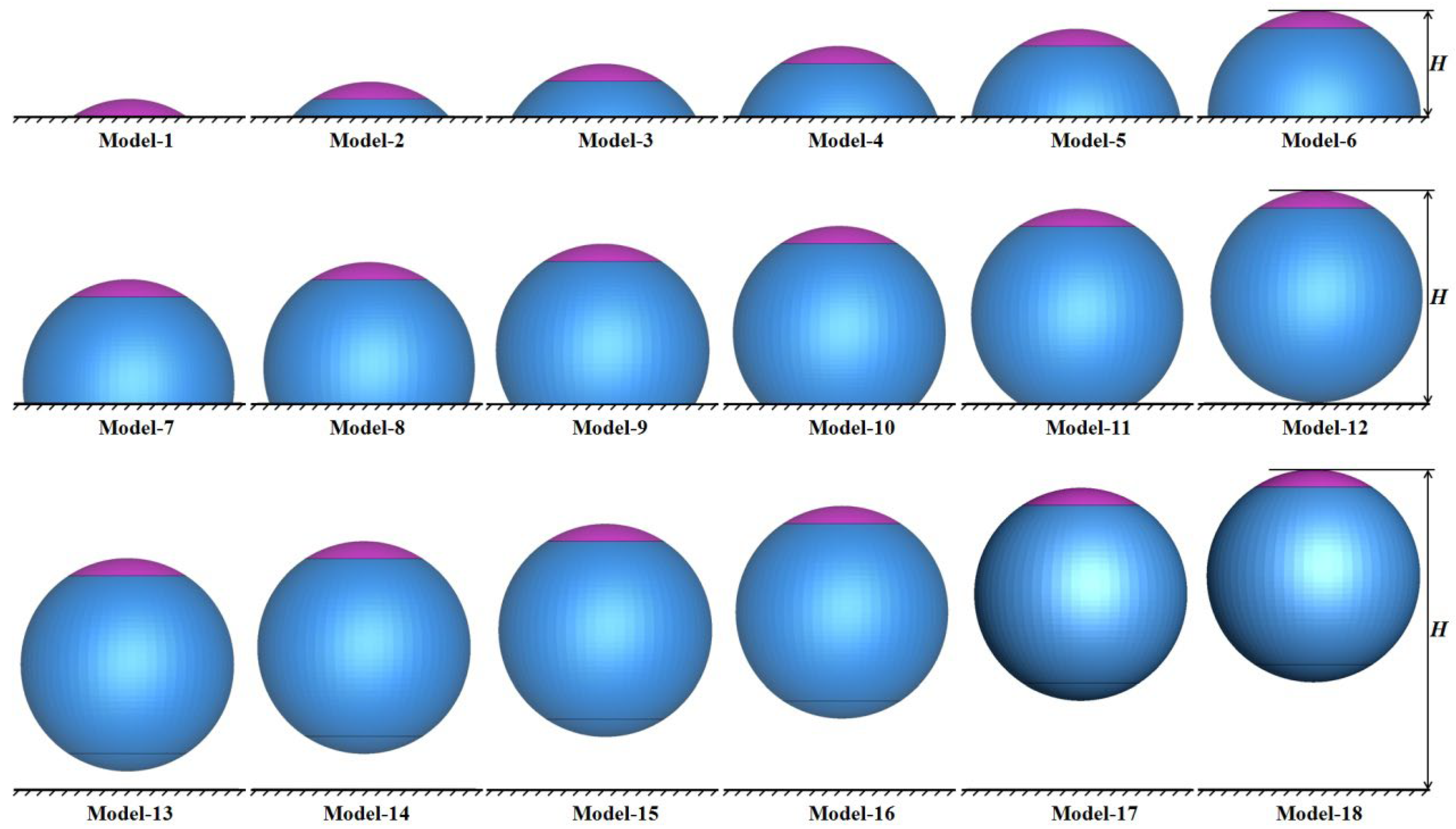
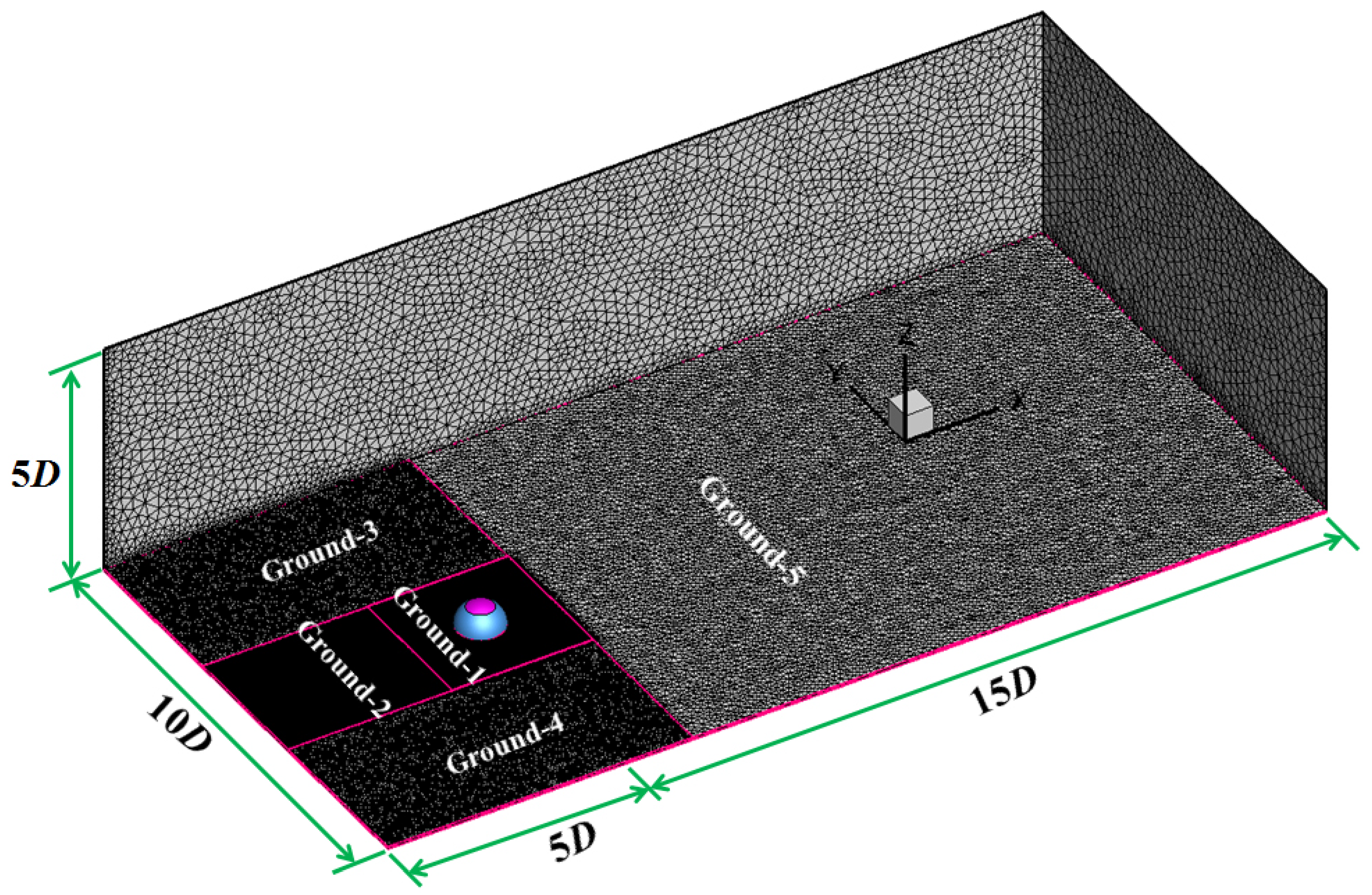
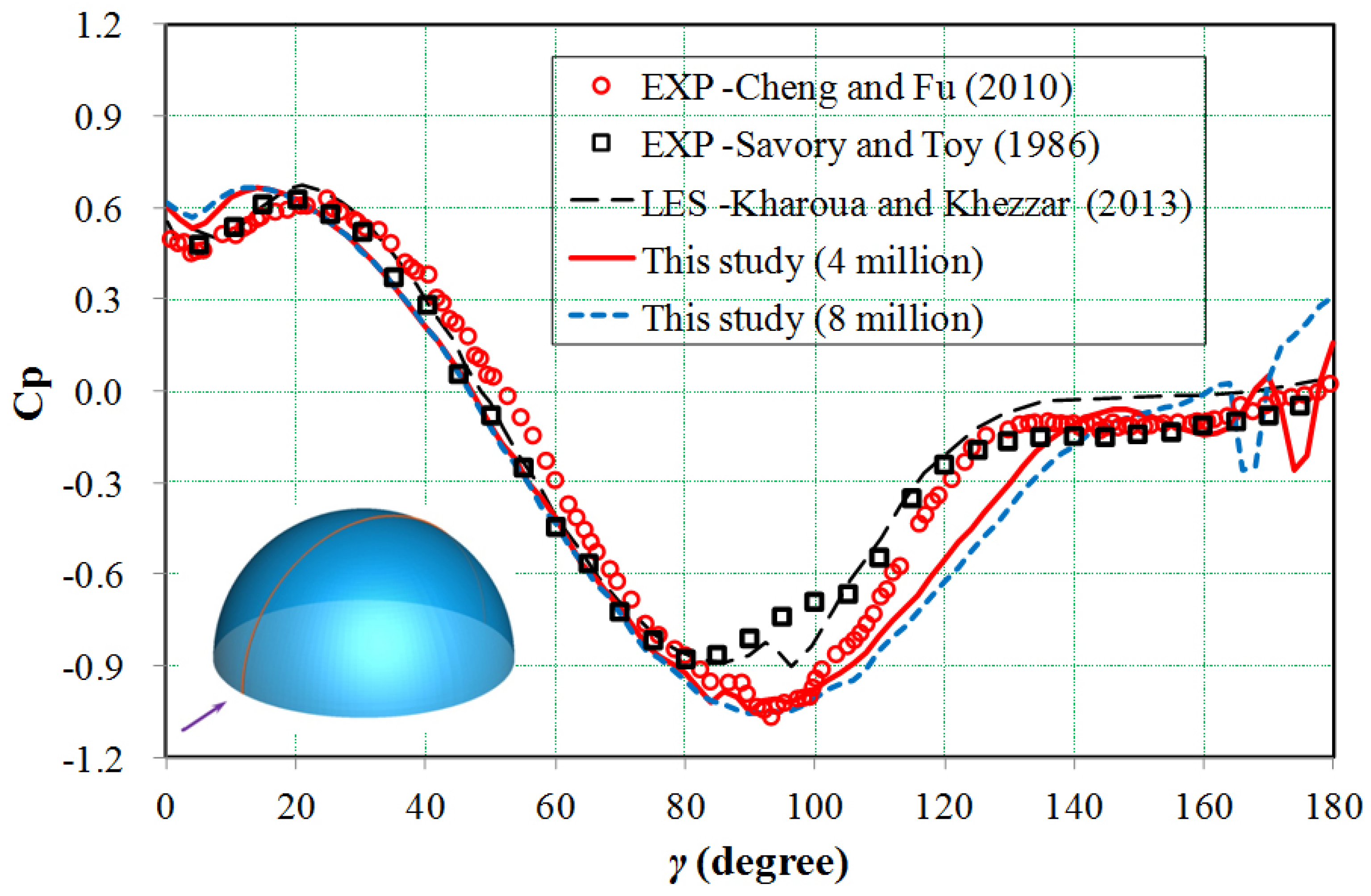
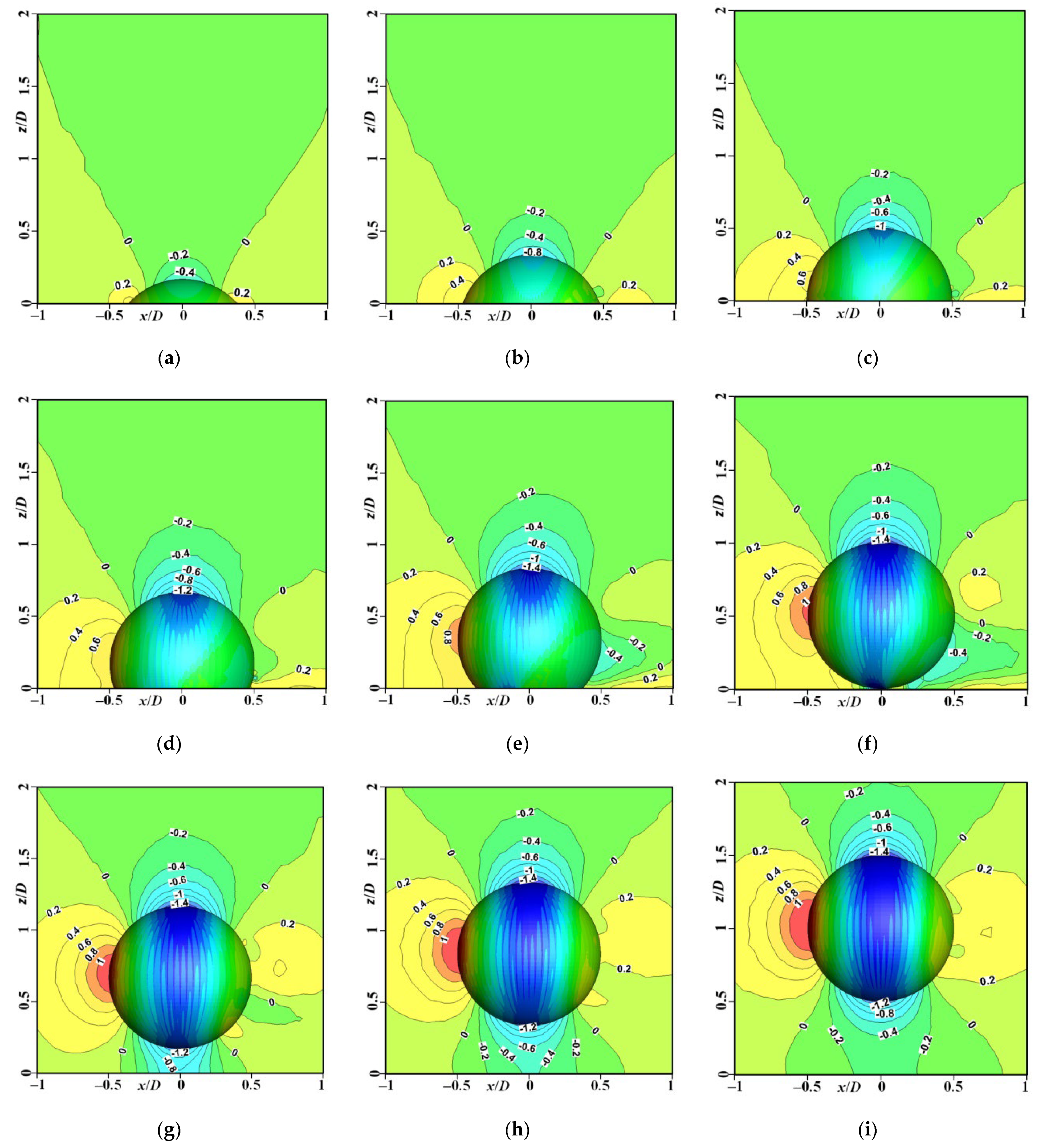
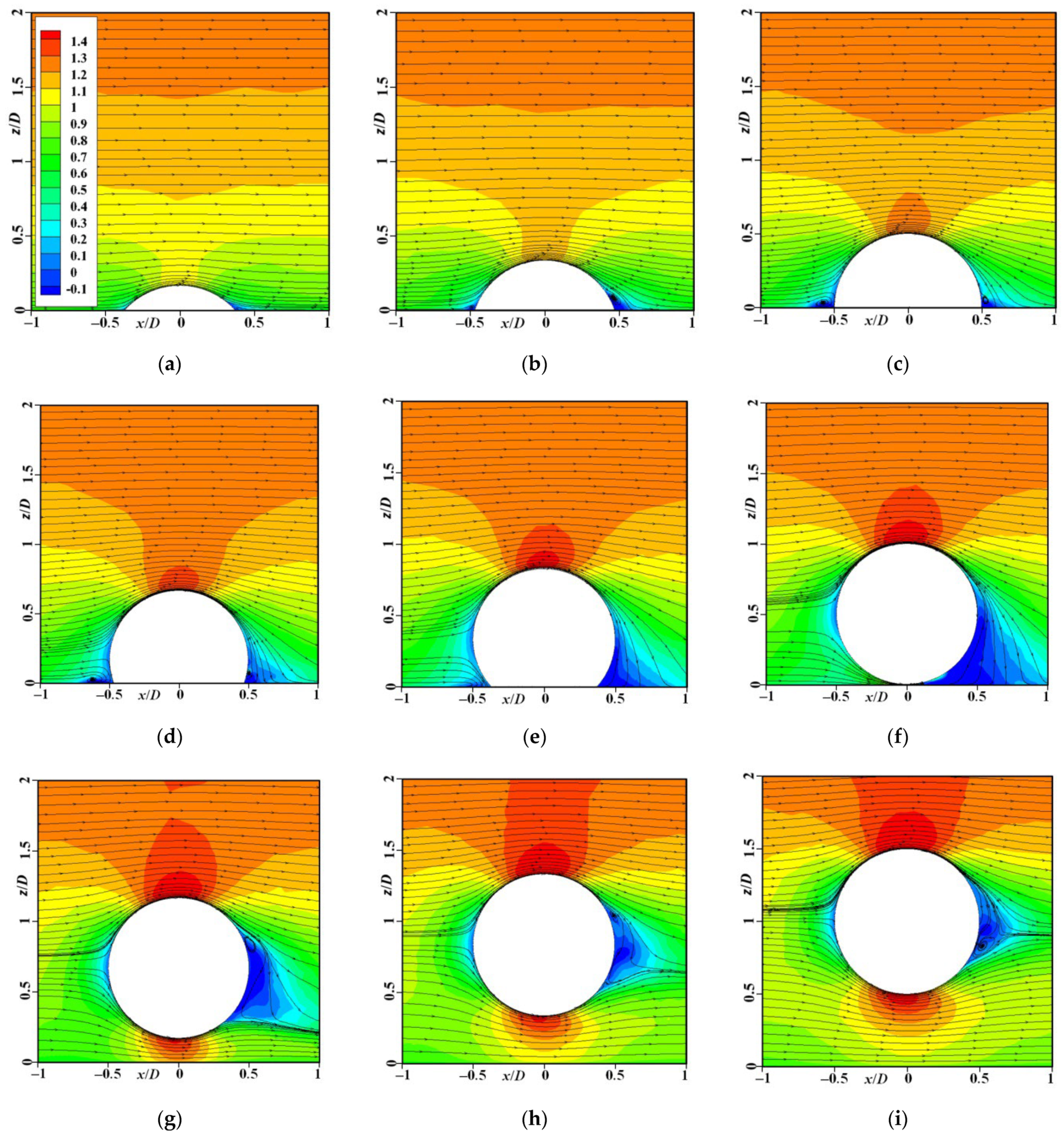
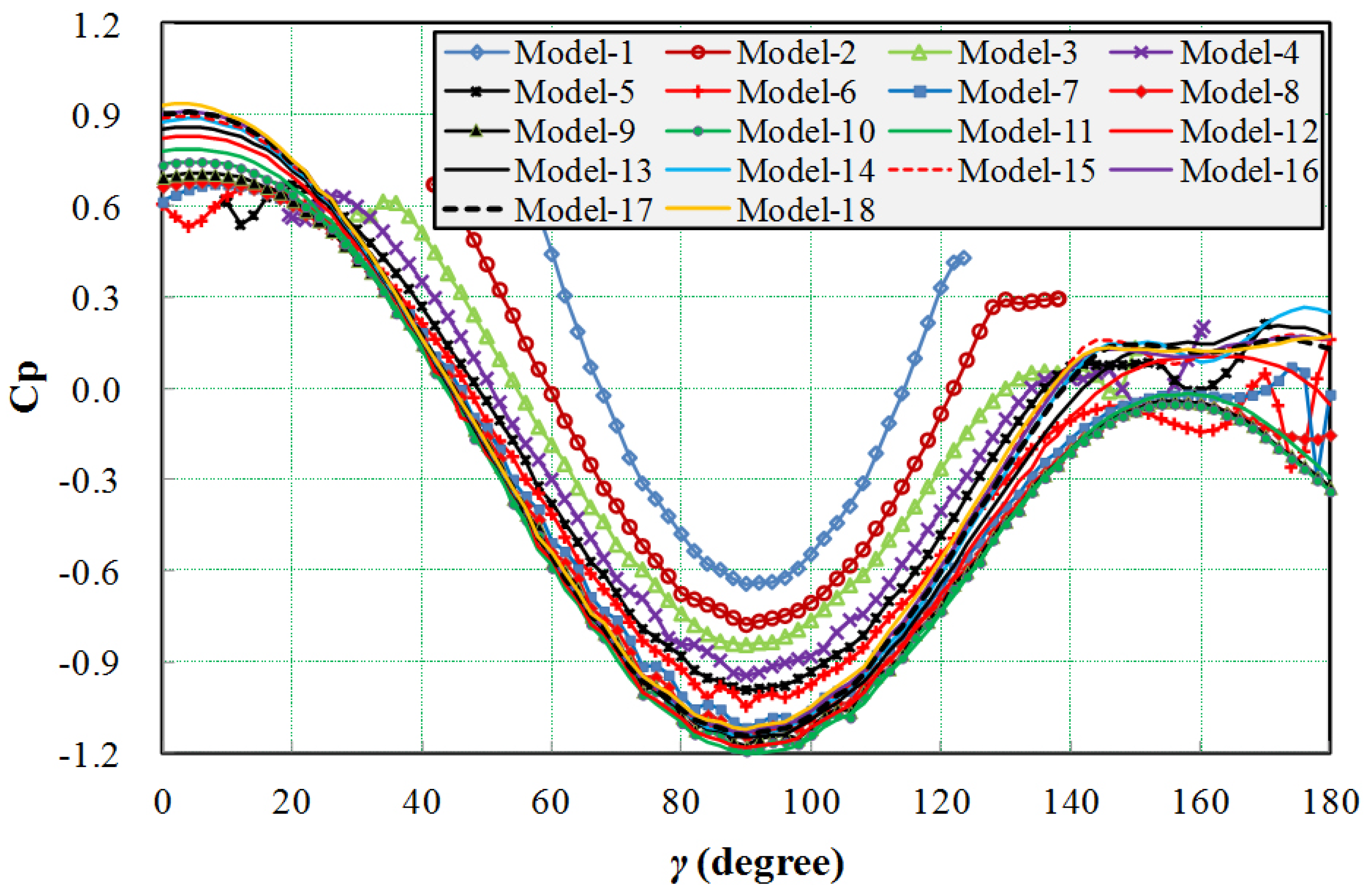
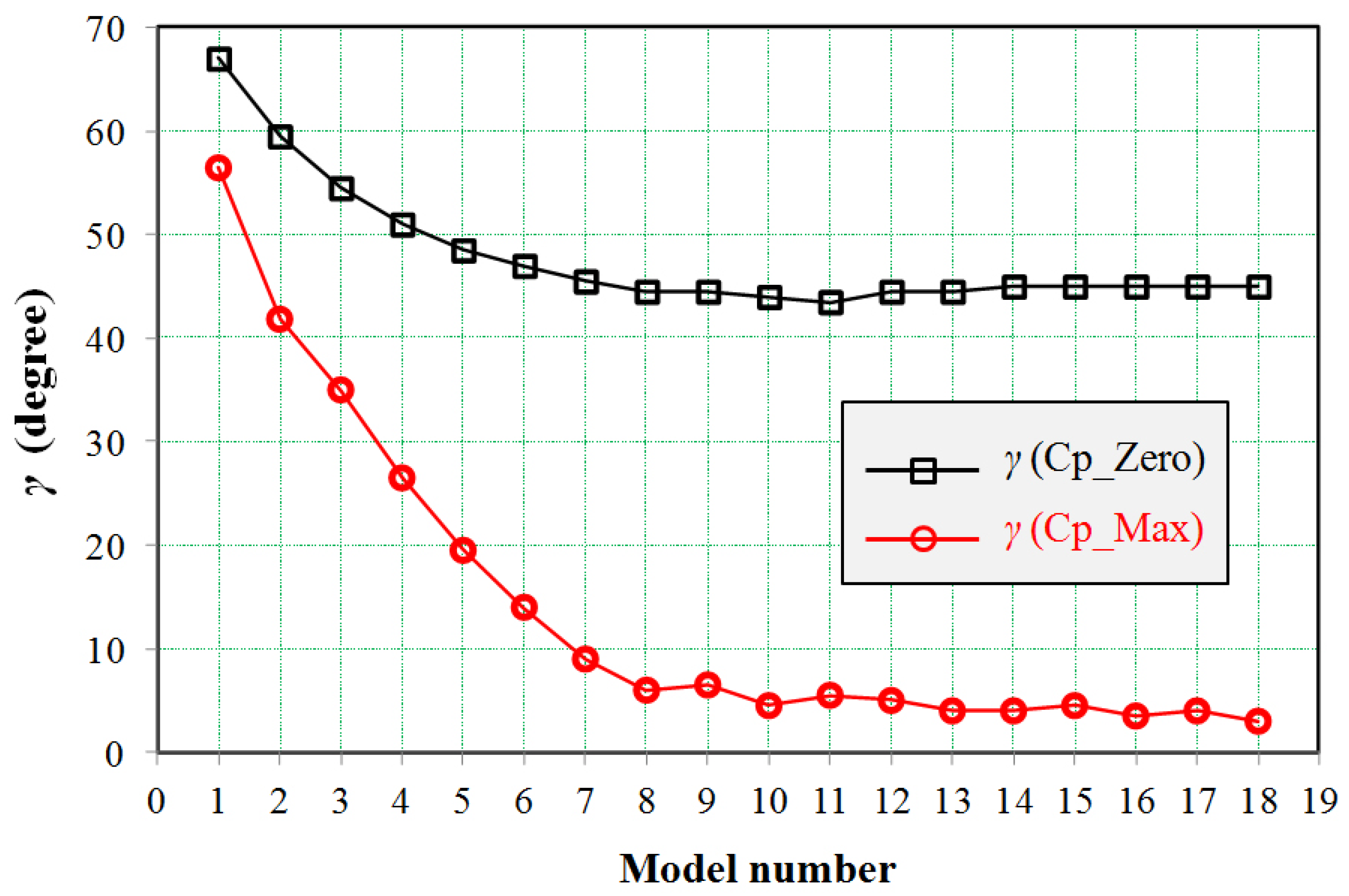
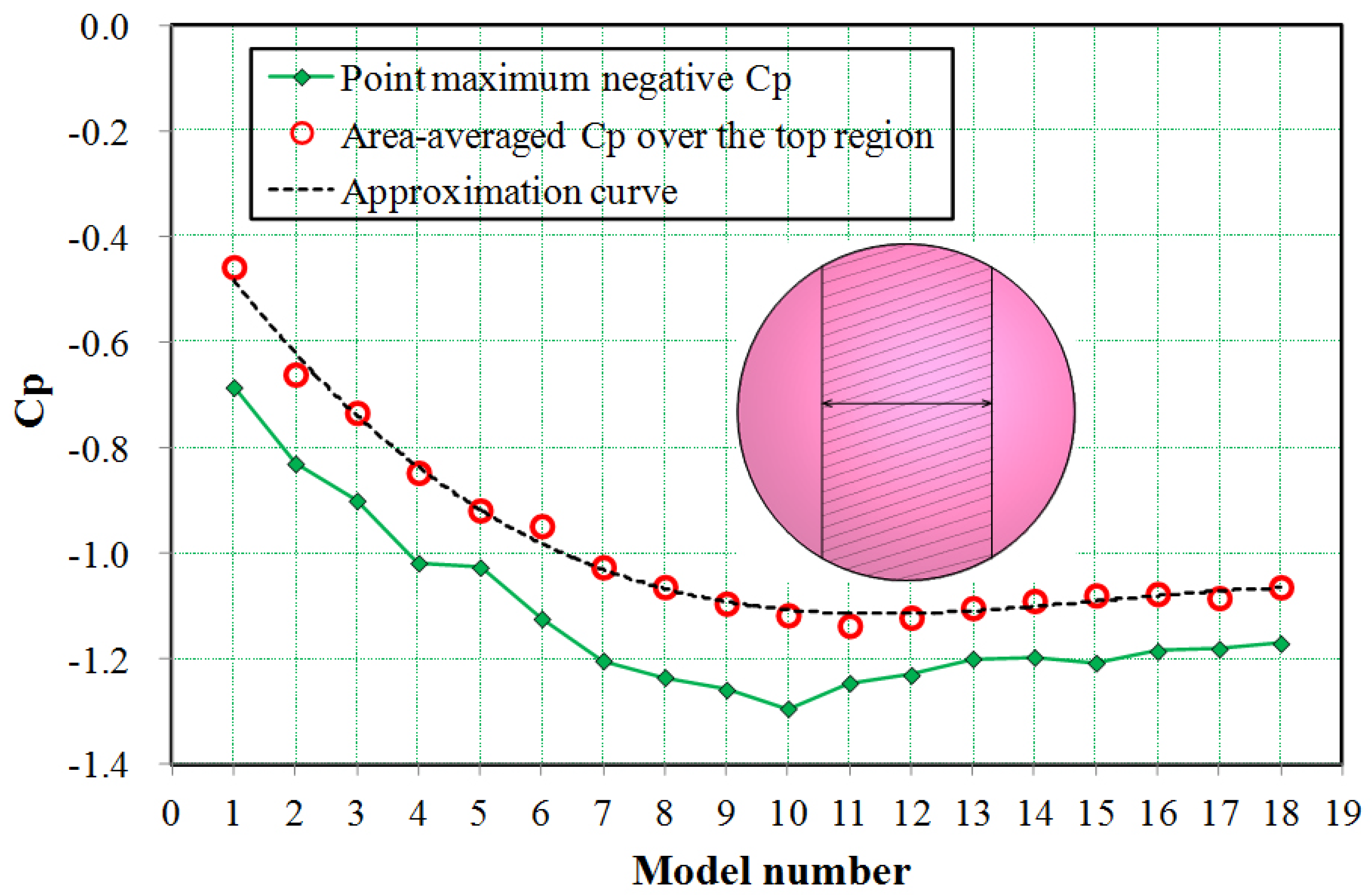
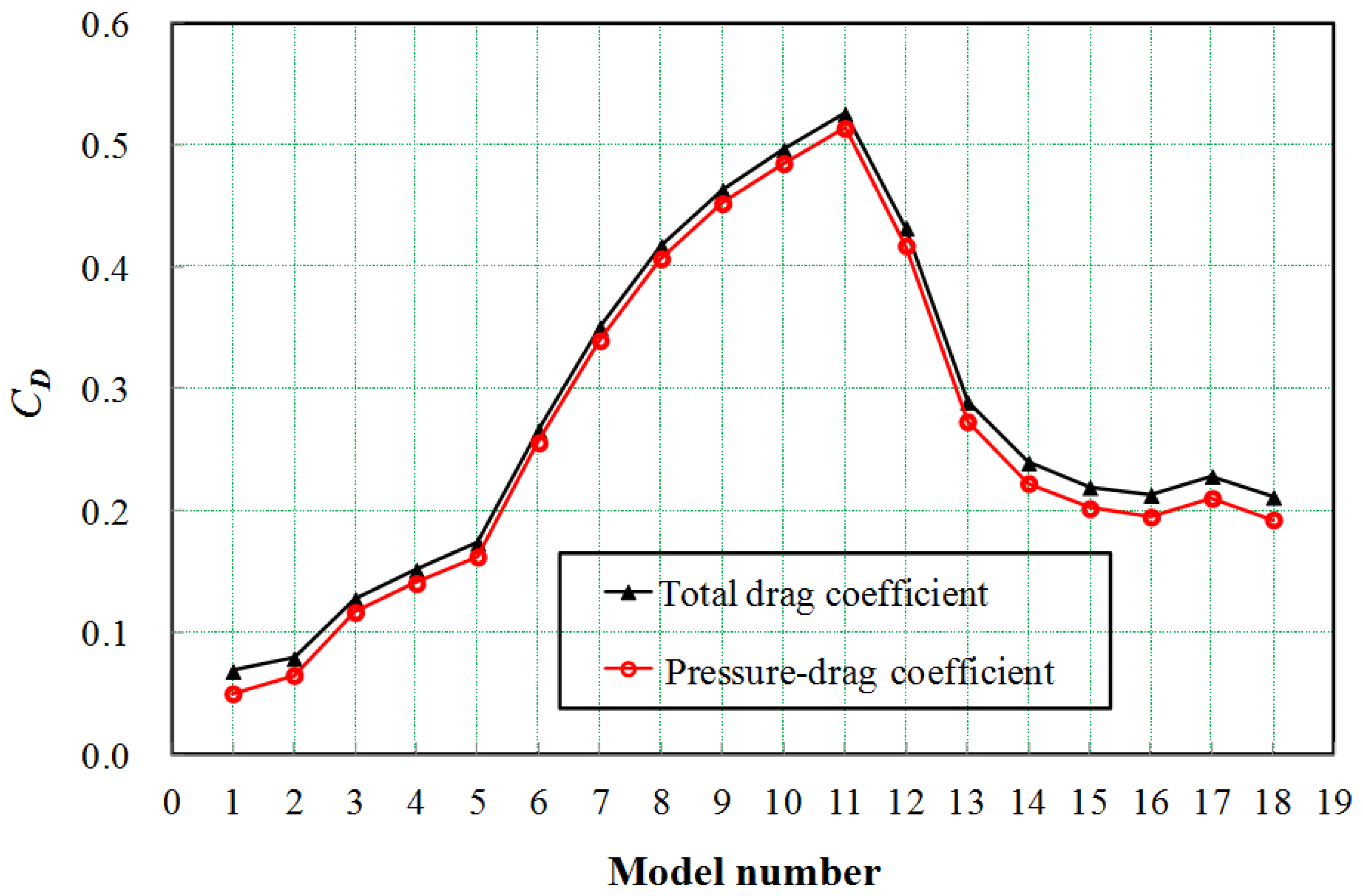
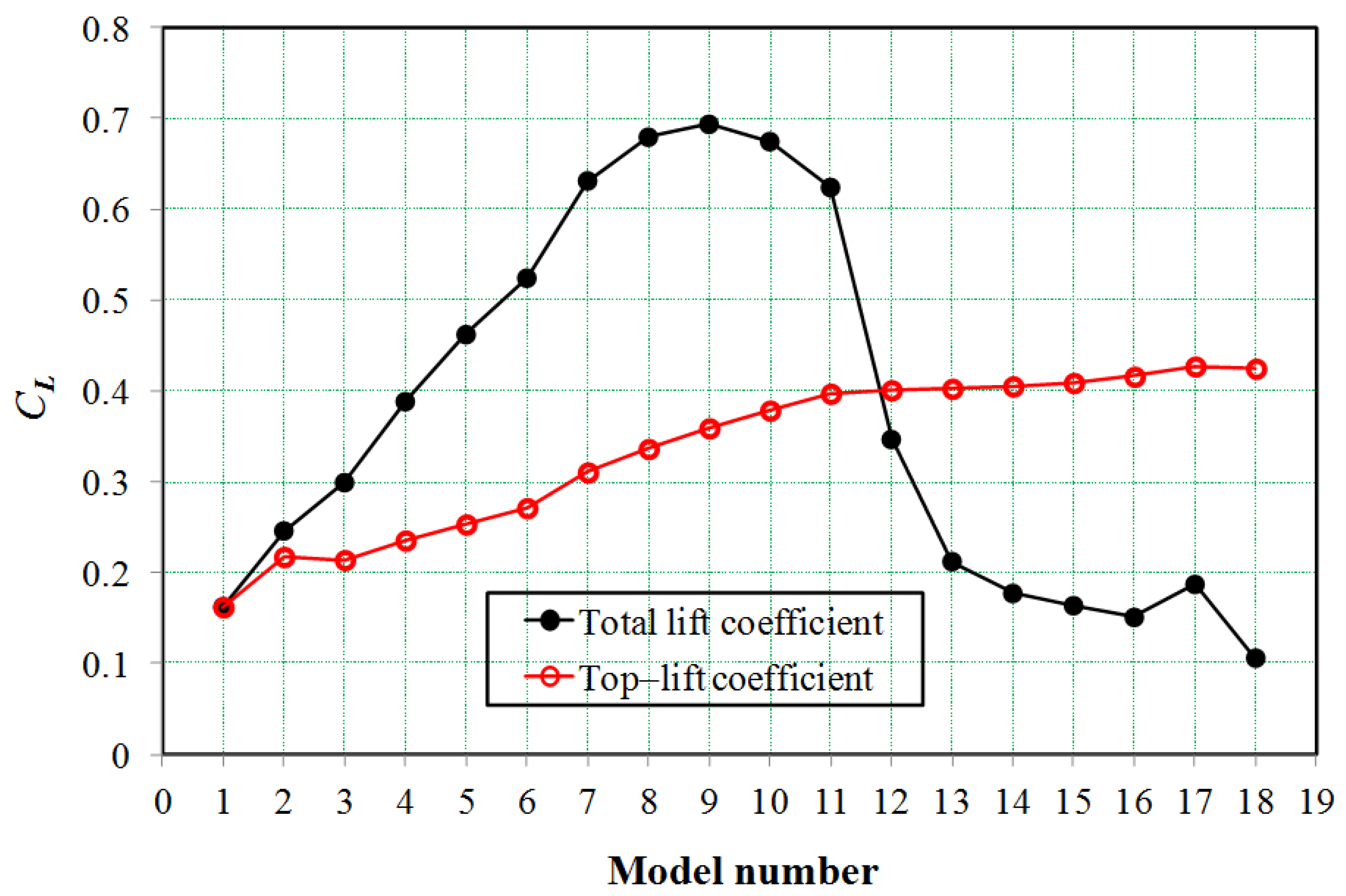
Spherical structures with various design styles are encountered in engineering. Most studies have only examined the wind loads on hemispheres or smaller, which leads to a lack of wind-resistant design rules that cover all the styles of a spherical structure. In this study, a validated CFD model was used to systematically examine the wind loads on spherical structures with different apex-height-to-diameter ratios (ARs). The structure types ranged from different truncated spheres to whole spheres located at different distances above the ground. The results indicated that the largest positive mean pressure coefficient (Cp) at the windward surface gradually increased with AR. The structures were subjected to a strong suction effect at the crown of the sphere as well as its two sides and bottom. A polynomial approximation function for area-averaged Cp over the top area was derived to quickly determine the largest suction effect for all types of spherical structures. The drag and lift coefficients increased rapidly with AR and achieved their largest value when the structure was close to a whole sphere, while their changes were small for a whole sphere located far from the ground. Design suggestions were provided based on the results.
Keywords: numerical simulations; SST kω model; spherical structures; wind loads; force coefficient numerical simulations; SST kω model; spherical structures; wind loads; force coefficient
Graphical Abstract