Article

Energy Performance of 3D-Printed Concrete Walls: A Numerical Study
by
Thadshajini Suntharalingam
1,
Irindu Upasiri
2,
Perampalam Gatheeshgar
1,
Keerthan Poologanathan
1,*,
Brabha Nagaratnam
1,
Paulo Santos
3 and
Heshachanaa Rajanayagam
1
1
Department of Mechanical and Construction Engineering, Faculty of Engineering and Environment, Northumbria University, Newcastle upon Tyne NE1 8ST, UK
2
Department of Civil Engineering, Faculty of Engineering, University of Sri Jayewardenepura, Ratmalana 10390, Sri Lanka
3
ISISE, Department of Civil Engineering, University of Coimbra, 3030-788 Coimbra, Portugal
*
Author to whom correspondence should be addressed.
Buildings 2021, 11(10), 432; https://doi.org/10.3390/buildings11100432

Submission received: 16 August 2021 / Revised: 15 September 2021 / Accepted: 21 September 2021 / Published: 25 September 2021
(This article belongs to the Section Building Structures)

Abstract

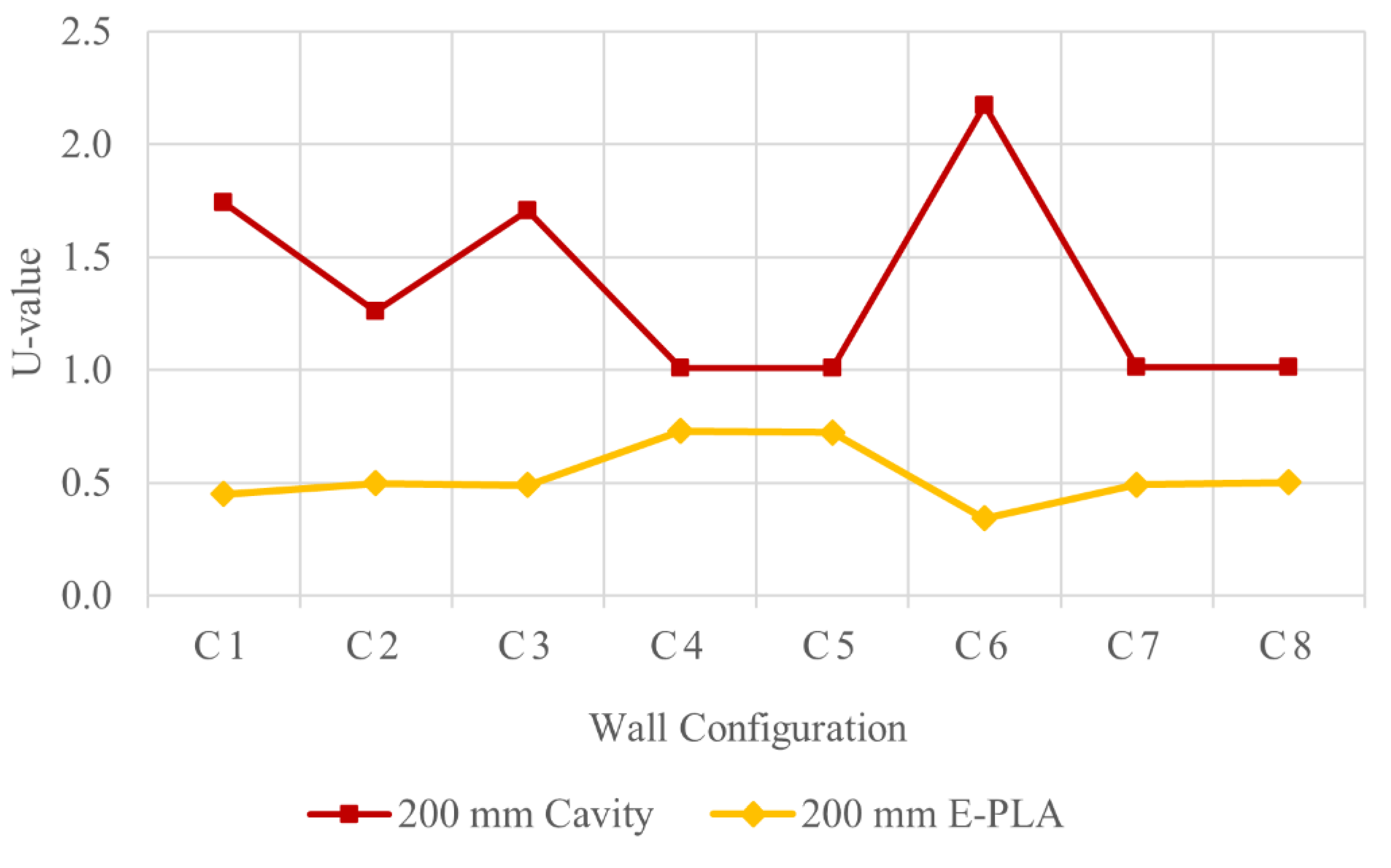
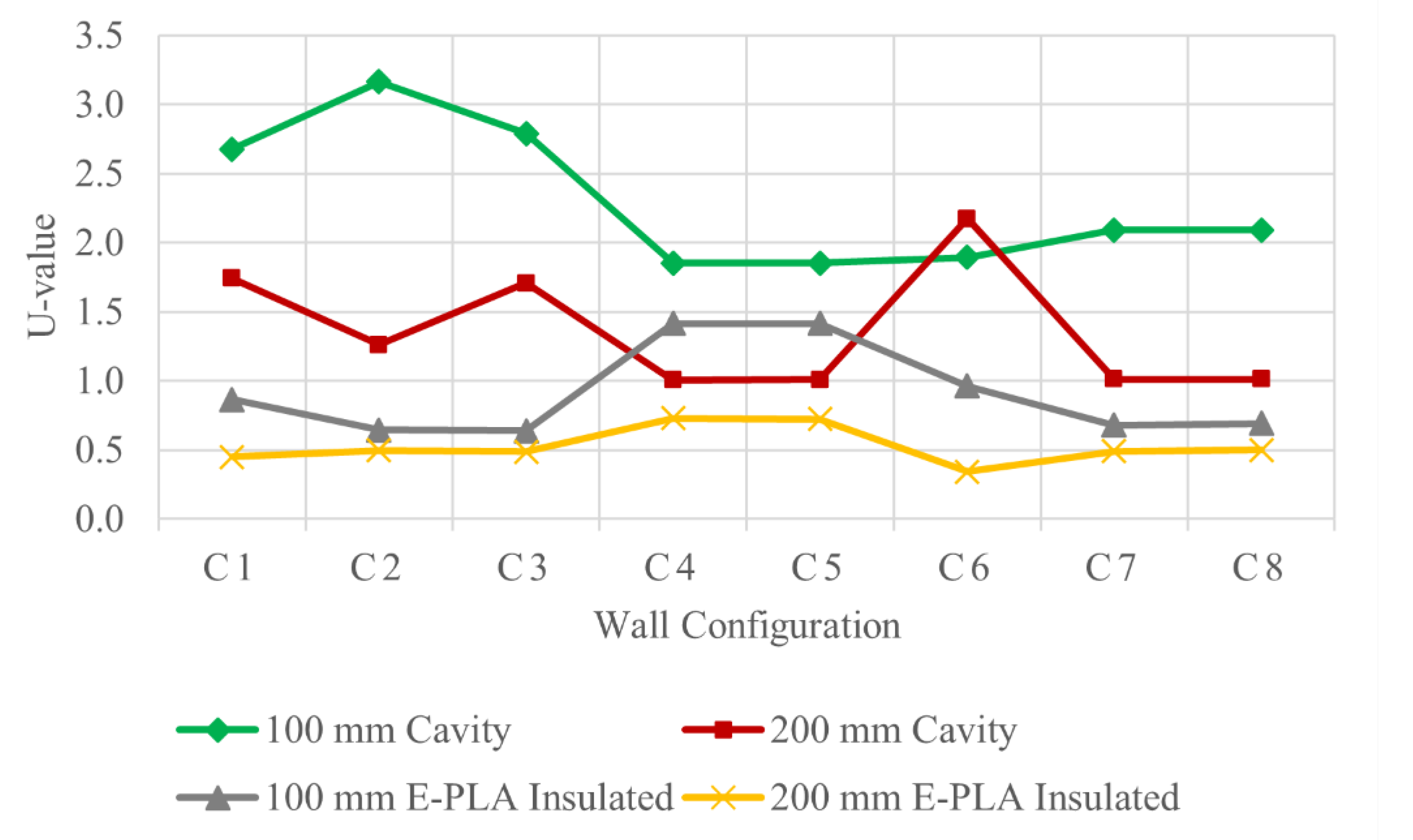
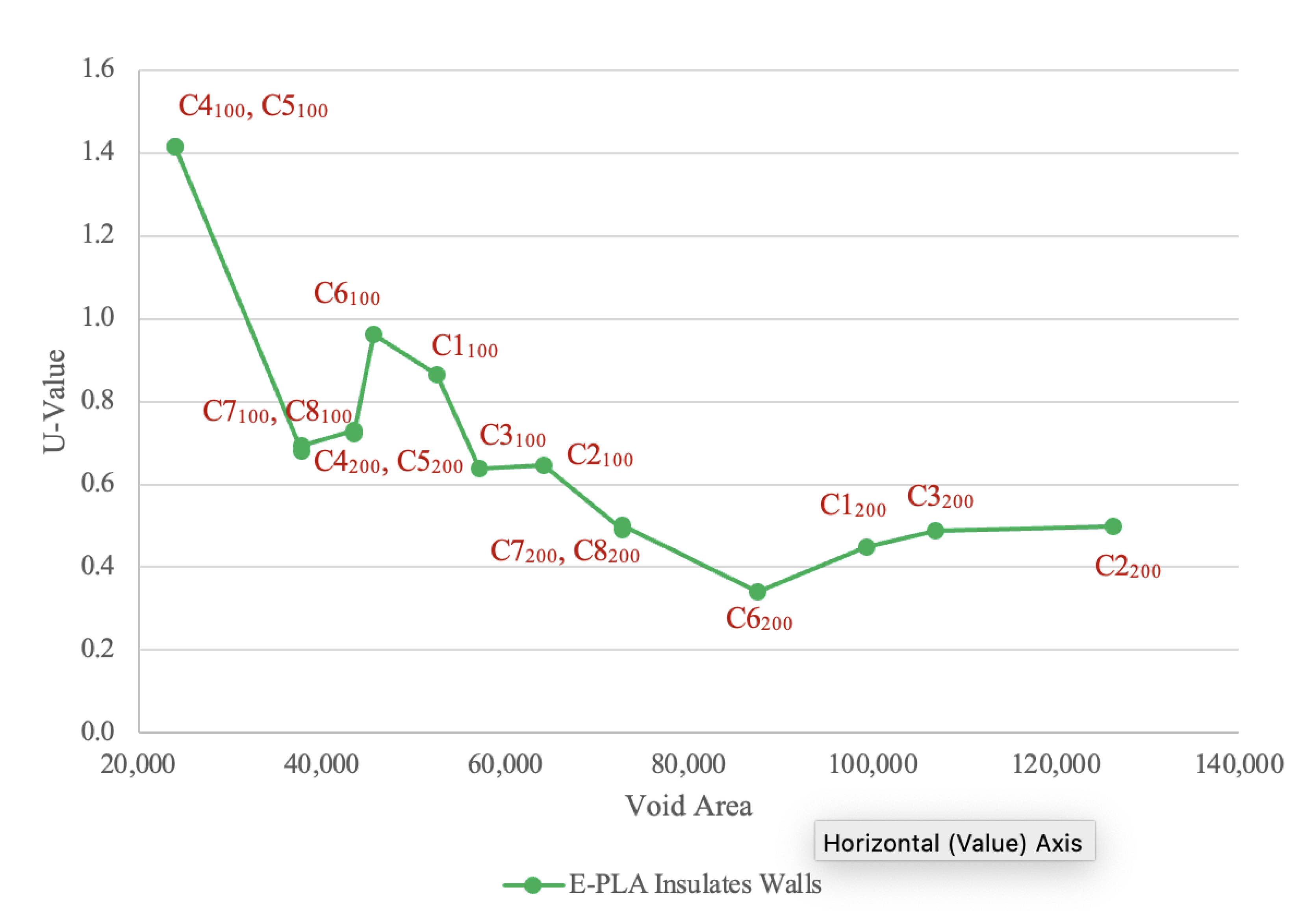
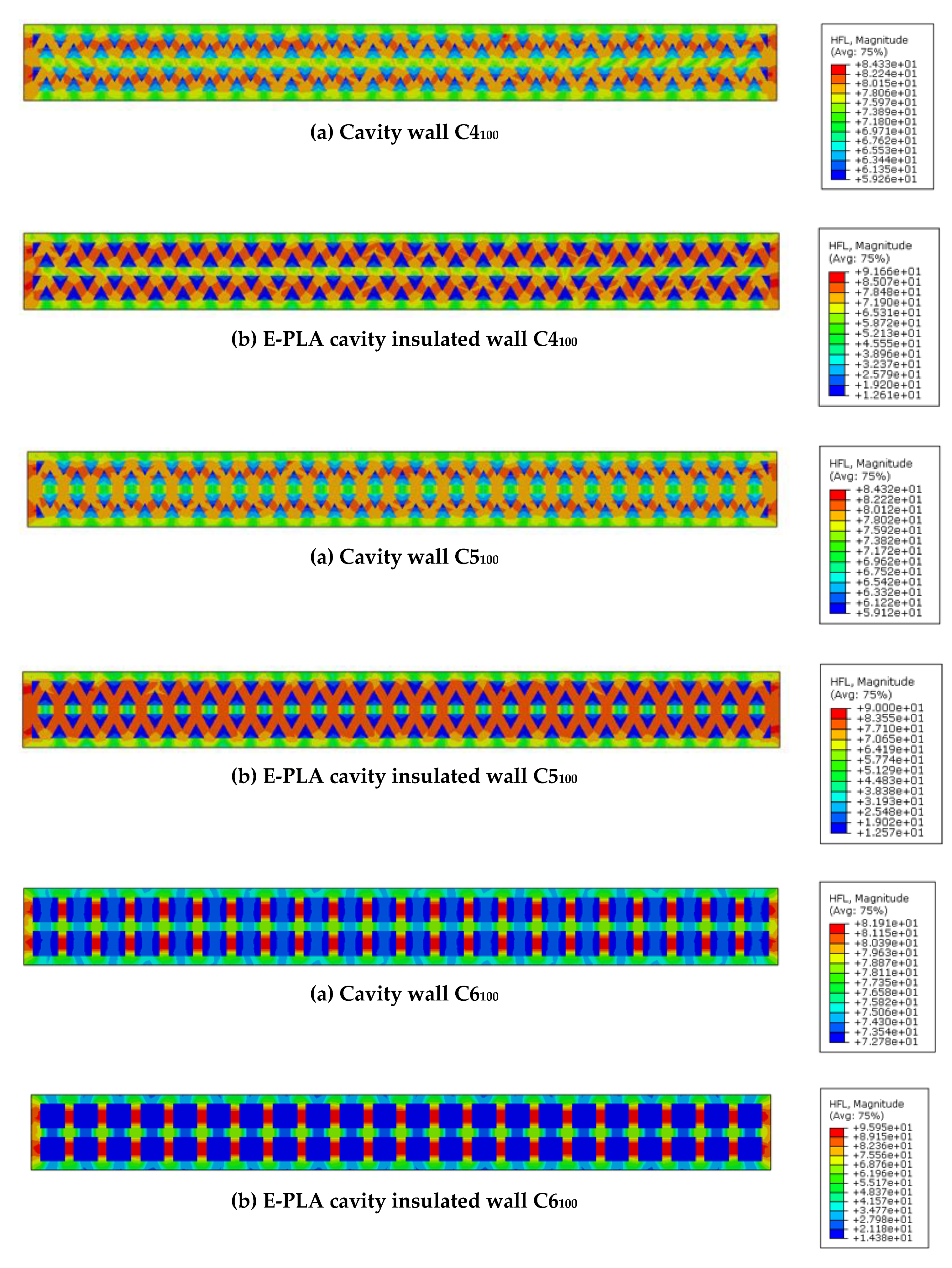
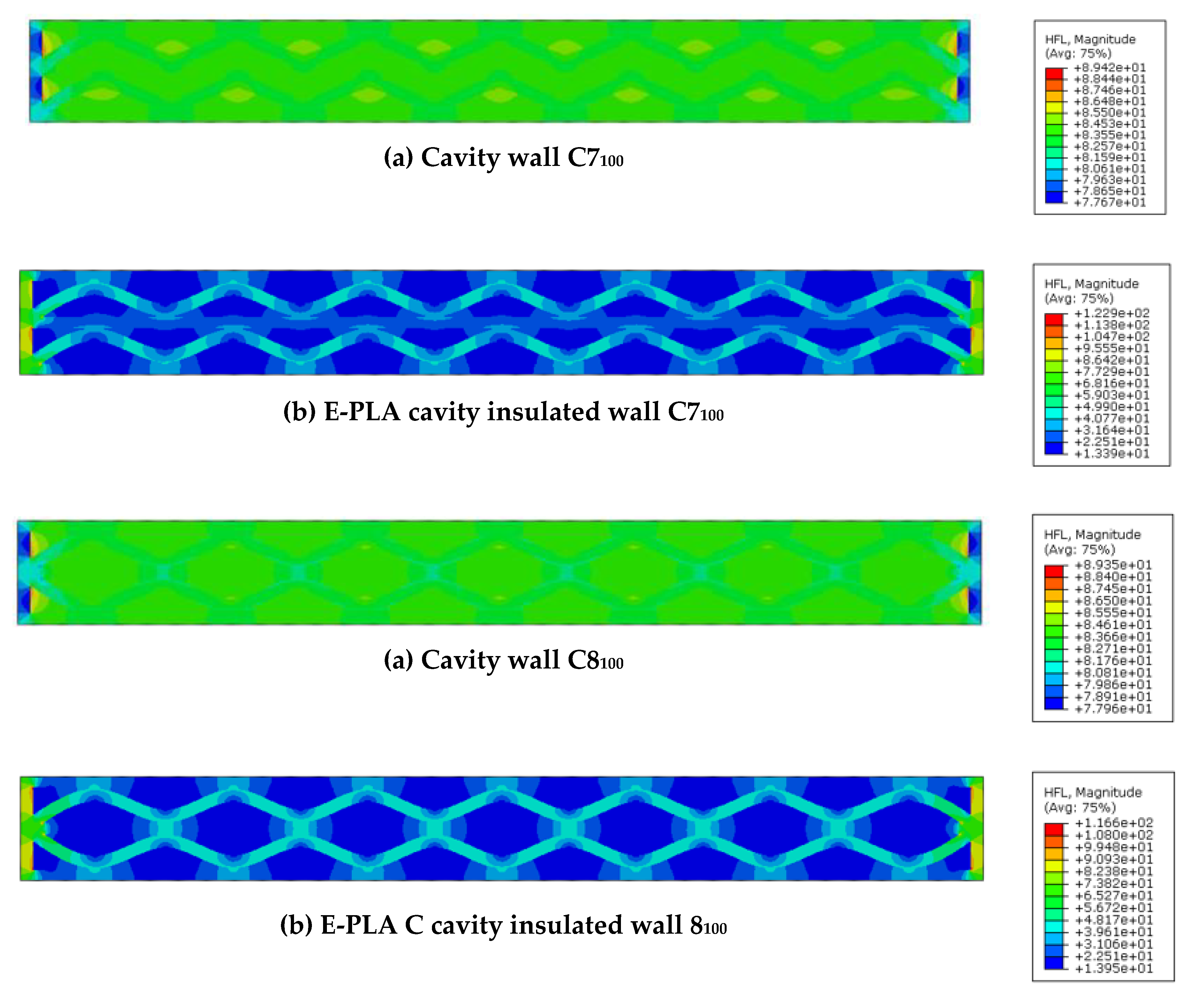
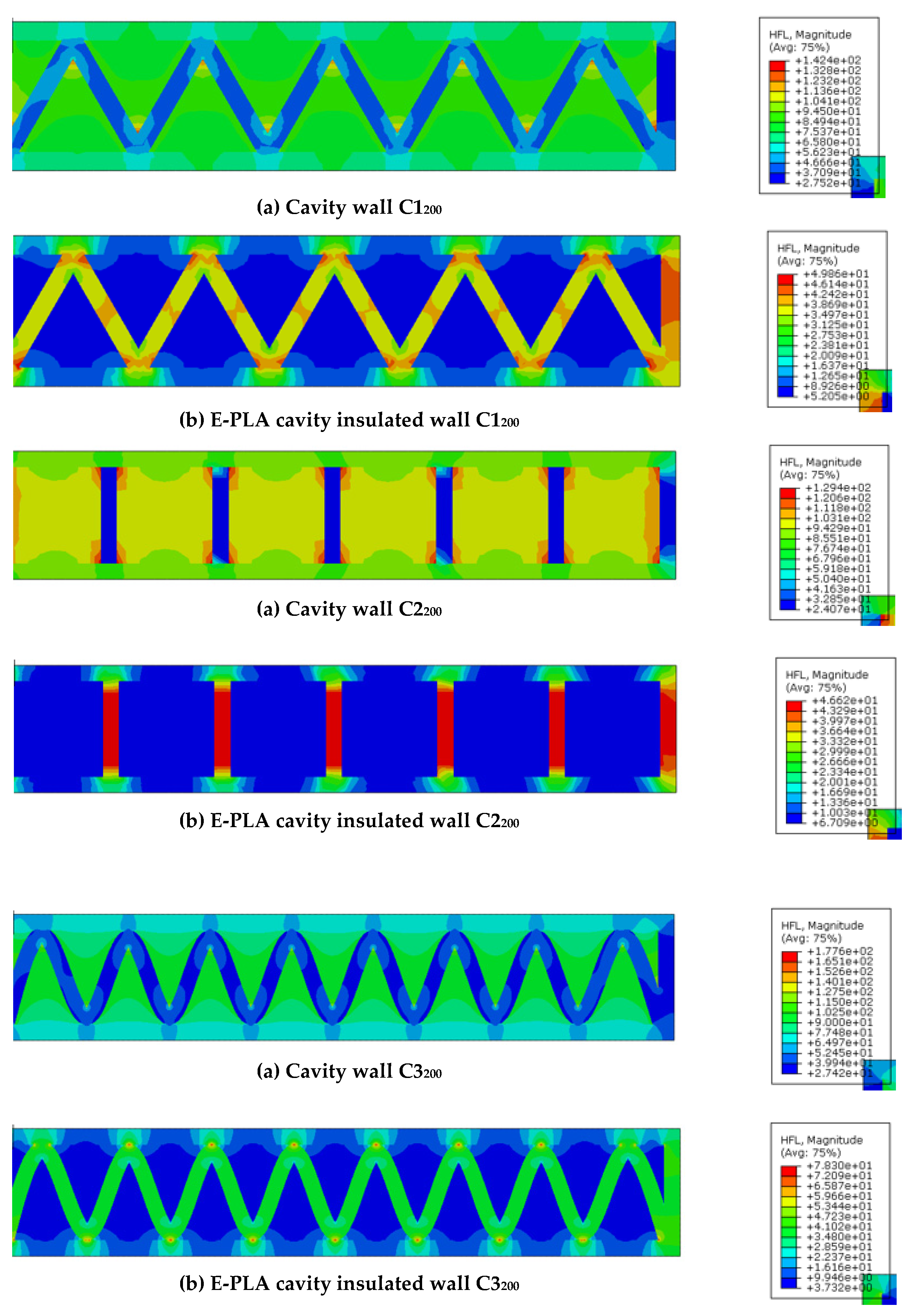
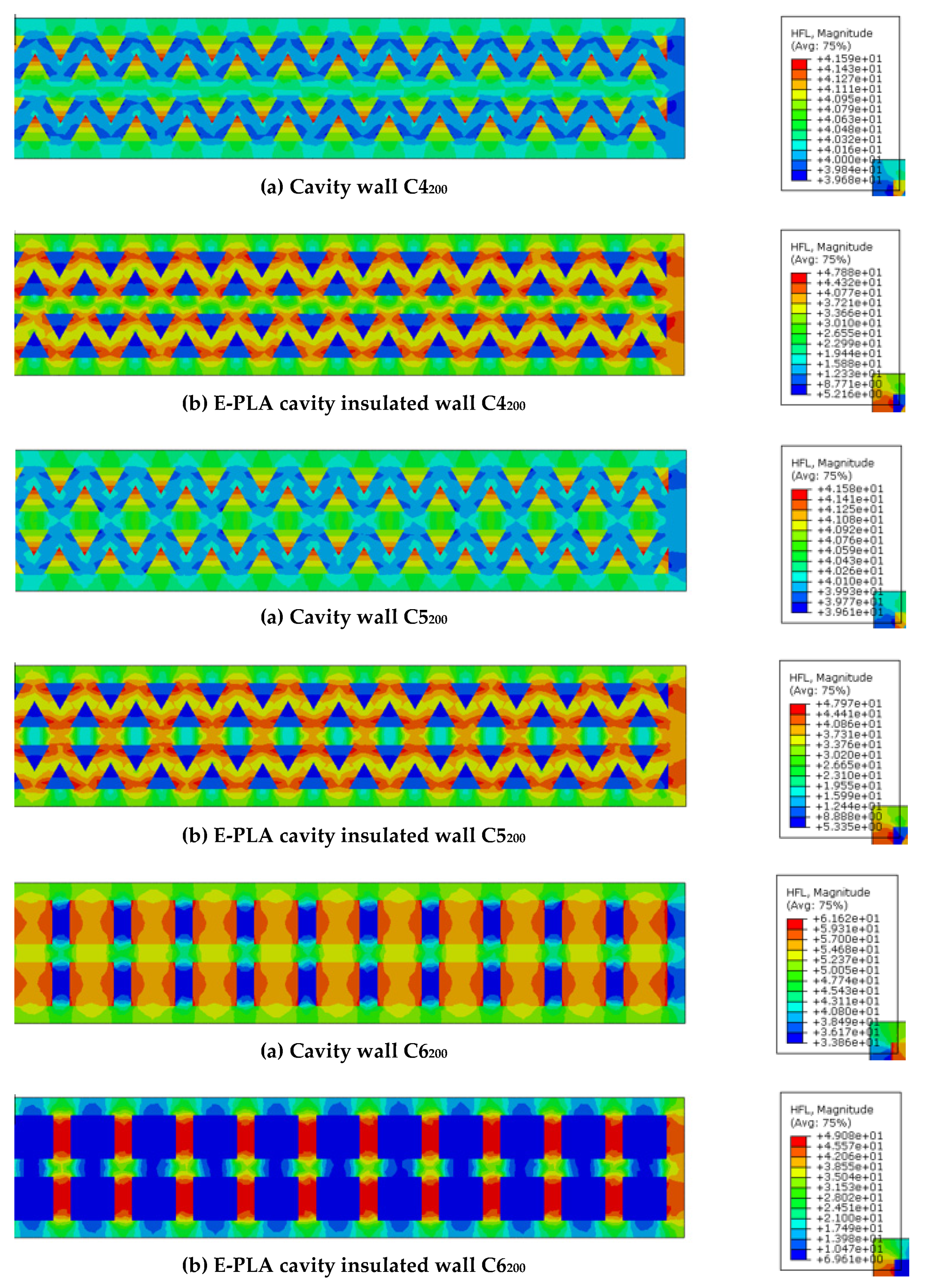
Three-dimensional-printed concrete (3DPC), which is also termed as digital fabrication of concrete, offers potential development towards a sustainable built environment. This novel technique clearly reveals its development towards construction application with various global achievements, including structures such as bridges, houses, office buildings, and emergency shelters. However, despite the enormous efforts of academia and industry in the recent past, the application of the 3DPC method is still challenging, as existing knowledge about its performance is limited. The construction industry and building sectors have a significant share of the total energy consumed globally, and building thermal efficiency has become one of the main driving forces within the industry. Hence, it is important to study the thermal energy performance of the structures developed using the innovative 3DPC technique. Thermal characterization of walls is fundamental for the assessment of the energy performance, and thermal insulation plays an important role in performance enhancements. Therefore, in this study, different wall configurations were examined, and the conclusions were drawn based on their relative energy performance. The thermal performance of 32 different 3DPC wall configurations with and without cavity insulation were traced using validated finite element models by measuring the thermal transmittance value (U-value). Our study found that the considered 3DPC cavity walls had a low energy performance, as the U-values did not satisfy the standard regulations. Thus, their performance was improved with cavity insulation. The simulation resulted in a minimum thermal transmittance value of 0.34 W/m2·K. Additionally, a suitable equation was proposed to find the U-values of 100 mm-thick cavity wall panels with different configurations. Furthermore, this study highlights the importance of analytical and experimental solutions as an outline for further research
Keywords: 3D-printed concrete; sustainability; energy performance; U-value; finite element modelling 3D-printed concrete; sustainability; energy performance; U-value; finite element modelling