Thermodynamics of Methylamine and Ammonia Synergy in Copper-Catalyzed Thiosulfate Gold Leaching

Abstract
1. Introduction
2. Materials and Methods
2.1. Materials
2.2. Experimental Procedure and Method
2.3. Analytical and Characterization Methods
3. Results and Discussion
3.1. Thermodynamics on Comparison of Methylamine to Ammonia in Cu-Complexes as Catalysts for Gold Leaching with Thiosulfate
3.2. Comparison of Methylamine to Ammonia in Cu-Complexes on Gold Dissolution Behavior in Thiosulfate Solutions
3.3. Comparison of Methylamine to Ammonia in Cu-Complexes on Gold Leaching with Thiosulfate from a Gold Ore
3.4. Building of the Methylamine-Ammonia Synergistic System for Cu-Complex Catalysts
3.5. Mechanisms of the Synergistic Effects of Composite Cu-Complexes
4. Conclusions
- (i)
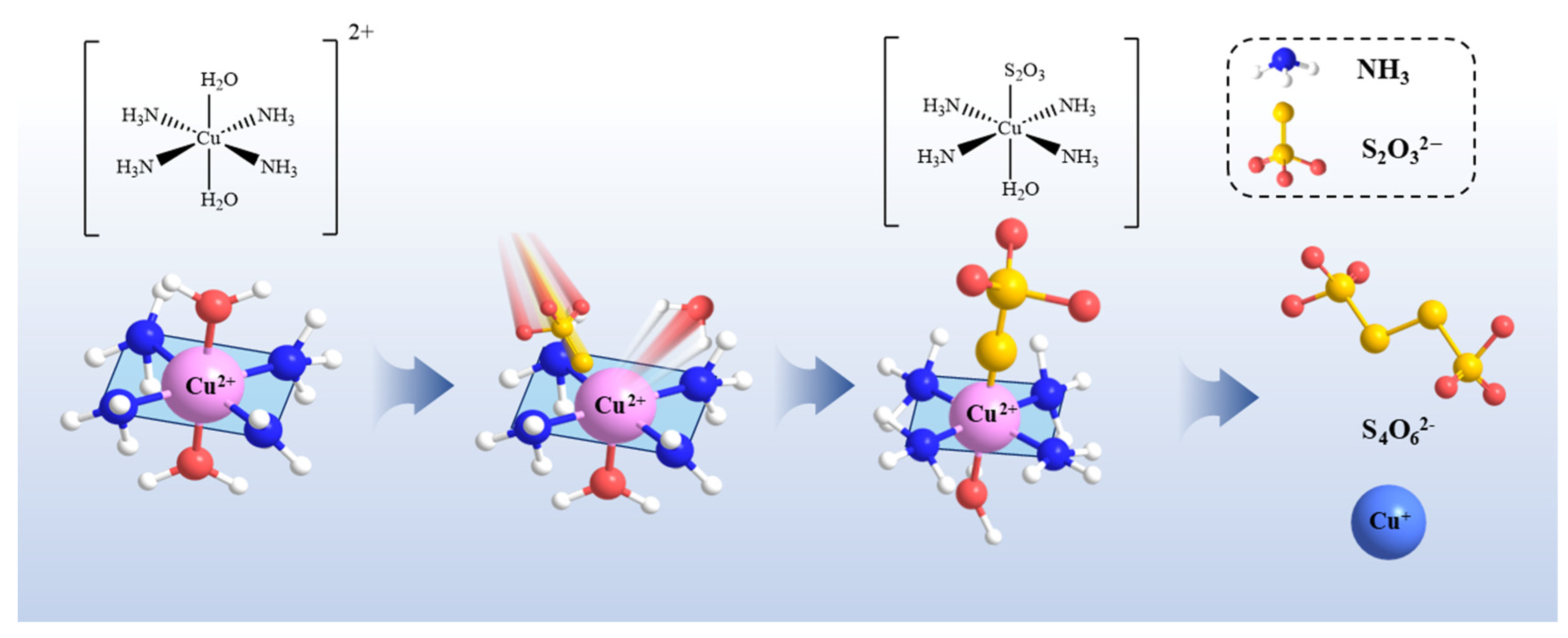
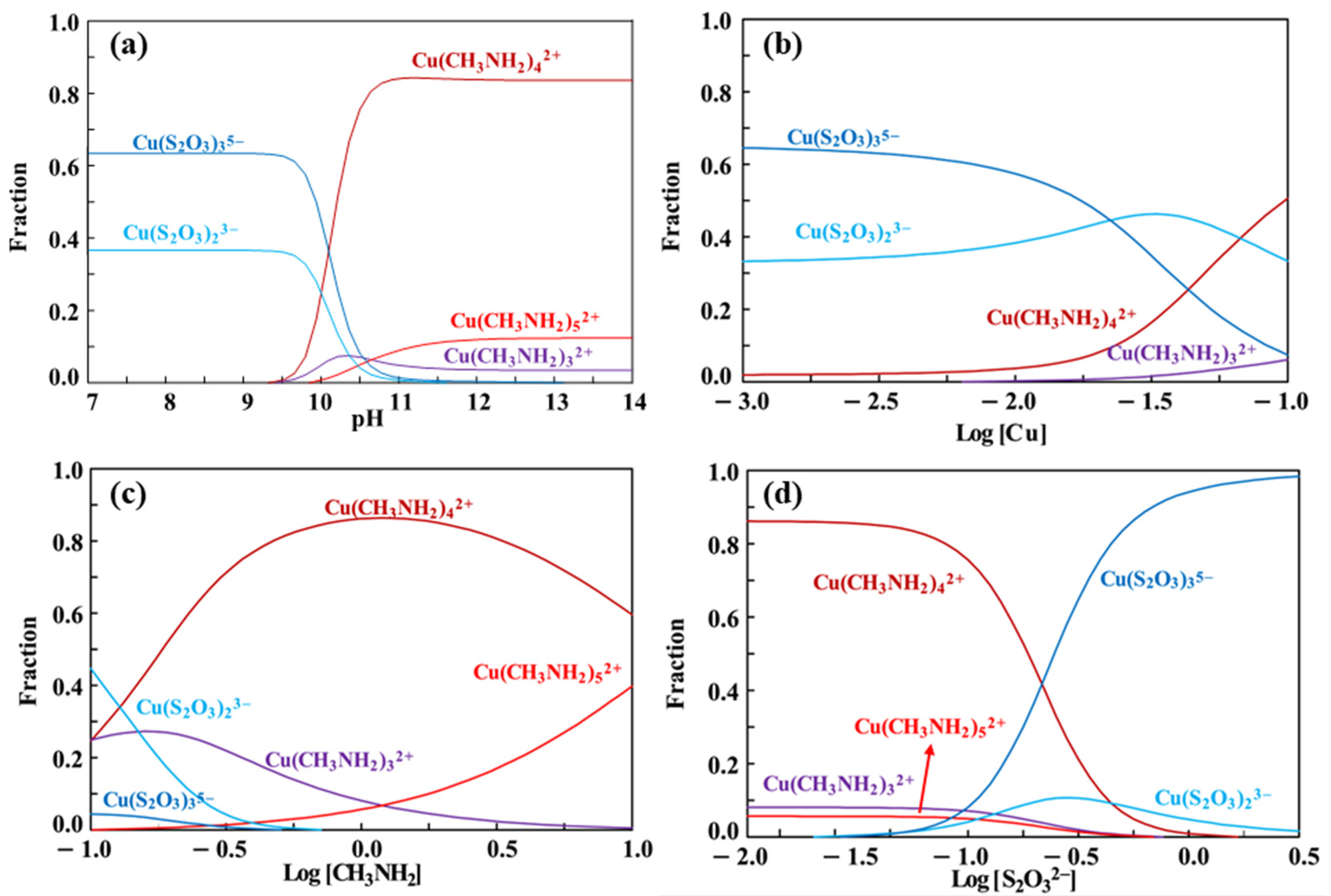
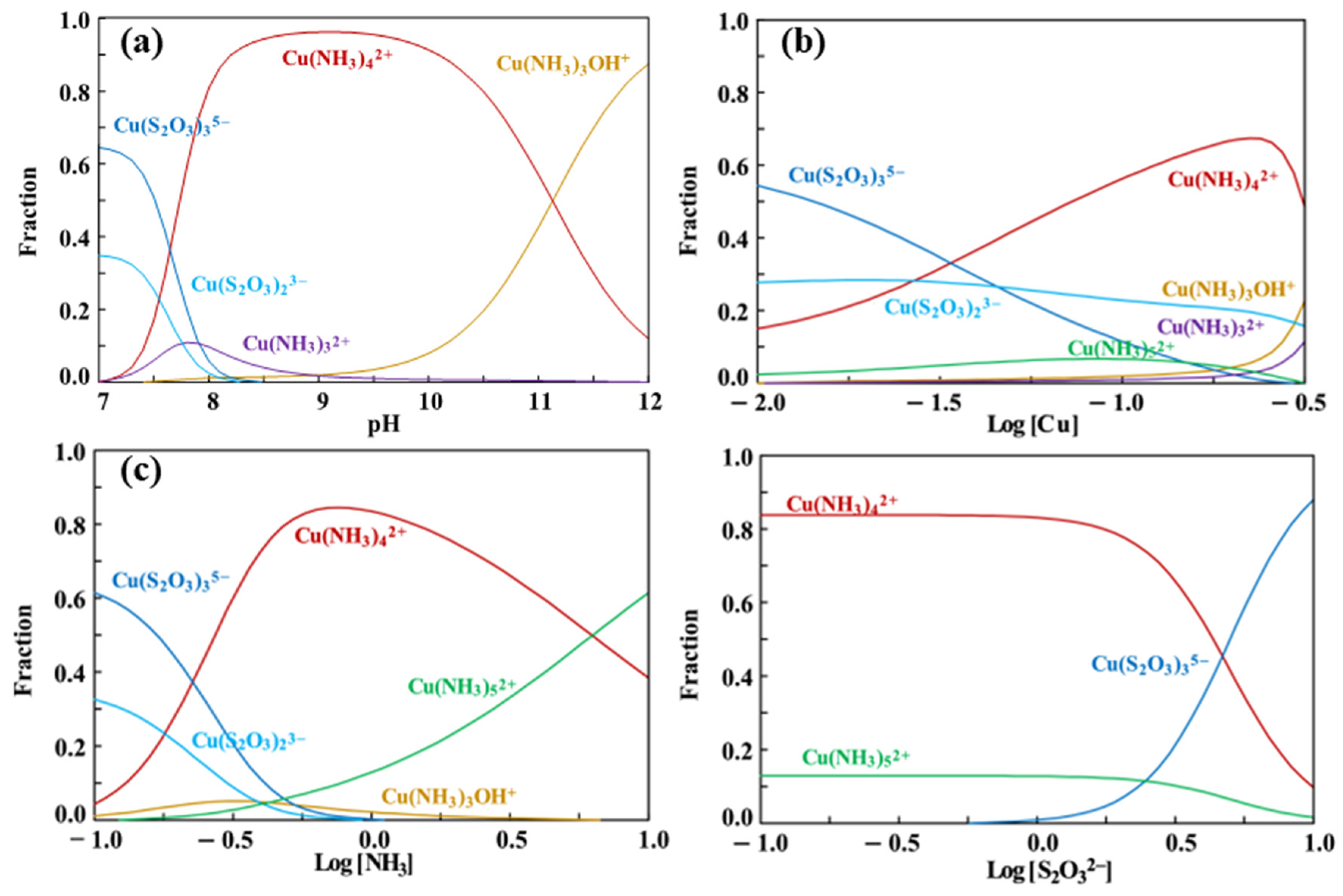
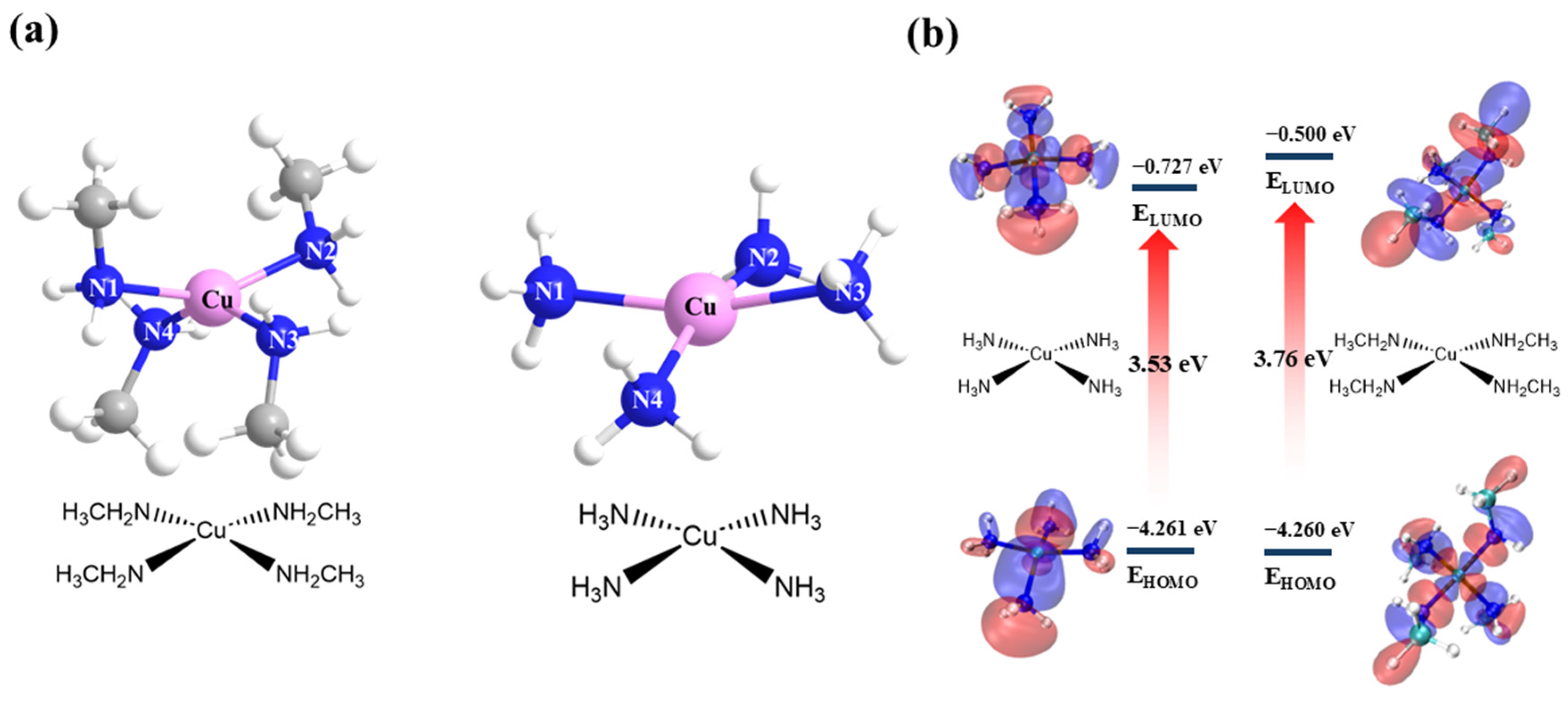
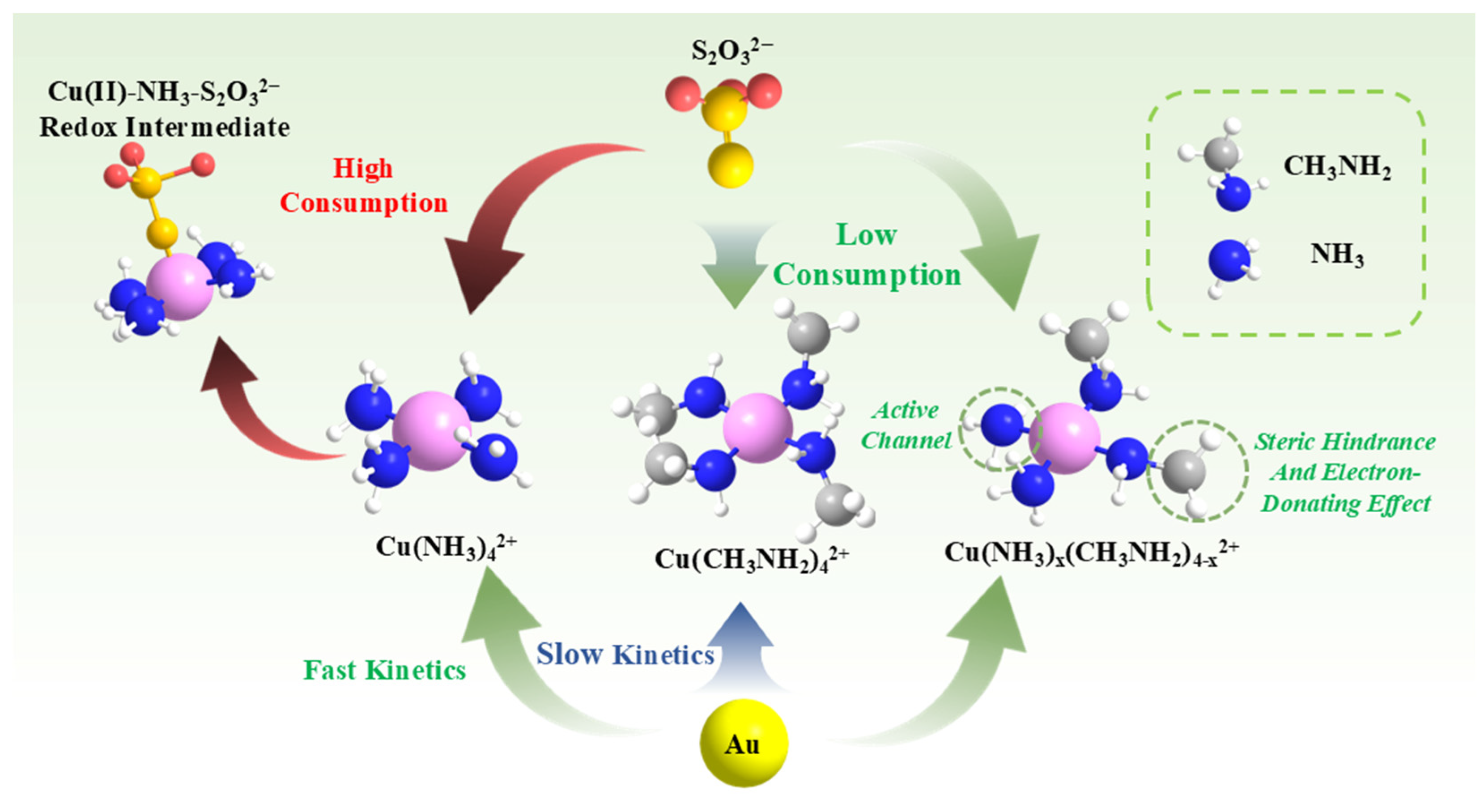
- A comparison of the thermodynamic speciation and stability of Cu complexes in the methylamine and ammonia systems indicates that the dominant complex of Cu(II) with CH3NH2 is Cu(CH3NH2)42+. Furthermore, Cu(CH3NH2)42+ (Δ Eg = 3.76 eV) exhibits higher electrochemical stability than Cu(NH3)42+ (Δ Eg = 3.53 eV), and the steric hindrance caused by the methyl group effectively prevents the axial attack of S2O32− on the Cu(II) center.
- (ii)
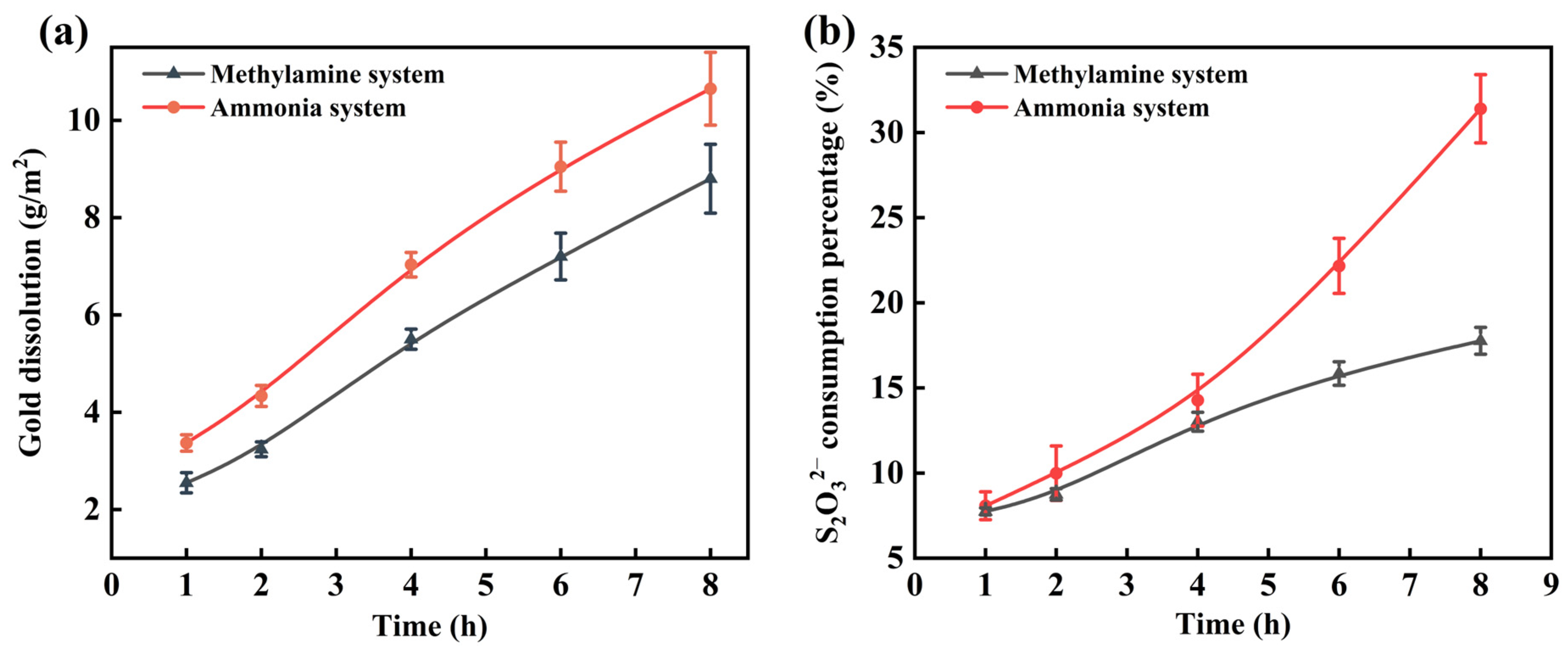
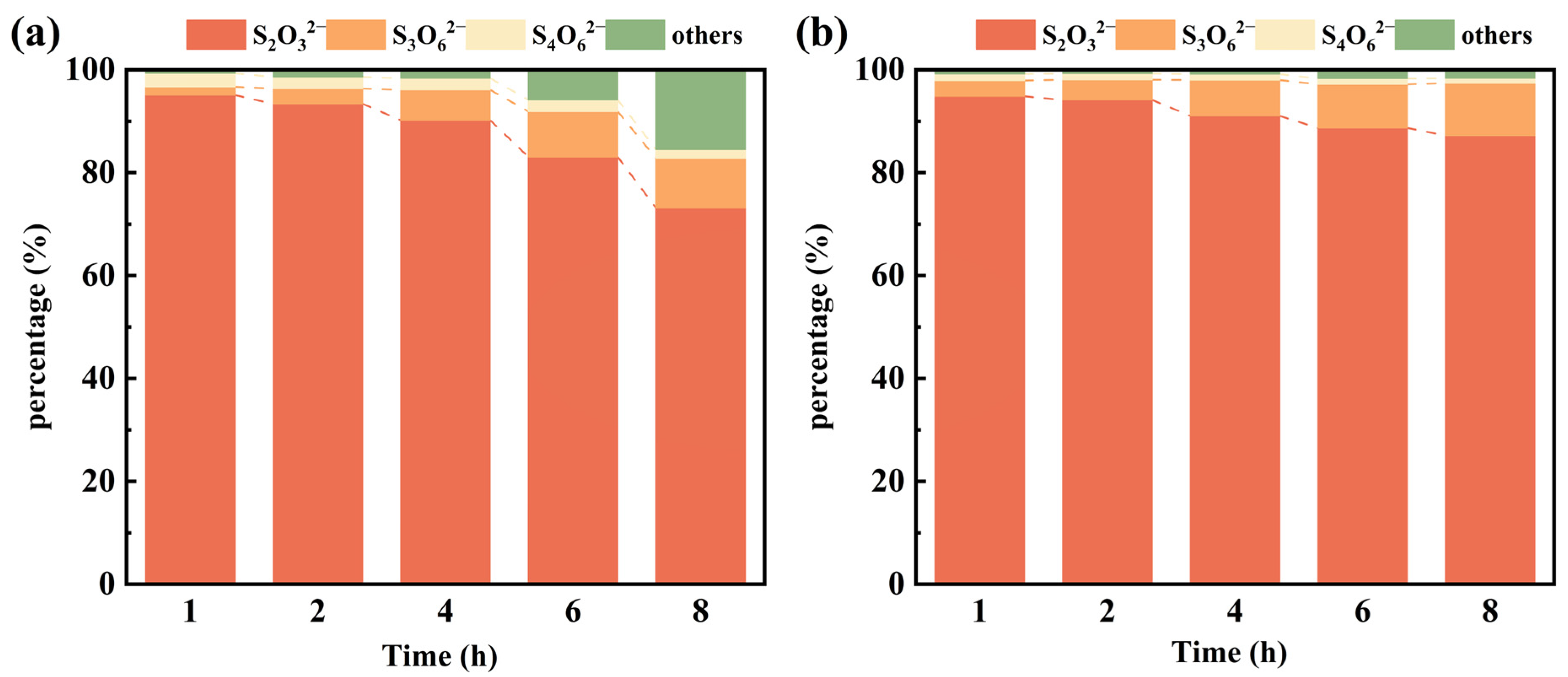
- Comparative studies of leaching behavior and thiosulfate stability confirm that using methylamine as the ligand for Cu(II) effectively suppresses thiosulfate oxidation throughout the process. However, its gold leaching efficiency is lower than that of the traditional ammonia system. This reveals the conflict between gold leaching efficiency and thiosulfate stability in single-ligand systems.
- (iii)
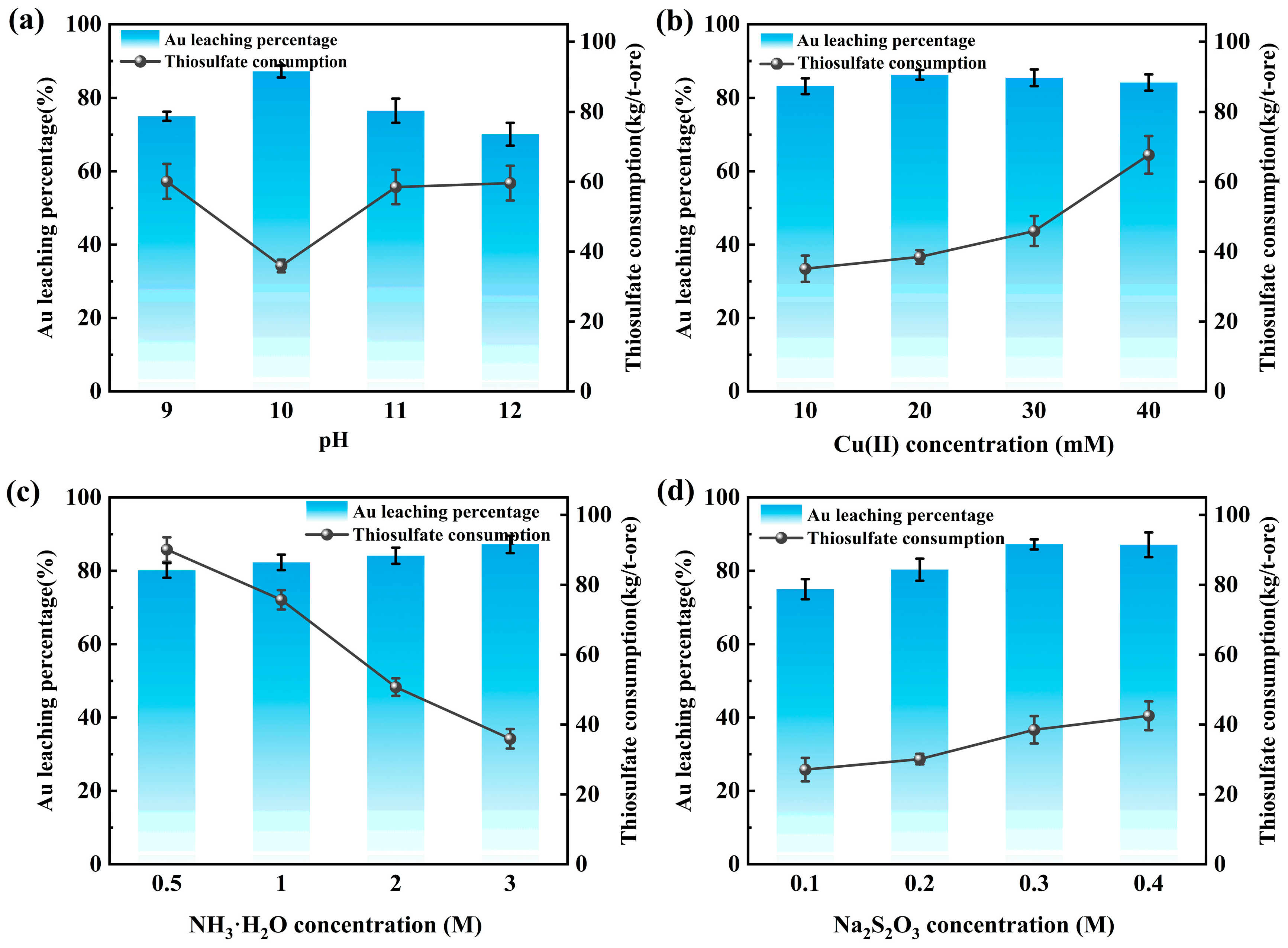
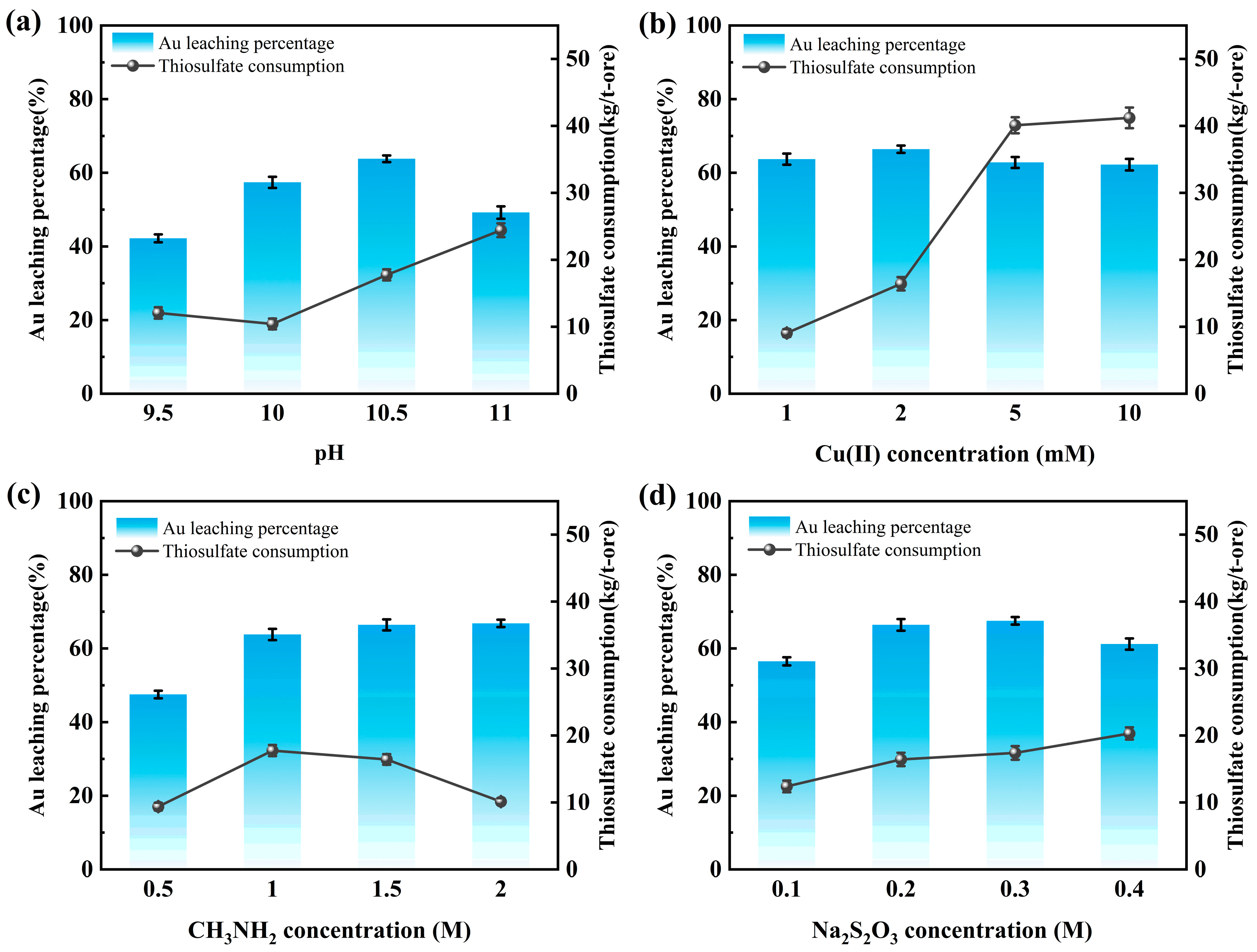
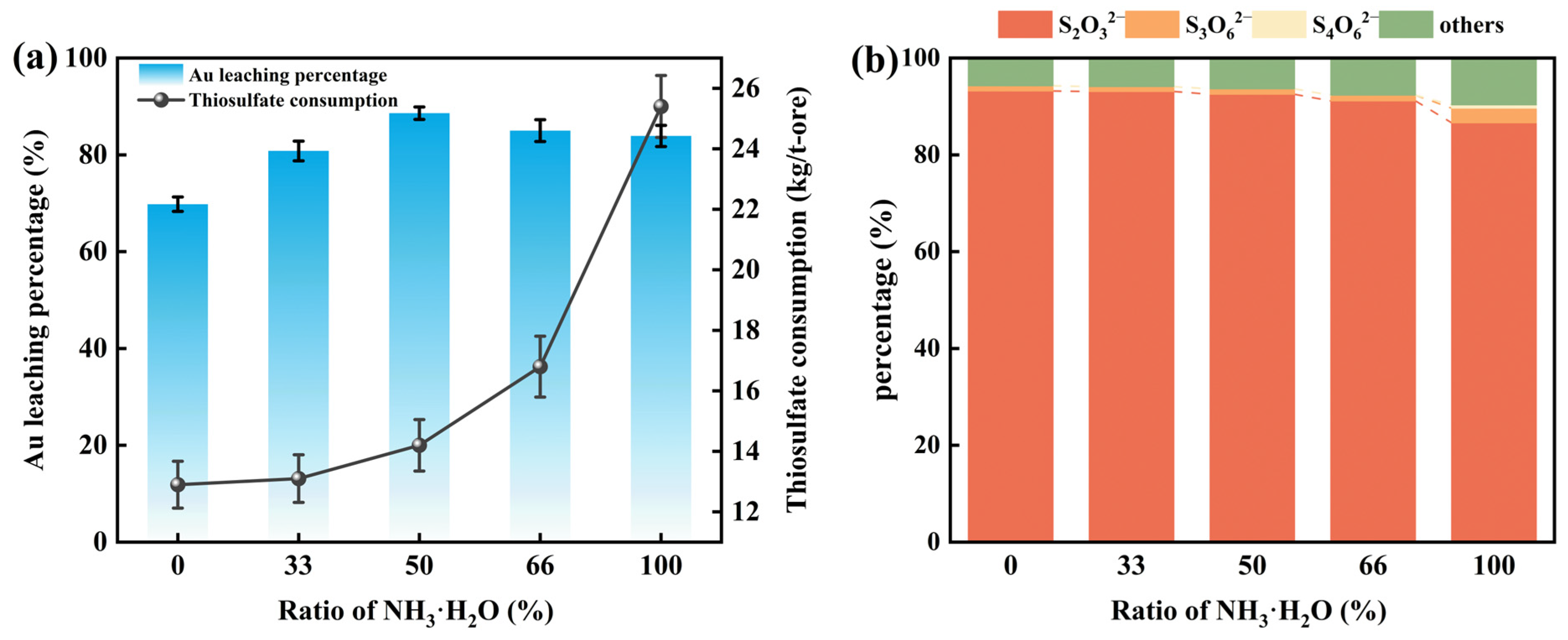
- Application studies on gold ore leaching demonstrate that while the gold extraction rate of the methylamine system (69.8%) is lower than that of the traditional ammonia system (87.2%), its thiosulfate consumption is only 10.1 kg/t-ore. This represents a 71.9% reduction compared to the ammonia system (35.9 kg/t-ore), validating its effectiveness in reducing reagent consumption.
- (iv)
- The construction of the synergistic methylamine-ammonia system successfully overcomes the limitations of single-ligand systems. The optimized synergistic system achieves a gold extraction rate of 88.6%, surpassing that of the traditional ammonia system, while maintaining a reagent consumption of only 14.2 kg/t-ore. This achieves a balance between high leaching efficiency and low thiosulfate consumption.
- (v)
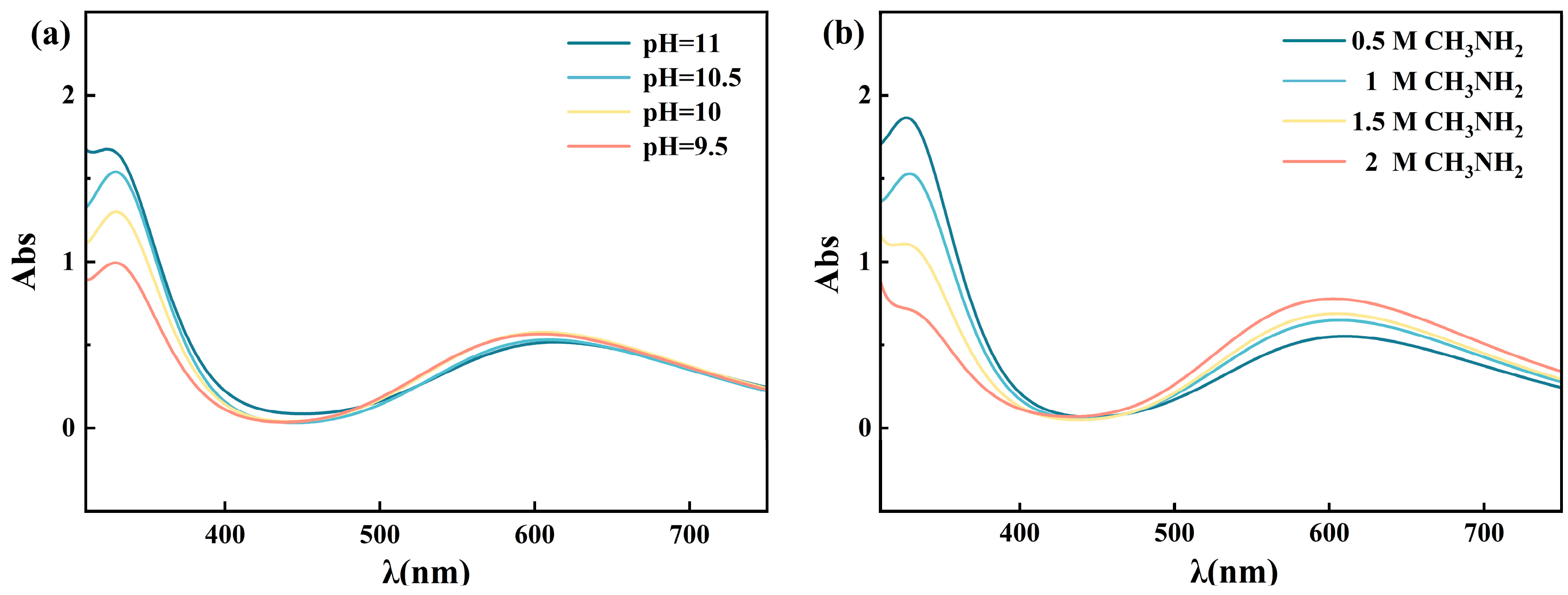
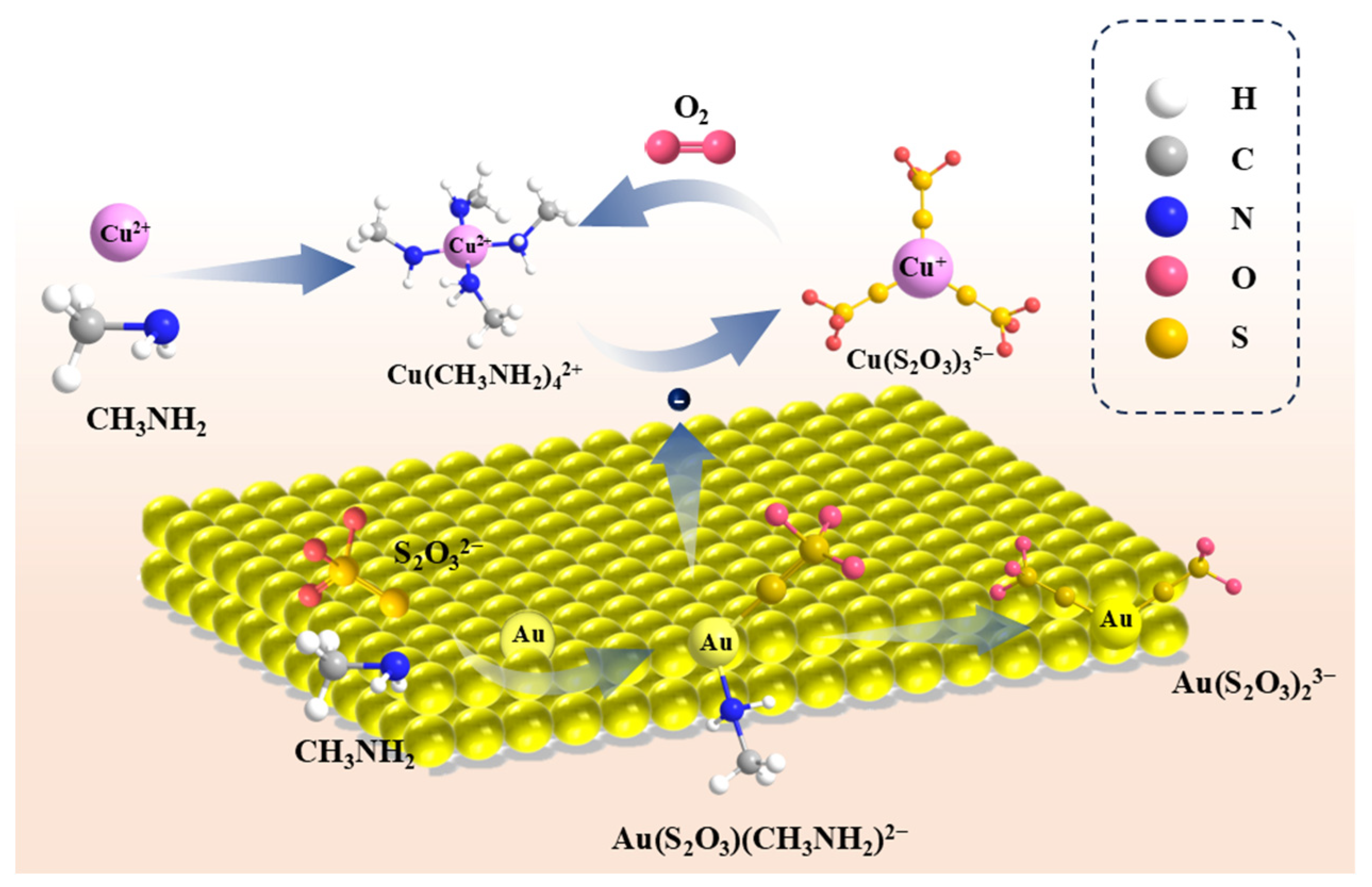
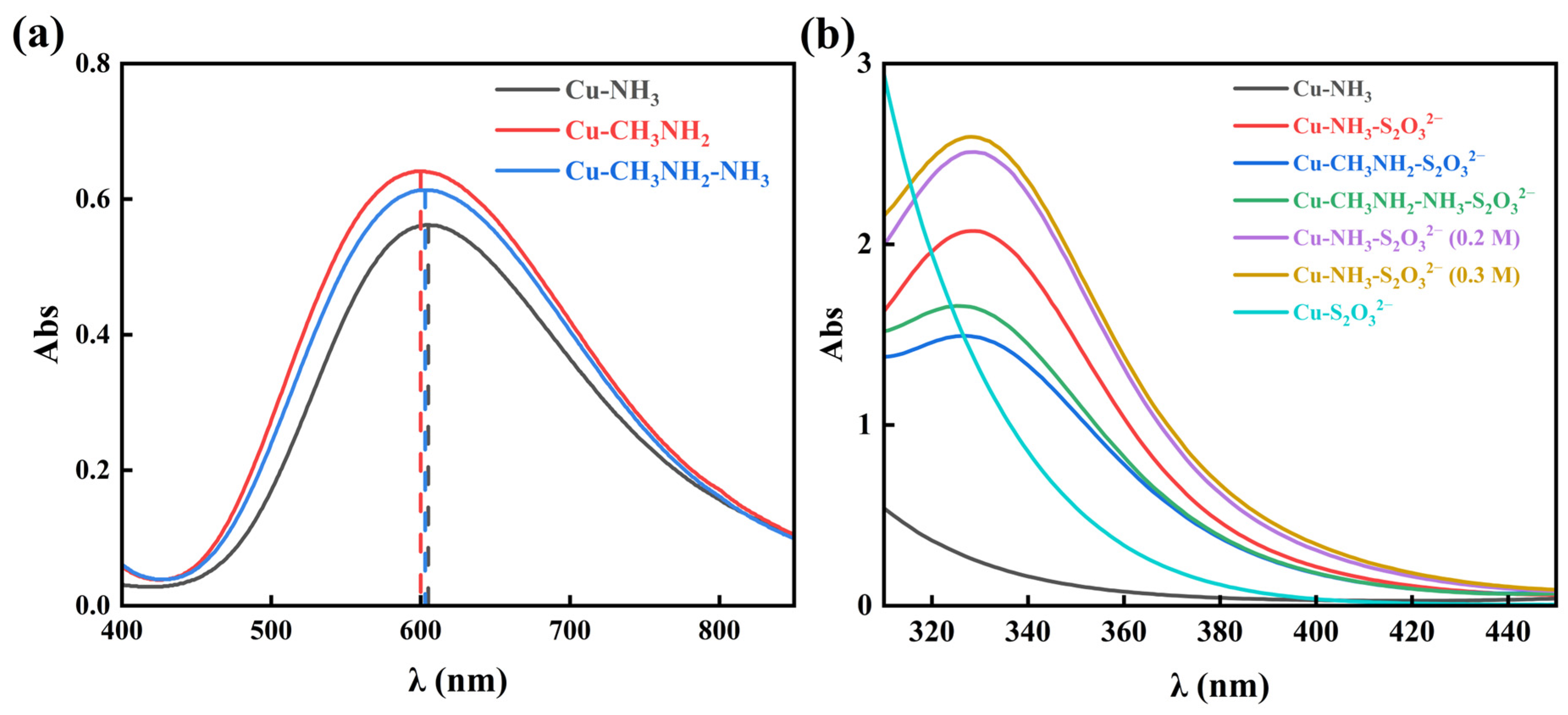
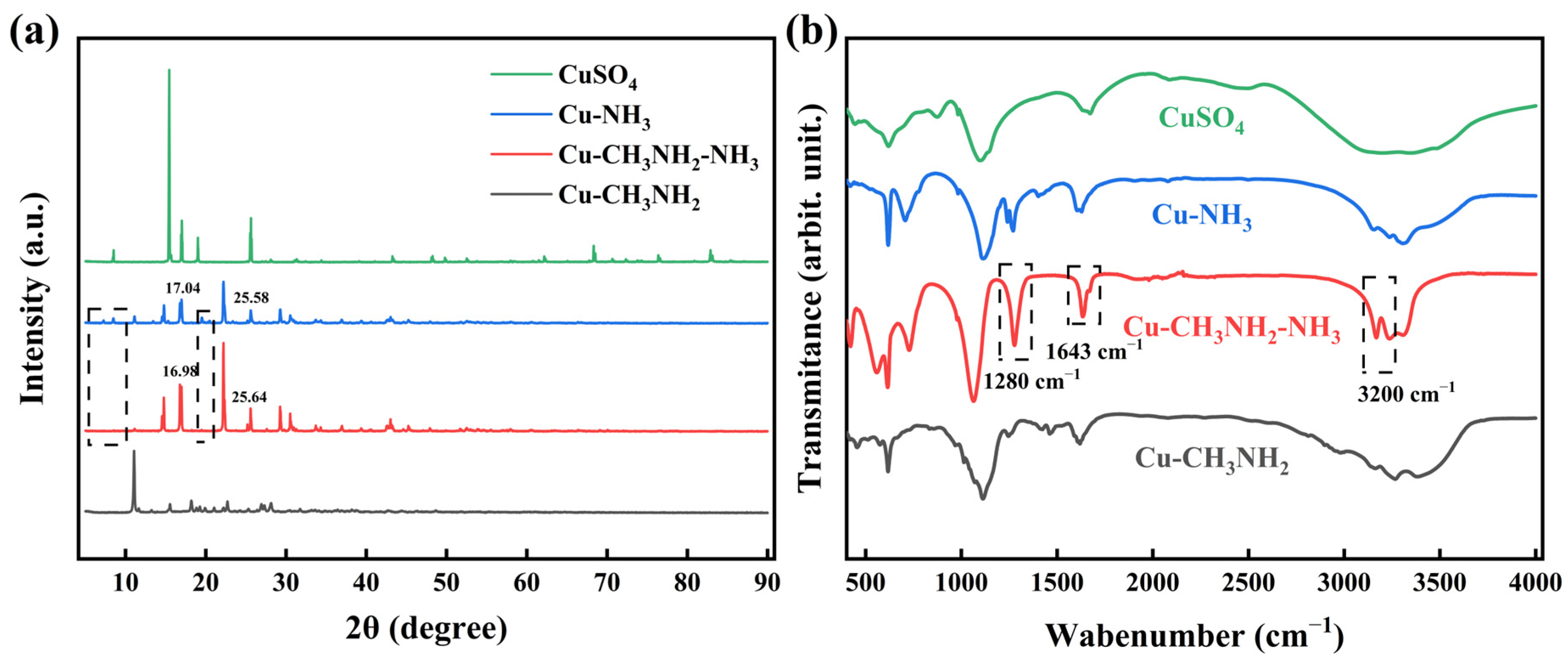
- UV-Vis spectroscopy and solid-phase characterization confirm the formation of Cu(NH3)x(CH3NH2)4−x2+. Its characteristic absorption peak lies between those of the pure ammonia and pure methylamine systems, and the intensity of the characteristic peak for the Cu(II)-S2O32− active intermediate is significantly reduced. This demonstrates that CH3NH2 within the coordination sphere effectively modulates the redox activity of the copper center, thereby reducing the generation of passivation products; simultaneously, NH3 provides active sites that promote the oxidation reaction of gold, thus ensuring leaching efficiency. Additionally, the lower vapor pressure of methylamine mitigates pollution caused by volatilization. This system provides a new theoretical basis and technical route for developing green, low-cost gold ore leaching processes.
Author Contributions
Funding
Data Availability Statement
Conflicts of Interest
References
- Muir, D.M.; Aylmore, M.G. Thiosulphate as an alternative to cyanide for gold processing–issues and impediments. Miner. Process. Extr. Metall. 2004, 113, 2–12. [Google Scholar] [CrossRef]
- Aylmore, M. Alternative lixiviants to cyanide for leaching gold ores. In Gold Ore Processing; Elsevier: Amsterdam, The Netherlands, 2016; pp. 447–484. [Google Scholar]
- Li, J.; Kou, J.; Sun, C.; Zhang, N.; Zhang, H. A review of environmentally friendly gold lixiviants: Fundamentals, applications, and commonalities. Miner. Eng. 2023, 197, 108074. [Google Scholar] [CrossRef]
- Azizitorghabeh, A.; Wang, J.; Ramsay, J.A.; Ghahreman, A. A review of thiocyanate gold leaching–Chemistry, thermodynamics, kinetics and processing. Miner. Eng. 2021, 160, 106689. [Google Scholar] [CrossRef]
- McNeice, J.; Mahandra, H.; Ghahreman, A. Biogenesis of thiosulfate in microorganisms and its applications for sustainable metal extraction. Rev. Environ. Sci. Bio/Technol. 2022, 21, 993–1015. [Google Scholar] [CrossRef]
- Feng, X.; Jian, W.; Wei, W. Review of gold leaching in thiosulfate-based solutions. Trans. Nonferrous Met. Soc. China 2021, 31, 3506–3529. [Google Scholar] [CrossRef]
- Xia, C.; Yen, W.; Deschenes, G. Improvement of thiosulfate stability in gold leaching. Min. Metall. Explor. 2003, 20, 68–72. [Google Scholar] [CrossRef]
- Chen, J.; Xie, F.; Zhang, H.; Wang, W. Research on Gold Leaching from a Refractory Gold Concentrate in Copper-Malic Acid-Thiosulfate Solutions. Min. Metall. Explor. 2023, 40, 1501–1512. [Google Scholar] [CrossRef]
- Zhang, H.; Jeffrey, M.I. A kinetic study of rearrangement and degradation reactions of tetrathionate and trithionate in near-neutral solutions. Inorg. Chem. 2010, 49, 10273–10282. [Google Scholar] [CrossRef] [PubMed]
- Breuer, P.L.; Jeffrey, M.I. The reduction of copper(II) and the oxidation of thiosulfate and oxysulfur anions in gold leaching solutions. Hydrometallurgy 2003, 70, 163–173. [Google Scholar] [CrossRef]
- Jeffrey, M.; Watling, K.; Hope, G.; Woods, R. Identification of surface species that inhibit and passivate thiosulfate leaching of gold. Miner. Eng. 2008, 21, 443–452. [Google Scholar] [CrossRef]
- Dong, Z.; Jiang, T.; Xu, B.; Zhang, B.; Liu, G.; Li, Q.; Yang, Y. A systematic and comparative study of copper, nickel and cobalt-ammonia catalyzed thiosulfate processes for eco-friendly and efficient gold extraction from an oxide gold concentrate. Sep. Purif. Technol. 2021, 272, 118929. [Google Scholar] [CrossRef]
- Chandra, I.; Jeffrey, M.I. A fundamental study of ferric oxalate for dissolving gold in thiosulfate solutions. Hydrometallurgy 2005, 77, 191–201. [Google Scholar] [CrossRef]
- Wang, J.; Zeng, X.; Wang, B.; Pan, Y.; Li, J.; Wang, R. Thermodynamic analysis of gold leaching by the novel iron-catalyzed thiosulfate system using Eh-pH and species distribution diagrams. Miner. Eng. 2025, 228, 109351. [Google Scholar] [CrossRef]
- Wang, J.; Xie, F.; Pan, Y.; Wang, W. Leaching of Gold with Copper-citrate-thiosulfate Solutions. Miner. Process. Extr. Metall. Rev. 2021, 43, 916–925. [Google Scholar] [CrossRef]
- Chen, J.; Xie, F.; Wang, W.; Fu, Y.; Wang, J. Leaching of Gold from an Oxide Gold Ore with Copper–Tartrate–Thiosulfate Solutions at Elevated Temperatures. JOM 2023, 75, 4308–4319. [Google Scholar] [CrossRef]
- Wang, Q.; Hu, X.; Zi, F.; Yang, P.; Chen, Y.; Chen, S. Environmentally friendly extraction of gold from refractory concentrate using a copper–ethylenediamine–thiosulfate solution. J. Clean. Prod. 2019, 214, 860–872. [Google Scholar] [CrossRef]
- Fábián, I. Kinetics and mechanism of complex-formation reactions of ammonia and methylamine with copper(II) complexes in aqueous solution. J. Chem. Soc. Dalton Trans. 1994, 1355–1358. [Google Scholar] [CrossRef]
- Chandra, I.; Jeffrey, M.I. An electrochemical study of the effect of additives and electrolyte on the dissolution of gold in thiosulfate solutions. Hydrometallurgy 2004, 73, 305–312. [Google Scholar] [CrossRef]
- Chao, J.; Gadalla, N.; Gammon, B.; Marsh, K.; Rodgers, A.; Somayajulu, G.; Wilhoit, R. Thermodynamic and thermophysical properties of organic nitrogen compounds. Part I. Methanamine, ethanamine, 1-and 2-propanamine, benzenamine, 2-, 3-, and 4-methylbenzenamine. J. Phys. Chem. Ref. Data 1990, 19, 1547–1615. [Google Scholar] [CrossRef]
- Xiang, H. Vapor pressures, critical parameters, boiling points, and triple points of ammonia and trideuteroammonia. J. Phys. Chem. Ref. Data 2004, 33, 1005–1011. [Google Scholar] [CrossRef]
- Meng, X.; Tang, Z.; Gao, P.; Zhang, Y. Mechanism analysis of hydrogen mineral phase-transformed iron ore tailings in cementitious materials: A study on hydration kinetics, mechanical properties, and microstructural characteristics. Constr. Build. Mater. 2025, 475, 141260. [Google Scholar] [CrossRef]
- Tang, Z.; Li, Y.; Han, Y.; Wu, W.; Gao, P.; Sun, Y. Characterization of iron and manganese in limonite under high-temperature reducing environment: Thermodynamics, phase transformation and migration mechanism. Int. J. Hydrogen Energy 2025, 138, 660–670. [Google Scholar] [CrossRef]
- Frisch, M.J.; Trucks, G.W.; Schlegel, H.B.; Scuseria, G.E.; Robb, M.A.; Cheeseman, J.R.; Scalmani, G.; Barone, V.; Petersson, G.A.; Nakatsuji, H.; et al. Gaussian 16 Rev. C.01; Gaussian Inc.: Wallingford, CT, USA, 2016. [Google Scholar]
- Zhang, L.; Li, S.; Wen, Y.; Ma, X.; Zhang, J.; Zhou, J.; Meng, X. DFT Study on Copper-Catalyzed Hydroboration of 1, 3-Diynes: Mechanism, Selectivity, and Comparison with Ruthenium. Asian J. Org. Chem. 2025, 14, e202400430. [Google Scholar] [CrossRef]
- Flores, R.; Reyes-García, L.I.; Rodríguez-Laguna, N.; Gómez-Balderas, R. Stability constants of Cu(II)/indomethacin mononuclear complexes in solution. Theor. Chem. Acc. 2018, 137, 125. [Google Scholar] [CrossRef]
- Zhang, N.; Kou, J.; Sun, C. Investigation on Gold–Ligand interaction for complexes from gold leaching: A DFT study. Molecules 2023, 28, 1508. [Google Scholar] [CrossRef]
- Nguyen, H.L.; Gulaczyk, I.; Kreglewski, M.; Kleiner, I. Large amplitude inversion tunneling motion in ammonia, methylamine, hydrazine, and secondary amines: From structure determination to coordination chemistry. Coord. Chem. Rev. 2021, 436, 213797. [Google Scholar] [CrossRef]
- Ilcheva, L.; Bjerrum, J. Metal ammine formation in solution. XVII. Stability constants of copper(II) methylamine and diethylamine complexes obtained from solubility measurements with gerhardtite, Cu(OH)1.5(NO3)0.5. Acta Chem. Scand. A 1976, 30, 343–350. [Google Scholar] [CrossRef]
- Martell, A.E.; Smith, R.M. Critical Stability Constants; Springer: New York, NY, USA, 1974; Volume 1. [Google Scholar]
- Agarwala, B.V.; Ilcheva, L.; Bjerrum, J. Metal ammine formation in solution. XX: On the formation of hydroxo complexes in the copper(II)-methylamine system. Acta Chem. Scand. A 1980, 34, 725–731. [Google Scholar] [CrossRef][Green Version]
- Senanayake, G. Analysis of reaction kinetics, speciation and mechanism of gold leaching and thiosulfate oxidation by ammoniacal copper(II) solutions. Hydrometallurgy 2004, 75, 55–75. [Google Scholar] [CrossRef]
- Hu, L.; Zhang, X.; Wang, H.; Zhang, J.; Xia, R.; Cao, J.; Pan, G. Experimental and density functional theory study of complexing agents on cobalt dissolution in alkaline solutions. Electrochim. Acta 2021, 375, 137977. [Google Scholar] [CrossRef]
- El Sayed, D.S.; Khalil, T.E.; Elbadawy, H.A. Rational and experimental investigation of antihypotensive midodrine-Fe(III) complex: Synthesis, spectroscopy, DFT, biological activity and molecular docking. J. Mol. Struct. 2024, 1311, 138421. [Google Scholar] [CrossRef]
- Li, Q.; Zhu, Y.; Zang, Y.; Ma, Y. Research progress and prospects of non-cyanide gold leaching agents. Chin. J. Nonferrous Met. 2024, 34, 2356–2382. (In Chinese) [Google Scholar]
- Breuer, P.L.; Jeffrey, M.I. An electrochemical study of gold leaching in thiosulfate solutions containing copper and ammonia. Hydrometallurgy 2002, 65, 145–157. [Google Scholar] [CrossRef]
- Aylmore, M.G.; Muir, D.M. Thiosulfate leaching of gold—A review. Miner. Eng. 2001, 14, 135–174. [Google Scholar] [CrossRef]
- Gao, W. Research on Fundamentals and Technology of Reagent Regeneration and New Gold Extraction Process in Copper-ammonia-Thiosulfate Leaching System. Ph.D. Thesis, Central South University, Changsha, China, 2024. (In Chinese) [Google Scholar]
- Smith, S.R.; Zhou, C.; Baron, J.Y.; Choi, Y.; Lipkowski, J. Elucidating the interfacial interactions of copper and ammonia with the sulfur passive layer during thiosulfate mediated gold leaching. Electrochim. Acta 2016, 210, 925–934. [Google Scholar] [CrossRef]
- Zhang, G.; Hou, L.; Chen, P.; Zhang, Q.; Chen, Y.; Zainiddinovich, N.Z.; Wu, C.; Alejandro, L.V.; Jia, F. Efficient and stable leaching of gold in a novel ethydiaminedhephen acetic-thiosulfate system. Miner. Eng. 2024, 209, 108639. [Google Scholar] [CrossRef]
- Hou, L.; Valdivieso, A.L.; Chen, P.; Zainiddinovich, N.Z.; Wu, C.; Song, S.; Jia, F. Pentetic acid/ammonia cooperatively stabilizes Cu(II) as an efficient oxidant for green thiosulfate leaching of gold. Miner. Eng. 2024, 218, 109043. [Google Scholar] [CrossRef]
- Xia, C. Associated Sulfide Minerals in Thiosulfate Leaching of Gold: Problems and Solutions. Ph.D. Thesis, Queen’s University, Kingston, ON, Canada, 2008. [Google Scholar]
- Breuer, P.; Jeffrey, M. Copper catalysed oxidation of thiosulfate by oxygen in gold leach solutions. Miner. Eng. 2003, 16, 21–30. [Google Scholar] [CrossRef]
- Zhao, H.F.; Yang, H.Y.; Chen, X.; Chen, G.B.; Tong, L.L.; Jin, Z.N. Effect of Triethanolamine as a New and Efficient Additive on Thiosulfate-Copper-Ammonia System Leaching of Gold. JOM 2019, 72, 946–952. [Google Scholar] [CrossRef]
- Black, S.B. The Thermodynamic Chemistry of the Aqueous Copper-Ammonia Thiosulfate System. Ph.D. Thesis, Murdoch University, Perth, Australia, 2006. [Google Scholar]
- Mahmood, N.B.; Saeed, F.R.; Gbashi, K.R.; Hamodi, A.; Jaffar, Z.M. Structural properties of CoxCu1−xFe2O4 solid solution. J. Mech. Behav. Mater. 2021, 30, 220–227. [Google Scholar] [CrossRef]
- Fleming, G.D.; Shepherd, R.E. Infrared spectra and normal coordinate analysis of bis (ethylenediamine) and bis (trimethylenediamine) complexes with copper(II). Spectrochim. Acta Part A Mol. Spectrosc. 1987, 43, 1141–1146. [Google Scholar] [CrossRef]
- Lambert, F.L. The Aldrich library of infrared spectra (Pouchert, Charles J.). J. Chem. Educ. 1972, 49, A491. [Google Scholar] [CrossRef][Green Version]



| Element | Au (g/t) | Al | Fe | Ca | K | Mg | Na | Cu | Pb | As | S |
|---|---|---|---|---|---|---|---|---|---|---|---|
| Content | 1.33 | 6.40 | 5.47 | 3.73 | 3.30 | 2.26 | 2.74 | 0.001 | 0.0018 | 0.0074 | 1.14 |
| Bond/Atom | Cu(CH3NH2)42+ | Cu(NH3)42+ | |
|---|---|---|---|
| Bond Lengths (Å) | Cu-N1 | 2.072 | 2.050 |
| Cu-N2 | 2.062 | 2.050 | |
| Cu-N3 | 2.068 | 2.049 | |
| Cu-N4 | 2.065 | 2.050 | |
| Mulliken Charges | Cu | 0.557 | 0.594 |
| N1 | −0.247 | −0.171 | |
| N2 | −0.244 | −0.171 | |
| N3 | −0.251 | −0.171 | |
| N4 | −0.248 | −0.171 |
Disclaimer/Publisher’s Note: The statements, opinions and data contained in all publications are solely those of the individual author(s) and contributor(s) and not of MDPI and/or the editor(s). MDPI and/or the editor(s) disclaim responsibility for any injury to people or property resulting from any ideas, methods, instructions or products referred to in the content. |
© 2026 by the authors. Licensee MDPI, Basel, Switzerland. This article is an open access article distributed under the terms and conditions of the Creative Commons Attribution (CC BY) license.
Share and Cite
He, H.; Yang, Y.; Wang, L.; Wu, G.; Wang, D.; Li, Q.; Zhang, Y.; He, S.; Jiang, T. Thermodynamics of Methylamine and Ammonia Synergy in Copper-Catalyzed Thiosulfate Gold Leaching. Metals 2026, 16, 323. https://doi.org/10.3390/met16030323
He H, Yang Y, Wang L, Wu G, Wang D, Li Q, Zhang Y, He S, Jiang T. Thermodynamics of Methylamine and Ammonia Synergy in Copper-Catalyzed Thiosulfate Gold Leaching. Metals. 2026; 16(3):323. https://doi.org/10.3390/met16030323
Chicago/Turabian StyleHe, Heng, Yongbin Yang, Lin Wang, Guangliang Wu, Dan Wang, Qian Li, Yan Zhang, Shichao He, and Tao Jiang. 2026. "Thermodynamics of Methylamine and Ammonia Synergy in Copper-Catalyzed Thiosulfate Gold Leaching" Metals 16, no. 3: 323. https://doi.org/10.3390/met16030323
APA StyleHe, H., Yang, Y., Wang, L., Wu, G., Wang, D., Li, Q., Zhang, Y., He, S., & Jiang, T. (2026). Thermodynamics of Methylamine and Ammonia Synergy in Copper-Catalyzed Thiosulfate Gold Leaching. Metals, 16(3), 323. https://doi.org/10.3390/met16030323