Article

Grain Boundary Migration as a Self-Healing Mechanism of Tungsten at High Temperature

1
International Joint Laboratory for Light Alloys (MOE), College of Materials Science and Engineering, Chongqing University, Chongqing 400044, China
2
Shenyang National Laboratory for Materials Science, Chongqing University, Chongqing 400044, China
*
Author to whom correspondence should be addressed.
Metals 2022, 12(9), 1491; https://doi.org/10.3390/met12091491
Submission received: 31 July 2022 / Revised: 25 August 2022 / Accepted: 7 September 2022 / Published: 8 September 2022
(This article belongs to the Special Issue Crystal Plastic Deformation Mechanism of Metallic Materials)

Abstract

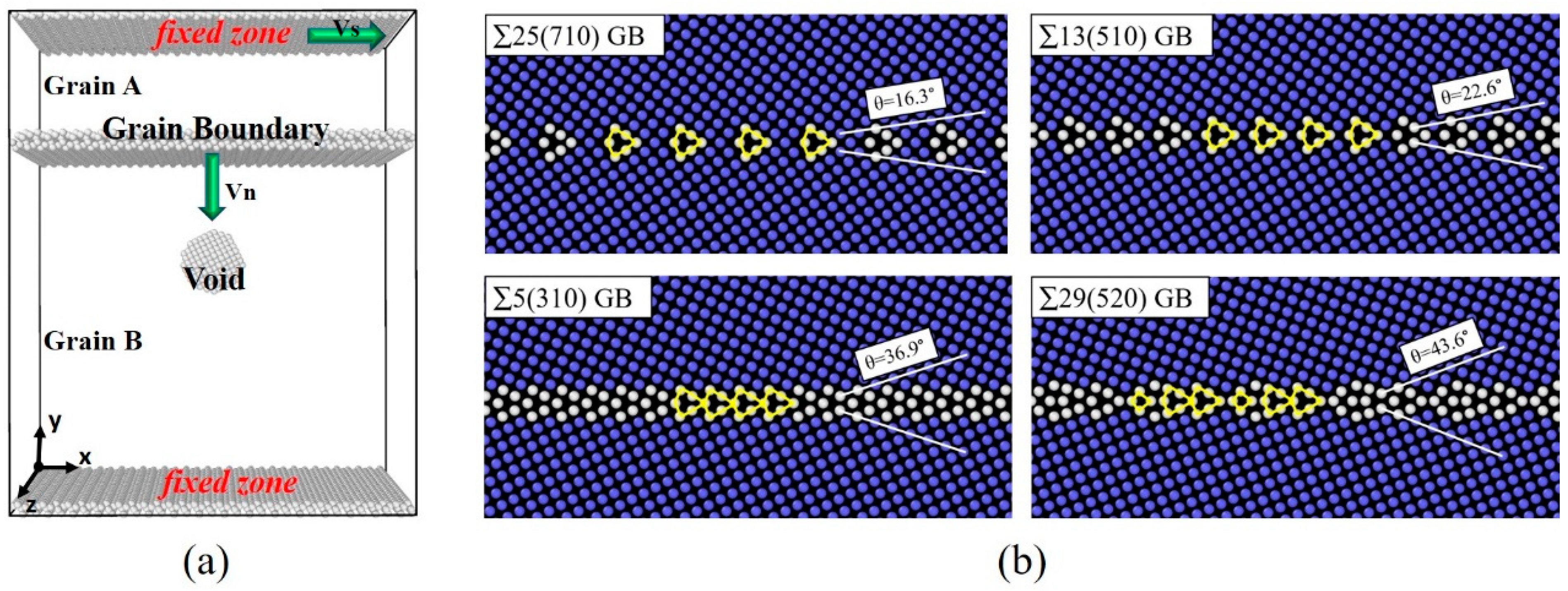
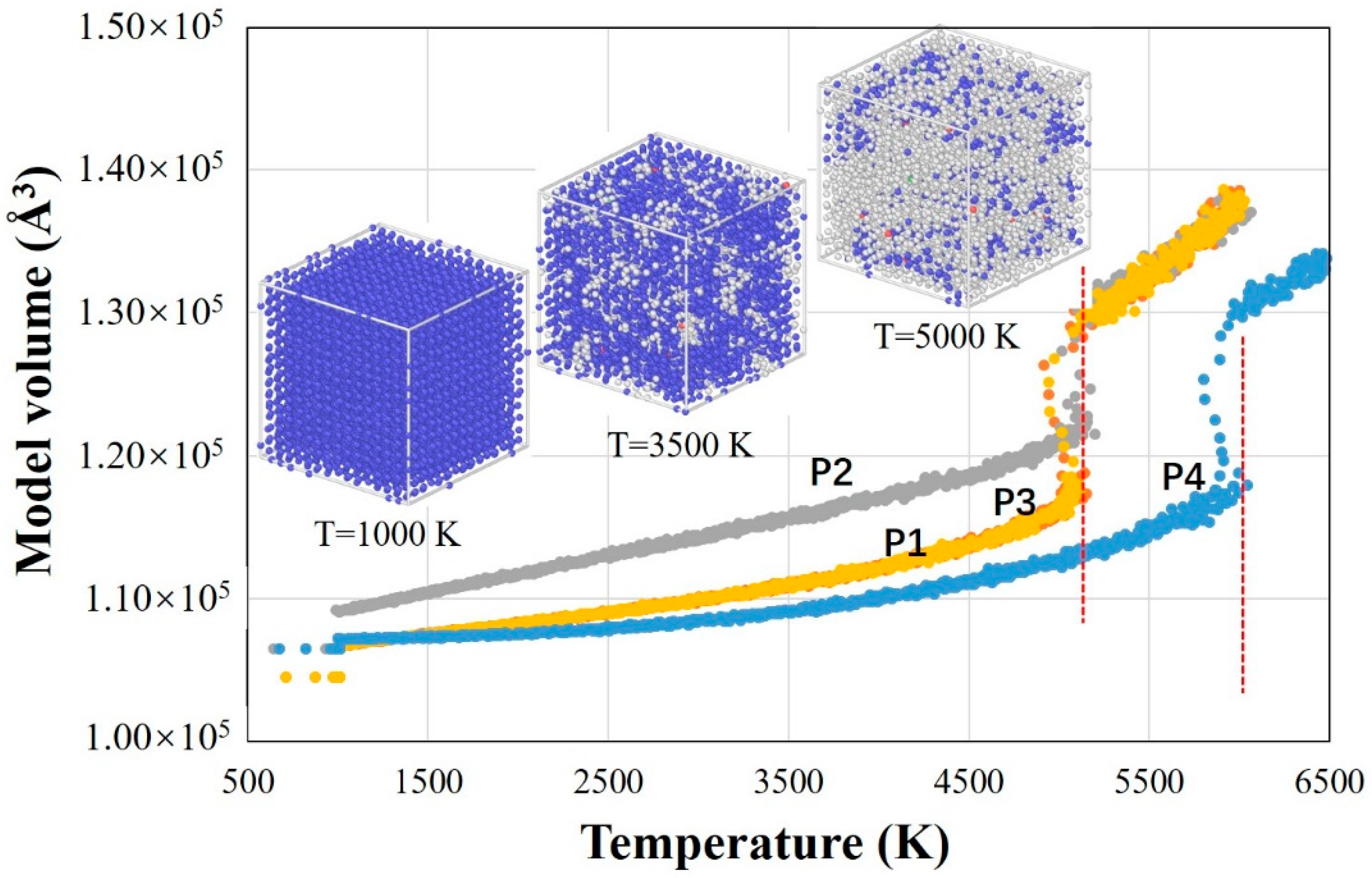
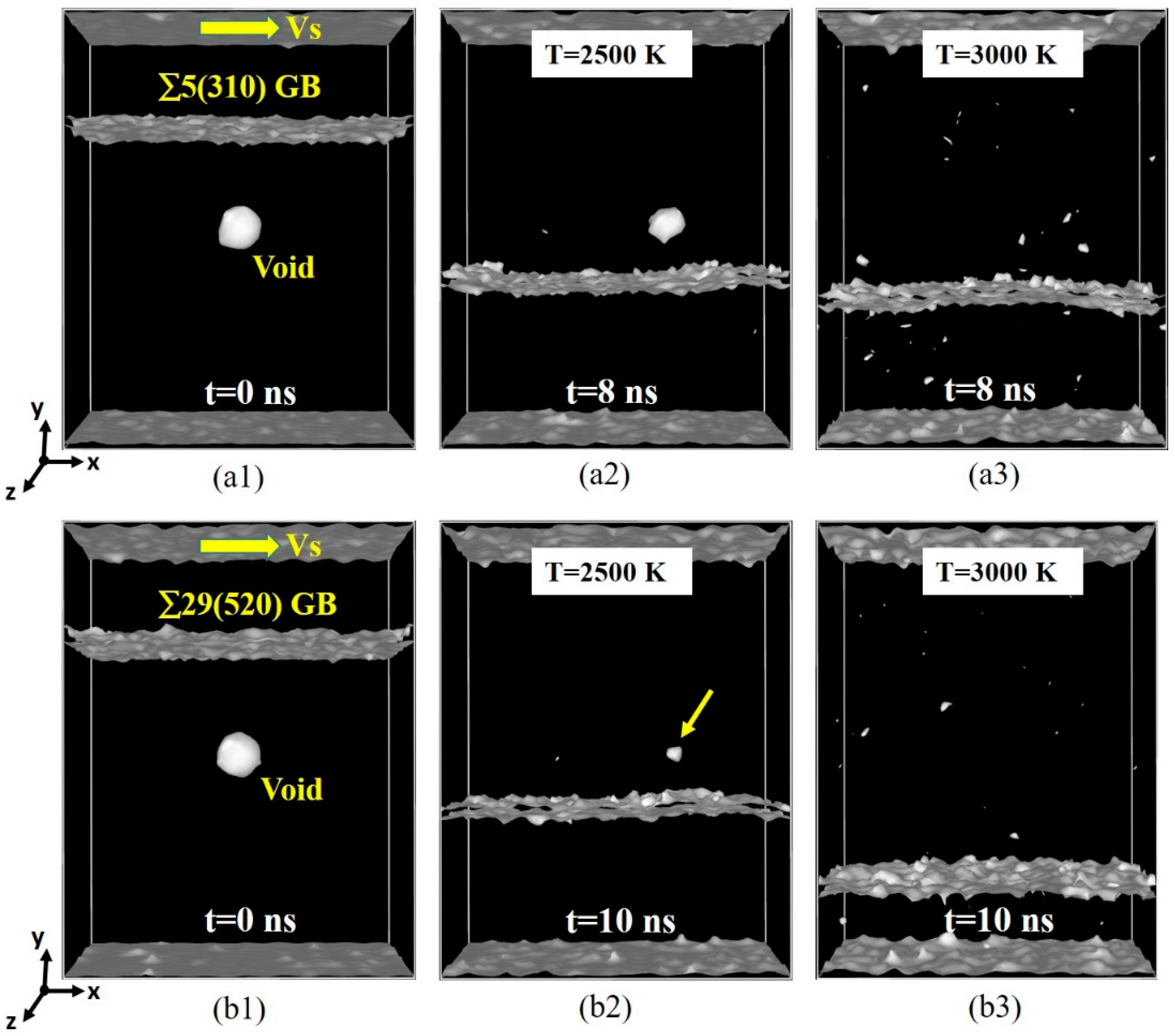
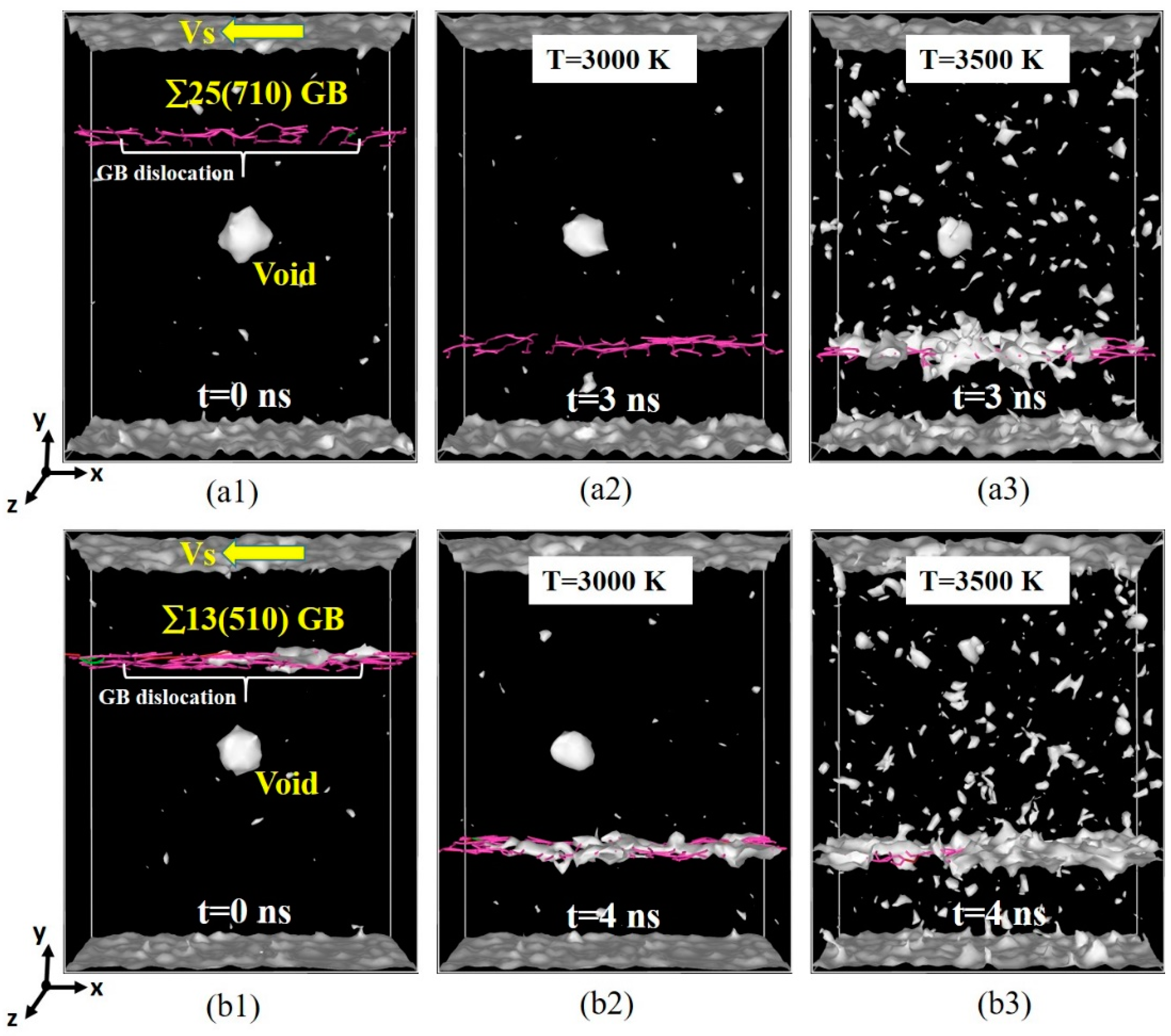
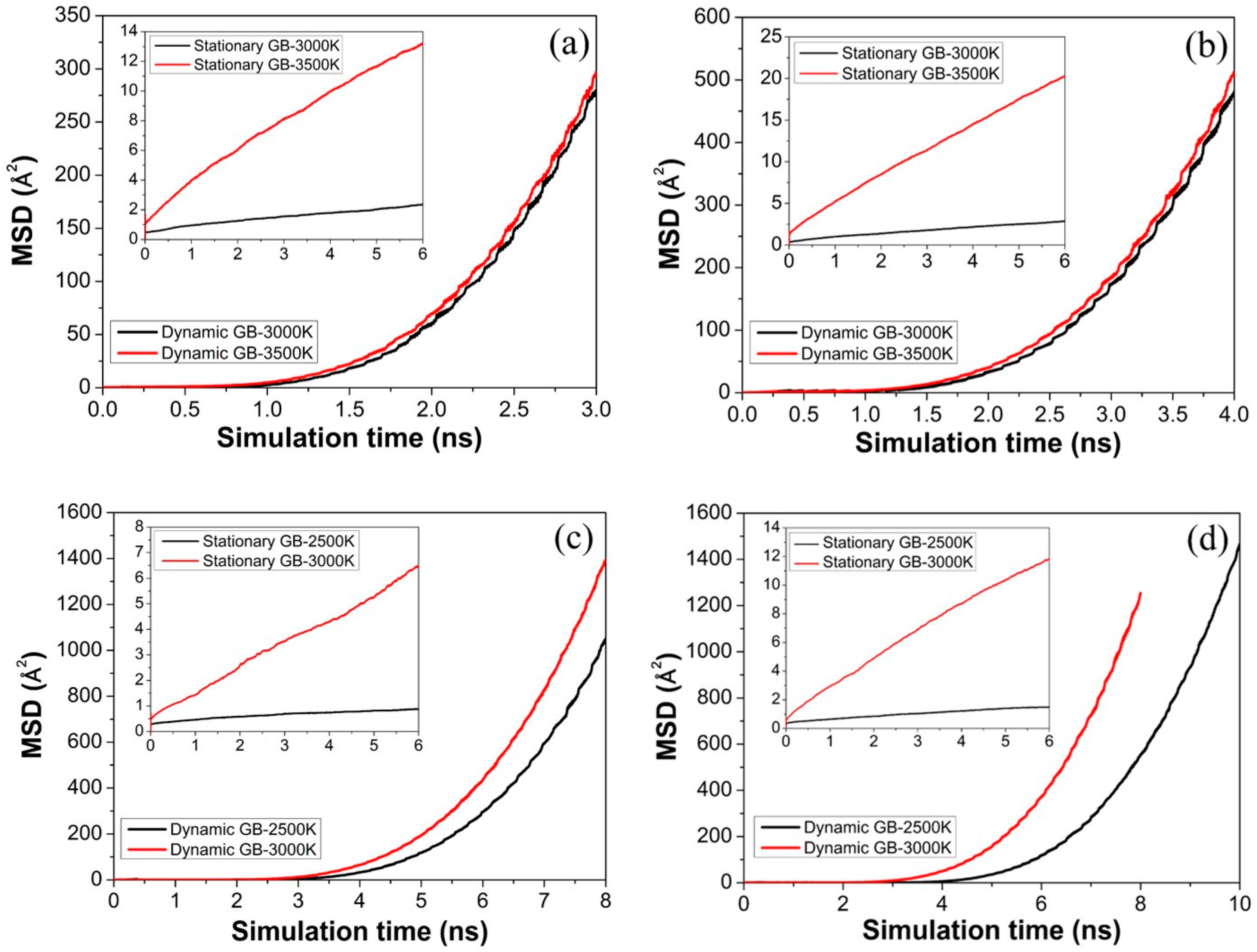
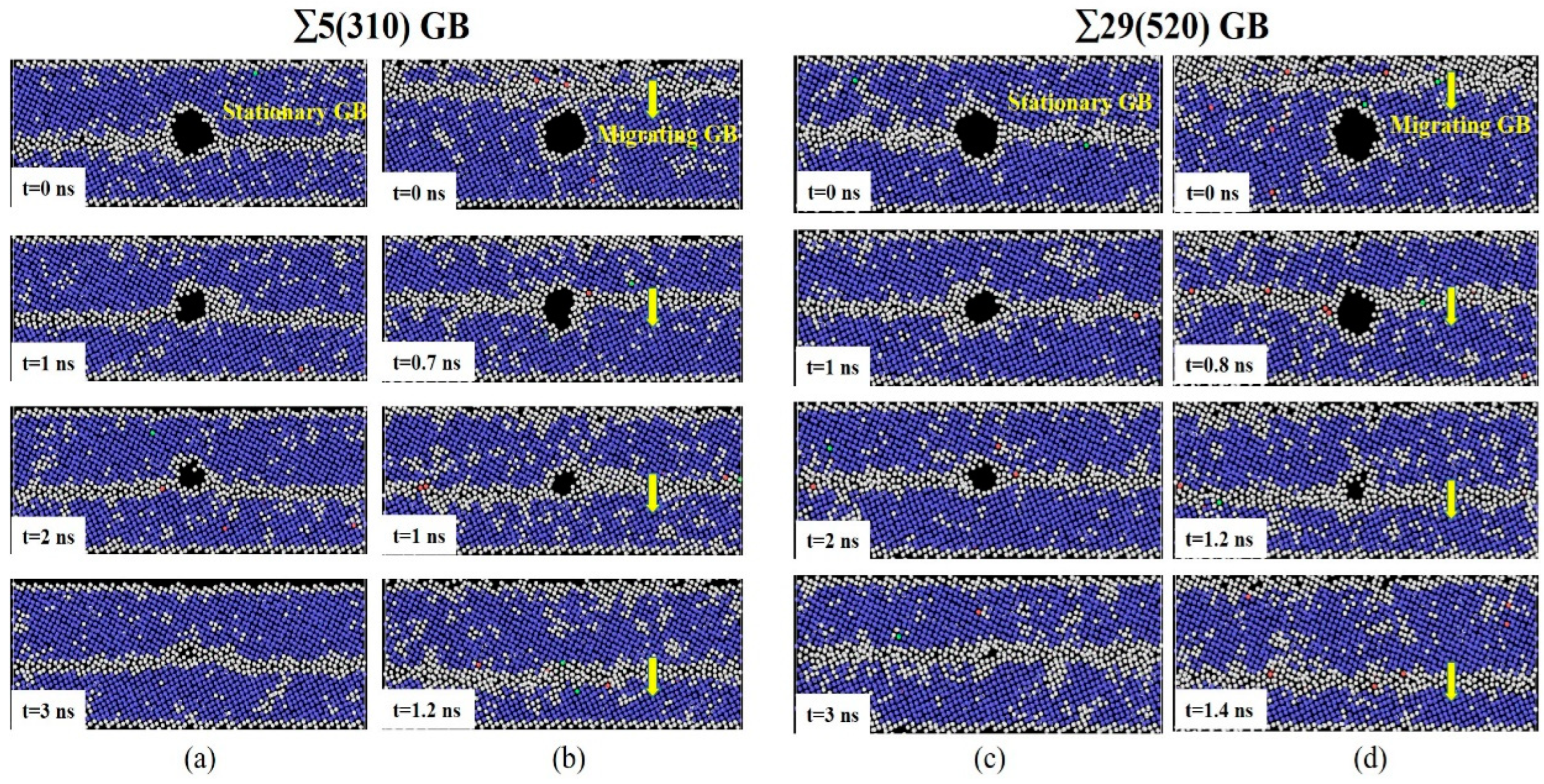
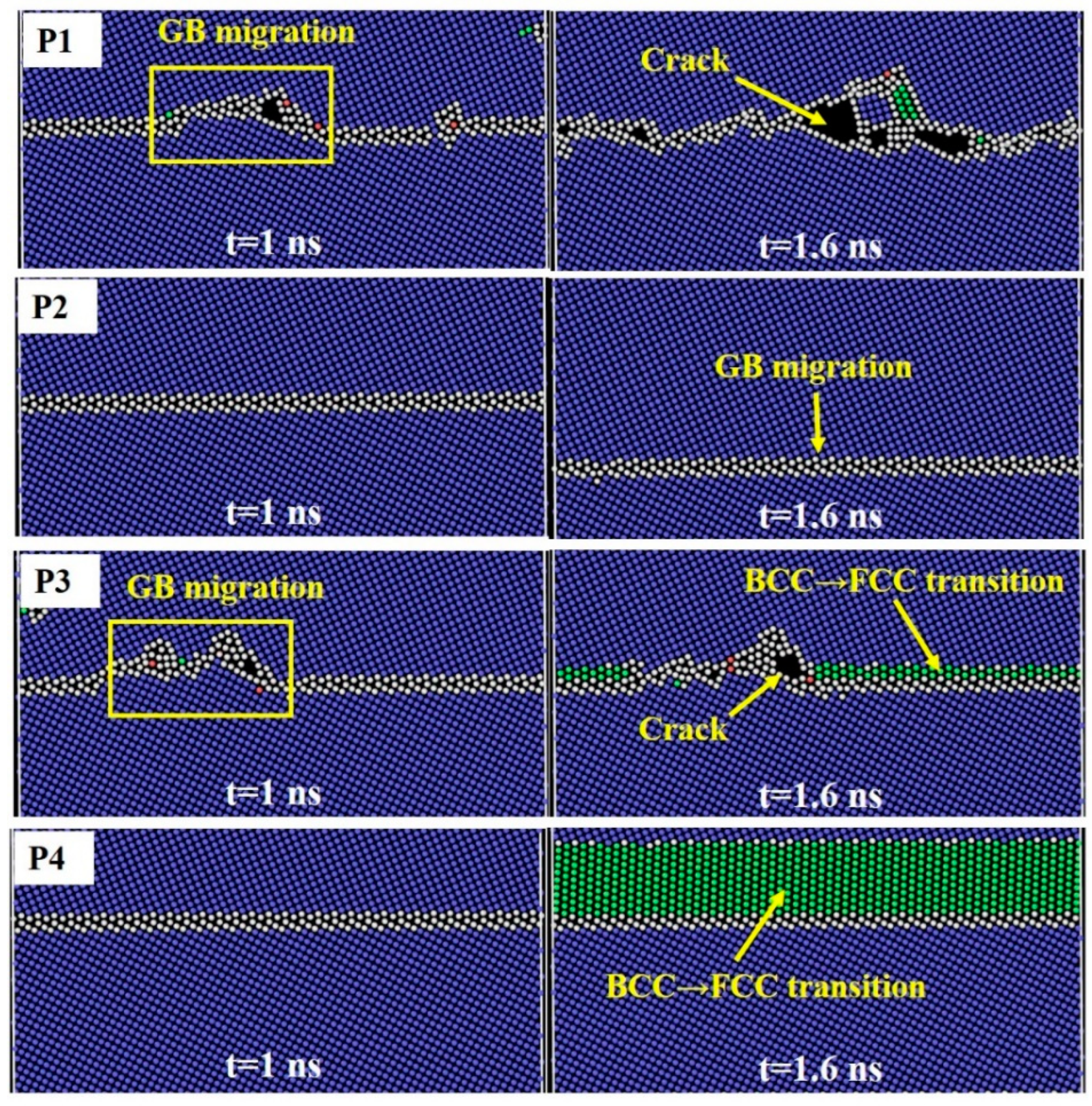
The tungsten components in nuclear fusion reactors need to withstand the radiation cascade damage caused by the neutron bombardment of high temperature and high throughput fusion reaction during service. These damages are mainly present as a high concentration of point defects and clusters, which lead to a series of problems such as irradiation-hardening and decreased thermal conductivity of materials. In this study, molecular dynamics simulations are carried out to study the dynamic interaction between grain boundaries and the void in tungsten at high temperatures (T > 2500 K). Different interatomic potentials of W were tested, and the most appropriate one was selected by the thermodynamic and kinetic properties of W. Simulation results show that the dynamic migration of grain boundary can absorb the void, but the absorption efficiency of grain boundaries is sensitive to their structural characteristics, where the high-angle GBs are more absorptive to the void than the low-angle GBs. It is found that the void absorption cannot be completely attributed to the thermal diffusion mechanism during the GB-void interaction; the dynamic migration of high-angle GBs can significantly accelerate the void absorption. This study reveals a GB migration-induced self-healing mechanism of W at high temperatures.
Keywords: molecular dynamics; tungsten; grain boundary; void molecular dynamics; tungsten; grain boundary; void