Article

Studies of High-Temperature Fatigue Behavior and Mechanism for Nickel-Based Superalloy Inconel 625
1
Institute of Process Equipment and Control Engineering, College of Mechanical Engineering, Zhejiang University of Technology, Hangzhou 310014, China
2
National Engineering Technical Research Center on PVP Safety, Hefei General Machinery Research Institute Co., Ltd., No. 888, Changjiang West Road, Hefei 230031, China
*
Author to whom correspondence should be addressed.
Metals 2022, 12(5), 755; https://doi.org/10.3390/met12050755
Submission received: 3 April 2022 / Revised: 24 April 2022 / Accepted: 27 April 2022 / Published: 28 April 2022
(This article belongs to the Special Issue Residual Stress and Fatigue of Metals)

Abstract

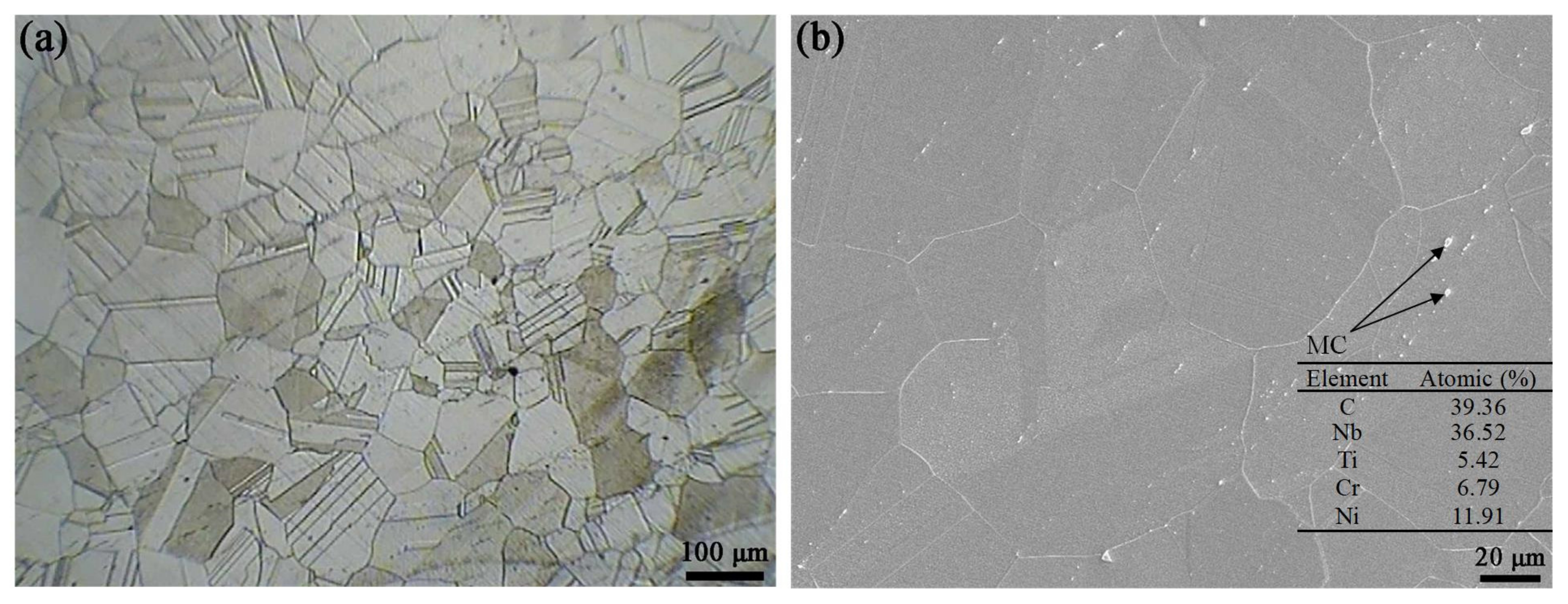
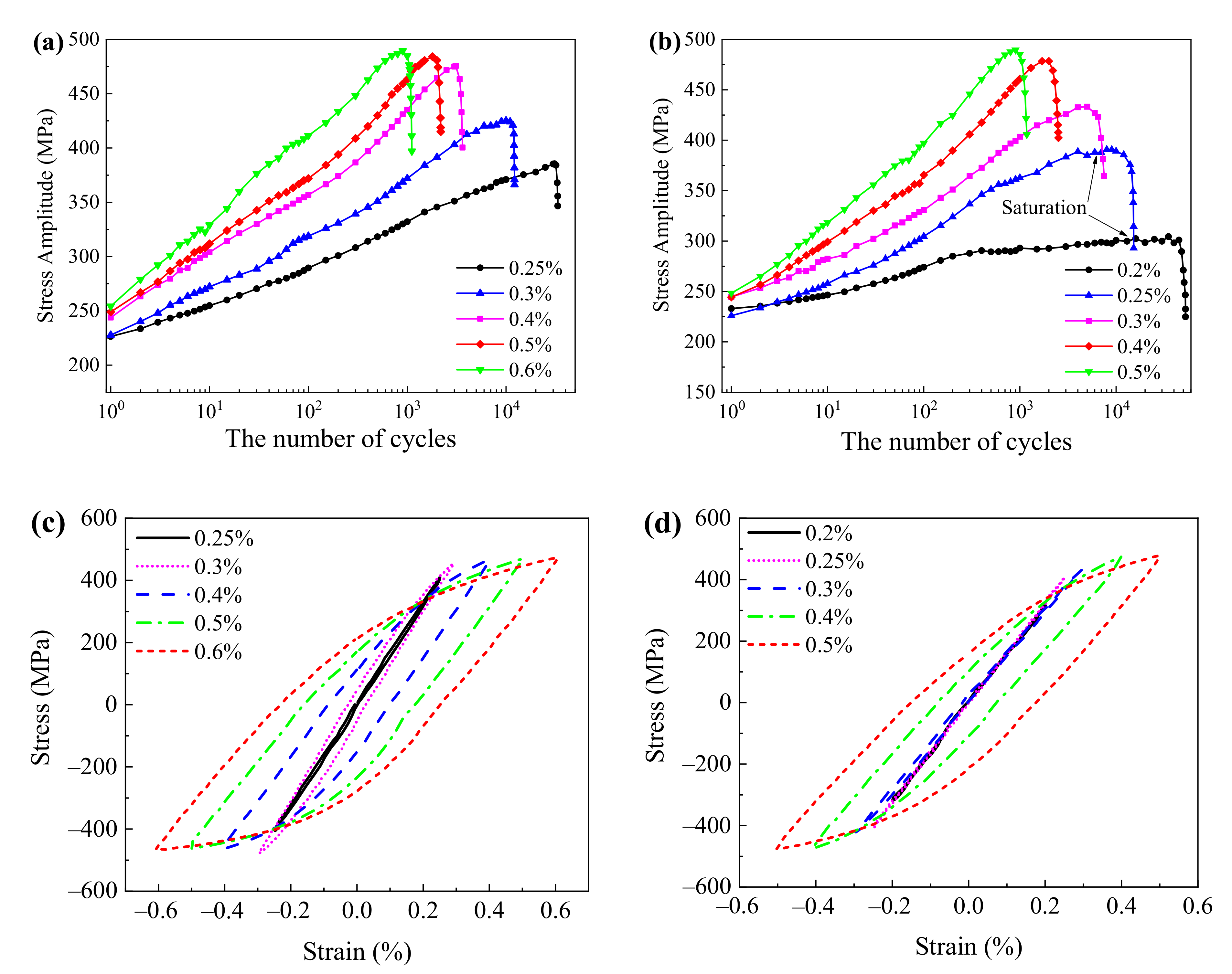
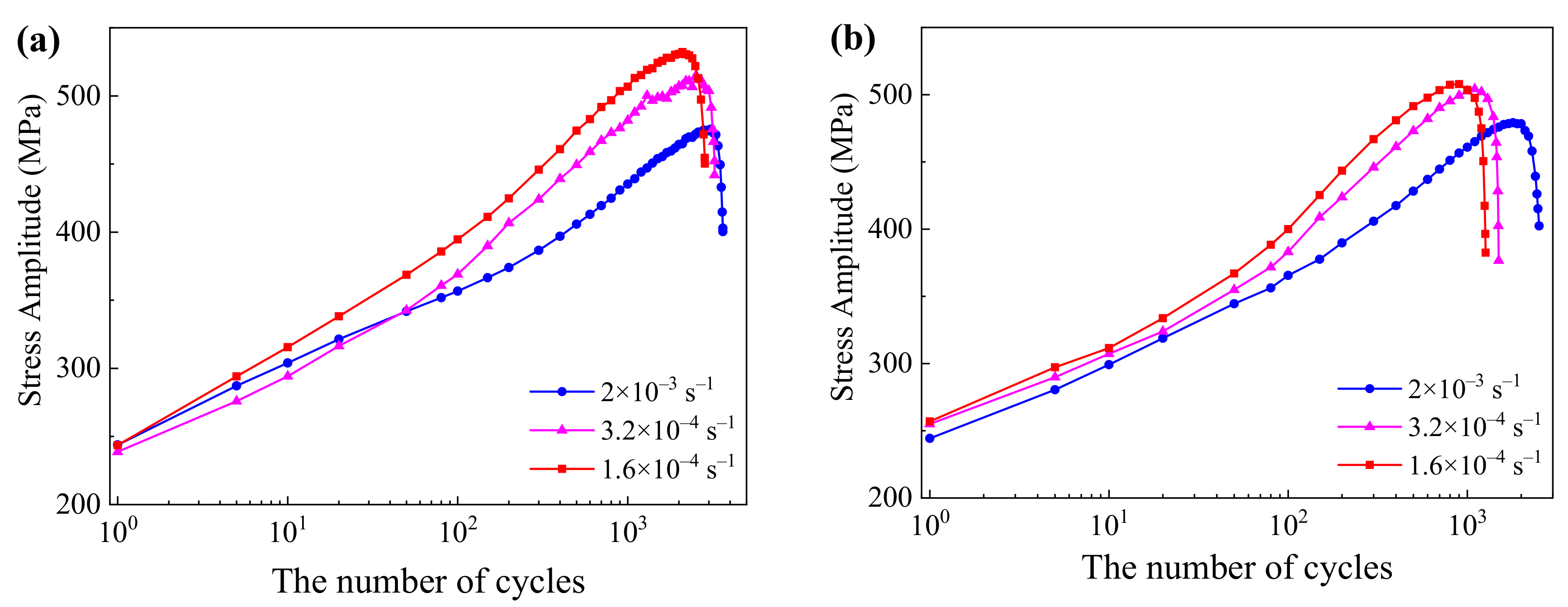
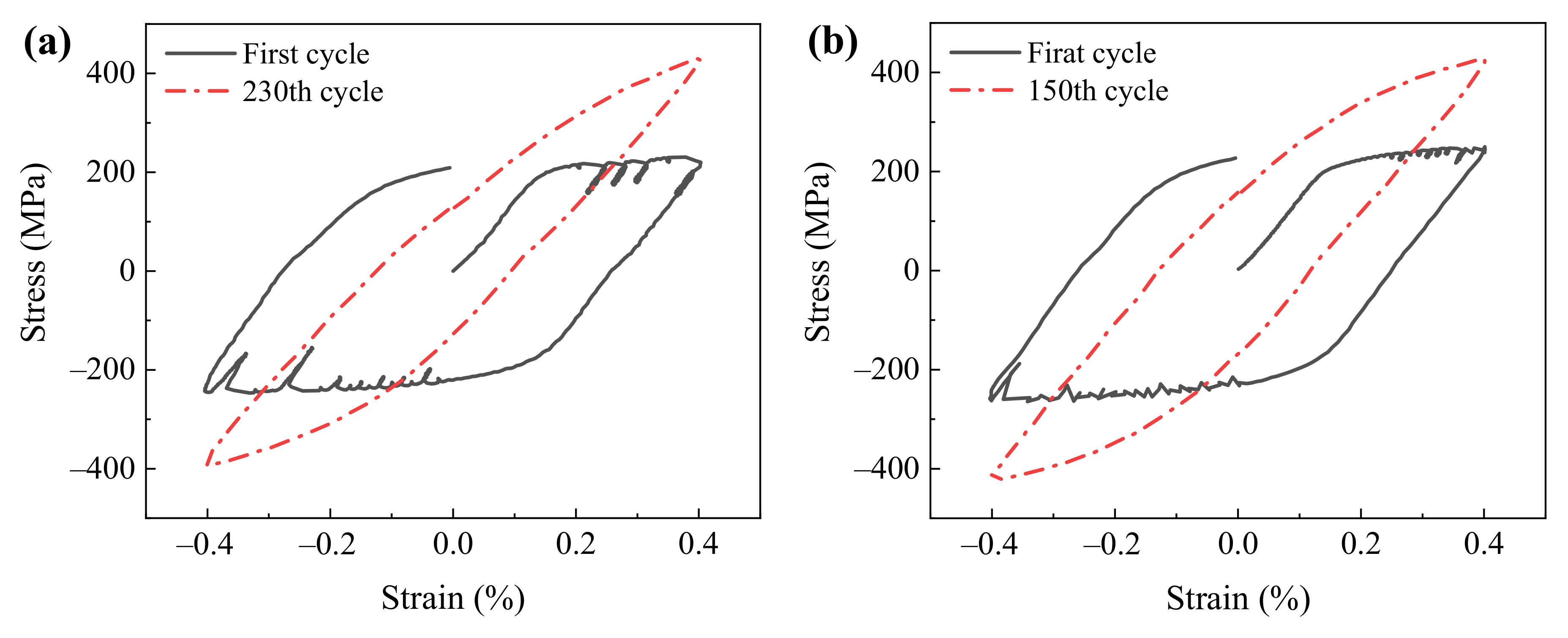
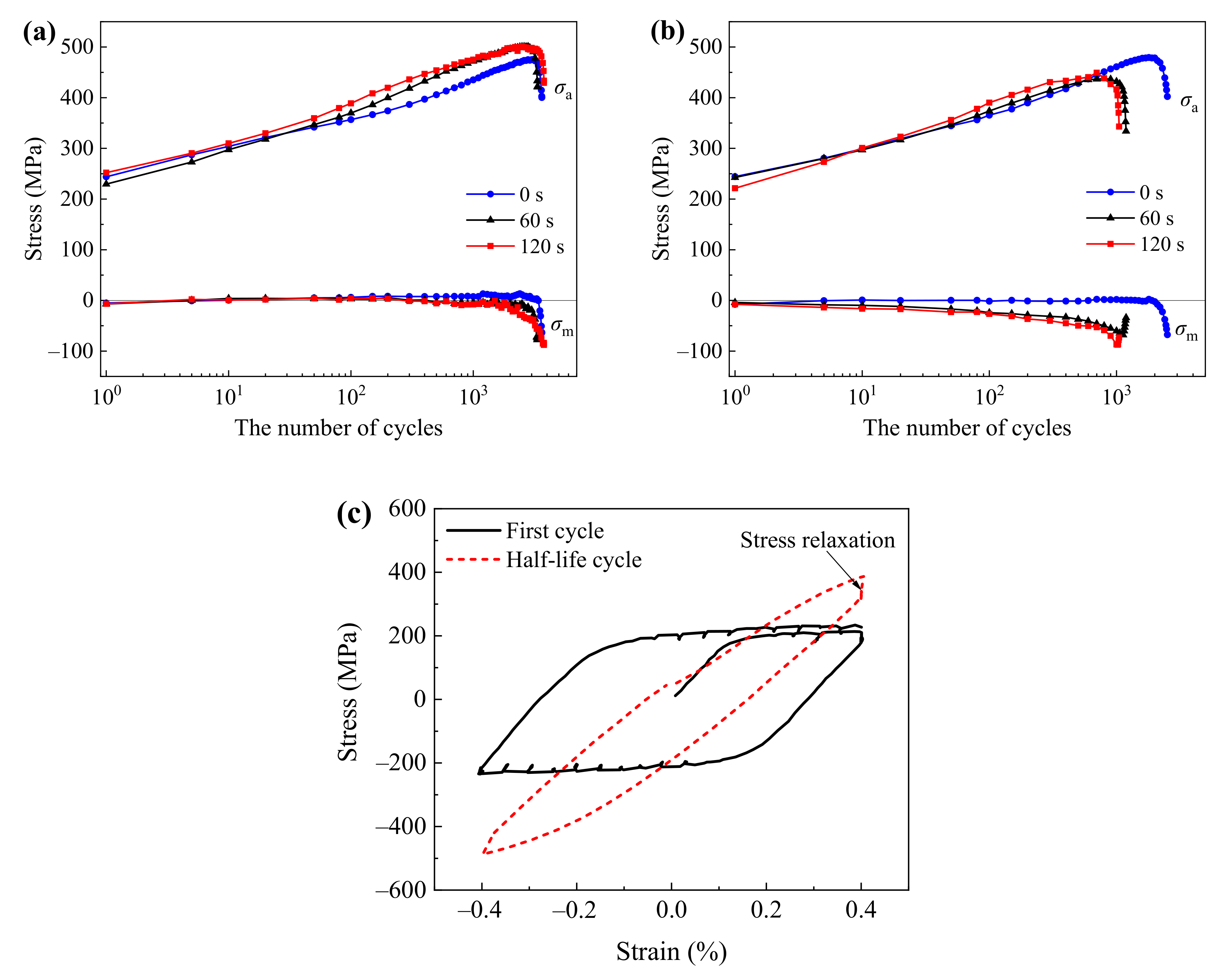
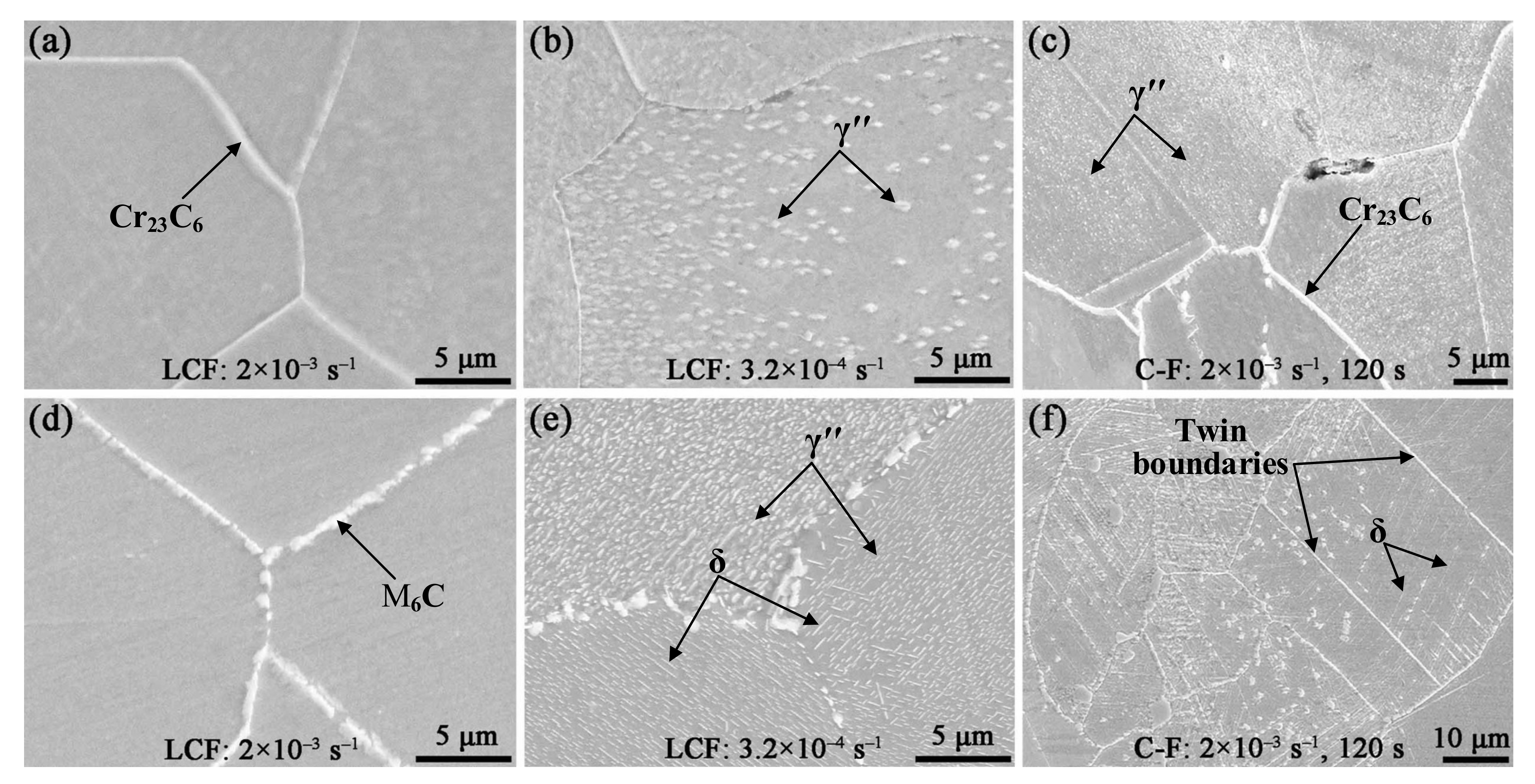
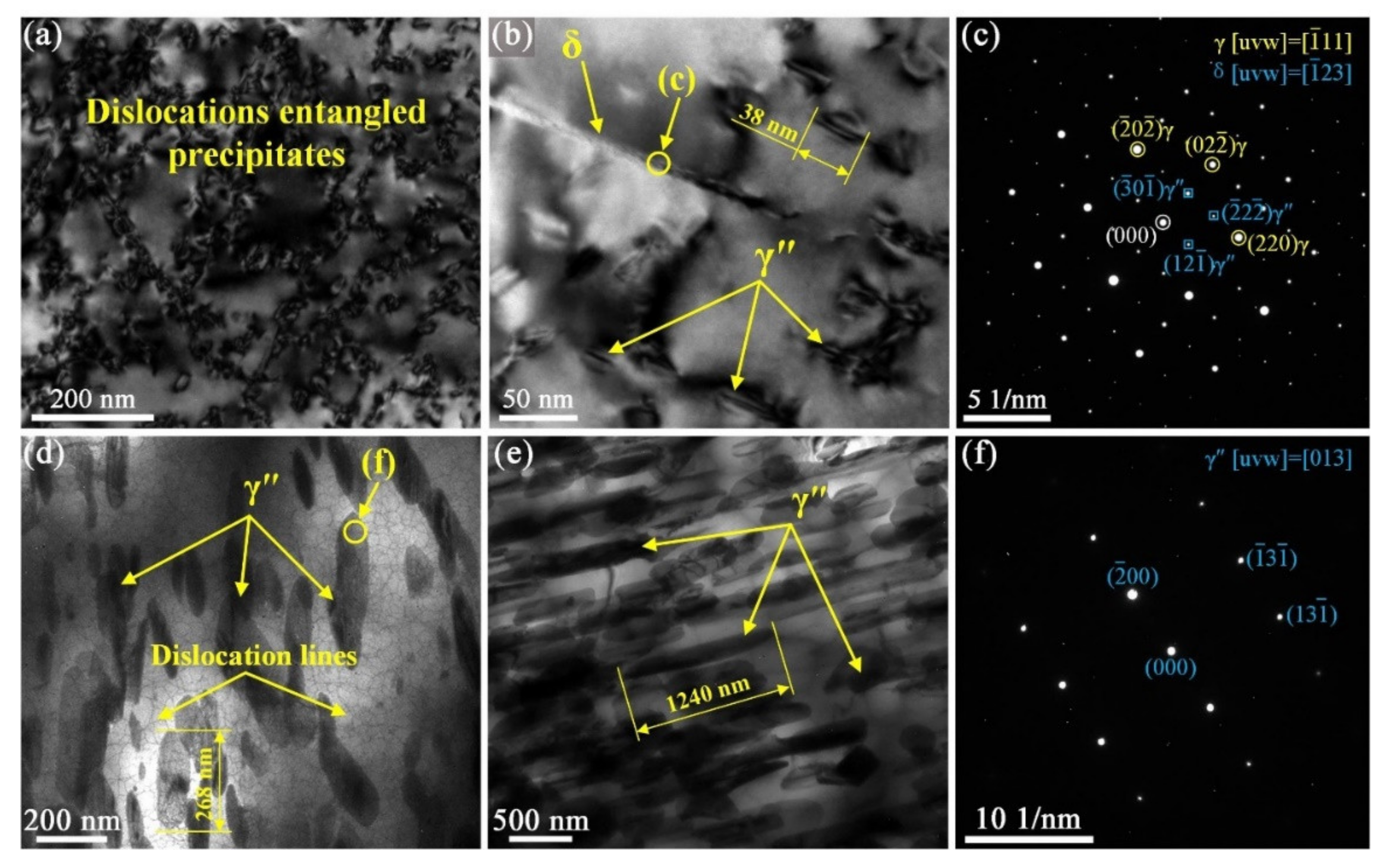
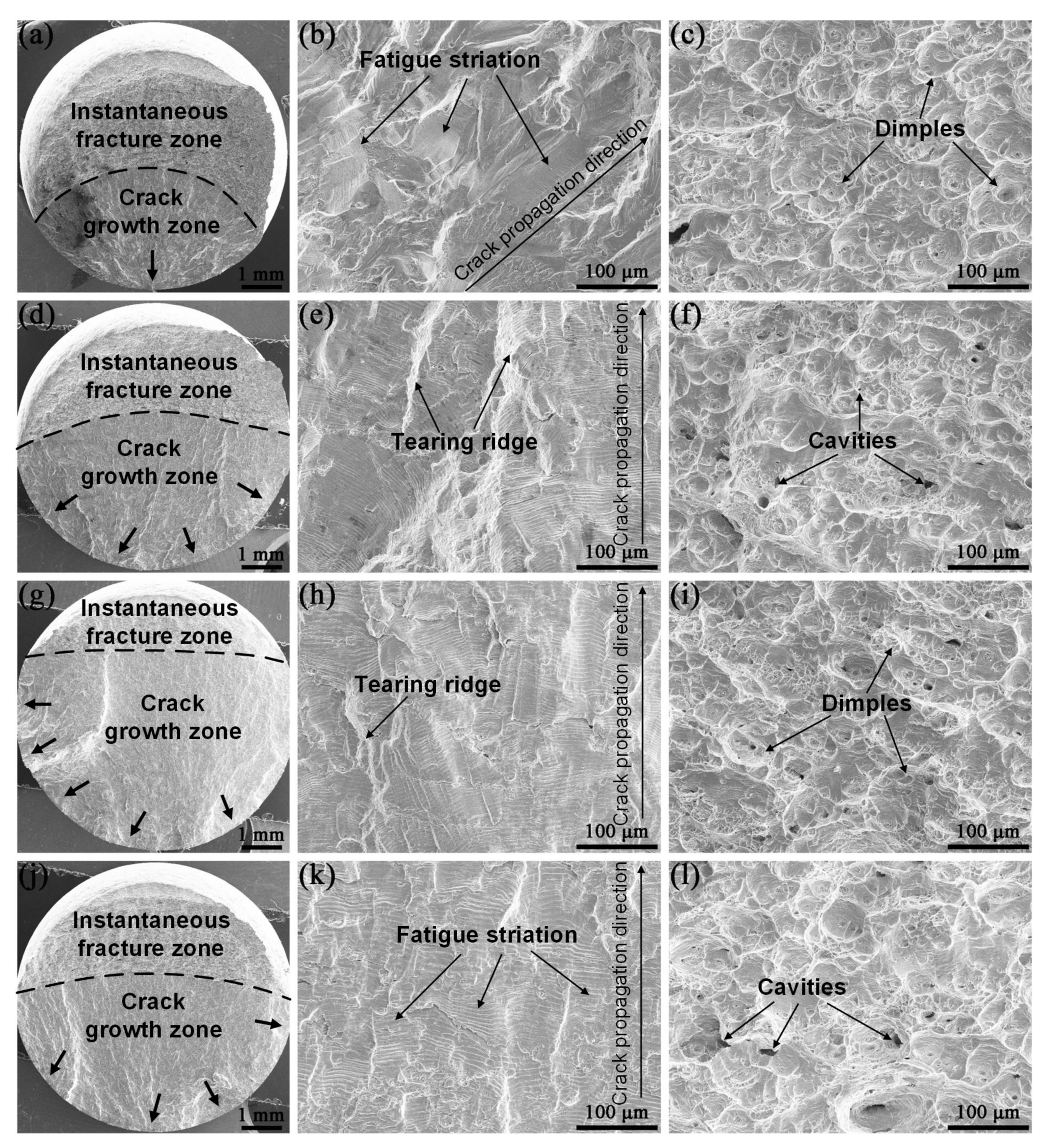
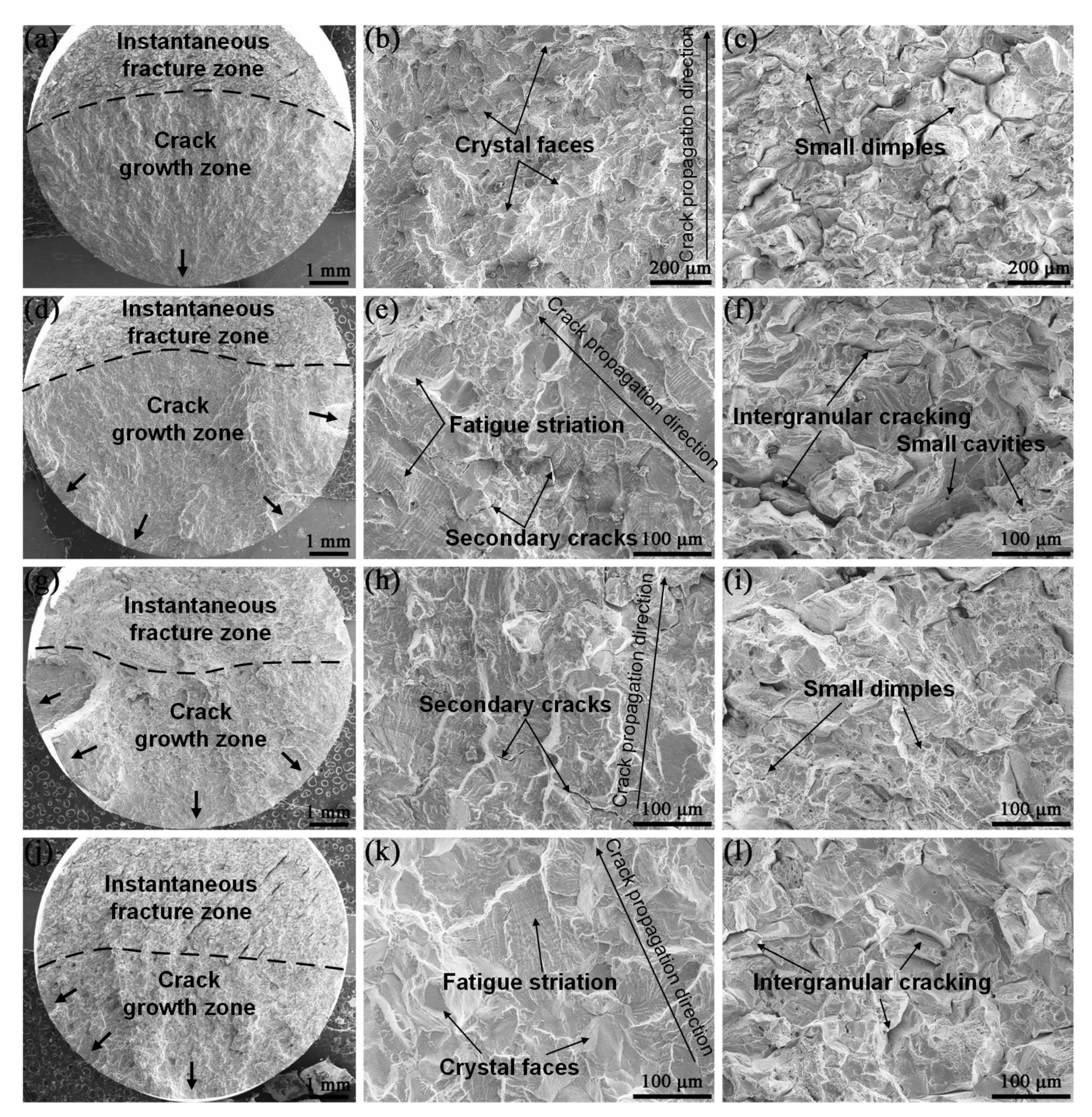
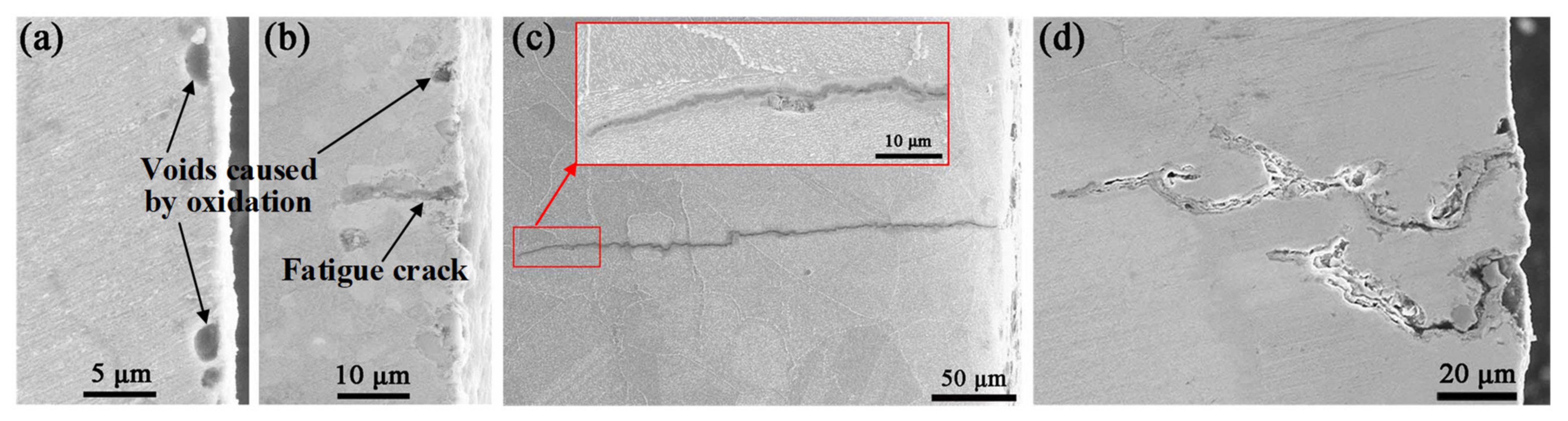
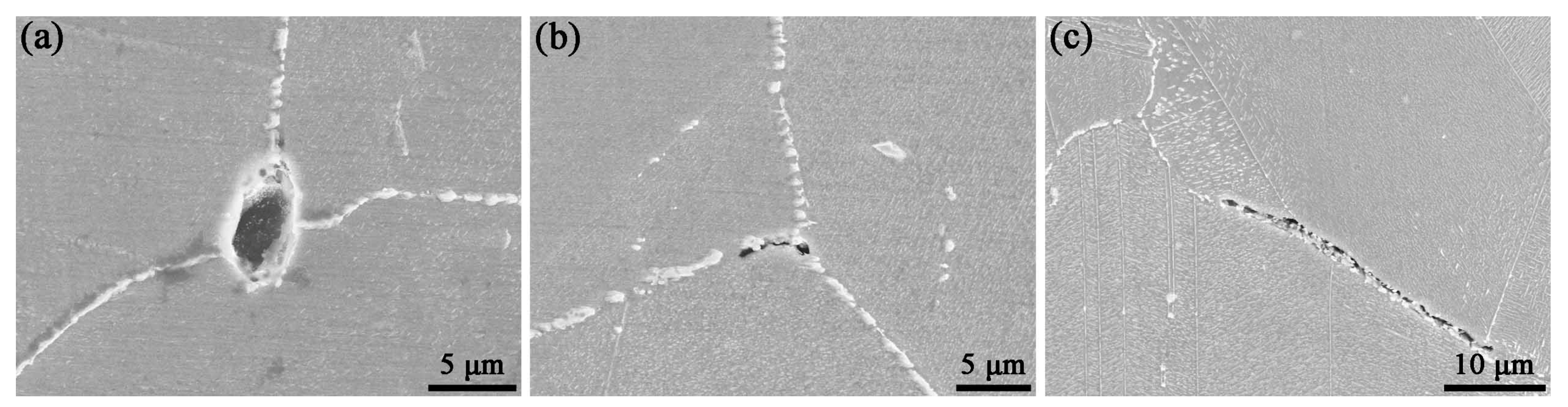
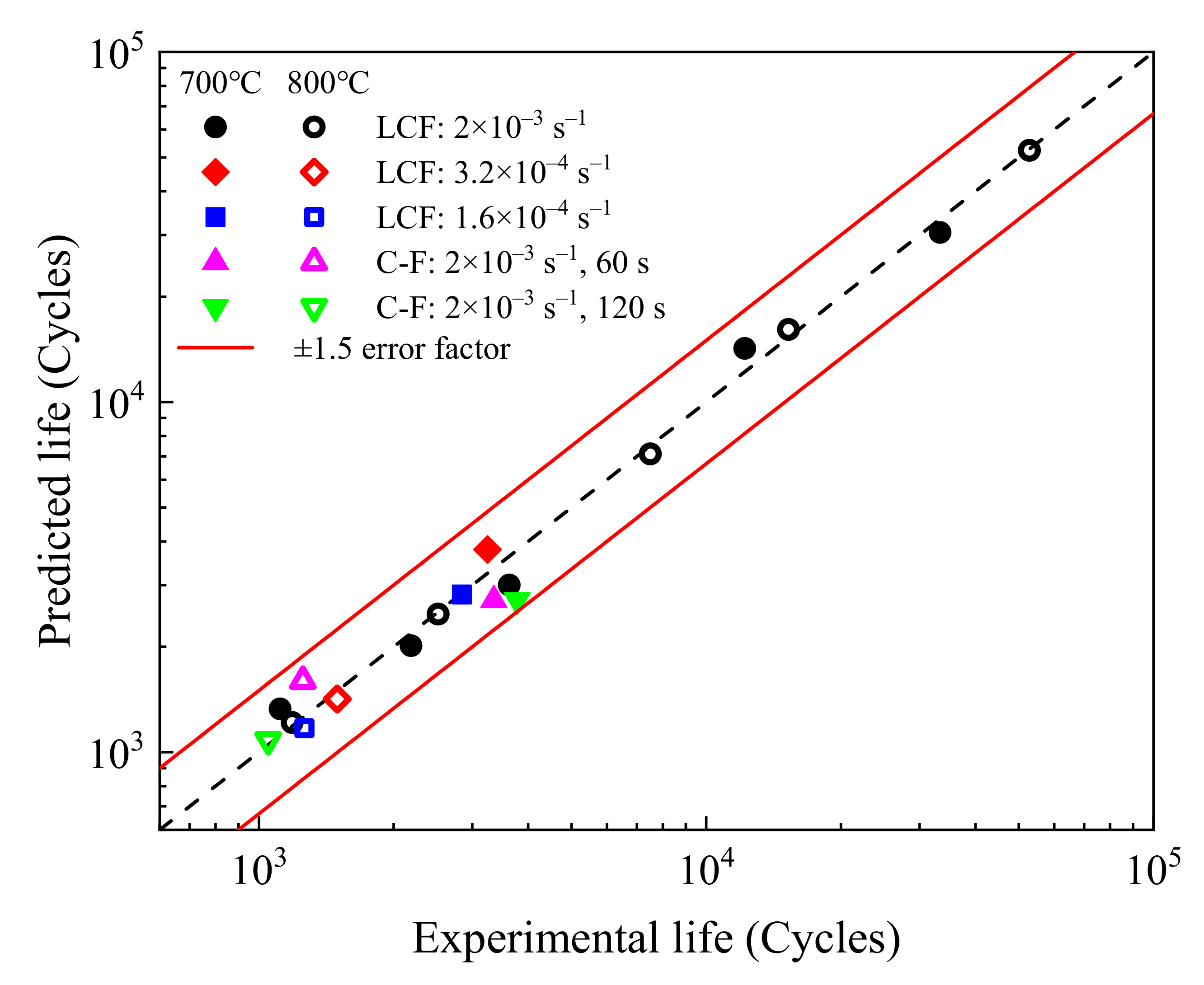
Strain-controlled continuous fatigue and creep–fatigue tests were carried out at 700 °C and 800 °C on Inconel 625 alloy. The effects of strain rate and tensile-hold time on cyclic stress response and fatigue life were investigated. Then, the microstructural analysis and the fractographic analysis of fatigue-fractured specimens were performed by scanning electron microscopy and transmission electron microscopy. The cyclic stress responses during high-temperature fatigue and the creep–fatigue–oxidation damage mechanism were discussed. The results showed that the strain rate and the tensile-hold time had little effect on the fatigue life at 700 °C, but there was a significant impact at 800 °C due to the creep–fatigue–oxidation interaction. The cyclic plastic deformation accelerated the precipitation of the γ″ phase, resulting in a continuous cyclic hardening and negative strain rate sensitivity. The fatigue failures at 700 °C under continuous fatigue conditions occurred with a transgranular fracture mode, while a transgranular-intergranular hybrid fracture manner was found at 800 °C. Furthermore, a frequency-modified total strain energy density model was proposed to consider the effects of creep and oxidation on fatigue life, and the predicted fatigue lives were located within the 1.5 times error band.
Keywords: Inconel 625 alloy; high-temperature fatigue; creep–fatigue; γ″ precipitation; damage mechanism Inconel 625 alloy; high-temperature fatigue; creep–fatigue; γ″ precipitation; damage mechanism