Article

Compared Block Periodized and Non-Periodized Physical Activity Programs in Older Adults

by
Alejandro Moreno-Mateos
1,*,
Fausto José Barbero Iglesias
2,
Antonio Sánchez Muñoz
3,
Yurena Gutiérrez Díaz
4 and
Carlos Moreno Pascual
5
1
Department of Sports, Salamanca City Council, 37003 Salamanca, Spain
2
Department of Nursey and Physiotherapy, University of Salamanca-IBSAL, 37007 Salamanca, Spain
3
Education College, Pontificia University of Salamanca-EGIIOFID, 37007 Salamanca, Spain
4
Health Service of the Canary Islands, 35508 Las Palmas, Spain
5
Department of Nursey and Physiotherapy, University of Salamanca, 37007 Salamanca, Spain
*
Author to whom correspondence should be addressed.
Sports 2024, 12(5), 119; https://doi.org/10.3390/sports12050119

Submission received: 15 March 2024 / Revised: 20 April 2024 / Accepted: 24 April 2024 / Published: 28 April 2024

Abstract

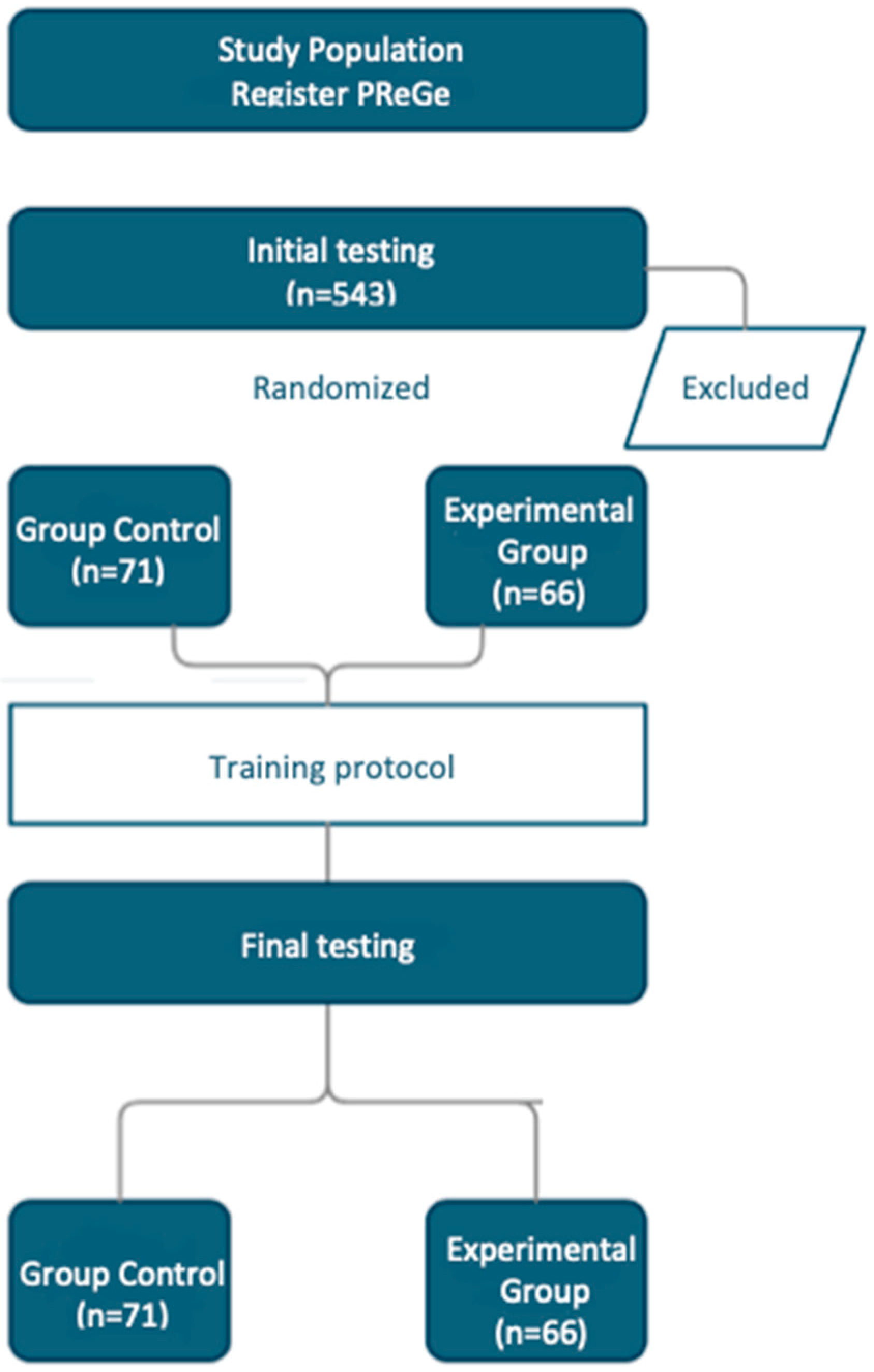
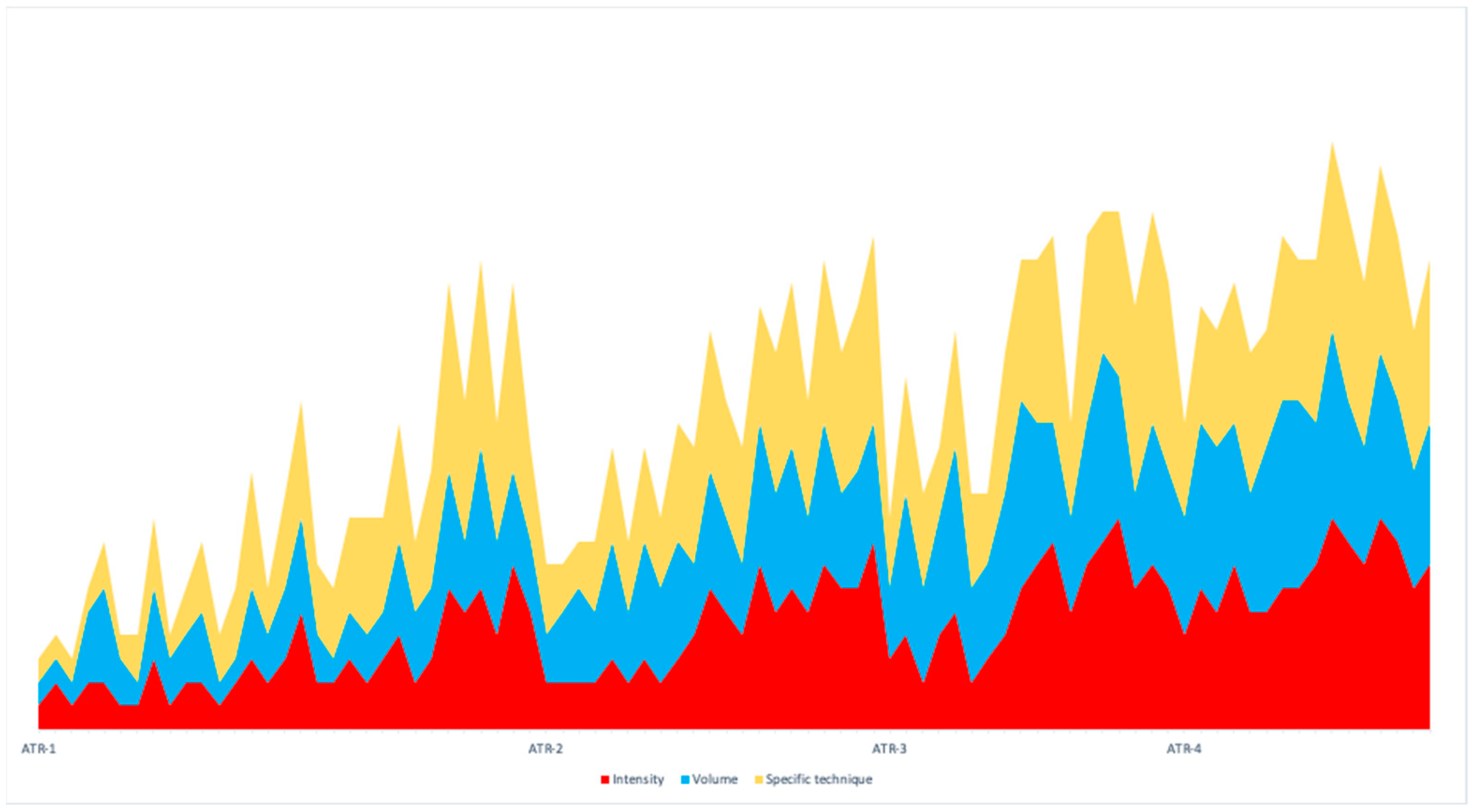
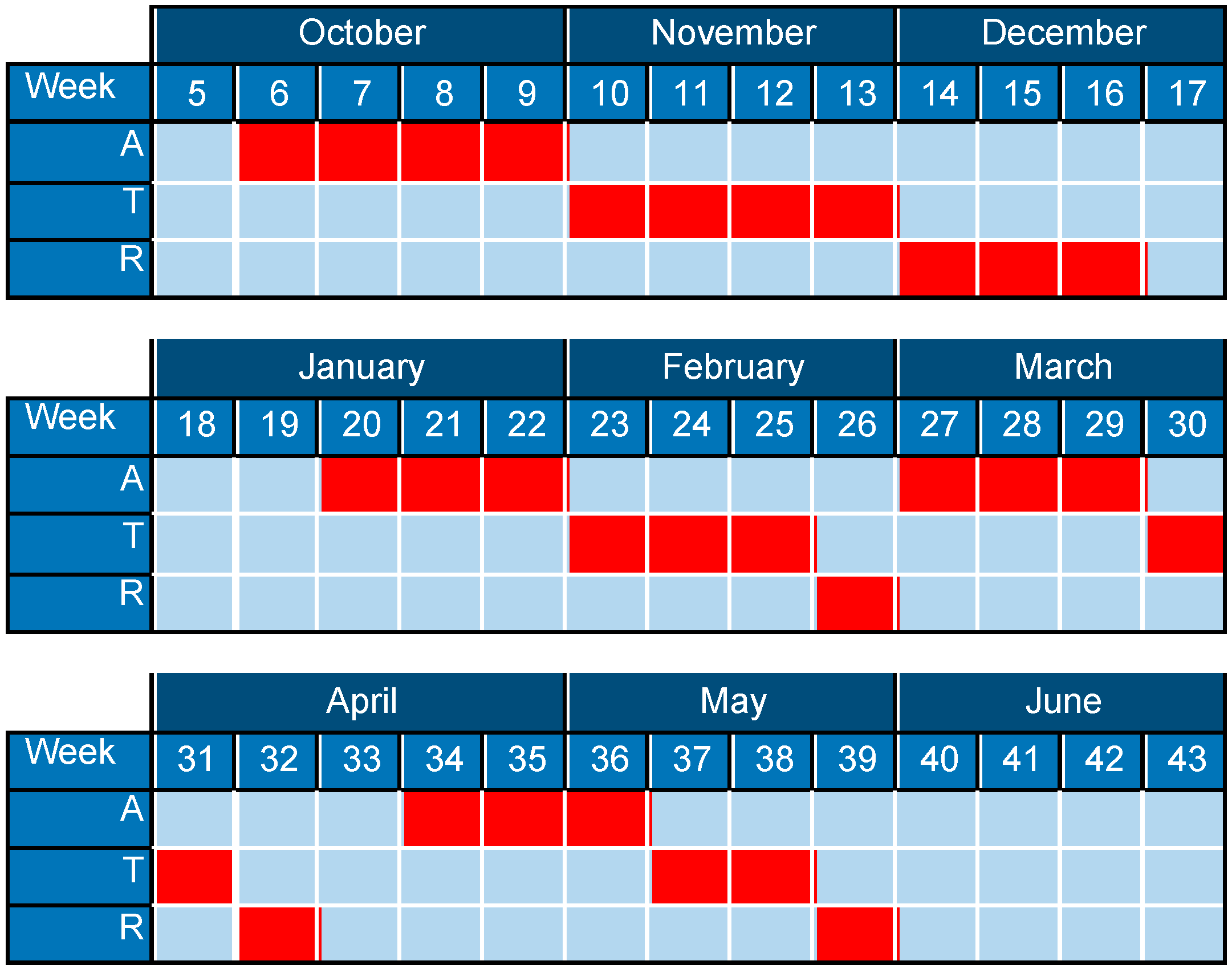
Background: The periodization of physical exercise to optimize objectives is common in competitive sports. However, physical exercise programs for older adults only sometimes present periodization in their programming. Therefore, this article aims to research the results of applying the sports periodized method to older adults. Methods: A total of 137 participants over 60 years old performed a physical exercise program; 71 participated in a multi-component non-periodized program as the Control Group (CG), and 66 participated in a program periodized in blocks as the Experimental Group (EG). The block periodization program was oriented to the development of strength and was carried out in 86 sessions thrice weekly for eight months. Anthropometric assessments were made using weight, height, Body Mass Index, and electrical bioimpedance; and functional evaluations were made through standardized tests: Short Performance Physical Battery (SPPB), Timed Up & Go (TUG), handgrip, and a two-minute stair test. Results: After the intervention, the EG significantly improved TUG, weight, and BMI. On the other hand, the CG showed significant improvements in fat weight, BMI, and the 2 min stair test. The SPPB did not show changes after the intervention. Conclusion: The periodization of physical exercise for older adults does not significantly impact functional capacity in this population group.
Keywords: physical activity; older adults; periodized training physical activity; older adults; periodized training