A Circular Bioeconomy Model for Oaxaca: Integrating Entomophagy and Zootechnical Validation in Small-Scale Tilapia Farming

 ,
,  , , ,
, , ,  ,
,  and
and 
Simple Summary
Abstract
1. Introduction
2. Materials and Methods
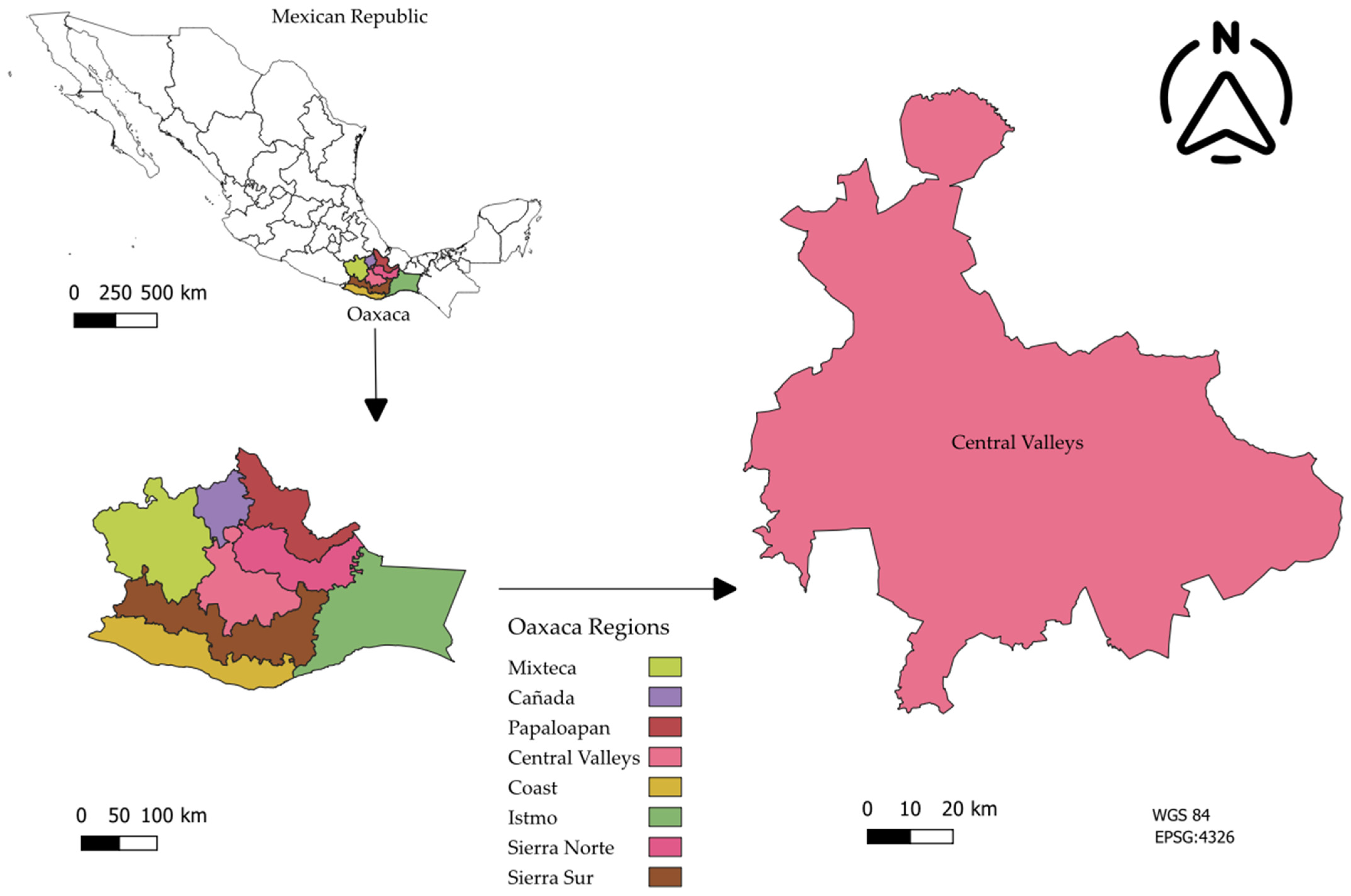
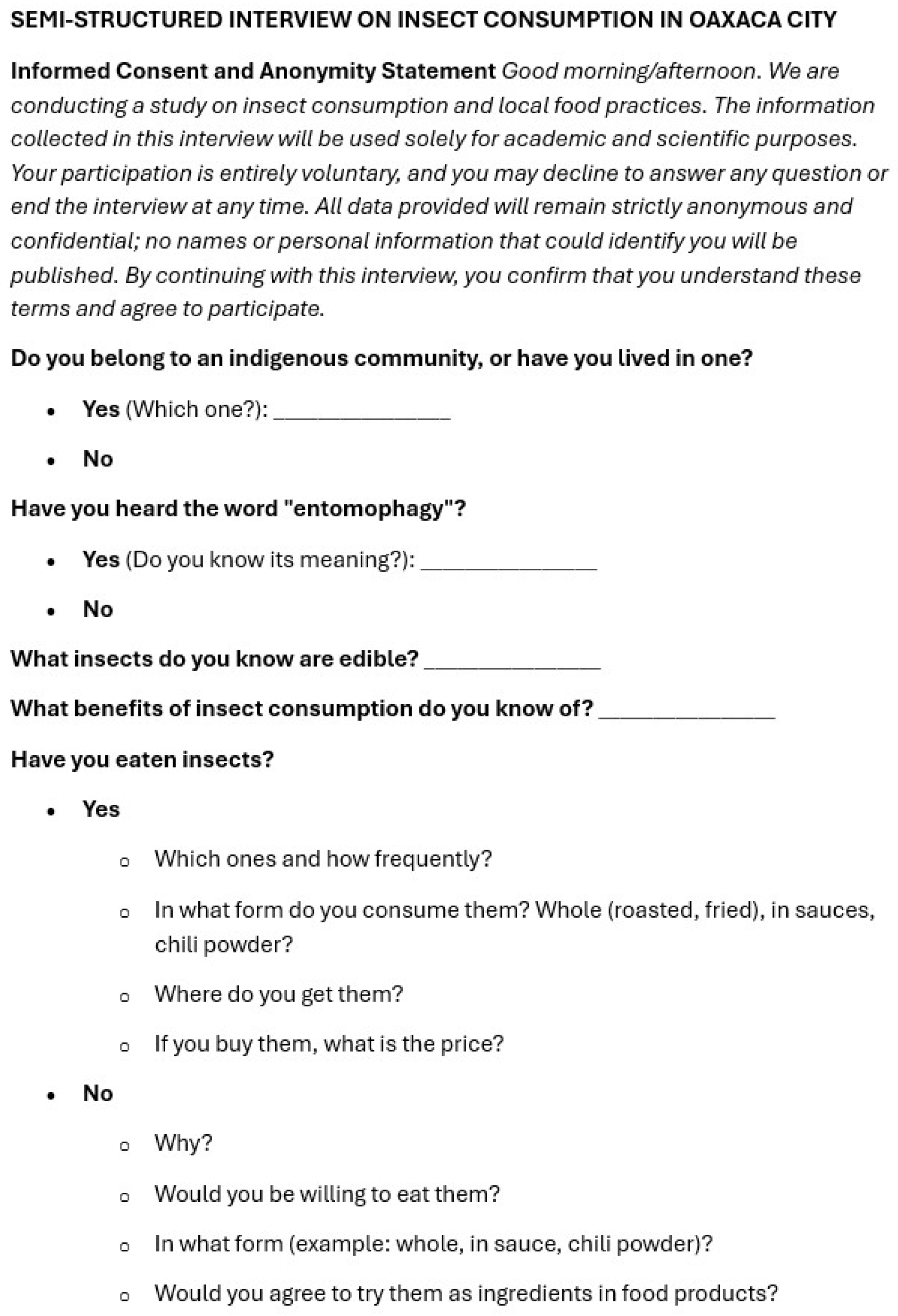
2.1. Sociocultural Diagnosis
2.2. Nutritional and Economical Validation of Inputs
2.3. Experimental Zootechnical Evaluation
2.4. Bioeconomic Integration Model Design
3. Results and Discussion
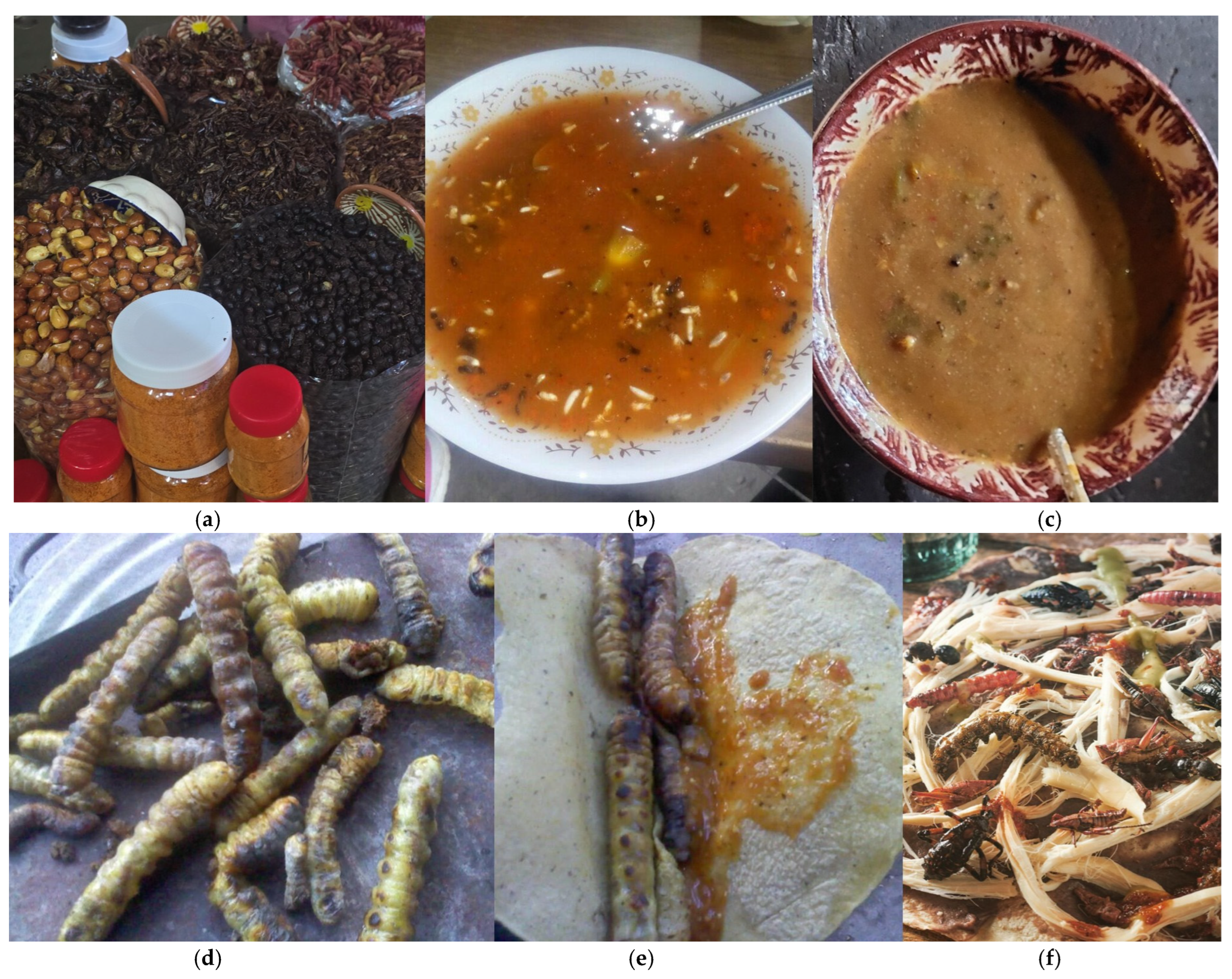
3.1. Gastronomic Heritage and Biocultural Dynamics of Consumption
3.1.1. Heritage Integration in the Value Chain
3.1.2. Cultural Roots and Prevalence of Entomophagy
3.1.3. Seasonality: The Challenge for Food Sovereignty
3.2. Potential for Domestication of Native Species
3.3. Analytical Validation of Raw Material: Nutrition and Safety
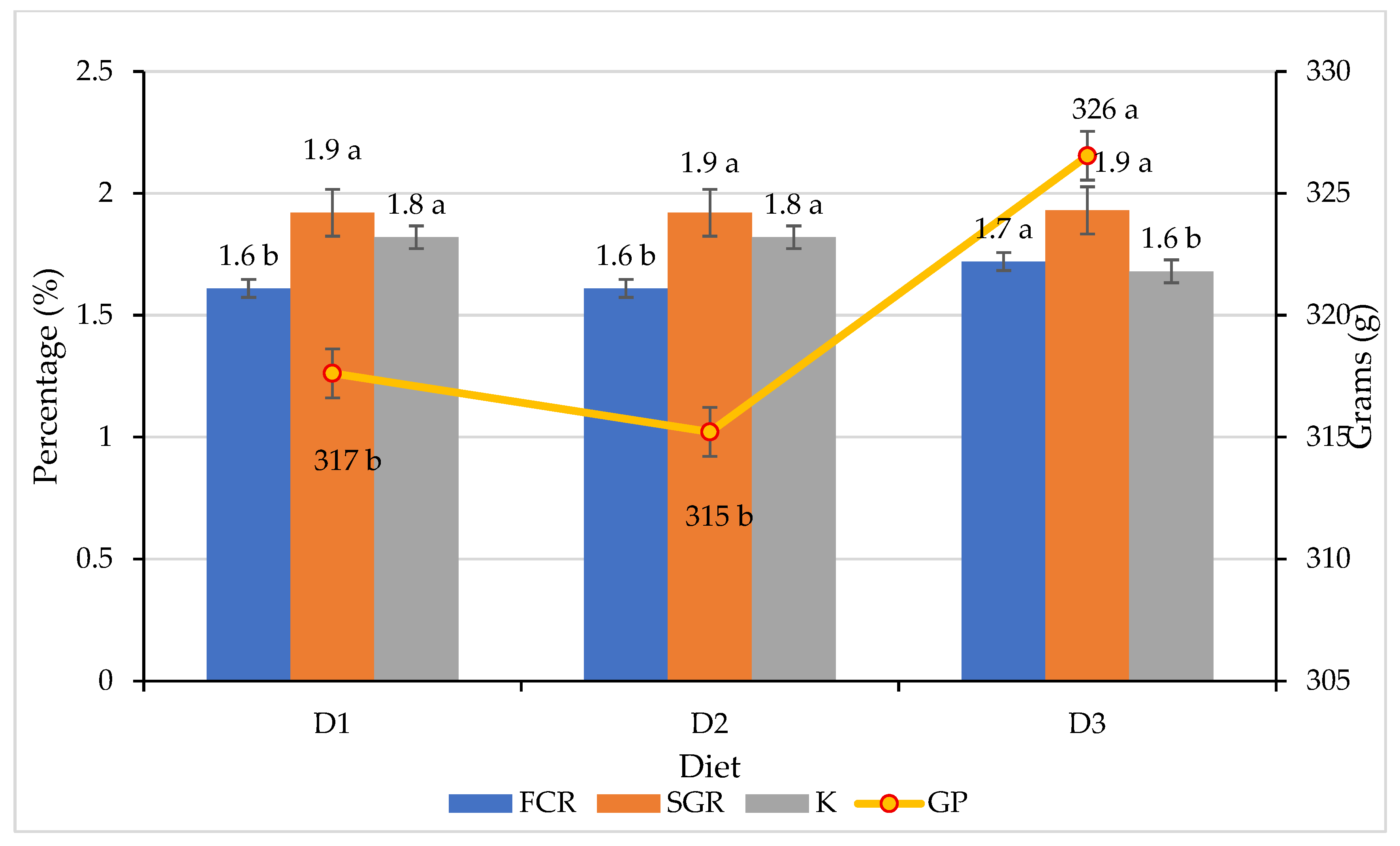
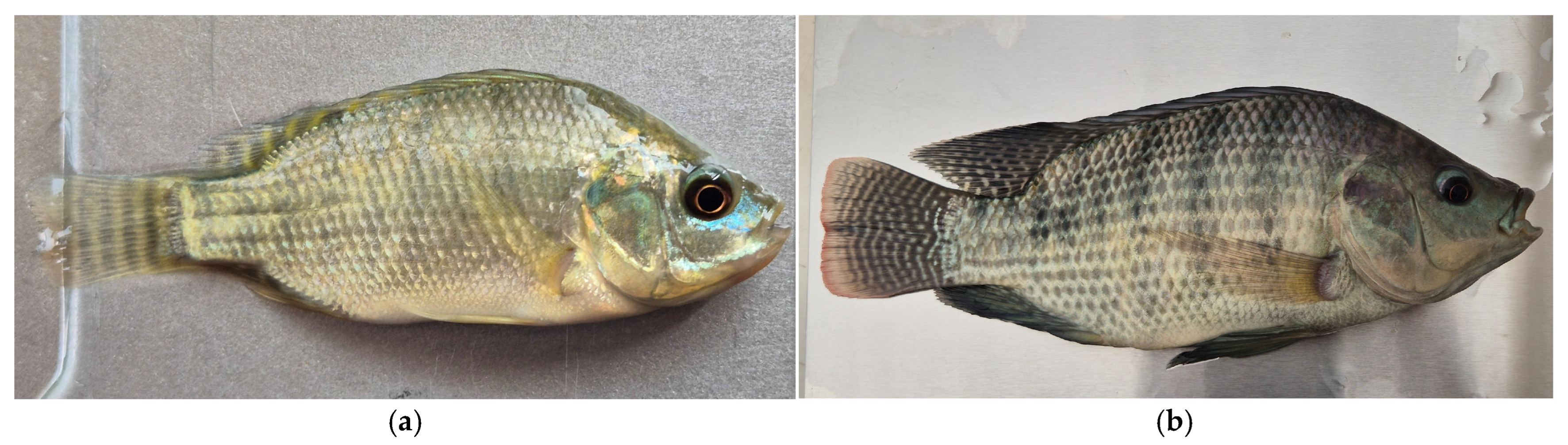
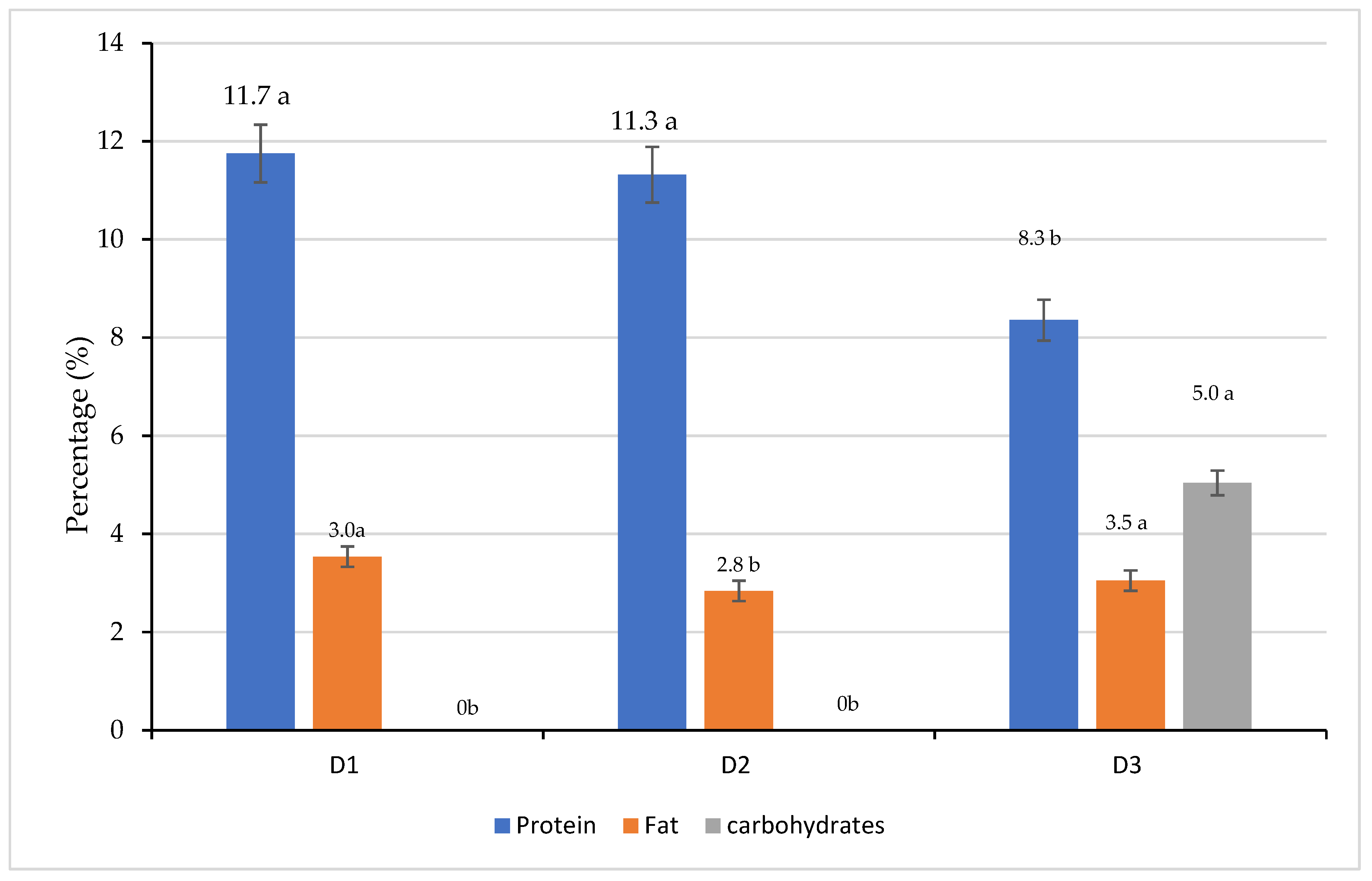
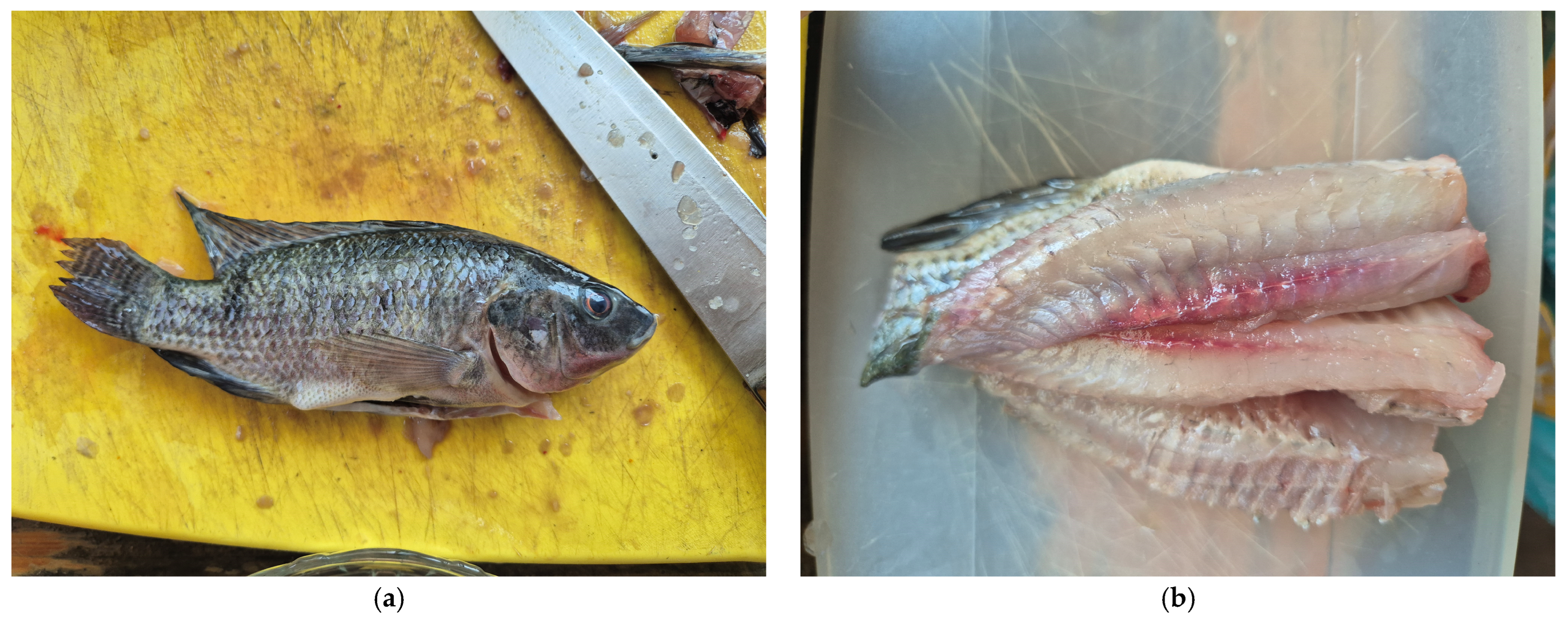
3.4. Zootechnical Performance and Final Product Quality
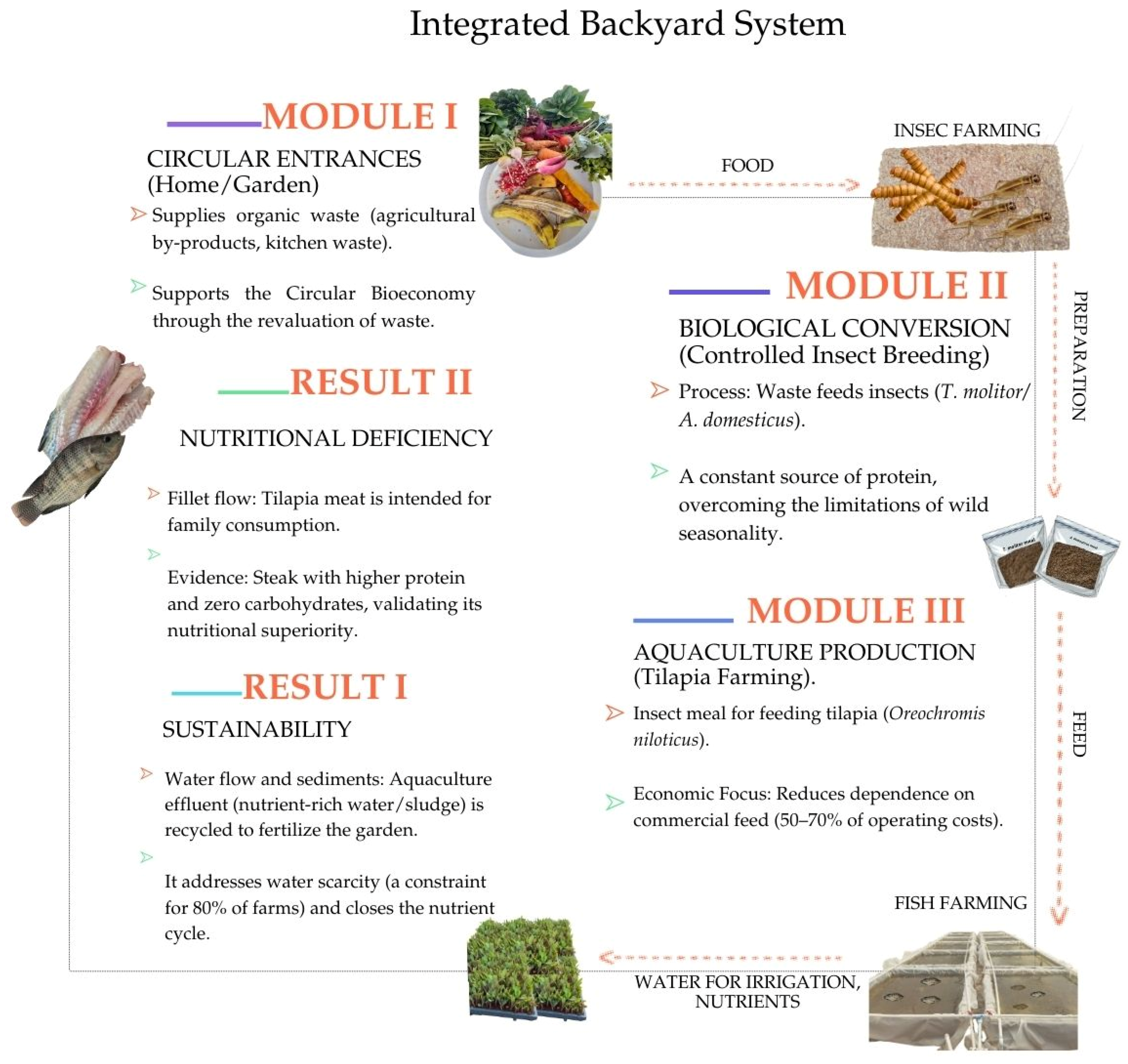
3.5. Model Synthesis: Backyard Integrated System
4. Conclusions
Author Contributions
Funding
Institutional Review Board Statement
Informed Consent Statement
Data Availability Statement
Acknowledgments
Conflicts of Interest
Abbreviations
| FCR | Feed Conversion Ratio |
| Wg | Weight Gain |
| K | Condition Factor |
| SR | Survival |
| ANOVA | Analysis of Variance |
| UNESCO | United Nations Educational, Scientific and Cultural Organization |
Appendix A
References
- Lu, M.; Zhu, C.; Smetana, S.; Zhao, M.; Zhang, H.; Zhang, F.; Du, Y. Minerals in edible insects: A review of content and potential for sustainable sourcing. Food Sci. Hum. Wellness 2024, 13, 65–74. [Google Scholar] [CrossRef]
- Guiné, R.P.F.; Florença, S.G.; Bartkiene, E.; Tarcea, M.; Chuck-Hernández, C.; Djekic, I.; Matek Sarić, M.; Boustani, N.M.; Korzeniowska, M.; Klava, D.; et al. Edible Insects—Exotic Food or Gastronomic Innovation? Study Involving 14 Countries. J. Culin. Sci. Technol. 2025, 23, 857–876. [Google Scholar] [CrossRef]
- Mihai, F.-C. Circular Economy and Sustainable Rural Development. Sustainability 2023, 15, 2139. [Google Scholar] [CrossRef]
- Stephenson, P.J.; Damerell, A. Bioeconomy and circular economy approaches need to enhance the focus on biodiversity to achieve sustainability. Sustainability 2022, 14, 10643. [Google Scholar] [CrossRef]
- Myers, G.; Pettigrew, S. A qualitative exploration of the factors underlying seniors’ receptiveness to entomophagy. Food Res. Int. 2018, 103, 163–169. [Google Scholar] [CrossRef]
- Sogari, G.; Riccioli, F.; Moruzzo, R.; Menozzi, D.; Tzompa-Sosa, D.; Li, J.; Liu, A.; Mancini, S. Engaging in entomophagy: The role of food neophobia and disgust between insect and non-insect eaters. Food Qual. Prefer. 2023, 104, 104764. [Google Scholar] [CrossRef]
- Victoria-Morales, J.D.; White-Olascoaga, L.; Chávez-Mejía, C.; Moctezuma-Pérez, S. Anthropo-entomophagy in the otomí community of San Pedro Arriba, Temoaya, Estado de México. Agric. Soc. Desarro. 2023, 19, 436–447. [Google Scholar] [CrossRef]
- Aquino-Aguilar, T.; Ortiz Hernández, Y.D.; Aquino-Bolaños, T.; Tavera-Cortés, M.E. Insect meals as an alternative for inclusion in tilapia aquaculture diets. Rev. Cienc. Agronómicas Apl. Biotecnol. 2024, 4, 126–132. [Google Scholar]
- Farkas, V.I.; Máté, M.; Takács, K.; Jánosi, A. The house cricket (Acheta domesticus Linnaeus) in food industry: Farming, technological challenges, and sustainability considerations. Appl. Sci. 2025, 15, 9494. [Google Scholar] [CrossRef]
- Smetana, S.; Palanisamy, M.; Mathys, A.; Heinz, V. Sustainability of insect use for feed and food: Life Cycle Assessment perspective. J. Clean. Prod. 2016, 137, 741–751. [Google Scholar] [CrossRef]
- Oonincx, D.G.A.B.; van Broekhoven, S.; van Huis, A.; van Loon, J.J.A. Feed conversion, survival and development, and composition of four insect species on diets composed of food by-products. PLoS ONE 2015, 10, e0144601. [Google Scholar] [CrossRef]
- Van Broekhoven, S.; Oonincx, D.G.A.B.; van Huis, A.; van Loon, J.J.A. Growth performance and feed conversion efficiency of three edible mealworm species (Coleoptera: Tenebrionidae) on diets composed of organic by-products. J. Insect Physiol. 2015, 73, 1–10. [Google Scholar] [CrossRef]
- Ruschioni, S.; Loreto, N.; Foligni, R.; Mannozzi, C.; Raffaelli, N.; Zamporlini, F.; Pasquini, M.; Roncolini, A.; Cardinali, F.; Osimani, A.; et al. Addition of olive pomace to feeding substrate affects growth performance and nutritional value of mealworm (Tenebrio molitor L.) Larvae. Foods 2020, 9, 317. [Google Scholar] [CrossRef]
- Sorjonen, J.M.; Valtonen, A.; Hirvisalo, E.; Karhapää, M.; Lehtovaara, V.J.; Lindgren, J.; Marnila, P.; Mooney, P.; Mäki, M.; Siljander-Rasi, H.; et al. The plant-based by-product diets for the mass-rearing of Acheta domesticus and Gryllus bimaculatus. PLoS ONE 2019, 14, e0218830. [Google Scholar] [CrossRef]
- Silva, L.; Martinez-Cordero, F.J.; Baganz, G.; Baganz, D.; Hernández-Pérez, A.; Coronado, E.; Portella, M.C. Advancing circularity in small-scale rural aquaponics: Potential routes and research needs. Resources 2025, 14, 119. [Google Scholar] [CrossRef]
- Mehta, N.; Shah, K.J.; Lin, Y.-I.; Sun, Y.; Pan, S.-Y. Advances in circular bioeconomy technologies: From agricultural wastewater to value-added resources. Environments 2021, 8, 20. [Google Scholar] [CrossRef]
- Aquino-Aguilar, T.; Ortiz-Hernández, Y.D.; Aquino-Bolaños, T.; Tavera-Cortes, M.E. Aquaculture farms in the Central Valleys of Oaxaca: Viability and constraints for tilapia production. In Rescatando la Producción Doméstica; Tavera-Cortés, M.E., Ed.; ASMIIA: Texcoco, México, 2024; pp. 64–79. [Google Scholar]
- Lugo, M.; Asiain, A.; Juárez Sánchez, J.; Reta, J.; Gallardo-López, F. Regulatory and institutional evolution of aquaculture in Mexico. Agric. Soc. Desarro. 2018, 15, 541–564. [Google Scholar] [CrossRef]
- Urías-Sotomayor, R.; Maeda-Martínez, A.N. Production of Nile Tilapia Oreochromis niloticus (Linnaeus, 1758) in Mexico as an alternative to strengthen national food security. Estud. Soc. Rev. Aliment. Contemp. Desarro. Reg. 2023, 33, e231322. [Google Scholar] [CrossRef]
- Macusi, E.D.; Cayacay, M.A.; Borazon, E.Q.; Sales, A.C.; Habib, A.; Fadli, N.; Santos, M.D. Protein fishmeal replacement in aquaculture: A systematic review and implications on growth and adoption viability. Sustainability 2023, 15, 12500. [Google Scholar] [CrossRef]
- Serratos-Tejeda, C.; Aragón-García, A.; Pérez-Torres, B.C.; López-Olguín, J.F. Agroecological alternative for the management of Atta mexicana in Puebla, Mexico. Southwest. Entomol. 2017, 42, 261–273, 213. [Google Scholar] [CrossRef]
- CCS. Insects: A Pre-Hispanic Ingredient That Flavors Mexican Cuisine. Available online: https://www.oaxaca.gob.mx/comunicacion/insectos-ingrediente-prehispanico-que-da-sabor-a-la-cocina-de-oaxaca/ (accessed on 4 December 2025).
- Fontana, P.; Buzzetti, F.; Mariño-Pérez, R. Grasshoppers, Locusts, Crickets & Katydids of Mexico. Photographic Guide; World Biodiversity Association: Ciudad de Mexico, Mexico, 2008. [Google Scholar]
- Gómez, B.; Junghans, C.; Aldasoro, E.M.; Grehan, J. The ghost moth (Lepidoptera: Hepialidae) as food of indigenous people in Mexico. J. Insects Food Feed 2016, 2, 53–59. [Google Scholar] [CrossRef]
- Lazos-Chavero, E.; Katz, E.; Aguilera-Espinosa, O.; Pino-Moreno, J.M.; Cabirol, N. The effects of the patrimonialization of Mexican cuisine on insect consumption. Anthropol. Food 2025, 18, 1–31. [Google Scholar] [CrossRef]
- Monroy-Torres, R.; Castillo-Chávez, Á.; Carcaño-Valencia, E.; Hernández-Luna, M.; Caldera-Ortega, A.; Serafín-Muñoz, A.; Linares-Segovia, B.; Medina-Jiménez, K.; Jiménez-Garza, O.; Méndez-Pérez, M.; et al. Food security, environmental health, and the economy in Mexico: Lessons learned with the COVID-19. Sustainability 2021, 13, 7470. [Google Scholar] [CrossRef]
- Ronquillo-de Jesús, E.; Aguilar-Méndez, M.A.; Rodríguez-Ortega, L.T.; San Juan-Lara, J. Entomophagy in Mexico: Current trends and outlook. J. Insects Food Feed 2024, 10, 1865–1879. [Google Scholar] [CrossRef]
- Aquino-Vásquez, C.; Ortiz-Hernández, Y.D.; Tavera-Cortés, M.E.; Morales-López, J.A.; Aquino-Bolaños, T. Nutritional value and microbiological safety of edible stink bugs (Hemiptera: Pentatomidae) as a functional food in Oaxaca, Mexico. In Retos de la Agricultura Orgánica; Tavera-Cortes, M.E., Ortiz-Hernández, Y.D., Eds.; ASMIIA: Texcoco, México, 2025; pp. 152–163. [Google Scholar]
- Costa-Neto, E.M.; Aparicio-Aparicio, J.C. Traditional uses of ‘insects’ by the Mixtec people of the municipality of San Miguel el Grande, Oaxaca, Mexico. Ethnoscientia-Braz. J. Ethnobiol. Ethnoecology 2018, 3, 1–18. [Google Scholar] [CrossRef]
- Hurd, K.J.; Shertukde, S.; Toia, T.; Trujillo, A.; Pérez, R.L.; Larom, D.L.; Love, J.J.; Liu, C. The cultural importance of edible insects in Oaxaca, Mexico. Ann. Entomol. Soc. Am. 2019, 112, 552–559. [Google Scholar] [CrossRef]
- Ortiz-García, A.; Pablo-Pedro, E.; Pacheco-Cruz, R.; López-Toledo, S. Entomophagy: Food security (availability and stability) in a rural area of Oaxaca, Mexico. Rev. Española Nutr. Comunitaria 2023, 29, 1–9. [Google Scholar]
- Juárez-Ortega, A.J.; Ramos-Elorduy, J.; Pino-Moreno, J. Edible insects in select localities of the central region of the State of Mexico: Harvesting techniques, sale, and preparation. Dugesiana 2015, 19, 123–133. [Google Scholar] [CrossRef]
- Ramos-Elorduy, J. Anthropo-entomophagy: Cultures, evolution and sustainability. Entomol. Res. 2009, 39, 271–288. [Google Scholar] [CrossRef]
- Romero-Jiménez, H.; Cadena-Íñiguez, J.; Tarango-Arámbula, L.A.; Ugalde-Lezama, S.; Olmos-Oropeza, G.; Hernández-Roldan, E. Edible insects: Socioeconomic and environmental perspective in north-central Mexico. Agric. Soc. Desarro. 2025, 22, 278–300. [Google Scholar] [CrossRef]
- Doi, H.; Gałęcki, R.; Mulia, R.N. The merits of entomophagy in the post COVID-19 world. Trends Food Sci. Technol. 2021, 110, 849–854. [Google Scholar] [CrossRef]
- Gómez-Gómez, B. Anthropo-entomophagy in Mexico and its impact on the decline of insect populations. Boletín SCME 2023, 3, 43–53. [Google Scholar]
- Aquino-Aguilar, T.; Ortiz-Hernández, Y.D.; Morales-López, J.A.; Aquino-Bolaños, y.T. Edible insect flour: Proximal and chemical composition, microbiological quality, and techno-functional properties. Southwest. Entomol. 2025, 50, 1468–1483, 1416. [Google Scholar] [CrossRef]
- Foster, L.; Sloan, L.; Clark, T.; Bryman, A. Bryman’s Social Research Methods, 6th ed.; Oxford University Press: New York, NY, USA, 2022. [Google Scholar]
- Regiones de Oaxaca. Gobierno del Estado de Oaxaca, México. Available online: https://www.oaxaca.gob.mx/regiones/ (accessed on 5 December 2025).
- Hernández-Ramírez, J.; Avendaño-Rodríguez, G.B.; Enríquez-Almaraz, T.; Olivera, M. Economic access to the edible insect Sphenarium purpurascens in the Sierra Sur of Oaxaca, Mexico. Available online: https://www.renc.es/imagenes/auxiliar/files/NUTRICON_COMUNITARIA_1-2020_articulo7%281%29.pdf (accessed on 5 December 2025).
- Hayes, M. Measuring protein content in food: An overview of methods. Foods 2020, 9, 1340. [Google Scholar] [CrossRef]
- NMX-F-608-NORMEX-2011; Food—Determination of Proteins in Food—Test Method (Cancels NMX-F-608-NORMEX-2002). Norma Mexicana: Mexico City, Mexico, 2011.
- NOM-092-SSA1-1994; Goods and Services: Method for Aerobic Plate Count of Bacteria. Norma Oficial Mexicana: Mexico City, Mexico, 1995.
- NOM-113-SSA1-2014; Goods and Services. Method for Total Coliform Count in Plate. Norma Oficial Mexicana: Mexico City, Mexico, 1995.
- NOM-210-SSA1-2014; Products and Services. Microbiological Test Methods. Determination of Indicator and Pathogenic Microorganisms. Norma Oficial Mexicana: Mexico City, Mexico, 2014.
- Saker, A.; Cares-Pacheco, M.G.; Marchal, P.; Falk, V. Powders flowability assessment in granular compaction: What about the consistency of Hausner ratio? Powder Technol. 2019, 354, 52–63. [Google Scholar] [CrossRef]
- Tubin, J.S.B.; Paiano, D.; Hashimoto, G.S.d.O.; Furtado, W.E.; Martins, M.L.; Durigon, E.; Emerenciano, M.G.C. Tenebrio molitor meal in diets for Nile tilapia juveniles reared in biofloc system. Aquaculture 2020, 519, 734763. [Google Scholar] [CrossRef]
- Muin, H.; Taufek, N.M. Evaluation of growth performance, feed efficiency and nutrient digestibility of red hybrid tilapia fed dietary inclusion of black soldier fly larvae (Hermetia illucens). Aquac. Fish. 2024, 9, 46–51. [Google Scholar] [CrossRef]
- NOM-051-SCFI/SSA1-2010; General Labeling Specifications for Prepackaged Food and Non-Alcoholic Beverages—Commercial and Sanitary Information. Norma Oficial Mexicana: Mexico City, Mexico, 2010.
- Ghaly, A.E.; Alkoaik, F.N. The Yellow Mealworm as a Novel Source of Protein. Am. J. Agric. Biol. Sci. 2009, 4, 319–331. [Google Scholar] [CrossRef]
- Arias-Valencia, M.M. Principles, scope, and limitations of the methodological triangulation. Investig. Educ. Enferm. 2022, 40, e03. [Google Scholar] [CrossRef]
- Ramos-Elorduy, J.; Moreno, J.M.P.; Prado, E.E.; Perez, M.A.; Otero, J.L.; de Guevara, O.L. Nutritional value of edible insects from the state of Oaxaca, Mexico. J. Food Compos. Anal. 1997, 10, 142–157. [Google Scholar] [CrossRef]
- Cohen, J.; Mata-Sánchez, N.; Montiel Ishino, F. Chapulines and food choices in rural Oaxaca. Gastron. J. Food Stud. 2009, 9, 61–65. [Google Scholar] [CrossRef]
- Navarro-Gamboa, M.; Vazquez-Solís, V.; Van’t-Hooft, A.; Reyes-Agüero, J.A. Community participation and tourism in indigenous areas in the Mexican context: Four case studies. El Periplo Sustentable 2019, 1, 7–33. [Google Scholar]
- UNESCO. Representative List of the Intangible Cultural Heritage of Humanity. Available online: https://ich.unesco.org/doc/src/06859-ES.pdf (accessed on 10 December 2025).
- Flores Solano, J.A. Diversity and social fabric: An approach from symbolic interactionism. Confin. Relac. Int. Cienc. Política 2023, 19, 24–48. [Google Scholar] [CrossRef]
- Lugo-Espinosa, G.; Alberti-Manzanarez, M.d.P.; Figueroa-Rodríguez, O.L.; Talavera-Magaña, D.; Monterrubio-Cordero, J.C. Cultural heritage and gender as a development strategy in Tepetlaoxtoc, State of Mexico. PASOS. Rev. Tur. Patrim. Cultural. 2011, 9, 599–612. [Google Scholar] [CrossRef]
- Ortiz-Hernández, Y.D.; Acevedo-Ortiz, M.A.; Lugo-Espinosa, G. Chicatanas and pitahayas in productive diversification: Alternative complementary foods, or out-of-control defoliators and climbers? In La Dimensión Global de las Regiones y Sus Reconfiguraciones Económicas y Urbanas; Wong González, P., Isaac Egurrola, J.E., Morales García de Alba, E.R., Treviño Aldape, A., Eds.; Recuperación transformadora de los territorios con equidad y sostenibilidad; UNAM-AMECIDER: Ciudad de México, México, 2021; Volume II. [Google Scholar]
- Ascanio-Guevara, A.; Vinicius-Campos, M. Sustainable Tourism: The Necessary Balance in the 21st Century, 1st ed.; Trillas: Ciudad de Mexico, Mexico, 2014; p. 158. [Google Scholar]
- Cruz-García, K.; Ortiz-Hernández, Y.D.; Acevedo-Ortiz, M.A.; Aquino-Bolaños, T.; Aquino-López, T.; Lugo-Espinosa, G.; Ortiz-Hernández, F.E. Edible insects: Global research trends, biosafety challenges, and market insights in the Mexican context. Foods 2025, 14, 663. [Google Scholar] [CrossRef]
- Lugo-Espinosa, G.; Acevedo-Ortiz, M.A.; Ortiz-Hernández, Y.D.; Ortiz-Hernández, F.E.; Tavera-Cortés, M.E. Land use change and biocultural heritage in valle nacional, Oaxaca: Women’s contributions and community resilience. Land 2025, 14, 1735. [Google Scholar] [CrossRef]
- Van Huis, A.; Halloran, A.; Van Itterbeeck, J.; Klunder, H.; Vantomme, P. How many people on our planet eat insects: 2 billion? J. Insects Food Feed 2022, 8, 1–4. [Google Scholar] [CrossRef]
- Serrano-Limón, G.; Ramos-Elorduy, J. Biology of Sphenarium purpurascens Charpentier and some aspects of its behavior (Orthoptera: Acrididae). An. Inst. Biol. 1989, 59, 139–151. [Google Scholar]
- Delgado-Tejeda, I.; Llanderal-Cázares, C.; Miranda-Perkins, K.; de los Santos-Posadas, H.M. Pupation, adult emergence and oviposition of Comadia redtenbacheri (Lepidoptera: Cossidae) in the nursery. Agrociencia 2017, 51, 447–454. [Google Scholar]
- Cuervo-Parra, J.A.; Pérez-España, V.H.; López-Pérez, P.A.; Morales-Ovando, M.A.; Arce-Cervantes, O.; Aparicio-Burgos, J.E.; Romero-Cortes, T. Scyphophorus acupunctatus (Coleoptera: Dryophthoridae): A weevil threatening the production of agave in Mexico. Fla. Entomol. 2019, 102, 1–9. [Google Scholar] [CrossRef]
- Strydom, E.; Erasmus, A.; Plessis, H.d.; van den Berg, J. Suitability of different artificial diets for mass rearing of six lepidopteran pest species. Int. J. Trop. Insect Sci. 2024, 44, 2403–2415. [Google Scholar] [CrossRef]
- Tanga, C.M.; Egonyu, J.P.; Beesigamukama, D.; Niassy, S.; Emily, K.; Magara, H.J.O.; Omuse, E.R.; Subramanian, S.; Ekesi, S. Edible insect farming as an emerging and profitable enterprise in East Africa. Curr. Opin. Insect Sci. 2021, 48, 64–71. [Google Scholar] [CrossRef] [PubMed]
- Madau, F.A.; Arru, B.; Furesi, R.; Pulina, P. Insect farming for feed and food production from a circular business model perspective. Sustainability 2020, 12, 5418. [Google Scholar] [CrossRef]
- Yi, L.; Lakemond, C.M.M.; Sagis, L.M.C.; Eisner-Schadler, V.; van Huis, A.; van Boekel, M.A.J.S. Extraction and characterisation of protein fractions from five insect species. Food Chem. 2013, 141, 3341–3348. [Google Scholar] [CrossRef]
- Sanchez-García, J.A.; Jarquín-López, R.; Guzmán-Vásquez, H.; Ruiz-Ortiz, F.; Jirón-Pablo, E.; Martínez-Martínez, L.; Meneses-Agudelo, D. Checklist of Cicada species (Hemiptera: Cicadidae) in the state of Oaxaca, Mexico, and notes on the biology of Quesada gigas (Olivier). Entomol. Mex. 2017, 1, 798–802. [Google Scholar]
- Cadena-Cadena, F.; Cuevas-Acuña, D.A.; Frias, B.C.; Hernández, R.C.; Nuñez, J.C.G.; Martinez, B.A.; Arias-Moscoso, J.L. Replacement of fishmeal by common cricket (Acheta domesticus) meal in diets for juvenile tilapia (Oreochromis niloticus). Isr. J. Aquac.-Bamidgeh 2023, 75, 1–12. [Google Scholar] [CrossRef]
- Akle, M.A.; Segnon, C.B.; Gansa, H.A.C.; Agadjihouede, H. Effect of substitution of fish meal by cricket meal (Acheta domesticus) on the growth of fry of Oreochromis niloticus (Linnaeus, 1758). Asian J. Fish. Aquat. Res. 2025, 27, 21–28. [Google Scholar] [CrossRef]
- Hancz, C.; Sultana, S.; Nagy, Z.; Biró, J. The role of insects in sustainable animal feed production for environmentally friendly agriculture: A review. Animals 2024, 14, 1009. [Google Scholar] [CrossRef]
- Ojha, S.; Bekhit, A.E.-D.; Grune, T.; Schlüter, O.K. Bioavailability of nutrients from edible insects. Curr. Opin. Food Sci. 2021, 41, 240–248. [Google Scholar] [CrossRef]
- Jiang, X.; Song, Z.; Li, C.; Hu, X.; Ge, Y.; Cheng, L.; Shi, X.; Jia, Z. Effects of dietary lipid levels on the growth, muscle fatty acid and amino acid composition, antioxidant capacity, and lipid deposition in mirror carp (Cyprinus carpio). Animals 2024, 14, 2583. [Google Scholar] [CrossRef]
- Jeong, S.-M.; Khosravi, S.; Mauliasari, I.R.; Lee, S.-M. Dietary inclusion of mealworm (Tenebrio molitor) meal as an alternative protein source in practical diets for rainbow trout (Oncorhynchus mykiss) fry. Fish. Aquat. Sci. 2020, 23, 12. [Google Scholar] [CrossRef]
- Sarker, P.K.; Kapuscinski, A.R.; McKuin, B.; Fitzgerald, D.S.; Nash, H.M.; Greenwood, C. Microalgae-blend tilapia feed eliminates fishmeal and fish oil, improves growth, and is cost viable. Sci. Rep. 2020, 10, 19328. [Google Scholar] [CrossRef]
- Hernández-Orellana, A.; Martínez-Hernández, E.G.; Carranza-Estrada, F.A. Determination of proximate bromatological analysis and minerals in tilapia (Oreochromis sp.) cultivated in three lakes of El Salvador. Rev. Agrociencia 2022, 5, 24–33. [Google Scholar] [CrossRef]
- NOM-093-SSA1-1994; Goods and Services. Hygiene and Sanitary Practices for the Preparation of Food Offered in Fixed Establishments. Norma Oficial Mexicana: Mexico City, Mexico, 1994.
- Elbarbary, N.K.; Abdelmotilib, N.M.; Gomaa, R.A.; Elnoamany, F.; Fotouh, A.; Noseer, E.A.; Zaki, R.S. Impact of thawing techniques on the microstructure, microbiological analysis, and antioxidants activity of Lates niloticus and Mormyrus kannume fish fillets. Egypt. J. Aquat. Res. 2023, 49, 530–536. [Google Scholar] [CrossRef]
- Yan, Q.; Guo, M.; Chen, B.; Zhang, C.; Li, D.; Xie, J. Molecular characterization of spoilage microbiota in high CO2 refrigerated large yellow croaker (Larimichthys crocea) fillets using metagenomic and metabolomic approaches. Food Biosci. 2023, 56, 103227. [Google Scholar] [CrossRef]
- Castillo-Jiménez, A.M.; Montalvo-Rodríguez, C.; Ramírez-Toro, C.; Bolívar-Escobar, G. Control microbiological deterioration of tilapia fillets by the application of lactic acid bacteria. Orinoquia 2017, 21, 30–37. [Google Scholar] [CrossRef]
- Sánchez-Muros, M.J.; de Haro, C.; Sanz, A.; Trenzado, C.E.; Villareces, S.; Barroso, F.G. Nutritional evaluation of Tenebrio molitor meal as fishmeal substitute for tilapia (Oreochromis niloticus) diet. Aquac. Nutr. 2016, 22, 943–955. [Google Scholar] [CrossRef]
- Villaseñor, V.M.; Navat Enriquez-Vara, J.; Urías-Silva, J.E.; del Carmen Lugo-Cervantes, E.; Luna-Vital, D.A.; Mojica, L. Mexican grasshopper (Sphenarium purpurascens) as source of high protein flour: Techno-functional characterization, and in silico and in vitro biological potential. Food Res. Int. 2022, 162, 112048. [Google Scholar] [CrossRef]
- Terova, G.; Gini, E.; Gasco, L.; Moroni, F.; Antonini, M.; Rimoldi, S. Effects of full replacement of dietary fishmeal with insect meal from Tenebrio molitor on rainbow trout gut and skin microbiota. J. Anim. Sci. Biotechnol. 2021, 12, 30. [Google Scholar] [CrossRef]
- Vantomme, P.; Halloran, A. The contribution of insects to food security, livelihoods and the environment. FAO 2013, 4, I3264E/1/04.13. [Google Scholar]
- Dorantes-De-La-O, J.C.R.; Maeda-Martínez, A.N. Bioeconomic model for the evaluation of a backyard aquaculture system for tilapia (Oreochromis niloticus). Lat. Am. J. Aquat. Res. 2023, 51, 282–294. [Google Scholar] [CrossRef]
- Sánchez-Morales, D.J.; Rubiños-Panta, J.E.; Crespo-Pichardo, G.; Mendoza-Pérez, C.; Pérez-Ávila, M.D.L.; Peralta-Inga, M.; Rubiños-Hernandez, C.E. Evaluation of a small-scale aquaponic system for tilapia and lettuce production. ReTerra Latinoam. 2024, 42, 1–11. [Google Scholar] [CrossRef]
- Guzmán-Cruz, R.; Ferruzca-Campos, E.A.; Guevara-González, R.G. Insectos como alimento y para el desarrollo de una agricultura sostenible. Available online: https://revistas.uaq.mx/index.php/perspectivas/article/view/1093 (accessed on 5 December 2025).





| Parameter | Tenebrio molitor | Acheta domesticus |
|---|---|---|
| Biological Conversion | ||
| Required Fresh Biomass (to make 1 kg dry) | 3.12 | 3.70 |
| Drying yield (%) | 32 | 27 |
| Estimated Unit Cost | ||
| Production costs (USD/Kg dry) 1 | 6.92 | 17.30 |
| Commercial Reference (Control) 2 | ||
| NutriPec® (USD/25 Kg bag) | 78.37 | 78.37 |
| NutriPec® Market Price (USD/kg) | 3.13 | 3.13 |
| Diets | Protein | Lipids | Carbohydrates | Fiber |
|---|---|---|---|---|
| T. molitor | 47 | 33 | 10.3 | 6 |
| A. domesticus | 58 | 16 | 25 | 19 |
| Commercial feed | 45 | 27 | 20 | 3 |
| Culinary Category | Preparation and Context | Insect Input |
|---|---|---|
| Typical Dish (Whole) | Quesillo empanadas with “chapulines”, quesadillas, omelets, “tasajo” with egg, snacks with or without spicy chili [30]. | “Chapulín” (Sphenarium spp.) |
| Typical Dish (Condiment) | Sauces (salsas), moles, chili powder, vinaigrettes, and salt [30,60]. | “Chapulín” (Sphenarium spp.), “Chicatana” (A. mexicana), and “Gusano de Maguey” (C. redtenbacheri) |
| Regional Typical Dish | Sauces and fried snacks (Mixteca Region) [29] | “Cocopaches” (Thasus gigas) |
| Traditional Drink | Mezcal (for flavoring), cocktails | “Gusano de Maguey” (C. redten-bacheri) and “Grana cochinilla” (Dactylopius coccus) for coloring (innovative use) |
| Desserts/Sweets | Chocolate truffles and sorbets | “Chapulín” (Sphenarium spp.), “Chicatana” (A. mexicana) |
| Insect | Place of Purchase | Approximate Cost (MXN) | Consumption Prevalence | Region |
|---|---|---|---|---|
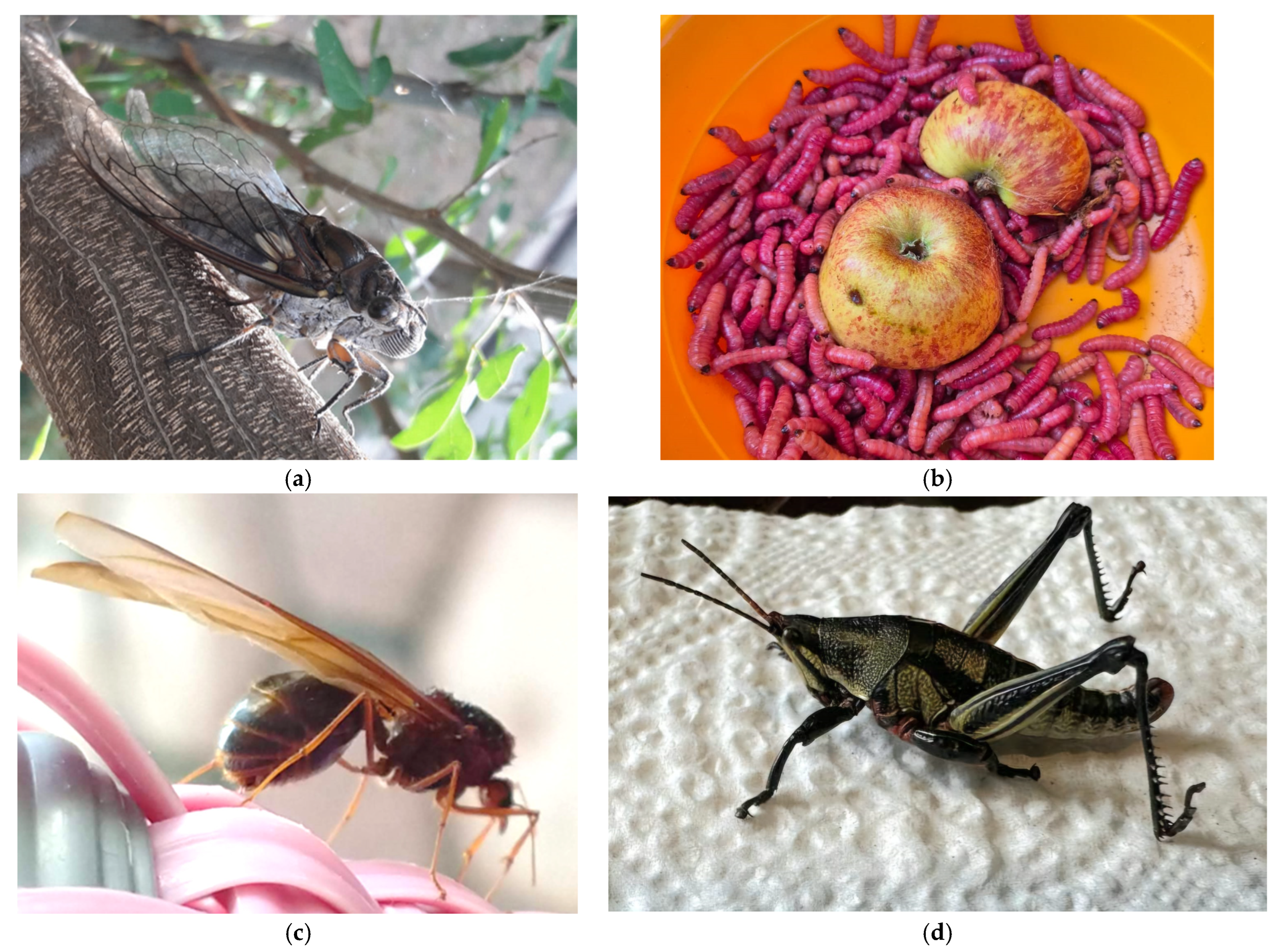
| “Chapulín” (Sphenarium spp.) | Markets, tianguis. | 100 g for $1 USD or 1 kg for $27–44 USD | 1 and 4 times a month | Central Valleys |
| “Chicharra” (Quesada sp.) | Local markets | 100 g for $2 USD | 1 and 2 times per season | Central Valleys and Mixtec |
| “Chicatana” (Atta mexicana) | Local markets | In season, 1 kilo for $88 USD. Out of season, 20 g for $4 USD. | 1 and 2 times per season | Central Valleys and Mixtec |
| “Chinche de campo” (Edessa spp.) | Local markets and street vendors in the region | 10 g for $1 USD | 1 and 4 times per season | Mixtec |
| “Gusano de maguey” (C. redtenbacheri) | Markets and mezcal producers | 5 g for $13 USD | 1 and 2 times per season | Central Valleys |
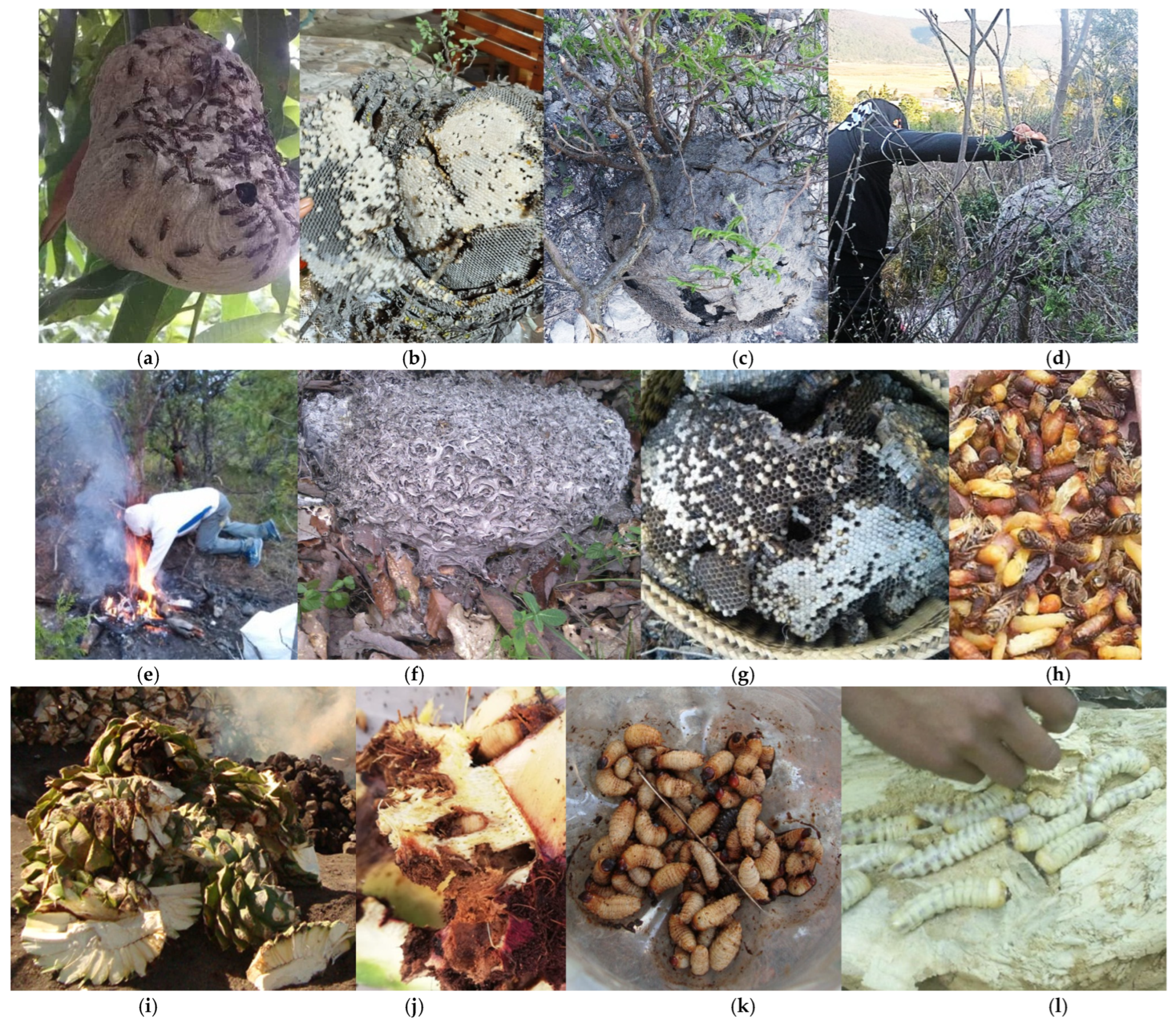
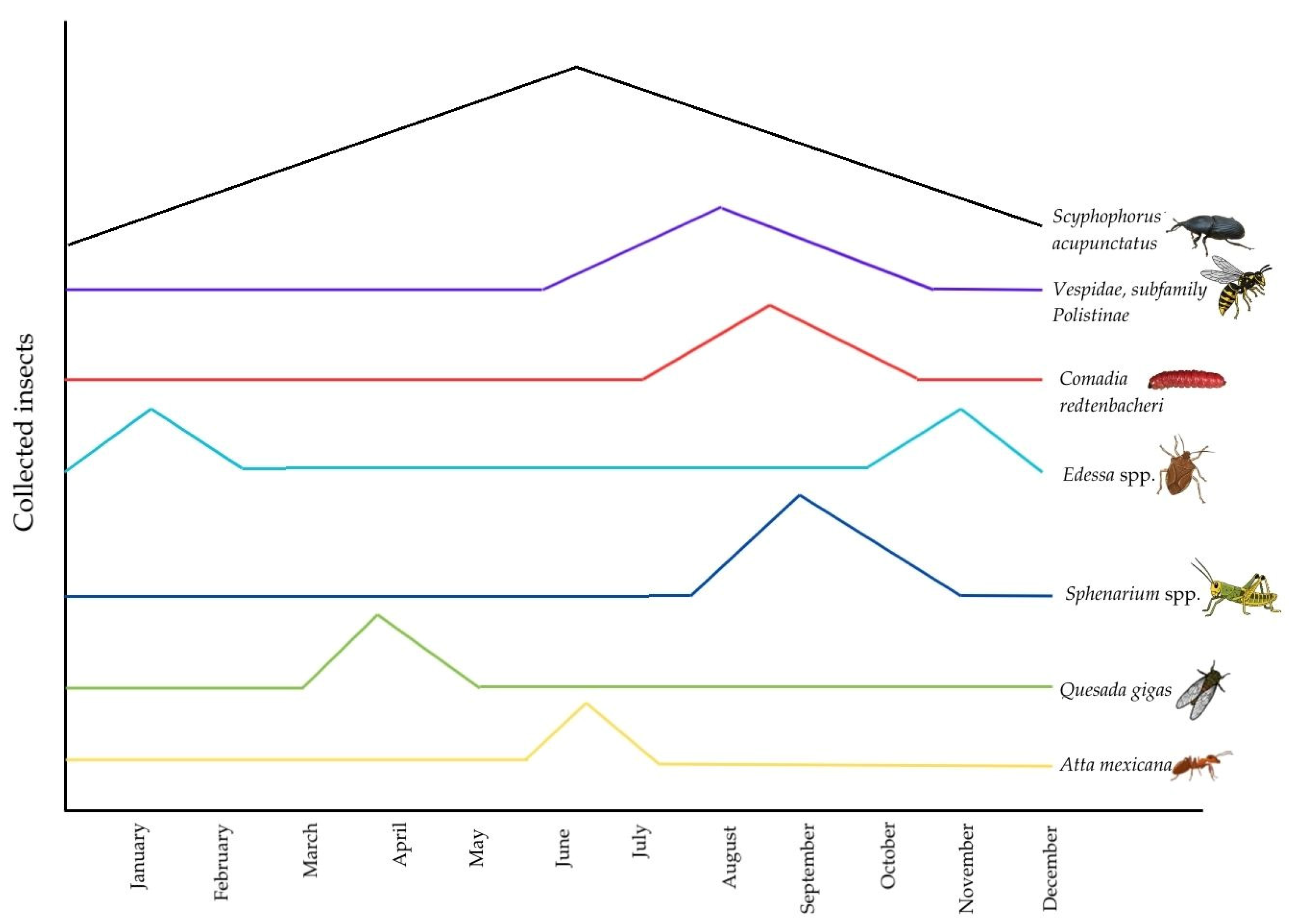
| Insect | Season | Habitat/Collection Sites | Method | Cultural Importance |
|---|---|---|---|---|
| “Chapulín” (Sphenarium spp.) | August–November | Fallow lands, grasslands, and agricultural crops (alfalfa, corn, squash, beans). | Manual harvesting using hand nets, buckets, and plastic bags. | High gastronomic value: consumed habitually by locals and widely sought by tourists. |
| “Chicharra” (Q. gigas) | March–May | Primarily on branches or trunks of “Guamuchil” (Pithecellobium dulce) and “Guaje” (Leucaena sp.) trees. | Selective trapping using a long reed pole (Phragmites australis) tipped with a cut plastic bottle or adhesive tape to capture the insect from high branches. | Traditional local consumption. |
| “Chicatana” (A. mexicanq) | June–July | Open fields, riverbanks, and urban areas (near white light sources). | Manual capture during nuptial flights; use of plastic bags over nests or light traps to attract queens. | High symbolic and gastronomic value; considered a seasonal prestige food. |
| “Chinche de campo” (Edessa spp.) | November–February | Pine-oak forests. | Foraging between soil and leaf litter, or direct collection from tree branches. | Traditional food is strongly associated with local Mixtec identity. |
| “Gusano rojo de maguey” (C. redtenbacheri) | July–October | Agave spp. plantations. | Manual extraction as larvae emerges from the leaf, or by uprooting the infested plant to collect from the crown base. | High gastronomic value; key ingredient in traditional Mezcal cuisine and festivities. |
| “Gusano de picudo del maguey” (S. acupunctatus) | Year-round | Agave spp. plantations. | Opportunistic harvesting from damaged agaves, specifically during the harvest of agave hearts (piñas) or prior to baking, when larvae are exposed. | Traditional food. |
| Wasps (Vespidae, subfamily Polistinae) | June–November | Deciduous forests, pine-oak forests, and scrublands. | Nidary extraction by cutting combs from scrub vegetation with a machete. Black combs are typically found higher in trees (e.g., Prosopis sp.) than yellow combs. | Traditional food. |
| “Ticoco” (M. chevrolatii) | September–November | Pine-oak forests. | Wood foraging inside decaying logs of oak (Quercus sp.), alder (Alnus acuminata), white sapote (Casimiroa edulis), or Guaje (Leucaena sp.). | Traditional food. |
| “Tindaka” (Vespidae, Subfamily Vespinae, Vespula sp.) | September–November | Semi-arid soils. | Excavation and smoking; diggers apply heavy smoke to force the queen out before collecting larvae. Process involves high risk of stings. | Traditional food. |
| Experimental Diets | Aerobic Mesophiles (CFU/g) | Total Coliforms (CFU/g) | Fungi and Yeasts (CFU/g) | Sanitary Compliance |
|---|---|---|---|---|
| D1 (T. molitor) | 1 × 10⁵ | <10 | <10 | Complies |
| D2 (A. domesticus) | 3 × 10⁴ | <10 | <10 | Complies |
| D3 (Control) | 5 × 10⁴ | <10 | <10 | Complies |
| Permissible Limit 1 | 5 × 10⁵ | <100 | N/A | -- |
Disclaimer/Publisher’s Note: The statements, opinions and data contained in all publications are solely those of the individual author(s) and contributor(s) and not of MDPI and/or the editor(s). MDPI and/or the editor(s) disclaim responsibility for any injury to people or property resulting from any ideas, methods, instructions or products referred to in the content. |
© 2026 by the authors. Licensee MDPI, Basel, Switzerland. This article is an open access article distributed under the terms and conditions of the Creative Commons Attribution (CC BY) license.
Share and Cite
Aquino-Aguilar, T.; Ortiz-Hernández, Y.D.; Acevedo-Ortiz, M.A.; Aquino-Bolaños, T.; Lugo-Espinosa, G.; Morales-López, J.A.; Velasco-Pérez, S. A Circular Bioeconomy Model for Oaxaca: Integrating Entomophagy and Zootechnical Validation in Small-Scale Tilapia Farming. Insects 2026, 17, 225. https://doi.org/10.3390/insects17020225
Aquino-Aguilar T, Ortiz-Hernández YD, Acevedo-Ortiz MA, Aquino-Bolaños T, Lugo-Espinosa G, Morales-López JA, Velasco-Pérez S. A Circular Bioeconomy Model for Oaxaca: Integrating Entomophagy and Zootechnical Validation in Small-Scale Tilapia Farming. Insects. 2026; 17(2):225. https://doi.org/10.3390/insects17020225
Chicago/Turabian StyleAquino-Aguilar, Tamara, Yolanda Donají Ortiz-Hernández, Marco Aurelio Acevedo-Ortiz, Teodulfo Aquino-Bolaños, Gema Lugo-Espinosa, Jesús Andrés Morales-López, and Salatiel Velasco-Pérez. 2026. "A Circular Bioeconomy Model for Oaxaca: Integrating Entomophagy and Zootechnical Validation in Small-Scale Tilapia Farming" Insects 17, no. 2: 225. https://doi.org/10.3390/insects17020225
APA StyleAquino-Aguilar, T., Ortiz-Hernández, Y. D., Acevedo-Ortiz, M. A., Aquino-Bolaños, T., Lugo-Espinosa, G., Morales-López, J. A., & Velasco-Pérez, S. (2026). A Circular Bioeconomy Model for Oaxaca: Integrating Entomophagy and Zootechnical Validation in Small-Scale Tilapia Farming. Insects, 17(2), 225. https://doi.org/10.3390/insects17020225