


Abstract
The common view is that, in boundary lubrication, the load is transmitted solely through directly contacting asperities due to the extremely limited lubricant availability or lacking hydrodynamic force generation. The asperities may transmit force via their boundary layers or a thin liquid lubricant film in between. Hypothesizing that the latter mechanism dominates, a friction simulation model was developed for the boundary lubrication regime to investigate whether the contact shear force, and consequently the friction coefficient, are exclusively governed by the shearing of this thin lubricant film between the contacting asperities. In the very thin films at the asperity contacts, the extremely high pressures suggest that the limiting shear stress regime prevails. This means that the shear stress between two asperities sliding relative to each other is equal to the limiting shear stress corresponding to the local pressure. The model is applied to calculate the friction coefficient of a lubricated two-disc tribological contact before and after a wear experiment. It comprises a contact model, based on the Boundary Element Method (BEM), to determine the pressure distribution at the asperity level; a limiting shear stress model to evaluate the corresponding shear stress as a function of pressure; and a friction model to compute the overall coefficient of friction. Two base oils are considered in the analysis, a mineral oil and a synthetic oil, both unadditivated. The calculated coefficients of friction are compared with experimental results, the limitations of the modeling approach are discussed, and an updated model is proposed for the specific case of two contacting steel bodies lubricated with additive-free oil.
1. Introduction
Machine elements, such as rolling element bearings and gears, support loads, guide, or transmit forces in concentrated mechanical contacts. The characteristics of individual tribo-mechanical contacts greatly influence the function and efficiency of the entire machine element or even drive system. A profound understanding of the tribological behavior is therefore essential to potentially optimize machine elements with regard to energy efficiency and service life. This is a particularly complex task in the case of lubricated contacts, which form a tribological system consisting of the two contacting bodies and the lubricating film, and the multiphysical interactions between the solid bodies and lubricant film determine the behavior of the tribological system. The main causes of failure are usually fatigue, lubrication failure, and wear.
Accurate prediction of wear in order to optimize machine elements requires a detailed understanding of local surface interactions and energy input, making the determination of friction crucial. Friction modeling, on the one hand, requires the determination of contact pressure, which serves as a fundamental parameter for evaluating frictional forces in such models [1,2,3], and on the other hand, a clear understanding of the underlying mechanisms responsible for friction in lubricated contacts. This is because friction can generally be classified dry, boundary, mixed, and fluid friction [4]. The latter three are associated with lubricated contacts, depending on the lubrication regime. In full-film lubrication, two surfaces in relative motion are completely separated by a lubricant film, whereas in mixed lubrication the separation is only partial. As a result, in mixed lubrication, the hydrodynamic pressure generated in the lubricant supports only part of the applied normal load, while the remaining load is carried by asperity contacts. The proportion of load carried by asperities depends on the available lubricant film thickness and increases as the amount of lubricant in the contact decreases. Boundary lubrication represents the extreme form of mixed lubrication, in which the lubricant becomes insufficient to generate significant hydrodynamic pressure and the normal load is therefore almost entirely supported by asperity contacts.
Real-world machine elements frequently operate in boundary lubrication, especially under heavy load or dynamic conditions, e.g., during start-stop cycles. Here, surfaces are only separated by a thin film, with asperities carrying the contact pressure, similar to dry conditions [5]. This regime poses significant wear challenges, particularly under sliding conditions [6]. Furthermore, accurately assessing friction in boundary and mixed lubrication also requires accounting for surface roughness and asperity contact pressures. Boundary lubrication was first introduced by Hardy and Doubleday [7], who discovered that, in cases of insufficient lubrication, even a thin molecular film adsorbed on the surface could enhance sliding. These adsorbed layers modify the surface interactions such that the resulting friction is lower than in dry contact, even though in both cases the normal load is carried entirely by the contacting asperities [4]. Another resulting difference between the boundary lubrication regime and the mixed lubrication is the contribution of the macro-EHL fluid shearing in the mixed lubrication to friction. This contribution is negligible or absent in boundary lubrication, as the lubricant is even less available than in mixed lubrication.
Several models have been proposed to explain friction mechanisms in the boundary lubrication regime. Bowden and Tabor [8] identified adhesion as the primary source of friction in dry contacts and suggested that, in lubricated contacts, molecular lubricant layers reduce friction by preventing direct asperity contact and promoting shear within the film. Consequently, the frictional behavior of boundary-lubricated surfaces would depend largely on the degree of lubricant film breakdown during sliding, which may permit local asperity welding [8]. Experimental studies have shown that long-chain molecular monolayers exhibit high resistance to breakdown and that film integrity, specifically its coverage, strength, and shear resistance, is a key factor governing frictional behavior in boundary lubrication [9]. Furthermore, the concept of a lubricant film sticking on micro-structured surfaces despite insufficient lubricant availability, as encountered under boundary lubrication conditions, is supported by the work of Peta et al. [10], who showed that surface microgeometry can strongly enhance liquid motion and pinning on solid surfaces.
In contrast, Komvopoulos et al. [11] proposed ploughing and material displacement as dominant friction mechanisms. Shisode et al. [12] developed a model considering ploughing and lubricant film shearing, building on the single asperity model by Mishra [13], which estimates ploughing forces on asperities.
Teodorescu [14,15] integrated friction models into numerical simulations, highlighting the complexity of tribological systems. It was shown that, in such systems, friction is influenced by surface roughness, material properties, and dynamic operating conditions, with the entrainment speed and the pressure-dependent lubricant viscosity playing the most dominant roles. Terwey [16,17] proposed a mixed lubrication model distinguishing liquid and boundary friction, neglecting ploughing and adhesion effects, and focusing on the shearing of lubricant films under high pressure. This model considers the limiting shear stress (LSS) as critical in contacts, describing the pressure-dependent shear stress variation using Wang’s model [18,19].
The LSS of a fluid represents the maximum amount of shear stress that a fluid is capable of transmitting. In some ways, it behaves similarly to the traction bounds considered in [18]. The LSS has been determined in different studies using various methods, most notably the use of high-precision rheometry, such as modified Couette or falling-rod viscometers [20,21]. These methods allow direct control of pressure and shear rate but are limited to lower shear and pressure conditions than those typically encountered in concentrated contacts of machine elements, such as rolling bearings or gears. High-pressure chamber experiments [22,23] and specialized elastohdydrodynamic lubrication (EHL) setups, including the bouncing-ball apparatus [24], have also been used.
However, in the absence of such specialized setups, which are very complex and often not readily available, the determination of the limiting shear stress through traction measurements performed on twin-disc experiment rigs has become a widely adopted approach [18,19,25,26]. A detailed description of the procedure for determining the LSS using a twin-disk test rig has been presented by Ma [27]. Measurements on the twin-disc tribometer, however, provide integral values that are measured in summary for the entire loaded contact. Therefore, the maximal average shear stress values (MSS) determined do not exactly represent the LSS [28], but have been considered as an acceptable approximation to it [18,26,29,30,31].
Although shearing of the lubricant film is recognized as a potentially significant contributor to friction [8,14,32,33], it has not been sufficiently considered in the development of friction models for boundary lubrication. This is particularly relevant when one considers that the effects of interlocking surface irregularities are often negligible and that ploughing occurs predominantly between bodies composed of dissimilar materials with different mechanical properties [34]. Furthermore, specific surface roughness patterns, particularly surface undulations, have been shown to reduce the ploughing contribution to friction [35].
The modeling of boundary lubrication friction has been addressed by several researchers, but most commonly within the framework of mixed lubrication models, where hydrodynamic and asperity-contact contributions are combined [36,37,38,39,40]. Such approaches are generally based on the load-sharing concept [41] and require a contact pressure model, which can be broadly classified into deterministic formulations [37,39,42] and statistical asperity-based models [38,40]. The fluid-related friction contribution is typically obtained by solving the Reynolds equation to compute the lubricant shear stress [36,39]. However, in these works, in contrast to the approach of Terwey [33], the friction between contacting asperities is most often treated as purely dry contact, and a material-dependent dry coefficient of friction is therefore applied [39,40]. A boundary friction simulation was, for example, attempted by Lee et al. [43]; however, in that work, no lubricant was considered, and the contact was also modeled as purely dry.
In light of these observations, this study explores Terwey’s [16,17] assumption that, in the boundary lubrication regime, the shear stress between asperities is defined by the LSS of the lubricant film trapped between these contacting asperities, which is pressure dependent. To assert the validity of this assumption, an LSS-based boundary friction model that is free of the macro EHL friction present in Terwey’s mixed lubrication friction model is introduced. This allows LSS-driven friction alone to be investigated. A mineral oil and a synthetic oil are considered and characterized accordingly. To assess the limitations of the LSS-based boundary lubrication friction model, friction experiments were performed on a twin-disc tribometer under extreme operating conditions, including very low entrainment speeds, high oil temperatures, and high contact pressures, in order to approach boundary lubrication as closely as possible. Mineral and synthetic oils with very low viscosities were selected for this purpose. These experiments provided empirical data for model evaluation and validation, allowing for a critical comparison with the model’s predictions and ultimately demonstrating its limitations in real-world tribological scenarios.
2. Materials and Methods
As illustrated in Figure 1, this work employed a combination of numerical and experimental methods and was centered around the model contact between the two rings of a twin-disc tribometer. The numerical prediction of friction was initiated by calculating the pressure distribution for the contact between the two rough disks, taking the asperities into account. LSS measurements were used to characterize the shear stress model for two different lubricating oils (mineral and synthetic). The calculated pressure distribution was then used as input for the LSS model to compute the shear stress distribution and derive the prediction of the coefficient of friction (COF). Finally, friction experiments were conducted using the twin-disc experimental setup. These experiments provided empirical data, allowing for a critical comparison with the model’s predictions.
Figure 1.
Schematic overview of the study workflow, combining numerical and experimental methods.
2.1. Numerical Methods
2.1.1. Surface Measurement and Digitalization
The three-dimensional surface topographies of the rings used in the twin-disc tribometer were recorded using a laser scanning microscope (VK-X200, Keyence, Osaka, Japan). Measurements were performed with a 100× telephoto lens featuring a numerical aperture of NA = 0.73. Surface height was determined by optical confocal analysis with a vertical step size of 0.1 µm. Each individual topography image consisted of 1024 × 768 pixels, corresponding to a field of view of approximately 142.7 µm × 107.0 µm and a lateral resolution of ca. 139 nm per pixel. As the total surface area exceeded the available field of view, multiple overlapping images were acquired and subsequently stitched together using the device software to generate a continuous surface topography map.
Several steps were required to extract the roughness data from the measured data in a consistent way. Despite being roughly centered, the measured surfaces were not centered on the scale, as required to analyze the surfaces uniformly in the following. To correct this, an initial second-order polynomial fit was performed, allowing the maximum z value of the smooth surface component to be detected and the surface to be centered around this value. A secondary polynomial fit then empirically determined the surface curvatures with a higher accuracy, as only the curvature terms remained to be fitted. By removing the curvatures as determined by the second fit, the roughness profile was isolated and then resized for the numerical analysis.
2.1.2. Contact Mechanics
The boundary element method (BEM), based on the half-space theory developed by Boussinesq [44] was used to calculate the spatially resolved contact pressure between the two rough rings of the twin-disc tribometer similar to [45]. In the following, we give only the essential details of this calculation to help explain the underlying assumptions and scope. With this method, the contact between two rough bodies is represented by a single equivalent surface obtained by superimposing the height profiles of both solids. The resulting composite profile, defined as the sum of the individual surface heights, is then treated as a deformable half-space in contact with a rigid plane, allowing the normal displacement at one point (x,y) due to a load p applied at another point (,) to be computed using the following function:
whereby is the Poisson’s ratio and E is the Young’s modulus. Due to the linear nature of the differential equation, we may apply a superposition principle, integrating over all points (,) to arrive at the total elastic deformation due to pressure applied at all points in the plane:
This equation represents a convolution integral, where the Green’s function is given by
As a convolution integral is used, the Fast Fourier Transform (FFT) and then the Inverse Fast Fourier Transform (IFFT) may be applied to evaluate the deformation in Fourier space, accelerating the evaluation time [46]. To solve this, an open-source implementation of this algorithm published by Hansen [47] was employed. This algorithm requires the number of elements along each side of the contact area to be a power of two. For the intended computational analysis, the rough surfaces were discretised with a rectangular mesh as shown in Figure 2. The figure qualitatively shows the elastic deformation at a given coordinate () caused by a pressure p acting on the mesh element located elsewhere (). The pressure distribution was treated as a piecewise constant over the discrete elements.
Figure 2.
Schematic representation of (a) the numerical model and (b) the discretisation of a rough surface section.
Considering that the entire sliding contact was simulated, the rectangular meshed area measured 5.2 mm × 3.3 mm. The initial lateral resolution (557.49 nm) of the measured surface data was slightly modified through interpolation to achieve the discretisations required for the use of the BEM algorithm. A new mesh with element dimensions of = 806 nm (in the rolling direction) and = 635 nm (perpendicular to the rolling direction) was defined while maintaining the original vertical resolution. This corresponded to 4096 and 8182 elements in the rolling and transverse directions, respectively. This mesh size is fine enough to accurately capture the relevant surface roughness geometry while keeping the total number of mesh elements low enough to ensure reasonable computation times; furthermore, the mesh size was also many times finer than needed for pressure convergence [47]. Consequently, no mesh refinement or sensitivity study was necessary to verify convergence of the numerical results and was therefore omitted.
It should be noted that plastic material deformation was not considered within the scope of this study. However, the pressure was cut at a maximum value of , corresponding to the hardness of the ring material. Terwey [33] previously examined the effect of imposing a pressure limit on contact pressure calculations and showed that the use of provides a suitable representation. The rings used in the experiments had a Rockwell hardness of 60HRC, which approximately corresponds to a Vickers hardness of 700 kgf/mm2 [48]. Using the conversion factor 1 kgf/mm2 = 9.81 , this yields = 6867 .
2.1.3. Friction Prediction
As previously mentioned, friction was derived based on the assumption that the shear stress between two contacting asperities undergoing sliding motion is equal to the LSS of the thin fluid film separating the asperities, which is inherently dependent on the normal load acting between the asperities.
Within the scope of this work, the following model of Wang [19] was employed to describe the LSS as a function of pressure and, consequently, to determine the shear stress distribution once the pressure distribution had been obtained:
Thereby, the LSS remains constant at the value up to the critical pressure . Beyond this threshold, the LSS increases with a linear dependence on increasing pressure. Thus, the key parameters defining Wang’s model are the critical shear stress , the critical pressure and the slope .
Once the local shear stress for each mesh element of the contact surface was determined, the global shear force acting on the contact was calculated as the sum of the local shear forces from all mesh elements:
The resulting contact COF was calculated as the ratio of the global shear force to the normal force pressing the two rings together:
2.2. Experimental Methods
2.2.1. Materials and Experimental Setup
All the experiments for LSS calibration and COF validation were carried out on a custom-made twin-disc tribometer as described in [19,49,50]. As illustrated in Figure 3, the experimental setup consists of two centrally positioned rotating shafts, each with a disc mounted at its end. A hydraulic loading unit enables the application of a normal force (). The shafts are driven independently by two motors, allowing their speed to be regulated and set a specific slide-to-roll ratio (). The samples consisted of two discs made of 100Cr6 bearing steel (1.3505, AISI 5210), each with a radius of mm with surface roughness from the finishing process retained to reduce the effect of ploughing, as outlined by Tian [35]. One of the discs had a crowned profile with a radius of mm, while the other had a flat profile. A sensor integrated into one of the shafts measures the torque (T) generated by the frictional forces, which is then converted into the COF:
Figure 3.
(a) Discs used in the experiments and (b) schematic illustration of the twin disc tribometer.
Throughout the experiment, the machine continuously recorded key operating data, including disc speeds, torque, applied load, and oil temperature, at a sampling frequency of 1000 Hz.
A temperature-controlled oil circulation system is used to supply lubricant. The temperature is controlled via a sensor directly at the contact inlet. Within the scope of this study, two different lubricants were used: a mineral-based oil (Fuchs, referred to as MIN) and a synthetic base oil (Spectrasyn 4, EXXonMobil, referred to as PAO). As conventional lubricants contain specific additives like zinc dialkyldithiophosphates, for this work, unadditivated lubricants were chosen to avoid the influence of the tribofilms. The dynamic viscosities were measured using a CINRG CS-HVA-1 Houillon viscometer in accordance with the standards DIN 51659-3 [51], DIN ISO 2909 [52], ASTM D2270 [53], and ASTM D7279 [54]. The results, together with the densities provided by the manufacturer, are summarized in Table 1.
Table 1.
Viscosity and density data of the lubricants.
Prior to performing the experiments, the rings were cleaned and characterized in a multi-step process, i.e., ultrasonic cleaning in acetone, followed by surface measurement via LSM (VK-X200, Keyence, Osaka, Japan), and finally an additional ultrasonic cleaning step in isopropanol. The discs were then mounted on the experimental setup to initiate the experiments.
2.2.2. Traction Experiments and MSS Derivation for Model Calibration
The LSS model was calibrated for the MIN and PAO oils by determining the key parameters that define it: the critical shear stress , the critical pressure, and the slope .
The critical shear stress of each oil, which defines the first part of the bilinear relationship between the LSS and the pressure, represented graphically (see Figure 4b) by the horizontal curve, was computed as [21]
with the density , the universal gas constant , the temperature T, and the molecular weight . The latter was computed in the following way [55]:
with the kinematic viscosity .
Figure 4.
(a) Schematic of a traction curve for fixed entrainment speed and load, (b) LSS curve according to the model of Wang and (c) resulting friction as a function of pressure [19].
The second linear branch of the LSS model was obtained by fitting a linear function to experimentally determined LSS data points measured at different contact pressures (see Figure 4b). The LSS data for the mineral oil and PAO were obtained using the twin-disc tribometer and the experimental rings shown in Figure 3, following the procedure described by Ma et al. [27].
According to this method, the LSS corresponding to a given applied load (and thus a given contact pressure) is determined from a traction experiment performed at an entrainment speed selected to ensure full-film lubrication while avoiding significant thermal effects. During the experiment, the slide-to-roll ratio (SRR) was gradually increased from zero until the shear stress reached a maximum value. Thereby, traction curves as schematically shown in Figure 4a were obtained by measuring the friction force between the two rings and converting this into the shear stress as a function of the shear rate as depicted in Figure 4b. The maximum value of the shear stress was taken as the limiting shear stress.
Due to the non-uniform distributions of pressure, temperature, and shear stress within the contact, the maximum shear stress obtained does not strictly correspond to the LSS; instead, it represents the maximum average shear stress. In this study, the LSS was therefore approximated by the maximum average shear stress (MSS). The MSS was then calculated by dividing the maximum shear force by the Hertzian contact area :
A corresponding curve of the COF as a function of pressure could also be derived from the shear stress model (Figure 4c).
The MSS of the MIN and PAO at different pressures was determined experimentally. The inlet temperature of the oil during the traction experiments was set to 22 °C for all experiments to facilitate a full lubrication regime. The limiting shear stress is widely assumed to be fluid-specific, but not dependent on temperature [21,56]. However, whether a plateau of a traction curve can be evaluated on a twin-disc machine clearly depends on the local viscosity and therefore on the local temperature of the fluid in the Hertzian contact area (see [31]). If the viscosity is too low, the local shear stresses will either not reach the pressure-dependent limiting shear stress or will drop below it again due to frictional heating or shear thinning. Therefore, to derive the true limiting shear stress as a function of pressure, a number of conditions must be fulfilled:
- Firstly, the pressure threshold of (see the start of the linearly rising section in the bilinear approximation in Figure 4a) must be exceeded.
- The viscosity must be sufficient to reach the limiting shear stress, or to avoid dropping prematurely before it is reached.
- The viscosities in combination with speeds and thereby film thicknesses must also be high enough to avoid asperity interaction. However, increasing the speed is also limited due to frictional heating.
Therefore, a sufficiently high viscosity is a prerequisite. For a given fluid, this can be achieved by lowering the temperature, as was done in the work presented here.
2.2.3. Friction Measurement for Model Validation
Extended friction experiments were carried out to validate the numerical friction model. In these experiments, the two discs mounted on the respective shafts of the twin-disc tribometer were brought into contact under a defined radial load. The interface was lubricated with the designated oil, which was heated to the target operating temperature. The shafts were driven at different rotational speeds to induce sliding within the contact. Each experiment was conducted over a specified duration until a noticeable change in surface topography, indicated by a significant decrease in the friction curve, was observed.
The relevant data obtained from these experiments were the surface topography of the experimental specimens before and after the experiments as well as the recorded COFs over time. The root mean square (rms) roughness values of both discs prior to the experiments as well as the key experimental parameters are summarized in Table 2. The experiments with MIN were run for 100 and the ones with the less viscous PAO oil for 17.5 . It is important to note that the experiemntal duration is not relevant for this study, as the focus is not on wear but on the friction coefficient of the sliding contact at a specific moment in time.
Table 2.
Summary of relevant experimental parameters for friction and wear measurement with MIN and PAO.
The lubrication regime was estimated using the film thickness ratio [57,58]:
with representing the central lubrication film thickness and the root mean square (RMS) roughness of both contacting bodies. The central lubrication film thickness was computed for each experiment according to the formula proposed by Hamrock and Dowson [59]:
where G, U, W are the dimensionless parameters for material, speed, load, and the elasticity ratio, respectively [60]. The value is the reduced radius and is calculated from the principal radii and of both rings in the entrainment direction:
The values of these parameters are summarized for MIN and PAO experiments in the following Table 3.
Table 3.
Summary of relevant parameters for the calculation of the oil film thickness.
The calculated lambda ratios of both experiments were found to be much lower than 1, indicating operation in the boundary lubrication regime [61].
3. Results and Discussion
3.1. Results
3.1.1. Traction Experiments
The MSS values obtained, along with the entrainment speeds at which they were determined for each pressure level, are summarized in Table 4. The traction curves at the speed at which the MSS determined are shown in Figure 5 and Appendix A for each pressure. The respective critical shear stresses of both oils were calculated as described in Section 2.2.2 and amounts to 4.12 for MIN and 5.29 for PAO.
Table 4.
MSS of MIN and PAO at different averaged pressures in °C.
Figure 5.
Traction curves at the different average pressures from which the COF for the calculation of the MSS was determined for (a) MIN and (b) PAO.
Using the obtained data, the MSS-pressure curves for both oils were constructed as described in Section 2.2.2. The resulting curves are shown in Figure 6. The circles in the figure represent the experimentally determined MSS values at the different average pressures listed in Table 4.
Figure 6.
Experimentally determined MSS values (circles) at different pressures and the resulting fit (blue dashed line) of MSS versus average pressure, including the critical shear stress (grey dashed line) and critical pressure (red value) for (a) MIN and (b) PAO.
Since the MSS was used as an approximation of the LSS, the curves shown in the figure represent the calibrated bilinear LSS models according to Wang [19], which are employed in the subsequent analysis. The mathematical expression of the calibrated LSS model for MIN is given by:
and for PAO by:
For comparison, Habchi and Bair [62] reported the following pressure-LSS relationship for PAO based on traction experiments.
It was not possible to identify comparable literature data for MIN, as was done for PAO. However, assuming that the results obtained for PAO are acceptable, and considering that both oils were characterized using the same experimental procedure following the method proposed by Ma et al. [27], the resulting data can be assumed satisfactory for the purposes of this study.
3.1.2. Friction and Wear Measurement
Representative COF-time curves recorded during the friction experiments for MIN and PAO are shown in Figure 7a,b, respectively. Thereby, the blue curves show the raw COF values measured by the torque sensor. These values exhibit considerable fluctuations, caused by instabilities in various subsystems of the experimental setup, such as the normal loading system, as shown in Figure 7c,d. It can also be seen that the radial loads are slightly different at the beginning and the end of each experiment.
Figure 7.
Measured (blue) COF (a,b) and radial load (c,d) and Gaussian smoothened values (red) for (a,c) MIN and (b,d) PAO.
To better visualize the overall trend, the red curve displays the COF signal after applying Gaussian smoothing with a window size of 200. This smoothening process reduced random noise and short-term variations, making it easier to identify the underlying friction behavior for both lubricants.
For MIN, the (filtered) COF decreased from approx. 0.1 at the beginning of the experiment and stabilized at around 0.06 after 40 h. Subsequently, friction remained almost constant at this value until the end of the experiment. The PAO showed a similar tendency with a starting value of approx. 0.07 and a stabilization after 5 h around 0.05. However, it should be noted that the PAO experiment exhibited considerably larger fluctuations in friction, similar to those observed in its radial load.
Besides roughness, the ring curvatures were also affected by wear. Respective optical images and cross-sectional views of initial and worn surfaces of the cylindrical rings are depicted in Figure 8.
Figure 8.
Optical micrographs (top) and cross-sectional profiles (bottom) for initial (orange) and worn samples (blue) for (a) MIN and (b) PAO.
To better understand the effects of the changes in surface topography, relevant parameters of wear measurement are summarized in Table 5. It is apparent that the RMS roughness of all four rings decreased through the course of the experiments, i.e., smoothening occurred. This also led to an increase of the -ratio in both experiments, with the experiment with MIN showing the higher decrease of roughness and increase of -ratio. This can surely be attributed to the longer experiment duration compared to PAO. However, the -ratios at the end of the experiments were still well below 1, indicating boundary lubrication throughout both experiments.
Table 5.
Surface roughness and -ratio before and after friction measurement for MIN and PAO.
3.1.3. Numerical Prediction of Pressure and Shear Stress
The COF for each experiment was numerically predicted at the beginning and the end of each friction experiment. This was done by using the real-time operating parameters of the experiments at these moments (beginning and end) as input for the simulation. As the radial load fluctuated substantially and differed considerably between the beginning and the end of the experiments (see Figure 7), its values during the first and last 100 s of each experiment were analyzed to determine the loads used as input for the simulation. This time period was considered suitable because it was assumed to be short enough to prevent significant changes in the surface topography (i.e., quasi–steady-state conditions), while still being long enough to capture most of the fluctuation range of the applied load and the COF. Three distinct load levels were therefore considered within each 100-s interval: the maximum (), the minimum (), and the average () load. The maximum and the minimum values of the load and the COF are summarized in Table 6. The surface topographies of the rings were measured before and after the experiments and were used in the pressure calculations to account for the surface microgeometry.
Table 6.
Radial load and corresponding COF at the start and end of the experiments for MIN and PAO, used for simulation validation.
Another potential factor contributing to the fluctuations in the COF is the alignment configuration between the surface asperities, i.e., the peaks and valleys of the two experimental rings in contact. When applying the BEM based on Boussinesq’s theory, the surface topographies of both contacting bodies have to be summed. This operation effectively combines their roughness profiles, meaning that the relative alignment of peaks and valleys can substantially influence the resulting pressure distribution, as illustrated in Figure 9a.
Figure 9.
(a) P2P and P2V roughness alignment configurations between the surface topographies of the first (blue) and second (red) contacting bodies and (b) the simulation cases considered for each experiment.
This effect is particularly evident at the beginning of the experiment, when the ring surfaces, which exhibited turning-induced roughness, exhibit a regular and periodic pattern of peaks and valleys. Specifically, a peak-to-peak and valley-to-valley alignment (P2P) resulted in a combined surface with more pronounced roughness, characterized by higher peaks and deeper valleys. In contrast, a peak-to-valley (P2V) configuration produced a comparatively smoother surface with lower but more peaks and shallower valleys. Since intermediate configurations can also occur during experimenting, these two cases (P2P and P2V) were considered as representing the two extreme alignment conditions. By the end of the experiment, however, surface wear had modified these patterns, leading to a single possible alignment configuration in which the wear tracks on both rings are properly aligned. This configuration will be referred to as the wear-track alignment (Wt). As a result, seven distinct cases were considered for each experiment: four corresponding to the beginning of the experiment and three to the end, as illustrated in Figure 9b. The resulting combined surface topographies used for the simulation for both experiments at the start are shown in Figure 10. Table 7 summarizes the average peak-to-valley height and the average horizontal distance between two peaks (wavelength) for the P2P and P2V configurations for both mineral oil and PAO simulation cases.
Figure 10.
(a–d) Combined surface topographies in (a,b) in P2P and in (c,d) P2V configurations as well as (e,f) sectional profiles of the body for the experiment with MIN (a,c,e) and the experiment with PAO (b,d,f) at the start.
Table 7.
Wavelength and peak-to-valley height of the P2P and P2V surface configurations considered for MIN and PAO.
Pressure distribution
The radial loads as well as the respective simulation results, including the maximum pressure, the average pressure (only of contacting elements), the corresponding Hertzian pressure, as well as the average Hertzian pressure in contact and the real Hertzian contact area from the simulation, are summarized in Table 8. Note that, as discussed above, only one configuration (Wt) of the surface topographies superposition is considered at the end of the experiment. This configuration results from the requirement that the wear tracks on both surfaces (crowned and cylindrical discs) are aligned.
Table 8.
Comparison of contact pressure and real contact area between the Hertzian model (Hertz) and the present BEM-asperity model (rough).
It can be seen from the values in Table 8 that the maximum allowable pressure = 6867 MPa imposed in the pressure simulations is reached in all seven cases for both oils. In addition, for both lubricants, a clear difference is observed between the average contact pressure obtained in the point-to-point (P2P) and point-to-valley (P2V) configurations. As expected, the P2P configuration results in significantly higher average pressures than the P2V configuration. This difference is particularly evident when comparing the cases start--P2P and start--P2V, where the applied load is identical. For MIN, the difference in amounts to 2123 MPa, while for PAO it is 1208 MPa.
Within a single configuration at the start of the experiments (either P2P or P2V), where only the applied load varies, the differences in are comparatively small. For MIN, differs by only 8 MPa within the P2P configuration and by 36 MPa within the P2V configuration. For PAO, the corresponding differences are 116 MPa for P2P and 227 MPa for P2V.
Another noteworthy observation is that the range of values in the P2V configuration at the start of the experiments is very close to that observed at the end of the experiments, despite the significant smoothing of surface roughness caused by wear at the end. The difference between the lowest value in the P2V configuration and the highest value at the end of the experiment is relatively small: 256 MPa for MIN and 278 MPa for PAO. For PAO, the highest average pressure at the end of the experiment (3685 MPa) is even higher than the lowest value in the P2V configuration (3047 MPa).
This behavior is likely due to the combined surface roughness profiles in the P2V configuration at the start of the experiment. In this configuration, peaks on one surface coincide with valleys on the opposing surface, leading to partial cancellation of roughness features and a relatively flat combined profile. As a result, the effective surface topography is flat, similar to that observed at the end of the experiment, where surface peaks have been smoothed by wear. This interpretation is supported by the fact that the real (rough) contact areas in the P2V configuration at the start and at the end of the experiments are very similar.
The simulated, spatially resolved contact pressure distributions for MIN and PAO are shown in Figure A1 and Figure A2 (Appendix A) for the start of the friction experiments, and in Figure A3 and Figure A4 for the end of the experiments.
Shear stress distribution
The shear stress distributions within the contact area were derived from the corresponding pressure distributions using the established shear stress model. The maximal shear and the average shear stress of all the shear stress distributions are also summarized in Table 9.
Table 9.
Maximal, average (mean) shear stress, and total shear force of all simulation cases.
In both cases (MIN and PAO), it was observed that the roughness profile configuration P2P exhibited a higher local shear stress compared to the P2V configuration. For example, for the experiment with MIN, the average shear stress for the P2P configuration was 374 MPa for both and . The average shear stress for the P2V configurations was only 192 MPa and 195 MPa, respectively. This trend was similar for the experiment with PAO and in accordance with the pressure distribution trends. The higher the radial load, the larger the shear force. Moreover, for identical radial loads, the P2P configuration produced higher shear forces than the P2V configuration.
The shear stress distribution results for MIN and PAO are shown in the Appendix A in Figure A5 and Figure A6 for the start of the friction experiments and in Figure A7 and Figure A8 for the end of the experiments.
3.1.4. Comparison of Experimental and Numerically Predicted COF
The global COFs obtained from the simulations are compared with the experimental values in Figure 11. The deviation bars indicate for the experiments the range of COF fluctuations measured during the experiments. For the simulations, they represent the range covered by the different simulation cases considered. The upper limit of each bar corresponds to the highest predicted COF among the cases, while the lower limit corresponds to the lowest predicted COF. It can be seen that the numerical COF results showed a similar trend for MIN and PAO at the start of the experiment. Compared with the experiments, the COFs at the beginning of the experiments were underestimated at the start. At the end, the COF was overestimated for MIN but seems to be comparable for PAO. Another major limitation was the model’s weak sensitivity to surface smoothening following wear, which experimentally led to a decrease in friction, while the numerically predicted values varied only very slightly from the initial to the end. In the experiments, the COF decreased by approx. 0.043 for MIN (from 0.10 to 0.057) and 0.02 for PAO (from 0.074 to 0.054), while the simulation predicted only minor decreases of 0.004 for MIN (from 0.079 to 0.0075) and 0.001 for PAO (from 0.059 to 0.0058).
Figure 11.
Experimentally and numerically determined COFs at the start and end of the experiments with MIN and PAO.
Nevertheless, although the decrease in the predicted COF is negligible, it is more pronounced for MIN (approximately 5%) than for PAO (approximately 2%). This is consistent with the larger increase in the film thickness ratio () observed for MIN (approximately 74%) compared to PAO (approximately 28%), as shown in Table 5.
In order to understand the reason for these limitations of the model as cited above, it is necessary to examine the potential source of errors in the model proposed. Since both the pressure simulation and Wang’s calibrated LSS model were used as input for the friction prediction, their respective influence should be evaluated to further discuss their respective roles.
First, the pressure calculation model did not explicitly account for plastic deformation. Instead, a maximum pressure limit , representing the material’s hardness, was defined. Although this constraint did not fully capture the complex plasticity behavior that actually occurs within the contact region, it affected both the real contact area and the pressure distribution in a manner similar to plastic deformation. Just as plastic effects would increase the real contact area and redistribute the load, the pressure limit forced the load to be transferred to neighboring asperities once it was reached on the most heavily loaded ones. Therefore, the absence of an explicit plasticity model is not expected to strongly influence the resulting pressure distribution. This suggests that the substantial discrepancy observed between the experimental and simulated COF values likely originated from other factors.
Secondly, the calibration of Wang’s LSS model in this study was based on traction experiment data performed on a twin-disc tribometer. However, the relationship between the average values of the maximum shear stress and the average contact pressure, obtained from the traction experiments and expressed through the LSS model, is used to approximate the corresponding local relationship between shear stress and contact pressure. As discussed previously, the average shear stress does not exactly represent the local limiting shear stress, as some contact elements in the contact continue to experience shear thinning [28]. In addition, the MSS values were experimentally determined only up to an average pressure of 1201 MPa for MIN and 1141 MPa for PAO. The shear stress values at higher pressures were therefore obtained by extrapolating the linear MSS–pressure relationship derived from the traction experiments. The validity of the resulting LSS model thus relies on the assumption that the linear relationship observed between average pressure and MSS remains applicable beyond the experimental pressure range. It should also be noted that the accuracy of the experimentally determined data directly affects the precision of the friction predictions.
To understand how the LSS model influences the COF results, the resulting LSS–pressure relationship from the established LSS model is shown in Figure 12. The blue curve in this figure represents the shear stress as a function of pressure (displayed above for MIN and below for PAO). In each case, the red curve shows the shear stress divided by the corresponding pressure on a logarithmic scale, representing the local COF predicted by the LSS model as a function of pressure. These local friction–pressure curves (red) of both MIN and PAO exhibit qualitatively similar trends. In the pressure range below the critical pressure (326 MPa for MIN and 545 MPa for PAO), the local COF decreases rapidly with increasing pressure, starting from very high values that approach infinity as the pressure tends toward zero until it reaches its lowest value (0.013 for MIN and 0.01 for PAO) at . As the pressure increases further from , the local COF of both oils starts increasing again, initially rapidly and then more gradually, until it becomes nearly constant with further increasing pressure. At the maximum pressure = 6867 MPa, the local COF is approximately 0.083 for MIN and 0.062 for PAO. These values lie just below the slope (0.086 for MIN and 0.067 for PAO) of the linear portion of the LSS–pressure relationship above (see Equations (17) and (18)). This demonstrates the strong influence of the slope on the simulated contact COF.
Figure 12.
LSS (blue) and local COF (red) according to the LSS model in logarithmic scale (a) for MIN and (b) for PAO (left); pressure range between and (shaded yellow) with local COF < experimental COF at the end (0.056 for MIN and 0.052 for PAO).
To understand why the model overestimates the COF at the end of the test, the pressure range in which the bilinear LSS model predicts a local COF lower than the experimentally measured value (0.056 for MIN and 0.052 for PAO) is highlighted in yellow. This range is bounded by the pressure limits and for each lubricant. The contact elements whose local pressures fall within this yellow range are responsible for reducing the predicted global COF below the experimentally measured value. The cumulative pressure distributions for all three cases at the end of the test are shown in Figure 13 for MIN and PAO. These diagrams indicate, for a given pressure, the fraction (from 0 to 1) of contact elements with pressures less than or equal to that value.
Figure 13.
Cumulative probability of different pressures (a) for MIN and (b) for PAO and pressure range between and (shaded yellow) with local COF < experimental COF at the end for each respective lubricant.
It can be observed that, in all three cases, only a minority of contact elements, approximately 20% for MIN and 45% for PAO, exhibit pressures within the range and , and thus a local COF lower than the experimentally measured value at the end of the test. In contrast, the majority of elements are subjected to pressures above , extending up to 6857 MPa. Both the larger fraction of elements in this high-pressure range and the broader pressure interval contribute to maintaining a high overall COF. As a result, the proportion of elements within the yellow range is insufficient to offset the contribution from regions associated with higher local COF values. Consequently, the model continues to predict an overall COF at the end of the test that exceeds the experimental value.
More observations emerge when the cumulative pressure distributions at the start of the tests are added to the plot and the areas encompassing all respective cumulative curves for both the start and the end conditions are highlighted, as shown in Figure 14.
Figure 14.
Areas in which the cumulative pressure probabilities of the respectives cases at the start (blue) and at the end (red) lie (a) for MIN and (b) for PAO and pressure range between and (shaded yellow) with local COF < experimental COF at the end for each respective lubricant.
It is evident from the figure that, although some differences exist between the highlighted areas, their boundaries are close to each other. In the case of PAO, the areas even overlap. This observation, combined with the findings discussed above, explains the limited sensitivity of the LSS-based friction model to variations in the pressure distribution and the resulting overlap of the predicted COF values at the start and at the end of the tests.
The main limitations of this study can be summarized as follows:
- The local COF predicted by the model can never surpass or even reach the value , which leads to the underestimation of the contact COF at the start. This observation confirms the work of Bowden [8,9], according to which the frictional behavior of boundary lubricated surfaces should be largely determined by the extent to which the lubricant molecules break down during sliding. The film breakdown is assumed to occur under harsh conditions, allowing direct contact of the boundary layers on top of the asperities. Another mechanism that may lead to direct contact between boundary layers is the squeeze-out of lubricant reservoirs trapped on surface asperities, resulting from temperature-induced shear thinning under high pressure. The direct boundary layer contact of the solid bodies will lead to friction coefficients exceeding 0.1.
- The predicted COF varies only slightly between the beginning and the end of the experiment, in contrast to the experimental observations, even though the calculated pressure distribution changes significantly. This suggests that the partial solid body friction (from direct boundary layer contact or even asperity adhesive interaction), resulting from the rupture of the lubricant molecular film during sliding, if assumed, is pressure-dependent and becomes more relevant at higher pressures.
- The COF rises to unrealistic values at contact pressures below the critical pressure . This could contribute to the fact that the predicted COF at the end of the experiment is higher than the experimental value. At such low pressures, the COF should approach the fluid friction level, as the limiting shear stress is unlikely to be reached [31].
- The LSS model is unable to output a low COF below a specific threshold (0.013 for MIN and 0.01 for PAO).
Based on these observations, the initial shear stress model was updated to the following model:
The updated friction model was developed based on the following measures taken to address some of the limitations mentioned above:
- To account for partial solid body friction, a local COF higher than the maximum value predicted by the LSS model but lower than the typical dry friction COF for steel–steel contact was applied for local pressures reaching . Here, a value of 0.12 was found suitable. As the number of elements reaching decreases towards the end of the experiment, the pressure dependence of the COF should be effectively represented in the model. The parameter was calibrated based on the MIN experiment by adjusting its value to yield a COF at the beginning of the experiment consistent with the experimentally measured COF. The calibrated value was subsequently validated using the PAO experiment. By doing so, we assume that both oils exhibit similar film breakdown behavior at high pressures or that the boundary layers formed on surfaces lubricated by the two oils exhibit comparable frictional properties. This assumption is considered acceptable, as the present work represents a first attempt to investigate and demonstrate the contribution of boundary layer interactions to friction under boundary lubrication conditions.
- For pressures between and , the original LSS model was applied, meaning: = 0.086 and = 23.9 for MIN and = 0.067 and = 31 for PAO. This preserves the main assumption of this work, i.e., that the shearing of a thin lubricant film between contacting asperities is the primary mechanism governing boundary lubrication friction, when the boundary layers of none of the asperities come into direct contact.
- For pressures below , the smallest local COF predicted by the LSS model (local COF at , see Figure 12) was applied to maintain a more realistic COF values within this pressure range.
The COFs predicted by this updated model, based on the previously calculated pressure distributions, are shown in Figure 15.
Figure 15.
Experimentally and updated numerically determined COFs for the start and end of the experiments with MIN and PAO.
The new model successfully addresses some of the main limitations of the original formulation. First, it now predicts a higher COF values surpassing at the start of the experiments for both oils, which is in closer agreement with the experimental results. Although the overall COF ranges were not identical between simulation and experiment, the overlap considering the error bars was sufficiently large to consider the predictions acceptable. Second, the model shows a larger difference between the COF at the start and at the end of the experiment, reflecting the experimental trend. However, the decrease at the end remains smaller than that observed experimentally, and the predicted COF is still higher than the measured value. One possible reason for this discrepancy is related to the definition and identification of the boundary lubrication regime. In this study, the boundary lubrication regime is characterized using the lambda ratio (). However, this approach has been criticized in the literature as the RMS roughness does not distinguish between ridges and grooves, which can have very different effects on film formation [63,64]. As a result, two surfaces with similar values may in fact have very different topographies, as was the case in this study. Despite the substantial smoothening of sharp ridges on the experiment ring surfaces due to wear, the values at the beginning and end of the experiment remained comparable. Moreover, this method of regime characterization does not account for the influence of micro-EHL lubrication [65,66]. This raises the question of whether the system truly remained in the boundary lubrication regime at the end of both experiments, as suggested by the calculated -ratio (see Table 5), or whether running-in and the associated surface smoothing caused a transition toward a less severe mixed lubrication regime, in which additional entrainment effects would need to be considered. Many studies using ball-on-disc tribometers have shown that full-film lubrication can still be achieved at values as low as 0.16 [67,68]. This indicates that mixed lubrication, with an effective load-carrying contribution from macro-EHL and a resulting non-negligible fluid friction component, may persist even at such low values.
4. Conclusions
This study advances the understanding of boundary lubrication by integrating measured surface topography and lubricant properties into a computational friction model and directly comparing the results with controlled twin-disk experiments. The approach considered both the evolving roughness profiles, thus capturing wear-induced changes, and the impact of two distinct lubricants, a mineral and a synthetic oil, on the tribological response under severe boundary lubrication conditions.
An original model was first developed and then updated. The original model was able to distinguish between the two lubricants, reflecting their differing frictional behaviors in the simulation results. Furthermore, the inclusion of actual surface profiles (see Figure 8 and Figure 10) allowed a realistic representation of the pressure distribution in the contact. Additionally, the numerical treatment of surface summation (i.e., the direct addition of measured profiles from both contacting rings without realignment) was considered, particularly at the start of the experiment, to take into account the arbitrary nature of ring alignment in the experimental setup. Nonetheless, several limitations were identified, and some of these limitations were addressed, leading to an updated model.
While the numerical model accounts for pressure-dependent friction and evolving surface topography, it systematically underestimates the friction coefficient at the beginning of the experiment, particularly for the mineral oil. At the end of the experiment, although the model still overestimates the COF for MIN, the predicted COF for PAO appears to agree with the experimental results. However, this agreement does not reflect an actual improvement in model performance. Instead, it arises from the limited sensitivity of the predicted COF to pressure, which remains close to the slope of the LSS model. Coincidentally, for PAO, this slope lies within the range of the experimentally observed COF (at the end).
This discrepancy can be partly attributed to the modeling assumptions, most notably, the use of a bilinear LSS model to represent boundary friction. The approach, while capturing key qualitative features, failed to reflect the more complex, nonlinear pressure dependence of friction observed experimentally, particularly at very low and very high local pressures.
The original model also demonstrated a limited sensitivity to changes in surface topography due to wear. Experimentally, substantial wear and surface smoothing resulted in a pronounced decrease in the COF, but the simulation predicted only a minor reduction. This insensitivity can be traced to the narrow pressure window in which the model predicts lower friction than the end-of-experiment experimental values, as shown by the analysis of local pressure distributions and cumulative probability plots. These findings highlight the need to refine the model’s description of surface evolution and its coupling to friction, potentially by adopting more advanced approaches to roughness characterization that distinguish between different morphological features such as ridges and grooves.
The limitations mentioned above were successfully mitigated by introducing a higher COF (0.12) for the most heavily loaded asperities. This approach is based on the assumption that, for these asperities, friction is no longer governed by the limiting shear stress, as their boundary layers are in direct contact. Although the exact mechanism underlying this behavior is not yet fully understood, it is assumed to result either from lubricant film breakdown or from the squeeze-out of the initially pressurized lubricant cushion caused by temperature-induced shear thinning during sliding. Although the chosen value 0.12 yields acceptable results within the scope of this study, its generalization requires further investigation. One possible approach would be the detailed characterization of the surface layers, for example, by XPS or ToF-SIMS analysis. In this context, it is important to note that 0.12 was obtained through calibration based on experimental data acquired with the mineral oil (MIN) and is therefore only valid for the specific case of two steel bodies lubricated with additive-free base oil. Indeed, the boundary layer COF depends on the material pairing, which in this study corresponds to that of a (lubricated) steel–steel contact. If additives that alter the surface layers of the contacting bodies are present, a different value than 0.12 would need to be considered. In addition, each oil probably requires individual calibration of the COF, since each oil exhibits distinct shear-thinning and film breakdown behavior.
Another point of concern in this work was the handling of the lubrication regime. The boundary lubrication regime was identified via the -ratio, which depends on the root mean square roughness. However, this parameter does not differentiate between peaks and valleys, and surfaces with similar root mean square roughness may have totally different roughness profiles. Furthermore, recent advances in tribology highlight the potential importance of micro-EHL even in nominally boundary-lubricated contacts. The updated model did not account for such effects. In fact, a change in the lubrication regime cannot be captured by a simple adjustment of the original shear stress formulation, as it also influences the pressure distribution within the contact.
Plasticity was approximated by imposing a maximum local pressure, but true plastic deformation effects, including the associated redistribution of load and further growth of the real contact area, were not modeled explicitly. This simplification could contribute to the discrepancies between experimental and numerical results, particularly under conditions of high load and significant surface modification.
It should also be noted that the bilinear limiting shear stress approach based on an experimentally determined relationship between maximum average shear stress and average contact pressure, assuming that it directly represents the local limiting shear stress as a function of local contact pressure, is a simplification; it ignores the fact that the limiting shear stress will never be reached at all contacts within the contact area. In reality, the percentage of contacts where the local limiting shear stress is active rises with increasing normal load. Frictional heating, which rises with sliding speed, will also affect local shear stresses, especially through a transition to solid body friction caused by direct metal-to-metal contact. Furthermore, assuming the critical shear stress to act at low contact stresses is a simplifying approach. All these effects and points of concern will be addressed in more detail in a subsequent paper. One approach to address this could be the determination of the true LSS instead of the MSS using dedicated approaches such as the method proposed by Bair [20,21] or the high pressure chamber (HPC) technique of Jacobson [22,23]. In case that is not possible, the repetition of the traction experiments to at least clear any experimental uncertainties could be performed.
5. Summary and Outlook
The investigations presented in this paper started from the assumption that, at the transition between boundary and mixed lubrication, thin lubricant films are trapped under high pressures at the top of asperities. Their shear resistance was supposed to equal the limiting shear stress of the lubricant and to dominate the friction coefficients derived from experiments. The limiting shear stresses were assumed to be a bilinear function of pressure, which can approximately be determined by traction experiments in full film lubrication. This way, it was possible to meet the order of magnitude of the experimentally derived friction coefficients. However, there are systematic deviations that indicate the presence of additional effects, which were subsequently analyzed in detail and shall be the subject of future research.
Author Contributions
Conceptualization, A.T.F., J.K., J.T.T., F.P., G.P. and M.M.; methodology, A.T.F.; software, A.T.F.; validation, A.T.F.; formal analysis, A.T.F.; investigation, A.T.F.; resources, F.P., G.P. and M.M.; data curation, A.T.F.; writing—original draft preparation, A.T.F., J.K. and M.M.; writing—review and editing, F.P. and G.P.; visualization, A.T.F.; supervision, J.K., F.P., G.P. and M.M.; project administration, F.P., G.P. and M.M.; funding acquisition, F.P. and G.P. All authors have read and agreed to the published version of the manuscript.
Funding
This document is a result of the research project "AWEARNESS-Anti-Wear-Effectiveness of Additives using a Rabinovicz and Eyring based Simulation Scheme" (grant number 461911253) funded by the German Research Foundation (DFG).
Institutional Review Board Statement
Not applicable.
Informed Consent Statement
Not applicable.
Data Availability Statement
The data supporting the findings reported in this study are available from the corresponding author upon reasonable request.
Acknowledgments
The authors would like to thank Hanna Katharina Heitmeyer and Viktor Vogel for their support as student assistants in the execution of the experiments.
Conflicts of Interest
Author Jan Torben Terwey was employed by Thyssenkrupp Rothe Erde Germany GmbH. The remaining authors declare that the research was conducted in the absence of any commercial or financial relationships that could be considered a potential conflict of interest.
Abbreviations
The following abbreviations are used in this manuscript:
| BEM | Boundary element method |
| COF | Coefficient of friction |
| EHL | Elastoentrainmentymic lubrication |
| FFT | Fast fourier transformation |
| IFFT | Fast fourier transformation |
| LSM | Laser scanning microscope |
| LSS | Limiting shear stress |
| MIN | unknown mineral oil |
| MSS | Maximum average shear stress |
| PAO | Polyalphaolefin |
| P2P | Peak to Peak |
| P2V | Peak to Valley |
| SRR | Slide to roll ratio |
| rms | Root Mean Square |
| U | entrainment speed |
| Wt | Wear track |
Appendix A
Figure A1.
Pressure distribution for MIN with the combined topographies in (a,b) P2P and in (c,d) P2V configuration as well as for the loads (a) , (b,d) and (c) at the start of the experiment.
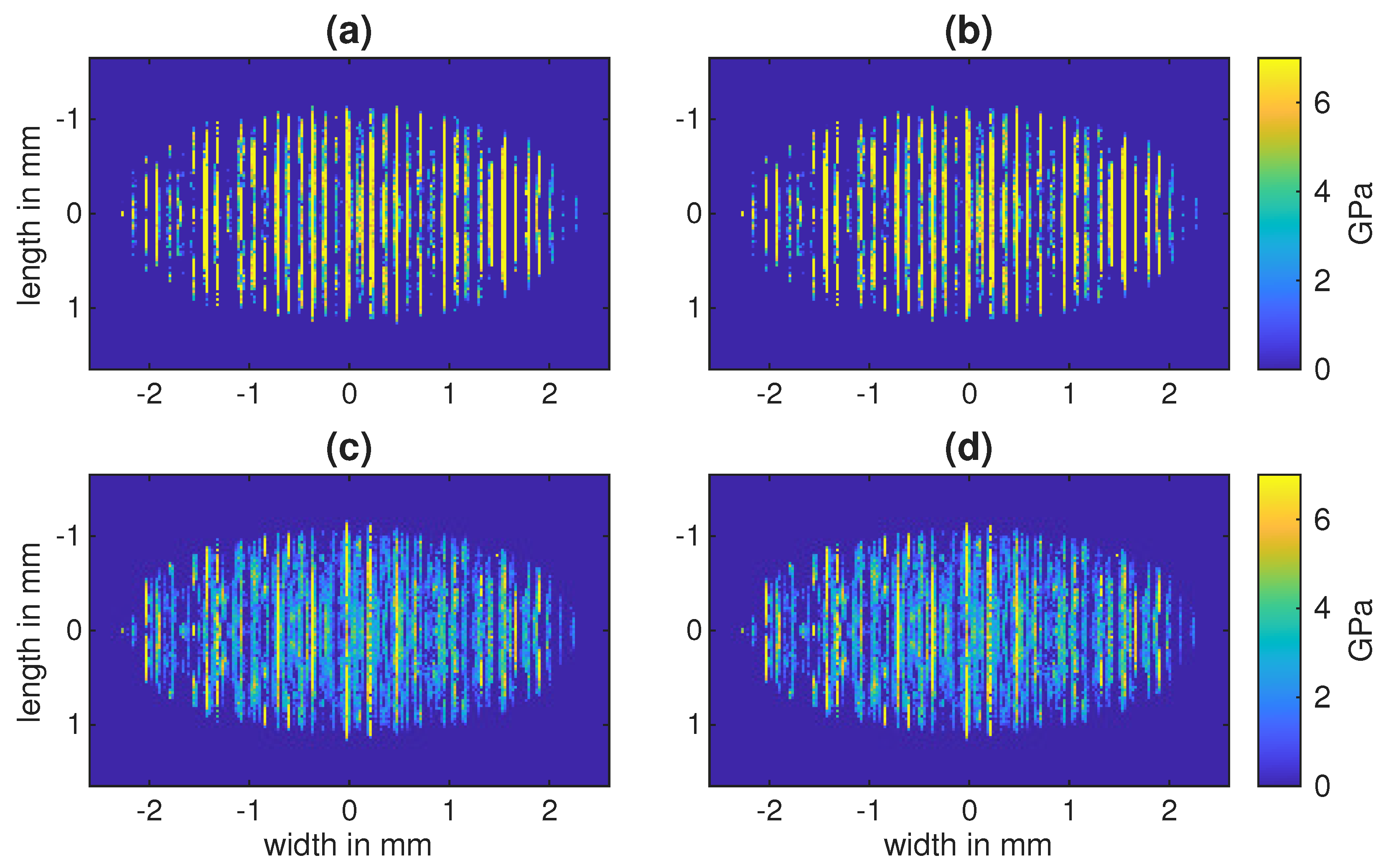
Figure A2.
Pressure distribution for PAO with the combined topographies in (a,b) P2P and in (c,d) P2V configuration as well as for the loads (a) , (b,d) and (c) at the start of the experiment.
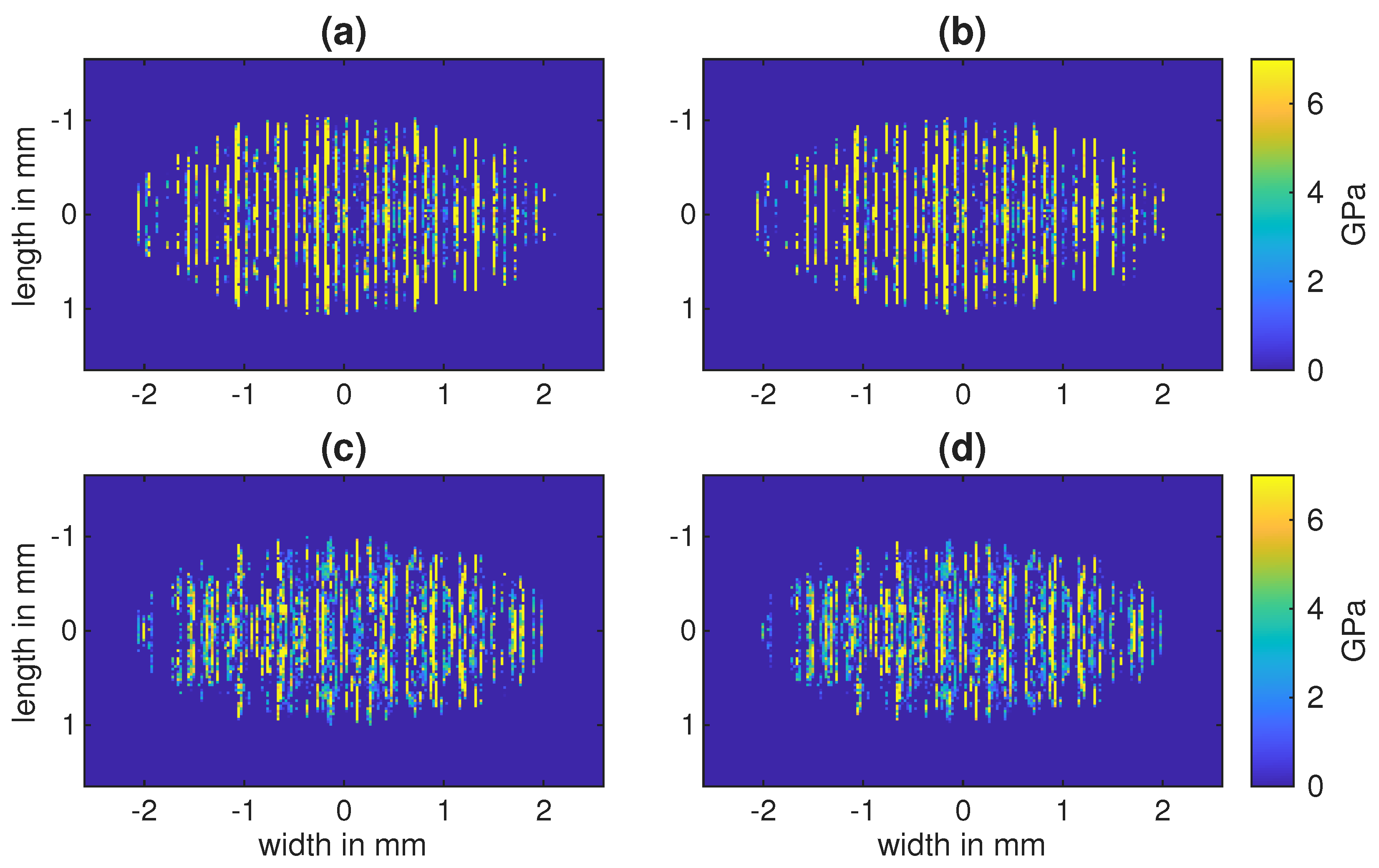
Figure A3.
Pressure distribution for MIN with the combined topographies (a–c) Wt for the loads (a) , (b) and (c) at the end of the experiment.
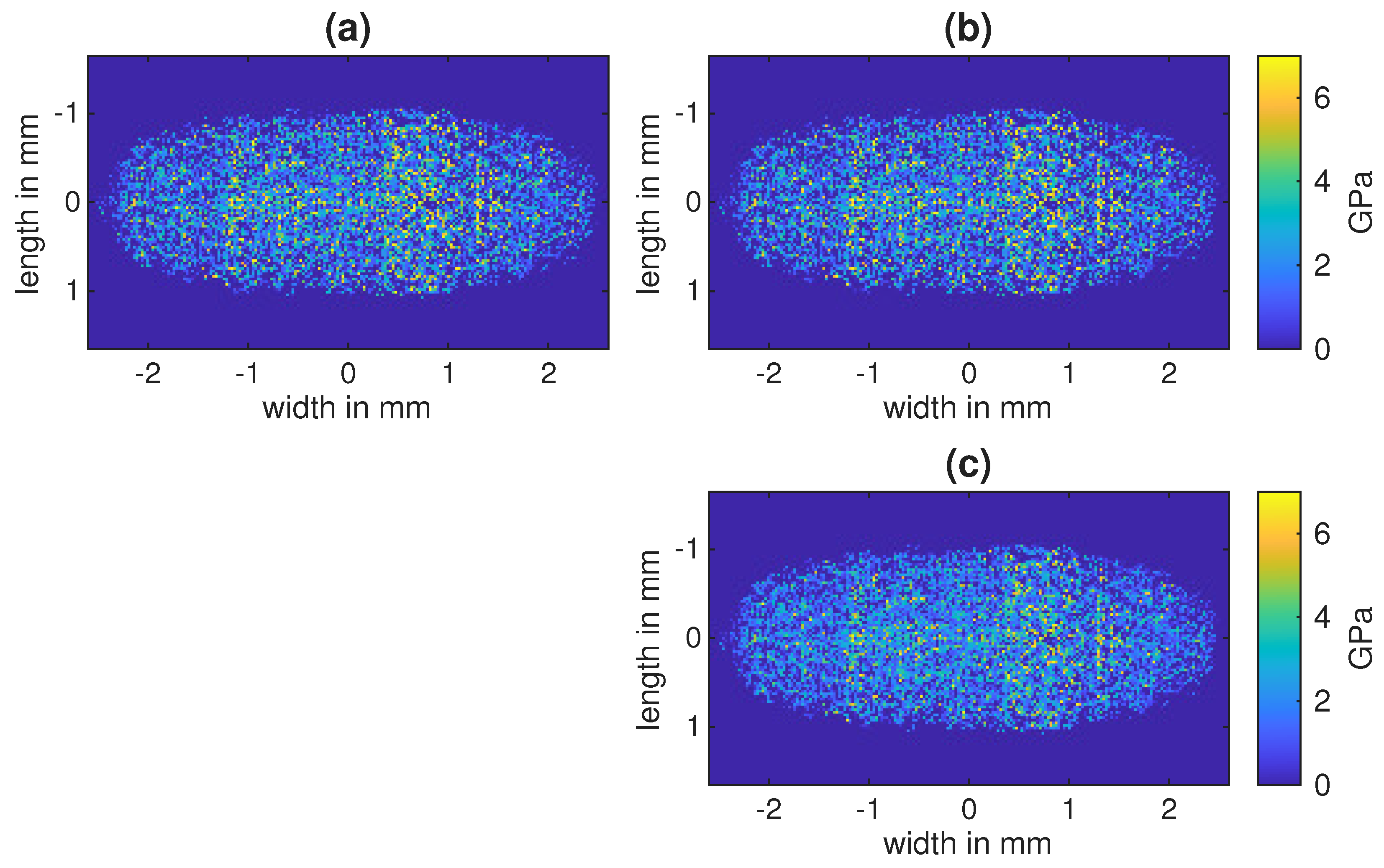
Figure A4.
Pressure distribution for PAO with the combined topographies (a–c) Wt for the loads (a) , (b) and (c) at the end of the experiment.
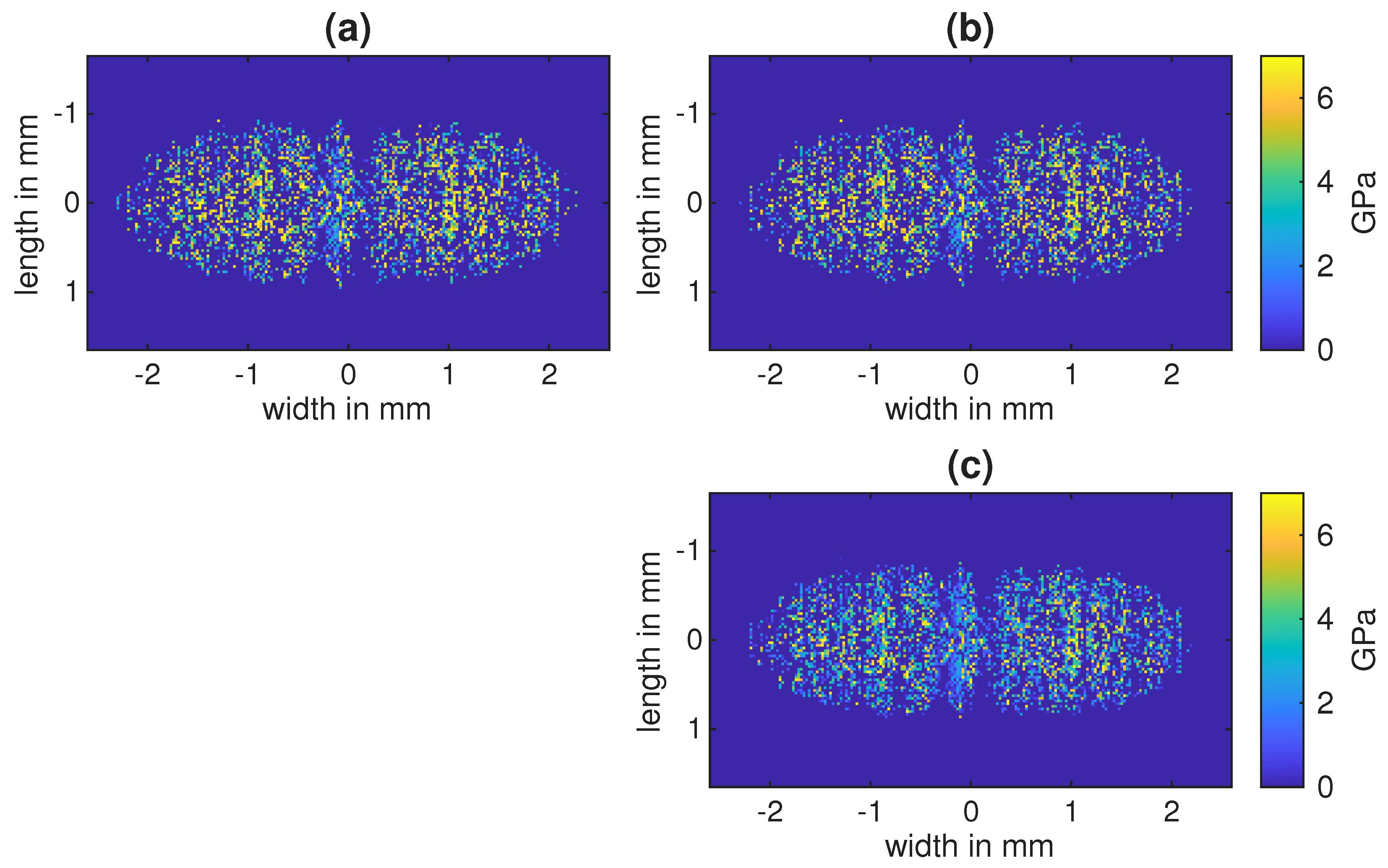
Figure A5.
Shear stress distribution for MIN with the combined topographies in (a,b) P2P and in (c,d) P2V configuration as well as for the loads (a) , (b,d) and (c) at the start of the experiment.
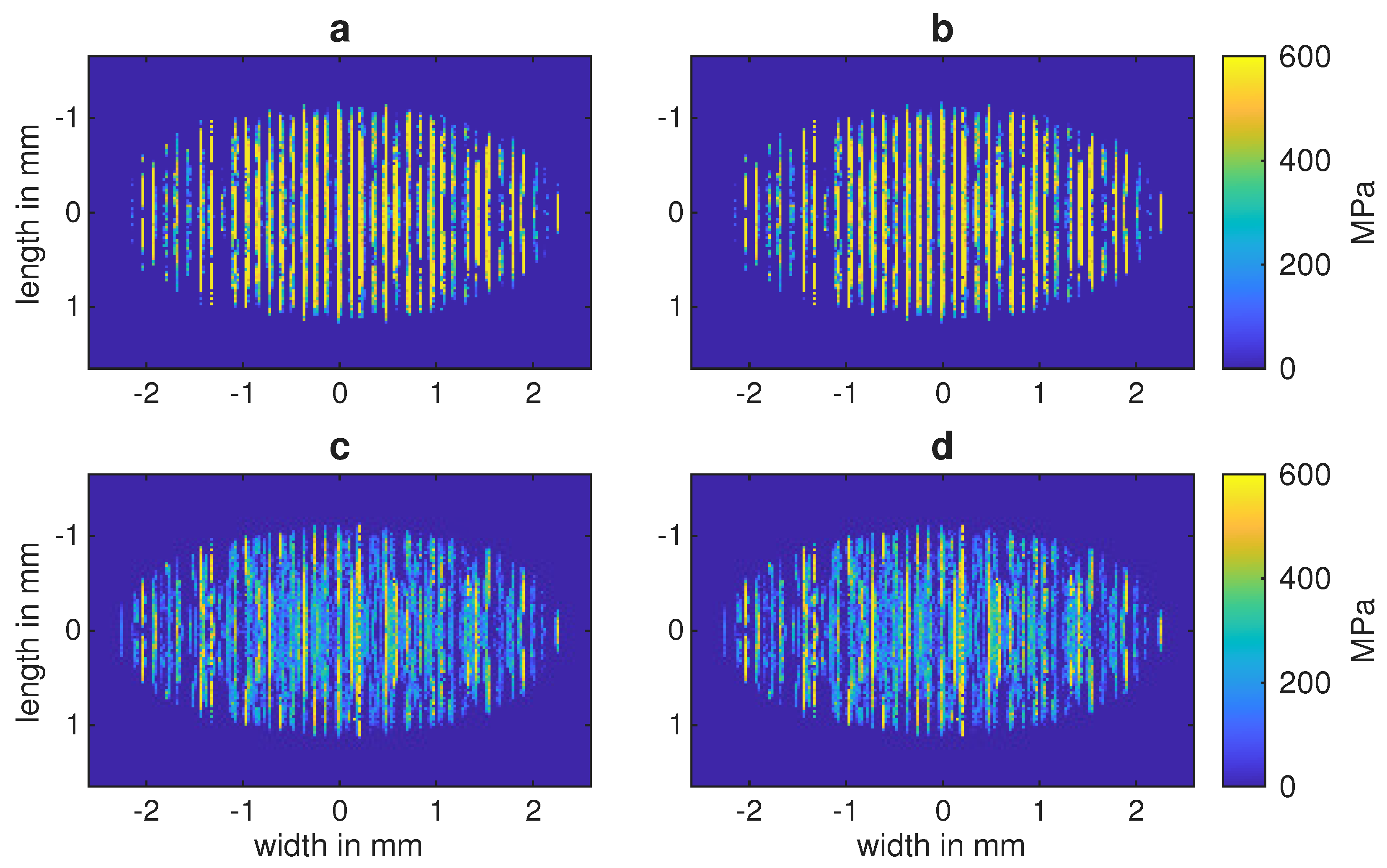
Figure A6.
Shear stress distribution for PAO with the combined topographies in (a,b) P2P and in (c,d) P2V configuration as well as for the loads (a) , (b,d) and (c) at the start of the experiment.
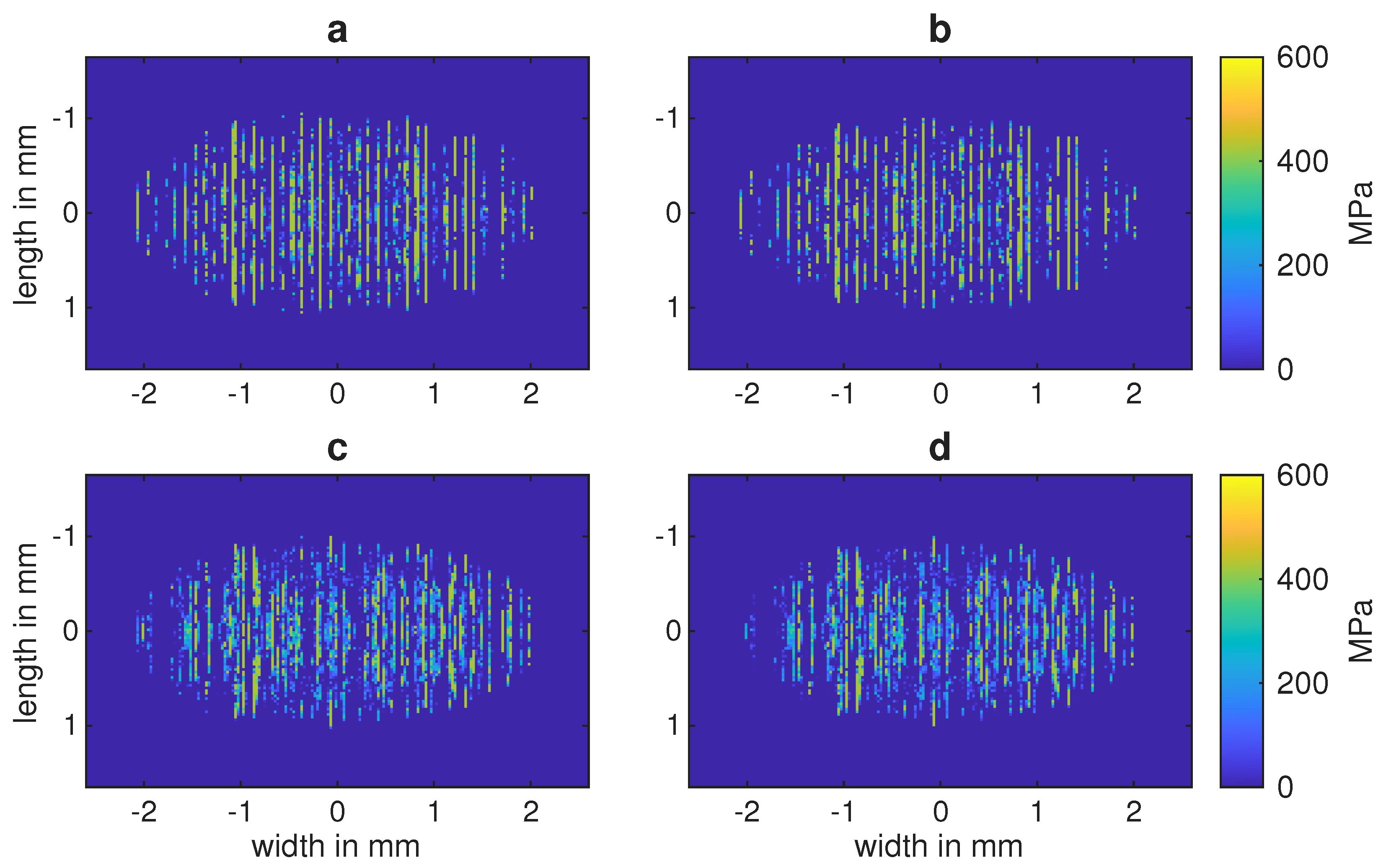
Figure A7.
Shear stress distribution for MIN with the combined topographies (a–c) Wt for the loads (a) , (b) and (c) at the end of the experiment.
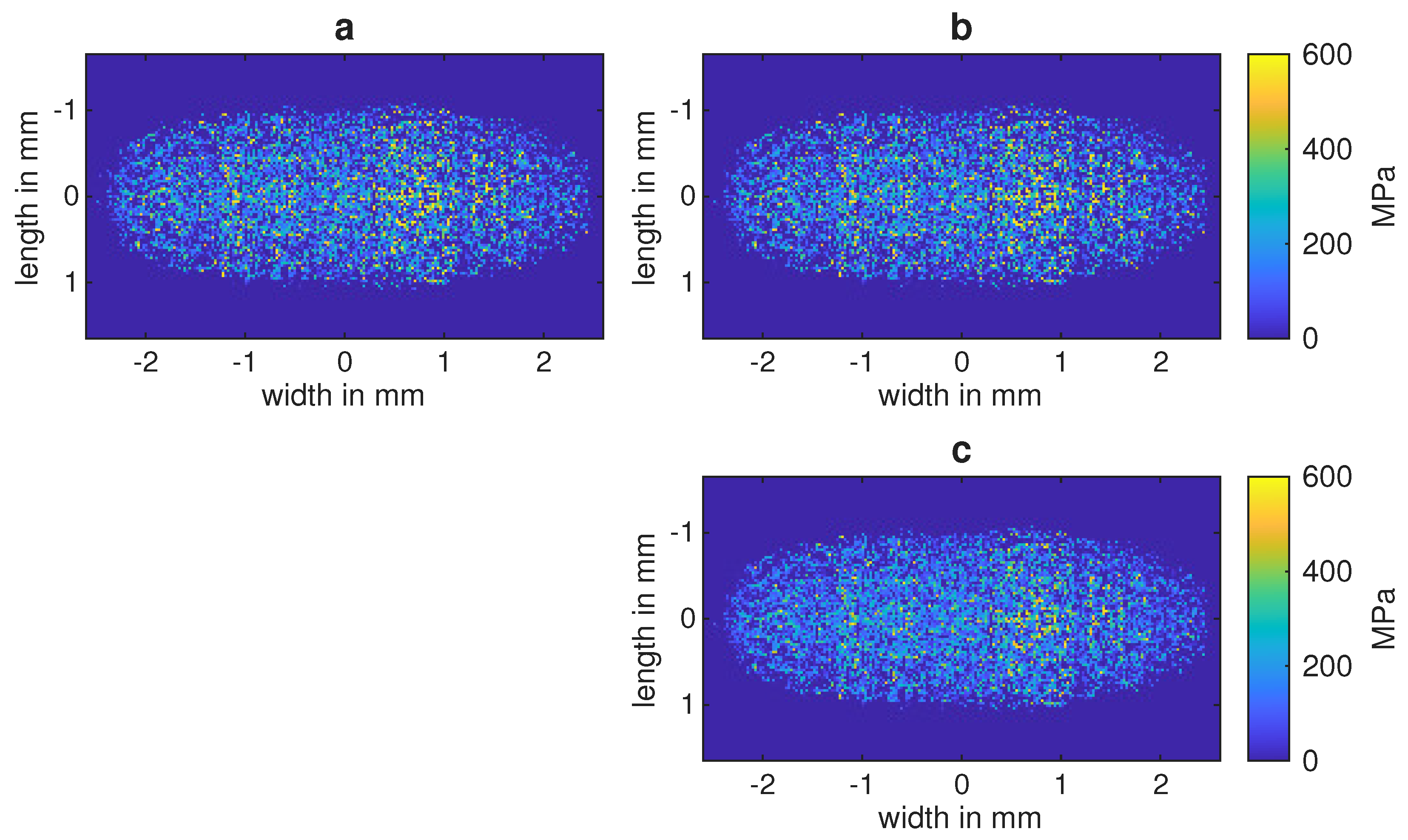
Figure A8.
Shear stress distribution for PAO with the combined topographies (a–c) Wt for the loads (a) , (b) and (c) at the end of the experiment.
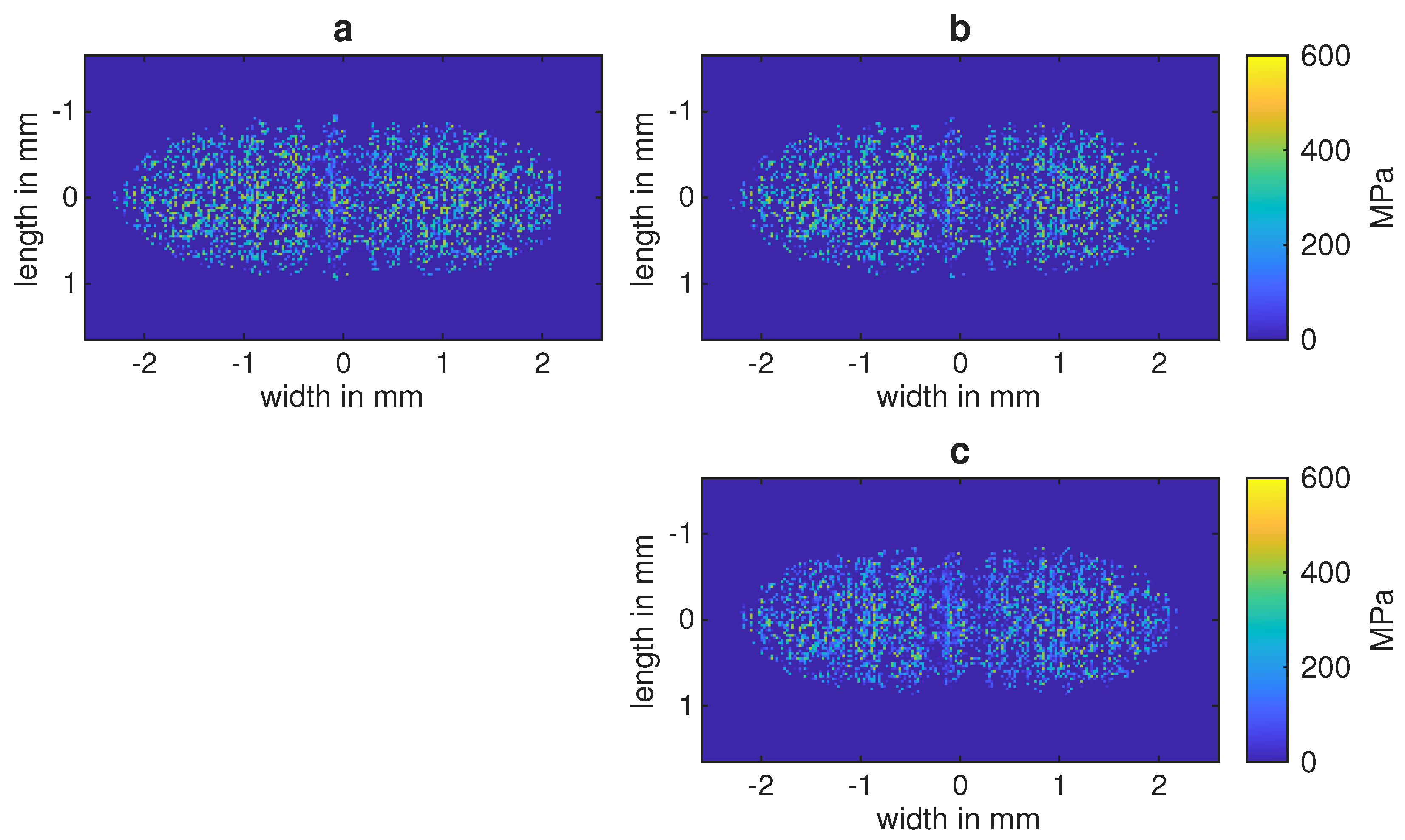
References
- Archard, J.F. Contact and Rubbing of Flat Surfaces. J. Appl. Phys. 1953, 24, 981–988. [Google Scholar] [CrossRef] [Scilit]
- Rabinowicz, E. The effect of size on the looseness of wear fragments. Wear 1958, 2, 4–8. [Google Scholar] [CrossRef] [Scilit]
- Fleischer, G.; Gröger, H.; Winkelmann, U.; Thum, H. Verschleiß und Zuverlässigkeit, 1st ed.; VEB Verlag Technik: Berlin, Germany, 1980. [Google Scholar]
- Czichos, H.; Habig, K.H. Tribologie-Handbuch; Springer Fachmedien Wiesbaden: Wiesbaden, Germany, 2015. [Google Scholar] [CrossRef] [Scilit]
- Zhu, D.; Wang, Q.J. On the λ ratio range of mixed lubrication. Proc. Inst. Mech. Eng. Part J J. Eng. Tribol. 2012, 226, 1010–1022. [Google Scholar] [CrossRef] [Scilit]
- Spikes, H. The History and Mechanisms of ZDDP. Tribol. Lett. 2004, 17, 469–489. [Google Scholar] [CrossRef] [Scilit]
- Hardy, W.B.; Doubleday, I. Boundary lubrication—The paraffin series. Proc. R. Soc. London Ser. A Math. Phys. Eng. Sci. 1922, 100, 550–574. [Google Scholar] [CrossRef] [Scilit]
- Bowden, F.P.; Leben, L. The friction of lubricated metals. Philos. Trans. R. Soc. London Ser. A Contain. Pap. A Math. Phys. Character 1940, 239, 1–27. [Google Scholar] [CrossRef] [Scilit]
- Beeck, O.; Givens, J.W.; Smith, A.E. On the mechanism of boundary lubrication. I. The action of long-chain polar compounds. Proc. R. Soc. London Ser. A Math. Phys. Eng. Sci. 1940, 177, 90–102. [Google Scholar] [CrossRef] [Scilit]
- Peta, K.; Kubiak, K.J.; Sfravara, F.; Brown, C.A. Dynamic wettability of complex fractal isotropic surfaces–Multiscale correlations. Tribol. Int. 2026, 214, 111145. [Google Scholar] [CrossRef] [Scilit]
- Komvopoulos, K.; Saka, N.; Suh, N.P. The Mechanism of Friction in Boundary Lubrication. J. Tribol. 1985, 107, 452–462. [Google Scholar] [CrossRef] [Scilit]
- Shisode, M.; Hazrati, J.; Mishra, T.; de Rooij, M.; ten Horn, C.; van Beeck, J.; van den Boogaard, T. Modeling boundary friction of coated sheets in sheet metal forming. Tribol. Int. 2021, 153, 106554. [Google Scholar] [CrossRef] [Scilit]
- Mishra, T.; de Rooij, M.; Shisode, M.; Hazrati, J.; Schipper, D.J. An analytical model to study the effect of asperity geometry on forces in ploughing by an elliptical asperity. Tribol. Int. 2019, 137, 405–419. [Google Scholar] [CrossRef] [Scilit]
- Teodorescu, M.; Taraza, D.; Henein, N.A.; Bryzik, W. Simplified Elasto-Hydrodynamic Friction Model of the Cam-Tappet Contact. In Proceedings of the SAE Technical Paper Series; SAE Technical Paper Series; SAE International: Warrendale, PA, USA, 2003. [Google Scholar] [CrossRef] [Scilit]
- Teodorescu, M.; Balakrishnan, S.; Rahnejat, H. Integrated Tribological Analysis within a Multi-physics Approach to System Dynamics. In Tribology and Interface Engineering Series; Life Cycle Tribology; Elsevier: Amsterdam, The Netherlands, 2005; Volume 48, pp. 725–737. [Google Scholar] [CrossRef] [Scilit]
- Terwey, J.T.; Berninger, S.; Burghardt, G.; Jacobs, G.; Poll, G. Numerical Calculation of Local Adhesive Wear in Machine Elements Under Boundary Lubrication Considering the Surface Roughness. In Proceedings of the 7th International Conference on Fracture Fatigue and Wear; Lecture Notes in Mechanical Engineering; Abdel Wahab, M., Ed.; Springer: Singapore, 2019; pp. 796–807. [Google Scholar] [CrossRef] [Scilit]
- Terwey, T. Näherungslösungen für Reibung und Verschleiß in ölgeschmierten Wälzkontakten Unter Berücksichtigung der Realen Rheologie. Ph.D. Thesis, Leibniz University of Hanover, Hanover, Germany, 2020. [Google Scholar] [CrossRef]
- Poll, G.; Wang, D. Fluid rheology, traction/creep relationships and friction in machine elements with rolling contacts. Proc. Inst. Mech. Eng. Part J J. Eng. Tribol. 2012, 226, 481–500. [Google Scholar] [CrossRef] [Scilit]
- Wang, D. Berechnung der Wälzlagerreibung Aufgrund Weiterentwickelter Rheologischer Fluidmodelle. Ph.D. Thesis, Leibniz Universität Hannover, Hannover, Germany, 2015. [Google Scholar]
- Bair, S.S. High Shear Stress Rheology of Liquid Lubricants. Ph.D. Thesis, Georgia Institute of Technology, Atlanta, GA, USA, 1990. [Google Scholar]
- Bair, S. High Pressure Rheology for Quantitative Elastohydrodynamics; Elsevier: Amsterdam, The Netherlands, 2019. [Google Scholar] [CrossRef] [Scilit]
- Höglund, E.; Jacobson, B. Experimental Investigation of the Shear Strength of Lubricants Subjected to High Pressure and Temperature. J. Tribol. 1986, 108, 571–577. [Google Scholar] [CrossRef] [Scilit]
- Jacobson, B.O. High-pressure chamber measurements. Proc. Inst. Mech. Eng. Part J J. Eng. Tribol. 2006, 220, 199–206. [Google Scholar] [CrossRef] [Scilit]
- Wikström, V.; Höglund, E. Investigation of Parameters Affecting the Limiting Shear Stress-Pressure Coefficient: A New Model Incorporating Temperature. J. Tribol. 1994, 116, 612–620. [Google Scholar] [CrossRef] [Scilit]
- Meyer, C. FVA 388 II: Wälzlagerreibung Fettschmierung II; FVA-Forschungsheft: Frankfurt, Germany, 2010; Volume 952. [Google Scholar]
- Bader, N.F. Traction in EHL-Contacts: The Influence of Local Fluid Rheology and Temperatures. Ph.D. Thesis, Leibniz University of Hanover, Hannover, Germany, 2018. [Google Scholar] [CrossRef]
- Ma, Z.; Zhao, Y.; Han, Y.; Lou, W.; Li, S.; Wang, X.; Guo, F.; Liu, H. Approach to Determine the Limiting Shear Stress of Lubricants at High Pressures Based on Traction Mapping. Lubricants 2024, 12, 128. [Google Scholar] [CrossRef] [Scilit]
- Bair, S.; Habchi, W. Rheology Extracted From Traction Curves: Is There Enough Information? J. Tribol. 2025, 148, 081101. [Google Scholar] [CrossRef] [Scilit]
- Bair, S.; Winer, W.O. Some Observations in High Pressure Rheology of Lubricants. J. Lubr. Technol. 1982, 104, 357–364. [Google Scholar] [CrossRef] [Scilit]
- Evans, C.R.; Johnson, K.L. The Rheological Properties of Elastohydrodynamic Lubricants. Proc. Inst. Mech. Eng. Part C J. Mech. Eng. Sci. 1986, 200, 303–324. [Google Scholar] [CrossRef] [Scilit]
- Habchi, W.; Bair, S.; Vergne, P. On friction regimes in quantitative elastohydrodynamics. Tribol. Int. 2013, 58, 107–117. [Google Scholar] [CrossRef] [Scilit]
- Greenwood, J.B.; Williamson, J.B.P. Contact of nominally flat surfaces: J. A. Greenwood and J. B. P. Williamson, Proc. Roy. Soc. (London), Ser. A, 295 (1966) 300–319; 9 figs., 15 refs. Wear 1967, 10, 411. [Google Scholar] [CrossRef] [Scilit]
- Terwey, J.T.; Fourati, M.A.; Pape, F.; Poll, G. Energy-Based Modelling of Adhesive Wear in the Mixed Lubrication Regime. Lubricants 2020, 8, 16. [Google Scholar] [CrossRef] [Scilit]
- Bowden, F.P. Introduction to the discussion: The mechanism of friction. Proc. R. Soc. London Ser. A Math. Phys. Eng. Sci. 1952, 212, 440–449. [Google Scholar] [CrossRef] [Scilit]
- Tian, H.; Saka, N.; Suh, N.P. Boundary Lubrication Studies on Undulated Titanium Surfaces. Tribol. Trans. 1989, 32, 289–296. [Google Scholar] [CrossRef] [Scilit]
- Akchurin, A.; Bosman, R.; Lugt, P.M.; van Drogen, M. On a Model for the Prediction of the Friction Coefficient in Mixed Lubrication Based on a Load-Sharing Concept with Measured Surface Roughness. Tribol. Lett. 2015, 59, 19. [Google Scholar] [CrossRef] [Scilit]
- Hu, Y.Z.; Zhu, D. A full numerical solution to the mixed lubrication in point contacts. J. Trib. 2000, 122, 1–9. [Google Scholar] [CrossRef] [Scilit]
- Kumar, R.; Azam, M.S. Effect of directionally oriented random roughness on performance of a Rayleigh step bearing operating under Mixed-Elastohydrodynamic Lubrication. Tribol. Int. 2021, 153, 106572. [Google Scholar] [CrossRef] [Scilit]
- Geng, Y.; Zhu, K.; Qi, S.; Liu, Y.; Zhao, Y.; Yu, R.; Chen, W.; Liu, H. A deterministic mixed lubrication model for parallel rough surfaces considering wear evolution. Tribol. Int. 2024, 194, 109443. [Google Scholar] [CrossRef] [Scilit]
- Wang, C.; Wang, X.; Hu, Y. Investigation on start-up performance of gas foil bearing considering wear topography evolution of non-Gaussian surface. Tribol. Int. 2023, 177, 108003. [Google Scholar] [CrossRef] [Scilit]
- Spikes, H. Mixed lubrication—An overview. Lubr. Sci. 1997, 9, 221–253. [Google Scholar] [CrossRef] [Scilit]
- Almqvist, A.; Persson, B.N.J. Multiscale contact mechanics for elastoplastic contacts. Phys. Rev. E 2026, 113, 015503. [Google Scholar] [CrossRef] [Scilit] [PubMed]
- Lee, K.; Park, J.; Lee, J.; Kwon, S.W.; Choi, I.; Lee, M.G. An enhanced boundary lubrication friction model for sheet metal forming. Int. J. Mech. Sci. 2023, 260, 108652. [Google Scholar] [CrossRef] [Scilit]
- Boussinesq, J. Application des Potentiels à L’étude de l’ Équilibre et du Mouvement des Solides Élastiques: Principalement au Calcul des Déformations es des Pressions que Produisent, dans ces Solides, des Efforts Quelconques Exercés sur une Petite Partie de leur Surface ou de leur Intérieur: Mémoire Suivi de Notes Étendues sur Divers Points de Physique Mathématique et D’analyse; Gauthier-Villars Imprimeur-Libraire Du Bureau Des Longitudes de L’école Polytechnique Successeur de Mallet-Bachelier: Paris, France, 1885. [Google Scholar] [CrossRef] [Scilit]
- Burger, H.; Forsbach, F.; Popov, V.L. Boundary Element Method for Tangential Contact of a Coated Elastic Half-Space. Machines 2023, 11, 694. [Google Scholar] [CrossRef] [Scilit]
- Wang, J. Interfacial Mechanics: Theories and Methods for Contact and Lubrication; CRC Press: Boca Raton, FL, USA, 2020. [Google Scholar]
- Hansen, E. Contact Elastic Half-Space. 2020. Available online: https://github.com/ErikHansenGit/Contact_elastic_half-space (accessed on 5 March 2026).
- DIN EN ISO 18265:2014-02; Metallische Werkstoffe–Umwertung von Härtewerten. Deutsches Institut für Normung e.V. (DIN), Beuth Verlag: Berlin, Germany, 2014.
- Meyer, C. Reibung in Hoch Belasteten EHD-Wälzkontakten. Ph.D. Thesis, Leibniz Universität Hannover, Hannover, Germany, 2010. [Google Scholar]
- Bader, N.; Pape, F.; Gatzen, H.H.; Poll, G. Examination of friction and wear of a 100Cr6 ball against a bearing ring in a micro-pin-on-disk tester. In Proceedings of the Surface and Contact Mechanics Including Tribology XII; WIT Transactions on Engineering Sciences; de Hosson, J.T.M., Hadfield, M., Brebbia, C.A., Eds.; WIT Press: Southampton, UK, 2015; pp. 47–58. [Google Scholar] [CrossRef] [Scilit]
- DIN 51659-3:2017-02; Schmierstoffe—Prüfverfahren—Teil 3: Bestimmung der Kinematischen Viskosität von Gebrauchten Schmierölen Mittels Houillon-Viskosimeter. Deutsches Institut für Normung e.V. (DIN), Beuth Verlag: Berlin, Germany, 2017.
- ISO 2909:2002; Petroleum Products—Calculation of Viscosity Index from Kinematic Viscosity. International Organization for Standardization (ISO): Geneva, Switzerland, 2002.
- ASTM D2270-24; Standard Practice for Calculating Viscosity Index from Kinematic Viscosity at 40 °C and 100 °C. ASTM International: West Conshohocken, PA, USA, 2024.
- ASTM D7279-20; Standard Test Method for Kinematic Viscosity of Transparent and Opaque Liquids by Automated Houillon Viscometer. ASTM International: West Conshohocken, PA, USA, 2020.
- Alberto, M. Computational analysis of the accuracy in the evaluation of the mean molecular weight of petroleum oils from the ASTM Standard D 2502-92. J. Pet. Sci. Eng. 2009, 69, 89–92. [Google Scholar] [CrossRef] [Scilit]
- Wang, Q.J.; Sun, L.; Zhang, X.; Liu, S.; Zhu, D. FFT-Based Methods for Computational Contact Mechanics. Front. Mech. Eng. 2020, 6, 61. [Google Scholar] [CrossRef] [Scilit]
- Brändlein, J.; Eschmann, P.; Hasbargen, L.; Weigand, K. Die Wälzlagerpraxis: Handbuch für die Berechnung und Gestaltung von Lagerungen; Vereinigte Fachverlage GmbH: Mainz, Germany, 1995. [Google Scholar]
- Bartel, D. Simulation von Tribosystemen; Vieweg+Teubner: Wiesbaden, Germany, 2010. [Google Scholar] [CrossRef] [Scilit]
- Hamrock, B.J.; Dowson, D. Ball Bearing Lubrication: The Elastohydrodynamics of Elliptical Contacts; Wiley: New York, NY, USA, 1981. [Google Scholar]
- Hamrock, B.J.; Dowson, D. Isothermal Elastohydrodynamic Lubrication of Point Contacts: Part III—Fully Flooded Results. J. Lubr. Technol. 1977, 99, 264–275. [Google Scholar] [CrossRef] [Scilit]
- Sommer, K.; Heinz, R.; Schöfer, J. Verschleiß Metallischer Werkstoffe; Springer Fachmedien Wiesbaden: Wiesbaden, Germany, 2014. [Google Scholar] [CrossRef] [Scilit]
- Habchi, W.; Bair, S. Effect of lubricant rheology on friction in coated elastohydrodynamic lubricated contacts. Proc. Inst. Mech. Eng. Part J J. Eng. Tribol. 2017, 231, 975–985. [Google Scholar] [CrossRef] [Scilit]
- Lohner, T.; Mayer, J.; Michaelis, K.; Höhn, B.-R.; Stahl, K. On the running-in behavior of lubricated line contacts. Proc. Inst. Mech. Eng. Part J J. Eng. Tribol. 2017, 231, 441–452. [Google Scholar] [CrossRef] [Scilit]
- stvik, R.; Christensen, H. Changes in Surface Topography with Running-In. Proc. Inst. Mech. Eng. Conf. Proc. 1968, 183, 57–65. [Google Scholar] [CrossRef] [Scilit]
- Dowson, D. Elastohydrodynamic and micro-elastohydrodynamic lubrication. Wear 1995, 190, 125–138. [Google Scholar] [CrossRef] [Scilit]
- Morales-Espejel, G.E. Surface roughness effects in elastohydrodynamic lubrication: A review with contributions. Proc. Inst. Mech. Eng. Part J J. Eng. Tribol. 2014, 228, 1217–1242. [Google Scholar] [CrossRef] [Scilit]
- Hansen, J.; Björling, M.; Larsson, R. Mapping of the lubrication regimes in rough surface EHL contacts. Tribol. Int. 2019, 131, 637–651. [Google Scholar] [CrossRef] [Scilit]
- Hansen, J.; Björling, M.; Larsson, R. Topography transformations due to running-in of rolling-sliding non-conformal contacts. Tribol. Int. 2020, 144, 106126. [Google Scholar] [CrossRef] [Scilit]
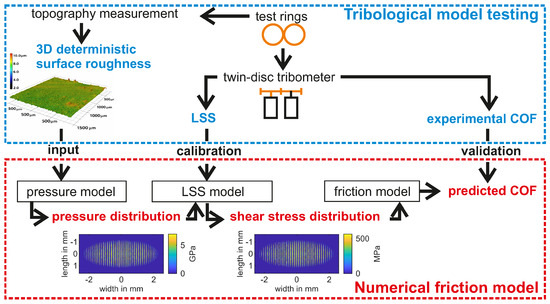
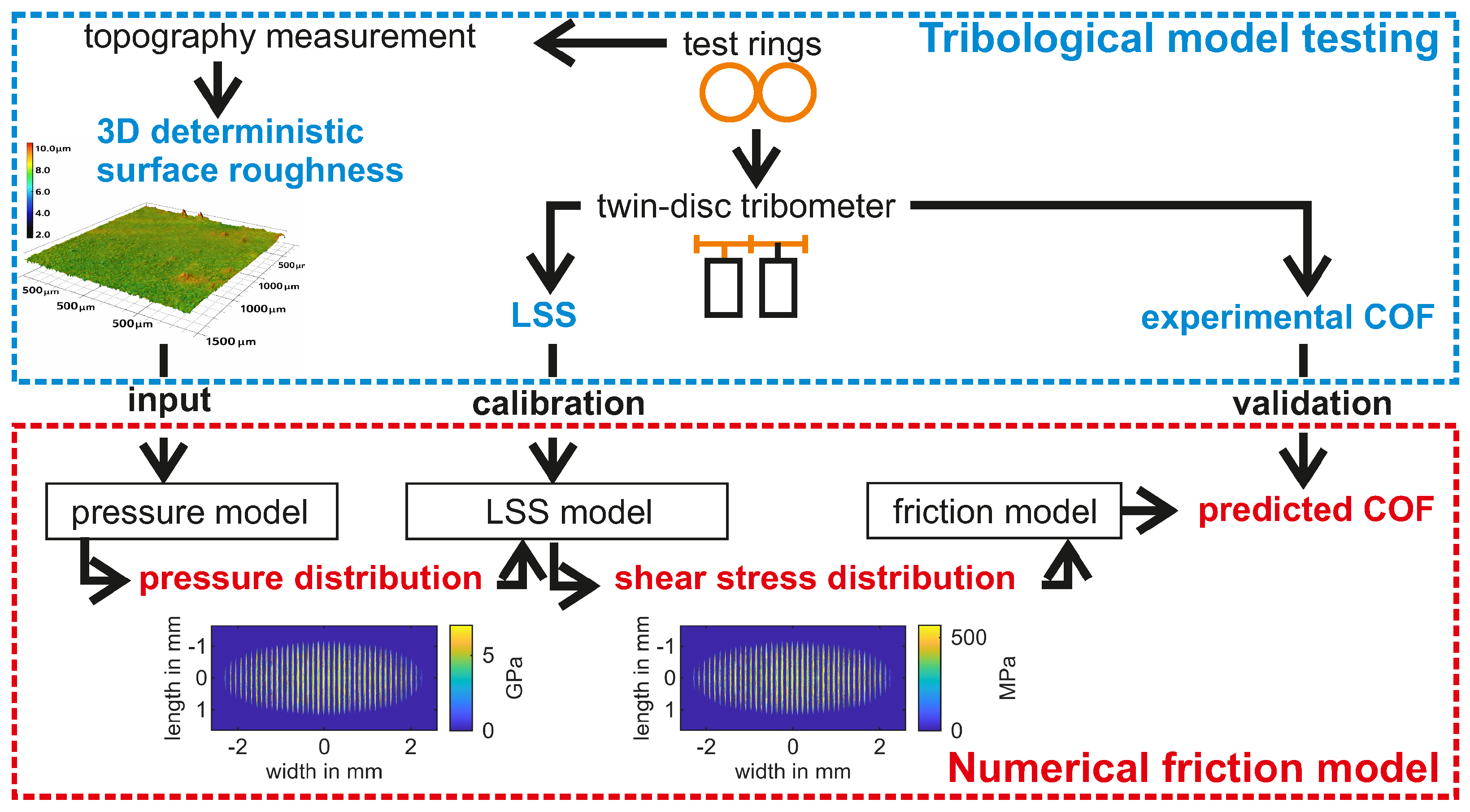
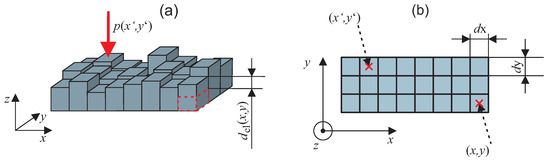
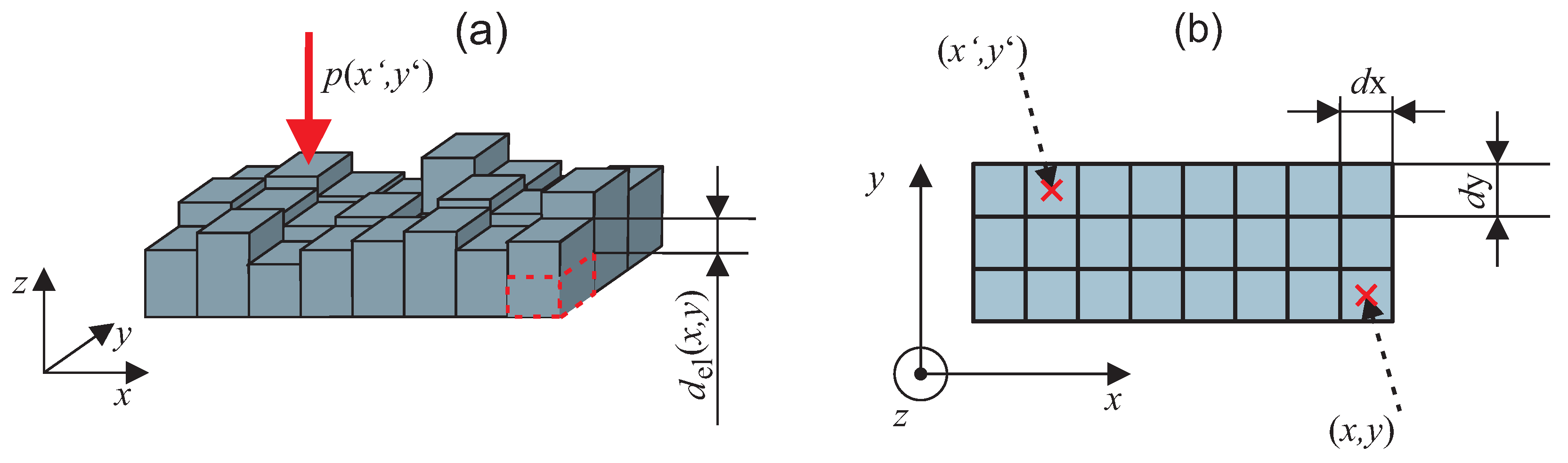
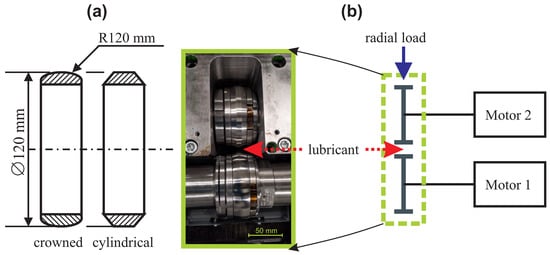
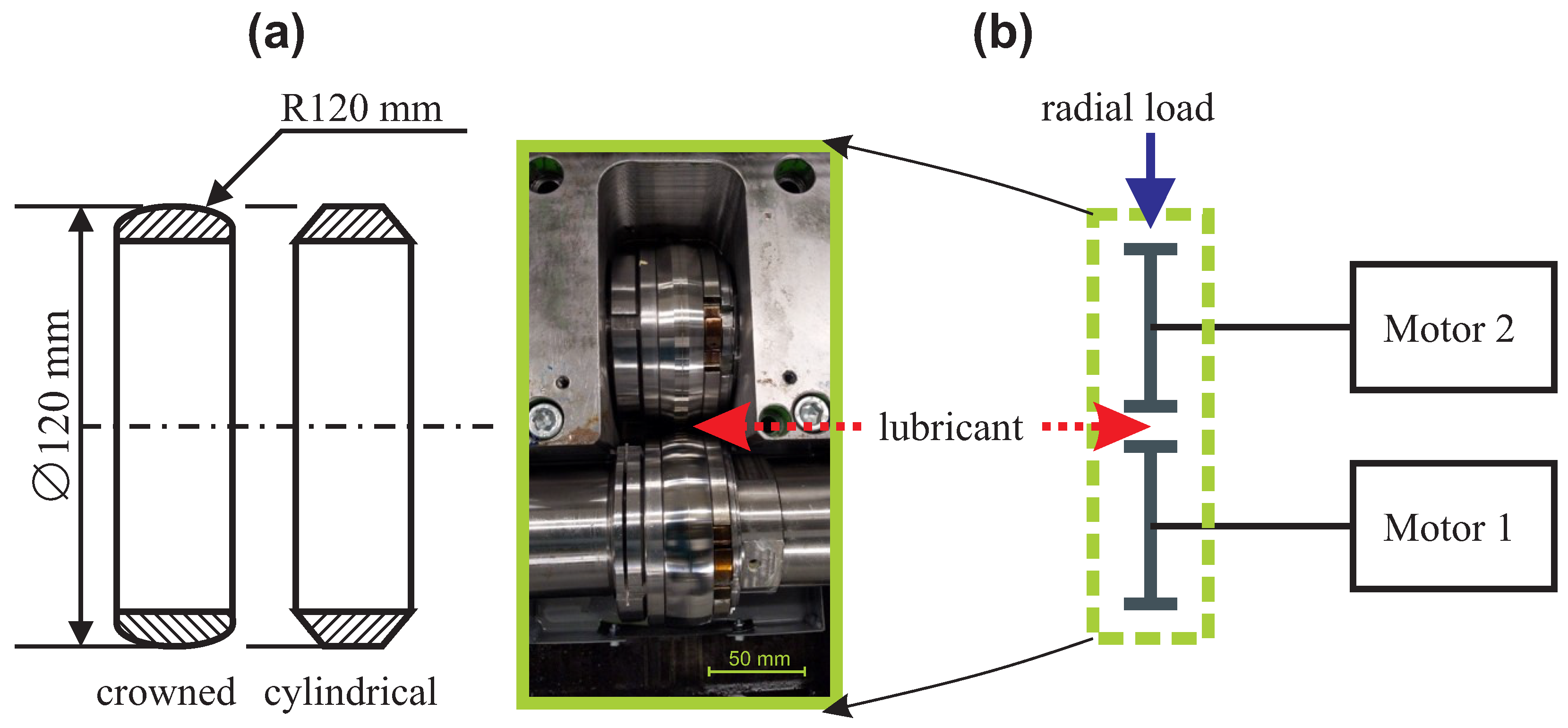
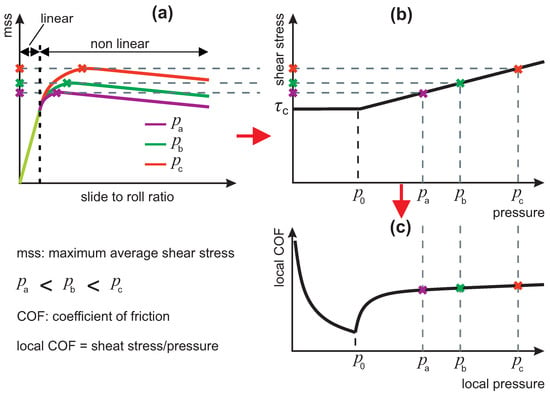
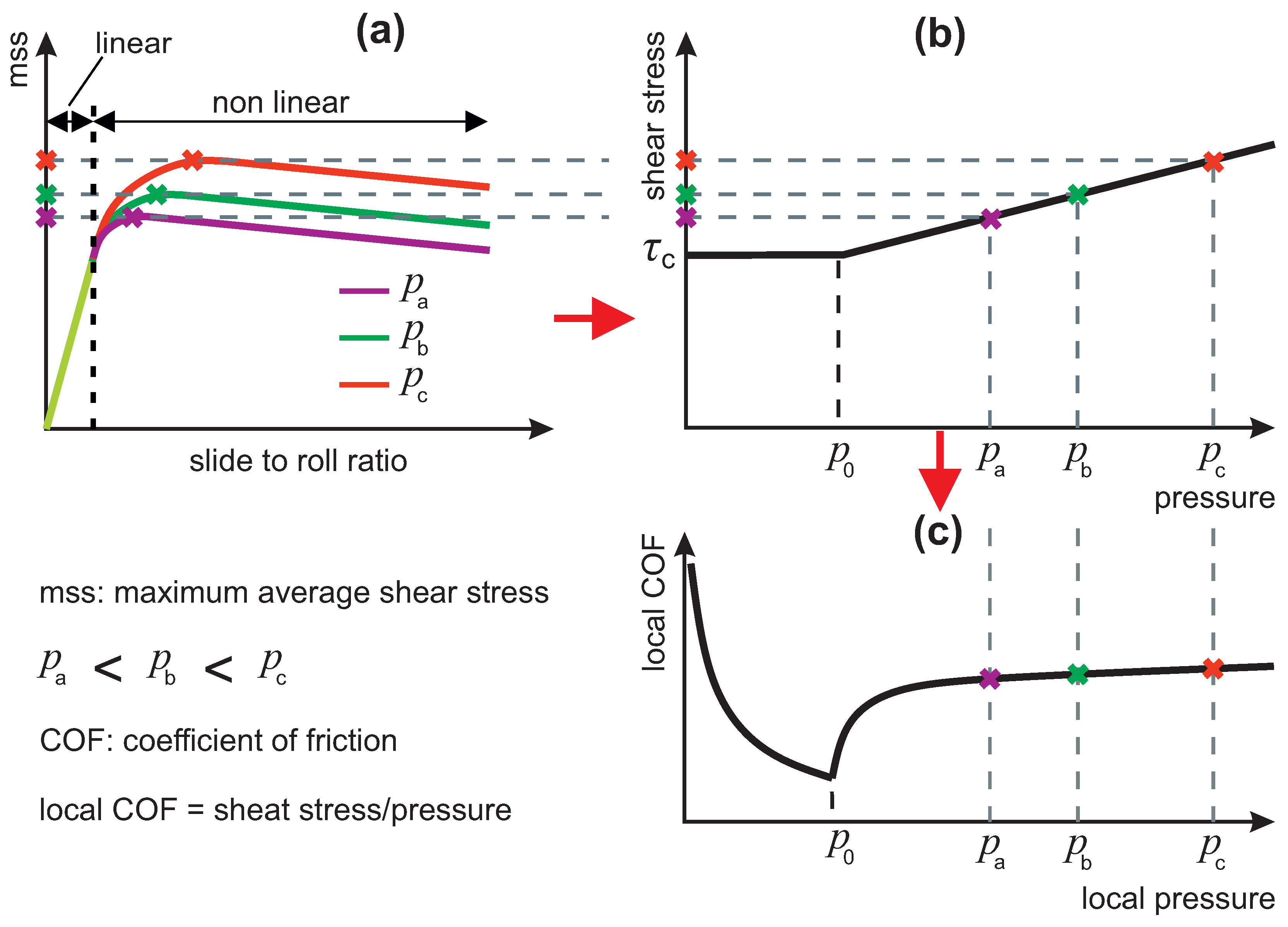
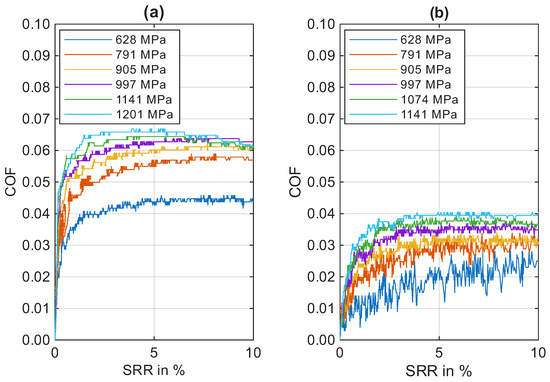
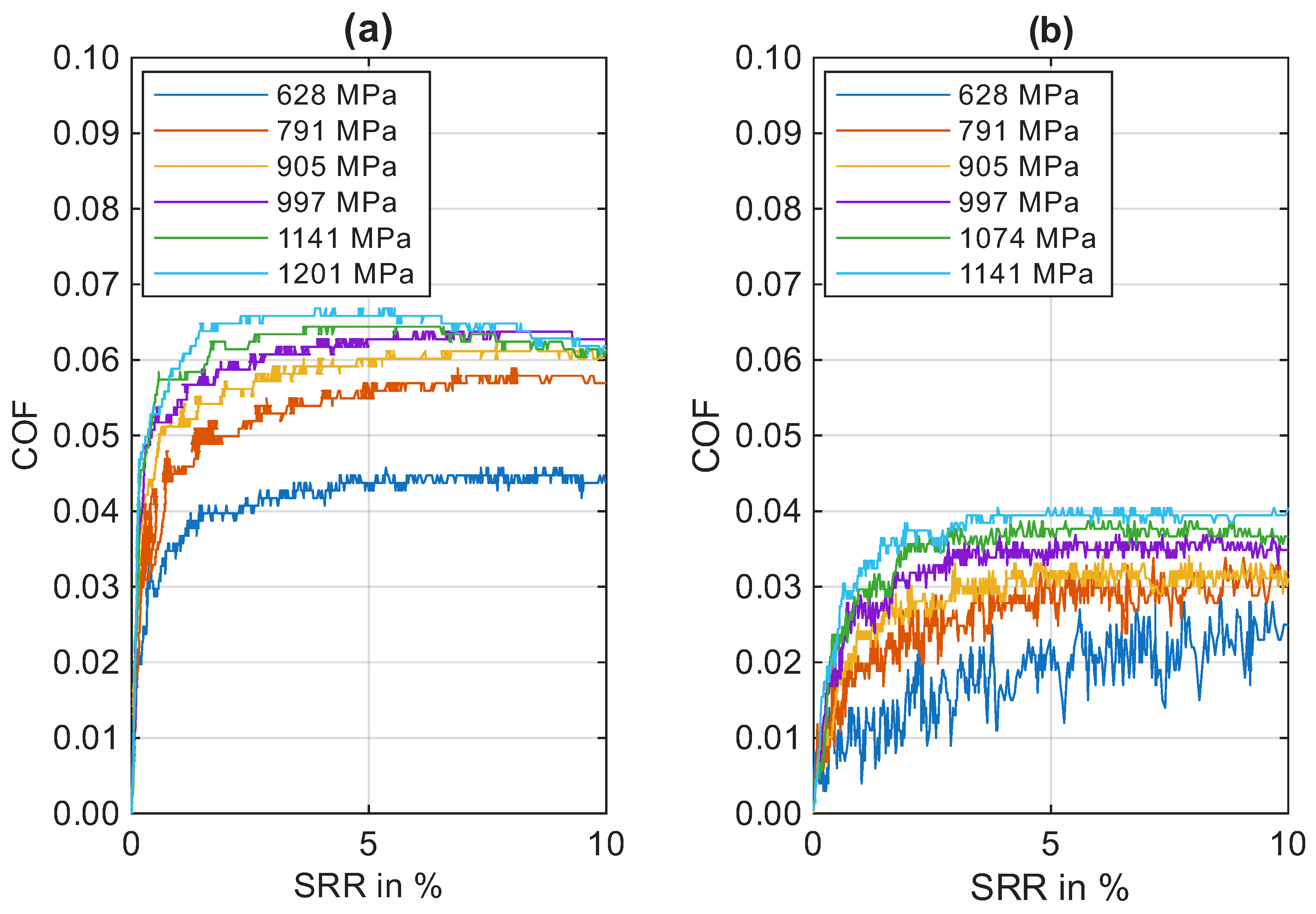
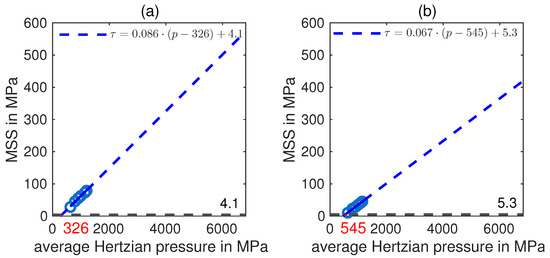
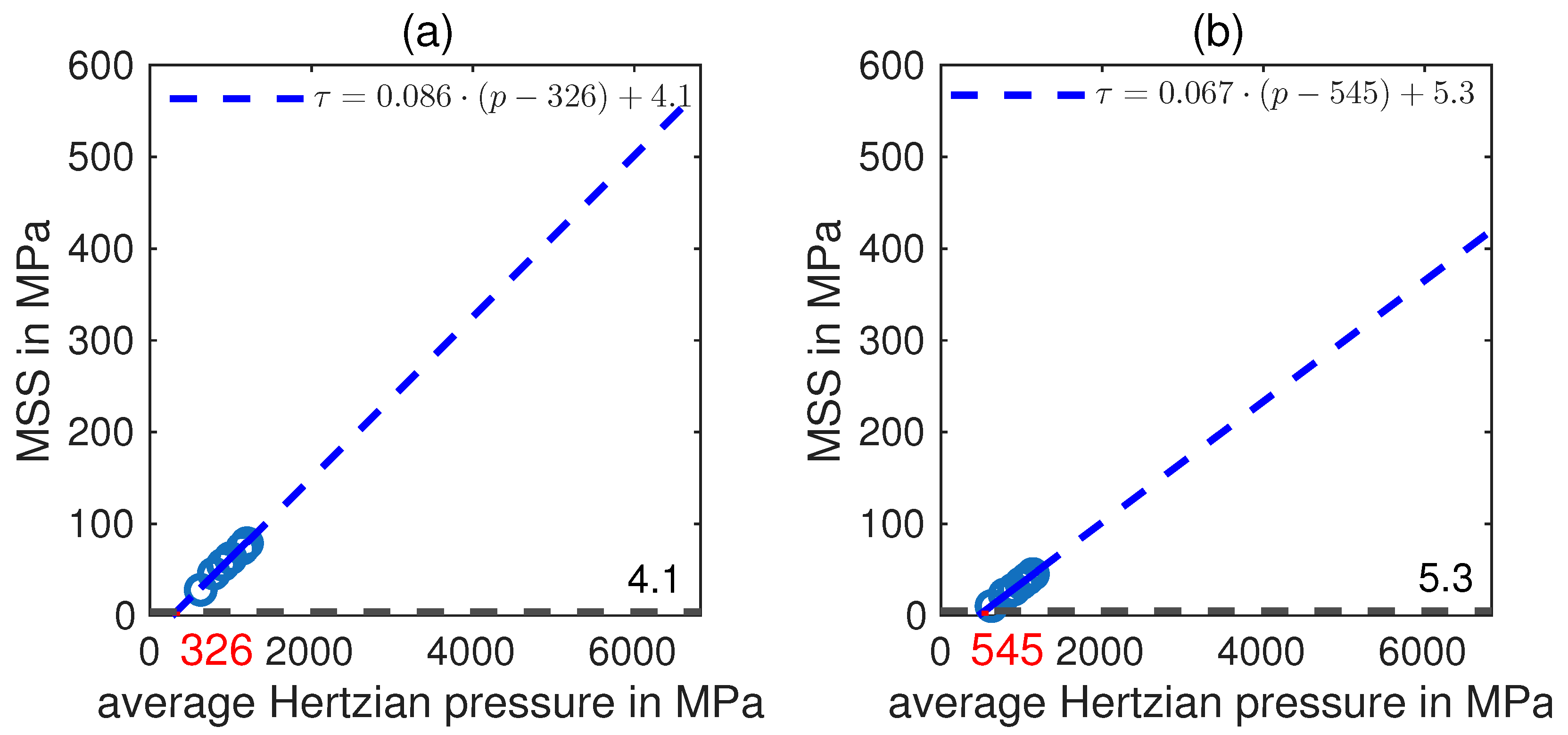
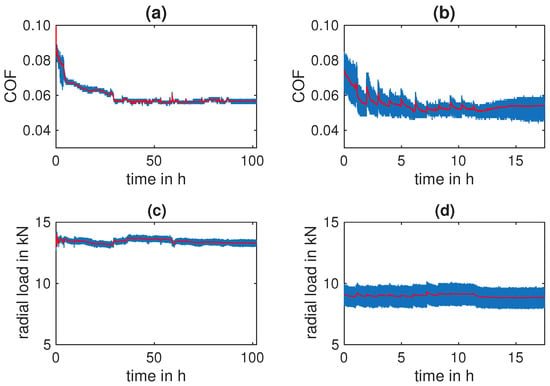
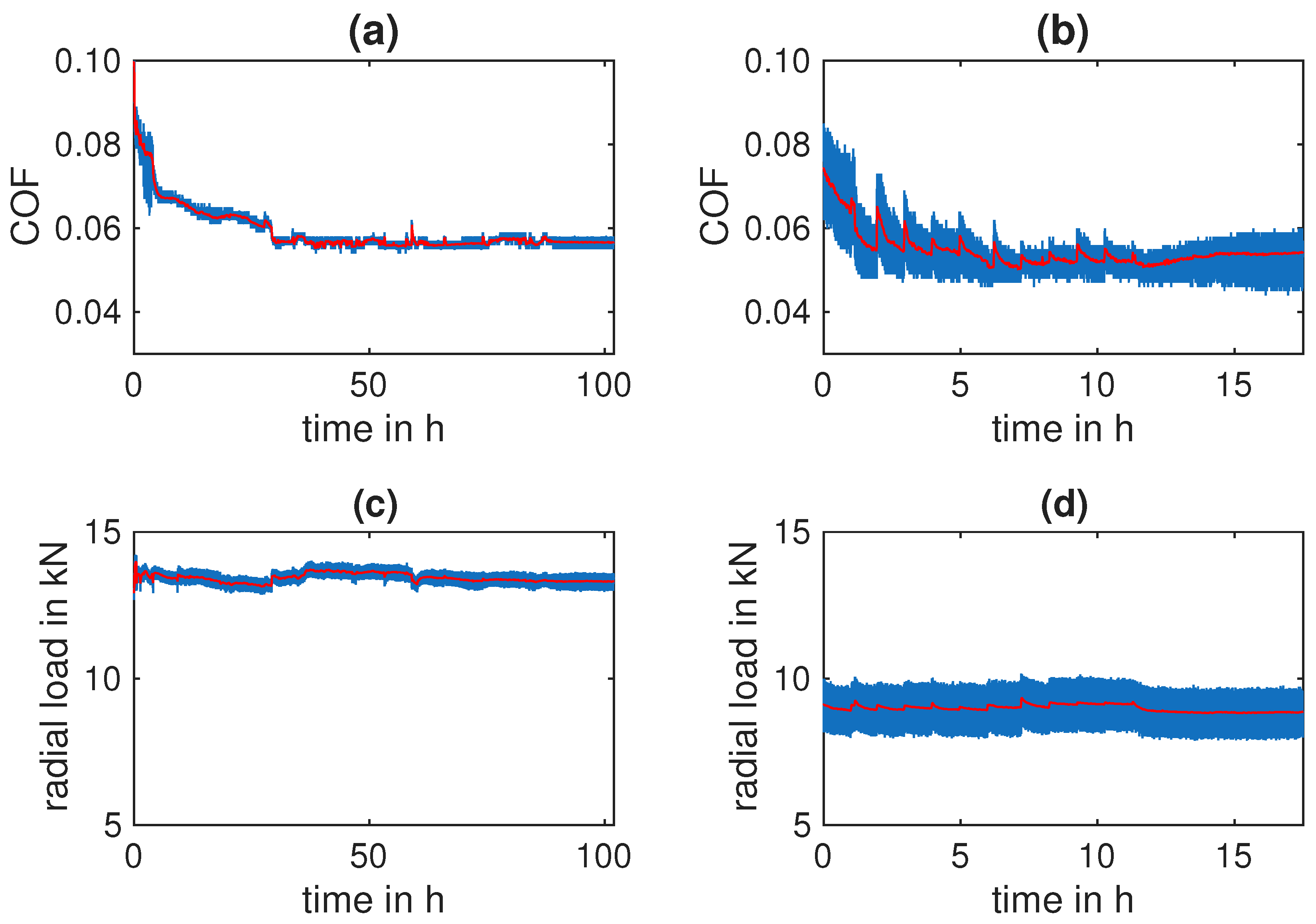
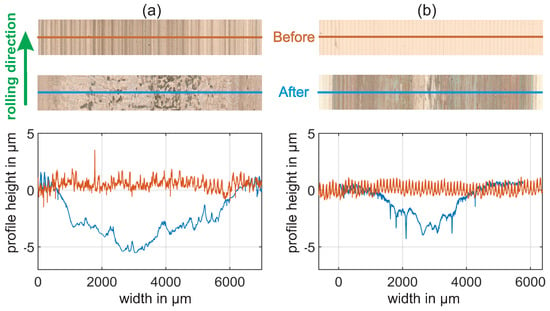
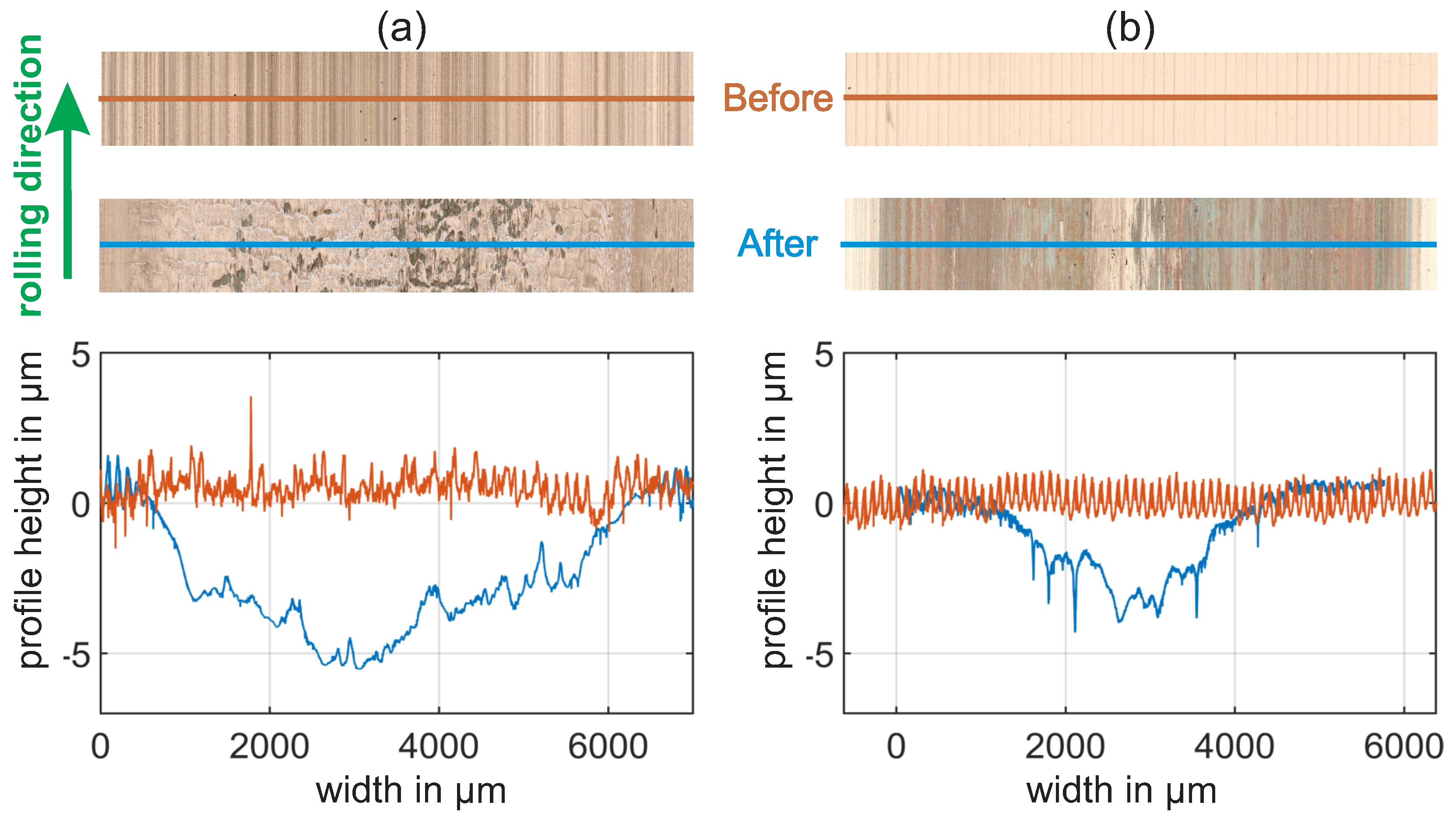
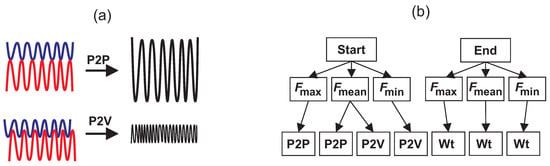
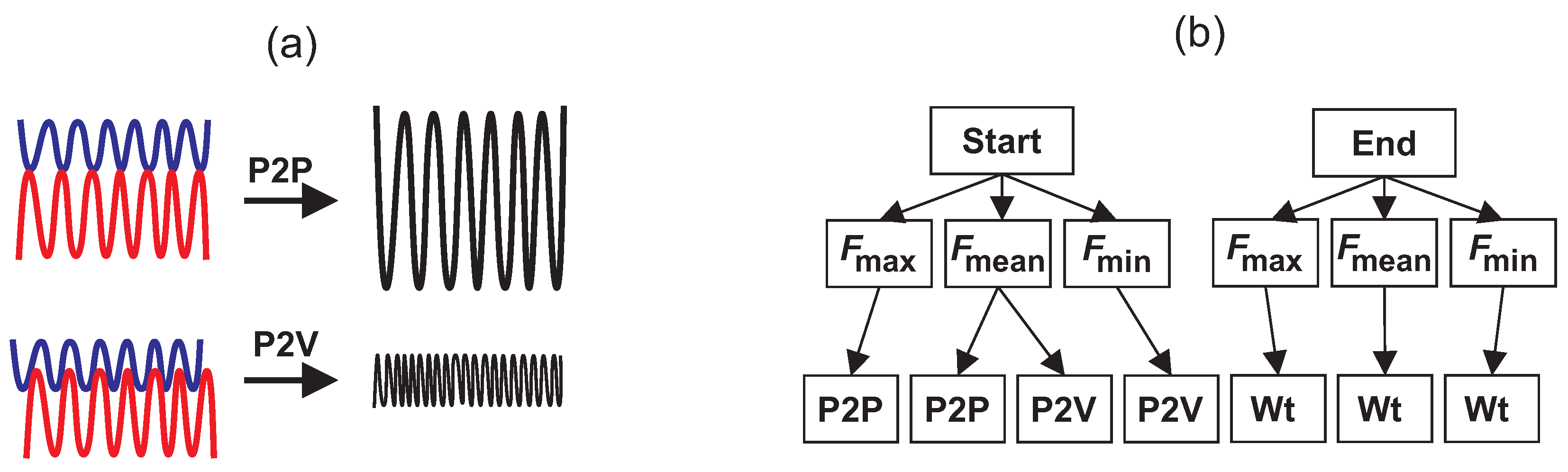
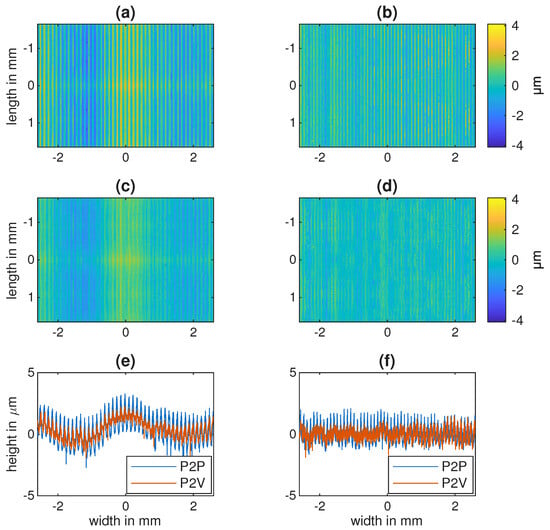
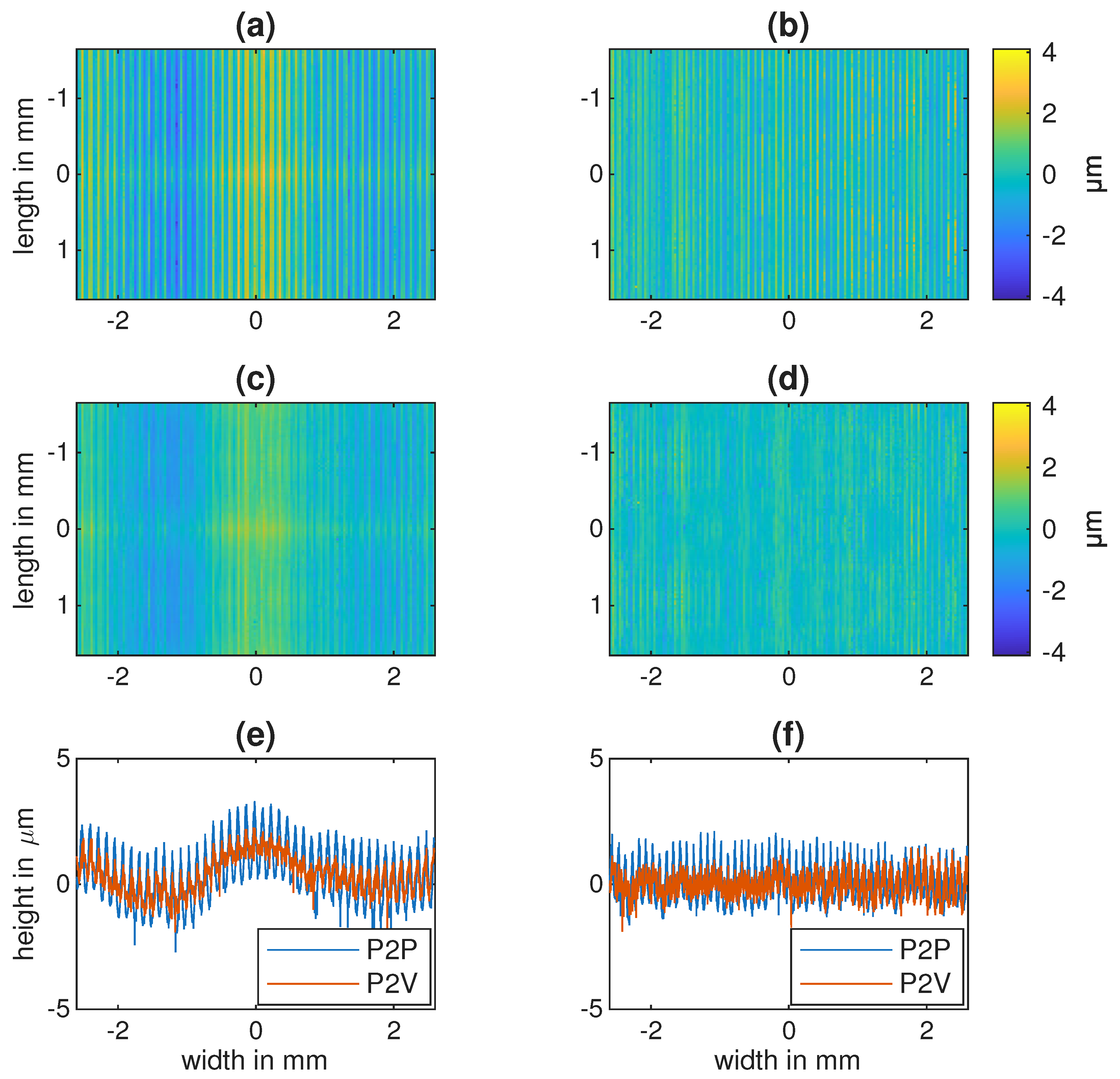
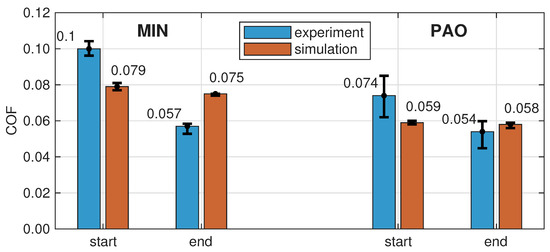
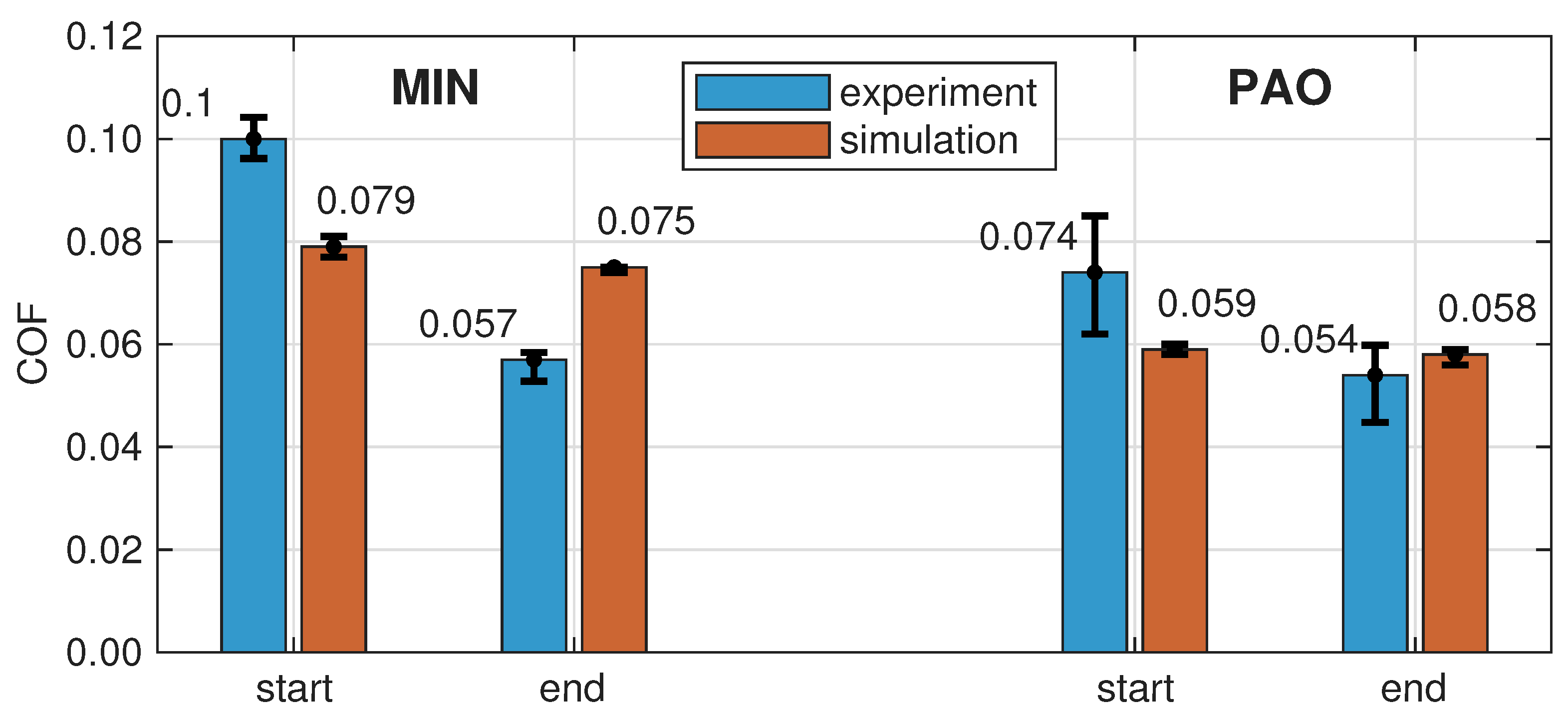
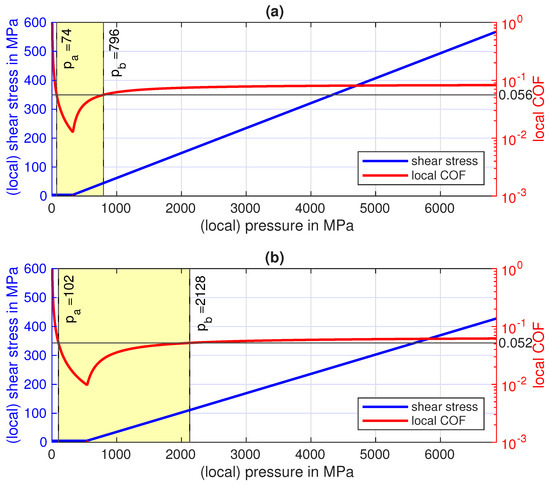
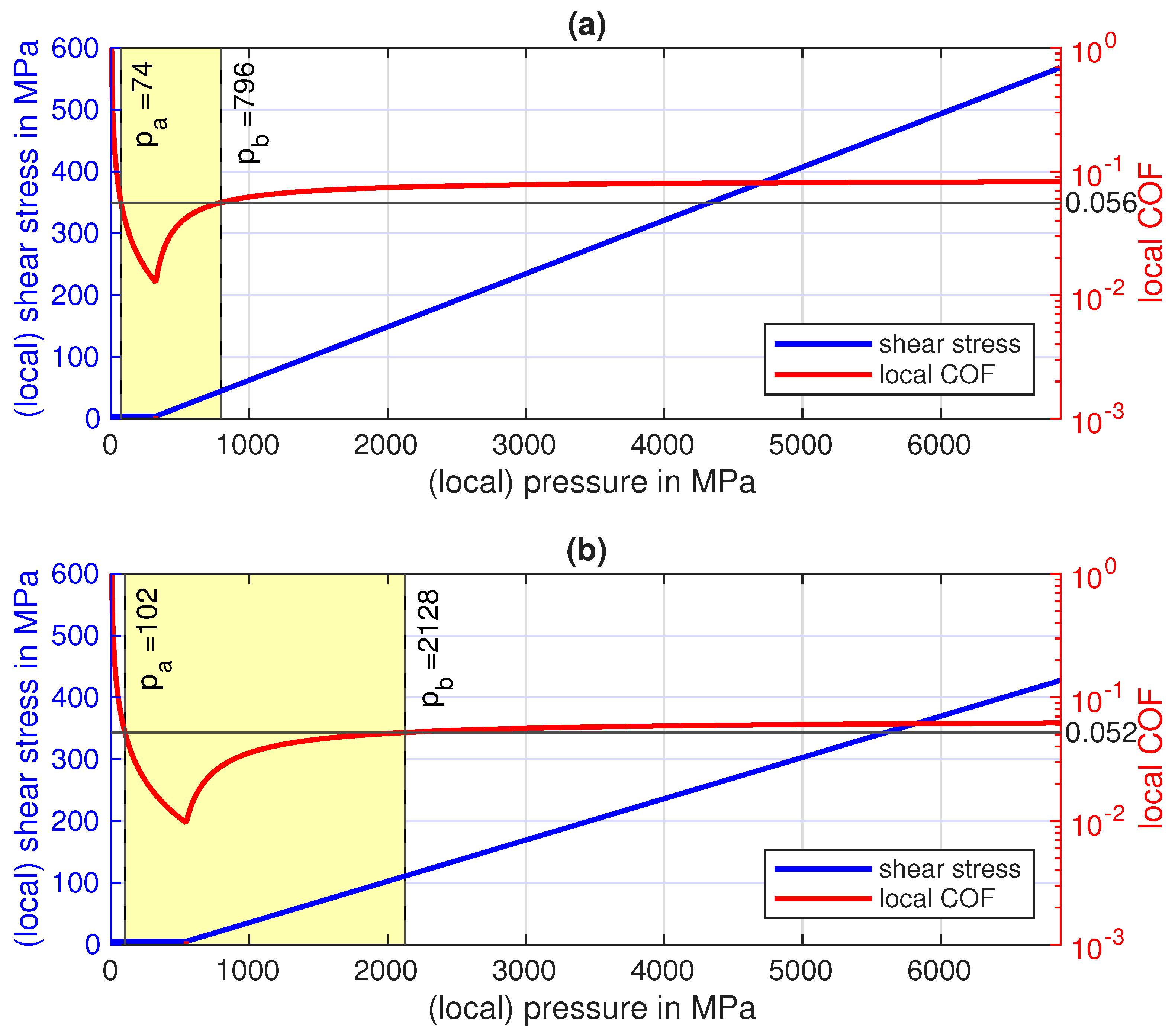
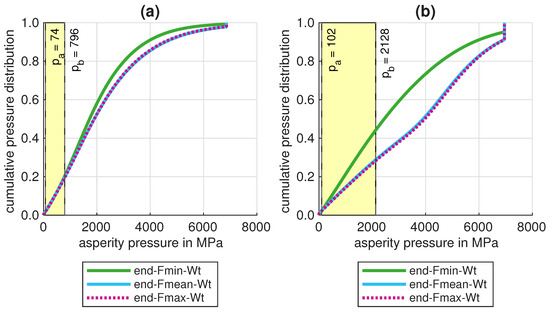
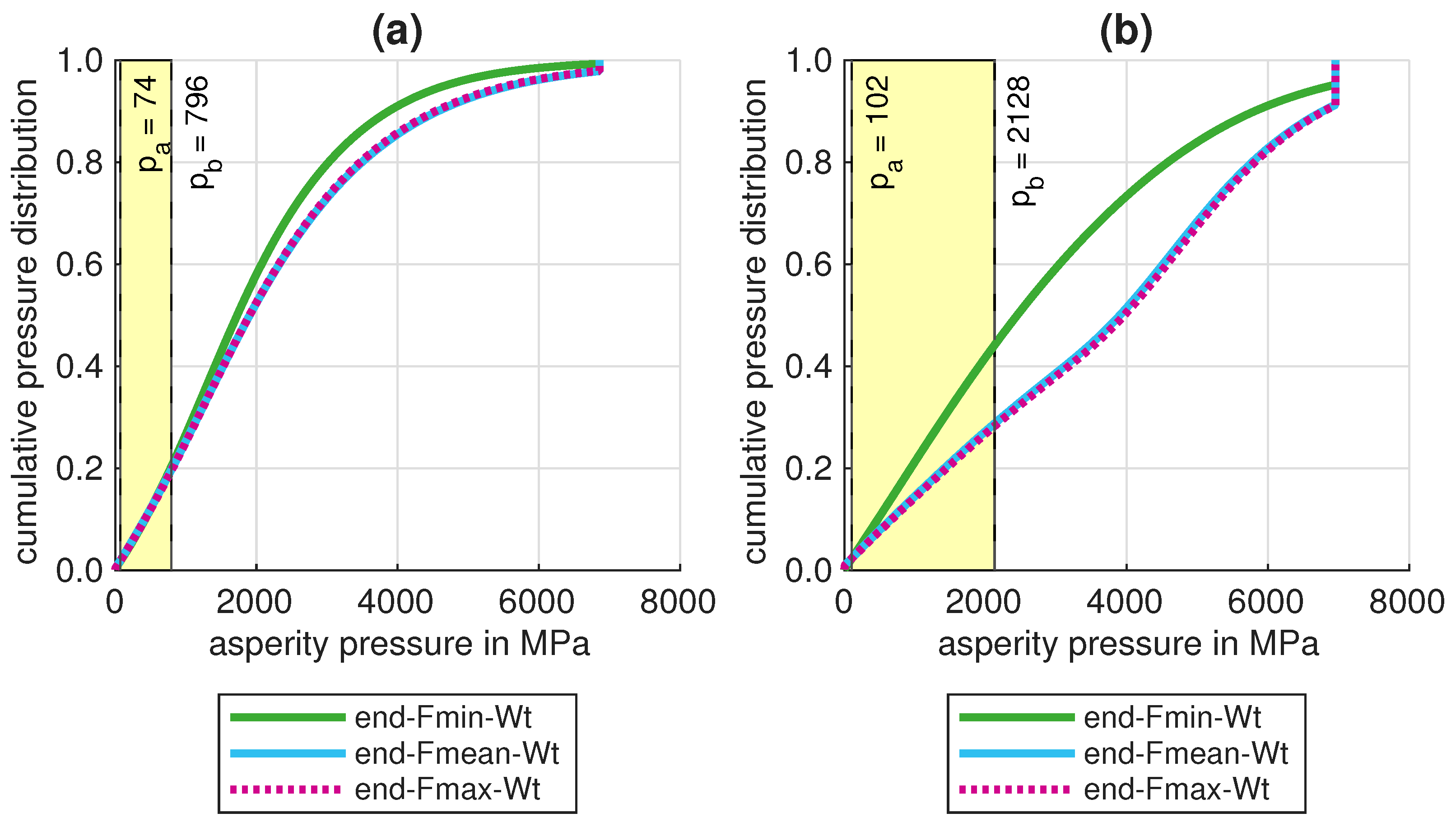
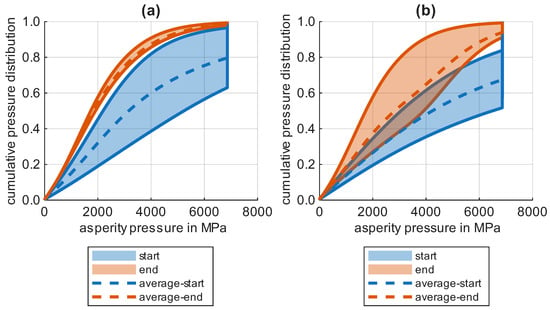
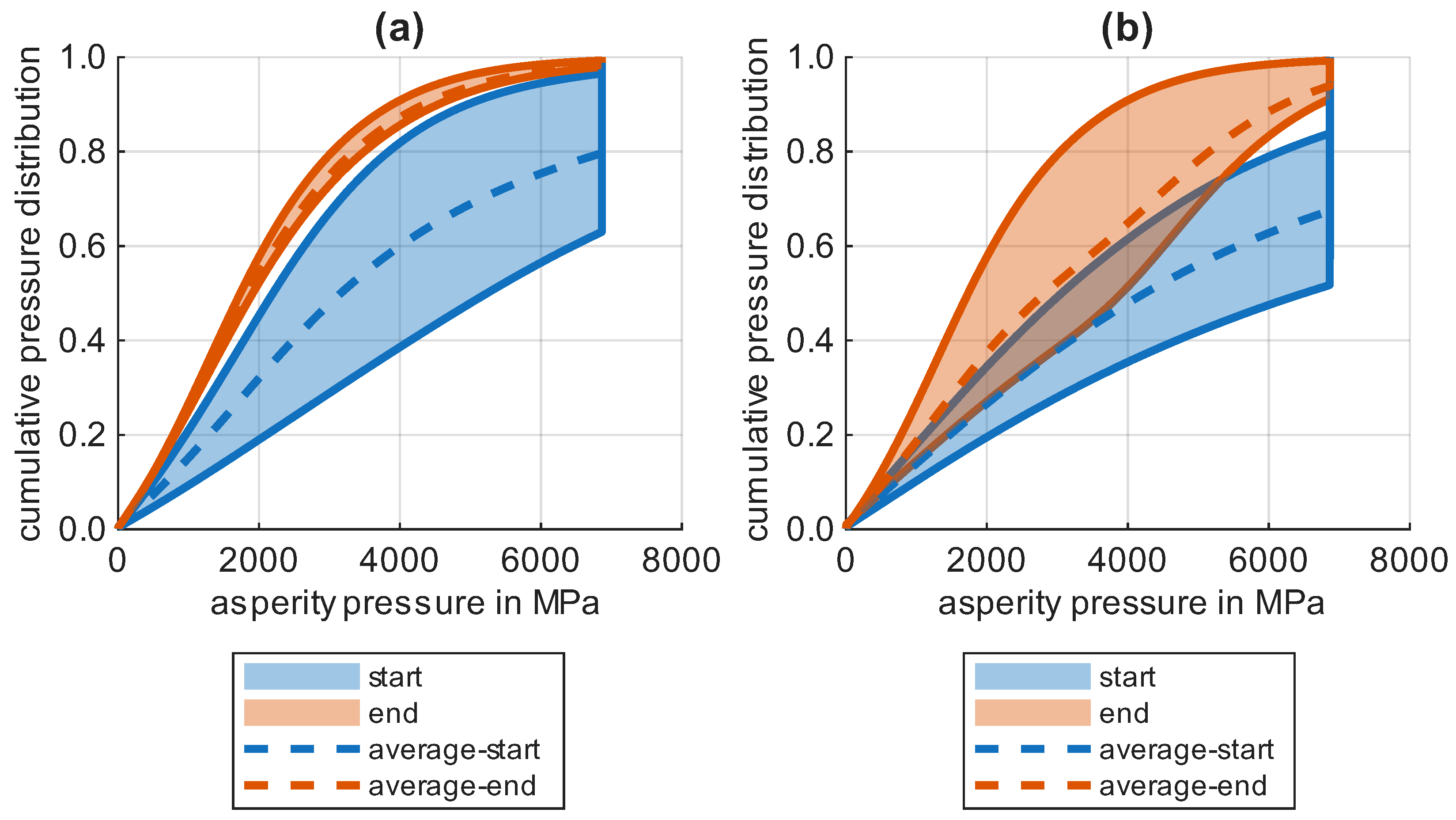
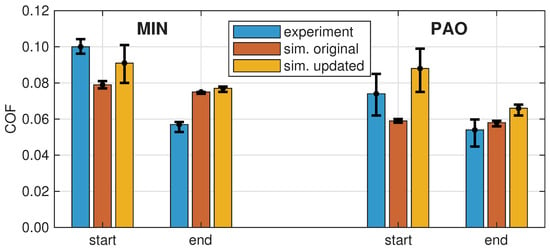
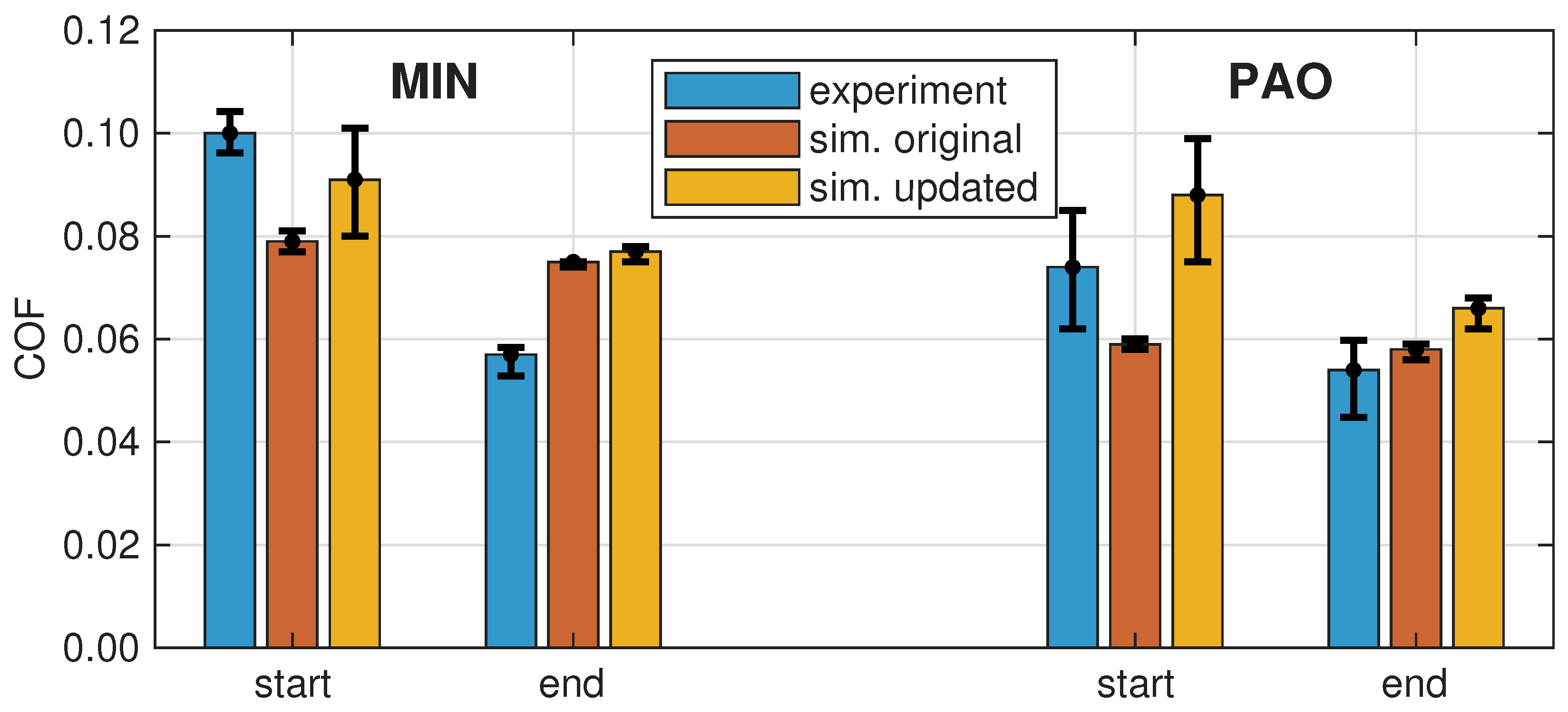

Disclaimer/Publisher’s Note: The statements, opinions and data contained in all publications are solely those of the individual author(s) and contributor(s) and not of MDPI and/or the editor(s). MDPI and/or the editor(s) disclaim responsibility for any injury to people or property resulting from any ideas, methods, instructions or products referred to in the content. |
© 2026 by the authors. Licensee MDPI, Basel, Switzerland. This article is an open access article distributed under the terms and conditions of the Creative Commons Attribution (CC BY) license.