Review

Behind-the-Scenes Actors in Fertility: A Comprehensive Review of the Female Reproductive Tract Microbiome and Its Clinical Relevance


by
Anthi Papakonstantinou
1,†,
Efthalia Moustakli
2,†,
Anastasios Potiris
1,
Athanasios Zikopoulos
1,
Ermioni Tsarna
3,
Chrysi Christodoulaki
1,
Ioannis Tsakiridis
4,
Themistoklis Dagklis
4,
Periklis Panagopoulos
1,
Peter Drakakis
1 and
Sofoklis Stavros
1,*
1
Third Department of Obstetrics and Gynecology, University General Hospital “ATTIKON”, Medical School, National and Kapodistrian University of Athens, 12462 Athens, Greece
2
Laboratory of Medical Genetics, Faculty of Medicine, School of Health Sciences, University of Ioannina, 45110 Ioannina, Greece
3
Second Department of Obstetrics and Gynecology, Aretaieion University Hospital, Medical School, National and Kapodistrian University of Athens, 11528 Athens, Greece
4
Third Department of Obstetrics and Gynecology, General Hospital Ippokratio, Medical School, Aristotle University of Thessaloniki, 54642 Thessaloniki, Greece
*
Author to whom correspondence should be addressed.
These authors contributed equally to this work.
Life 2025, 15(6), 916; https://doi.org/10.3390/life15060916
Submission received: 2 May 2025 / Revised: 24 May 2025 / Accepted: 4 June 2025 / Published: 5 June 2025
(This article belongs to the Section Reproductive and Developmental Biology)

Abstract

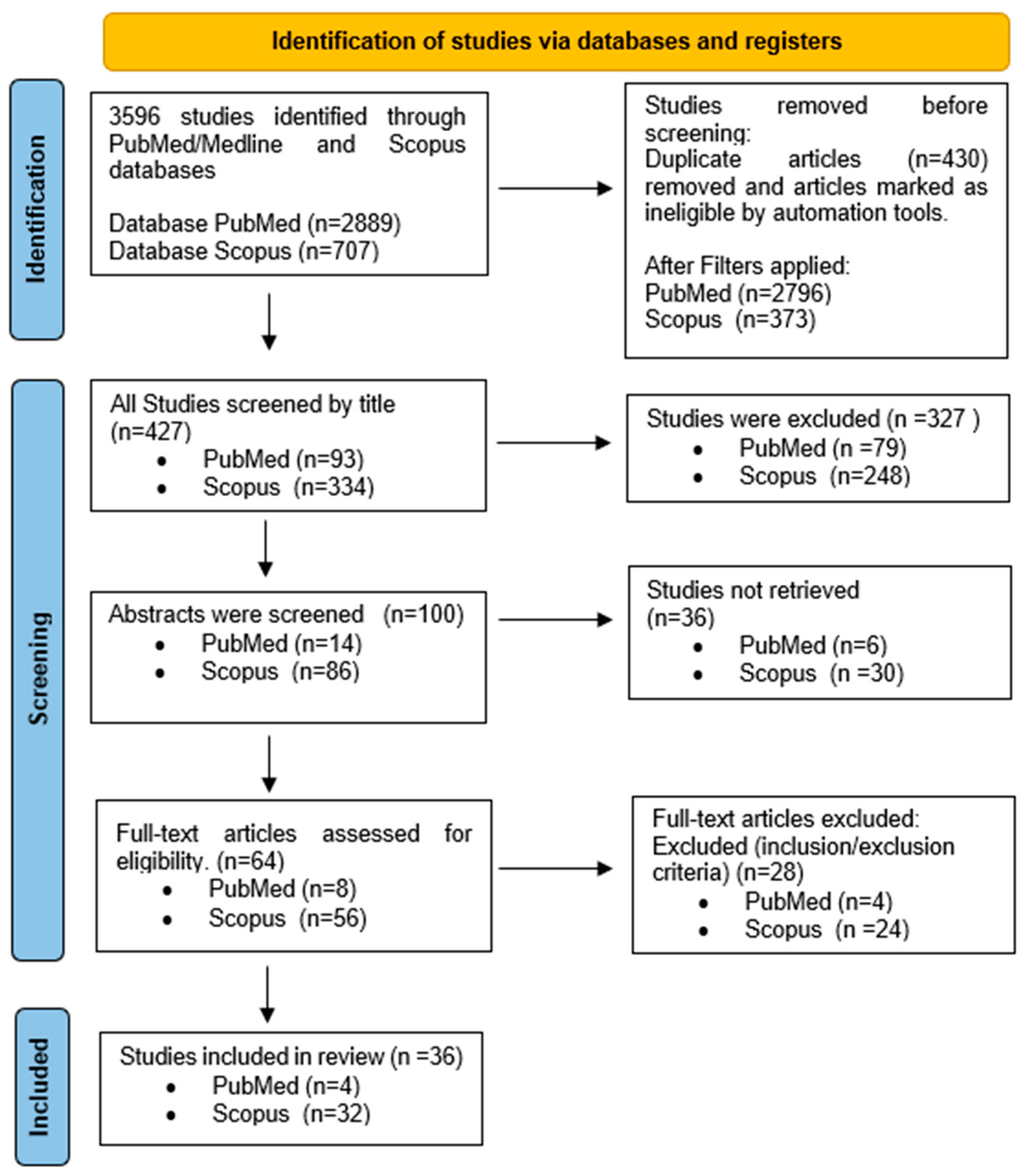
The study of the microbiome has rapidly progressed over the past few decades, capturing the interest of both scientists and the general public. Nevertheless, there is still no widely agreed-upon definition for the term “microbiome” despite tremendous advances in our knowledge. The international scientific literature consistently underscores the difference between the human microbiome and human microbiota. Recent research has emphasized the importance of the female reproductive tract microbiome in fertility, impacting natural conception and assisted reproductive technologies (ARTs). This review explores the relationship between infertility and the microbiota of the female reproductive tract through a thorough evaluation of research papers and large-scale studies published up to 2024. The objective of this review is to critically assess current evidence on the role of the reproductive tract microbiome in female infertility and ART outcomes. Relevant papers were identified and analyzed through the electronic medical databases PubMed/MEDLINE and Scopus. A comprehensive synthesis of data from 36 original studies was performed, including observational, case–control, cohort, and randomized trials. By focusing on the vagina, cervix, and endometrium, this study offers a comprehensive overview of the microbiome throughout the female reproductive tract. RIF and poor reproductive outcomes are strongly linked to dysbiosis, which is characterized by a reduction in Lactobacillus species. Lactobacillus crispatus, in particular, plays a significant role in protecting against bacterial vaginosis and infertility. A thorough understanding of how the microbiome impacts fertility and the development of clinical strategies to improve reproductive outcomes requires standardized microbiome investigation techniques and larger, randomized trials that account for diverse patient characteristics.
Keywords: microbiome; microbiota; female reproductive system; female infertility; Lactobacillus microbiome; microbiota; female reproductive system; female infertility; Lactobacillus