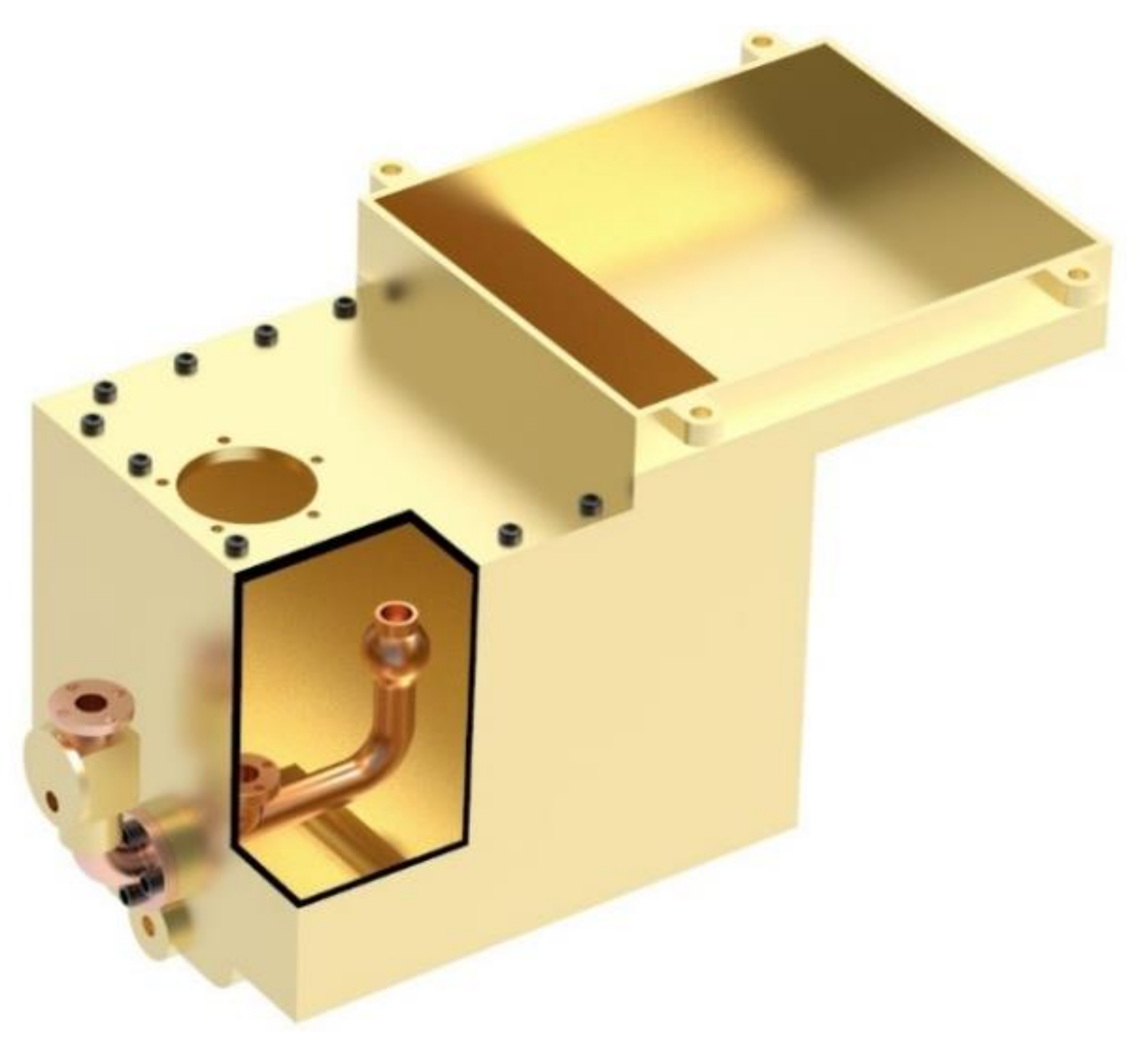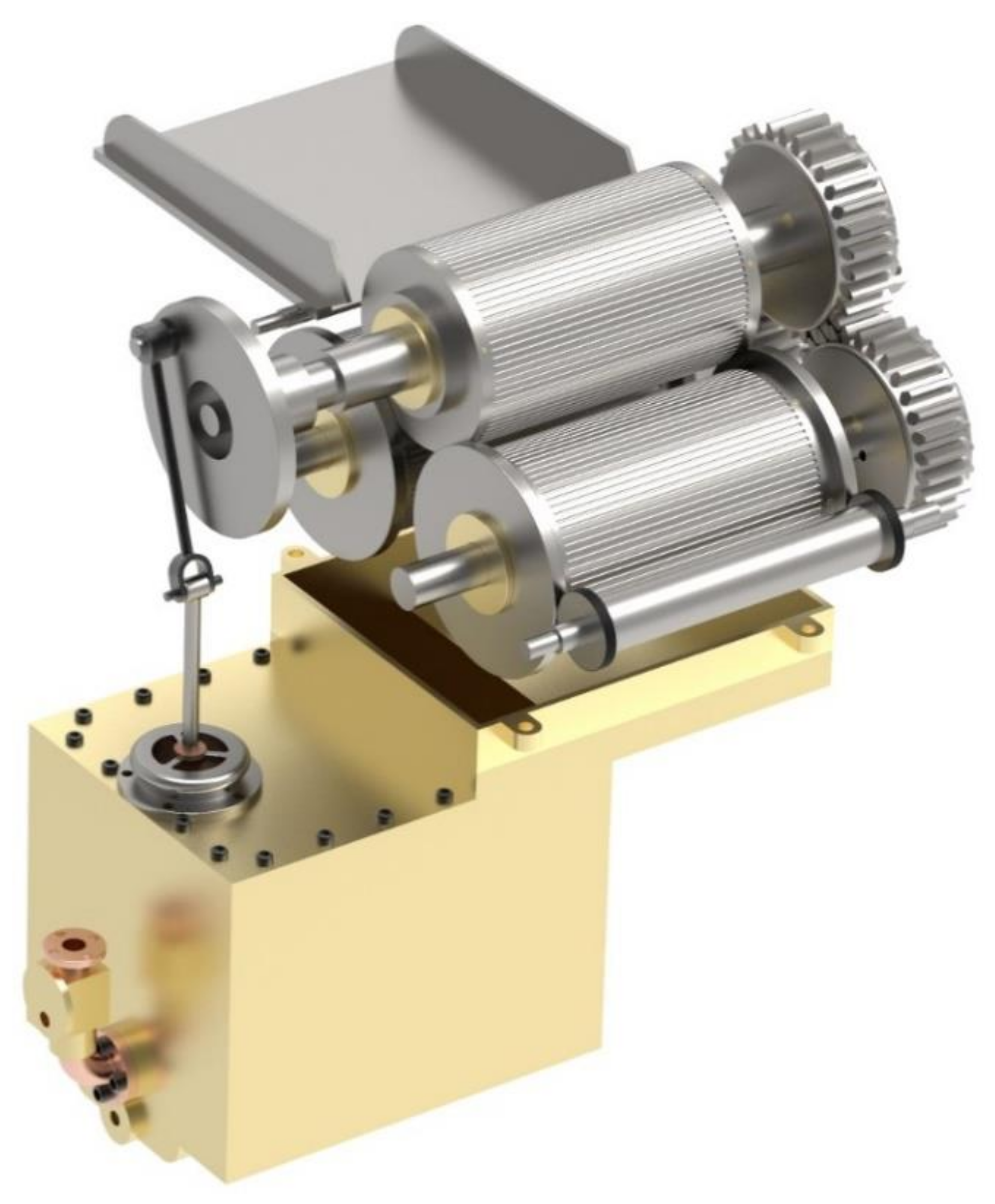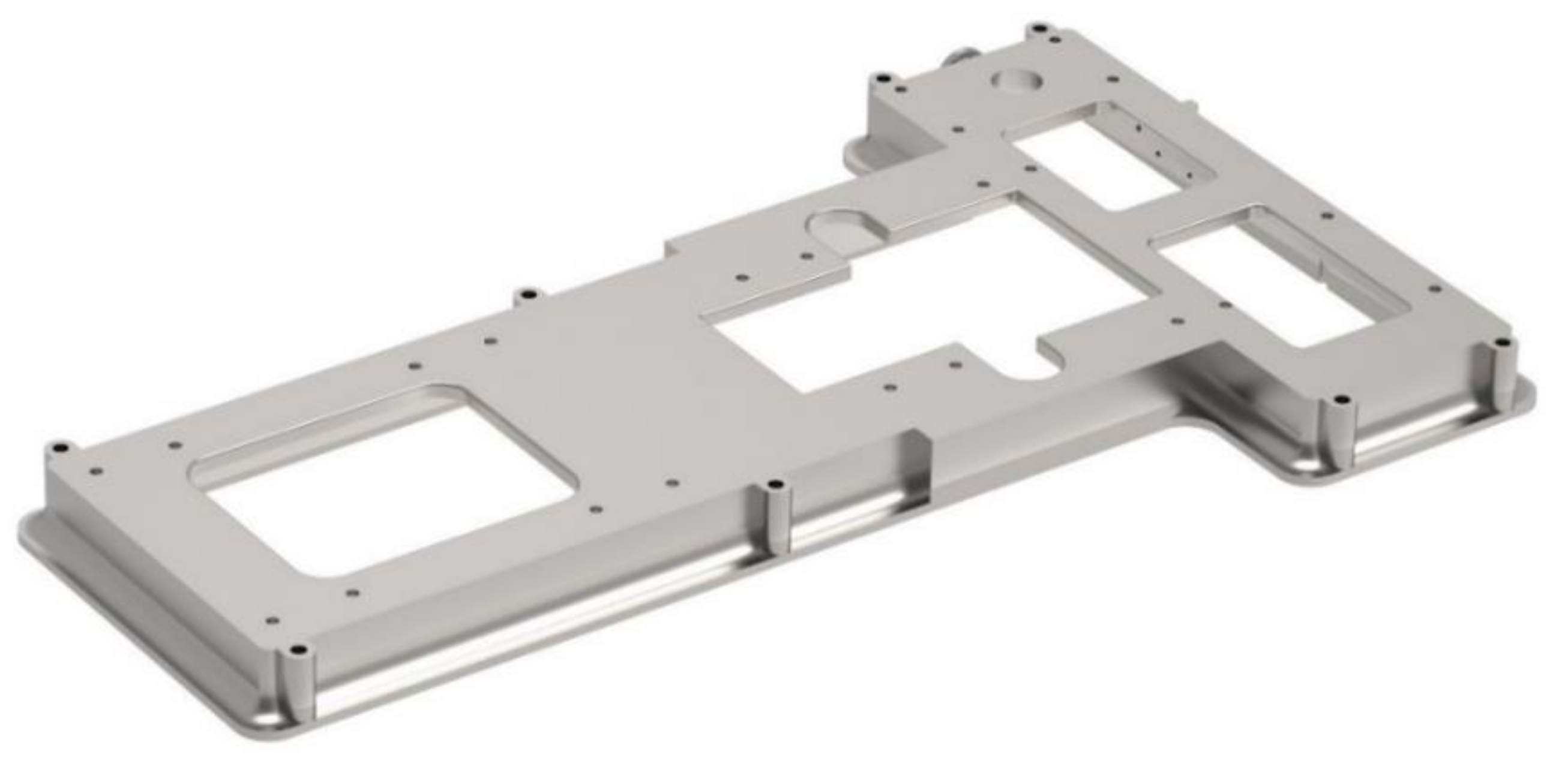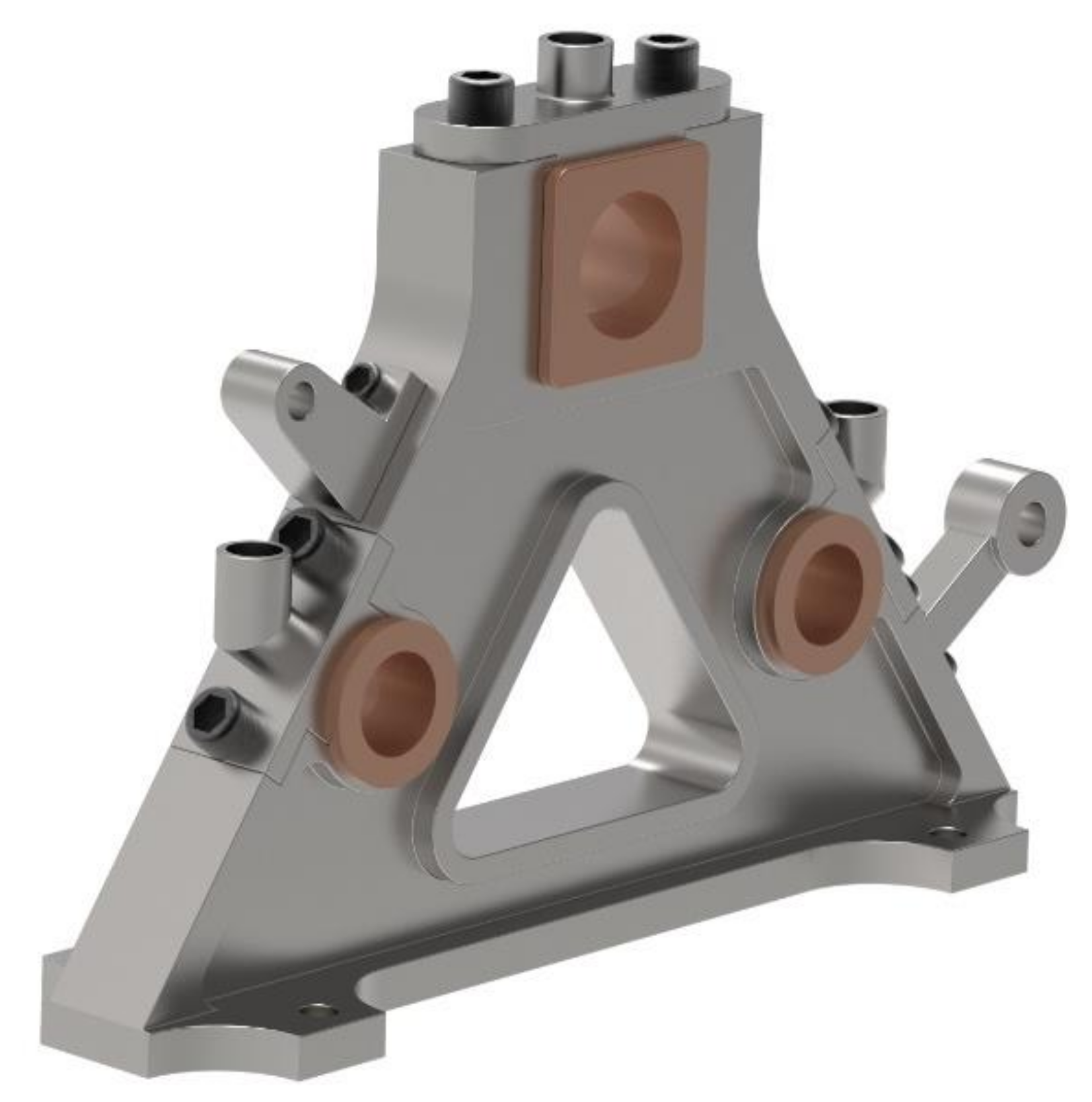

An Approach to the Study of a 19th-Century Sugarcane Mill and Steam Engine through CAD Techniques and Mechanical Engineering

 ,
,  ,
, Abstract
Share and Cite
Rojas-Sola, J.I.; Río-Cidoncha, G.d.; Ortíz-Marín, R.; Trenas-Arbizu, J. An Approach to the Study of a 19th-Century Sugarcane Mill and Steam Engine through CAD Techniques and Mechanical Engineering. Machines 2021, 9, 295. https://doi.org/10.3390/machines9110295
Rojas-Sola JI, Río-Cidoncha Gd, Ortíz-Marín R, Trenas-Arbizu J. An Approach to the Study of a 19th-Century Sugarcane Mill and Steam Engine through CAD Techniques and Mechanical Engineering. Machines. 2021; 9(11):295. https://doi.org/10.3390/machines9110295
Chicago/Turabian StyleRojas-Sola, José Ignacio, Gloria del Río-Cidoncha, Rafael Ortíz-Marín, and Justino Trenas-Arbizu. 2021. "An Approach to the Study of a 19th-Century Sugarcane Mill and Steam Engine through CAD Techniques and Mechanical Engineering" Machines 9, no. 11: 295. https://doi.org/10.3390/machines9110295
APA StyleRojas-Sola, J. I., Río-Cidoncha, G. d., Ortíz-Marín, R., & Trenas-Arbizu, J. (2021). An Approach to the Study of a 19th-Century Sugarcane Mill and Steam Engine through CAD Techniques and Mechanical Engineering. Machines, 9(11), 295. https://doi.org/10.3390/machines9110295