1. Introduction
With the rapid advancement of the wind power generation industry, both the quantity and scale of generator units have continued to grow, leading to increasingly prominent issues related to faults and damage [
1]. Wind turbine failures not only result in reduced power generation efficiency but also significantly escalate operation and maintenance costs, while causing a loss of power generation capacity. If not promptly detected and addressed, these failures may even trigger safety incidents, posing severe threats to personnel and equipment [
2,
3]. Consequently, the safety and reliability of wind energy utilization are garnering heightened attention. Among all components of wind turbines, blades constitute a substantial proportion of the overall cost, and their crack damage occurs with relatively high frequency among various wind turbine failures, with corresponding maintenance costs ranking among the highest [
4,
5]. Therefore, conducting research on the crack damage identification of wind turbine blades holds significant engineering value and practical implications.
At present, the principal techniques employed for crack damage identification of wind turbine blades encompass acoustic emission technology [
6,
7], infrared thermal imaging inspection [
8,
9], image recognition technology [
10,
11], non-contact acoustic detection [
12,
13], and vibration detection methodology [
14,
15]. Among these approaches, acoustic emission technology exhibits high sensitivity to microcracks, albeit with a susceptibility to interference from ambient noise. Infrared thermal imaging enables the visual detection of temperature anomalies, yet it is contingent upon external thermal excitation and demonstrates limited efficacy in identifying deep-seated defects. Image recognition technology facilitates visual inspections but is compromised by variations in lighting conditions and surface contamination, thereby impeding the detection of internal damage. Non-contact acoustic detection offers operational flexibility but is prone to interference from wind noise and exhibits inadequate responsiveness to low-frequency signals. Conversely, the vibration detection method, grounded in the principles of structural dynamics, accomplishes damage diagnosis by inversely deducing anomalies in system parameters through the analysis of vibration responses [
16,
17]. This method boasts several advantages, including ease of sensor installation, the capability for continuous online monitoring, heightened sensitivity to alterations in local stiffness, and the provision of comprehensive information [
18]. It effectively captures the early damage characteristics of both blades and root bearings, thereby establishing itself as the predominant methodology for monitoring the damage of wind turbine blades.
The diagnostic efficacy of vibration detection methods is significantly contingent upon the precision of manual feature extraction and prior knowledge, posing challenges in fully uncovering latent damage information embedded within vibration signals. Deep learning, as a potent signal processing tool, possesses the capability to autonomously extract intricate damage features, circumventing reliance on human expertise [
19]. It adeptly captures nonlinear relationships and time–frequency coupling information, demonstrating heightened sensitivity towards incipient micro-damages and complex faults [
20]. By integrating architectures such as convolutional neural networks [
21], recurrent neural networks [
22], and temporal learning networks [
23], it facilitates multi-task joint identification of both damage location and severity. Presently, deep learning technology has been extensively employed across diverse domains, including manufacturing equipment condition monitoring [
24], energy system operational assessment [
25], and soil environmental quality detection [
26], showcasing robust cross-domain adaptability and advantages in data-driven modeling. Furthermore, it has found widespread application in the vibration analysis of rotating machinery, such as bearings and gearboxes, emerging as a predominant approach in intelligent fault diagnosis [
27]. In the context of wind turbine blade damage identification, deep learning methodologies have also achieved notable advancements: Zhao et al. [
28] developed a multimodal dual-layer detection system integrating image, sound, and vibration signals; Zhou et al. [
29] formulated a fault diagnosis model grounded in ridge regression by amalgamating bee colony optimization with a convolutional attention mechanism; Wang et al. [
30] leveraged multi-source vibration signals and multi-channel convolutional networks to accomplish parallel identification of blade composite faults, attaining an accuracy of 87.8%; Pałczyński et al. [
31] validated the efficacy of a neural network model incorporating continuous wavelet transform and an LSTM + CNN dual-branch input structure for multi-fault pattern classification; and Sethi et al. [
32] employed continuous wavelet transform alongside convolutional neural networks, achieving a classification accuracy of 97.916%, thereby underscoring promising application prospects. Nevertheless, the aforementioned methods inherently adhere to a “black box” architecture centered on artificial neural networks, all of which are data-driven models predicated on data distribution assumptions. Their performance is profoundly influenced by data distribution, sample quality, and scale, and they are generally plagued by inherent limitations, including overfitting and diminished interpretability.
Physics-driven methods can reduce the reliance on labeled data and enhance the model’s generalization capability. The fusion of physics-driven and data-driven approaches, constrained by physical information, has attracted extensive attention from scholars. In 2018, the RAISSI M team [
33] introduced the Physics-Informed Neural Network (PINN), which incorporates the physical information of partial differential equations into the neural network’s loss function. Unlike traditional machine learning/deep learning models that merely capture variable correlations, PINN introduces a causal mechanism between inputs and outputs, effectively addressing the inherent limitations of artificial intelligence fault diagnosis models, such as poor interpretability and high dependency on data quality and quantity. It ensures accuracy while adhering to scientific principles, demonstrating superior generalization performance. In the realm of equipment structural health monitoring, PINN has yielded remarkable application outcomes. Zhang et al. [
34] combined the Paris crack propagation law with PINN to propose a mechanism–data dual-driven residual life prediction method, facilitating intelligent operation and maintenance of aero-engines. Panagiotopoulou et al. [
35] accomplished online damage detection in helicopter transmission shafts through vibration monitoring within a physical information framework. Yucesan et al. [
36] integrated the acoustic wave equation into PINN to achieve high-precision identification of surface cracks via ultrasonic non-destructive testing. Furthermore, PINN has been explored in various domains, including rotating machinery fault diagnosis [
37], lithium-ion battery life prediction [
38], and mechanical lubrication state evaluation [
39]. Nevertheless, research on applying this method to wind turbine blade damage identification through vibration detection remains relatively limited and necessitates further exploration.
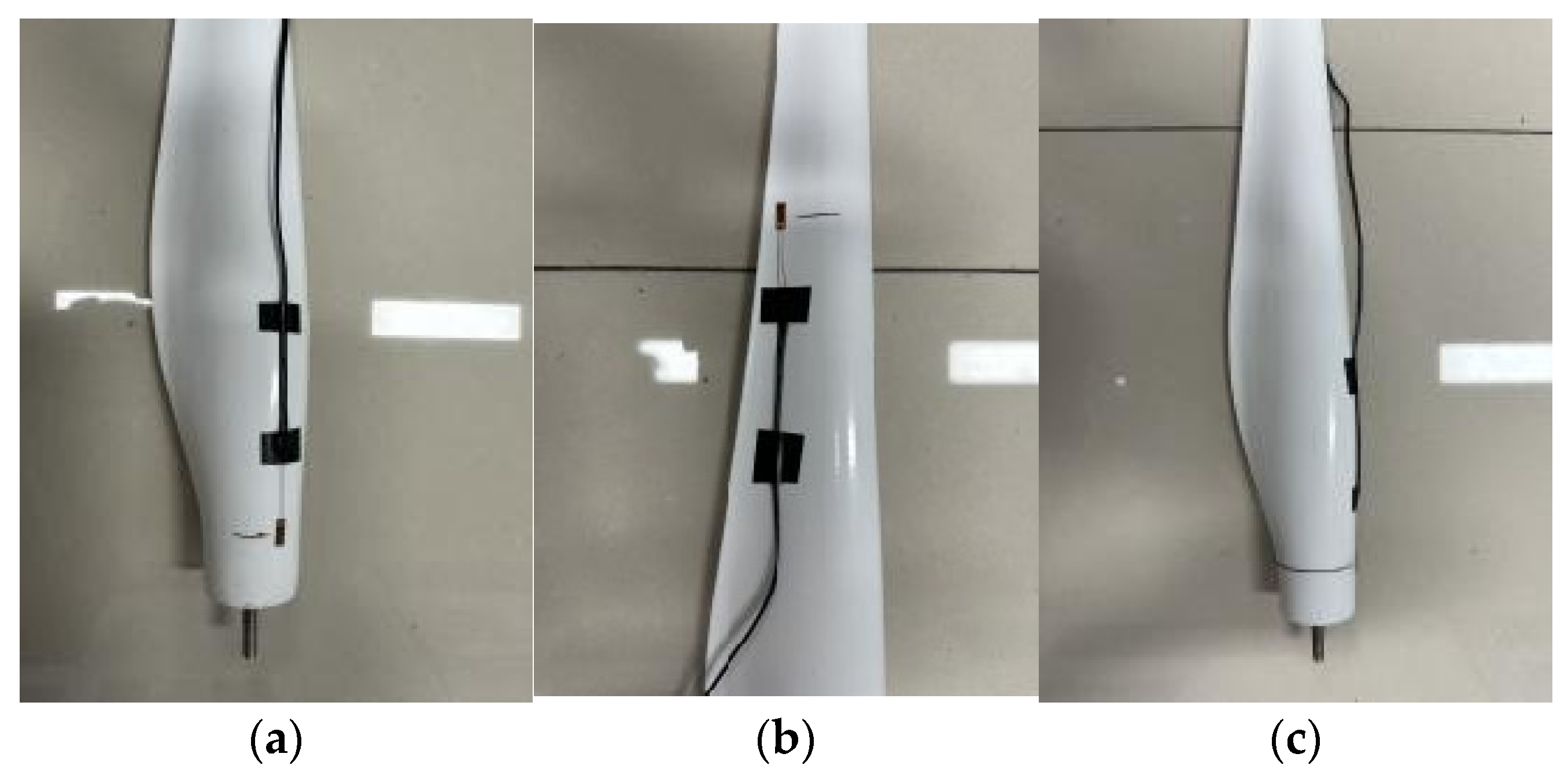
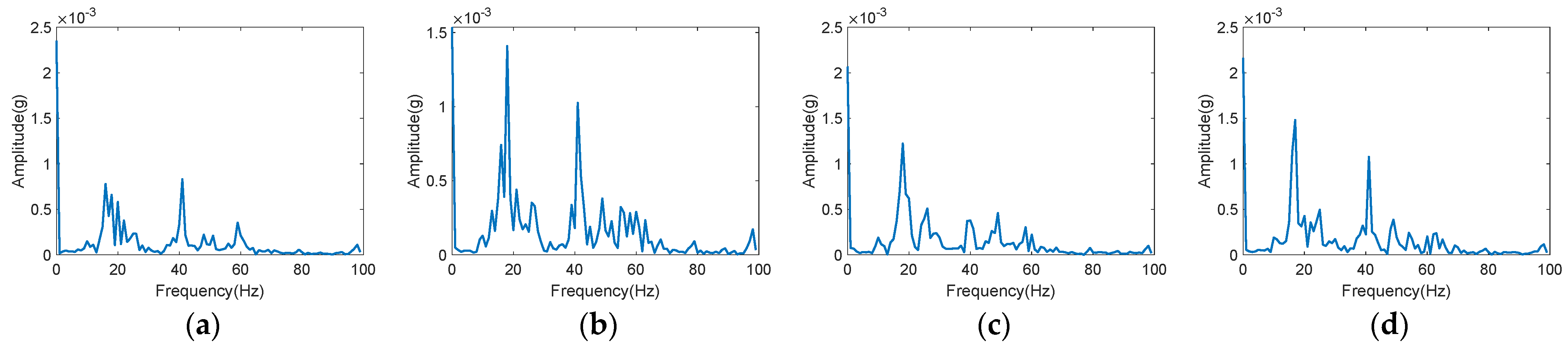
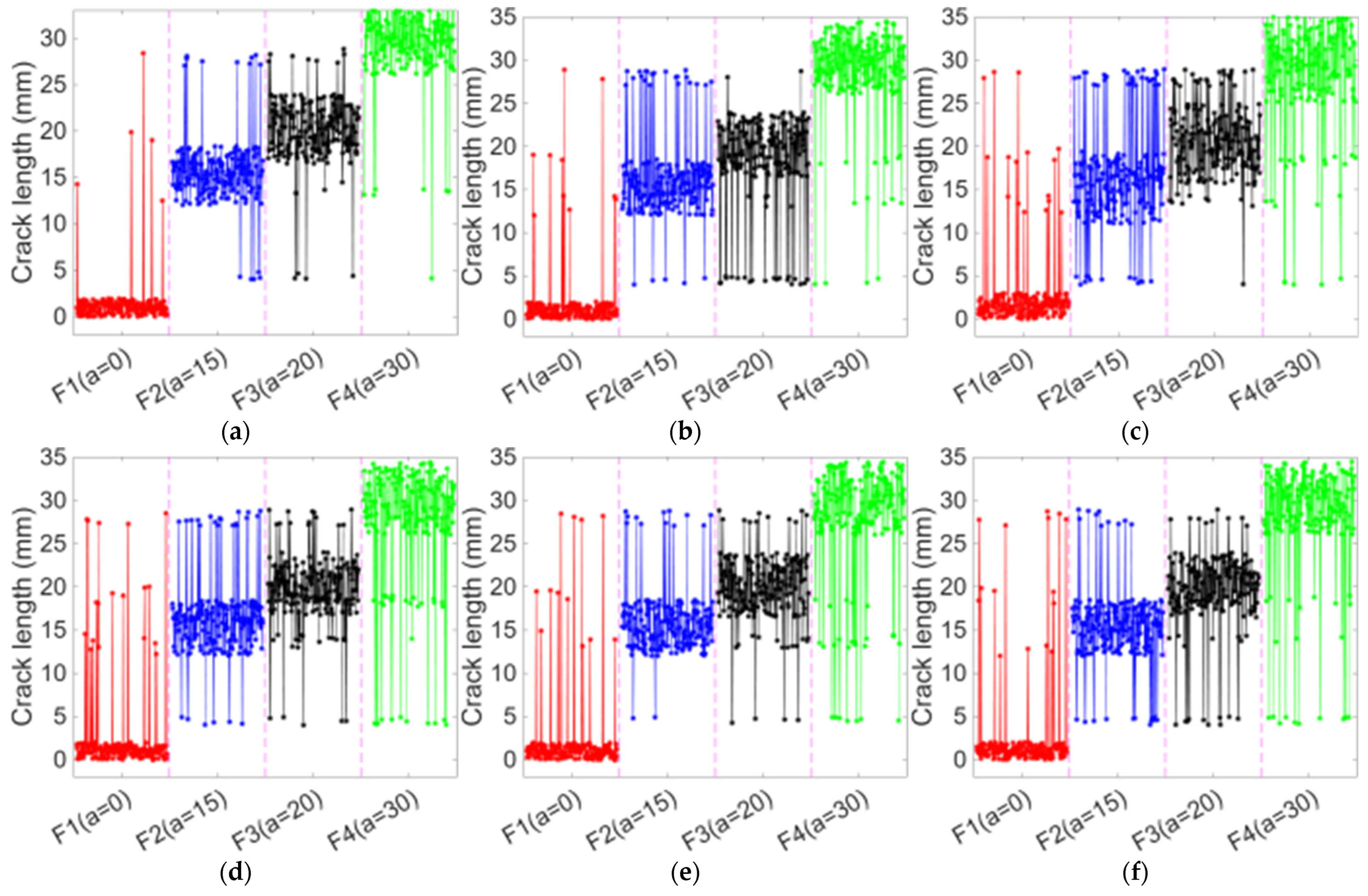
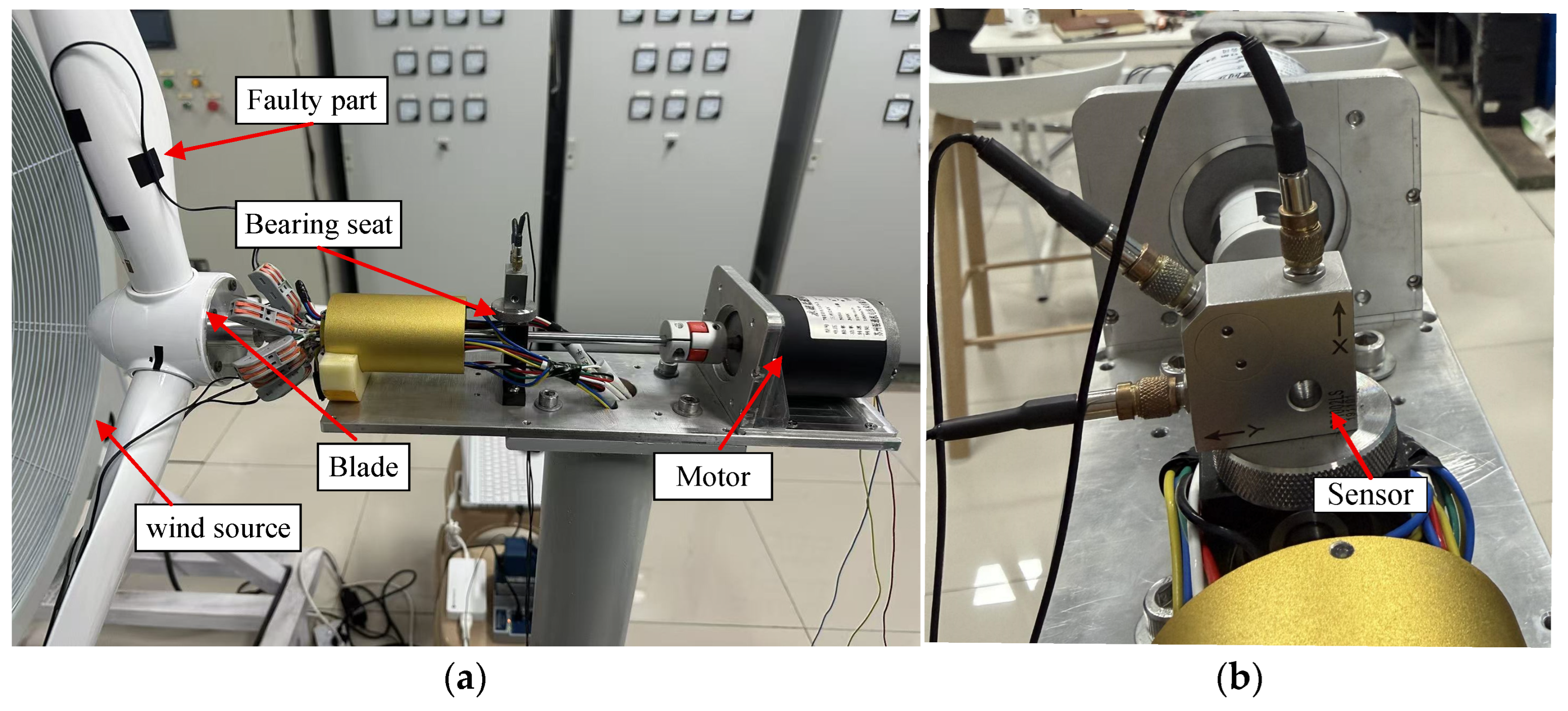
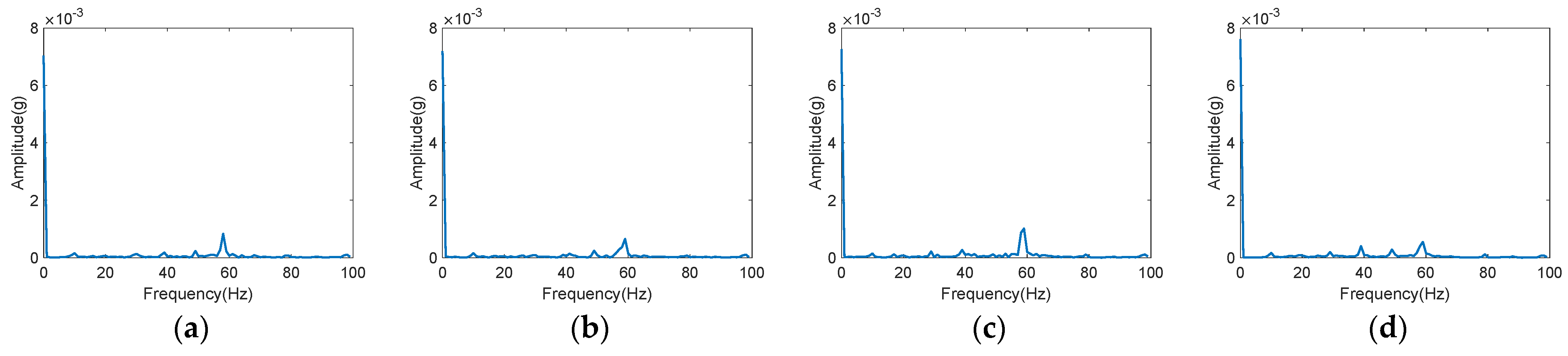
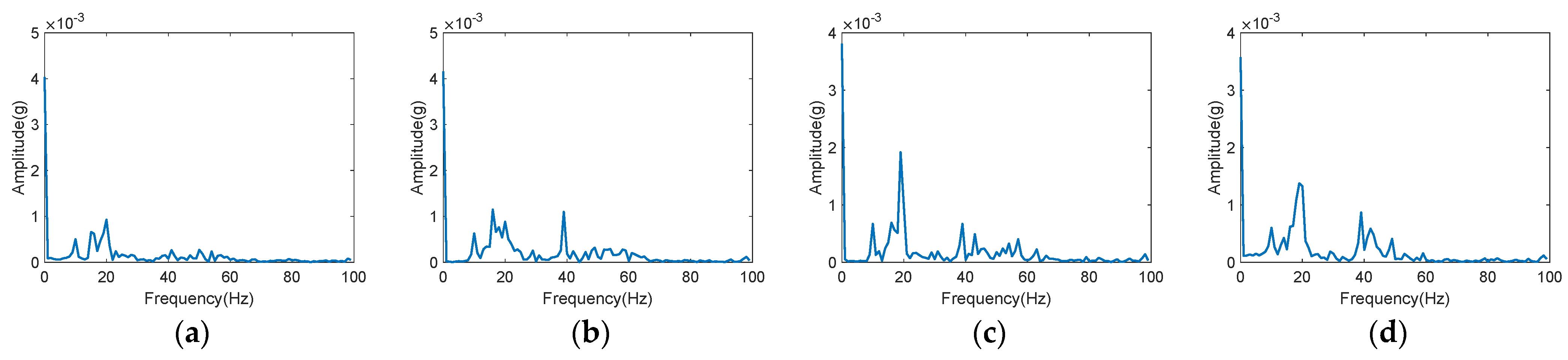
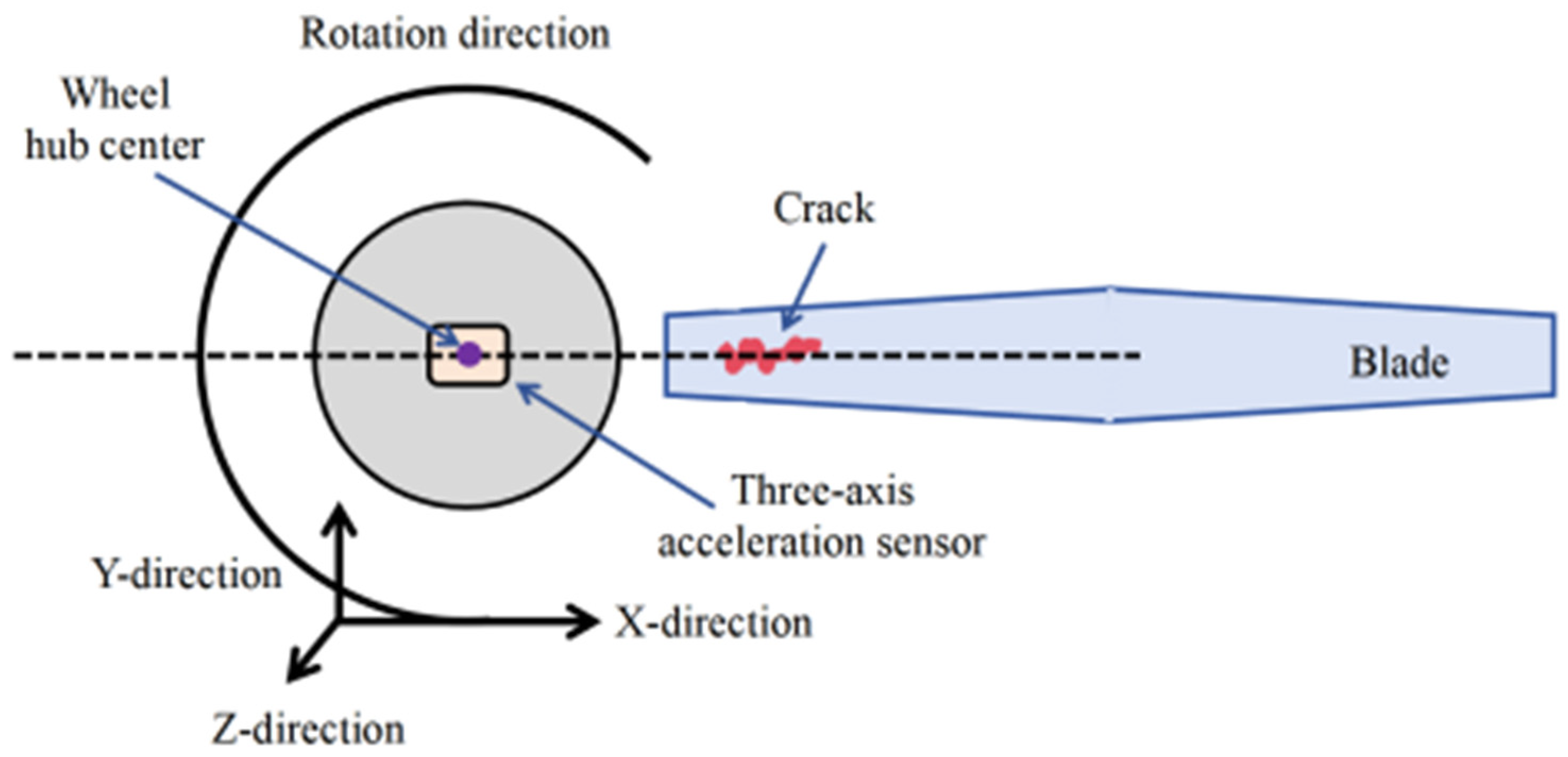
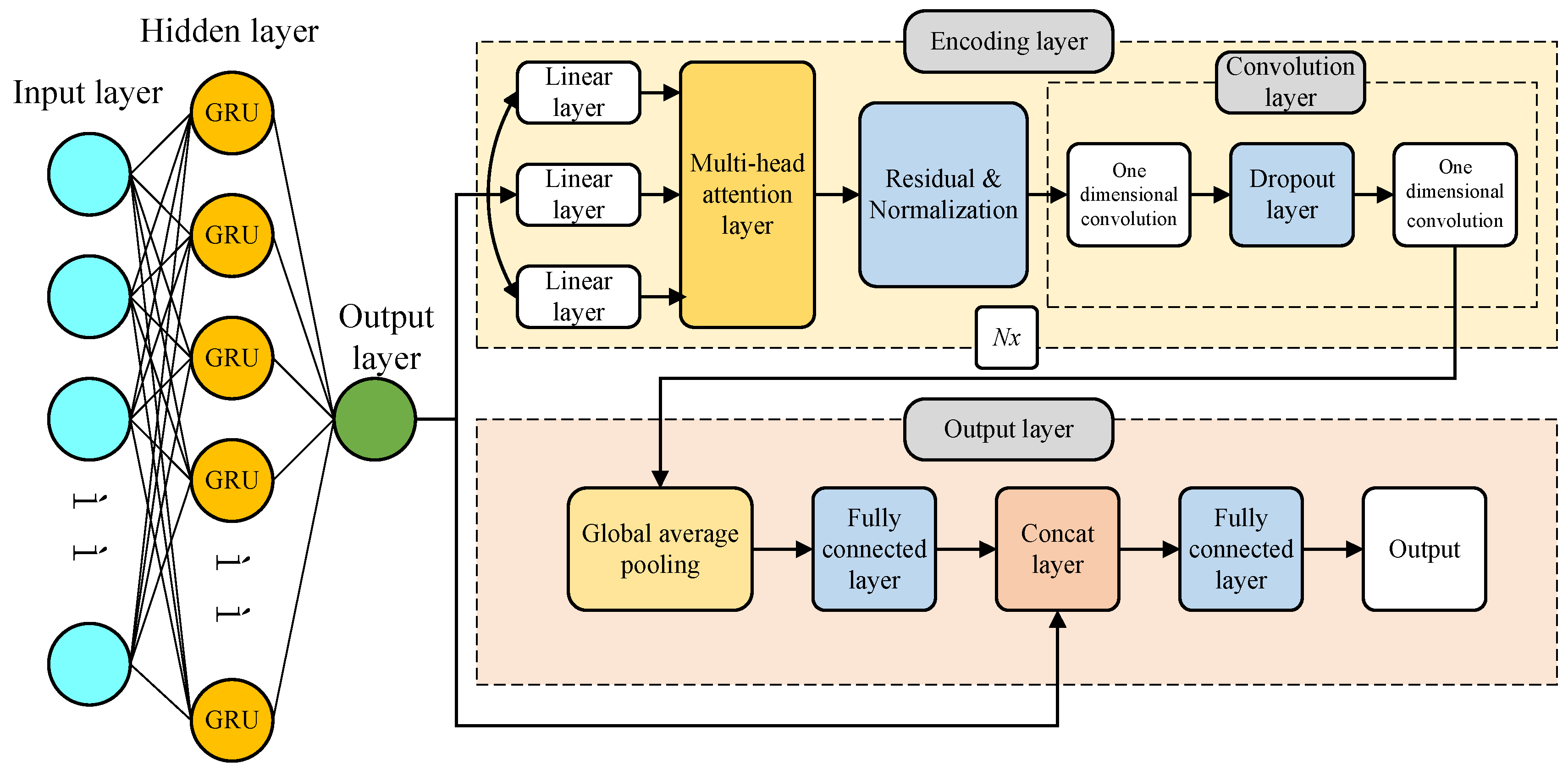
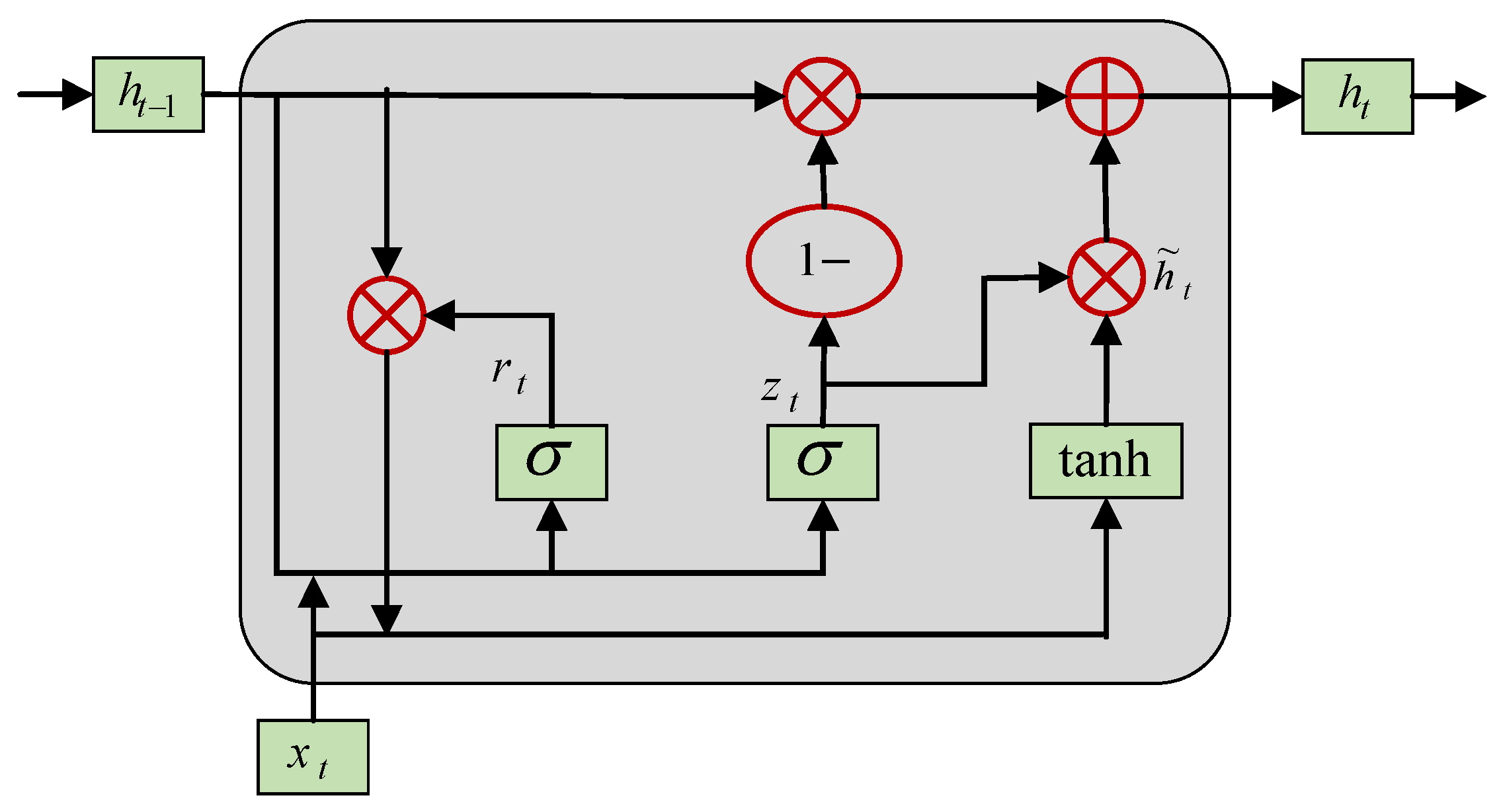
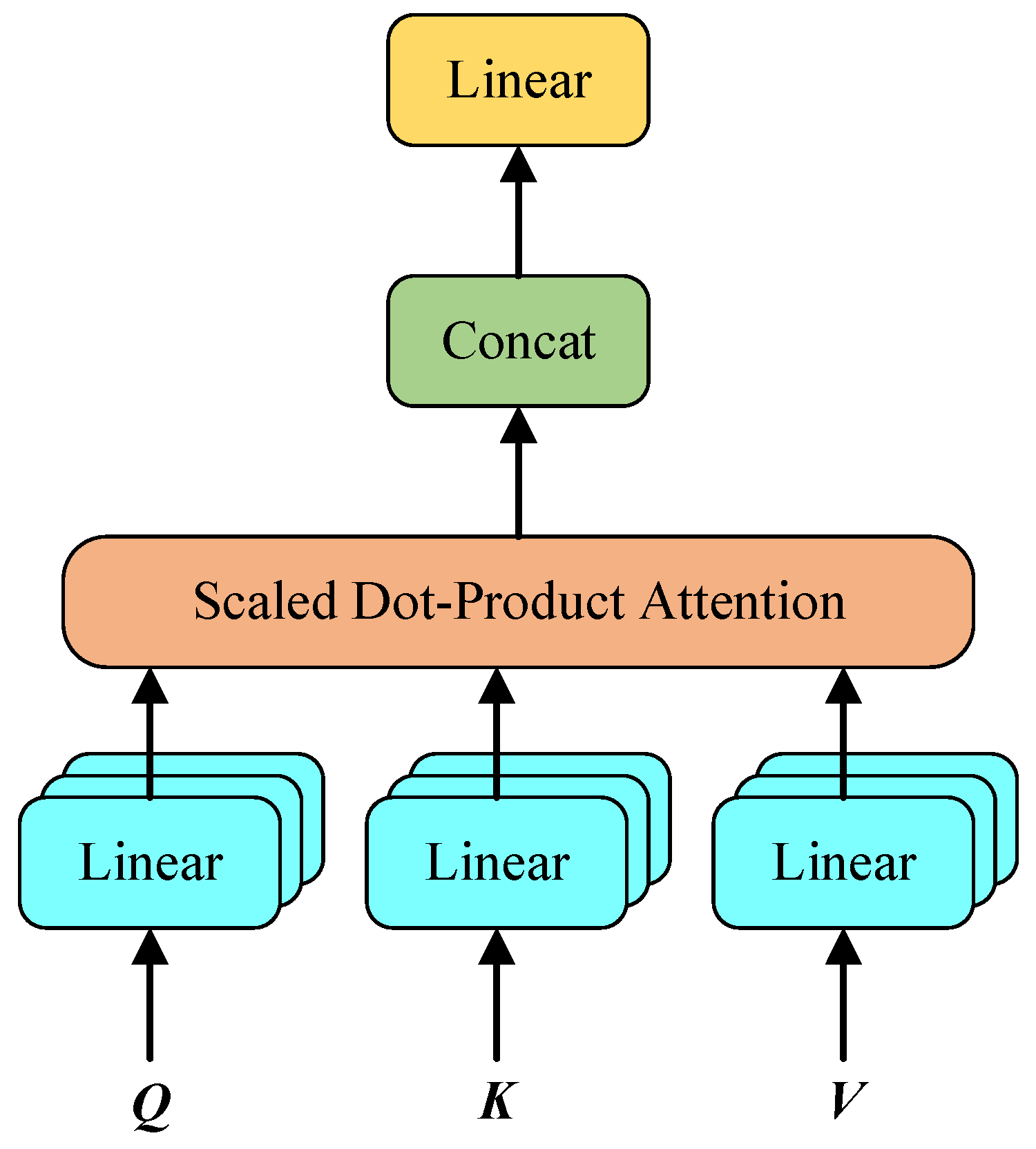
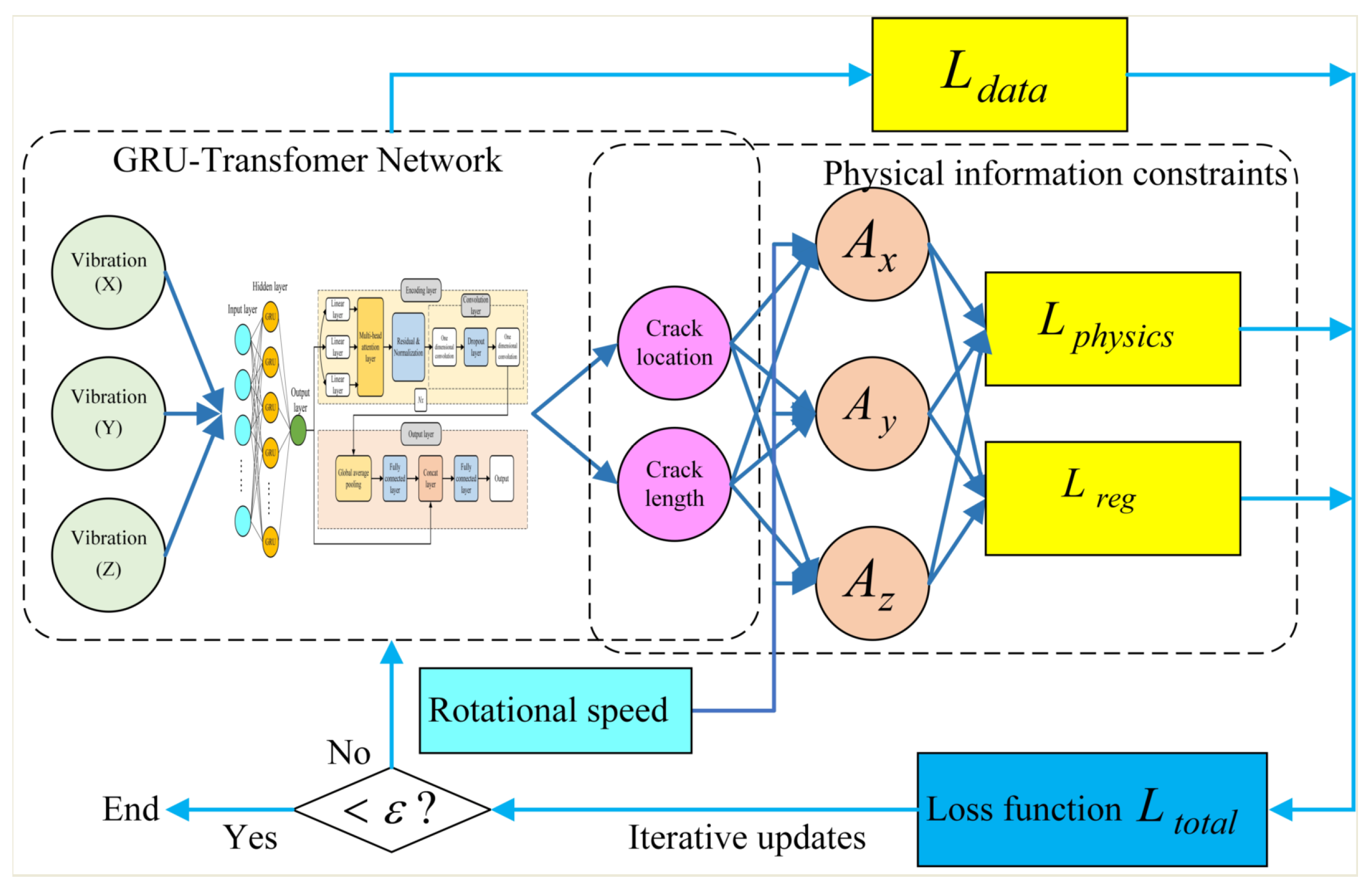
Against the backdrop described above, this research undertakes the following tasks: (1) by utilizing a scaled-down test platform for doubly fed wind turbines, an experiment on blade crack damage was devised to gather vibration data across various crack locations and lengths, thereby uncovering the intrinsic relationship between crack characteristics and the three-dimensional vibration response of the blade root bearing housing; (2) the rotating cantilever Euler–Bernoulli beam model was employed to streamline the representation of wind turbine blades, dissect the physical interplay between crack features and vibration responses, formulate a physically informed constraint model, and amalgamate it with the GRU-Transformer network to create a PINN model for identifying blade crack damage; and (3) the PINN model was subjected to testing and comparative analysis using scaled experimental data to validate the efficacy and superiority of the proposed approach. The findings demonstrate that incorporating crack-vibration correlation information as physical constraints in training deep learning networks enables precise identification of crack positions and prediction of their lengths, substantially reducing the reliance of traditional data-driven methods on extensive datasets. This holds significant implications for advancing blade fault diagnosis technology and ensuring the safe operation of wind turbine systems.
5. Conclusions and Prospects
To address the limitations inherent in data-driven vibration analysis methods, this research introduced a damage identification approach for wind turbine blades that integrates Physics-Informed Neural Networks (PINNs). Through crack damage simulation experiments, the correlation between crack damage and the three-dimensional vibration responses of the blade root bearing housing was analyzed. The following conclusions are drawn:
- (1)
Compared to traditional deep network diagnostic methods, PINN can uncover latent data causal relationships within the “black box” structure, significantly enhancing the interpretability of the workflow and endowing the model with greater credibility and scalability.
- (2)
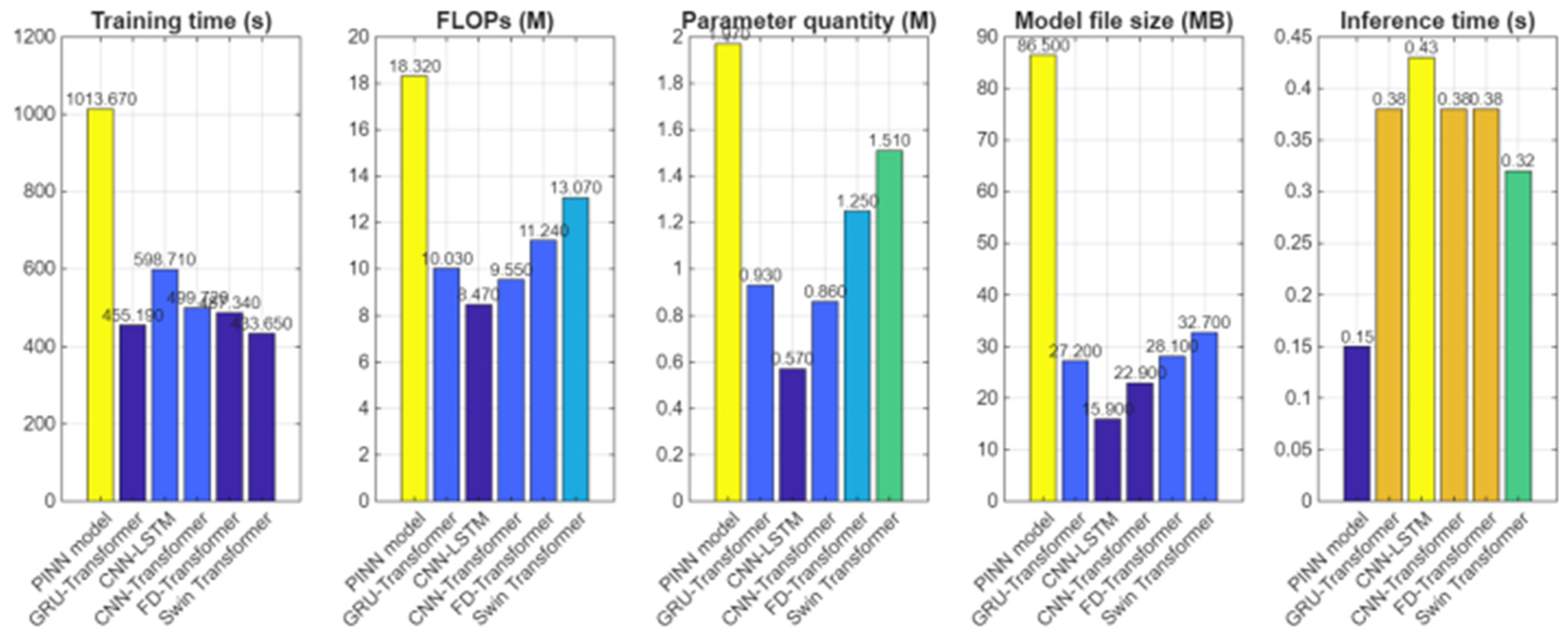
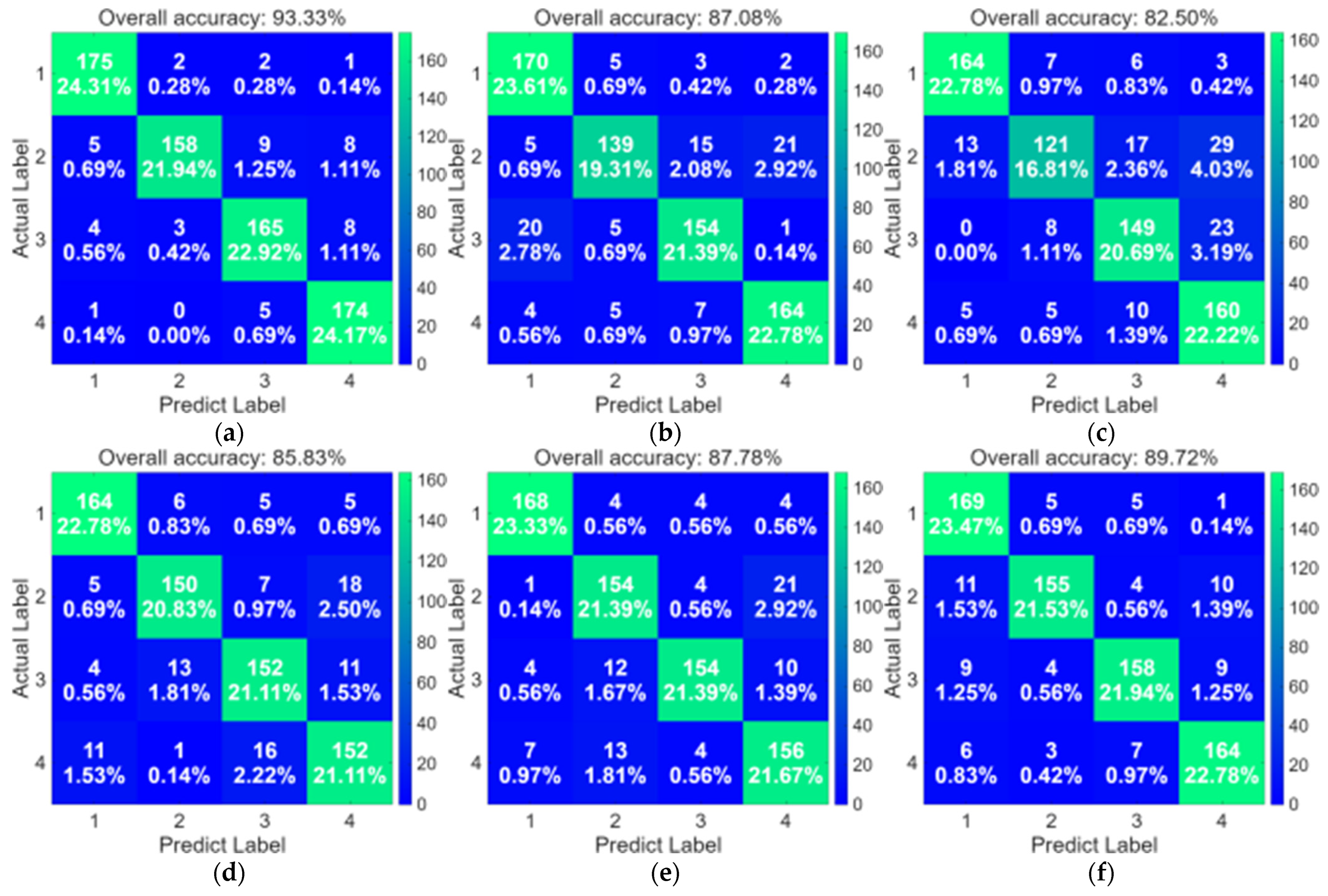
The PINN-based damage identification model developed in this study surpasses traditional deep learning networks in terms of both inference speed and identification accuracy. Notably, under unfamiliar operating conditions and in environments with strong noise interference, it maintains high diagnostic accuracy, demonstrating superior physical consistency and generalization capabilities.
- (3)
Compared to purely data-driven approaches, the model incorporating physical information exhibits significantly superior performance across various evaluation metrics. The robustness conferred by physical constraints not only enhances model performance but also refines its underlying mechanisms, thereby providing more reliable technical support for elevating the intelligence level of wind turbine operation and maintenance and ensuring the long-term safe and stable operation of wind turbines.
Meanwhile, the research content presented in this manuscript exhibits certain limitations. During the construction of the crack-vibration physical information constraint model, complex rotor dynamics equations were necessarily simplified, taking into account real-time computation and model convergence requirements. Specifically, wind turbine blades were modeled as rotating cantilever Euler–Bernoulli beams, disregarding the influences of shear deformation, rotational inertia, and nonlinear aerodynamic damping. Additionally, an ideal torsional spring model was employed to characterize crack features, with modeling predicated on the assumptions of single-mode dominance and small crack perturbation. However, the actual engineering environment is considerably more intricate than the simplified model. Blades are subjected to wind load excitations that vary both spatially and temporally, encountering complex boundary conditions such as tower shadow effects and blade-hub coupling, while also being influenced by material nonlinearity, temperature effects, and nonlinear contact stiffness arising from bolt connections. Furthermore, the fluid–structure interaction between airflow and the structure induces nonlinear variations in added mass and aerodynamic damping, whereas the crack breathing effect introduces time-varying characteristics to system stiffness, thereby eliciting rich superharmonic and subharmonic response components. These nonlinear and time-varying factors result in real vibration signals often encompassing complex modulation characteristics and broadband responses, which significantly surpass the descriptive capacity of the simplified physical model. Additionally, constrained by experimental conditions and costs, the current experimental dataset encompasses only four typical crack scenarios. The variations in crack location and length have not been fully independently combined, and the sample size remains relatively small. Additionally, all experimental data are derived from the same test rig and the same blade model, with no cross-validation performed across different blade specimens or test rigs. This, to a certain extent, limits the comprehensive validation of the model’s generalization capability and the statistical robustness of the conclusions drawn.
Notwithstanding the aforementioned limitations, this research nonetheless offers novel theoretical insights and technical underpinnings for the damage detection and fault diagnosis of wind turbine blades. Subsequent research endeavors will be directed towards incorporating a broader array of practical considerations to further refine the physically informed constraint model.