Article

Analysis of Garnet by Laser-Induced Breakdown Spectroscopy—Two Practical Applications
1
Department of Chemistry, University of Washington, Seattle, WA 98195, USA
2
Department of Chemistry, Juniata College, Huntingdon, PA 16652, USA
3
Department of Mineral Sciences, National Museum of Natural History, Smithsonian Institution, Washington, DC 20560, USA
4
Department of Marine, Earth and Atmospheric Sciences, North Carolina State University, Raleigh, NC 27695, USA
5
Institute for the Preservation of Cultural Heritage, Yale University, West Haven, CT 06516, USA
*
Author to whom correspondence should be addressed.
Minerals 2021, 11(7), 705; https://doi.org/10.3390/min11070705
Submission received: 2 June 2021 / Revised: 23 June 2021 / Accepted: 25 June 2021 / Published: 29 June 2021

Abstract

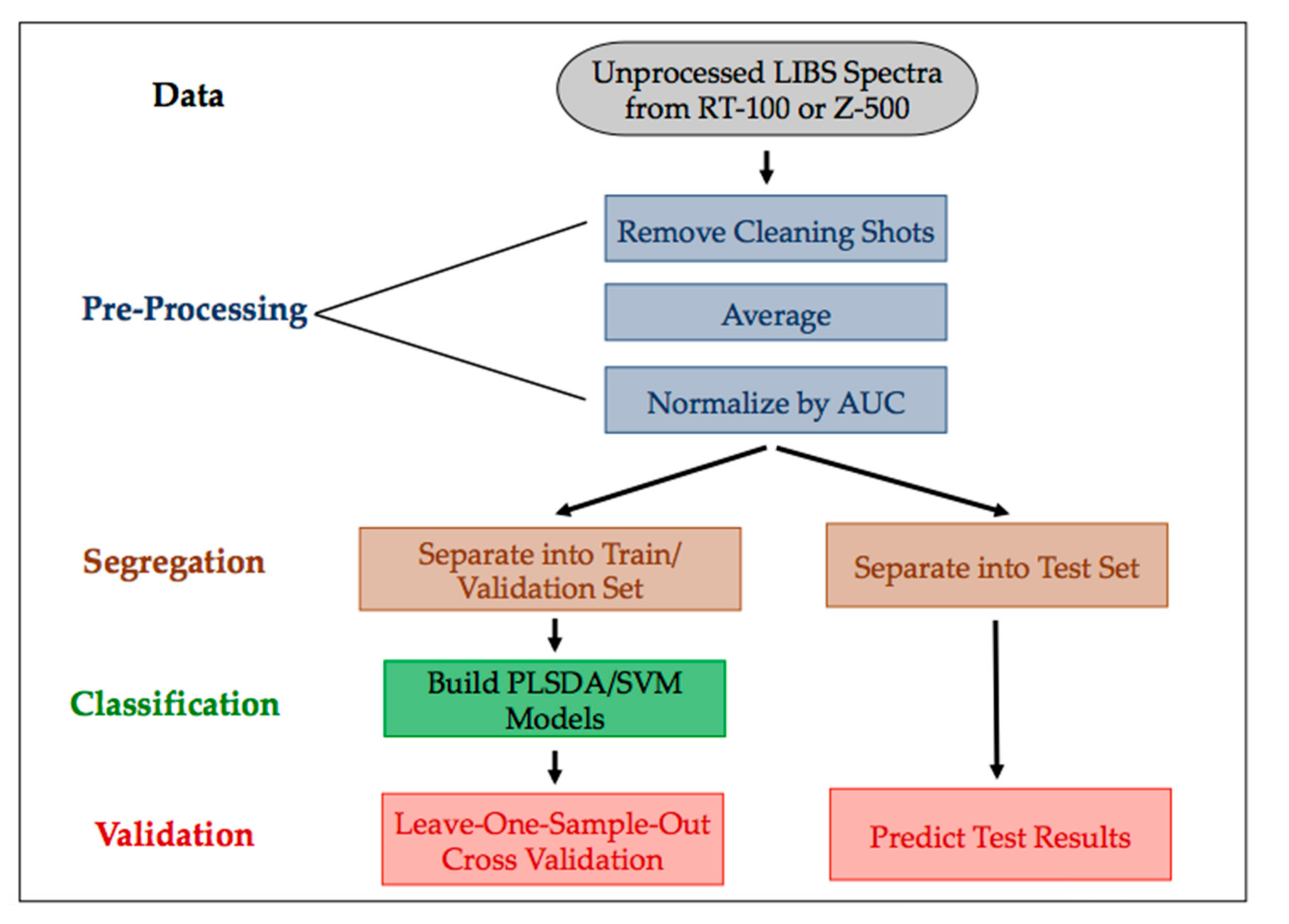
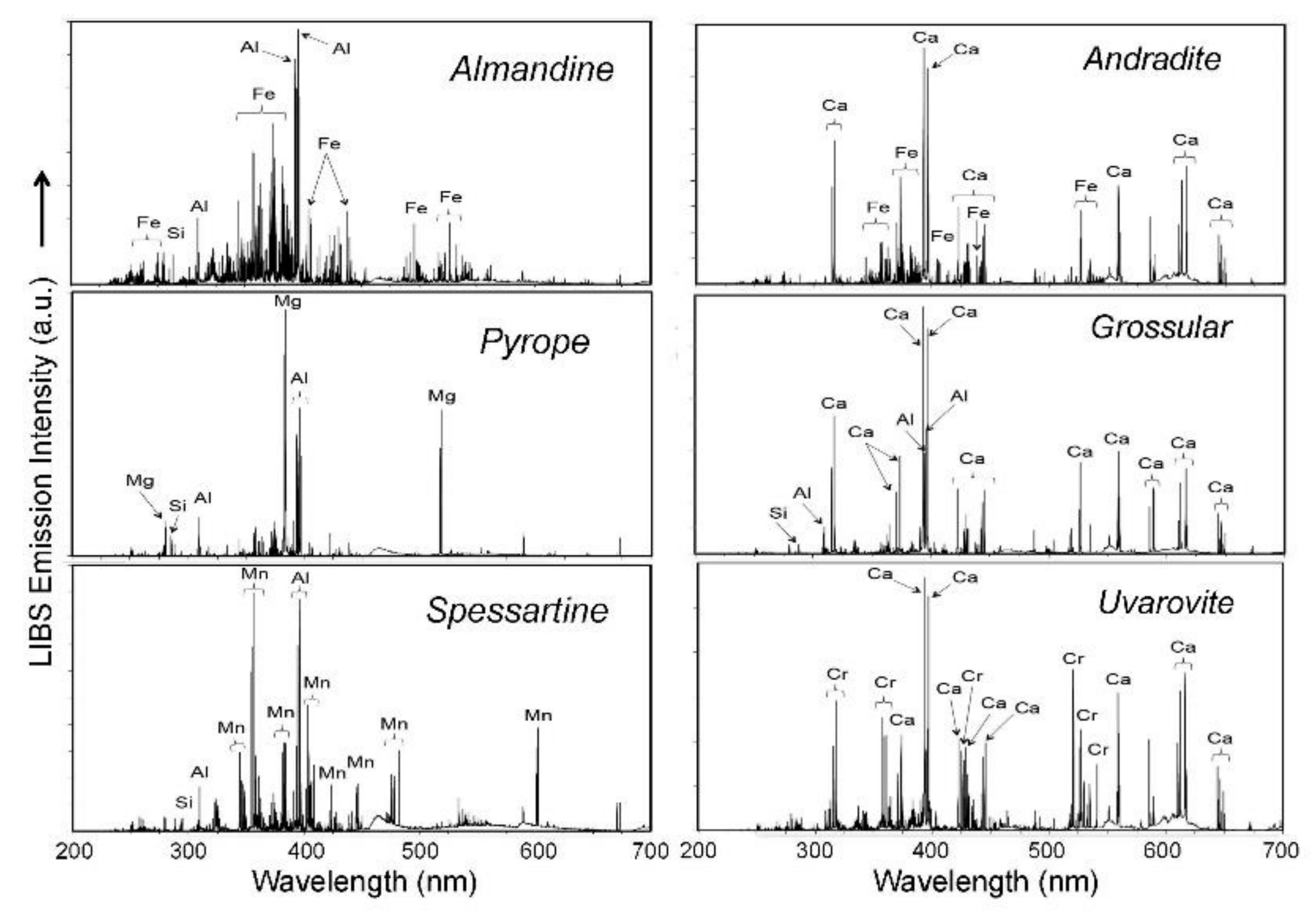
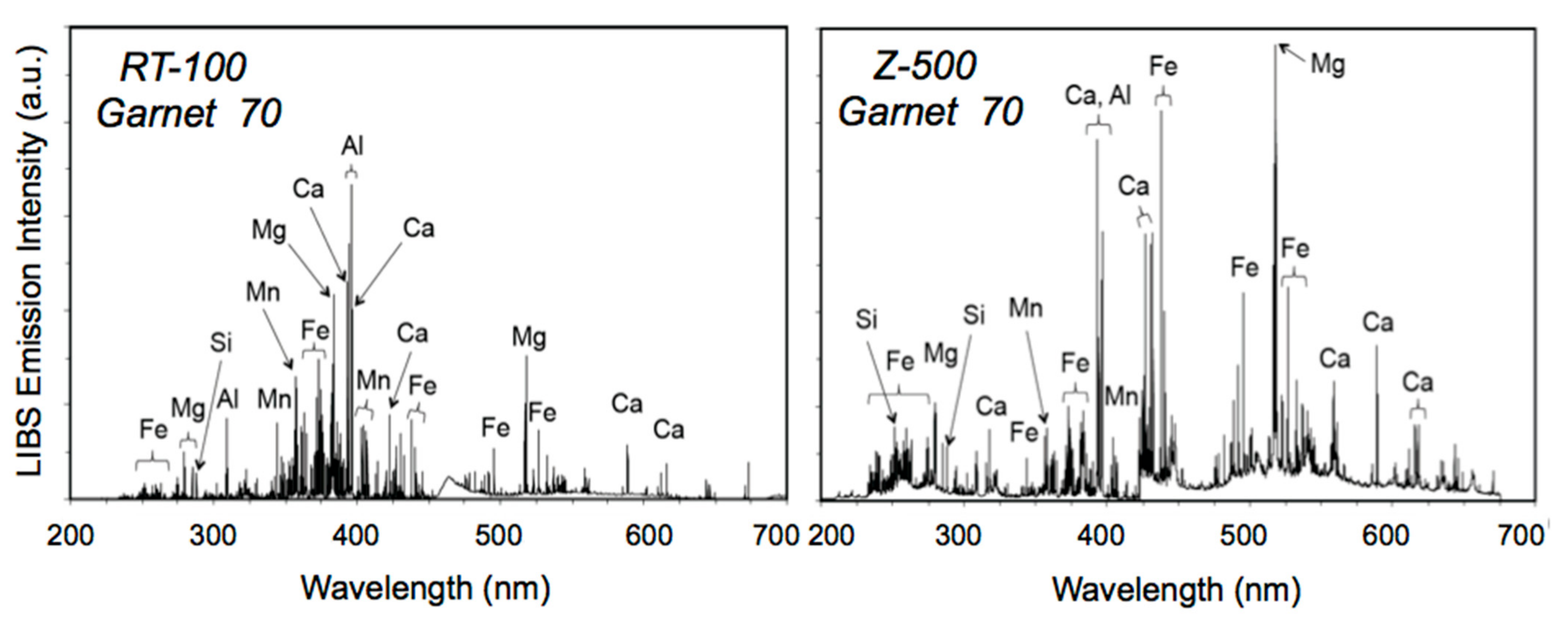
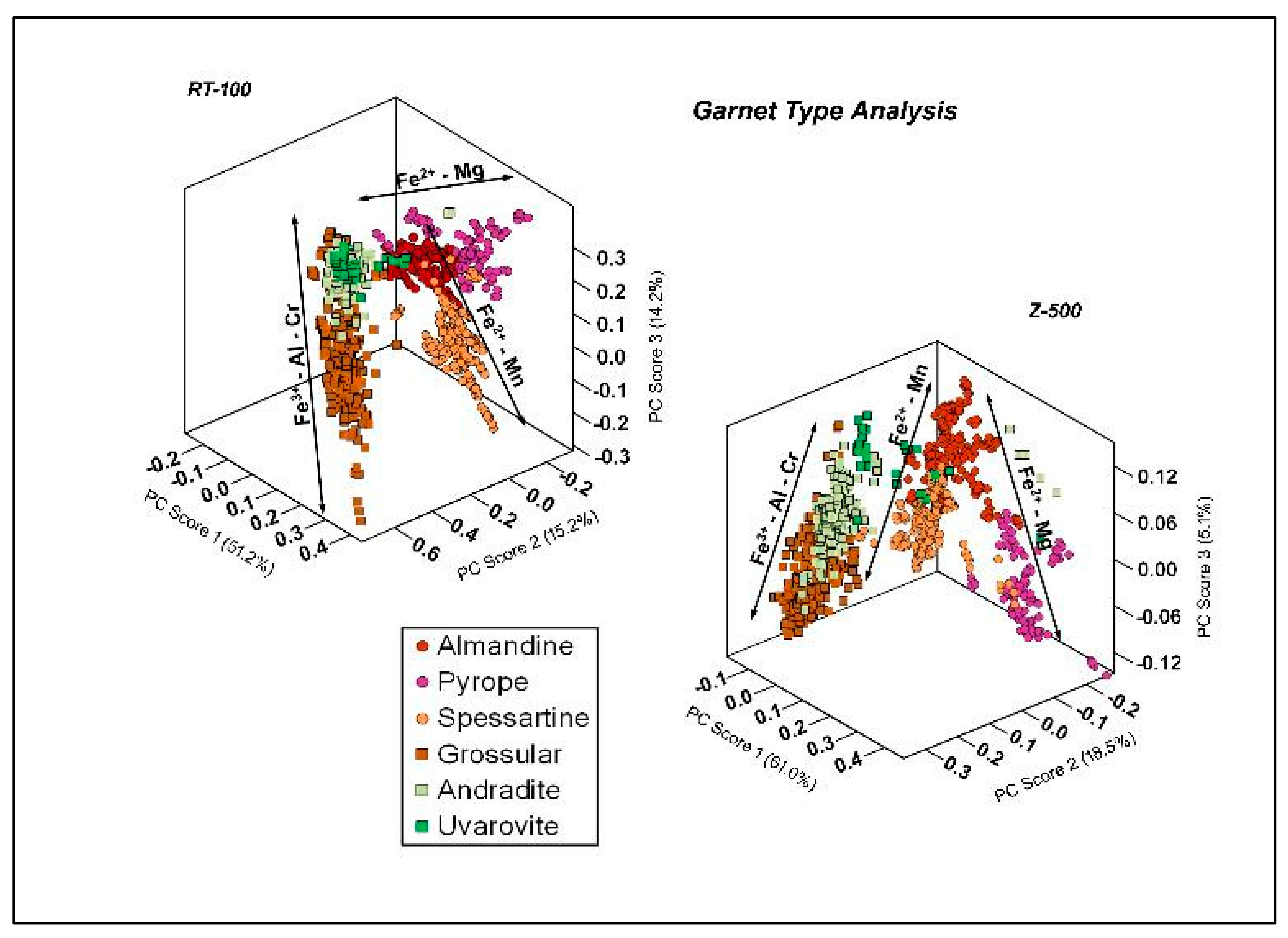
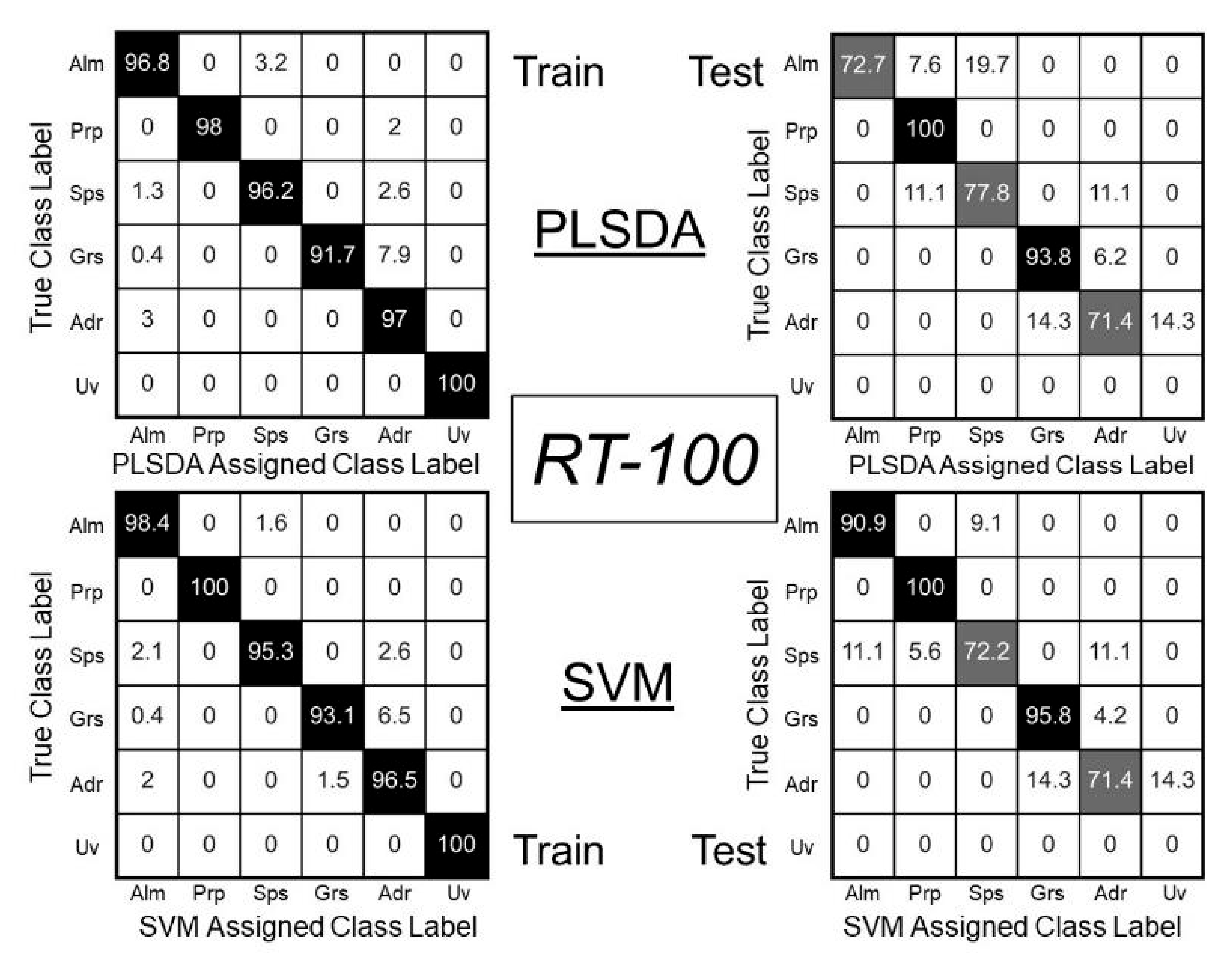
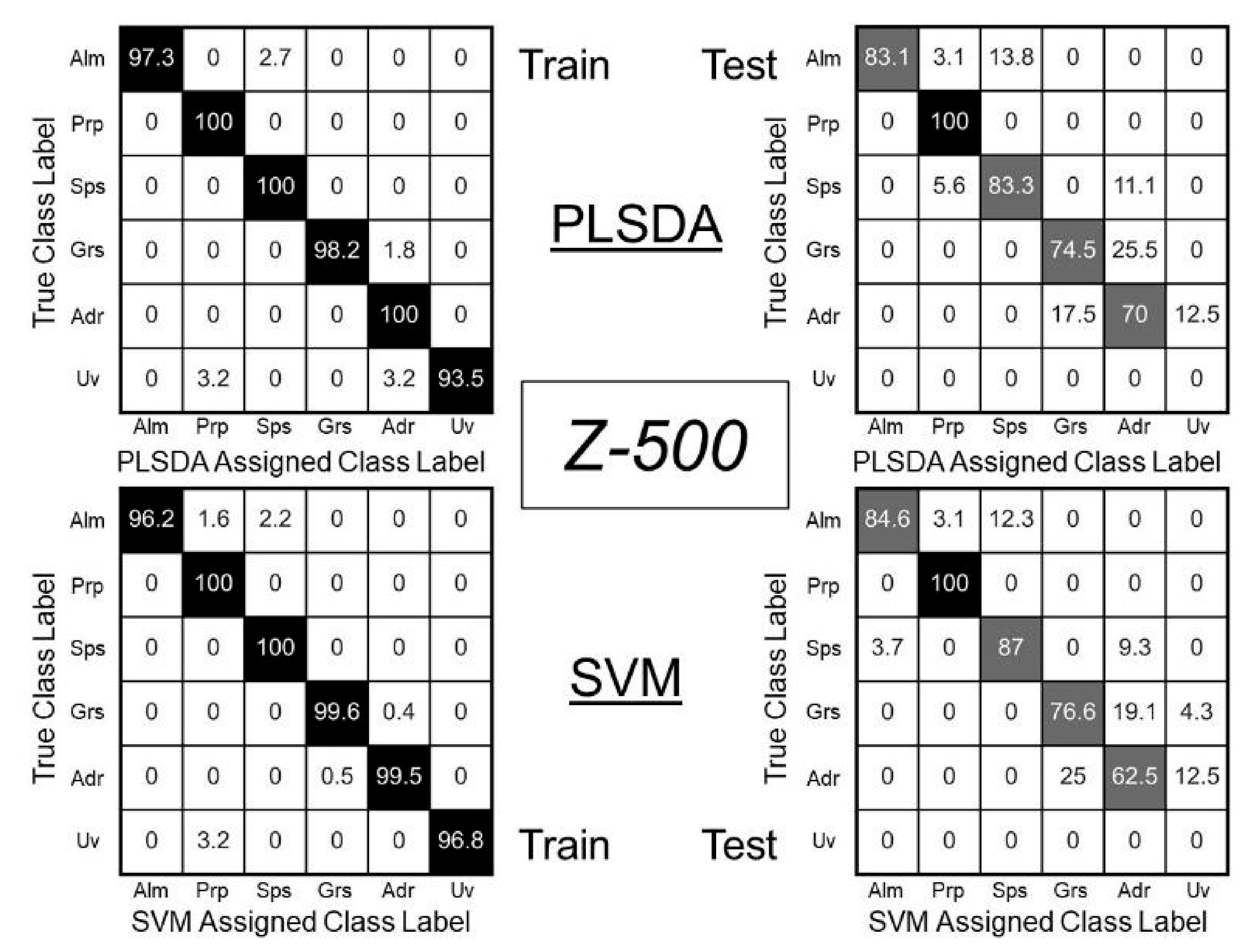
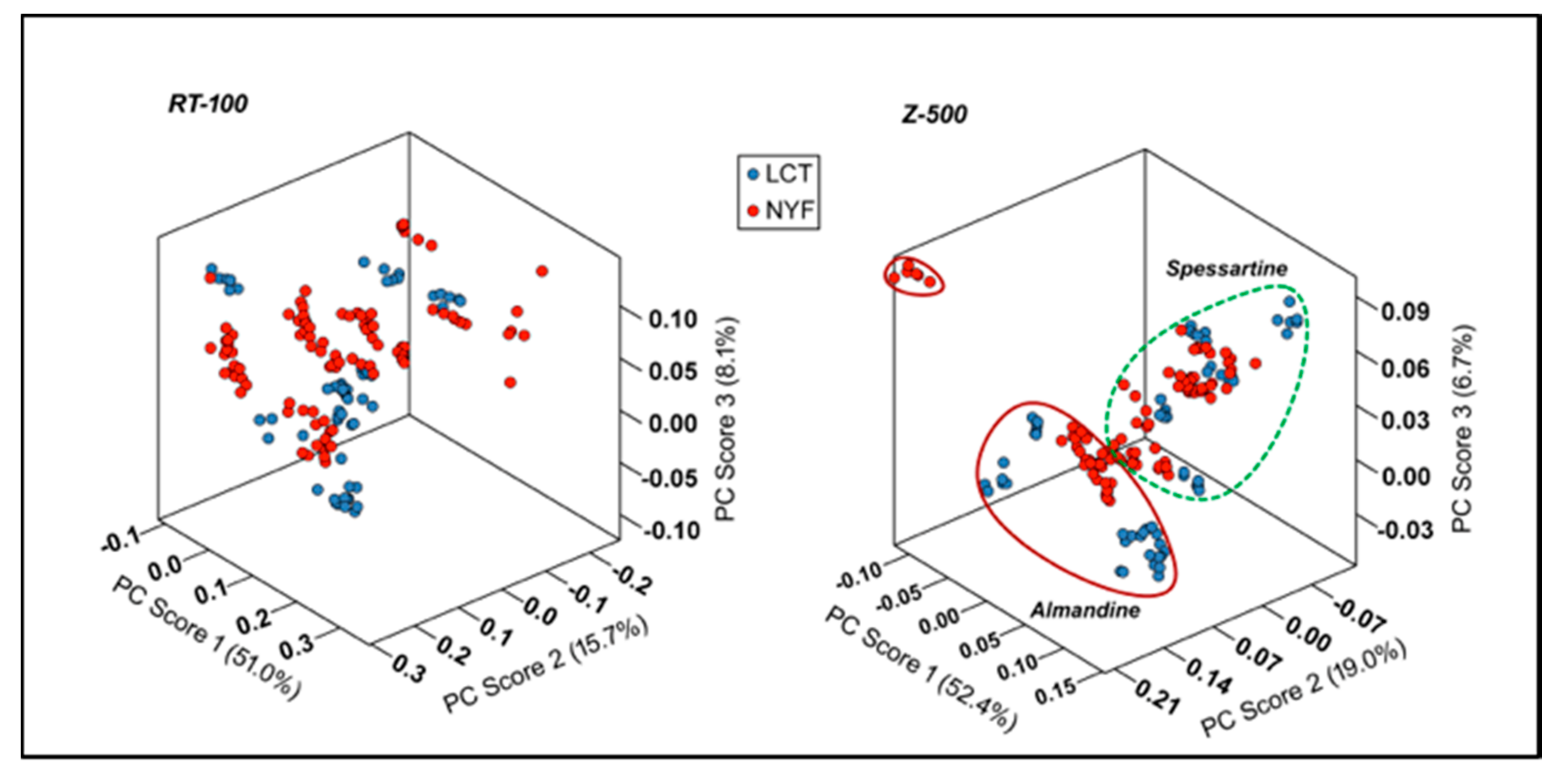
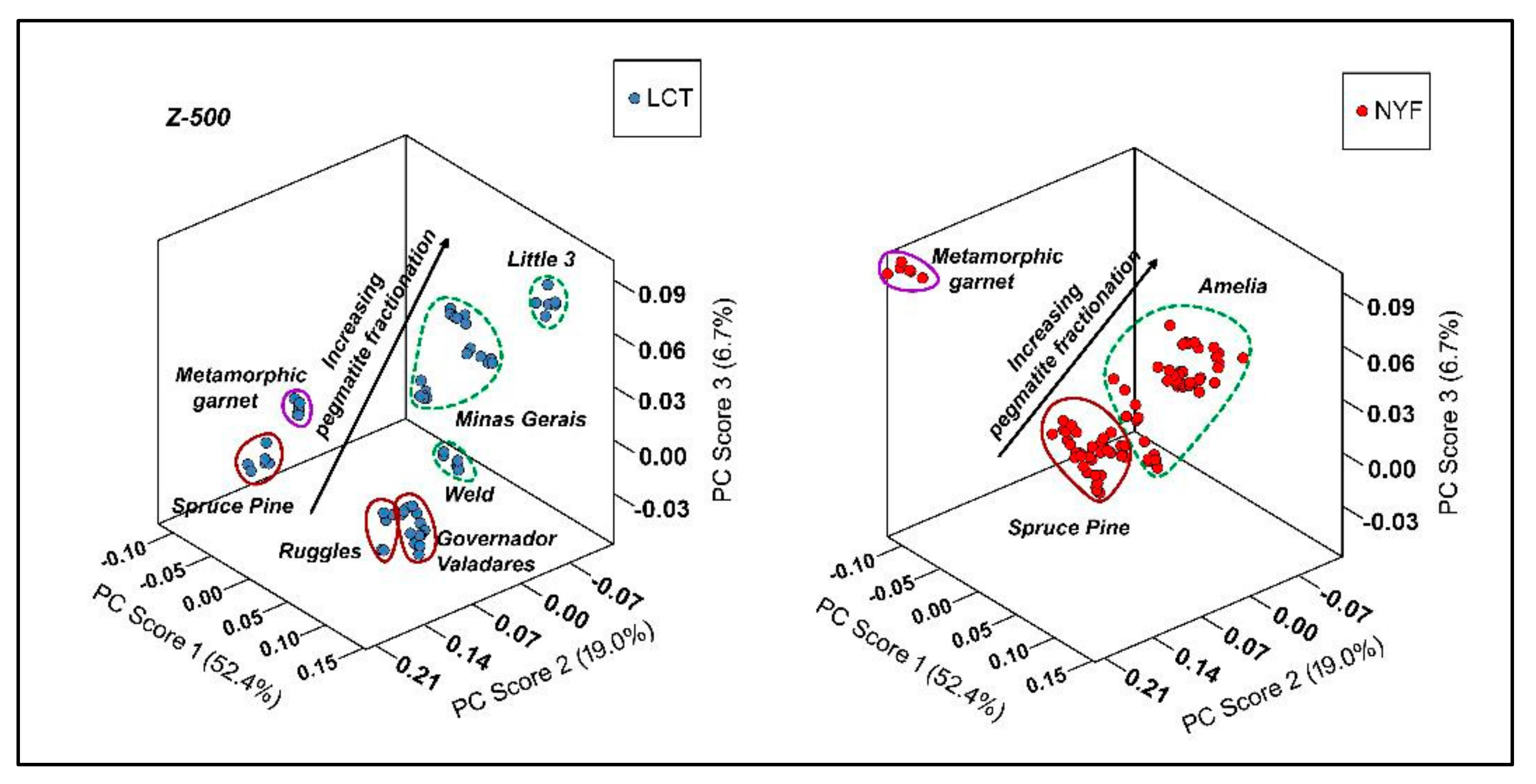
Laser-induced breakdown spectroscopy (LIBS) is a simple and straightforward technique of atomic emission spectroscopy that can provide multi-element detection and quantification in any material, in-situ and in real time because all elements emit in the 200–900 nm spectral range of the LIBS optical emission. This study evaluated two practical applications of LIBS—validation of labels assigned to garnets in museum collections and discrimination of LCT (lithium-cesium-tantalum) and NYF (niobium, yttrium and fluorine) pegmatites based on garnet geochemical fingerprinting, both of which could be implemented on site in a museum or field setting with a handheld LIBS analyzer. Major element compositions were determined using electron microprobe analysis for a suite of 208 garnets from 24 countries to determine garnet type. Both commercial laboratory and handheld analyzers were then used to acquire LIBS broadband spectra that were chemometrically processed by partial least squares discriminant analysis (PLSDA) and linear support vector machine classification (SVM). High attribution success rates (>98%) were obtained using PLSDA and SVM for the handheld data suggesting that LIBS could be used in a museum setting to assign garnet type quickly and accurately. LIBS also identifies changes in garnet composition associated with increasing mineral and chemical complexity of LCT and NYF pegmatites.
Keywords: garnet; laser-induced breakdown spectroscopy; LIBS; electron microprobe analysis; geochemical fingerprinting; chemometrics; PCA; PLSDA; SVM garnet; laser-induced breakdown spectroscopy; LIBS; electron microprobe analysis; geochemical fingerprinting; chemometrics; PCA; PLSDA; SVM