Article

Liberation of Gold Using Microwave-Nitric Acid Leaching and Separation-Recovery of Native Gold by Hydro-Separation

1
Research Institute of Agriculture and Life Sciences, Seoul National University, Seoul 08826, Korea
2
Department of Energy and Resource Engineering, Chosun University, Gwangju 61452, Korea
*
Author to whom correspondence should be addressed.
Minerals 2020, 10(4), 327; https://doi.org/10.3390/min10040327
Submission received: 26 February 2020 / Revised: 3 April 2020 / Accepted: 3 April 2020 / Published: 6 April 2020
(This article belongs to the Special Issue Hydrometallurgical Processing of Base Metal Sulphides)

Abstract

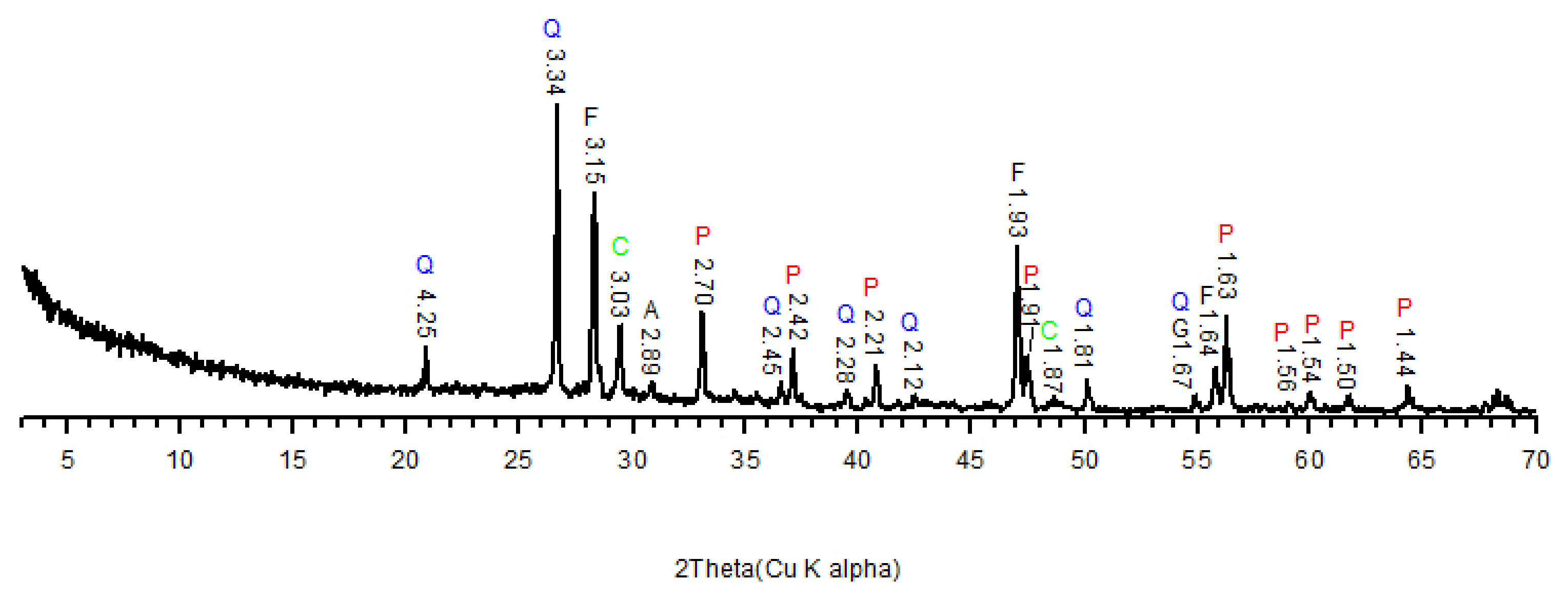
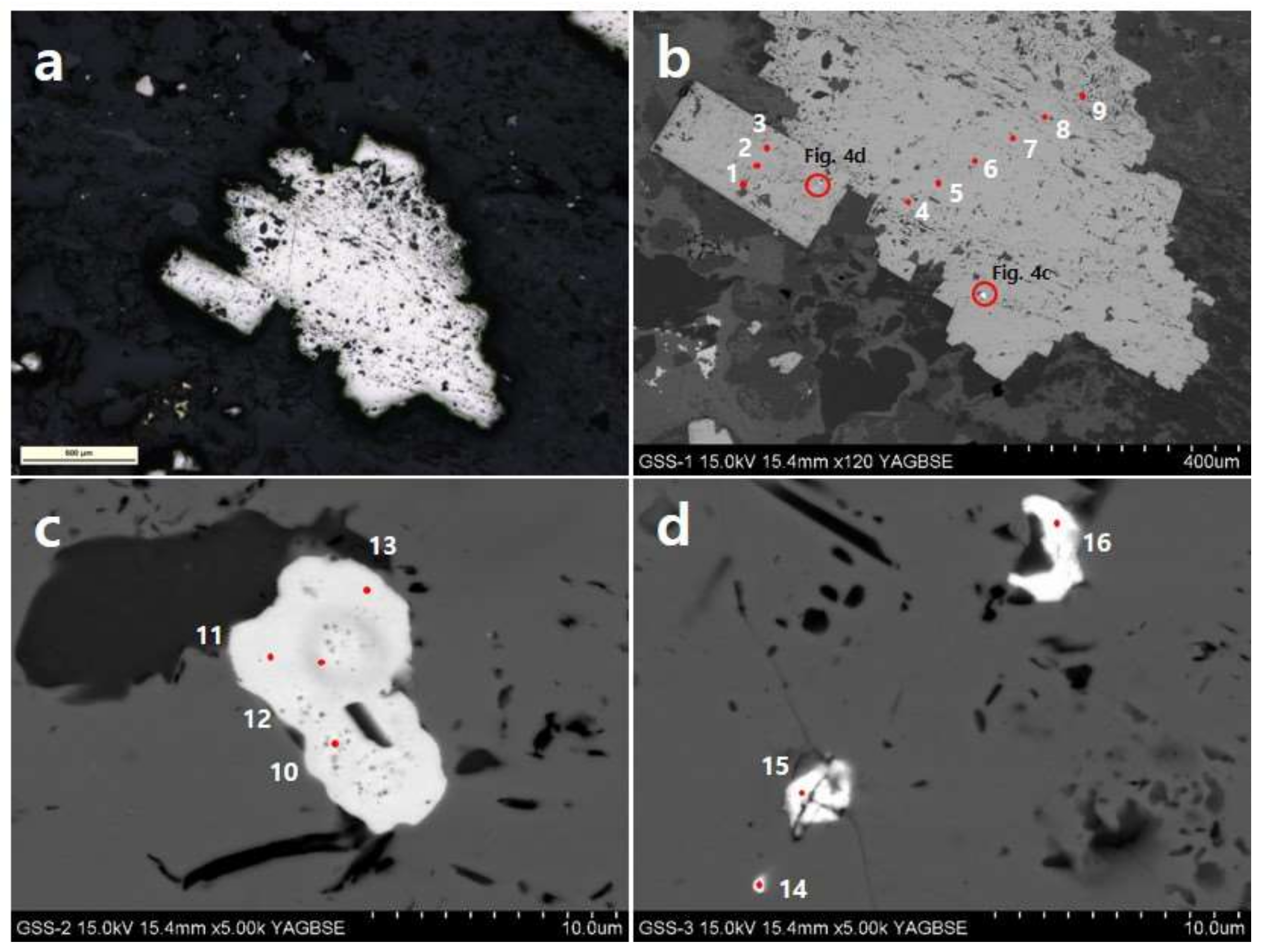
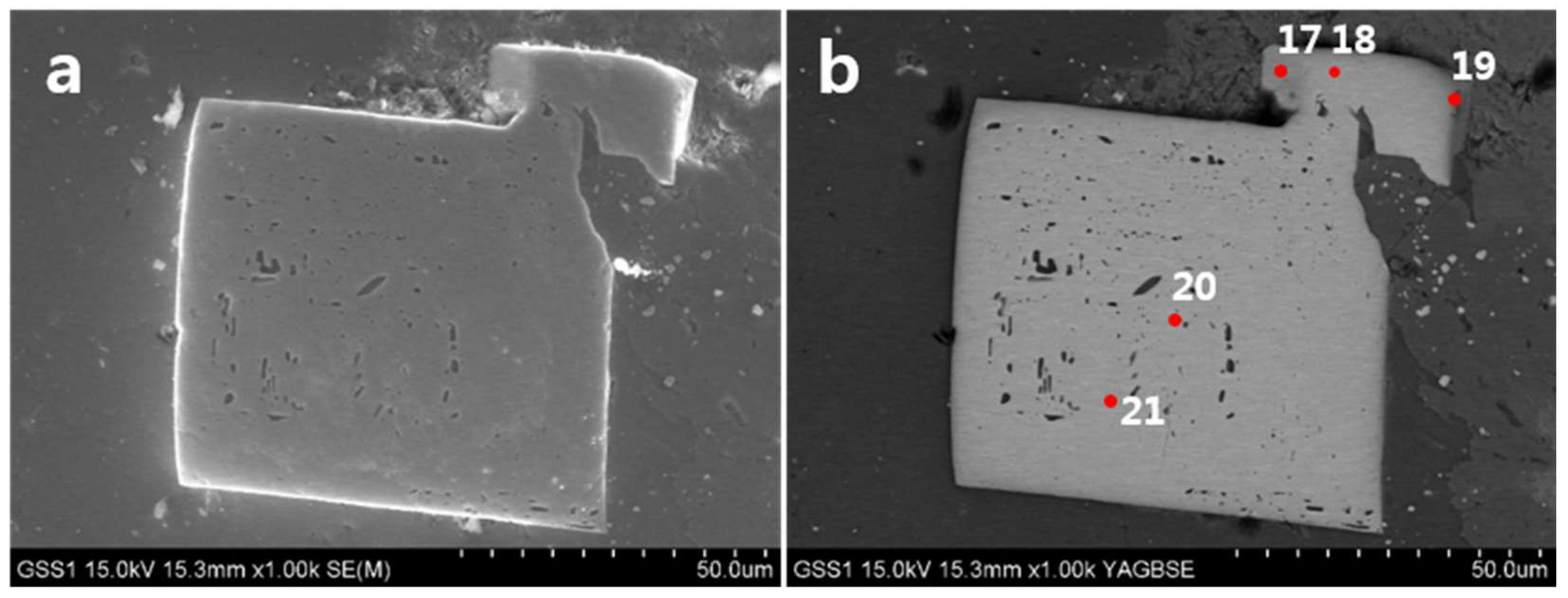
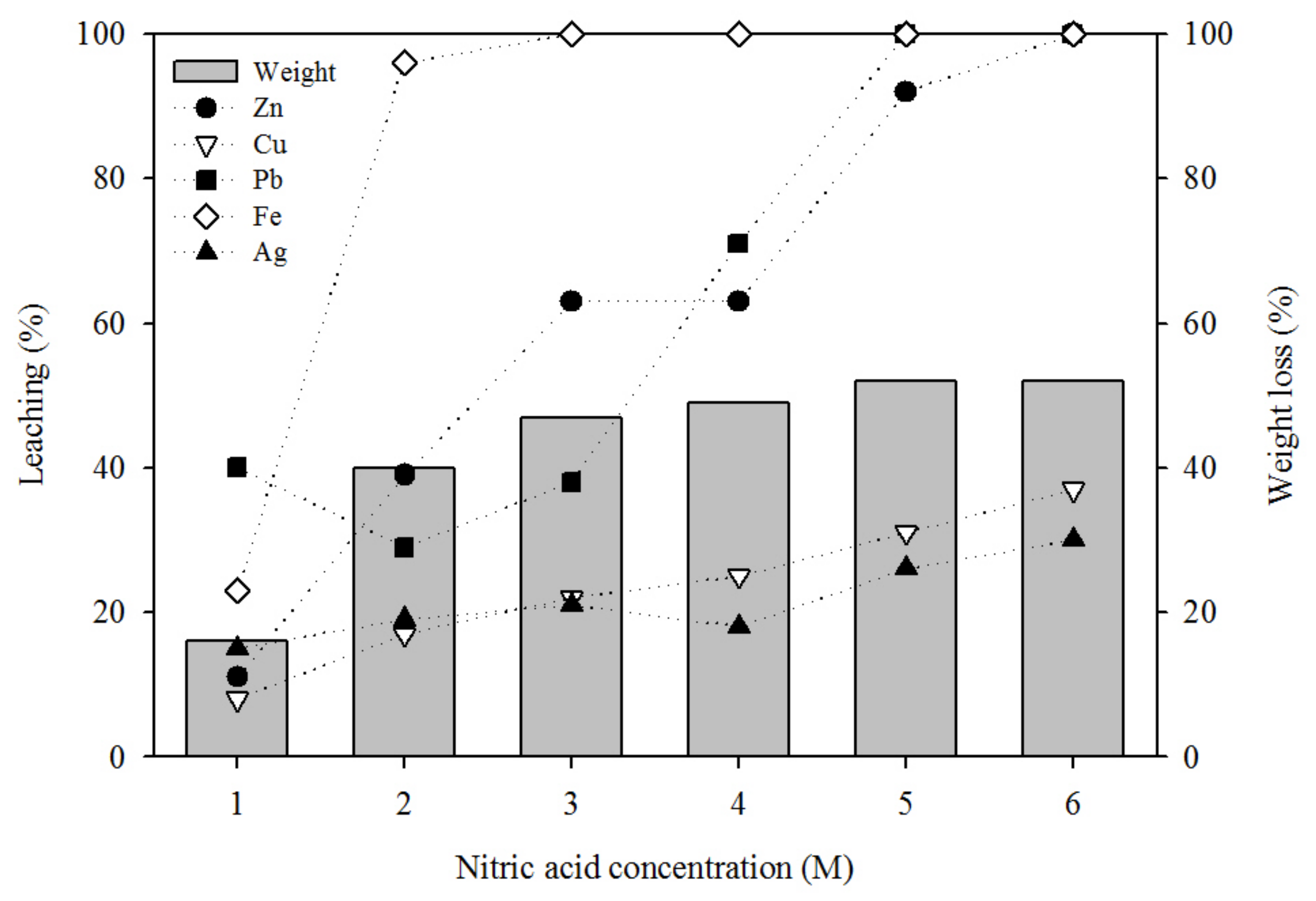
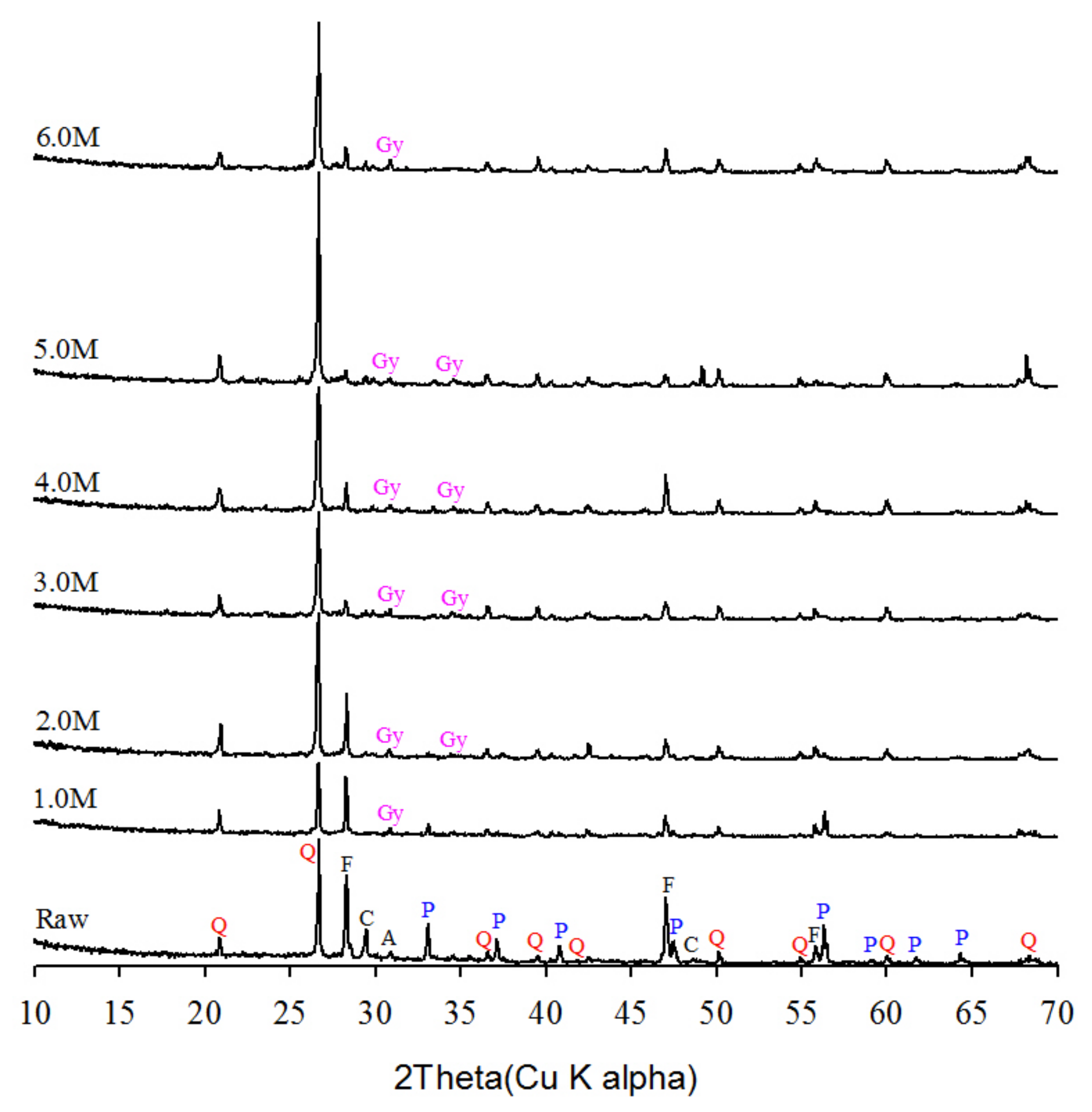
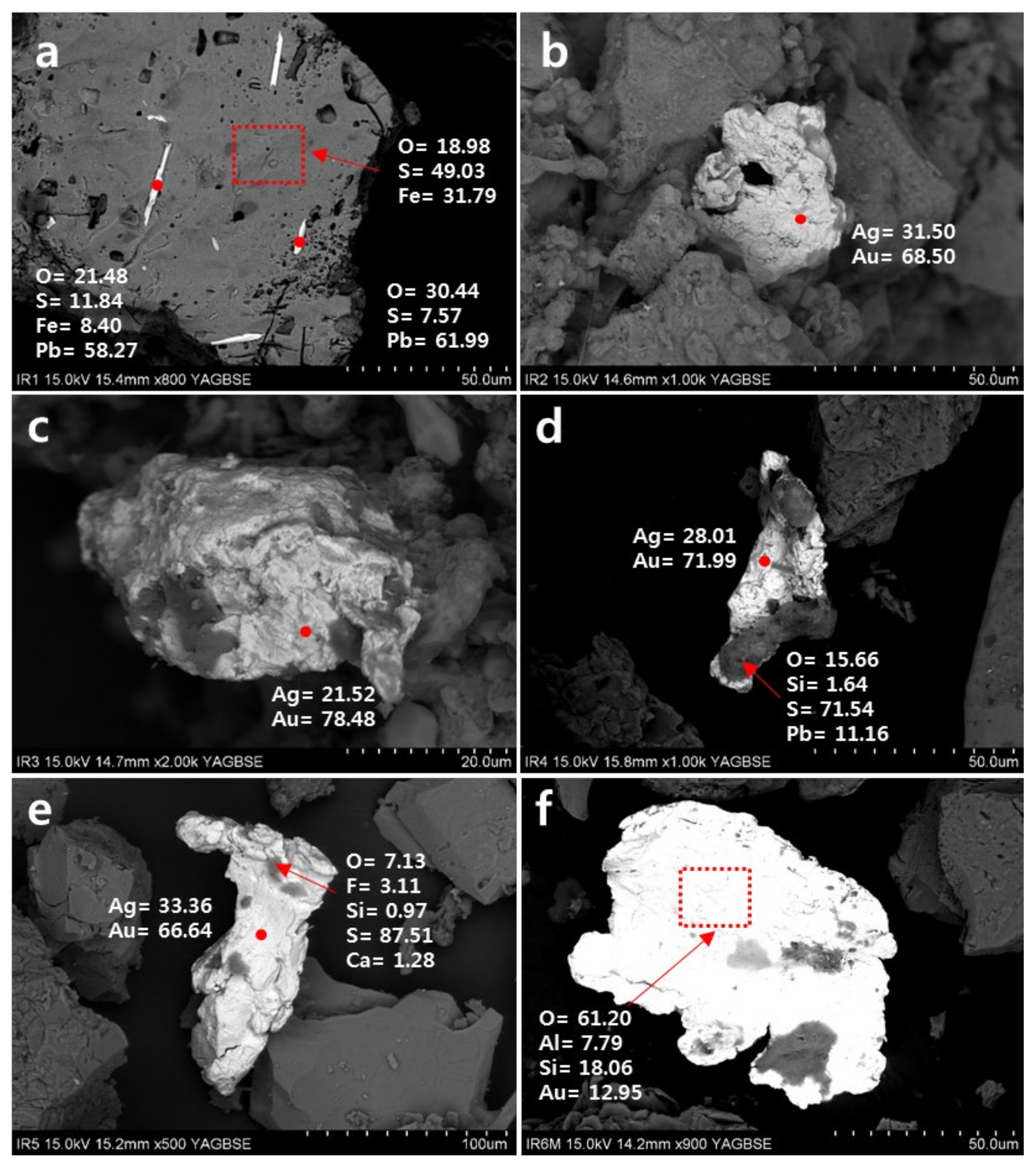
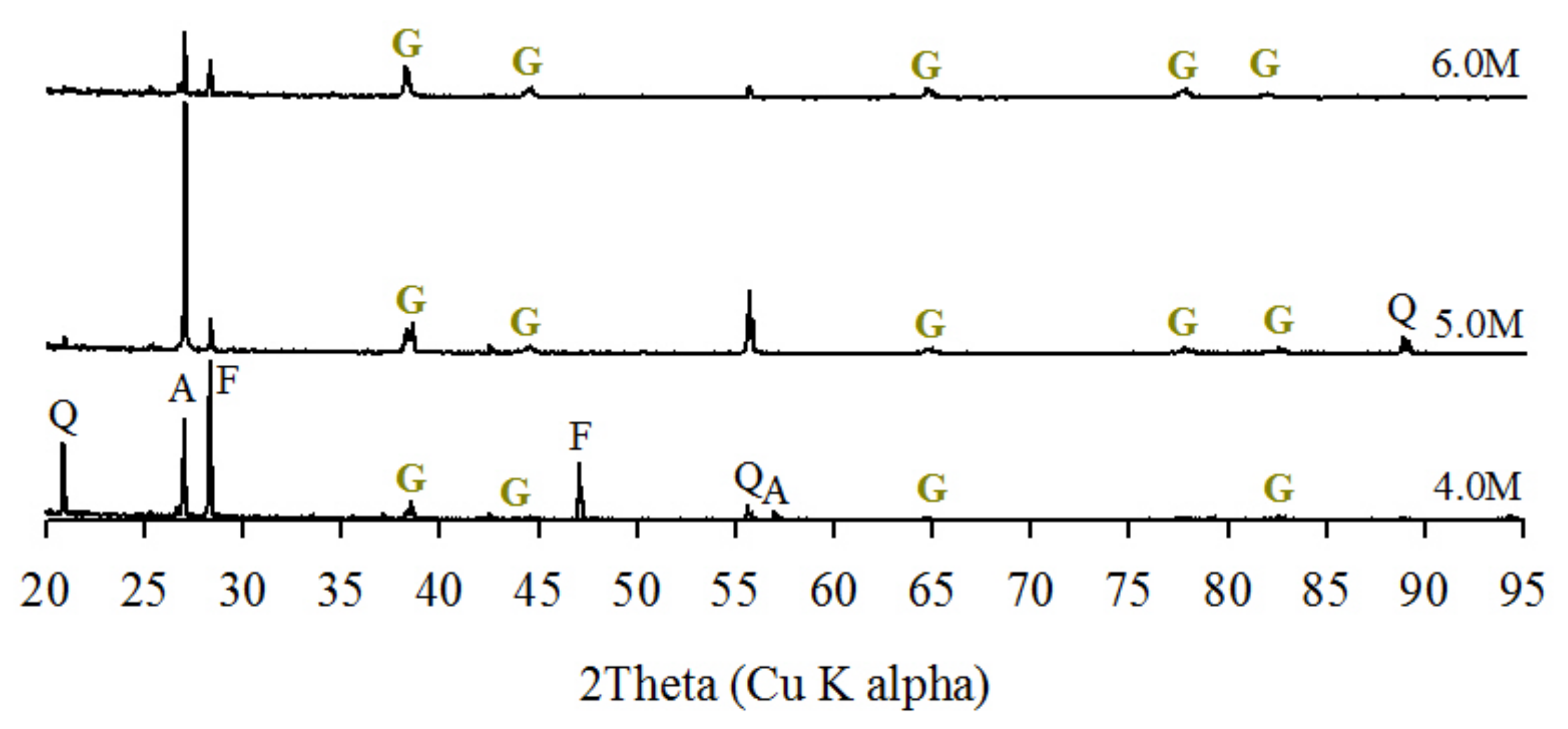
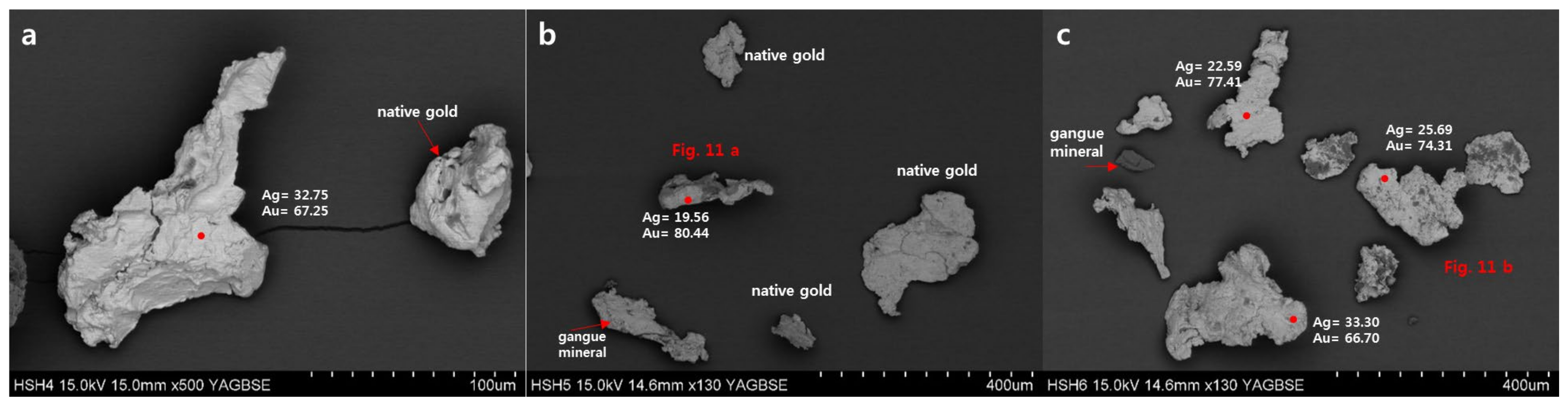
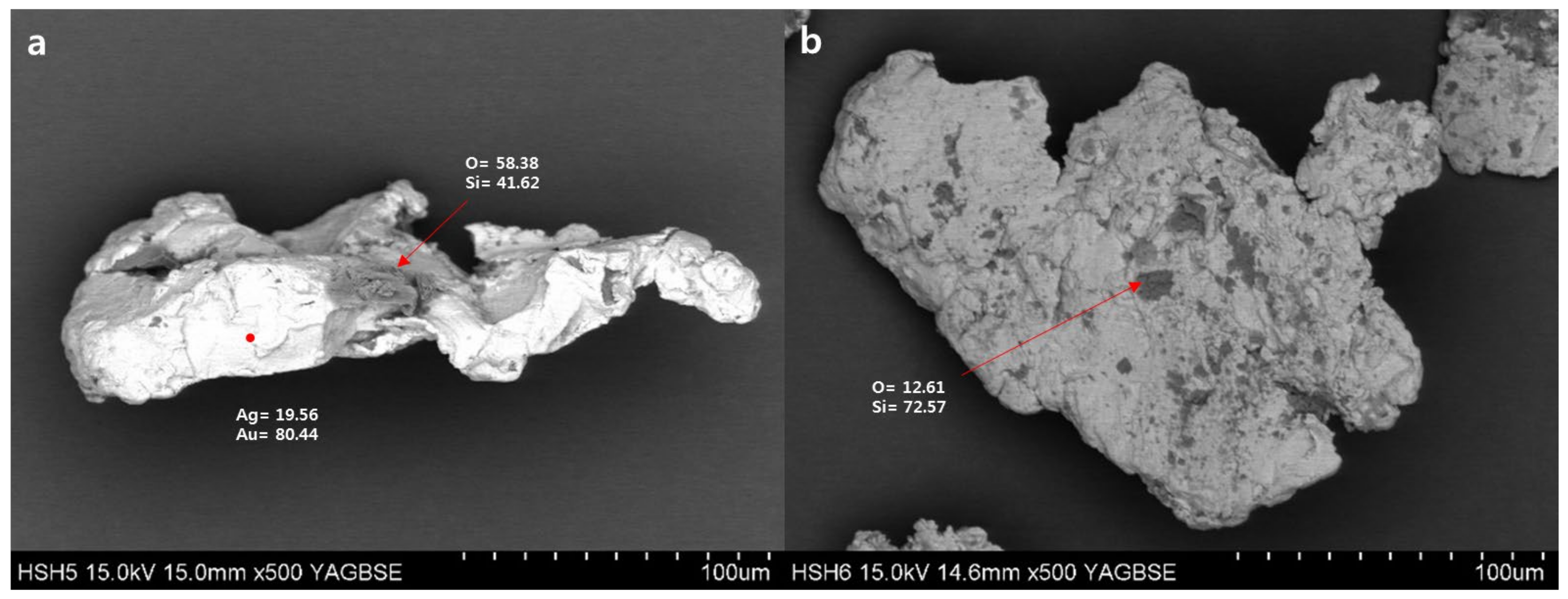
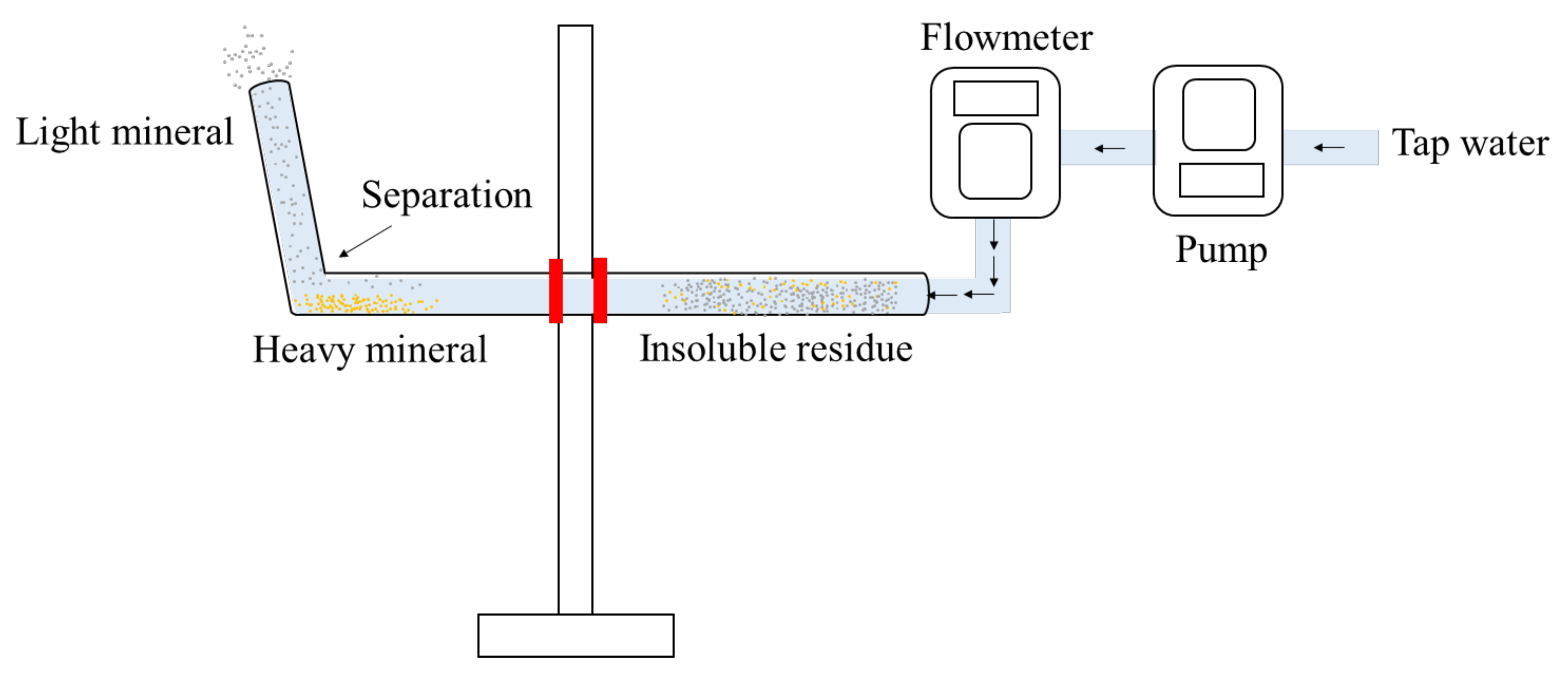
The purpose of this study was to liberate gold from sulfide minerals in a gold concentrate through microwave-nitric acid leaching and to separate the light minerals in an insoluble residue using a hydro-separation process. The representative sulfide minerals in the gold concentrate were pyrite with minor galena. Mineralogical characterization was conducted on the gold concentrate using 1715.20 g/t based on lead-fire assays. During the leaching experiment, the effect of nitric acid concentration was studied. The results indicated that the metal leaching rate of the gold concentrate increased with increasing nitric acid concentration. After the microwave-nitric acid leaching, the resulting main feature was consistent with the increased exposure to reactive sulfide minerals and decrease in weight. Characterization techniques such as X-ray diffraction (XRD), scanning electron microscope energy dispersive spectroscopy (SEM-EDS) and scanning electron microscope backscattered electron imaging (SEM-BSE) were performed to characterize the minerals in the insoluble residue using microwave-nitric acid leaching and the hydro-separation process. The XRD patterns of the insoluble residues were compared. The intensities of the pyrite peak decreased and disappeared under different nitric acid concentrations, whereas intensities of the quartz peak increased. The hydro-separation process focused on the separation of heavy (e.g., native gold) and light (e.g., quartz) minerals from the insoluble residues. After the hydro-separation treatment process, the heavy minerals exhibited typical diffraction lines of gold, as obtained using the XRD analysis.
Keywords: microwave-nitric acid leaching; liberation; hydro-separation; heavy mineral; native gold microwave-nitric acid leaching; liberation; hydro-separation; heavy mineral; native gold