Article

The Continuous Measure of Symmetry as a Dynamic Variable: A New Glance at the Three-Body Problem


1
Department of Chemical Engineering, Ariel University, P.O. Box 3, Ariel 407000, Israel
2
Department of Industrial Engineering and Management, Faculty of Engineering, Ariel University, P.O. Box 3, Ariel 407000, Israel
*
Author to whom correspondence should be addressed.
Symmetry 2023, 15(12), 2153; https://doi.org/10.3390/sym15122153
Submission received: 18 September 2023 / Revised: 9 November 2023 / Accepted: 1 December 2023 / Published: 4 December 2023
(This article belongs to the Special Issue Symmetry, Topology and Phases of Condensed Matter)

Abstract

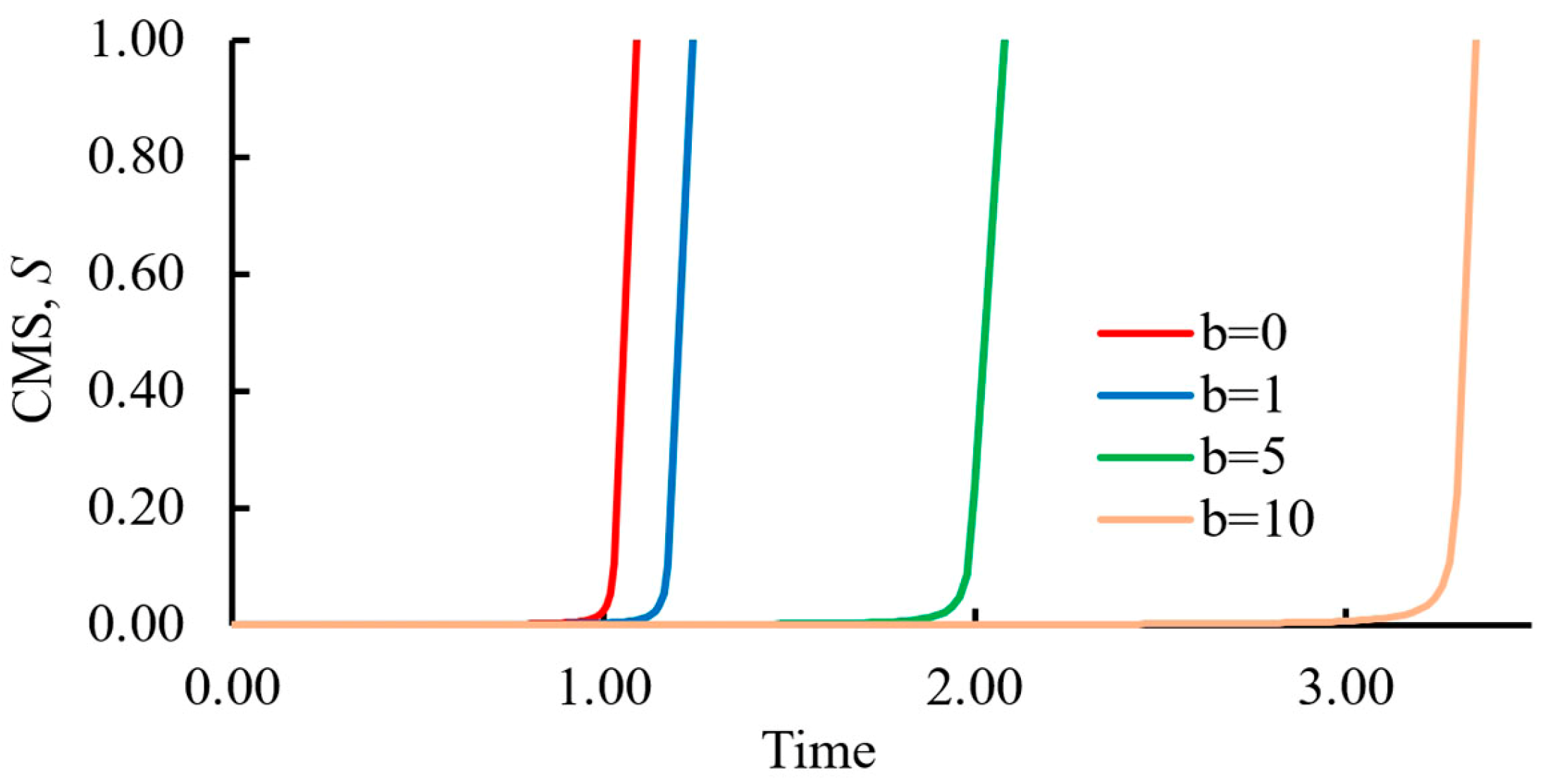
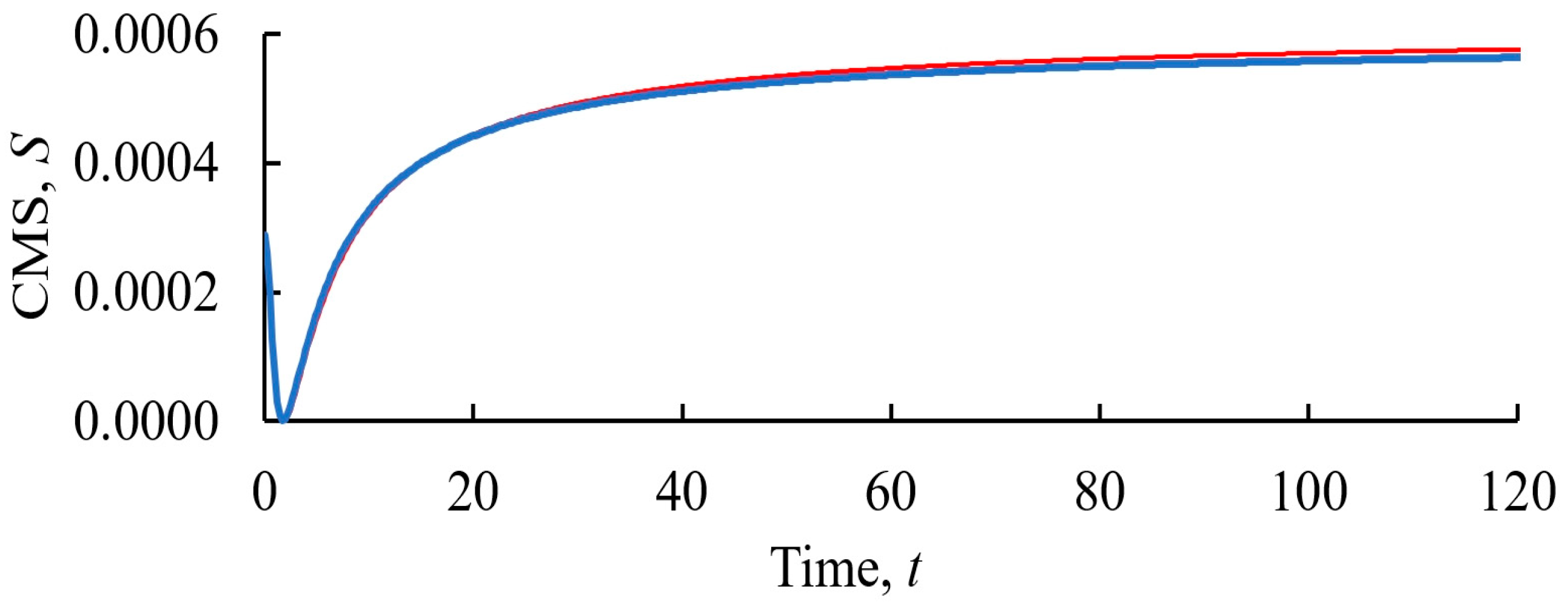
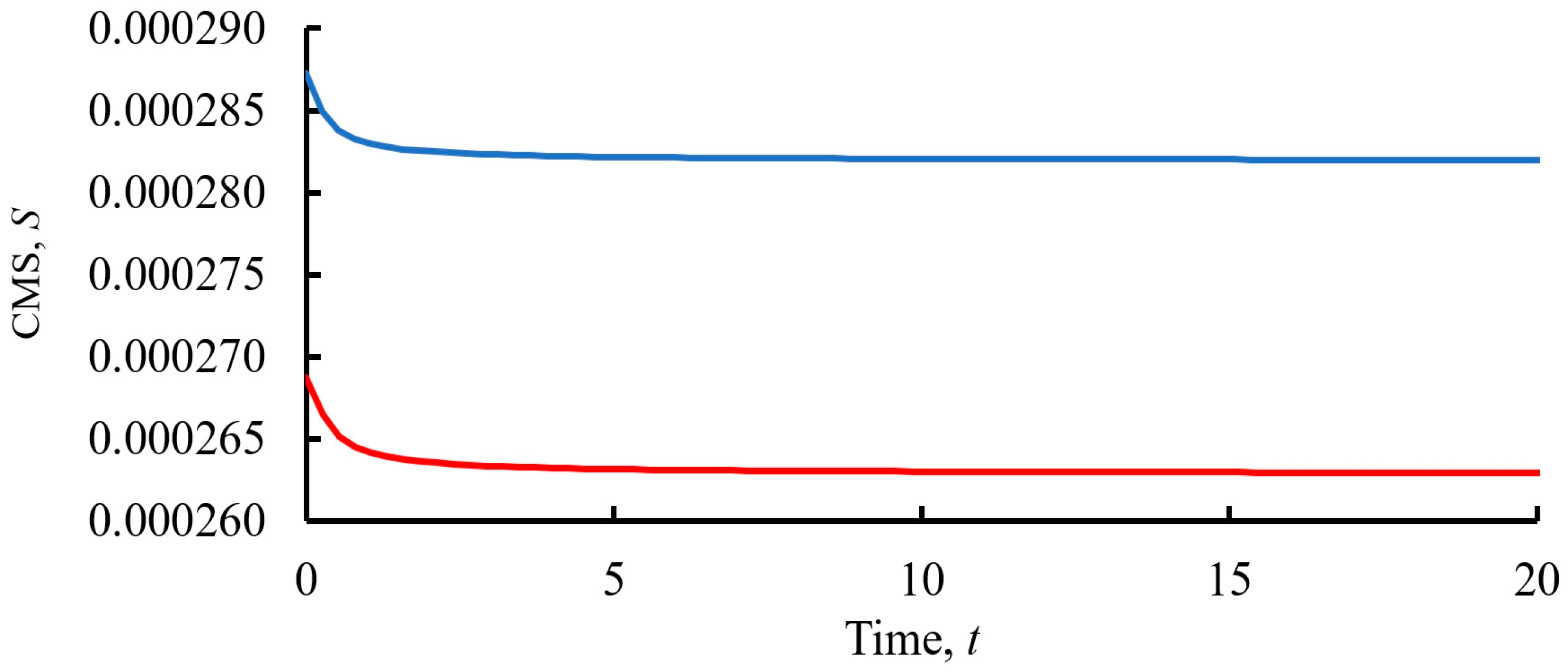
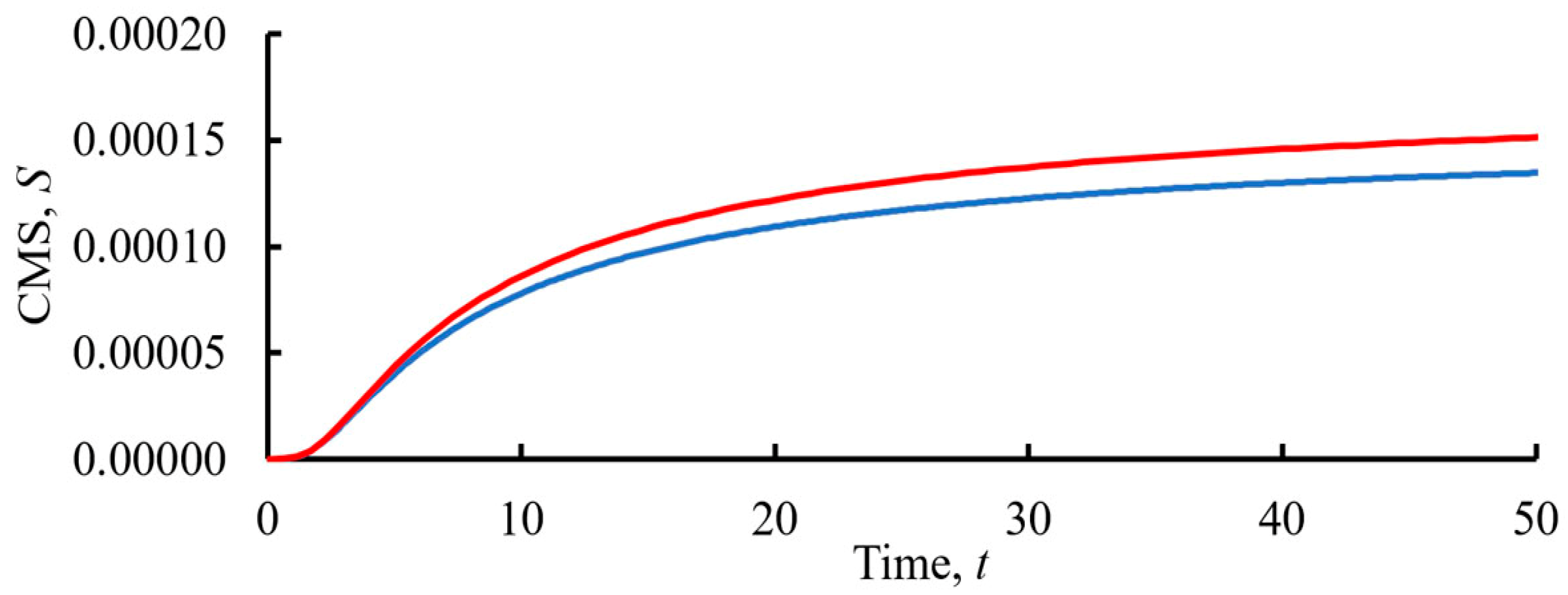
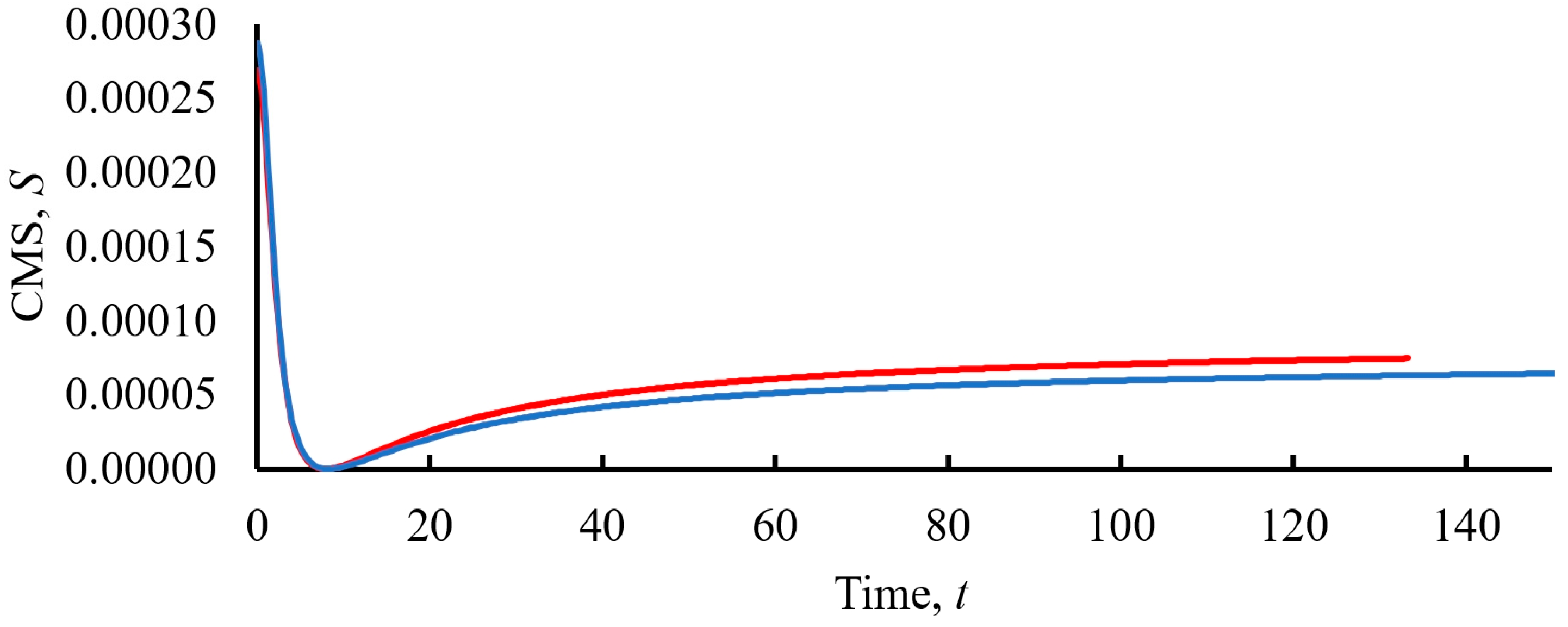
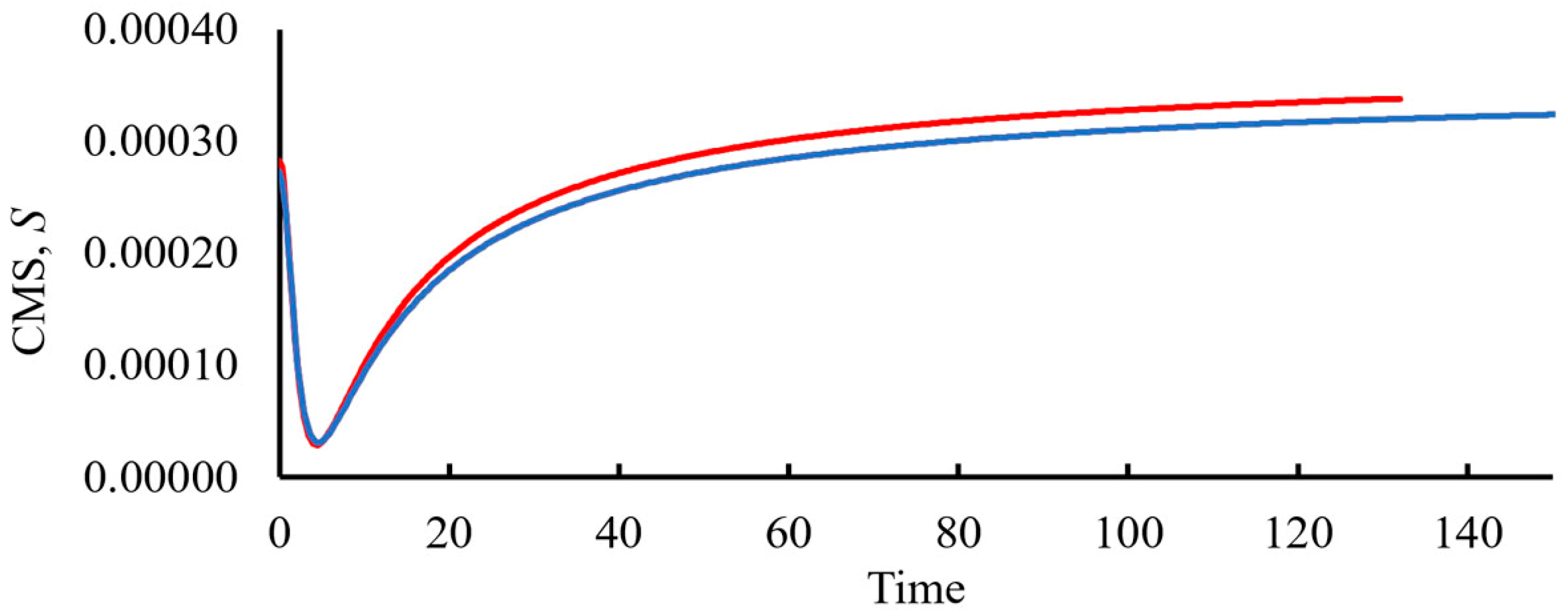
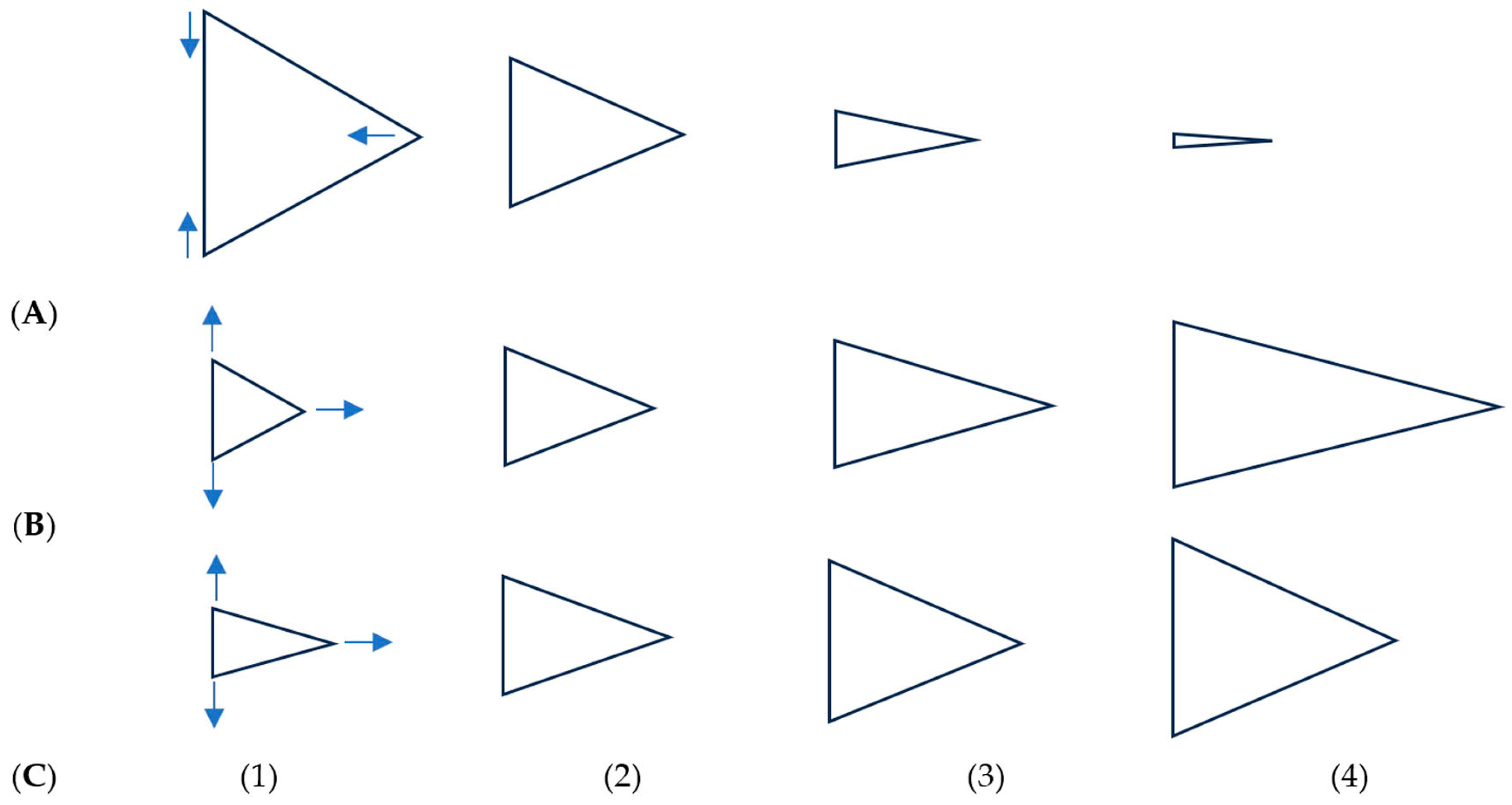
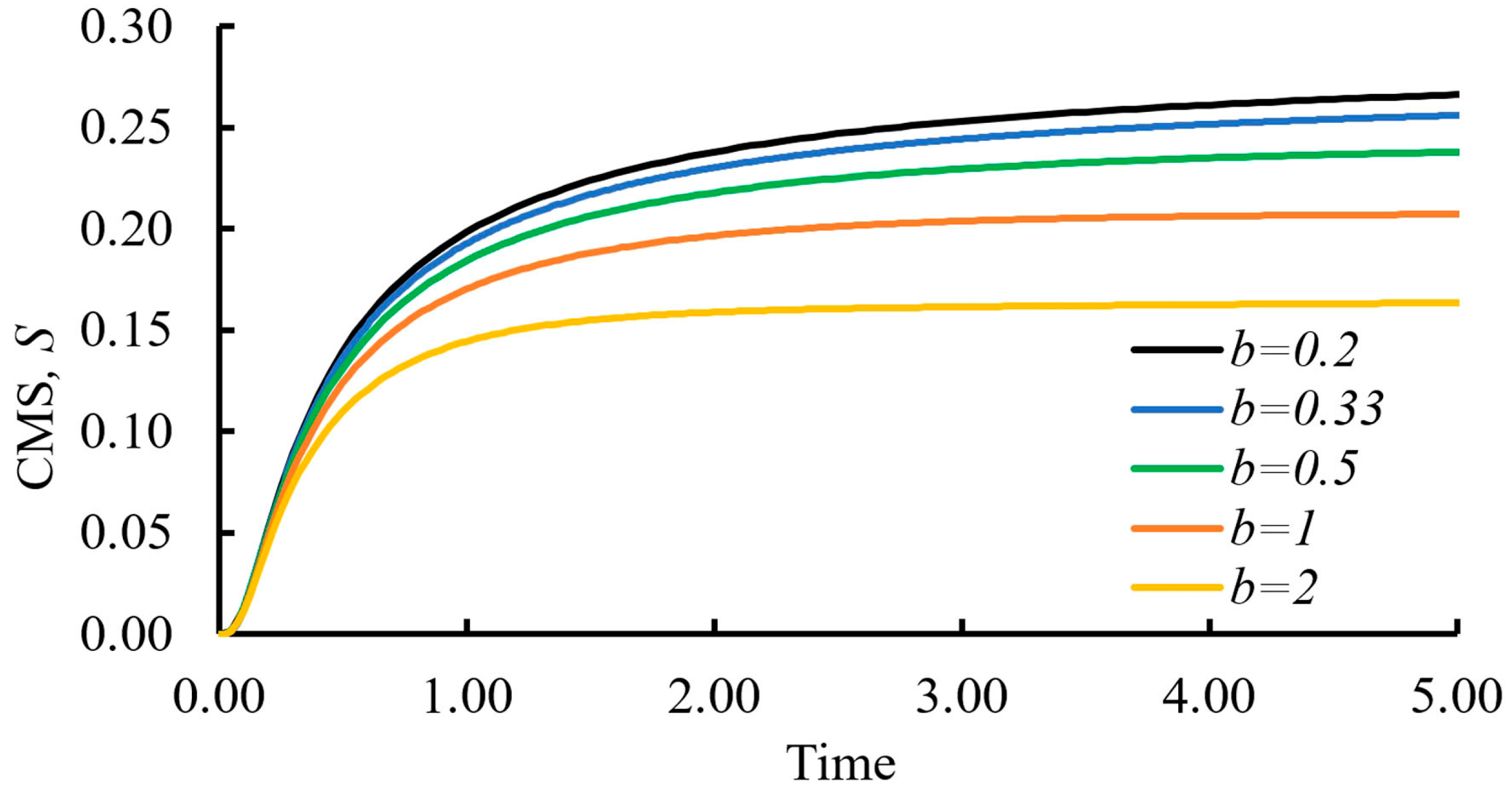
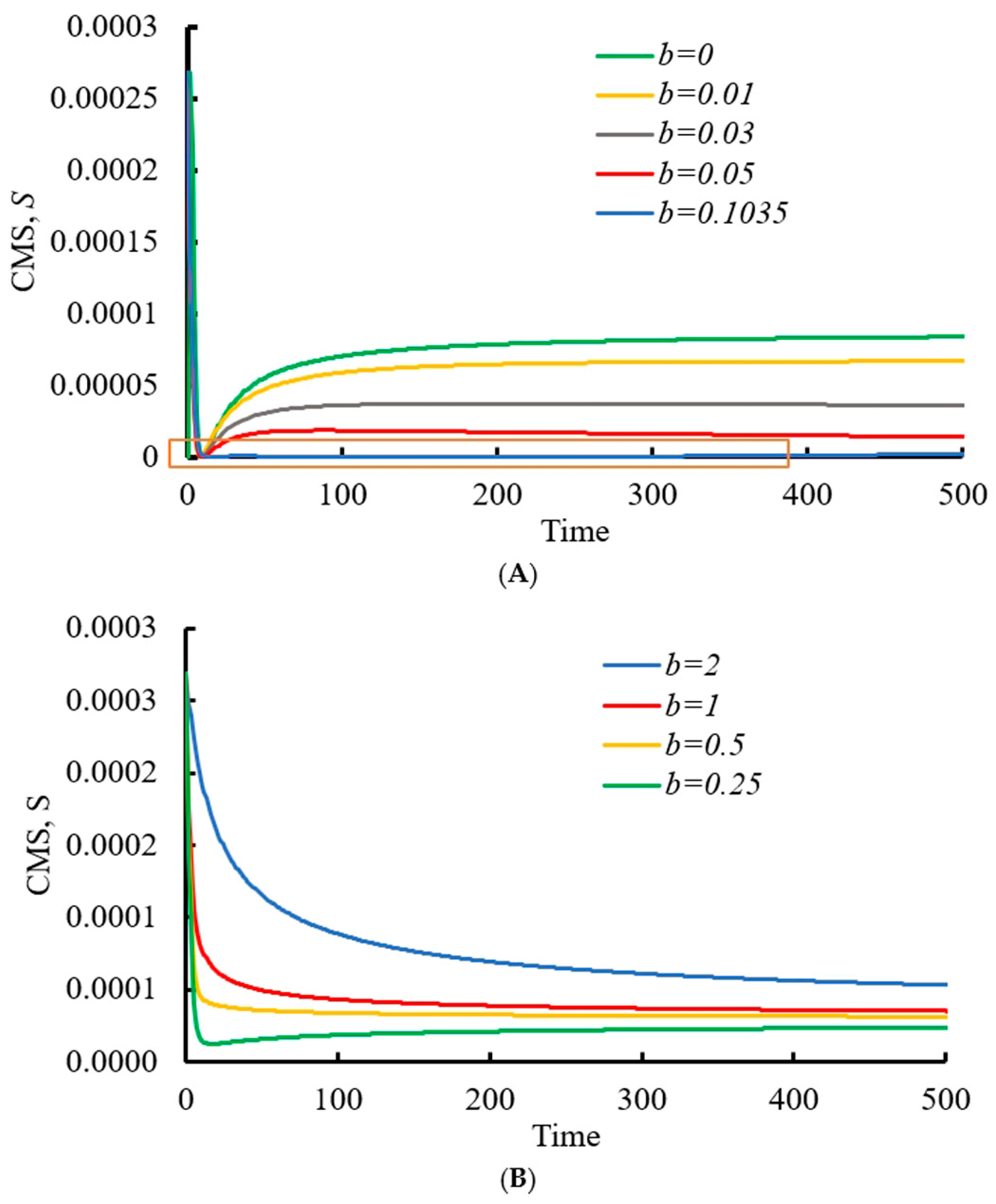
The time evolution of the continuous measure of symmetry for a system built of three bodies interacting via the potential U(r)~1r is reported. Gravitational and electrostatic interactions between the point bodies were addressed. In the case of a pure gravitational interaction, the three-body-system deviated from its initial symmetrical location, described by the Lagrange equilateral triangle, comes eventually to collapse, accompanied by the growth of the continuous measure of symmetry. When three point bodies interact via the repulsive Coulomb interaction, the time evolution of the CMS is quite different. The CMS calculated for all of the studied initial configurations of the point charges, and all of their charge-to-mass ratios, always comes to its asymptotic value with time, evidencing the stabilization of the shape of the triangle, constituted by the interacting bodies. The influence of Stokes-like friction on the change in symmetry of three-body gravitating systems is elucidated; the Stokes-like friction slows the decrease in the CMS and increases the stability of the Lagrange triangle.
Keywords: three-body problem; Lagrange triangle; continuous measure of symmetry; gravity; Coulomb interaction; asymptotic value; friction three-body problem; Lagrange triangle; continuous measure of symmetry; gravity; Coulomb interaction; asymptotic value; friction