Article

Effect of Voids Behind Lining on the Failure Behavior of Symmetrical Double-Arch Tunnels


1
School of Civil Engineering, Inner Mongolia University of Science and Technology, Baotou 014000, China
2
Key Laboratory of Urban Underground Engineering of Ministry of Education, Beijing Jiaotong University, Beijing 100044, China
3
School of Civil Engineering, Beijing Jiaotong University, Beijing 100044, China
*
Author to whom correspondence should be addressed.
Symmetry 2019, 11(10), 1321; https://doi.org/10.3390/sym11101321
Submission received: 17 September 2019 / Revised: 15 October 2019 / Accepted: 17 October 2019 / Published: 21 October 2019

Abstract

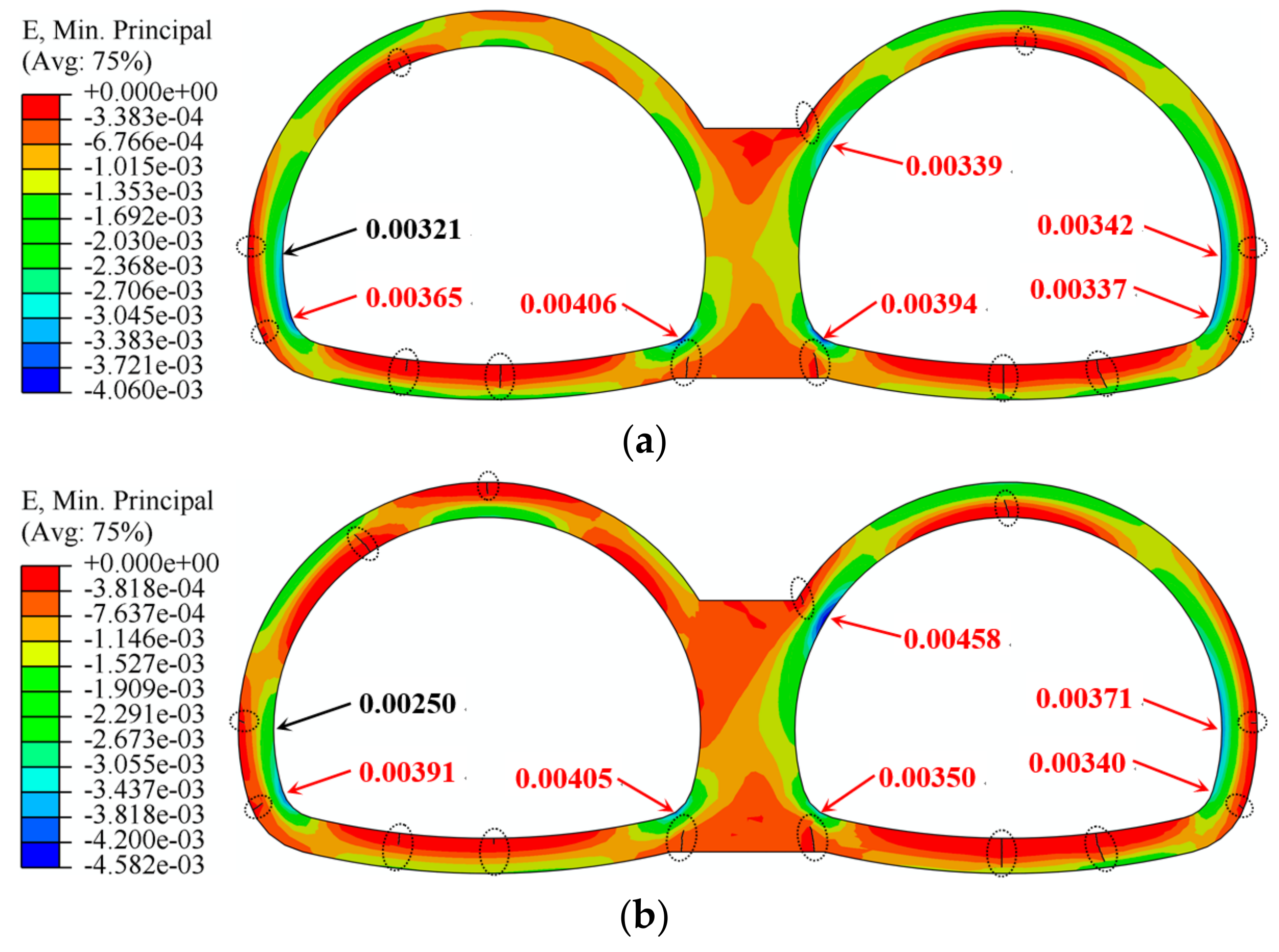
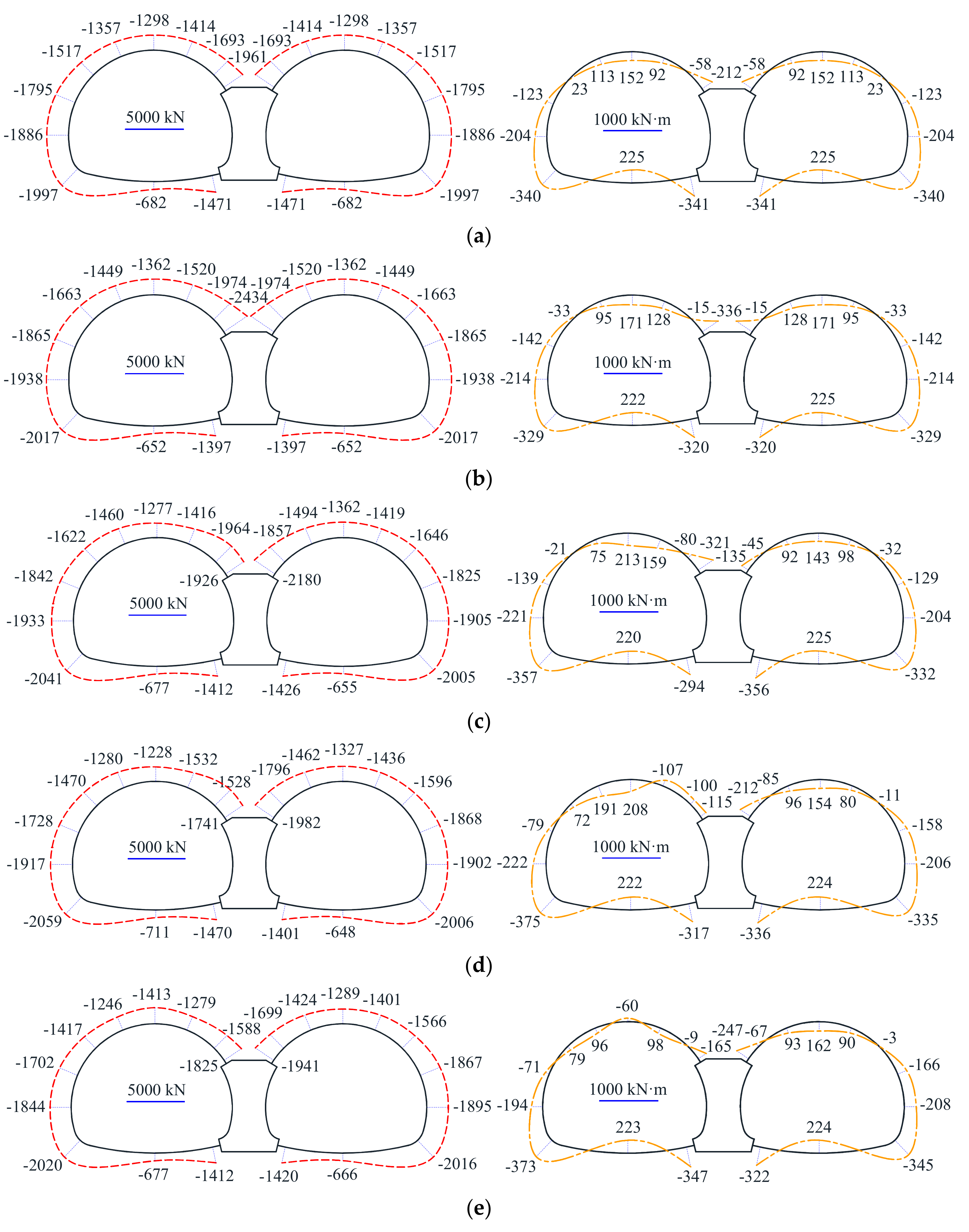
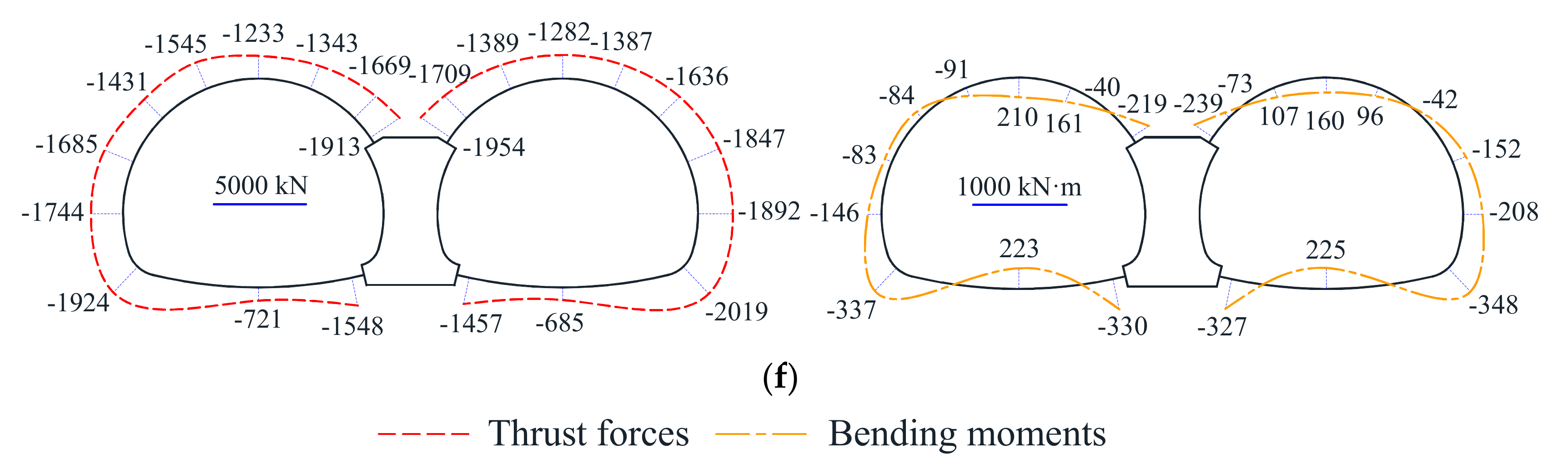
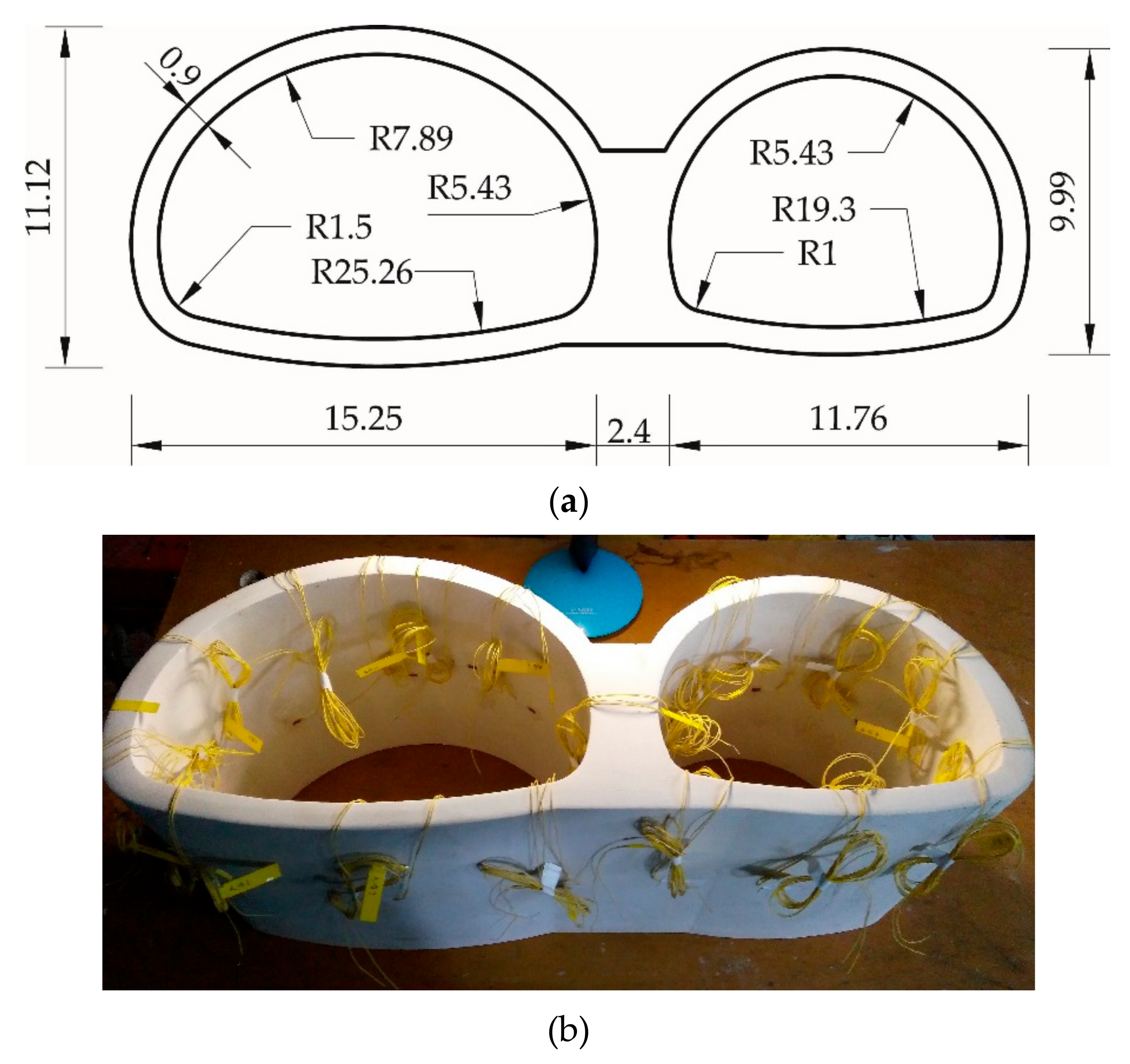
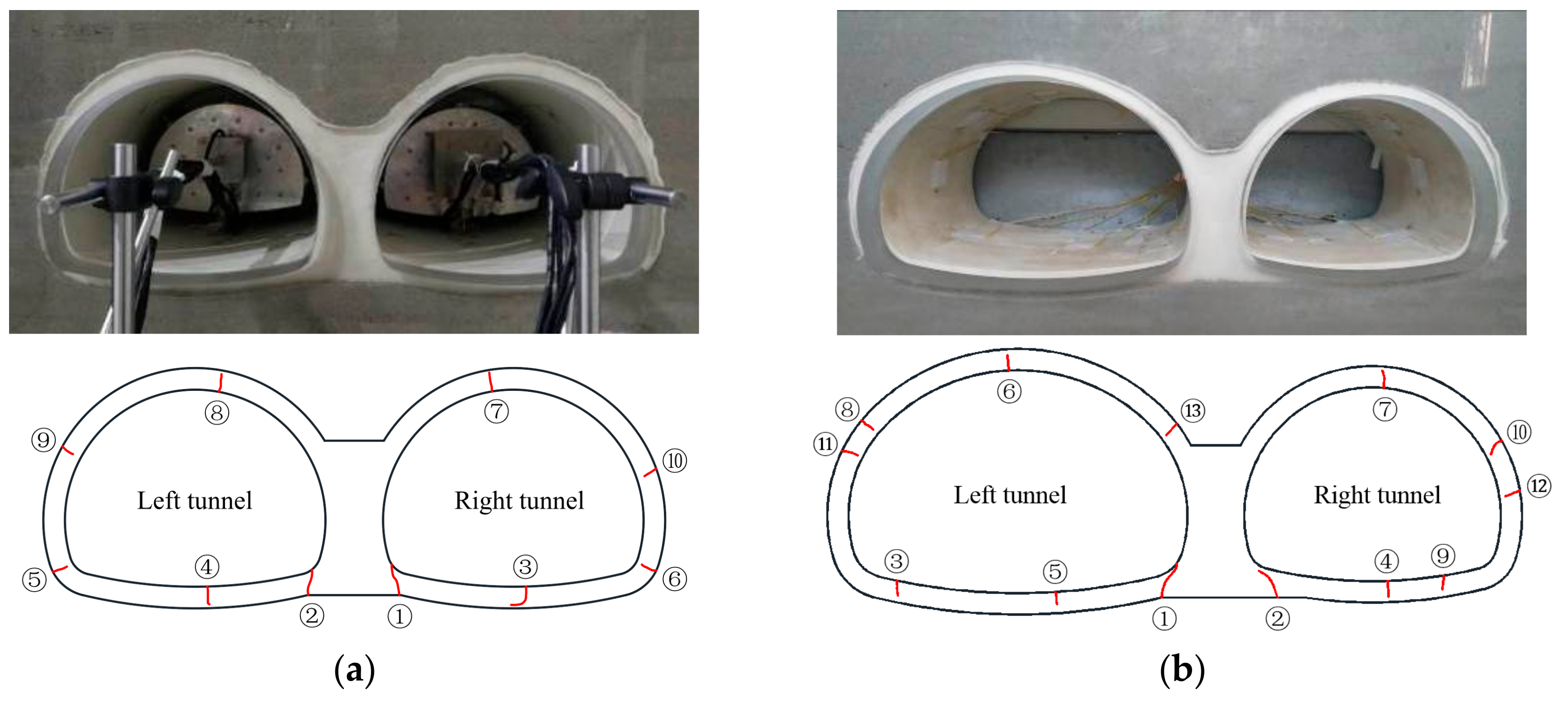
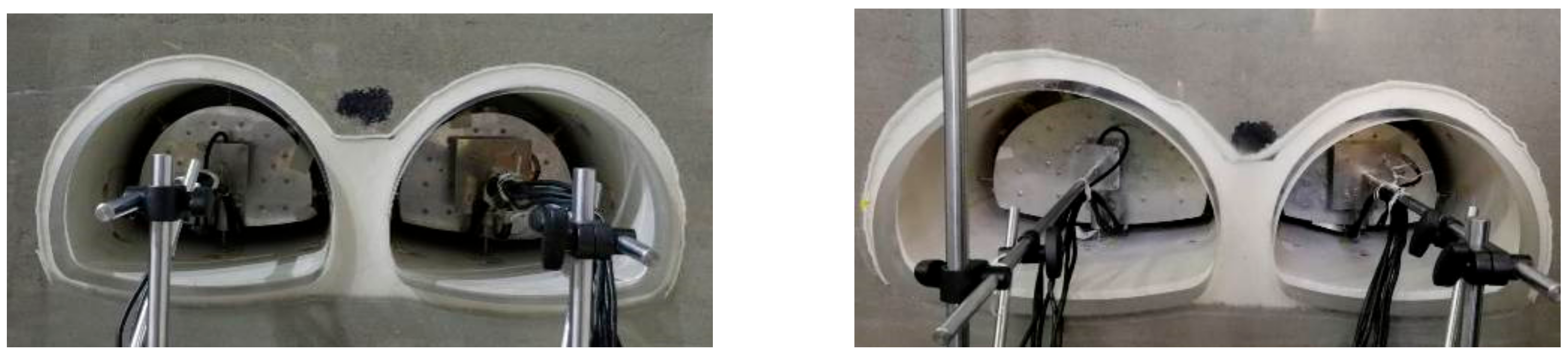
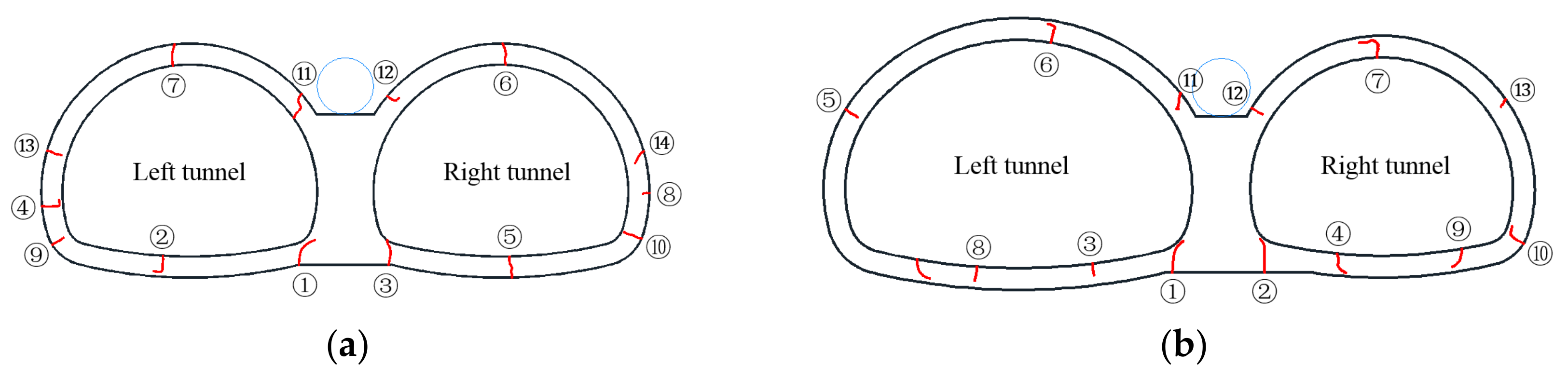
The presence of voids behind lining seriously affects the safety of the symmetrical double-arch tunnels during service life. It is essential to find out the impact of voids on tunnel safety due to the increasing demand for the construction and maintenance of symmetrical double-arch tunnels. Model tests and numerical analyses were conducted in this research. The results attained were explored including earth pressure, internal force, and lining failure. Results reveal that the presence of voids has a large influence on the internal force in the lining of symmetrical double-arch tunnels, generally in the form of asymmetrical failure patterns of the lining. The failure patterns of the lining are greatly influenced by the size and location of voids with respect to the symmetrical double-arch tunnel circumference. Significant changes in the lining internal forces were found at the areas in the close vicinity of the void whereas a few changes were found at the bottom of the sidewall, the invert, and the central wall far away from the void. The propagation laws of lining cracks of asymmetrical double-arch tunnels are more complicated than symmetrical tunnels with a void behind the central wall. The location of the initial cracking of symmetrical and asymmetrical double-arch tunnels is the same, while the lining failure of the large-section tunnel is the most complicated.
Keywords: symmetrical double-arch tunnel; void behind lining; internal forces; lining failure symmetrical double-arch tunnel; void behind lining; internal forces; lining failure