


Article

Research on the Impact of Agricultural Socialized Services on Agricultural Economic Resilience—From the Perspectives of Agricultural Product Import Dependence and Agricultural Operation Scale
College of Economics and Management, Beijing Forestry University, Beijing 100083, China
*
Author to whom correspondence should be addressed.
These authors contributed equally to this work.
Land 2026, 15(7), 1174; https://doi.org/10.3390/land15071174
Submission received: 25 May 2026 / Revised: 23 June 2026 / Accepted: 26 June 2026 / Published: 29 June 2026

Abstract

Agricultural socialized services (ASS) play an important role in connecting smallholders with modern agriculture and in strengthening agricultural economic resilience (AER). Using panel data from 30 Chinese provinces for 2011–2022, this study applies two-way fixed-effects, mediation, and threshold models to examine the effect of ASS on AER and the associated mechanisms. The results show that: (1) ASS significantly enhances AER, and this finding remains robust after excluding municipalities and the COVID-19 period; (2) the positive effect of ASS is more pronounced in non-major grain-producing regions than in major grain-producing regions; (3) ASS strengthens AER by reducing agricultural product import dependence and expanding agricultural operation scale; and (4) agricultural industrial restructuring exhibits a threshold effect, with the effect of ASS becoming positive when the restructuring coefficient exceeds 0.0057. Based on these findings, this study recommends improving the agricultural socialized service system, strengthening domestic agricultural supply capacity, diversifying supply channels, promoting land transfer and moderate-scale operations, and aligning service policies with regional industrial restructuring.

1. Introduction

Amid deepening globalization, intensifying climate-related disruptions, and frequent market volatility, maintaining the stable operation of agricultural economic systems has become a central concern in agricultural policy worldwide. In China, where agriculture remains dominated by small-scale producers, efforts to strengthen AER face two structural challenges. Fragmented household operations constrain production efficiency and weaken the capacity to withstand external shocks, while tightening resource and environmental constraints, more frequent extreme weather events, and sharp price fluctuations increase uncertainty within agricultural systems. Improving AER can buffer short-term shocks and support long-term sustainable development. It is also closely related to national security, macroeconomic stability, and rural well-being. Accordingly, building a resilient agricultural sector has attracted growing attention from policymakers and scholars [1].
Against the background of an increasingly specialized agricultural division of labor, ASS spans the entire production chain, including pre-production technical consultation and input provision, in-production mechanized operations and pest control, and post-harvest procurement, processing, and marketing. These services support China’s agricultural modernization and contribute to the development of a more robust agricultural system [2]. National policy documents have also identified agricultural socialized services as an important mechanism for linking smallholders with modern agriculture, improving agricultural management systems, and safeguarding food security. Recent studies show that ASS can increase household income, particularly non-agricultural income, although the gains may be smaller for smallholders than for large-scale operators [3]. Pilot policies for ASS may also reduce agricultural carbon-emission intensity and support the low-carbon transformation of rural areas [4]. In addition, ASS can improve agricultural green total factor productivity by facilitating farmland-scale operations, promoting specialized labor allocation, and encouraging the adoption of environmentally friendly technologies [5]. ASS may further improve farmers’ welfare through labor reallocation and higher grain yields [6]. By introducing modern technologies and management practices, these services can support more standardized and intensive agricultural production and strengthen the capacity of agricultural systems to adapt to external shocks.
The concept of resilience originated in physics and was later introduced into economic research as global economic integration deepened [7]. Economic resilience generally refers to both the capacity of an economic system to withstand external disturbances while maintaining stable operation and its ability to adapt through timely and effective adjustment [8]. As the literature has developed, the resilience perspective has increasingly been applied to agricultural economics. Sun et al. [9] define AER as the capacity of an agricultural system to withstand external shocks; limit losses in production, ecological, and economic activities; and restore its functioning through internal adjustment. This capacity encompasses pre-shock prevention, resistance during a shock, and post-shock recovery. Existing studies have identified several determinants of AER. Agricultural technological innovation may strengthen resilience by optimizing industrial structures and increasing labor productivity [1]. Agricultural digital transformation also has a significant positive effect, with stronger effects in major grain-producing regions than in non-major grain-producing regions [10]. Climate warming, by contrast, may weaken AER, while fiscal support for agriculture can partly offset this adverse effect [10]. Recent studies have also examined the relationship between socialized services and AER. Zhang et al. [11] focus on agricultural machinery socialization services, whereas [12] analyze the broader effect of socialized services on AER using Chinese provincial panel data, two-way fixed-effects models, mediation analysis, and a threshold model. Related research examines the contribution of new agricultural business entities to grain-production resilience [13]. These studies provide an important foundation for the present research. Further investigation is nevertheless warranted into additional transmission channels, particularly agricultural product import dependence, and the conditions under which ASS operates across different regional and industrial structures.
Building on the existing literature, this study examines the relationship between ASS and AER and the potential transmission mechanisms. It makes three main contributions. First, it introduces agricultural product import dependence and agricultural operation scale as mediating variables, with particular attention to import dependence as a channel linking domestic agricultural service capacity to external supply risks. Second, it uses a threshold model to examine whether the relationship between ASS and AER varies with adjustments in the agricultural industrial structure. Third, it compares major and non-major grain-producing regions to identify regional heterogeneity. These analyses provide additional evidence on the mechanisms and boundary conditions of the ASS–AER relationship.

2. Theoretical Analysis and Research Hypotheses

Based on the above analysis and drawing on the definitions from relevant studies, this research defines AER as the ability of the agricultural economic system to resist external disturbances and maintain its inherent stability [14]. Meanwhile, ASS are defined as the process in which agricultural producers adopt various socialized service resources (including production materials, technical guidance, financial support, etc.) to carry out production activities, realize factor optimization allocation, and promote agricultural modernization transformation [15]. The core connotation of the two definitions is consistent with the academic norms of agricultural economic research, and the expression is rigorous and standardized, which is suitable for being directly used in the theoretical analysis part of the thesis. The key terms (AER, ASS) are kept consistent with the previous translation logic, avoiding the confusion of professional concepts.

2.1. The Direct Impact of ASS on AER

ASS plays an important role in connecting smallholders with modern agriculture. From a theoretical perspective, AER is reflected in the capacity of an agricultural system to maintain stable production, recover rapidly, and adapt to external shocks. ASS may strengthen this capacity through the following three channels.
First, ASS may generate an industrial agglomeration effect and thereby enhance AER. Agricultural industrial agglomeration has a significant positive effect on AER [16]. By integrating production factors such as land, capital, and technology, ASS can promote the formation of regionalized and specialized production clusters. Such agglomeration may reduce individual farmers’ production costs and strengthen the risk-bearing capacity of the agricultural economic system through shared infrastructure, technology platforms, and market information. ASS-driven clusters may also attract skilled labor and advanced technologies to rural areas, providing long-term support for AER.
Second, ASS may generate technology spillovers and thereby enhance AER. ASS provides important intermediate inputs for agricultural production, and its contribution to technical efficiency operates through two channels. On the one hand, ASS can transmit human and knowledge capital into the production process, increase agricultural output, and facilitate the efficient use of capital inputs [17]. On the other hand, service providers often possess advanced technologies and management experience that can be transferred to agricultural producers, thereby improving production efficiency and product quality. Agricultural digitalization is also spatially correlated with farmers’ income growth and exhibits significant spillover effects [18]. Technology spillovers can therefore improve producers’ technical capabilities and strengthen the adaptability of agricultural systems to technological change and market competition.
Third, ASS may facilitate labor reallocation and thereby enhance AER. By providing specialized production services, ASS can release part of the labor force from agricultural production and enable workers to move into activities with higher returns. ASS can reduce agricultural labor inputs while increasing labor productivity [19]. Labor reallocation may also broaden farmers’ income sources and improve the diversification and stability of the agricultural economy. In addition, it may contribute to adjustments in the rural population structure and support broader rural development. Based on the above analysis, the following hypothesis is proposed:
H1. 
ASS has a positive effect on AER.

2.2. The Transmission Mechanism of ASS on AER

Planting, harvesting, and processing services have important implications for food security. China’s agricultural import relationships are often short-lived, and their survival rate declines as their duration increases, indicating limited resilience to risk. When domestic agricultural products are supplied in sufficient quantity and quality and remain price-competitive, they can substitute for comparable imported products. An agricultural economic system with a moderate and manageable level of import dependence is more autonomous and stable and is therefore better able to withstand external shocks. The following hypothesis is proposed:
H2. 
ASS enhances AER by reducing agricultural product import dependence.
ASS can expand the scale of agricultural operations and thereby enhance AER. Large-scale operation is an important means of improving agricultural competitiveness [20,21,22]. Policy-based agricultural insurance may strengthen AER by promoting large-scale farming, adjusting crop-planting structures, and improving agricultural total factor productivity [23]. The provision of ASS can improve both the economic performance and green-production practices of large-scale farmers and increase per capita household income [24]. New agricultural business entities also have considerable potential to strengthen grain-production resilience [13]. By easing farmers’ constraints in labor, technology, and other resources, ASS can facilitate land-scale operations [25]. Large-scale management can improve resource-use efficiency and total factor productivity while strengthening agricultural operators’ capacity to respond to price volatility, climate change, and market risk. It can also support a production system with greater adaptability, recovery capacity, and transformative potential by optimizing factor allocation and improving coordination along the agricultural value chain. The following hypothesis is proposed:
H3. 
ASS enhances AER by expanding the scale of agricultural operations.

2.3. Threshold Characteristics of ASS Affecting AER

Subject to adjustments in the agricultural industrial structure, the effect of ASS on AER may exhibit a threshold. Rural industrial integration can strengthen AER by upgrading the industrial structure, extending agricultural value chains, and stimulating technological innovation [26]. In this study, the agricultural industrial restructuring coefficient is defined as the share of the output value of services for agriculture, forestry, animal husbandry, and fishery in the total output value of these sectors. When this coefficient is low, the positive effect of ASS on AER may be limited or may fail to emerge. At a low coefficient, specialized division of labor and economies of scale may not yet have developed, resulting in limited coverage of production services, weak organization among service providers, and a mismatch between service content and value-chain demand. Under these conditions, links among production stages remain weak, limiting the role of socialized services in resource integration and efficiency improvement. As the coefficient increases, the positive effect of ASS on AER may become stronger. Agricultural industrial agglomeration can generate economies of scale and improve AER [15]. Rural industrial integration may further enhance AER by promoting agglomeration, optimizing the agricultural industrial structure, and improving production efficiency [27]. Digital rural development and industrial upgrading also have significant positive effects on AER [28]. Moreover, the advancement and rationalization of the industrial structure constitute important channels through which the digital economy strengthens AER [29]. Based on the above analysis, the following hypothesis is proposed:
H4. 
The effect of ASS on AER exhibits threshold characteristics depending on agricultural industrial restructuring.
Figure 1 is the theoretical analysis framework diagram of this study.

3. Research Design and Data

3.1. Data Sources

This study uses data for 30 provincial-level administrative regions in China, excluding Hong Kong, Macao, Taiwan, and Xizang, over the period 2011–2022. The data are mainly drawn from the China Statistical Yearbook, the China Rural Statistical Yearbook, provincial statistical yearbooks, publications of the National Bureau of Statistics and the Ministry of Agriculture and Rural Affairs, and official databases such as the China Patent Information Center. A small number of missing observations are interpolated. The software used in this study is Stata 17.

3.2. Model Construction

3.2.1. Benchmark Model

To examine the effect of ASS on AER, the following benchmark regression model is specified:
AERit = β0 + β1ASSit + ΣβControlit + μi + νt + εit
where i indexes provinces and t indexes years. AERit denotes agricultural economic resilience, ASSit denotes agricultural socialized services, and β1 is the coefficient of interest, capturing the effect of ASS on AER. Controlit denotes the set of control variables. μi and νt represent province and year fixed effects, respectively, and εit is the random error term.

3.2.2. Mechanism Model

To further examine the mechanisms through which ASS affects AER, the following mediation models are specified:
AERit = β0 + β1ASSit + ΣβControlit + μi + νt + εit
Git = 0 + 1ASSit + Σ∂Controlit + μi + νt + εit
AERit = l0 + l1ASSit + l2Git + ΣlControlit + μi + νt + εit
where Git denotes the mediating variable. Equations (2)–(4) are used to examine whether agricultural operation scale and agricultural product import dependence transmit the effect of ASS on AER.

3.2.3. Threshold Model

To test whether the effect of ASS on AER exhibits threshold characteristics, the following threshold model is specified:
AERit = θ0 + θ1ASSit I(Sitσ) + θ2ASSit I(Sit > σ) + θ3Controlit + εit
Here, Sit denotes the agricultural industrial restructuring coefficient, which serves as the threshold variable; σ is the threshold value; and I(·) is an indicator function. θ1 and θ2 are the estimated coefficients reflecting the effect of agricultural socialized services on AER when the threshold variable is below or above σ. Equation (5) specifies a single-threshold model, and the corresponding double-threshold model is given below:
Resilienceit = θ0 + θ1ASSit I(Sitσ1) + θ2ASSit I(σ1 < Sitσ2) + θ3ASSit I(Sit > σ2) + θ4Controlit + εit

3.3. Indicator Construction

3.3.1. Explained Variable

AER. Following Zhao and Huo [30], this study constructs an indicator system comprising resistance, recovery, and transformation capacities and uses the entropy-weight method to calculate AER. Resistance capacity refers to the ability of an agricultural economic system to absorb or mitigate external shocks while maintaining stable operation and its basic functions. It is important to clarify the theoretical distinction between economic resilience and general agricultural development. In this framework, rural per capita disposable income is not merely a performance metric; it represents the financial buffer and wealth accumulation of rural households, which strictly dictates the system’s resistance capacity against exogenous income shocks. Similarly, agricultural science and technology patents serve as a direct proxy for the system’s transformation capacity. In the face of persistent structural challenges, such as climate change or market saturation, technological innovation provides the adaptive tools necessary to shift production models and maintain long-term systemic stability [1]. Thus, this index moves beyond static development to capture dynamic shock-response capabilities. Table 1 presents the full indicator system for AER.

3.3.2. Core Explanatory Variable

ASS. Following Song [18] and Xue and Ma [31], this study uses the entropy-weight method to construct an ASS index from 12 indicators across five dimensions. It is necessary to explicitly define the conceptual boundary of this index. Beyond direct physical services (e.g., sowing and harvesting), modern ASS encompasses critical supporting elements essential for systematic risk mitigation. Financial support indicators (agriculture-related loans and insurance indemnity) are classified as financial socialization services. Rather than mere policy outcomes, they are market-oriented service mechanisms that transfer risk and ease credit constraints for agricultural operators. Furthermore, indicators like mobile phone ownership reflect the indispensable informational infrastructure required for farmers to access digital socialized services (e.g., remote technical guidance and digital market platforms). By including these dimensions, the index captures the comprehensive nature of modern service provision. Table 2 presents the indicator system for agricultural socialized services.

3.3.3. Mediating Variables

Agricultural product import dependence (APID) and agricultural operation scale (AOS). Following Quan [22], agricultural product import dependence is measured as the ratio of net agricultural product imports to domestic agricultural product consumption, while agricultural operation scale is measured as the ratio of crop sown area to employment in the primary industry.

3.3.4. Threshold Variable

Agricultural industrial restructuring coefficient. Following [32], agricultural industrial restructuring is measured as the share of the output value of services for agriculture, forestry, animal husbandry, and fishery in the total output value of these sectors.

3.3.5. Control Variables

Based on previous studies, five control variables are selected to capture economic development, the ecological environment, and the planting structure. Pesticide application intensity (PAI) is defined as agricultural application rate, converted to pure nutrient content, divided by total crop-sown area. Planting structure (PS) is measured as the share of grain-crop sown area in total crop-sown area. Fiscal support intensity (Fis) is measured as local government expenditure on agriculture, forestry, and water affairs divided by general budget expenditure. The urban–rural income ratio (Income) is calculated as urban per capita disposable income divided by rural per capita disposable income. Forest coverage (Forest) is measured as forest area divided by the total land area of the region.

4. Results

4.1. Benchmark Regression Results

The Hausman test rejects the pooled and random-effects models at the 1% significance level; therefore, the two-way fixed-effects model is used. Table 3 reports the benchmark regression results. Before accounting for potential endogeneity, the coefficient of ASS is positive and statistically significant at the 1% level. Specifically, a one-unit increase in ASS is associated with a 0.016-unit increase in AER. This result supports Hypothesis 1.
One possible explanation is that ASS reduces uncertainty in agricultural production by providing technical guidance, market information, and outsourced production services. These services allow smallholders to obtain some of the benefits of scale and may narrow the production gap between smallholders and large-scale business entities [33]. By combining organized production with large-scale service provision, ASS can amplify the yield benefits of land-scale operations, improve land productivity, and increase total grain output [34]. This model may also improve smallholder productivity and reduce unit production costs, thereby strengthening the capacity of the agricultural system to withstand external shocks. In addition, socialized services can improve the allocation of agricultural production factors and strengthen the recovery and transformation capacities of the agricultural economy. Overall, the results are consistent with the theoretical expectation that ASS contributes to higher AER.

4.2. Robustness Test

4.2.1. Exclusion of Municipalities Directly Under the Central Government

Compared with other provincial-level regions, China’s four centrally administered municipalities have exceptionally high urbanization rates and relatively small agricultural sectors. Their agricultural functions are oriented more toward urban agriculture, leisure and tourism, and ecological security than toward conventional production-oriented agriculture. Consequently, the nature, drivers, and external shocks of AER in these municipalities may differ from those in major agricultural provinces, reducing comparability. The analysis therefore excludes Beijing, Tianjin, Shanghai, and Chongqing and re-estimates the model using the remaining observations. Column (1) of Table 4 shows that the positive relationship between ASS and AER remains statistically significant after these municipalities are excluded, supporting the robustness of the benchmark results.

4.2.2. Sub-Sample Interval Estimation

The COVID-19 pandemic was a severe global exogenous shock that disrupted economic and social activity and may have created a structural break. Following Quan [22], the observations for 2020–2022 are excluded and the model is re-estimated using the remaining sample. Column (2) of Table 4 shows that the coefficient of ASS remains positive and statistically significant. Excluding the pandemic period therefore does not alter the main conclusion.

4.2.3. Endogeneity Test

To address potential endogeneity arising from reverse causality, ASS is lagged by one period and used as an instrumental variable in a two-stage least-squares (2SLS) estimation. In principle, current AER cannot affect the level of ASS in the preceding period. Column (3) of Table 4 reports the results. The Kleibergen–Paap rk statistics reject underidentification and indicate that the instrument is not weak. The estimated coefficient of ASS remains positive and statistically significant, suggesting that the benchmark result is robust to the instrumental-variable specification.

5. Discussion

5.1. Heterogeneity Analysis

According to the classification standard of the National Bureau of Statistics of China, the 13 major grain-producing provinces include Heilongjiang, Henan, Shandong, Anhui, etc., while the remaining 17 provinces in our sample constitute the non-major grain-producing regions.
To examine regional heterogeneity in the effect of ASS on AER, the full sample is divided into major and non-major grain-producing regions, and the model is estimated separately for each group.
The primary function of major grain-producing regions is to safeguard national food security, and economic objectives may therefore be subordinate to strategic security goals. Non-major grain-producing regions, by contrast, may place greater emphasis on economic returns and farmers’ income. These differences in regional functions may shape the focus and effectiveness of ASS. The 30 provinces are therefore divided into major and non-major grain-producing regions to compare the effect of ASS on AER across the two groups.
Table 5 reports the subgroup results. In non-major grain-producing regions, the coefficient of ASS is positive and statistically significant. In major grain-producing regions, the coefficient is also positive but is not statistically significant. One possible explanation is that the two groups pursue different development objectives. Agricultural production in non-major grain-producing regions may be more market-oriented, allowing socialized services to strengthen adaptive and recovery capacity by integrating value chains, improving resource allocation, and reducing transaction costs and market risk. In major grain-producing regions, AER may depend more heavily on national institutional arrangements. Minimum purchase prices, agricultural production subsidies, and disaster-relief policies may provide an additional buffer against external shocks.

5.2. Mediation Effect Analysis

5.2.1. Agricultural Product Import Dependence

First, the total effect of ASS on AER is examined. As shown in Column (1) of Table 6, the estimated coefficient of ASS is 0.0160 and is statistically significant at the 1% level. This result indicates a positive total effect of ASS on AER and satisfies the first step of the mediation analysis.
Second, the effect of ASS on agricultural product import dependence is examined. Column (2) of Table 6 shows that the estimated coefficient of ASS is −6.206 and is statistically significant at the 5% level, indicating a negative relationship between ASS and import dependence. This result suggests that improvements in ASS may reduce a region’s reliance on imported agricultural products. One possible explanation is that local ASS improves domestic production efficiency, supply-chain management, and the market competitiveness of local agricultural products, thereby reducing dependence on international markets.
Third, ASS and agricultural product import dependence are included simultaneously in the AER equation. As shown in Column (3) of Table 6, the coefficient of ASS decreases to 0.0117 but remains statistically significant at the 1% level, indicating that ASS retains a direct effect on AER. The coefficient of agricultural product import dependence is −0.00069 and is statistically significant at the 1% level. This result indicates that higher import dependence is associated with lower AER, suggesting that excessive reliance on imports may weaken the stability and risk-bearing capacity of the agricultural economic system.
Based on the coefficients from the three regression steps, the estimated mediation effect is 0.0043, accounting for 26.8% of the total effect. These results indicate that agricultural product import dependence plays a partial mediating role in the relationship between ASS and AER. ASS may therefore strengthen AER both directly and indirectly by reducing agricultural product import dependence. This finding identifies reduced external dependence as a potential transmission channel.

5.2.2. Agricultural Operation Scale

First, as noted above, the total effect of ASS on AER is statistically significant (coefficient = 0.0160, p < 0.01), satisfying the first step of the mediation analysis.
Second, the effect of ASS on agricultural operation scale is examined. As shown in Column (4) of Table 6, the estimated coefficient of ASS is 14.620 and is statistically significant at the 1% level. This result indicates that ASS is positively associated with agricultural operation scale. By providing coordinated, specialized, and efficient production services, ASS may alleviate some of the scale disadvantages faced by smallholders. Such services can also facilitate land transfer, large-scale service provision, and more concentrated production, thereby expanding the overall scale of agricultural operations.
Third, ASS and agricultural operation scale are included simultaneously in the AER equation. As shown in Column (5) of Table 6, the coefficient of ASS decreases to 0.0131 but remains statistically significant at the 1% level, indicating that ASS retains a direct effect on AER. The coefficient of agricultural operation scale is 0.000197 and is also statistically significant at the 1% level. This result indicates a positive association between agricultural operation scale and AER. Consistent with economies-of-scale theory, larger-scale operations may reduce average production costs, improve resource-use efficiency, strengthen market bargaining power, and increase the capacity to withstand systemic risk.
Based on the three-step regression results, the estimated mediation effect is 0.0029, accounting for 18.05% of the total effect. Agricultural operation scale therefore plays a partial mediating role in the relationship between ASS and AER. ASS may strengthen AER both directly and indirectly by expanding the scale of agricultural operations. This result identifies scale expansion as another potential channel through which ASS supports agricultural modernization and resilience.

5.3. Threshold Effect

Table 7 reports the threshold-effect tests. The F-statistic for the single-threshold model is 34.45, with a corresponding p-value of 0.0233, and exceeds the 5% critical value of 29.19. By contrast, the double-threshold effect is not statistically significant (F = 5.56; p = 0.8033). These results support a single-threshold specification, with an estimated threshold value of 0.0057. The estimated relationship between ASS and AER can therefore be divided into two regimes according to whether the agricultural industrial restructuring coefficient is below or above 0.0057.
Using the estimated threshold value, the threshold regression model is then estimated. Table 8 reports the results for the two regimes.
“The estimated threshold value of 0.0057 represents a critical tipping point in rural industrial integration. Economically, this implies that when the service sector’s share in the broader agricultural output is exceedingly low (below 0.57%), a ‘critical mass’ of market coordination has not been reached. In this low industrial-structure regime (s ≤ 0.0057, containing 135 observations), the lack of necessary infrastructure and matching mechanisms causes socialized services to operate inefficiently, imposing transaction costs that outweigh the resilience benefits, hence the significant negative coefficient (−0.031).
However, in the high industrial-structure regime (s > 0.0057, containing 225 observations), network effects activate. The deeper integration of farming, forestry, and fisheries creates broader, more sustainable demand for services, allowing ASS to effectively integrate into modern value chains and positively strengthen AER (coefficient = 0.015, p < 0.01).”
The threshold model identifies agricultural industrial restructuring as an important condition shaping the effect of ASS. The estimated effect changes from negative to positive as the restructuring coefficient crosses the threshold, thereby supporting Hypothesis 4. This result suggests that policy design should be systematic and phased. In regions with less-developed industrial structures, policy should prioritize the coordination of industrial upgrading and service-model innovation, align service provision with farmers’ needs, and avoid resource misallocation caused by uniform service expansion. In regions with more-developed industrial structures, authorities can further improve the socialized service system and strengthen its contribution to AER.

6. Conclusions

Using two-way fixed-effects, mediation, and panel threshold models, this study examines the effect of ASS on AER across 30 Chinese provincial-level regions from 2011 to 2022. Four main conclusions emerge. First, ASS significantly strengthens AER, and this finding remains robust across the additional tests. Second, the effect varies across regions and is more pronounced in non-major grain-producing regions. Third, ASS enhances AER by reducing agricultural product import dependence and expanding agricultural operation scale. Fourth, agricultural industrial restructuring has a significant single-threshold effect: once the restructuring coefficient exceeds 0.0057, the effect of ASS becomes positive.
Based on these findings, four policy implications are proposed. First, the ASS system should be further developed. Through policy guidance and fiscal support, local governments can encourage service providers, improve service quality and coverage, and strengthen financial support for AER. Strategies should also reflect regional resource endowments and industrial characteristics. Major grain-producing regions should prioritize specialized and large-scale services, whereas non-major grain-producing regions may benefit more from diversified and flexible service provision. Second, domestic agricultural supply capacity should be strengthened and supply channels diversified. Improving ASS can increase domestic production capacity by raising efficiency and improving supply-chain management, while a diversified supply system can reduce the risks associated with excessive dependence on a single import channel. Third, land transfer and moderate-scale operation should be promoted. Technical support and market-linkage services can help smallholders overcome scale disadvantages and adopt more intensive and market-oriented production. Family farms, farmer cooperatives, and other new agricultural business entities should also be supported, while ecological constraints should be considered as operation scale expands. Fourth, service policies should be aligned with local industrial structures. Regions with less-developed industrial structures should coordinate industrial upgrading with service-model innovation and improve the match between service supply and farmers’ needs. As industrial structures improve, additional investment in socialized service systems and modern service tools can support agricultural productivity, market competitiveness, and AER.

Author Contributions

Conceptualization, Q.D.; methodology, Q.D. and Q.W.; software, Q.D.; validation, Q.D., Q.W. and X.Y.; formal analysis, Q.D.; data curation, Q.D. and X.Y.; writing—original draft preparation, Q.D.; writing—review and editing, Q.D.; visualization, Q.D.; supervision, Y.M. and C.Z.; project administration, C.Z.; funding acquisition, C.Z. All authors have read and agreed to the published version of the manuscript.

Funding

This research was funded by the Fundamental Research Funds for the Central Universities through the project “Research on Natural Forest Protection and Restoration Policies under the Carbon Neutrality Goal” (2023SKY05).

Data Availability Statement

The original contributions presented in this study are included in the article. Further inquiries can be directed to the corresponding author.

Conflicts of Interest

The authors declare no conflicts of interest.

Correction Statement

This article has been republished with a minor correction to the readability of table (2). This change does not affect the scientific content of the article.

References

  1. Yang, H.J.; Zou, Y.; Yuan, J.H. Research on the Impact of Technological Innovation on Agricultural Economic Resilience. Collect. Essays Financ. Econ. 2025, 4, 29–40. [Google Scholar] [CrossRef]
  2. Kong, X.Z.; Li, Y. Mechanism, Practice and Strategies on Promoting the Construction of an Agricultural Power through Socialized Services. Reform 2024, 6, 83–92. [Google Scholar]
  3. Huang, W.H.; Xiao, S.J.; Mi, R.; Yang, C.Y. Effect of socialized agricultural service on smallholder farmers’ income. J. Arid Land Resour. Environ. 2025, 39, 33–44. [Google Scholar] [CrossRef]
  4. Zhou, F.M.; Tang, W.; Peng, L.L. Evaluation of Carbon Reduction Effectiveness of Pilot Policies for Agricultural Socialization Services: Evidence from Quasi Natural Experiments. Resour. Environ. Yangtze Basin 2024, 33, 1918–1928. [Google Scholar]
  5. Leng, L.P.; Zhang, L.G. Impact and Spatial Effects of Agricultural Socialization Services on Agricultural Green Total Factor Productivity. Econ. Geogr. 2025, 45, 151–160, 191. [Google Scholar] [CrossRef]
  6. Zhang, L.G.; Li, Y. Has Agricultural Socialization Service Improved Farmers’ Economic Welfare? J. Jiangxi Univ. Financ. Econ. 2025, 1, 74–85. [Google Scholar] [CrossRef]
  7. Zhang, M.D.; Hui, L.W. Spatial Disparities and Identification of Influencing Factors on Agricultural Efficiency. World Agric. 2022, 1, 36–50. [Google Scholar] [CrossRef]
  8. Jiang, H. Analysis of the Spatial Network Effect on the Resilience of China’s Agricultural Economy. Guizhou Soc. Sci. 2022, 8, 151–159. [Google Scholar] [CrossRef]
  9. Sun, C.; Xia, E.J.; Huang, J.P.; Tong, H.T. Impact of Digital Economy-Agriculture Integration on Agricultural Development. Res. Econ. Manag. 2024, 45, 76–94. [Google Scholar] [CrossRef]
  10. Guo, N.; Lu, T.X.; Zong, H.L. Impact of agricultural digitization on the economic resilience of agriculture. Chin. J. Eco-Agric. 2025, 33, 178–189. [Google Scholar]
  11. Zhang, H.; Bai, X.G.; Zhao, M. How Do Agricultural Machinery Socialization Services Affect Agricultural Economic Resilience: Theoretical Mechanisms and Macro Evidence. J. Agrotech. Econ. 2025, 8, 57–79. [Google Scholar] [CrossRef]
  12. Zhang, H.; Bai, X.G.; Zhao, M. How Socialized Services Affect Agricultural Economic Resilience—Empirical Evidence from China. Agriculture 2024, 14, 1773. [Google Scholar] [CrossRef] [Scilit]
  13. Liu, Q.; Lü, J. Impact of New Agricultural Business Entities on Grain Production Resilience: Evidence from the Scale Threshold of Farmland Transfer. Res. Agric. Mod. 2025, 46, 955–965. [Google Scholar] [CrossRef]
  14. Wang, J.; Li, J.; Wu, H.T.; Jiang, Z.L. Evolution Characteristics of Spatial Correlation Network of China’s Agricultural Economic Resilience and Mechanism Study. Stat. Decis. 2025, 8, 113–120. [Google Scholar] [CrossRef]
  15. Lei, K.; Liang, Y.; Ma, R.; Ruan, J. Logical construction, evaluation and dynamic evolution of socialized agricultural services in China. Issues Agric. Econ. 2024, 45, 117–133. [Google Scholar]
  16. Li, Y.S.; Yan, F.X. The Effect of Agricultural Industry Agglomeration on Agricultural Economic Resilience: A Case Study of 77 Cities in the Middle and Lower Reaches of the Yangtze River. J. Agrotech. Econ. 2025, 4, 38–53. [Google Scholar] [CrossRef]
  17. Yang, Z.; Zhang, J.; Zhu, P.X. Can Specialized Agricultural Services Promote Small Farmers to Be Involved in Modern Agriculture?—Based on the Perspective of Technical Efficiency. J. Agrotech. Econ. 2019, 9, 16–26. [Google Scholar] [CrossRef]
  18. Liu, R.J.; Wang, H. Agricultural Digitalization, Spatial Spillovers and Farmers’ Income Growth. Chin. J. Agric. Resour. Reg. Plan. 2025, 47, 223–234. Available online: https://link.cnki.net/urlid/11.3513.S.20250328.1508.016 (accessed on 8 September 2025).
  19. Song, W. Research on the Effectiveness and Mechanisms of Social Service Levels in Enhancing Agricultural Productivity. Master’s Thesis, Shandong Agricultural University, Shandong, China, 2024. [Google Scholar] [CrossRef]
  20. Crowder, D.W.; Reganold, J.P. Financial competitiveness of organic agriculture on a global scale. Proc. Natl. Acad. Sci. USA 2015, 112, 7611–7616.21. [Google Scholar] [CrossRef] [Scilit] [PubMed]
  21. Tian, Q.S.; Li, C.G.; Yu, Y. Resilience of Major Agricultural Import Relationships and Its Driving Factors in China: Based on the Dual Perspective of Risk Resistance and Recovery. World Agric. 2024, 7, 45–57. [Google Scholar] [CrossRef]
  22. Zheng, Y.Y.; Luo, J.L. Study on the Mechanism of Resolving the Potential Risks of Agricultural Large-Scale Operation—Based on the Perspective of “Trinity” Agricultural Cooperative System. Reform Econ. Syst. 2020, 3, 80–86. [Google Scholar]
  23. Quan, T.S.; Li, J.; Zhang, H. Has policy-guided agricultural insurance improved the agricultural economic resilience?—Based on the quasi-natural experiment of full cost insurance and income insurance pilot. J. Hunan Agric. Univ. (Soc. Sci.) 2024, 25, 18–26. [Google Scholar] [CrossRef]
  24. Cao, T.Y.; Zhou, W. Dual Organization: The Performance Improvement Path of Large-scale Farmers’ Participation in Socialized Services: Based on the Case Study of “Family Farm Service Alliance”. Issues Agric. Econ. 2023, 3, 111–122. [Google Scholar] [CrossRef]
  25. Yang, Z.; Rao, F.P.; Zhu, P.X. The Impact of Specialized Agricultural Services on Land Scale Management: An Empirical Analysis from the Perspective of Farmers’ Land Transfer-in. Chin. Rural Econ. 2019, 3, 82–95. [Google Scholar]
  26. Qin, F.; Liu, J.; Sun, B.D. Research on the Impact of Rural Industrial Integration on Agricultural Economic Resilience—Empirical Evidence from the National Rural Industrial Integration Pilot Policy. World Agric. 2025, 1–15. [Google Scholar] [CrossRef] [Scilit]
  27. Meng, W.F.; Wang, Y.L.; Zhang, G.M. Enhancing Impact and Mechanism of Rural Industrial Integration on Agricultural Economic Resilience: Research on the Construction of National Rural Industrial Integration Demonstration Parks. Econ. Rev. J. 2025, 7, 76–89. [Google Scholar] [CrossRef]
  28. Deng, J.Q.; Li, X.; Zhang, N. The impact of digital rural construction on rural revitalization—Empirical evidence from Chinese county panel data. Land 2024, 14, 1903. [Google Scholar] [CrossRef] [Scilit]
  29. Zhao, W.; Xu, S.W. Effect and Mechanism of Digital Economy on the Resilience of Agricultural Economy. J. South China Agric. Univ. (Soc. Sci. Ed.) 2023, 22, 87–96. [Google Scholar] [CrossRef]
  30. Zhao, L.G.; Huo, Y.J. New Quality Productivity Enhances the Resilience of the Agricultural Economy: Mechanism Analysis and Implementation Pathways. J. Hubei Univ. (Philos. Soc. Sci.) 2025, 52, 164–173. [Google Scholar] [CrossRef]
  31. Xue, R.; Ma, F.C. Evaluation and Analysis of the Development Level of Agricultural Social Services in Heilongjiang Province. J. Anhui Agric. Sci. 2024, 52, 199–201. [Google Scholar]
  32. Cao, F.; Nie, Y. Industrial Convergence, Upgrading of Agricultural Industry Structure and Farmers’ Income Increase: An Empirical Analysis of County Panel Data in Hainan Province. Issues Agric. Econ. 2021, 8, 28–41. [Google Scholar] [CrossRef]
  33. Mu, Y.Y.; Zhang, Z.X. Socialized Services Promote High-Quality Agricultural Development: Internal Logic, Practical Challenges, and Policy Optimization. Soc. Sci. J. 2025, 4, 158–165. [Google Scholar]
  34. Li, Y.M.; Wang, D.Q.; Guo, L.; Tong, G.J. Research on the grain production increase effect of large scale agricultural socialized services: Evidence from Heilongjiang agricultural reclamation. Chin. J. Agric. Resour. Reg. Plan. 2025, 46, 81–90. [Google Scholar]
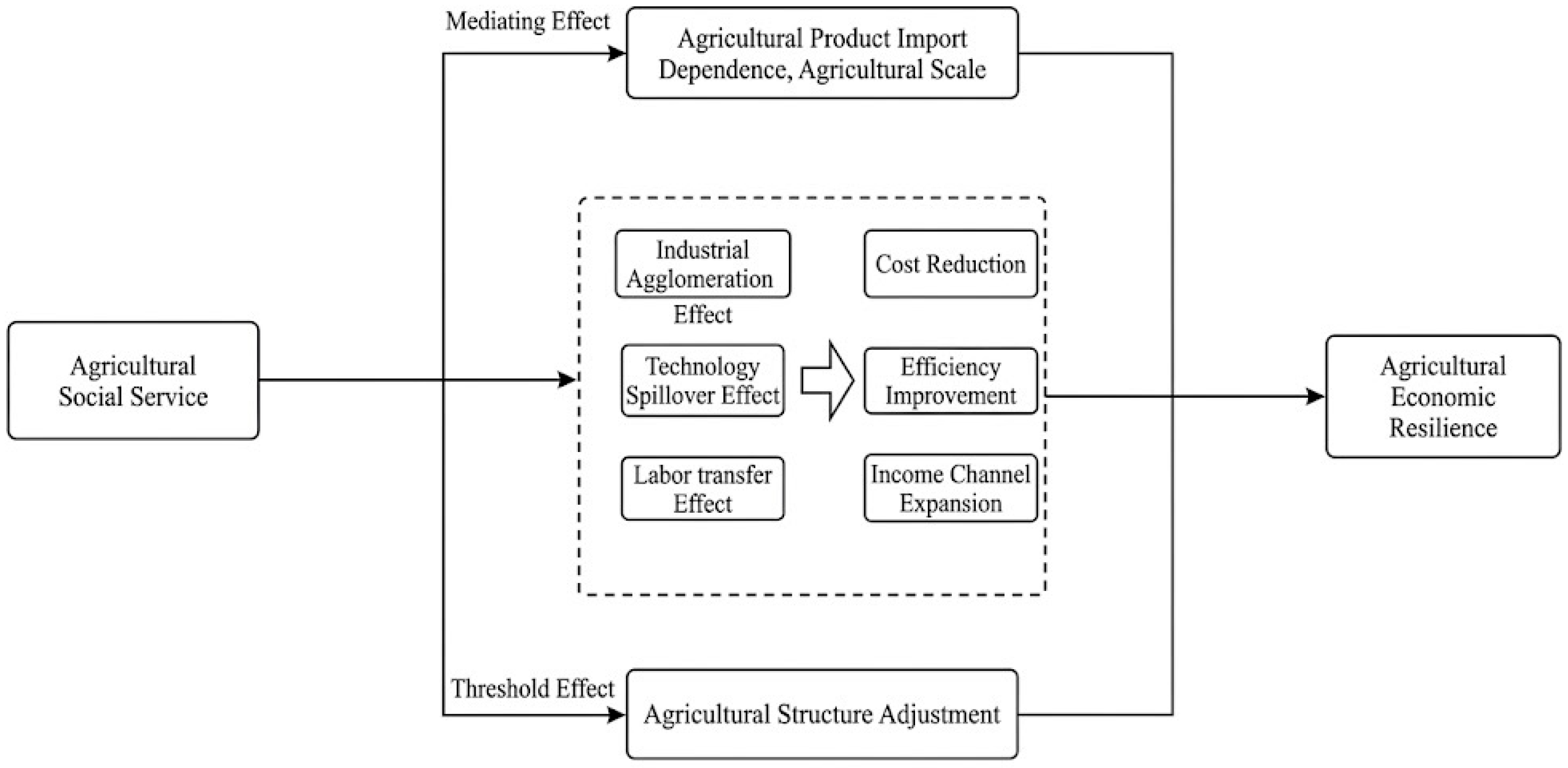
Figure 1. Theoretical Analysis Framework.
Land 15 01174 g001
Table 1. Evaluation Indicator System of AER.
Target LayerCriterion LayerIndicator LayerIndex
Direction
Agricultural Economic AERResistance CapacityPer capita disposable income of rural residents+
Crop Disaster-Affected Rate
Recovery CapacityArea under Soil-Erosion Control+
Multiple Cropping Index+
Transformation
Capacity
Rural Electricity Generation+
Number of Agricultural Science and Technology Patents+
Table 2. Evaluation Indicator System of ASS Level.
Target LayerCriterion LayerIndicator LayerIndex
Direction
Agricultural Socialized
Services
Sowing ServiceEffective Irrigated Area+
Machine-sown Area+
Machine-cultivated Area+
Agricultural Plastic Film Consumption
Harvesting ServiceNumber of Mobile Threshers+
Number of Combine Harvesters+
Processing ServiceOutput Value of Agricultural Product Processing Industry+
Financial SupportAgriculture-related Loans+
Agricultural Insurance Indemnity
Expenditure
+
Technical ServiceTownship Cultural Stations+
Mobile Phone Ownership+
Number of Agricultural
Meteorological Observation Stations
+
Table 3. Benchmark Regression Results of ASS on AER.
(1)(2)
ASS0.017 ***
(0.005)
0.016 ***
(0.004)
PAI −0.000 ***
(0.000)
PS −0.011 ***
(0.004)
Fis −0.014
(0.010)
Income −0.004 **
(0.002)
Forest −0.006
(0.014)
Year Fixed EffectsYesYes
Province Fixed EffectsYesYes
_cons0.017 ***
(0.001)
0.041 ***
(0.008)
N360360
R20.4040.404
Standard errors in parentheses; ** p < 0.05, *** p < 0.01.
Table 4. Robustness and Endogeneity Tests.
(1)(2)(3)
ASS0.010 **
(0.004)
0.022 ***
(0.006)
0.053 ***
(0.003)
PAI−0.000
(0.000)
−0.000 *
(0.000)
−0.000 ***
(0.000)
PS−0.026 ***
(0.004)
−0.011 ***
(0.004)
−0.018 ***
(0.003)
Fis−0.007
(0.009)
−0.018 *
(0.011)
−0.133 ***
(0.012)
Income0.005 **
(0.002)
−0.009 ***
(0.003)
0.004 ***
(0.001)
Forest0.058 ***
(0.015)
−0.021 (0.013)0.018 ***
(0.002)
Kleibergen–Paap rk LM 77.763 ***
Kleibergen–Paap rk Wald F 87.555 [16.38]
Year Fixed EffectsYesYesYes
Province Fixed EffectsYesYesYes
_cons0.003
(0.009)
0.059 ***
(0.010)
0.020 ***
(0.004)
N312270330
R20.5770.3490.620
Standard errors in parentheses; * p < 0.1, ** p < 0.05, *** p < 0.01.
Table 5. Heterogeneity Analysis.
(1)
Major Grain-Producing
Regions
(2)
Non-Major Grain-Producing
Regions
ASS0.007
(0.006)
0.018 **
(0.007)
PAI−0.001 ***
(0.000)
−0.000
(0.000)
PS−0.033 ***
(0.007)
0.002
(0.005)
Fis−0.001
(0.013)
−0.028 **
(0.014)
Income0.004
(0.003)
−0.011 ***
(0.002)
Forest−0.062 *
(0.032)
0.003
(0.016)
Year Fixed EffectsYesYes
Province Fixed EffectsYesYes
_cons0.065 ***
(0.016)
0.049 ***
(0.010)
N156204
R20.6150.450
Standard errors in parentheses; * p < 0.1, ** p < 0.05, *** p < 0.01.
Table 6. Mediation Effect Test.
(1)
AER
(2)
APID
(3)
AER
(4)
AOS
(5)
AER
ASS0.016 ***
(0.004)
−6.206 **
(2.777)
0.012 ***
(0.004)
14.620 ***
(4.319)
0.013 ***
(0.004)
PAI−0.000 ***
(0.000)
0.045
(0.028)
−0.000 **
(0.000)
0.061
(0.043)
−0.000 ***
(0.000)
PS−0.011 ***
(0.004)
−9.872 ***
(2.524)
−0.018 ***
(0.004)
3.812
(3.926)
−0.012 ***
(0.004)
Fis−0.014
(0.010)
7.542
(6.375)
−0.009
(0.009)
24.666 **
(9.915)
−0.019 *
(0.010)
Income−0.004 **
(0.002)
8.666 ***
(1.262)
0.002
(0.002)
−2.568
(1.963)
−0.004 *
(0.002)
Forest−0.006
(0.014)
26.099 ***
(8.760)
0.012
(0.013)
−21.069
(13.624)
−0.002
(0.014)
APID −0.001 ***
(0.000)
AOS 0.000 ***
(0.000)
Year Fixed
Effects
YesYesYesYesYes
Province Fixed EffectsYesYesYesYesYes
_cons0.041 ***
(0.008)
−25.608 ***
(5.285)
0.024 ***
(0.008)
13.017
(8.219)
0.039 ***
(0.008)
N360360360360360
R20.4040.2620.5150.3710.426
Standard errors in parentheses; * p < 0.1, ** p < 0.05, *** p < 0.01.
Table 7. Number and Estimated Values of Threshold Effects.
Threshold TypeF-Statisticp-Value10%5%1%Estimated Threshold
Single threshold34.450.023325.210929.188540.71950.0057
Double threshold5.560.803325.988130.270542.22760.0035
Table 8. Threshold Effect Analysis of ASS on AER.
(1)
Coefficient
(2)
Standard Error
PAI−0.000 ***(0.000)
PS−0.017 ***(0.004)
Fis−0.030 ***(0.010)
Income−0.004 ***(0.001)
Forest−0.009(0.012)
Low-regime(s ≤ 0.0057):ASS−0.031 **(0.009)
High-regime(s > 0.0057):ASS0.015 **(0.004)
_cons0.046 ***(0.007)
N360
R20.345
Standard errors in parentheses; ** p < 0.05, *** p < 0.01.
Disclaimer/Publisher’s Note: The statements, opinions and data contained in all publications are solely those of the individual author(s) and contributor(s) and not of MDPI and/or the editor(s). MDPI and/or the editor(s) disclaim responsibility for any injury to people or property resulting from any ideas, methods, instructions or products referred to in the content.


