Article

Towards Character-Based Zoning: Managing Historic Urban Landscapes and Integrating a Dynamic Integrity Framework in Jingdezhen, China


1
School of Architecture and Urban Planning, Beijing University of Civil Engineering and Architecture, Beijing 100044, China
2
Urban and Rural Heritage Data Research Institute, Beijing University of Civil Engineering and Architecture, Beijing 100044, China
*
Author to whom correspondence should be addressed.
Land 2026, 15(4), 615; https://doi.org/10.3390/land15040615
Submission received: 10 February 2026 / Revised: 26 March 2026 / Accepted: 8 April 2026 / Published: 9 April 2026

Abstract

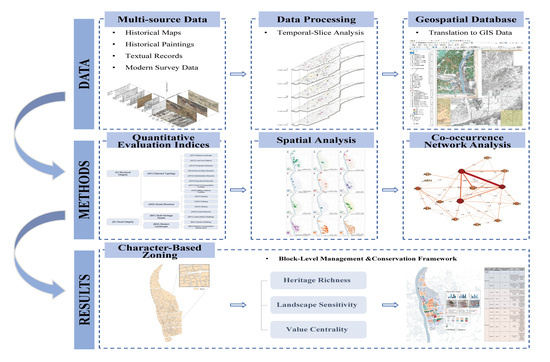
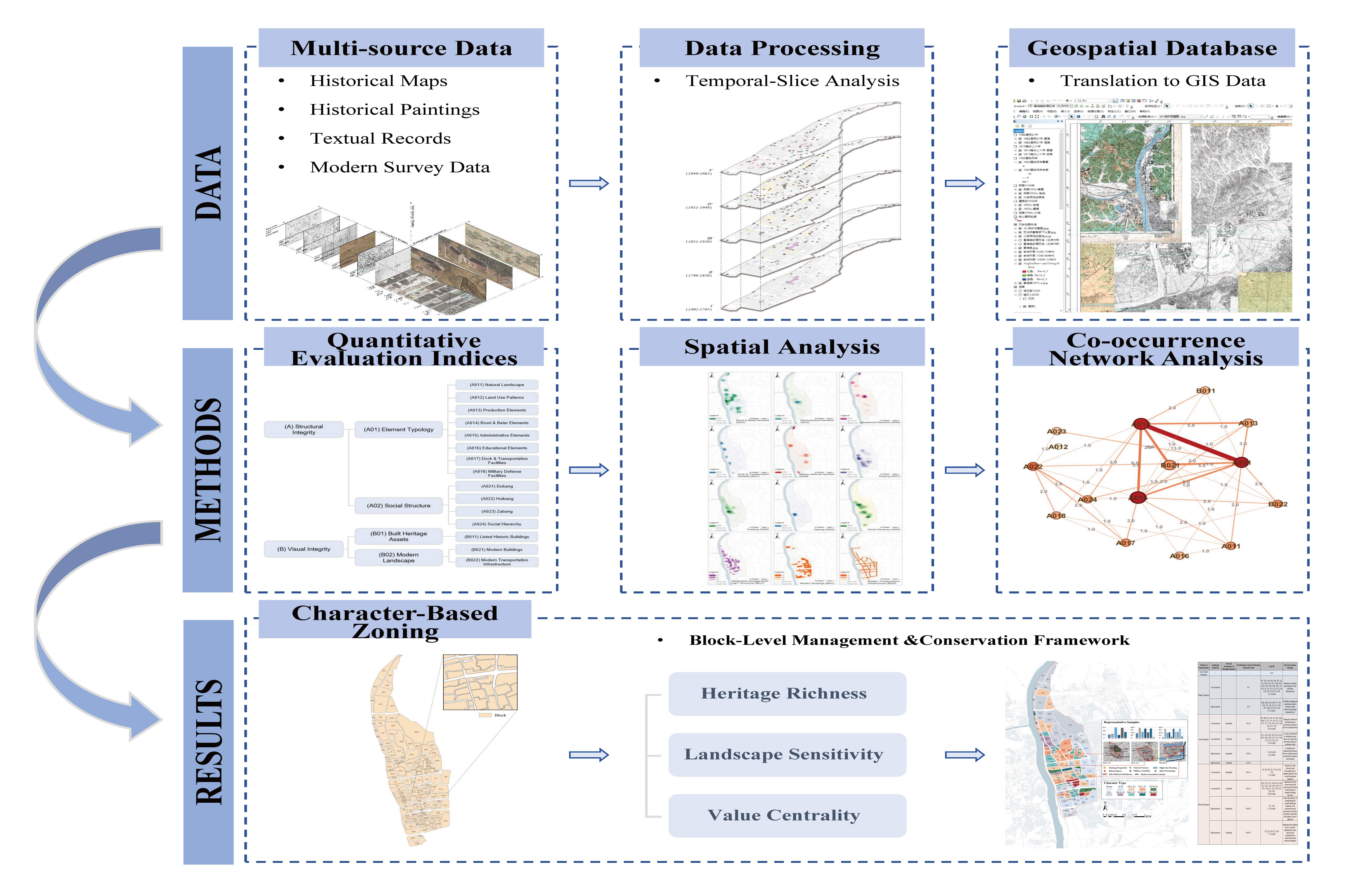
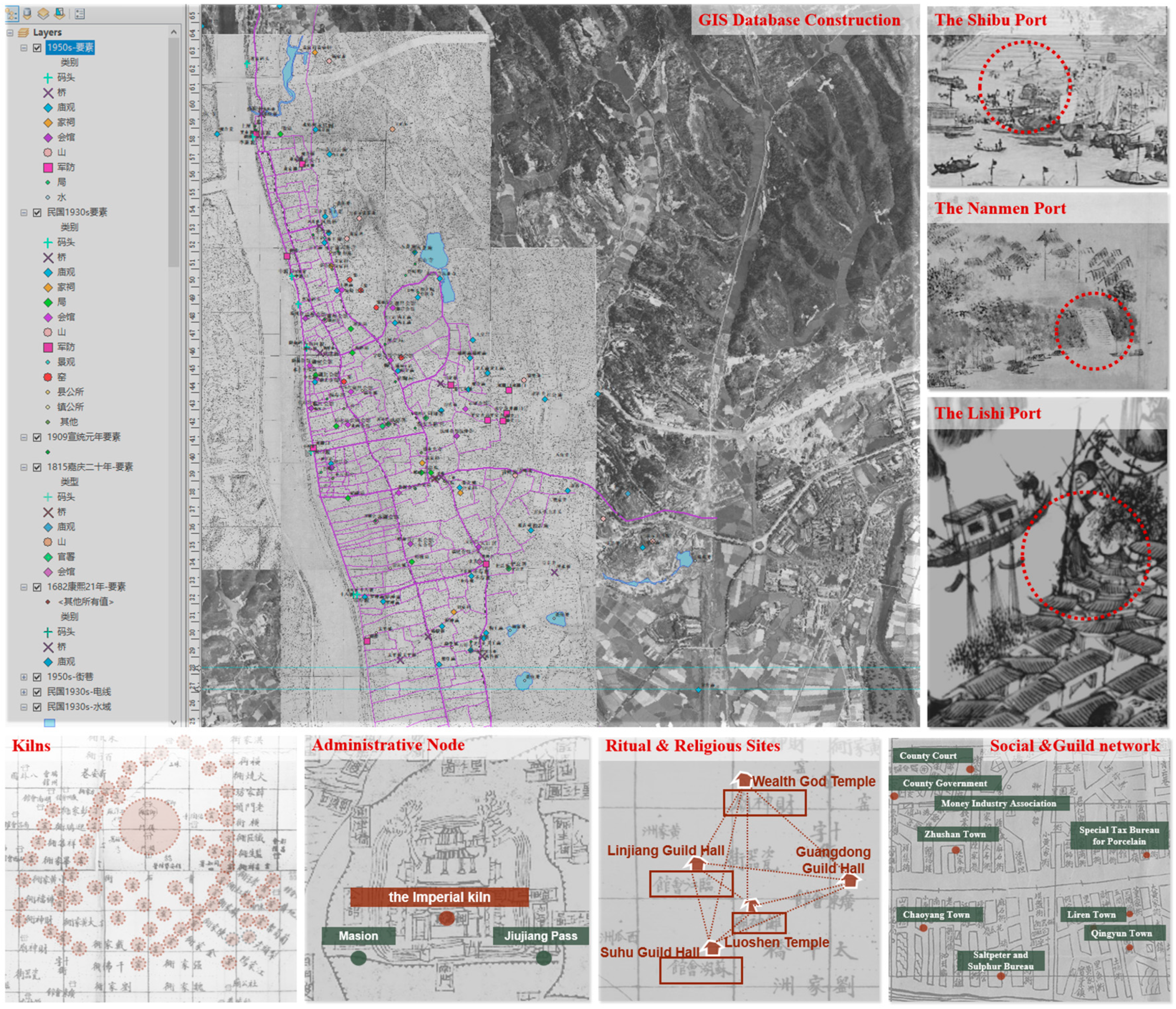
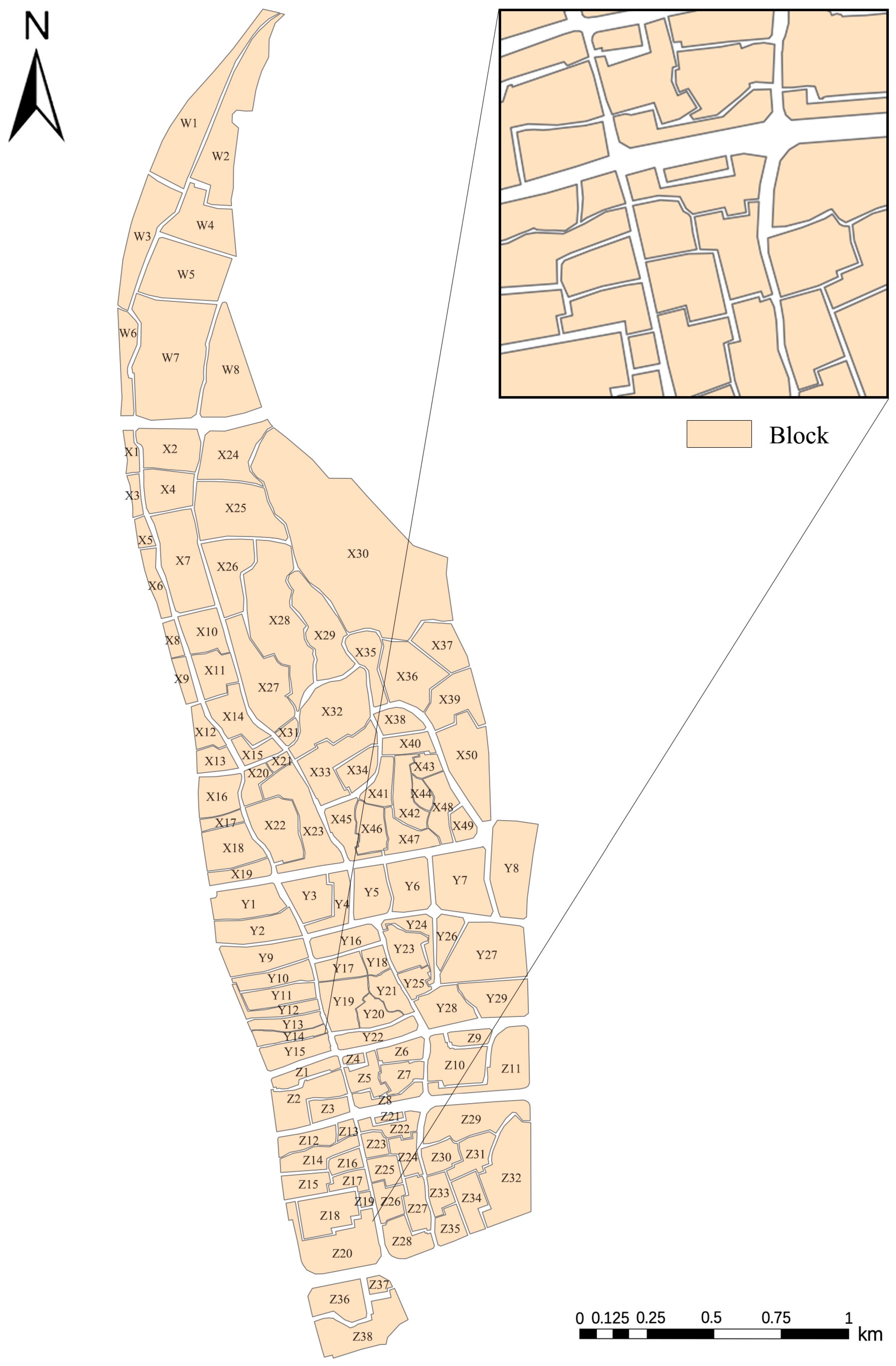
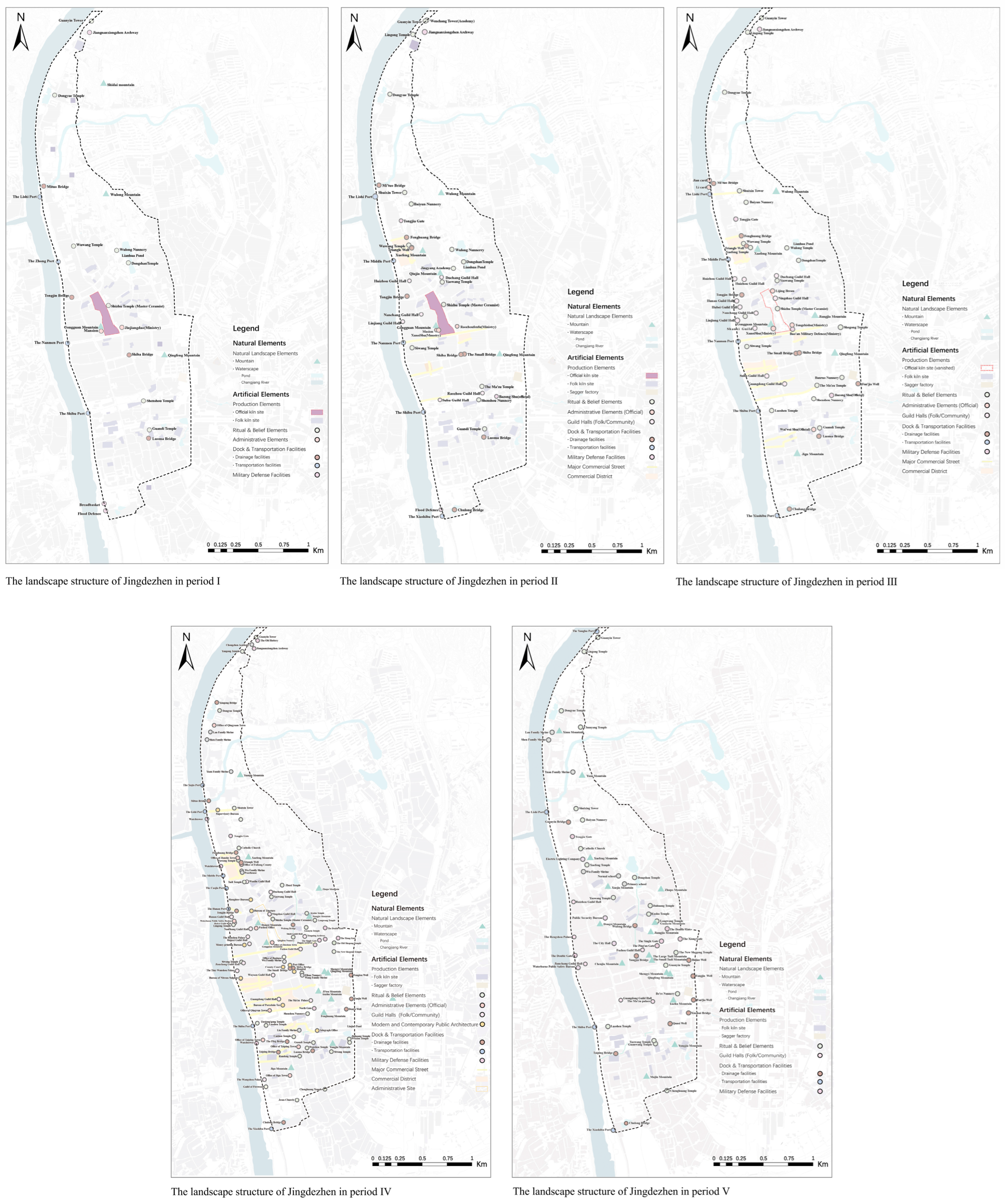
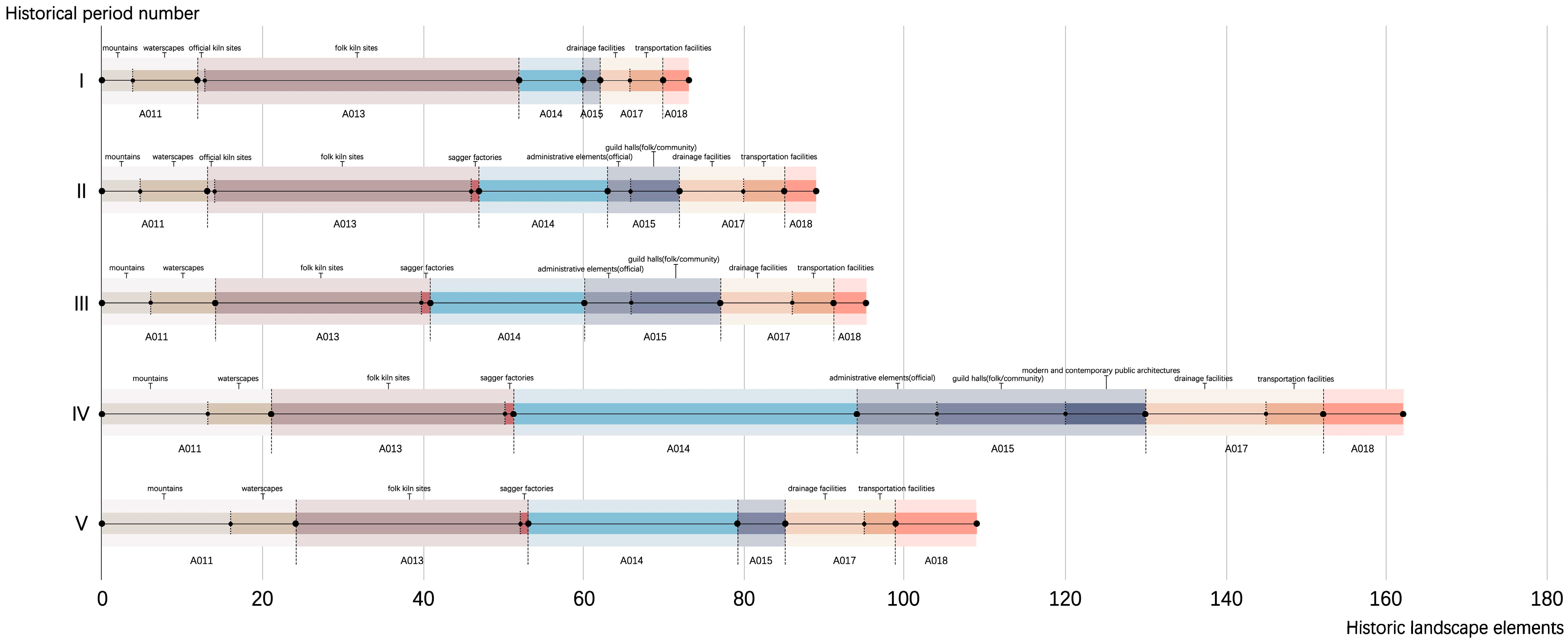
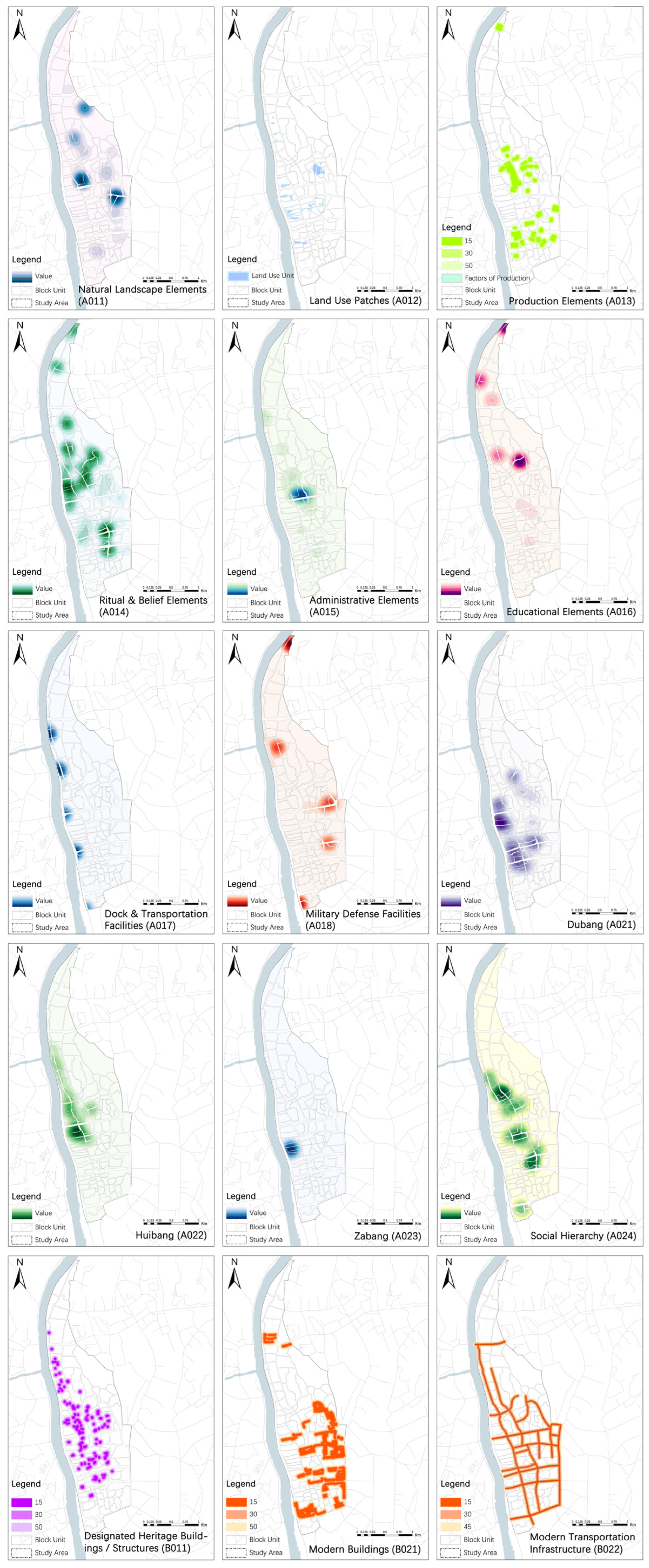
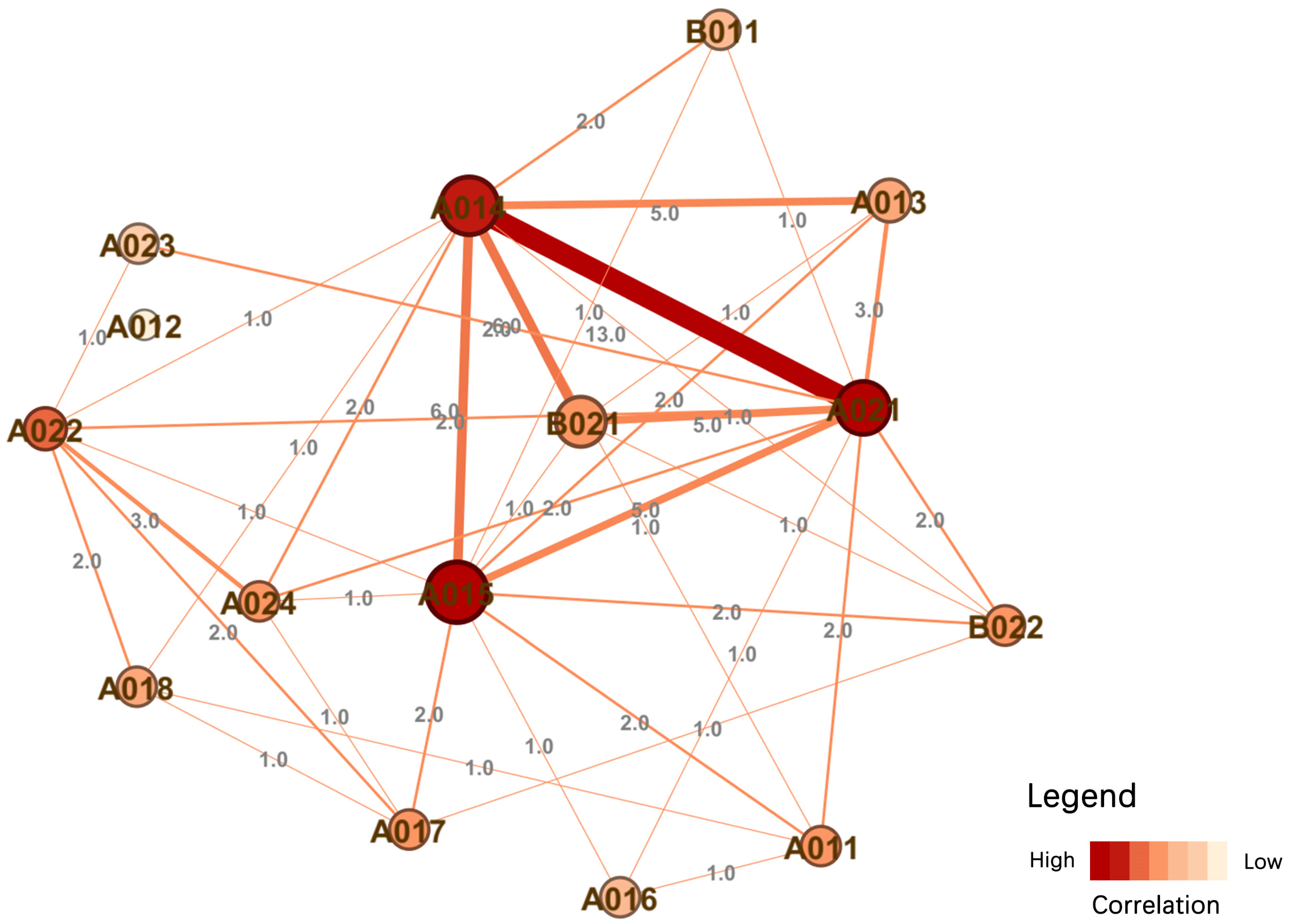
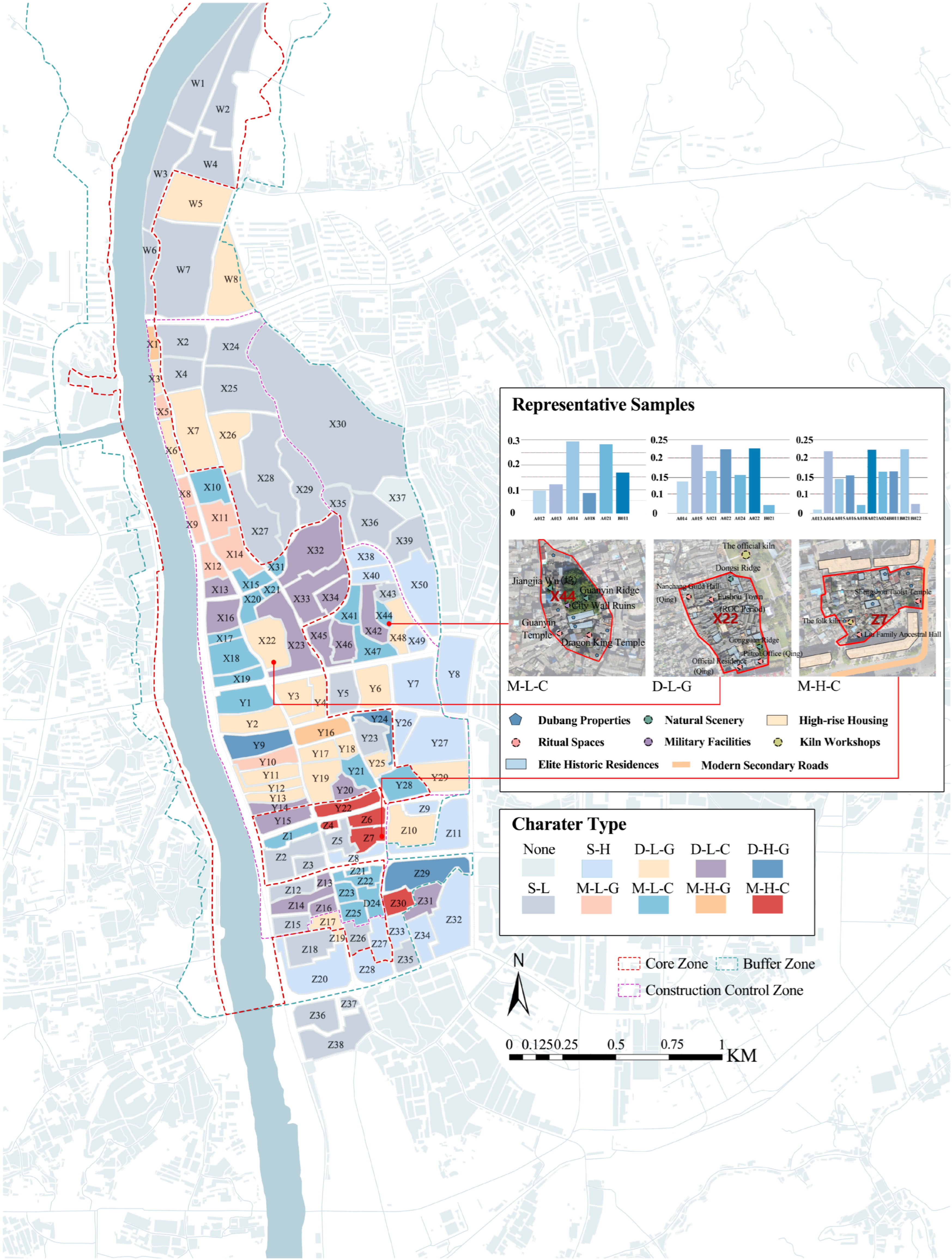
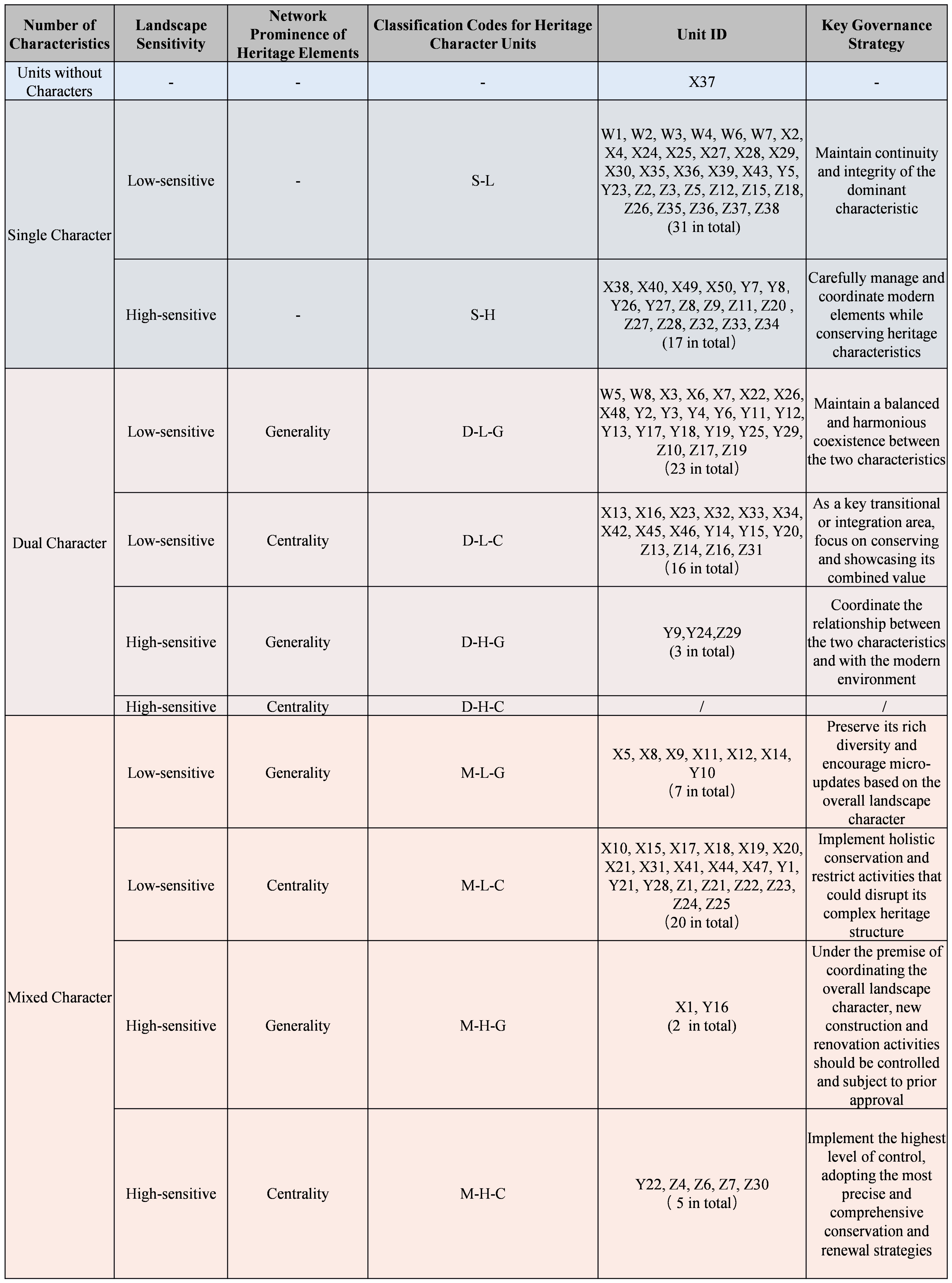
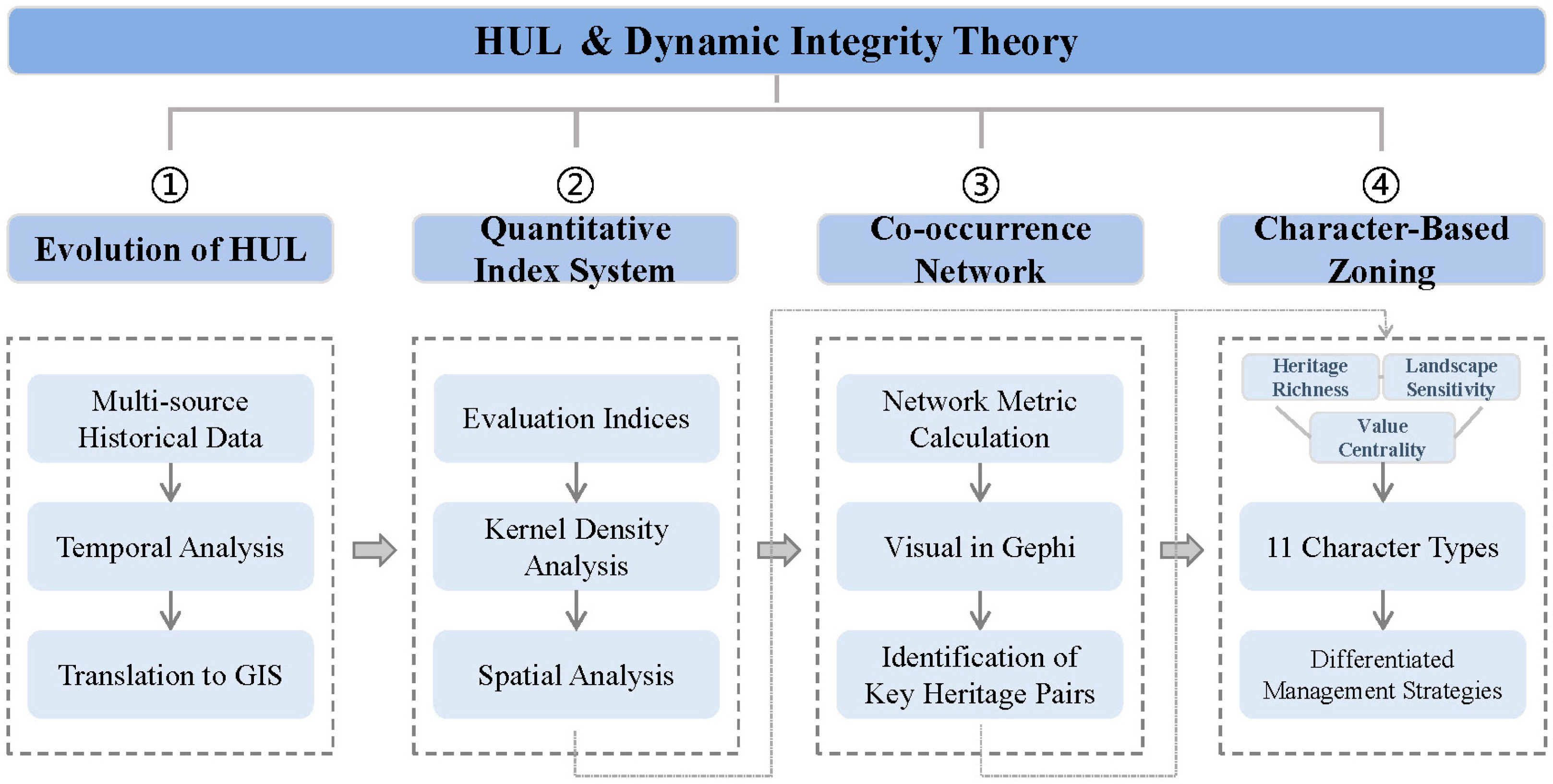
The Historic Urban Landscape (HUL) approach provides a vital and extensive framework for heritage conservation. However, local practices often struggle to spatially translate qualitative assessments into quantitative controls at the urban block level, the most effective basic scale for administrative implementation, thereby limiting effective responses to the Management of Change. By integrating HUL with the theory of Dynamic Integrity, this study constructs a multi-dimensional evaluation index system and proposes a HUL evaluation method based on Character-Based Zoning. Taking the 125 urban block units of the historic urban area of Jingdezhen as a case study, this research integrates historical mapping, GIS spatial analysis, and Co-occurrence Network Analysis to reveal the internal structural logic of the heritage system. The study finds that the HUL of Jingdezhen is a multi-nodal dynamic system driven by four core elements: ritual beliefs, administrative management, production activities, and commercial guilds. Critically, modern visual intrusions severely impact the core heritage components within this system, specifically the Dubang and ritual culture. Based on the three dimensions of Heritage Richness, Landscape Sensitivity and Value Centrality, the study systematically identifies a total of 11 types of urban block units within the plots that characterize distinct historic landscape features and transformation patterns. This research not only deepens the localized application of HUL theory but also provides a scientific basis and methodological support for the Management of Change and periodic assessment in dynamic heritage environments.
Keywords: historic urban landscape; change management; dynamic integrity geographic information systems (GIS); character-based zoning historic urban landscape; change management; dynamic integrity geographic information systems (GIS); character-based zoning
Graphical Abstract