Article

Microbial Transformation of Polyethylene Terephthalate Microplastics by Wetland-Derived Microbial Communities: Implications for Coastal Sediment Systems


1
Department of Environmental Science and Engineering, Fudan University, Shanghai 200433, China
2
MOE Key Laboratory for Biodiversity Science and Ecological Engineering, National Observations and Research Station for Wetland Ecosystems of the Yangtze Estuary, School of Life Sciences, Fudan University, Shanghai 200433, China
3
Yancheng Tiaozini Wetland Research Institute Co., Ltd., Yancheng 224237, China
4
School of Ecological Environment, Chengdu University of Technology, Chengdu 610059, China
*
Authors to whom correspondence should be addressed.
Land 2026, 15(3), 495; https://doi.org/10.3390/land15030495
Submission received: 9 February 2026 / Revised: 13 March 2026 / Accepted: 17 March 2026 / Published: 19 March 2026

Abstract

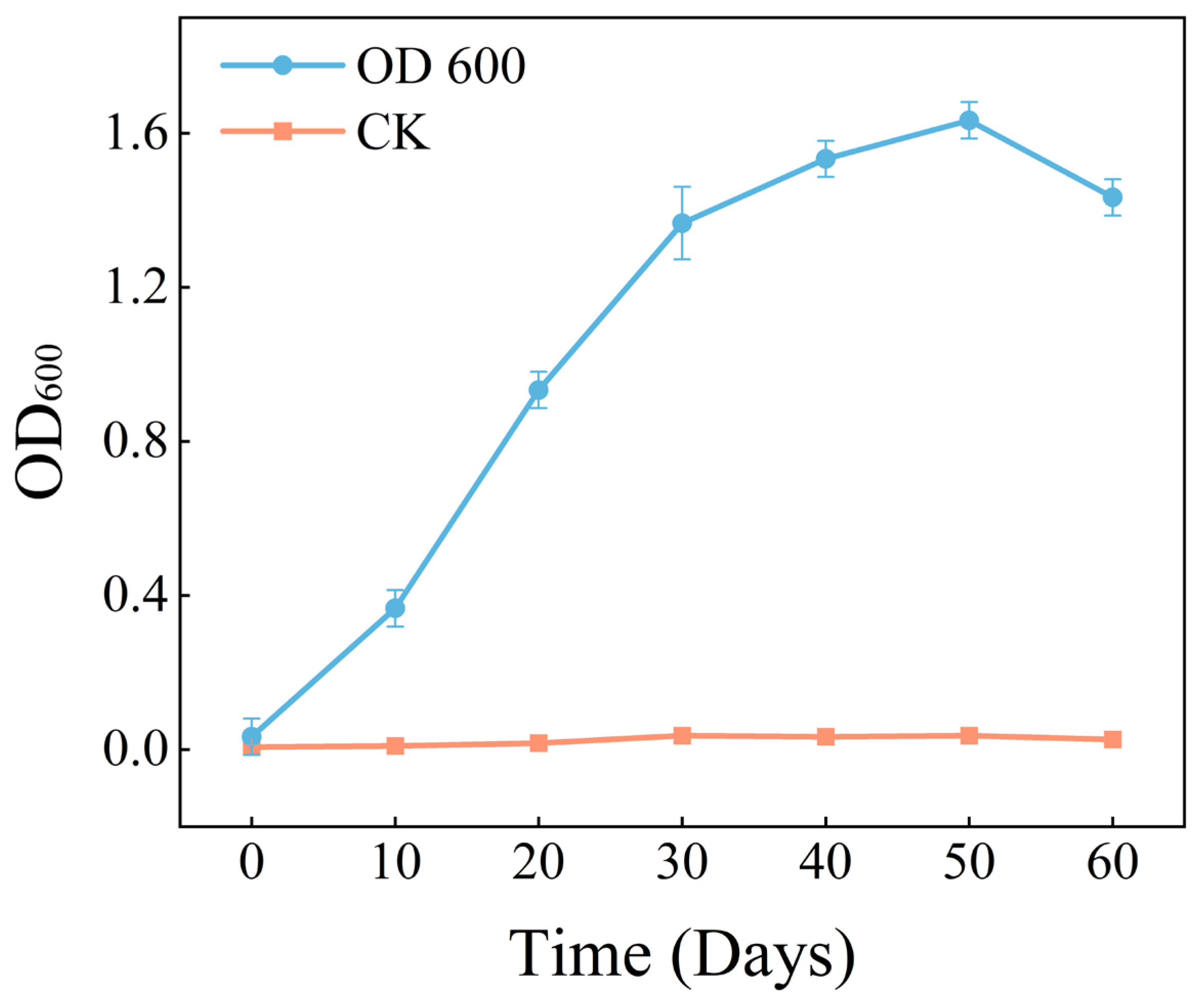
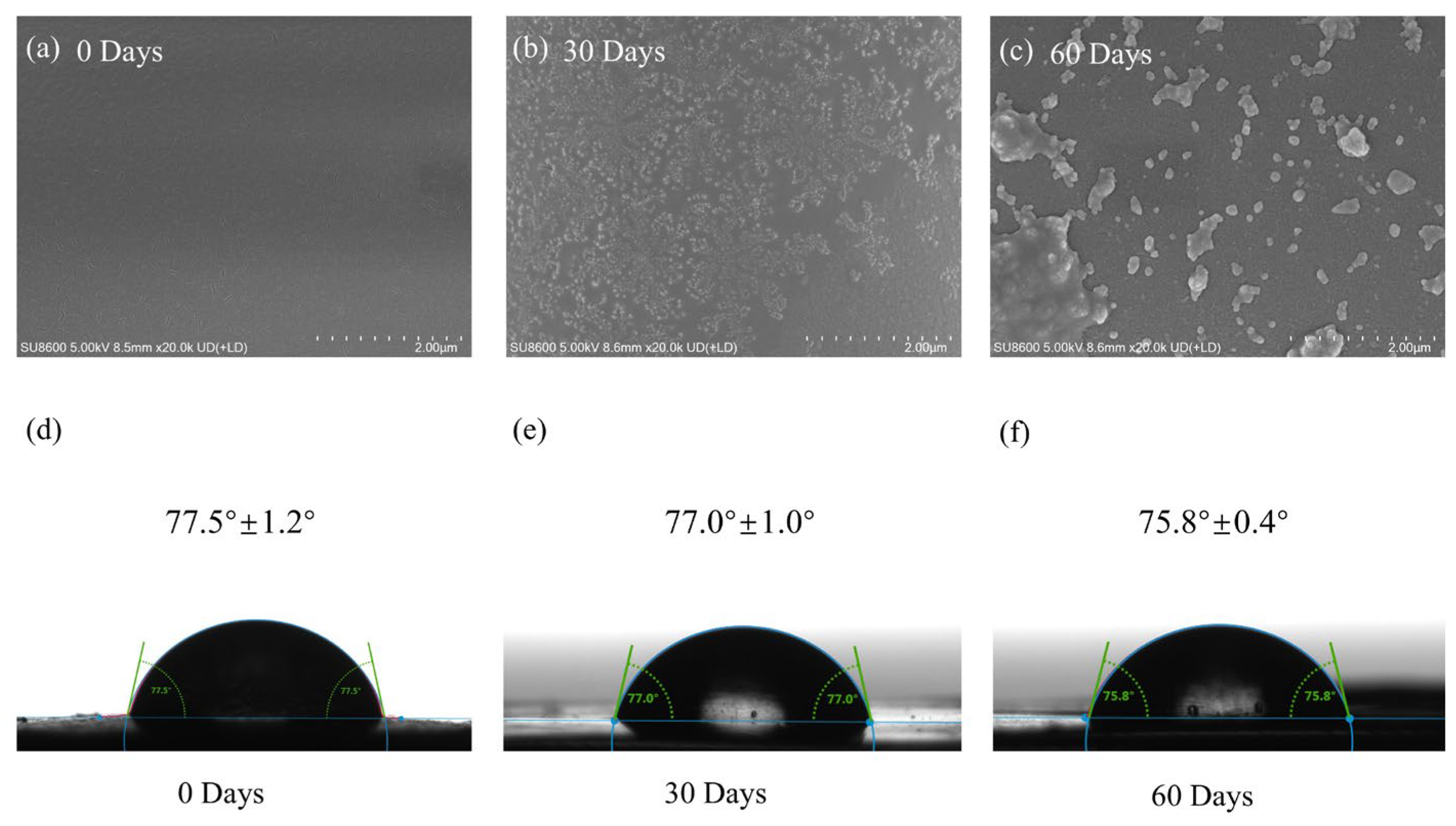
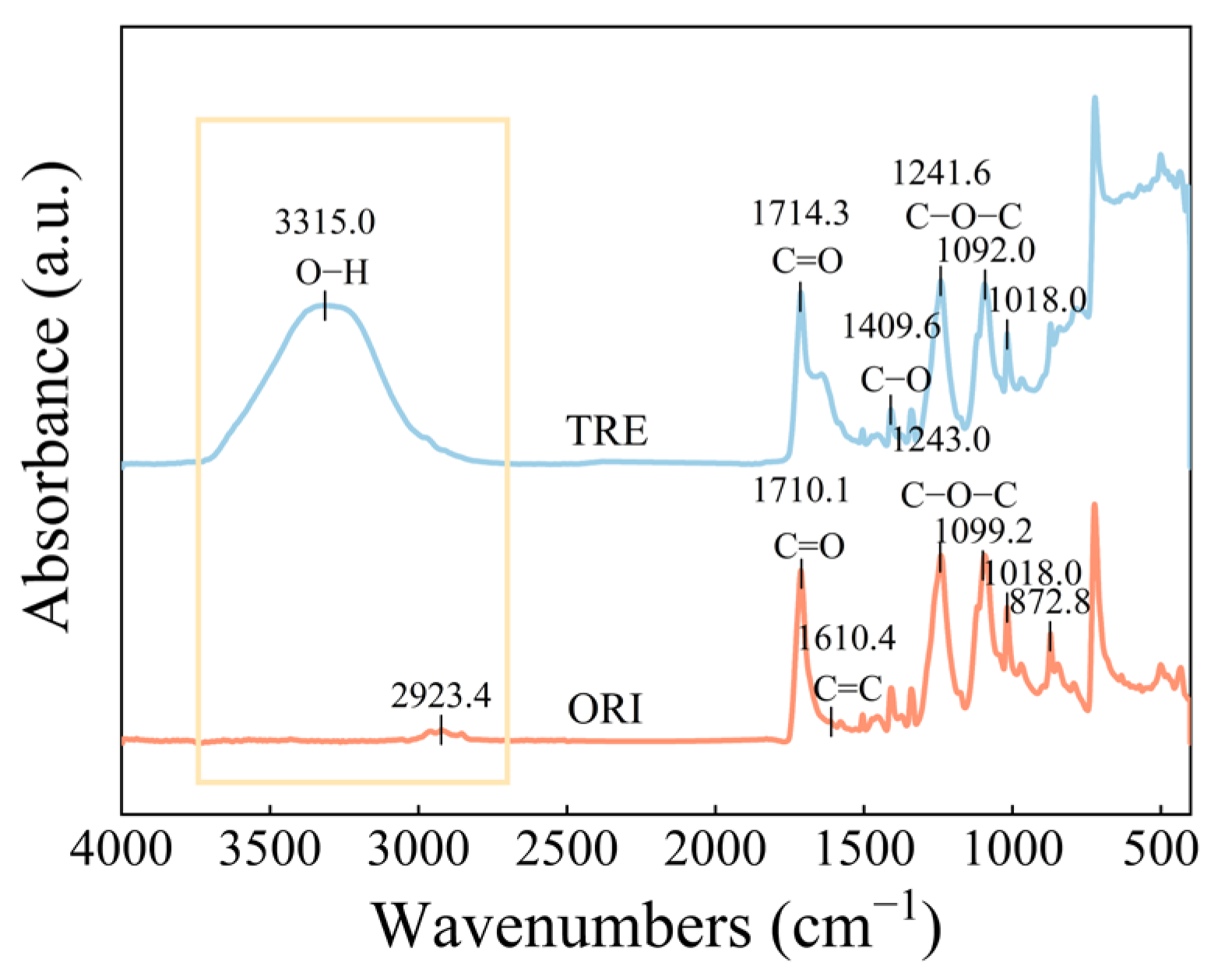
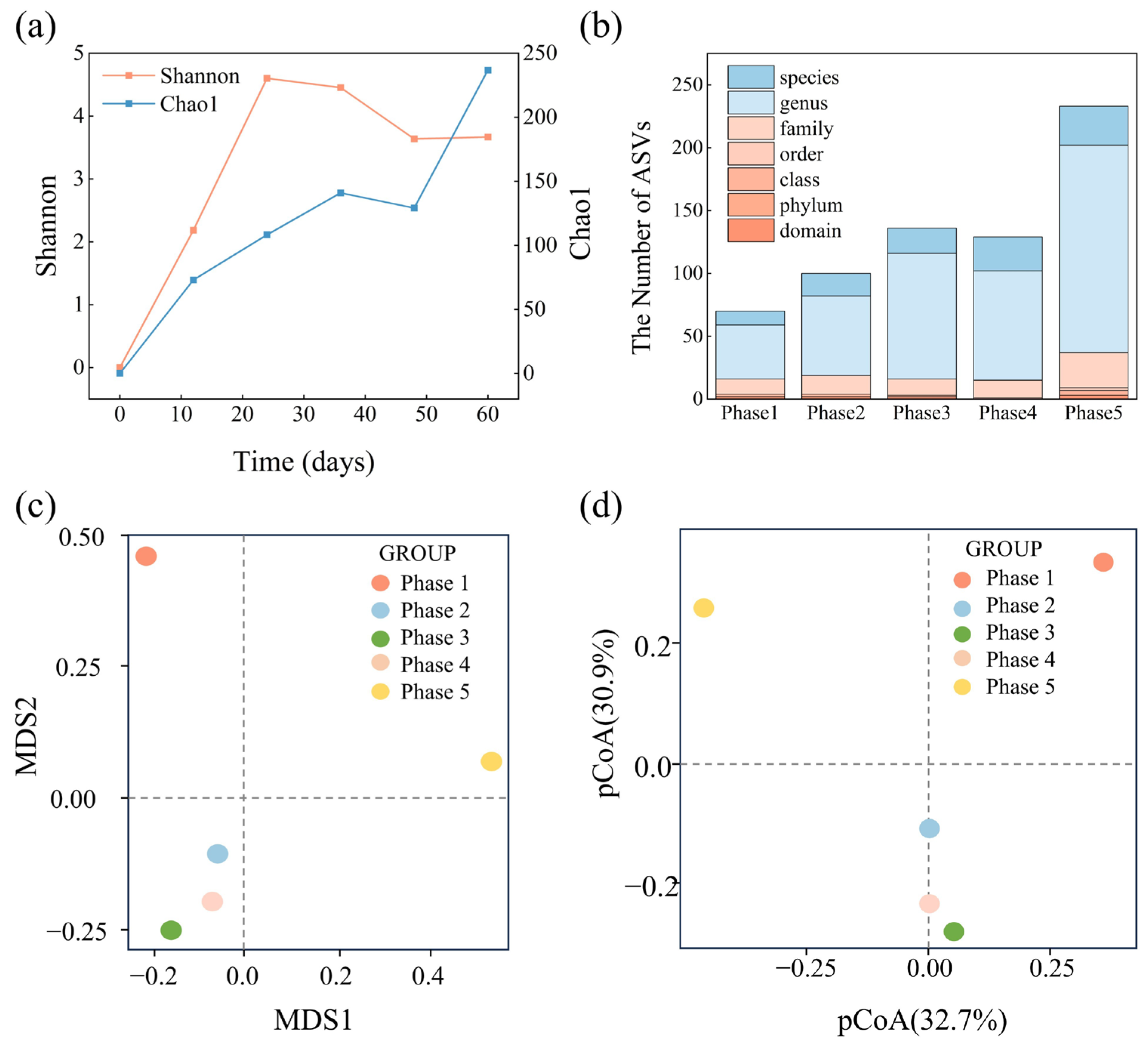
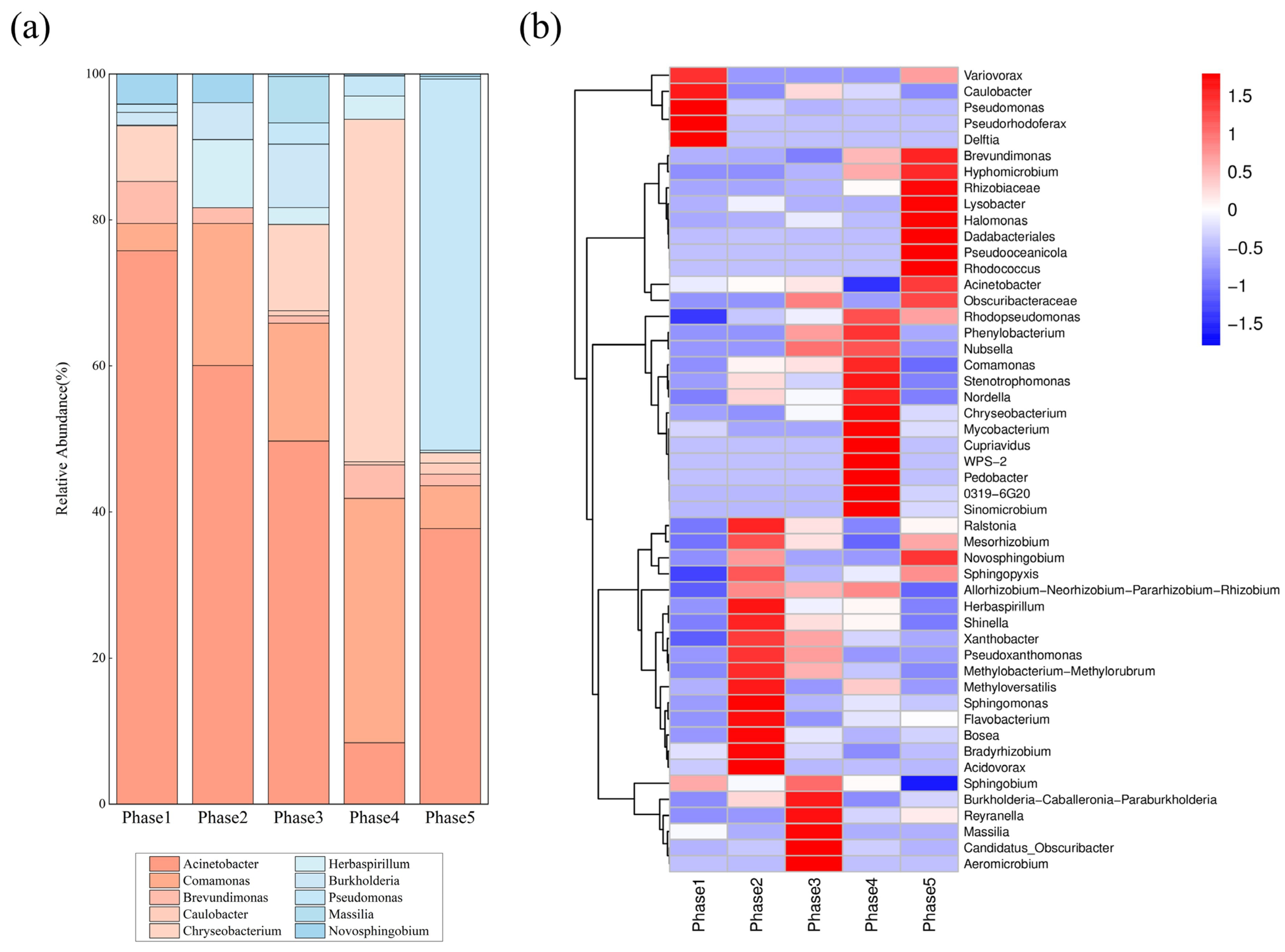
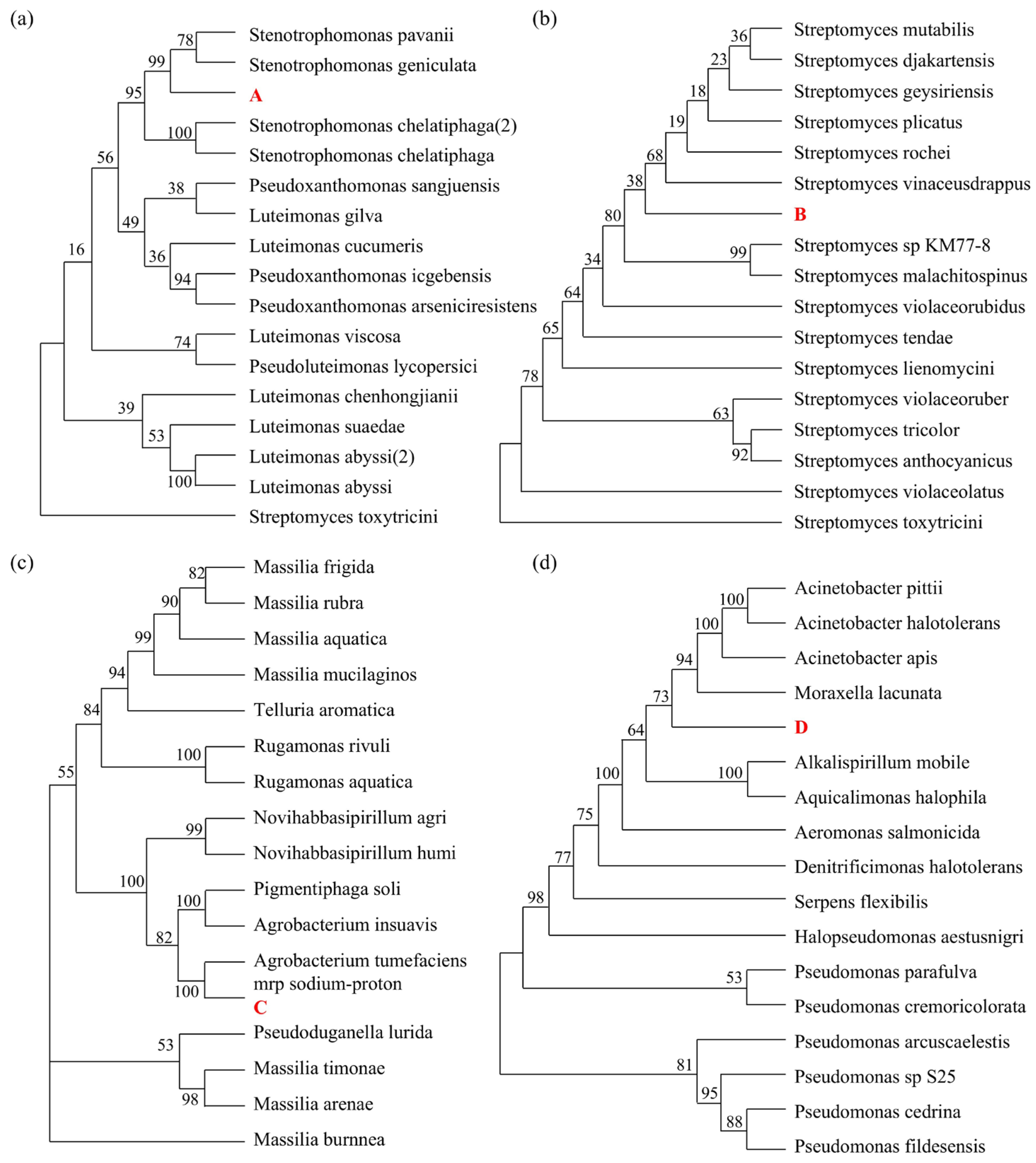
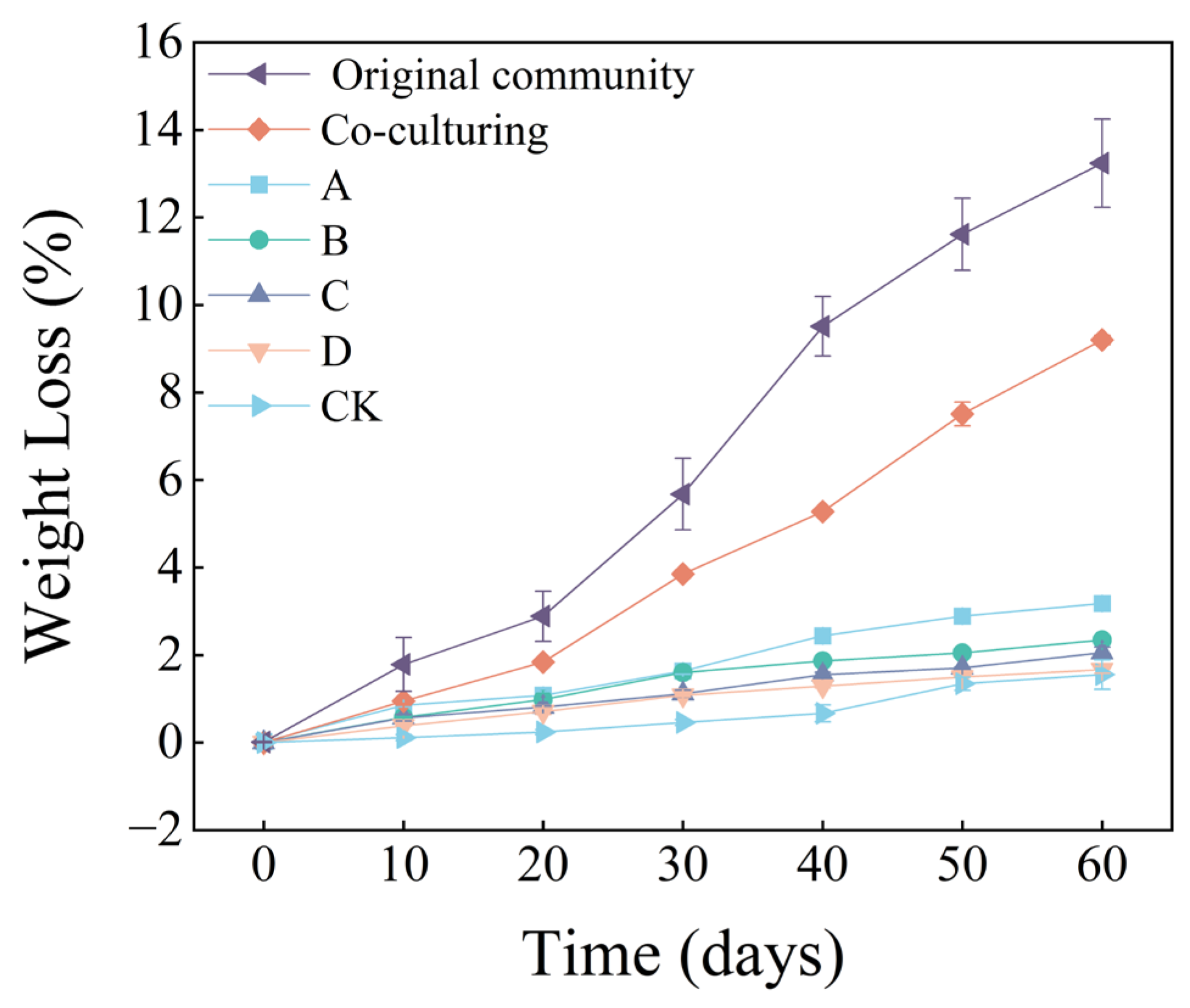
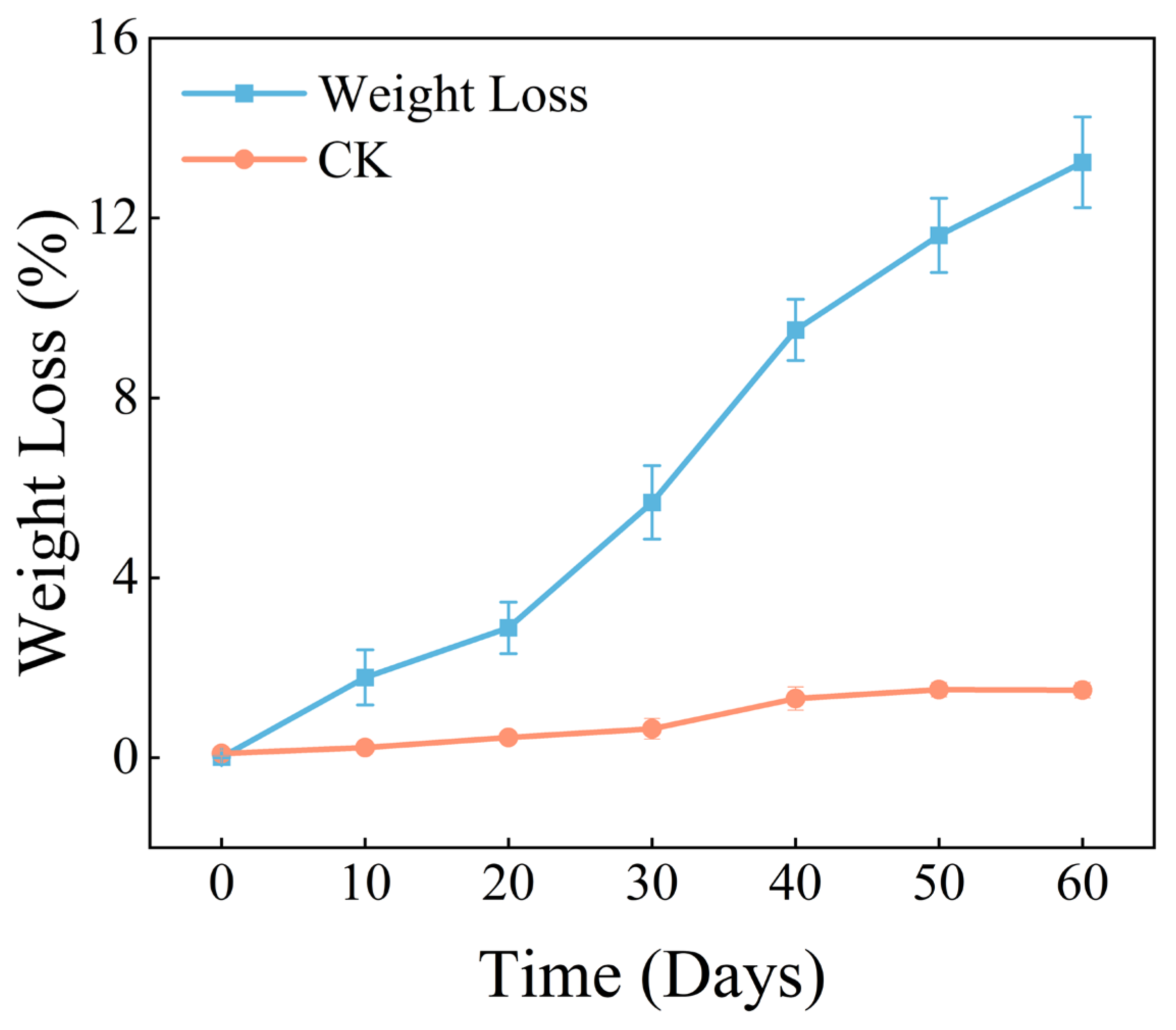
Microplastics are persistent contaminants in coastal wetlands, yet the mechanisms of their microbial transformation remain poorly understood. This study examined the interactions between a wetland sediment-derived microbial consortium and polyethylene terephthalate (PET) fibers over a 60-day incubation. After 60 days, the consortium caused a PET weight loss of 13.7 ± 0.9%, whereas the abiotic control showed a less than 2% loss. The water contact angle decreased from 77.5 ± 1.2° to 75.8 ± 0.4°, suggesting enhanced surface hydrophilicity. Multi-scale surface analyses (SEM, WCA, and FTIR) confirmed progressive microbial colonization, increased surface roughness, and enhanced hydrophilicity through microbially mediated modification. High-throughput 16S rRNA sequencing unveiled a distinct community succession; PET exerted selective pressure that reduced alpha-diversity while enriching specific functional taxa such as Acinetobacter and Pseudomonas. Moreover, isolation and co-culture assays confirmed the importance of synergistic microbial interactions in PET transformation, with co-culture of four representative isolates causing 9.2 ± 0.1% PET weight loss, compared with only 1.7–3.2% in monocultures. These findings underscore the intrinsic natural attenuation potential of wetland ecosystems and provide a critical scientific basis for developing nature-based management strategies. By identifying key functional taxa and PET-associated transformation pathways, this work supports the establishment of early-warning mechanisms to safeguard the ecological integrity and soil health of coastal World Natural Heritage sites like the Tiaozini Wetland.
Keywords: community succession; microbe–plastic interactions; polyethylene terephthalate (PET); wetland sediments; land system resilience community succession; microbe–plastic interactions; polyethylene terephthalate (PET); wetland sediments; land system resilience