Article

Adaptation of Maize Farmers to Climate Risk Under the Influence of Perceptions and Attitudes Towards Risk: A Case Study in Jilin Province, China

College of Biological and Agricultural Engineering, Jilin University, Changchun 130025, China
*
Author to whom correspondence should be addressed.
Land 2026, 15(2), 314; https://doi.org/10.3390/land15020314
Submission received: 13 January 2026 / Revised: 7 February 2026 / Accepted: 10 February 2026 / Published: 12 February 2026

Abstract

Agriculture is particularly vulnerable to climate change, as shifting seasonal patterns disrupt farming cycles and changing rainfall patterns, along with extreme weather events, present significant challenges. From the perspectives of risk perception and risk attitudes, this study elucidates the decision-making mechanisms underlying climate adaptation behaviors among maize growers in China, providing insights to inform climate adaptation policies, land management strategies, and food security protection. This study surveyed 752 maize growers in Jilin province, China, and employed factor analysis to quantify climate risk perception and risk attitudes. Using the Probit model and moderation analysis, this study examines the impact of climate risk perception on adaptive behavior and investigates the moderating effect of risk attitude on the relationship between risk perception and climate adaptation behavior. It then explores heterogeneity across production scales and generations. (1) We categorize adaptation behaviors into three types—capital-based, labor-based, and technology-based—according to the input factors involved. Climate risk perception promotes all three types of adaptation behaviors, whereas risk aversion primarily exerts a significant inhibitory effect on technology-based adaptations. (2) Risk attitudes exert a negative moderating effect on the relationship between climate risk perception and the adaptation behaviors of maize growers. Specifically, a higher propensity for risk aversion attenuates the positive influence of risk perception on labor-based and technology-based adaptation behaviors. (3) Heterogeneity analysis reveals that the moderating effect of risk attitude is more pronounced among small-scale farmers and younger generations. In contrast, it remains statistically insignificant for large-scale operators and older-generation cohorts. Therefore, it is important to enhance farmers’ awareness of climate risks by strengthening the dissemination of meteorological information and early warnings. Technical guidance should be intensified to improve maize growers’ understanding and mastery of relevant technologies. Develop targeted land-use strategies for climate change adaptation based on maize growers’ age, farm size, and geographic location.

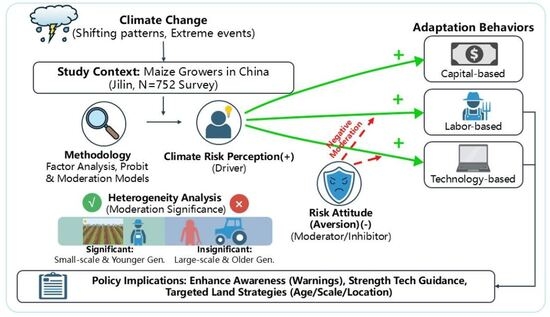
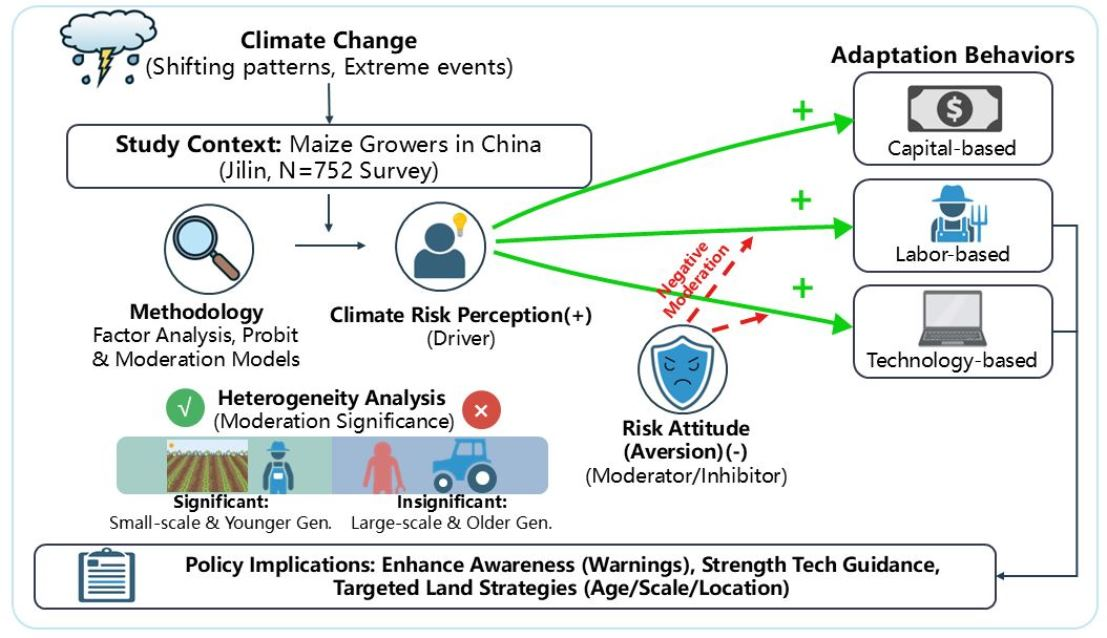
Graphical Abstract

1. Introduction

Climate is a fundamental agricultural resource, as factors such as solar radiation, precipitation, and extreme weather events profoundly influence production and can lead to serious consequences [1,2]. However, the rising demand for crops driven by a growing population has made ensuring stable food production an increasingly pressing challenge [3,4]. Against this backdrop, the uncertainties brought by climate change have further amplified the risks facing agricultural production. This makes enhancing the stability and adaptability of crop production under climate constraints a core issue that requires urgent attention in current agricultural research and policy practice.
As one of the world’s most extensively cultivated and essential crops, maize constitutes a critical food source underpinning human survival. Animal-based foods have come to occupy an increasingly prominent place in the diets of Chinese residents, resulting in a sustained rise in demand for corn as an inexpensive, high-yield feed source. Maize straw also represents an important biomass resource, with demand expanding amid an increasingly severe energy crisis. As a vital source of food, feed, and biofuel, ensuring stable maize yields and quality is a critical prerequisite for maintaining the stability of the agricultural sector.
Shifts in temperature and precipitation driven by climate change, coupled with the occurrence of extreme weather events, have already threatened corn production. Therefore, enhancing the climate resilience of the corn industry can help the agricultural sector mitigate risks and stabilize grain prices, serving as a crucial component in strengthening agricultural resilience and optimizing resource allocation. When confronted with unpredictable climate risks, maize growers must adopt a series of measures to mitigate the adverse impacts of climate change on their household income and physical well-being [5]. In general, the greater the climate variability, the more pronounced its impact on agricultural production and the stronger the need for adaptation behaviors. To mitigate losses, maize growers must continually adjust their production decisions in response to uncertainty [6,7]. Therefore, as the most micro-level actors in the corn production process, maize growers’ behavioral adjustments are crucial for protecting both maize yields and national food security. Investigating how maize growers implement adaptive measures and providing targeted recommendations can secure stable maize production, elevate farmers’ incomes, and improve their quality of life.
Production decisions are shaped not only by the pursuit of profit maximization but also by cognitive factors that influence farmers’ adoption of new production practices [3,8]. Some studies have shown that farmers’ climate adaptation capacity is influenced not only by their resources and assets but also by their experience and understanding of climate change. Risk perception can directly shape farmers’ behavioral decisions, while risk attitudes may also affect the adoption and diffusion of agricultural technologies.
Research indicates that risk perception influences human acceptance of technology [9]. Slovic (1987) found that stronger risk perception correlates with higher individual demands for risk reduction [10]. Farmers who observe or understand climate phenomena are more likely to believe in future climate risks [11]. The causal relationship between climate change risk perception and adaptation has rarely been tested or quantified [12]. When farmers encounter climate-related risks, they perceive negative impacts on agricultural yields and income. Farmers who are more likely to believe climate risks will occur exhibit stronger willingness to engage in risk management, whereas those with lower risk perceptions show less willingness to adopt risk management strategies [13,14]. The influence of farmers’ climate risk perceptions on their production behaviors has been confirmed. A study of farmers in Dezhou, Shandong Province, China, found that risk perceptions affect their adoption of adaptive strategies [12]. In China’s major apple-producing regions, farmers’ perceptions of drought showed a positive correlation with their adoption of remedial adaptive agricultural production strategies [15]. A study in the Murray-Darling Basin found that farmers more attuned to climate change risks were more likely to adopt lower-risk production decisions [16]. However, other research suggests no causal link between farmers’ climate change risk perceptions and their adoption of climate adaptation behaviors. A disconnect may exist between public attitudes toward climate change and mitigation practices, termed the “value-action gap” [17]. A Dutch survey revealed that heightened climate awareness did not prompt farmers to undertake more climate actions [18]. Climate interventions may even diminish willingness to engage in environmental efforts. Similarly, a Danish study identified persistent barriers between perceived climate change and actual adaptation actions [19]. In Chinese research, scholars observed that farmers’ insurance-taking behavior was significantly influenced by perceptions of extreme weather events, but perceptions of interannual temperature variations and precipitation changes had negligible effects [20]. However, these findings have not achieved complete consensus. This indicates that the impact of risk perception on behavior is contextual and selective, with its underlying mechanisms requiring further clarification.
Risk attitude refers to an individual’s perspective on risk, representing the stance and inclination formed based on certain factual circumstances [21]. It is recognized as a potential barrier to enhancing production efficiency or achieving higher expected returns [22,23]. Given that farmers frequently confront a range of market risks characterized by elevated uncertainty, their behavioral choices may be influenced by risk attitudes [8]. Existing literature demonstrates that farmers’ technological behaviors and economic decisions are influenced by risk attitudes and subjective probability weighting. Risk attitudes exhibit behavioral validity and can effectively predict behavioral outcomes [24,25,26]. Liu (2013) examined the impact of risk attitudes on farmers’ pesticide usage and found that risk-averse farmers employed pesticides less frequently [27]. Based on a survey in Anhui, China, farmers’ risk-averse attitudes showed a negative correlation with adopting new crop varieties and technologies, but a positive correlation with purchasing agricultural insurance [28]. Risk attitude, as an individual’s stable inclination toward uncertainty and potential losses, is considered a crucial mediating variable linking risk perception and behavioral decision-making.
Overall, existing literature has revealed the psychological foundations of farmers’ behavioral decision-making through the dual dimensions of risk perception and risk attitude. However, how these two factors interact and influence climate adaptation behaviors requires more systematic examination within specific agricultural contexts.
China is the world’s largest agricultural producer, and corn ranks among its highest-yielding crops [29]. Therefore, this study selects China as its research region. Situated in northeastern China, Jilin Province is endowed with abundant land resources and is one of the country’s major commercial grain-producing regions. As the region’s most important staple crop, the maize industry plays a pivotal role in safeguarding food security. This study focuses on Jilin Province and takes local maize growers as its subjects to investigate the mechanisms and behavioral processes through which risk perception and risk attitudes shape farmers’ climate adaptation behaviors. Using field survey data from 752 maize growers in Jilin Province, this study evaluates the behavioral choices of maize growers regarding climate adaptation strategies through Probit regression analysis and robustness testing.
This study contributes by examining corn farmers’ land management practices in adapting to climate change from the perspectives of risk perception and risk attitudes, providing an empirical foundation for policymakers to formulate more appropriate policies. Furthermore, the methodology employed to measure climate risk perception and risk attitudes offers new empirical evidence on how to quantitatively assess risk perception and evaluation at the household level.
The remainder of this paper is organized as follows: Section 2 develops the theoretical framework. Section 3 introduces the data sources, variable definitions, and model specifications. Section 4 reports and discusses the empirical results. And Section 5 concludes with policy implications and recommendations.

2. Theoretical Analysis

2.1. Risk Perception and Climate Adaptation Behaviors Among Maize Growers

Risk perception refers to an individual’s subjective evaluation of the potential risks embedded in specific practices, typically encompassing both loss-related and gain-related components [10,30]. The formation of risk perception depends on individuals’ evaluations of risk events based on personal experiences and attitudes, shaped by factors such as age, educational attainment, non-agricultural income, and health status [31]. Farmers’ risk perception primarily depends on their subjective attitudes toward risk and experiential judgments. The level of risk perception may lead to differentiated behavioral patterns and decision-making pathways among farmers when facing climate risks [32]. In this study, climate risk perception is defined as maize growers’ awareness of the risks posed by meteorological hazards and their potential consequences.
An individual’s assessment of the uncertainty and severity of risks may give rise to feelings of frustration and anxiety. Extreme weather events driven by climate change pose significant uncertainty for maize growers, with outcomes that are unpredictable, irreversible, and capable of causing substantial future losses. This may trigger a range of psychological responses, including avoidance, anxiety, resistance, and fear. Consequently, the greater the level of climate risk perception among maize growers, the more likely they are to adopt measures aimed at mitigating anxiety over potential consequences [30].
Hypothesis 1. 
Heightened levels of risk perception among maize growers are likely to increase their propensity to adopt climate adaptation behaviors.

2.2. Risk Attitude and Climate Adaptation Behaviors Among Maize Growers

Risk attitude refers to the number and type of risks an individual is willing to take. Risk attitude possesses behavioral validity, meaning that the degree of risk attitude can effectively predict the occurrence of behavior [33]. Some studies indicate that risk-averse individuals are less likely to start their own businesses or invest in stocks, and countries with higher average levels of risk aversion among their citizens often exhibit lower productivity [33]. Evidence indicates that risk attitudes are closely linked to farmers’ production and livelihood decisions and significantly influence a range of economic choices, including the adoption of technological practices [34].
There are generally two perspectives regarding the influence of risk attitudes on the climate adaptation behaviors of agricultural producers. One view holds that when confronted with climate risks, risk-averse individuals will proactively take measures to mitigate the risks these pose to agricultural production [13]. Another view holds that farmers’ production decisions face multiple risks. While climate adaptation practices may help reduce losses, they also carry uncertainty regarding returns. Inappropriate operational methods or unsuitable technical measures could lead to decreased income. Accordingly, farmers with a strong preference for risk aversion, when confronted with new technologies that involve both potential gains and risks, are more likely to avoid technology-related risks and adopt more conservative behaviors [35]. Moreover, farmers’ risk-averse attitudes may reduce their willingness to seek loans, thereby subjecting their climate adaptation behaviors to financial constraints [36].
Hypothesis 2. 
Maize growers exhibiting risk-averse attitudes are less likely to adopt climate adaptation behaviors.

2.3. Risk Perception, Risk Attitude, and Climate Adaptation Behavior

Beyond examining the separate effects of risk perception and risk attitudes on farmers’ climate adaptation behaviors, it is also necessary to investigate the moderating role of risk attitudes in the process through which risk perception influences farmers’ behavior. According to the theory of planned behavior, farmers make behavioral decisions aimed at maximizing expected utility based on their values, preferences, and external conditions. Regarding the moderating effect of risk attitudes on the influence of risk perception on climate adaptation behaviors, one view suggests that under identical risk levels, risk-averse farmers may overestimate the severity of losses from climate risks. This leads to heightened risk perception and a greater desire to promptly implement corresponding risk mitigation measures. Farmers with a lower degree of risk aversion may underestimate potential damages and consequently adopt fewer risk management measures [13]. Another view suggests that the more risk-averse farmers are, the more they may focus on the uncertainties associated with climate adaptation measures, which could inhibit the adaptation behaviors prompted by their climate risk perception [36].
Hypothesis 3. 
Risk attitudes play a moderating role in the influence of risk perception on maize growers’ climate adaptation behaviors.

3. Method

3.1. Data Sources and Sample Characteristics

Jilin Province is located in northeastern China, situated within one of the world’s three major black soil belts. It possesses valuable soil resources, with local soils exhibiting strong fertilizer retention and supply capabilities, offering significant advantages for corn growth. As part of a globally rare ecological zone, China’s Northeast Plain forms one of the world’s three major black soil belts alongside Ukraine’s Great Plain and the Mississippi River Basin in the United States. Production stability in these regions holds critical global significance. As a key corn-growing area in China, Jilin Province’s corn stability is intrinsically linked to the nation’s food security. In 2022, maize cultivation accounted for 72% of the total sown crop area in Jilin Province. Therefore, this study selected Jilin Province as its research area. Following a comprehensive review of the literature and a preliminary survey, the research team conducted fieldwork in Jilin Province from September to December 2023. The survey areas were selected by ranking the total maize output of Jilin Province’s nine cities in 2022 and choosing representative locations from high, medium, and low output levels: Changchun (ranked first), Baicheng (ranked fifth), and Baishan (ranked ninth). The specific location is shown in Figure 1.
Moreover, given Jilin Province’s complex topography and pronounced climatic and resource heterogeneity, it can be divided into eastern, central, and western regions based on natural geographic features. Baicheng belongs to the western region, Changchun to the central region, and Baishan to the eastern region; selecting these three areas therefore ensures strong natural and geographic representativeness. Under Jilin Province’s administrative divisions, Changchun, Baicheng, and Baishan comprise 11, 5, and 6 county-level jurisdictions, respectively. Accordingly, 389, 181, and 200 maize-growing households were randomly selected for the survey. All respondents were household heads. A total of 770 questionnaires were distributed, of which 752 were valid, yielding a response rate of 97.66%.
Table 1 presents the basic characteristics of the respondents, with males accounting for 75.3% and females for 24.7%, indicating that male-headed households predominate among maize growers in Jilin Province. Farmers aged 36–50 and 51–65 constitute the largest shares of the sample, accounting for 44.4% and 36.6%, respectively. The largest proportion of respondents had completed lower secondary education, accounting for 49.4%. Households with 4 to 6 members constituted the largest group, representing 46.0% of the total. Households owning less than 3.33 mu of arable land comprised the majority, at 54.79%.
Through field research and literature review, this paper summarizes eight types of agricultural meteorological disasters frequently occurring in Jilin Province in recent years: drought, flooding, summer low-temperature cold damage, typhoons, early frost, wind and hail, prolonged rainy weather during autumn harvest, and low-temperature spring flooding. The specific impacts on corn are as follows: ① Drought. Drought results from reduced precipitation during the crop growing season, affecting crop growth and development and leading to decreased corn yields. ② Flooding and waterlogging. This includes both flood damage and waterlogging. Floods mechanically destroy farmland, causing yield losses, while waterlogging leads to crop respiration impairment due to water accumulation, resulting in reduced crop production. ③ Summer cold damage. This refers to disasters occurring when temperatures drop during the growing season, failing to meet the thermal requirements of crops. Due to its higher latitude, the Northeast region experiences a higher probability of summer cold damage compared to other areas. ④ Typhoons. Typhoons inflict devastating impacts on agricultural land. Those occurring during corn sowing disrupt normal seedling emergence; strong winds during the growing season cause corn stalks to bend, leaves to be damaged and shed, resulting in yield declines. ⑤ First frost. The initial frost in corn-producing areas, where soil and crop surface temperatures drop excessively low, causes frost damage to crops. ⑥ Wind and hail. Windstorms and hail cause mechanical damage to crops. ⑦ Continuous rainy weather during autumn harvest. Continuous rainy weather during harvest slows progress and leads to waterlogging damage from excessive moisture. Crops may develop mold, sprout, or lose kernels. ⑧ Cold Spring Flooding. This hinders spring plowing and planting progress. Low temperatures can also cause corn seedling tips to wither or even die.
These agricultural meteorological disasters can lead to yield losses in farmland, slow maize growth, and disruption of farming schedules. Maize growers can mitigate the resulting decline in income by adopting corresponding behavioral adjustments. This study investigated maize farmers’ experiences with various agrometeorological disasters. Participants were asked to rate the frequency and severity of the natural risks examined in this paper—drought, flooding and waterlogging, summer cold damage, typhoons, first frost, wind and hail, continuous rainy weather during autumn harvest, and cold spring flooding.
For frequency assessment, scores 1–5 represented the perceived probability of occurrence from low to high. For severity assessment, scores 1–5 represented the perceived impact on their farmland from low to high. Maize farmers rated these factors based on their personal experiences.
Table 2 presents the average scores assigned by maize farmers in Jilin Province regarding the frequency and severity of various agricultural meteorological disasters. From the farmers’ perspective, flooding and waterlogging are perceived as the most frequent disasters, with average scores of 3.17, respectively. Low summer temperatures, typhoons, and early frosts are considered the least frequent, with average scores of 2.66, 2.73, and 2.73. Flooding and waterlogging are considered by farmers to be the agricultural meteorological disaster with the greatest impact on farmland, with an average score of 3.64. Drought and continuous rainy weather during autumn harvest are also perceived as having significant impacts on farmland, with average scores of 3.49 and 3.47, respectively. The events with the least impact on farmland are first frost and summer cold temperature damage, with average scores of 3.22 and 3.24, respectively.

3.2. Variable Descriptions

3.2.1. Dependent Variable

This study asked maize growers in the questionnaire whether they adopted climate adaptation behaviors. Drawing on existing literature on the classification of farmer behavior, climate adaptation behaviors were categorized into capital-based, labor-based, and technology-based adaptation behaviors. Capital-based adaptation behaviors included purchasing agricultural insurance and improving the surrounding environment of farmland. Labor-based adaptation behaviors involved adjusting sowing or harvesting dates and replanting the original crop or switching to alternative crops. Technology-based adaptation behaviors comprised selecting early- or late-maturing varieties based on the frost-free period and modifying the types or application methods of pesticides and fertilizers. If a maize grower adopted any behavior within a category, that category was assigned a value of 1; otherwise, 0.

3.2.2. Quantification of Risk Perception

The measurement of climate risk perception can be approached through several dimensions, such as evaluating the factors that influence an individual’s perception of risk. It can be quantified by considering unknown factors, fatal factors, evaluative factors, and emotional factors [10]. Risk perception can also be assessed across three dimensions: perceived risk intensity, perceived impact, and perceived likelihood. Other studies have measured this construct by considering dimensions such as the acceptability and severity of climate change, the perception of anthropogenic causes, the perceived likelihood of extreme events, and the perceived impacts on both local and regional climates [37]. One study evaluated public risk perception of landslides across four dimensions: severity, uncontrollability, likelihood, and dread [38]. A study focused on Chinese maize growers found that farmers’ risk perception during the production process can be explored from three perspectives: production risk, market risk, and policy risk [32].
Building on the preceding literature and the specific context of this study, climate risk perception is quantified across three dimensions: perceived loss, perceived tolerance, and perceived crisis.
This study employs factor analysis to calculate the climate risk perception coefficients of maize growers. Factor analysis applies a dimensionality-reduction approach, using a smaller number of factors to capture a larger set of information, offering a more streamlined alternative to simply summing variables. Moreover, this measurement method effectively mitigates the subjectivity associated with assigning weights to individual items.
① Constructing the factor analysis model
The expression for factor analysis is as follows:
x 1 = a 11 f 1 + a 12 f 2 + a 13 f 3 + + a 1 k f k + ε 1 x 2 = a 21 f 1 + a 22 f 2 + a 23 f 3 + + a 2 k f k + ε 2 x p = a p 1 f 1 + a p 2 f 2 + a p 3 f 3 + + a p k f k + ε p
Matrix representation: X = A F + ε , where F denotes the extracted common factors, A represents the factor loading matrix, f 1 , f 2 , f 3 , , f k indicates k factors, and a i j signifies the factor loading of the i th original variable on the j th factor. A higher value of a i j indicates a stronger correlation between that factor and the variable.
② Selection of factor variables
Factor analysis extracts common factors based on the principle of eigenvalues exceeding 1. The cumulative variance contribution rate of factors is i = 1 k λ i i = 1 p λ i 1 , and the weight of a single factor is w i = λ i i = 1 p λ i 1 .
③ Calculating composite factor scores
Each common factor’s score and weighting, and the climate risk perception score coefficient θ i = ω i F j for each sample can be used to calculate an individual’s climate risk perception factor scores across all samples.
④ Reliability and Validity Tests of the Questionnaire
For maize growers, meteorological disasters are the most pronounced climatic events affecting crop production, and their perception of such events is likely to have a stronger influence on decision-making than perceptions of temperature or precipitation changes. Therefore, this paper measures risk perceptions associated with meteorological disasters. Based on the existing literature and the actual climate risks faced by maize growers in Jilin Province, seven items were designed and measured using a five-point Likert scale to elicit farmers’ risk perceptions of meteorological hazards. The specific variable names selected for this study are presented in Table 3. To ensure the validity of factor analysis, reliability and validity tests were conducted on the eight items measuring climate risk perception. The results indicate that, as shown in Table 3, the KMO value of 0.701 (>0.6) is suitable for factor analysis. Bartlett’s sphericity test yielded a p-value below 0.001, confirming the validity of the factor analysis results. The α coefficient among the 8 items is 0.714, indicating that the reliability of the variable is relatively good.
Using principal component analysis, the scale was subjected to factor analysis. Following the criterion of eigenvalues greater than 1, four common factors were extracted, as shown in Table 3. Among the responses of maize growers, the items “I am worried about meteorological disasters” and “I believe my farmland is vulnerable to meteorological disasters” had the highest loadings on Factor 1, at 0.906 and 0.846, respectively. These indicators primarily reflect maize growers’ concerns about losses to their farmland caused by meteorological disasters; therefore, Factor 1 was named Loss Perception. The items “I believe agricultural losses caused by meteorological disasters can be prevented” and “I believe the losses caused by meteorological disasters are acceptable” exhibited the highest loadings on Factor 2 of maize growers’ climate risk perception, at 0.824 and 0.810, respectively. These two indicators reflect maize growers’ capacity to cope with and withstand meteorological disasters; therefore, Factor 2 was named Resilience Perception. The items “I believe the agricultural losses caused by meteorological disasters last a long time,” “I believe the likelihood of an increase in the frequency of recent meteorological disasters,” and “I believe the likelihood of an increase in the frequency of long-term meteorological disasters” had the highest loadings on Factor 3 of climate risk perception, at 0.719, 0.847, and 0.682, respectively. These indicators reflect maize growers’ perception of the likelihood and duration of meteorological disasters; therefore, Factor 3 was named Crisis Perception.

3.2.3. Quantification of Risk Attitudes

Currently, the quantification of risk attitudes can be conducted using experimental methods, such as the risky investment task, choices between different gambles, and multiple price lists [22,39,40]. The multiple price list method allows for the quantification of risk attitudes by calculating risk parameters through a utility function, making it a widely used approach for measuring risk attitudes [40,41]. This straightforward method is easy to implement and remains effective even in samples with a high proportion of illiterate respondents, allowing for an accurate capture of individual preference differences [42]. The multiple price list method for calculating risk attitudes has been applied across various fields. For example, Brick et al. used this method to measure risk attitudes and examined their relationship with compliance with fisheries regulations [41]. Similarly, Haile et al. employed it to study the link between risk attitudes and formal climate risk transfer mechanisms [43].
Risk attitudes are measured using an eleven-point Likert scale by asking respondents, for example: “Generally speaking, do you consider yourself someone who is fully prepared to take risks, or someone who seeks to avoid risks?” [44]. Previously, this method was considered an imperfect measure of risk attitudes because it could not capture the concavity of the utility function [44]. However, the validity of survey-based approaches has gained increasing recognition, particularly in large-scale studies. Falk et al. (2023) examined the internal validity of survey-based measures of risk attitudes and found that survey-based and experiment-based measures yielded consistent results regarding an individual’s risk attitudes [45]. Other studies, using data from the German Socio-Economic Panel, have also found that survey-based approaches outperform experimental methods in measuring risk attitudes [46]. Falk et al. (2018) employed survey-based methods to calculate risk attitudes among residents of 76 countries, demonstrating broader validity [47]. A 2013 Thai survey confirmed Holt’s experimental findings, validating the use of survey-based methods to infer relative risk attitude coefficients [48]. Moreover, survey-based measurement of risk attitudes can also be used to predict behavior, demonstrating that this approach provides an effective means of assessing risk preferences [44,48].
To quantify the agricultural risk attitudes of maize growers, the questionnaire items selected for this section were adapted from Howley (2017), as detailed in Table 4 [49]. Respondents were asked to read a list of five statements and indicate their level of agreement on a scale ranging from 1 (strongly disagree) to 5 (strongly agree). Exploratory factor analysis of these statements yielded one factor with an eigenvalue greater than 1. All risk attitude statements exhibited high loadings on this factor, which was named “maize growers’ risk attitude”. A higher score indicates a greater tendency towards risk-averse attitudes. Questionnaire data were processed using SPSS 27.0, employing multiple tests to validate the factor analysis. The KMO value for maize growers’ risk attitudes was 0.708 (>0.6), indicating sufficient data correlation to justify factor analysis. Bartlett’s test of sphericity was performed, rejecting the null hypothesis that the correlation matrix is an identity matrix and supporting the alternative hypothesis that significant relationships exist among variables (p < 0.001). Additionally, the Cronbach’s α was 0.798 (>0.7).

3.2.4. Control Variables

Studying farmers’ behaviors requires a comprehensive consideration of their geographical, economic, demographic, and agricultural management characteristics [50]. This study summarizes the distinct mechanisms through which these factors exert influence on the behaviors of maize growers. The rationale for variable selection and the corresponding influence mechanisms are elaborated as follows:
1.
Individual characteristics.
As all farmers interviewed in this study were household heads, the individual characteristics of respondents reflect variations in the household’s capacity for action, technical proficiency, and information receptivity within agricultural economic decision-making. These differences may influence household production decisions. This study employs individual characteristic variables of household heads. ① Gender. Gender may influence production decisions through production experience, traditional perceptions, and social division of labor. Traditionally, social division of labor has favored males as breadwinners and females as homemakers, and this mindset continues to influence modern society. Consequently, males may command greater access to social resources, granting them more information and enabling them to make more rational production decisions [51,52]. Females may also bear the primary responsibility for agricultural production at home when the males in their households go out to work, thereby gaining more production experience [32]. ② Age. Age influences farmers’ ability to adopt new production technologies and methods [53]. ③ Health. Health may influence farmers’ decision-making. Those in poorer health experience reduced labor capacity, potentially hindering their ability to promptly implement measures to address climate change. ④ Education. Educational attainment can enhance farmers’ learning motivation and capacity, enabling them to better absorb knowledge and apply it to production practices [30,54]. ⑤ Village officials. Household heads who are village officials gain earlier and more comprehensive access to climate information, enabling them to adjust agricultural production measures more rationally and promptly [55].
2.
Household characteristics.
Household characteristics can represent a household’s human capital and economic capital, creating conditions for agricultural production and directly influencing production behavior. ① Household size. The household size represents both the household’s productive capacity and labor force, as well as the pressures it bears. These factors influence farmers’ production decisions. ② Agricultural labor size. This directly determines the available agricultural labor. The more stable the labor supply, the more likely the household is to adopt adaptation behaviors. ③ Arable area. Farmers operating on a larger scale tend to seek higher production efficiency and lower costs, making them more inclined to adopt climate adaptation behaviors [36]. ④ Income. Household income can provide sufficient economic capital for farmers to implement climate adaptation measures, making higher-cost adaptation actions more feasible. ⑤ Saving. Savings provide an economic buffer for household agricultural production, potentially alleviating farmers’ concerns about climate change.
3.
Village Characteristics.
Village characteristics primarily capture farmers’ geographic location and access to resources, which shape their ability to obtain information and secure available resources. ① Distance to national highways. This indicator indicates the village’s transportation accessibility, resource availability, and speed of information dissemination. ② Presence of pharmacies, clinics, and markets. The presence of basic service facilities has a significant impact on the health and quality of life of farmers, and also represents the level of development in the region. Table 5 presents variable descriptions and descriptive statistics.

3.3. Model Construction

The Probit model is a discrete choice model commonly used to estimate regressions with 0–1 type dependent variables, where ε denotes an error term that follows a standard normal distribution [56].
For the binary Probit model:
Pr Y = 1 X = β X + ε
In Equation (2), Y is the dependent variable, indicating whether a maize grower adopts the given behavior and taking a value of 0 or 1. β denotes the vector of coefficients to be estimated, X is the vector of explanatory variables, and μ represents an error term that follows a normal distribution.
Since the dependent variables in this study—capital-based, labor-based, and technology-based adaptation behaviors—are three binary discrete variables, a bivariate Probit model is employed to examine the effects of climate risk perception and risk attitudes on these three types of climate-adaptation behaviors. The following regression model is thus constructed:
A d a p t a t i o n i j = α 0 + β i P e r c e p t i o n i + β 2 A t t i t u d e i + β 3 P e r c e p t i o n i × A t t i t u d e i + γ Z i + ε i
In Equation (3), α 0 represents the constant term. A d a p t a t i o n i j indicates whether the i th maize grower adopts the j th climate-adaptation behavior. P e r c e p t i o n i denotes the climate risk perception coefficient of the i th maize grower. A t t i t u d e i represents the risk attitude coefficient of the i th maize grower. β i are the regression coefficients. Z i is a vector of control variables, including the grower’s individual, household, and village characteristics; and ε i is the error term.

4. Empirical Findings and Analysis

We utilized STATA 15.1 (StataCorp LLC, College Station, TX, USA) for data processing and model estimation. A multicollinearity test was conducted on all variables involved in this study. The variance inflation factor (VIF) for all variables was less than 10, with an average value of only 1.15, indicating no significant multicollinearity issues.

4.1. The Impact of Climate Risk Perception on Climate Adaptation Behaviors Among Maize Growers

Table 6 presents the empirical regression results showing the impact of climate risk perception on capital-based, labor-based, and technology-based adaptive behaviors, with standard errors in parentheses. Coefficients are converted to marginal effects for easier interpretation. Columns (1), (3), and (5) present the results before incorporating control variables, while columns (2), (4), and (6) show the results after their inclusion. It was found that the coefficient changes before and after adding control variables were minimal, and their significance remained unchanged, indicating a robust model. Specifically, climate risk perception significantly and positively influences three types of climate adaptation behaviors at the 1% significance level. After controlling for other variables, it is evident that for every one-unit increase in climate risk perception, the probability of maize growers adopting capital-based adaptation behaviors, labor-based adaptation behaviors, and technology-based adaptation behaviors increases by 5.5%, 6.6%, and 4.3%, respectively. Hypothesis 1 is validated. This indicates heightened awareness of climate risks among maize growers, who are increasingly inclined to adopt climate-adaptation behaviors to mitigate potential production losses.
Gender significantly influences capital-based adaptation behaviors. Male maize growers are 8.3% more likely to adopt capital-based adaptation behaviors. A possible reason is that women tend to be more conservative in their approach to financial investment. Additionally, for each additional unit of education attained, the probability of maize growers adopting capital-based adaptation behaviors increases by 2.8%. If the household head is a village official, the probability of adopting capital-based adaptive behaviors and technology-based adaptive behaviors increases by 14.7% and 13.2%, respectively. Village officials are often better able to grasp new technologies and anticipate policy changes, thereby increasing the likelihood of adopting climate adaptation behaviors. Capital-based and technology-based adaptation behaviors are significantly influenced by household savings. Households with higher savings are more likely to increase their investment in climate adaptation. Labor-intensive adaptation behaviors are significantly influenced by the number of individuals engaged in agricultural production: each additional farm laborer increases the likelihood of adopting labor-based adaptation behaviors by 2.7%. Labor-based adaptation entails higher labor demands, and an increase in the agricultural labor size directly expands the available labor supply. For each additional unit in household size and arable area, the probability of using technology-based adaptation increases by 1.6%.

4.2. The Impact of Risk Attitude on Climate Adaptation Behaviors Among Maize Growers

The influence of risk attitudes on climate adaptation behaviors is shown in Table 7. The results indicate that, after controlling for other variables, maize growers’ risk attitudes significantly influence technology-based adaptive behaviors at the 1% level. For each unit increase in the risk attitude coefficient, the probability of maize growers adopting technology-based adaptive behaviors decreases by 2.6%. Maize growers with risk-averse attitudes are more concerned about the increased risks associated with shifts in agricultural production techniques. It can be seen that Hypothesis 2 is validated in terms of technical adaptive behaviors.

4.3. Moderation Effect

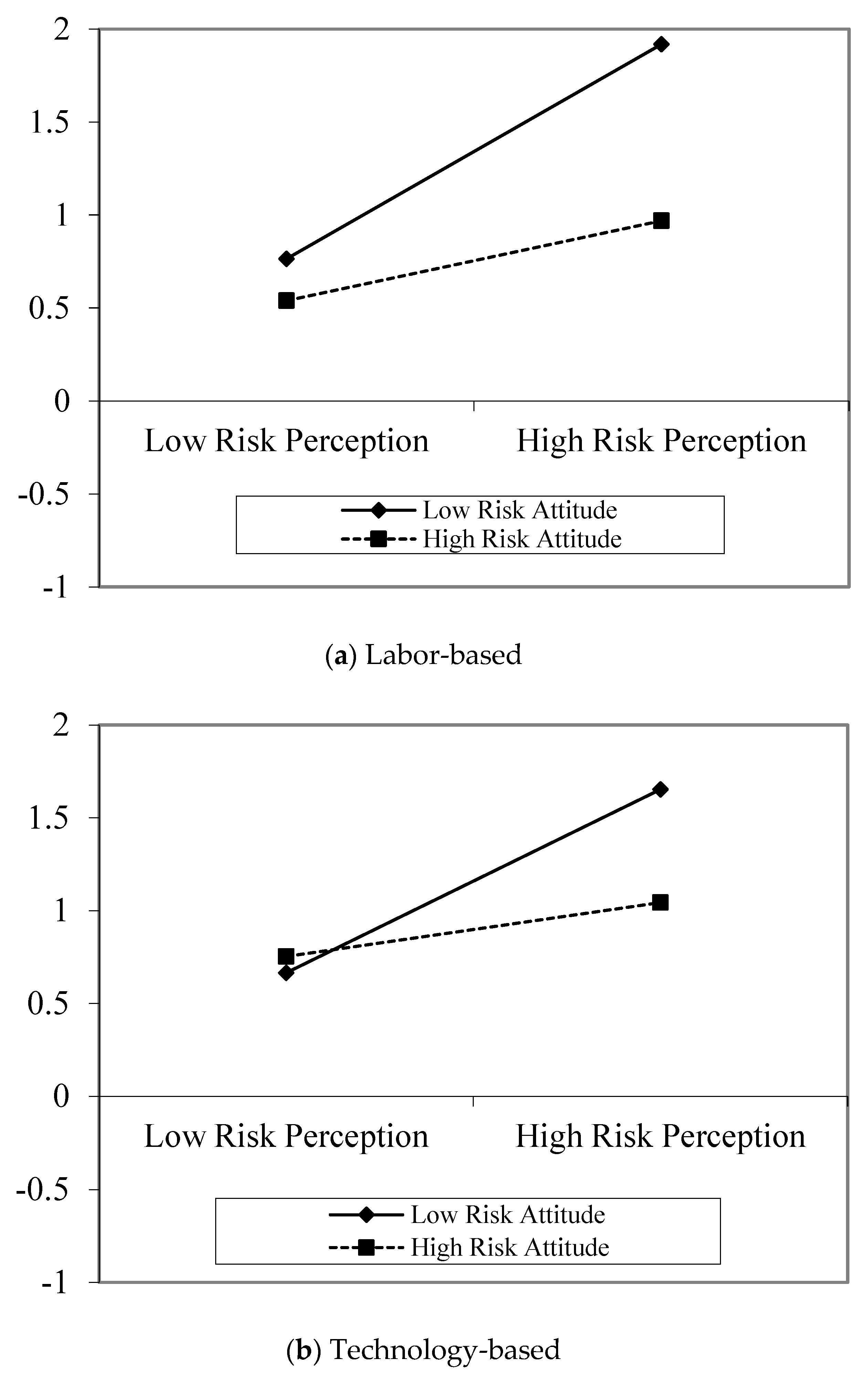
The empirical analysis above demonstrates that both climate risk perception and risk attitudes exert significant effects on maize growers’ climate adaptation behaviors. To investigate the moderating role of risk attitude in the influence of climate risk perception on climate adaptation behavior, the interaction term between climate risk perception and risk attitude was incorporated into the model. Table 8 indicates that the moderating effect of risk attitude on the influence of climate risk perception on capital-based adaptation behavior is not significant. A possible reason is that it represents an investment that has not adversely affected production efficiency. Farmers’ risk-averse tendencies weaken the positive effect of climate risk perception on labor-intensive and technology-driven adaptation behaviors. These two behaviors may potentially lead to losses if used improperly, thus exerting a negative regulatory effect. Hypothesis 3 is validated in terms of labor-based adaptive behaviors and technology-based adaptive behaviors.
Figure 2 presents the moderation effect diagram for the analysis results in Table 8. When maize growers exhibit a high degree of risk aversion, the likelihood of adopting labor-intensive and technology-driven adaptation behaviors increases at a relatively slower pace as climate risk perception rises.

4.4. Robustness Tests

4.4.1. Logit and Linear Probability Model (LPM) Estimation Methods

As can be seen from Table 9, when using the Logit model and the linear probability model (LPM) for regression, the results obtained do not change the conclusion of the paper, and the results remain robust.

4.4.2. Adding Village Characteristics Variables

Villages in which maize growers are located differ in their natural environments and levels of transportation accessibility. Therefore, in addition to individual and household characteristics, this study adds village characteristics—distance to national highways, and whether the village has a pharmacy, a clinic, or a food market—into the regression analysis. The results are shown in Table 10. The significance and signs of the variables are consistent with the main results, further validating the robustness of the preceding findings.

4.5. Placebo Test

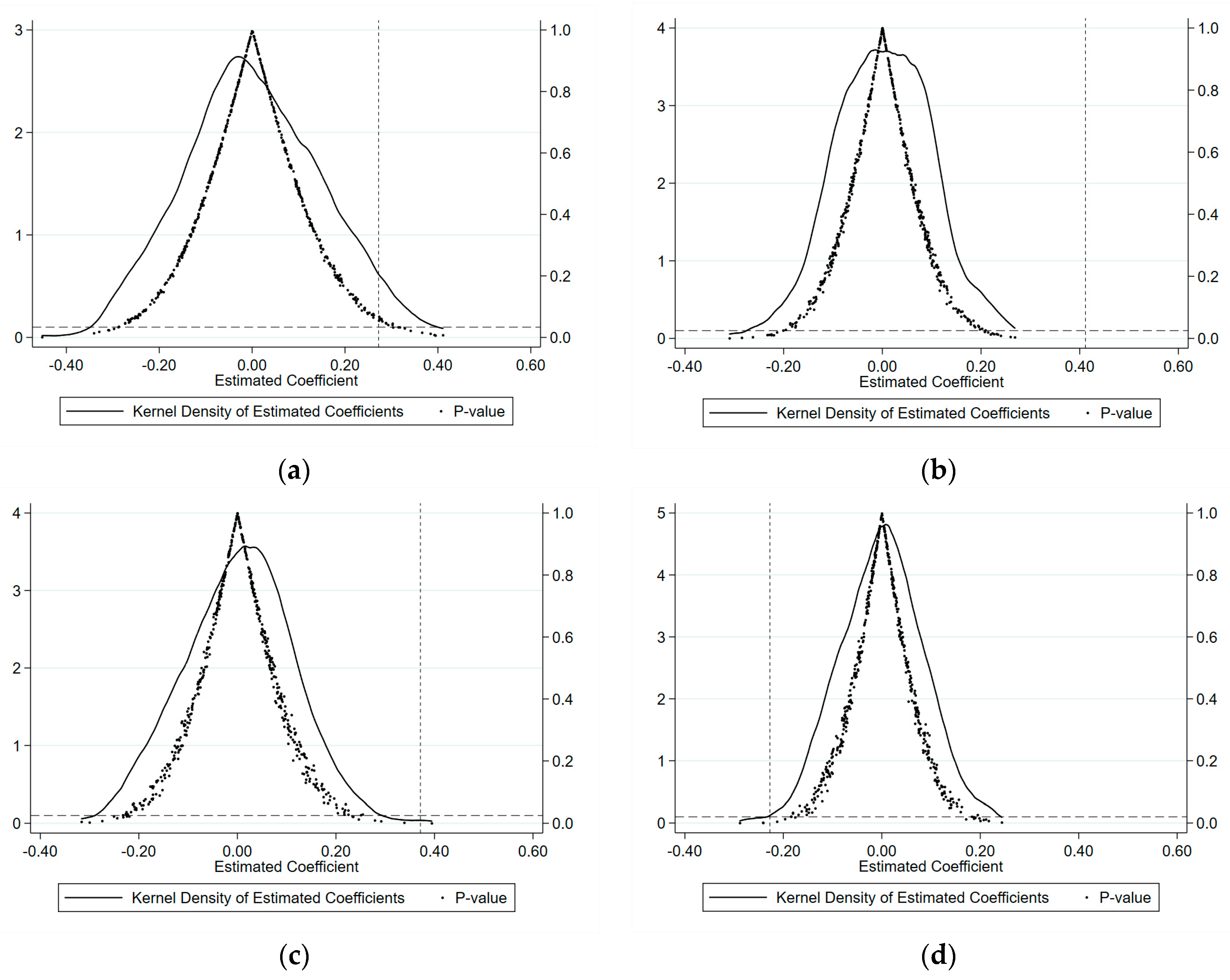
Due to data limitations and the lack of effective instrumental variables, we are unable to formally address the endogeneity issue using IV-based methods. However, to eliminate potential biases arising from random factors, a placebo test is conducted on the baseline regression following established research method [57,58]. A new experimental group is randomly drawn from the sample in this study, and the baseline regression analysis is conducted on this group. If the mean coefficients of the obtained virtual observations approach zero and the p-values are non-significant, the results would not be altered by random factors. Therefore, the Bootstrap method was employed to randomly sample the dataset and perform 500 regressions, testing whether the results from the new experimental group were significant. If the mean regression coefficients plotted approached zero and the p-values were non-significant, this would validate the results. Figure 3 demonstrate that the majority of coefficient estimates across the four test groups cluster near zero and are markedly distant from the true estimates in the main regression. Furthermore, most p-values exceed 0.1, indicating that the results in this section are reliable.

4.6. Heterogeneity

Farmers across different production scales and generations exhibit distinct differences in their behavioral decision-making. As China’s land transfer system continues to evolve, the transition from traditional to modern agricultural operations has resulted in the long-term coexistence of small-scale maize growers and large-scale maize growers. Meanwhile, owing to China’s rapid development over recent decades, maize growers from different generations differ in the importance they attach to agriculture and in their reliance on agricultural production, as well as in their capacity to accept new technologies [59]. Therefore, examining the farming scale and intergenerational heterogeneity in maize growers’ adoption of climate adaptation behaviors holds practical significance for the targeted implementation of policies. Therefore, this section conducts the heterogeneity analyses.

4.6.1. Farming Scale Heterogeneity

This section examines the impact of climate risk perception and risk attitudes on the climate adaptation behaviors of maize growers with different farm sizes. Using the average arable land of all maize growers as the cutoff point, the overall sample is divided into small-scale growers and large-scale grower [59]. Table 11 reveals that climate risk perception significantly influences all three types of adaptation behaviors among small-scale growers. It exerts a significant influence on the labor-based adaptation behaviors of large-scale maize growers. The effect of climate risk perception on smallholders’ labor-based and technology-based adaptation behaviors is moderated by risk attitudes. However, the moderating effect of risk attitudes on climate risk perception is not statistically significant among large-scale farmers.

4.6.2. Intergenerational Heterogeneity

This section examines how climate risk perception and risk attitudes influence climate adaptation behaviors across different generations of maize growers. As shown in Table 12, the moderating effect of risk attitudes is significant for labor-based and technology-based adaptation behaviors among the younger generation of farmers. However, the moderating effect of risk attitude is not significant among the older generation. The new generation of farmers is at a critical stage of career development and capital accumulation, where each adaptive action resembles a complex business investment decision. If they perceive climate risks, they become increasingly concerned about potential double losses during the process of changing agricultural production techniques. Consequently, a high avoidance attitude significantly inhibits their ability to translate perceptions into action.

5. Conclusions and Recommendations

The region selected for this study lies within one of the world’s three major black soil belts. Its findings are relevant not only to China but to all key agricultural regions globally—such as Ukraine’s chernozem zones or certain areas of the United States. In these regions, the stability of corn production represents a matter of global significance. This study explores how climate risk perception and risk attitudes shape the climate adaptation behaviors of maize growers in Jilin Province. The main findings are as follows:
First, climate risk perception exerts a significant positive effect on maize growers’ climate adaptation behaviors, and the sign and significance of the coefficients remain robust after the inclusion of control variables. Climate risk perception enhances farmers’ awareness of climate risks, making the adoption of climate adaptation behaviors more likely to occur. The more risk-averse maize growers are, the less likely they are to adopt technology-based adaptation behaviors. Technological adaptive behaviors typically involve high upfront investments, uncertain returns, and substantial learning costs. For corn farmers with a high degree of risk aversion, such behaviors are often perceived as new sources of risk rather than risk mitigation tools, resulting in relatively low adoption willingness. Second, we find that the moderating effect of risk attitude on climate risk perception’s influence over capital-based adaptation behavior is insignificant. A possible explanation is that capital-based adaptation behaviors are unlikely to cause production losses due to improper techniques, which makes the moderating effect of risk attitudes insignificant. Conversely, heightened risk aversion dampens the positive influence of climate risk perception on farmers’ labor-based and technology-based adaptation behaviors. This is because a higher risk-averse attitude weakens farmers’ ability to translate climate risk perceptions into concrete actions, making them more inclined to adopt conservative strategies when facing climate risks. Consequently, it diminishes the positive influence of climate risk perceptions on labor-intensive and technology-based adaptive behaviors. The moderating effect of risk attitudes is significant among small-scale farmers and the younger generation, but insignificant among large-scale farmers and the older generation. The moderating effect of risk attitudes is primarily evident among small-scale and younger-generation farmers who face stronger resource constraints and have relatively less accumulated experience. In contrast, among large-scale and older-generation farmers who possess more abundant resources and make more stable production decisions, its marginal impact is relatively limited. Third, individual and household characteristics significantly influence maize farmers’ adoption of climate adaptation behaviors. Male farmers are more likely to adopt capital-intensive adaptation behaviors, and higher education levels also promote the adoption of such behaviors. Household heads who are village officials can significantly increase the probability of adopting capital-based adaptation behaviors and technology-based adaptation behaviors. Household size, arable land, and household savings significantly influence maize growers’ technical-based adaptation behavior. Agricultural labor size significantly increases the probability of adopting labor-based adaptation behavior. Savings affect the adoption of capital-based adaptation behavior.
Based on these findings, the following recommendations are proposed:
Farmers should have precise knowledge of climate information to enable them to take corresponding adaptive measures. The improvement of the meteorological monitoring system and the effective utilization of modern communication technology information are important links for maize growers to obtain meteorological information in a timely and accurate manner. Weather forecasts and meteorological disaster warnings should be accurately conveyed to farmers, enabling them to gain the upper hand and take proactive measures in advance. In addition to disseminating relevant weather information through traditional media such as television and radio, the latest weather updates should also be promptly delivered to maize growers via online group chats and public platforms. Official institutions play a significant role. The village committee must promptly disseminate information and remind maize growers to stay vigilant. By utilizing multiple channels for climate information dissemination, farmers’ awareness of relevant updates should be enhanced to prevent misinformation or other errors [60].
Maize growers’ awareness and mastery of adaptive measures need to be enhanced, enabling them to proactively adopt climate adaptation behaviors suited to their circumstances. This approach also improves the effectiveness of adaptive measures and reduces associated risks. The government should promote proactive climate adaptation measures to encourage maize growers to adjust their production practices in response to climate conditions. Deploying extension agents to provide farmers with technical guidance is also an effective means of promoting climate adaptation among agricultural households. Organize more farmer training sessions and science outreach lectures, clearly explaining how these measures help mitigate economic losses caused by climate change, while minimizing the confusion caused by vague slogans and obscure technical terms among maize growers.
It is also necessary to propose climate-resilient land strategies tailored to maize growers based on their production scale and age. Regional heterogeneity should guide maize producers to adopt land strategies that are well suited to local natural conditions and geographic characteristics. Given that large-scale farmers, who are “immune” to fear, have developed strong adaptive capabilities to climate risks and new technologies through long-term production practices, a guidance and demonstration mechanism can be established between them and younger farmers. Through demonstration effects and social learning processes, the trust and experience of large-scale farmers in climate-resilient technologies can be transferred to younger farmers, promoting the adoption of climate-resilient behaviors among them.
This study examined farmers’ climate adaptation behaviors using only cross-sectional data, without incorporating longitudinal data. Since farmers’ perceptions of climate events may evolve over the course of a year or several years, conducting multi-year tracking analyses would be valuable. How psychological barriers evolve and their long-term impact on behavior warrant further investigation.

Author Contributions

Y.X.: Formal analysis, Software, Writing—original draft, Data curation, Validation, Writing—review and editing. H.G.: Resources, Supervision. All authors have read and agreed to the published version of the manuscript.

Funding

This work was supported by the CHINA SCHOLARSHIP COUNCIL [grant numbers 202306170153, 2023] and Humanities and Social Science Fund of Ministry of Education [grant numbers 24YJA790009].

Data Availability Statement

The raw data supporting the conclusions of this article will be made available by the authors on request.

Conflicts of Interest

The authors declare no conflicts of interest.

References

  1. Tola, F.T.; Dadi, D.K.; Kenea, T.T.; Dinku, T. The Role of Climate Services in Supporting Climate Change Adaptation in Ethiopia. Land 2025, 14, 2251. [Google Scholar] [CrossRef]
  2. Semeraro, T.; Scarano, A.; Leggieri, A.; Calisi, A.; De Caroli, M. Impact of Climate Change on Agroecosystems and Potential Adaptation Strategies. Land 2023, 12, 1117. [Google Scholar] [CrossRef]
  3. Brosch, T. Affect and emotions as drivers of climate change perception and action: A review. Curr. Opin. Behav. Sci. 2021, 42, 15–21. [Google Scholar] [CrossRef]
  4. Guo, H.; Xia, Y.; Jin, J.; Pan, C. The impact of climate change on the efficiency of agricultural production in the world’s main agricultural regions. Environ. Impact Assess. Rev. 2022, 97, 106891. [Google Scholar] [CrossRef]
  5. Burton, I.; Kates, R.W.; White, G.F. The Environment as Hazard; Oxford University Press: Oxford, UK, 1978. [Google Scholar]
  6. Asmare, F.; Teklewold, H.; Mekonnen, A. The effect of climate change adaptation strategy on farm households welfare in the Nile basin of Ethiopia: Is there synergy or trade-offs? Int. J. Clim. Change Strateg. Manag. 2019, 11, 518–535. [Google Scholar] [CrossRef]
  7. Li, G.; Wei, F. Climate Change Adaptation Practices Among Farmhouseholds and Their Influencing Factors: An Analysis Based on 597 Farmhousehold Survey Data from Shaanxi and Gansu Provinces. J. Hunan Agric. Univ. (Soc. Sci. Ed.) 2017, 18, 16–23. [Google Scholar]
  8. Huber, R.; Xiong, H.; Keller, K.; Finger, R. Bridging behavioural factors and standard bio-economic modelling in an agent-based modelling framework. J. Agric. Econ. 2022, 73, 35–63. [Google Scholar] [CrossRef]
  9. Zhu, X.; Lou, W. Public Risk Perception and Acceptance of Emerging Technologies: An Experimental Study on Facial Recognition Technology. Manag. World 2024, 40, 118–132. [Google Scholar] [CrossRef]
  10. Slovic, P. Perception of Risk. Science 1987, 236, 280–285. [Google Scholar] [CrossRef]
  11. Brown, C.; Kovacs, E.; Herzon, I.; Villamayor-Tomas, S.; Albizua, A.; Galanaki, A.; Grammatikopoulou, I.; McCracken, D.; Olsson, J.; Zinngrebe, Y. Simplistic understandings of farmer motivations could undermine the environmental potential of the common agricultural policy. Land Use Policy 2020, 101, 105136. [Google Scholar] [CrossRef]
  12. Li, S.; Juhász-Horváth, L.; Harrison, P.A.; Pintér, L.; Rounsevell, M.D.A. Relating farmer’s perceptions of climate change risk to adaptation behaviour in Hungary. J. Environ. Manag. 2017, 185, 21–30. [Google Scholar] [CrossRef]
  13. Shang, Y.; Xiong, T.; Li, C. Risk Perception, Risk Attitude, and Farmers’ Willingness to Adopt Risk Management Tools: The Case of Agricultural Insurance and “Insurance Plus Futures”. China Rural. Watch. 2020, 5, 52–72. [Google Scholar]
  14. Alam, M.A.; Guttormsen, A.G. Risk in aquaculture: Farmers’ perceptions and management strategies in Bangladesh. Aquac. Econ. Manag. 2019, 23, 359–381. [Google Scholar] [CrossRef]
  15. Feng, X.; Chen, Z.; Huo, X. Empirical Study on Farmers’ Adaptive Behavior under Drought Conditions: Survey Data from 1079 Apple Growers. Resour. Environ. Arid. Reg. 2016, 30, 43–49. [Google Scholar] [CrossRef]
  16. Wheeler, S.; Nauges, C.; Zuo, A. How stable are Australian farmers’ climate change risk perceptions? New evidence of the feedback loop between risk perceptions and behaviour. Glob. Environ. Change 2021, 68, 102274. [Google Scholar] [CrossRef]
  17. Davidson, D.J.; Rollins, C.; Lefsrud, L.; Anders, S.; Hamann, A. Just don’t call it climate change: Climate-skeptic farmer adoption of climate-mitigative practices. Environ. Res. Lett. 2019, 14, 034015. [Google Scholar] [CrossRef]
  18. Sabine Waasdorp, L.U. Dutch People Adapt Their Climate Beliefs More Easily Than Their Behavior, Find Researchers; Leiden University: Leiden, The Netherlands, 2024. [Google Scholar]
  19. Woods, B.A.; Nielsen, H.Ø.; Pedersen, A.B.; Kristofersson, D. Farmers’ perceptions of climate change and their likely responses in Danish agriculture. Land Use Policy 2017, 65, 109–120. [Google Scholar] [CrossRef]
  20. Chen, Z.; Hu, H. The Impact of Farmers’ Perception of Meteorological Risks on Agricultural Insurance Selection Behavior: A Case Study of Peach Growers. J. Nanjing Agric. Univ. (Soc. Sci. Ed.) 2023, 23, 178–190. [Google Scholar]
  21. Hillson, D.; Murray Webster, R. Understanding and Managing Risk Attitude; Taylor & Francis: London, UK, 2017. [Google Scholar]
  22. Binswanger, H.P. Attitudes Toward Risk: Experimental Measurement in Rural India. Am. J. Agric. Econ. 1980, 62, 395–407. [Google Scholar] [CrossRef]
  23. Liu, E.M. Time to Change What to Sow: Risk Preferences and Technology Adoption Decisions of Cotton Farmers in China. Rev. Econ. Stat. 2013, 95, 1386–1403. [Google Scholar] [CrossRef]
  24. Bougherara, D.; Xavier, G.; Piet, L.; Reynaud, A. Structural estimation of farmers’ risk and ambiguity preferences: A field experiment. Eur. Rev. Agric. Econ. 2017, 44, 782–808. [Google Scholar] [CrossRef]
  25. Skevas, T.; Skevas, I.; Cabrera, V. Farm Profitability as a Driver of Spatial Spillovers: The Case of Somatic Cell Counts on Wisconsin Dairies. Agric. Resour. Econ. Rev. 2021, 50, 187–200. [Google Scholar] [CrossRef]
  26. Bowles, S. Endogenous Preferences: The Cultural Consequences of Markets and other Economic Institutions. J. Econ. Lit. 1998, 36, 75–111. [Google Scholar]
  27. Liu, E.M.; Huang, J. Risk preferences and pesticide use by cotton farmers in China. J. Dev. Econ. 2013, 103, 202–215. [Google Scholar] [CrossRef]
  28. Jin, J.; Gao, Y.; Wang, X.; Pham Khanh, N. Farmers’ risk preferences and their climate change adaptation strategies in the Yongqiao District, China. Land Use Policy 2015, 47, 365–372. [Google Scholar] [CrossRef]
  29. Santosa, Y.T. 10 Most-Produced Agriculture Commodities from China. 2024. Available online: https://www.scienceagri.com/2024/11/10-most-produced-agriculture.html (accessed on 11 November 2024).
  30. Yang, W. Research on the Impact of Risk Perception and Risk Attitude on the Transfer of Rural Land Management Rights: A Case Study of the Transfer of Rural Land Management Rights in Jiaxing City, Zhejiang Province. Land Sci. China 2018, 32, 35–42. [Google Scholar]
  31. Akhtar, S.; Li, G.-c.; Ullah, R.; Nazir, A.; Iqbal, M.A.; Raza, M.H.; Iqbal, N.; Faisal, M. Factors influencing hybrid maize farmers’ risk attitudes and their perceptions in Punjab Province, Pakistan. J. Integr. Agric. 2018, 17, 1454–1462. [Google Scholar] [CrossRef]
  32. Chen, X.; Wei, Y. Risk Perception, risk Preference and risk Management strategies for Poor farmers. J. South China Agric. Univ. (Soc. Sci. Ed.) 2019, 18, 74–85. [Google Scholar]
  33. Schildberg-Horisch, H. Are Risk Preferences Stable? J. Econ. Perspect. 2018, 32, 135–154. [Google Scholar] [CrossRef]
  34. Holden, S.T.; Quiggin, J. Climate risk and state-contingent technology adoption: Shocks, drought tolerance and preferences. Eur. Rev. Agric. Econ. 2016, 44, 285–308. [Google Scholar] [CrossRef]
  35. Guiso, L.; Paiella, M. Risk aversion, wealth, and background risk. J. Eur. Econ. Assoc. 2008, 6, 1109–1150. [Google Scholar] [CrossRef]
  36. Gu, M.; Chien, H.; Wu, W.; Zhao, M. The Impact of Value Perception and Risk Aversion on Climate Adaptability Behaviors of Grain Growers: Evidence from 1,145 farmer Surveys in Heilongjiang, Henan and Hunan Provinces. Resour. Environ. Arid. Areas 2023, 37, 66–74. [Google Scholar] [CrossRef]
  37. Aslam, A.B.; Rana, I.A.; Shah, S.S.; Mohuddin, G. Climate change and glacial lake outburst flood (GLOF) risk perceptions: An empirical study of Ghizer District, Gilgit-Baltistan Pakistan. Int. J. Disaster Risk Reduct. 2022, 83, 103392. [Google Scholar] [CrossRef]
  38. Mızrak, S.; Turan, M. Effect of individual characteristics, risk perception, self-efficacy and social support on willingness to relocate due to floods and landslides. Nat. Hazards 2023, 116, 1615–1637. [Google Scholar] [CrossRef] [PubMed]
  39. Gneezy, U.; Potters, J. An Experiment on Risk Taking and Evaluation Periods. Q. J. Econ. 1997, 112, 631–645. [Google Scholar] [CrossRef]
  40. Holt, C.A.; Laury, S.K. Risk Aversion and Incentive Effects. Am. Econ. Rev. 2002, 92, 1644–1655. [Google Scholar] [CrossRef]
  41. Brick, K.; Visser, M.; Burns, J. Risk Aversion: Experimental Evidence from South African Fishing Communities. Am. J. Agric. Econ. 2012, 94, 133–152. [Google Scholar] [CrossRef]
  42. Drichoutis, A.C.; Lusk, J.L. What can multiple price lists really tell us about risk preferences? J. Risk Uncertain. 2016, 53, 89–106. [Google Scholar] [CrossRef]
  43. Haile, K.K.; Nillesen, E.; Tirivayi, N. Impact of formal climate risk transfer mechanisms on risk-aversion: Empirical evidence from rural Ethiopia. World Dev. 2020, 130, 104930. [Google Scholar] [CrossRef]
  44. Liebenehm, S.; Schumacher, I.; Strobl, E. Rainfall shocks and risk aversion: Evidence from Southeast Asia. Am. J. Agric. Econ. 2023, 106, 145–176. [Google Scholar] [CrossRef]
  45. Falk, A.; Becker, A.; Dohmen, T.; Huffman, D.; Sunde, U. The Preference Survey Module: A Validated Instrument for Measuring Risk, Time, and Social Preferences. Manag. Sci. 2023, 69, 1935–1950. [Google Scholar] [CrossRef]
  46. Lönnqvist, J.-E.; Verkasalo, M.; Walkowitz, G.; Wichardt, P.C. Measuring individual risk attitudes in the lab: Task or ask? An empirical comparison. J. Econ. Behav. Organ. 2015, 119, 254–266. [Google Scholar] [CrossRef]
  47. Falk, A.; Becker, A.; Dohmen, T.; Enke, B.; Huffman, D.; Sunde, U. Global Evidence on Economic Preferences. Q. J. Econ. 2018, 133, 1645–1692. [Google Scholar] [CrossRef]
  48. Hardeweg, B.; Menkhoff, L.; Waibel, H. Experimentally Validated Survey Evidence on Individual Risk Attitudes in Rural Thailand. Econ. Dev. Cult. Change 2013, 61, 859–888. [Google Scholar] [CrossRef]
  49. Howley, P.; Dillon, E.; Heanue, K.; Meredith, D. Worth the Risk? The Behavioural Path to Well-Being. J. Agric. Econ. 2017, 68, 534–552. [Google Scholar] [CrossRef]
  50. Duffy, C.; Pede, V.; Toth, G.; Kilcline, K.; O’Donoghue, C.; Ryan, M.; Spillane, C. Drivers of household and agricultural adaptation to climate change in Vietnam. Clim. Dev. 2021, 13, 242–255. [Google Scholar] [CrossRef]
  51. Mugwe, J.; Mugendi, D.; Mucheru-Muna, M.; Merckx, R.; Chianu, J.; Vanlauwe, B. Determinants of the Decision to Adopt Integrated Soil Fertility Management Practices by Smallholder Farmers in the Central Highlands of Kenya. Exp. Agric. 2009, 45, 61–75. [Google Scholar] [CrossRef]
  52. Liu, F.; Li, C.; Zhang, H. Farmers’ environmental awareness and low-carbon production behavior patterns. Yunnan Soc. Sci. 2017, 6, 58–63. [Google Scholar]
  53. Jiang, L.; Zhang, L.; Zhang, J.; Wang, H. Research on the Influencing Mechanism of Low-carbon Production Behaviors of Rice Farmers: Based on In-depth Interviews with 102 Rice Farmers in Hubei Province. Obs. Rural. Areas China 2018, 004, 86–101. [Google Scholar]
  54. Dang, H.L.; Li, E.; Nuberg, I.; Bruwer, J. Factors influencing the adaptation of farmers in response to climate change: A review. Clim. Dev. 2019, 11, 765–774. [Google Scholar] [CrossRef]
  55. Jiang, Z.; Liao, C.; Chen, M. Information Transmission and Social Imitation: The Impact of Peer Effect on Farmers’ Fertilizer Reduction Behavior: An Empirical Study Based on 1488 Data Points. Agric. Resour. Reg. China 2025, 46, 24–35. [Google Scholar]
  56. Siddhartha, C.; Edward, G. Analysis of multivariate probit models. Biometrika 1998, 85, 347–361. [Google Scholar] [CrossRef]
  57. Zhang, H.; Hou, X.; Jin, Y. The Impact of Fallow Policies on Farmers’ Practices for Protecting Farmland Quality. Resour. Sci. 2023, 45, 2196–2209. [Google Scholar]
  58. Chetty, R.; Looney, A.; Kroft, K. Salience and Taxation: Theory and Evidence. Am. Econ. Rev. 2009, 99, 1145–1177. [Google Scholar] [CrossRef]
  59. Qian, L.; Feng, Y.; Lu, H.; Chen, H. The Impact of Property Rights Security Perception on Farmers’ Farmland Quality Protection Behaviors: A Case Study of Guangxi. Land Sci. China 2019, 33, 93–101. [Google Scholar]
  60. Rasmussen, L.V. Re-Defining Sahelian ‘Adaptive Agriculture’ when Implemented Locally: Beyond Techno-fix Solutions. World Dev. 2018, 108, 274–282. [Google Scholar] [CrossRef]
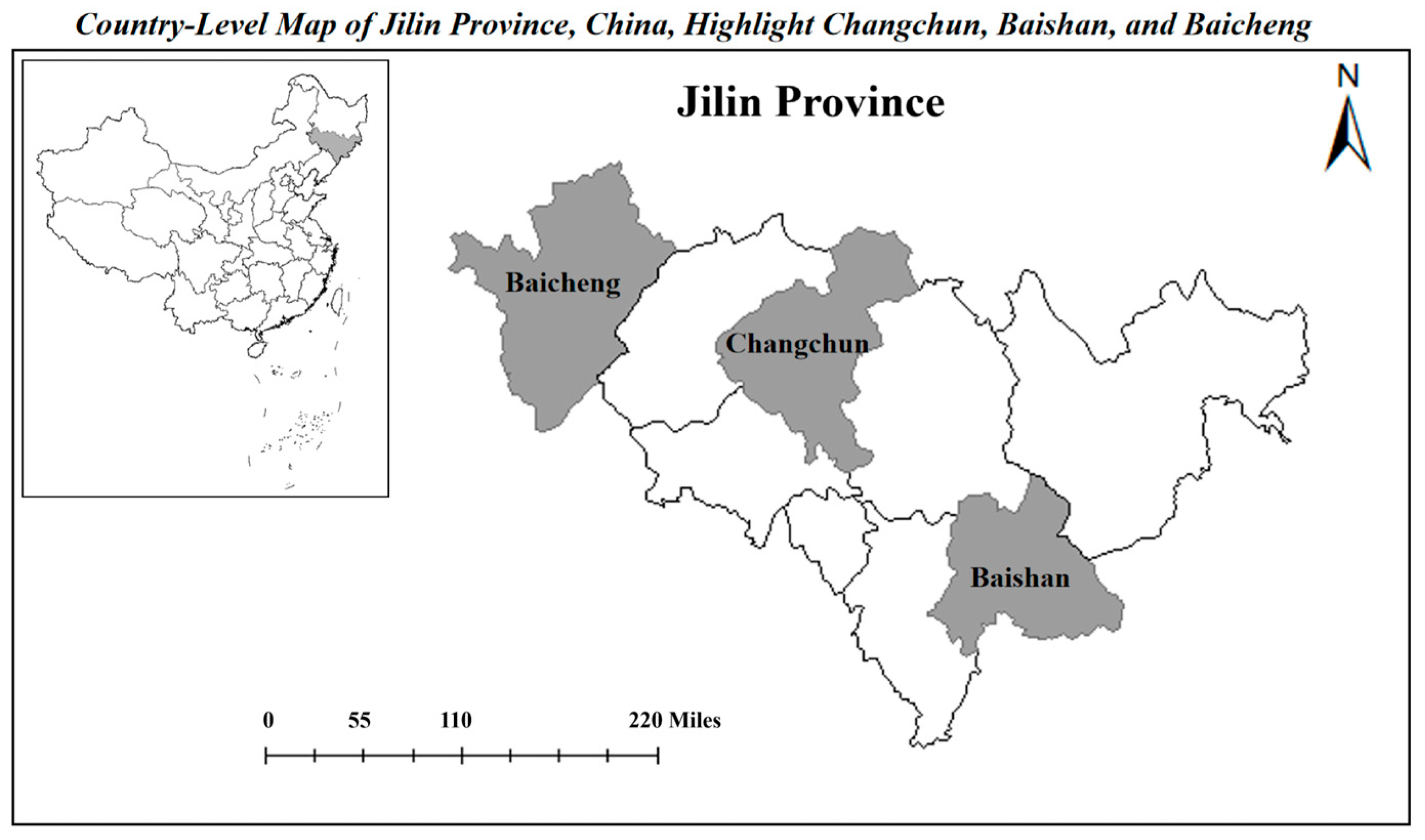
Figure 1. Location of the study area.
Land 15 00314 g001
Figure 2. Moderation effect diagram.
Land 15 00314 g002
Figure 3. (a) Risk Perception and Capital-Based Adaptation Behavior. (b) Risk Perception and Labor-Based Adaptation Behavior. (c) Risk Perception and Technology-Based Adaptation. (d) Risk Attitude and Technology-Based Adaptation.
Land 15 00314 g003
Table 1. Basic characteristics of the respondents.
Variable NameValueNumber of SamplesPercentage
GenderMale56675.3%
Female18624.7%
Age35 years old and below11515.3%
36–50 years old33444.4%
51–65 years old27536.6%
65 years and over283.7%
EducationNo formal schooling202.7%
Primary education12015.9%
Lower secondary education (junior high school)37249.5%
Upper secondary education (senior or technical secondary school)11214.9%
Tertiary education (associate degree and above)12817.0%
Household size3 persons or fewer28838.3%
4–6 persons34646.0%
6 persons and above11815.7%
Cultivated area3.33 ha and below41254.79%
3.33–10 ha20427.13%
10 ha and above13618.08%
Table 2. Mean frequency and severity scores for various agrometeorological disasters among maize growers.
MeanDroughtFlooding and WaterloggingSummer Cold DamageTyphoonsFirst FrostWind and HailContinuous Rainy Weather During Autumn HarvestCold Spring Flooding
Frequency3.133.172.662.732.732.923.062.88
Severity3.493.643.243.343.223.413.473.44
Table 3. Matrix of Climate Risk Perception Indicators and Factor Loadings.
VariableIndicatorQuestion DesignCodingFactor Loadings
Climate Risk PerceptionLoss PerceptionI am concerned about meteorological disastersA10.906
I believe my family’s farmland is vulnerable to meteorological disastersA20.846
Perceived Coping CapacityI believe agricultural losses caused by meteorological disasters can be preventedA30.824
I believe losses caused by meteorological disasters can be toleratedA40.810
Perception of crisisI consider the duration of agricultural losses caused by meteorological disasters to be prolongedA50.719
I believe the likelihood of increased frequency of meteorological disasters in the near futureA60.847
I believe the likelihood of an increase in the frequency of long-term meteorological disastersA70.682
Table 4. Correlation Matrix and Factor Loadings for Risk Attitude Scale.
VariableItemCodeFactor Loadings
Risk AttitudeI do not believe that taking excessive risks in agricultural production is a good thingB10.517
I am skeptical about new cultivation methodsB20.682
I consider mitigating agricultural risks to be of paramount importance to meB30.824
Before adopting new agricultural techniques, I need to see if others have tried this methodB40.729
Although the new cultivation method might help me increase profits, I’m more concerned that it could lead to losses.B50.744
Table 5. Variable Descriptions and Descriptive Statistics.
Variable NameVariable Meaning and AssignmentMeanStandard Deviation
Personal Characteristics
GenderHousehold head’s gender: 0 = Male, 1 = Female0.2470.432
AgeHousehold head’s actual age46.79810.313
HealthHousehold head’s health status: 1 = Unhealthy, 2 = Fair, 3 = Fairly healthy, 4 = Very healthy, 5 = Extremely healthy3.6501.160
EducationHousehold head’s educational attainment: 1 = No formal schooling, 2 = Primary education, 3 = Lower secondary education (junior high school), 4 = Upper secondary education (senior or technical secondary school), 5 = Tertiary education (associate degree and above)3.2771.010
Village officialsWhether the household head is a village official: 0 = No, 1 = Yes0.1330.340
Household Characteristics
Total household sizeTotal number of household members4.2832.148
Agricultural labor sizeNumber of household members engaged in agricultural production2.2471.033
Arable landActual arable area per household (ha)4.5694.708
IncomeTotal household income (yuan)129,720275,290
SavingWhether the household has savings: 0 = No, 1 = Yes0.6040.489
Village Characteristics
Distance to National HighwayDistance to national highway (kilometers)16.92422.108
PharmacyWhether the household’s village has a pharmacy: 0 = No, 1 = Yes0.2630.441
ClinicWhether the household’s village has a clinic: 0 = No, 1 = Yes0.6930.462
MarketWhether the household’s village has a market: 0 = No, 1 = Yes0.1660.373
Note: Explanatory variables utilized in the remaining two chapters of this paper are also presented in this table.
Table 6. Main Result- Impact of Climate Risk Perception on Climate Adaptation Behavior.
Capital-BasedLabor-BasedTechnology-Based
(1)(2)(3)(4)(5)(6)
Climate risk perception0.066 ***0.055 ***0.072 ***0.066 ***0.042 ***0.043 ***
(0.019)(0.021)(0.017)(0.018)(0.014)(0.015)
Age −0.001 −0.001 −0.0001
(0.002) (0.001) (0.001)
Gender −0.083 *** −0.017 −0.026
(0.027) (0.025) (0.021)
Health 0.013 0.0005 −0.009
(0.011) (0.009) (0.008)
Education 0.028 * 0.010 −0.011
(0.015) (0.012) (0.011)
Village officials 0.147 *** 0.054 0.132 ***
(0.051) (0.038) (0.047)
Household size 0.002 0.006 0.016 **
(0.007) (0.007) (0.007)
Agricultural labor size 0.002 0.027 ** −0.013
(0.015) (0.012) (0.011)
Arable land −0.002 −0.001 0.016 **
(0.012) (0.010) (0.008)
Income −0.0003 0.0005 −0.001
(0.001) (0.001) (0.001)
Saving 0.001 ** 0.001 0.001 *
(0.0005) (0.0004) (0.0004)
County FEYESYESYESYESYESYES
Pseudo R20.0650.1240.0500.0820.0580.129
Wald chi244.24870.82929.69744.27421.94942.548
Obs752752752752752752
Note: Standard errors are shown in parentheses. * significant at 10%, ** significant at 5%, *** significant at 1%.
Table 7. Main Result- Impact of Risk Attitude on Climate Adaptation Behavior.
Capital-BasedLabor-BasedTechnology-Based
(1)(2)(3)(4)(5)(6)
Risk attitude−0.075−0.070−0.006−0.003−0.026 **−0.026 ***
(0.013)(0.012)(0.013)(0.012)(0.010)(0.009)
Age −0.002 −0.002 −0.001
(0.001) (0.001) (0.001)
Gender −0.085 *** −0.015 −0.028
(0.027) (0.026) (0.021)
Health 0.010 0.001 −0.009
(0.011) (0.009) (0.008)
Education 0.029 * 0.014 −0.008
(0.015) (0.013) (0.011)
Village officials 0.147 *** 0.050 0.127 ***
(0.048) (0.039) (0.046)
Household size 0.007 0.010 0.017 **
(0.008) (0.008) (0.008)
Agricultural labor size −0.009 0.020 * −0.018
(0.014) (0.012) (0.011)
Arable land −0.00008 −0.003 0.014 **
(0.011) (0.010) (0.007)
Income −0.0002 0.001 −0.0006
(0.001) (0.001) (−0.0005)
Saving 0.001 ** 0.001 0.0007 *
(0.0005) (0.0004) (0.00036)
County FEYESYESYESYESYESYES
Pseudo R20.1020.1620.0130.0530.0550.128
Wald chi249.67475.6216.13227.83015.25947.771
Obs752752752752752752
Note: Standard errors are shown in parentheses. * significant at 10%, ** significant at 5%, *** significant at 1%.
Table 8. Moderation effect of risk attitude.
Capital-BasedLabor-BasedTechnology-Based
(1)(2)(3)(4)(5)(6)
Climate risk perception0.104 ***0.094 ***0.078 ***0.068 ***0.055 ***0.058 ***
(0.019)(0.021)(0.019)(0.019)(0.015)(0.016)
Risk attitude−0.091−0.085 ***−0.026 *−0.021−0.031 ***−0.032 ***
(0.014)(0.013)(0.015)(0.014)(0.011)(0.009)
Climate risk perception × Risk attitude−0.001−0.004−0.037 **−0.037 **−0.026 *−0.026 *
(0.017)(0.016)(0.017)(0.016)(0.015)(0.015)
Age −0.001 −0.001 0.0004
(0.001) (0.001) (0.001)
Gender −0.088 *** −0.018 −0.033
(0.026) (0.025) (0.021)
Health 0.007 0.001 −0.013
(0.011) (0.010) (0.008)
Education 0.024 * 0.006 −0.010
(0.015) (0.012) (0.011)
Village officials 0.140 *** 0.053 0.126 ***
(0.046) (0.038) (0.044)
Household size 0.002 0.006 0.015 **
(0.007) (0.007) (0.007)
Agricultural labor size 0.0001 0.024 ** −0.012
(0.014) (0.012) (0.011)
Arable land 0.003 0.001 0.015 **
(0.010) (0.010) (0.007)
Income −0.0002 0.001 −0.001
(0.001) (0.001) (0.0005)
Saving 0.0009 *** 0.00058 0.00064 *
(0.0004) (0.0004) (0.0004)
County FEYESYESYESYESYESYES
Pseudo R20.1400.1930.0680.0980.1030.178
Wald chi279.802101.69333.41946.52830.50662.294
Obs752752752752752752
Note: Standard errors are shown in parentheses. * significant at 10%, ** significant at 5%, *** significant at 1%.
Table 9. Robustness tests-logit and LPM.
LogitLPM
Capital-BasedLabor-BasedTechnology-BasedCapital-BasedLabor-BasedTechnology-Based
(1)(2)(3)(4)(5)(6)
Climate risk perception0.089 ***0.070 ***0.058 ***0.043 **0.043 ***0.028 **
(0.022)(0.020)(0.017)(0.018)(0.015)(0.013)
Risk attitude−0.087 ***−0.027 *−0.033 ***−0.083 ***−0.011−0.037 ***
(0.014)(0.016)(0.010)(0.013)(0.011)(0.009)
Climate risk perception × Risk attitude−0.004−0.038 **−0.027 *0.005−0.031 **−0.023 *
(0.015)(0.017)(0.015)(0.017)(0.015)(0.013)
Control variablesYESYESYESYESYESYES
County FEYESYESYESYESYESYES
Pseudo R2
(R-squared)
0.1930.0970.1820.1080.0470.047
Wald chi2
(F-test)
93.51744.16957.5346.8702.7762.823
Obs752752752752752752
Note: Standard errors are shown in parentheses. * significant at 10%, ** significant at 5%, *** significant at 1%.
Table 10. Robustness tests-adding village characteristics variables.
Capital-BasedLabor-BasedTechnology-Based
(1)(2)(3)
Climate risk perception0.091 ***0.069 ***0.056 ***
(0.021)(0.019)(0.016)
Risk attitude−0.083 ***−0.022−0.031 ***
(0.013)(0.014)(0.009)
Climate risk perception × Risk attitude−0.005−0.039 **−0.027 *
(0.015)(0.016)(0.014)
Control variablesYESYESYES
County FEYESYESYES
Pseudo R20.2040.1070.191
Wald chi2112.00452.16167.982
Obs752752752
Note: Standard errors are shown in parentheses. * significant at 10%, ** significant at 5%, *** significant at 1%.
Table 11. Heterogeneity: Scale heterogeneity.
Small-ScaleLarge-Scale
Capital-BasedLabor-BasedTechnology-BasedCapital-BasedLabor-BasedTechnology-Based
(1)(2)(3)(4)(5)(6)
Climate risk perception0.119 ***0.073 ***0.078 ***0.0310.116 ***0.007
(0.026)(0.024)(0.021)(0.033)(0.043)(0.017)
Risk attitude−0.07 ***−0.016−0.025 **−0.116 ***−0.024−0.098 ***
(0.015)(0.016)(0.011)(0.021)(0.025)(0.020)
Climate risk perception × Risk attitude−0.008−0.037 **−0.033 *−0.032−0.0410.005
(0.019)(0.019)(0.017)(0.025)(0.032)(0.025)
Control variablesYESYESYESYESYESYES
County FEYESYESYESYESYESYES
Pseudo R2
(R-squared)
0.2020.1040.1580.4090.2380.563
Wald chi2
(F-test)
77.06632.96350.14755.68939.69442.53
Obs508508508244244244
Note: Standard errors are shown in parentheses. * significant at 10%, ** significant at 5%, *** significant at 1%.
Table 12. Heterogeneity: Intergenerational heterogeneity.
Younger GenerationOlder Generation
Capital-BasedLabor-BasedTechnology-BasedCapital-BasedLabor-BasedTechnology-Based
(1)(2)(3)(4)(5)(6)
Climate risk perception0.077 ***0.111 ***0.043 **0.077 ***0.0230.044 **
(0.030)(0.026)(0.019)(0.027)(0.021)(0.022)
Risk attitude−0.082 ***−0.017−0.033 ***−0.07 ***−0.017−0.033 **
(0.018)(0.015)(0.012)(0.018)(0.014)(0.016)
Climate risk perception × Risk attitude−0.024−0.055 ***−0.032 **0.012−0.0150.015
(0.023)(0.021)(0.014)(0.026)(0.019)(0.020)
Control variablesYESYESYESYESYESYES
County FEYESYESYESYESYESYES
Pseudo R2
(R-squared)
0.2200.1820.2320.2020.1050.120
Wald chi2
(F-test)
59.56167.37547.0862.83822.37120.341
Obs508508508244244244
Note: Standard errors are shown in parentheses. ** significant at 5%, *** significant at 1%.
Disclaimer/Publisher’s Note: The statements, opinions and data contained in all publications are solely those of the individual author(s) and contributor(s) and not of MDPI and/or the editor(s). MDPI and/or the editor(s) disclaim responsibility for any injury to people or property resulting from any ideas, methods, instructions or products referred to in the content.