1. Introduction
In recent decades, the concepts of geoheritage and geodiversity have evolved from purely scientific discussions to central components of global debates on sustainable development, conservation policy, and landscape management. As environmental pressures intensify and public awareness grows, geoheritage is increasingly recognized not only as a scientific asset but also as a key driver of education, regional identity, and sustainable tourism [
1,
2,
3,
4,
5,
6]. Geoheritage encompasses geological features, sites, and landscapes of significant scientific, educational, cultural, or aesthetic value [
5,
6,
7,
8,
9], while geodiversity represents the abiotic foundation of biodiversity and human civilization, comprising the natural range of geological, geomorphological, and hydrological features, as well as other types of geodiversity not listed here. Despite its fundamental role in ecosystem stability and climate regulation, geodiversity has historically received less attention than biodiversity in conservation strategies. Recent research, however, shows that the conservation of abiotic diversity is a prerequisite for effective ecological protection and long-term biodiversity maintenance [
1,
10,
11].
This growing recognition has led to the development of geoconservation as a formal management discipline, aiming to safeguard significant geological sites from threats such as urbanization and infrastructure development while promoting public access, education, and appreciation. Within this framework, geotourism has emerged as an important tool for sustainable development, transforming scientific knowledge into cultural experience and economic opportunity and fostering a balanced relationship between conservation, tourism, and local communities [
9,
10,
11,
12,
13,
14]. Geotourism, when implemented according to principles of responsible tourism, promotes low-impact visitor experiences, enhances environmental awareness, supports local economies, and contributes to the long-term protection of geoheritage resources. As such, it is increasingly recognized as a key component of sustainable tourism space management, particularly within geopark territories.
Closely linked to these developments is the concept of geoethics, which addresses the ethical responsibility of humans in their interactions with the Earth system. Within a geoheritage context, Geoethical Relevance refers to the capacity of a geosite to raise awareness of responsible human–Earth relationships, encourage respect for geological resources, and promote ethically informed decision-making in land use, tourism development, and resource exploitation [
7,
15,
16,
17]. Geosites with high geoethical relevance not only illustrate geological processes but also communicate the consequences of human actions on the geological environment, thereby supporting environmental responsibility, social awareness, and sustainable governance.
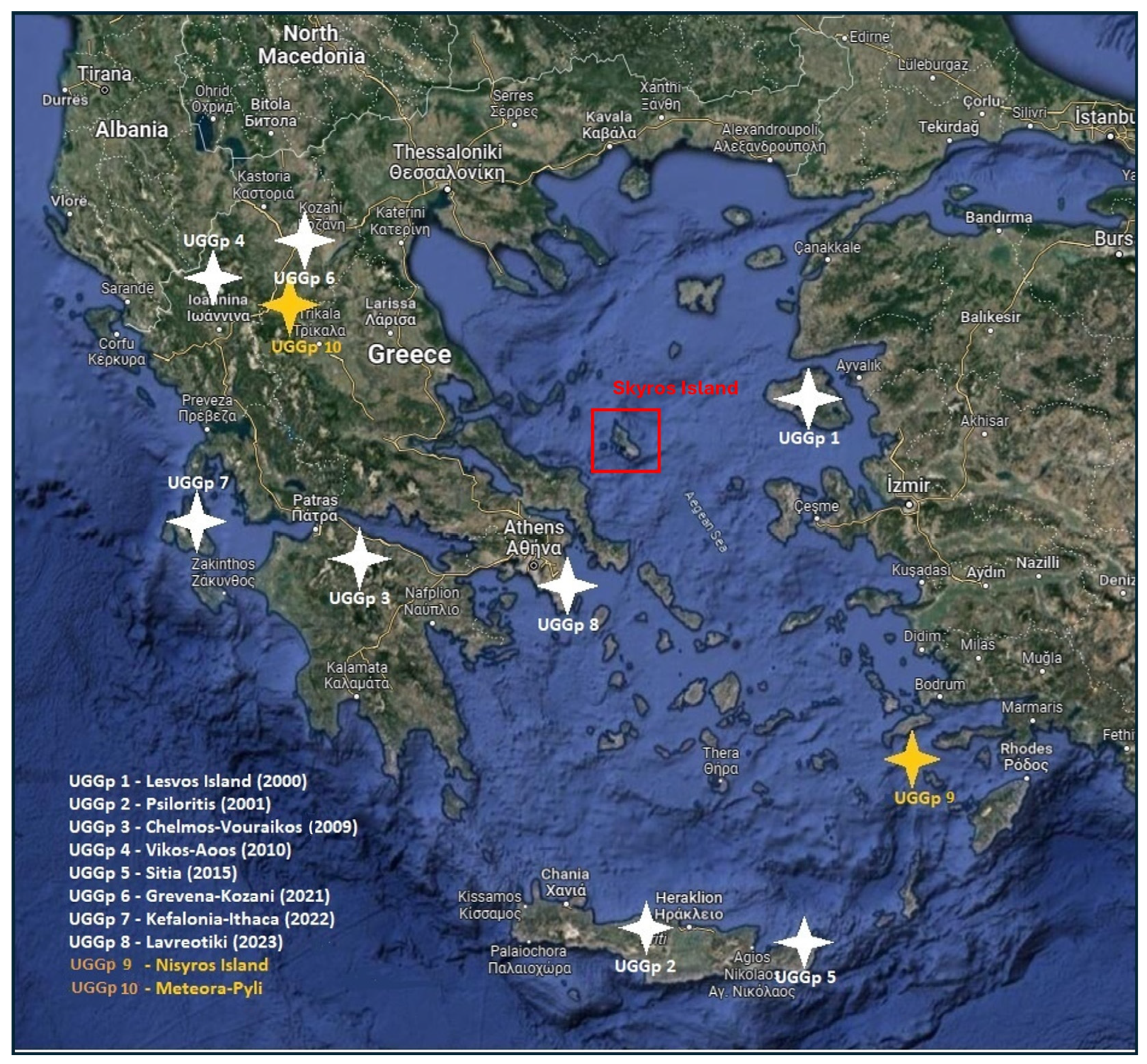
The most structured institutional expression of these principles is found in UNESCO Global Geoparks (UGGps), which are unified geographical areas containing sites of international geological significance managed through an integrated approach to protection, education, and sustainable development. As of 2025, the Global Geoparks Network comprises 229 geoparks in 50 countries. In Greece, these initiatives are coordinated through the Hellenic Geoparks Network (HGN) (
Figure 1), which currently includes seven territories with UGGp status, such as Lesvos, Psiloritis, and Vikos-Aoos, illustrating the capacity of geoheritage to enhance local resilience, responsible tourism, and sustainable land-use planning [
12]. Nevertheless, despite Greece’s exceptional geodiversity, several regions of high geological and cultural value, including the Sporades complex, remain outside this formal framework and face challenges related to limited funding, fragmented management, and low public engagement.
Within this context, Skyros Island (
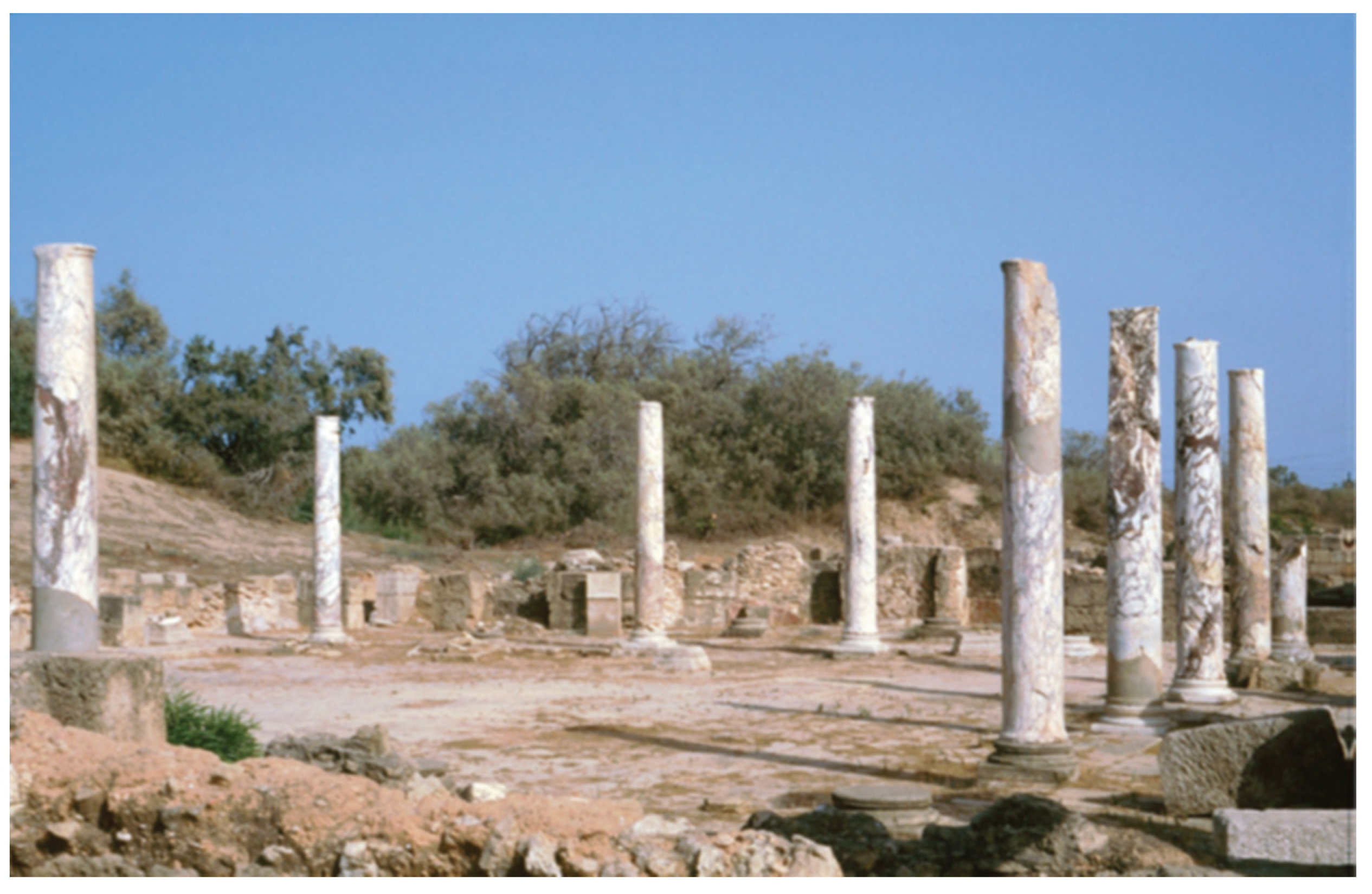
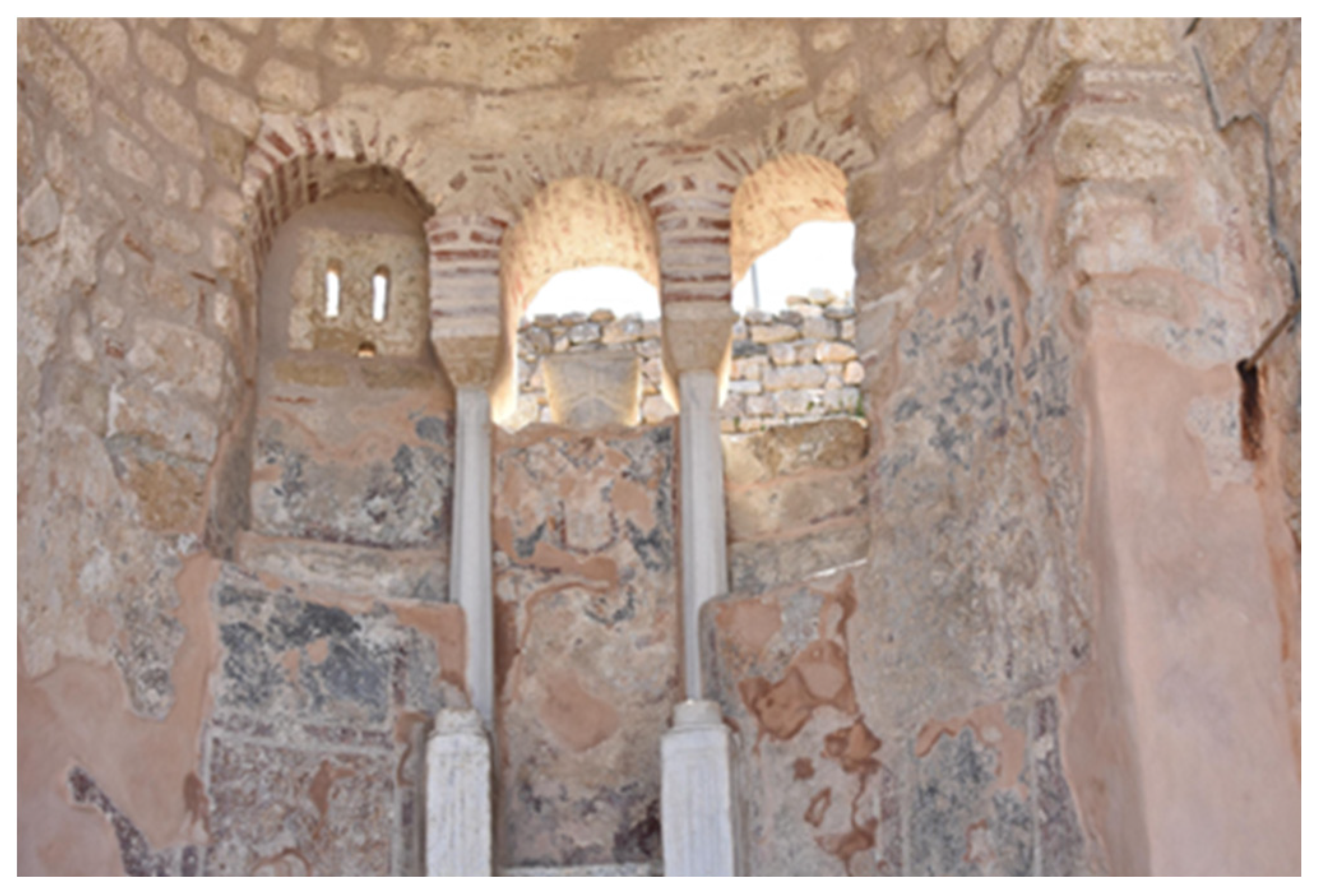
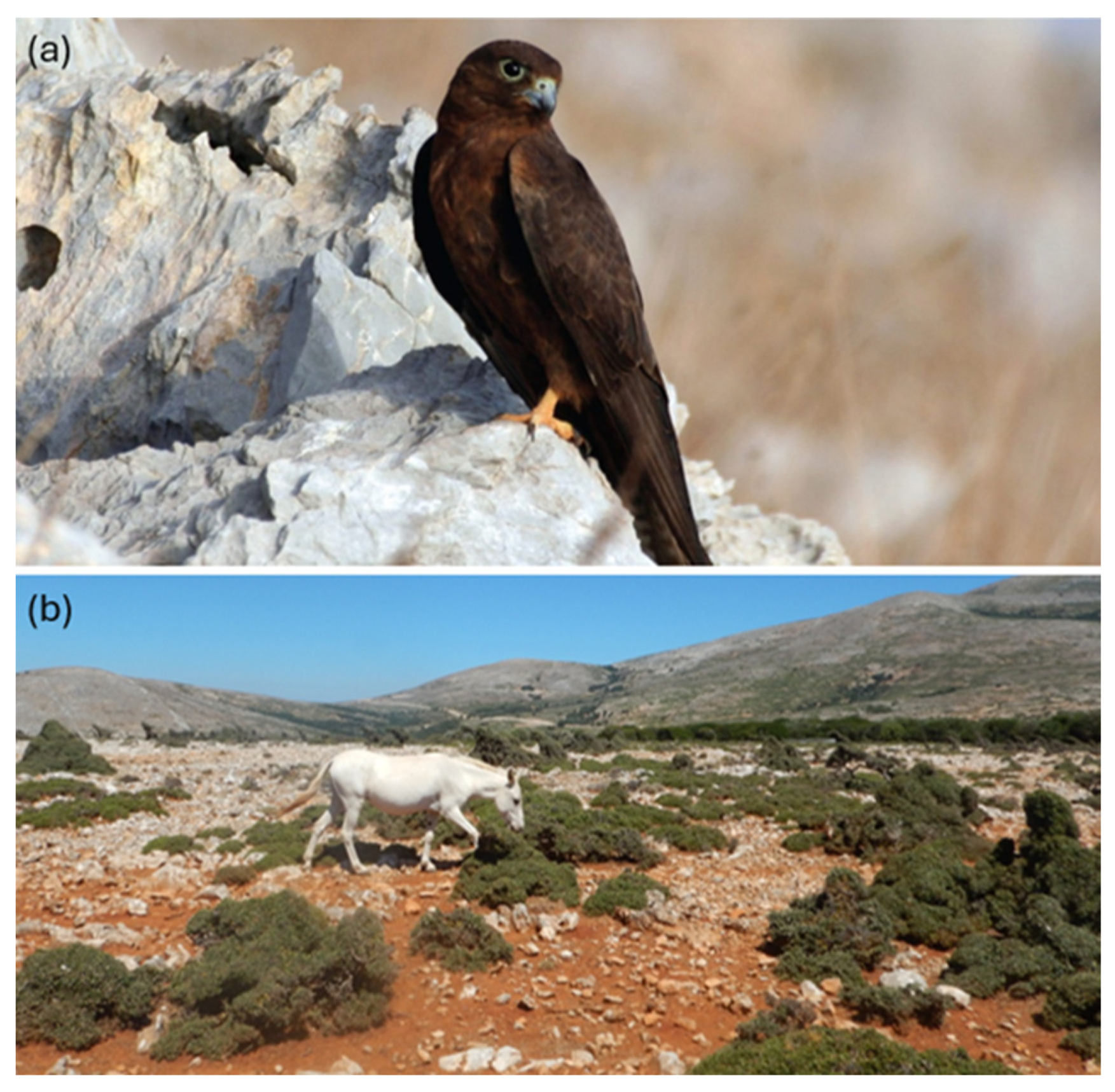
Figure 1) represents a distinctive geo-cultural landscape in the Aegean Sea, where geology, biodiversity, and human history are deeply interconnected. Situated between Euboea and the Northern Sporades, Skyros constitutes a natural archive of Alpine orogenic evolution, characterized by ophiolitic mélanges, high-pressure metamorphic units, Miocene volcanic outcrops, extensive karst systems, Quaternary deposits, and other geodiversity elements that reflect the island’s complex geological evolution. Beyond its geological complexity, the island is distinguished by the long-standing entanglement of lithology with cultural practices and ecological systems. Ancient marble quarries producing the renowned Skyrian breccia supplied building material for Roman and Byzantine monuments, while tuffaceous and schistose formations strongly influenced vernacular architecture and settlement patterns. Mythological narratives associated with figures such as Achilles and Theseus, together with archaeological sites like the prehistoric settlement of Palamari, further illustrate the influence of geology and topography on human occupation. This relationship extends to ecological processes, as Skyros hosts unique biodiversity, including the endemic Skyrian horse and extensive Natura 2000 areas whose development is closely linked to the island’s geomorphological conditions.
Despite these attributes, Skyros lacks a comprehensive and systematic geoconservation and tourism management strategy, highlighting the need for an integrated inventory, assessment, and evaluation of risk of degradation related to its geoheritage assets. The absence of a formal geopark framework in the Sporades further limits the structured development of responsible geotourism initiatives and coherent tourism space management. In response to this gap, the present study aims to contribute to the ongoing dialogue on geoheritage valorization, responsible tourism, and geopark development through a systematic, interdisciplinary, and locally grounded assessment of Skyros Island’s geosites. Based on an initial inventory of twenty (20) potential geosites identified across the island, this study focuses on the detailed assessment of six (6) representative sites. These sites were selected according to their scientific value, representativeness of different geodiversity types, state of preservation, accessibility, educational and tourism potential, and relevance for geopark zoning and sustainable land management.
Unlike traditional inventories that emphasize scientific description alone, this research adopts a holistic assessment approach tailored to the principles of sustainable land management.
To achieve this objective, two complementary methodological frameworks are integrated. The assessment applies the criteria proposed by Brilha [
18,
19] to evaluate the Scientific Value (SV) and Degradation Risk (DR) of the selected sites, while the Use Value (UV) component is enhanced using criteria from the GEOAM methodology of Zafeiropoulos & Drinia [
7]. This combined approach allows for the explicit evaluation of geoeducational relevance, interpretative potential, geoethical value, economic contribution, and accessibility, while maintaining consistency with internationally established geosite assessment standards. Ultimately, the study aims to establish the scientific and management foundation necessary for Skyros to join the Hellenic Geoparks Network, with the long-term objective of achieving UNESCO Global Geopark status. Through the design and evaluation of thematic georoutes oriented toward education and tourism, the paper proposes a strategic framework for transforming Skyros’s geoheritage into a central pillar of responsible tourism and sustainable regional development
3. Methodology
3.1. A “Systemic” Approach to Geosite Identification
In many geopark initiatives, geosites are commonly identified and evaluated as isolated points of geological interest. In the case of Skyros Island, this study adopts a systemic approach, recognizing that several geosites correspond to spatially extended areas or geo-cultural clusters rather than discrete outcrops. This approach is based on the premise that geological features on Skyros are inseparably linked to cultural practices, ecological systems, and land-use patterns.
Consequently, geosites are interpreted as interconnected systems, where a single geological feature (e.g., a limestone or marble outcrop) may simultaneously function as a natural monument, a habitat supporting endemic biodiversity, and a historical resource related to quarrying, construction, or local traditions.
The systemic perspective does not replace quantitative assessment but informs the identification and contextual interpretation of geosites, allowing geological value to be analysed together with cultural and environmental dimensions relevant to geopark planning and tourism space management.
3.2. Quantitative Assessment Methodology
To ensure a transparent and reproducible evaluation aligned with the principles of Sustainable Land Management, geoeducation, and responsible tourism, this study applies a dual quantitative assessment methodology that integrates internationally recognized geosite evaluation standards with complementary indicators addressing management, ethics, and sustainability.
The quantitative assessment was applied to the entire inventory of twenty (20) identified geosites, documented through extensive fieldwork, literature review, and cartographic analysis. The evaluation process consisted of two clearly distinct but complementary phases.
The first phase focused on the evaluation of Scientific Value (SV) and Risk of Degradation (DR), following the methodology proposed by Brilha [
18,
19], which is widely adopted in international geoheritage and geopark studies. Scientific Value was assessed using criteria that measure the intrinsic geological importance of each site, including Representativeness (how well the site illustrates geological processes or stages of geological evolution), Key Locality value, Scientific Knowledge (extent of peer-reviewed research and documentation), Integrity (state of preservation of geological features), Geological Diversity, and rarity at local, national, or international scale. Risk of Degradation was evaluated independently, using criteria related to deterioration of geological elements, proximity to degrading activities, legal protection status, accessibility, and population pressure. This separation ensures that high scientific value does not mask high vulnerability, which is essential for management prioritisation.
The second phase addressed Use Value, management potential, and sustainability, responding directly to the requirements of geopark development and tourism space management. Importantly, the criteria for Potential Use in Education and Tourism proposed by Brilha [
18,
19] were fully applied in this study and constitute the primary framework for evaluating educational and tourism suitability. These criteria include Accessibility and safety, Interpretative potential, Visibility and aesthetic appeal, and Suitability for educational activities and guided visits. To complement this evaluation, selected criteria from the GEOAM (Geoeducational Assessment Method) [
7] were incorporated in a complementary (not substitutive) manner. GEOAM was used specifically to address dimensions not explicitly covered by Brilha [
18,
19], particularly those related to sustainability and social engagement, including Geoeducational Relevance (capacity to support structured learning), Cultural Connection (links between geology and local history/traditions), Interpretative Potential, Geoethical Value (potential to raise environmental responsibility awareness), Economic Contribution (support for local sustainable development), and Accessibility. This combined framework ensures that tourism and education values are explicitly assessed using internationally established criteria, while sustainability, ethics, and cultural embeddedness are systematically incorporated.
Table 1 summarizes the quantitative assessment criteria and weighting scheme applied in this study. Scientific Value and Risk of Degradation follow the weighting proposed by Brilha [
18,
19], ensuring comparability with international geoheritage assessments. Management and Use Value criteria derived from GEOAM were weighted equally, reflecting the balanced importance of education, ethics, culture, accessibility, and economic contribution within a geopark context.
3.3. Geosite Inventory and Selection of Representative Case Studies
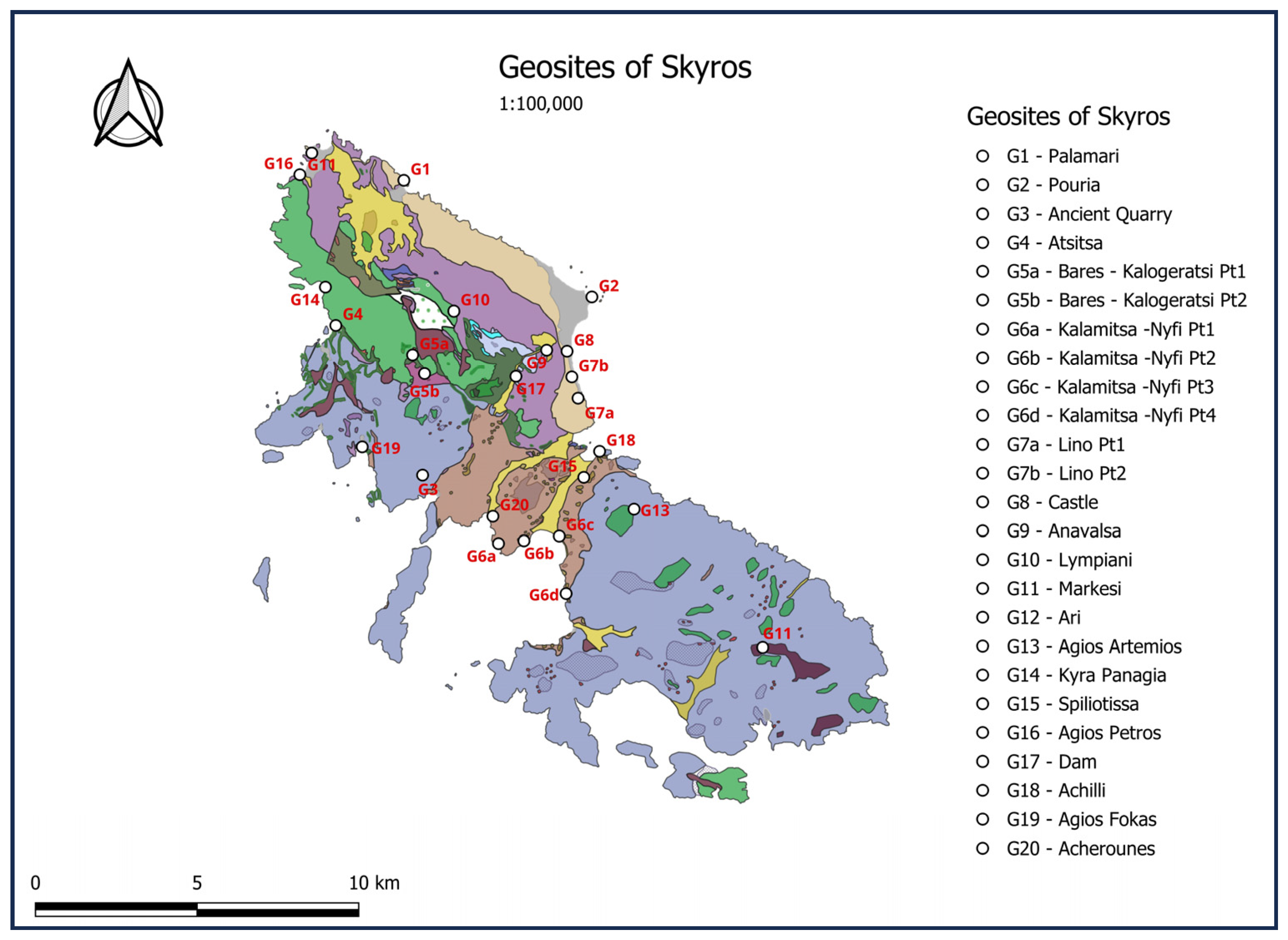
Based on the field research, twenty (20) geosites were identified, documented, and quantitatively assessed (
Table 2) (
Figure 6). These sites collectively represent the full spectrum of the island’s geodiversity, from the Paleozoic formations to the Quaternary coastal outcrops (e.g., stratigraphic, tectonic, petrological, geomorphological, karstic, and mining-related features), as well as sites of cultural and historical relevance linked to geological resources.
From this inventory, six (6) representative geosites were selected for detailed assessment. The selection was informed by, but not limited to, the quantitative ranking results based on a set of predefined criteria, including: high scientific value and representativeness of distinct geodiversity types, relevance for illustrating human–geology interactions, state of preservation and varying levels of risk of degradation, accessibility and safety conditions and potential contribution to geoeducation, geotourism, and geopark zoning.
This holistic selection strategy ensures that the assessed sites collectively reflect the geological diversity of Skyros Island while also addressing management and tourism-related considerations.
4. Results
This section presents the detailed analysis of the six (6) flagship geosites selected based on the assessment methodology described in
Section 2. The selection of these six sites was guided by a combination of quantitative results and qualitative criteria, ensuring representativeness rather than simple ranking. Specifically, the sites were chosen because they (i) exhibit high Scientific Value according to Brilha [
18,
19], (ii) represent different dominant geodiversity types, (iii) display varying levels of Risk of Degradation, and (iv) are suitable for education, tourism, and geopark zoning. Although these sites achieved among the highest combined scores in Scientific Value (SV) and Use/Management Value, the final selection did not rely solely on numerical ranking, but followed a holistic approach aligned with UNESCO Global Geopark guidelines. The final scores for the Scientific Value (SV), Risk of Degradation (DR), and Management Value (GEOAM) were calculated and rounded to two decimal places for reporting consistency.
4.1. Detailed Description of Selected Geosites
For each geosite, a dominant value category has been identified, following the typologies recommended by UNESCO for the selection of territories and key sites in future Geoparks. Secondary values are considered complementary and support interpretation and management.
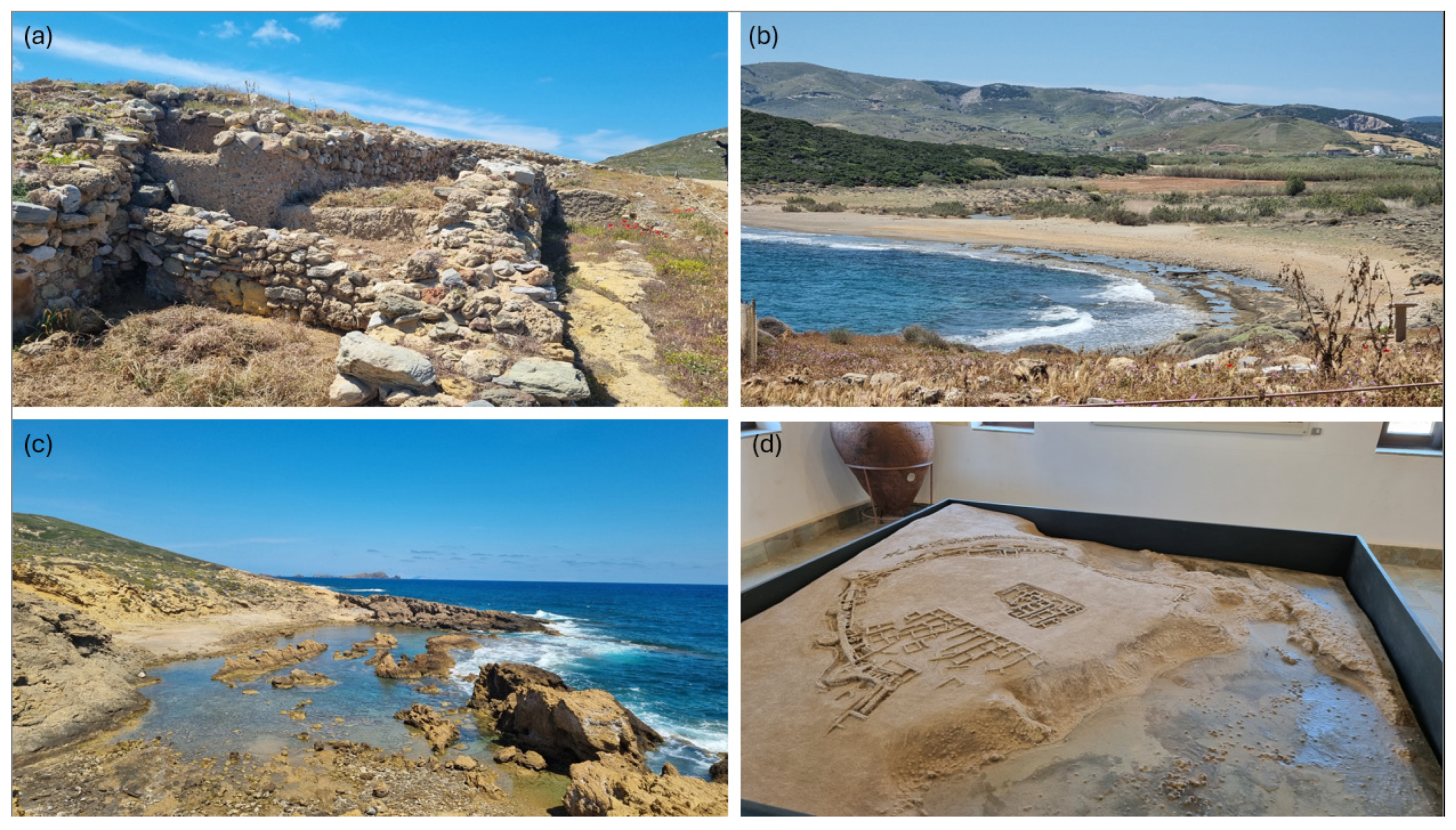
4.1.1. Geosite 1: Palamari (Coastal Geomorphology & Archaeology)
Location: Northeastern Skyros|Primary Value: Geoarchaeological/Coastal Geomorphology.
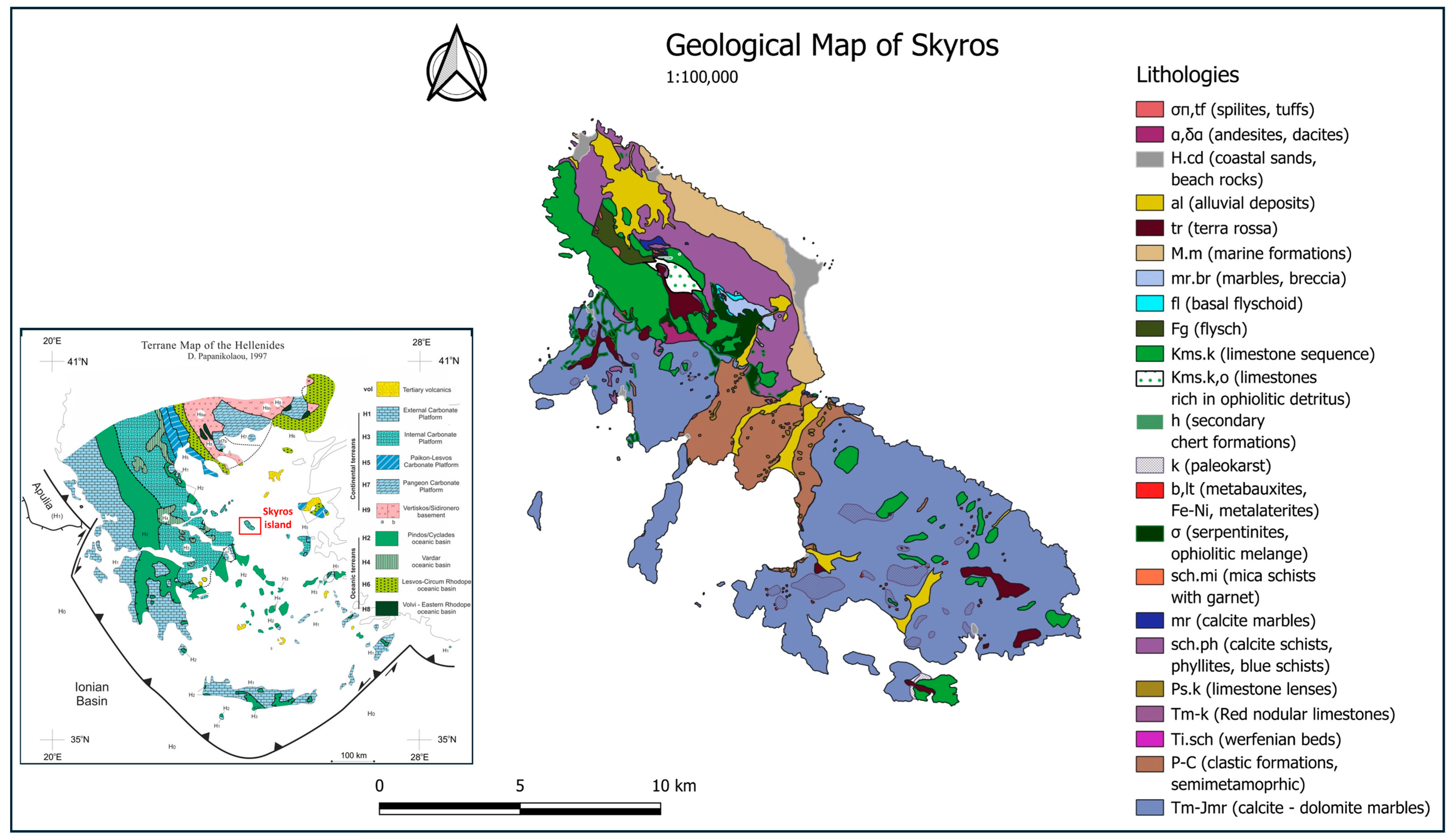
Geological Description: The Palamari geosite is situated on a coastal promontory at the northeast end of the Trachi valley. Geologically, it rests upon the Eohellenic Nappe, comprising calcitic schists, phyllites, and blueschists, locally overlain by Neogene marine deposits (marls, sandstones) and Quaternary aeolianites (
Figure 7). Its Scientific Value, following Brilha [
18,
19], is particularly high due to its representativeness, integrity, and reference value for Holocene coastal evolution in the Aegean. The site features extensive beachrocks at two distinct levels (0 to −1.7 m and −1.5 to −3.8 m), correlated with Holocene sea-level stands. The presence of submerged abrasion platforms and archaeological remains at depths up to −4 m indicates relative sea-level rise and tectonic subsidence [
40]. Sedimentary sequences in the adjacent coastal plain preserve tsunami and tephra deposits related to the Minoan eruption of Santorini, providing key paleogeographic and paleoenvironmental markers [
40,
41,
42].
Cultural & Management Value: Palamari is the most significant Early–Middle Bronze Age settlement on Skyros (2800–1700 BCE) [
43], featuring a unique fortification system. The site demonstrates a profound geo-cultural synergy: the ancient settlement was built directly on the geological formations that offered strategic defense, while its eventual decline was likely driven by geo-environmental changes (coastal retreat, volcanic events). From a management perspective, Palamari offers a unique opportunity for underwater geotourism. A structured diving route could allow visitors to observe the submerged prehistoric ruins alongside the geological indicators of sea-level change (beachrocks, notches), offering an immersive lesson on climate change and coastal dynamics.
4.1.2. Geosite 2: Pouria—Ancient Quarry (Tufa Formations)
Location: Northern Coast (Gyrismata); Primary Value: Petrological/Industrial (Quarry Landscape).
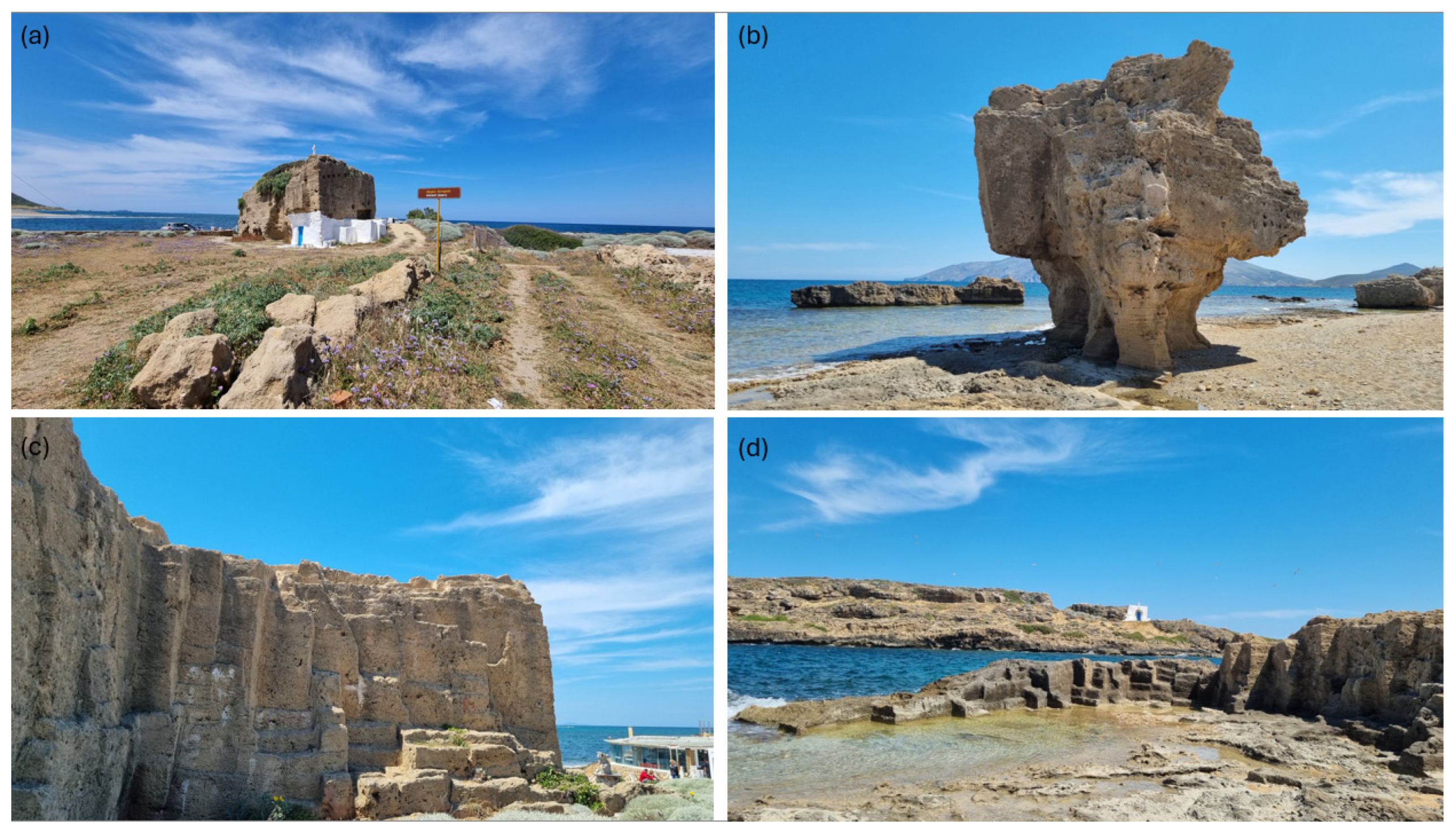
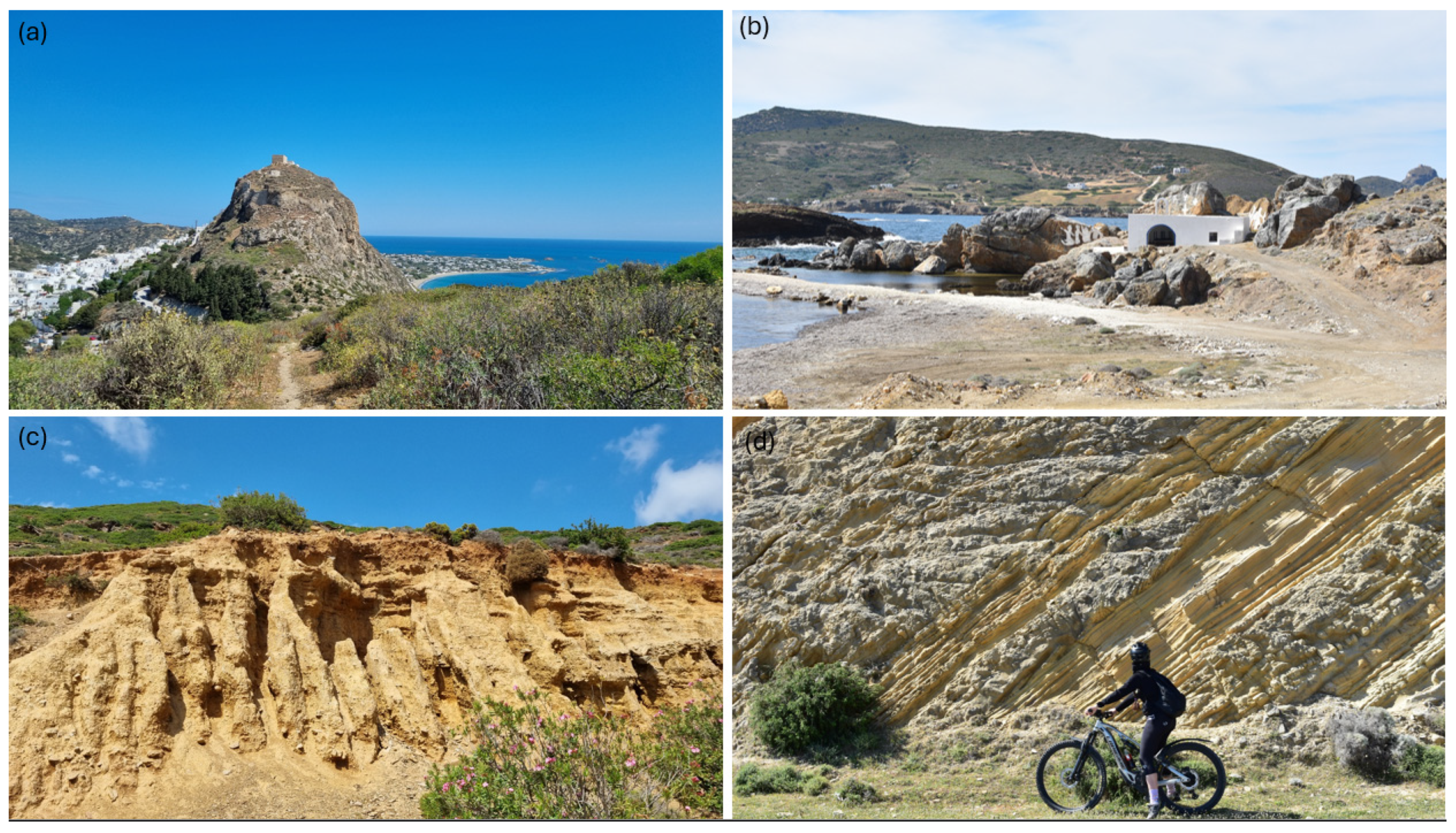
Geological Description: This geosite is dominated by extensive Quaternary Tufa deposits (
Figure 8). Unlike travertine, these porous, calcareous rocks formed by the precipitation of calcium carbonate from cool, mineral-rich waters emerging from karstic springs. The deposits at Pouria contain fossilized plant material and create a distinct coastal landscape of weathering forms. The site also includes coastal sands and beachrocks, showcasing dynamic sedimentary processes.
Cultural & Management Value: Pouria represents a prime example of an Ancient Quarry landscape. The soft, workable tufa was the principal building stone for Skyros from antiquity to the 19th century. The site preserves visible extraction fronts and rock-cut structures, most notably the Chapel of Agios Nikolaos, which is carved entirely into a monolith of tufa. The site’s Scientific Value is linked to rarity, representativeness, and integrity, as coastal tufa quarry landscapes are uncommon in the Aegean. In terms of Geoethics and Conservation (GEOAM criteria), the site is highly sensitive. The porous nature of tufa makes it vulnerable to mechanical damage from trampling and over-tourism [
42,
44]. Therefore, the management proposal focuses on defined walking paths to protect the formations while highlighting the connection between local geology and vernacular architecture.
4.1.3. Geosite 3: Ancient Marble Quarry—Agios Panteleimon
Location: Mt. Marmara; Primary Value: Petrological/Historical.
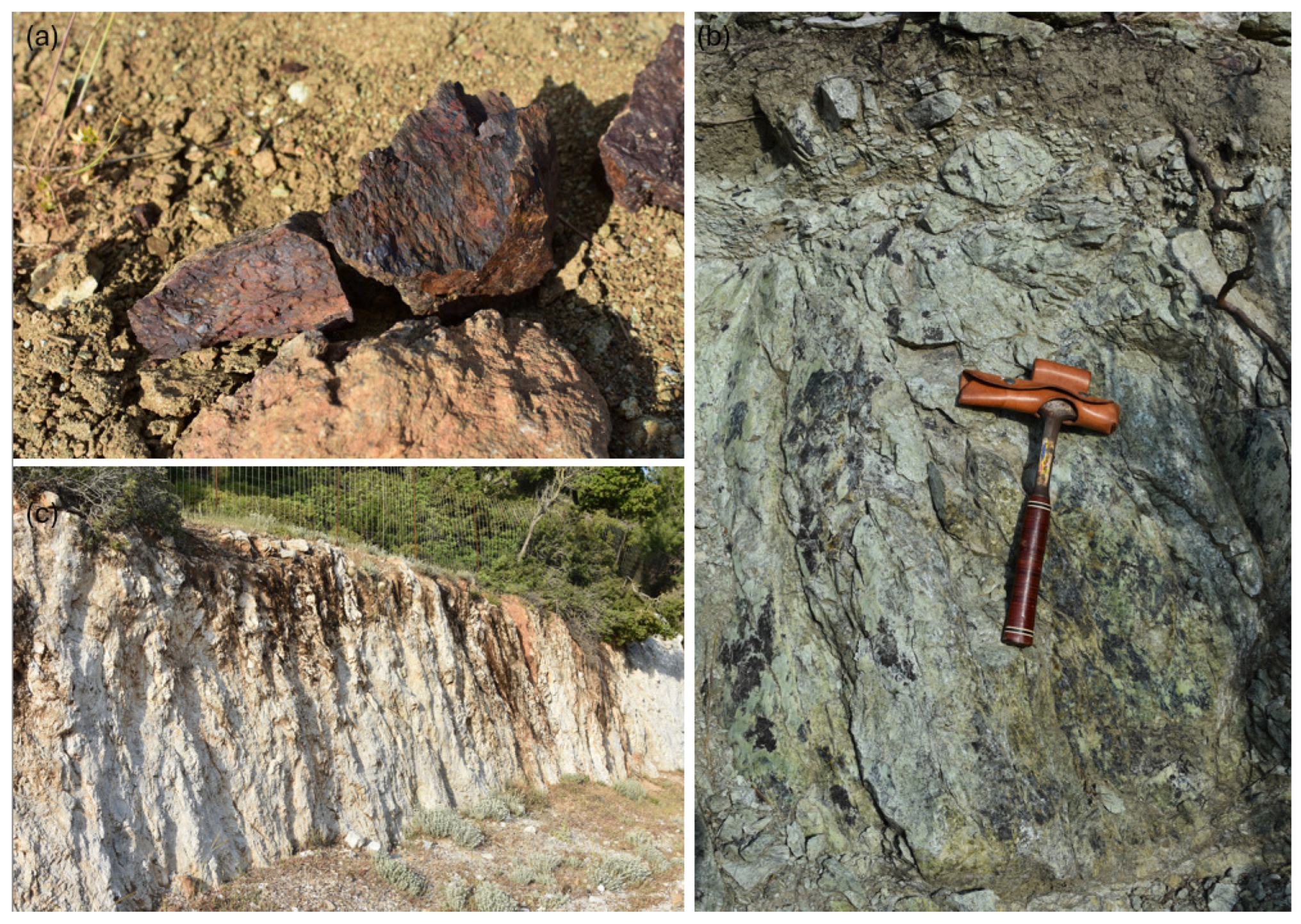
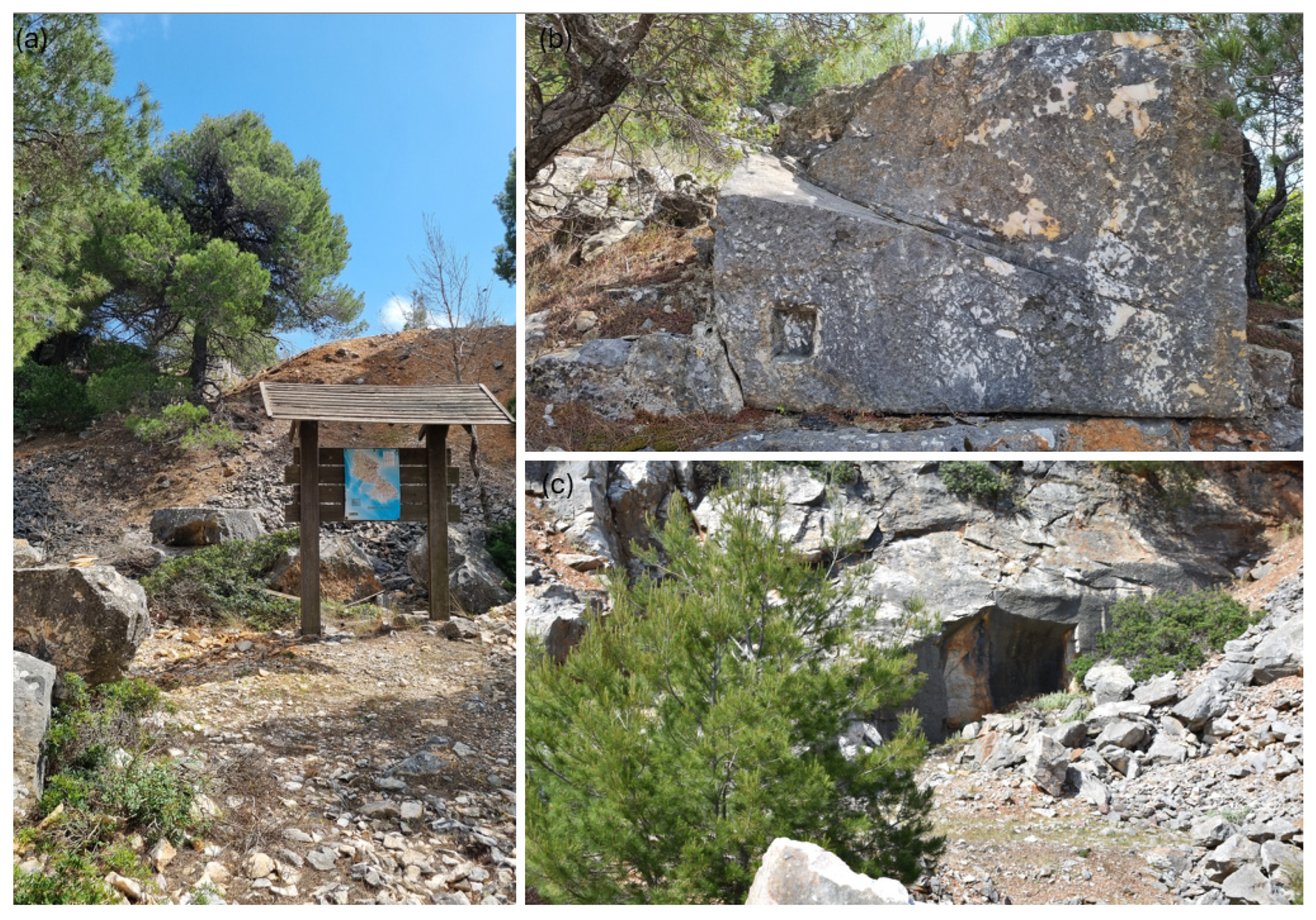
Geological Description: Located on the southern slopes of the “Marmara” mountain, this geosite comprises a complex of quarries extracting the renowned Skyrian Marble (
Figure 9). The dominant lithologies are the polychrome carbonate breccias (Breccia di Settebasi and Breccia di Sciro) [
34,
35,
36,
37,
38,
43]. These are tectonic breccias formed during Alpine orogenesis, consisting of angular clasts of varicolored crystalline carbonates cemented by a hematitic matrix, indicating karstic weathering processes [
45]. The Scientific Value is high due to rarity, key locality character, and extensive scientific documentation, fulfilling multiple Brilha [
18,
19] criteria.
Cultural & Management Value: This site is of global cultural significance. It was a major extraction center during the Roman Imperial period, supplying decorative stone for monuments across the Mediterranean (e.g., Rome, Constantinople). The site preserves industrial heritage features, including ancient cutting faces, unfinished monoliths, and a Roman cistern used for quarrying operations. The area was reactivated in the late 19th century by the British company Marmor Ltd., adding a layer of modern industrial heritage (stone loading docks at Pefkos Bay). The management potential lies in establishing a “Marble Route,” linking the quarries with the loading bays, narrating the story of stone from extraction to export.
4.1.4. Geosite 4: Atsitsa (Ophiolites & Mining Heritage)
Location: Western Coas; Primary Value: Economic Geology/Industrial.
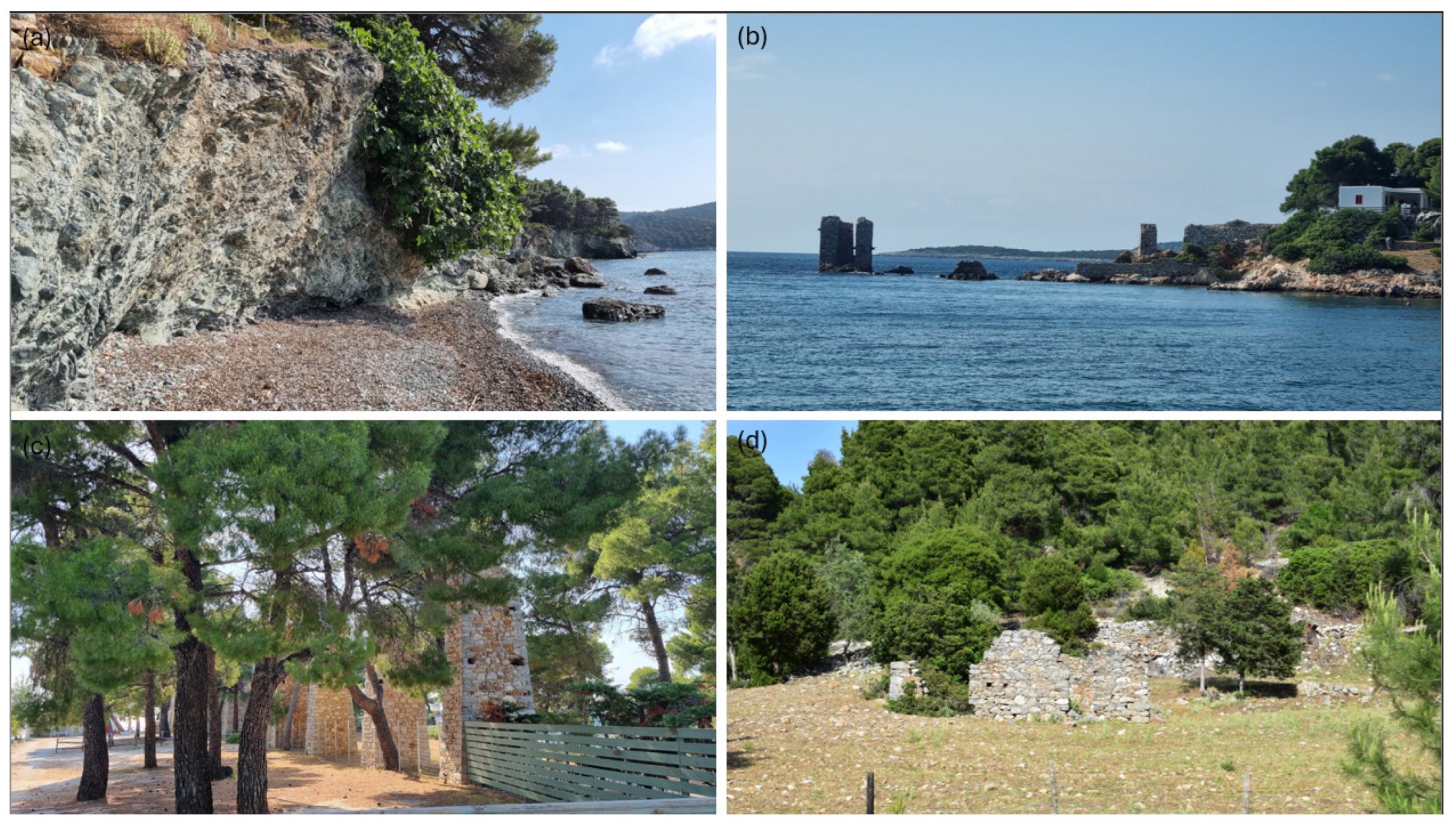
Geological Description: Atsitsa is situated on the Ophiolitic Mélange of the Eohellenic Nappe. The dominant rocks are serpentinites, peridotites, and chromitites (
Figure 10). These ultramafic rocks are scientifically important for understanding the oceanic crust evolution of the Neotethys [
21,
22,
23,
24,
25,
32]. The area also hosts iron–nickel laterite deposits formed by the chemical weathering of the ophiolitic substrate [
45,
46,
47]. Scientific Value is derived from representativeness, rarity, and reference value, as defined by Brilha [
18,
19].
Cultural & Management Value: Atsitsa is the landmark of Skyros’ Mining History. In the early 20th century, the Skyros Mining Company exploited the iron-chromite ores. The site preserves impressive industrial ruins, including stone pylons of the old railway system, loading bridges, and the administrative mansion (now a cultural center). This geosite scores exceptionally high in Economic Contribution and Historical Value. It demonstrates how geological resources (ores) drove the local economy and social change. A proposed geotrail here would focus on “Industrial Archaeology,” explaining the link between the oceanic rocks (ophiolites) and the modern steel industry.
4.1.5. Geosite 5: Bares—Kalogeratsi (Volcanic Petrology)
Location: Central–North Skyros; Primary Value: Petrological/Volcanological.
Geological Description: This area represents a unique geological window in the Aegean, hosting Miocene volcanic rocks (andesites and dacites) of adakitic affinity (
Figure 11) [
23,
24,
25,
27,
28,
29,
30,
31,
32,
33]. These rare high-Mg magmatic rocks are chemically distinct from typical Aegean arc volcanism, offering evidence of slab detachment and asthenospheric upwelling. The site allows for the observation of sharp contacts between the volcanic intrusions, the surrounding ophiolites, and the metamorphic basement. The site achieves maximum Scientific Value (SV = 4.0) due to exceptional rarity, integrity, and key reference status, fully aligned with Brilha [
18,
19].
Cultural & Management Value: While less culturally modified than other sites, Bares-Kalogeratsi has very high Ecological and Educational Value. The nutrient-rich soils derived from volcanic and ophiolitic weathering support dense pine forests and unique microhabitats. From a management perspective, this geosite is ideal for scientific tourism and educational cycling routes. It serves as an open-air laboratory for geology students to study magmatic processes and tectonic contacts within a protected forest environment.
4.1.6. Geosite 6: Linaria—Kalamitsa—Nyfi (Tectonics & Hydrology)
Location: Southwestern Skyros; Primary Value: Tectonic/Hydrogeological.
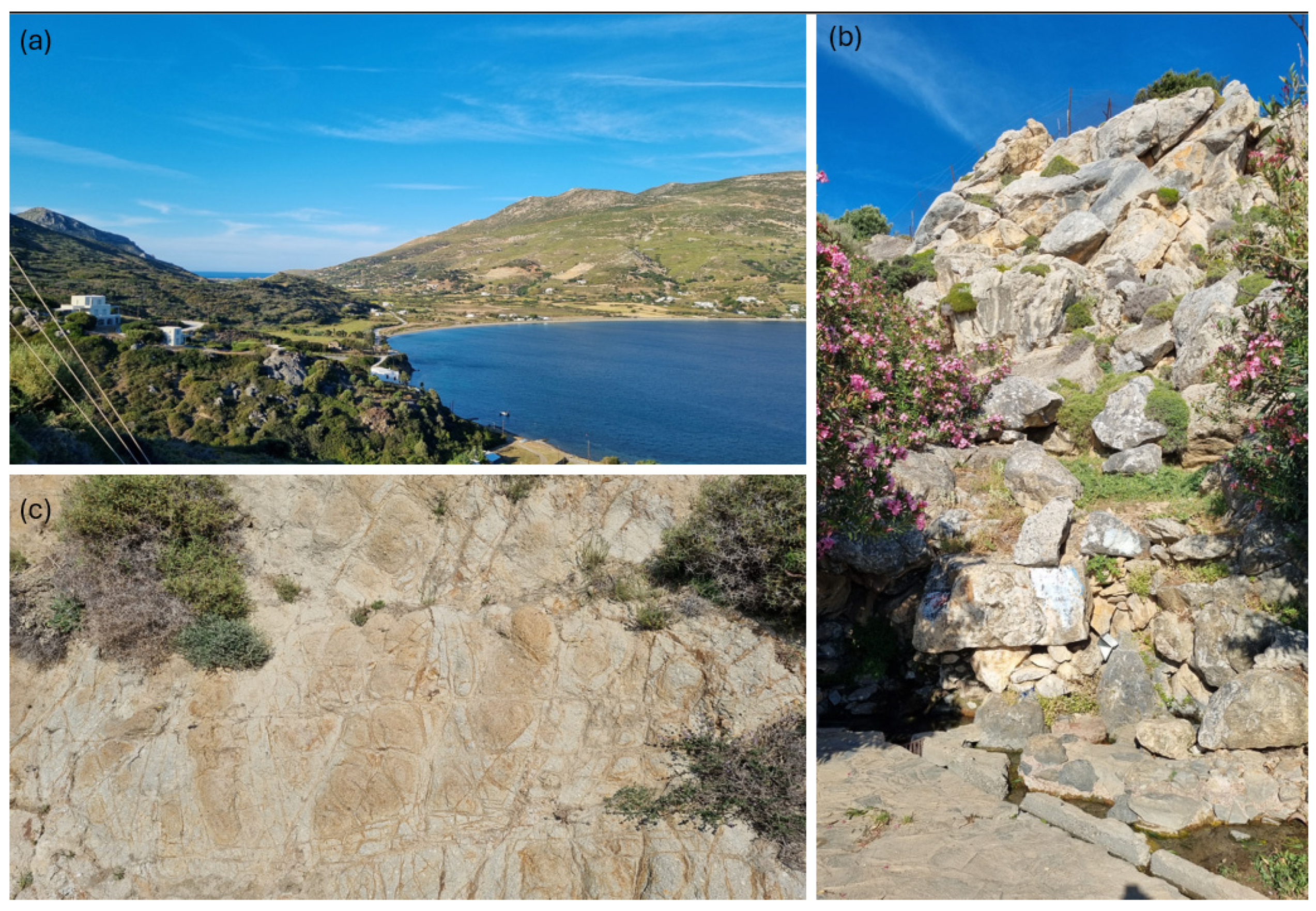
Geological Description: This is a complex geosite rather than a single point, defined by the major NE–SW strike-slip fault zone that bisects the island (
Figure 12). The fault activity has shaped the coastal geomorphology and the port of Linaria. For instance, the Nyfi Spring is a major karstic spring emerging at the contact between the permeable carbonates and the impermeable underlying schists/phyllites, a clear hydrogeological manifestation of the tectonic discontinuity [
25,
32]. Scientific Value is particularly high due to representativeness and educational clarity, satisfying Brilha [
18,
19] criteria.
Cultural & Management Value: The fault zone is a tangible lesson in Tectonics, visible to the naked eye. The Nyfi spring has high Biocultural Value; historically, it was the watering point for the semi-wild Skyrian Horses before they ascended to Mt. Kochylas. The “Gate of Nyfi” physically and symbolically separated the inhabited northern part from the wild southern “Mountain” (Vouno). Integrating this system into a geopark highlights the interdependence of tectonics (faults creating aquifers), ecology (horse habitat), and tradition (pastoralism).
4.2. Overview of Complementary Geosites
Beyond the six flagship sites, the inventory includes fourteen (14) complementary geosites that enrich the thematic diversity of the proposed Skyros Geopark (
Figure 13). Although not analyzed in detail in this section, they play a crucial role in the proposed georoute network (see
Section 5).
These sites include Cultural–Geomorphological Sites such as the Castle of Chora (G8) and Lino (G7), where geomorphology dictated fortification and settlement. Additionally, Coastal & Paleontological Sites including Markesi (G11) with its fossiliferous Neogene deposits, and the pristine beaches of Agios Petros (G16) and Agios Fokas (G19), showcase coastal sedimentary dynamics. Finally, Karstic Features such as the Ari Plateau (G12) and Panagia Spiliotissa Cave (G15) are essential for understanding the karst evolution and the hydrogeological regime of southern Skyros.
Collectively, these 20 sites create a comprehensive grid of points of interest, ensuring that the geopark narrative covers the entirety of the island’s geological, ecological, and cultural history (Full assessment data for all 20 geosites is provided in the
Supplementary Materials).
4.3. Integrated Geosite Assessment: Scientific, Risk, and Management Value
The 20 identified geosites underwent a detailed, two-tiered assessment to determine both their intrinsic scientific worth and their potential for sustainable management. The final calculated scores are summarized in
Table 3, with the six (6) flagship geosites serving as the cornerstone of the Geopark proposal.
The integrated assessment confirms that the geoheritage of Skyros is not only scientifically significant but also possesses exceptional potential for educational and sustainable economic development:
The quantitative assessment of Scientific Value (SV) provides compelling evidence of a strong geodiversity base. The flagship geosites consistently demonstrate high ratings, with Palamari (G1) and the Ancient Marble Quarry (G3) scoring between 3.55 and 3.75, while Mpares (G5) and Linaria–Kalamitsa (G6) achieved the maximum possible score of 4.00. These results substantiate the premise that the island’s unique petrological assemblage, ranging from adakitic volcanism and ophiolitic sequences to fossiliferous Permian formations, represents a scientifically robust foundation for the Geopark proposal. The perfect scores of G5 and G6, in particular, underscore their international significance as pivotal localities for understanding the geodynamic evolution of the Aegean.
- 2.
Management and Use Value (GEOAM): Exceptional Potential
The application of the GEOAM assessment confirms that the identified geological sites possess exceptional potential to serve as powerful drivers of local development. Notably, the site of Pouria (G2) achieved the maximum possible score of 5.00, validating the study’s focus on ‘Geo-Cultural Synergy.’ High sub-scores in Cultural Connection, Economic Potential, and Geoeducational Value demonstrate that integrating geological features, such as tufa formations, with cultural landmarks creates a highly effective model for Geopark development. Similarly, Palamari (G1) and the Ancient Marble Quarry (G3) recorded extremely high values (4.83), driven by the strong correlation between their historical significance (e.g., ancient marble exports) and their modern economic prospects, such as geoarchaeological diving tourism. Furthermore, the impressive average score of 4.49 across the entire inventory of 20 geosites indicates that the proposed network is not only scientifically significant but also manageable and eminently suitable for sustainable territorial development.
- 3.
Risk of Degradation (DR): Manageable Threats and Overall Synthesis
Regarding Risk of Degradation (DR), the analysis reveals generally moderate scores across the inventory, ranging from 2.6 to 3.8. The highest vulnerability is observed at Pouria (G2) which scored 3.8. This elevated risk is attributed to the combined effects of geological fragility, specifically regarding the tufa and coastal formations, and anthropogenic pressure from high visitor volumes; consequently, these sites require the implementation of immediate and targeted conservation measures. Conversely, sites such as the Ancient Marble Quarry (G3) and the Ari Plateau exhibit lower risk levels (2.6), indicating a high degree of intrinsic preservation. This stability allows management strategies for these locations to prioritize interpretation infrastructure and improved visitor access, rather than focusing exclusively on protective interventions.
Collectively, this integrated assessment validates that the geoheritage of Skyros is characterized by both scientific robustness and manageable resilience, possessing optimal potential to serve as the foundation for the proposed National and, ultimately, UNESCO Global Geopark.
5. Discussion
5.1. Feasibility and Institutional Framework for the Skyros Geopark
The results of the integrated geosite assessment confirm that Skyros Island represents a strong and feasible candidate for designation as a National Geopark and, in the longer term, for inclusion in the UNESCO Global Geoparks Network [
48,
49,
50,
51,
52]. Specifically, the island conforms to the guidance on international status outlined in the [
51]. The presence of geosites with high Scientific Value—including Upper Permian fossiliferous formations, rare Miocene adakitic volcanism, ophiolitic complexes, and historically significant marble quarries—fulfils the core geological criteria required by recent UNESCO assessment evaluation guidelines [
50,
52]. At the same time, the coexistence of significant geodiversity with protected biodiversity (Natura 2000 areas, Skyrian Horse habitats) and cultural heritage demonstrates the holistic geo-bio-cultural synergy expected of contemporary geoparks.
From a legal and administrative perspective, the proposed Geopark framework is compatible with the Greek National Law on Protected Areas (N. 3937/2011) and the UNESCO Statutes. The establishment of a dedicated Management Body—potentially involving the Municipality of Skyros, local stakeholders, and scientific advisors—emerges as a necessary next step. Importantly, the quantitative results of this study provide a concrete evidence base for such a body to prioritize actions across the three geopark pillars: (i) Conservation, by identifying sites with elevated risk of degradation (e.g., tufa deposits at Pouria) that require controlled access and targeted protection; (ii) Education, by highlighting geosites and georoutes with high scientific and geoeducational value; and (iii) Geotourism, by selecting routes and activities that balance visitor experience with environmental resilience.
5.2. From Geosite Assessment to a Results-Driven Georoute Network
The transformation of the geosite inventory into a functional tourism and land-management tool is achieved through the development of a structured network of thematic georoutes [
53]. Unlike purely conceptual route proposals, the georoute network presented here is directly derived from the quantitative assessment results. Each georoute aggregates geosites with compatible Scientific Value (SV), Management Value (GEOAM), and Risk of Degradation (DR) profiles, and is further characterized by its spatial parameters, notably the number of geosites and total route length (
Table 4). These parameters allow georoutes to be evaluated as planning units rather than abstract narratives.
Short routes incorporating a limited number of highly legible geosites and low total length (e.g., stratigraphy- or hydrogeology-focused walking routes) are particularly suitable for educational use, including school excursions and university field courses. In contrast, longer routes integrating multiple geosites with strong cultural and economic connections (e.g., mining and marble heritage routes) exhibit higher tourism suitability, supporting cycling-based and slow-tourism experiences. In this way, route length, number of sites, and geosite scores function together as measurable indicators of route performance [
54].
The inclusion of the number of geosites and total length for each georoute (
Table 4) provides a practical planning tool for education- and tourism-oriented route design, supporting visitor management and accessibility assessment.
5.2.1. Methodology of Route Design
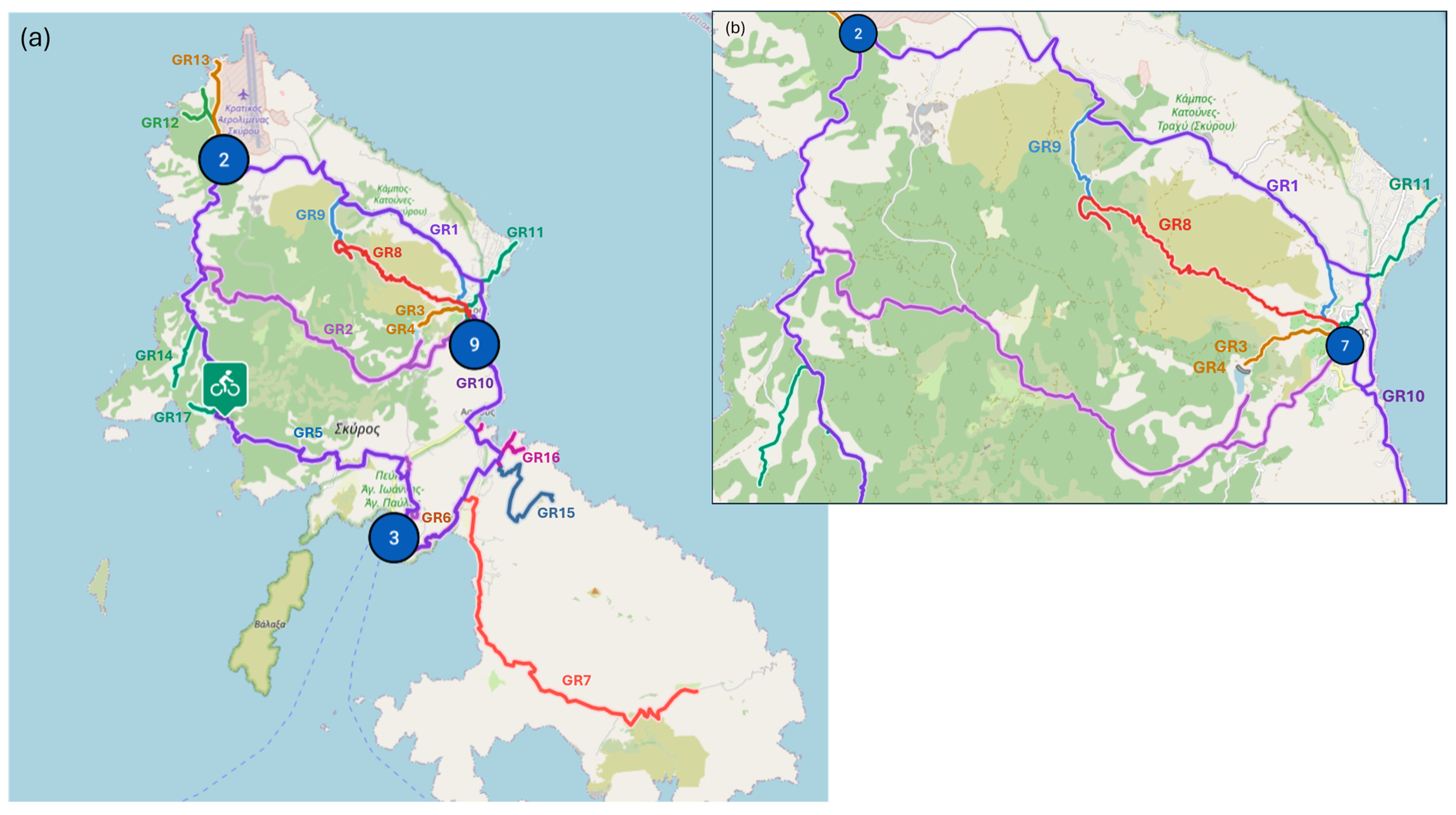
The proposed routes (
Figure 14) were designed using GIS data and field mapping. The proposed routes were digitized and visualized using accessible platforms (Bikemap), leveraging the potential of smart mobile applications to enhance the visitor experience and promote self-guided exploration. This approach aligns with modern trends in geopark management, where digital technologies facilitate the interpretation of geoheritage [
55,
56,
57,
58]. The design criteria for the network emphasize Thematic Cohesion (linking sites with a shared narrative, e.g., ‘Via Volcanica’), Carrying Capacity (directing heavy traffic to accessible hubs while reserving sensitive areas for low-impact hiking), to avoid exceeding the ecological limits of the Sporades ecosystem [
58,
59,
60] and intermodality (combining driving to hubs like Chora and Linaria with hiking or cycling for the final approach). The proposed network comprises 17 distinct routes categorized by their primary mode of transport (
Table 4).
5.2.2. Innovation: E-Biking and Marine Geotourism
A key innovation of this proposal is the emphasis on Electric Biking (E-bike) for the cycling routes (e.g., GR2, GR9). Given Skyros’s topography, e-bikes democratize access to higher elevations, allowing visitors of varying fitness levels to reach geologically significant sites like the volcanic outcrops of Bares without the carbon footprint of a car. Additionally, while not listed as a numbered route in the terrestrial network, Scuba Diving at sites like Palamari (G1) aligns with the emerging trend of “Blue Geotourism.” Diving ecotourism can serve as a powerful tool for environmental education in Skyros, expanding the Geopark’s narrative to the underwater domain [
54].
5.3. Socio-Economic Impact and Sustainability
The establishment of a UNESCO Global Geopark in Skyros is expected to have a profound positive impact on the local community, aligning with the United Nations Sustainable Development Goals (SDGs), particularly Quality Education (SDG 4), Decent Work and Economic Growth (SDG 8), and Responsible Consumption and Production (SDG 12).
Firstly, the Geopark model targets the extension of the tourism season shifting visitor interest beyond the summer peak toward hiking, cycling, educational activities, and guided georoute experiences during the spring and autumn “shoulder seasons”. This temporal redistribution of tourism demand reduces seasonal dependency, enhances income stability for local businesses, and contributes to more resilient local livelihoods throughout the year. Educational tourism linked to schools, universities, and lifelong learning initiatives further strengthens this seasonal diversification.
Secondly, geopark development fosters economic diversification by activating new, place-based micro-economies. The creation and management of georoutes generate employment opportunities in local guiding services, geo-interpretation, e-bike rental operations, diving tourism, and small-scale transport services. At the same time, the “Geopark Brand” enhances the added value of local products from the primary and secondary sectors, such as honey, ceramics, and traditional crafts, by associating them with certified quality, sustainability, and cultural authenticity. This integration strengthens short value chains and encourages responsible consumption patterns consistent with SDG 12. Furthermore, existing initiatives, such as the environmental awareness center at Linaria port, demonstrate the island’s capacity to host education-oriented tourism, including interpretative activities focused on geology, biodiversity, and climate change awareness. Such initiatives contribute directly to SDG 4 by promoting inclusive, place-based education and strengthening environmental literacy among visitors and residents alike [
61].
The proposed geopark framework also promotes biocultural resilience by explicitly linking geological landscapes with endemic biodiversity and living traditions. The integration of emblematic species such as the Skyrian Horse and Falco eleonorae into georoute narratives (e.g., the “Wild Skyros” route) enhances awareness of the interdependence between geodiversity, ecosystems, and cultural practices, thereby incentivising conservation through sustainable ecotourism income [
61].
While the proposed development model draws inspiration from successful strategies in established Greek UNESCO Global Geoparks, such as the agrotourism integration in Sitia and Psiloritis [
62,
63], karst management in Kefalonia–Ithaca [
64], as well as the promotion of mineralogical heritage in Lavreotiki [
65], it also aligns with the holistic management approaches of aspiring territories like Nisyros [
66] and Meteora–Pyli [
67]. Skyros possesses a distinct comparative advantage derived from its compact insular setting. Unlike larger continental parks (e.g., Vikos-Aoos [
68]), Skyros offers an exceptionally high density of interconnected values geological, archaeological, ecological, and cultural values within a limited spatial extent.
This configuration enables the development of a “Total Heritage” narrative where geological evolution is inseparable from archaeological landmarks (e.g., the prehistoric settlement of Palamari on a subsiding coastline, the cave cut chapels, the quarries) and from contemporary social practices. This strong Geo-Cultural synergy positions Skyros not merely as a geological reserve, but as a holistic biocultural landscape of international significance.
The Skyros Geopark proposal represents a conservation initiative but a comprehensive Land Management Strategy. By transforming geological features from passive scenery into active assets for education, tourism space management, and local entrepreneurship, the geopark framework provides a robust pathway for sustainable regional development that balances environmental protection, socio-economic vitality, and cultural continuity.
6. Conclusions
This study contributes to the literature on island geoconservation by demonstrating how quantitative assessment can serve as a decision-making tool for zonation and route planning, rather than remaining a static inventory. Building on this premise, the paper provides a comprehensive evaluation of the geoheritage of Skyros Island, demonstrating that it possesses the necessary geological, ecological, and cultural assets to establish a UNESCO Global Geopark. Through a holistic assessment framework combining scientific criteria [
18,
19] with management and geoethical indicators (GEOAM [
7]), the research validates Skyros as a distinct ‘geo-cultural landscape’ within the Aegean.
The geological inventory of twenty (20) geosites confirms that Skyros functions as a natural laboratory for the Hellenide orogenic system. The identification of six (6) flagship geosites highlights the island’s unique “geo-cultural synergy,” where geological features are inextricably linked to human history. This synergy is evident in the island’s petrological uniqueness, spanning from Paleozoic reefs to rare Miocene adakitic volcanics; its history of resource exploitation, exemplified by the ancient extraction of Skyrian Marble and historic mining; and its biocultural continuity, most notably seen in the adaptation of the Skyrian Horse to the karst landscape and the diverse habitats of the Natura 2000 network.
Moving beyond scientific documentation, this work proposes a concrete Sustainable Land Management Strategy. The design of 17 thematic georoutes creates a multi-modal network (Hiking, Cycling, Driving) that promotes low-impact mobility and extends the tourism season. This strategy aligns with the United Nations Sustainable Development Goals (SDGs), fostering local entrepreneurship while ensuring the conservation of fragile sites like the tufa formations at Pouria and the coastal prehistoric settlement of Palamari.
In conclusion, Skyros is not merely an island of aesthetic beauty but a dynamic territory where hundreds of millions of years of geological history coexist with living tradition. The potential designation as a National and eventually UNESCO Global Geopark represents a strategic tool for resilience. It offers a framework to safeguard this wealth against environmental pressures, empower the local community through education and green tourism, and position Skyros as a model for sustainable insular development in the Mediterranean.